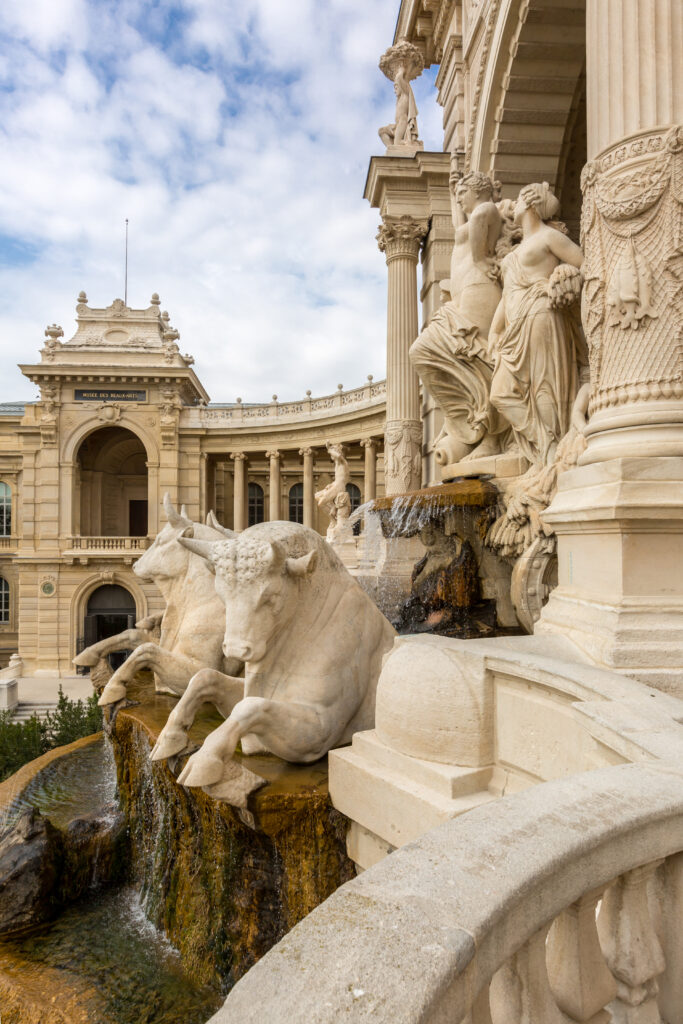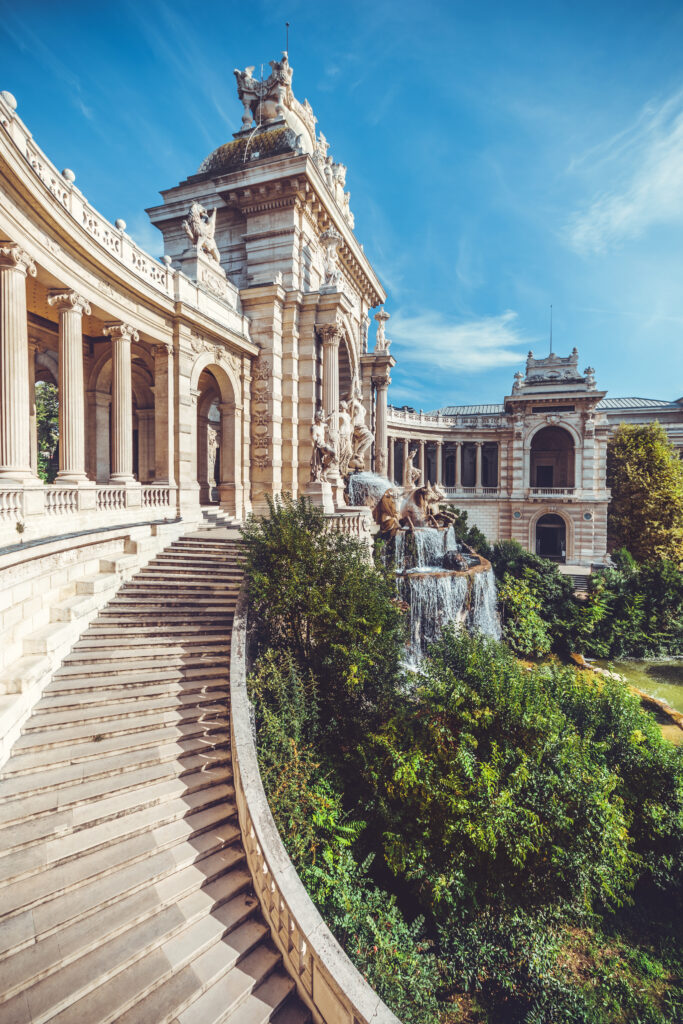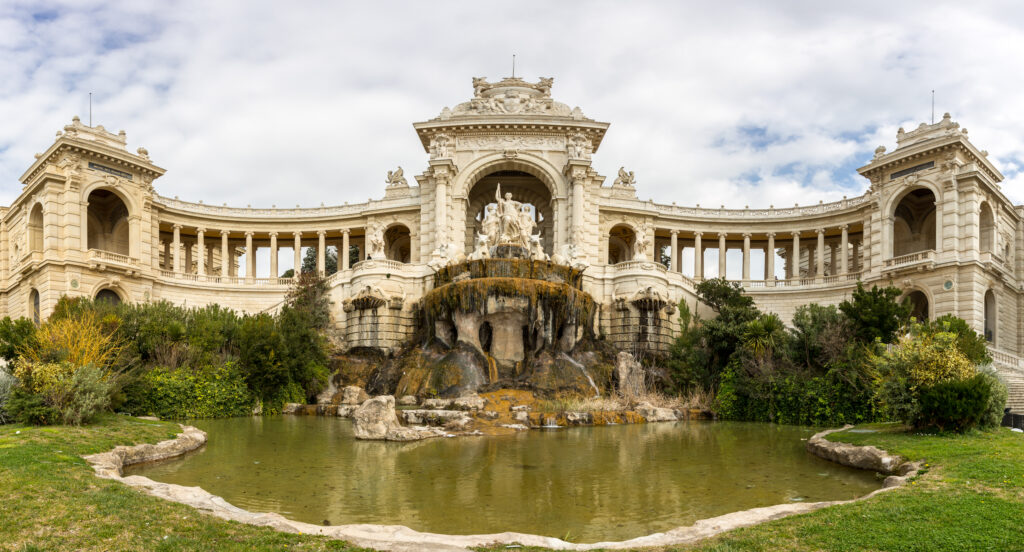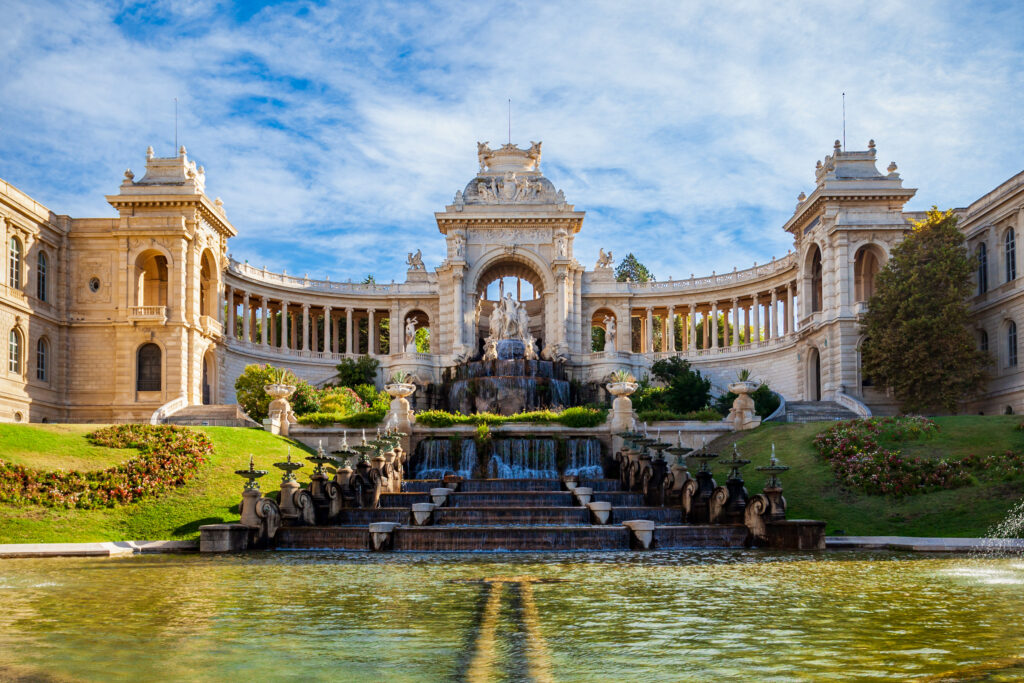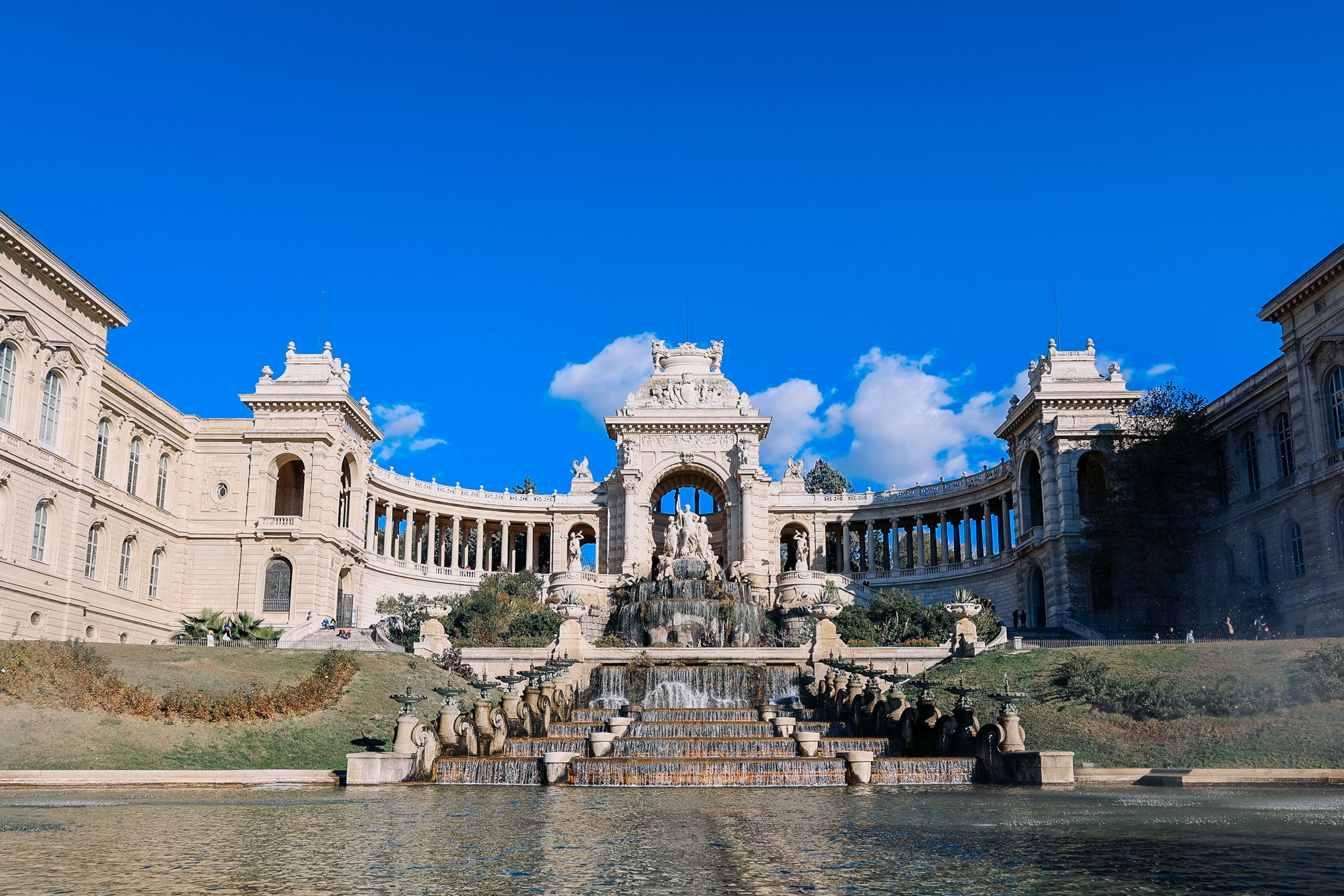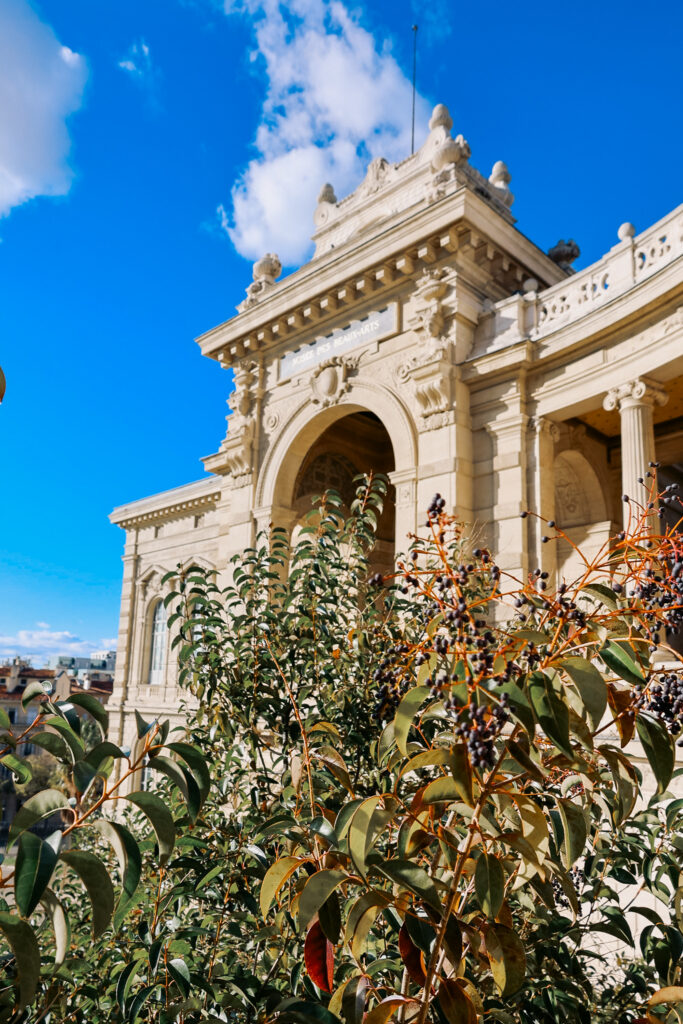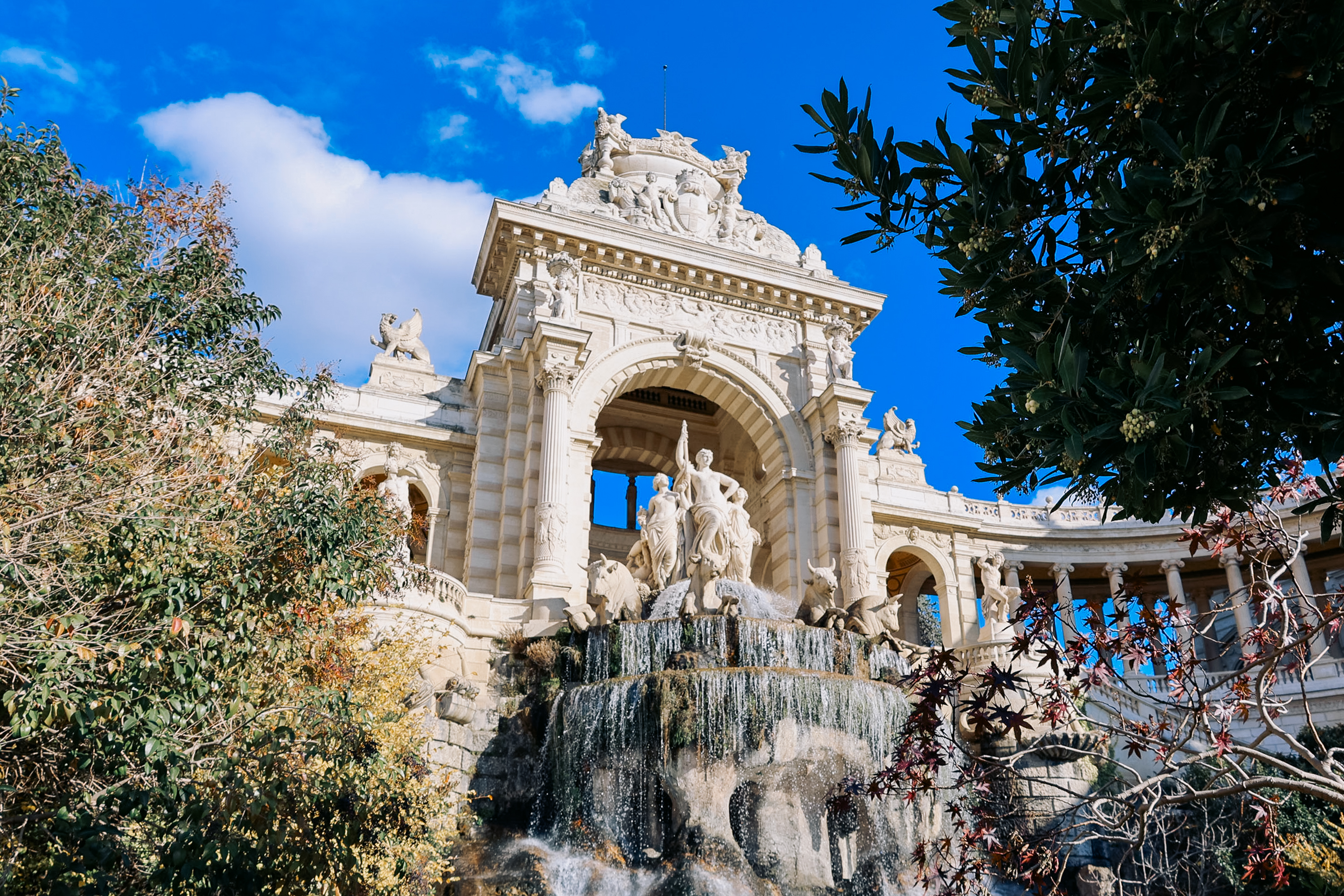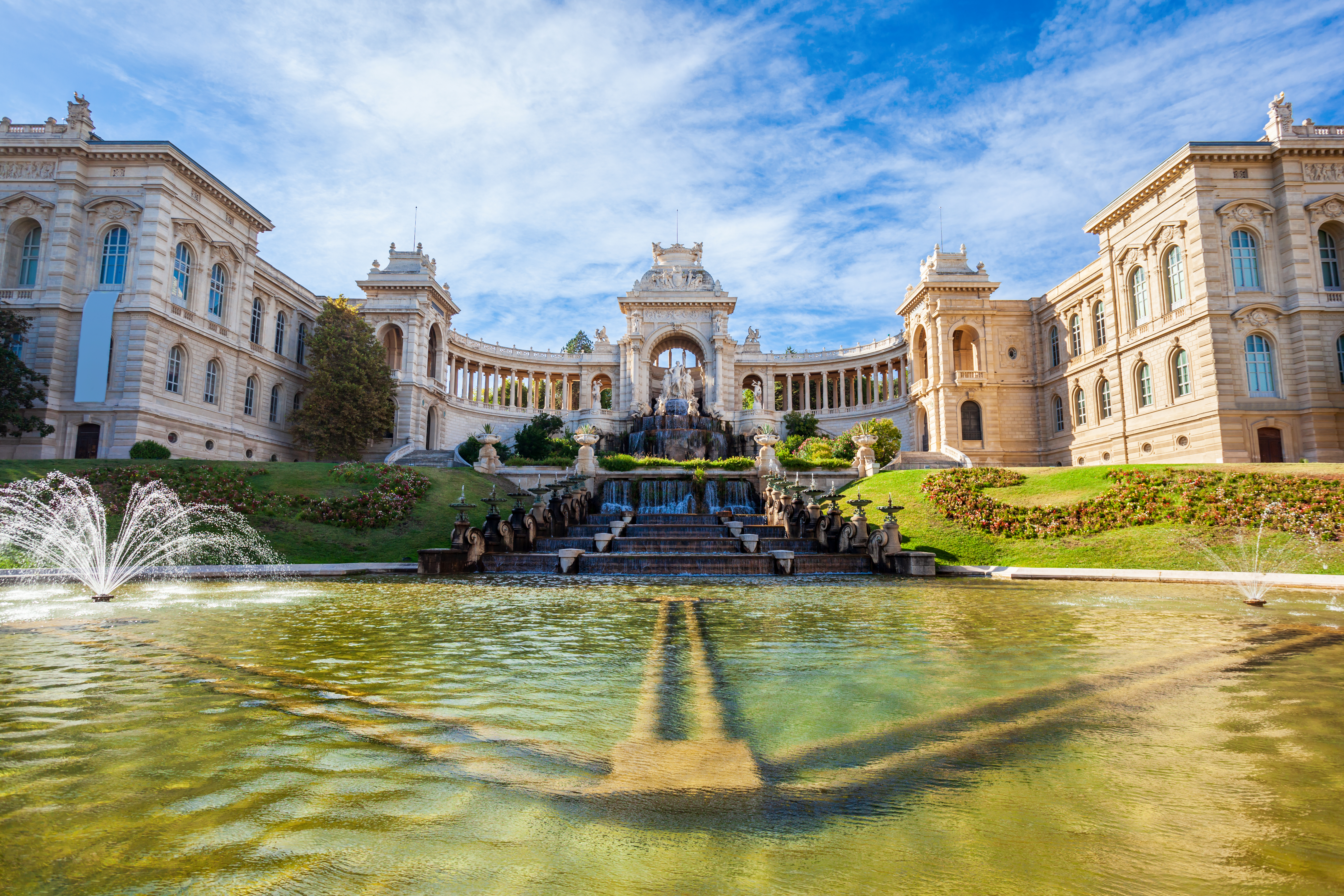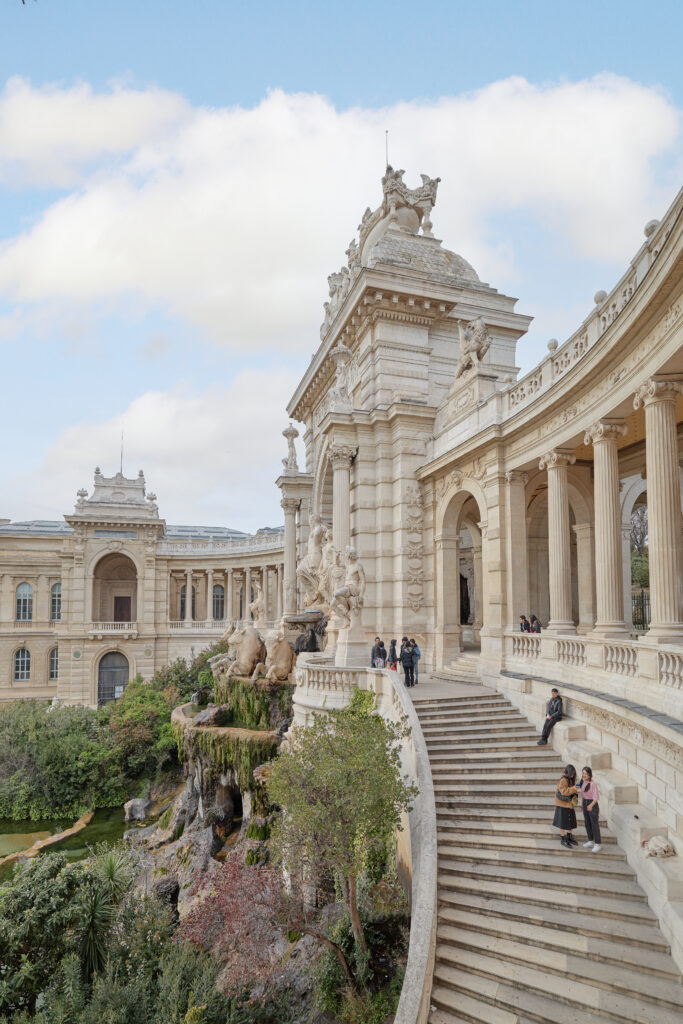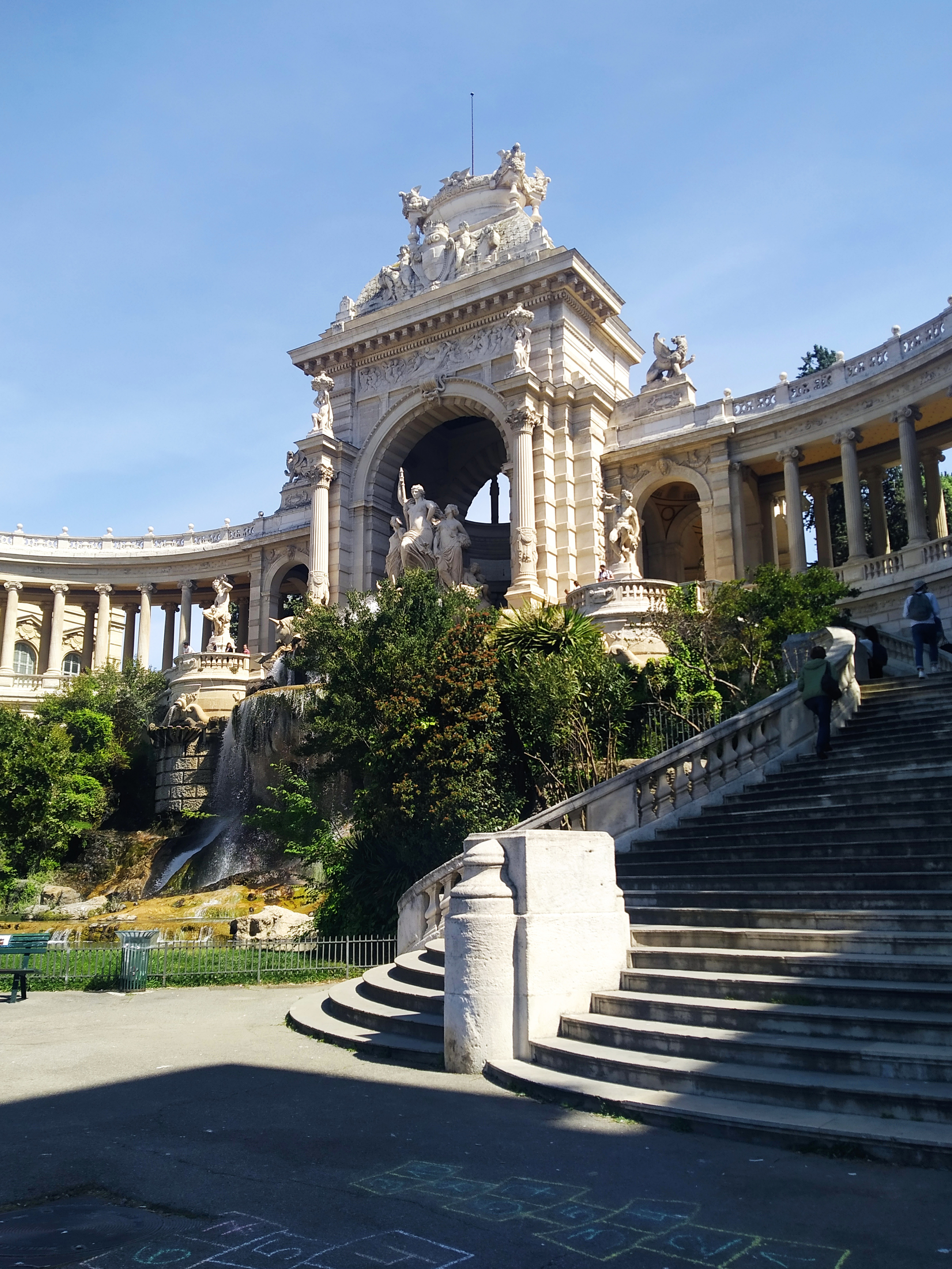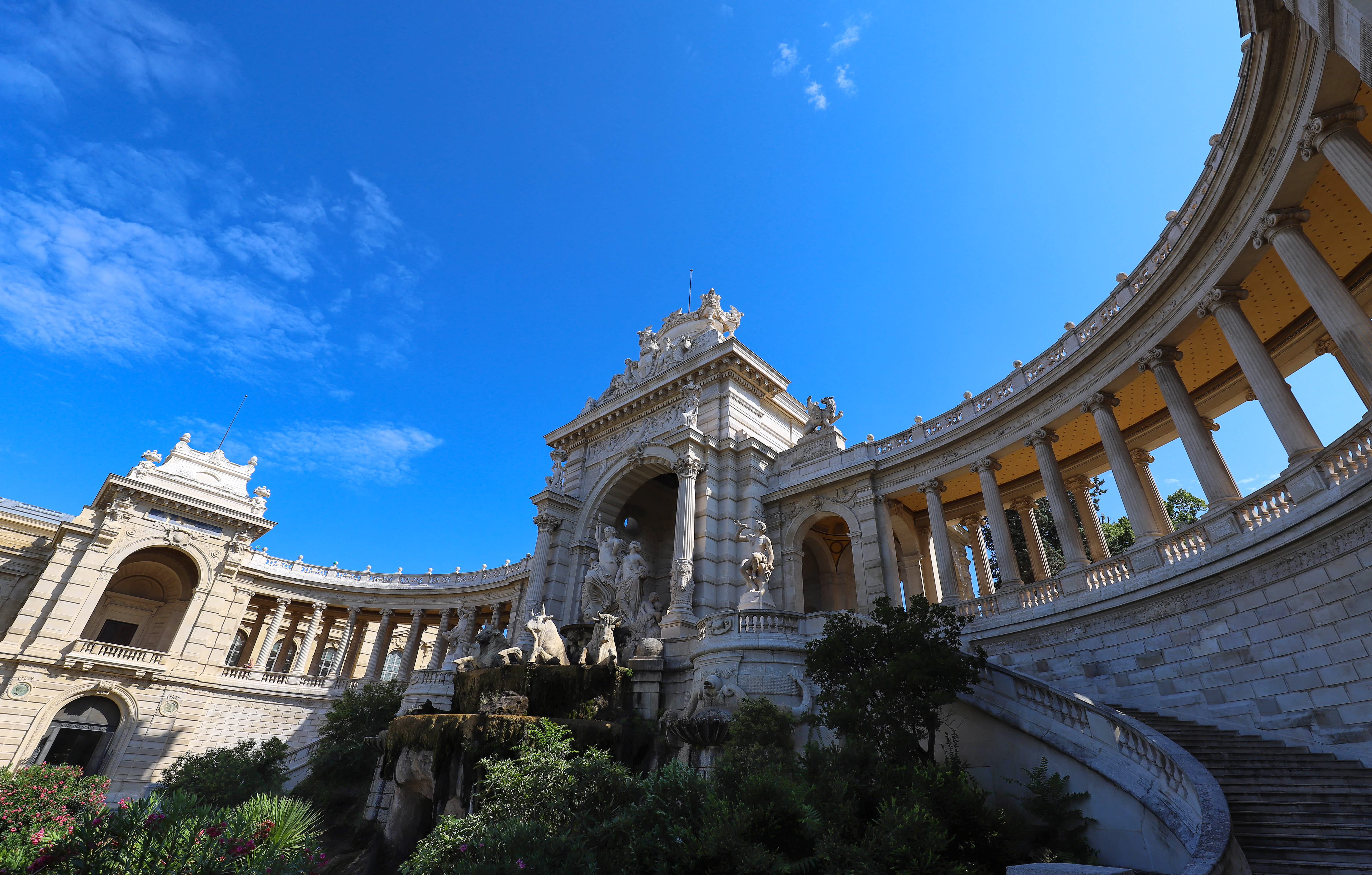
Nestled in the vibrant city of Marseille, the Palais Longchamp stands as a spectacular emblem of 19th-century Historicism. Completed between 1862 and 1869, this architectural marvel graces the Quartier des Cinq-Avenues, enriching the cultural landscape with its grandeur and historical significance. Yet, the tale of its creation is fraught with ambition, creativity, and the relentless pursuit of grandeur—a story begging to be retold.
The genesis of the Palais Longchamp is deeply rooted in Marseille’s fundamental need for water. The city, devoid of a river, faced perpetual challenges in securing a reliable water supply for its burgeoning population. It was the construction of the Canal de Marseille, initiated in 1838 under the resourceful engineer Franz Mayor de Montricher, that marked a turning point. This impressive 85-kilometer waterway channeled life-giving waters from the Durance River, first reaching the outskirts of Marseille in 1847 and finally arriving at the city’s Plateau Longchamp by 1849.
To commemorate this monumental achievement, plans were set in motion to build a grand edifice. Pascal Coste, an architect of considerable renown, was initially contracted in 1847 to design a water distribution center coupled with a natural history museum. However, the Revolution of 1848 stalled his grand visions, leaving only sketches as remnants of his ambitious plans.
Undeterred, Marseille renewed its efforts in 1850, commissioning architect Jean Danjoy. His vision included a triumphal arch adorned with allegories of the Durance and female figures symbolizing fertility, woven into the very fabric of the structure. Despite the promising concept, financial and political turbulence once again brought these plans to a standstill.
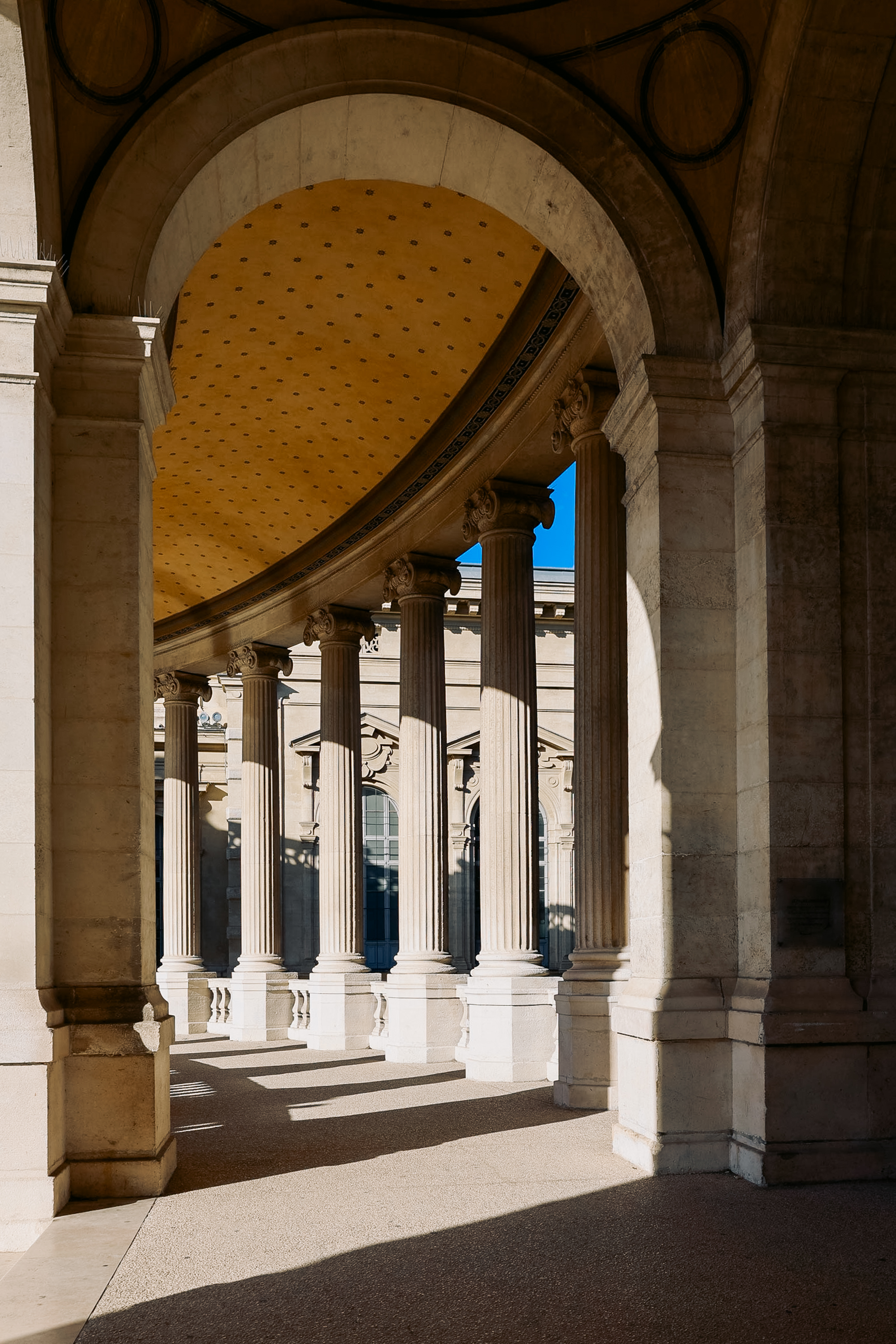
A breakthrough came in 1859 when Marseille’s determined mayor, Jean-François Honnorat, sought the expertise of Frédéric-Auguste Bartholdi, the eventual creator of the Statue of Liberty. Bartholdi initially envisioned a monumental fountain, which he later expanded to include a central water distributor flanked by symmetrical museum buildings. In his final proposal, he introduced a majestic colonnade connecting the museums, a nod to the classical ideals of harmony and balance.
Despite Bartholdi’s innovative designs, the project’s fruition faced yet another hurdle. A special commission, including Henri Labrouste, Léon Vaudoyer, and Victor Baltard—the esteemed city architect of Paris—dismissed Bartholdi’s proposals. Subsequently, Henri-Jacques Espérandieu, an emerging architect from Nîmes who was actively involved with the Basilica of Notre-Dame-de-la-Garde, was appointed in 1861 to bring the vision to life. Bartholdi, contesting the commission’s decision, argued that the semicircular colonnade was his original idea, a legal battle he fought unsuccessfully until 1901.
Espérandieu, however, pressed on with his task, unveiling his initial plans in September 1861. Gaining approval from the city council on April 7, 1862, he commenced the construction of what would be heralded as “the greatest monumental building of the Second Empire outside of Paris.” By August 15, 1869, the Palais Longchamp was inaugurated amidst widespread acclaim, albeit overshadowed by the contentious origins of its design.
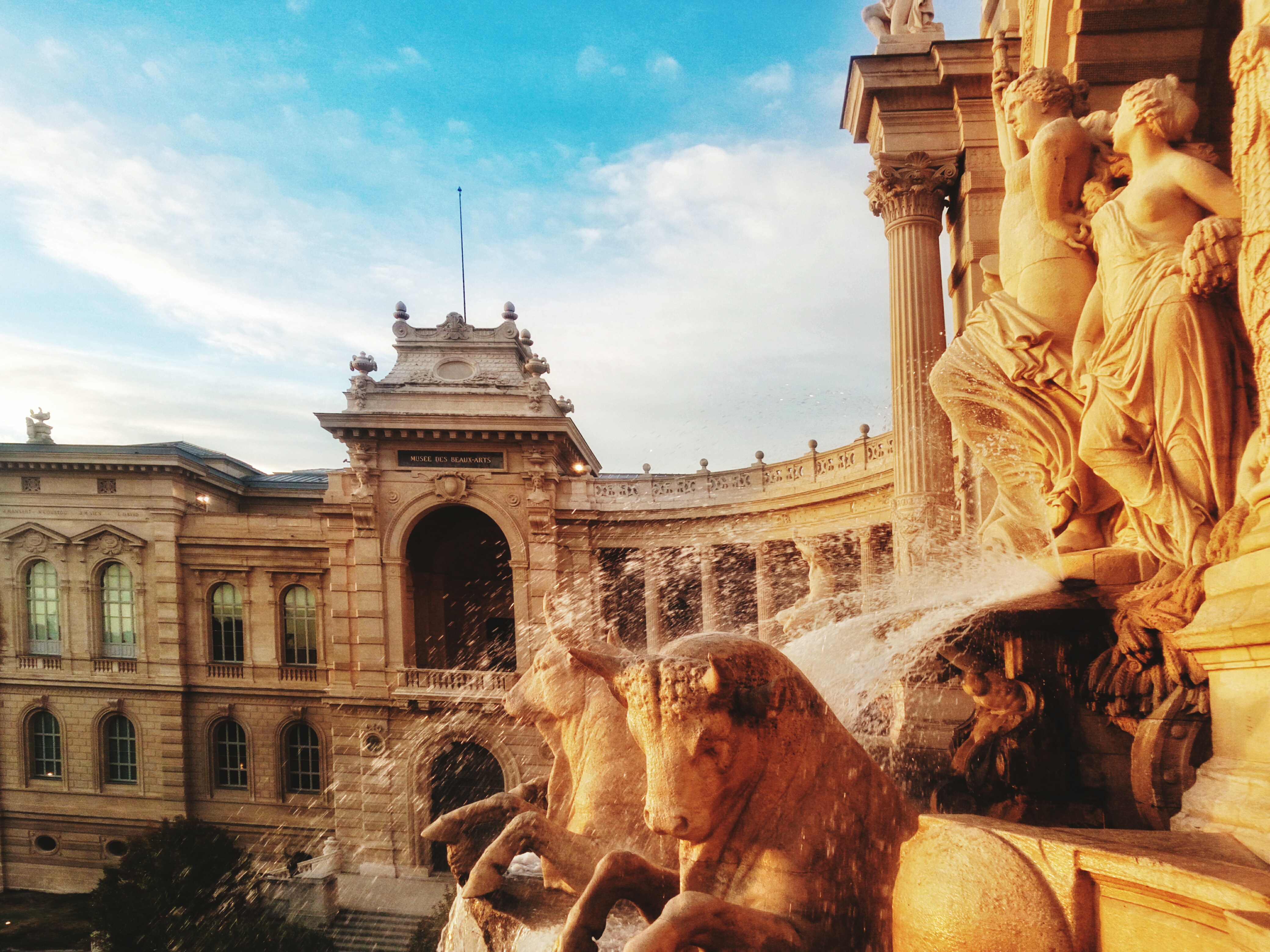
The Palais Longchamp is not merely an architectural feat but a multifaceted institution. Its left wing houses the illustrious Museum of Fine Arts (Musée des Beaux-Arts), while the right wing is home to the Natural History Museum (Muséum d’histoire naturelle). These museums have become cultural cornerstones, drawing countless visitors eager to explore their vast collections.
Fronting the palace is an exquisite garden, a verdant oasis featuring sprawling lawns, an artificial cascade, and allegorical statues celebrating water and fertility. Notably, the garden’s fountains are not mere ornaments; they symbolize the vital role water plays in sustaining urban life, reflecting the very essence of the Palais Longchamp’s existence.
Behind the palace extends the Parc Longchamp, a lush expanse formerly hosting Marseille’s zoo until 1987. Today, it serves as a beloved public park, offering a sanctuary of tranquility amidst the city’s hustle. Here, visitors can stroll through botanical gardens or explore the historical Observatory of Marseille, delving into the celestial wonders of the universe.
Beyond the physical structure, the Palais Longchamp embodies the interplay of nature, science, and art, harmonized within a single architectural narrative. Its construction was more than an engineering feat—it was a triumph of collective human endeavor, where creativity, determination, and a shared vision intertwined to overcome adversity.
Incorporating perspectives from new sources enriches this historical tapestry. Similar projects of the era, such as the Vienna Ringstrasse, echo the same themes of civic pride and monumental expression, highlighting a period where cities vied to immortalize their identities in stone and mortar. Like the Palais Longchamp, these endeavors reflect a broader European movement toward urban beautification and modernization during the industrial revolution.
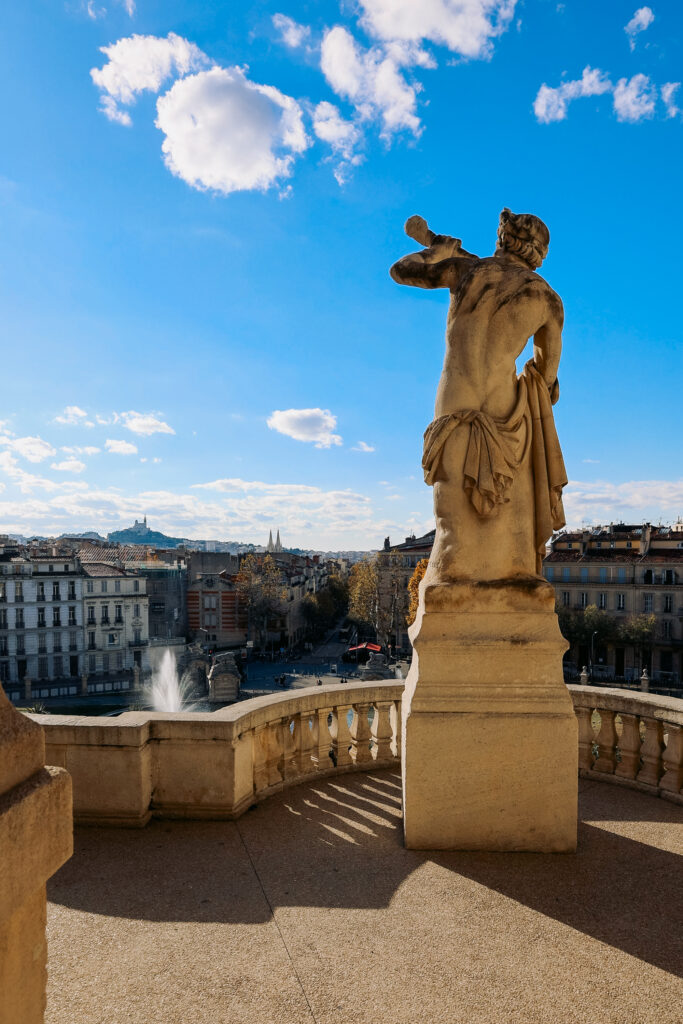
Historically, mythos has often played a significant role in the architectural fabric of a city. The Palais Longchamp, too, weaves a mythological narrative through its allegorical statues, drawing on ancient symbols of abundance that resonate deeply with Marseille’s hopes of prosperity through the provision of water.
As one explores the resplendent halls and tranquil gardens of the Palais Longchamp, one is reminded of how art and architecture serve as timeless testaments to the aspirations and achievements of civilizations. In every stone and sculpture, there lies a story of visionaries who dared to dream beyond their immediate realities, crafting legacies that future generations continue to admire.
Thus, the Palais Longchamp stands today not just as a monument of stone but as a living chronicle of Marseille’s journey—a celebration of ingenuity and resilience, immortalized in the harmonious dance of water and architecture.