Manchester, often referred to as England’s ‘second city’, harbours a complex history of industrial prowess, cultural change and urban development within its streets and buildings. This northern gem is not just a city, but a living testament to human ingenuity.
Let’s delve into Manchester’s fascinating history and discover how it evolved from humble beginnings to become a cornerstone of the Industrial Revolution.
The birth of an industrial giant – Manchester was originally a Roman fort called Mamucium, and its early history is marked by conquests and settlements. However, it was not until the 18th century that the city began to realise its potential as an industrial powerhouse. Nestled in a region with numerous waterways, Manchester used its geographical advantages to promote trade and transport. One of the first sparks of industry was ignited by the textile sector. With the onset of the agricultural revolution, which provided abundant raw materials, Manchester’s factories came to life.
These factories became a symbol of the beginning of the Industrial Revolution. Innovations such as Richard Arkwright’s water frame and Samuel Crompton’s spinning machine revolutionised textile production and made Manchester the beating heart of the cotton industry.
The railway as a pioneer of modernity – Manchester’s rise was further driven by its transport infrastructure.
The opening of the Bridgewater Canal in 1761 enabled efficient goods transport and significantly reduced transport costs. However, it was the advent of the railway that truly transformed the city’s economy.
Inaugurated in 1830, the Liverpool and Manchester Railway was the world’s first intercity railway line designed for both passenger and freight transport.
This pioneering project not only connected Manchester to the busy port of Liverpool, but also made the city an important trading centre. The railway sector continued to expand, promoting economic growth and making Manchester accessible to workers from the surrounding areas.
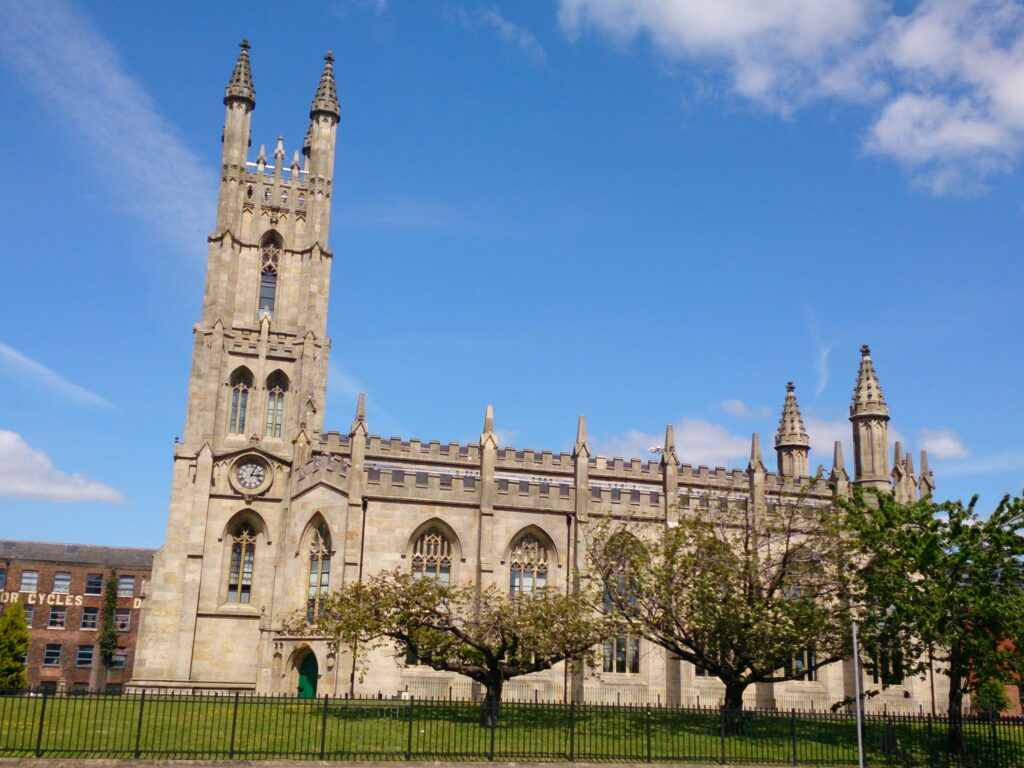
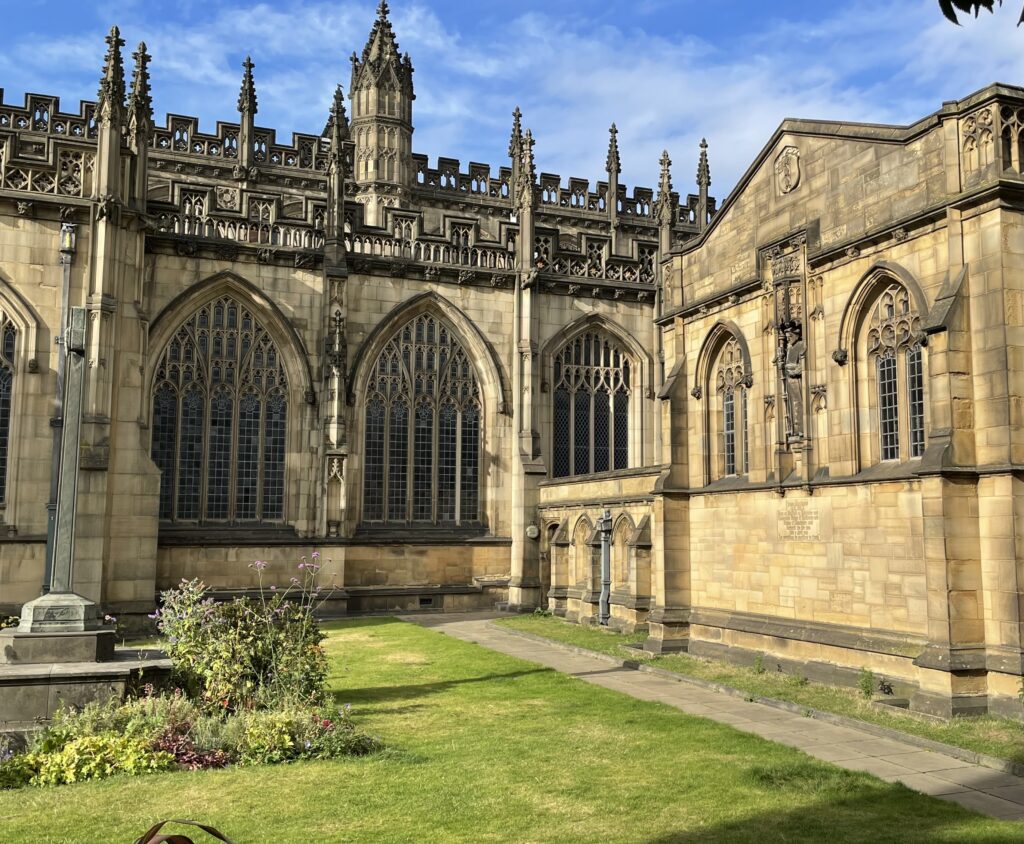
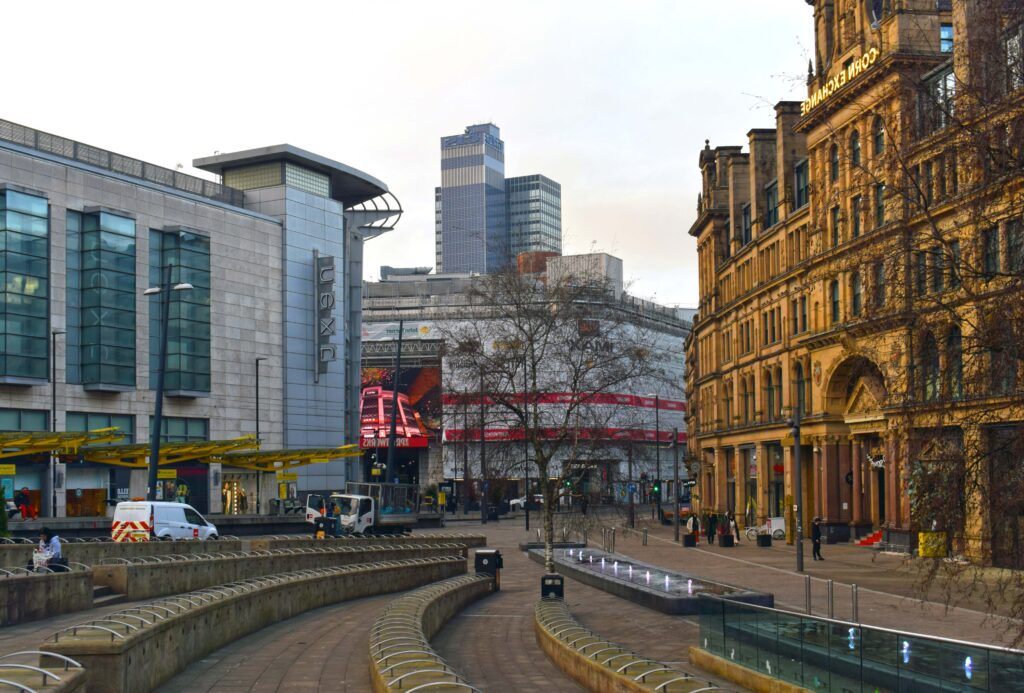
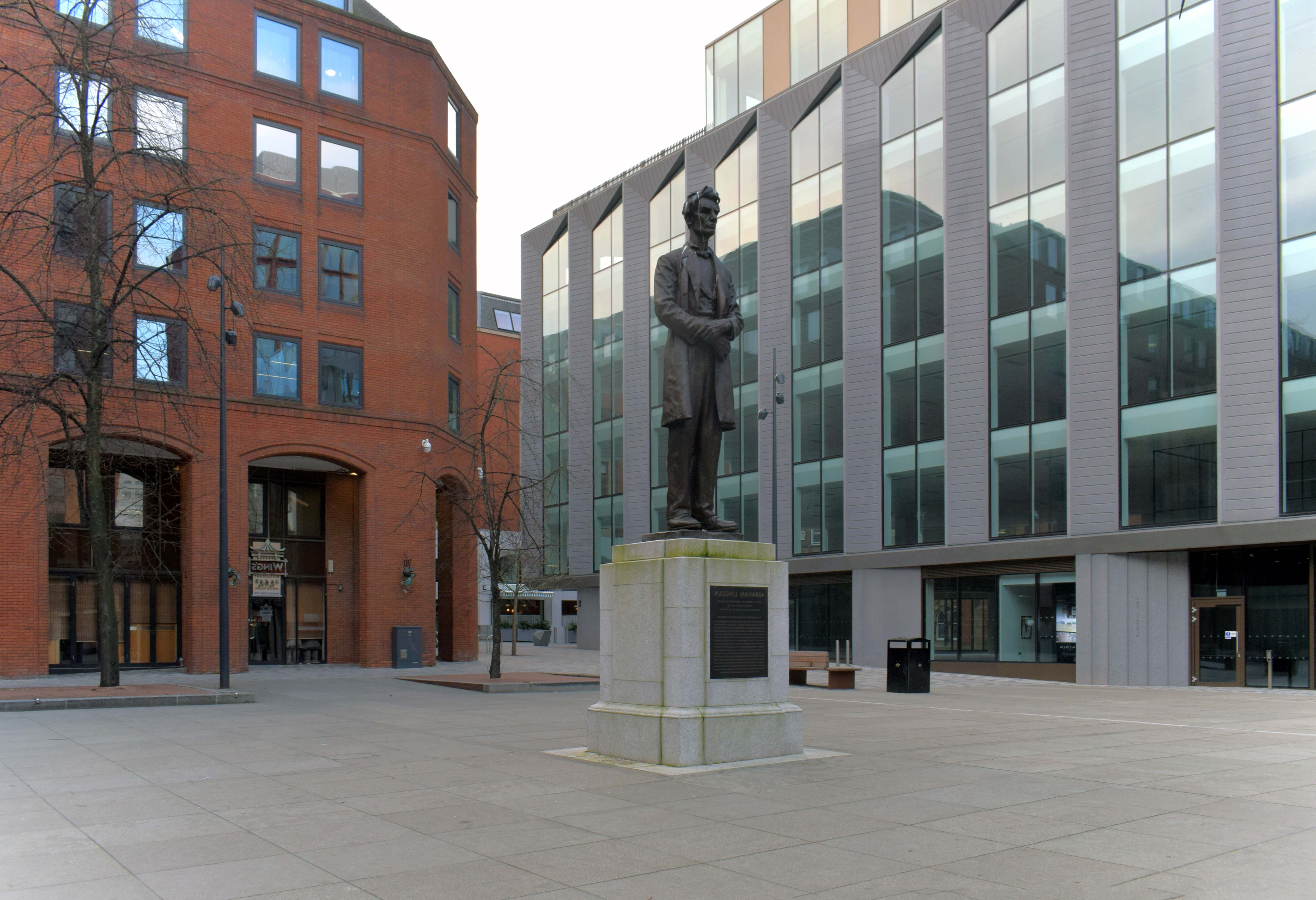
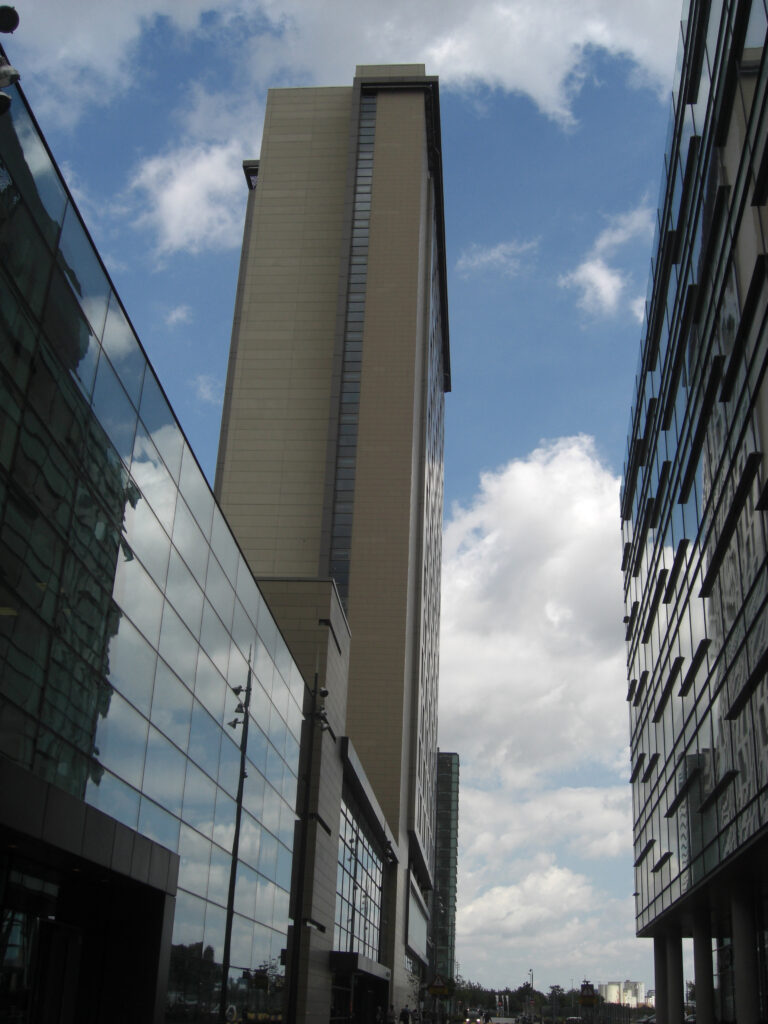
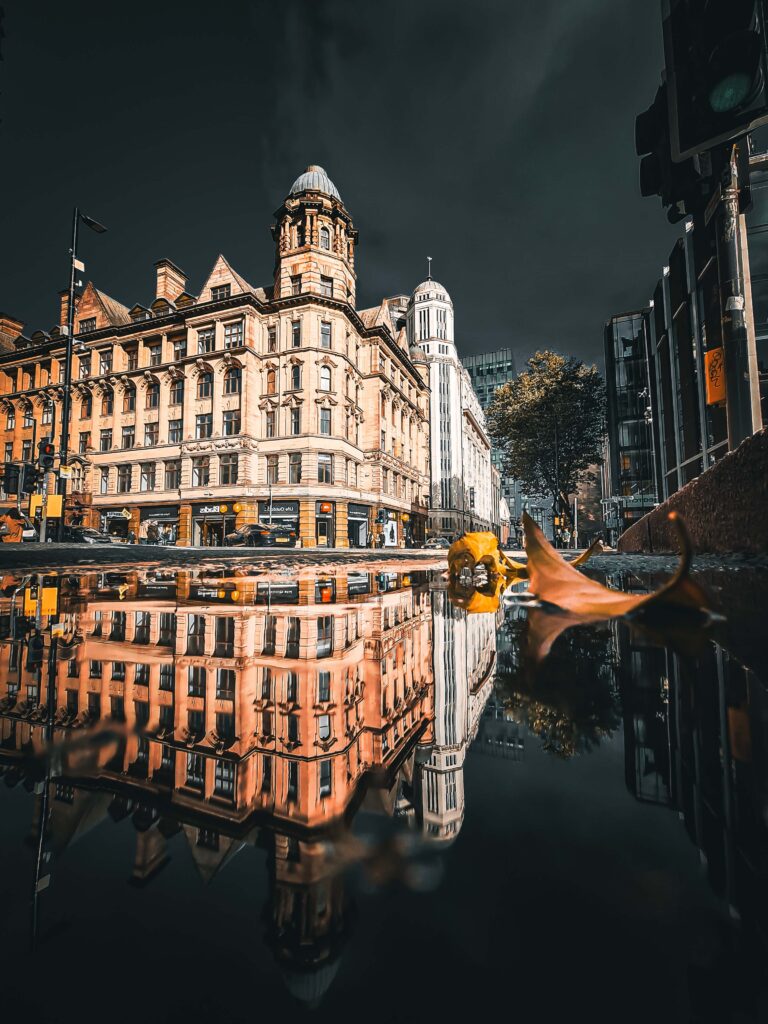
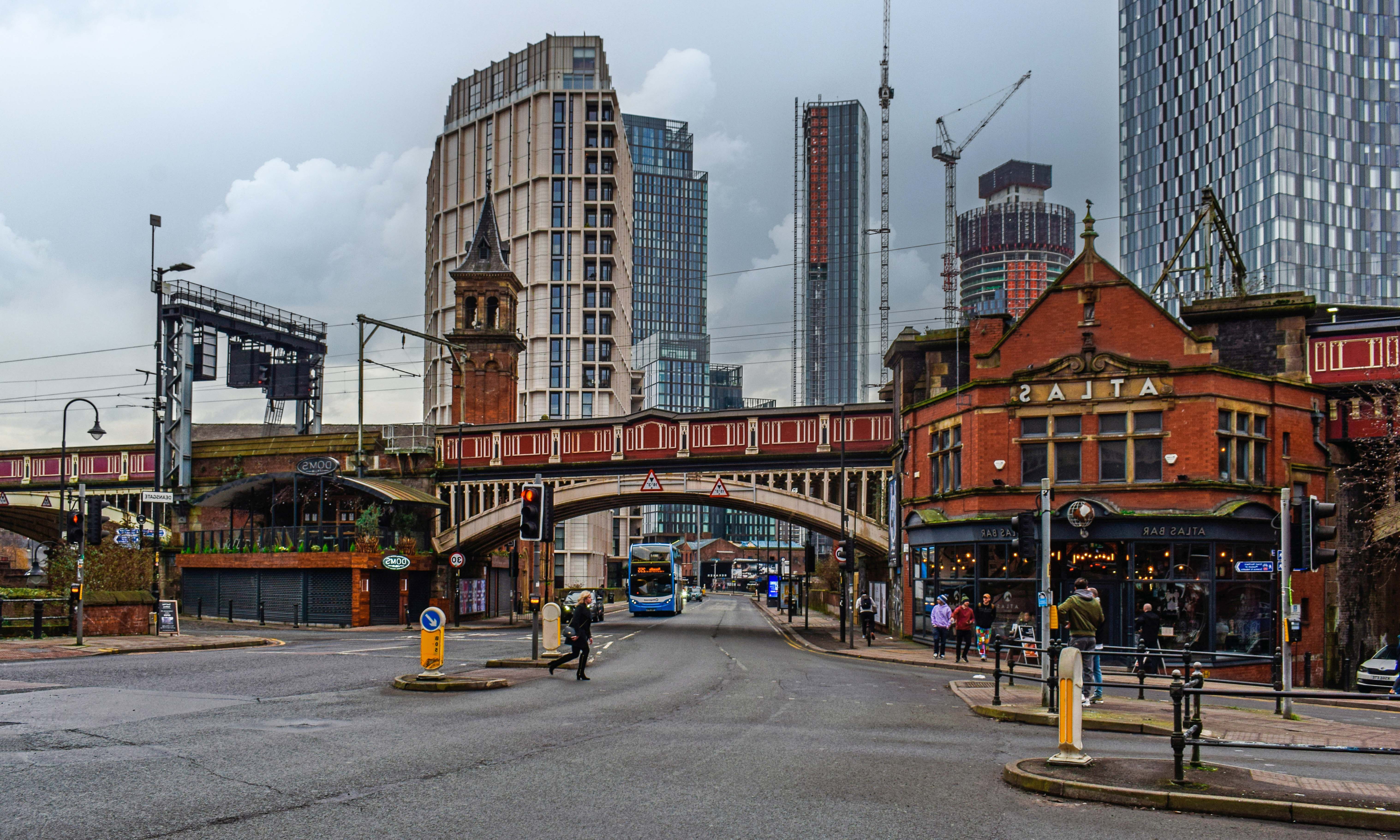
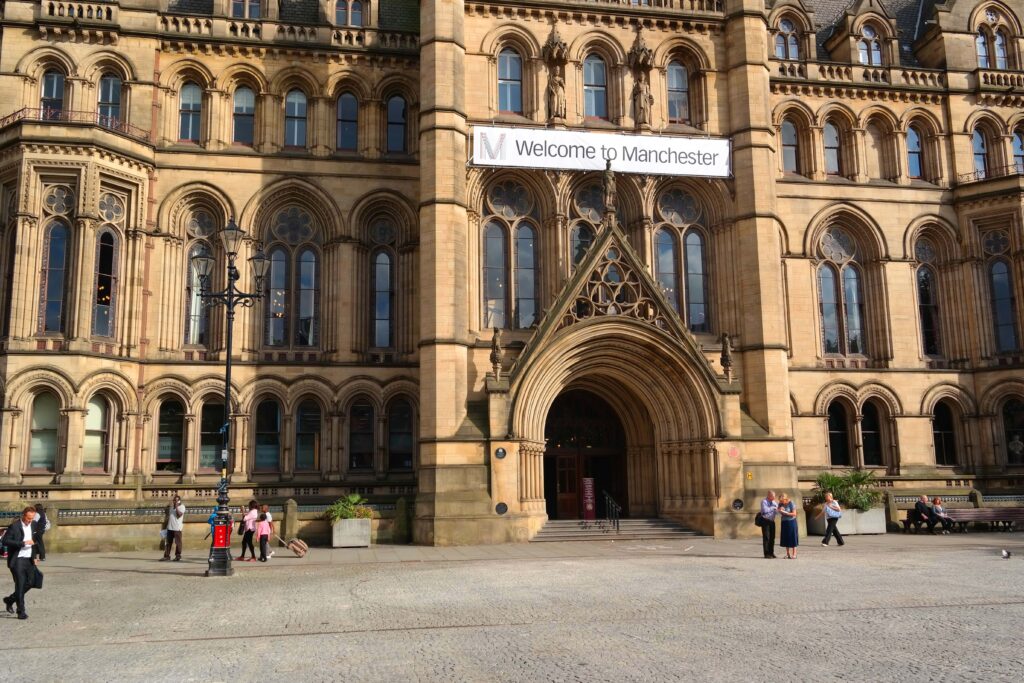
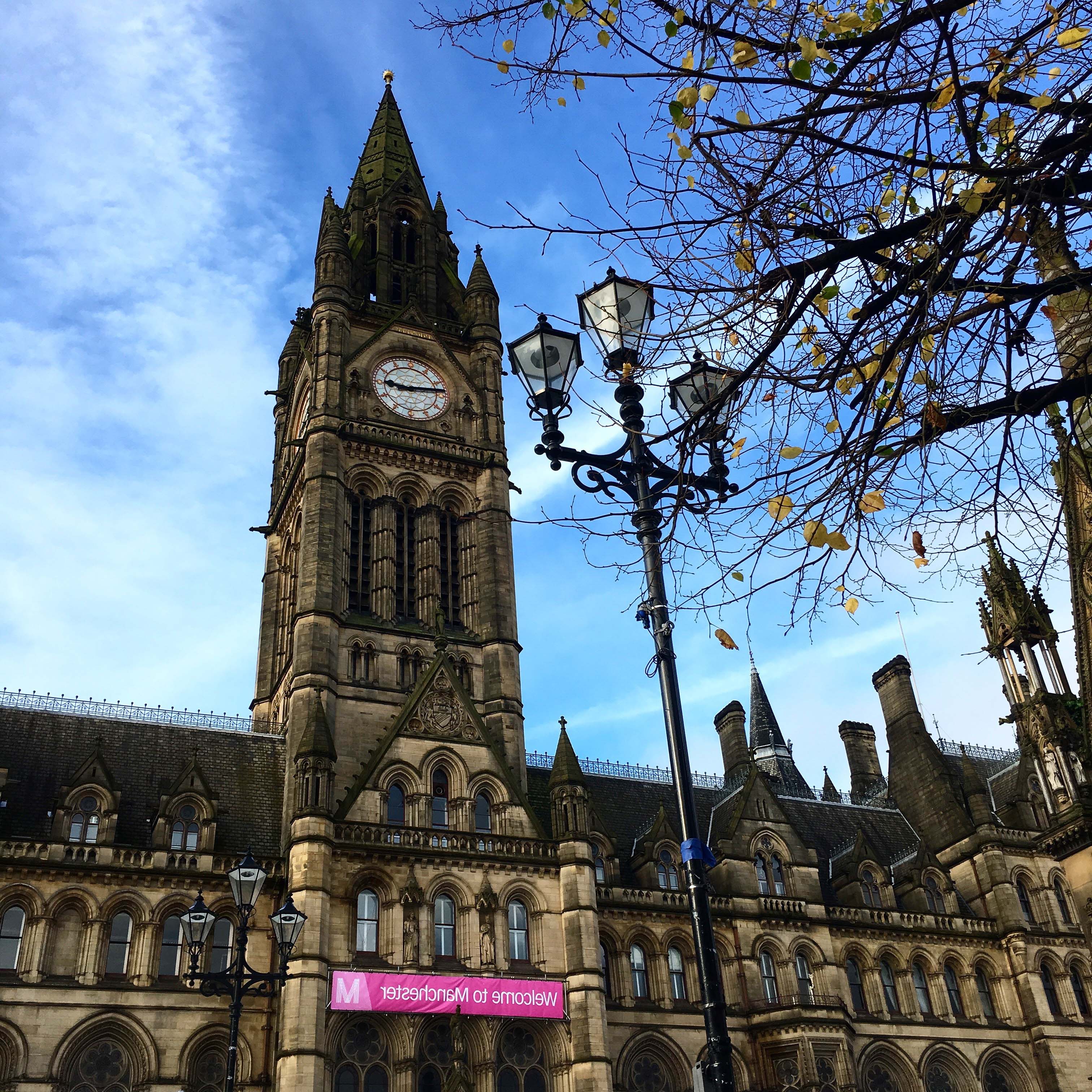
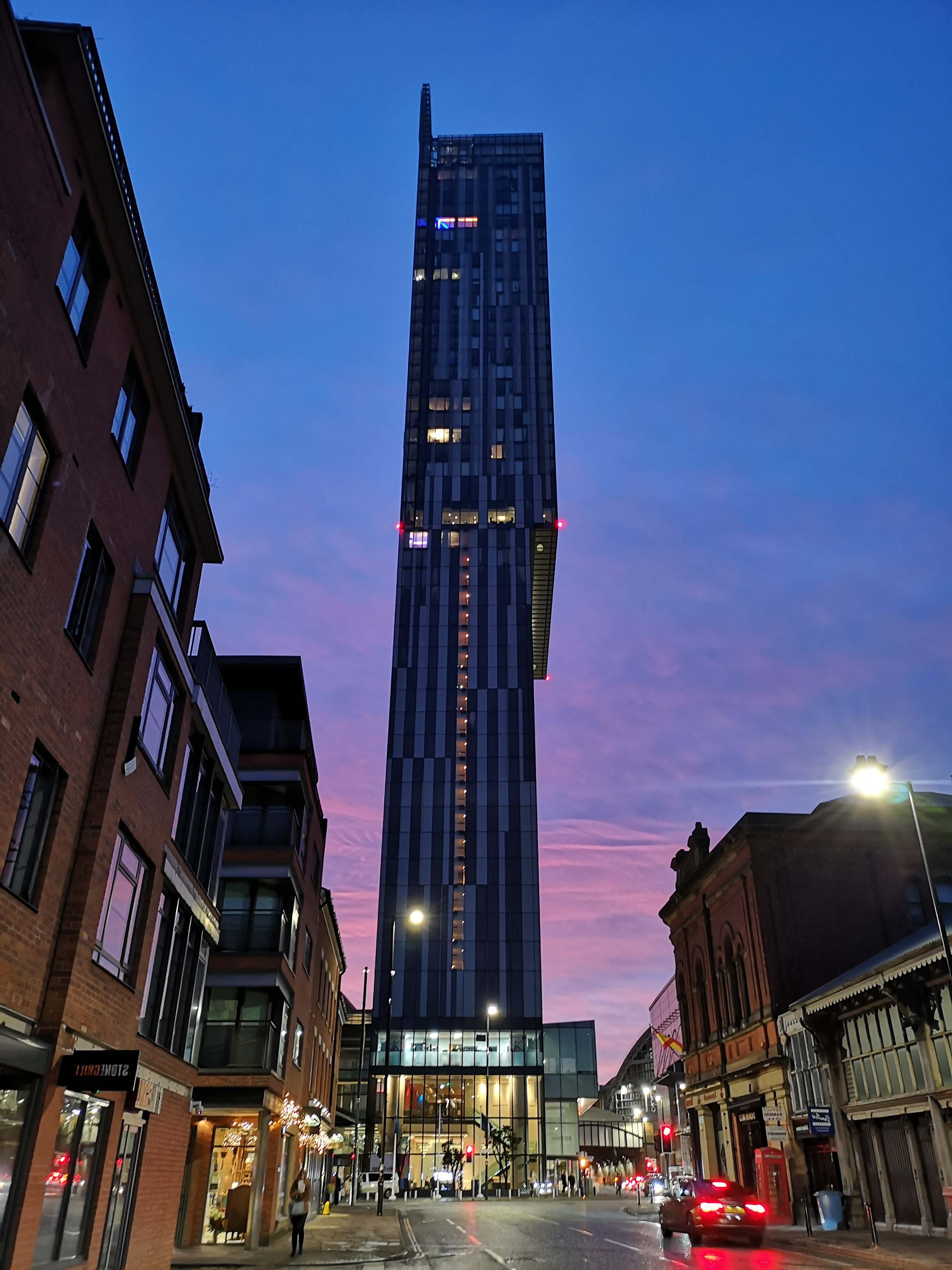
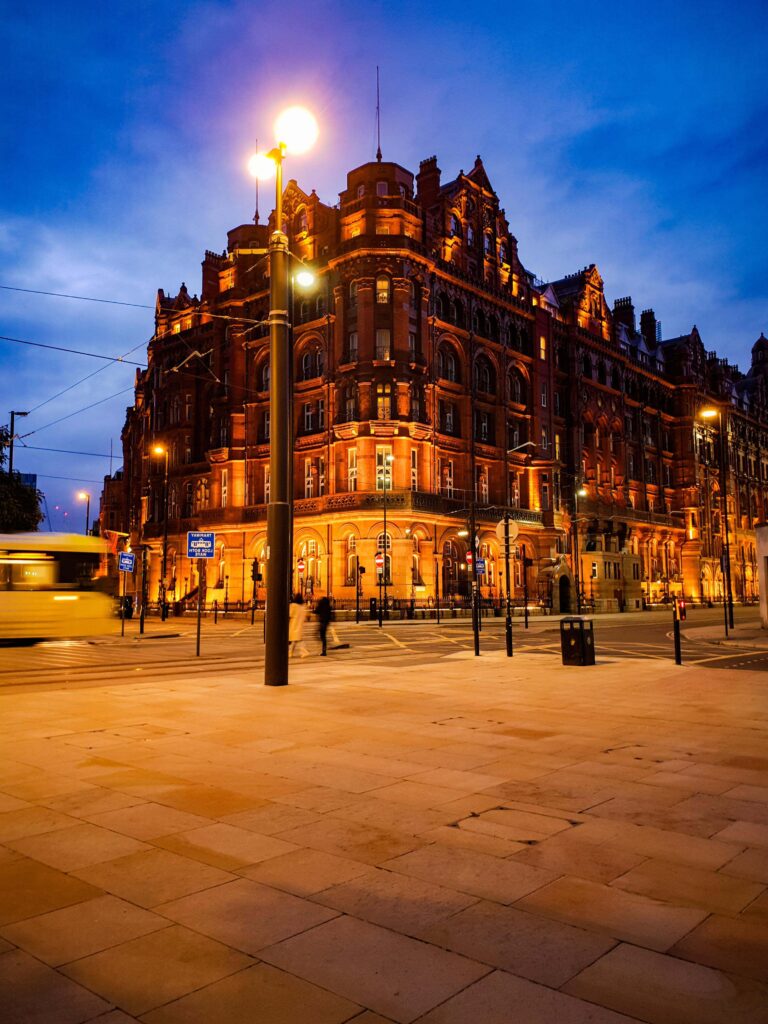
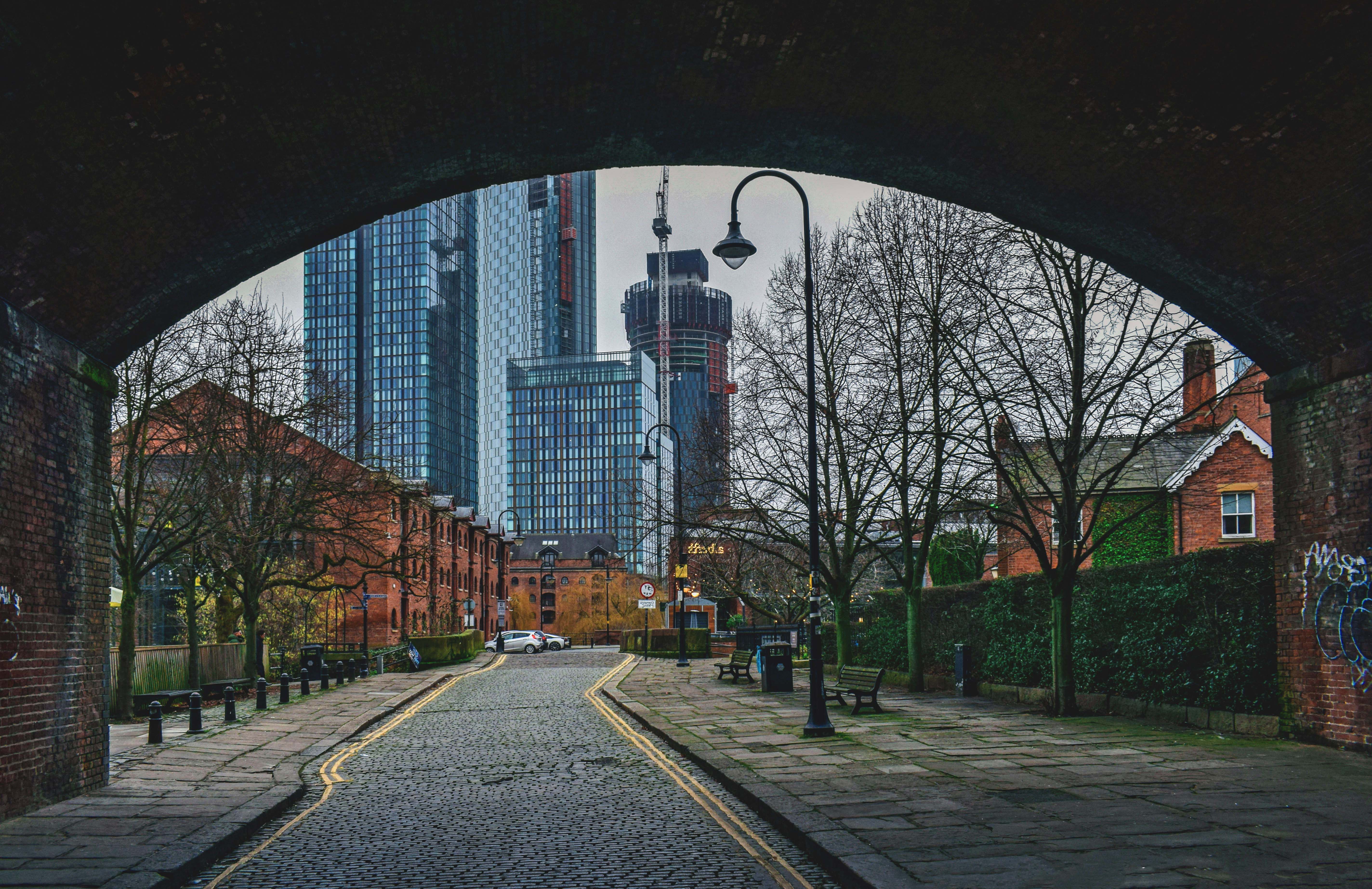
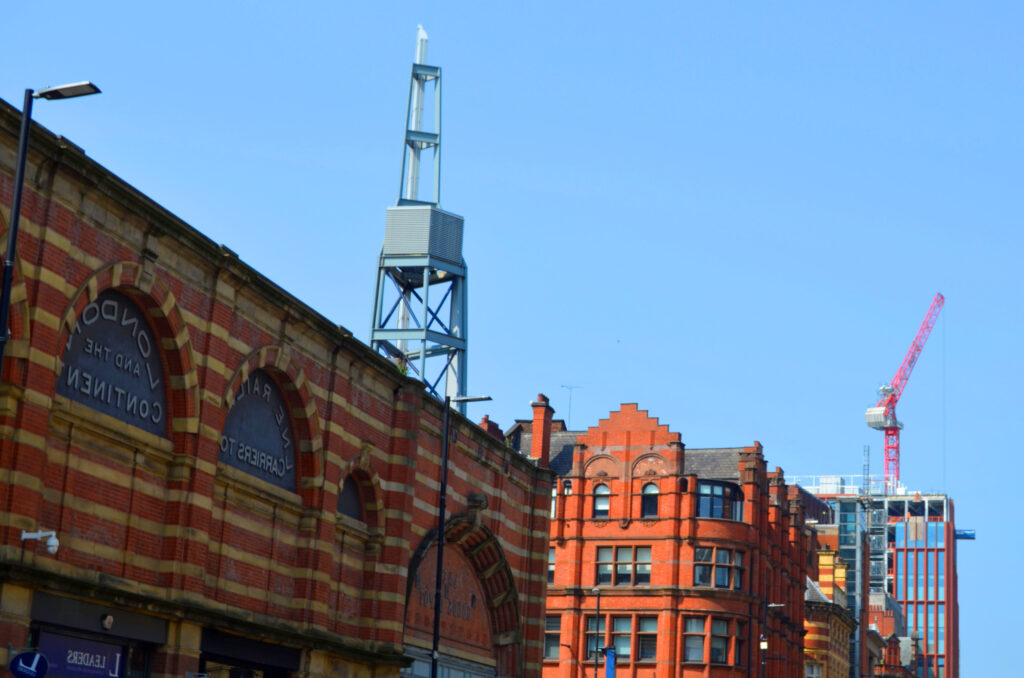
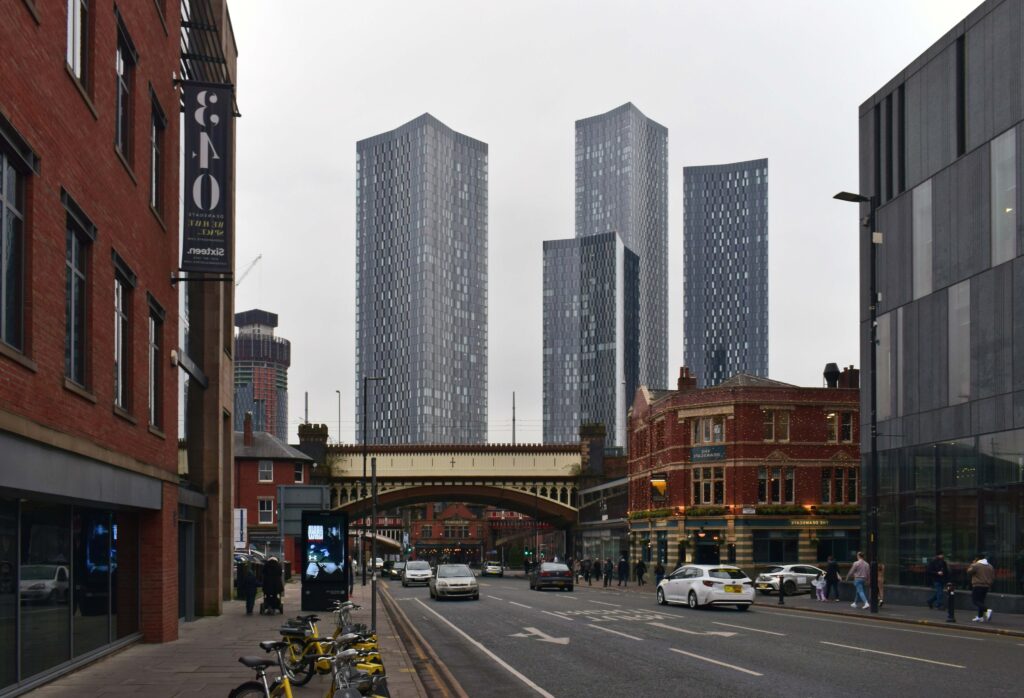
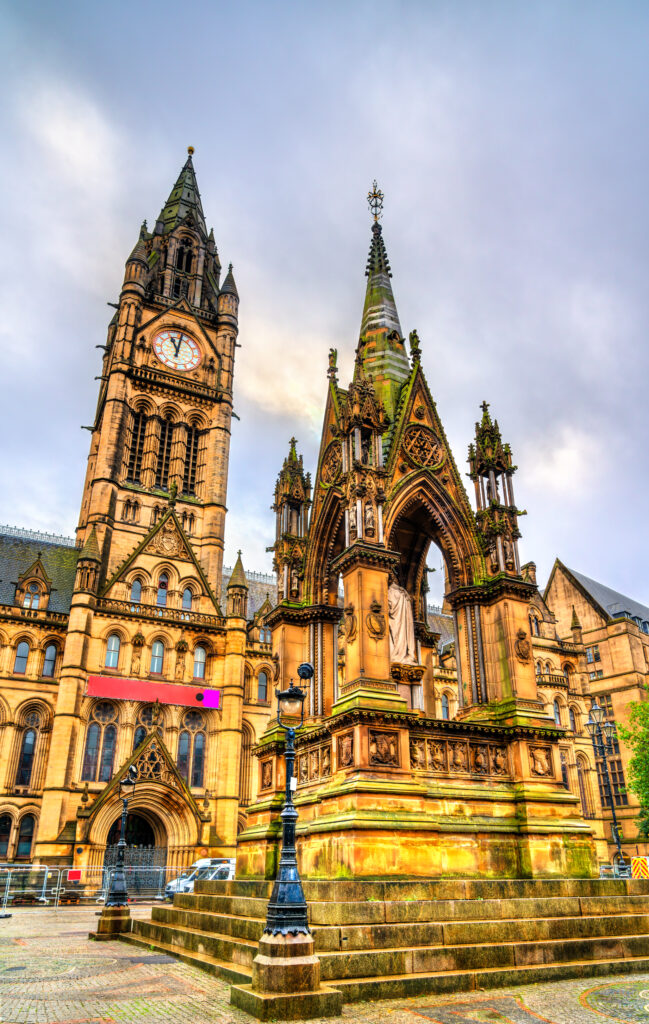
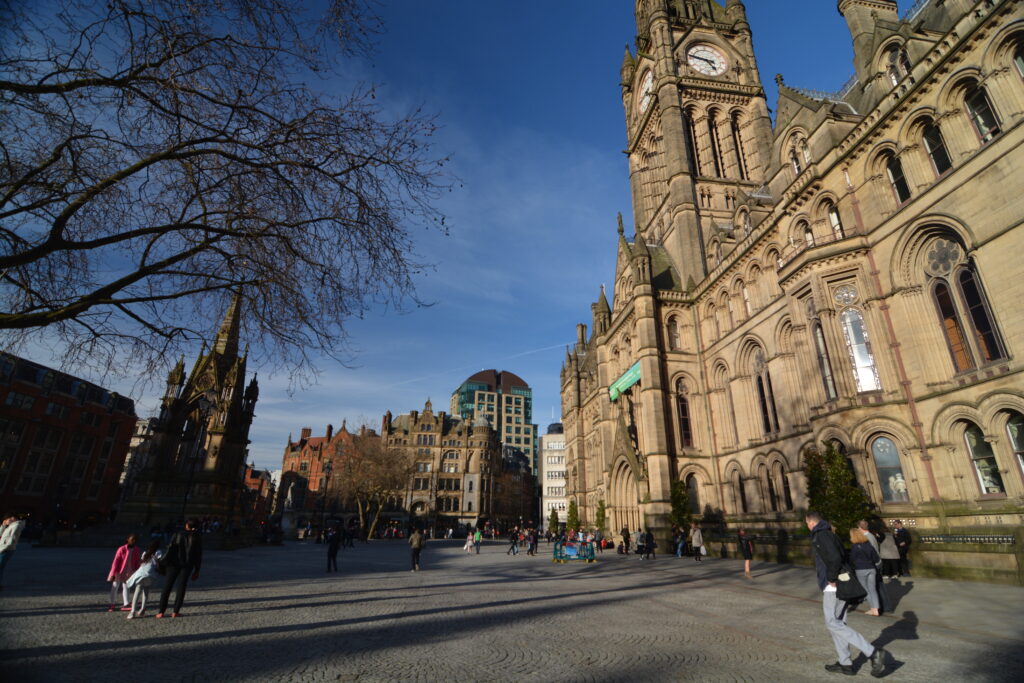
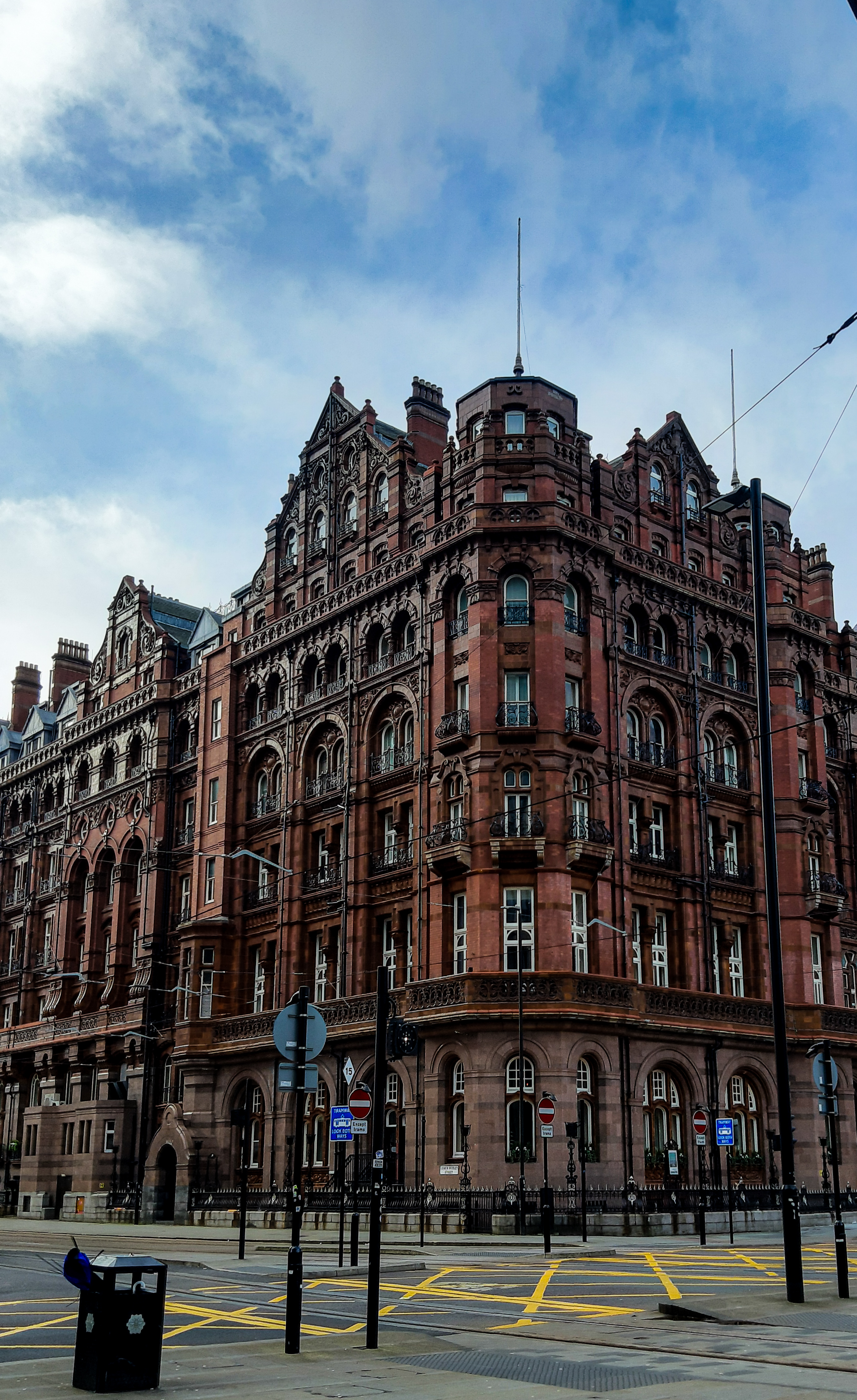
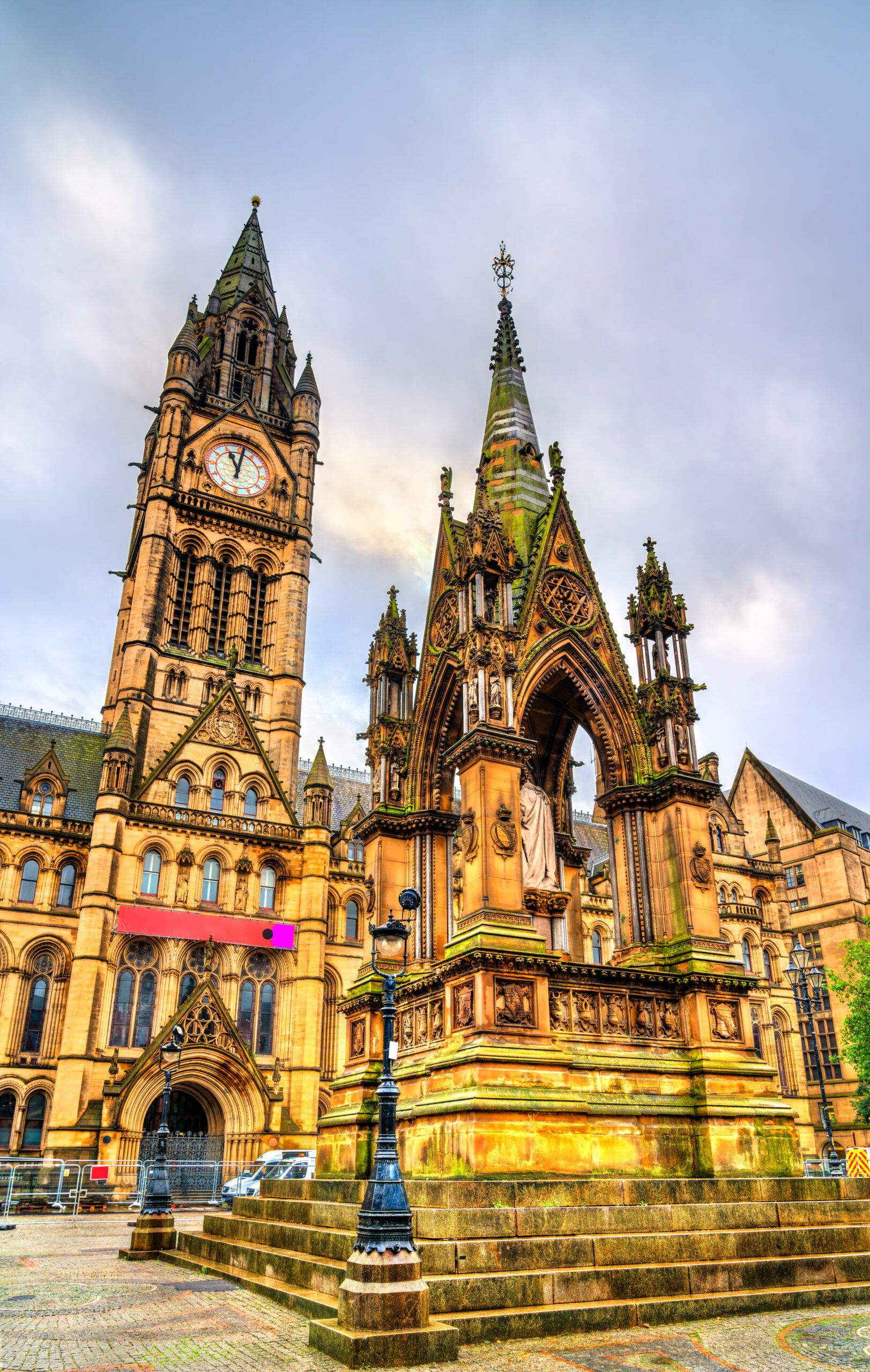
From smoke to steam: architectural development – A stroll through Manchester reveals a series of architectural marvels that tell the story of the city’s industrial history. The neo-Gothic splendour of the John Rylands Library pays homage to the craftsmanship of the Victorian era. Built in 1900, the building remains a haven for those seeking knowledge and insight into Manchester’s history. Equally impressive is Manchester Town Hall, a masterpiece by Alfred Waterhouse. Completed in 1877, its Gothic façade and majestic clock tower attract attention, reflecting the city’s self-confidence during the industrial boom. In contrast, the sleek lines of Beetham Tower, built in the 21st century, highlight Manchester’s transformative development from smoky factories to modern skyscrapers. The city’s skyline offers a unique blend of historic and modern architecture, with each building telling a chapter of industrial development.
Cultural renaissance amid industrialisation – Even as Manchester flourished industrially, it did not neglect its cultural soul. The city became a hotbed for intellectual and cultural movements. The radical ideas of Karl Marx and Friedrich Engels resonated with Manchester’s working-class communities and formed the ideological backbone of the labour movement. Music also played a transformative role. The rise of Manchester’s music scene in the late 20th century produced influential bands such as Joy Division, The Smiths and Oasis. Venues such as the famous Hacienda nightclub became melting pots of musical innovation, shaping not only the city’s cultural identity but also influencing global music trends. Manchester’s museums and galleries, including the Manchester Art Gallery and the Museum of Science and Industry, became guardians of the city’s rich heritage. They house artefacts and exhibits that document the city’s evolution from industrial giant to cultural centre.
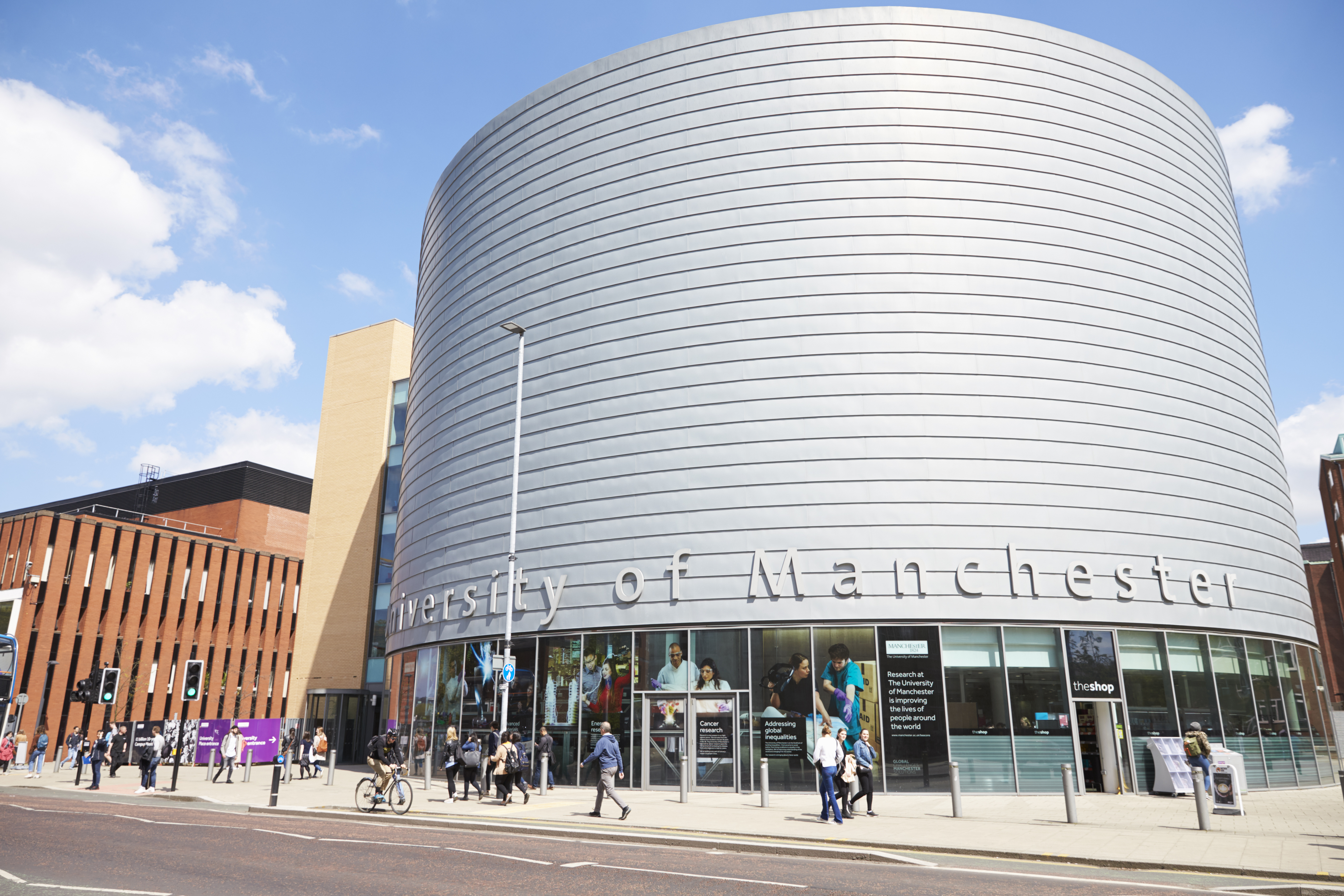
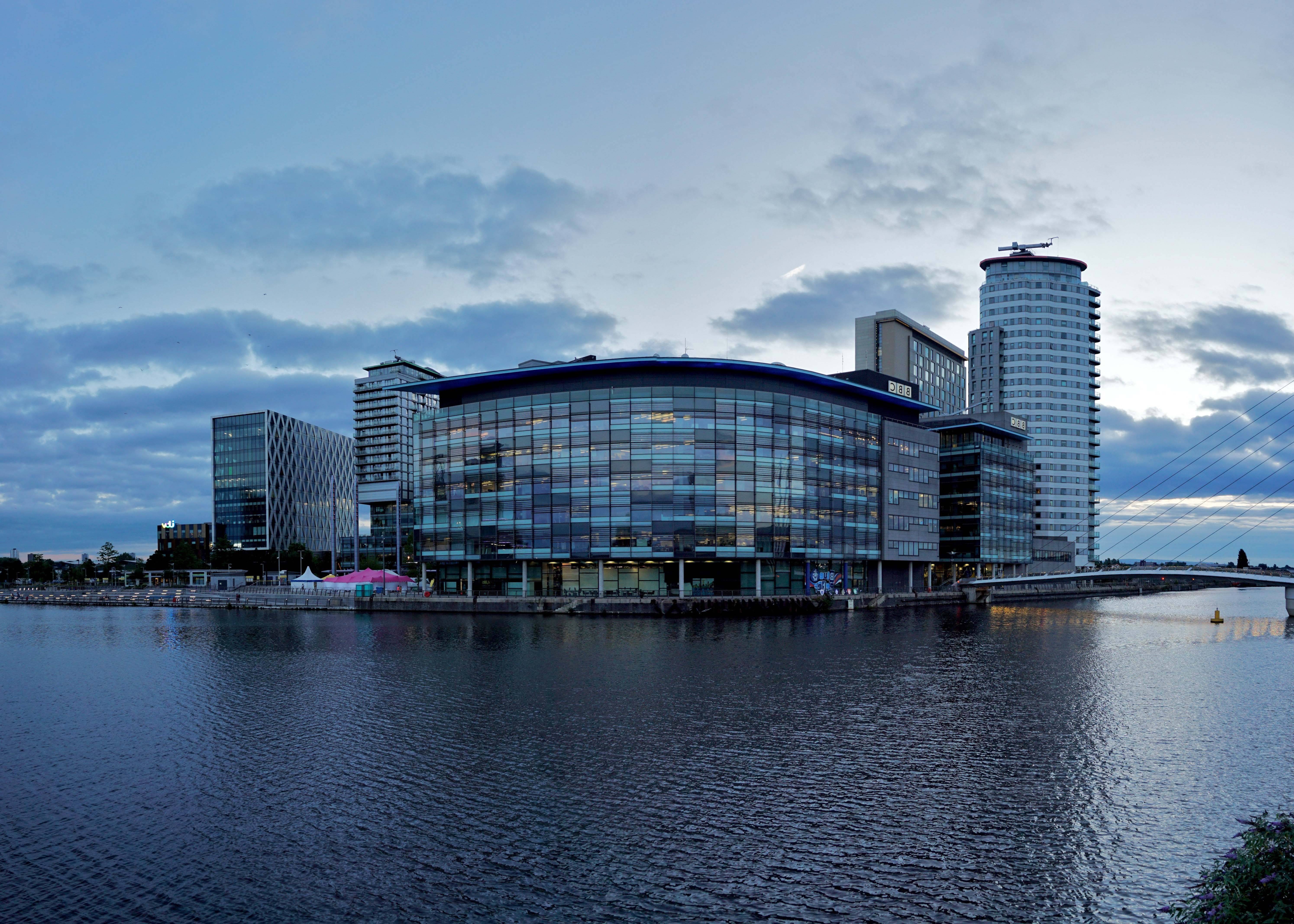
Economic resilience and innovation – Despite economic challenges at the end of the 20th century, Manchester showed remarkable resilience. The decline of traditional industries required diversification and innovation. The city took advantage of technological advances and transformed itself into a centre for digital industries, science and research. The establishment of MediaCityUK in Salford Quays is an example of this transformation. As the headquarters of major broadcasters such as the BBC, it represents Manchester’s reinvention as a media and creative hub. The city’s universities, particularly the University of Manchester, play a central role in promoting scientific research and innovation, ensuring that the spirit of technological progress remains an integral part of its identity.
Green spaces in an urban jungle – Amidst steel and stone, Manchester offers tranquil retreats in its green spaces. The sprawling Heaton Park is one of the largest city parks in Europe, providing locals and visitors alike with a retreat into nature. Picnics, concerts and festivals enliven the park, which serves as a counterbalance to the urban hustle and bustle of the city.
Furthermore, the revitalisation of the Irwell River corridor demonstrates Manchester’s commitment to environmental sustainability. Projects to improve biodiversity and public accessibility have transformed once-neglected areas into thriving green belts.
Manchester: A City of the Future – As we look back on Manchester’s glorious history, it is clear that the city’s story is far from over. Efforts towards urban regeneration, sustainable development and cultural enrichment promise a future full of potential. With projects such as Northern Gateway, which aim to create new residential and commercial spaces, Manchester is preparing for the next chapter in its growth. Furthermore, initiatives such as the Greater Manchester Combined Authority are focused on tackling current challenges, from climate change to social inequality. These efforts underscore the enduring spirit of Manchester – a city that continually adapts and thrives against all odds.
Manchester’s historical evolution from a modest Roman fort to an industrial titan and cultural beacon is nothing short of extraordinary. Its ability to reinvent, adapt and thrive amid changing economic and social landscapes is a testament to its resilience and drive.
As Manchester continues to evolve, it carries with it a revered heritage – a blend of historical richness and modern ambition that forever embodies the industrious spirit that defines it.