Located in the heart of Europe, Wrocław, now known as Wrocław, can look back on a history that few cities can surpass. With its eventful past, this city has witnessed the rise and fall of empires, the convergence of different cultures and the emergence of legends with each generation.
From medieval myths to war stories, Wrocław’s secrets are waiting to be discovered.
A city of myths – One of the most enchanting legends surrounding Wrocław is that of the Bronze Dwarf. In the 14th century, the city was allegedly plagued by night-time disturbances. Streets were ravaged and citizens heard eerie laughter echoing through the alleys. Panic spread throughout Wrocław until a brave blacksmith tracked down the source of the commotion – a small bronze dwarf endowed with magical powers.
After an intense chase, the dwarf was captured and imprisoned as a statue in the town square. While the dwarf’s magical powers remain the subject of folklore, the statue still stands today as a testament to the city’s mystical past.
Historical Expeditions – The history of Wrocław is a rich tapestry of centuries of conquest and culture. The city’s name, which was originally Slavic, hints at its deepest roots: Wrotizla means ‘Vrat’s glory’ and is named after its legendary founder, the Czech Duke Vratislav. The city was influenced by Bohemian kings, Polish monarchs and German emperors, each of whom left an indelible mark on its architecture, culture and identity.
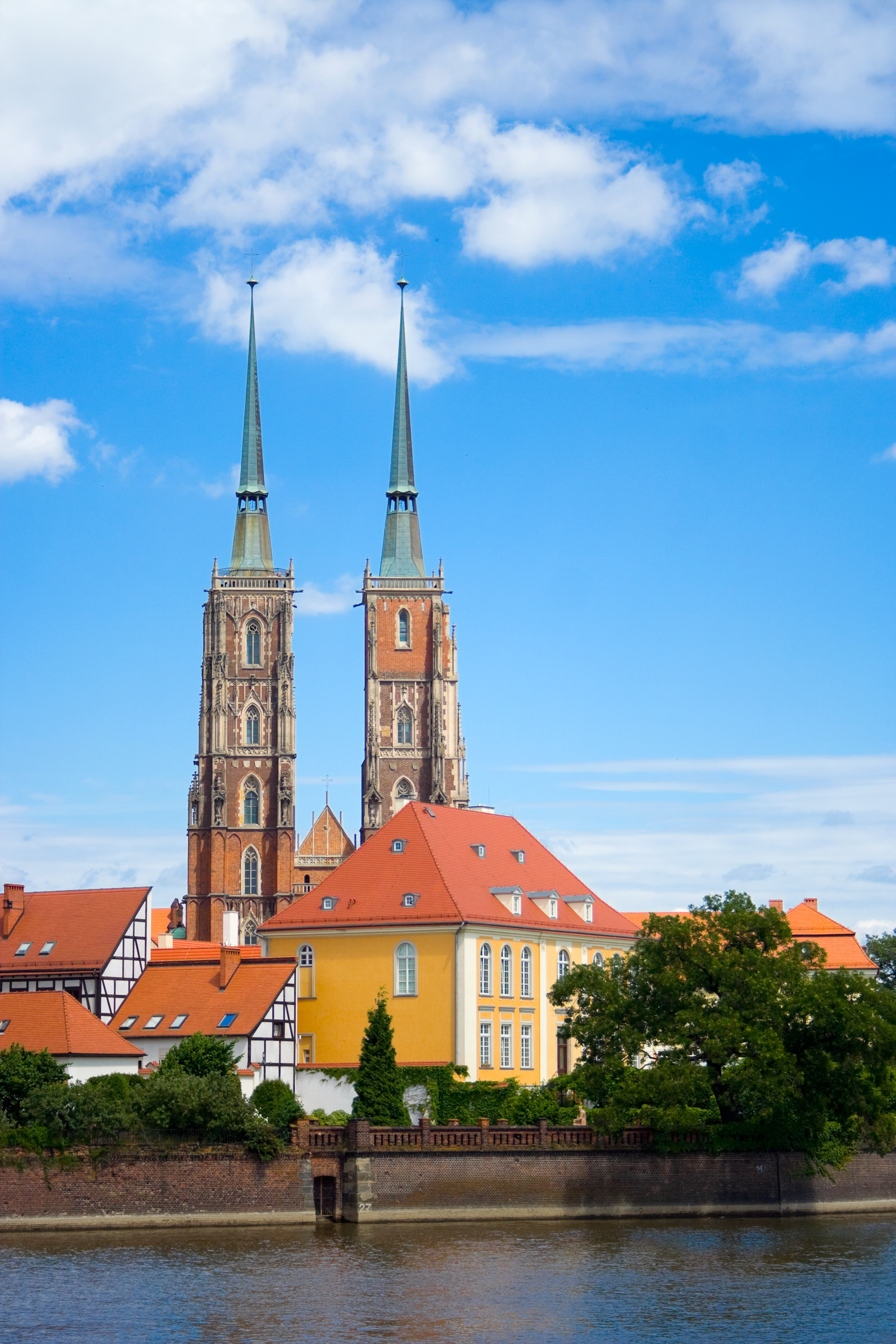
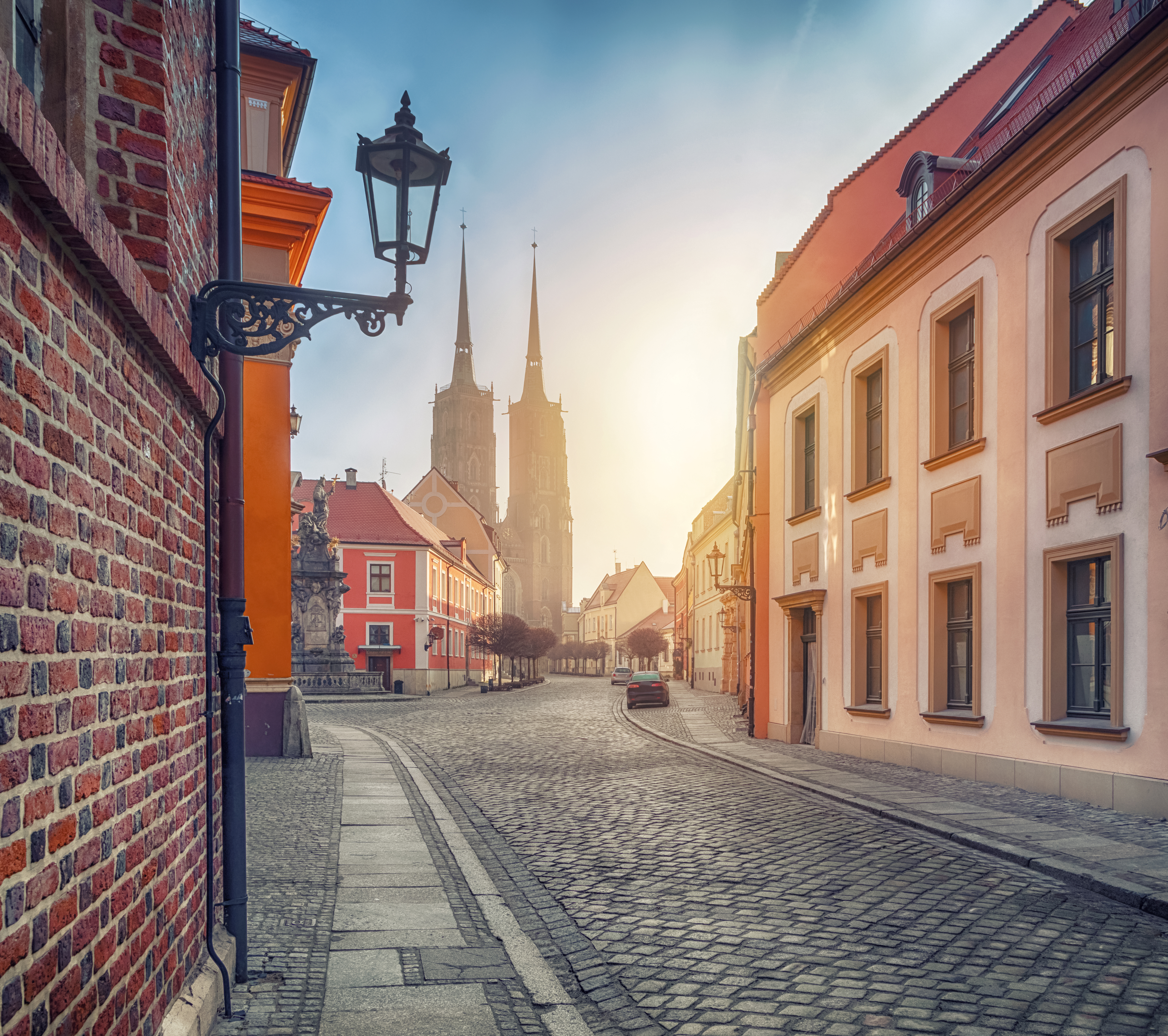
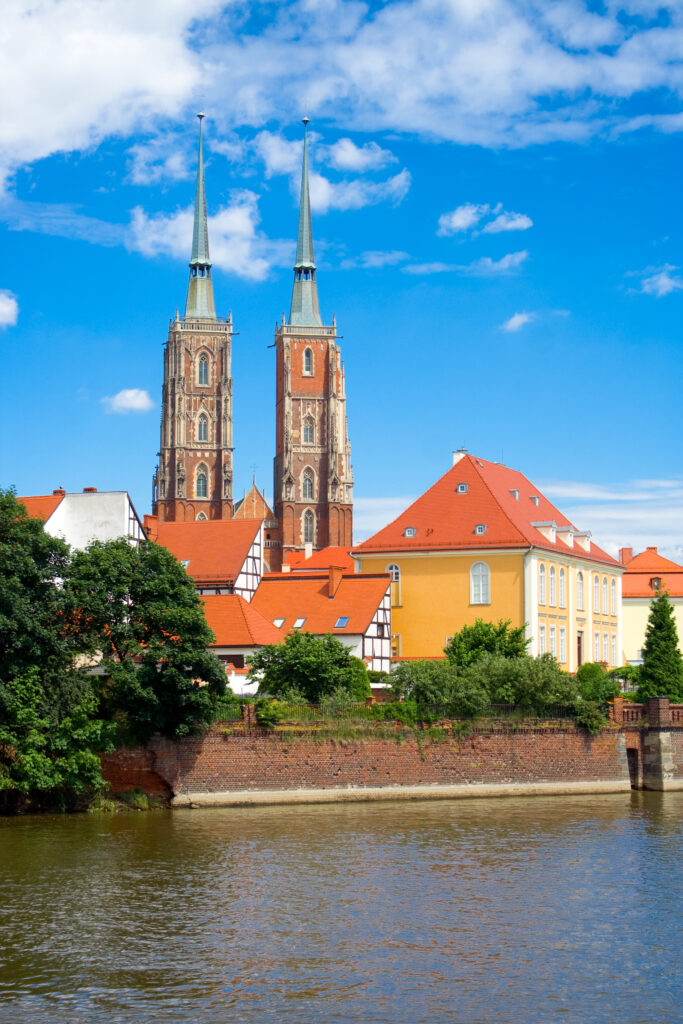
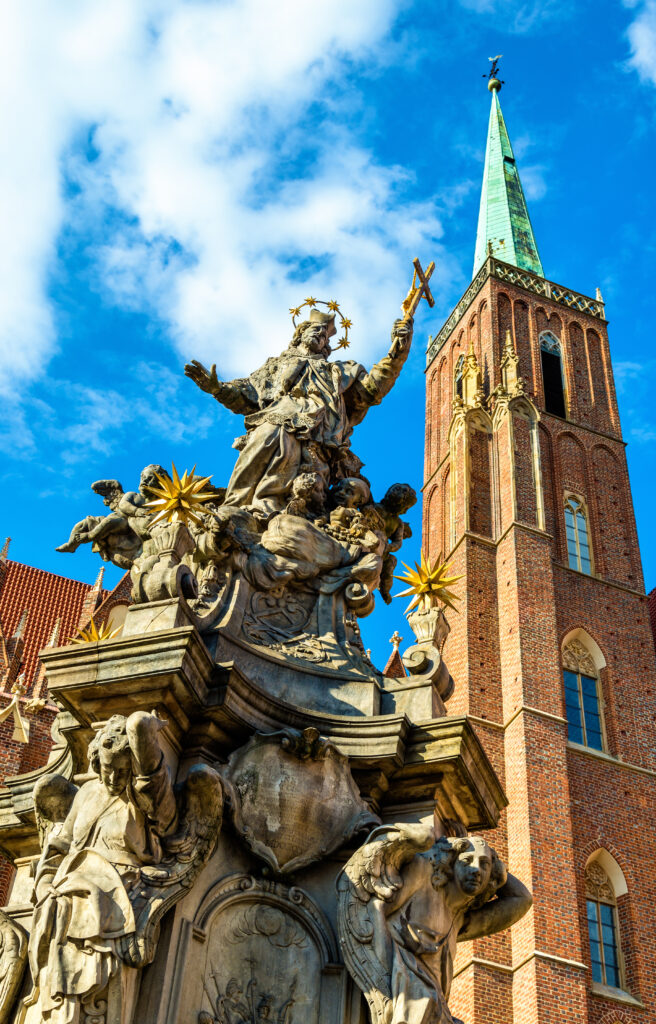
The medieval essence of the city is embodied by St. John the Baptist Cathedral, whose Gothic towers rise into the sky. Built in the 13th century, this cathedral not only witnessed the coronations of kings, but also served as a fortress in turbulent times.
The church’s elaborate stained glass windows depict scenes from sacred narratives and local lore, such as the legend of the princess who turned herself into a swan to escape her abductor. Each window tells a story, adding depth to the historical narrative of Wrocław.
War suffering – Wrocław’s resilience was put to the test during the Second World War when it became one of Nazi Germany’s last strongholds. The siege of Wrocław, which lasted from February to May 1945, turned the once-thriving city into a ruin. Amidst the bombings and blockades, stories of courage emerged. One such story is that of Anna Kriegler, a nurse who risked her life to smuggle food to trapped civilians by navigating underground tunnels beneath the city. Her bravery became a symbol of hope for many residents of Breslau.
The secret of the underground tunnels – Although the streets above ground tell a lively story, the hidden world beneath Breslau reveals another fascinating layer. The city’s complex network of tunnels has served various purposes over the centuries, from ancient passageways used for defence and trade to secret escape routes in times of war. These underground arteries are said to have once been part of an extensive system that stretched into neighbouring cities and was designed for secret escapes and covert missions.
One story tells of an underground library discovered after the Second World War that contained rare manuscripts and banned books. Whether this treasure was hidden by fleeing scholars or amassed by looters during the war remains a mystery.
However, the existence of such artefacts adds to the fascination of Wrocław as a city deeply connected to knowledge and secrets.
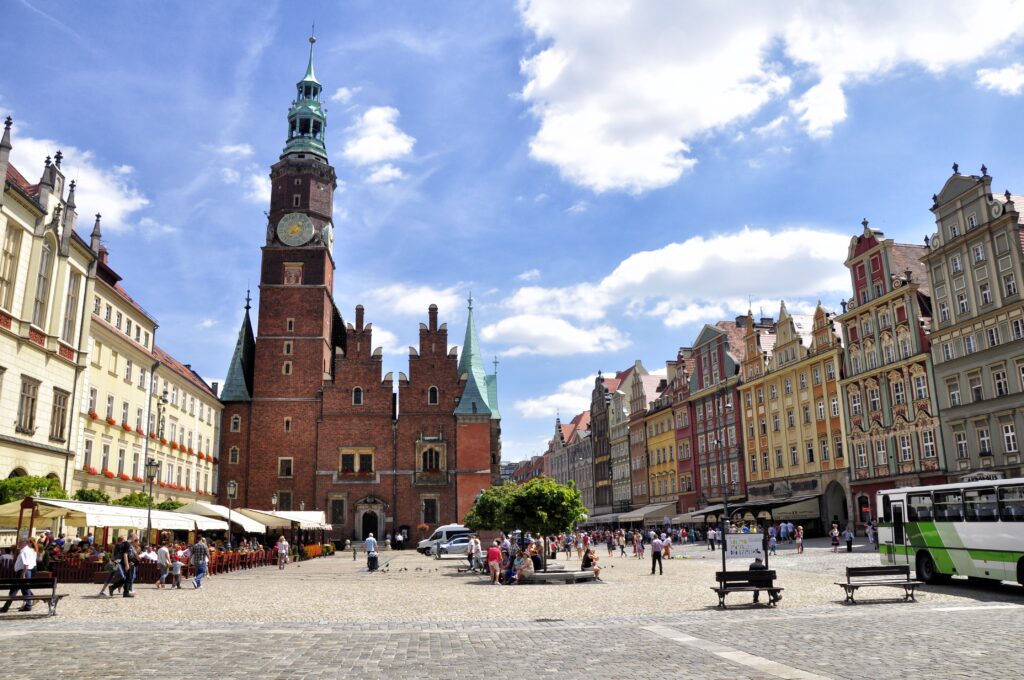
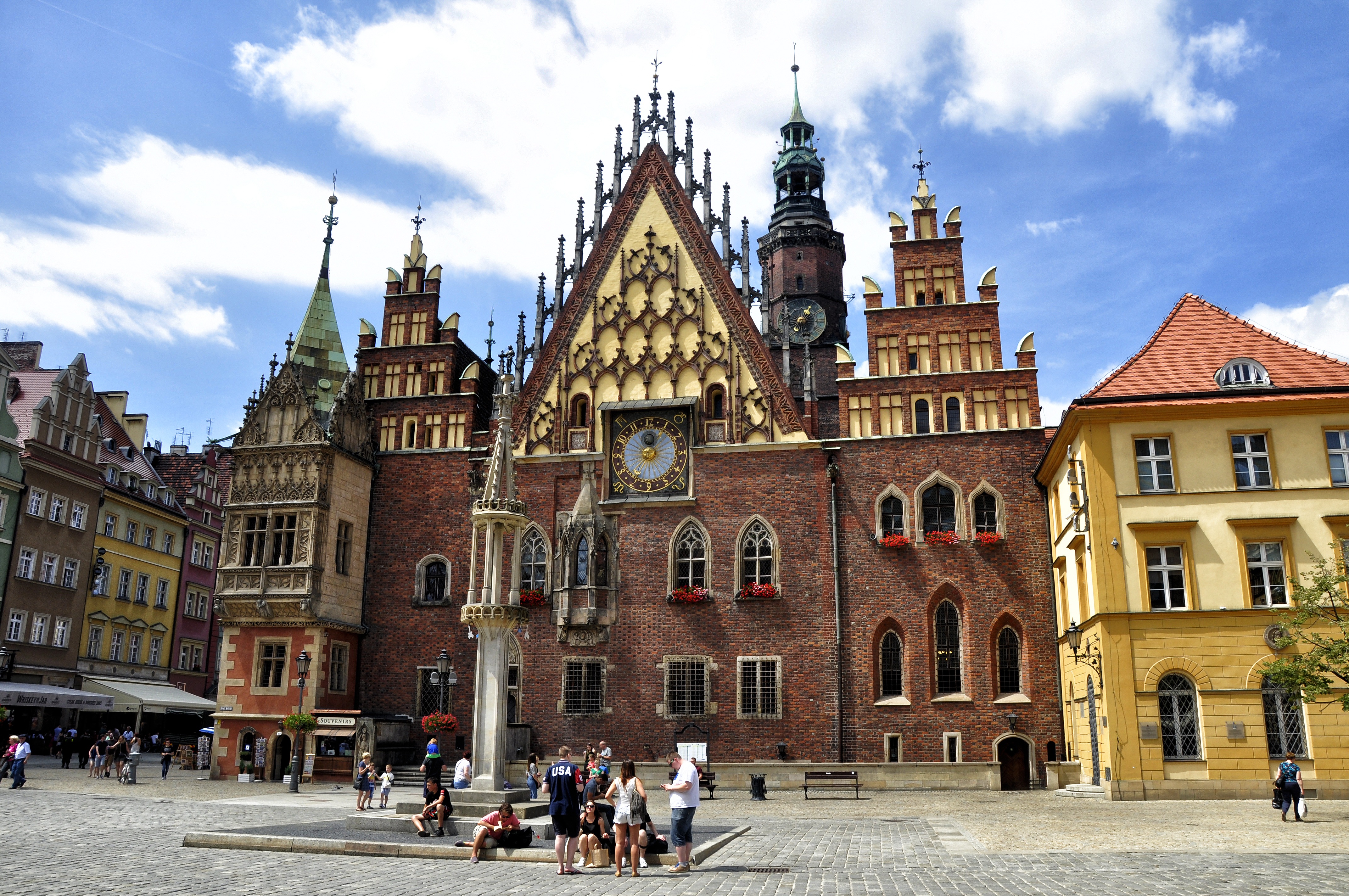
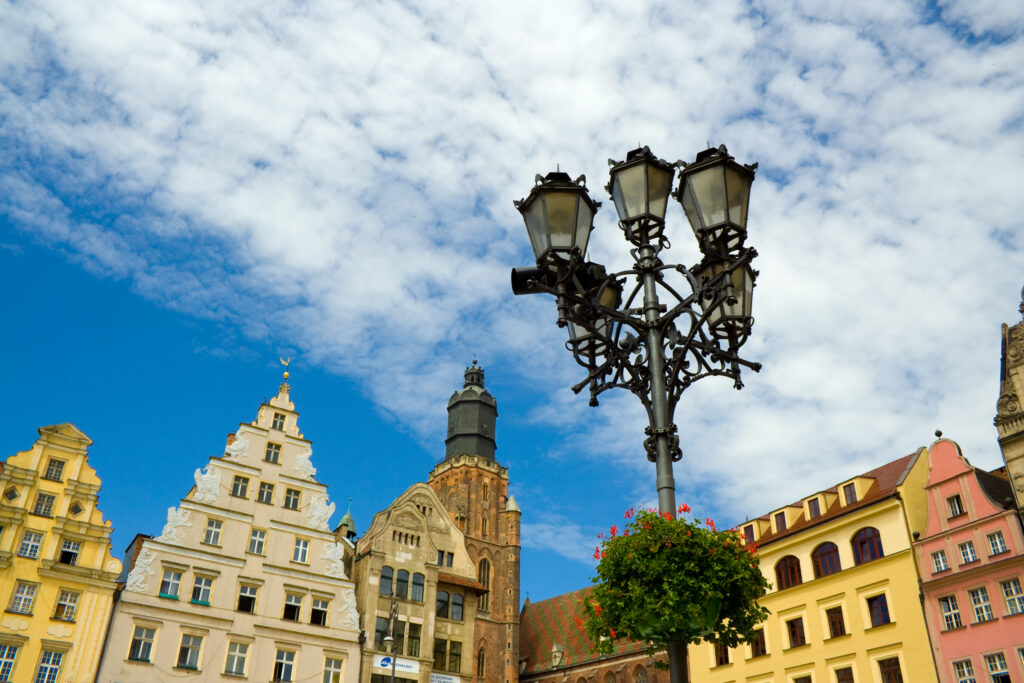
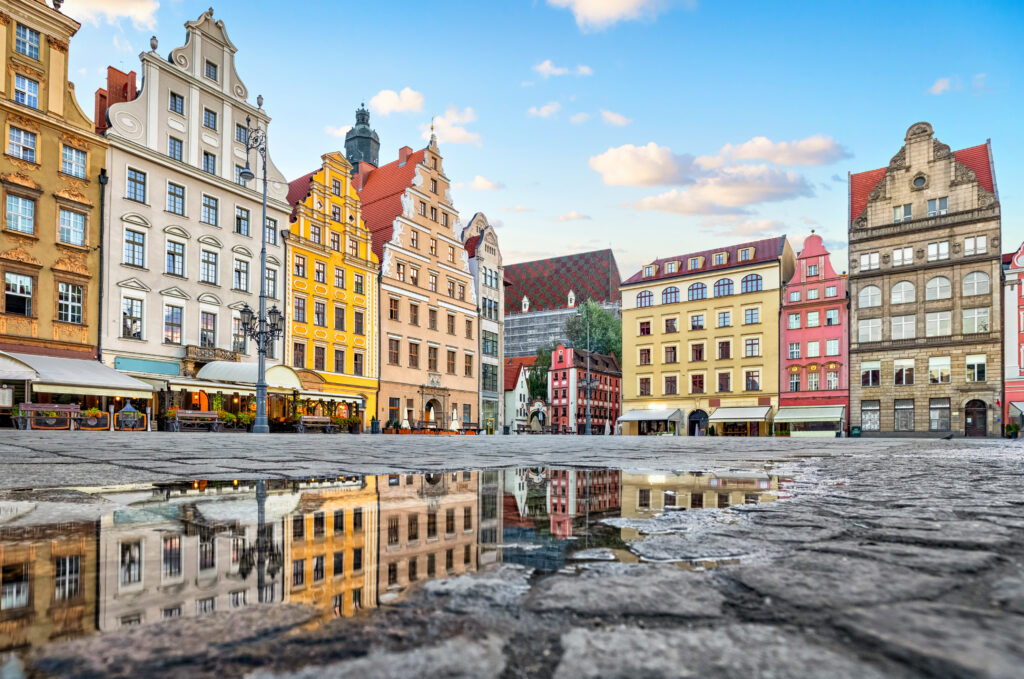
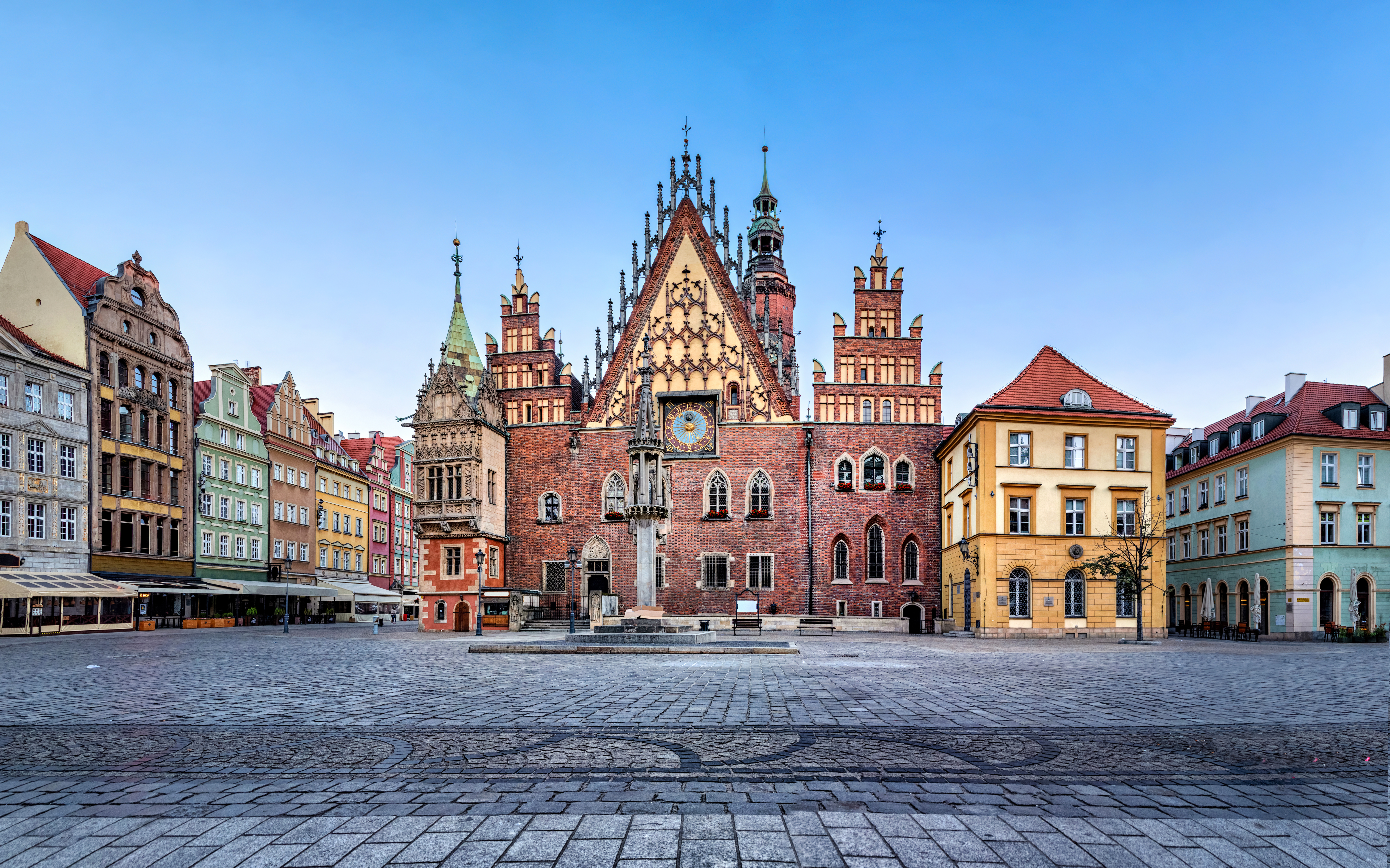
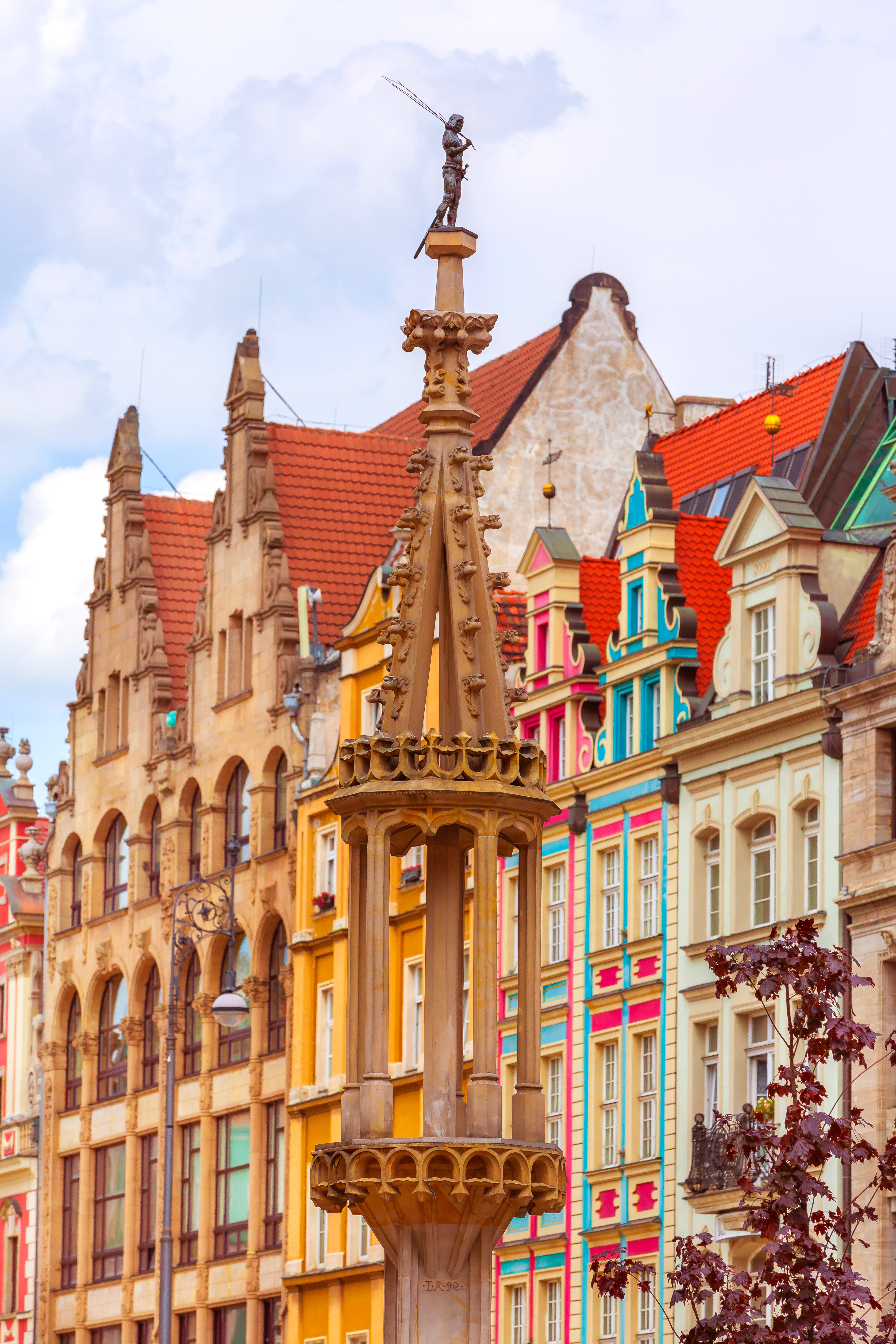
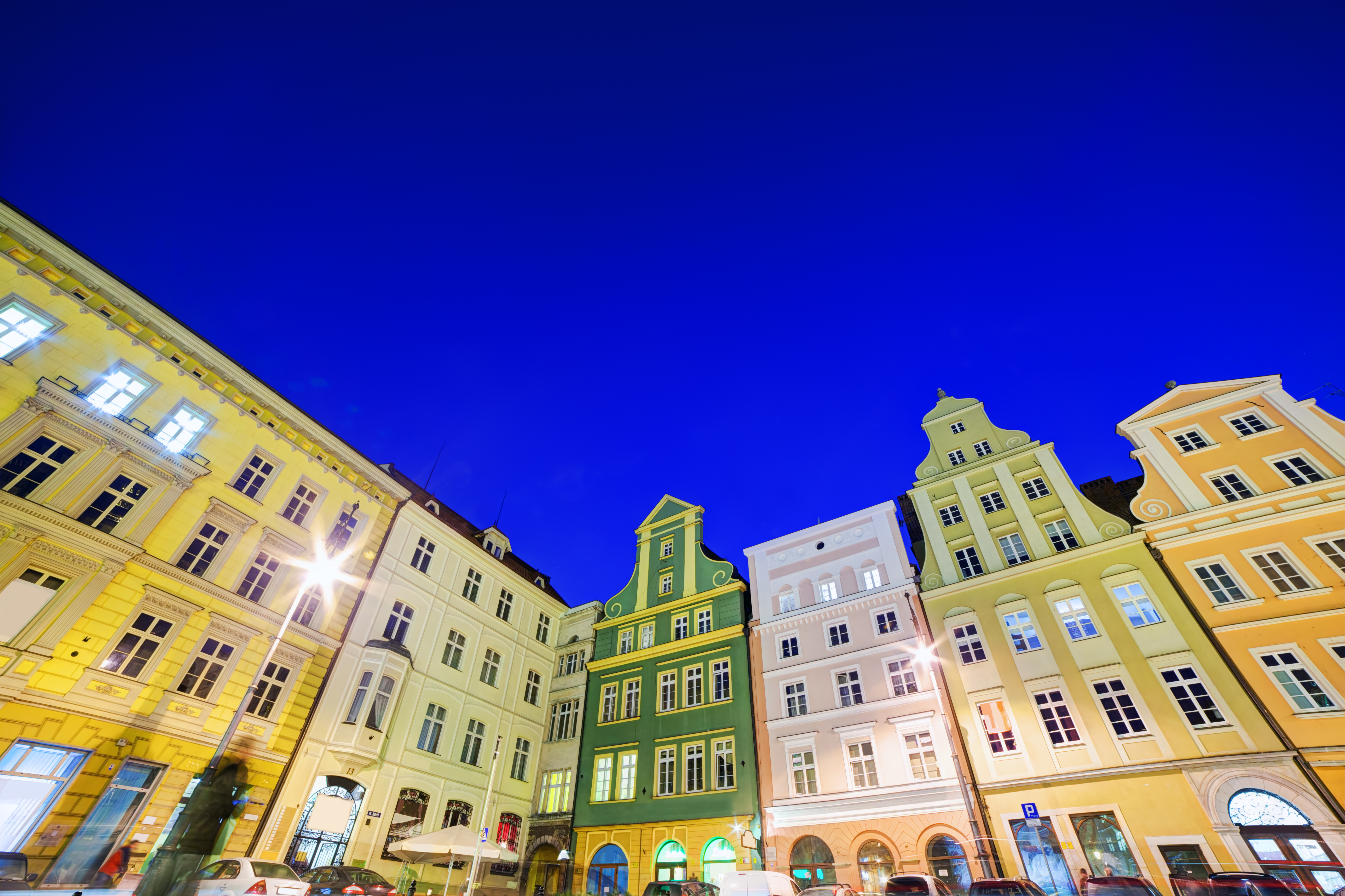
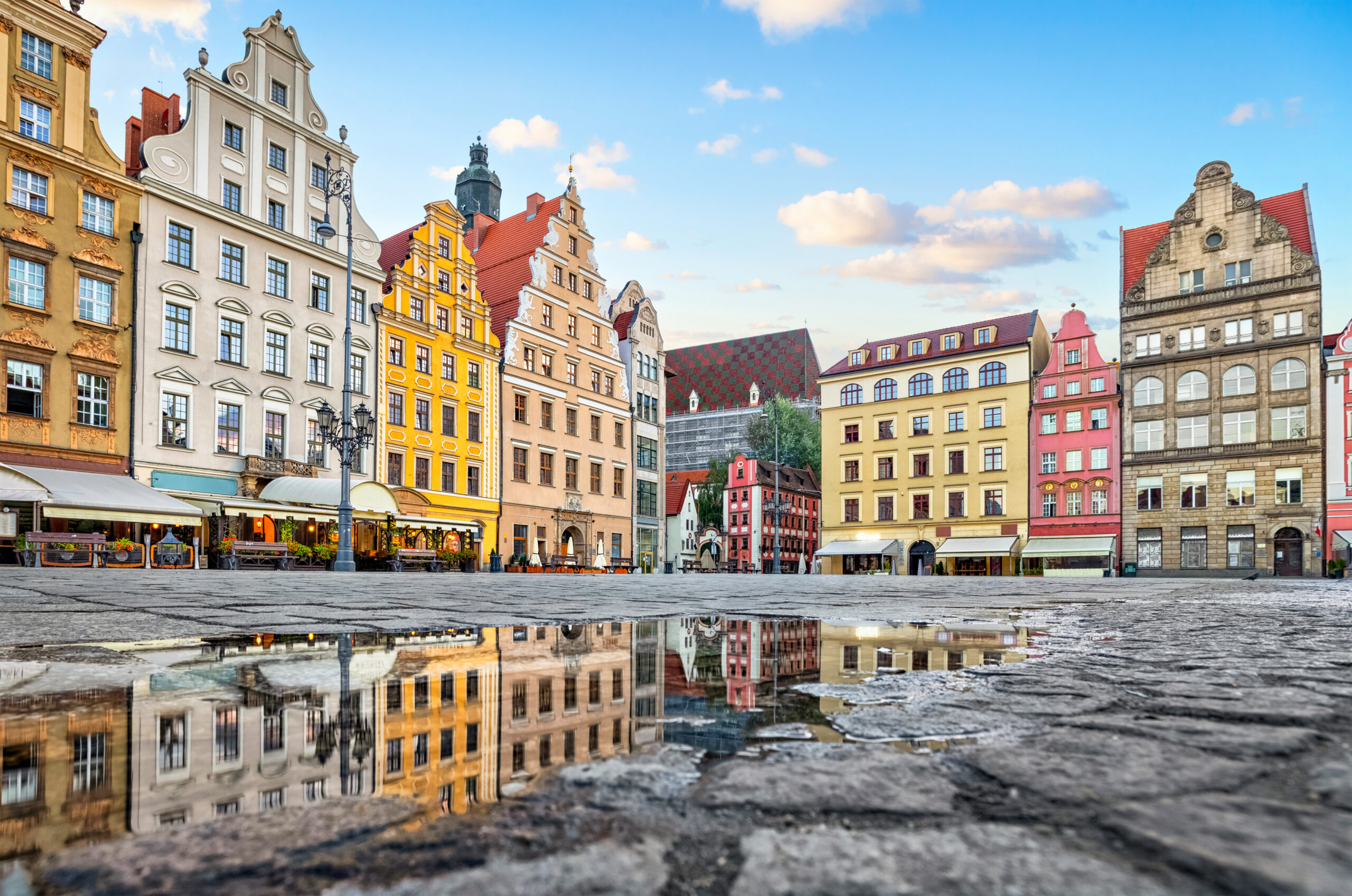
Cultural renaissance and rediscovery – After the destruction of the war, Wrocław experienced a renaissance and rose from the ashes with new vigour. Today, Wrocław is a city where history and modernity blend seamlessly. The carefully reconstructed Old Town is a vibrant hub of activity, full of cafés, galleries and markets. The annual festival of good beer, which takes place in the city’s parks, attracts visitors from all over the world and celebrates Wrocław’s brewing heritage.
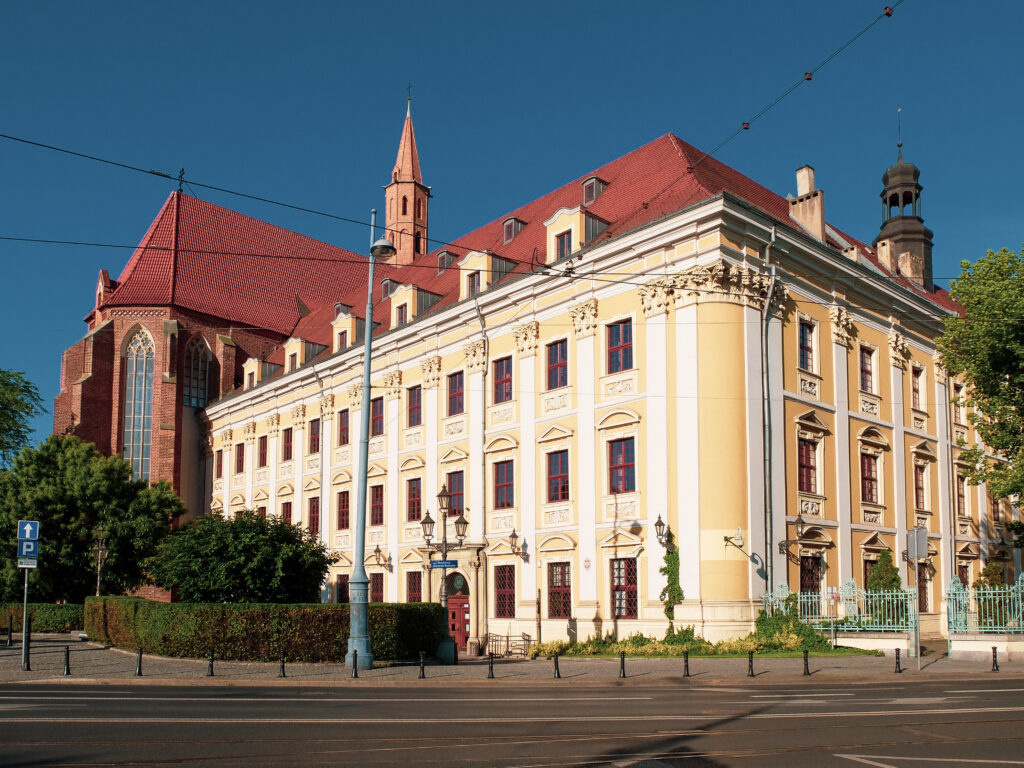
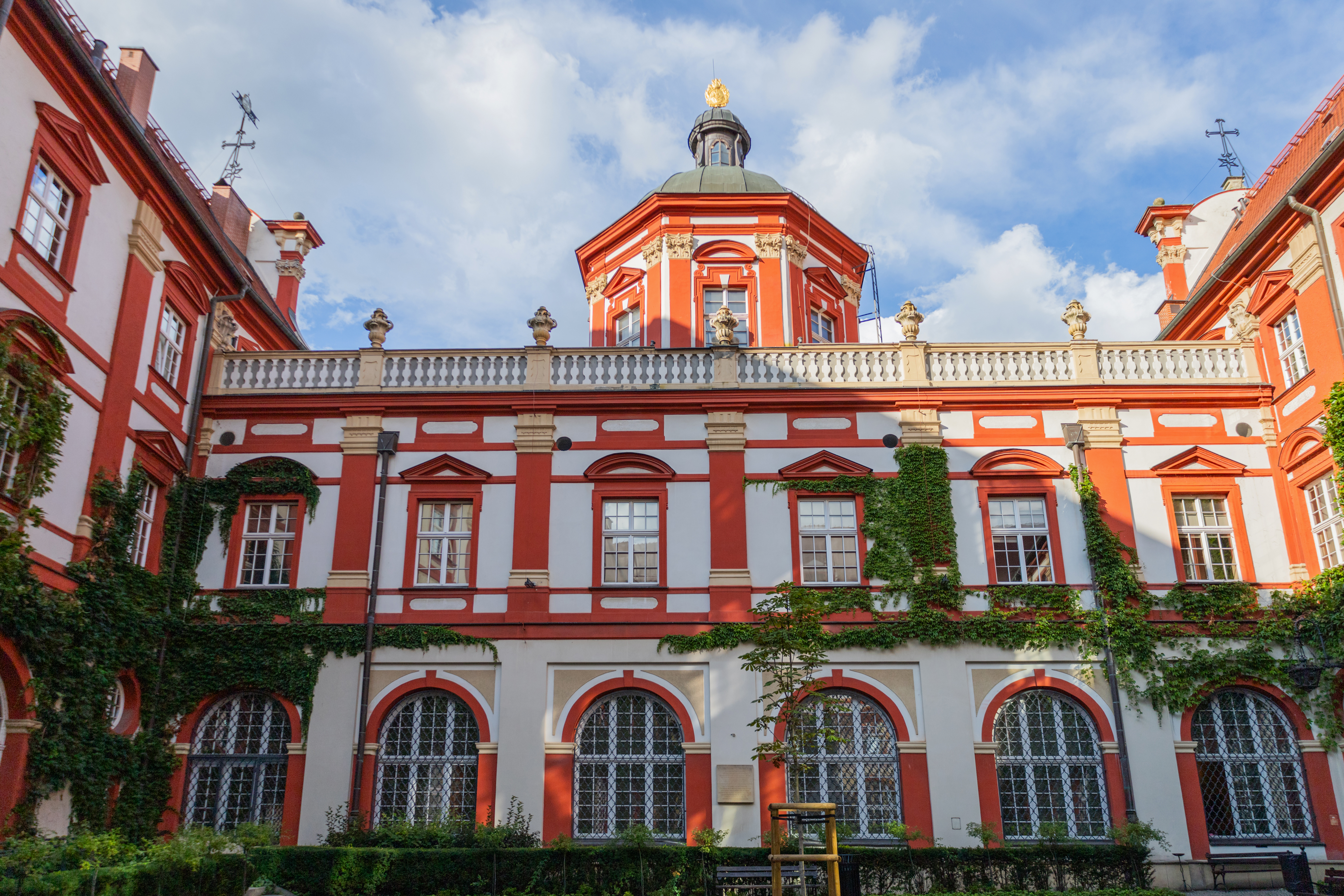
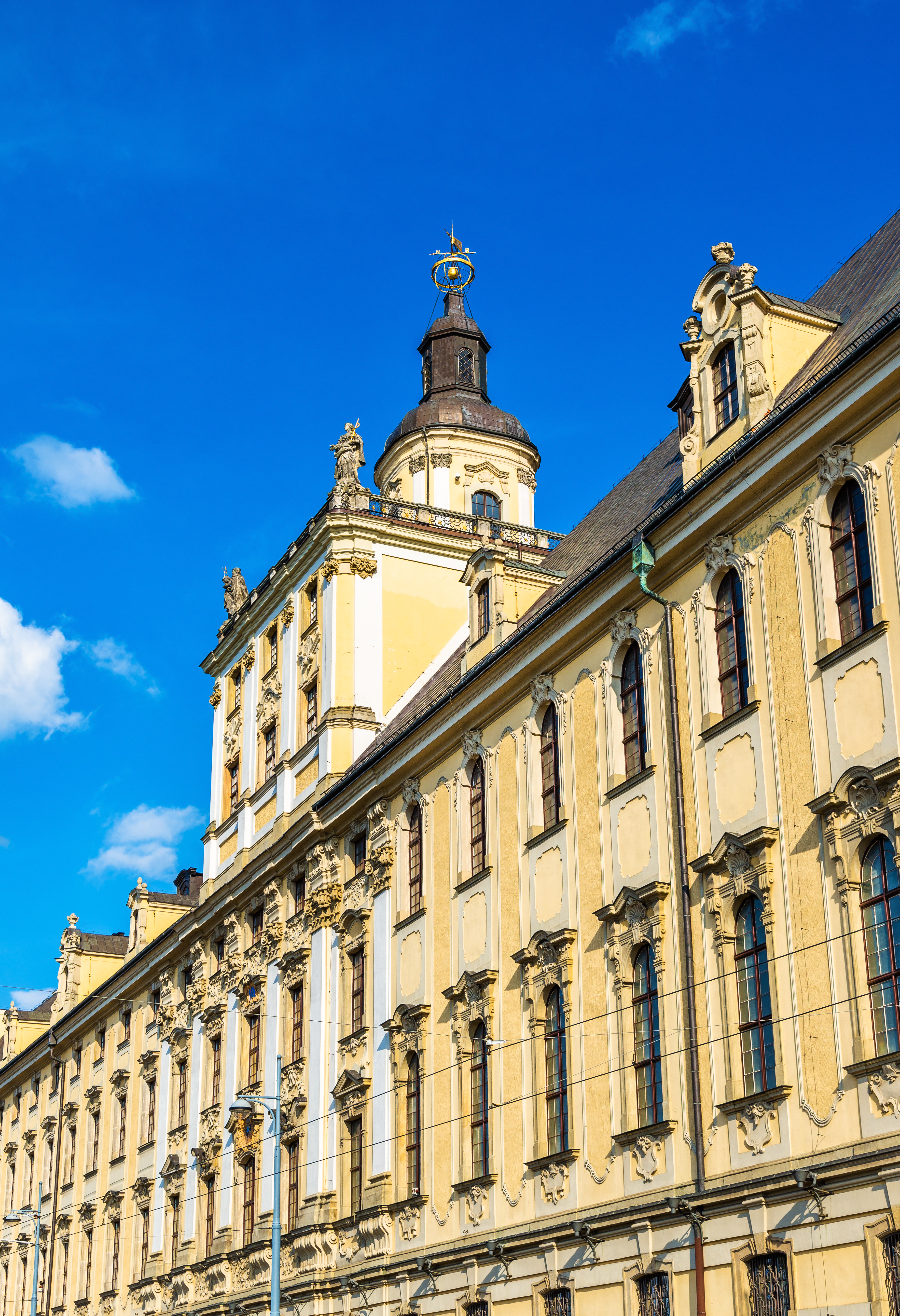
Another jewel in Wrocław’s crown is its university, founded in 1702.
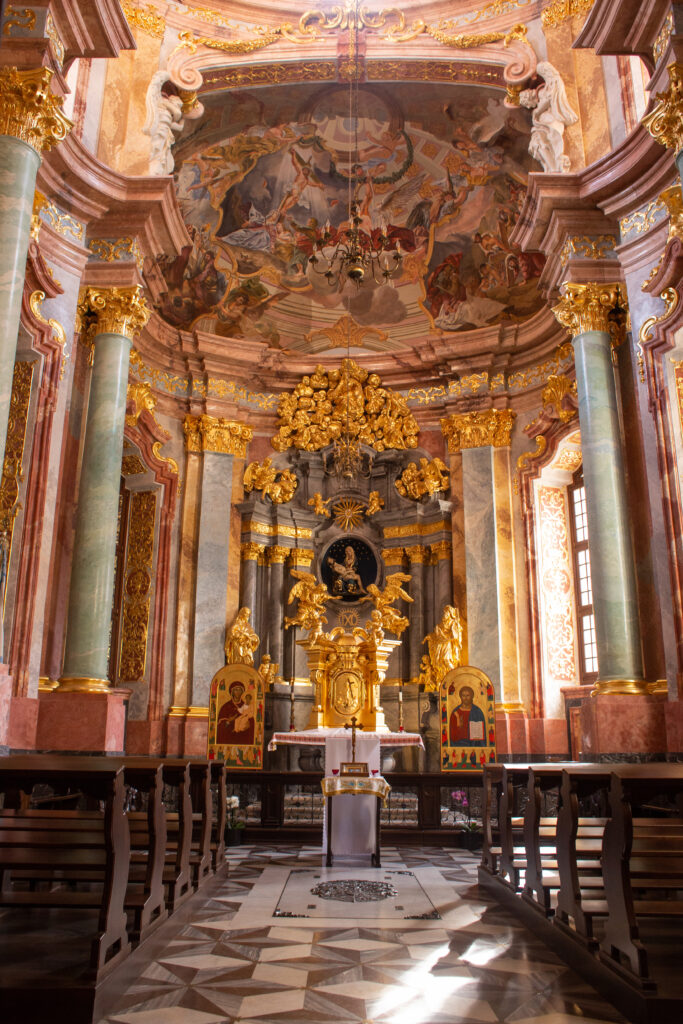
The University of Wrocław has always been a beacon of education and enlightenment, producing Nobel Prize winners and shaping the global scientific community. It is home to the Aula Leopoldina, a magnificent Baroque hall decorated with frescoes and statues that reflect the splendour of the academic world.
Echoes of legends in modern times – The legends of Wrocław have permeated cultural expressions over the years. The story of the Bronze Dwarf has inspired numerous artistic representations, from paintings to poems. Hans Christian Andersen’s fairy tales often draw parallels with the traditions of Wrocław, suggesting that the Danish author found creative inspiration during his visits to the region.
Modern filmmakers and writers continue to explore Wrocław’s enigmatic past, weaving together stories that capture the imagination.
The city’s post-war transformation has not erased these legends, but rather absorbed them. Local myths are often dramatised at street festivals, while museums dedicate exhibitions to the legendary history of Breslau. These cultural activities ensure that the spirit of Breslau’s legends lives on and resonates with each new generation.
Wrocław, an enchanting city with multifaceted layers of history and legends, invites exploration that goes beyond the ordinary.
From the mysticism of the bronze dwarf to war heroics and underground secrets, Wrocław offers a narrative rich in adventure and intrigue. Its blend of past and present, myth and reality ensures that every visitor or resident stands on historic ground.
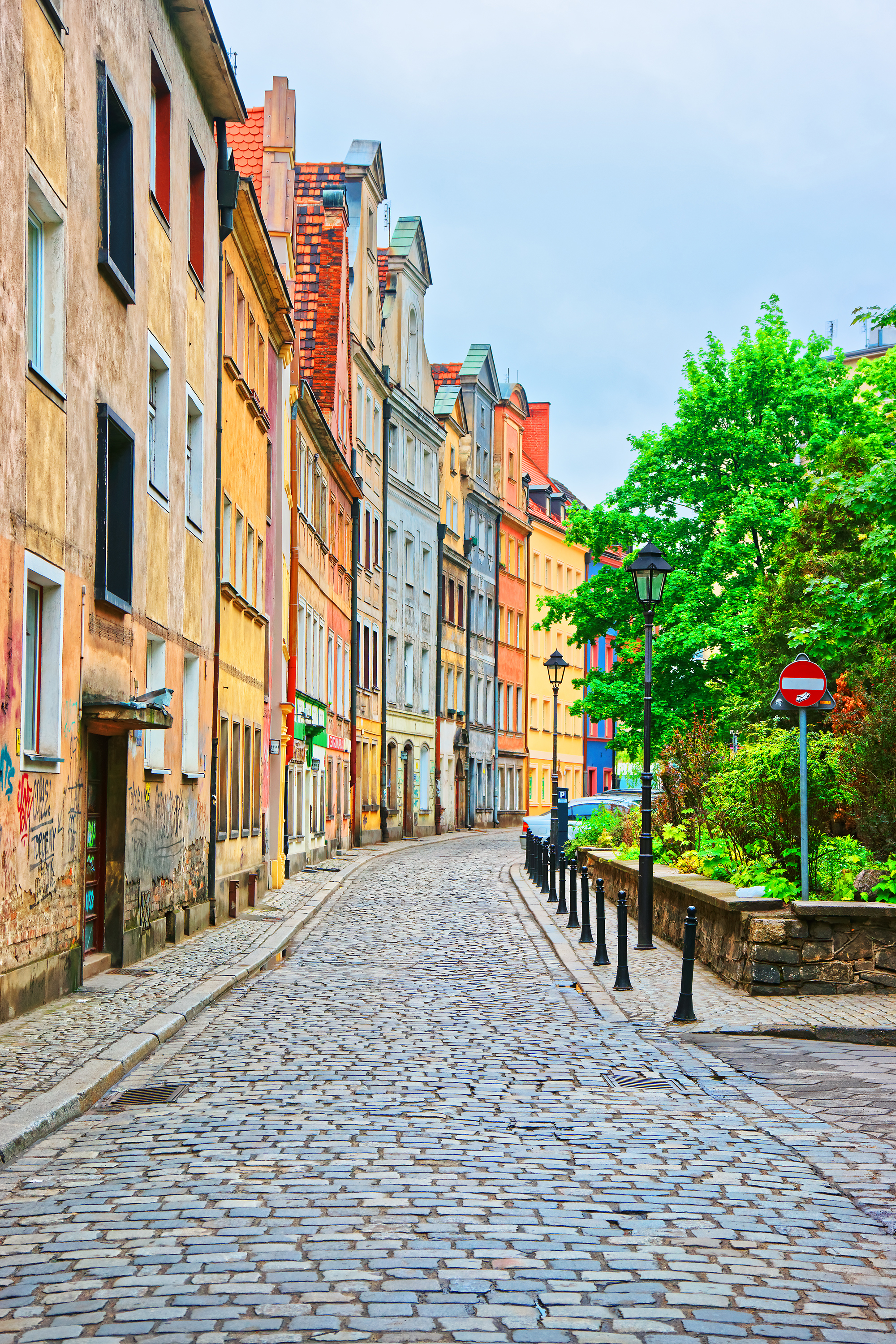
As you stroll through the cobbled streets of Wrocław, remember that every brick, every archway holds a fragment of Wrocław’s epic saga – a story that has unfolded over centuries, shaped by myths and steeped in history. Thus, Wrocław is not just a geographical location, but a timeless entity that eternally whispers its secrets to those who are willing to listen.