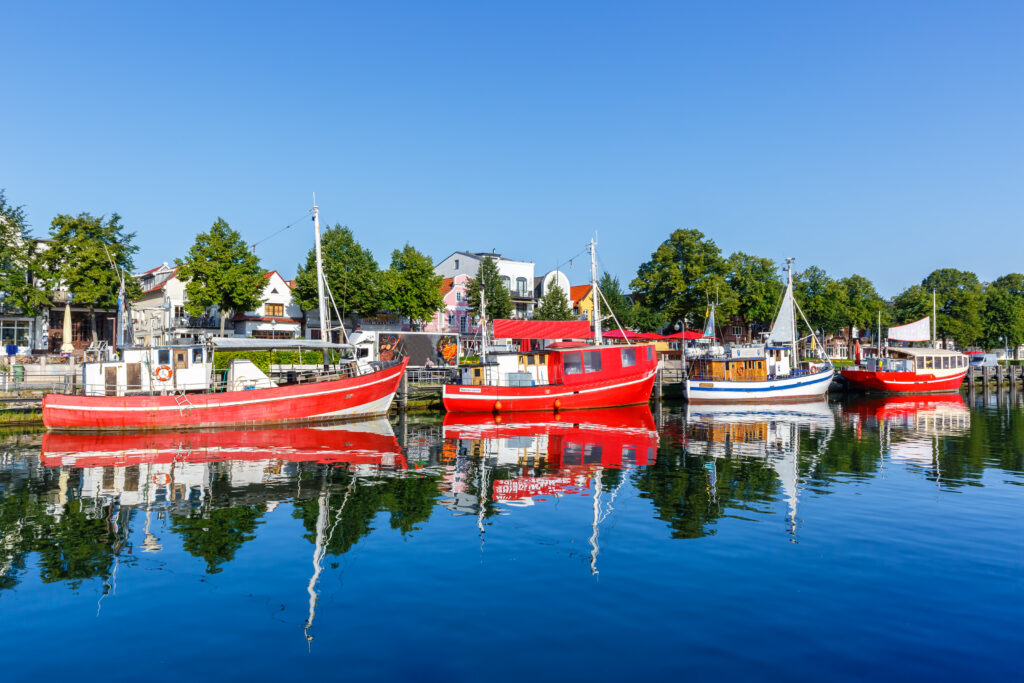
Rostock, located on the banks of the Warnow River, is not just another coastal city in northern Germany, but a treasure trove of history and culture that has developed dramatically over the centuries. Once an important trading hub during the Hanseatic League, Rostock has transformed itself from its medieval roots into a dynamic city that offers a unique blend of old-world charm and modern vibrancy. This article delves into Rostock’s glorious past and examines the events and developments that have made this remarkable city what it is today.
The beginnings – Archaeological finds indicate that the area around Rostock was already settled in the 7th century. Originally inhabited by Slavic peoples, Rostock developed into an important center for trade and commerce.
The first documented mention of the city dates back to 1218, when it was granted city rights by Heinrich Borwin I, Duke of Mecklenburg. This milestone marked the beginning of Rostock’s development into a thriving trading city.
The founding of the university in 1419 contributed significantly to Rostock’s reputation and made it one of the oldest universities in Northern Europe. The University of Rostock became a center for scholars and intellectuals and promoted advances in various fields, including science, philosophy, and medicine. The city’s strategic location on important trade routes made it an important link between the Baltic Sea and the interior of Europe.
The Hanseatic period – From the 13th to the 17th century, Rostock flourished as a member of the Hanseatic League, a powerful economic association of trade guilds and cities in northern Germany and beyond. This period marked the heyday of Rostock, as it established strong trade relations with other Hanseatic cities such as Lübeck, Hamburg, and Tallinn. Rostock’s merchants traded in various goods, including wood, fish, and textiles, contributing to the city’s wealth and influence.
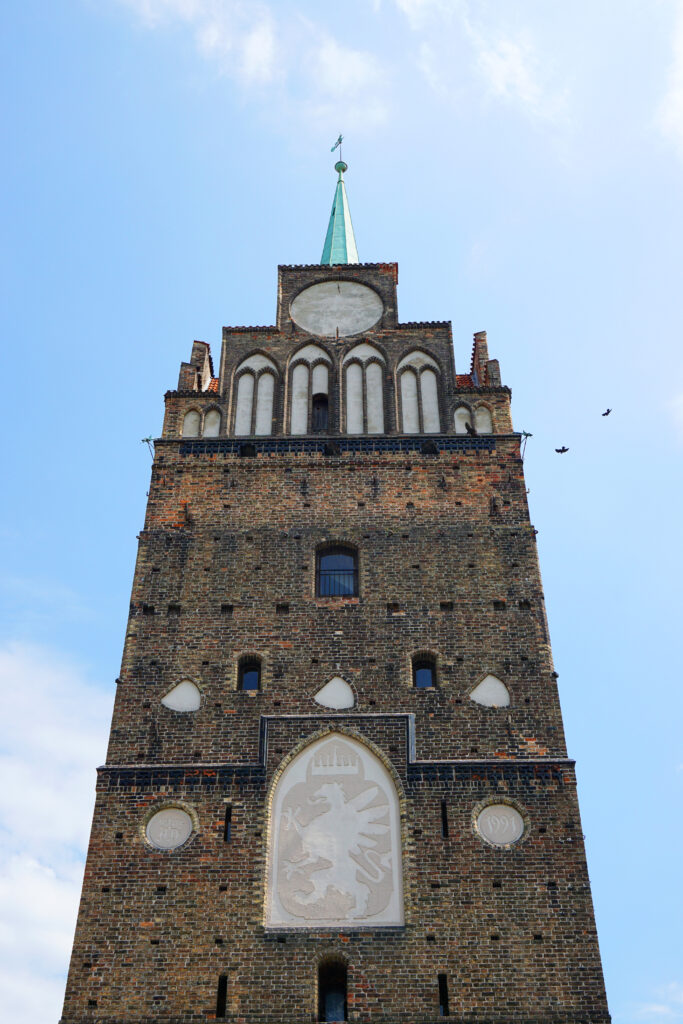
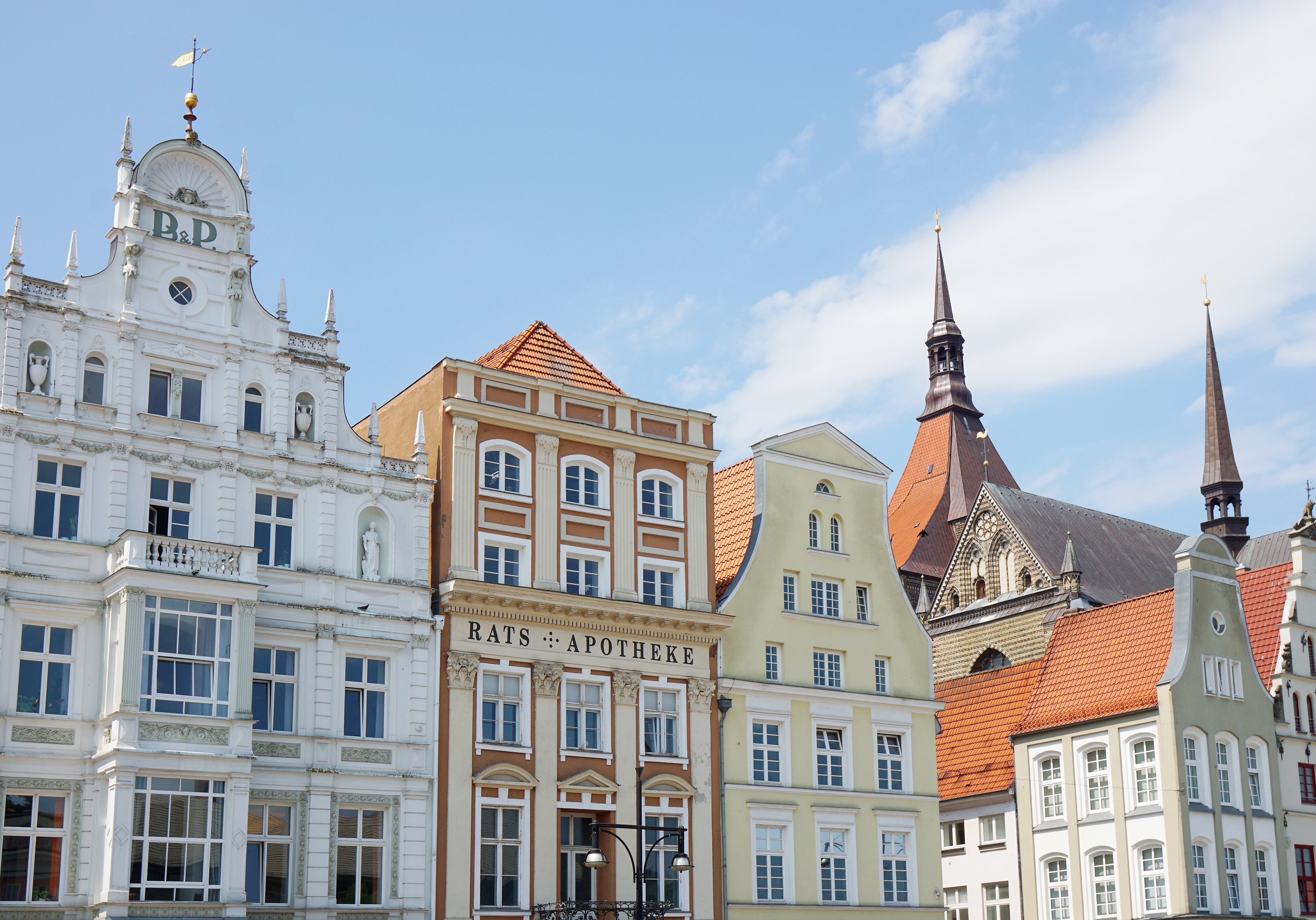
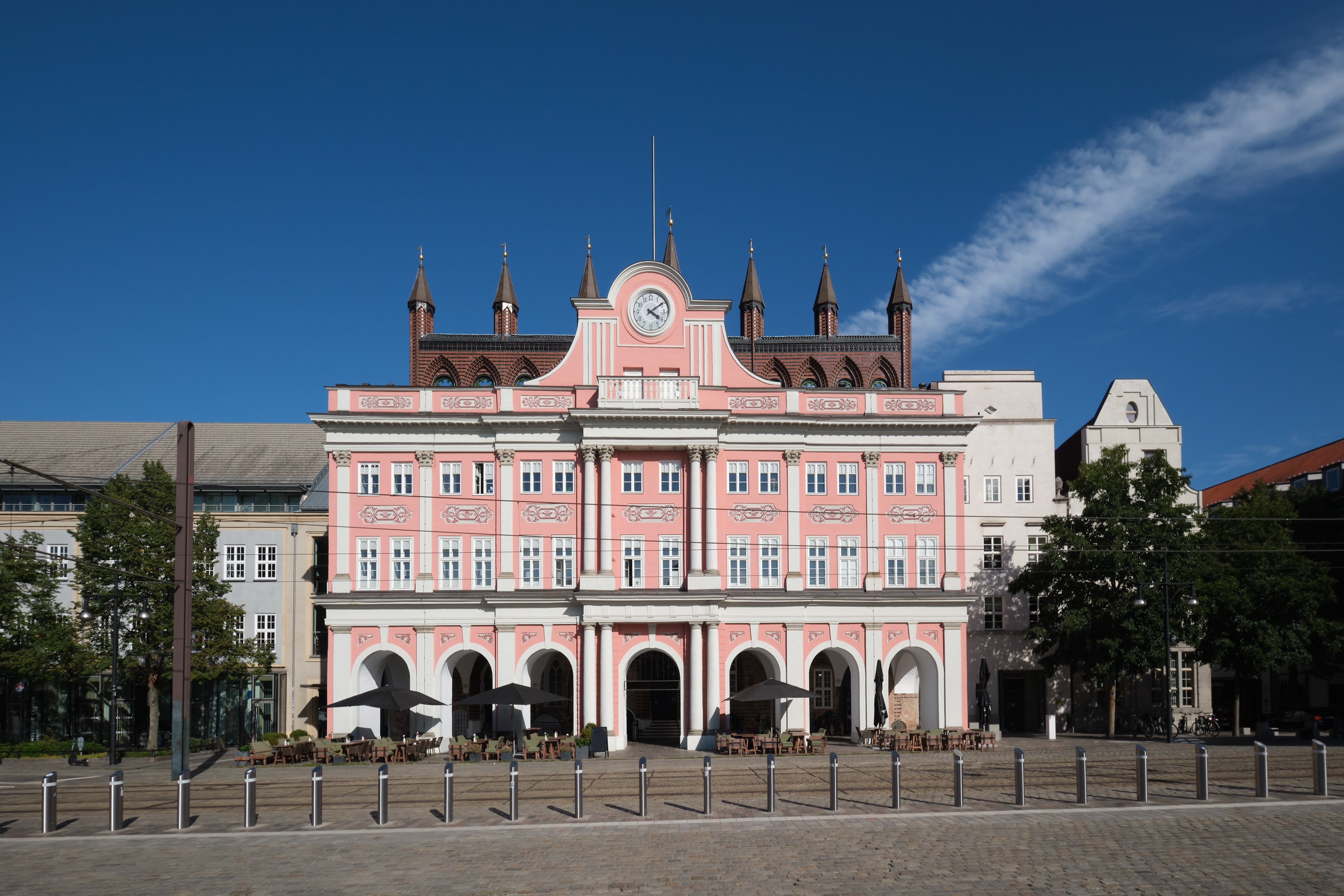
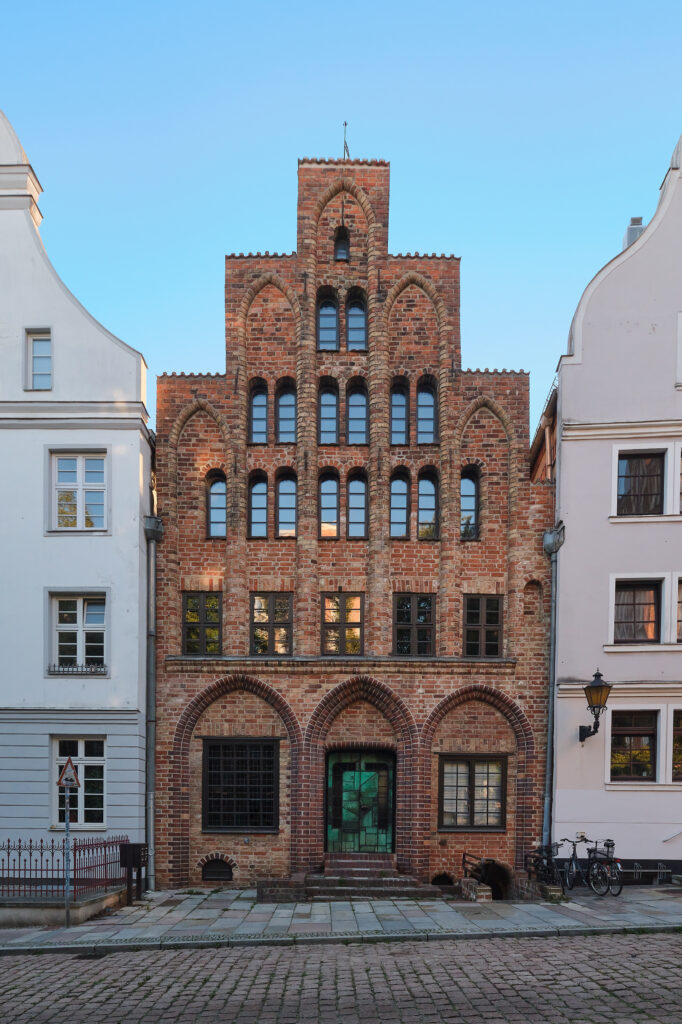
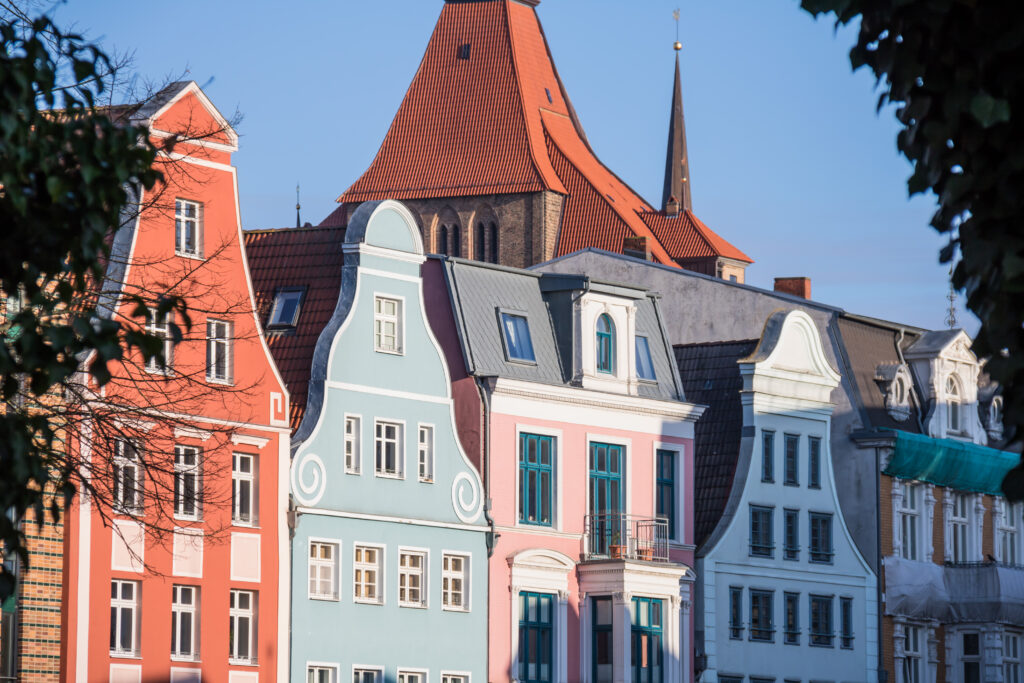
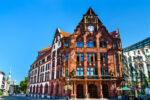
The historic architecture from this period still characterizes the cityscape today. The iconic St. Mary’s Church, built in the late Gothic style, bears witness to the city’s flourishing economy. Its impressive tower, which dominates the skyline, served as a landmark for sailors approaching the harbor. The market square, lined with magnificent brick houses, embodies the spirit of prosperity that characterized Rostock during the Hanseatic period.
Unrest and resilience – Like many cities in Europe, Rostock has faced numerous challenges throughout its history. The Thirty Years’ War (1618–1648) brought devastation and hardship to the region, leading to economic decline and population decline. However, the resilience of the city’s inhabitants was evident in their diligent efforts to rebuild their lives and restore Rostock to its former glory.
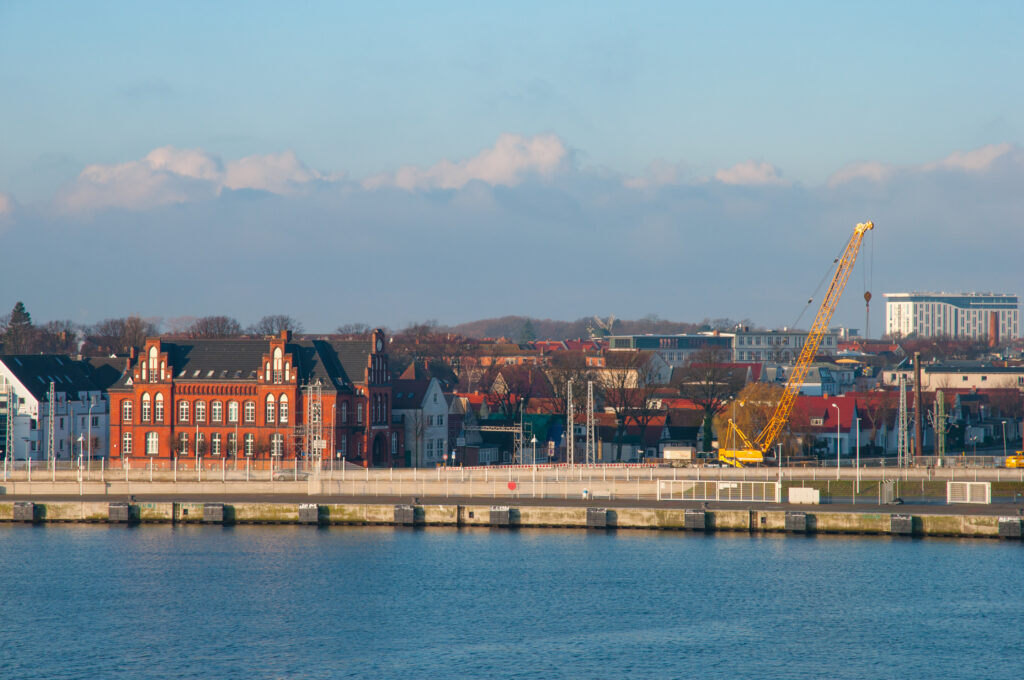
In the 18th and 19th centuries, Rostock underwent industrialization, which led to significant changes in its economic landscape. Shipbuilding and the maritime industry flourished, strengthening the city’s economy and creating jobs. The construction of the railroad in the mid-19th century further connected Rostock with the rest of Germany and strengthened its status as an important trading center.
World War II and its aftermath – The effects of World War II were profound for Rostock, as it was heavily bombed by the Allies. Much of the historic city center was destroyed, and in the post-war period, the city was divided between East and West Germany. Under communist rule in East Germany, Rostock developed more slowly, although efforts were made to preserve its cultural heritage.
Despite these challenges, Rostock’s community spirit remained unbroken. The city’s citizens played an important role in the peaceful protests of the late 1980s that contributed to the fall of the Berlin Wall. This period of political change heralded a new era of opportunity and growth for Rostock as it became part of reunified Germany.
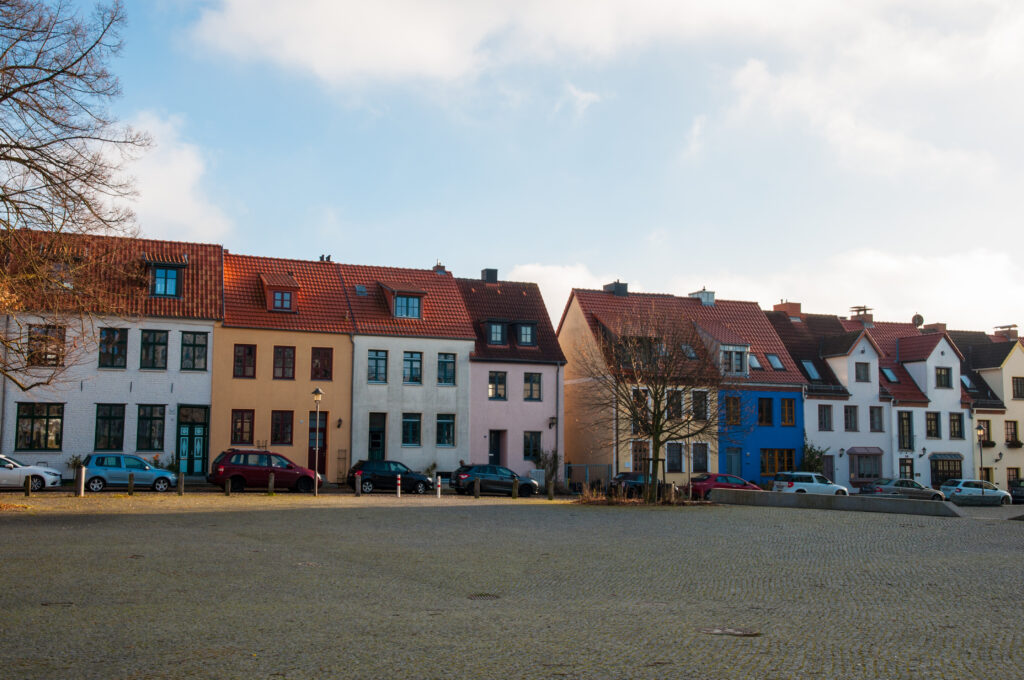
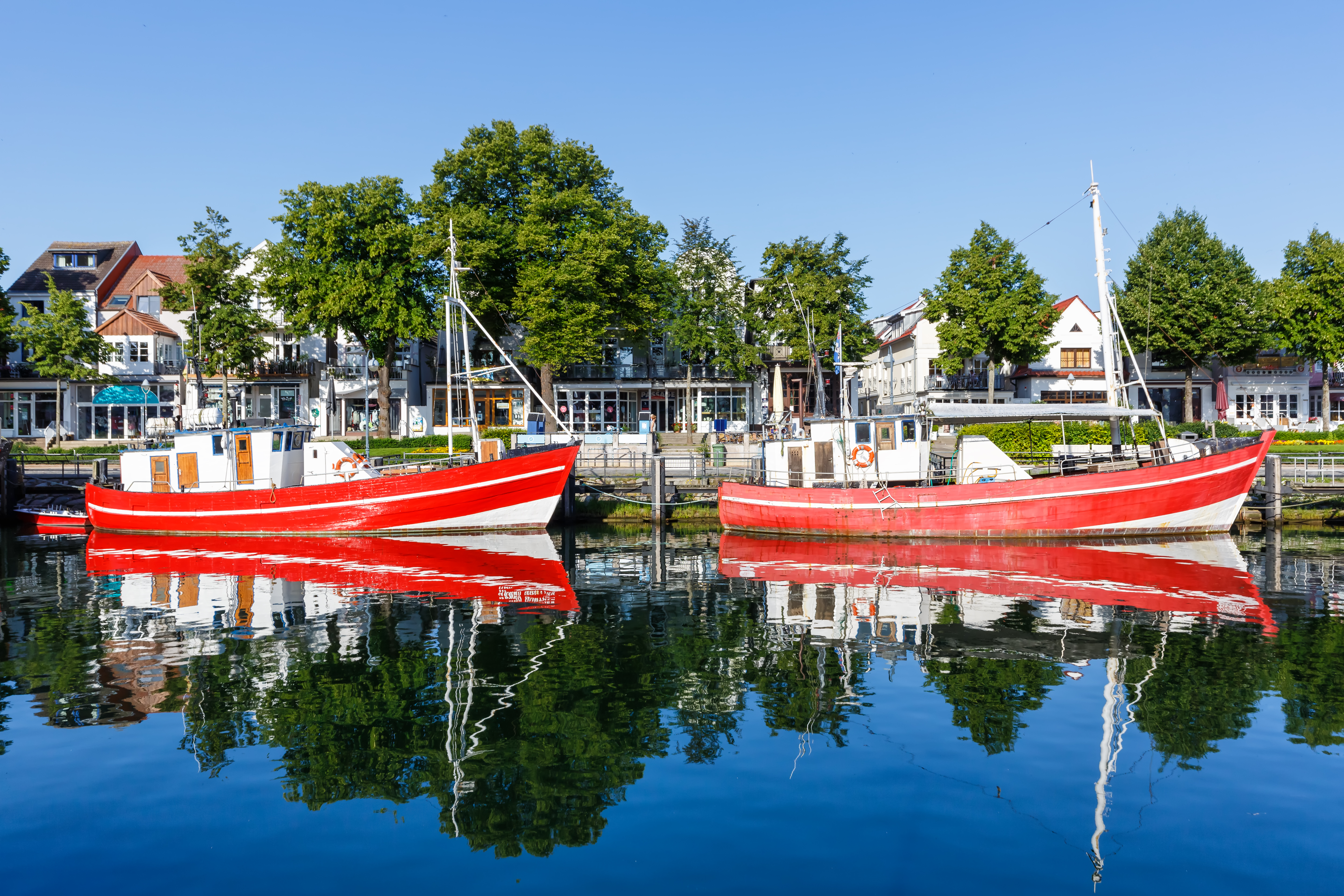
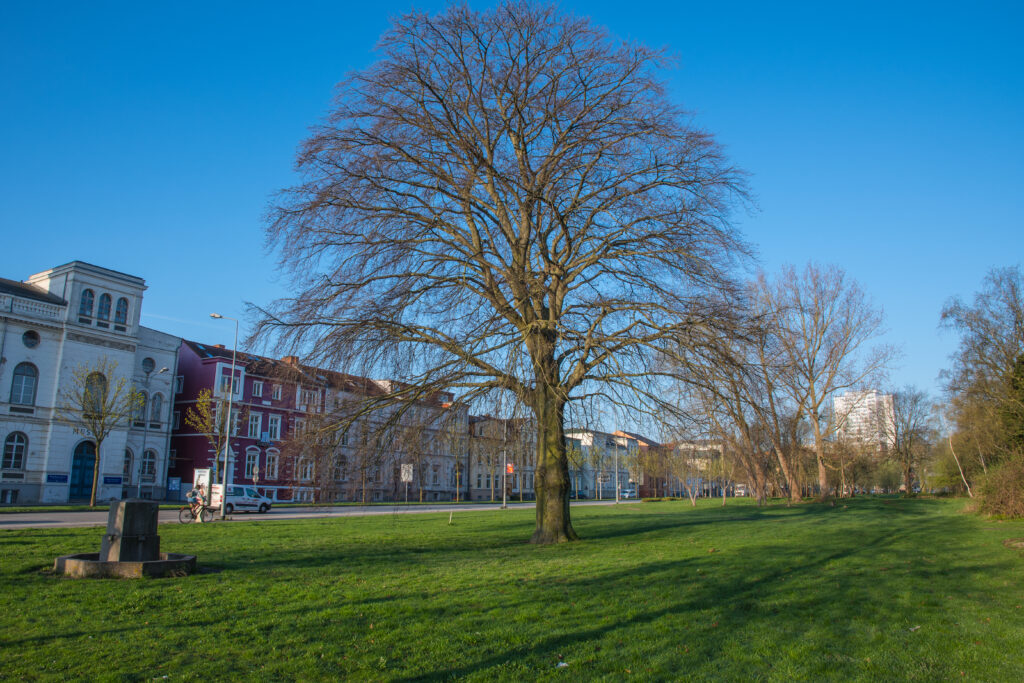
Modern Rostock – Today, Rostock is a vibrant city that cherishes its rich history while looking optimistically toward the future. The picturesque old town, with its cobblestone streets and historic buildings, attracts tourists from all over the world who want to experience the heritage of the Hanseatic League and the stories woven into the city’s fabric.
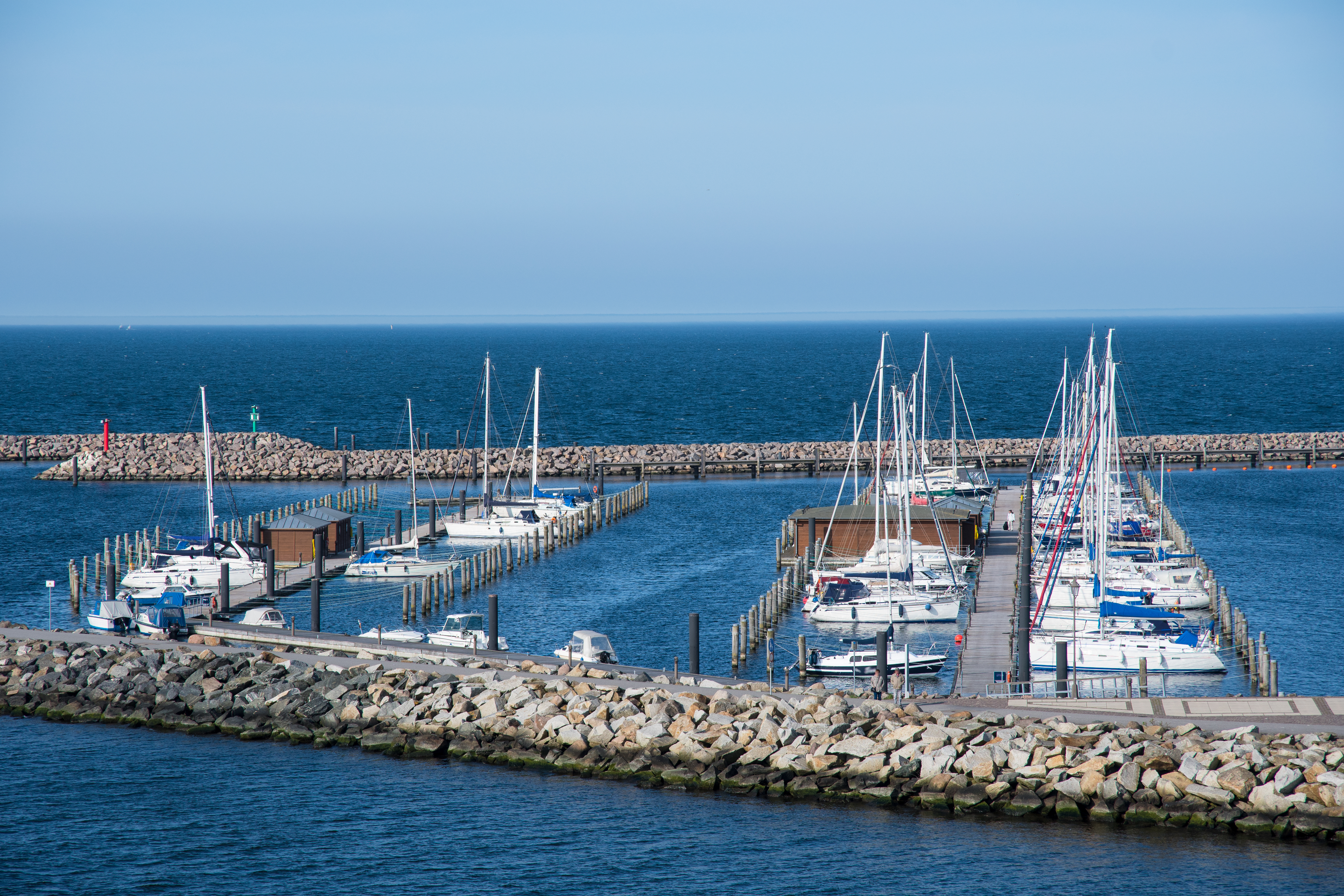
Rostock’s location on the Baltic Sea offers residents and visitors breathtaking natural landscapes.
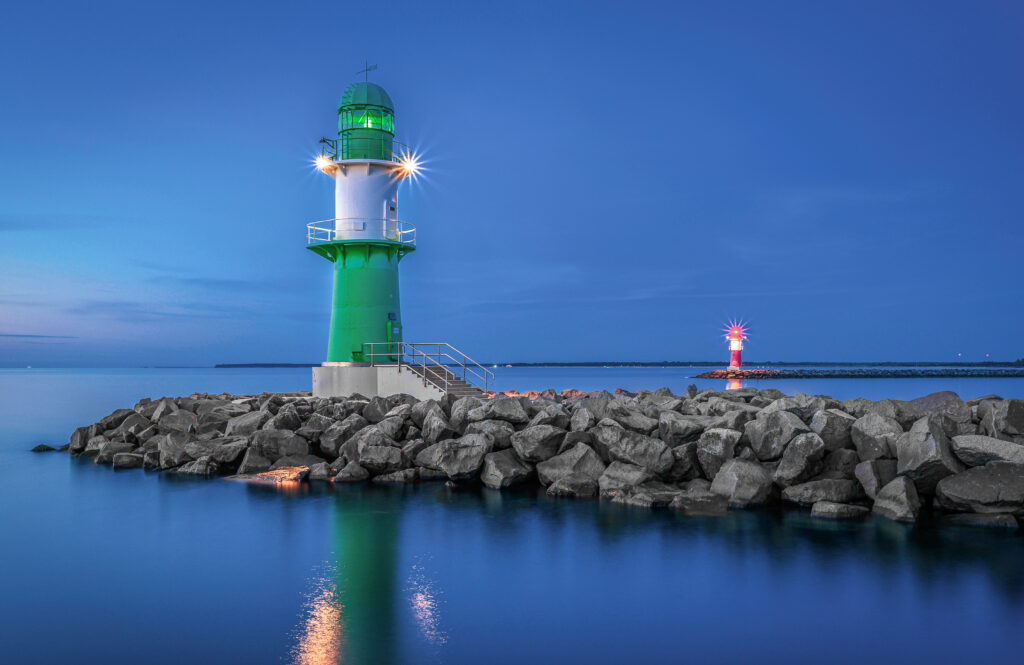
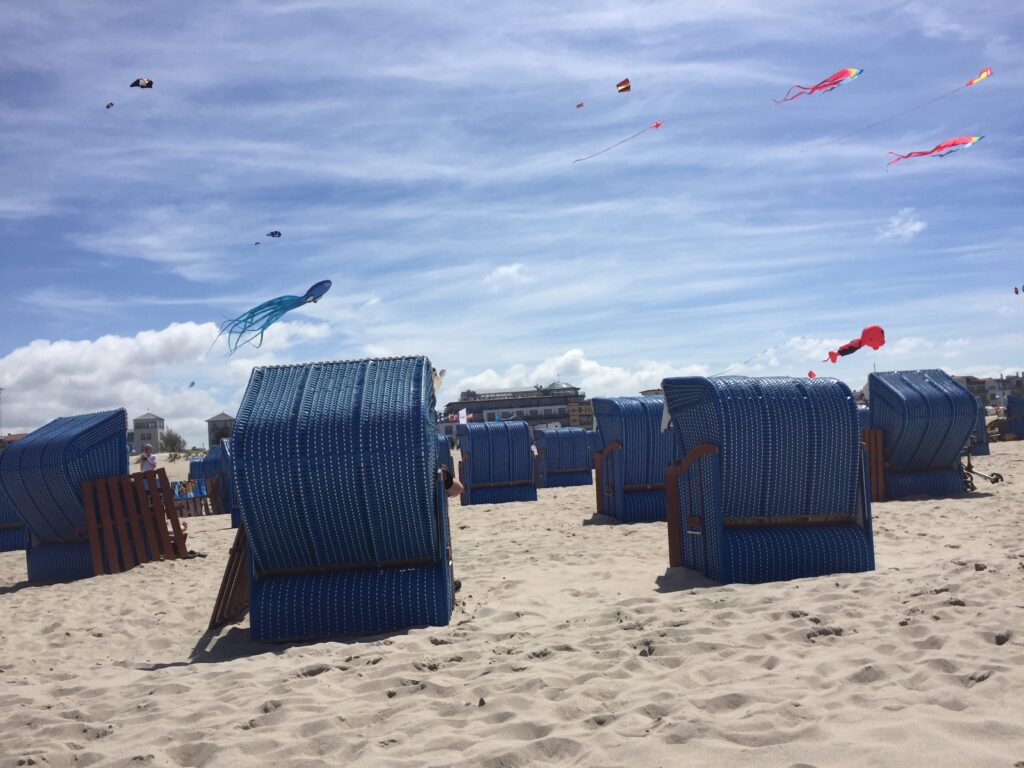
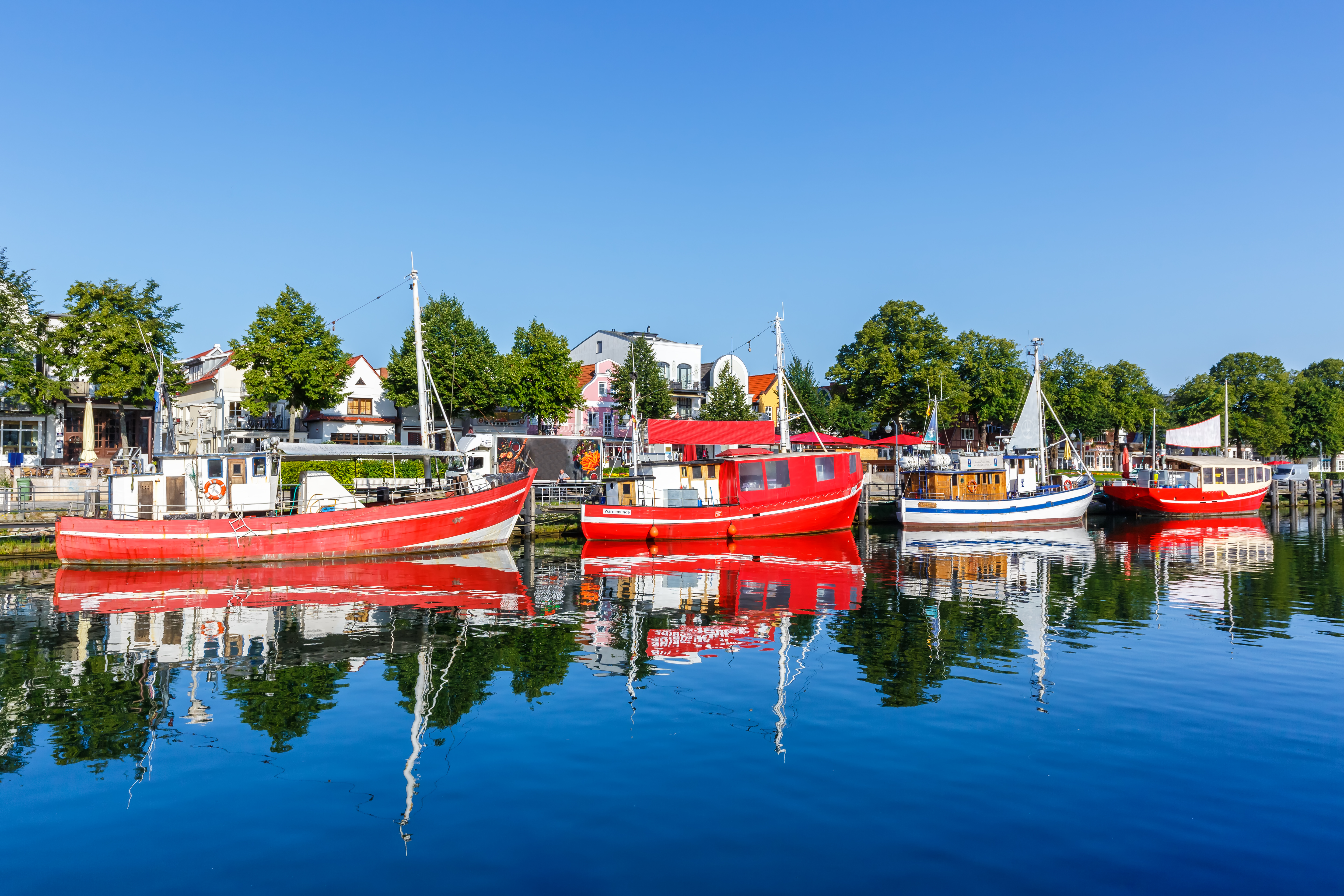
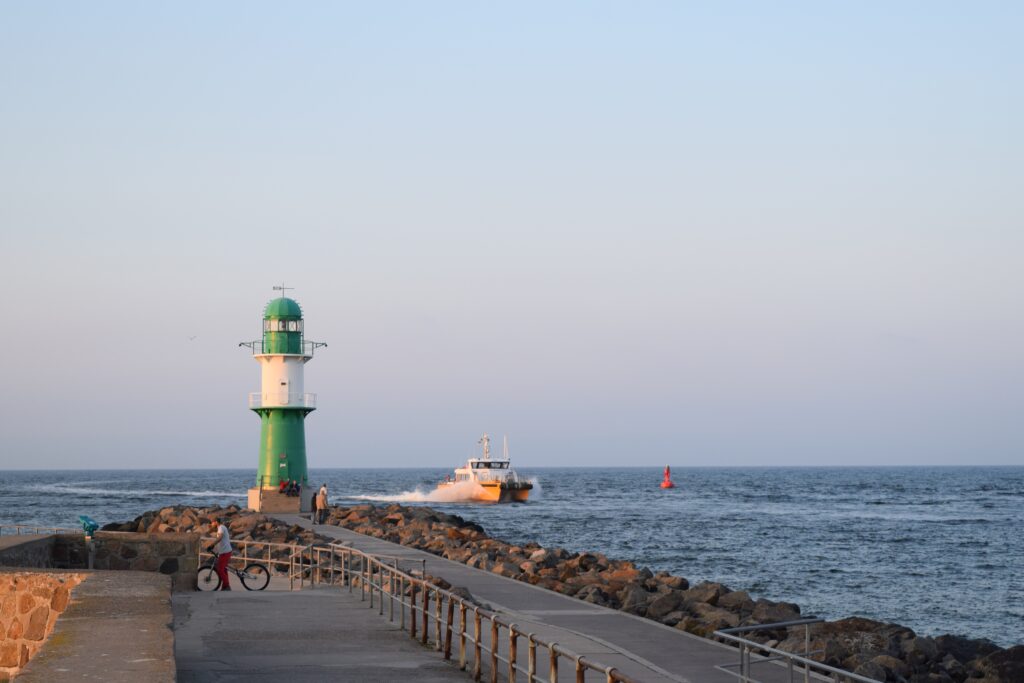
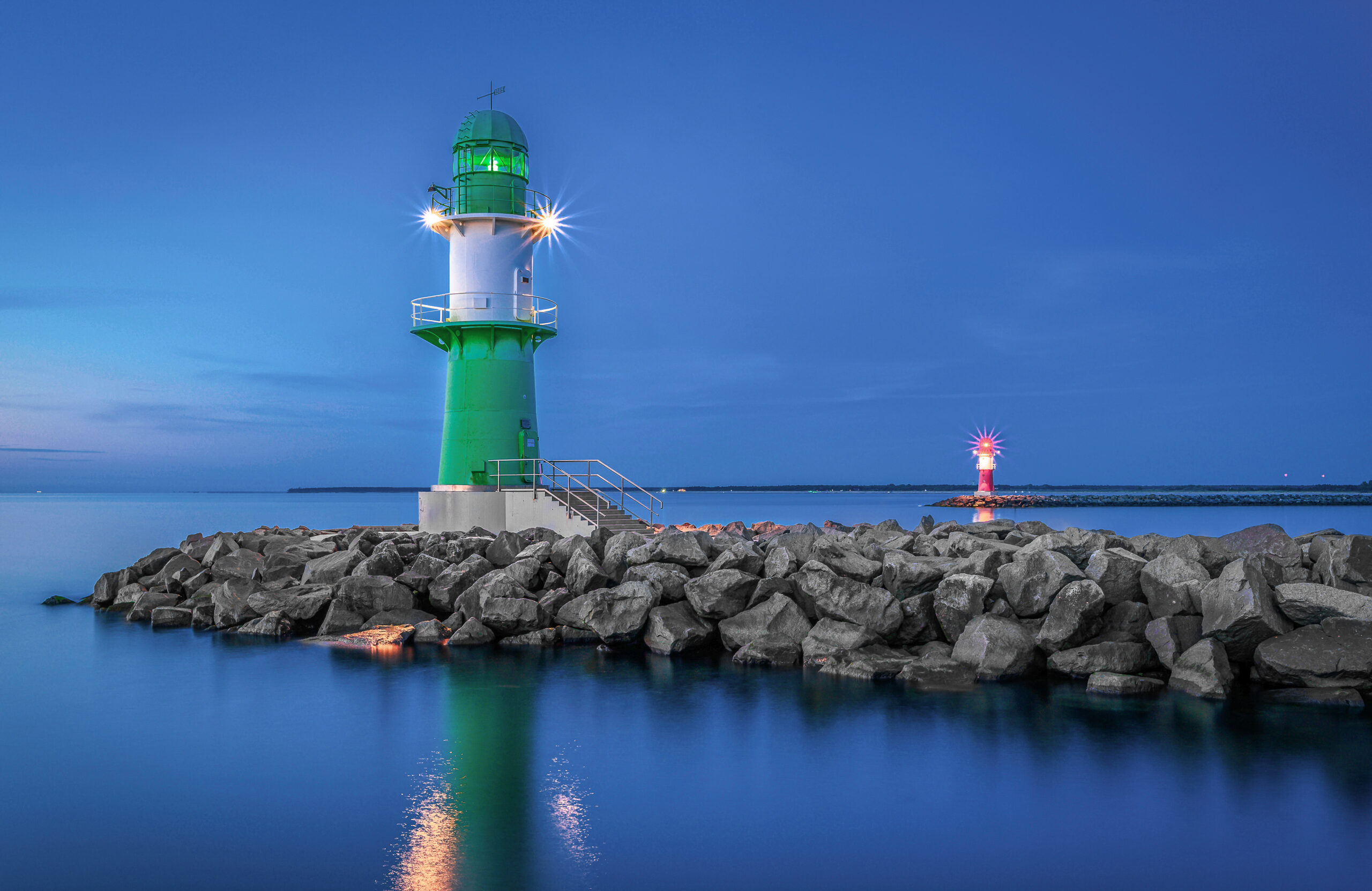
The nearby seaside resort of Warnemünde is famous for its sandy beaches and charming promenade, offering a perfect retreat for those seeking relaxation and recreation. The annual Warnemünder Woche, a maritime festival celebrating the traditions of sailing and seafaring, attracts large crowds and showcases the city’s enduring connection to the sea.
In addition, Rostock is committed to modernity, with a vibrant arts scene and numerous cultural events that highlight its contemporary achievements. The cultural center, which includes theaters, galleries, and concert halls, plays a central role in promoting artistic expression and creativity within the community.
Education and Innovation – As the home of the University of Rostock, the city continues to prioritize education and research. The university has become a center for scientific research and offers degree programs in various disciplines, including medicine, engineering, and environmental sciences. Partnerships with local businesses and industries foster innovation and entrepreneurship, ensuring that Rostock remains at the forefront of technological advancement.
The growing importance of sustainability and green technologies has also made Rostock a pioneer in environmentally friendly initiatives that are part of global efforts to combat climate change. Local authorities and organizations are increasingly investing in green infrastructure and sustainable practices that improve the quality of life for residents while preserving the city’s natural beauty.
Emotional connection – Rostock’s transformation over the centuries has created a deep emotional connection among its residents. The pride in their city’s history and resilience is palpable. Community events, festivals, and celebrations ensure that Rostock’s culture and heritage remain alive and cherished.
While history shapes Rostock’s identity, its forward-thinking approach to innovation, sustainability, and education affirms its commitment to a bright future. As the city confidently moves into the next chapter of its history, it carries with it the memories of an eventful past and continually adapts to meet the challenges of an ever-changing world.
Rostock is more than just a destination; it is a storybook full of history, culture, and resilience. From its beginnings as a medieval trading hub to its current status as a modern urban center, the city embodies the essence of change and survival. To appreciate Rostock’s unique character and vibrant community, it is important to understand the city’s history.
Rostock continues to evolve while honoring its past. It invites you to explore its streets, immerse yourself in its vibrant culture, and become part of the history that is still being written today. The legacy of the Hanseatic League may be behind it, but the spirit of Rostock is stronger than ever, reminding us that a new beginning can rise from the ashes of history.