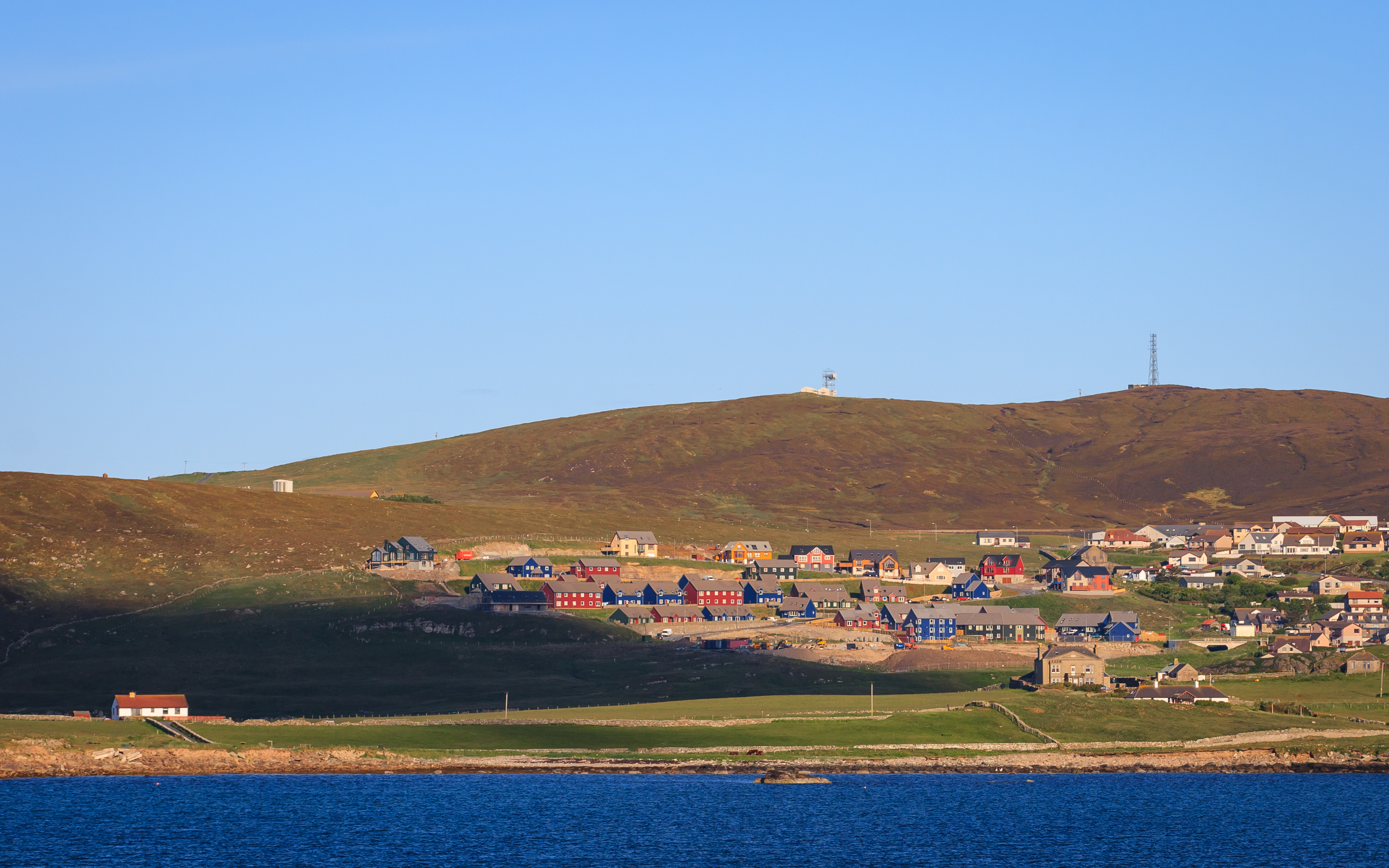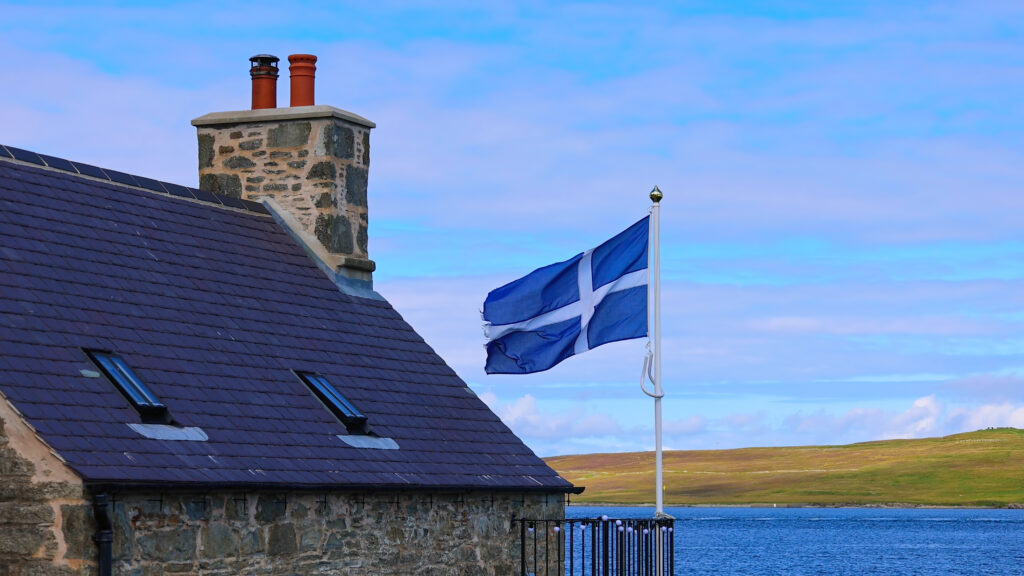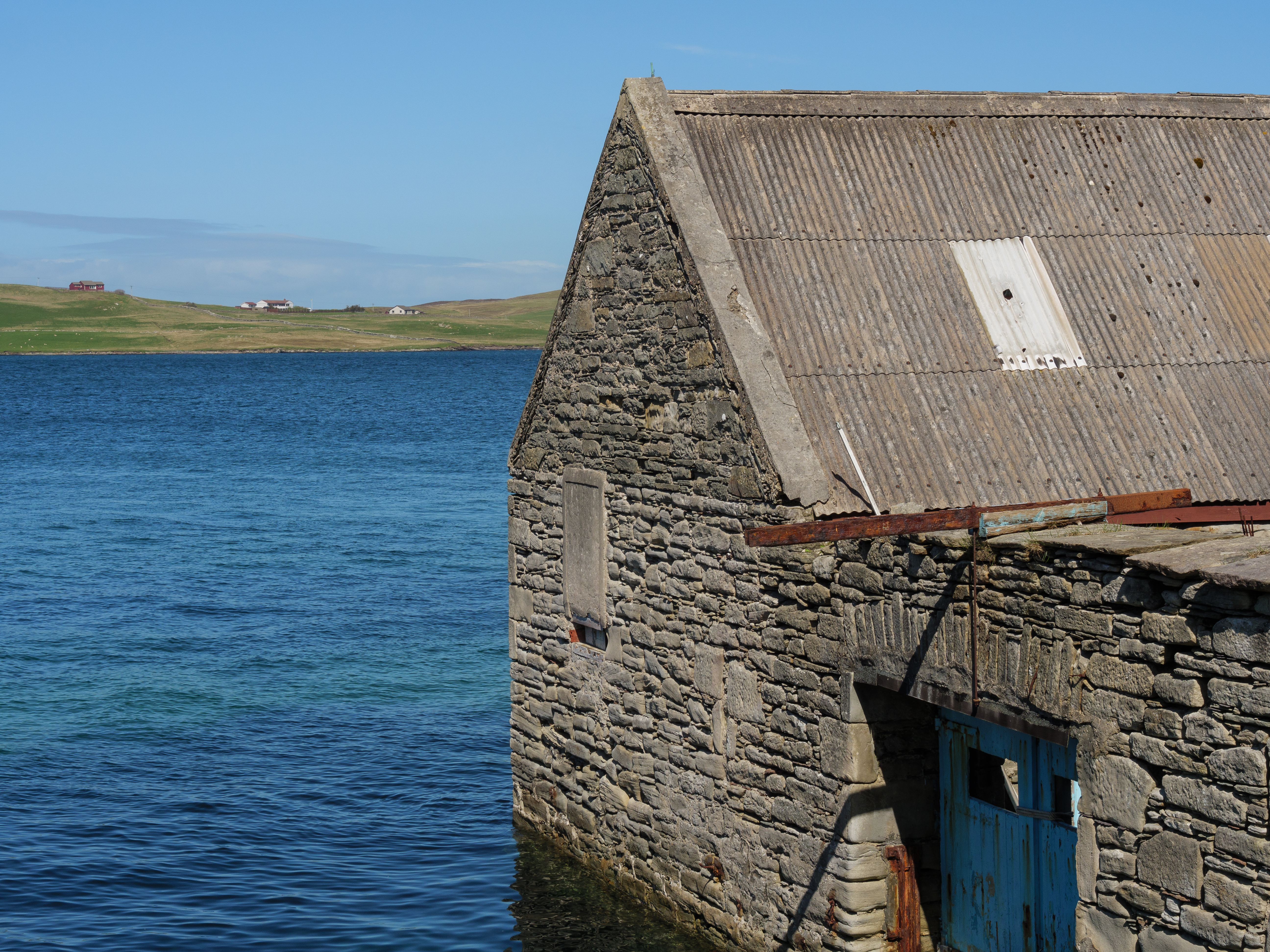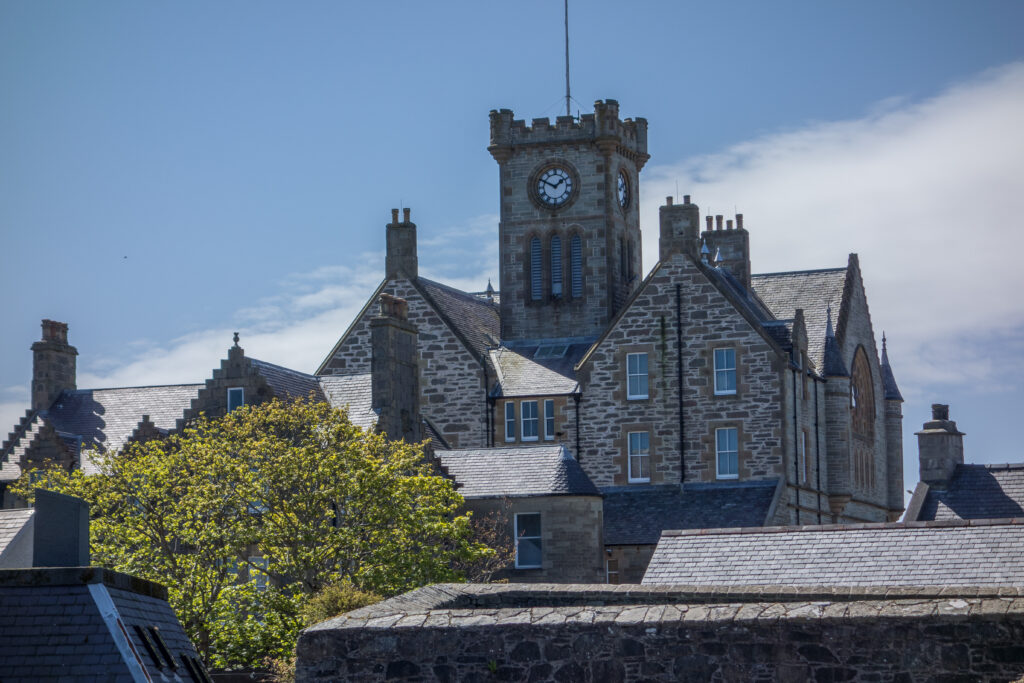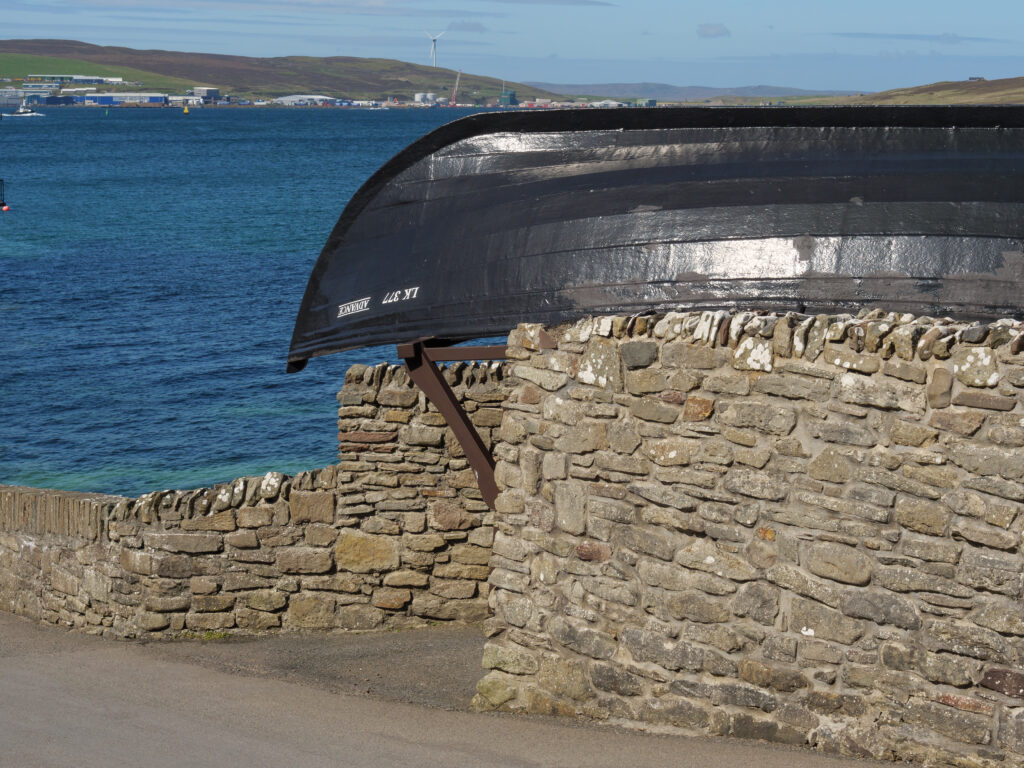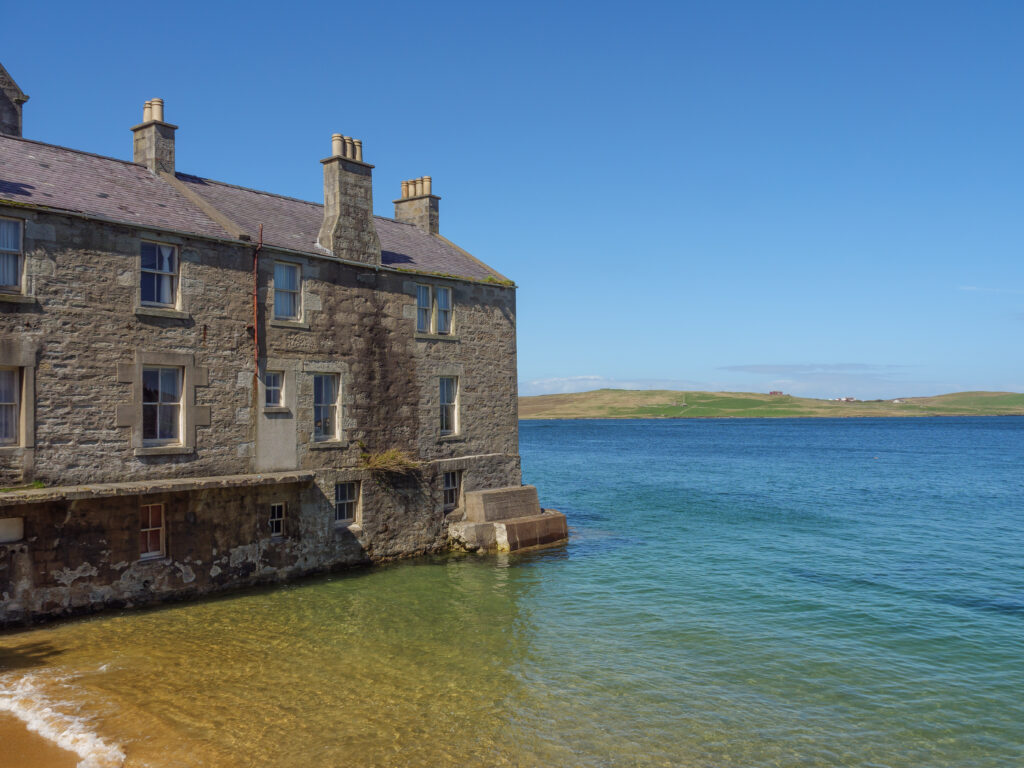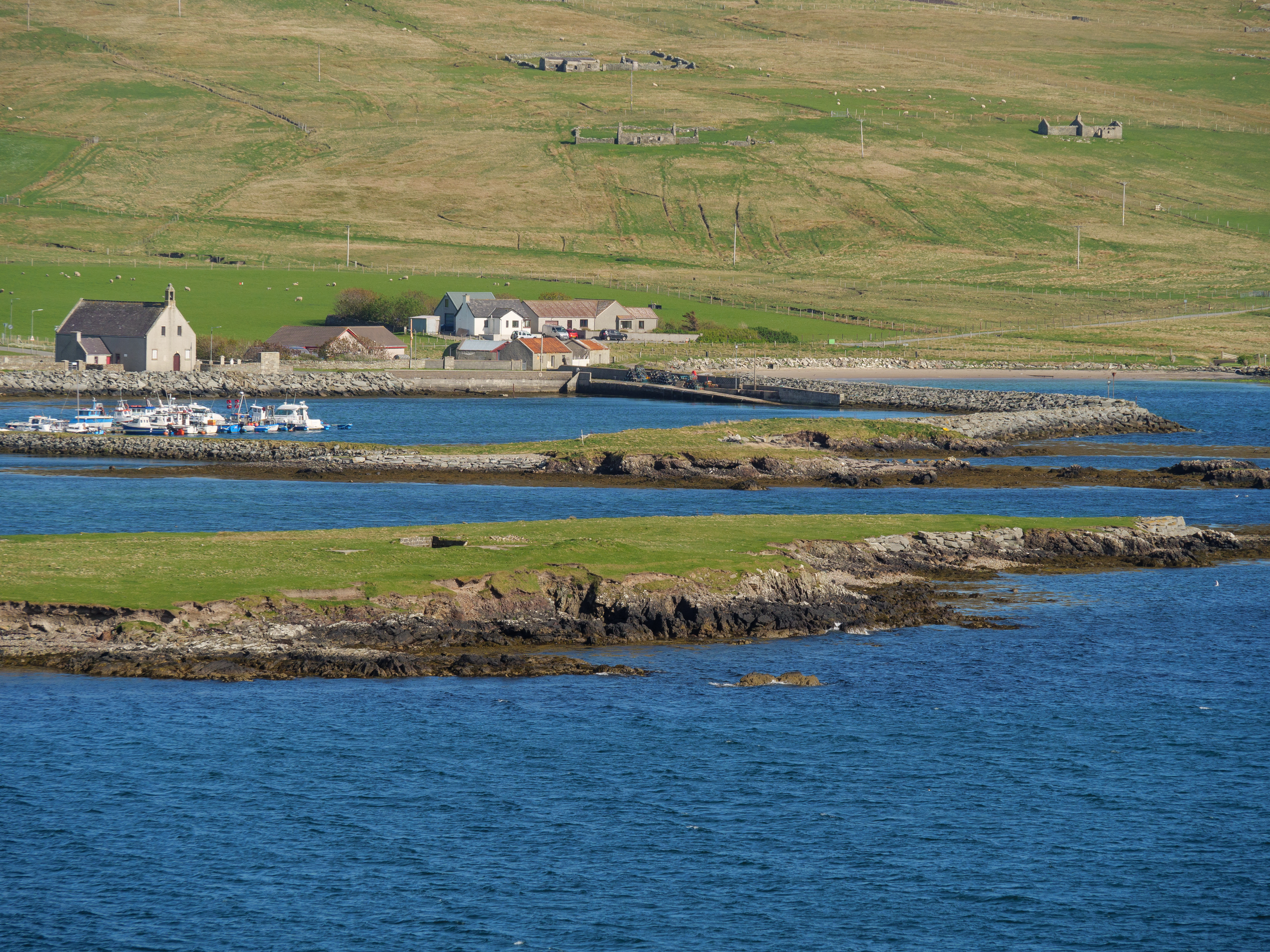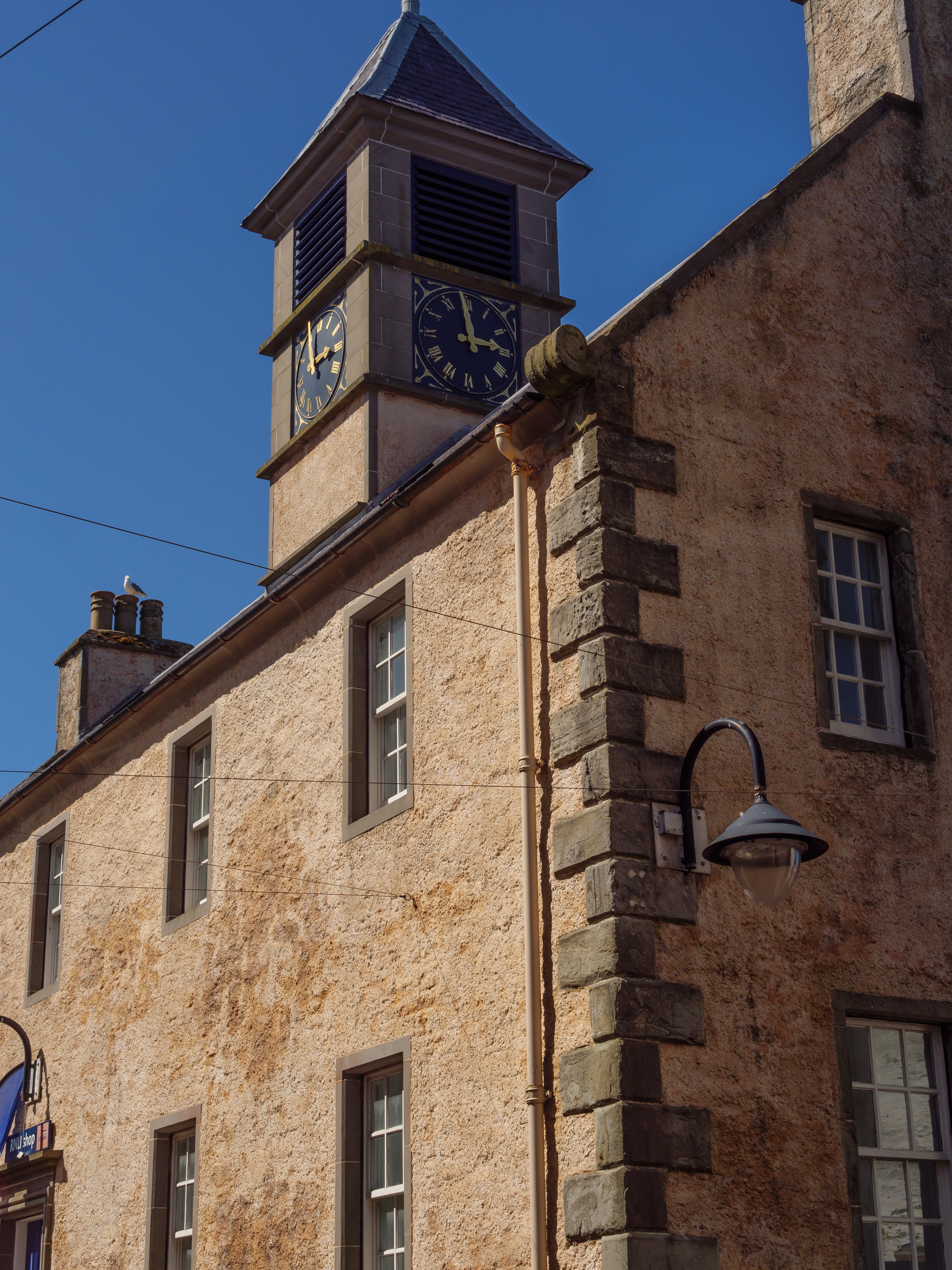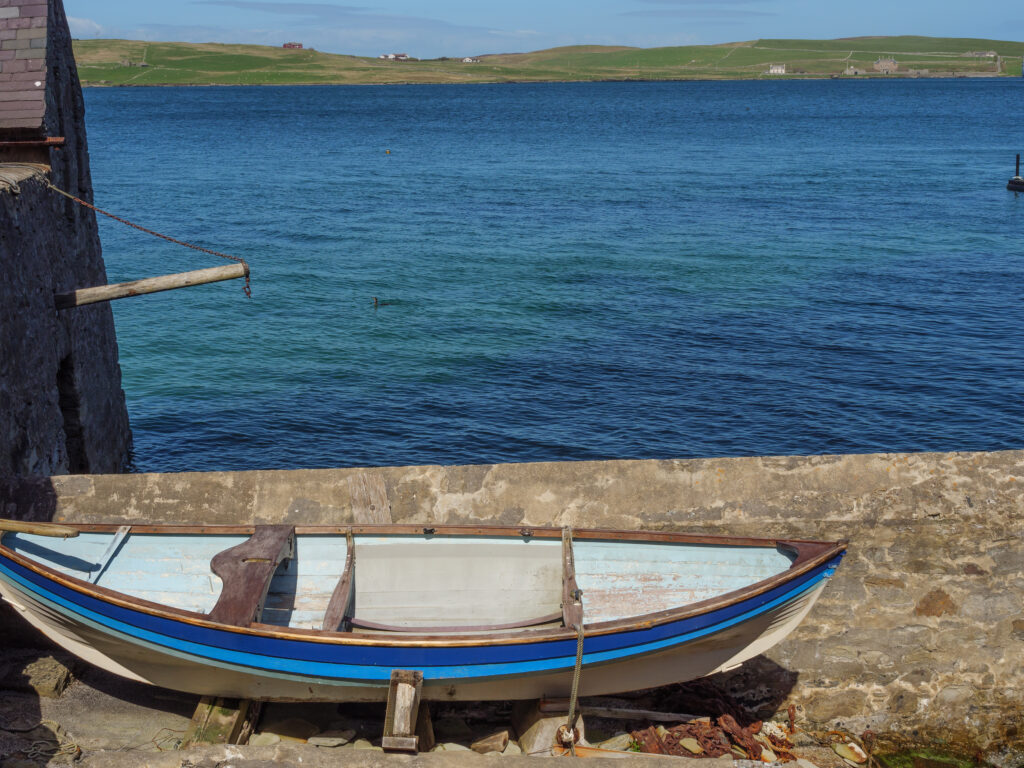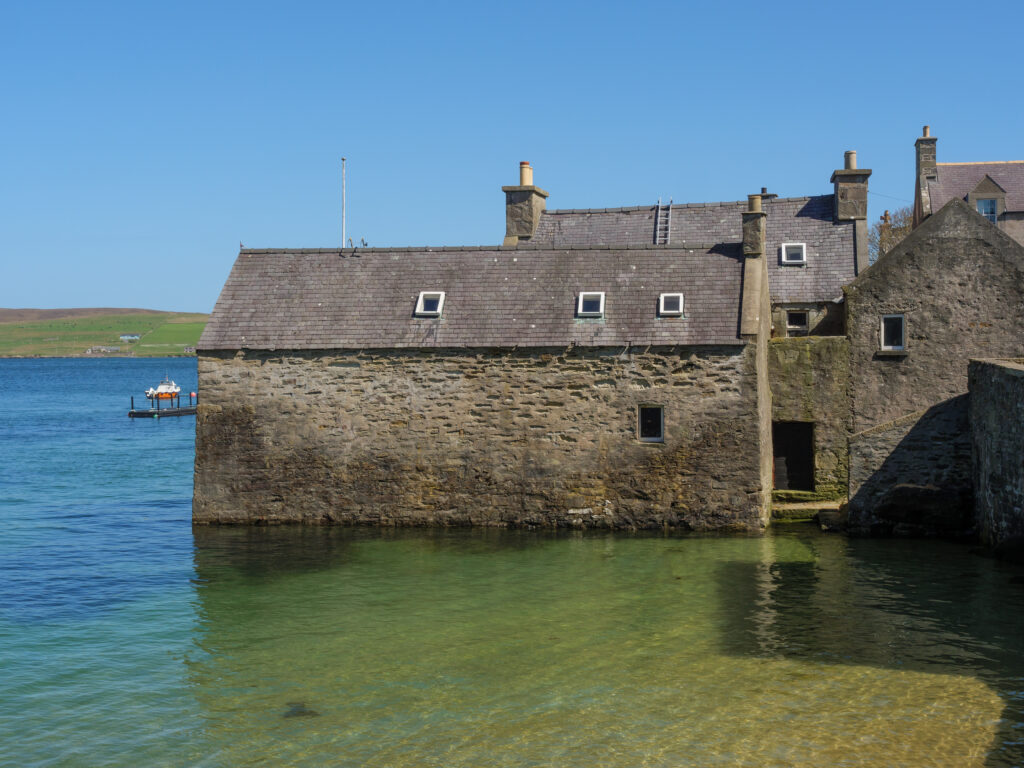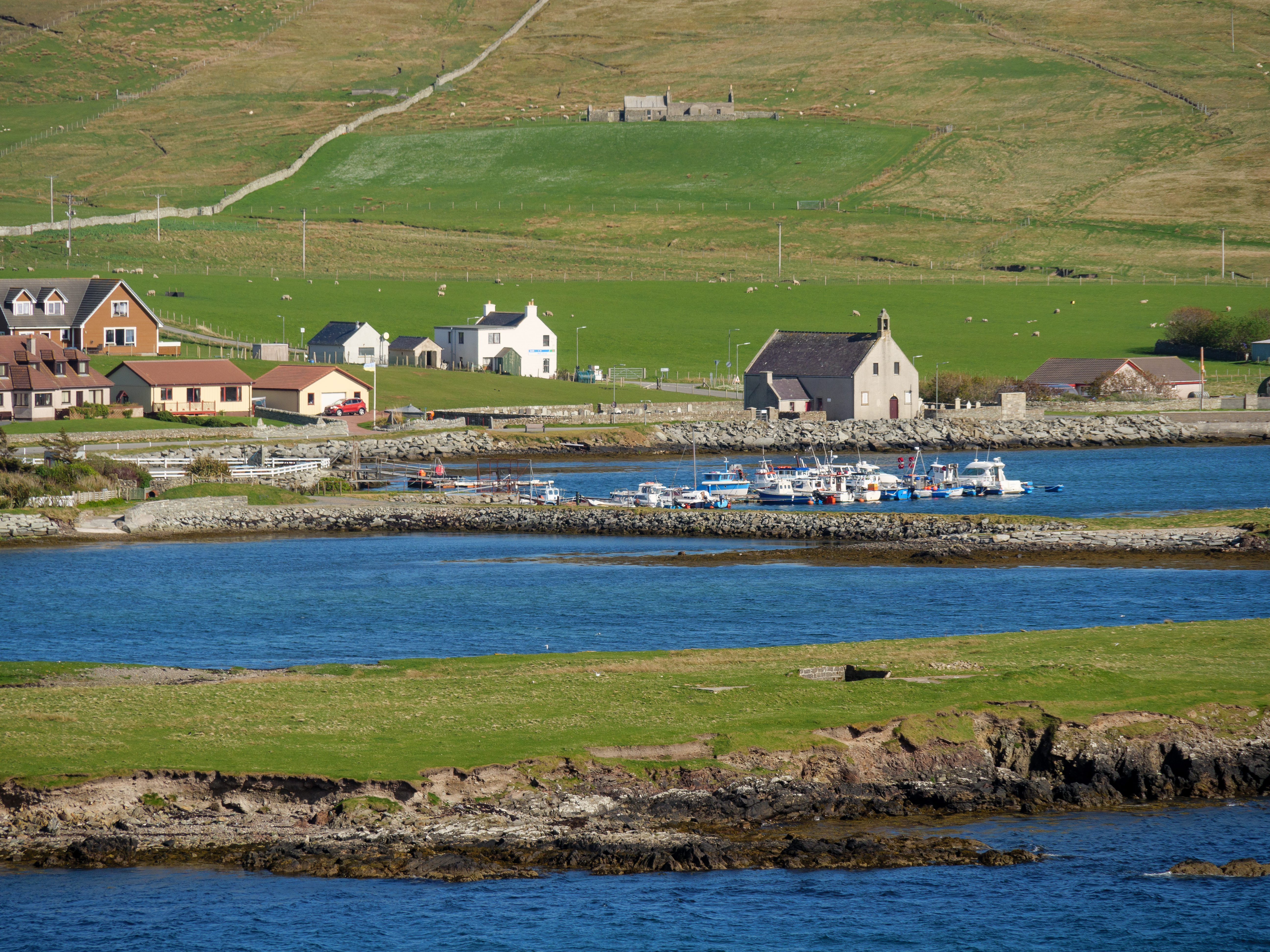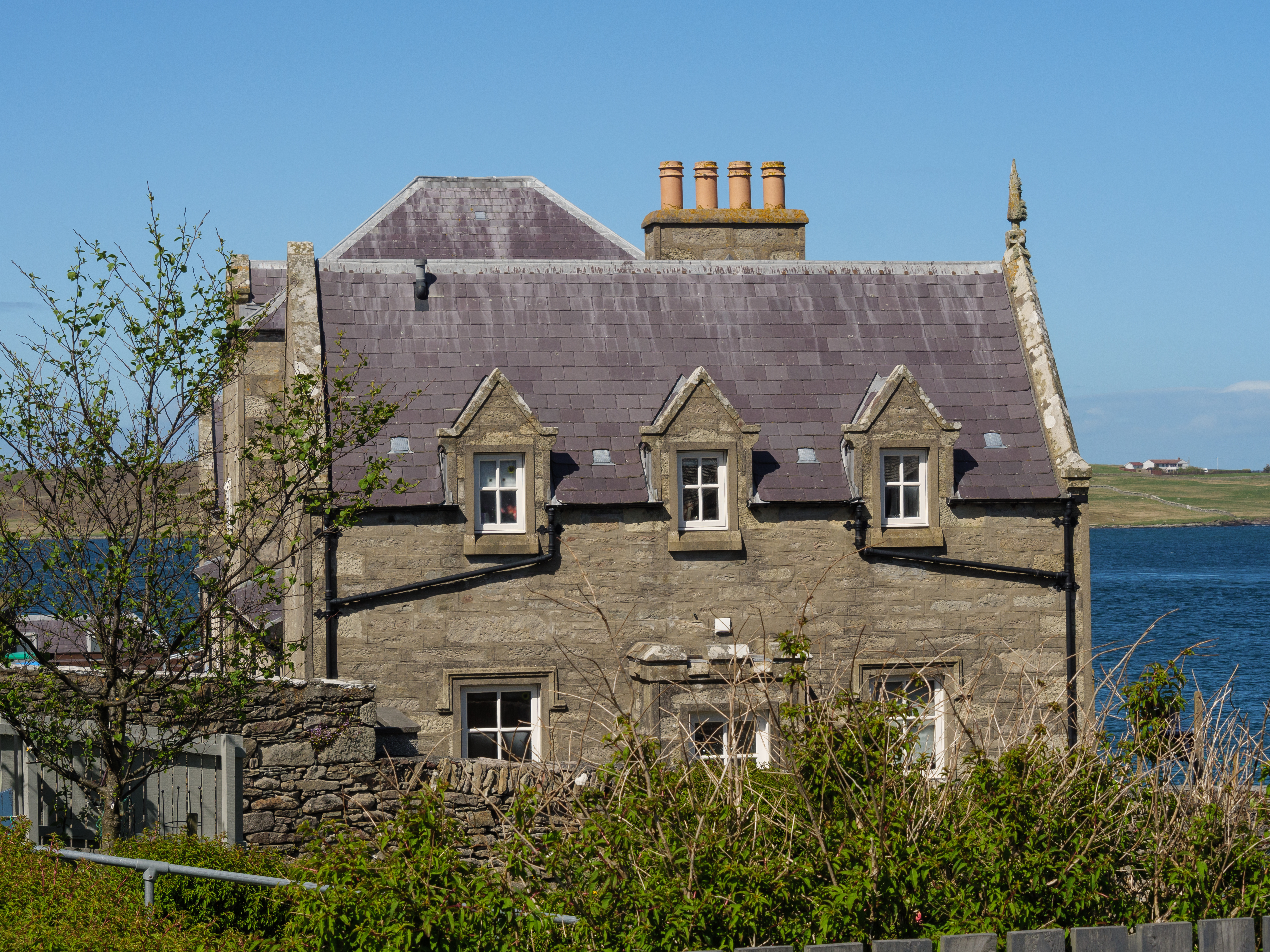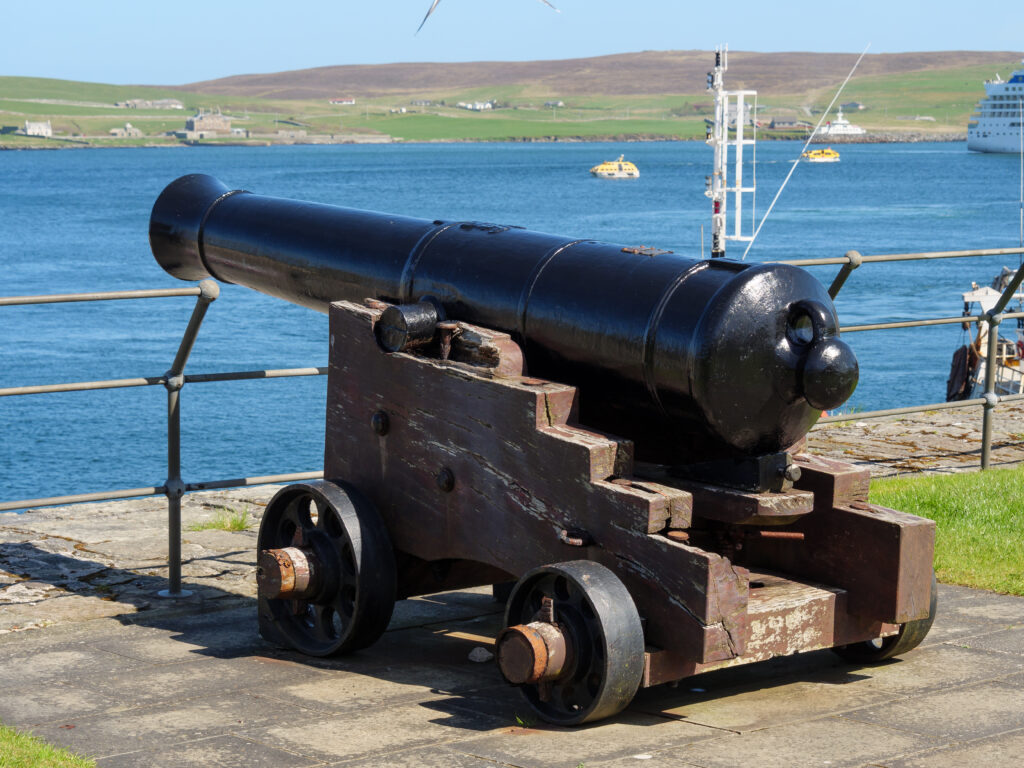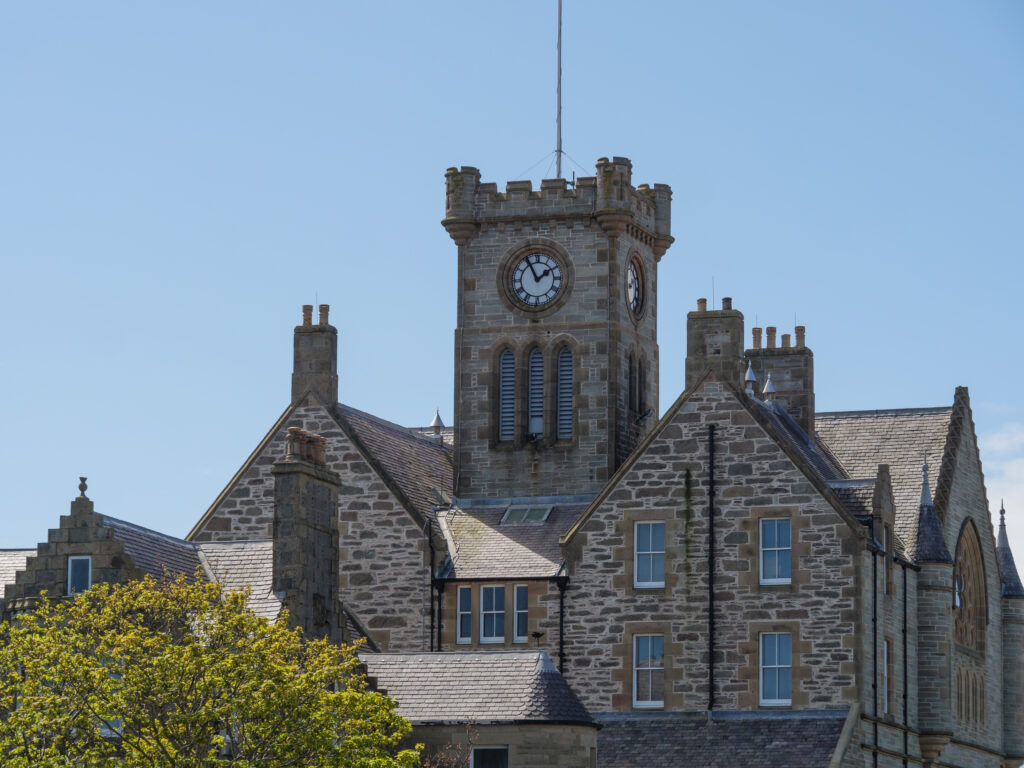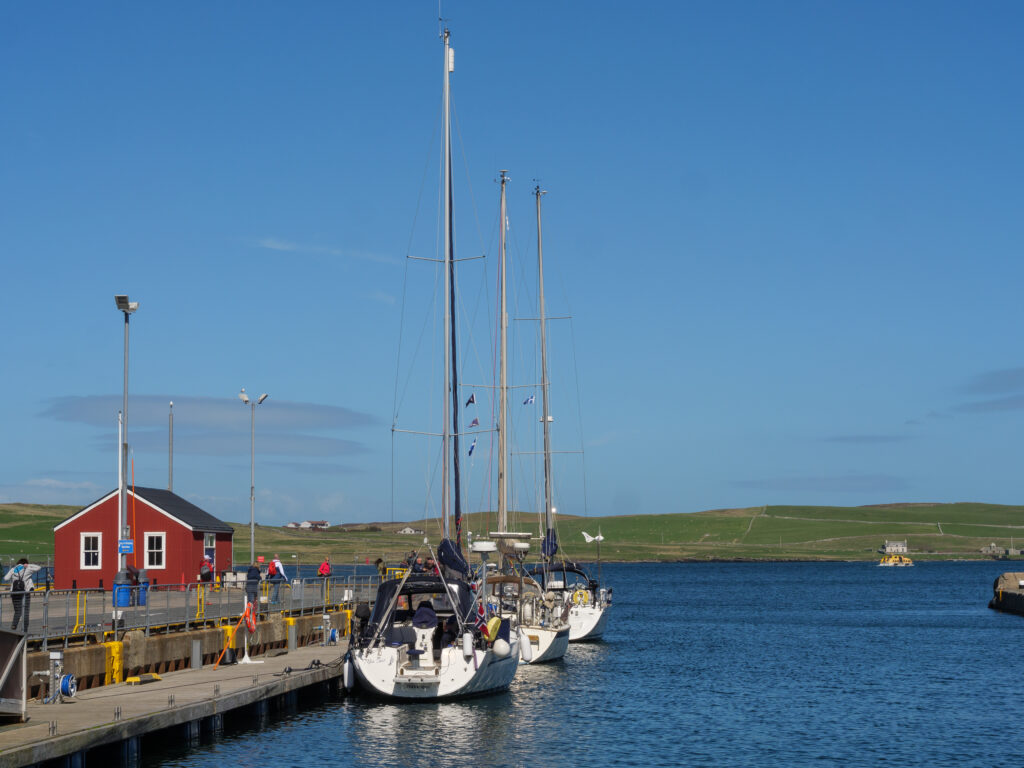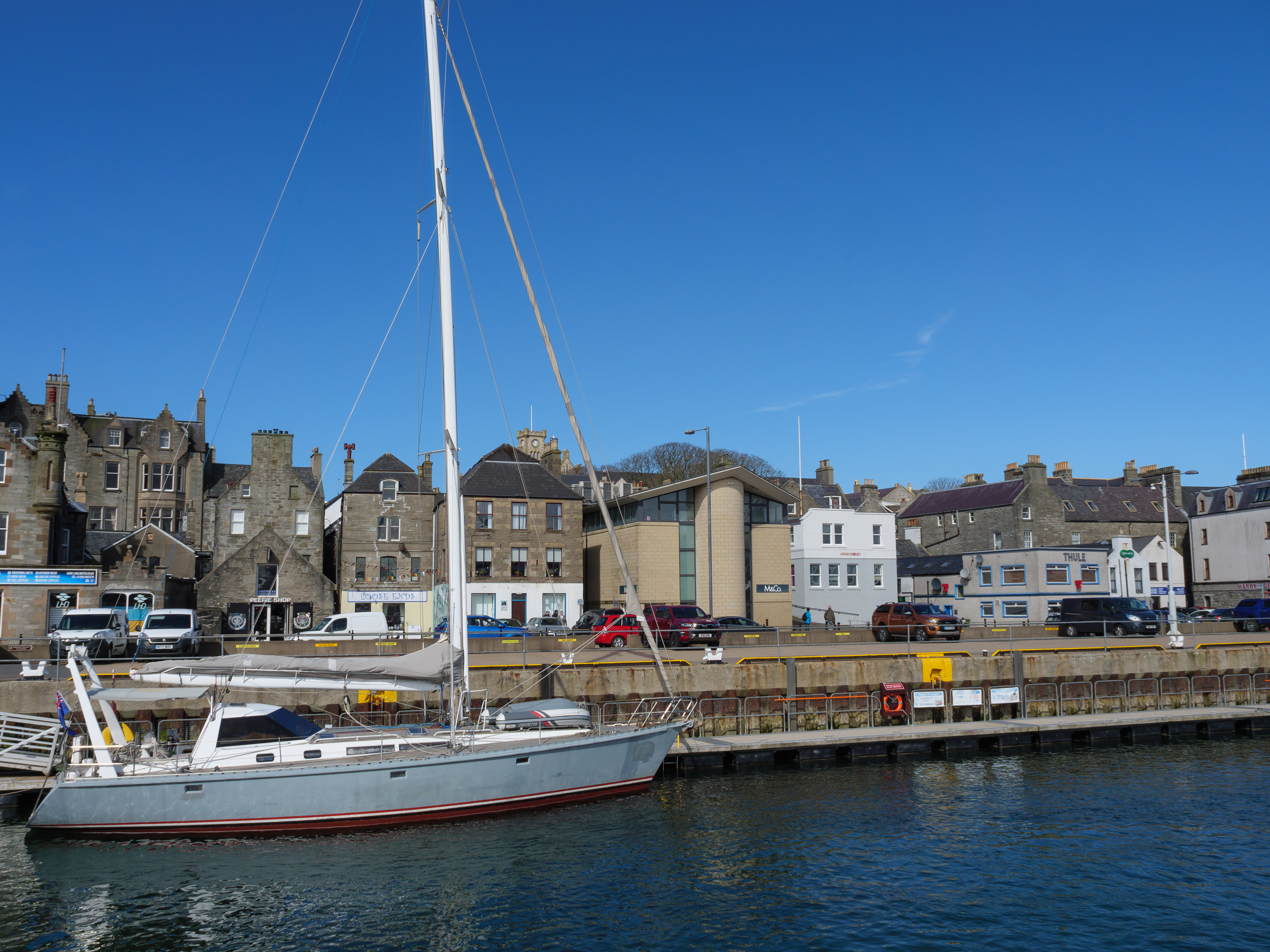
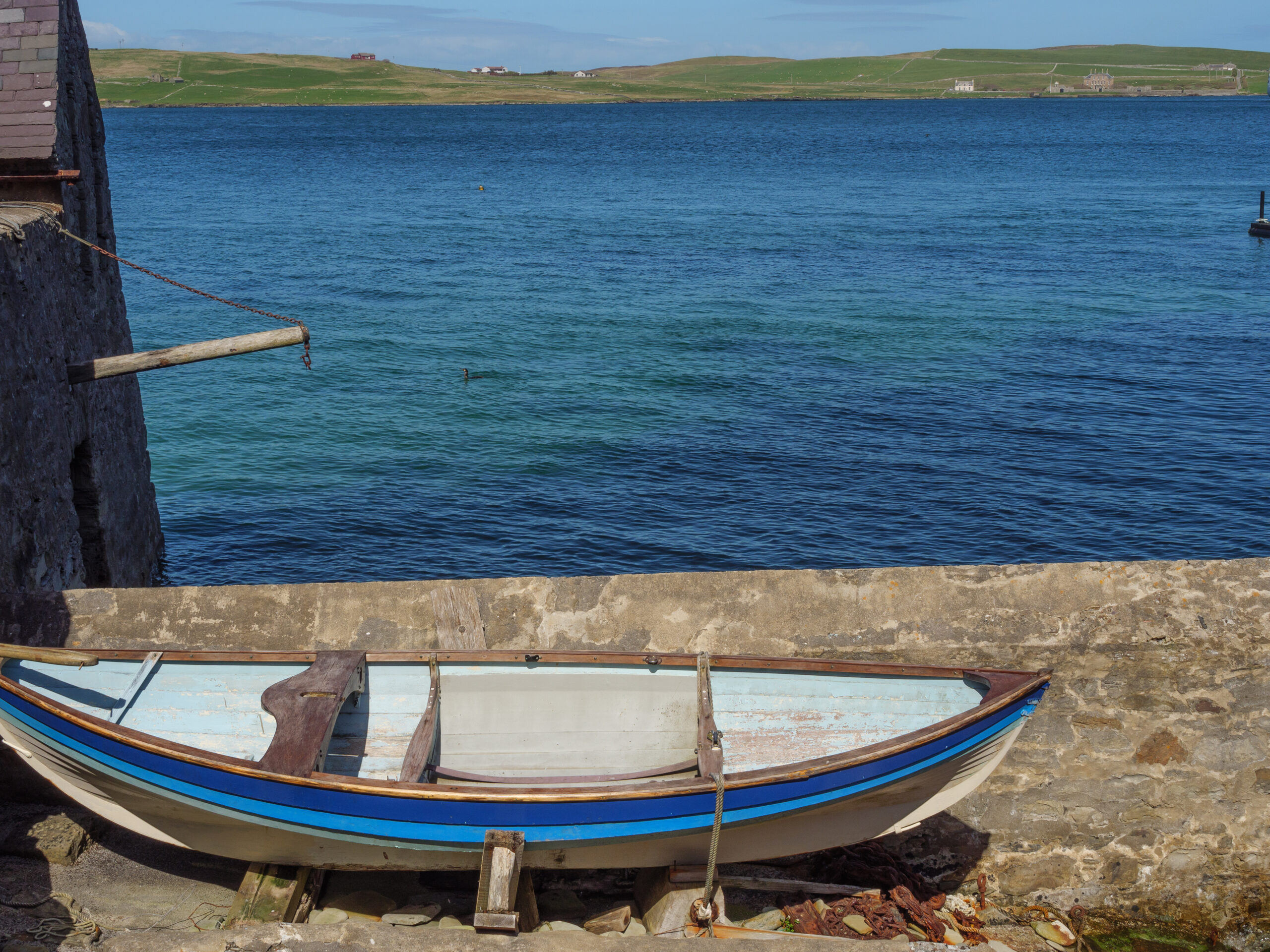
In the heart of the Shetland Islands, where the North Sea meets the Atlantic Ocean, lies the mysterious town of Lerwick. With its rugged coastline, windswept landscapes, and deep-rooted history, Lerwick is a place that captures the imagination and attracts explorers.
But what really lies behind the history of this charming Scottish town? Behind the quaint fishing boats and bustling harbor lies a history shrouded in myth and mystery.
An ancient settlement – Historians debate the exact origins of Lerwick, but it is widely accepted that the area has been inhabited since prehistoric times.
Archaeological finds suggest that early settlers used the natural harbor to seek shelter from the stormy seas. The name “Lerwick” itself is derived from the Old Norse word “Leirvik,” meaning “muddy bay,” a reference to its Viking heritage.
The influence of the Vikings – The Shetland Islands were once under Norwegian rule, and the Vikings left an indelible mark on the region. Lerwick’s strategic location made it an important trading center during the Viking Age. Norse sagas tell of fierce warriors and intrepid seafarers who set sail from these shores and crossed the icy waters of the North Sea in their longboats. Some legends even suggest that Lerwick was an important base for Viking raids on the Scottish mainland and beyond.
One particularly fascinating legend tells of Hjalmundr the Bold, a Viking chieftain who is said to have founded Lerwick. According to local tradition, Hjalmundr was a larger-than-life character known for his bravery and cunning.
It is said that he founded a settlement here after a prophetic dream led him to this sheltered bay, where he believed his people would be safe from their enemies.
The Hanseatic League and piracy – Over the centuries, Lerwick developed into a busy port frequented by merchants from all over Europe. In the 15th century, it became part of the Hanseatic League, a powerful alliance of trading guilds that dominated trade in the North and Baltic Seas. German merchants built warehouses along the waterfront of Lerwick and traded in fish, wool, and other goods.
However, Lerwick was not always a peaceful haven. The town’s remote location and wealth attracted pirates and privateers. One of the most feared was Andrew Barton, a notorious Scottish pirate who plagued English shipping in the early 16th century.
Barton’s daring exploits at sea became legendary, and some believe he used Lerwick as a secret base for his operations.
A royal visit and modern growth – Lerwick’s fortunes have been marked by ups and downs over the centuries. In 1611, King James VI visited the town, marking a turning point in its history. His visit lifted spirits and spurred development, leading to the construction of new buildings and fortifications. By the 19th century, Lerwick had grown into a thriving community with a diverse population of fishermen, merchants, and craftsmen.
The discovery of oil reserves in the North Sea in the 1970s brought unprecedented prosperity to Lerwick. The town grew rapidly as it became a center for the oil industry, and new infrastructure and modern amenities transformed its landscape.
Despite this rapid growth, Lerwick has managed to retain its old-world charm and preserve many of its historic buildings and traditions.
The myth of the selkie – Beyond the historical records and archaeological finds, Lerwick is rich in folklore and myths. One of the most enchanting stories is that of the selkie—mythical creatures that can transform from seals into humans.
According to local legend, selkies came ashore on moonlit nights, shed their seal skins, and danced and sang under the stars.
It is said that one of these selkies fell in love with a fisherman from Lerwick. The fisherman was so enchanted by her beauty that he hid her sealskin, trapping her in her human form. They lived together for many years and had children, but the selkie always longed to return to the sea. One day, she discovered her hidden skin and, torn between love and her true nature, she returned to the sea, leaving her human family behind forever.
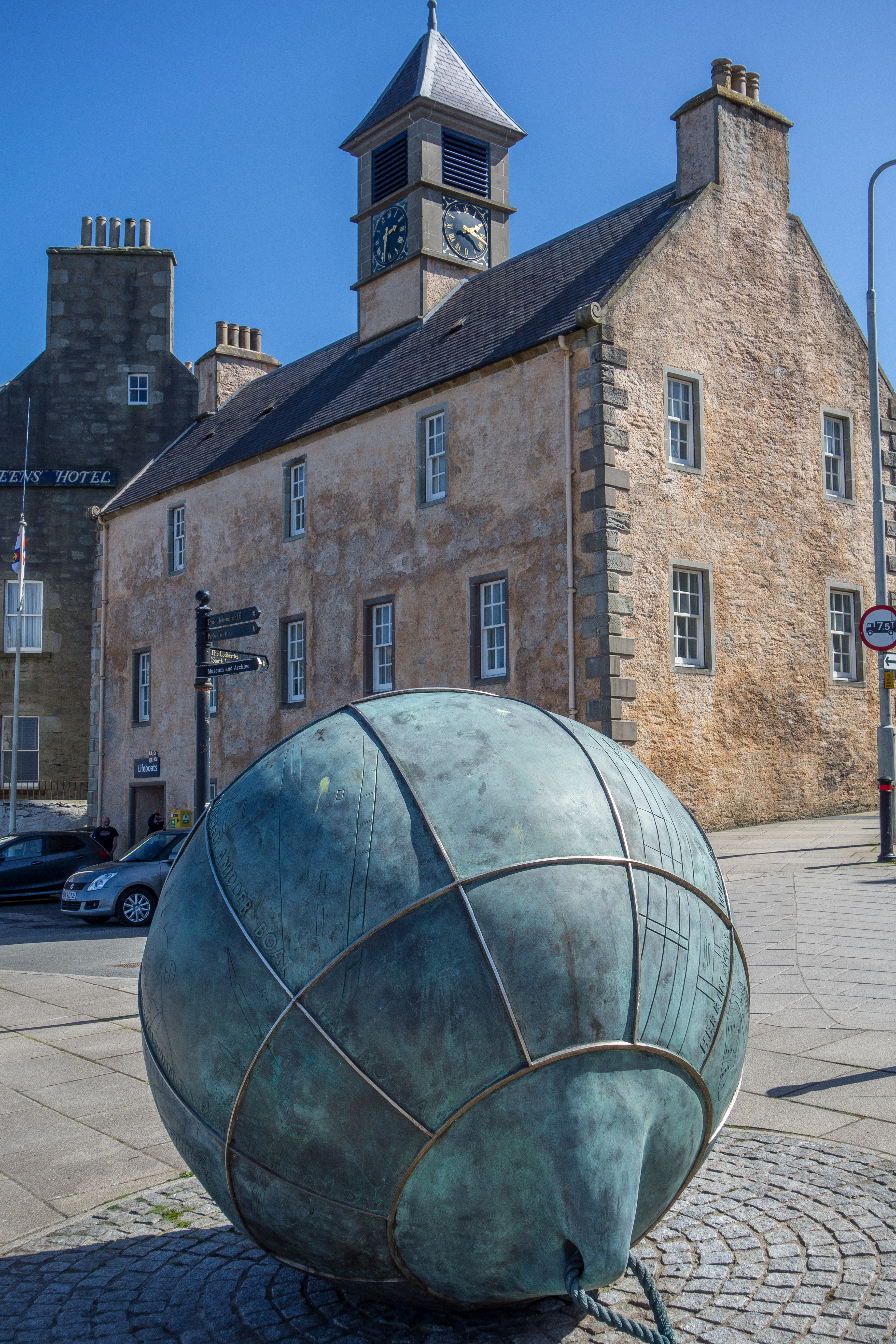
Lerwick today: A fusion of old and new – Today, Lerwick is a testament to its rich and diverse history. The town seamlessly blends the old with the new, offering visitors a unique insight into its historic past and vibrant present. Strolling through the narrow streets of the old town, where traditional stone houses line the streets, you will feel the influence of centuries-old architecture.
Every January, Lerwick hosts the Up Helly Aa Festival, a spectacular celebration of Viking heritage. Locals don elaborate costumes and parade through the streets until a Viking ship is dramatically burned. This fiery spectacle attracts visitors from all over the world who want to experience Lerwick’s living history.
Modern Lerwick is also a cultural center with a thriving arts scene and numerous festivals throughout the year. The Shetland Folk Festival and the Shetland Accordion and Fiddle Festival showcase the region’s musical talents, while Mareel, the town’s cinema and music venue, offers a diverse selection of performances and events.
Underwater discoveries – Recent explorations have revealed further secrets beneath the waters around Lerwick. Marine archaeologists have discovered shipwrecks from centuries past, each with its own story to tell. Among these sunken treasures is the wreck of the Carmelite, a Dutch East India Company ship that sank off the coast of Shetland in 1672. Ongoing investigations continue to provide exciting insights into the maritime history that has shaped Lerwick.
The fascinating story of the Gunnister Man – One of the most fascinating archaeological finds near Lerwick is the discovery of the Gunnister Man. In 1951, peat cutters came across the remarkably well-preserved remains of a man buried in the peat bogs near Gunnister, about 20 miles northwest of Lerwick. The Gunnister Man dates from the late 17th century and offers a unique insight into the clothing and everyday life of that period. His knitted stockings, leather shoes, and woolen clothing are among the best-preserved examples of 17th-century clothing ever found.
The timeless appeal of Lerwick – Lerwick’s history is a tapestry of history, myths, and legends. From its ancient roots as a Viking settlement to its role in global trade to its vibrant contemporary culture, the town has continually reinvented itself while preserving its heritage.
Whether you are drawn by its historic past, its stunning landscapes, or its vibrant community, Lerwick promises an experience like no other. As the gateway to the Shetland Islands, it invites you to unravel its mysteries and discover the enduring spirit of this remarkable town. From the whispers of the selkies to the echoes of Viking chieftains, Lerwick remains a fascinating blend of history and myth, waiting to be explored by intrepid souls.