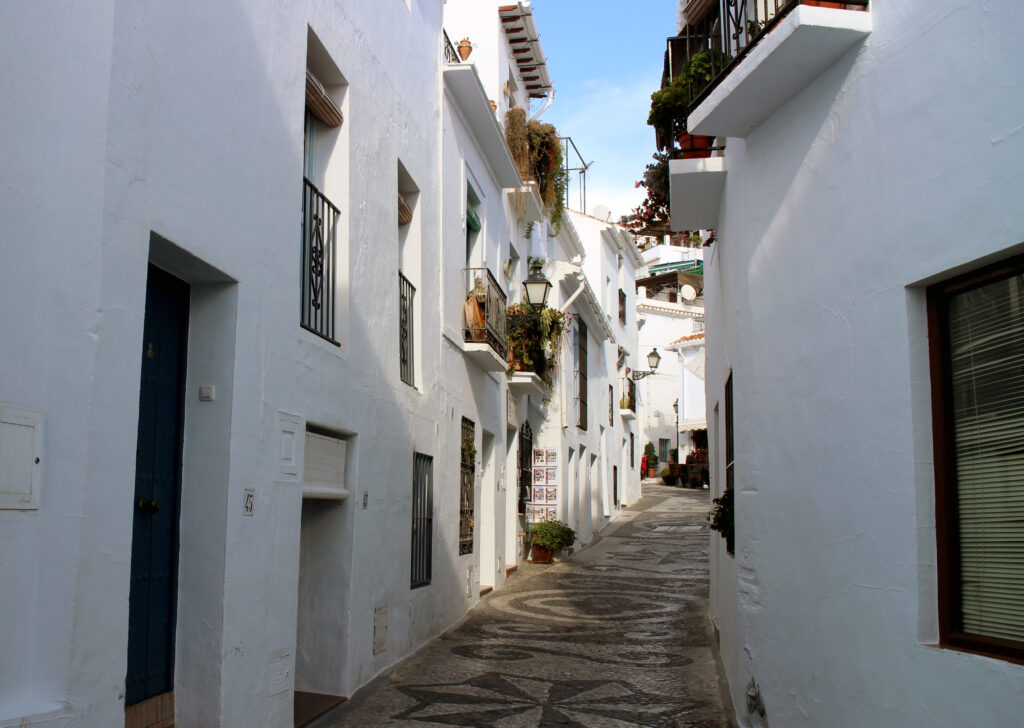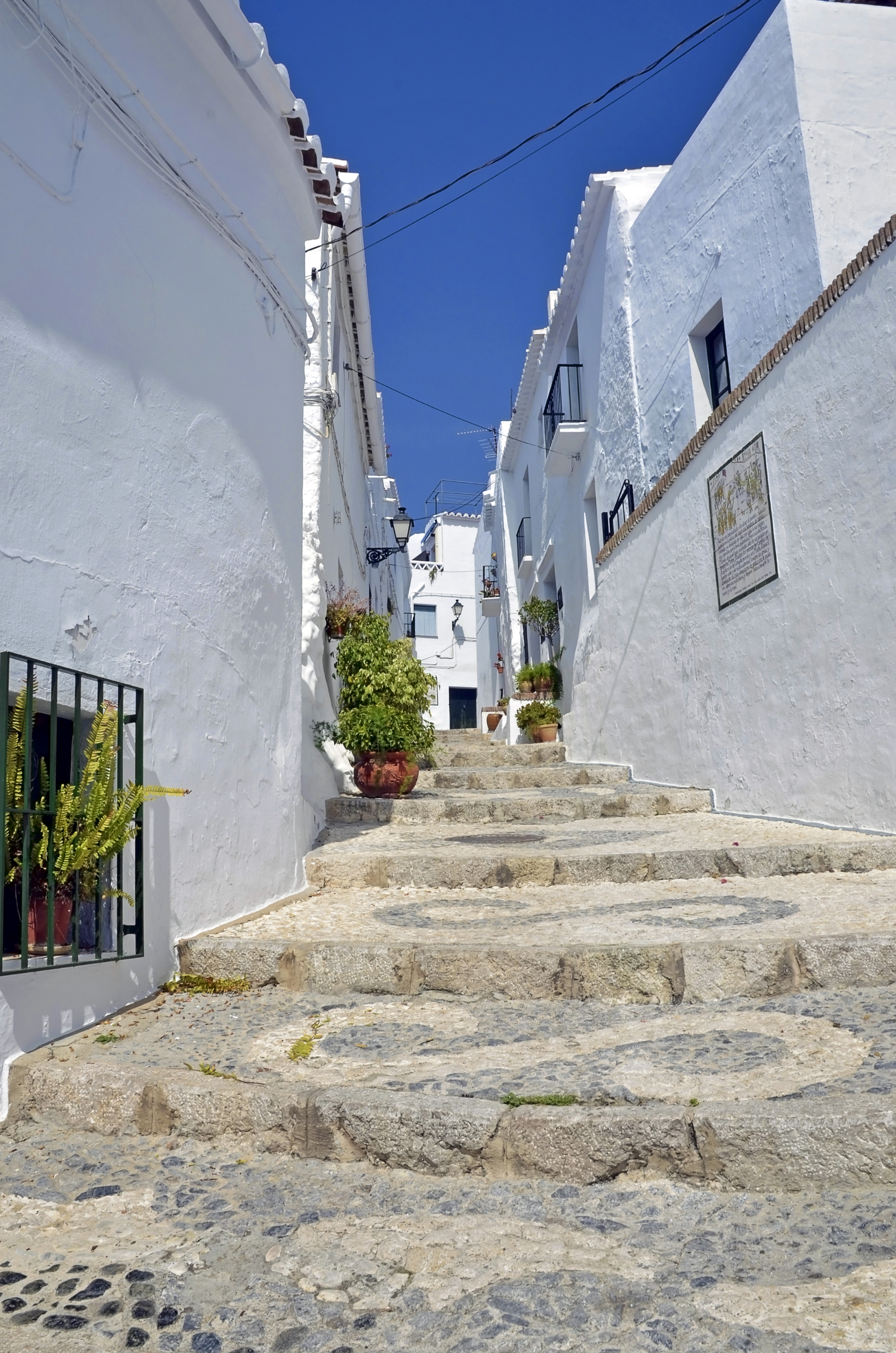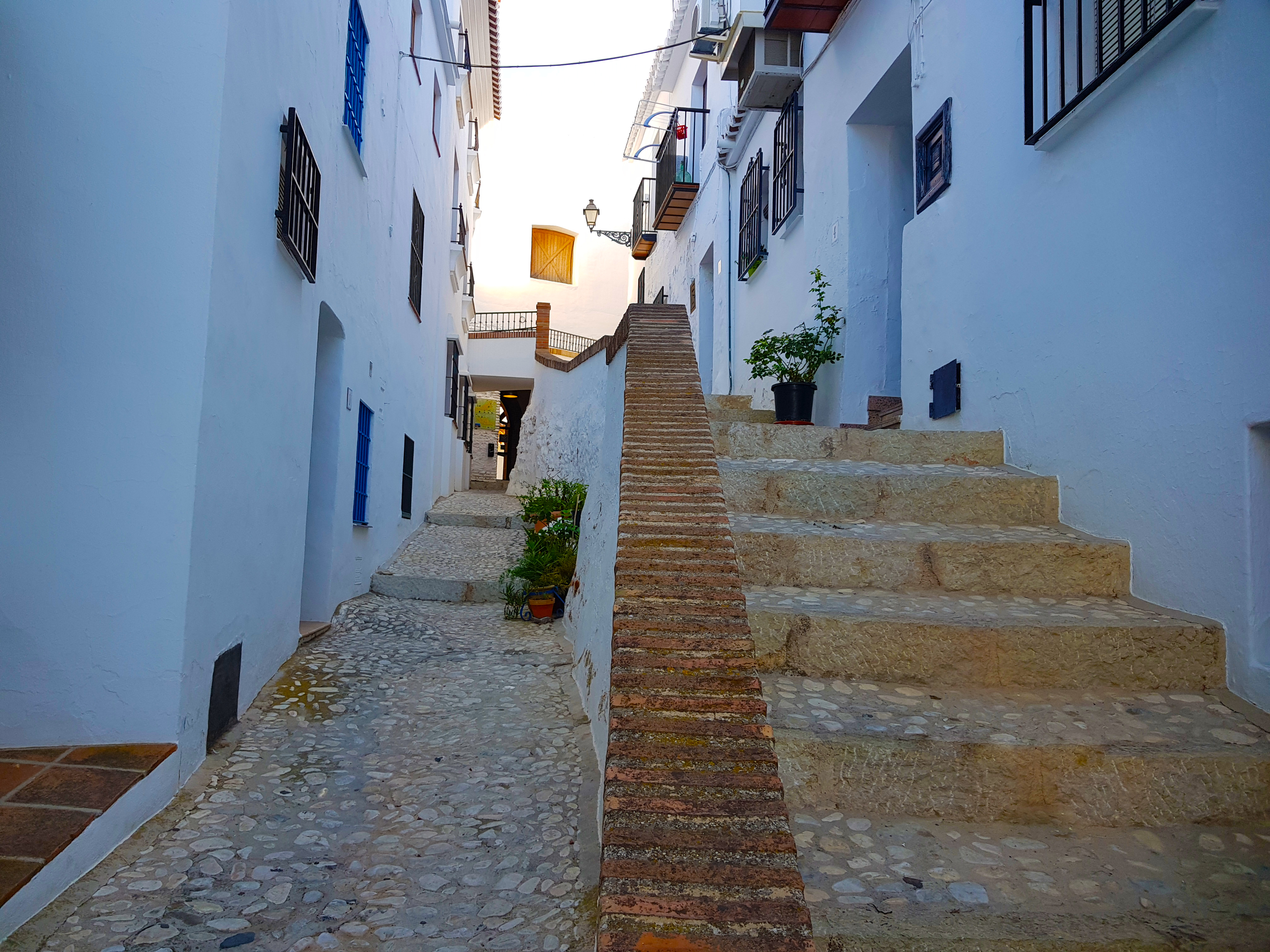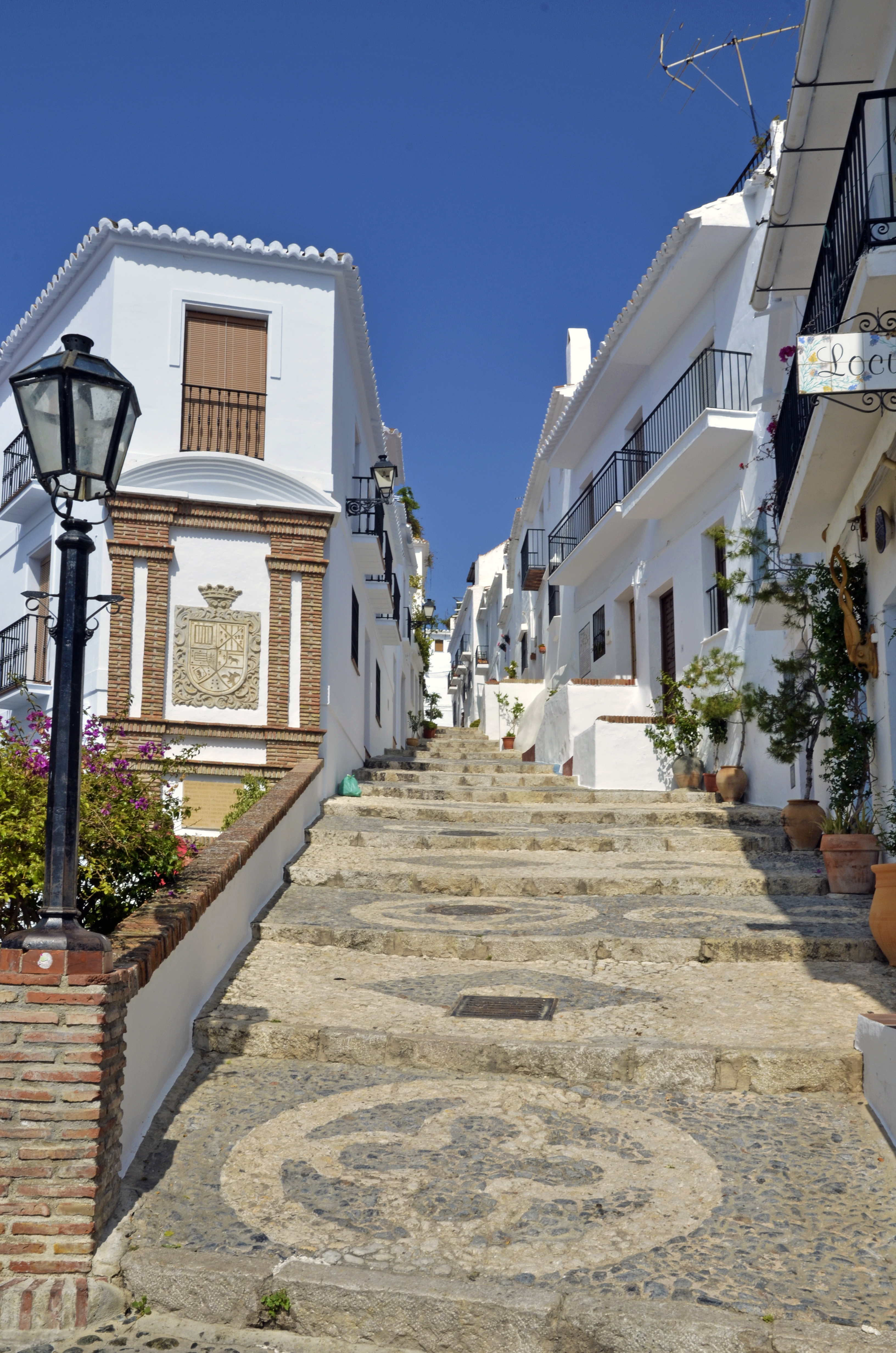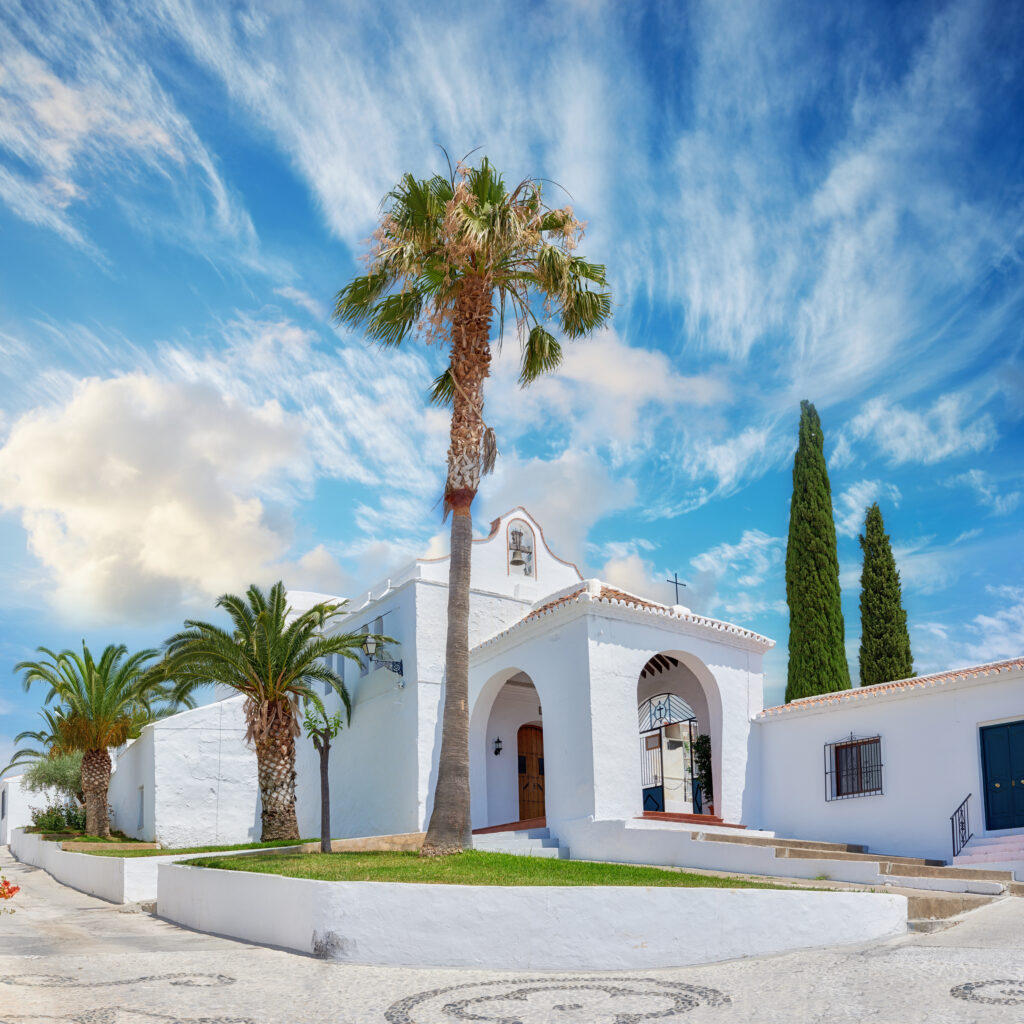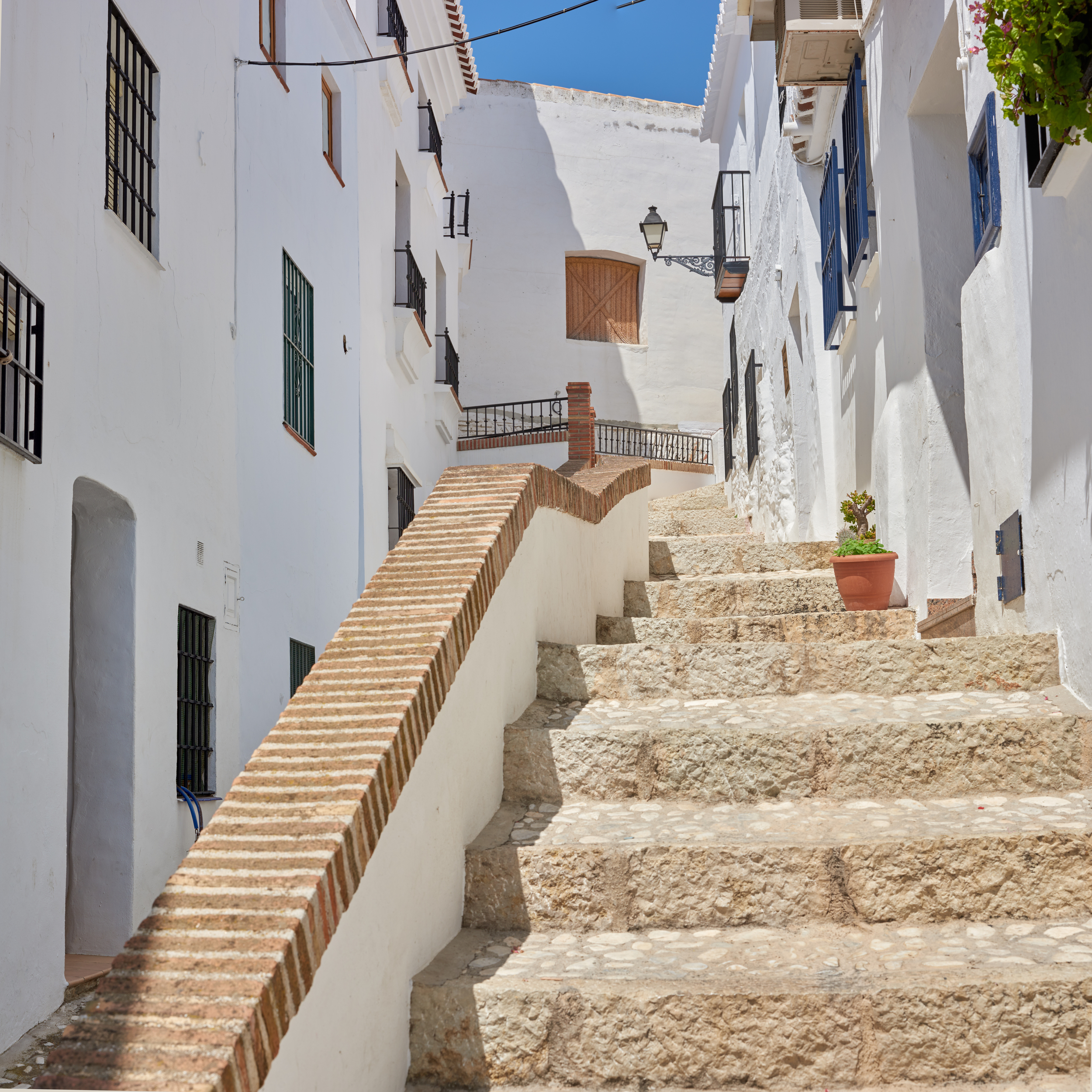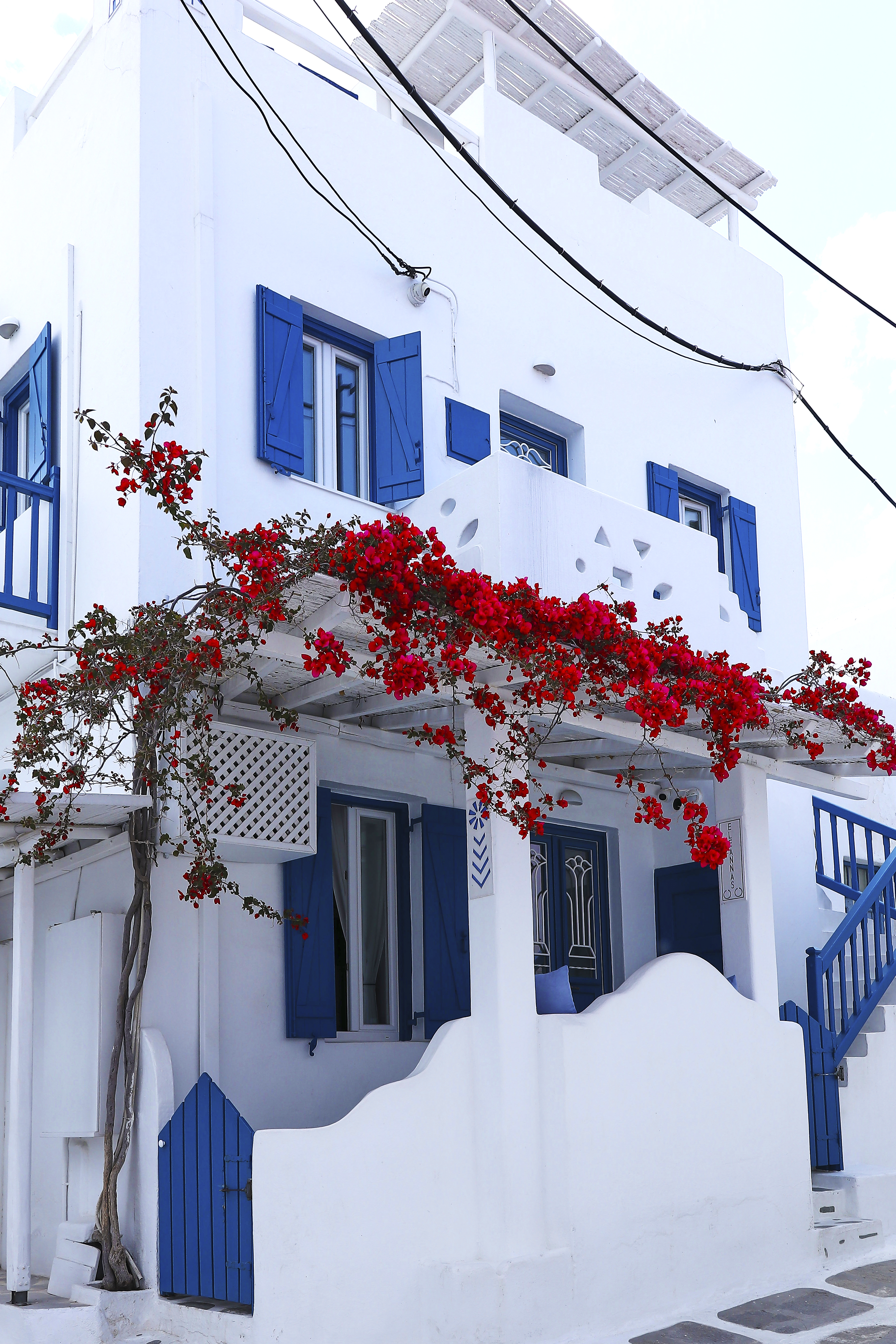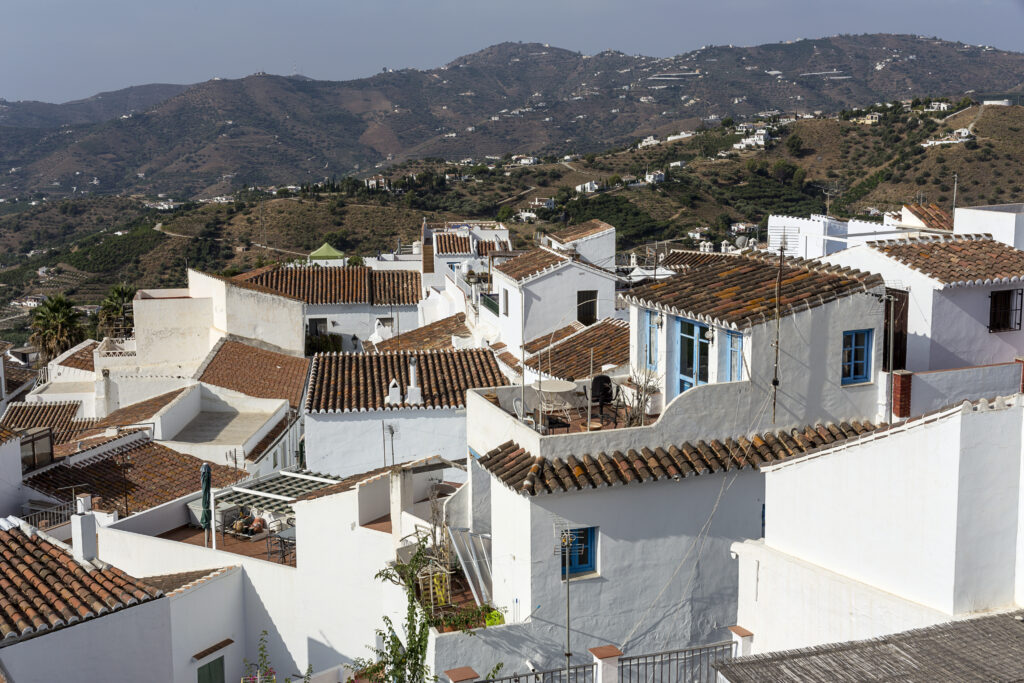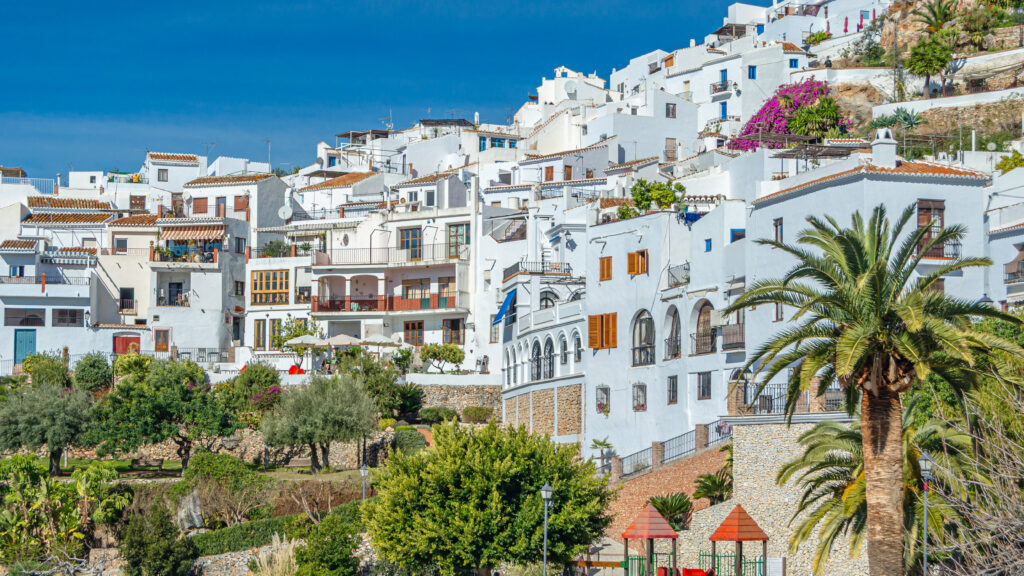
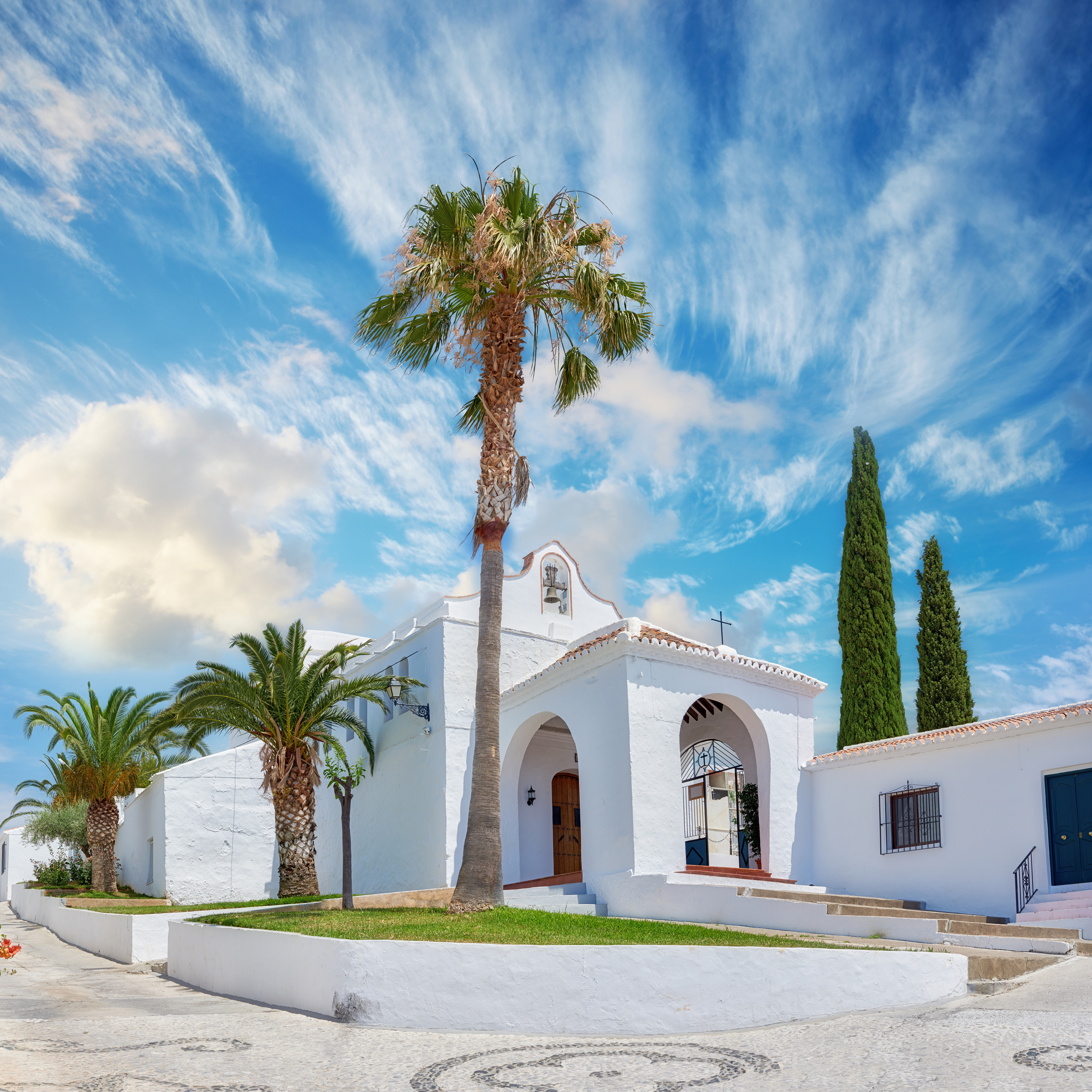
Nestled in the rolling hills of Andalusia lies Frigiliana, one of Spain’s most picturesque whitewashed villages. With its narrow cobbled streets, blooming bougainvillea, and breathtaking views of the Mediterranean Sea, it’s no wonder this charming place captures the hearts of all who visit. Beyond its stunning beauty, however, Frigiliana is also a place where history and legends are intertwined, forming a rich collection of stories that have been passed down through generations. This article explores the enchanting appeal of Frigiliana, examining both its actual history and the fascinating myths that contribute to its mystique.
A historical gem – Frigiliana’s history dates back to the Phoenicians, but it gained significance under Moorish rule during Spain’s Islamic period. The village’s architecture is a living testament to its diverse past, displaying remnants of Moorish structures alongside Christian influences that emerged after the Reconquista, or Christian reconquest. One of the most notable historical sites in Frigiliana is the 16th-century Palacio de los Condes, a mansion with an azure blue roof that now houses a sugar cane syrup factory, the only one of its kind in Europe. This palatial building is a tangible reminder of the town’s prosperous past, which was dominated by agriculture and trade.
Another historical highlight is the old Moorish quarter, known as Barribarto, which has remained largely untouched by modernity. Here, you can stroll through a labyrinth of winding alleys and discover hidden courtyards and craft shops offering handmade goods that reflect the cultural heritage of the region. Every corner of Frigiliana tells a story, from the ancient fortress ruins overlooking the town to the decorative ceramic panels detailing significant events from its history.
The legendary Battle of Peñón – One of the most exciting stories from Frigiliana’s past is the legendary Battle of Peñón in 1569. After the fall of Granada, the Moors, who had sought refuge in the rugged mountains around Frigiliana, put up desperate resistance against the advancing Christian troops. The battle culminated at the rock of Peñón, where many Moors tragically lost their lives. According to legend, the bloodshed was so intense that the rocks remained stained crimson forever—a haunting reminder of the village’s turbulent past. While historians confirm the course of the battle, the story of the crimson rocks remains part of local lore, lending a touch of the supernatural to the facts.
The mysterious treasure of Ibn Al-Ahmar – According to local legend, Harun Ibn Al-Ahmar, a wealthy Moorish nobleman, buried a huge treasure somewhere in the hills around Frigiliana before fleeing the Christian conquest. Despite numerous expeditions and modern treasure hunters scouring the landscape with metal detectors, the treasure has never been found. Some locals believe that the treasure is protected by a curse that ensures it will remain hidden until a worthy soul discovers it. This story continues to attract adventurers and dreamers, adding to Frigiliana’s reputation as a village shrouded in mystery.
Cultural fusion and festivals – Frigiliana’s culture is a vibrant blend of Moorish, Christian, and even Jewish heritage. The annual Festival of Three Cultures celebrates this rich mosaic, bringing the streets to life with music, dance, and culinary delights from the different traditions that have shaped the village.
The festival takes place every August and attracts visitors from all over the world who want to take part in the celebrations and immerse themselves in the diverse culture of the place.
The local cuisine is another expression of Frigiliana’s mixed heritage. Traditional dishes such as “migas”—fried breadcrumbs with garlic and chorizo—can be traced back to their Moorish roots, while “ajo blanco,” a chilled almond soup, embodies the fusion of flavors characteristic of Andalusian cuisine. In addition, the unique variety of sugar cane syrup known as “miel de caña” is a delicacy that is definitely worth trying, and its recipe has been preserved for centuries.
Haunted alleys and ghost stories – Frigiliana’s charm is also enhanced by the ghost stories whispered among the locals. One of these stories is about La Casa de los Chicos, a mansion that is said to be haunted by the ghost of a young girl who met a tragic end there. Visitors report eerie sensations and unexplained noises within the walls, leading many to believe that her restless spirit still roams the halls.
Another spooky tale involves El Fantasma de la Torre, the ghost of a Moorish warrior who is said to haunt the town’s historic tower. On moonlit nights, some claim to have seen a ghostly figure in traditional clothing silently guarding the village that was once his home.
Natural beauty and outdoor adventure – While legends lend Frigiliana a mystical dimension, its natural beauty is undeniable. The village is surrounded by the Sierras de Tejeda, Almijara, and Alhama Natural Park, a paradise for outdoor enthusiasts. Hiking trails offer breathtaking views of the Mediterranean Sea and the rugged Andalusian landscape, with paths suitable for both casual hikers and experienced trekkers. The Higuerón River flows nearby, its crystal-clear waters inviting you to take a refreshing dip or enjoy a leisurely picnic on its banks.
Cycling is another popular activity, with routes ranging from gentle rides through olive groves to challenging climbs that reward cyclists with panoramic views. The region’s biodiversity is remarkable, home to a variety of flora and fauna, including rare orchid species and the Iberian ibex. Whether you are seeking adventure or tranquility, Frigiliana’s natural surroundings provide the perfect setting for exploration and relaxation.
Preserving the past, embracing the future – Despite its historical depth and cultural diversity, Frigiliana has not stood still. The village has successfully integrated tourism into its economy while striving to preserve its heritage and natural environment. Initiatives such as sustainable tourism practices and efforts to preserve the authenticity of the village’s architecture ensure that Frigiliana remains an unspoiled gem.
Craft markets and local businesses are thriving, offering products ranging from traditional handicrafts to contemporary art, supporting the local economy and fostering a sense of community. Organic farming initiatives and ecotourism projects are also on the rise, reflecting a growing awareness of environmental sustainability.
A timeless charm – Frigiliana is more than just a beautiful Spanish village; it is a place where history lives and legends breathe. Its fascinating blend of architectural splendor, cultural richness, and natural beauty makes it a destination like no other. Whether drawn by the allure of its historic past, the promise of hidden treasures, or simply the desire to experience the tranquil charm of Andalusian life, visitors find that Frigiliana leaves an indelible impression on their hearts.
In a world that often rushes forward, Frigiliana is a timeless refuge that invites all who enter its gates to pause, listen, and perhaps, if only for a moment, believe in the magic of legends.