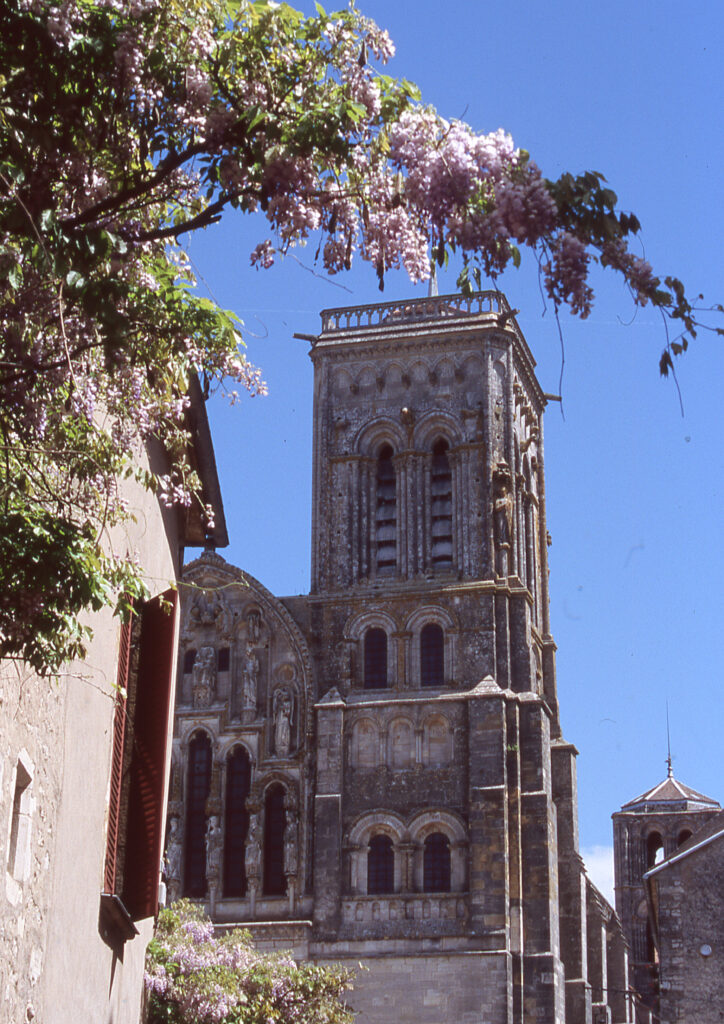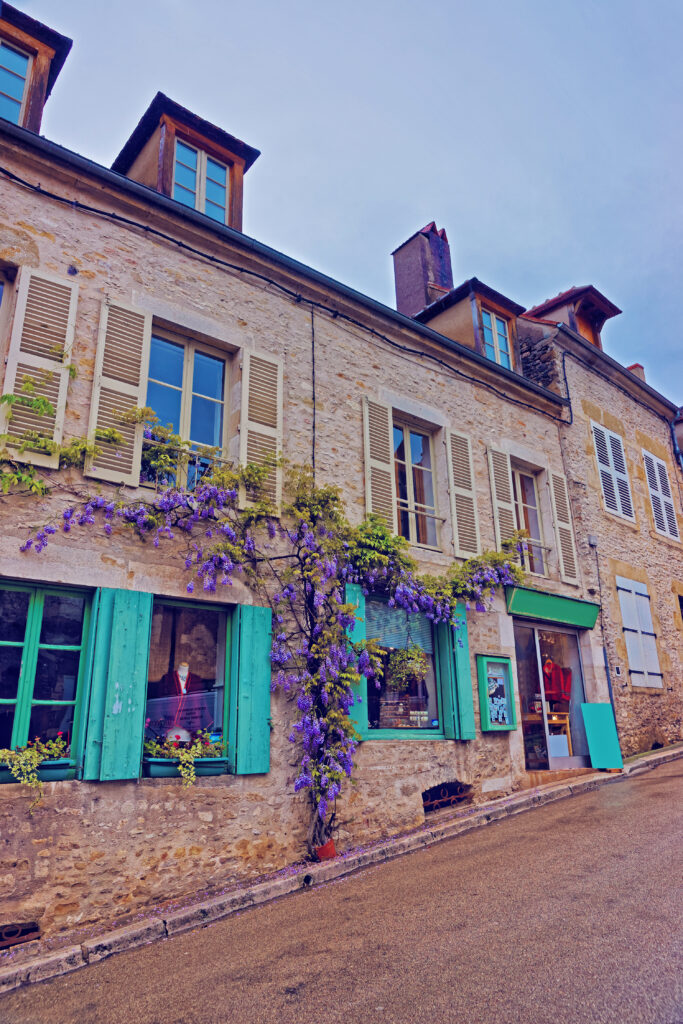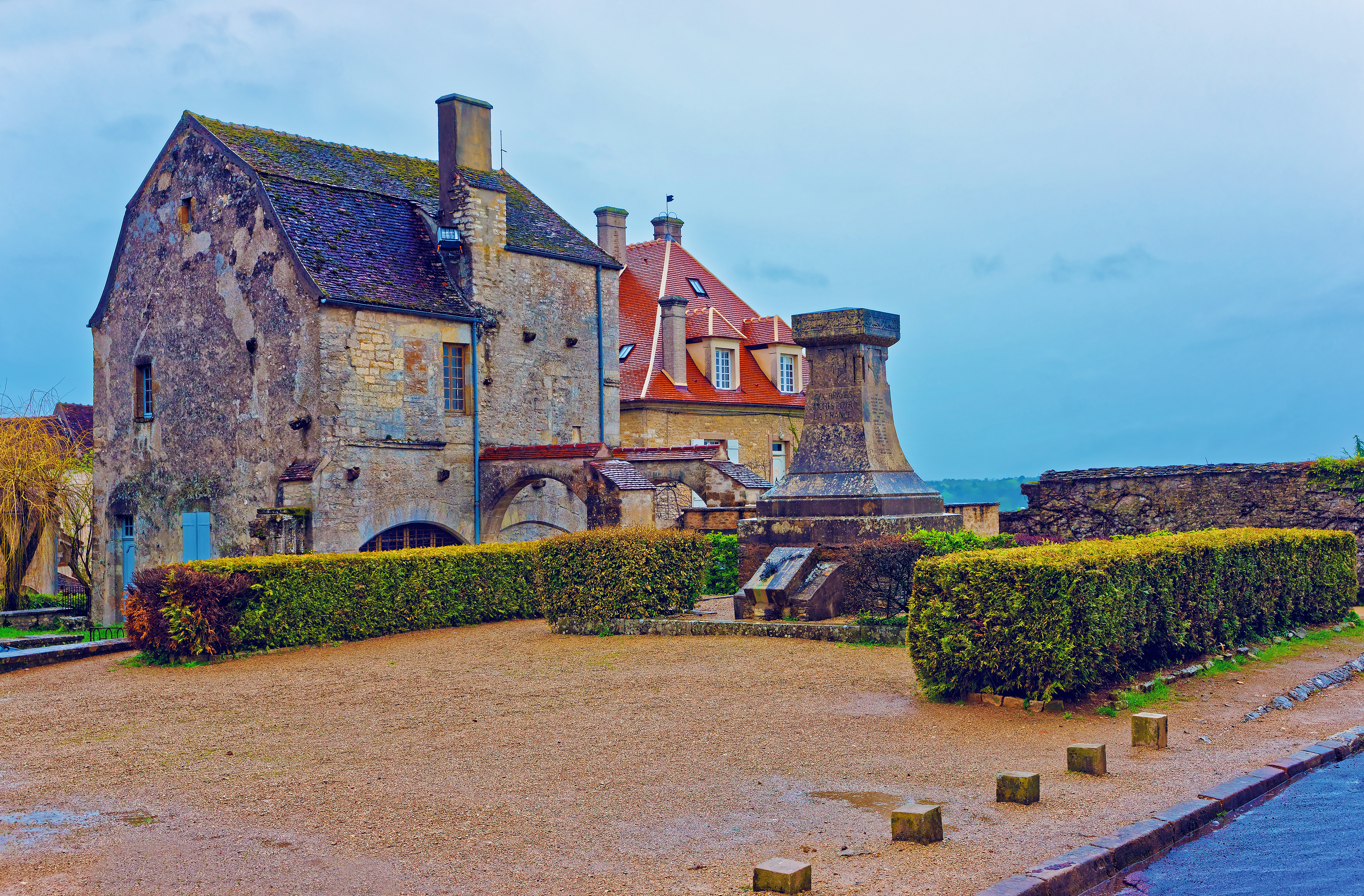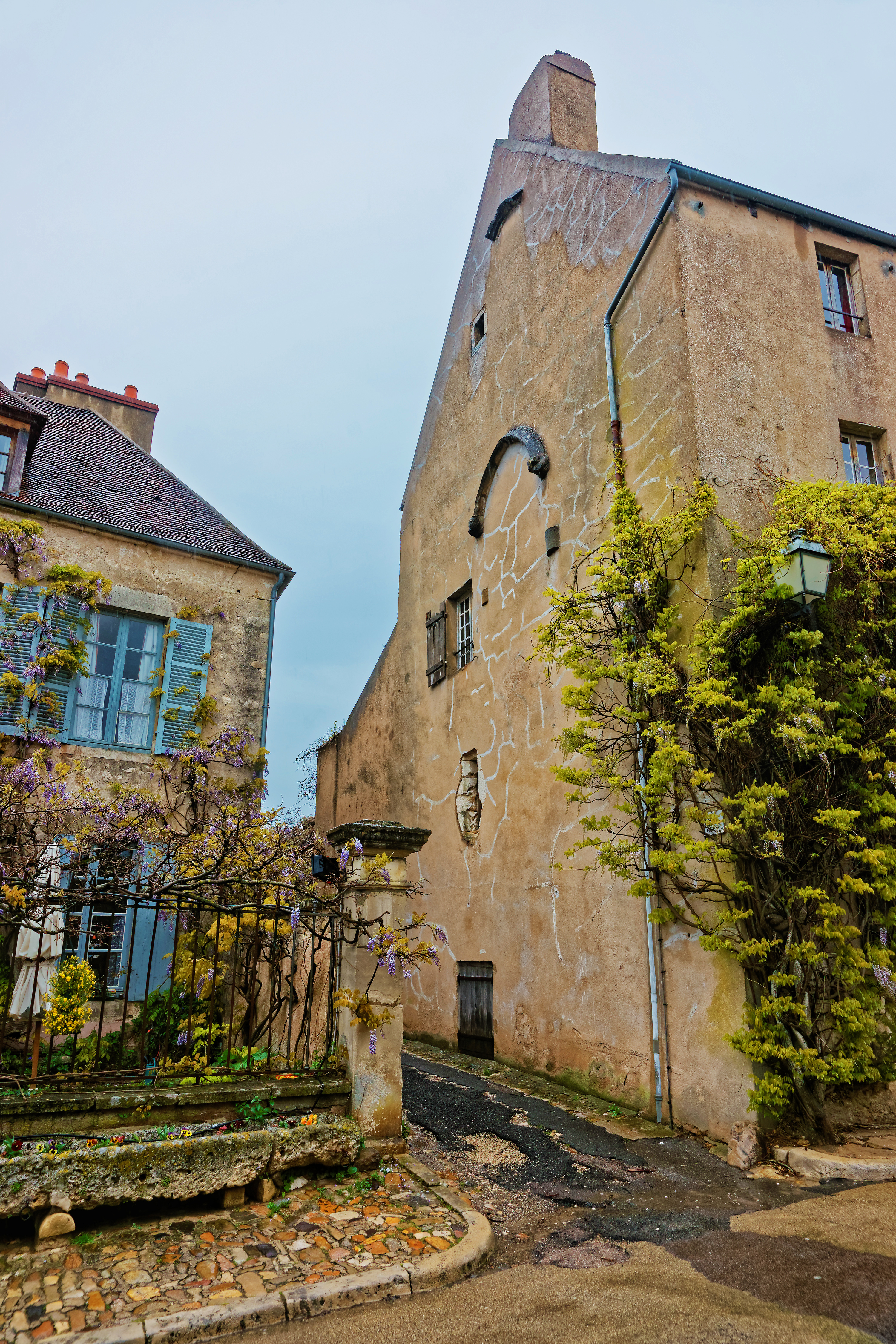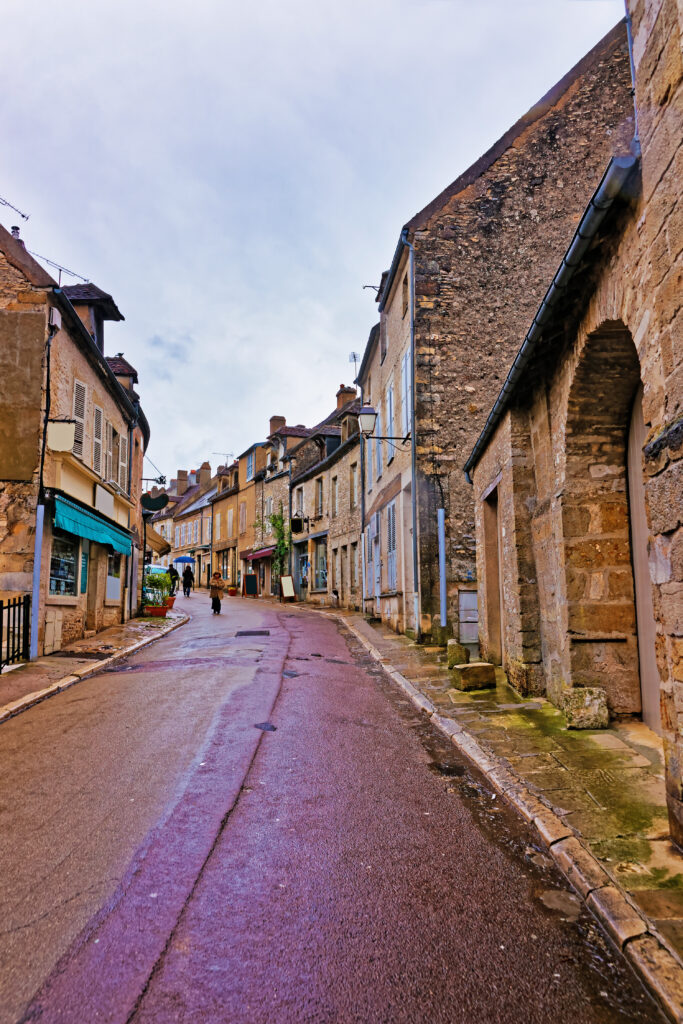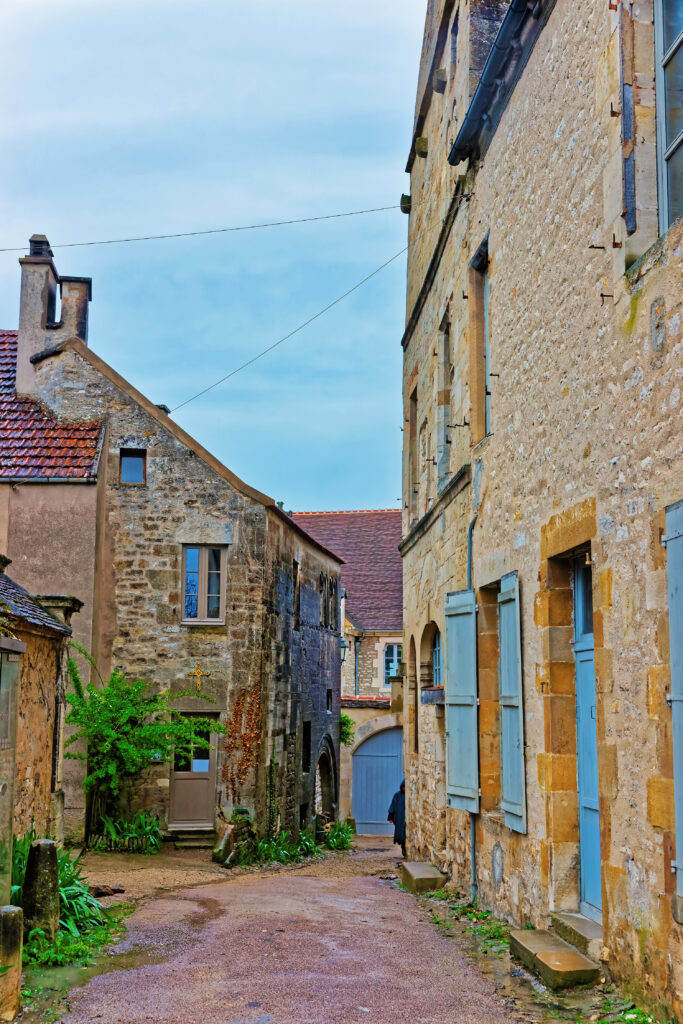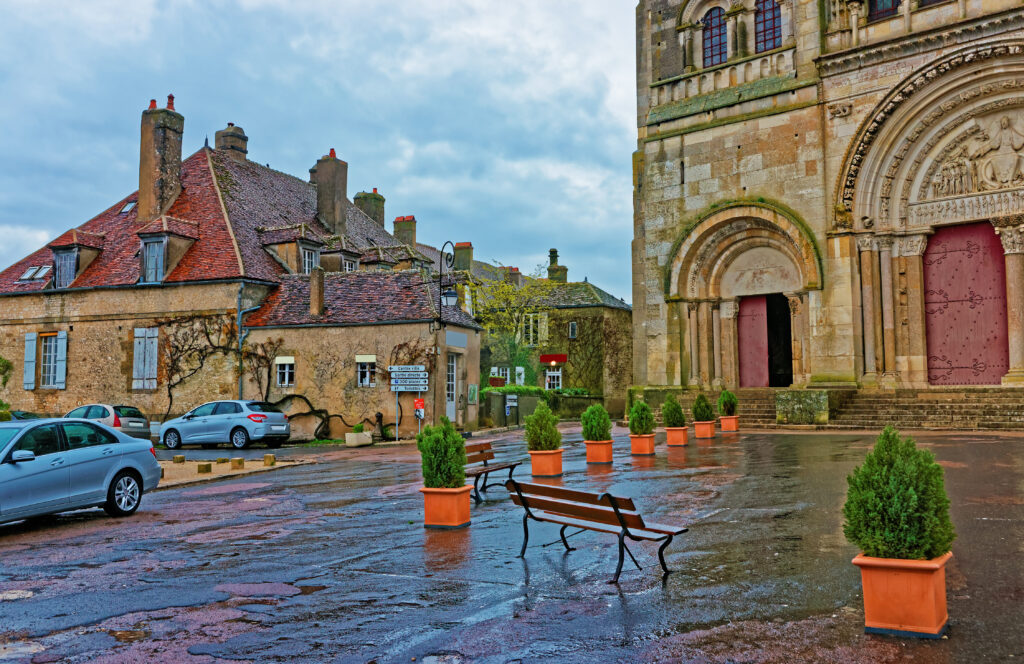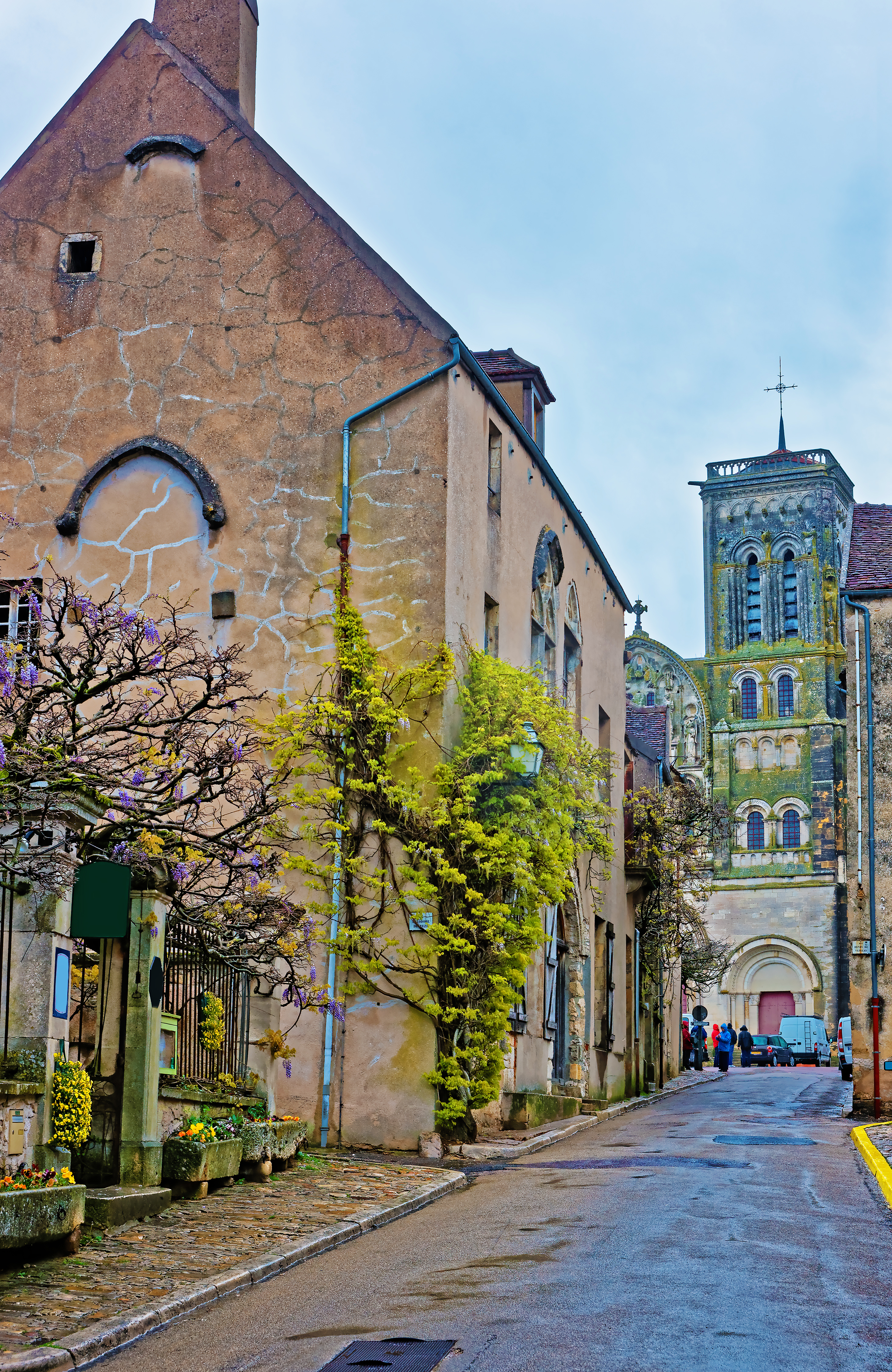
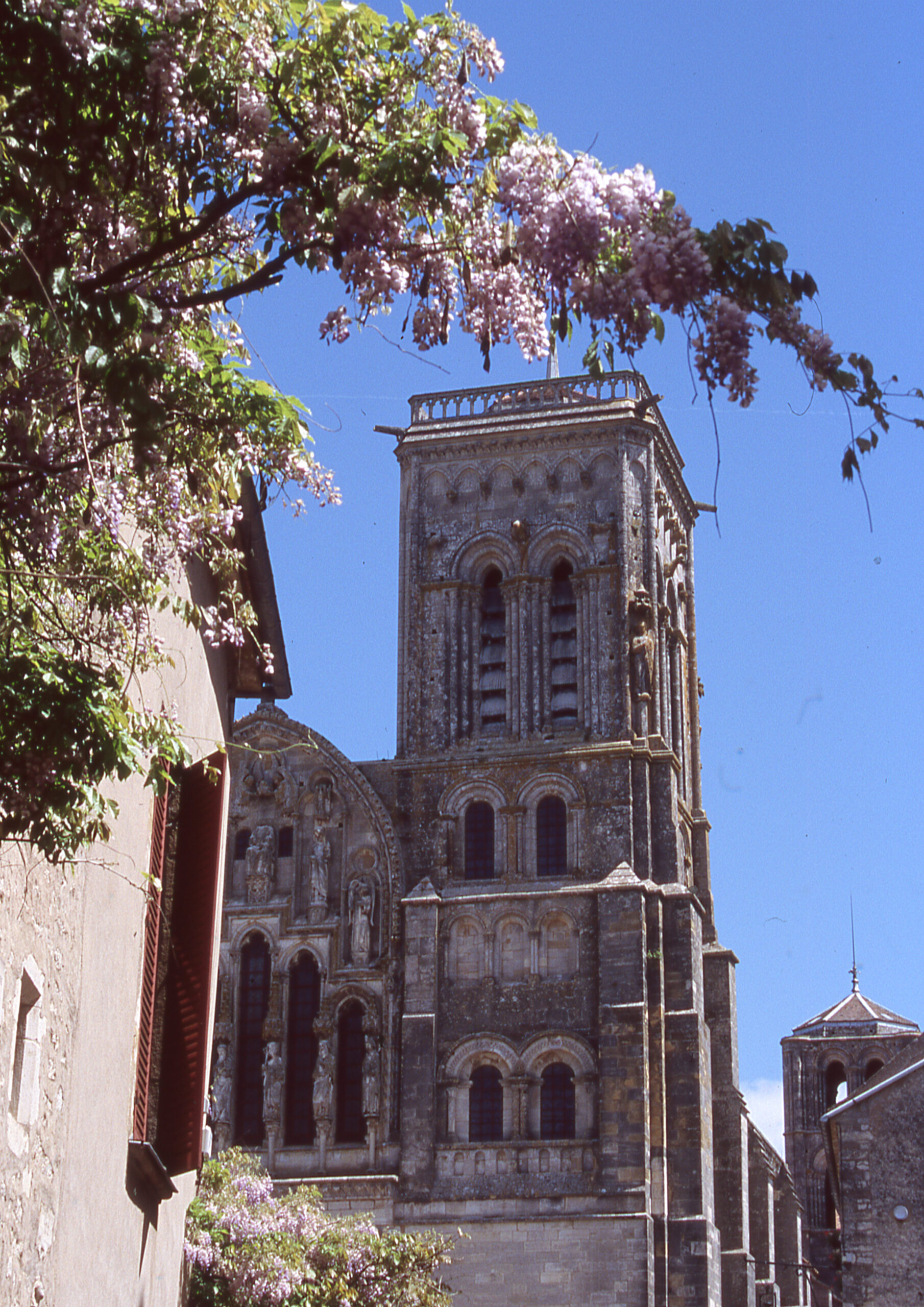
Perched on a hill in the Yonne department of the Bourgogne-Franche-Comté region lies the small but famous village of Vézelay. Although it has only about 500 inhabitants, this charming community is a monumental symbol of spiritual and historical significance. Recognized as one of the “most beautiful villages in France” (Plus beaux villages de France), Vézelay has captured the hearts of pilgrims, historians, and tourists alike for centuries. The village’s status was further cemented by its designation as a UNESCO World Heritage Site in 1979.
The creation of a holy site – Vézelay’s beginnings as a religious center date back to 858/859, when Count Gerard II of Vienne founded a Benedictine abbey in the valley below the present-day village, now known as Saint-Père sous Vézelay. Originally a monastery, the abbey was dedicated to Christ and the Virgin Mary, with Saints Peter and Paul later added as additional patron saints. Over the course of history, the abbey was converted into a monastery and received royal and papal privileges, including valuable relics from Pope Nicholas I and various saints.
A sanctuary on the hill – The upheavals of the 10th century, caused by the Norman invasions, made it necessary to move the abbey to a more defensible location on a neighboring hill – the place we know today.
This strategic move marked the beginning of Vézelay’s transformation into an impressive stronghold of faith and pilgrimage. Its integration into the Cluniac reform movement in 1058 further strengthened its religious and social status, although it retained its autonomy until Abbot Guillaume de Mello restored its independence from Cluny in 1161.
Mystical relics and miracles – Central to Vézelay’s fame are the relics of Mary Magdalene, which are believed to have arrived at the abbey as early as the late 9th century. The promotion of her veneration by the Cluniac monks made Vézelay the undisputed center of the Magdalene cult in the 12th century. This increase in pilgrimages not only led to an economic boom, but also intertwined Vézelay with the political affairs of Europe. Notable events include Bernard of Clairvaux’s call for the Second Crusade in 1146 and the historic meeting between King Philip II of France and Richard the Lionheart in 1190 before the departure for the Third Crusade.
Controversy and decline – However, Vézelay’s supremacy was challenged. In 1279/80, Charles II of Anjou launched an investigation that came to the controversial conclusion that the true remains of Mary Magdalene were kept in a sarcophagus in Saint-Maximin in Provence. This sparked a fierce dispute between the two abbeys, which was finally settled in 1295 by Pope Boniface VIII in favor of Saint-Maximin, leading to a decline in Vézelay’s status.
Conflict and resistance – The abbey’s struggle went beyond spiritual disputes and led to secular conflicts. In the 11th century, Vézelay quarreled with the bishops of Autun and the counts of Nevers over rights and revenues. Tensions reached a peak in 1104 when citizens rebelled against the abbey’s demands to be allowed to freely accommodate pilgrims. With the support of the counts, this resistance eventually led to the establishment of a municipal government in 1152. Despite initial suppression, the rights and privileges acquired by the town had a lasting influence and inspired similar movements in neighboring regions.
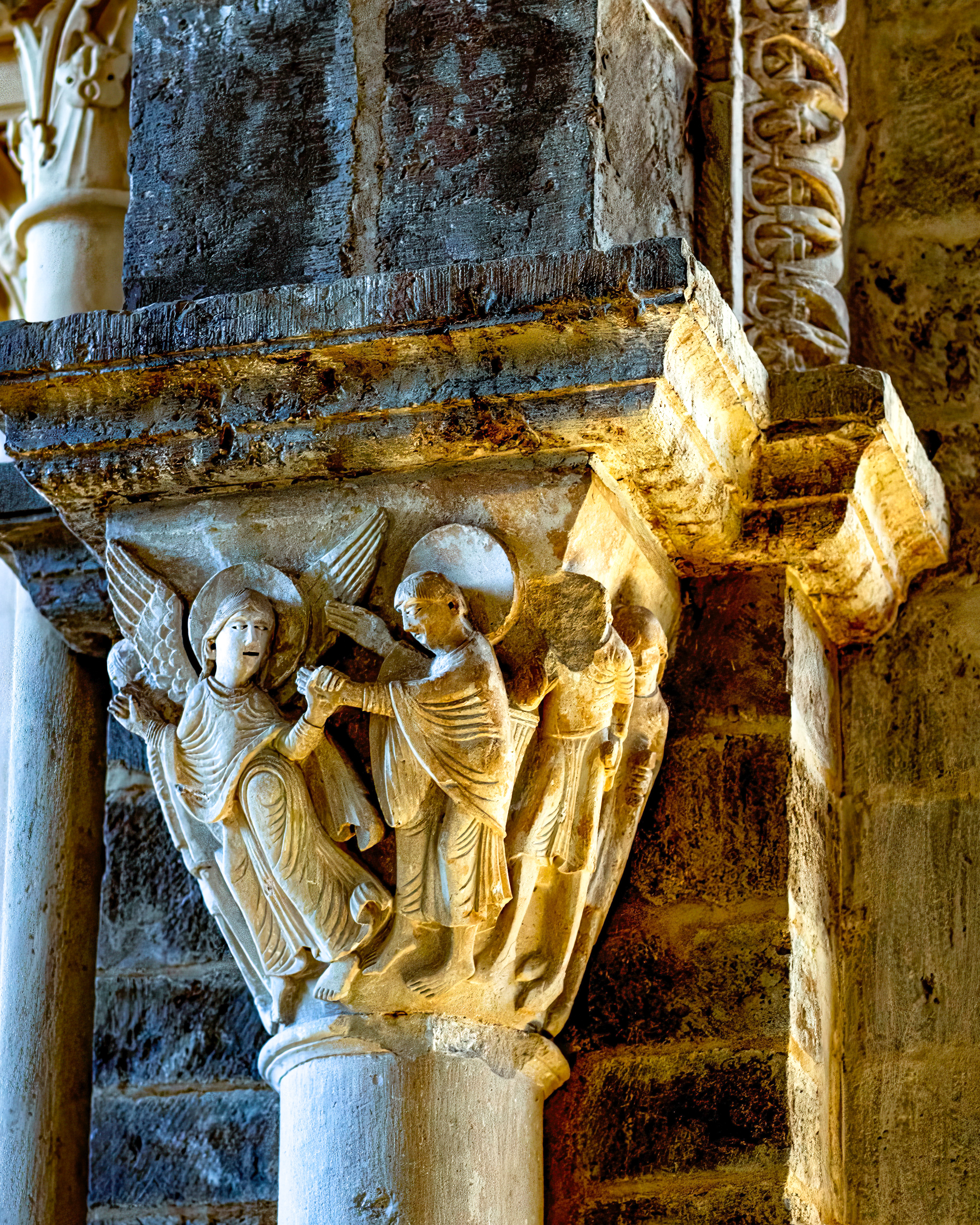
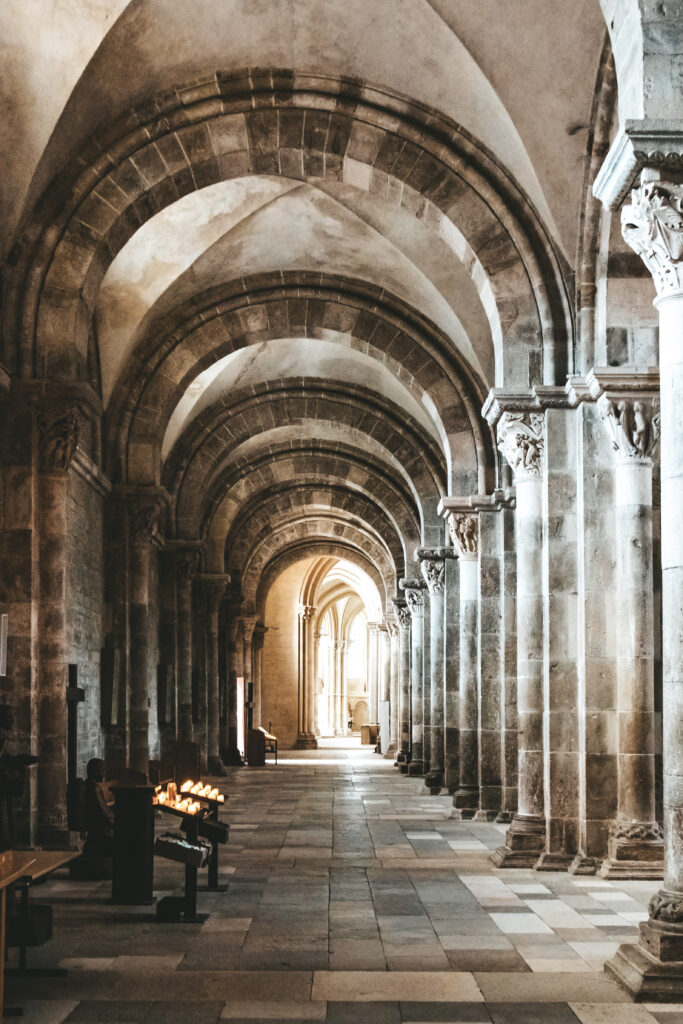
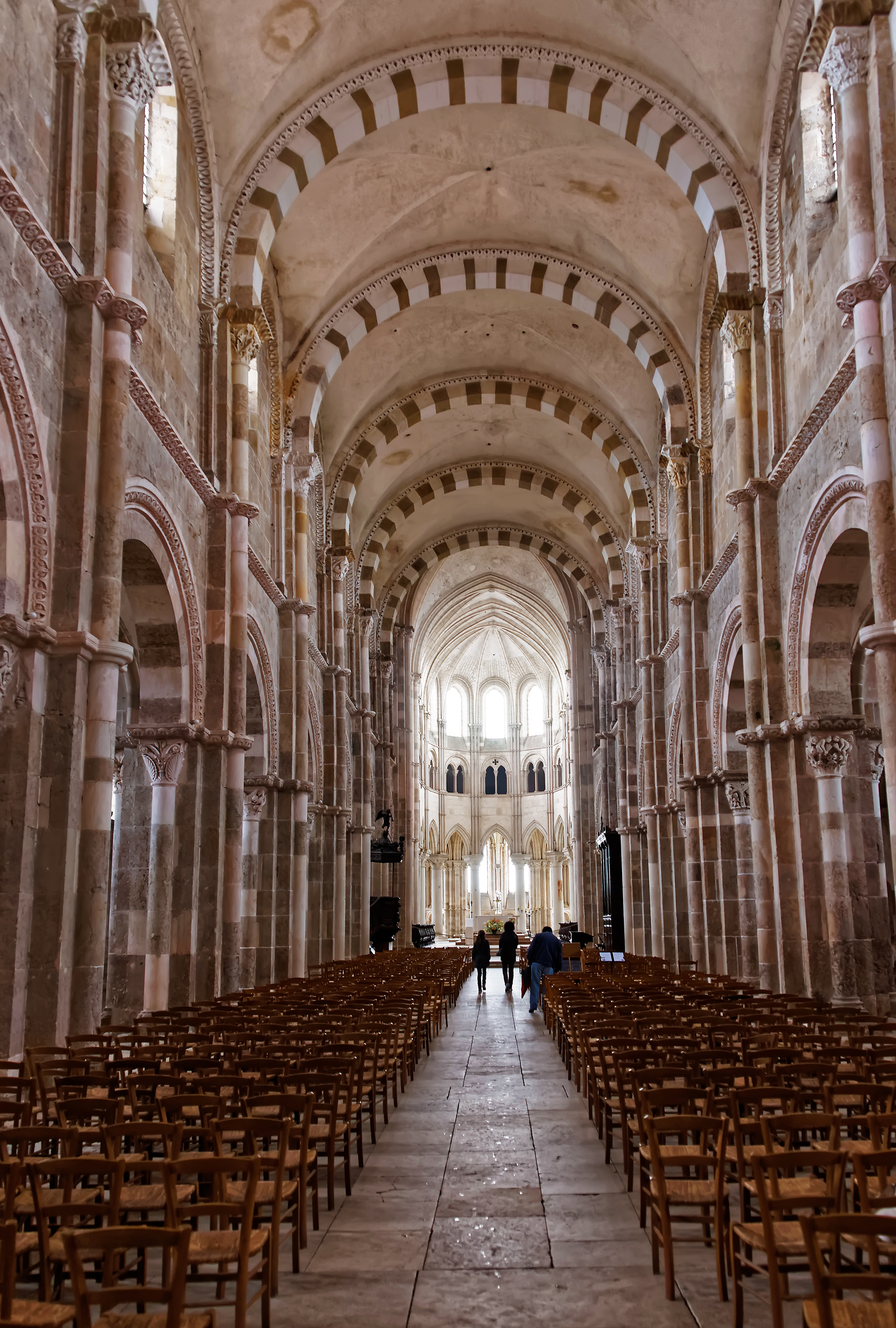
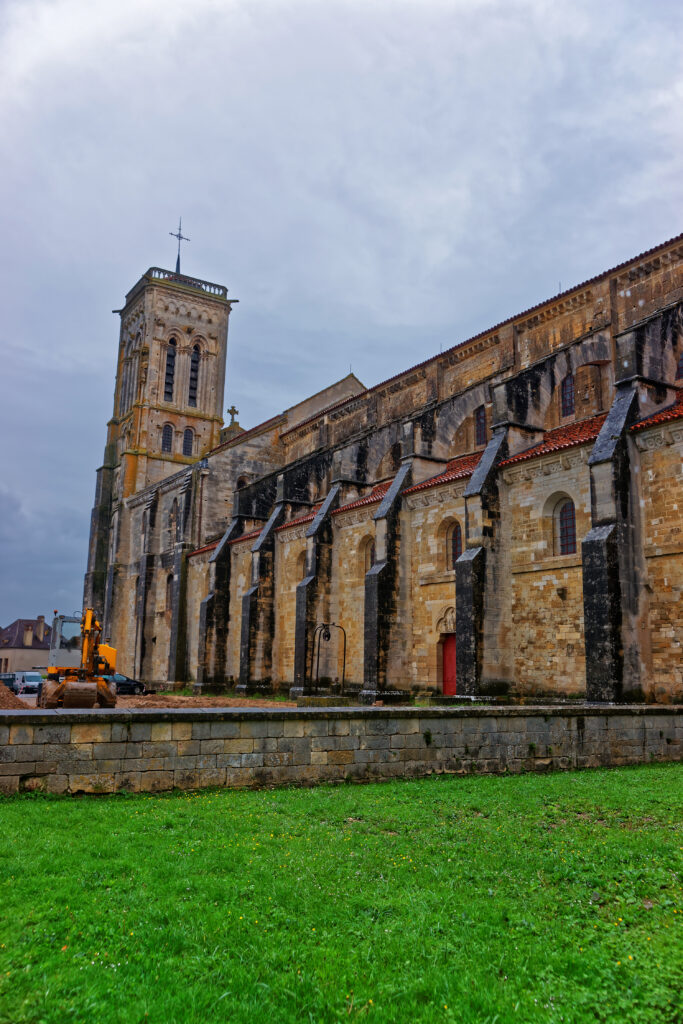
Renaissance and Restoration – Despite turbulent times, Vézelay’s appeal remained unbroken. The French Revolution robbed the basilica of its relics and sculptures, but the 19th century breathed new life into its sacred halls. Beginning in 1840, prominent architect Eugène Viollet-le-Duc led a restoration campaign to preserve the Basilica of Sainte-Marie-Madeleine and, with it, the heritage of Vézelay.
Pilgrimage in the present day – Even today, Vézelay attracts people seeking spiritual comfort and historical insights. The Fraternité de Jérusalem cultivates the monastic tradition within the walls of the once magnificent Benedictine abbey, creating an environment where old and new coexist harmoniously.
Legends and traditions – The mysticism of Vézelay is not limited to documented history. Local traditions often blend with myths, enriching the village’s storytelling. One such legend tells of the miraculous arrival of Mary Magdalene in Gaul, accompanied by Saints Maximin and Sidonius. Their journey, guided by divine providence, ended in Aix-en-Provence before their relics were allegedly transferred to Vézelay—a story that has been passionately recounted for generations.
In addition, stories of hidden treasures, secret tunnels under the basilica, and ghostly apparitions during the feast of Saint Mary Magdalene add extra excitement to the already fascinating history of Vézelay. Such stories, while lacking empirical evidence, embody the deep magic that Vézelay exudes.
From its humble beginnings to its heyday as a pilgrimage center, Vézelay stands as a testament to the enduring power of faith, myth, and resilience. It is a beacon that invites all visitors to immerse themselves in its rich past and mysterious legends. In the heart of France, Vézelay remains a timeless monument where history and mythology converge, leaving an indelible impression on the minds and souls of all who walk its historic paths.