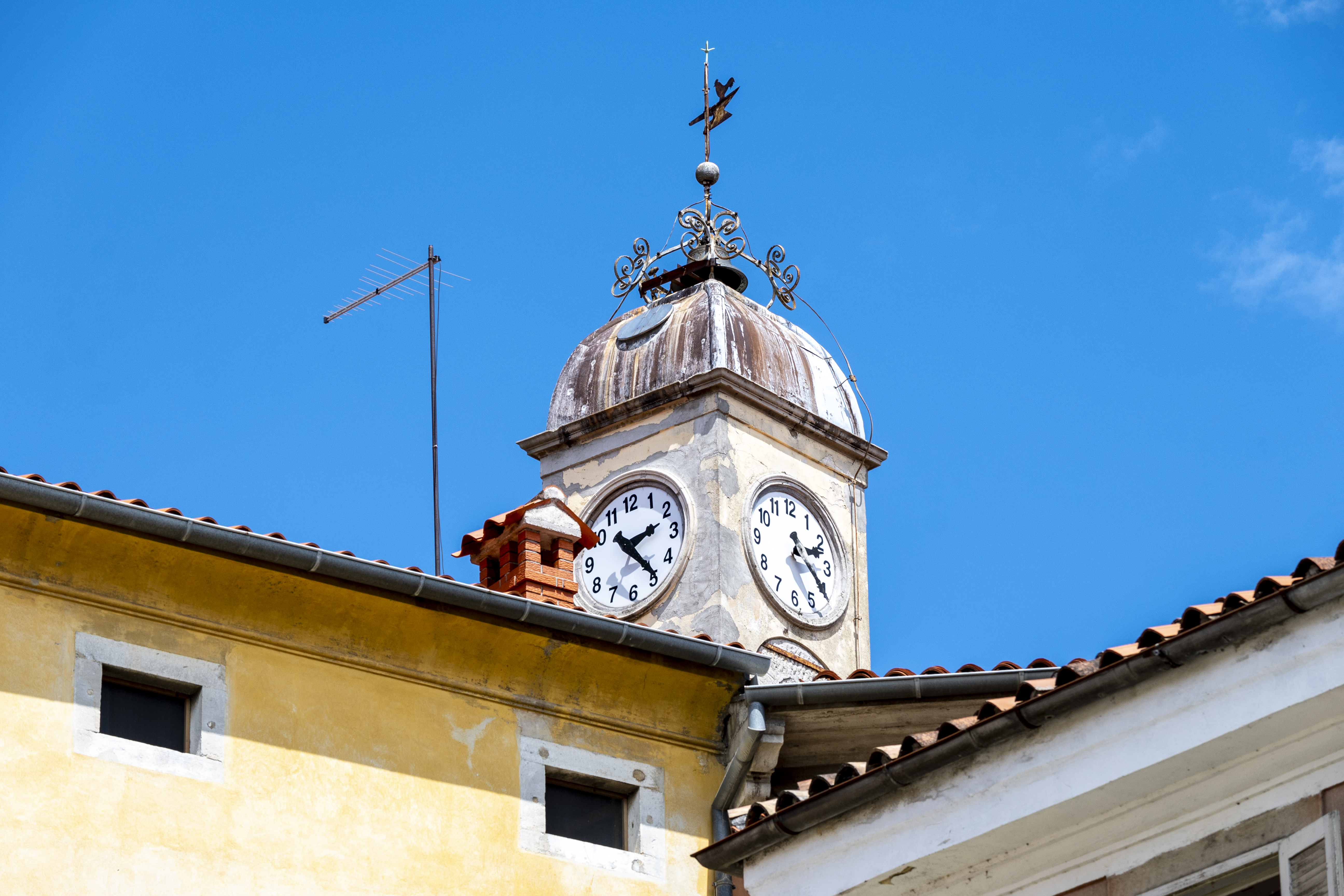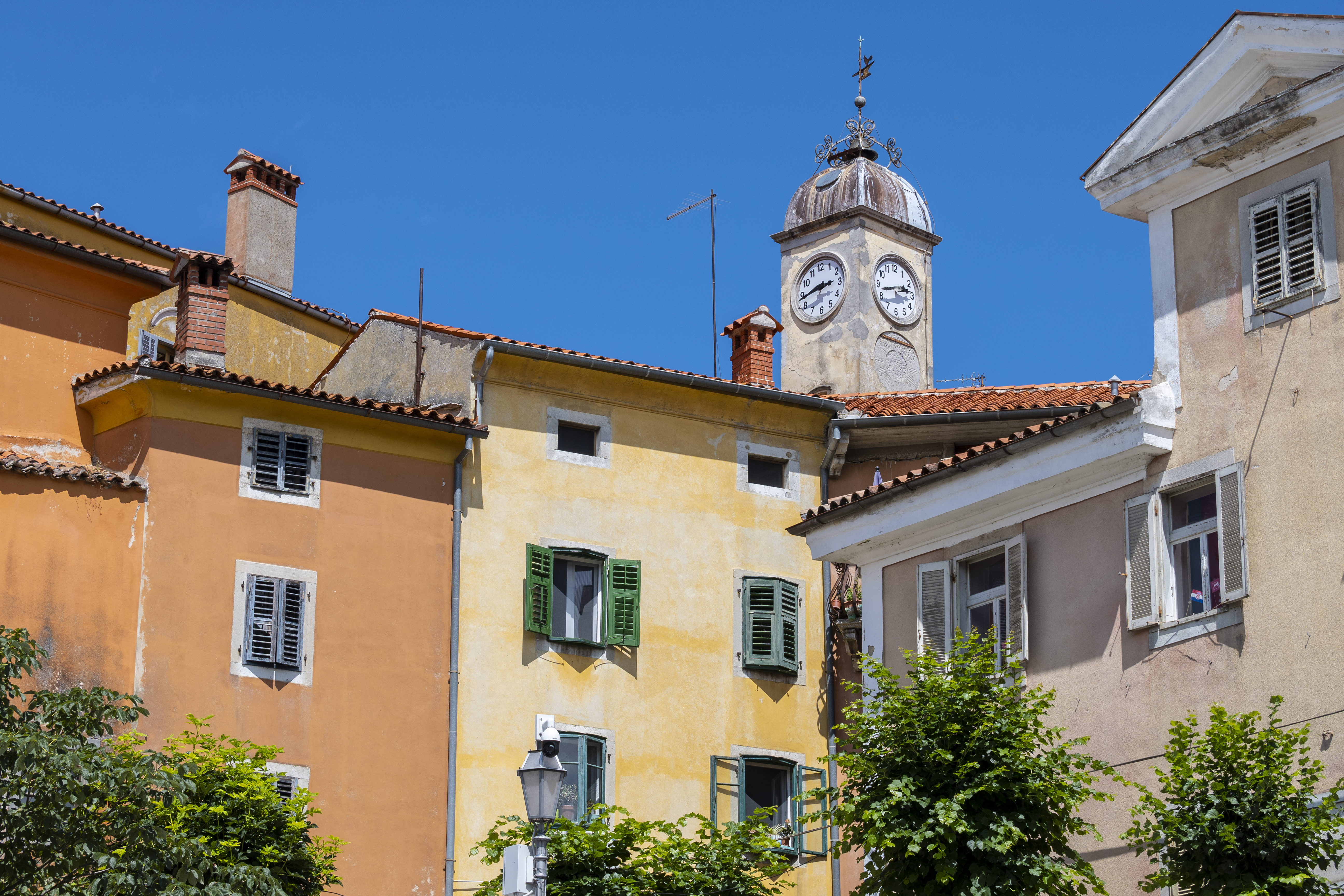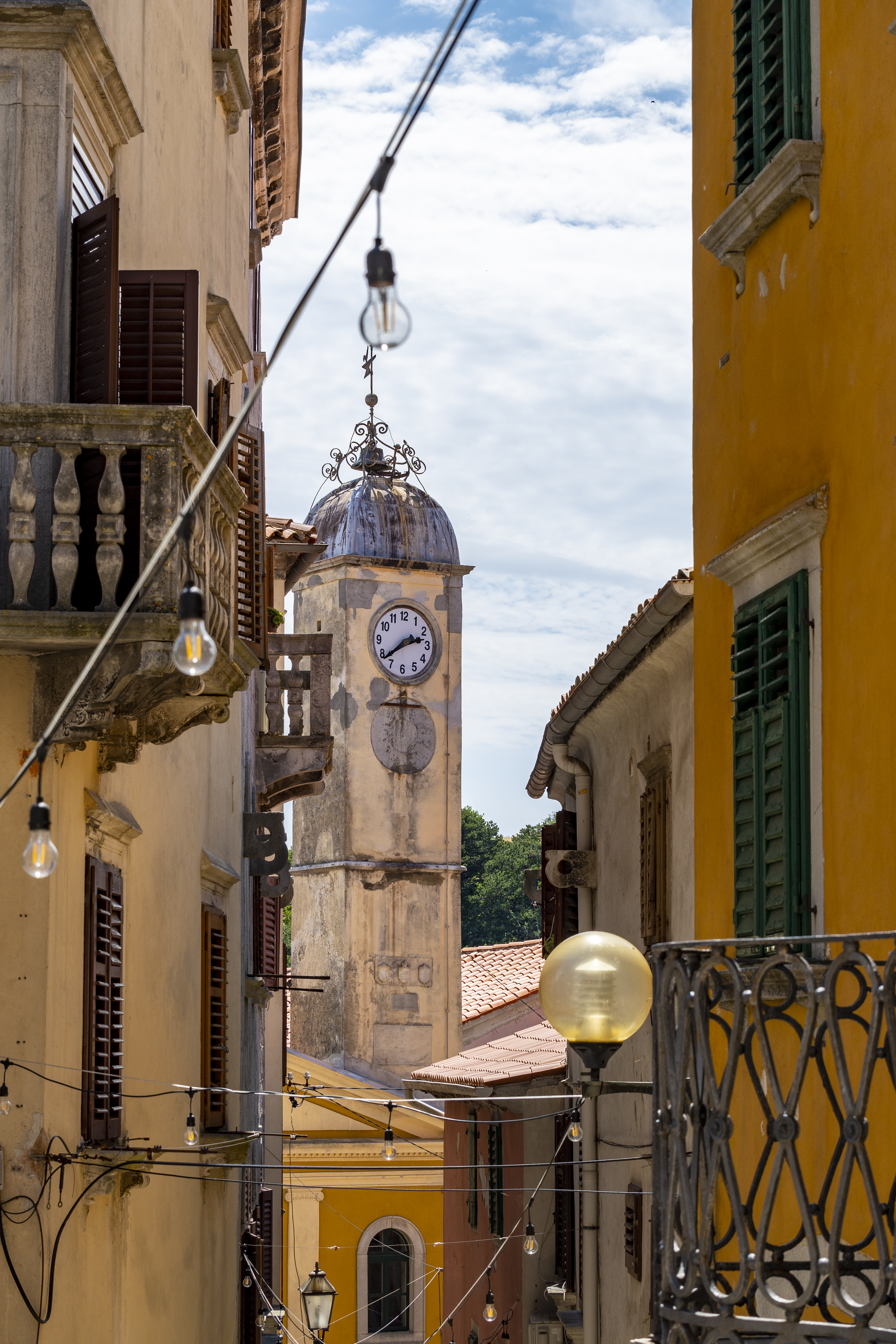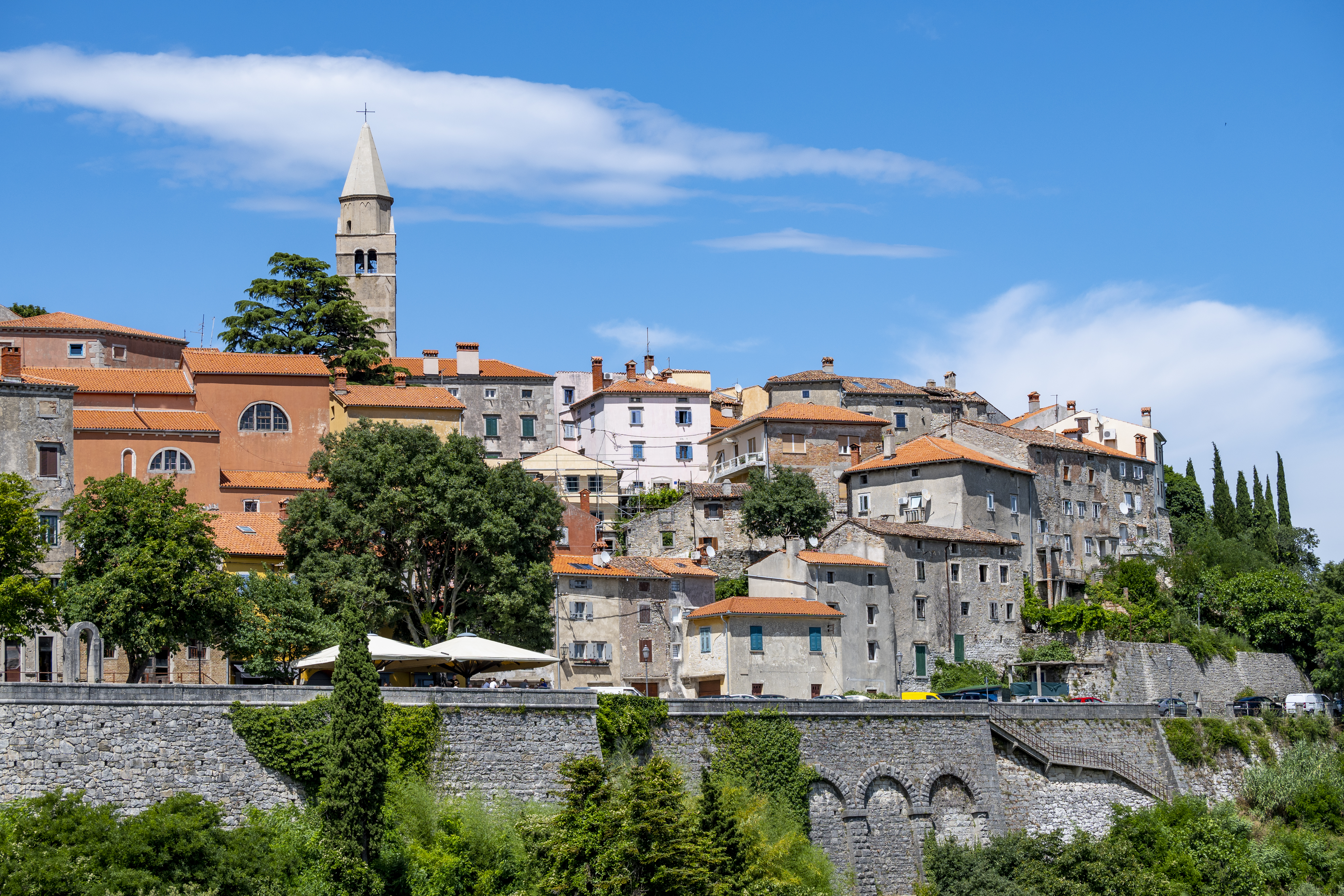
Nestled in the hills of the Istrian peninsula, the town of Labin in Croatia is a treasure trove of history, mystery, and folklore. With its picturesque charm and historical significance, Labin is a beacon for those seeking something extraordinary.
The deeper you delve into its history, the more the myths and legends surrounding this ancient town reveal themselves as a complex tapestry woven over centuries.
The founding story: A town born out of war – According to legend, Labin was founded by the Trojans who fled the destruction of their city. According to local tradition, the leader of these refugees, whose name has been lost over time, founded a new settlement on a hill where Labin stands today. Although this story is mythical in nature, it reflects the unshakable spirit and resilience of the people who have called this place home for thousands of years.
The spirit of the miner: a ghostly legacy – Labin is not only a town with an ancient history of settlement, but also has a rich industrial past, particularly in coal mining. One of the most widespread legends is about the spirit of a miner who is said to haunt the tunnels beneath the town. Workers claim to have heard eerie whispers and seen ethereal figures in the darkness, attributing these occurrences to a miner who was buried and killed in a collapse many years ago. While skeptics dismiss these stories as the product of an overactive imagination, they do add to the mysterious aura of Labin.
The Legend of Sentona: Protector of Travelers – Among the stories that characterize Labin is that of Sentona, the patron saint of travelers. According to legend, Sentona was a benevolent deity who watched over those who set out on journeys. Her spirit is said to dwell in the ancient paths that lead to and from the city, ensuring safe passage for all who use them. The townspeople celebrate her legacy with annual festivals and offerings, hoping to gain her favor and protection.
The Dragon of Rabac: A Fierce Guardian Creature – Not far from Labin lies the coastal village of Rabac, whose folklore is intertwined with that of Labin. One of the most fascinating legends tells of a dragon that once guarded the treasures hidden in the cliffs. It was believed that this dragon appeared at night and lit up the sky with its fiery breath. According to the myth, the dragon still slumbers in the cliffs and only awakens when its treasure is threatened. Visitors to Rabac often hike the trails near the cliffs in the hope of catching a glimpse of the mythical creature.
Historical traces: From ancient times to the modern era – Beyond its myths, Labin has a rich history. Archaeological finds indicate that the area has been inhabited since the Bronze Age. During Roman times, the town was known as Albona and served as an important administrative center. Several artifacts and ruins from this period have been preserved, including parts of the old city walls and burial sites.
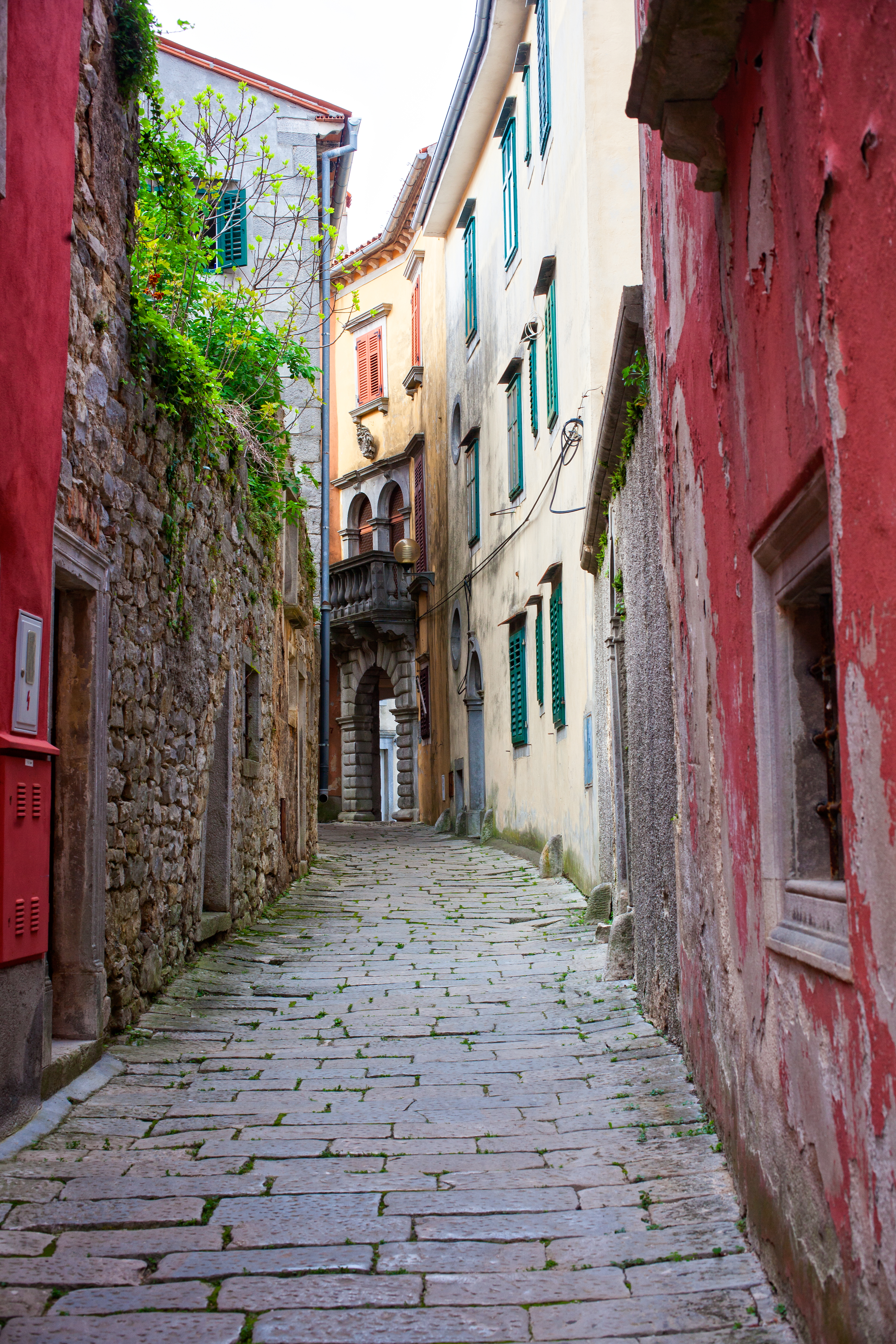
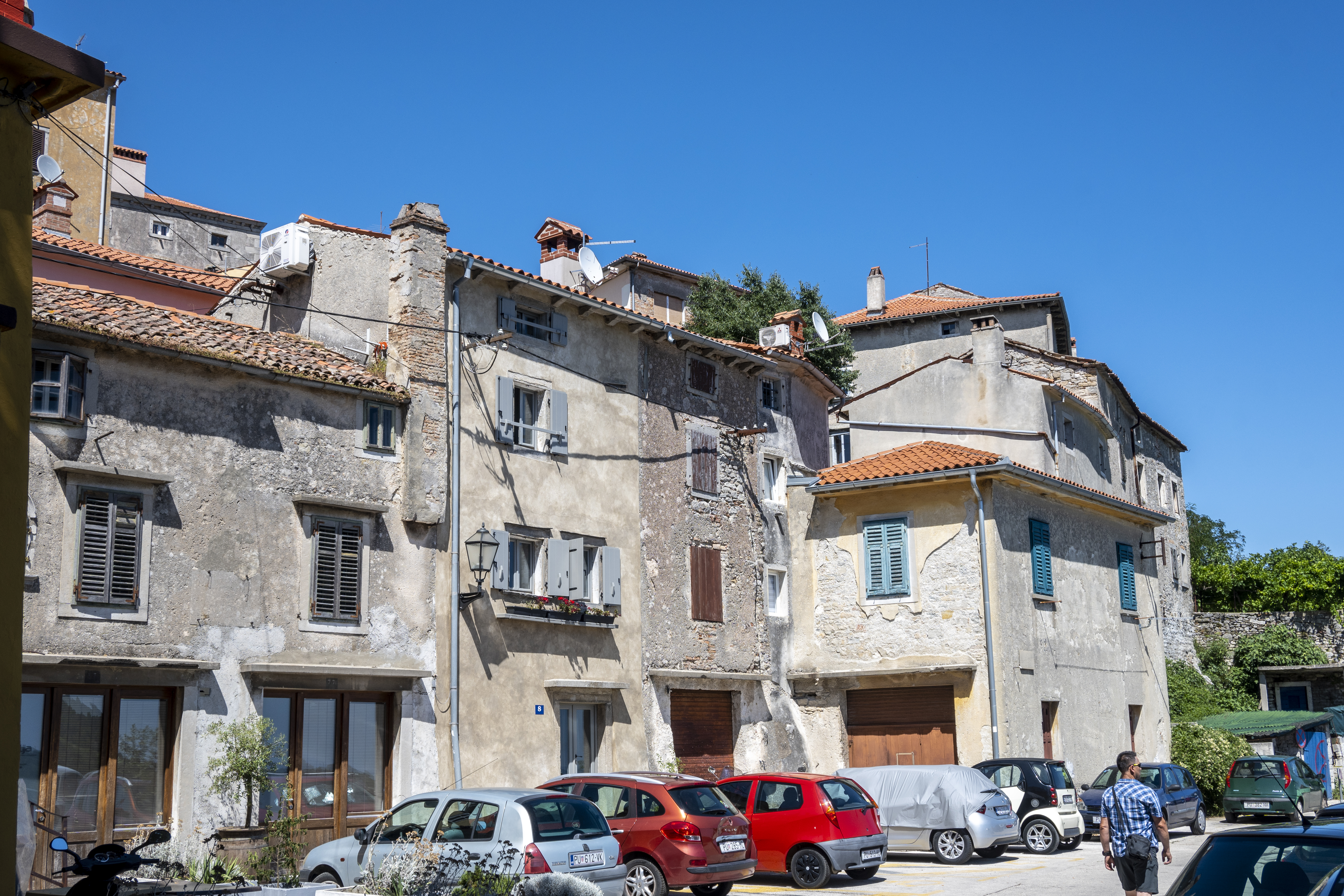
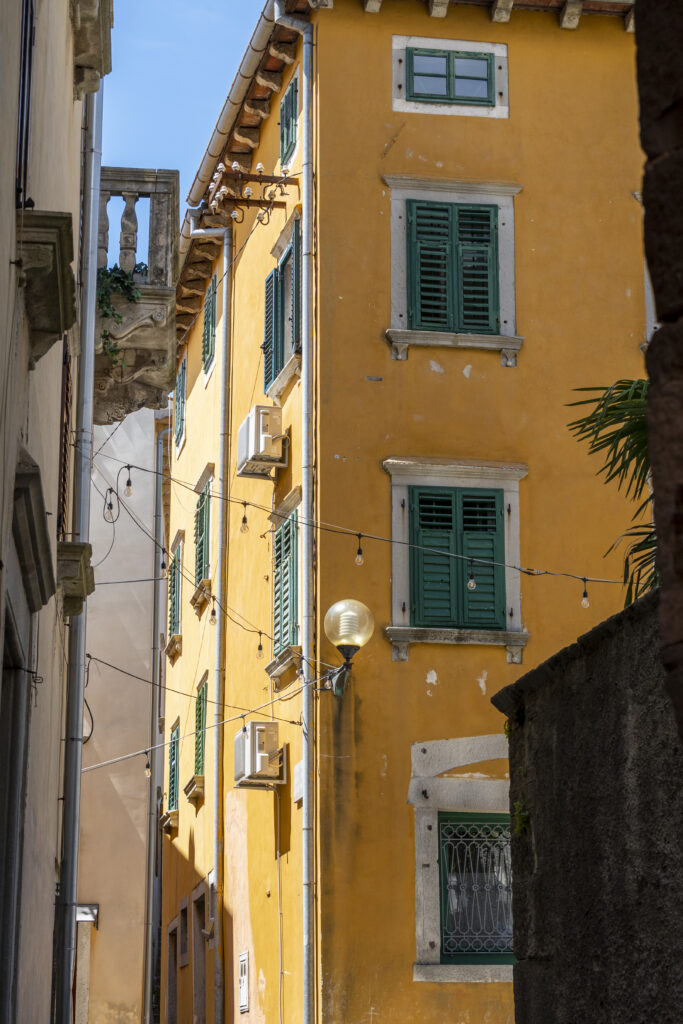
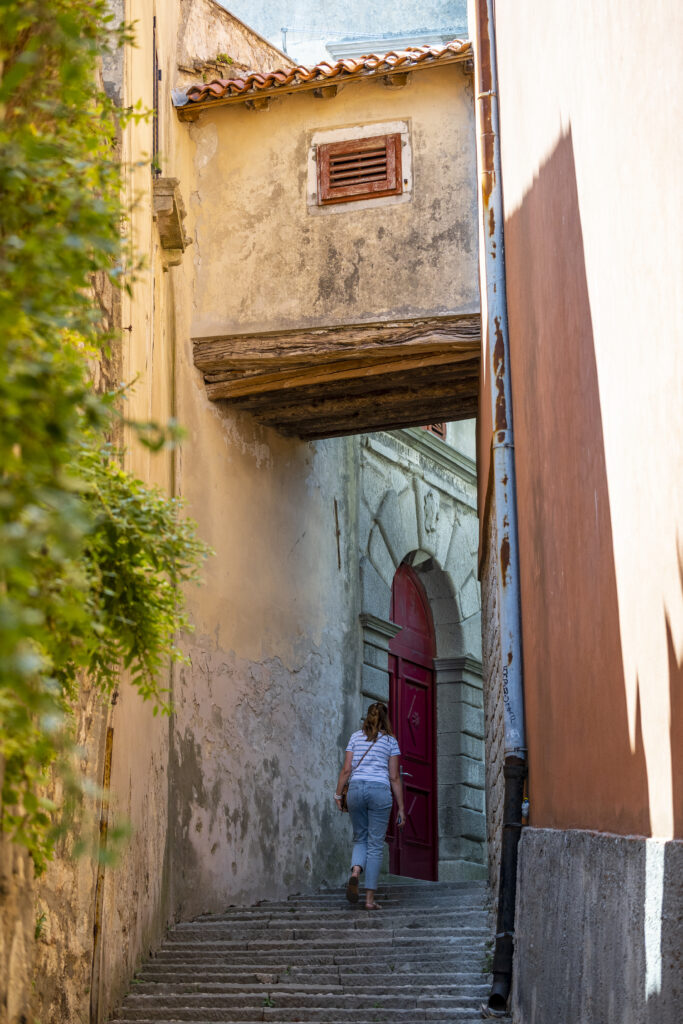
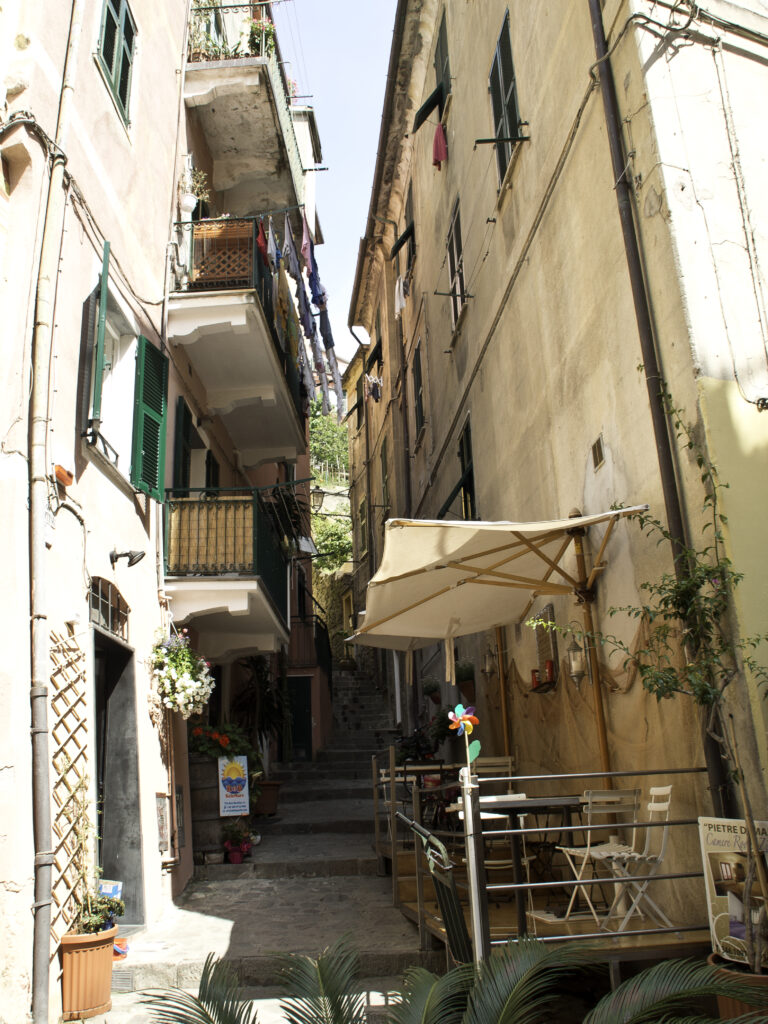
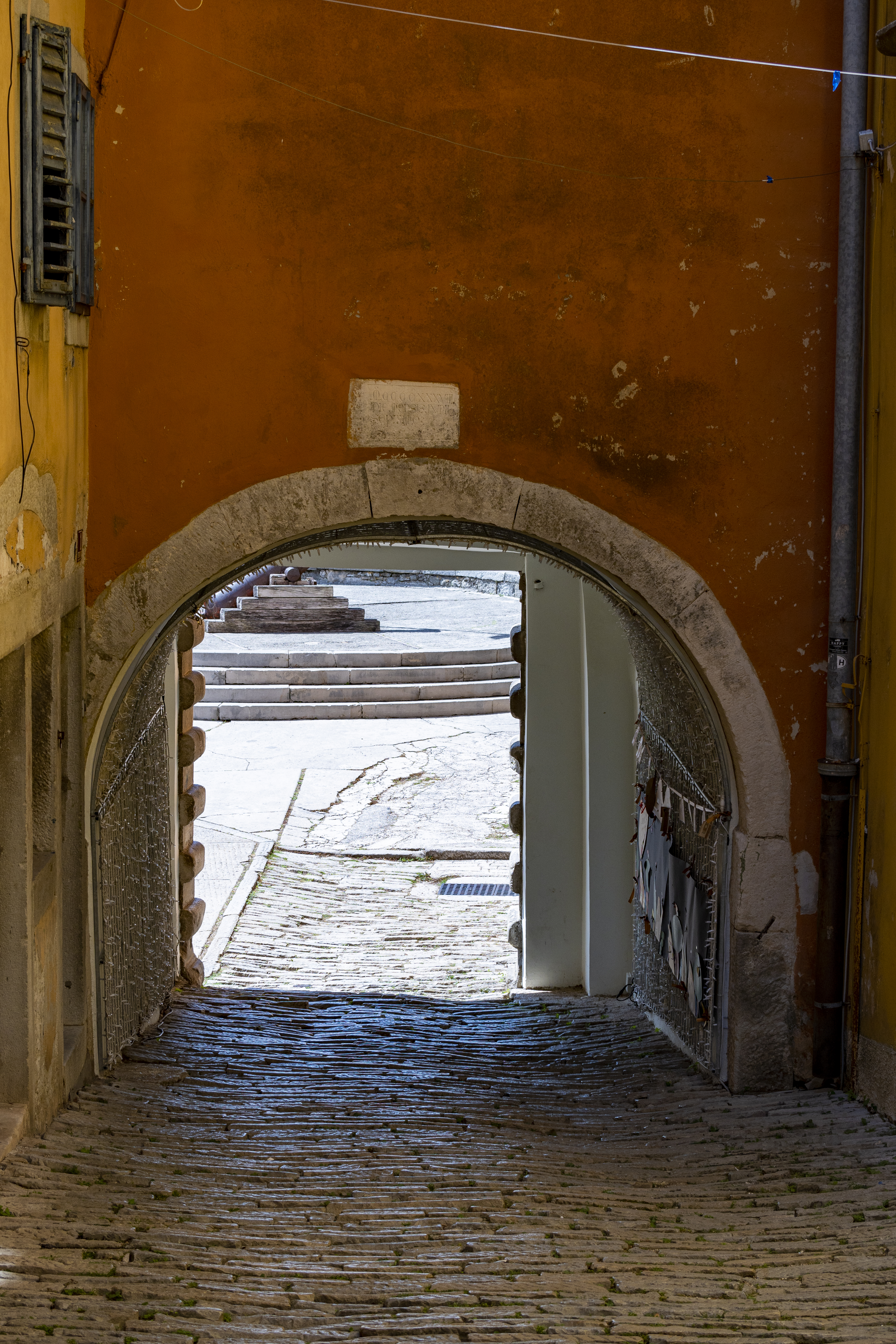
In the Middle Ages, Labin became a fortified town, a stronghold against invaders. The well-preserved Venetian architecture and narrow cobblestone streets tell stories of conquest and resilience. The town’s strategic location made it an important defensive point over the centuries.
Struggles and triumphs: a testament to resilience – The 20th century brought new challenges to Labin, particularly with the advent of coal mining. The harsh conditions faced by miners led to significant labor movements.
The most notable was the Labin Republic of 1921, in which workers took control of the mines and administered them independently for a short time. This act of resistance remains a proud chapter in the city’s history and is commemorated by a monument in the main square.
Cultural kaleidoscope: art, music, and traditions – Labin is also a cultural gem that fosters a vibrant arts scene. The town’s galleries and studios are testament to its creative spirit. The Labin Art Colony in particular has attracted international attention and draws artists from all over the world. The town hosts several cultural festivals throughout the year, offering everything from classical music to contemporary art.
Traditional music and dance also play an important role in Labin’s cultural identity. The “Labinske sopile,” a type of traditional woodwind instrument, is an integral part of folk music. These cultural expressions offer a glimpse into the soul of Labin and reflect its diverse heritage and community spirit.
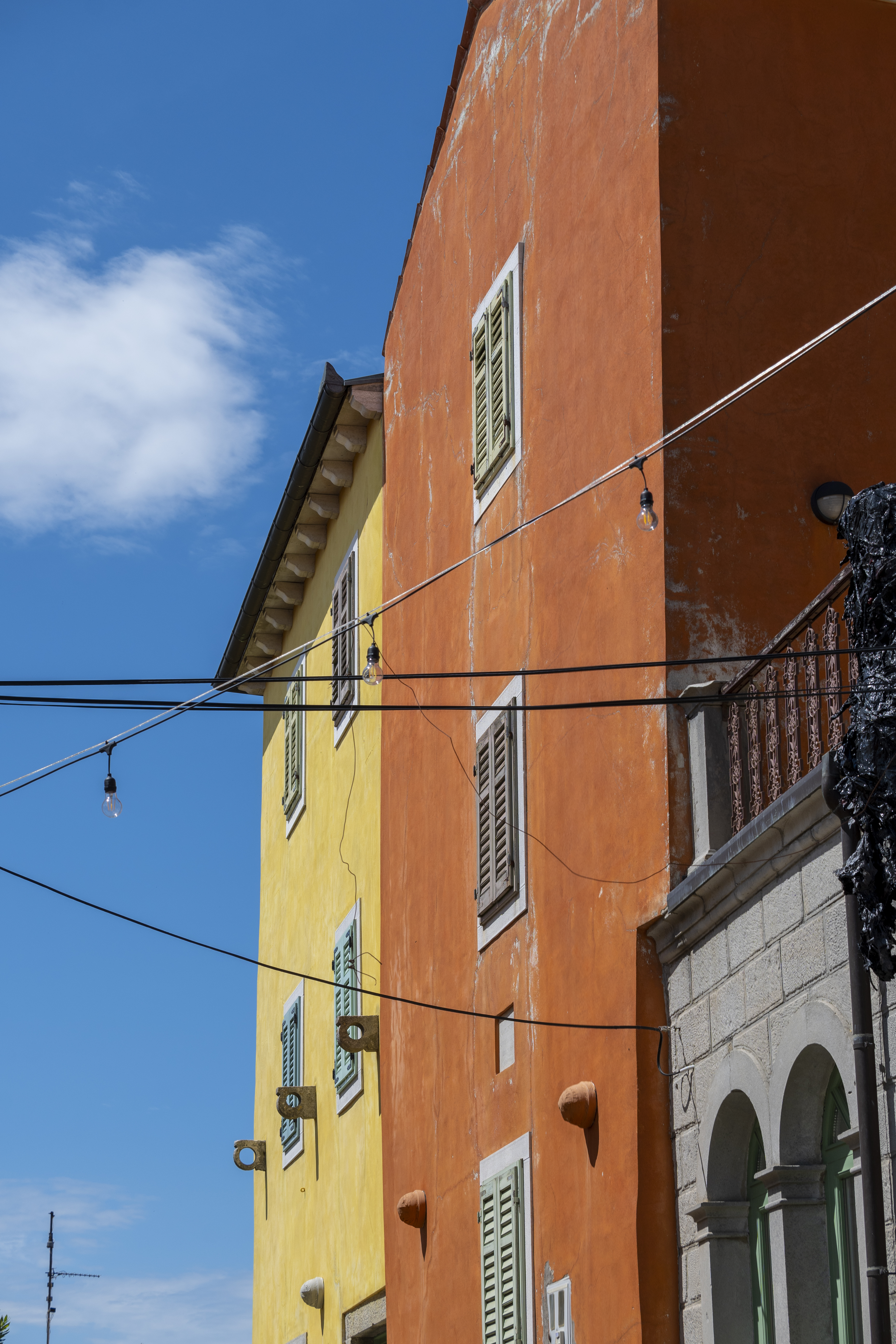
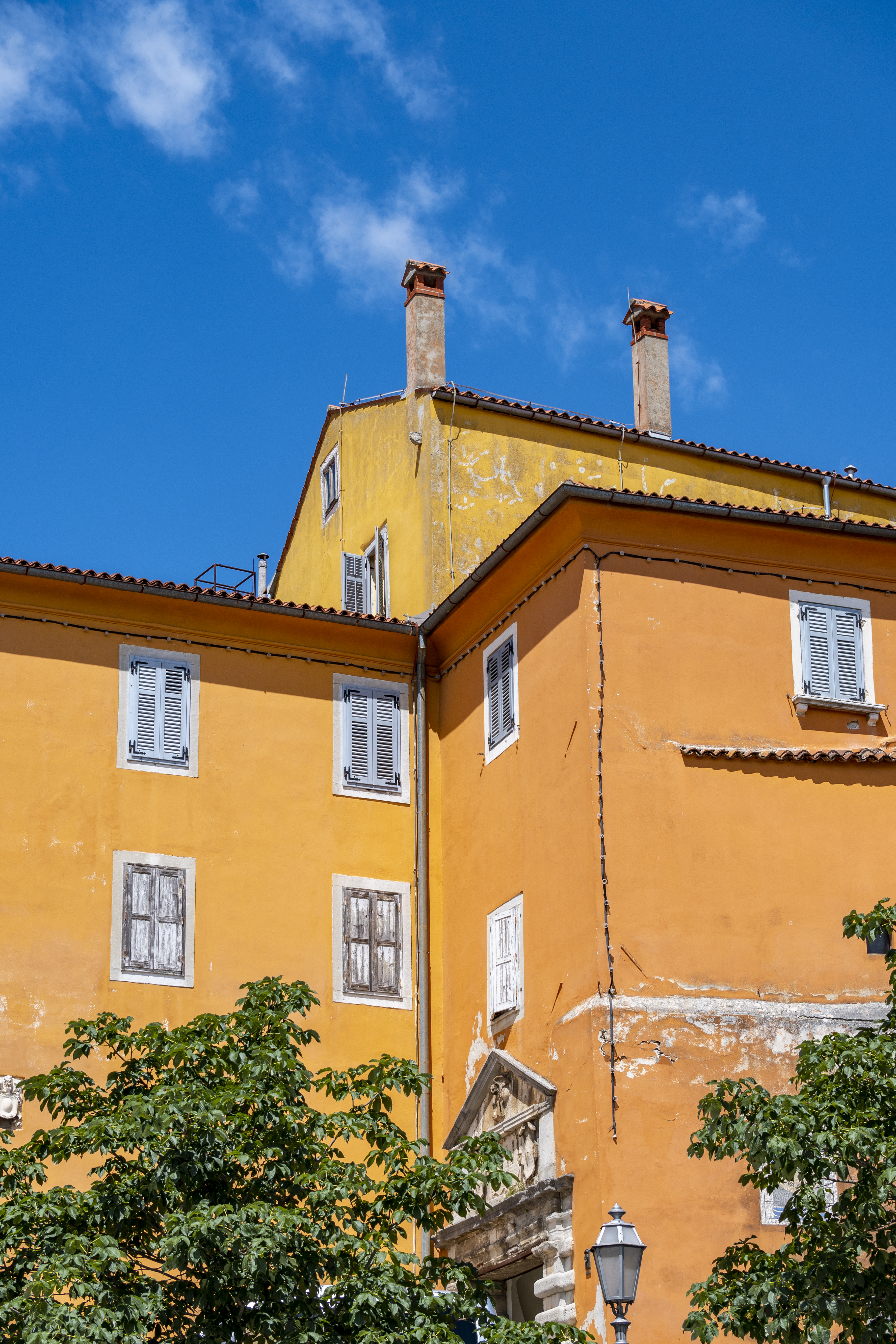
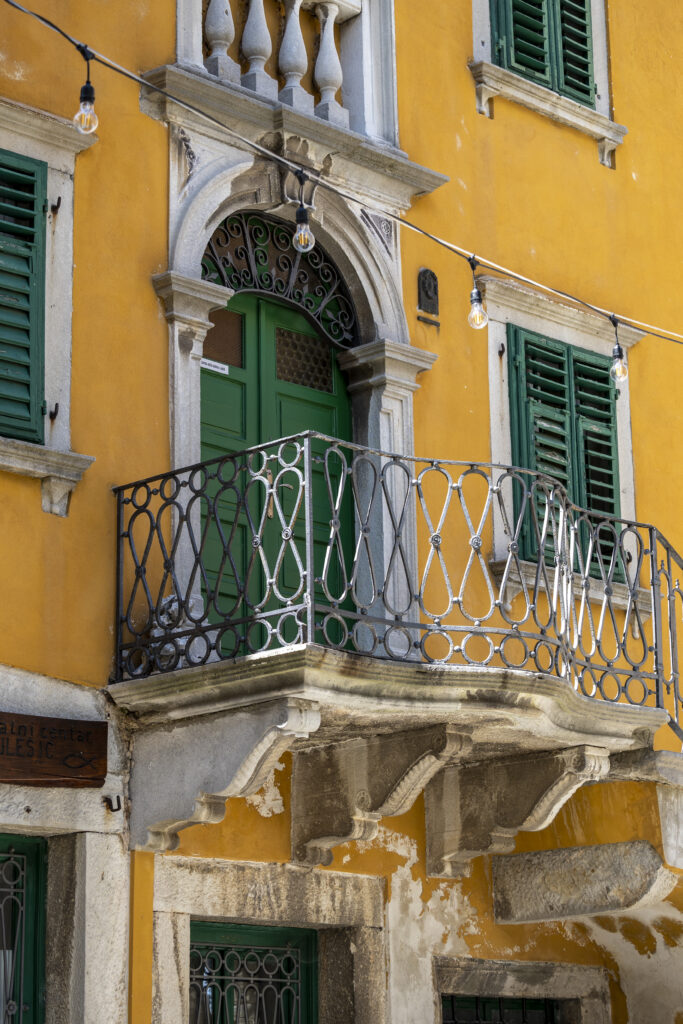
Labin today: a blend of past and present – Modern Labin is a harmonious blend of history and contemporary life. Its historic center, with medieval squares and Baroque palaces, coexists with modern amenities and lively cafes. The town has become a popular destination, attracting those interested in its unique blend of ancient and modern.
Ecotourism has taken root here, with numerous hiking trails and nature parks offering opportunities for hiking, cycling, and exploring the breathtaking landscape. The nearby beaches of Rabac add to the appeal, offering a perfect balance between relaxation and adventure.
The intangible magic: the enduring charm of Labin – What really sets Labin apart is its intangible magic – a sense of timelessness mixed with mystery. Whether it’s the whisper of the miner’s spirit, the protective gaze of Sentona, or the invisible presence of the slumbering dragon, Labin captures the imagination. It is a place where reality and legend blur, creating an experience that lingers long after you leave its historic streets.
As Labin continues to write its history, it does so with an awareness of its past.
Every myth, legend, and historical event adds depth to the character of the town, making it not just a place on the map, but a living narrative that draws in those willing to listen.
In summary, Labin is more than just a dot on the map; it is a repository of stories, a guardian of traditions, and a canvas painted with the colors of myth and history. For those seeking the extraordinary, Labin offers a journey through time, filled with enigmatic legends and a rich cultural heritage that promises to enchant and fascinate.