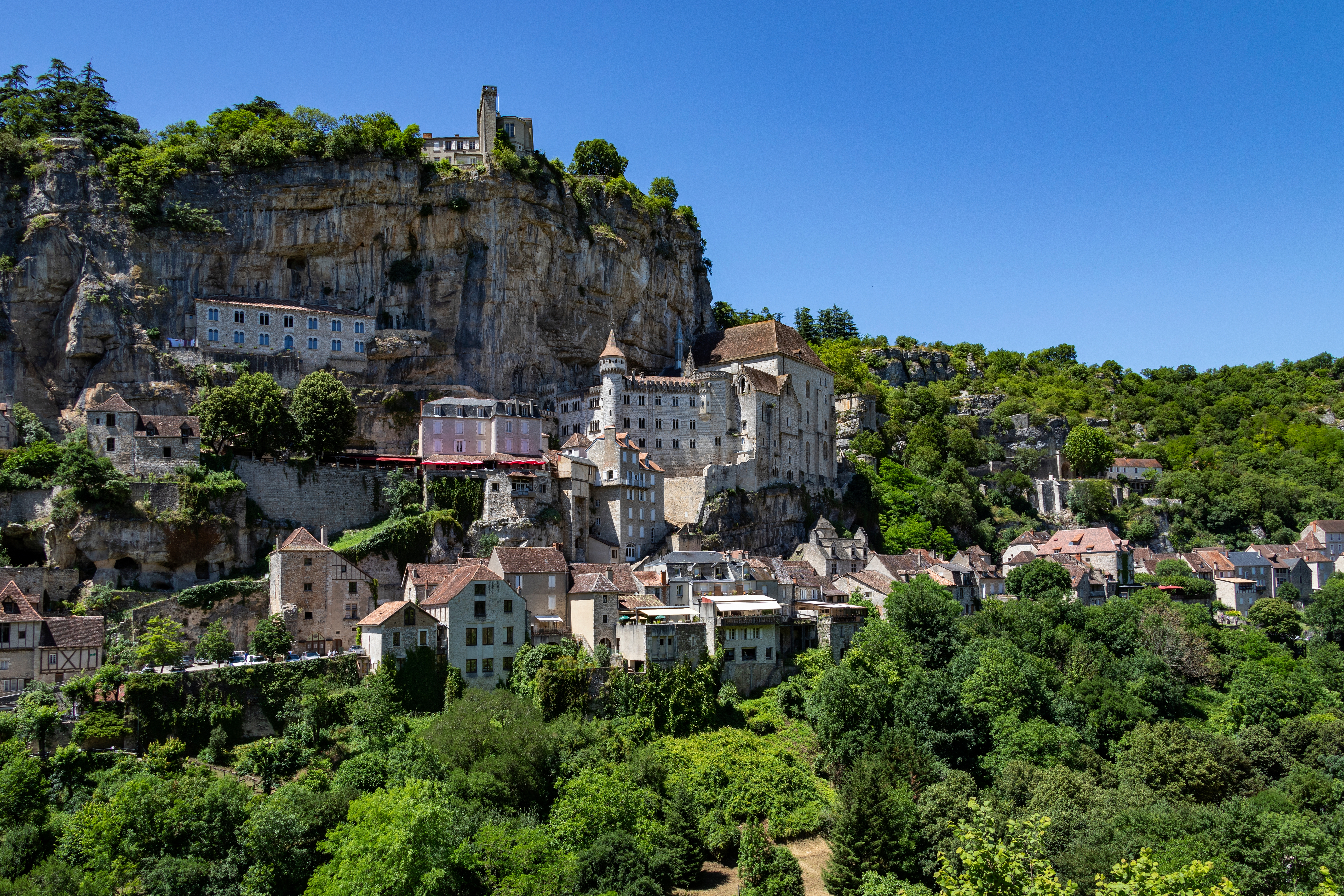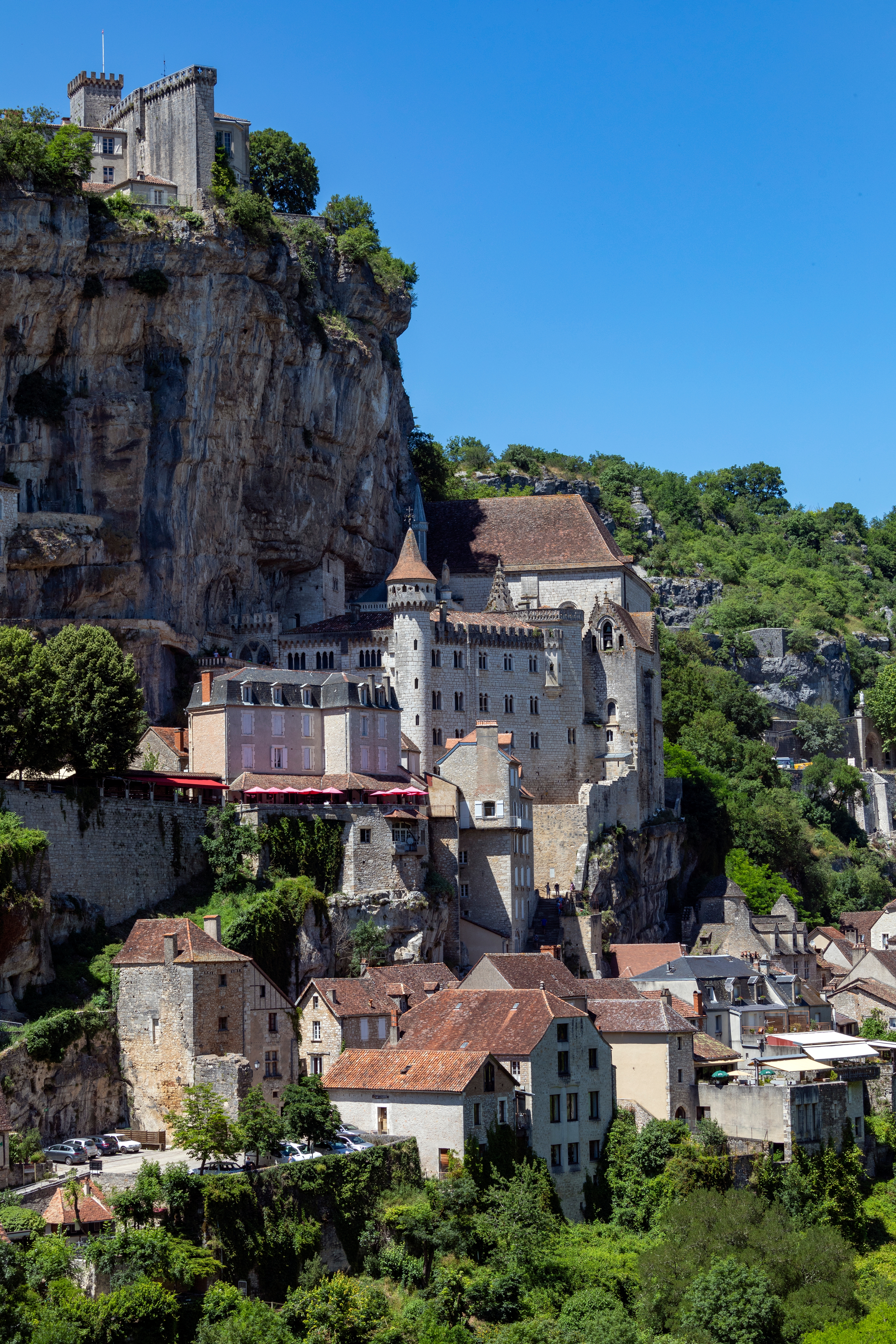
The charming village of Rocamadour lies in the heart of France’s Dordogne Valley and bears witness to both human resilience and spiritual devotion. Carved into the limestone cliffs above the Alzou River, this medieval marvel has fascinated pilgrims and travelers alike for centuries. Its history is interwoven with tales of miracles, legends, and an enduring fascination that entices visitors to explore its secrets.
A past steeped in history – The history of Rocamadour dates back to prehistoric times, when it served as a dwelling place for early humans. However, it was not until the Middle Ages that Rocamadour gained significance. According to legend, the body of Saint Amadour, a hermit believed to be Zacchaeus of Jericho from the Bible, was discovered here intact, sparking great religious interest. This miraculous find transformed the village into an important place of pilgrimage in the Middle Ages.
Pilgrims flocked to Rocamadour to climb the impressive Grand Escalier, the Great Staircase with 216 steps, on their knees. They longed for the blessing of the Black Madonna, a revered statue housed in the sanctuary of Rocamadour. Numerous miracles are attributed to this mysterious saint, further enhancing the village’s fame.
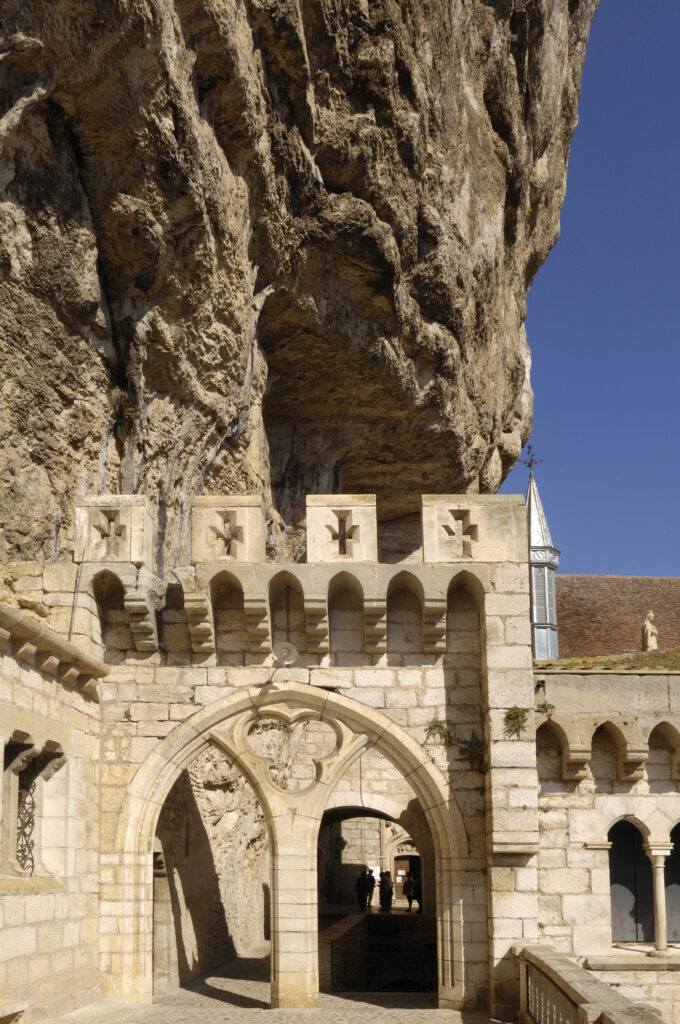
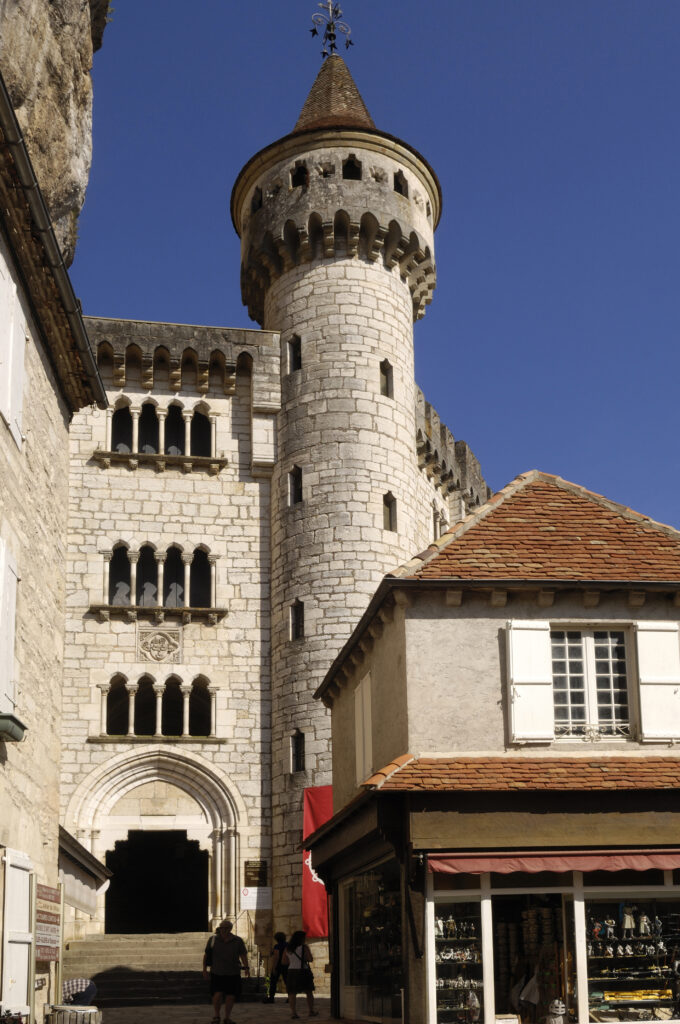
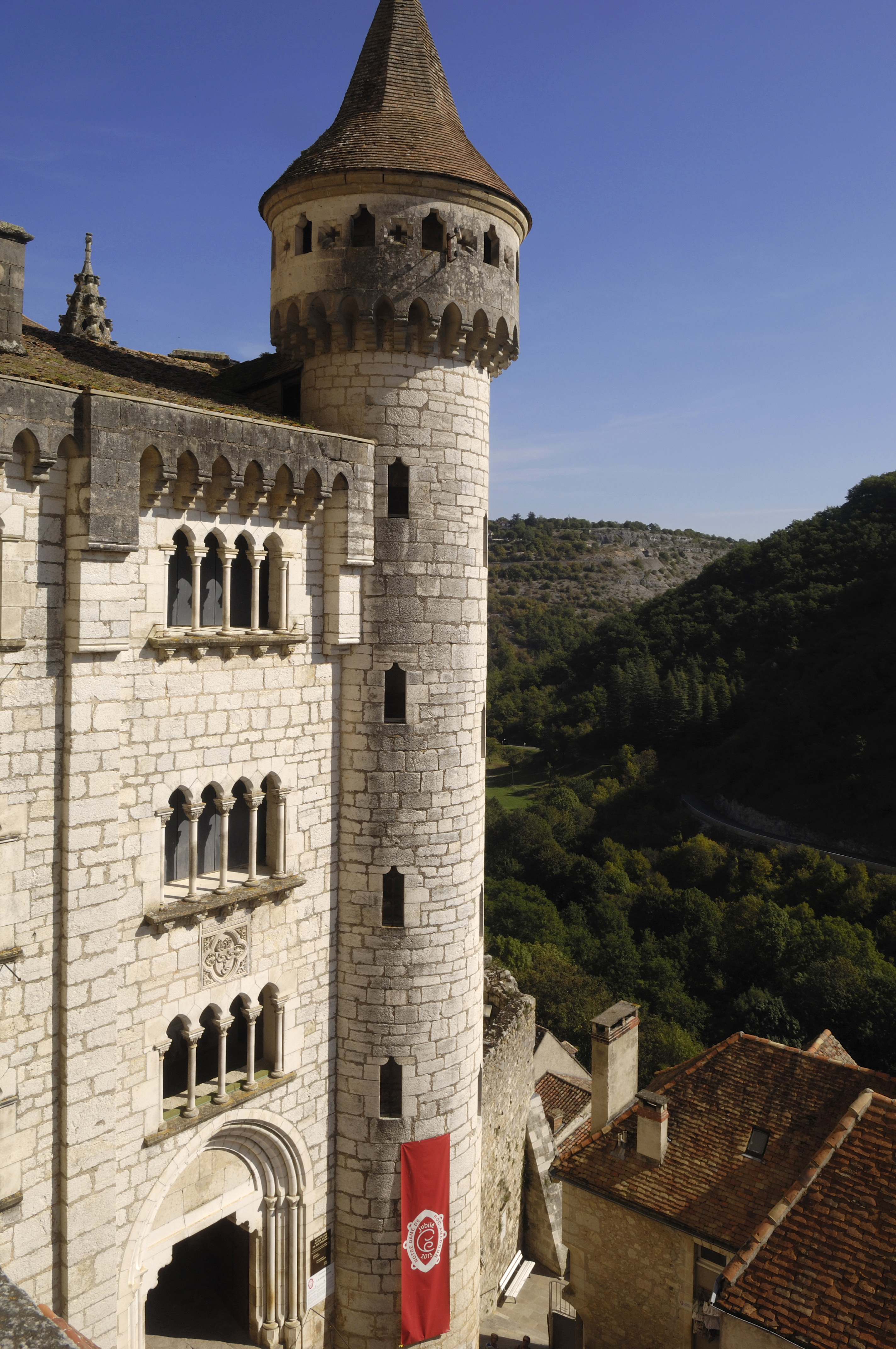
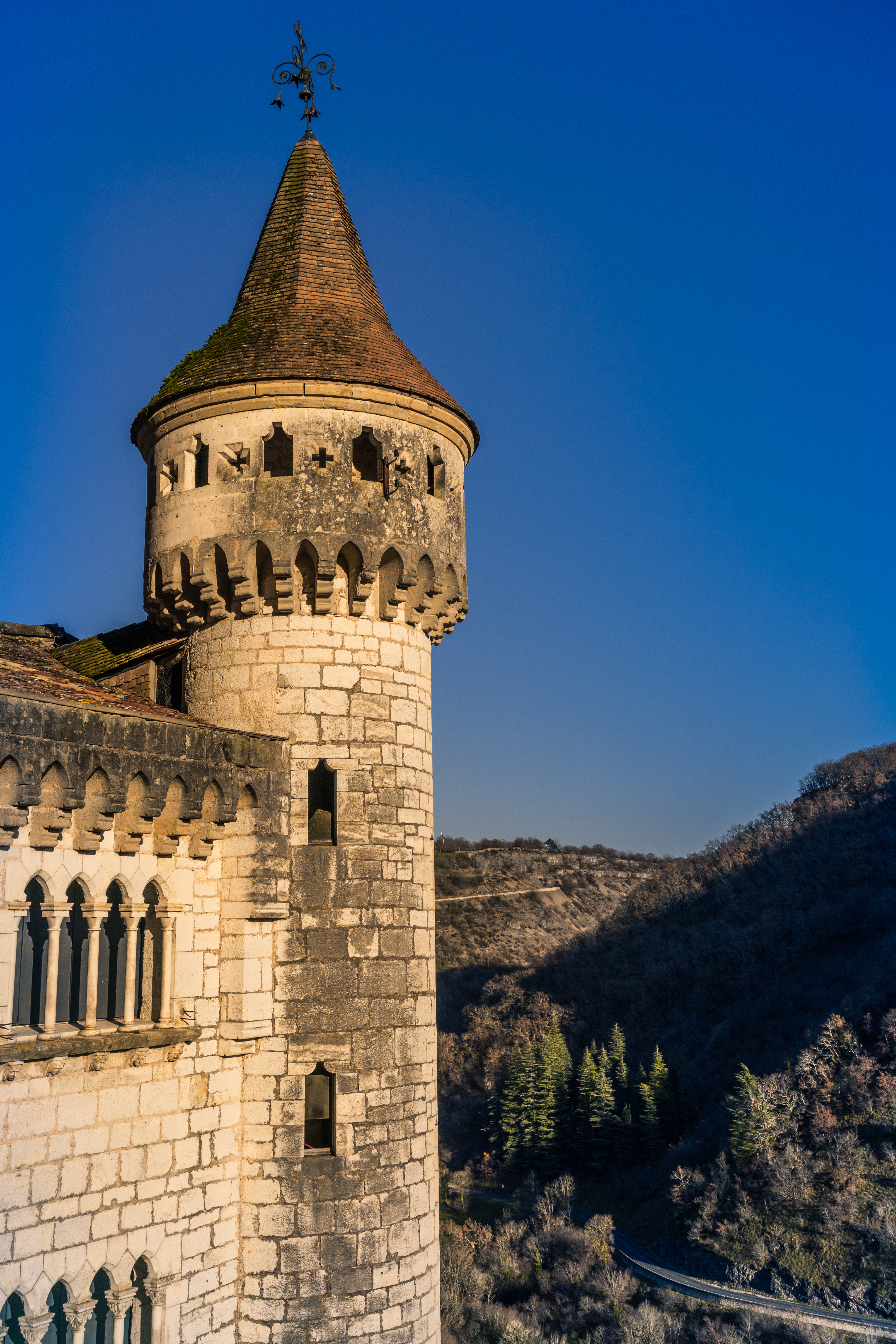
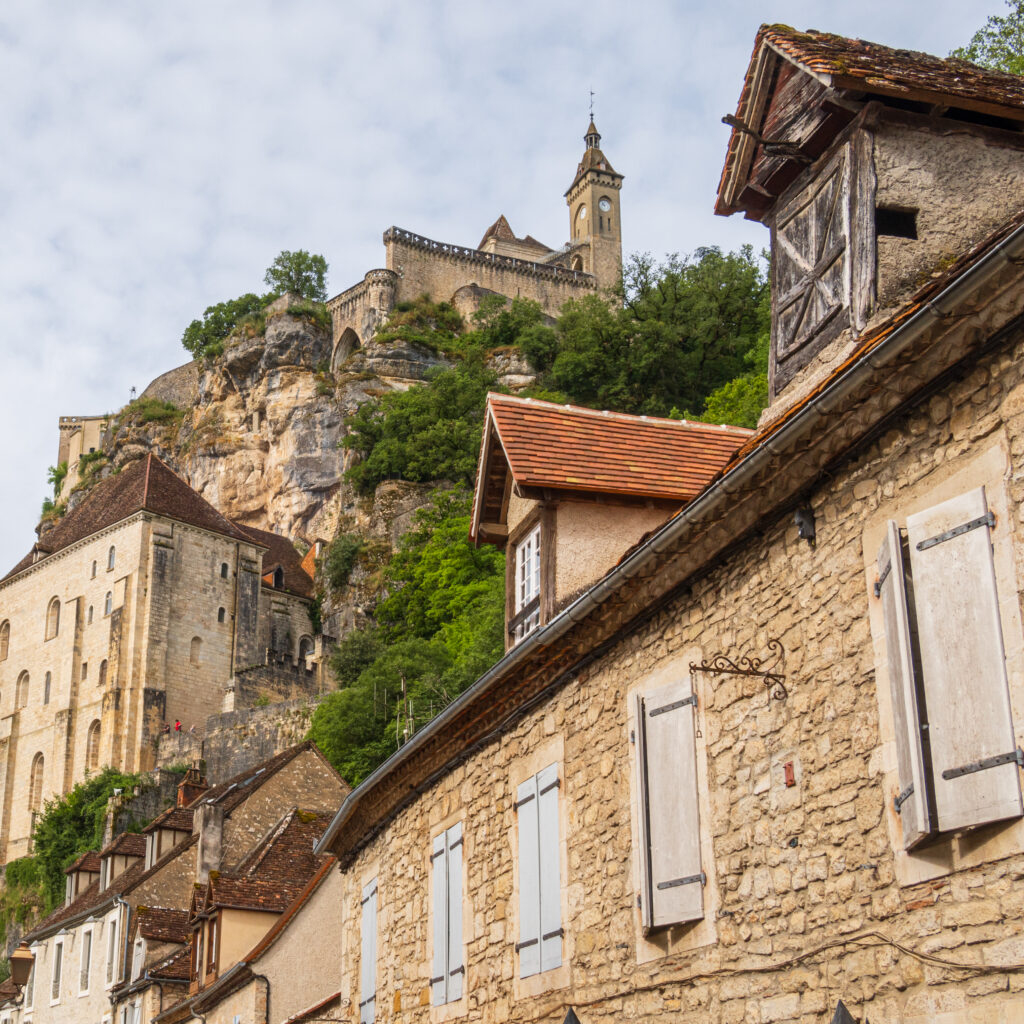
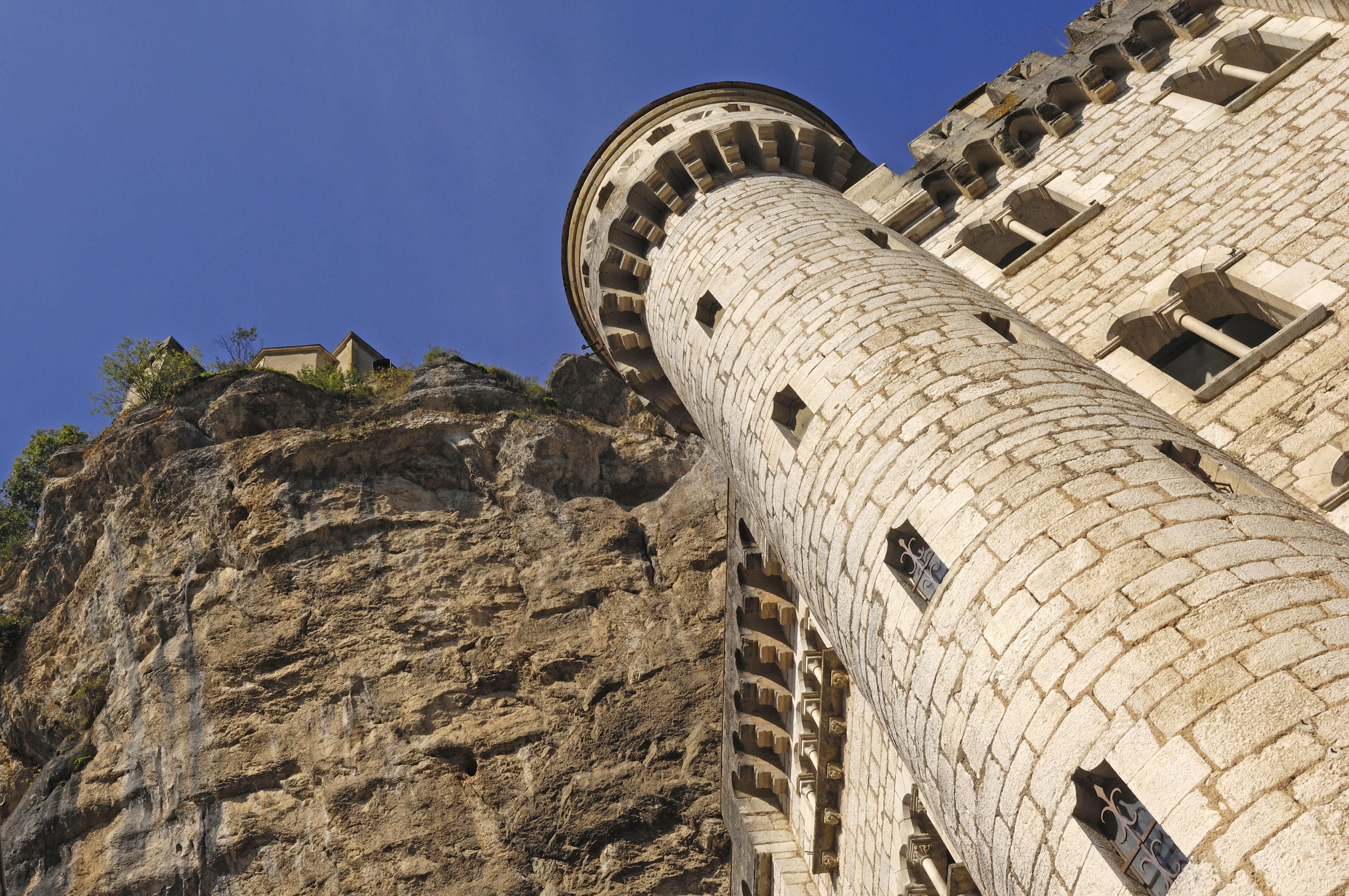
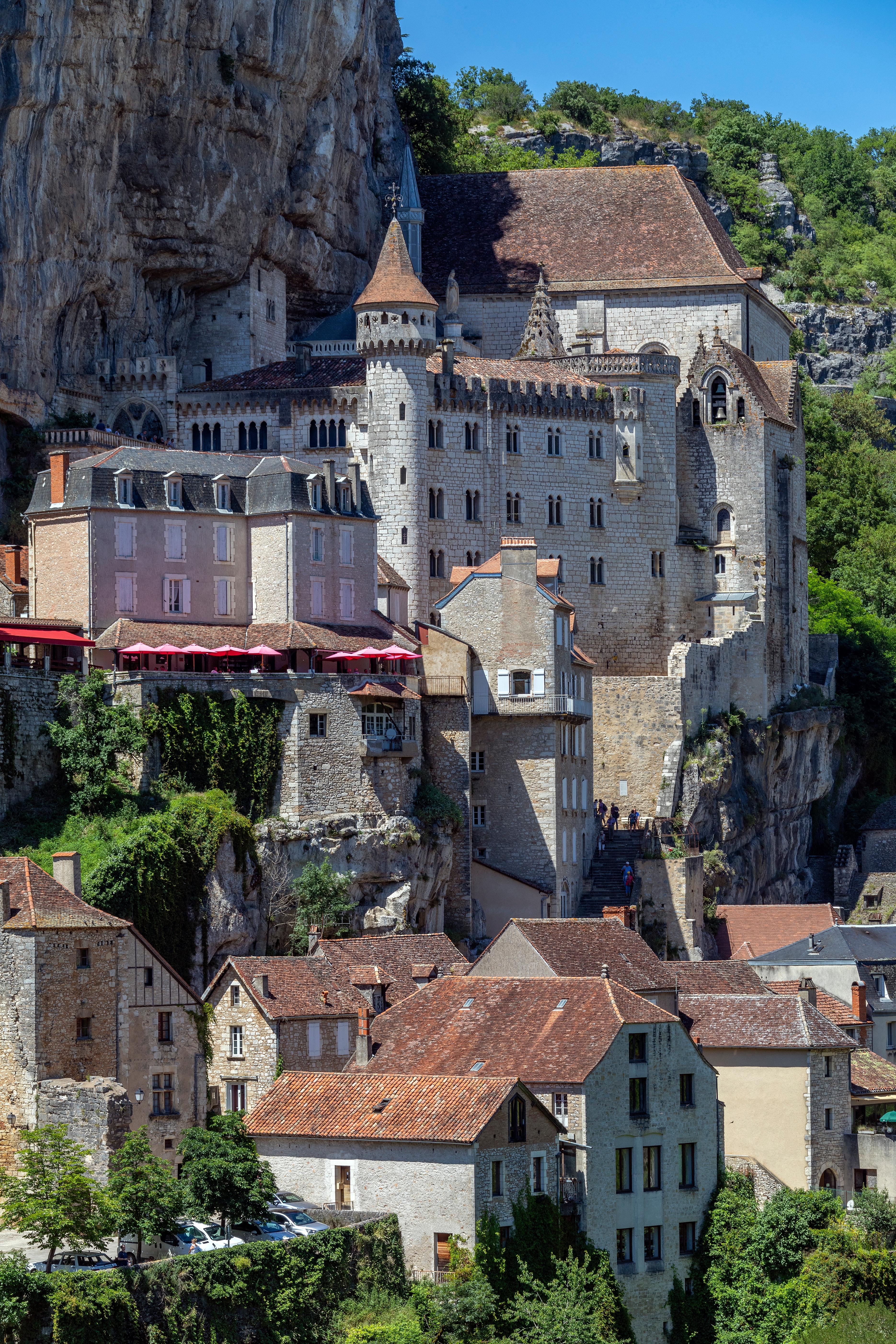
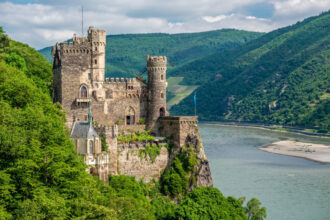
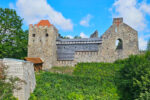
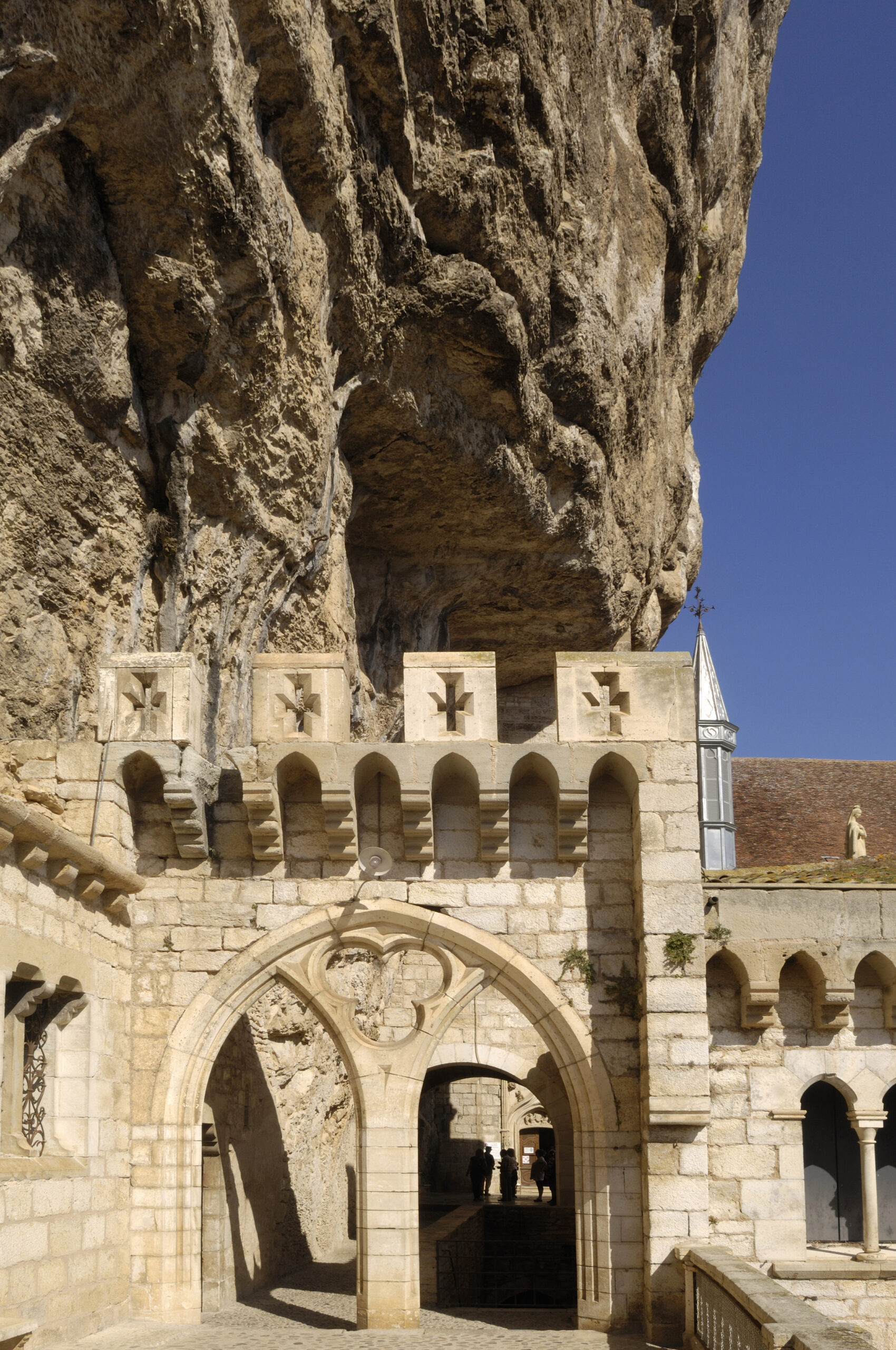
Architectural marvels – The unique architecture of Rocamadour is an architectural masterpiece worthy of admiration. The village seems almost frozen in time, with its buildings precariously clinging to the rock face. The Château de Rocamadour crowns the settlement and offers a panoramic view of the green valley below. Originally built as a fortress to protect the town from invaders, the castle now serves as a reminder of the village’s strategic importance.
From the castle, visitors can access seven sanctuaries carved into the rock, each with its own history and religious significance. Among these, the Chapelle Notre-Dame, home to the Black Madonna, is the most revered. The chapel’s ornate interior and elaborate medieval frescoes offer a glimpse into the artistic mastery of the era.
Legends of miracles – Rocamadour’s appeal lies not only in its physical beauty, but also in its rich treasure trove of legends. One of the most famous stories is about the miracle of the bell. It is said that when sailors in distress prayed to the Black Madonna, the chapel bell would ring of its own accord, signaling divine intervention. This and other stories underscore Rocamadour’s reputation as a place where the heavenly touches the earthly. Another legend tells of the miraculous survival of a knight.
The knight, who had been wrongfully accused and sentenced to death by hanging, implored the Virgin Mary for help. As his body dangled lifeless, he came to three days later, unharmed and rehabilitated by divine grace. Such stories attracted pilgrims seeking solace and redemption, cementing Rocamadour’s status as a sanctuary of miracles.
Cultural significance and pilgrimage – Throughout history, Rocamadour has attracted a colorful mix of visitors, from simple pilgrims to kings and nobles. King Henry II of England and Louis IX of France are among the famous figures who traveled here to pay homage to the Black Madonna. The village’s strategic location on the pilgrimage route to Santiago de Compostela further enhanced its importance in the Middle Ages.
Today, Rocamadour still retains its spiritual essence and welcomes modern pilgrims and tourists alike. For the annual Feast of the Assumption on August 15, thousands gather to celebrate with a lively procession and music reminiscent of the religious fervor of times past.
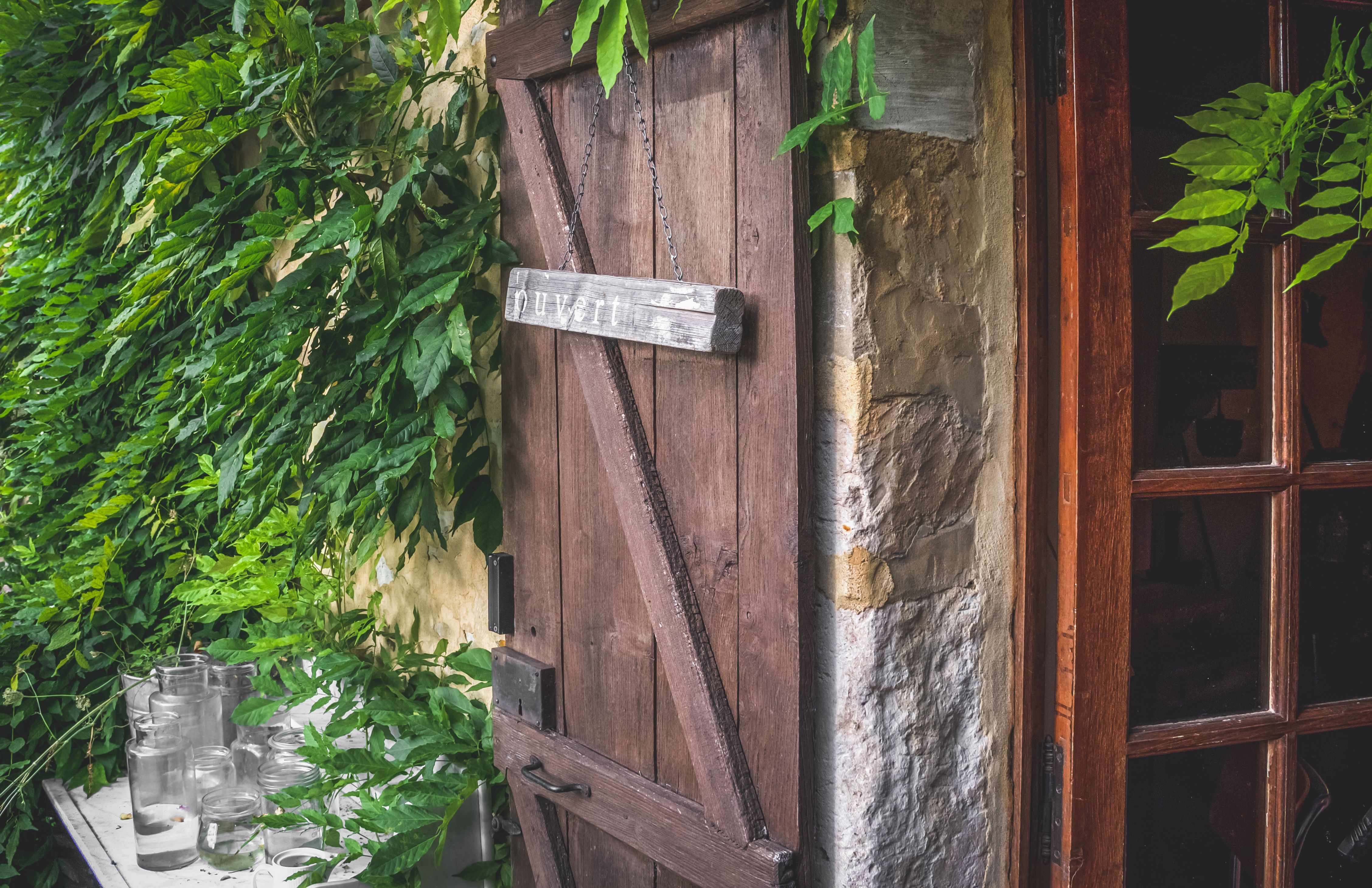
Rocamadour today: A blend of past and present – While Rocamadour’s historical and spiritual heritage remains its main attraction, the village has embraced contemporary tourism to support its preservation. Local artisans offer handmade goods ranging from pottery to filigree jewelry, reflecting the region’s rich cultural heritage. Culinary connoisseurs can indulge in local delicacies such as Rocamadour cheese, a creamy goat cheese that bears the name and origin of the village. Rocamadour is also the gateway to the natural beauty of the Dordogne Valley. Outdoor enthusiasts can explore nearby caves such as the Gouffre de Padirac or hike and birdwatch on well-maintained trails while enjoying the breathtaking scenery surrounding the village.
The mesmerizing nighttime illumination – When night falls, Rocamadour transforms into a scene of ethereal beauty. The village glows, casting a warm glow against the dark sky, a sight that leaves visitors in awe. This nighttime spectacle highlights Rocamadour’s architectural splendor and creates a romantic and tranquil atmosphere that is hard to find elsewhere.
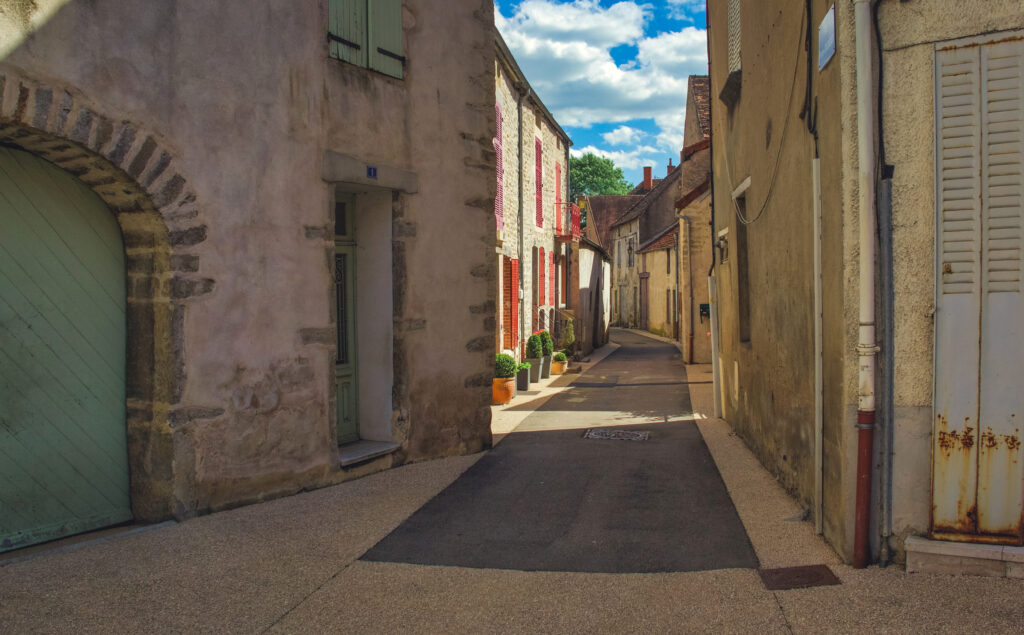
The timeless appeal of Rocamadour – Rocamadour is more than just a village; it is a living museum of history, faith, and legends. Its precarious location on the cliffs symbolizes the tenacity of human belief and the enduring appeal of spiritual sanctuaries. As you stroll through the ancient streets, following in the footsteps of countless pilgrims, there is a sense of wonder and timelessness in the air.
Whether you are drawn by its miraculous legends, its architectural masterpieces, or its sheer beauty, Rocamadour offers an unforgettable journey into the heart of a place where history and mysticism blend seamlessly. In a rapidly changing world, Rocamadour remains a steadfast beacon of spiritual enrichment, inviting all to experience its wonders firsthand.