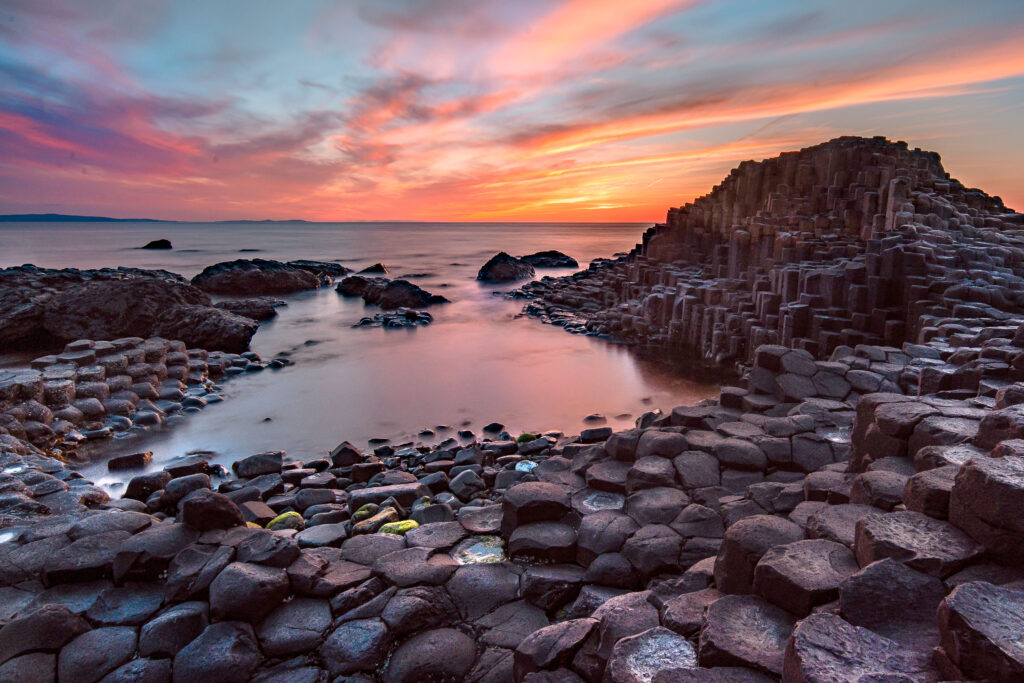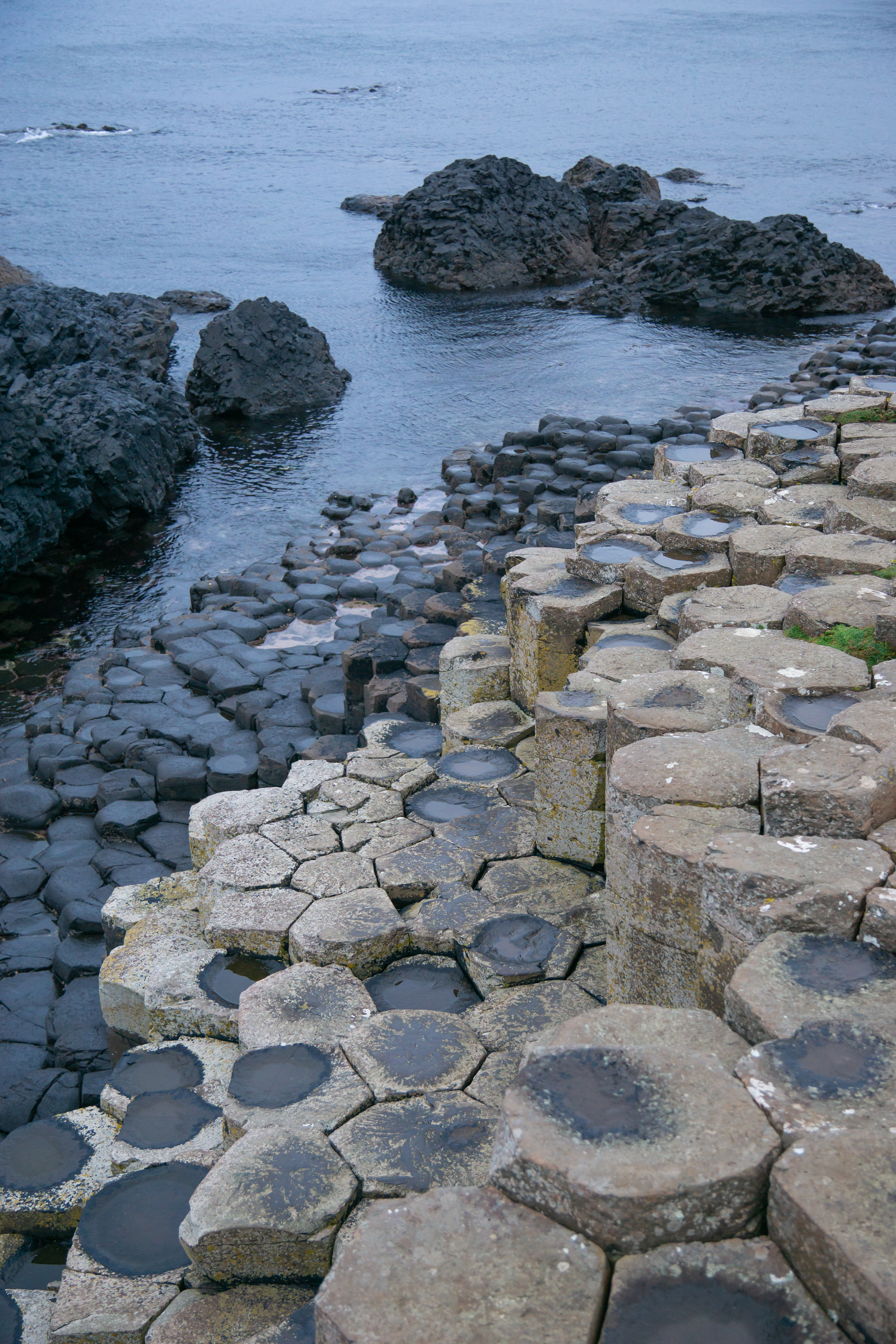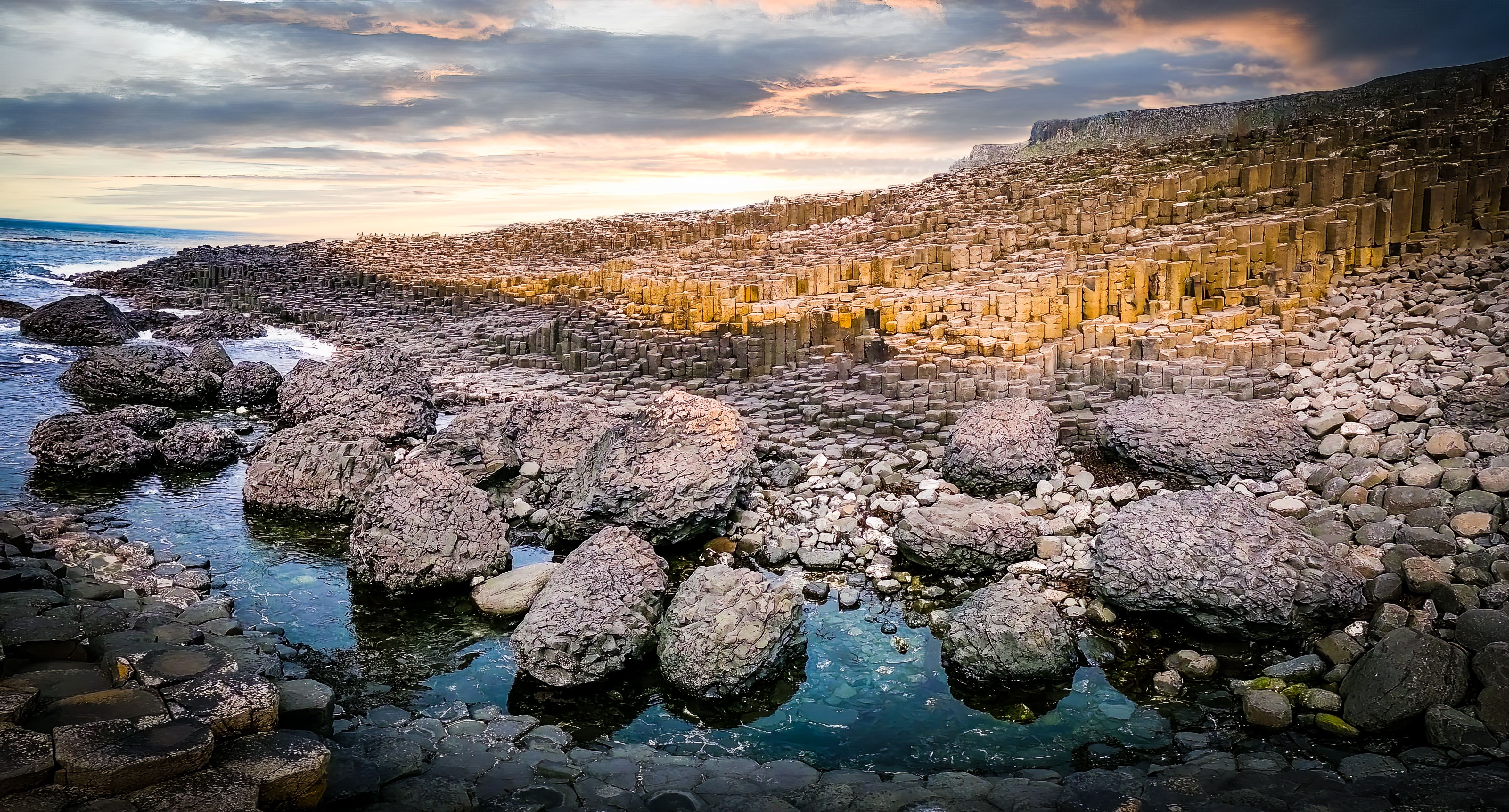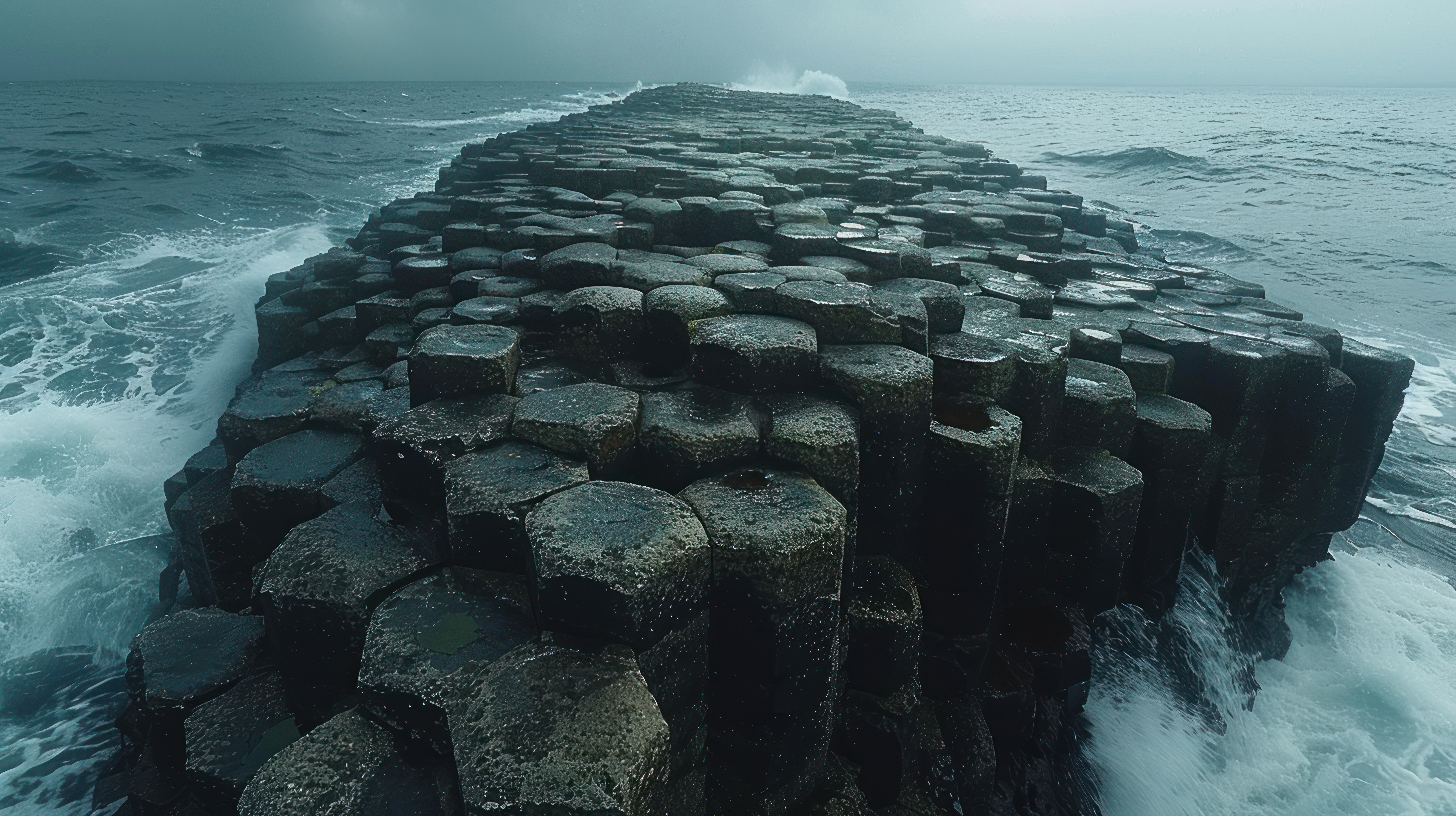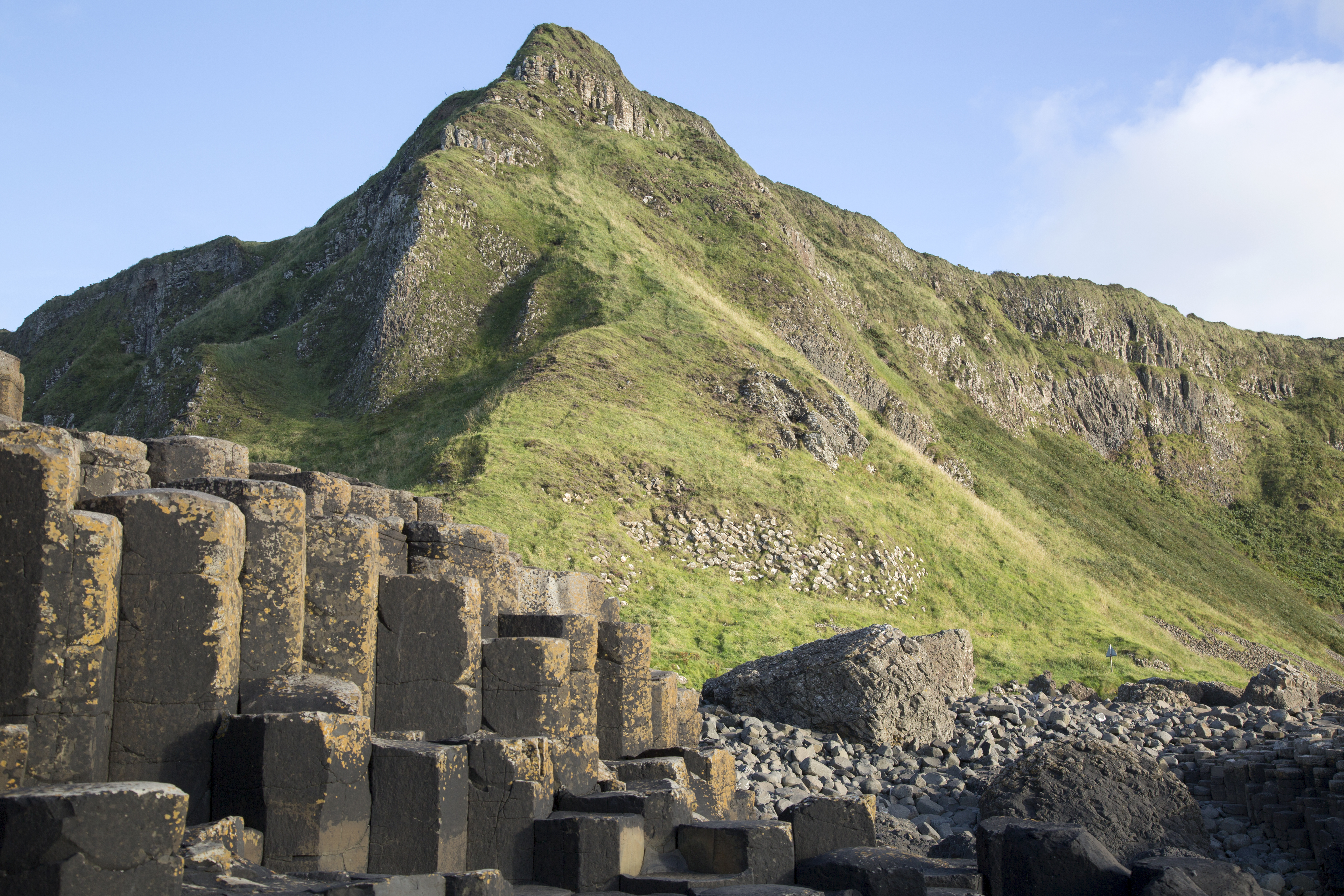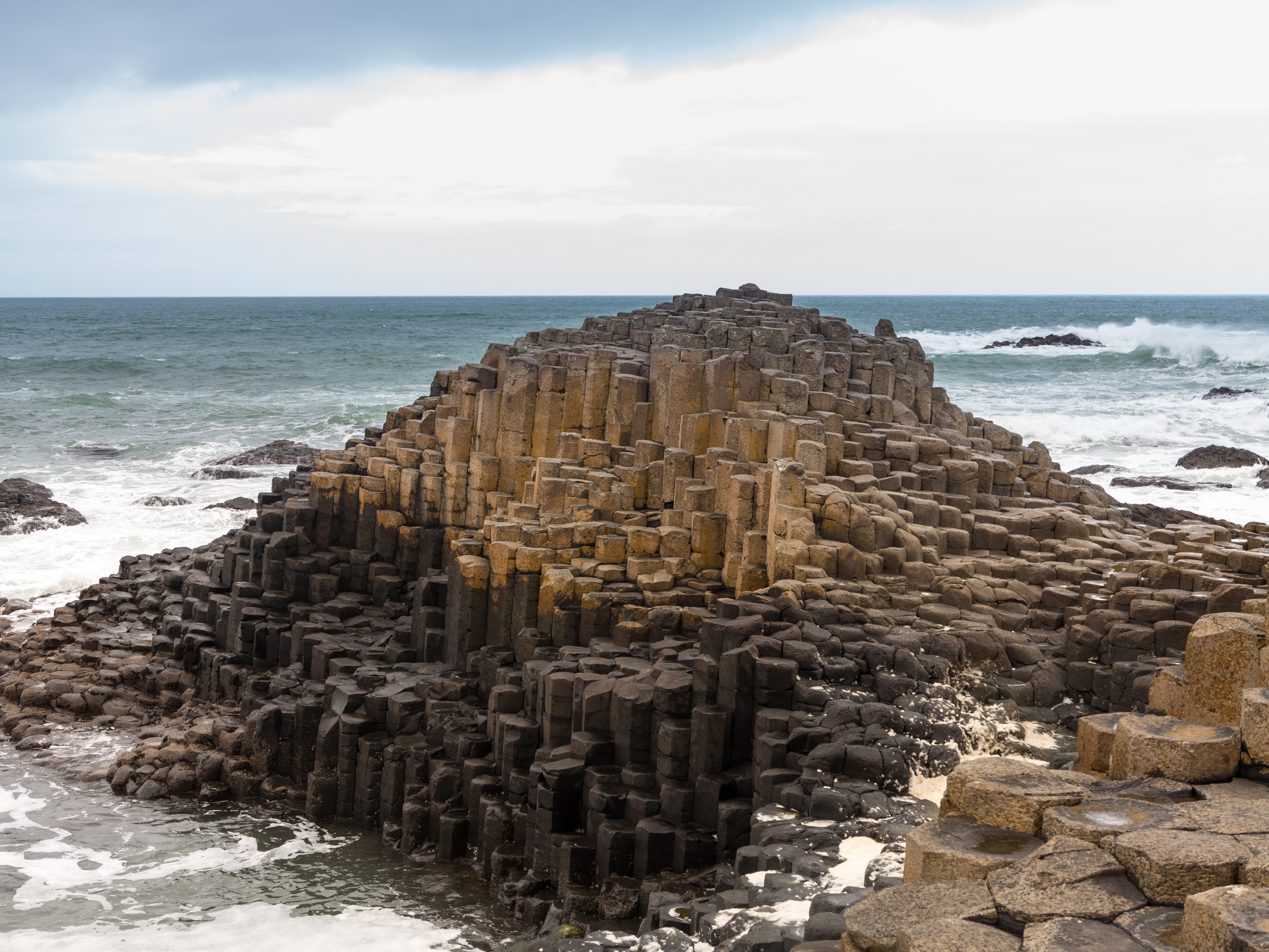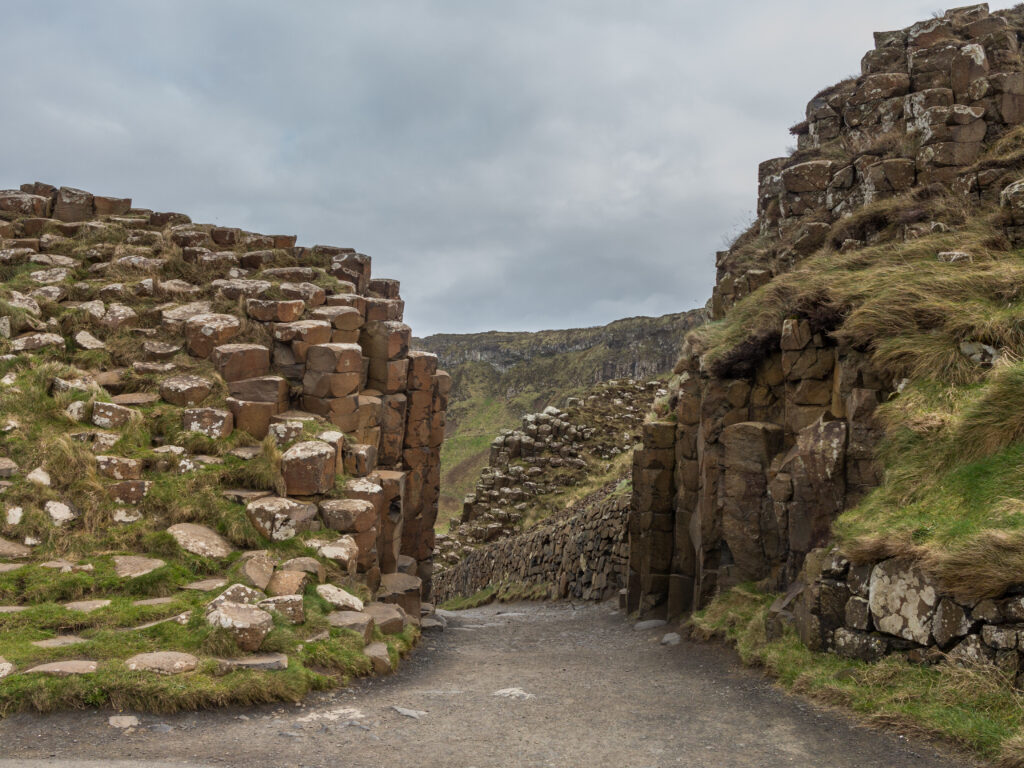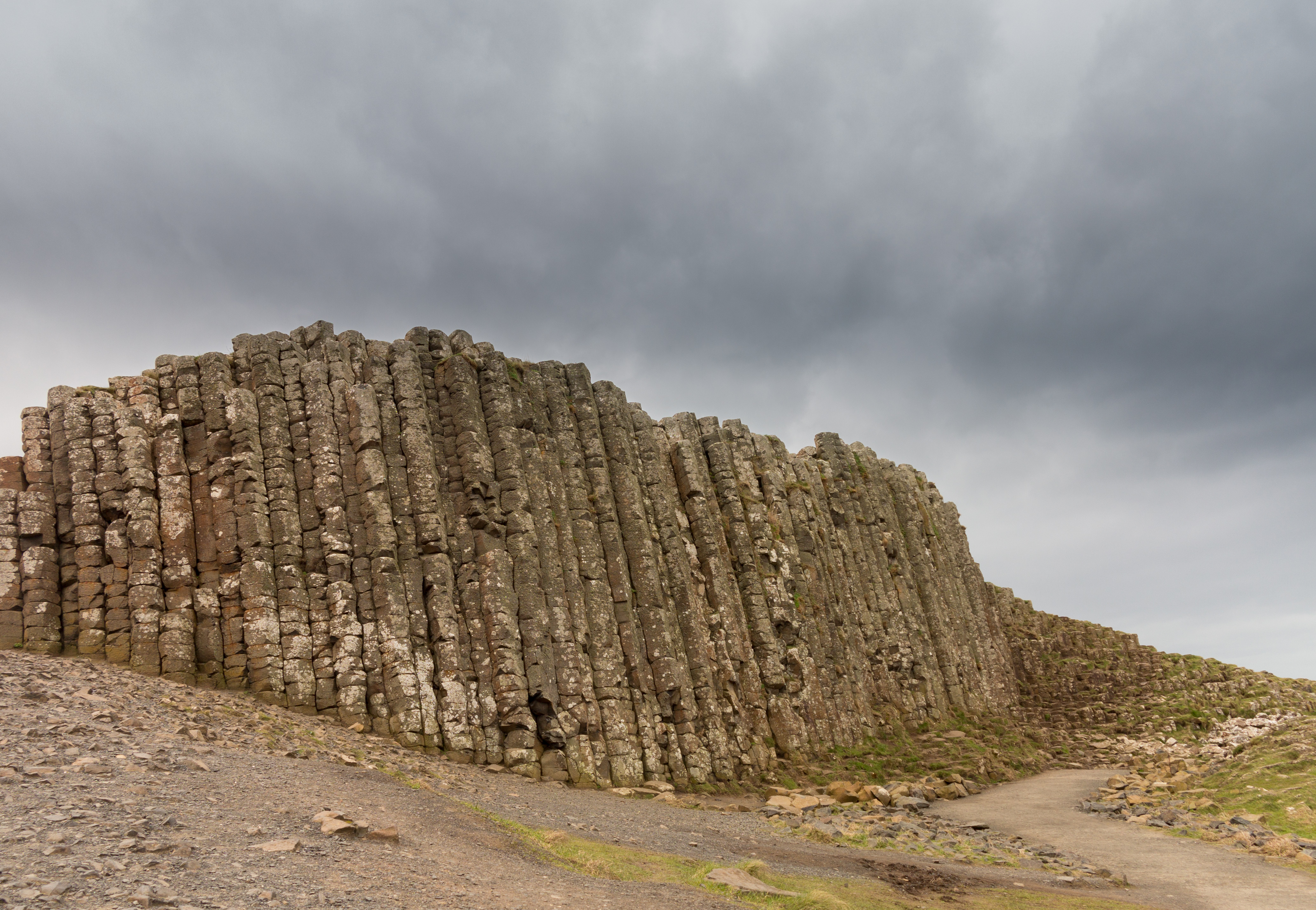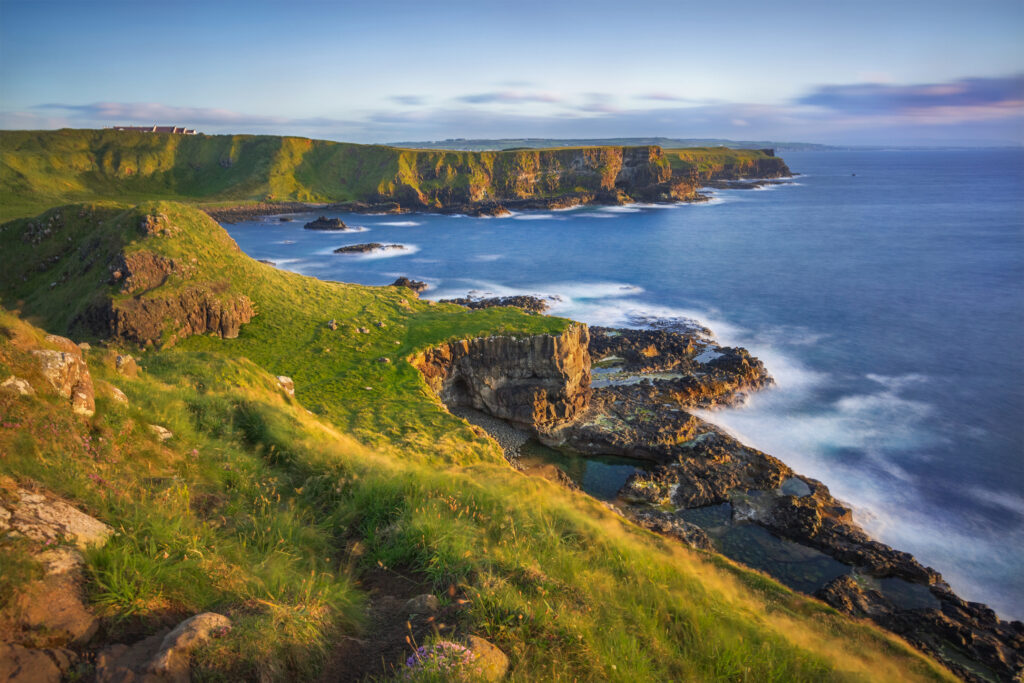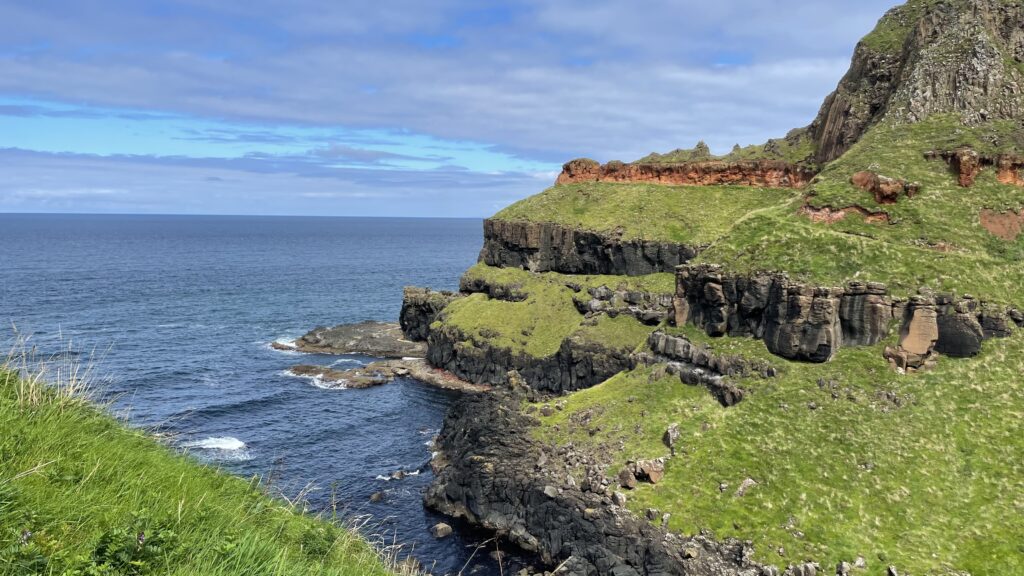
On the rugged coast of Northern Ireland lies a geological wonder that has always fascinated scientists and tourists alike: the Giant’s Causeway. This extraordinary natural wonder, with its nearly perfect hexagonal basalt columns, has inspired countless legends and sparked debates about its true origin. As we delve into the mysteries of this unique formation, we discover not only a place of breathtaking beauty, but also a symbol of the impressive power and creativity of nature.
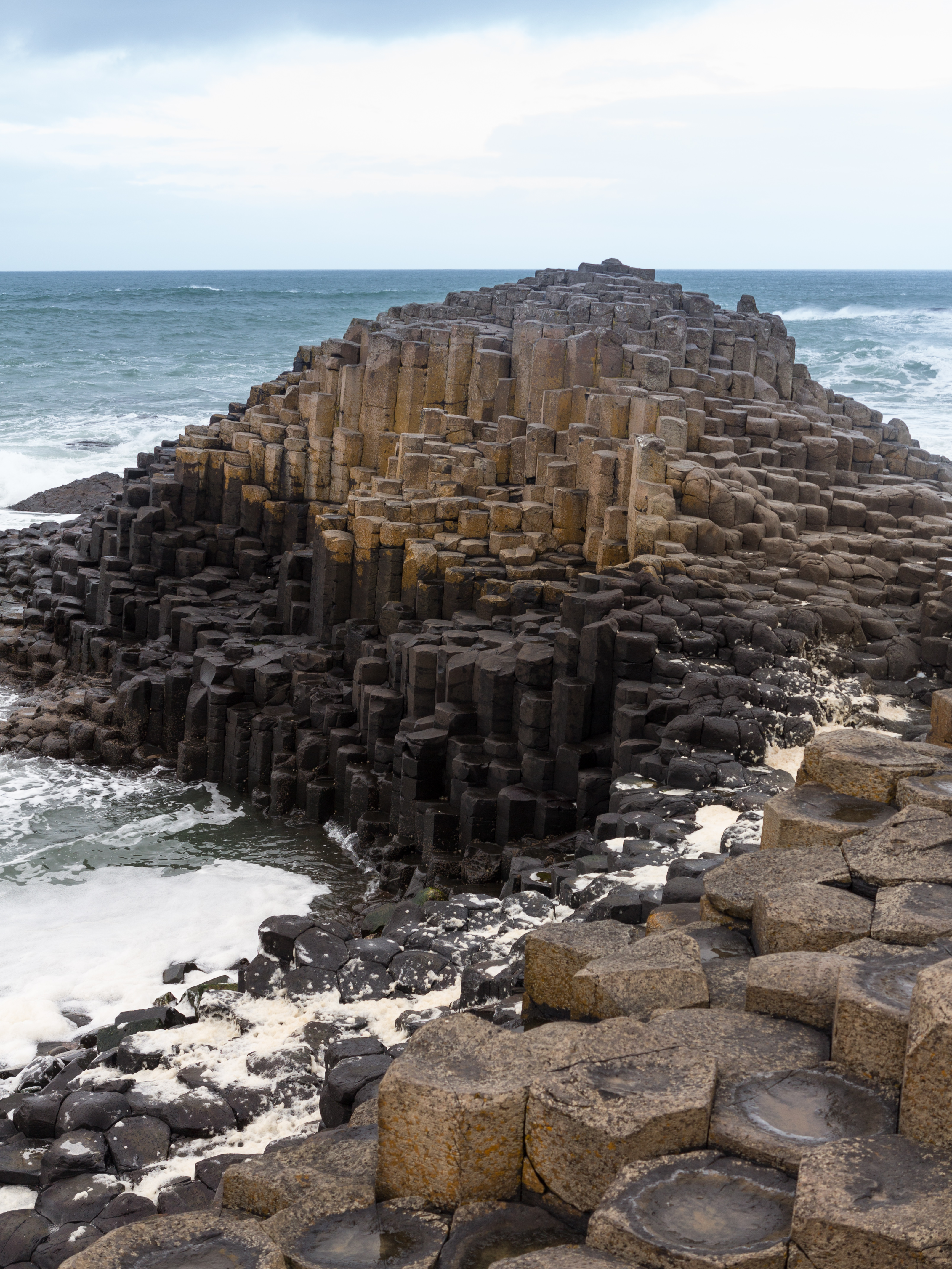
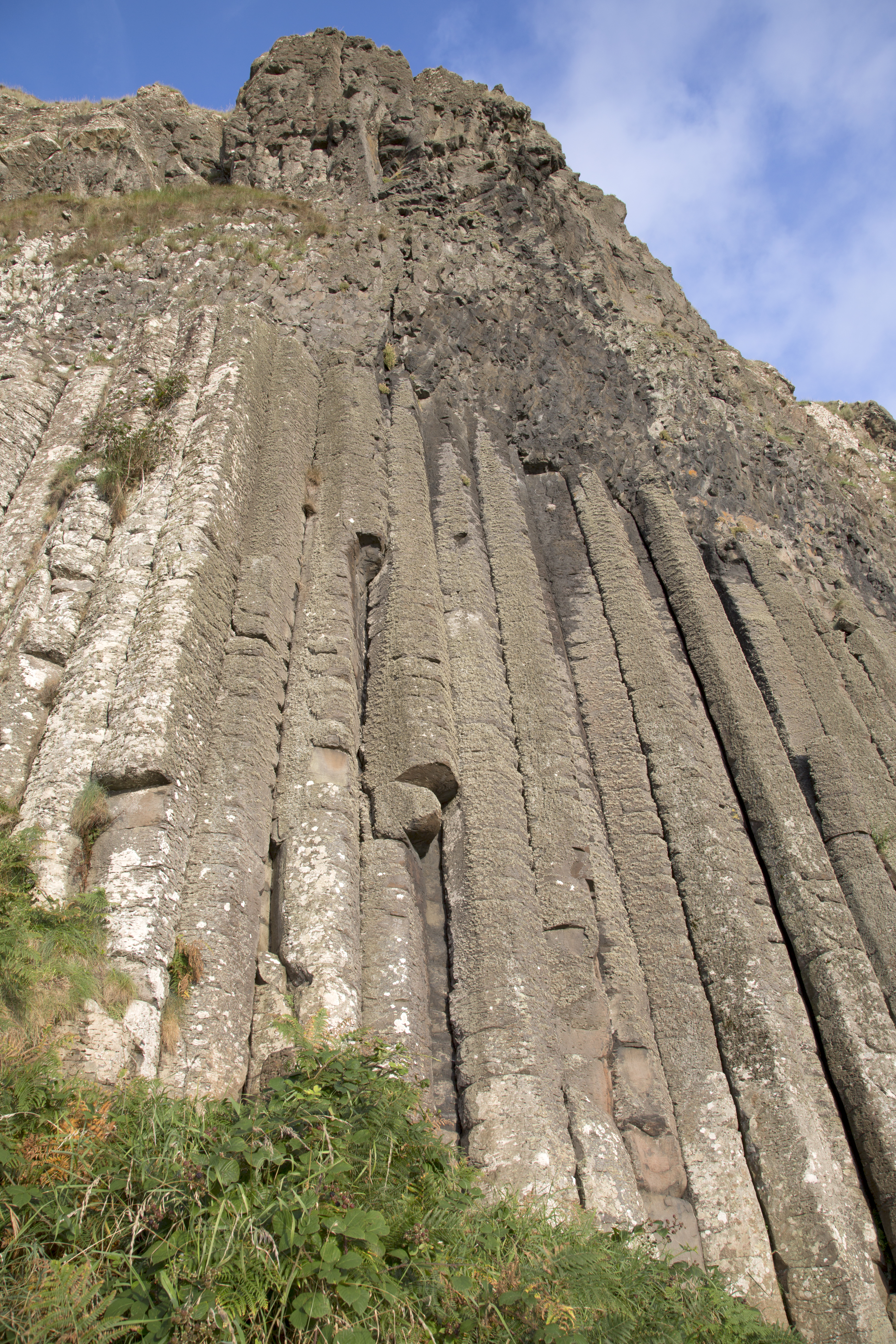
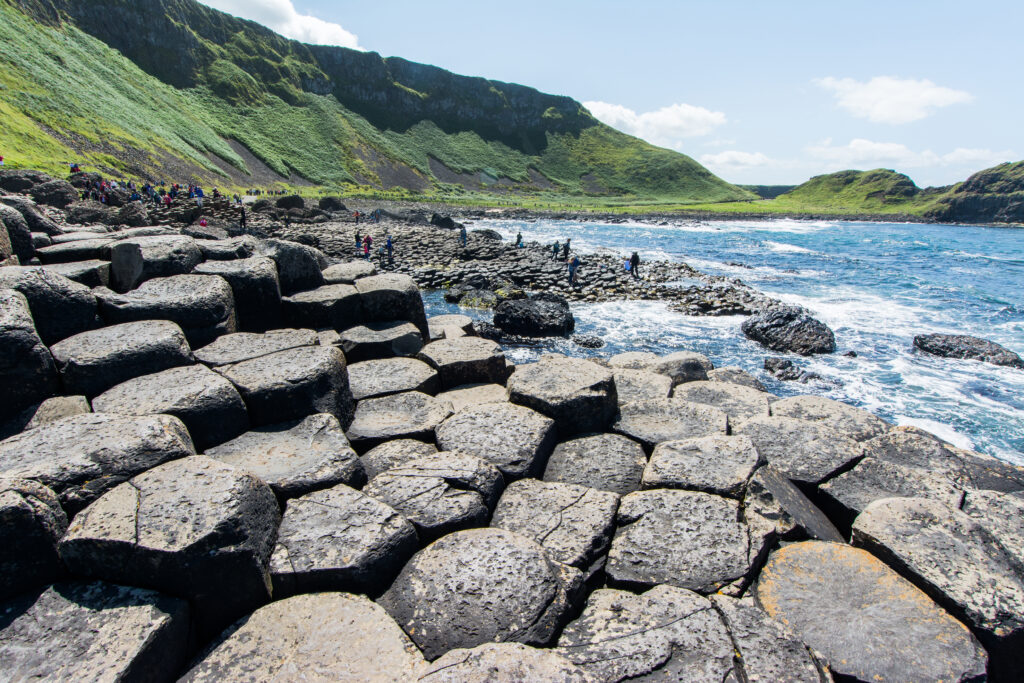
A geological symphony: the science behind the columns – About 60 million years ago, during the Paleogene period, volcanic activity began to reshape the landscape of the North Atlantic region. The theory held by most experts is that the Giant’s Causeway was formed when lava from volcanic eruptions cooled rapidly upon reaching the surface. This rapid cooling process caused the basalt flows to break into a series of hexagonal columns, which today form a dramatic staircase leading down from the cliffs into the sea. With around 40,000 of these interlocking basalt columns, the Giant’s Causeway is a testament to the fiery forces that once raged beneath the Earth’s surface.
Although the scientific explanation is widely accepted, some aspects of the process remain mysterious. For example, the exact conditions that led to the remarkable uniformity and geometric precision of the columns are not yet fully understood. Furthermore, similar formations can be found in other parts of the world, such as Fingal’s Cave in Scotland and Devil’s Postpile in California, suggesting that this may be a more common phenomenon than previously thought.
Legends of giants: myths and folklore – Beyond the realm of geology, the Giant’s Causeway is steeped in enchanting folklore. The most popular legend tells of the giant Fionn mac Cumhaill (or Finn McCool), an Irish warrior who built the causeway to reach Scotland and fight his rival, the Scottish giant Benandonner. According to legend, Fionn’s wife cleverly disguised him as a baby when Benandonner followed him to Ireland. When Benandonner saw the giant “child,” he fled in fear that the baby’s father must also be huge, and tore down the causeway behind him. This whimsical tale adds an extra cultural dimension to the site and underscores humanity’s enduring fascination with the mysteries of nature.
Ecological richness: A paradise for unique biodiversity – The Giant’s Causeway is not only a geological and cultural treasure, but also a paradise for biodiversity. The area is home to a variety of seabirds, including fulmars, petrels, and razorbills, which nest on the cliffs above the columns. The rock pools between the columns serve as miniature ecosystems teeming with marine life such as crabs, barnacles, and anemones. In addition, the surrounding meadows offer a variety of wildflowers and form a picturesque backdrop that changes with the seasons.
The diversity of life at the Giant’s Causeway is a testament to the resilience and adaptability of nature, which thrives even in places where the environment appears harsh and inhospitable. The efforts of conservationists ensure that this unique habitat remains protected so that future generations can also experience its wonders.
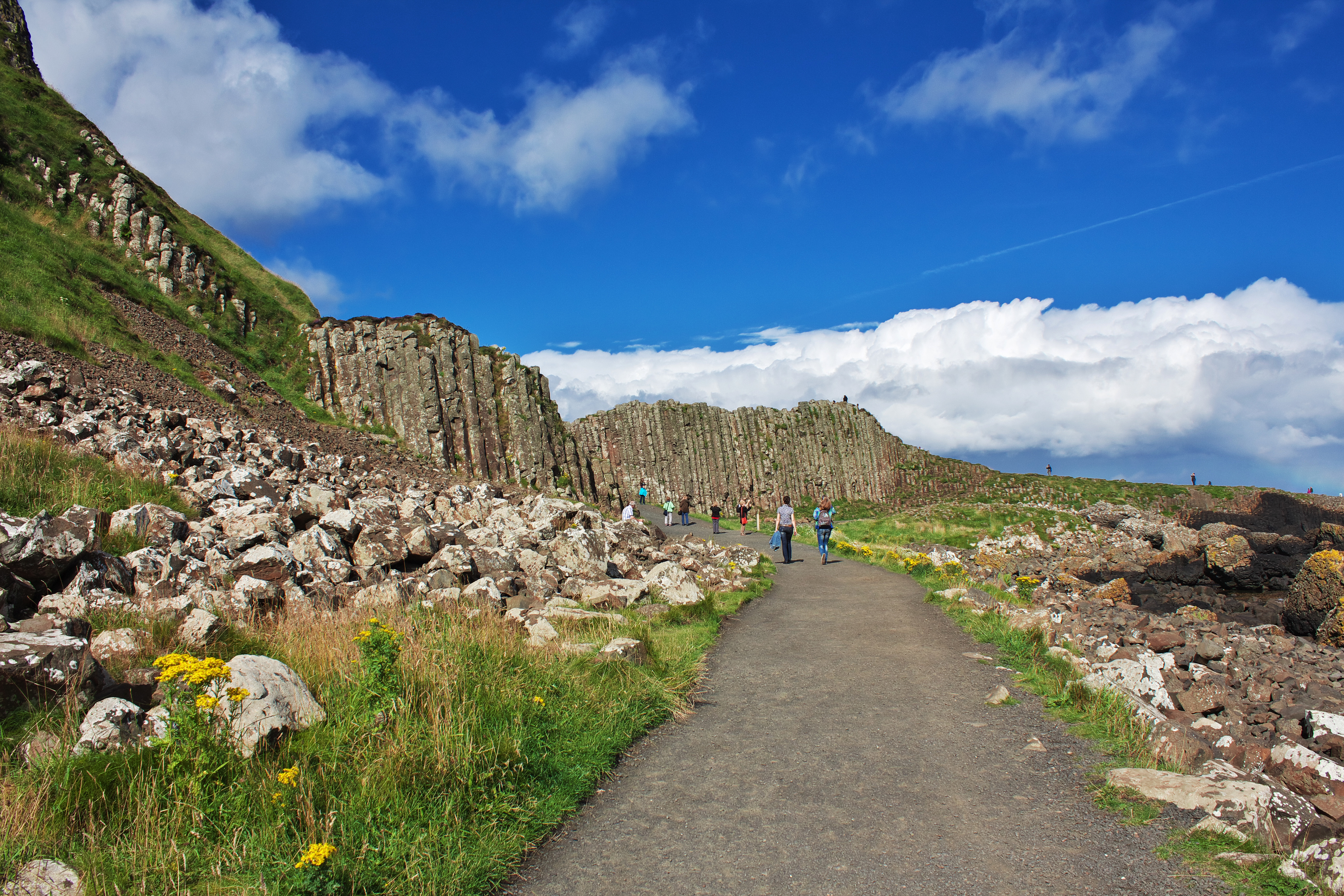
Tourism and Impact: Preserving a Natural Wonder – As one of Northern Ireland’s most popular tourist destinations, the Giant’s Causeway attracts hundreds of thousands of visitors each year. The challenge is to balance tourism with conservation. The National Trust, which manages the site, takes strict measures to minimize environmental impact and preserve the integrity of the site. Visitors are encouraged to stay on the designated paths to protect the fragile ecosystem and prevent erosion of the columns.
In recent years, sustainable tourism initiatives have been introduced, including educational programs and guided tours that emphasize the importance of conservation. Such programs aim to foster a deeper understanding of the site and ensure that visitors leave with a sense of responsibility for preserving its natural wonders.
Connections across time: Giant’s Causeway in a modern context – The physical appeal of Giant’s Causeway is undeniable, but its influence extends far beyond its immediate location. The site has become a symbol of Northern Ireland’s natural heritage and a popular motif in art, literature, and photography. It continues to inspire creative minds who seek to capture its mysterious charm and the interplay of myth and reality.
The site has also found its place in current environmental discussions. It serves as a powerful reminder that we must respect and protect our planet’s natural formations, which are often far more complex and fragile than they appear. By studying places like the Giant’s Causeway, scientists gain insights into the history of the Earth and the dynamic processes that shape it, promoting a more comprehensive understanding of our planet’s geological and ecological systems.
A future full of mystery and wonder – Looking to the future, the Giant’s Causeway remains a place of endless fascination. Despite extensive research, it continues to hold secrets that defy complete understanding, inviting speculation and inspiring new investigations. Its beauty is timeless, capturing the imagination of visitors and leaving a lasting impression on their memories.
The legacy of this natural wonder lies not only in its geological significance or its place in folklore, but also in its ability to unite people through shared awe and curiosity. In an ever-changing world, the Giant’s Causeway serves as a constant reminder of the incredible forces that shape our planet and the stories we create to understand them. Whether viewed from a scientific, mythological, or personal perspective, it is a place where past and present collide and where the mysteries of nature continue to unfold.
For those who embark on a journey to this coastal wonder, the Giant’s Causeway promises not only an encounter with the majestic forces of the earth, but also the opportunity to immerse themselves in a narrative that is as ancient as it is enduring. With each visit, the history of the Giant’s Causeway becomes richer, adding new chapters that tell of the enduring connection between humanity and nature.