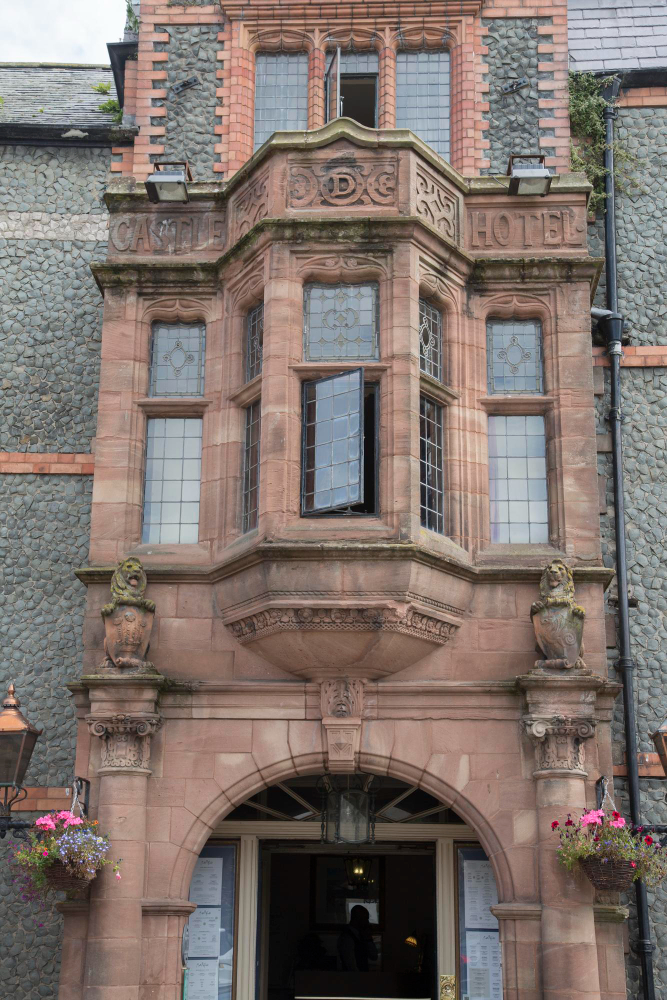
The town of Conwy, situated on the picturesque coast of North Wales, is far more than just an attractive tourist destination. It is a place steeped in history, impressive architecture, and centuries-old myths that continue to capture the imagination of its visitors to this day. With a rich past reflected in its walls and streets, Conwy offers a fascinating blend of history and stories that make it a true jewel of Wales.
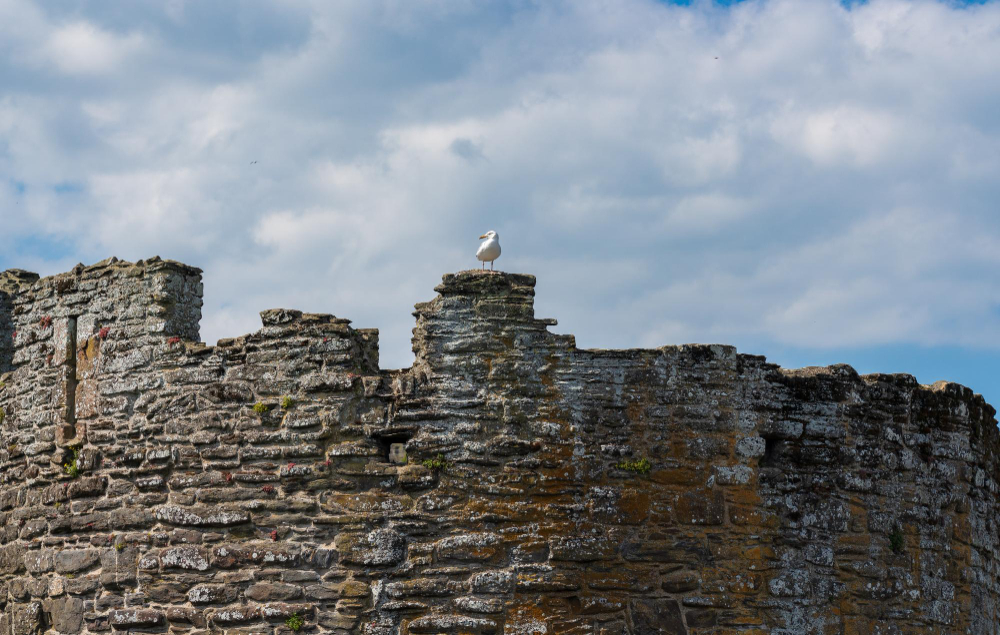
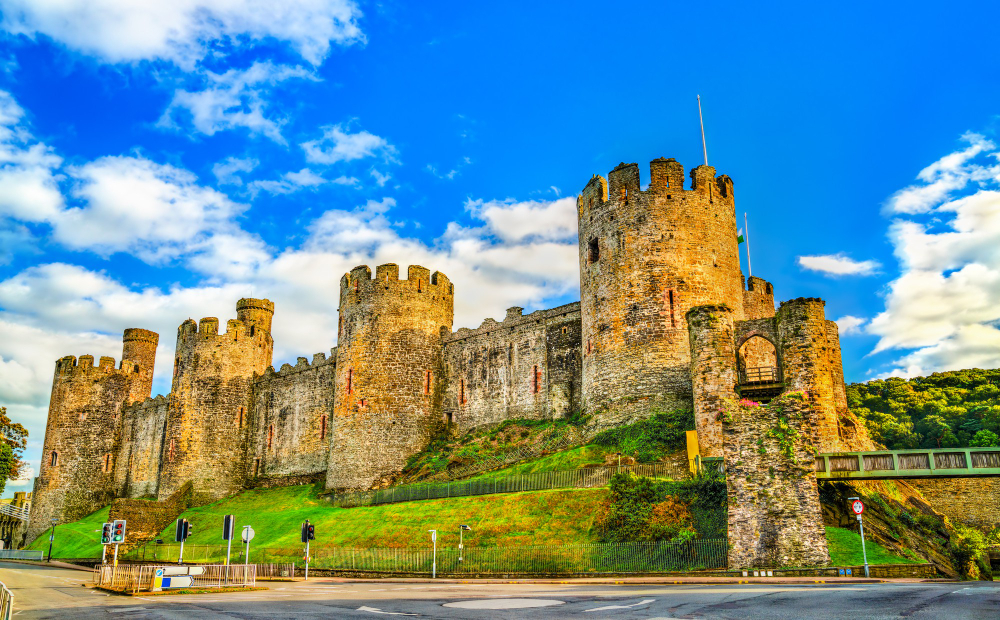
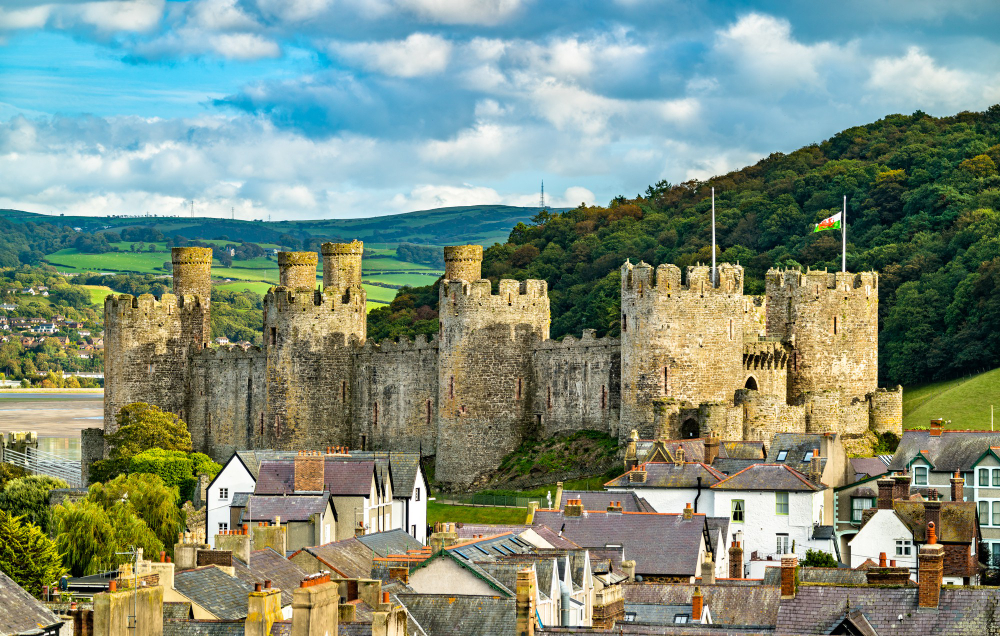
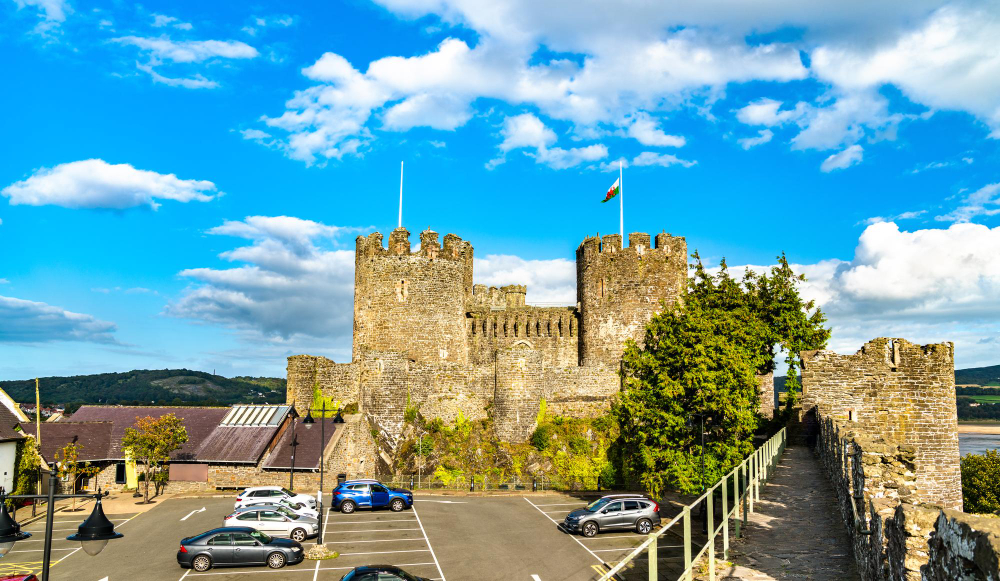
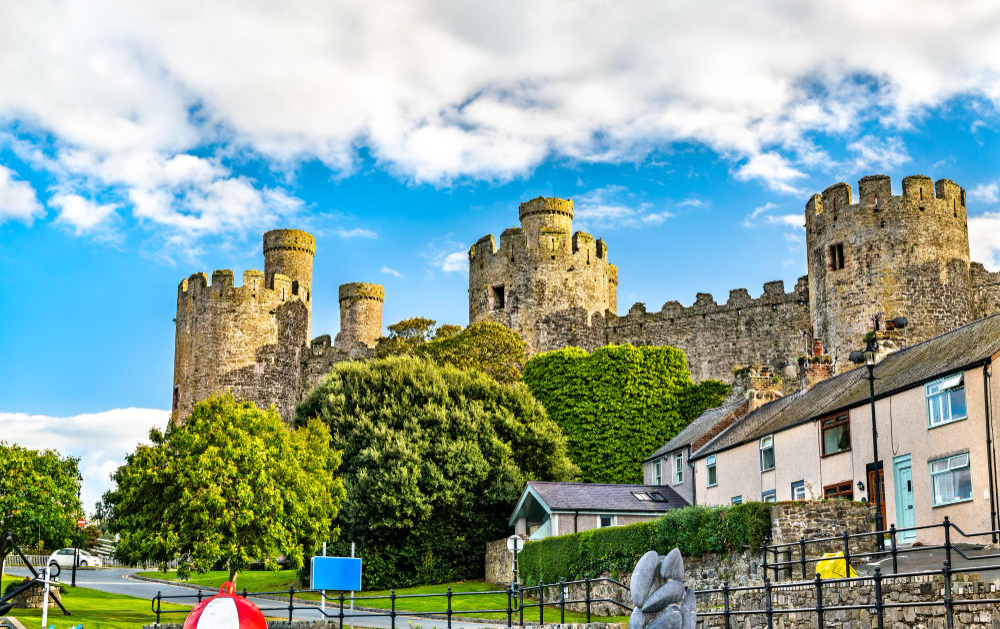
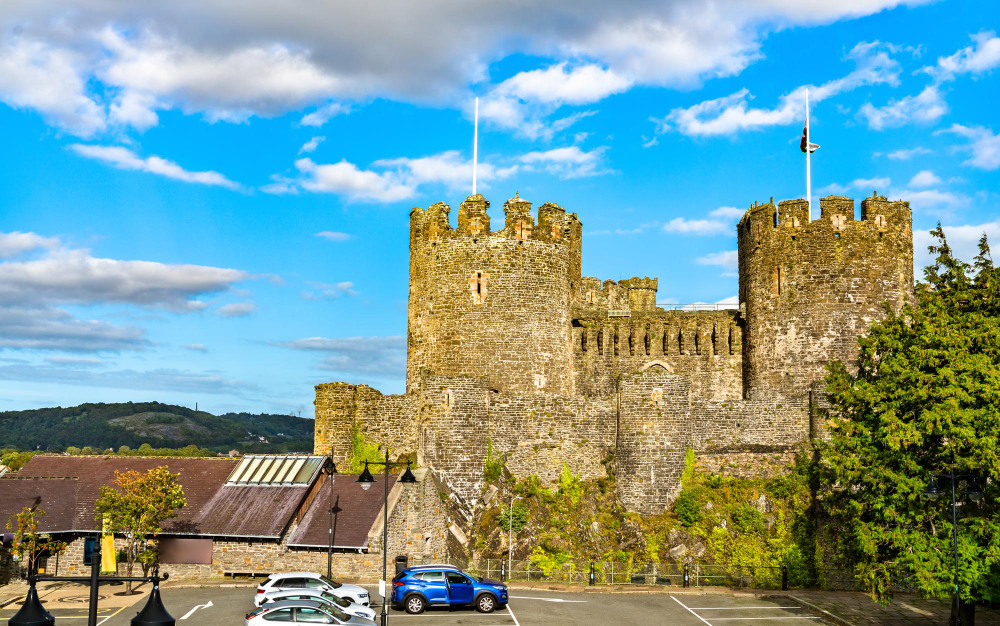
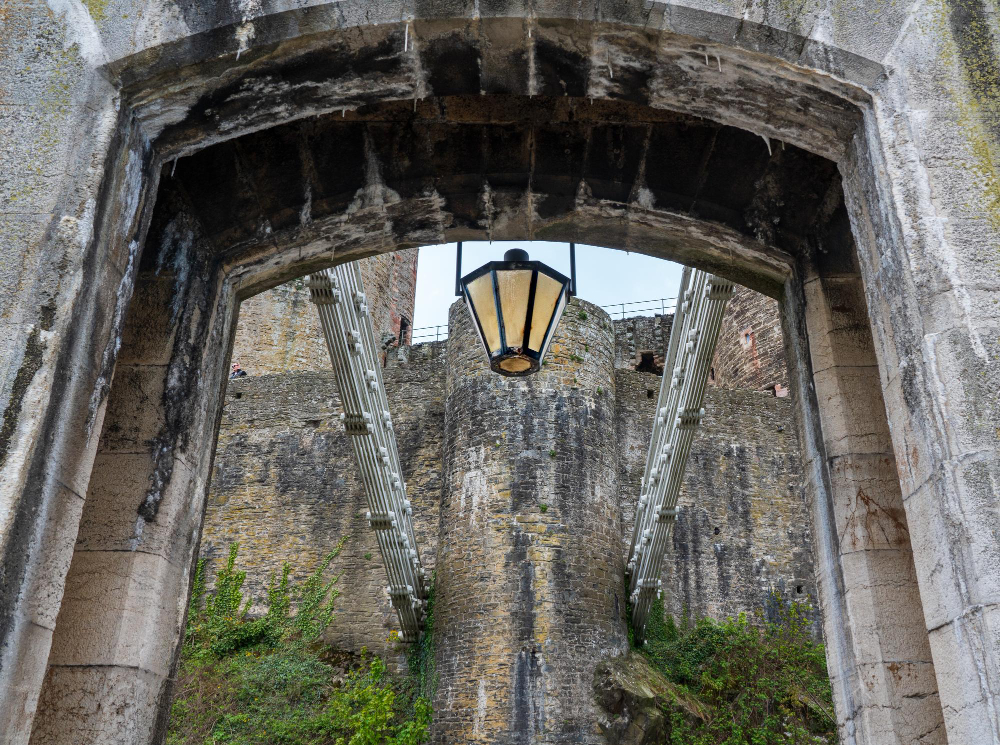
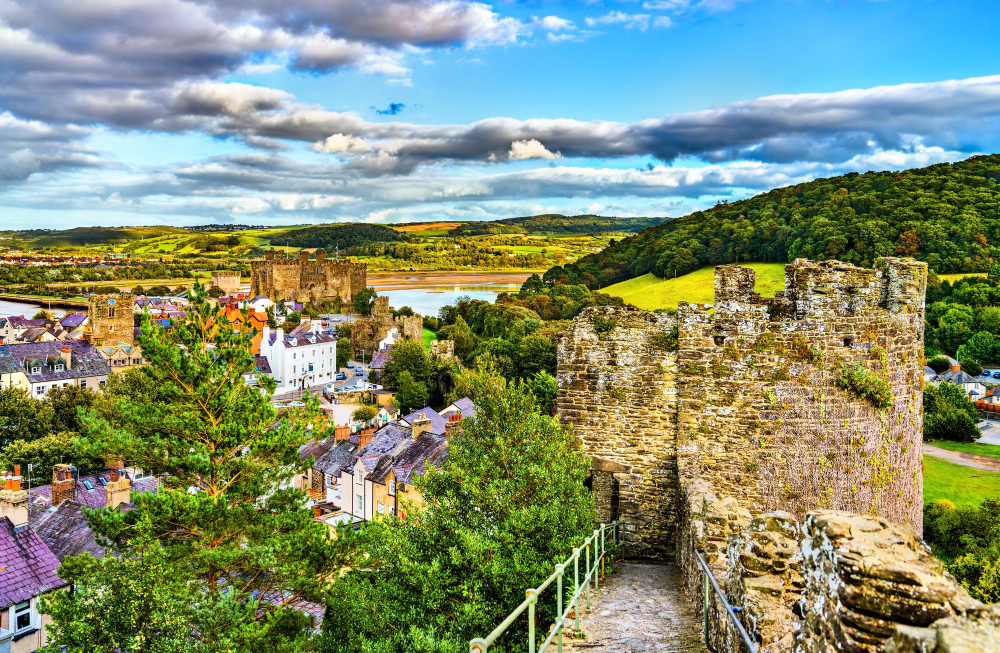
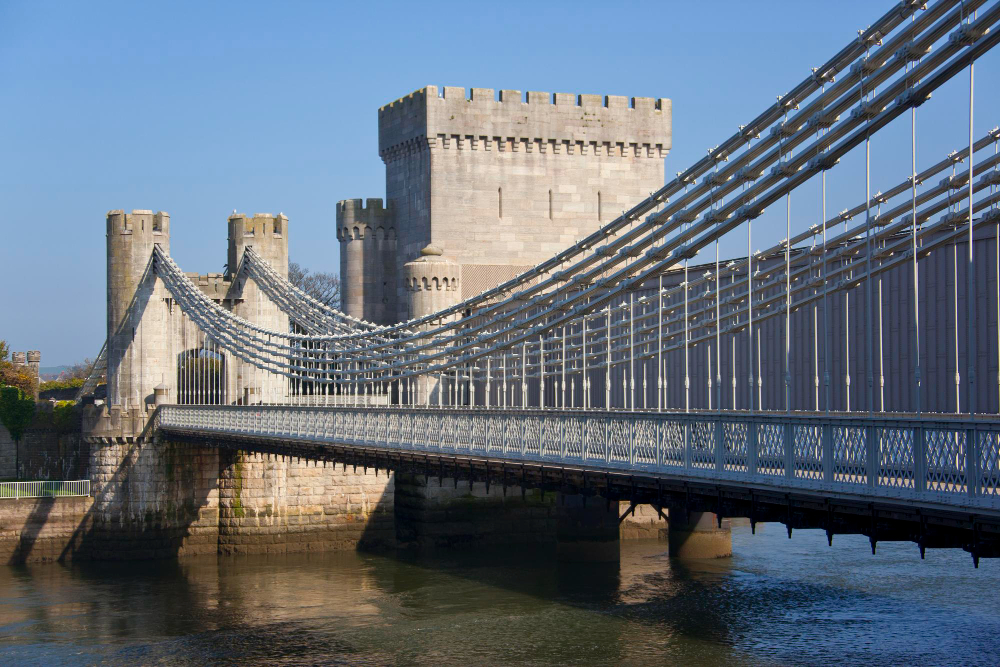
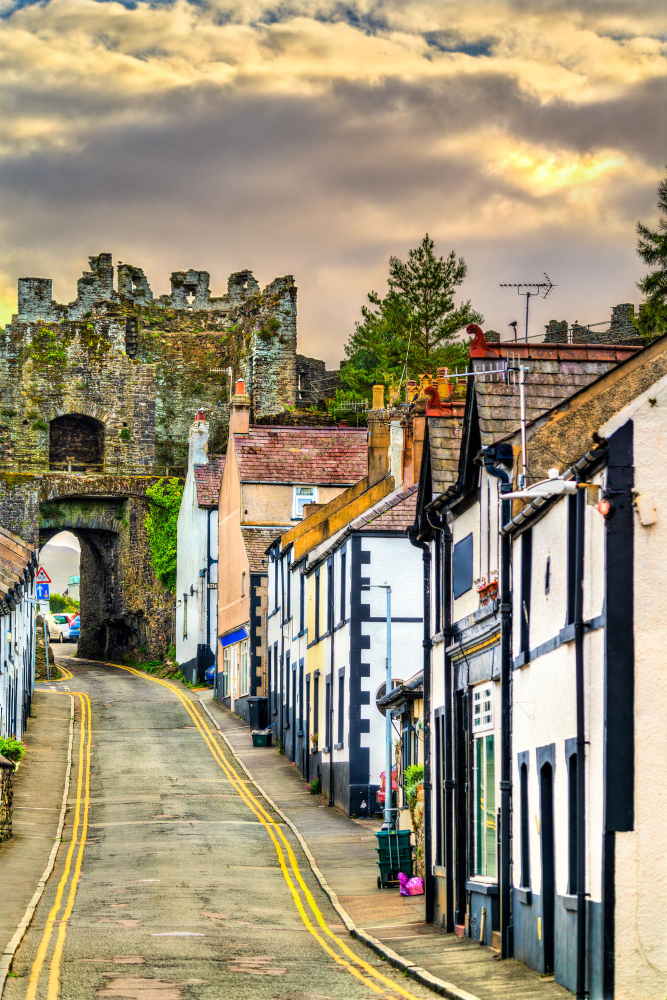
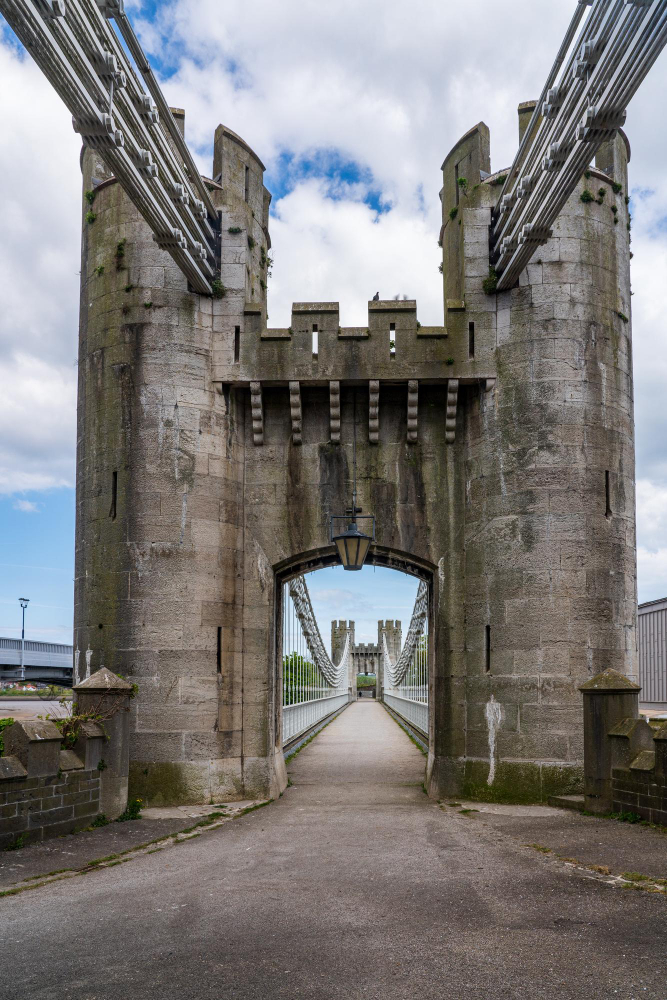
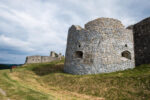
The Origins of Conwy: A Journey to the Middle Ages – The modern town of Conwy has its roots in the late 13th century, when King Edward I, following the conquest of Wales, began building a series of mighty castles to secure his rule. Conwy Castle, the heart of the town, was built between 1283 and 1287 and is one of the most impressive examples of medieval military architecture in Great Britain. Strategically located at the mouth of the River Conwy, the castle served not only as a military fortress but also as a symbol of the English Crown’s dominance over Wales. The city walls of Conwy, which also date from this period, are remarkably well-preserved and offer a vivid glimpse into the town’s former appearance. A walk along the city walls, which stretch for more than two kilometers and are punctuated by 21 towers, gives a sense of how significant Conwy once was—both as a trading center and as a defensive stronghold.
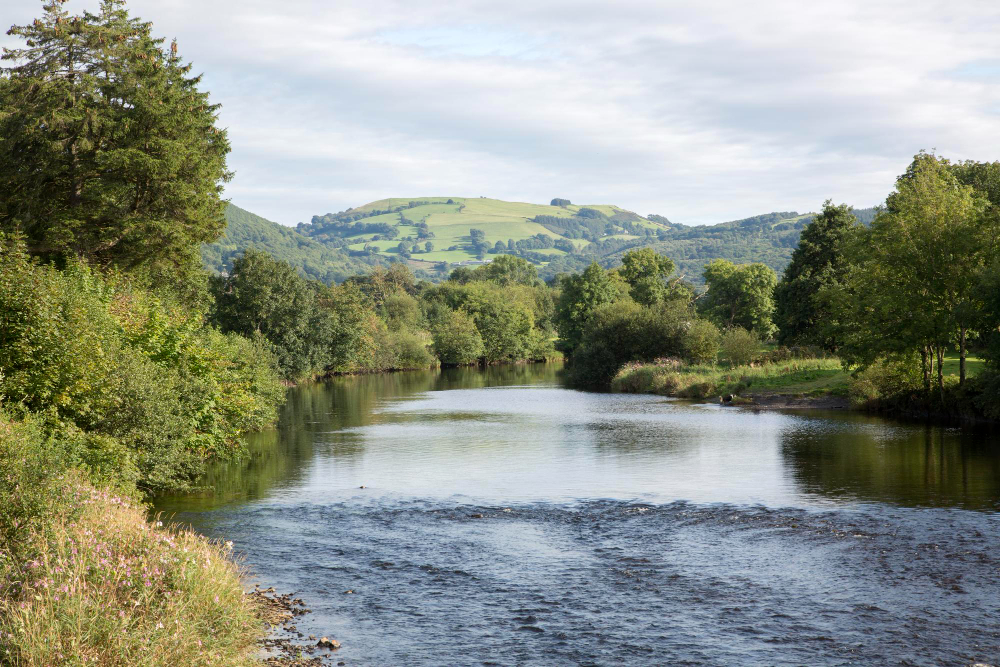
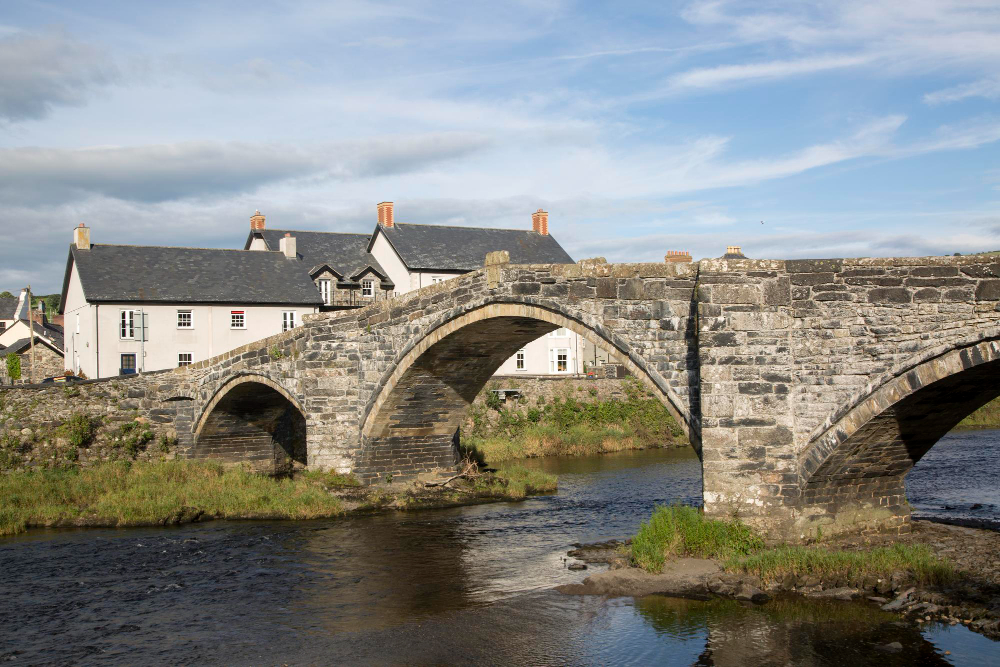
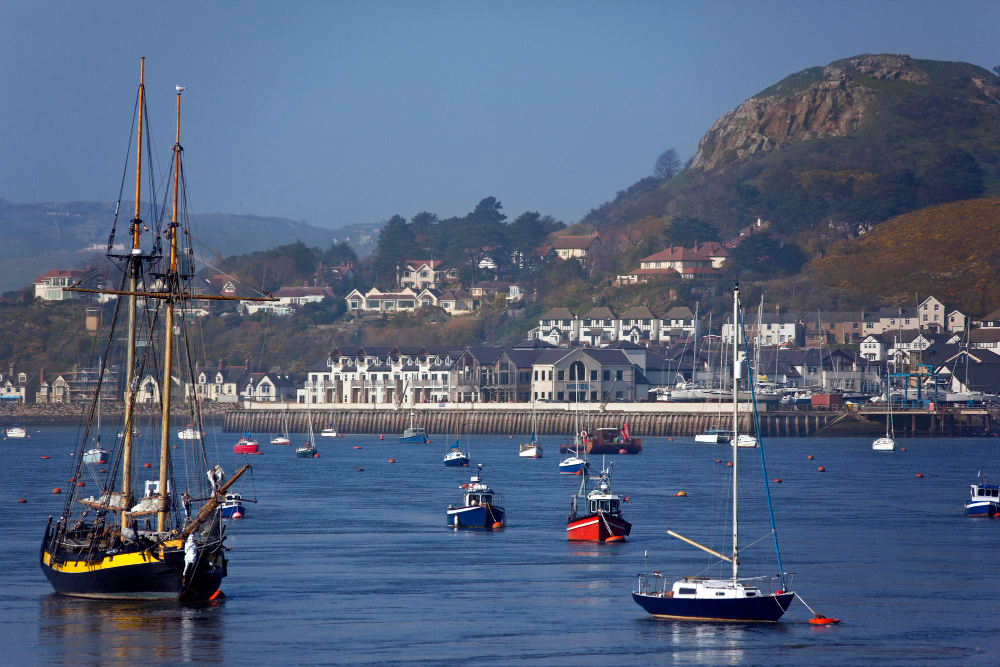
The River Conwy and Its Significance for the Town – A central part of Conwy’s identity is the river of the same name, which winds majestically through the landscape. From early on, the river played a crucial role in the town’s economic development. Its favorable location at the river mouth made Conwy an important trading center and hub for the movement of goods in the region. Fishing boats and merchant ships took advantage of the sheltered location to transport their goods, contributing to the town’s growing importance. But the river is not only an economic backbone; it is also the setting for many stories and legends. One of these tells of the “Conwy Mermaid,” a mystical figure said to live in the depths of the river. According to legend, she watches over the town and brings good luck to travelers who cross the water with respect. Whether the mermaid truly exists remains, of course, uncertain, but the story clearly illustrates how closely the people of Conwy are connected to their natural surroundings.
Myths and Legends: Of Dragons, Ghosts, and Magical Creatures – The region around Conwy is rich in legends deeply rooted in Welsh culture. One of the best-known stories is that of “Gwledd y Tylwyth Teg”—the Festival of the Fairies. The myth holds that small, magical creatures once lived in the hills around Conwy and danced at mysterious festivals that humans were never allowed to see. Some still believe today that the fairies have left their mark and that their spirit can be felt in the woods. Another fascinating legend revolves around the “Dragon of Snowdonia,” said to protect Conwy and the surrounding areas from intruders. Some locals claim that although the dragon is invisible to most, it is occasionally spotted on stormy nights, and a deep roar echoes down from the mountains. These stories are not only part of local folklore but also an expression of the people’s deep connection to their surroundings and their history.
Britain’s Smallest House: A Curious Landmark – Conwy is known for its historic buildings, but one of them has been a source of particular wonder for centuries—the so-called “smallest house in Britain.” This tiny cottage sits right on the quay and is just 1.80 meters wide and 3 meters high. It was built in the 16th century and was actually inhabited until 1900. The last resident, a fisherman named Robert Jones, was over two meters tall, which certainly made living conditions very difficult for him. Today, the little house is a popular tourist attraction that draws visitors from all over the world. It symbolizes not only the modesty of the architectural style of that era but also the creativity and adaptability of the people of Conwy. Despite its small size, the cottage leaves a big impression and remains a charming detail in the town’s rich history.
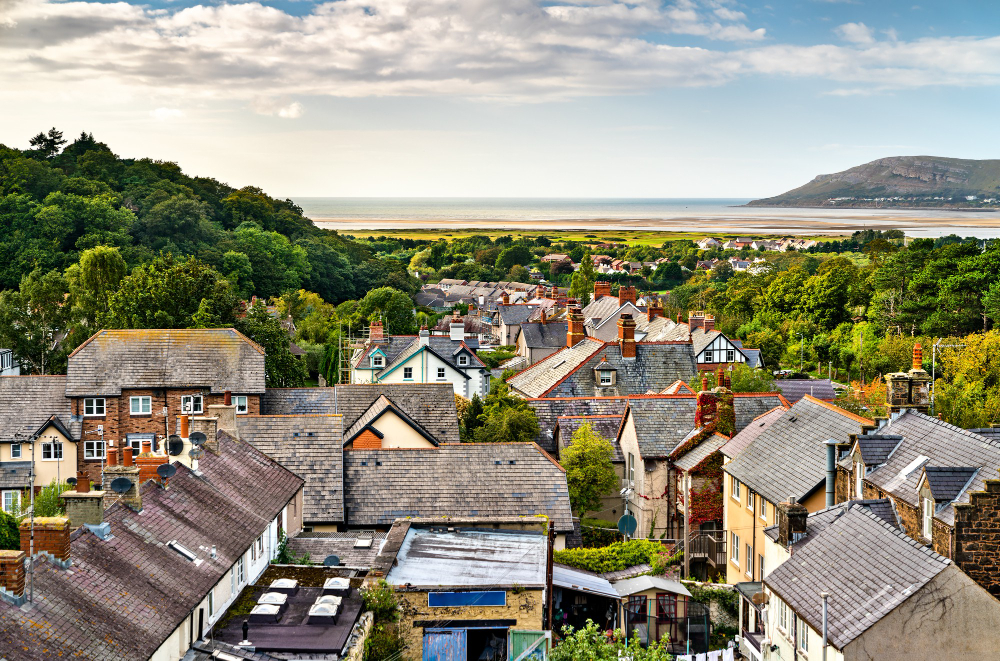
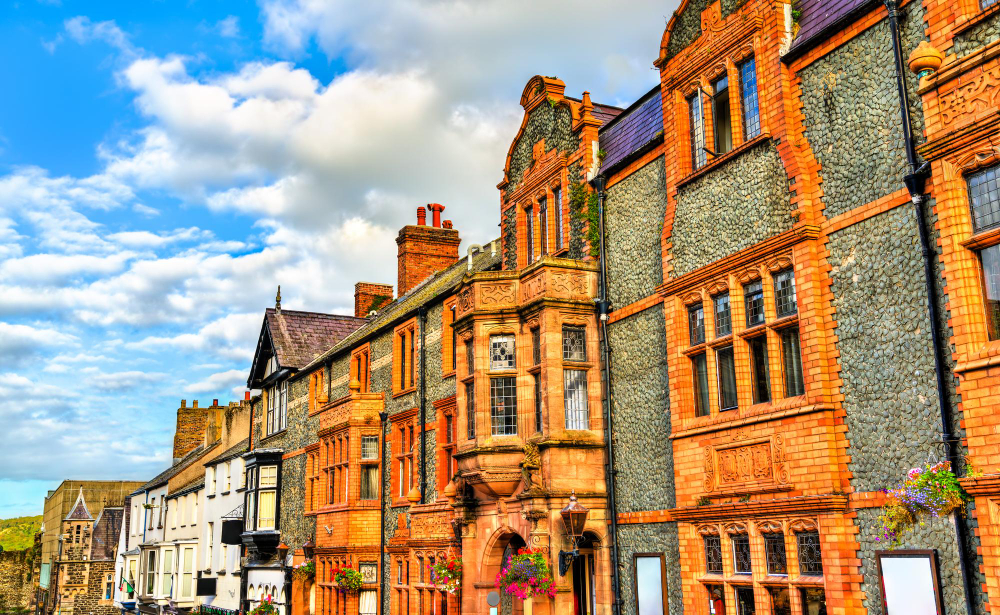
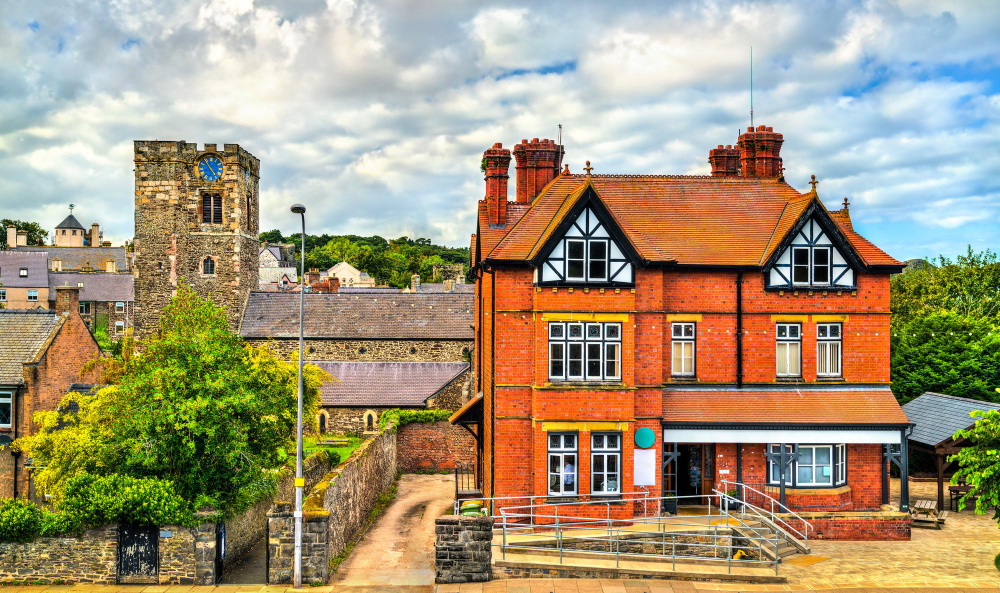
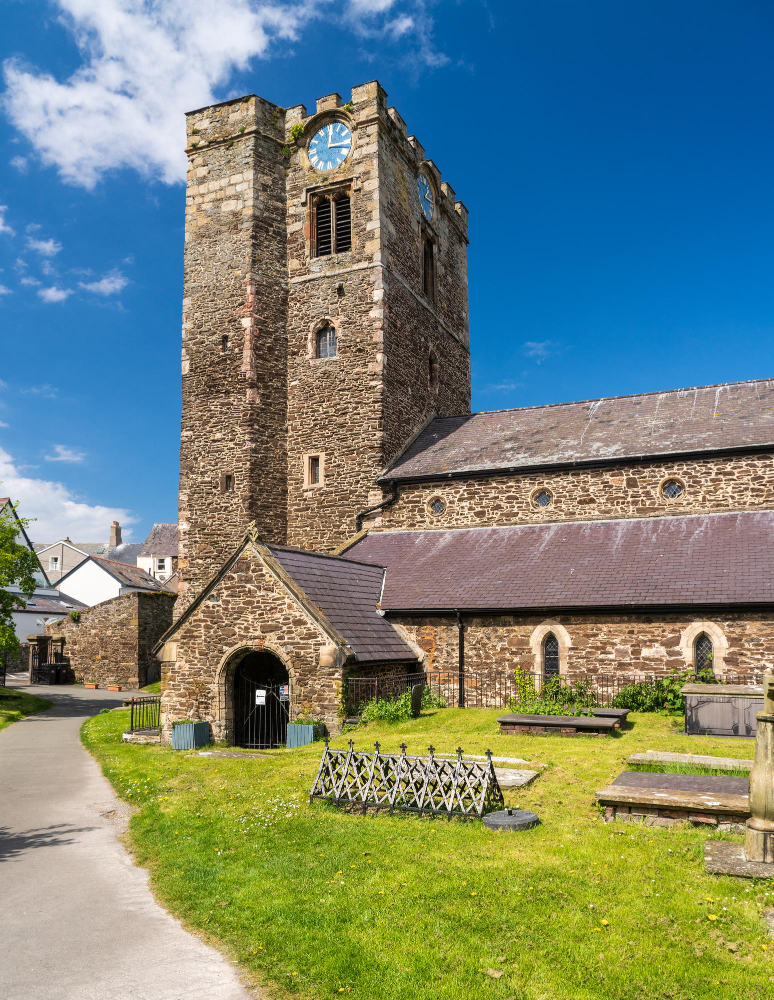
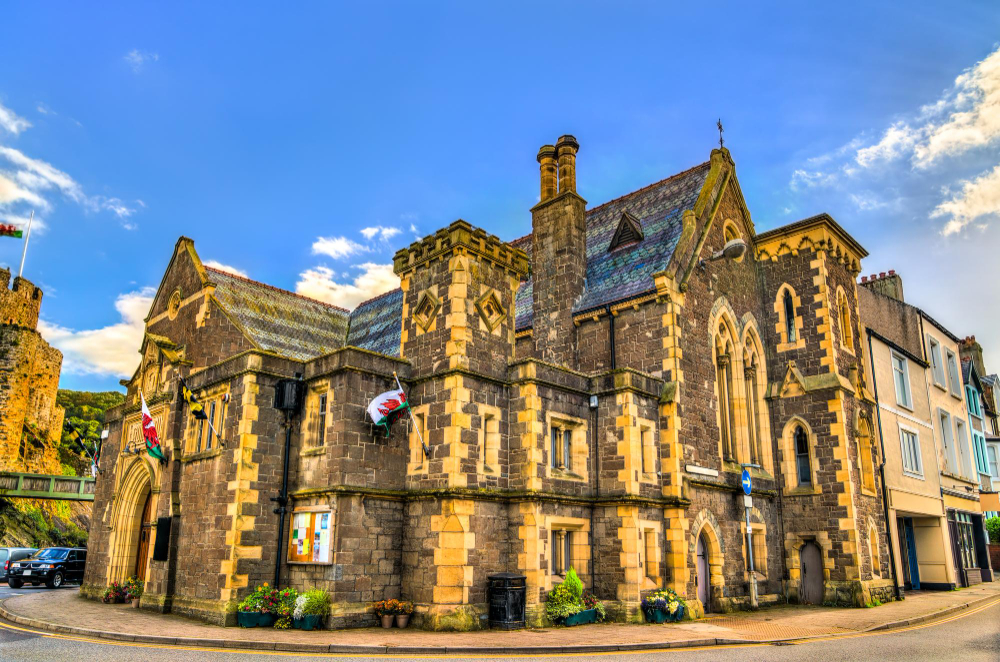
Modern Times and Historical Traditions – Although Conwy is clearly shaped by the Middle Ages, the town has managed to preserve its historical identity while remaining modern and vibrant. Regular events such as the Conwy Feast Festival offer visitors the chance to enjoy traditional Welsh cuisine and the region’s culture. The annual medieval market also attracts many people who wish to experience the atmosphere of times gone by. Furthermore, Conwy boasts a vibrant arts community that showcases its work in galleries and studios. The Old Town, with its narrow streets and stone houses, serves as a source of inspiration for many who live and work here. This creative spirit helps make Conwy a harmonious blend of past and present.
A visit to Conwy is like a journey through time – Conwy is a town that lives and breathes history. From the imposing castle and city walls to the myths and legends that surround every corner—wherever you look, you encounter traces of days long past. At the same time, Conwy is a place that combines a rich tradition with an openness to new experiences and modern adventures. Whether you want to immerse yourself in the historic atmosphere, follow in the footsteps of magical tales, or simply admire the beauty of the landscape—Conwy has something to offer everyone.
With its unique blend of historical heritage and cultural vibrancy, the town is a must-see for anyone visiting Wales. For where history and myth converge, a magic emerges that makes Conwy an unforgettable experience. Anyone strolling through the streets of Conwy will quickly understand why this medieval gem continues to captivate so many people to this day.