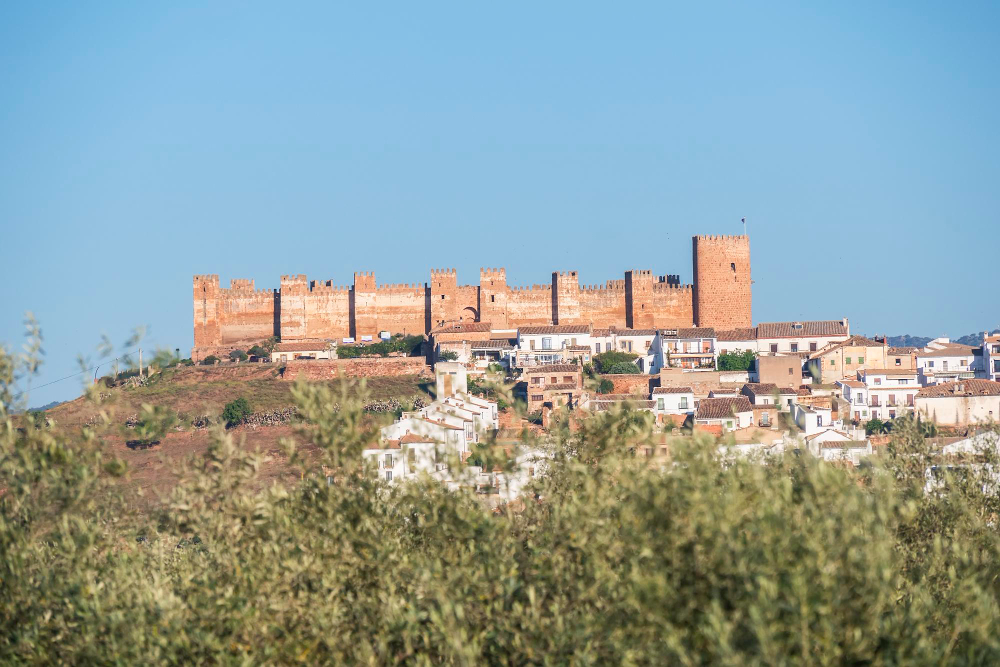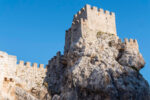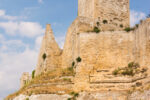
In the heart of Andalusia, in the small town of Baños de la Encina in the province of Jaén, Burgalimar Castle stands majestically – a testament to times long past, telling the story of Spain’s turbulent history as if carved in stone. Built as early as the 10th century under the rule of the Umayyad Caliphate of Córdoba, this fortress is not only architecturally significant but also a historical symbol of power, war and cultural fusion on the Iberian Peninsula. But what makes Burgalimar so unique? Why is it considered one of the best-preserved medieval castles in Spain? And what stories and legends are woven into its walls? This article takes you on a fascinating journey through centuries of intrigue, battles and artistic masterpieces.
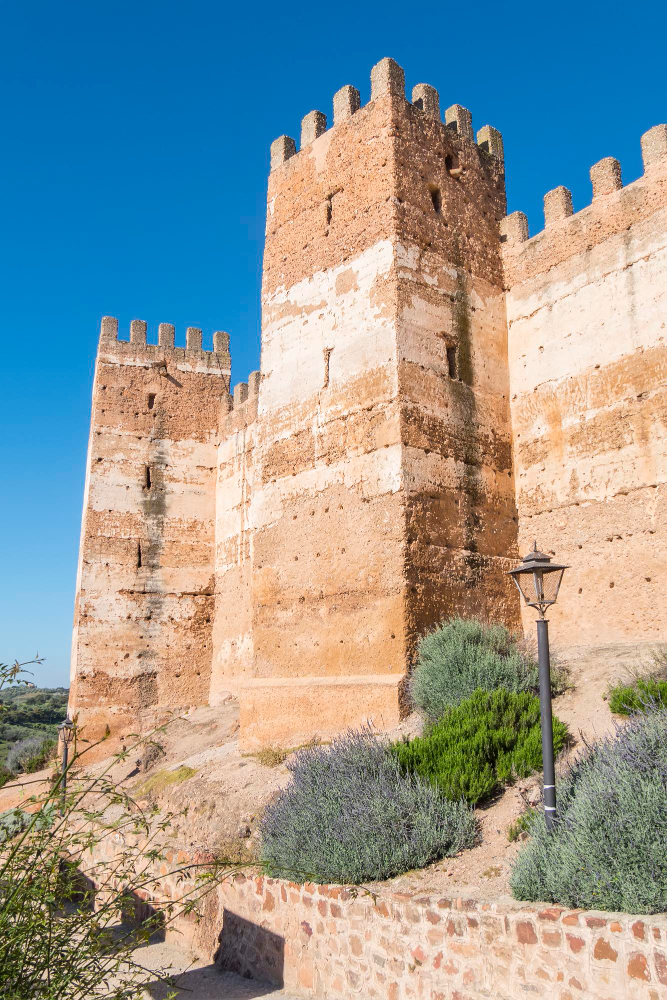
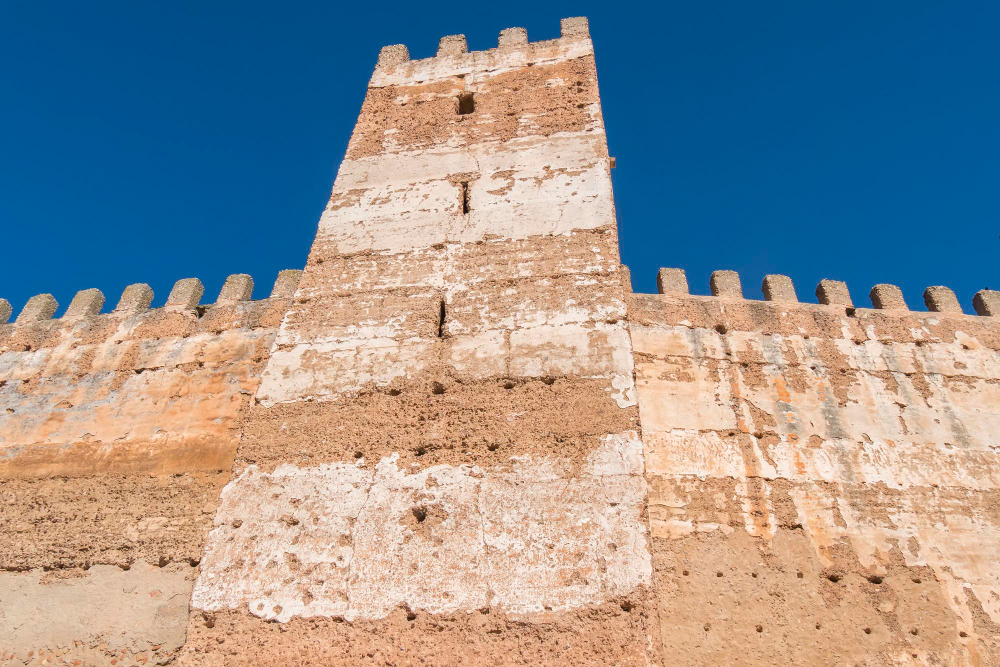
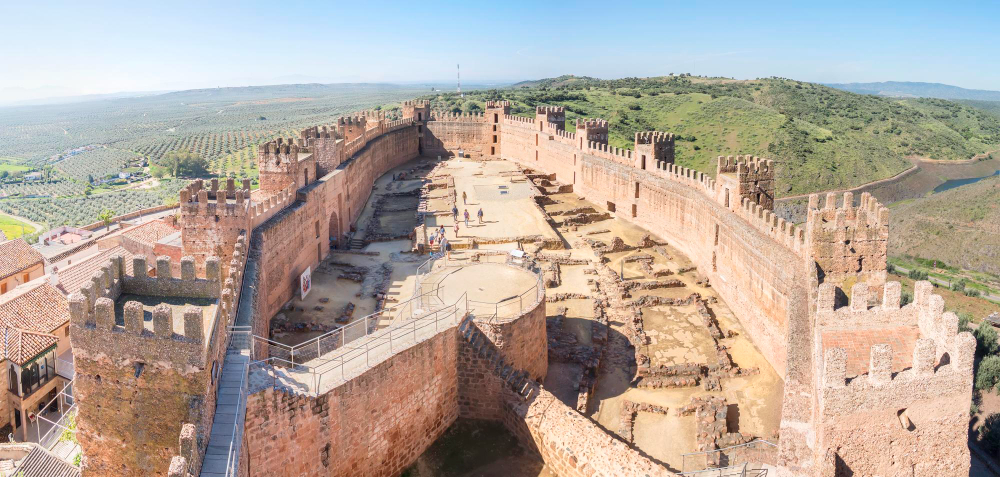
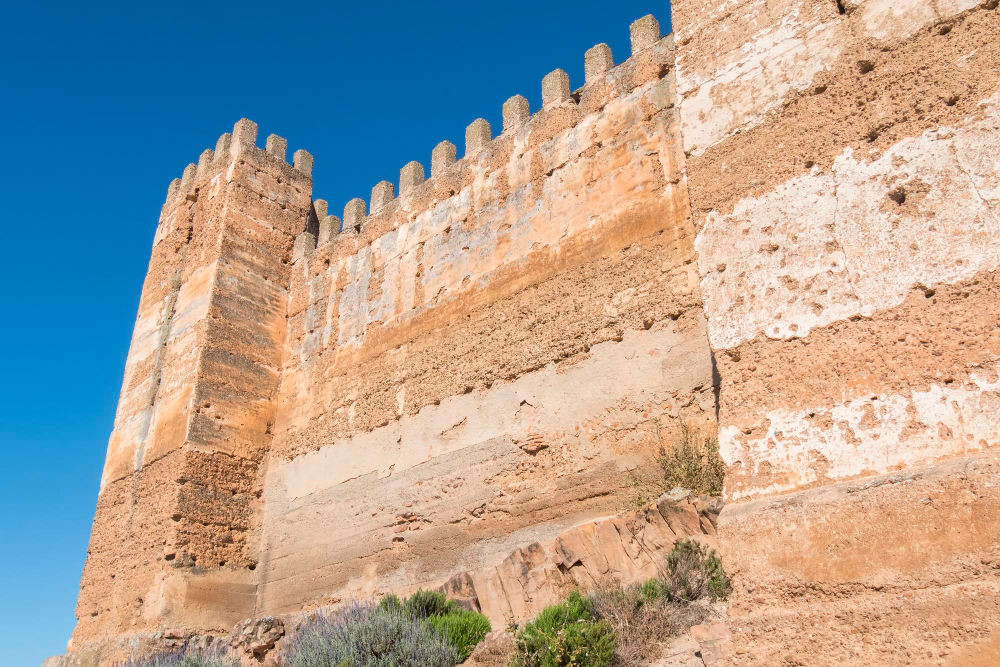
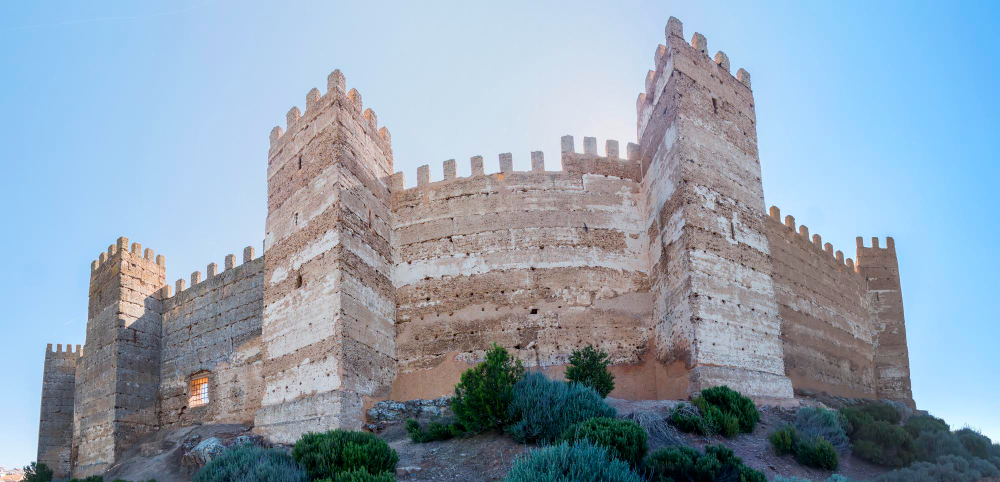
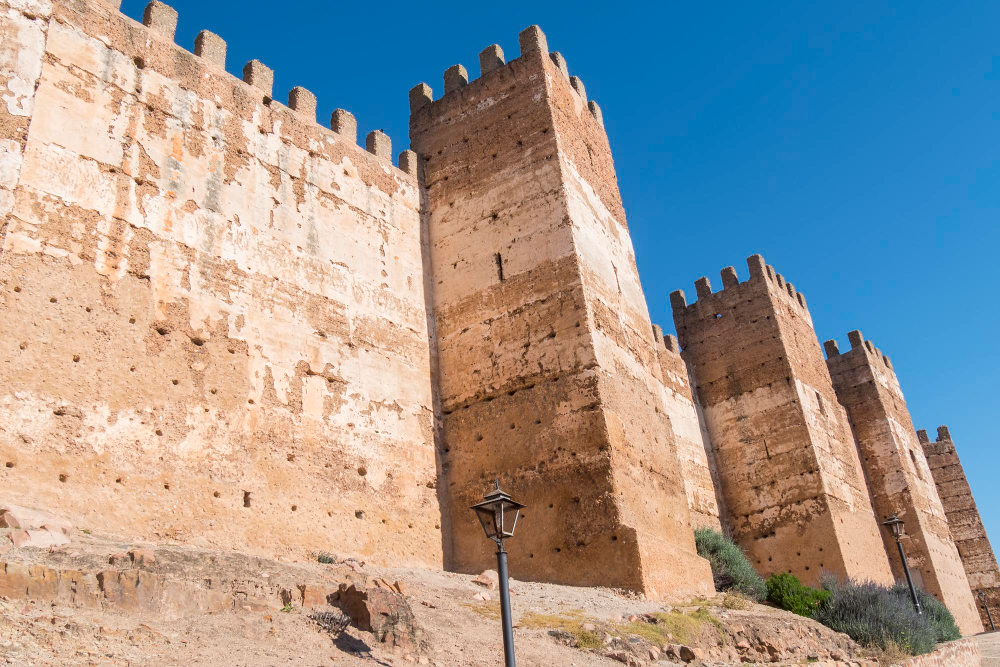
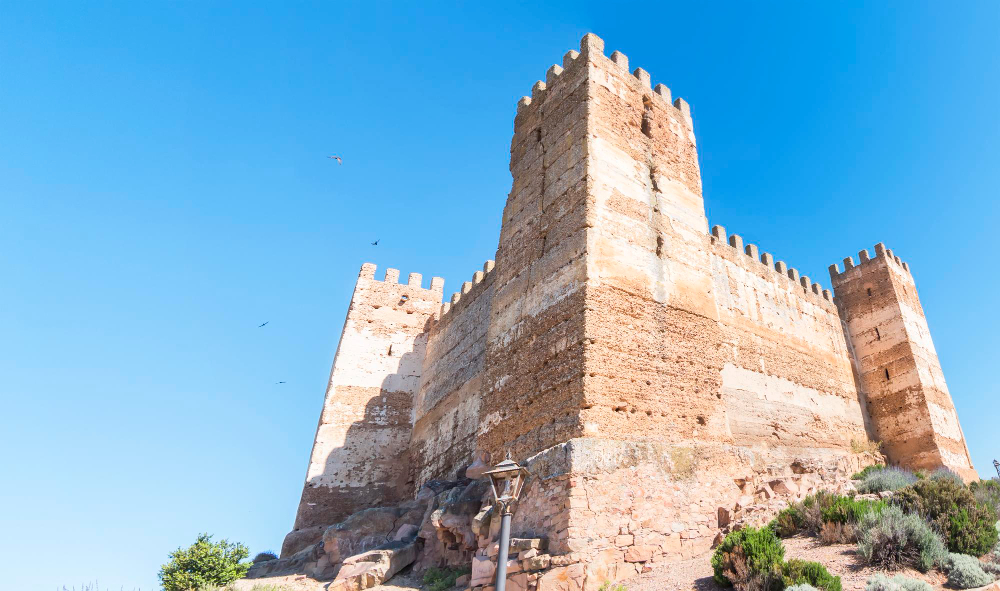
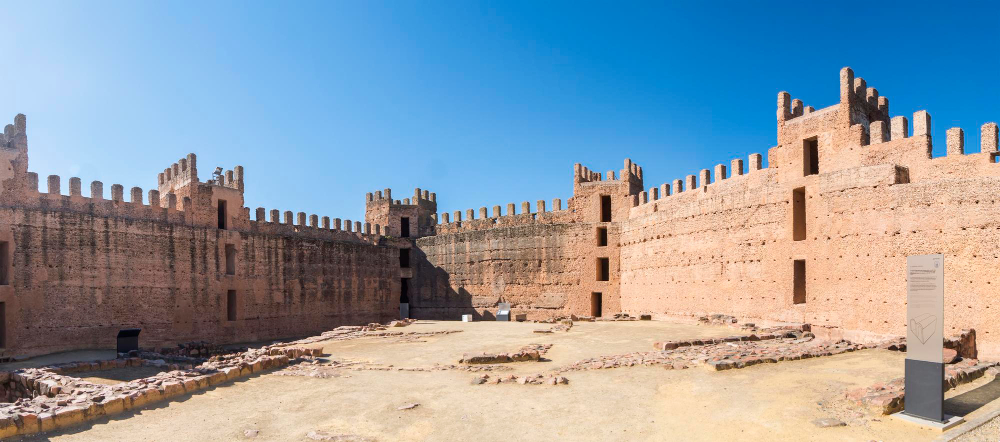
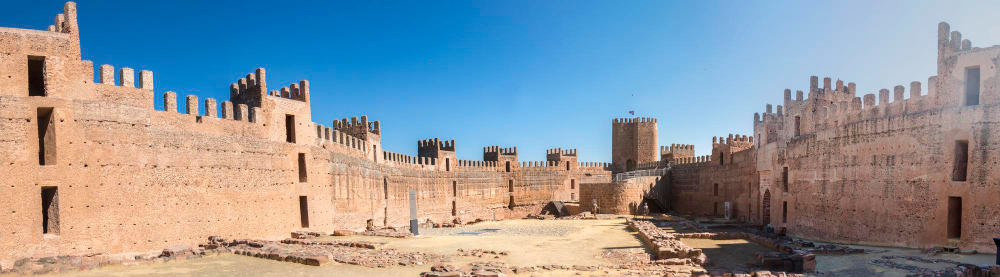
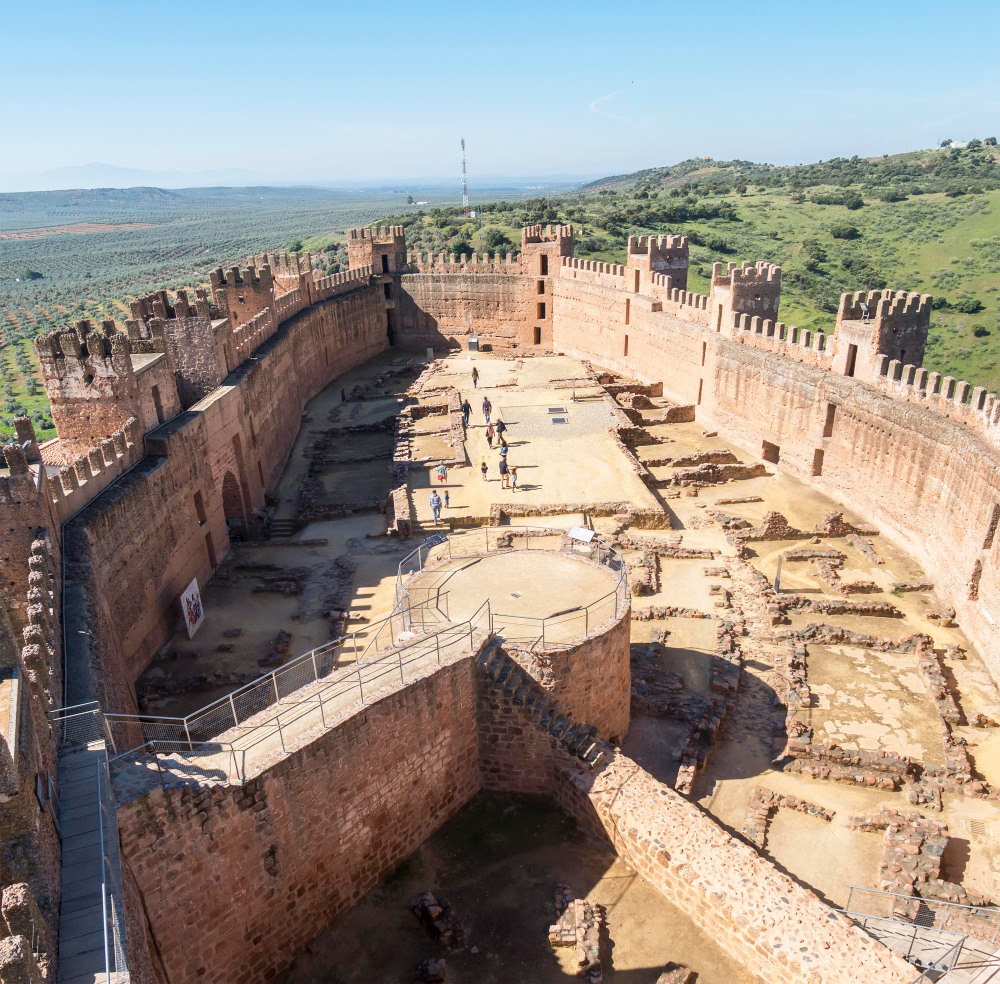
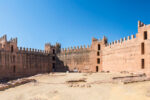
Origins and Construction History: A Stronghold of the Caliphs – The construction of Burgalimar Castle can be precisely dated thanks to a remarkably well-preserved marble inscription: the year of construction is set at 967 AD (357 according to the Islamic calendar), during the reign of the Caliph Al-Hakam II. This inscription, now on display at the National Archaeological Museum in Madrid, is one of the rare documents providing an exact date for medieval structures – a treasure for historians and archaeologists alike. The castle was built as a military fortress of strategic importance: it controlled the Guadalquivir Valley and secured key transport and trade routes leading to the then capital, Córdoba. The defensive wall was approximately 100 metres long and 50 metres wide, with the irregular quadrangular site flanked by a total of 15 towers. The square floor plans of these towers are a typical feature of Umayyad military architecture, which emphasised robust and clearly laid-out defences. The construction of this fortress underscores the grandeur of the Umayyad Empire and its efforts to secure the newly conquered territories against rebel forces and phases of the Christian Reconquista. The technical execution, including the use of semicircular horseshoe arches in the gateways, points to the influence of Islamic architecture.
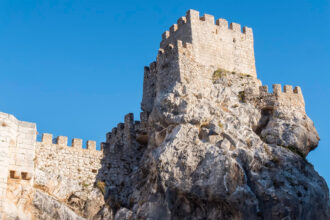
The eventful history of the castle amidst the Reconquista – The fate of Burgalimar reflects the turbulent battles for conquest that shaped large parts of Spain over the centuries. Time and again during the 12th and 13th centuries, the fortress changed hands between Muslim and Christian control, a testament to its strategic importance. In 1174, for example, Alfonso VII, King of León and Castile, succeeded in capturing the castle – yet just ten years later it fell back into the hands of the Muslim Almohad dynasty. Similarly, the recapture by Alfonso VIII and Alfonso IX in 1189 was short-lived, as the Almohads swiftly reclaimed the fortress. It was not until 1212, immediately before the famous Battle of Las Navas de Tolosa, that Burgalimar passed to the Castilians, who, however, lost control again three days after the battle. The final conquest was finally achieved in 1225, after which the castle became part of the expanding Kingdom of Castile. These changing hands led to alterations to the castle over time: in 1466, the Castilians added the ‘Torre del Homenaje’ – the so-called ‘Tower of Homage’. This imposing keep differs markedly from the older, square towers due to its semi-circular design and simultaneously symbolised the new power and self-confidence of the Christian rulers.
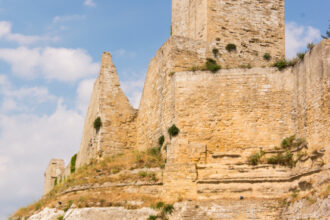
Architecture and structural features – Burgalimar stands out as one of the best-preserved castle complexes from the Umayyad period. Its architecture follows clear military principles, whilst at the same time reflecting the aesthetic features of Islamic architecture. The parapet, which encircles the entire rampart, features regularly spaced towers from which defenders could spot and repel attacks at an early stage. Particularly striking is the main southern gate, characterised by a straight access corridor with several horseshoe arches. Above the gate were rooms with loopholes and hatches in the floor, through which defenders could hurl projectiles down upon attackers – a perfect example of medieval defensive technology. Inside, the remains of a cistern system that provided water for the garrison are still visible today. In addition, the foundations of further later structures bear witness to the complex’s long history of use across various eras.
Legends and cultural significance – Like many ancient castles, Burgalimar is steeped in legend. Some storytellers speak of hidden treasure chambers beneath the fortress, said to have been concealed by the Muslims during their occupation. Other tales speak of secret escape tunnels intended to connect the castle with other important locations – claims that have not yet been conclusively confirmed, but which enhance the site’s mystical allure. Furthermore, Burgalimar symbolises the rich cultural diversity of Andalusia. The combination of Arab, Christian and, later, Renaissance elements reflects a region that was contested and shaped by cultural and historical events for centuries.
Research and contemporary significance – Since its designation as a National Monument in 1931, academic research has focused intensively on Burgalimar. Archaeological investigations continually bring new findings to light, helping to provide a better understanding of the castle’s construction, its use and its social context. Today, the castle ranks among the most significant examples of Umayyad military architecture and attracts tourists and experts from all over the world. As a striking example of Spanish medieval history, Burgalimar offers a vivid insight into the conflicts, cultural encounters and technical innovations of the era. Visitors can walk around the massive curtain wall, pass through the gates and imagine how guards once watched over the landscape from the battlements – an incomparable experience that brings history to life.
Burgalimar – A stone record of Iberian history – Burgalimar Castle is far more than just an ancient ruin. It is a living monument that reflects historical realities and takes the visitor on a fascinating journey through time. From its construction by the Umayyad Caliphate in the 10th century through to the dramatic events of the Reconquista and the architectural additions made by the Christians in the 15th century – Burgalimar tells a story of power, shifts in faith and the ceaseless transformation of Andalusia. As one of the oldest surviving castles in Spain, it deserves not only protection and admiration, but also in-depth scholarly study. Anyone who passes through its gates today steps into a bygone era, the traces of which extend right into the present day – and which still holds numerous secrets waiting to be discovered.