Nestled amongst the green hills of northern Portugal lies a town that captivates not only through its historical significance but also through its unmistakable charm: Guimarães. Known as the ‘cradle of Portugal’, the town reveals a rich history, a vibrant culture and an architectural diversity that delights visitors from all over the world. This article invites you to see Guimarães not merely as a tourist destination, but as a living museum that beckons you to explore and experience it.
Historical Roots and National Significance – Guimarães looks back on a long history and played a central role in the formation of the Portuguese state. The first settlements here were mentioned as early as the 9th century. However, the city’s true significance began in the Middle Ages, when it became the centre of the region and, consequently, the birthplace of the nation. It is believed that Portugal’s first king, Dom Afonso Henriques, was born in Guimarães; he played a pivotal role in securing the kingdom’s independence in the 12th century. The historic old town of Guimarães has been a UNESCO World Heritage Site since 2001 and, with its medieval walls, streets and buildings, bears witness to that epoch-defining era. This ensemble provides an impressive backdrop where history can be felt and blends seamlessly with modern-day life.
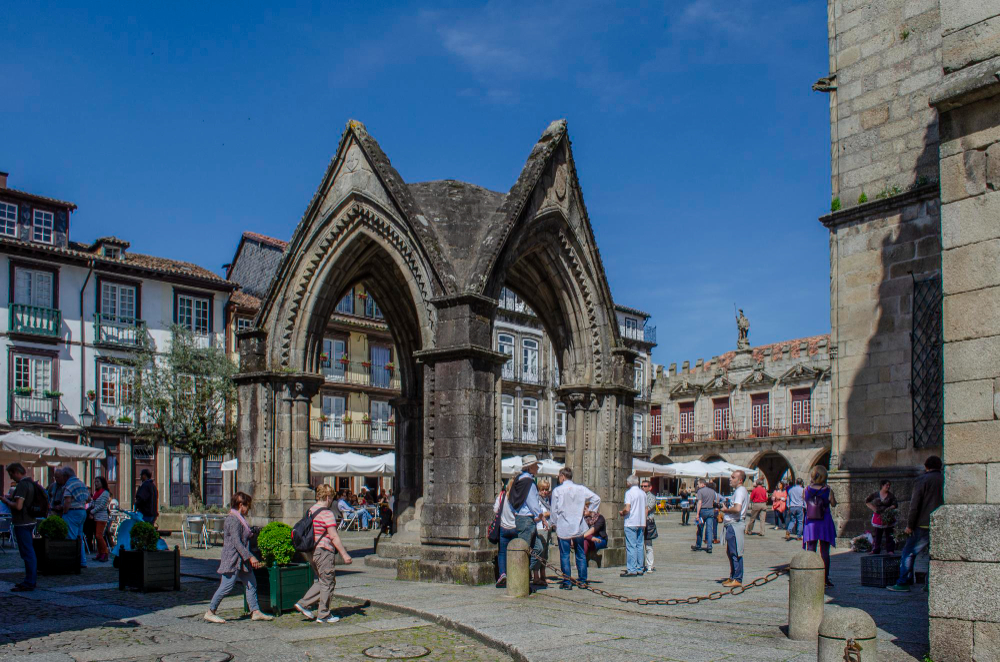
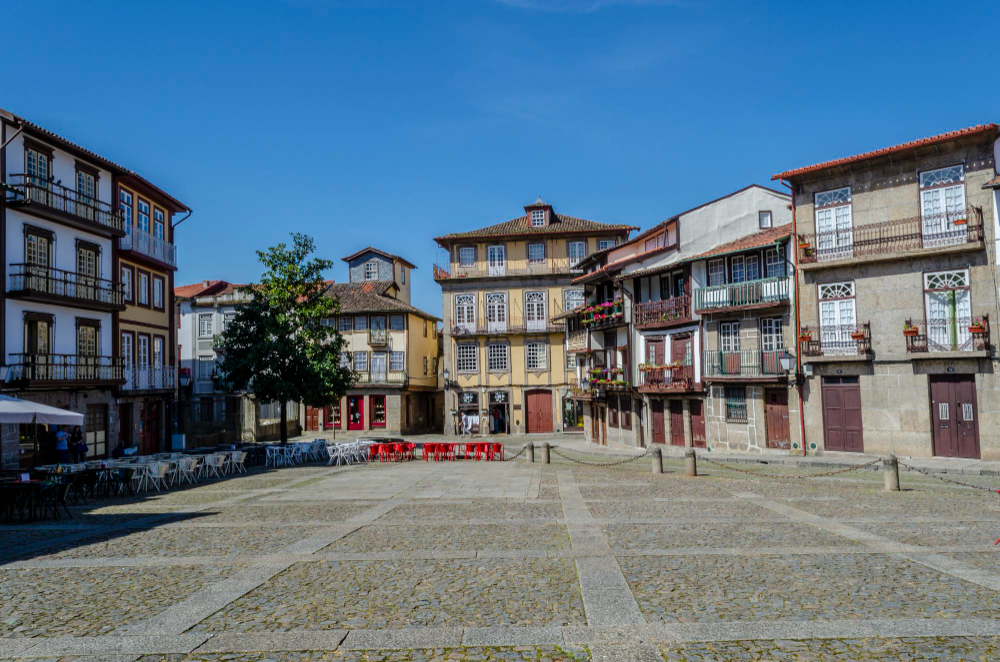
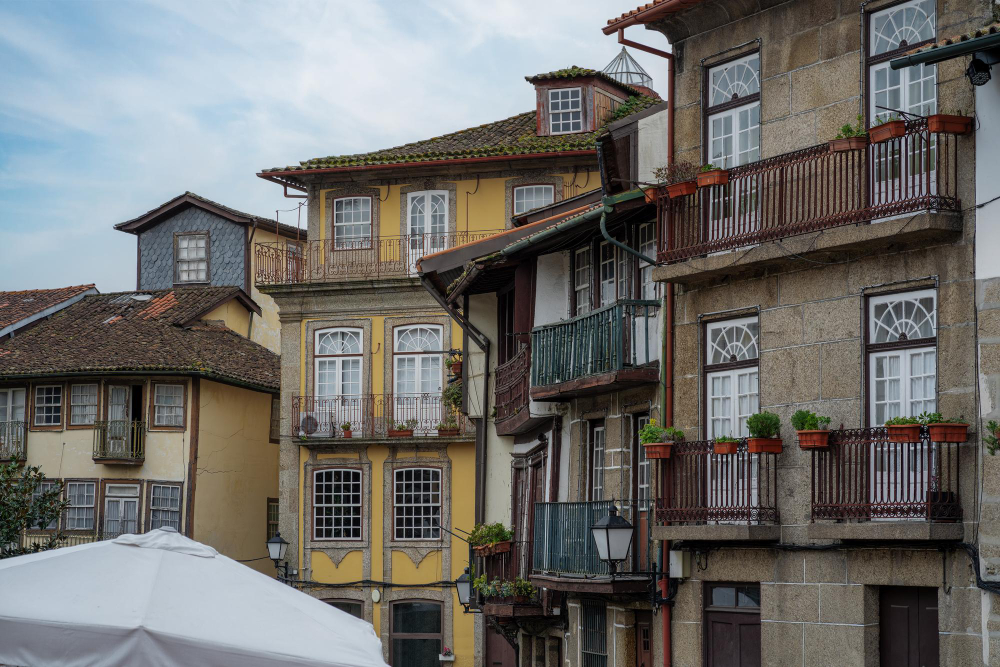
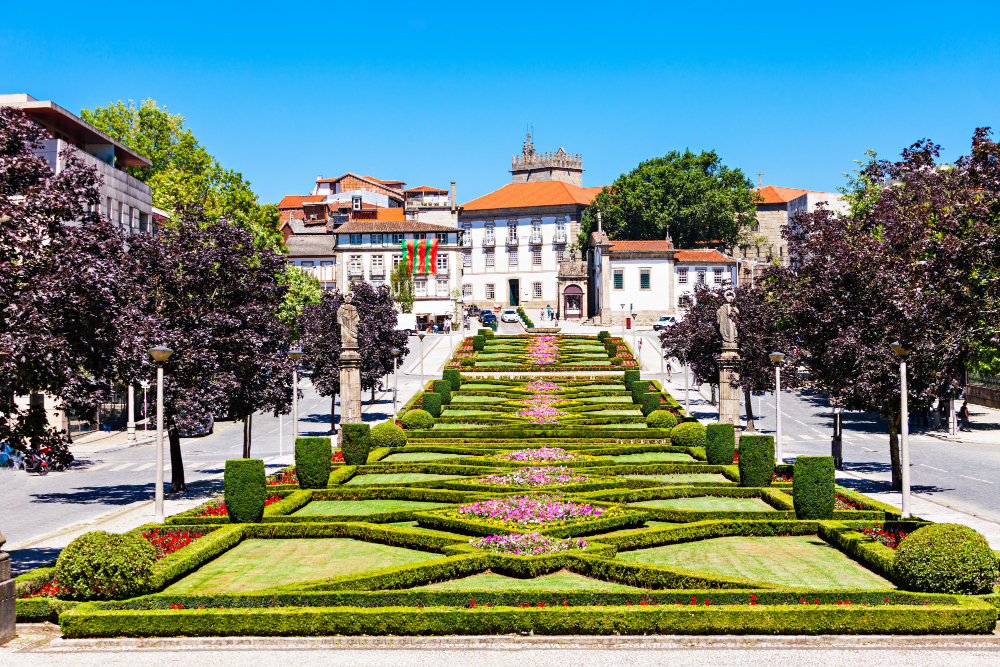
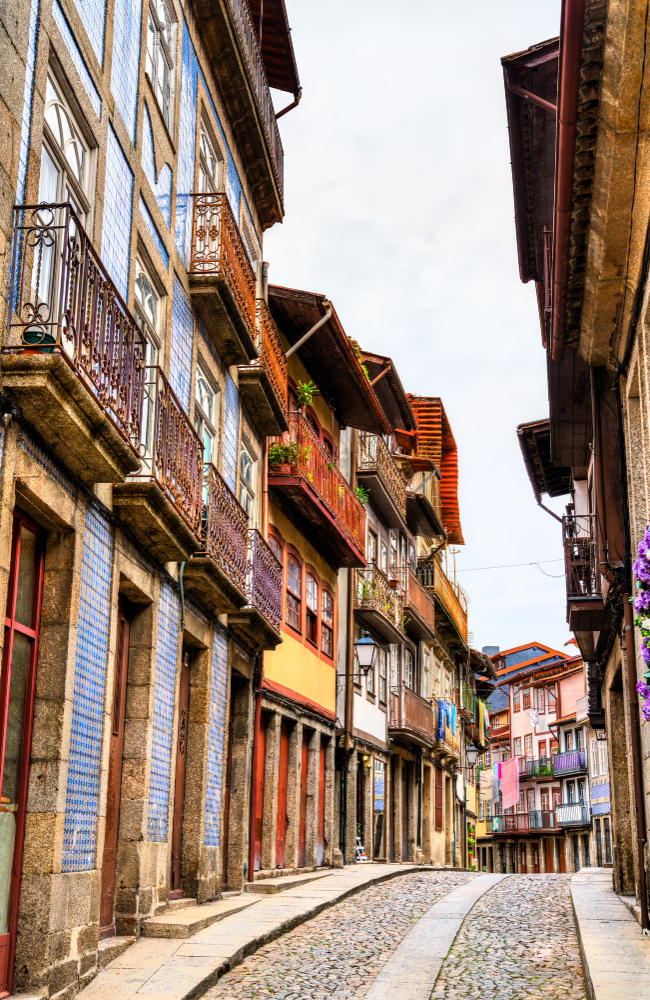
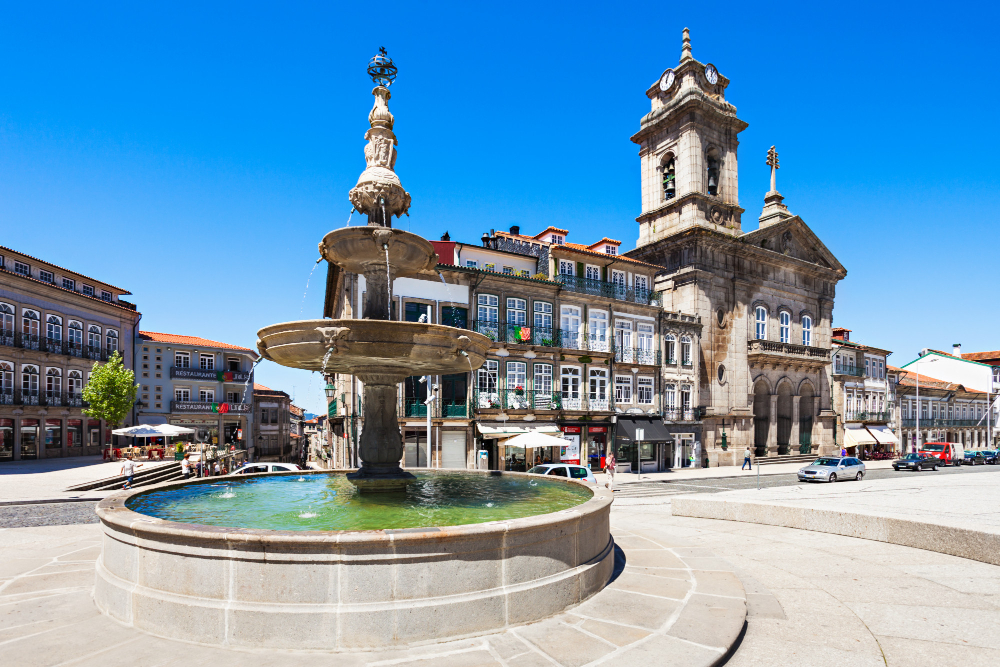
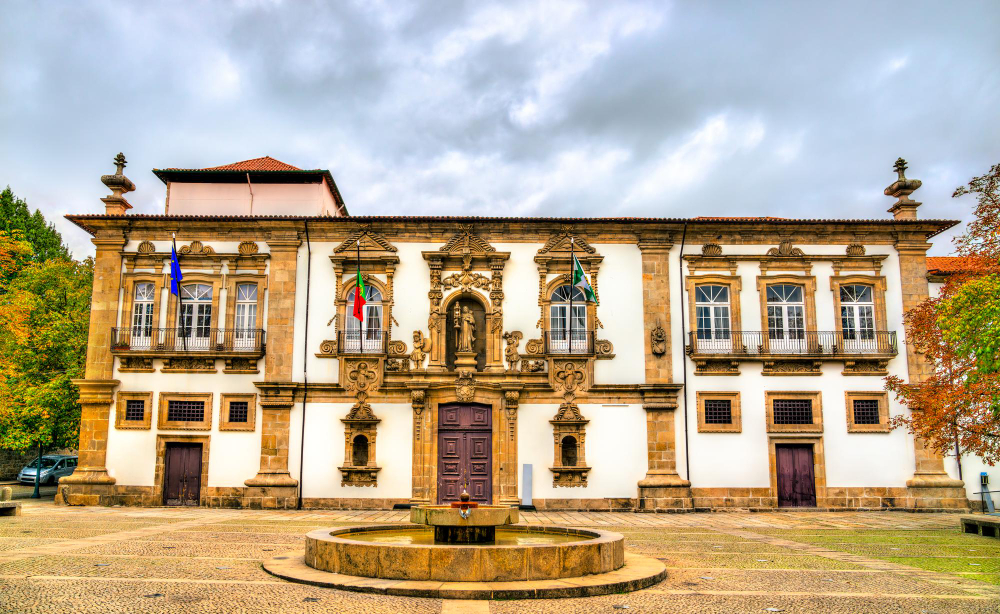
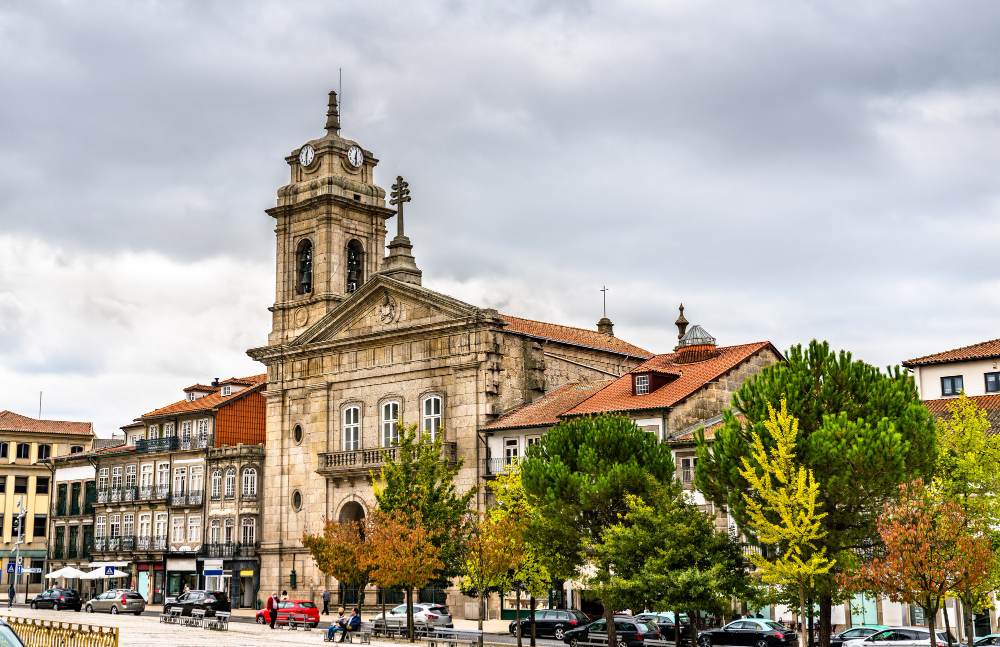
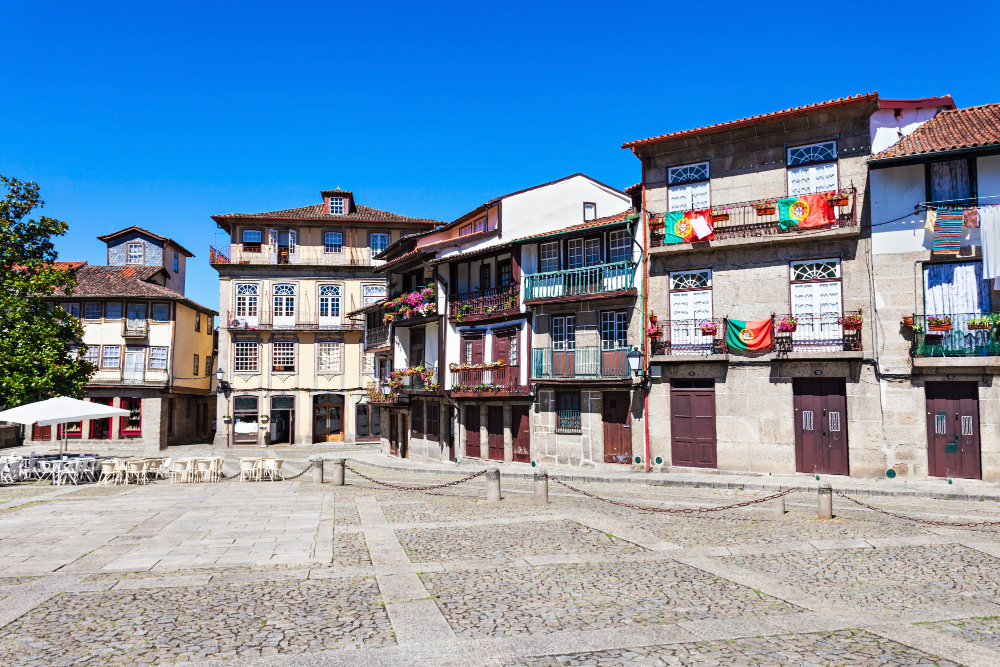
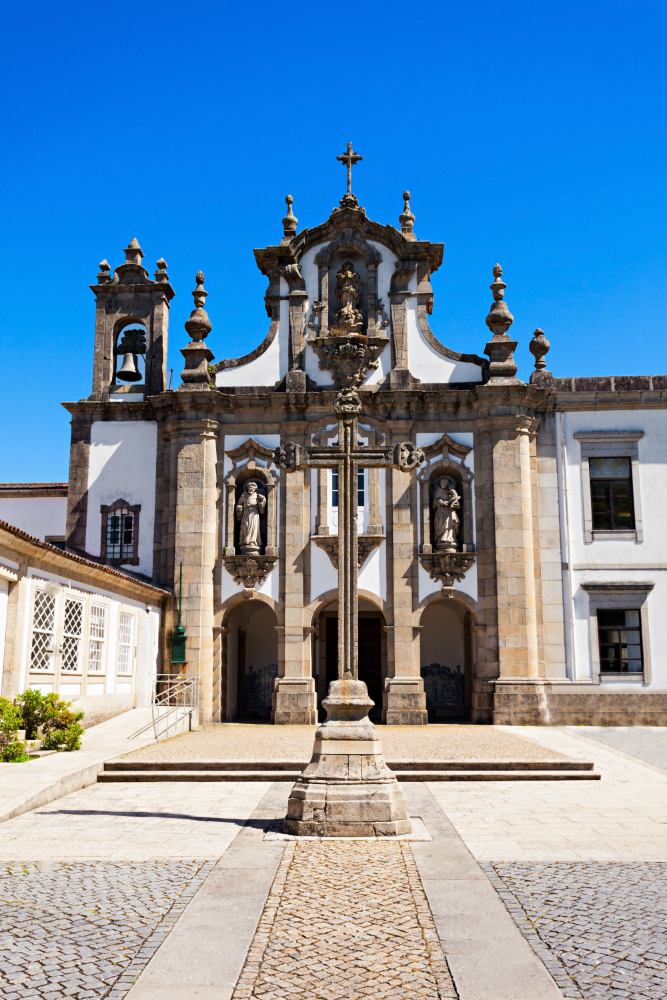
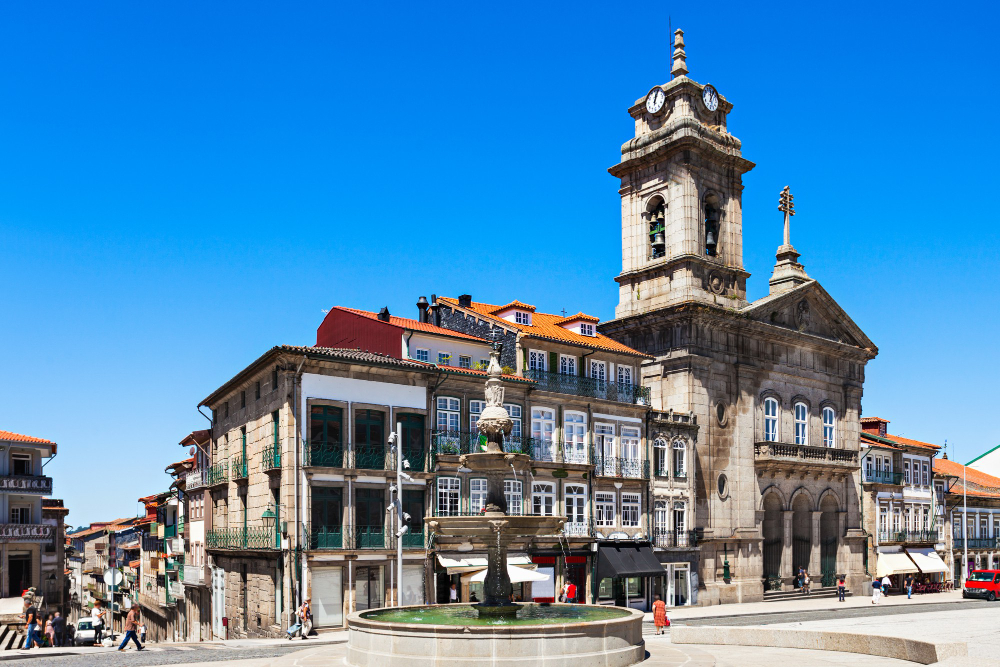
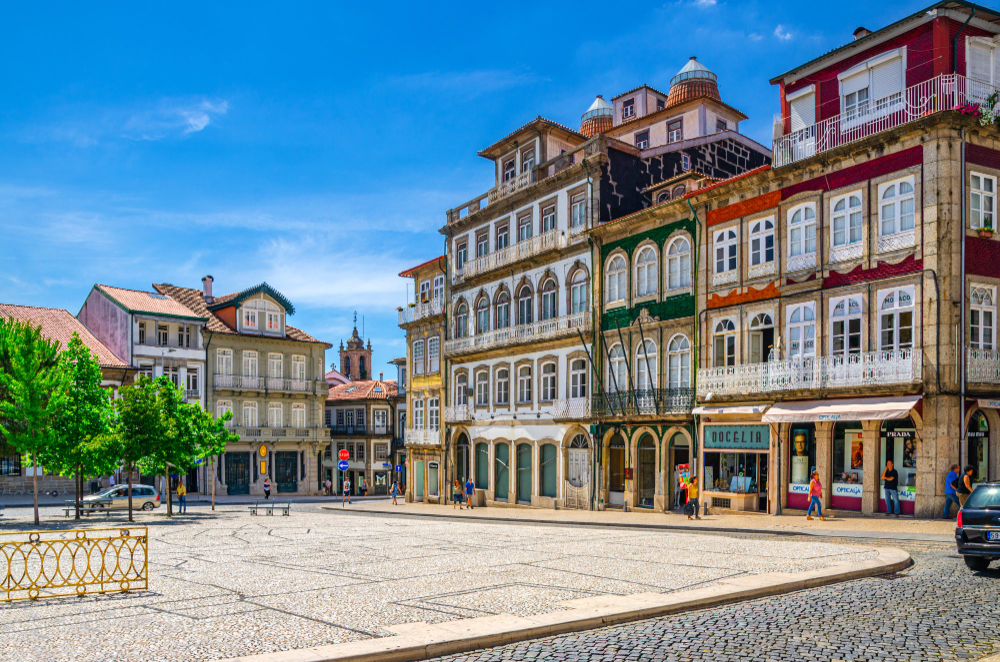
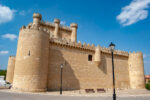
Architecture – A Kaleidoscope of Centuries – Anyone strolling through the cobbled alleys of the old town will encounter a panorama of diverse architectural styles. From Gothic churches to Renaissance palaces and Baroque façades, Guimarães presents itself as an architectural kaleidoscope. Particularly striking is Guimarães Castle, which towers high above the town. Its massive walls and towers are not only a popular photo opportunity but also convey a sense of the town’s strategic importance in the Middle Ages. Just a few steps away stands the Palace of the Dukes of Braganza, a magnificent 15th-century building that, with its battlements and turrets, has an almost fairy-tale quality. But even the less famous buildings have their own charm. Narrow alleyways lined with colourful houses, cosy squares with outdoor cafés and hidden courtyards invite you to linger and offer glimpses into the daily lives of the locals.
Cultural Life – Keeping Tradition Alive – Guimarães is more than just a historical treasure – it is a vibrant city that blends tradition with modernity. Numerous festivals and events bear witness to a strong cultural identity. Every year in August, the São Mamede Festival takes place, celebrating the founding of the Portuguese nation. Through parades, music and traditional dances, history is kept alive whilst strengthening the community. Another highlight is the Guimarães International Film Festival, which promotes cinematic diversity and creative exchange. The local cuisine also contributes to the city’s vibrancy. Local specialities such as ‘Papas de Sarrabulho’ (a hearty porridge) or ‘Rojões’ (marinated pork) reflect the region’s culinary culture. In the numerous restaurants and taverns of the old town, visitors can enjoy these delicacies whilst soaking up the city’s atmosphere.
Nature and the Surroundings – Discovering Green Oases – As well as its historic centre, Guimarães captivates visitors with its setting amidst picturesque countryside. The green surroundings are ideal for walks, cycle rides and excursions into nature. The nearby Penha Mountain, for example, not only offers spectacular views over the city and the surrounding countryside, but also features a park with walking trails, via ferrata routes and a cable car. The region’s rich flora and fauna can be explored along numerous trails, which often pass by small chapels or old farmhouses. This blend of nature, history and culture makes the Guimarães experience particularly multifaceted.
Economy and Innovation – With a Firm Eye on the Future – Whilst tradition and history play a significant role in shaping Guimarães, the city has also developed into a modern business hub. The textile industry, in particular, has a long-standing tradition here and remains an important sector of the economy to this day. Innovative companies combine technical progress with tried-and-tested methods, thereby safeguarding jobs and competitiveness. Furthermore, the city invests in promoting the creative industries, start-ups and education. The wide range of schools and higher education institutions attracts young people and ensures that Guimarães is not just a place of the past, but also of the future.
Planning a visit – tips and advice – Travellers are well advised to stay for several days to truly appreciate the diversity of Guimarães. We recommend taking a guided tour of the old town to discover the stories behind the façades. Many museums, including the Alberto Sampaio Historical Museum, enrich your understanding of local history and culture. Accommodation options range from charming boutique hotels in the historic city centre to modern hotels and guesthouses in the surrounding area. For nature lovers, holiday flats or country estates are also an option, offering a chance to enjoy the tranquillity and beauty of the countryside. Whether it’s spring with its blossoming gardens, summer festivals or the mild autumn with its colourful countryside – every season has its own charm and makes Guimarães a worthwhile destination.
Guimarães, a living history book – Guimarães is far more than just another town in Portugal. It tells the story of a nation that took shape in this very place and keeps the memory of it alive against a striking backdrop. The combination of historical heritage, cultural diversity, natural beauty and contemporary development makes Guimarães a fascinating destination. Anyone who takes the time to explore this city will not only discover fascinating buildings and exciting traditions, but will also experience the soul of Portugal in all its facets. A visit to Guimarães is therefore always a journey into the past and, at the same time, an experience of the present.