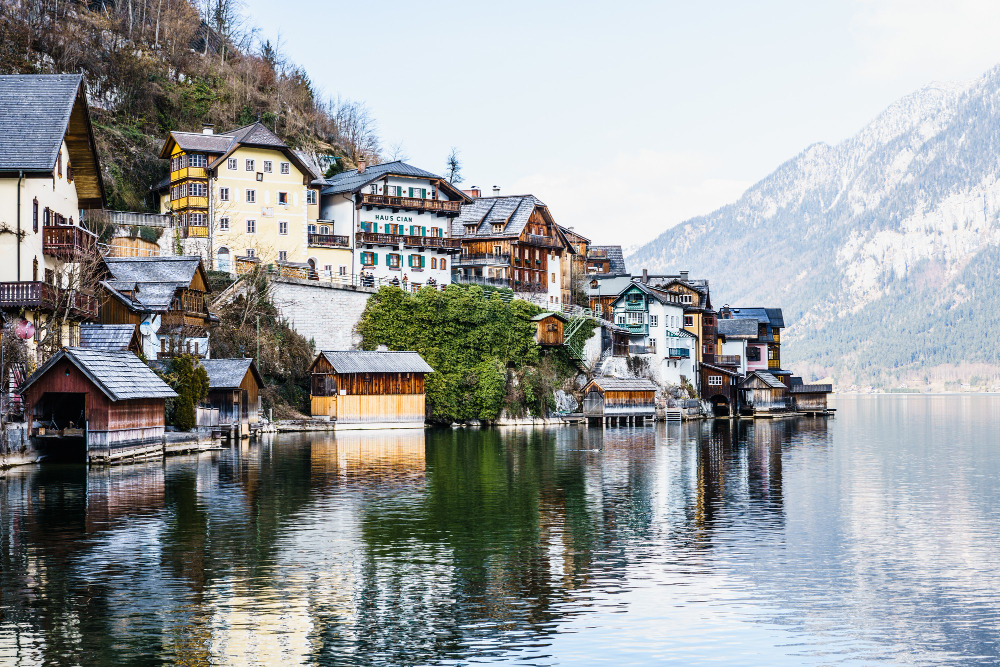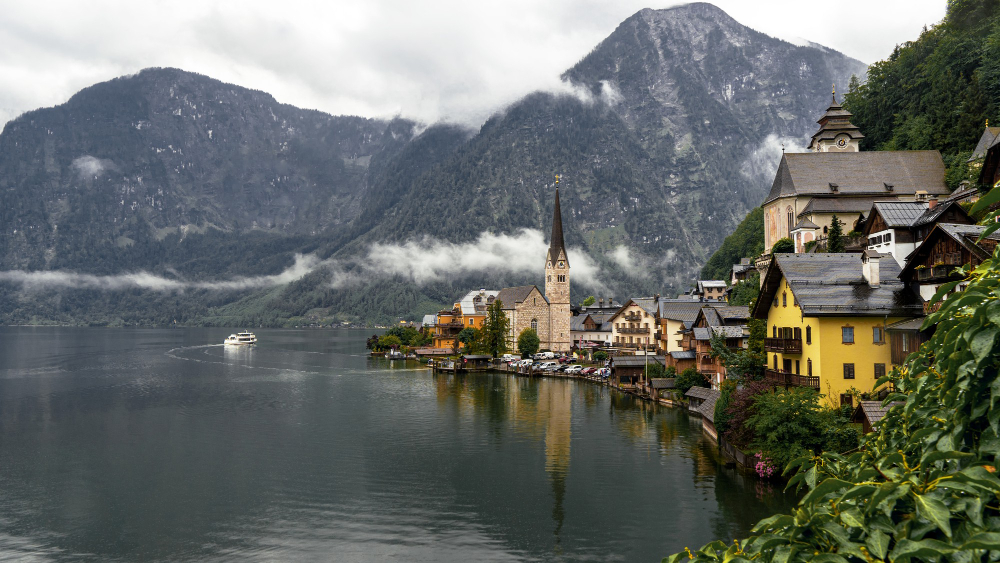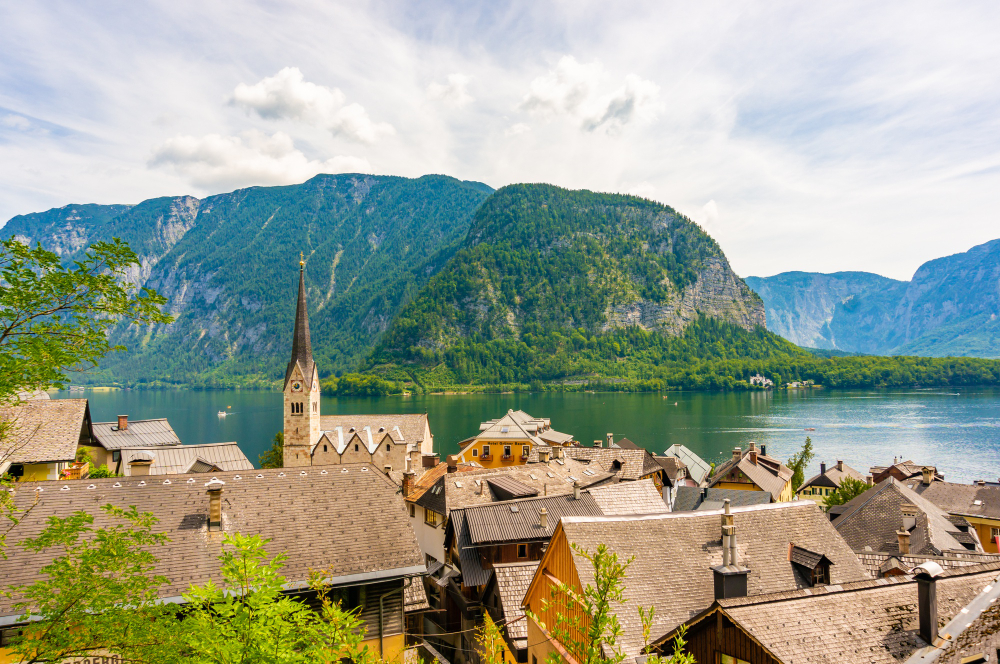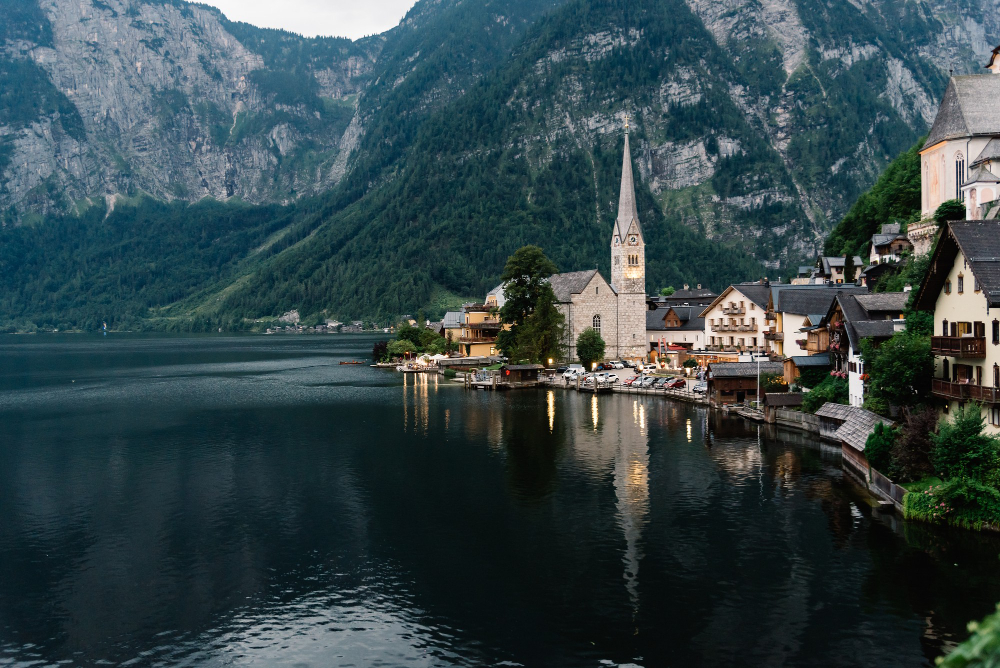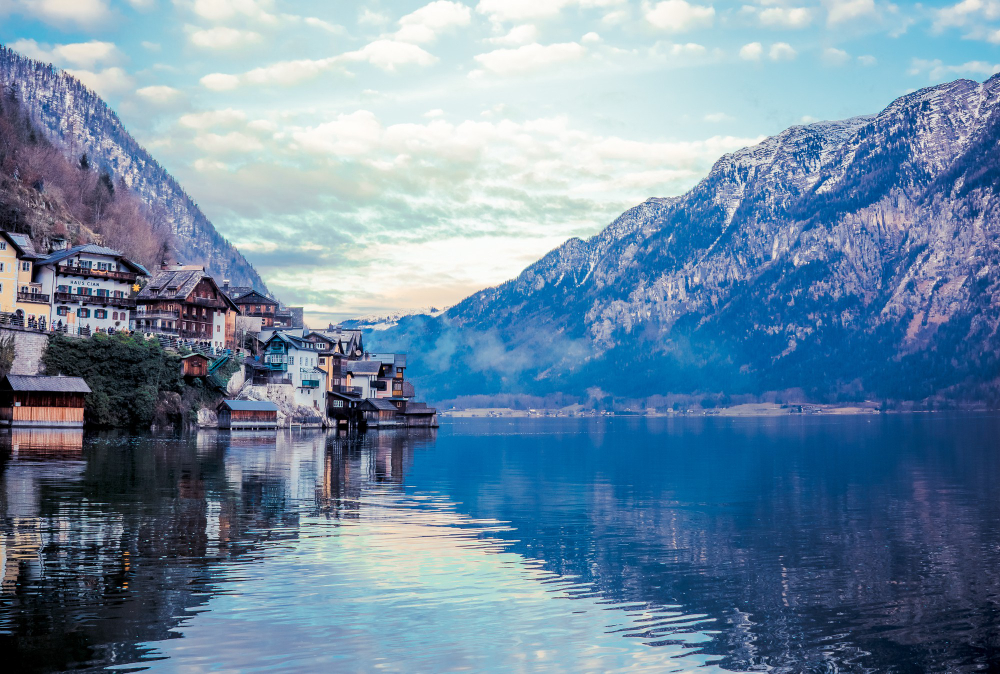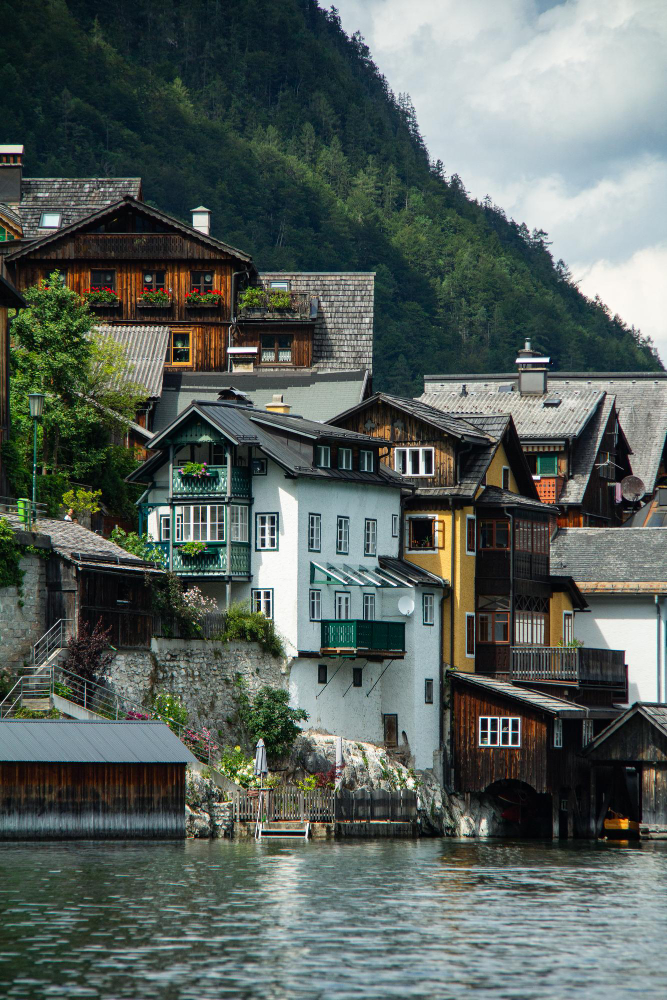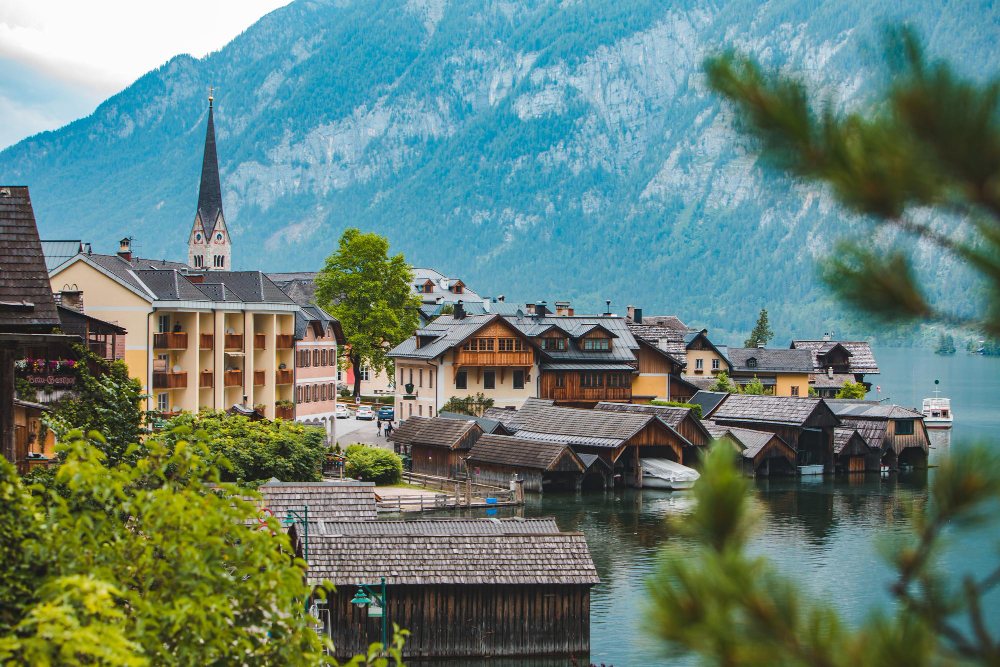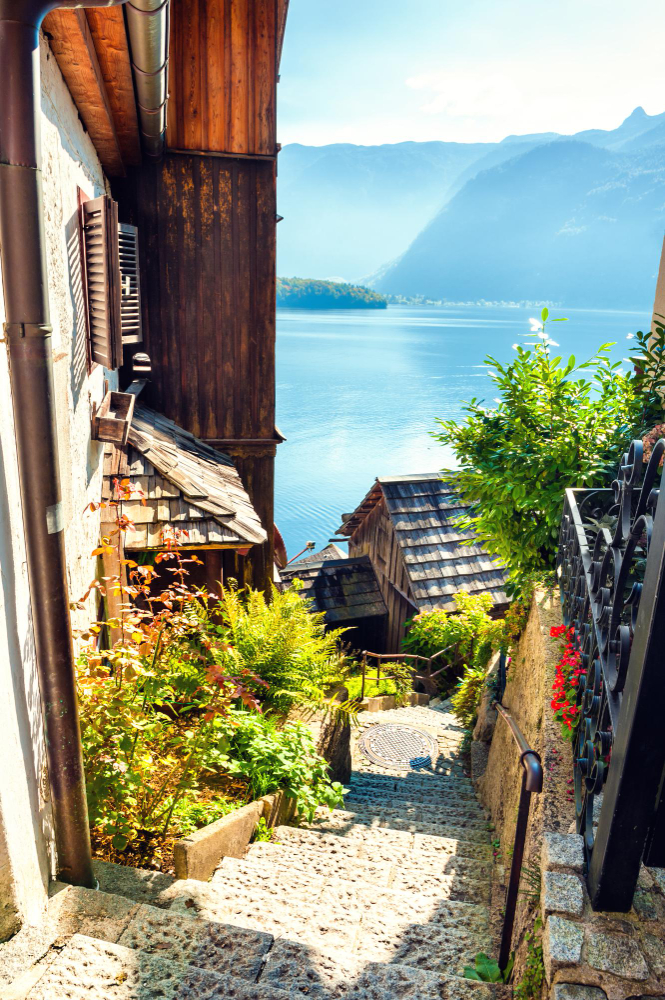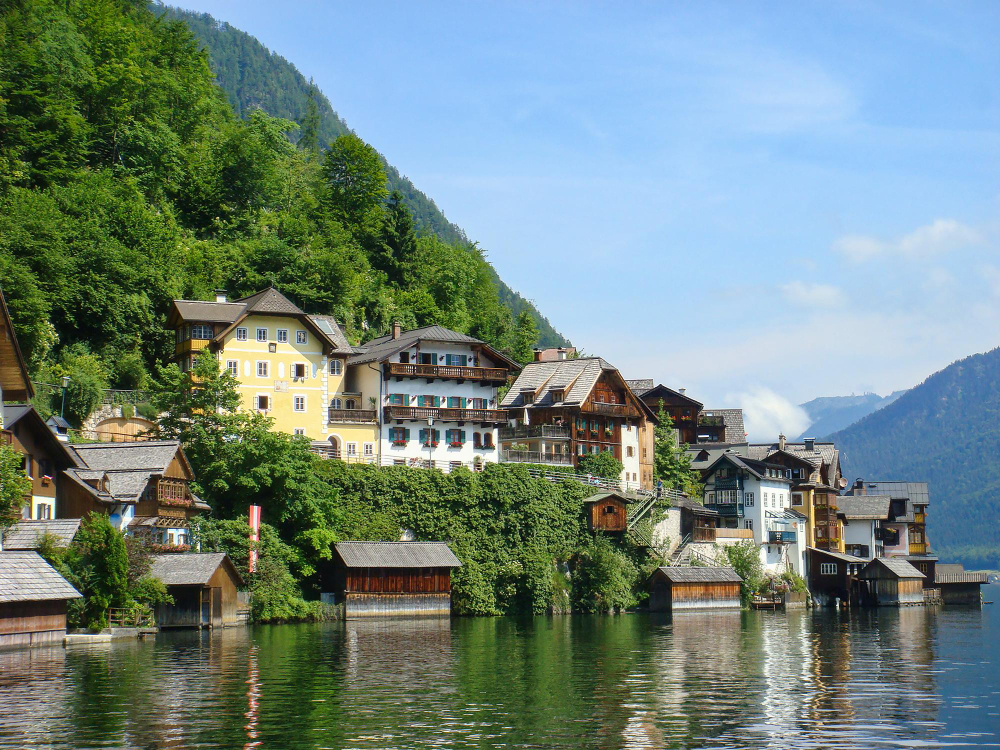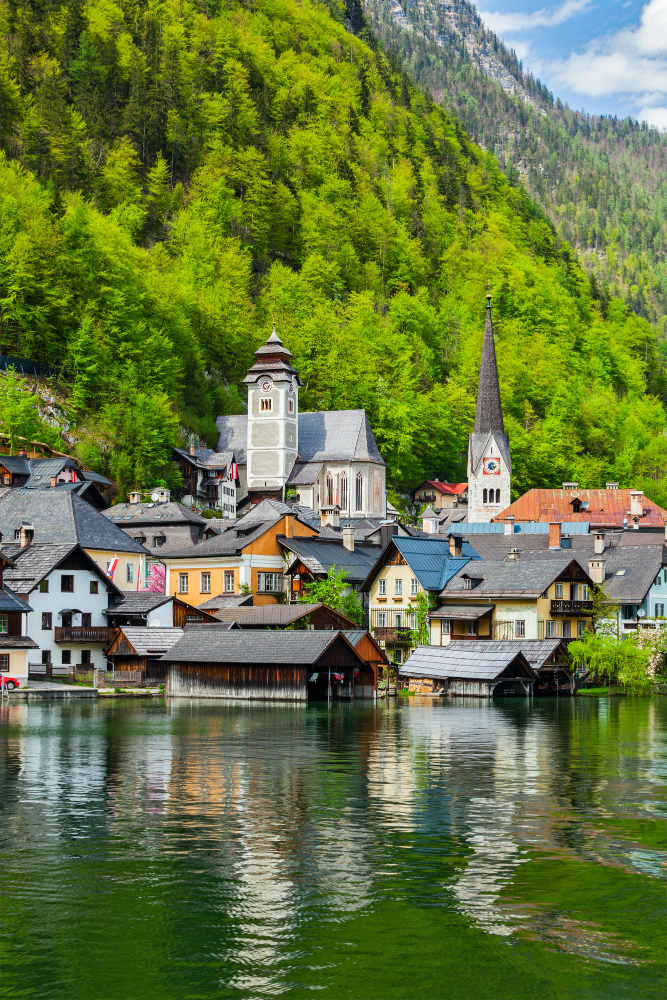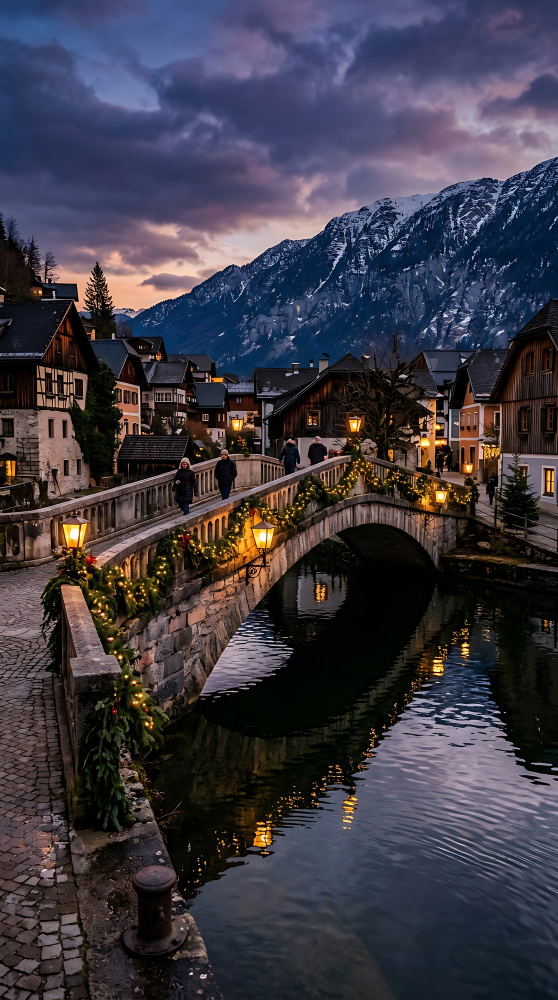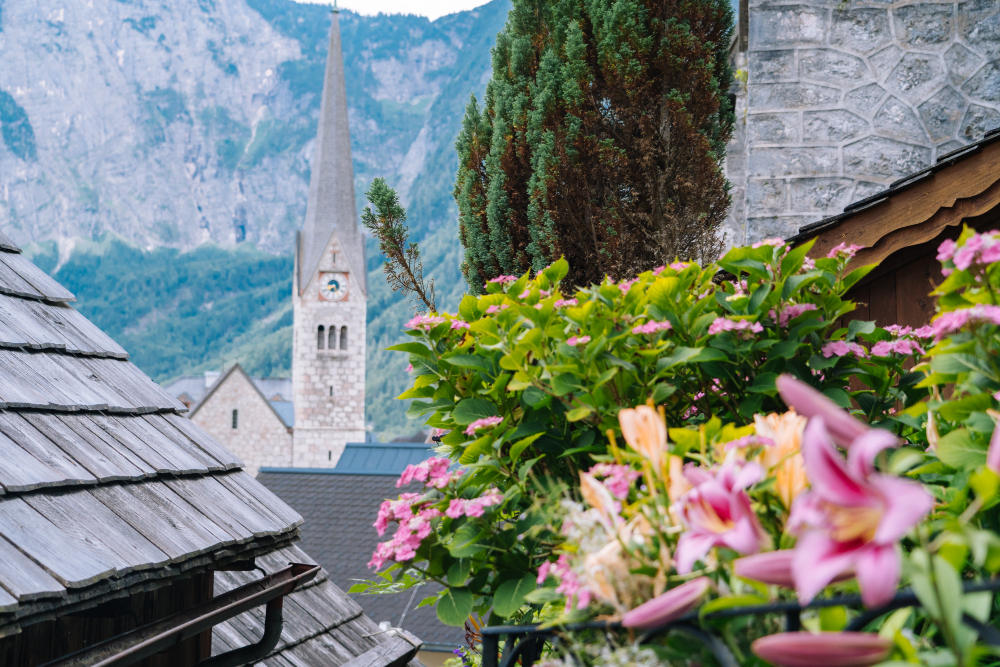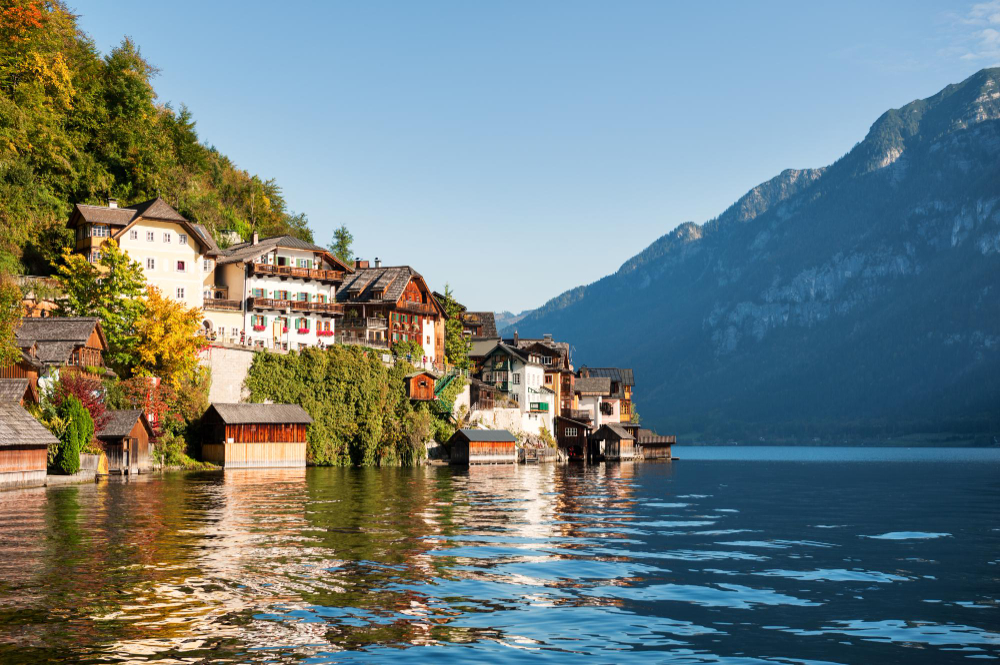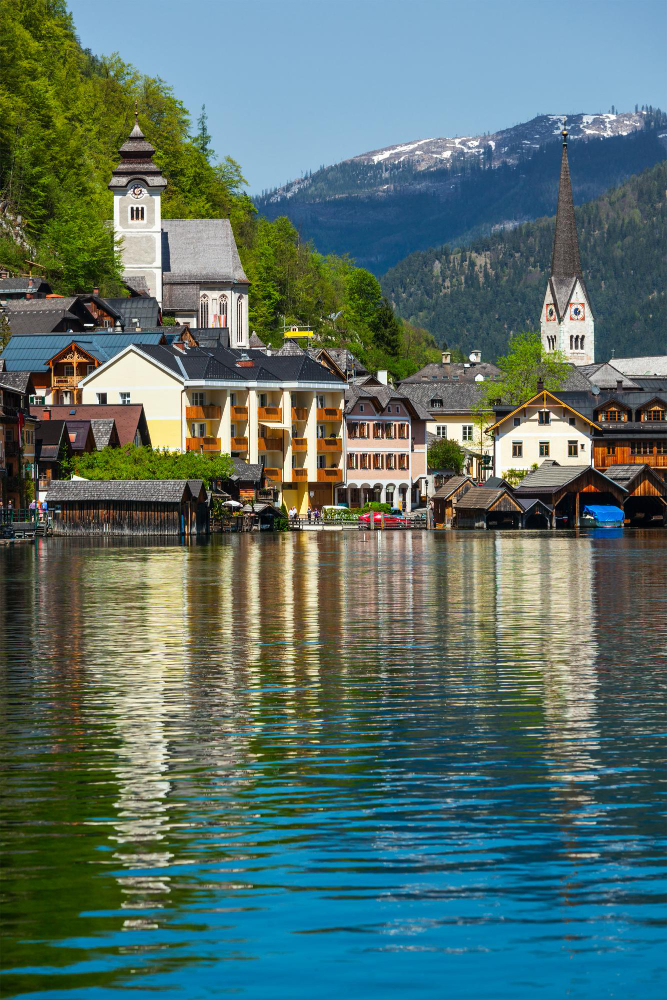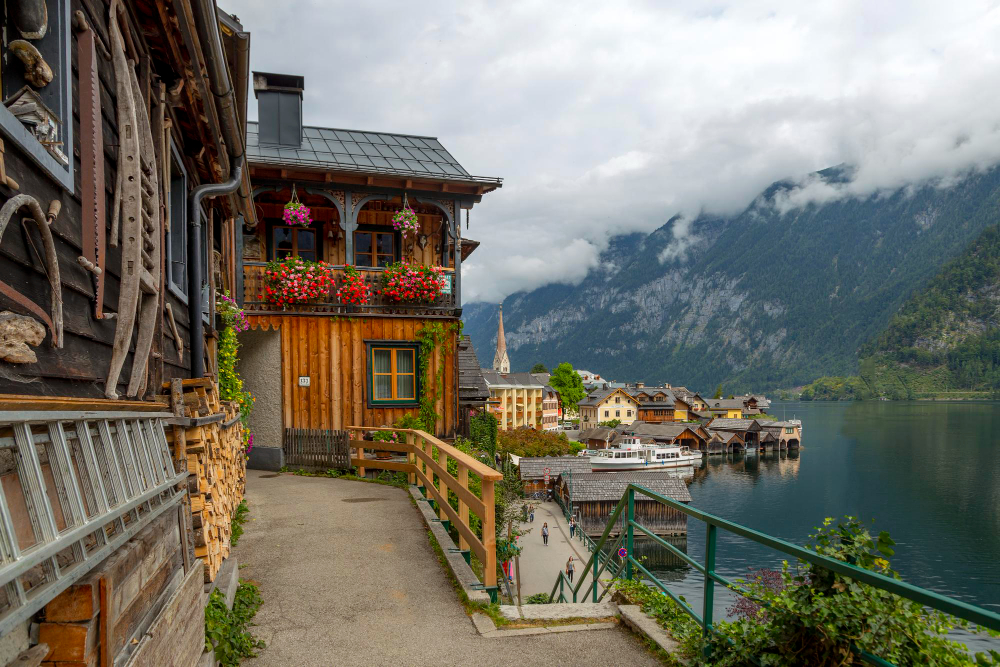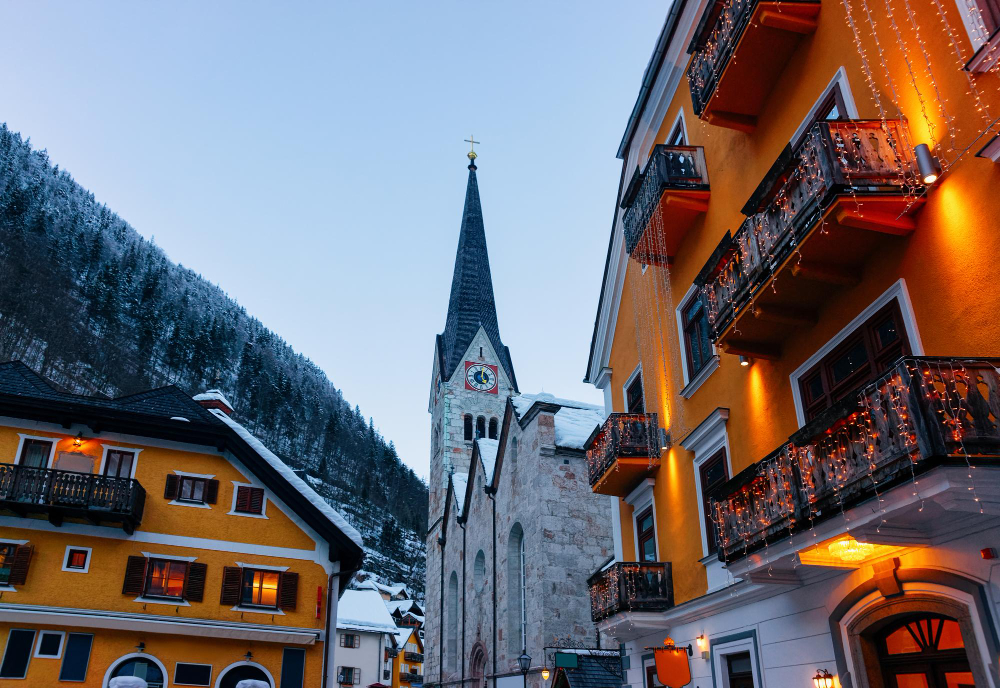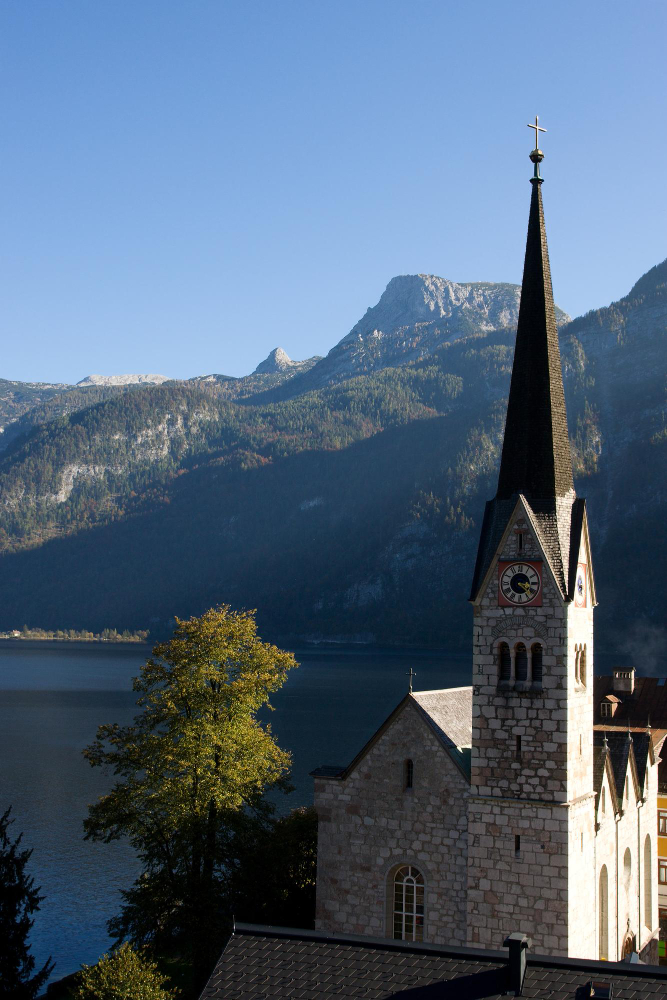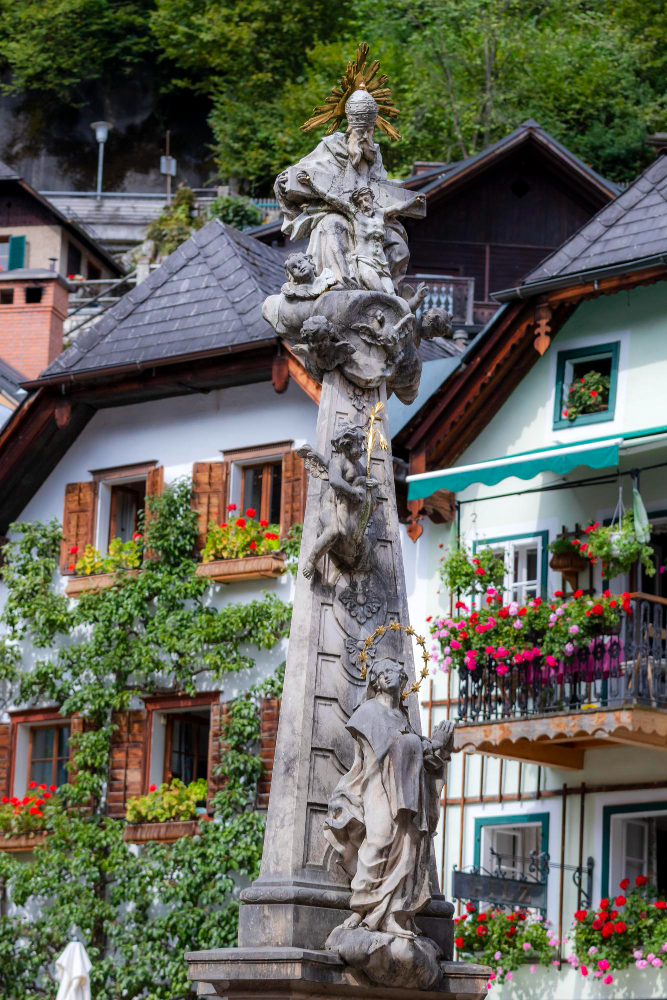
In the heart of the picturesque Salzkammergut, nestled between steep rock faces and the crystal-clear Lake Hallstatt, lies the small village of Hallstatt. This village is far more than just an idyllic spot: it is a living testament to thousands of years of history, a significant archaeological centre and a fascinating destination for lovers of culture and nature alike. The discovery of Hallstatt and the meticulous research carried out there offer fascinating insights into the development of human civilisations in Central Europe.
One of Europe’s oldest settlements – Hallstatt’s history dates back to the Bronze Age, around 1200 BC, as archaeological finds attest. Of particular note, however, is the so-called Hallstatt period, an era of the Early Iron Age (c. 800–450 BC), which was named after the village. This period is regarded as the dawn of a cultural renaissance in Central Europe, the significance of which brought Hallstatt to prominence beyond the region. Archaeological excavations in the 19th and 20th centuries revealed numerous burial mounds and settlement remains here, suggesting the existence of a highly developed society. The people of the Hallstatt cultural sphere were already engaged in intensive salt mining, which played a key role in securing their economic power and influence. The precious ‘white gold’, as salt is often called, was a highly sought-after commodity at the time, linking Hallstatt with other regions and bringing prosperity.
Salt – a precious raw material and lifeblood – Salt has had a particularly significant impact on Hallstatt’s history. Mining for this white mineral began here more than 3,000 years ago and is among the oldest in the world. It was extracted from underground tunnels, some of which can still be visited today. Salt was not only a food preservative but also a commodity that enabled the community’s prosperity and made the region an important hub on ancient trade routes. Even in prehistoric times, salt mining was a demanding craft. At that time, the workers used simple tools and techniques to laboriously extract the salt from the rock strata. Archaeological finds of mining machinery, clothing and even salt-encrusted tools provide a fascinating insight into the lives and challenges faced by these early miners.
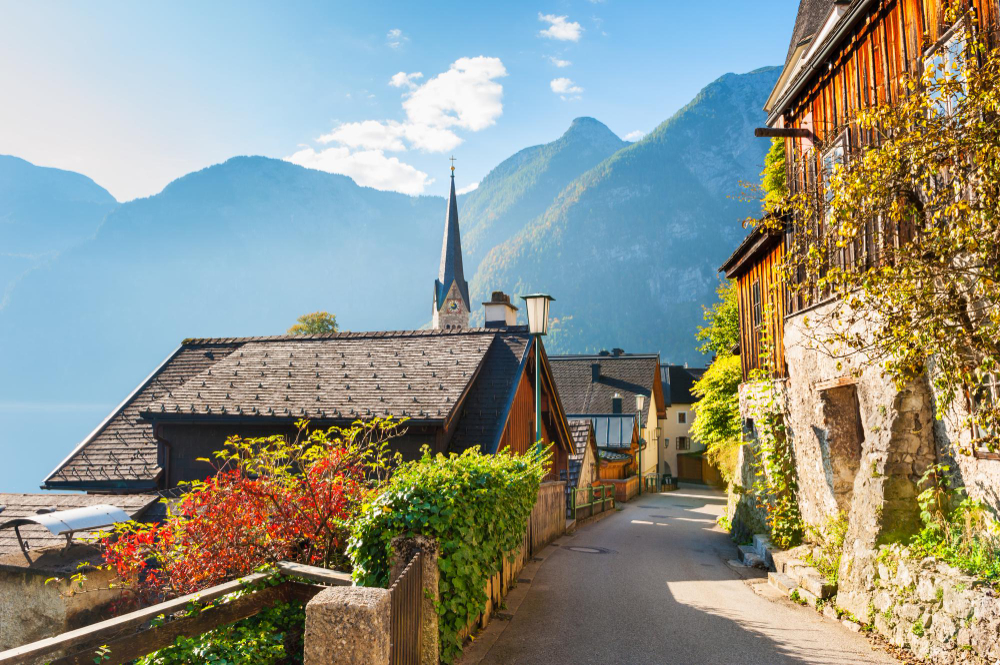
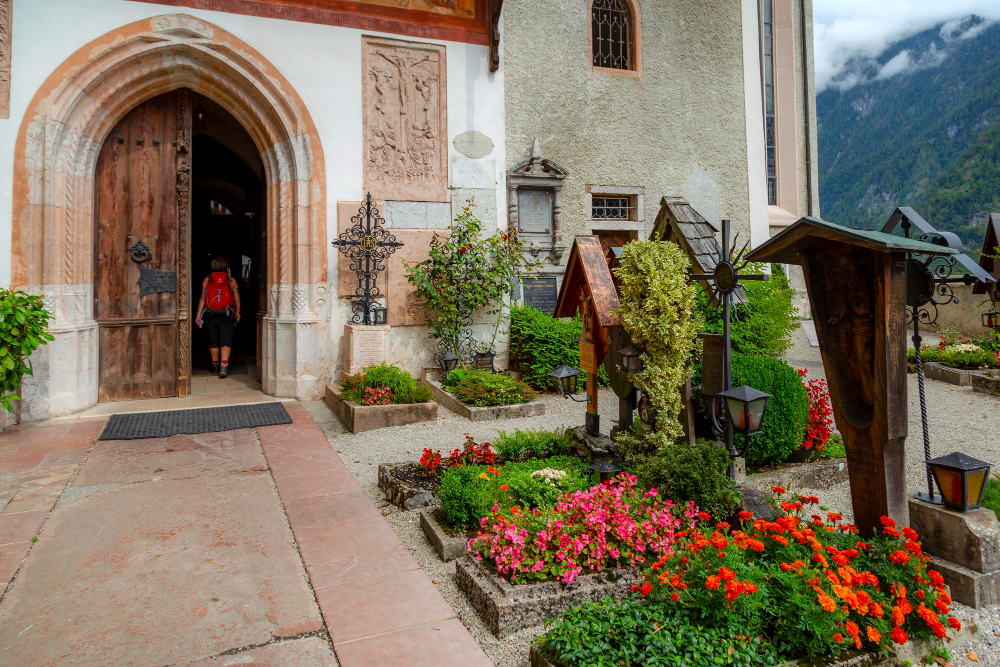
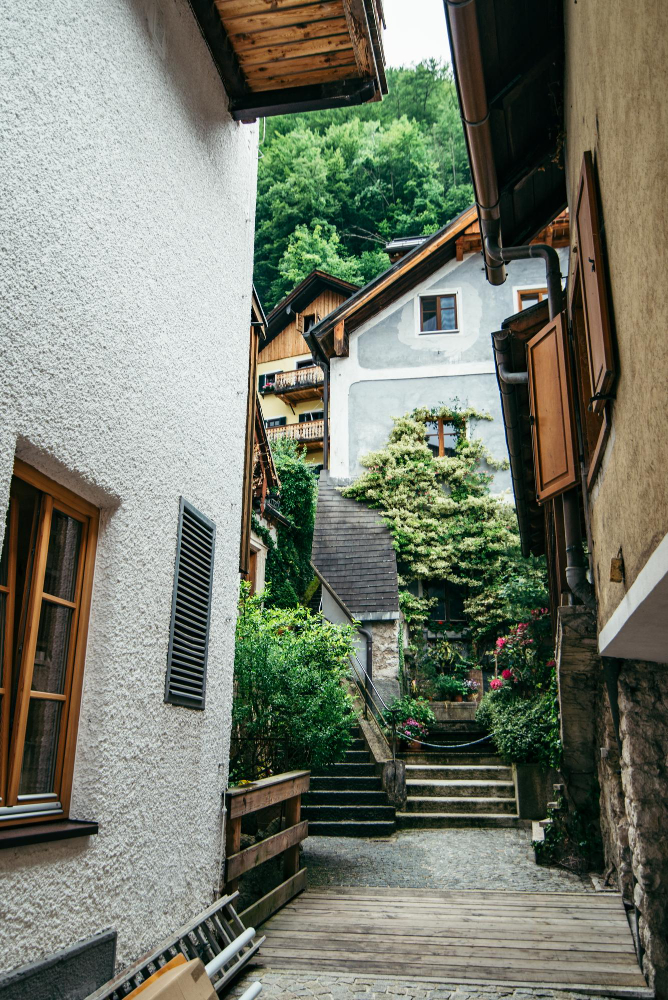
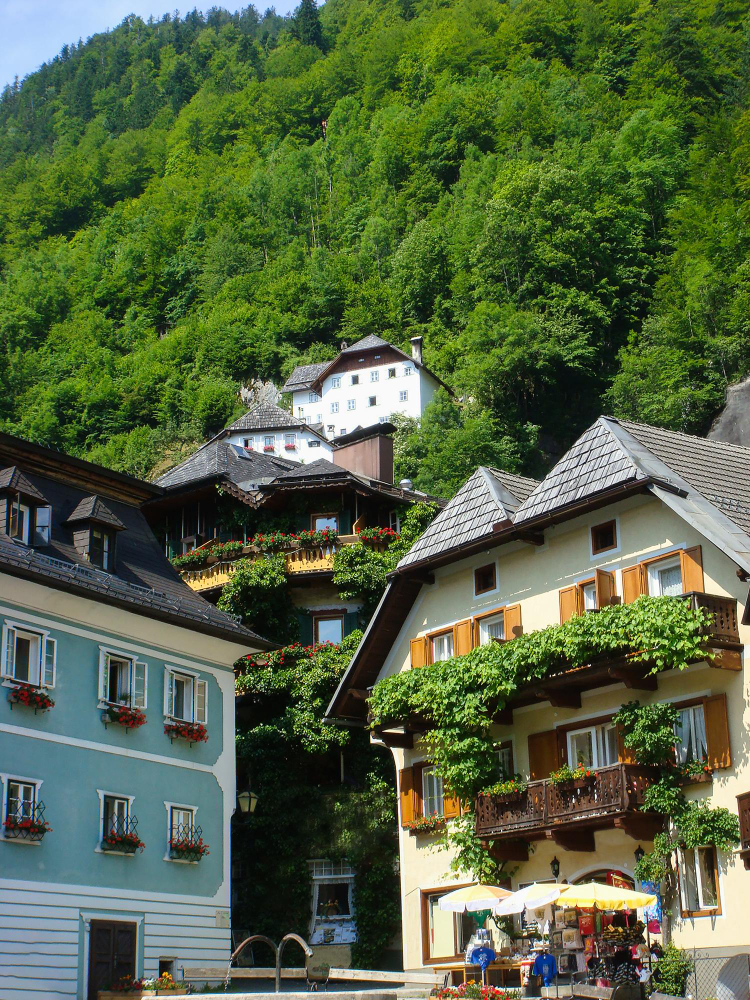
A UNESCO World Heritage Site of international significance – In 2010, Hallstatt, with its unique historical and scenic heritage, was designated a UNESCO World Heritage Site. This distinction honours not only its rich archaeological past but also the harmonious blend of nature and human creation. The townscape itself is a true gem: narrow alleyways, perfectly preserved timber-framed houses and ancient buildings reflect the tradition and character of this place. Hallstatt Church, with its famous ossuary housing artfully painted skulls, is an attraction that draws visitors from all over the world and offers a profound insight into the funeral customs of bygone eras.
A natural paradise and tourist experience – In addition to its rich history, Hallstatt entices visitors with its breathtaking natural scenery. Lake Hallstatt is crystal-clear and offers numerous opportunities for water sports, relaxing boat trips or walks along the lakeside promenade. The surrounding mountains invite hikers and climbers to enjoy a variety of routes. Particularly impressive is the Dachstein Massif region with its famous ice cave and the Skywalk, which offers spectacular views of the surrounding Alpine landscape. For nature lovers, Hallstatt also boasts a diverse range of flora and fauna – from the rare Alpine ibex to species-rich woodlands. This biodiversity makes the region of interest to scientists too and underlines the importance of protecting such sensitive habitats.
A vibrant community and cultural heritage – Despite its worldwide fame, Hallstatt has retained its authentic character. The residents, many of whom have lived here for generations, uphold traditions and customs that keep the town’s cultural heritage alive. Festivals, markets and craft activities play an important role in this. A particular highlight is the annual Salt Festival, which celebrates both the history and present-day aspects of salt mining. Here, visitors can enjoy folk performances and traditional music, as well as sample typical regional dishes – an ideal opportunity to immerse themselves in the local culture.
Exciting discoveries in the salt mines – One of the most fascinating attractions is the historic salt mines themselves. At the Hallstatt Salt Mine, visitors can now experience the underground world on specially organised guided tours. As well as exploring old tunnel systems, they learn a great deal about the history of salt mining, the miners’ working conditions and the technical processes of past centuries. The mines thus represent a living learning environment where the connection between history, technology and geology comes to life. They also offer exciting activities such as sliding through the salt tunnels or a ride on small mine carts – a treat for visitors of all ages.
Historical Connections and Cultural Influences – Hallstatt is also key to understanding the entire Hallstatt culture, which influenced large parts of Europe. Finds in Hallstatt provide evidence of transregional trade links, artistic developments and social structures within these cultures. The village is therefore also of great significance to historians and archaeologists. Furthermore, Hallstatt exemplifies how people and nature have interacted and shaped one another in an Alpine region over millennia. From the earliest settlers to the modern community, this has given rise to a place with a unique identity.
Hallstatt – the interplay of history, culture and nature – Hallstatt is far more than just a picture-postcard scene – it is a living history book, a natural gem and a cultural treasure that has fascinated people for centuries. The combination of its significant archaeological past, millennia-old salt mining and the impressive landscape makes Hallstatt an unrivalled experience. Anyone visiting this place can delve into the depths of European history, enjoy unspoilt nature and experience the warm atmosphere of a mountain village steeped in tradition. Hallstatt tells a story of human ingenuity, community and the eternal connection to the earth – a story just waiting to be discovered and experienced.