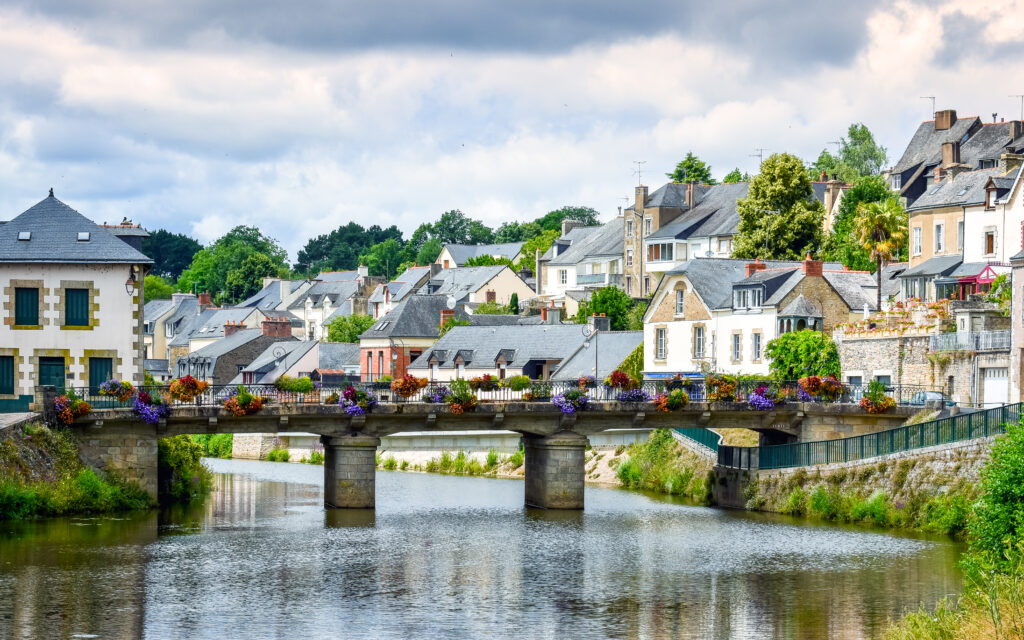
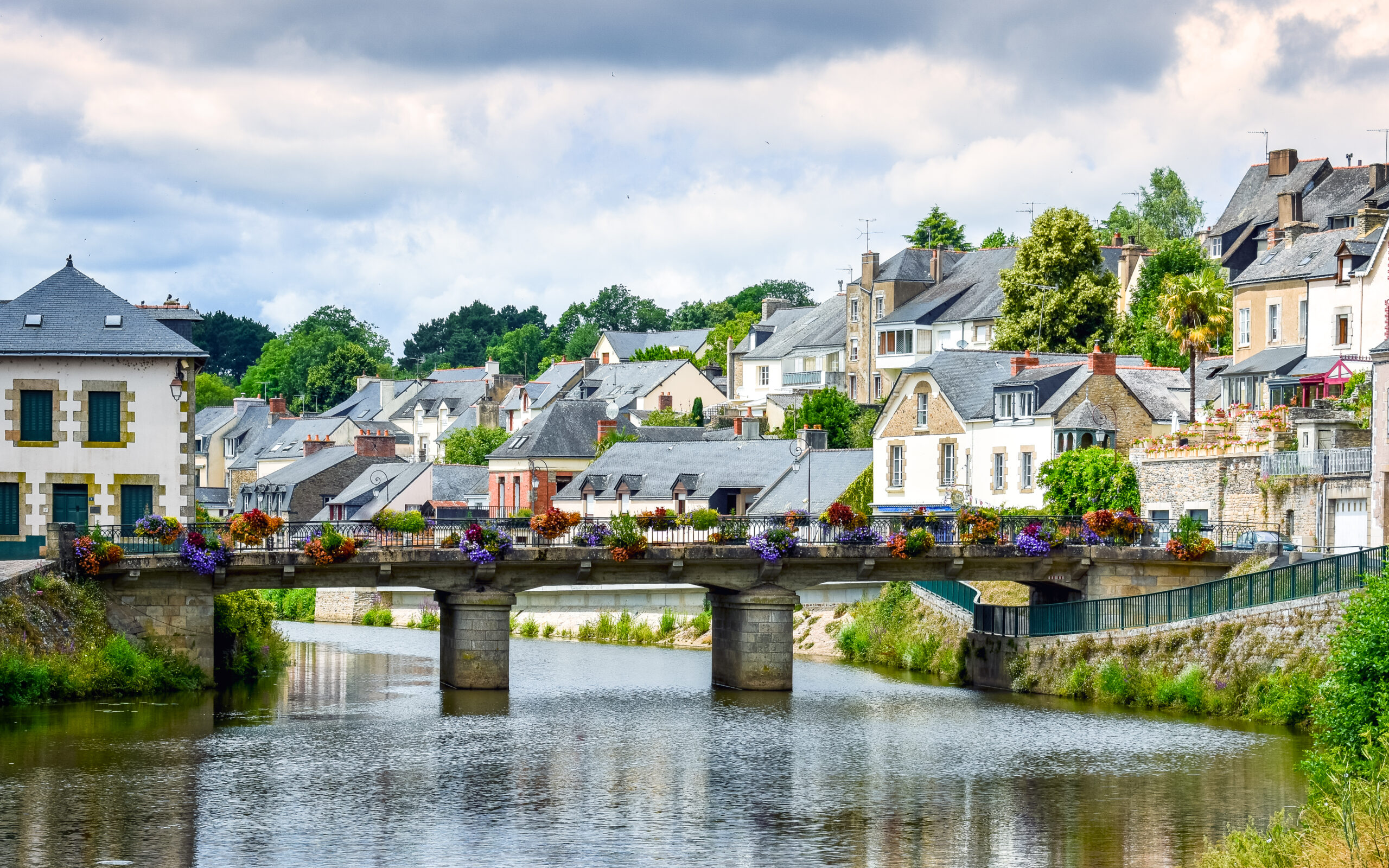
Located in the heart of Brittany, Josselin is a town that tells stories of battles, romance, and resilience. With its picturesque location on the River Oust and its majestic medieval castle, Josselin is more than just a charming French town—it is a living museum of history and culture. This article takes you on a fascinating journey through the centuries, revealing the hidden treasures and unknown stories of this remarkable town.
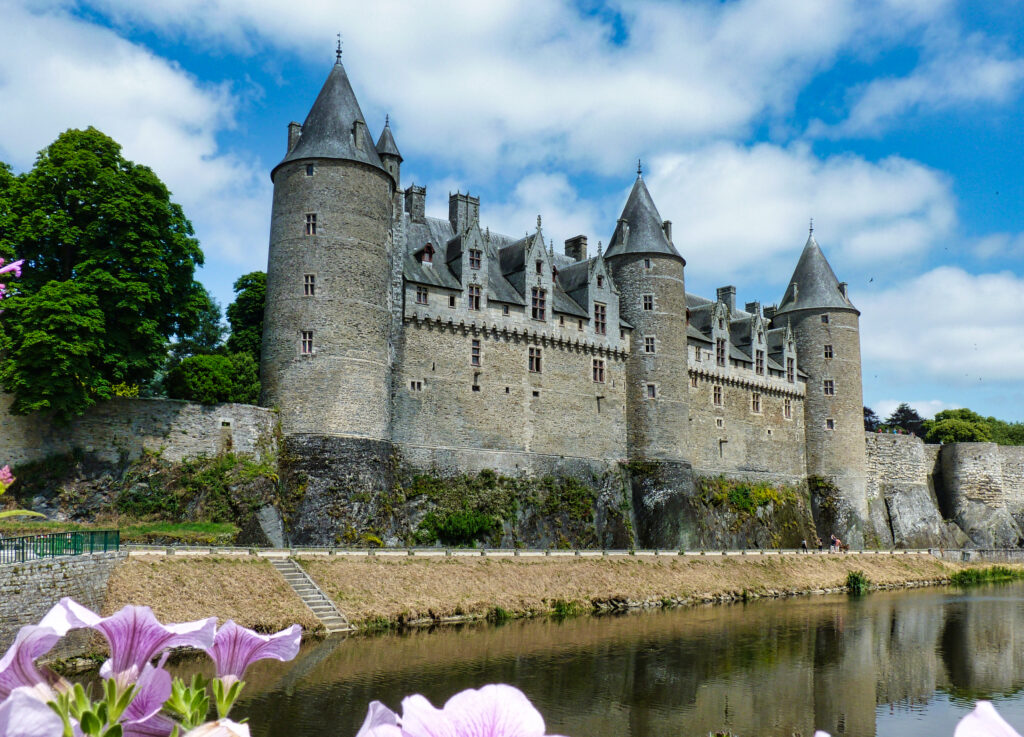
The beginnings of Josselin: A fortress born of conflict – The history of Josselin dates back to the early 11th century, when Guéthénoc, Viscount of Porhoët, recognized the strategic importance of the site. Amidst the turmoil of feudal rivalries, he built a wooden fortress on a rocky outcrop overlooking the River Oust. This fortress developed into the impressive Château de Josselin, a symbol of power and defiance.
By the 12th century, Josselin had become a focal point of the turbulent politics of the Duchy of Brittany. Due to conflicts between rival noble families, the castle changed hands frequently. One of the most significant sieges took place in 1168, when Henry II of England captured the town during his campaign against the rebellious Breton nobility. Despite these upheavals, Josselin began to flourish as a center of trade and craftsmanship.
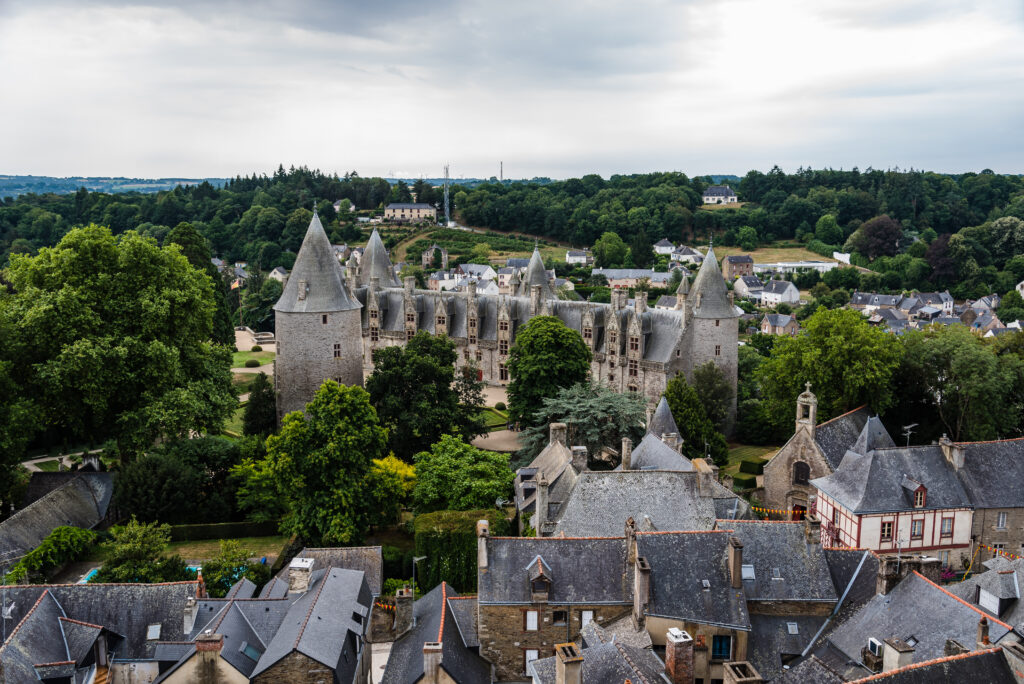
Château de Josselin: Majesty and Mystery – Rebuilt in stone in the late 14th century by Olivier de Clisson, the Château de Josselin remains the crown jewel of the town. Its Gothic façade, decorated with intricately carved gargoyles and statues, bears witness to the architectural brilliance of that era. But behind its splendor lies a wealth of intrigue and lore.
One of the most enchanting legends associated with the castle is that of the “White Lady.” According to the story, a lady in white is said to wander the halls of the castle on moonlit nights. Her ghostly presence is linked to the tragic fate of Marguerite de Rohan, a noblewoman who was imprisoned in the castle in the 15th century.
Religious unrest and the Renaissance – The Protestant Reformation in the 16th century brought another wave of unrest to Josselin. The predominantly Catholic town became embroiled in France’s religious wars. The Huguenots, French Protestants, besieged the town several times, causing widespread destruction.
However, the Renaissance also brought with it a cultural revival. The Château de Josselin was renovated to reflect contemporary tastes in art and architecture. The Rohan family, influential patrons of the arts, decorated the castle with magnificent tapestries, paintings, and sculptures. The establishment of religious institutions such as the Basilica of Notre-Dame-du-Roncier further enriched the cultural landscape.
The French Revolution: Upheaval and Change – At the end of the 18th century, the winds of revolution swept through Josselin. The French Revolution, with its call for liberty and equality, turned centuries-old feudal traditions upside down. The Château de Josselin, once a symbol of aristocratic power, witnessed fierce fighting between royalist and revolutionary forces. The town’s records from this turbulent period tell stories of bravery, betrayal, and the tireless pursuit of a new social order.
A notable event was the conquest and partial destruction of the castle by revolutionary troops in 1793. Despite the chaos, the inhabitants of Josselin showed remarkable resilience and rebuilt their homes and community after the turmoil.
Revival in the 19th and 20th centuries – Josselin experienced an upswing at the beginning of the 19th century. The Industrial Revolution brought technological advances that modernized the town’s infrastructure. The arrival of the railroad connected Josselin to major cities and ushered in an era of prosperity and growth.
During World War II, Josselin played a crucial role in the French Resistance. The town’s strategic location made it an important link in the network of resistance fighters who rebelled against the German occupation. Brave men and women risked their lives to sabotage enemy operations and aid the Allies, leaving an indelible mark on the city’s history.
Preserving cultural heritage: Josselin today – Today, Josselin is a vibrant city that balances historical preservation with modern life. The carefully restored Château de Josselin remains a major attraction, drawing visitors from around the world. The town hosts the annual “Fête des Remparts” (Festival of the Ramparts), a medieval market that transports visitors back to the time of knights and troubadours.
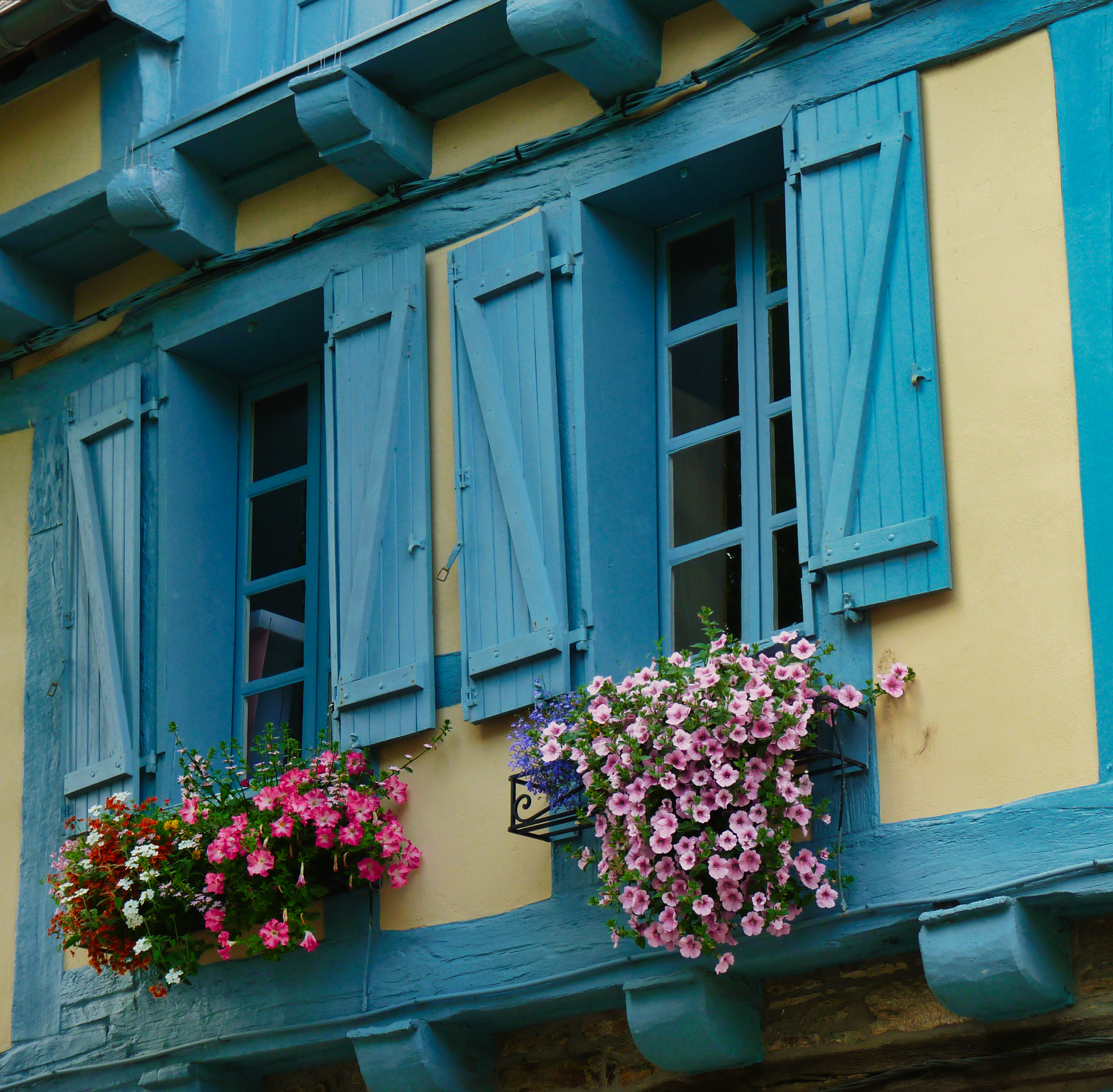
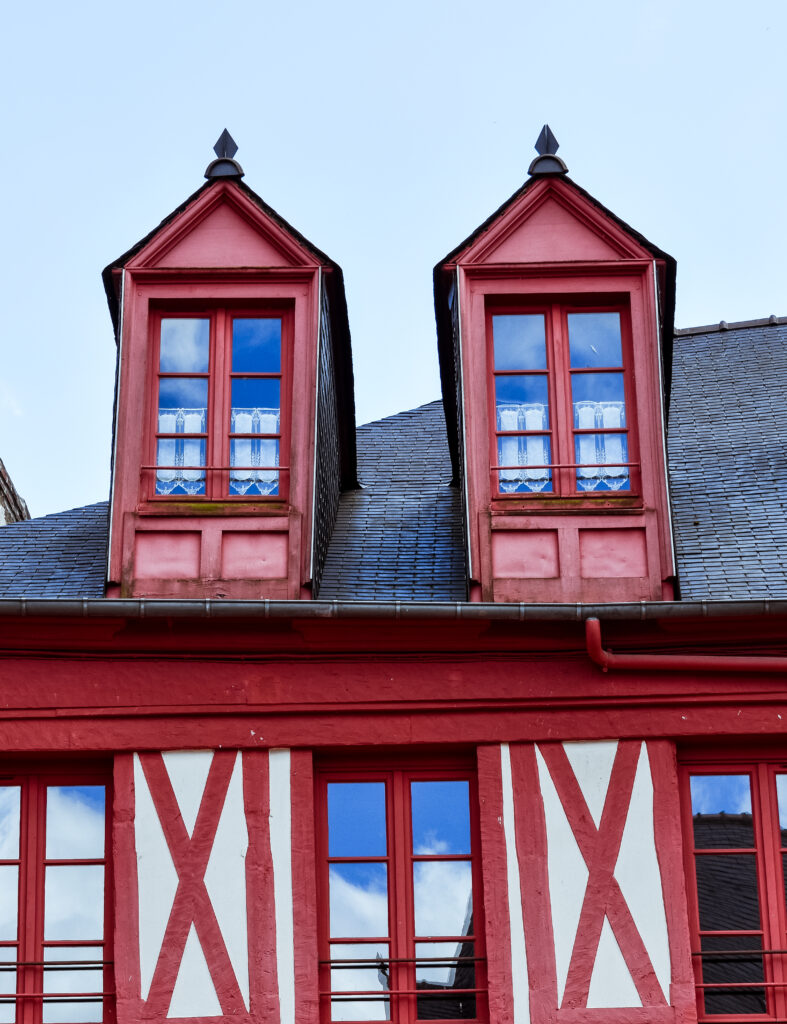
Strolling through the cobbled streets of Josselin, one cannot help but admire the well-preserved half-timbered houses, each with its own story to tell. The town’s numerous museums and galleries offer a deeper insight into its rich heritage, while local artisans keep traditional crafts alive.
A mosaic of time – Josselin, with its blend of natural beauty and historical significance, is more than just a destination, it is an experience. From its beginnings as a fortified stronghold to its role in shaping the cultural and political landscape of France, Josselin is a testament to the resilience and spirit of its inhabitants. Whether you’re exploring the majestic Château de Josselin, strolling through the ancient streets, or participating in lively festivals, Josselin offers a unique glimpse into the past while embracing the present. It is a town where history is not only remembered but lived, a true gem in the heart of Brittany.