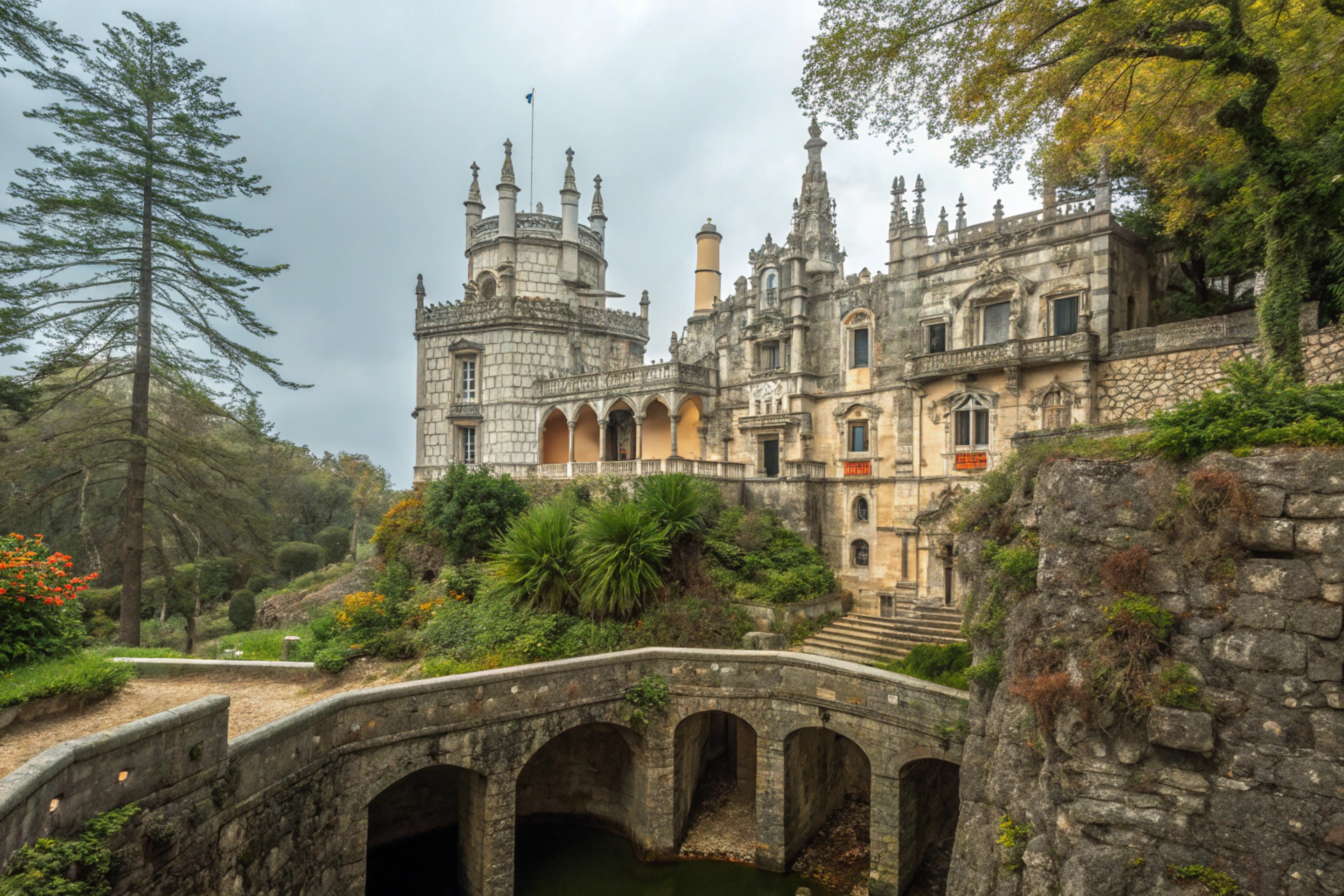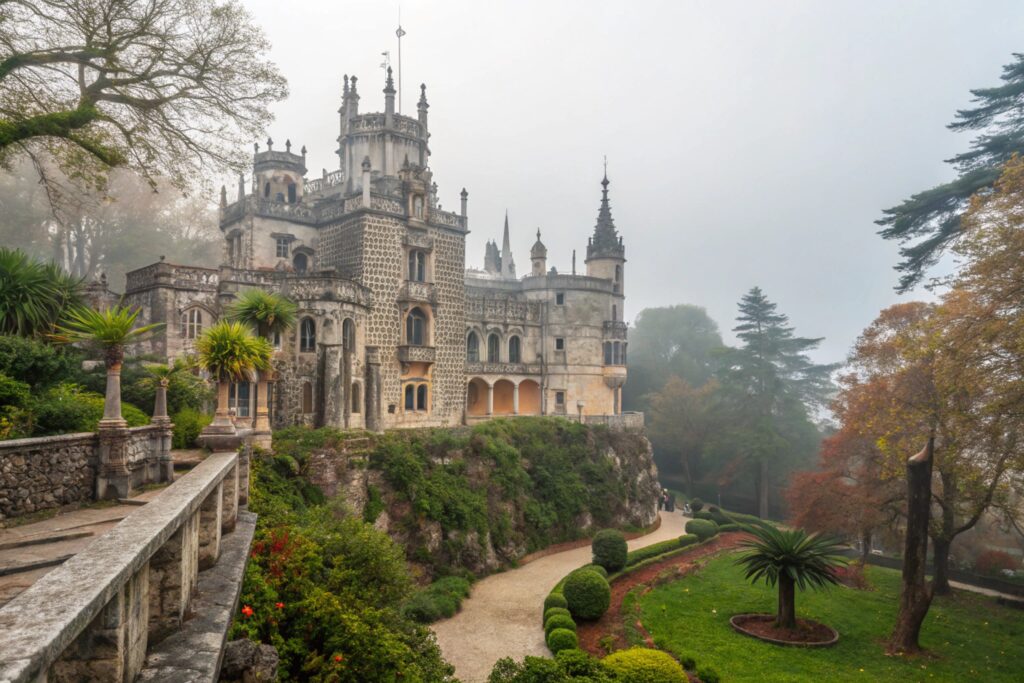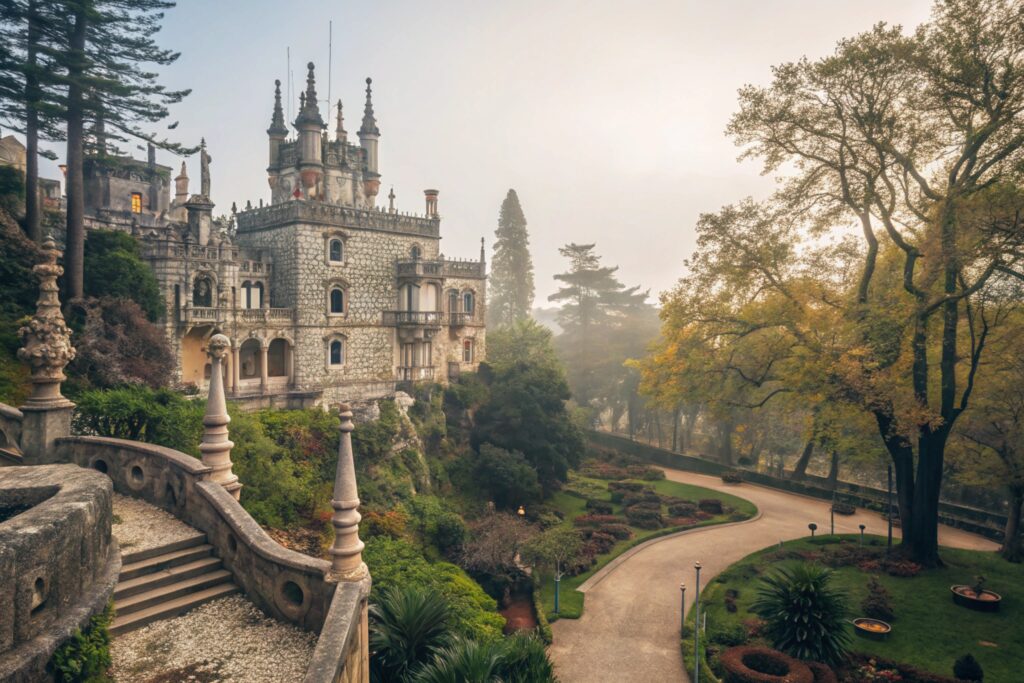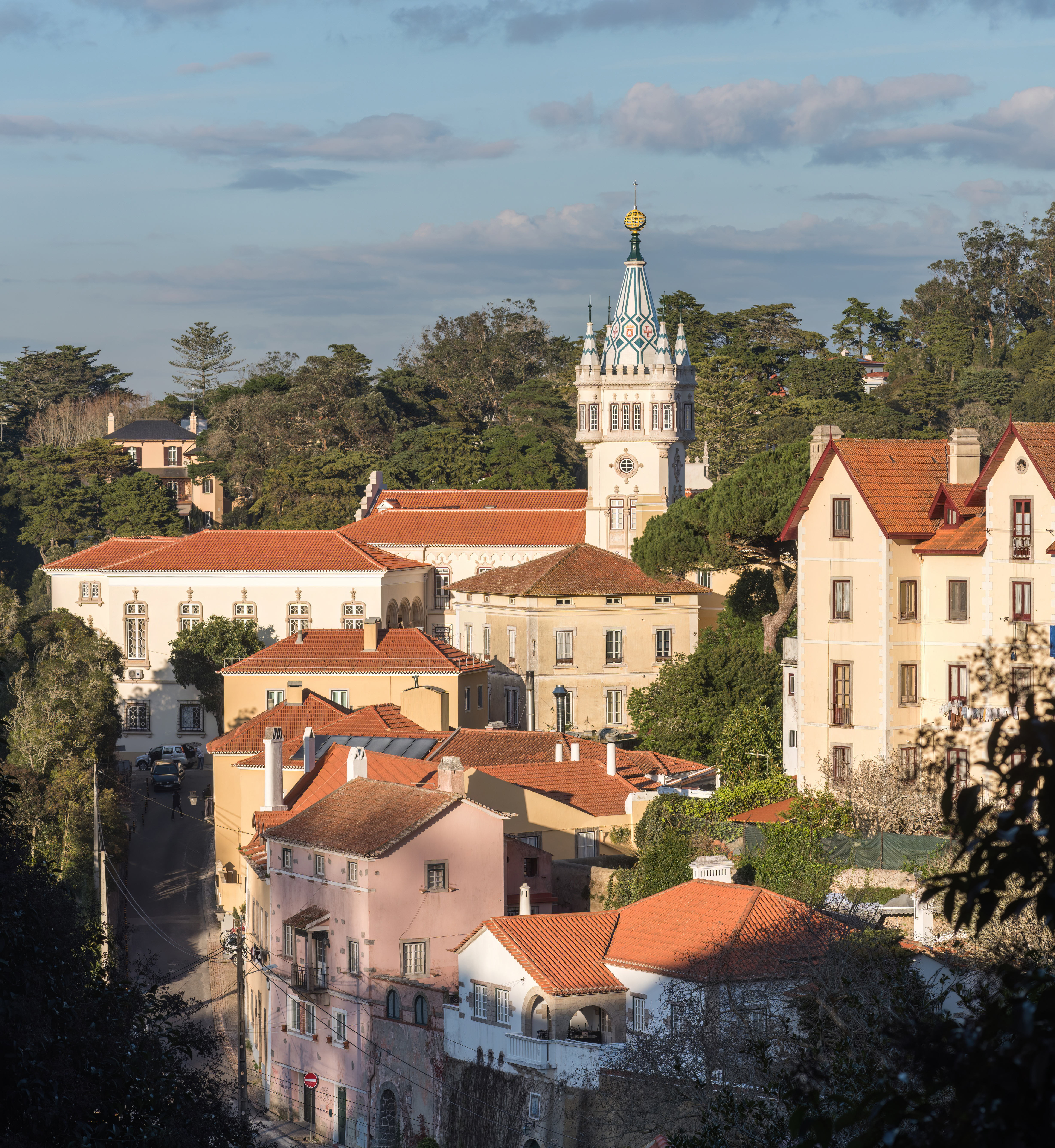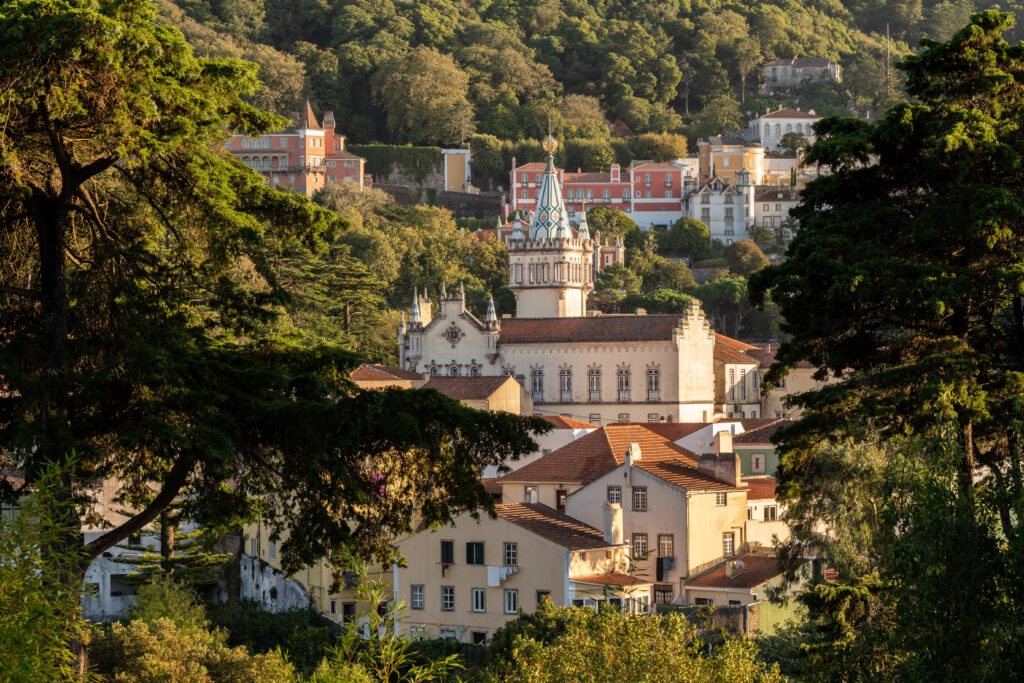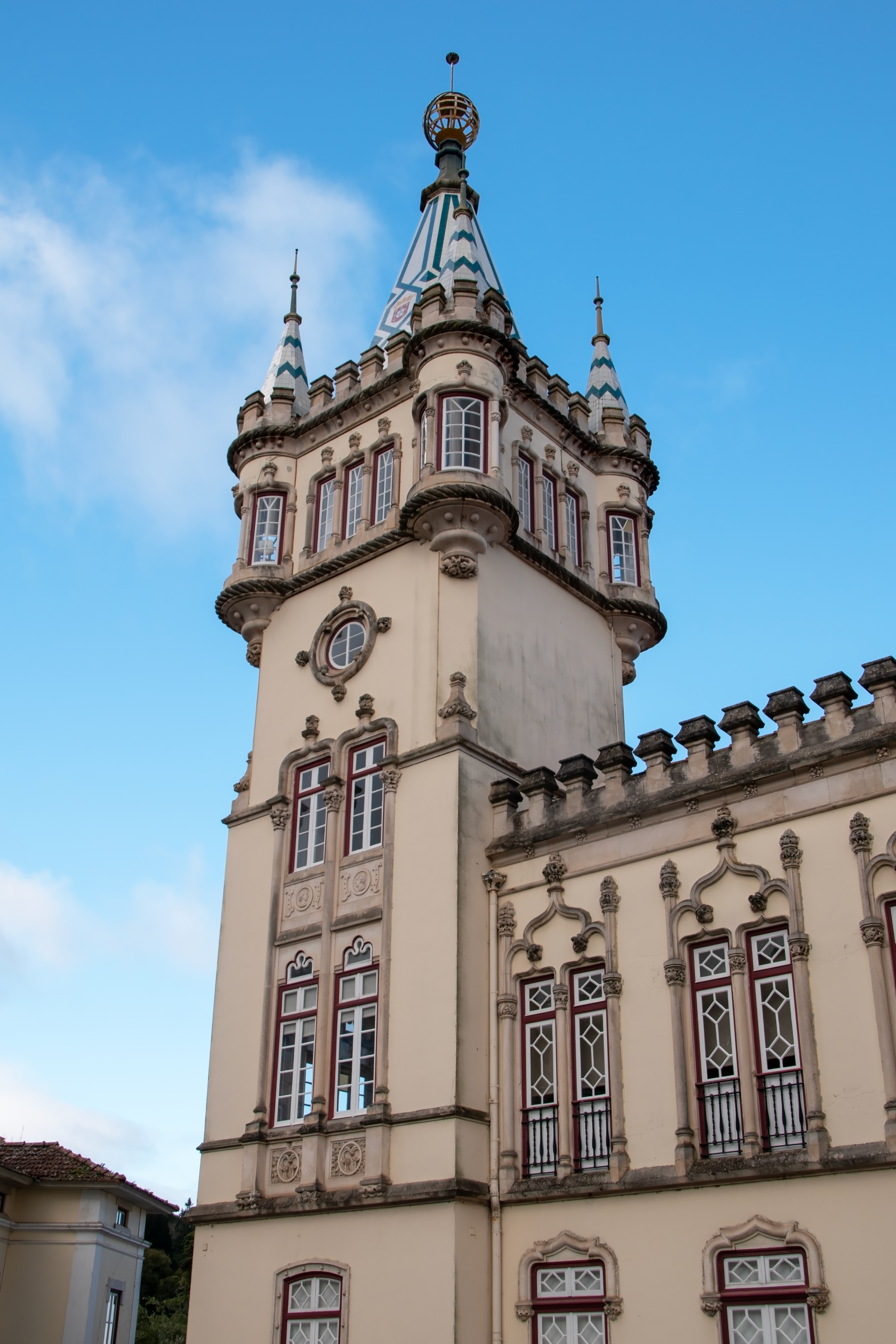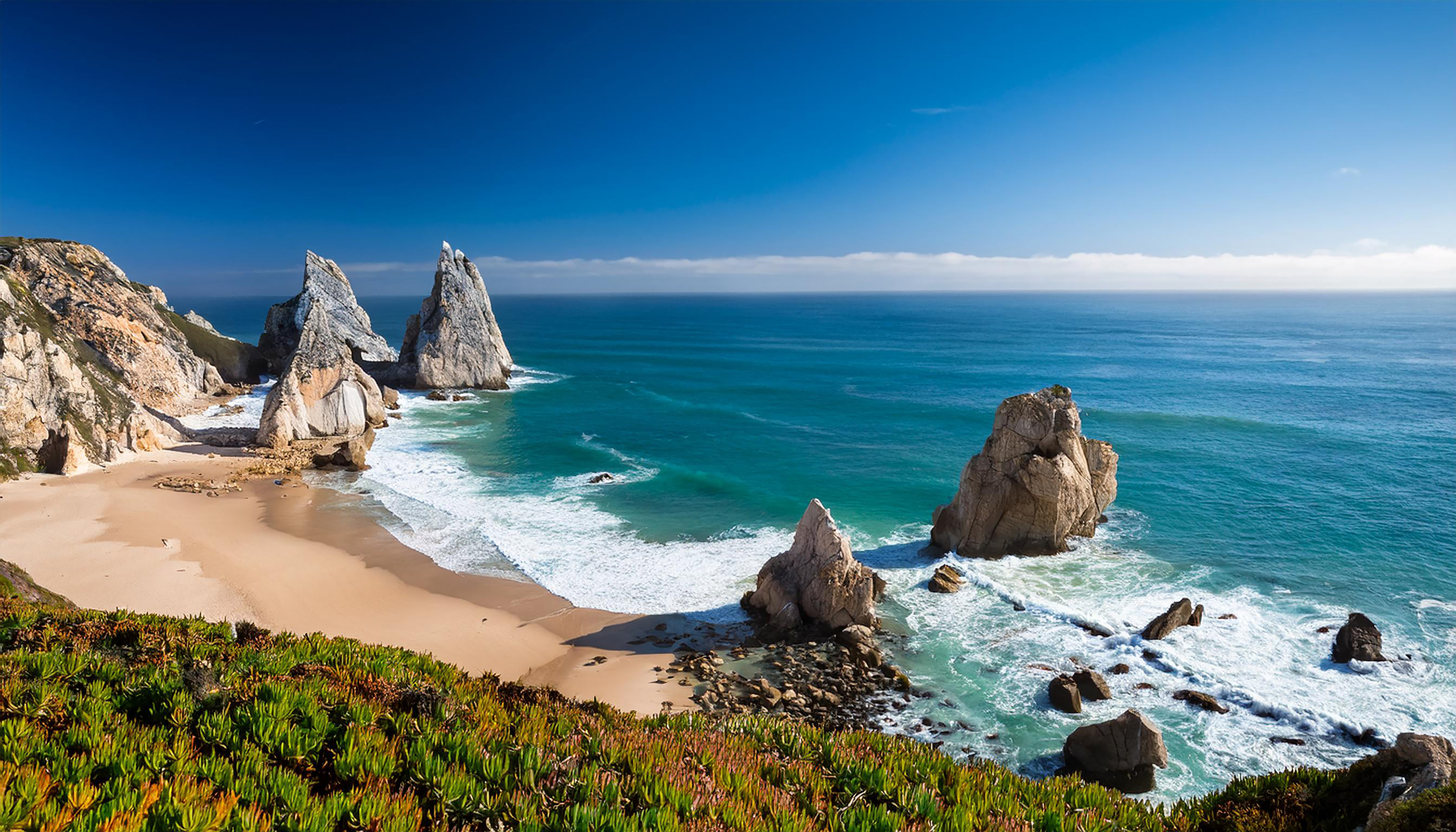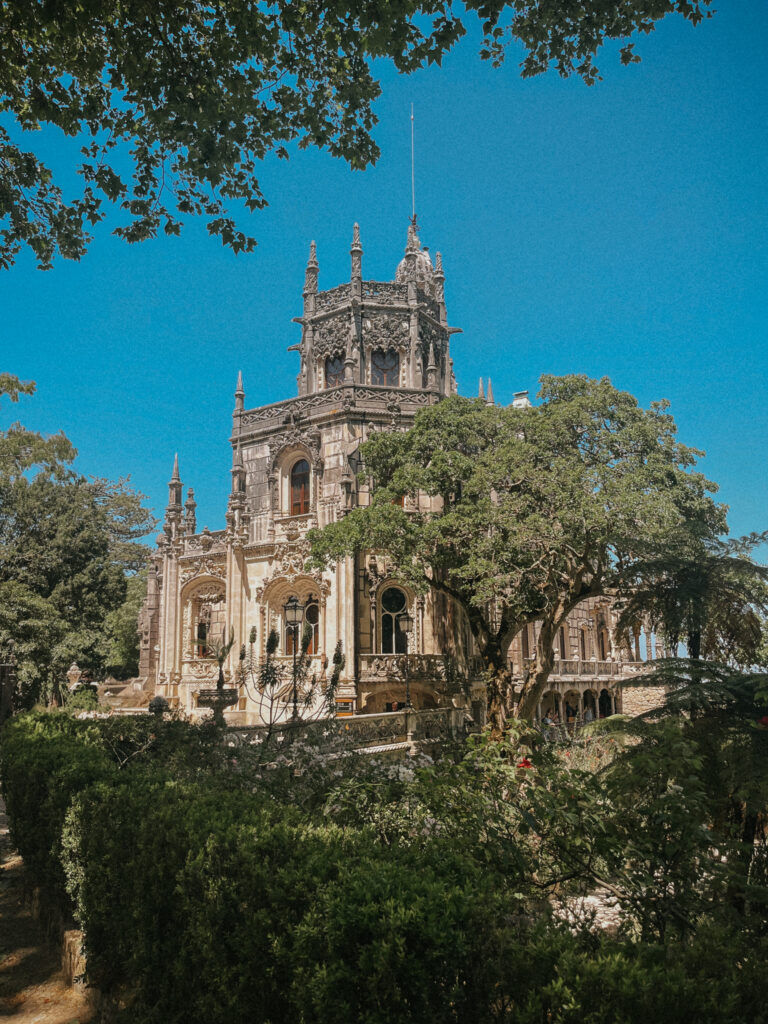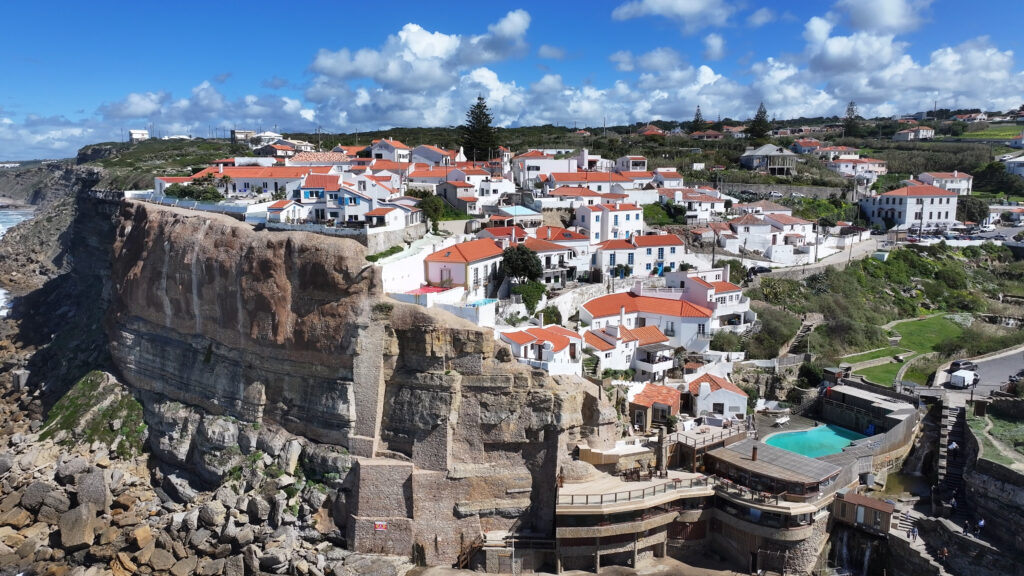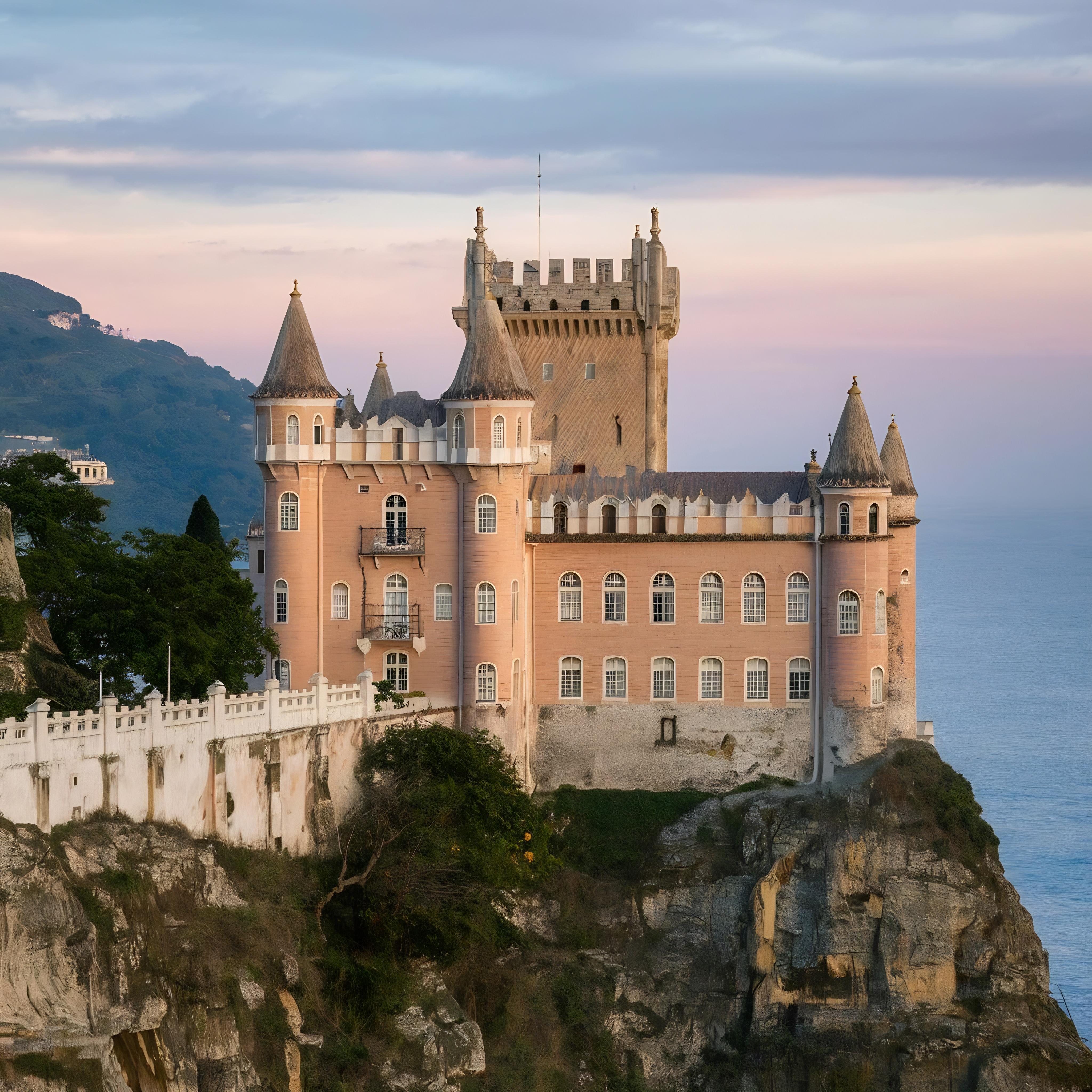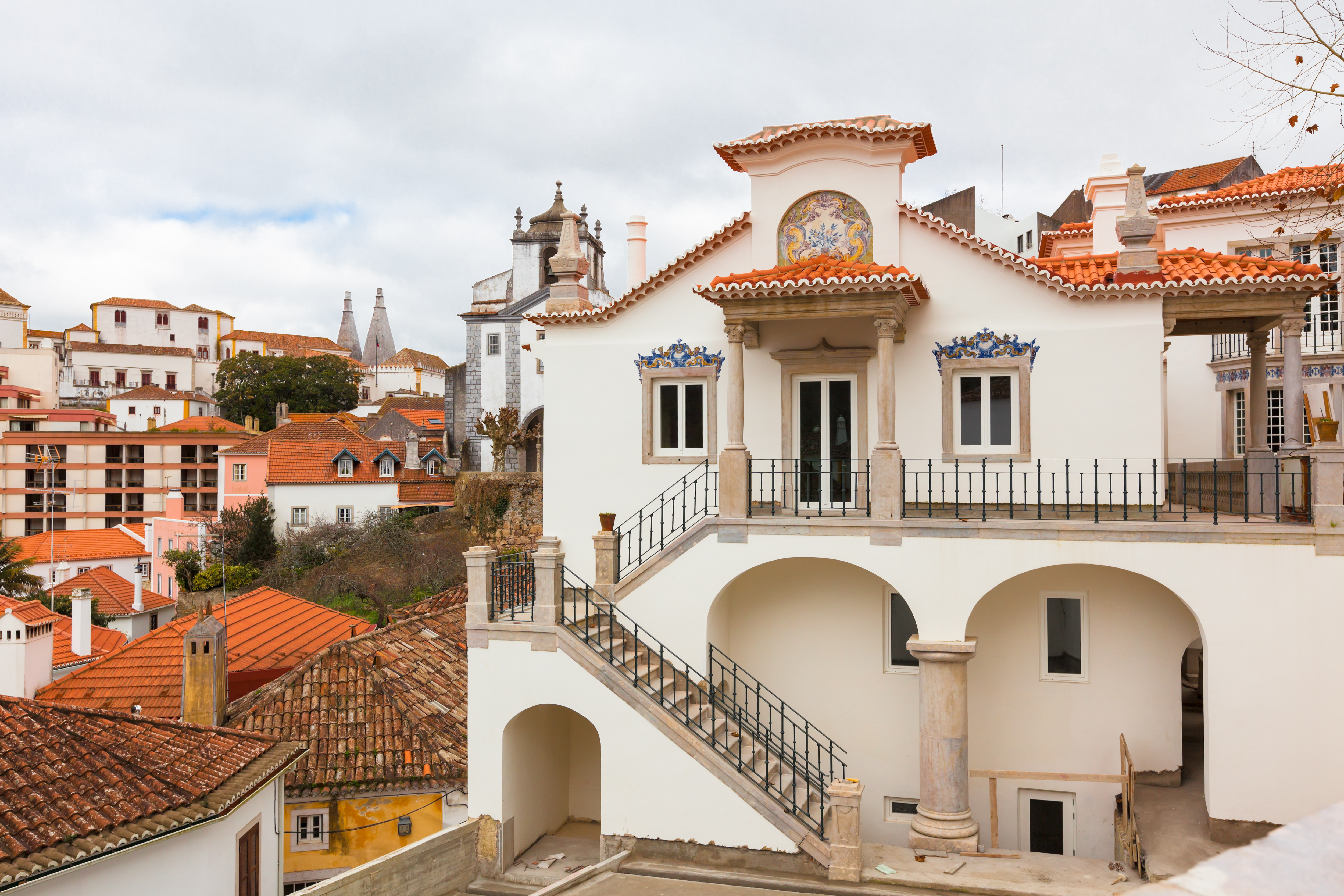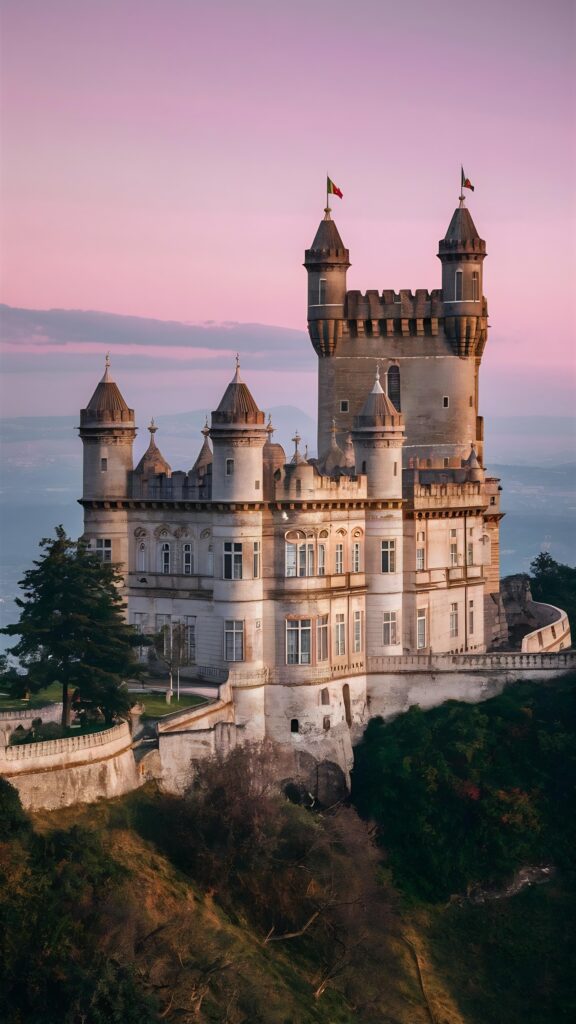
The small town of Sintra, just a short train ride from Lisbon, attracts visitors with its numerous architectural treasures and enchanting landscapes. Surrounded by dense forests and nestled in picturesque hills, Sintra is a true paradise for history and culture lovers. The palaces of Sintra in particular offer visitors a breathtaking insight into Portugal’s historical heritage. Two of these impressive buildings are the Palace of Monserrate and the National Palace of Sintra, which fascinate visitors with both their history and their architecture.
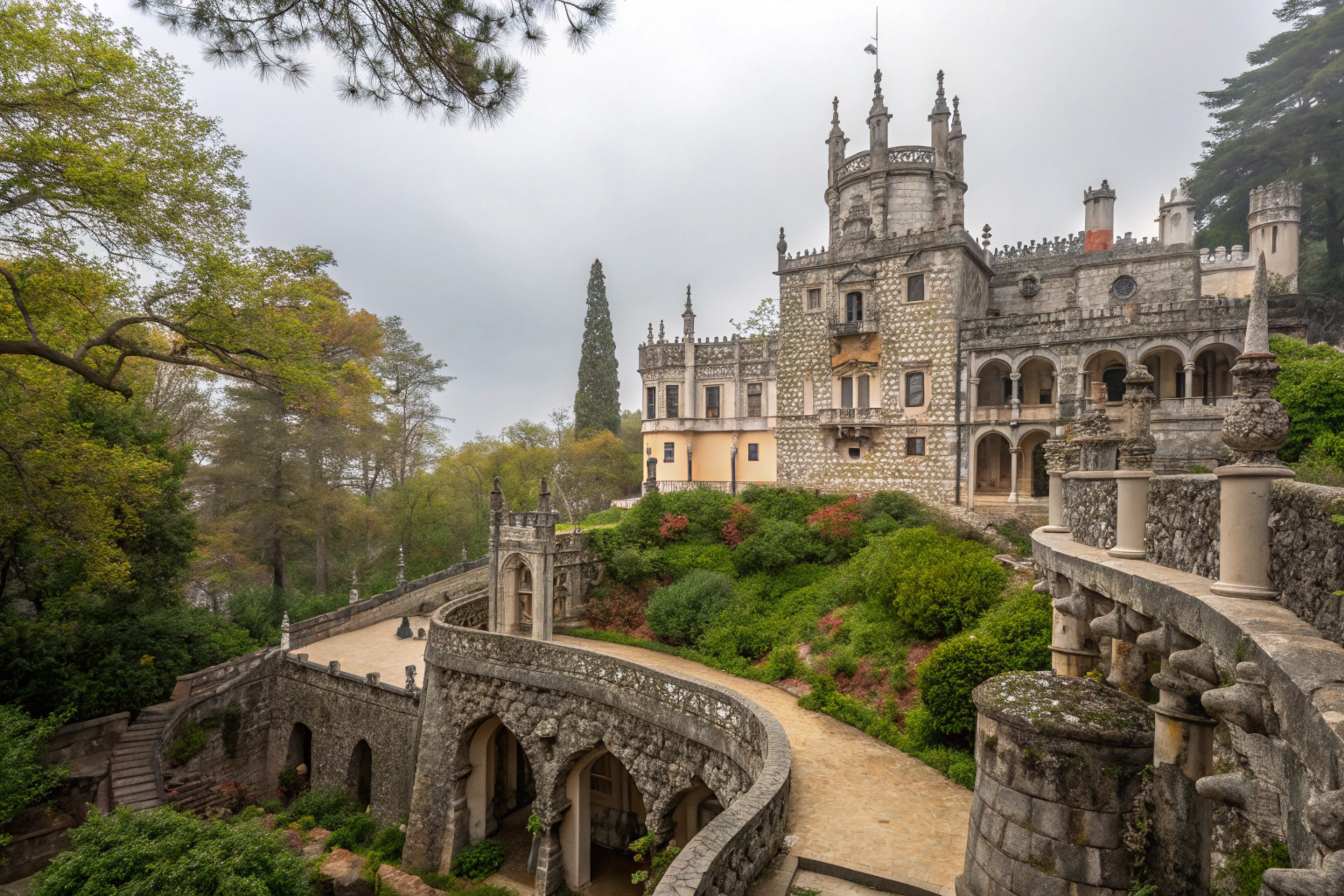
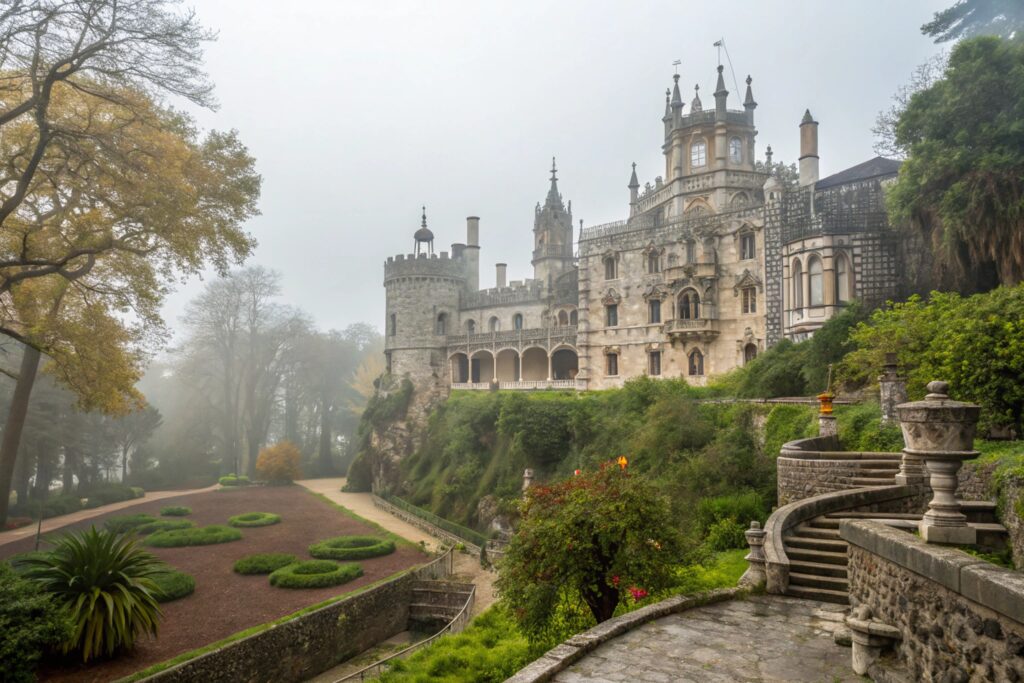
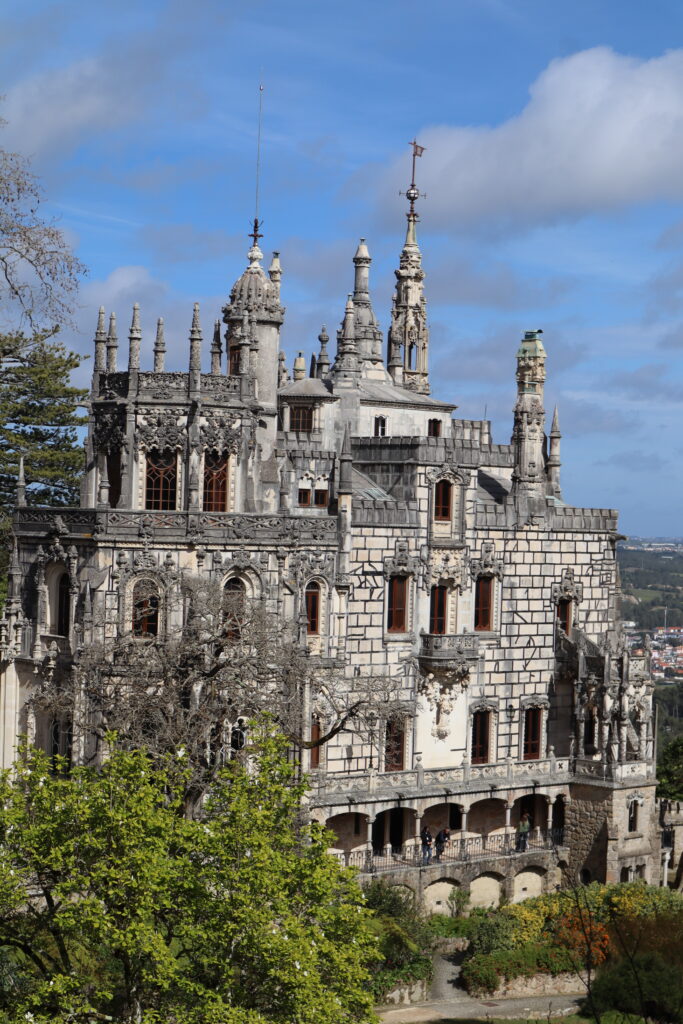
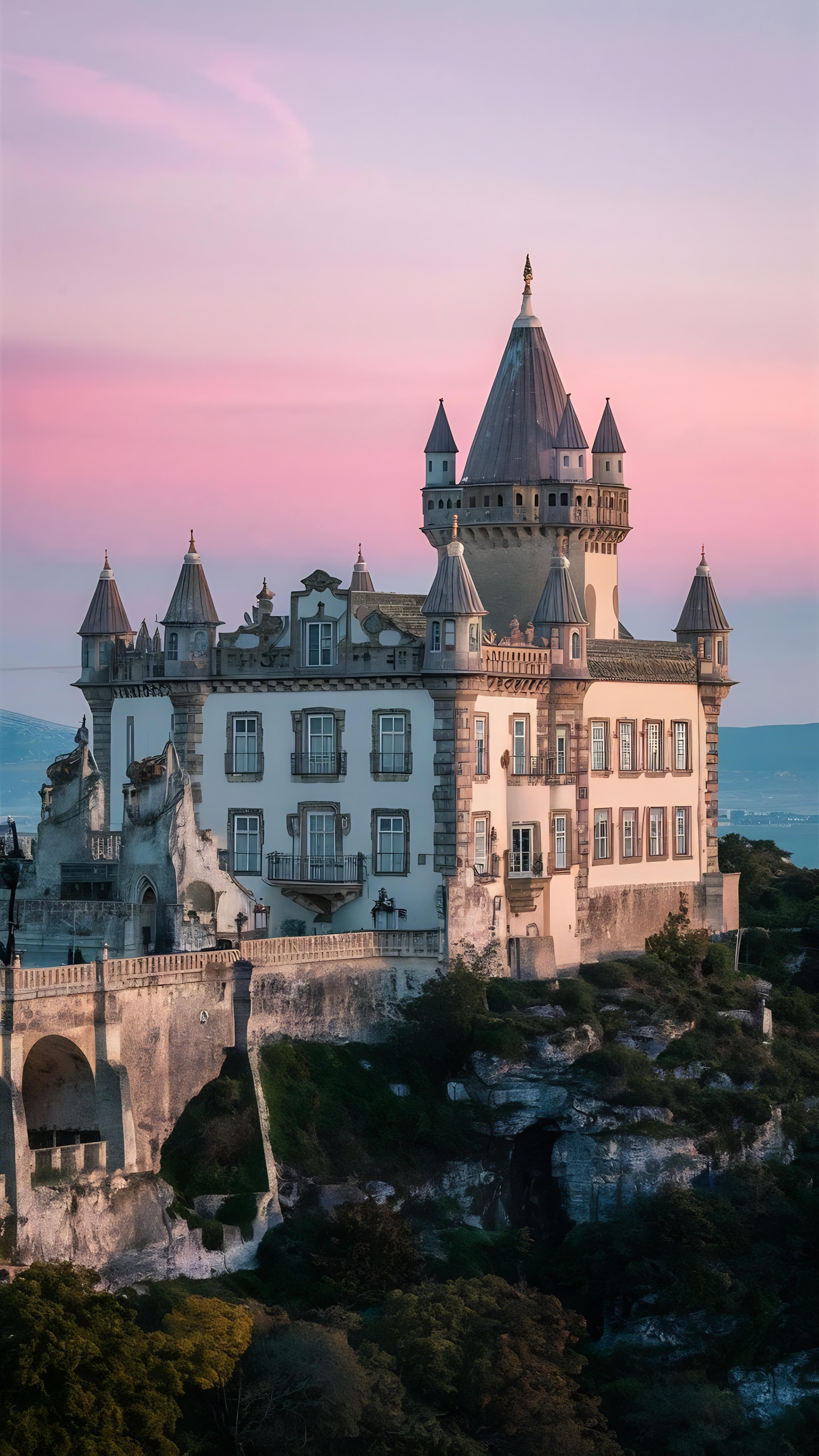
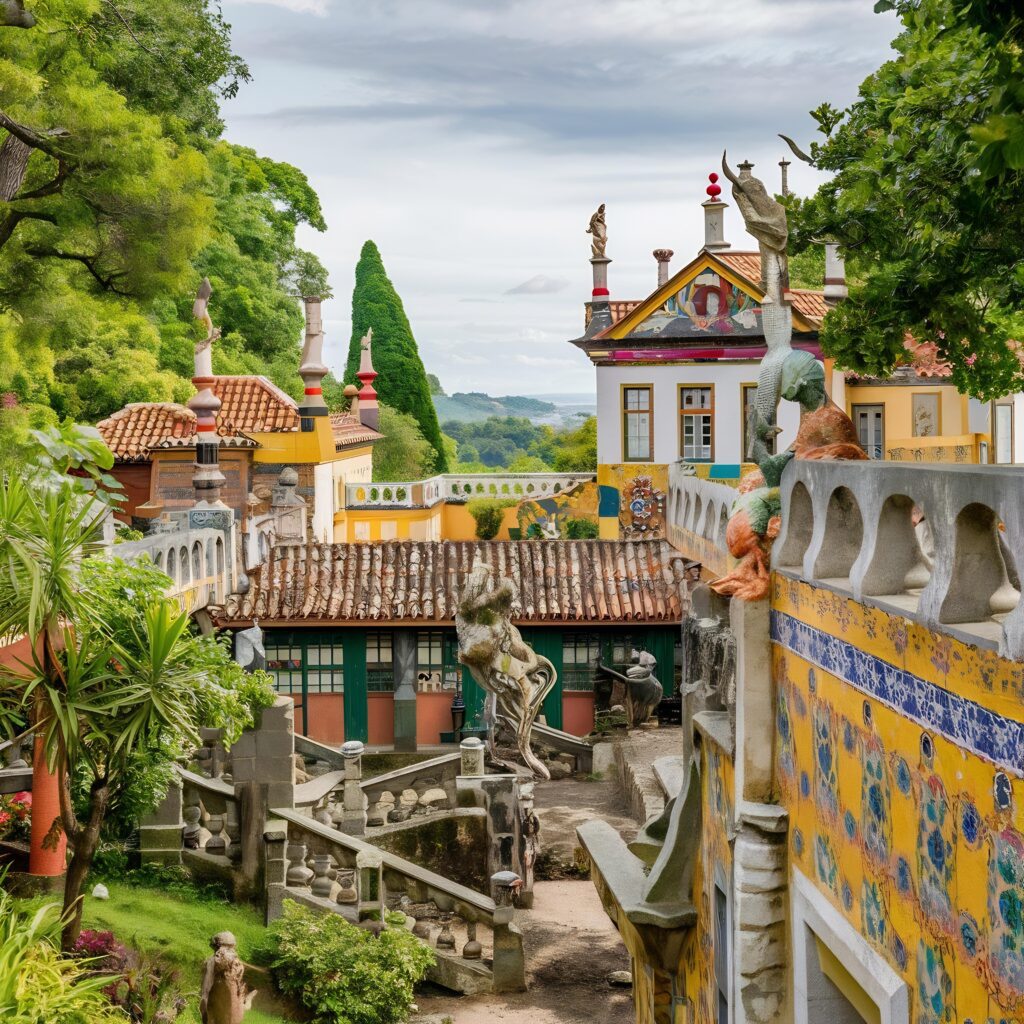
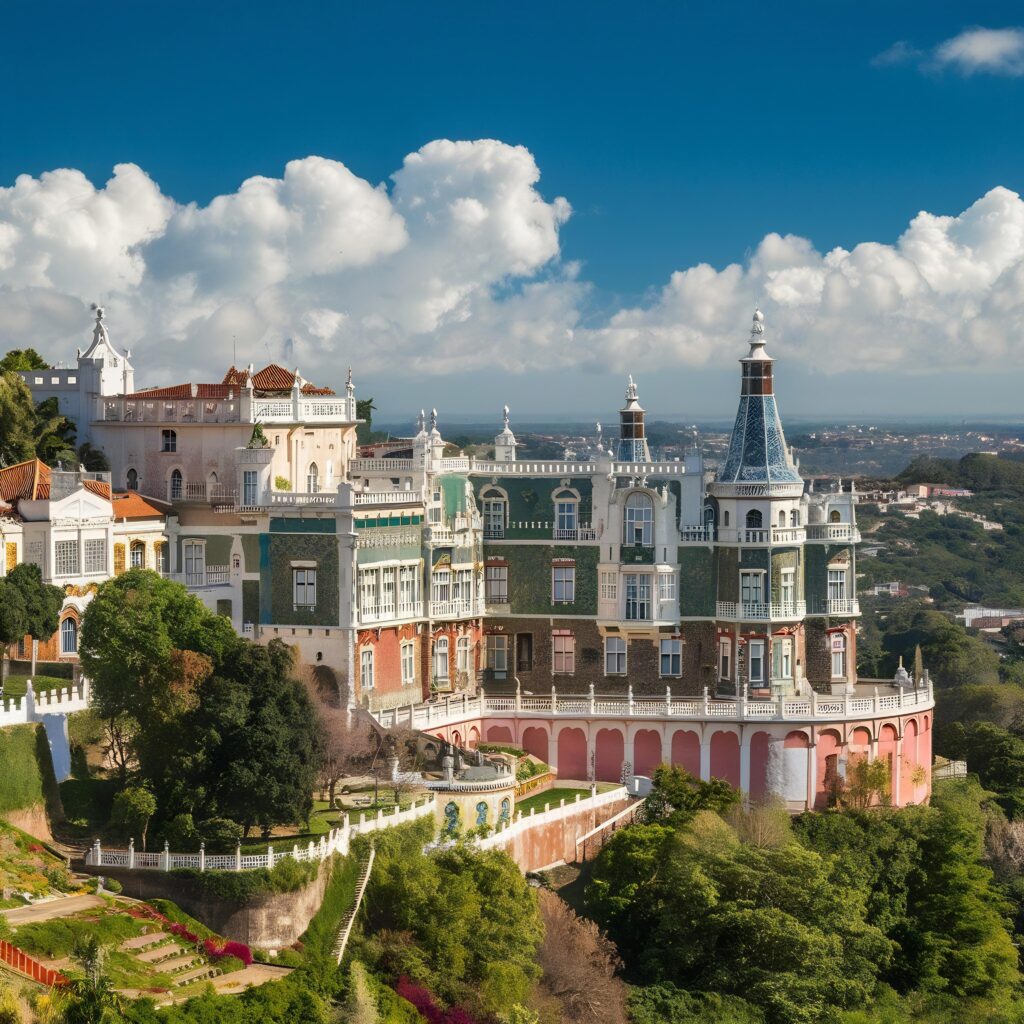
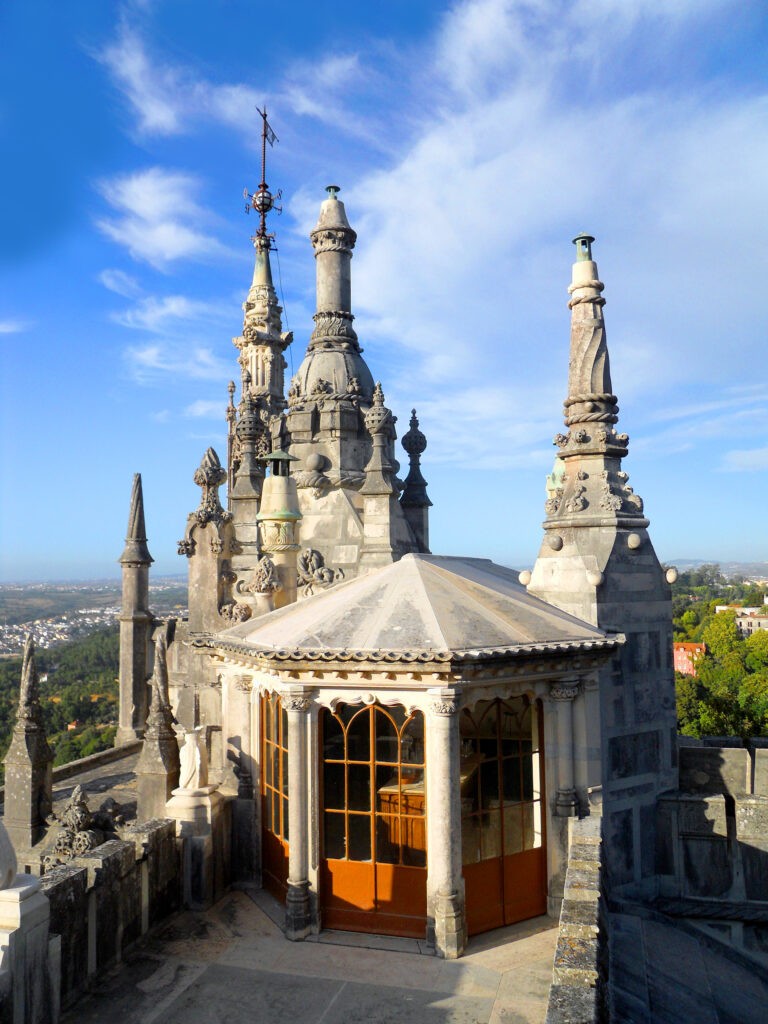
The Palace of Monserrate rises majestically above the green valley and is considered by many to be one of the most beautiful palaces in Europe. Originally built in the Neo-Moorish style, its architecture reflects the 19th-century penchant for romanticism. British millionaire Sir Francis Cook acquired the property in 1856 and transformed it into a dreamlike estate that delights visitors from all over the world. With its spectacular dome, elaborate mosaics, and magnificent gardens, the palace offers an experience that appeals to all the senses.
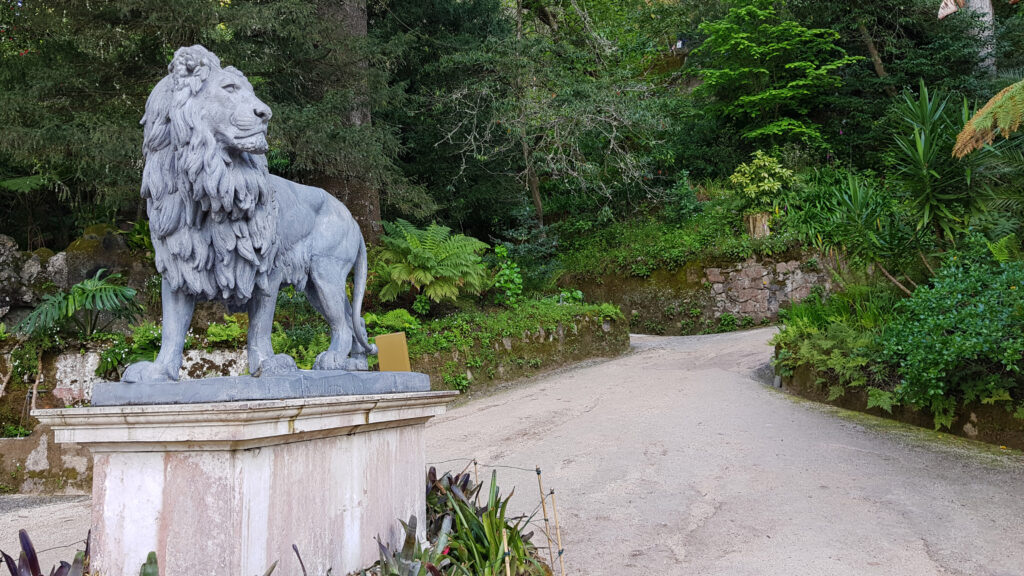
The gardens of Monserrate are a masterpiece in their own right. They cover almost 33 hectares and are home to plants from all over the world. They owe this diversity to Sir Francis Cook, who had the grounds designed in the style of English landscape parks. The carefully tended plant species not only create an idyllic atmosphere, but also serve as a living museum of botanical wonders. From ferns from New Zealand to rare palm species, the gardens offer a place of tranquility and invite exploration.
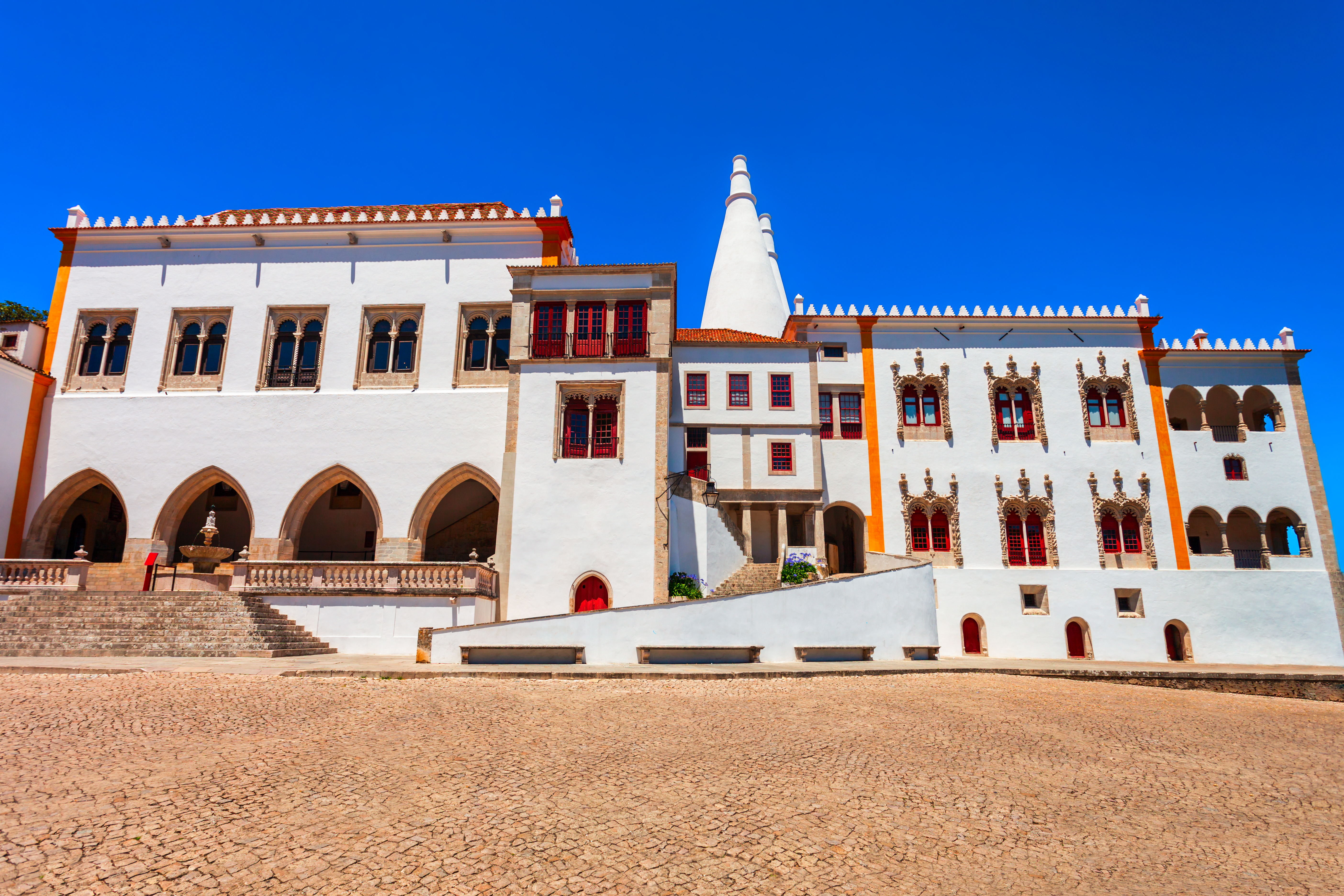
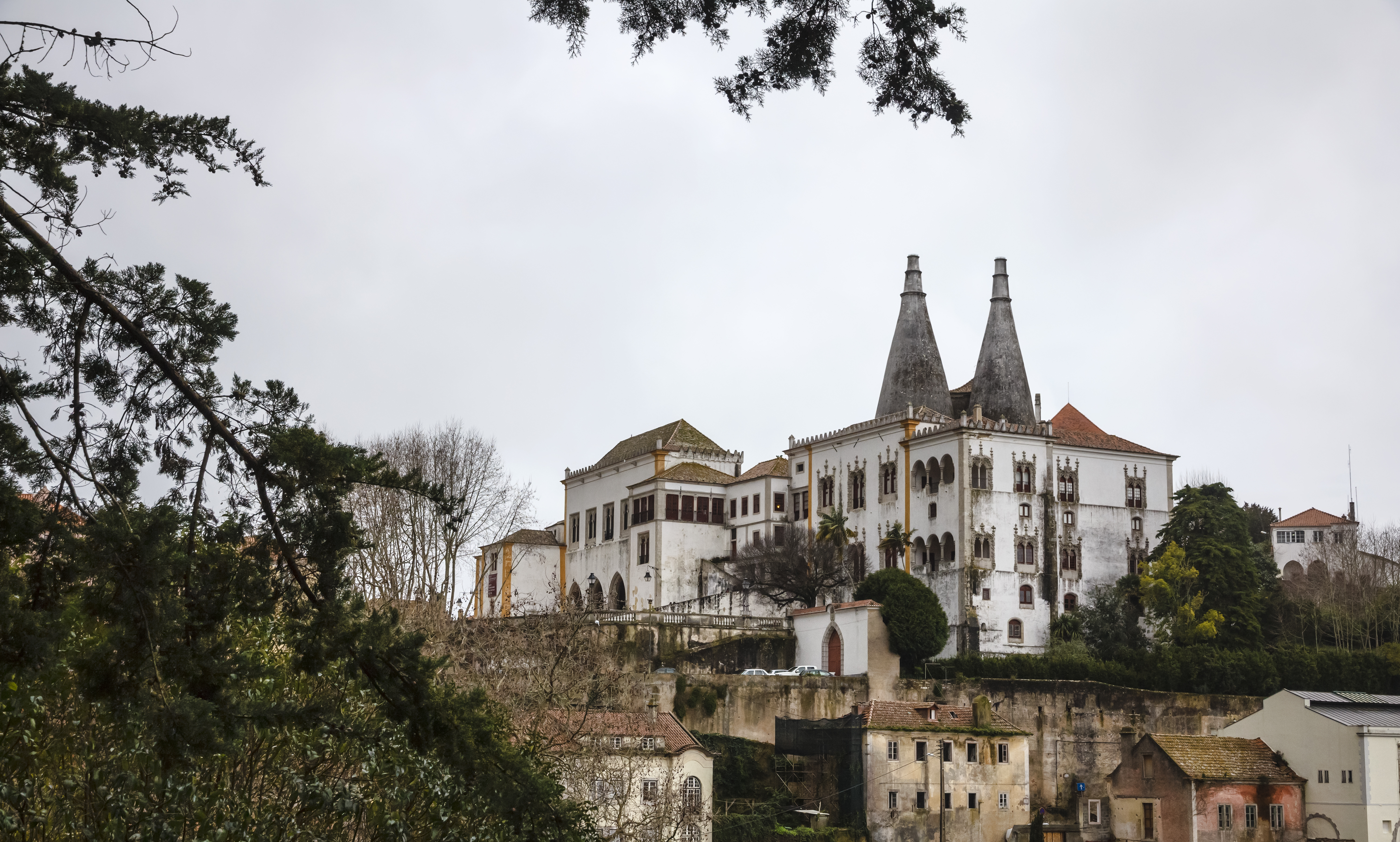
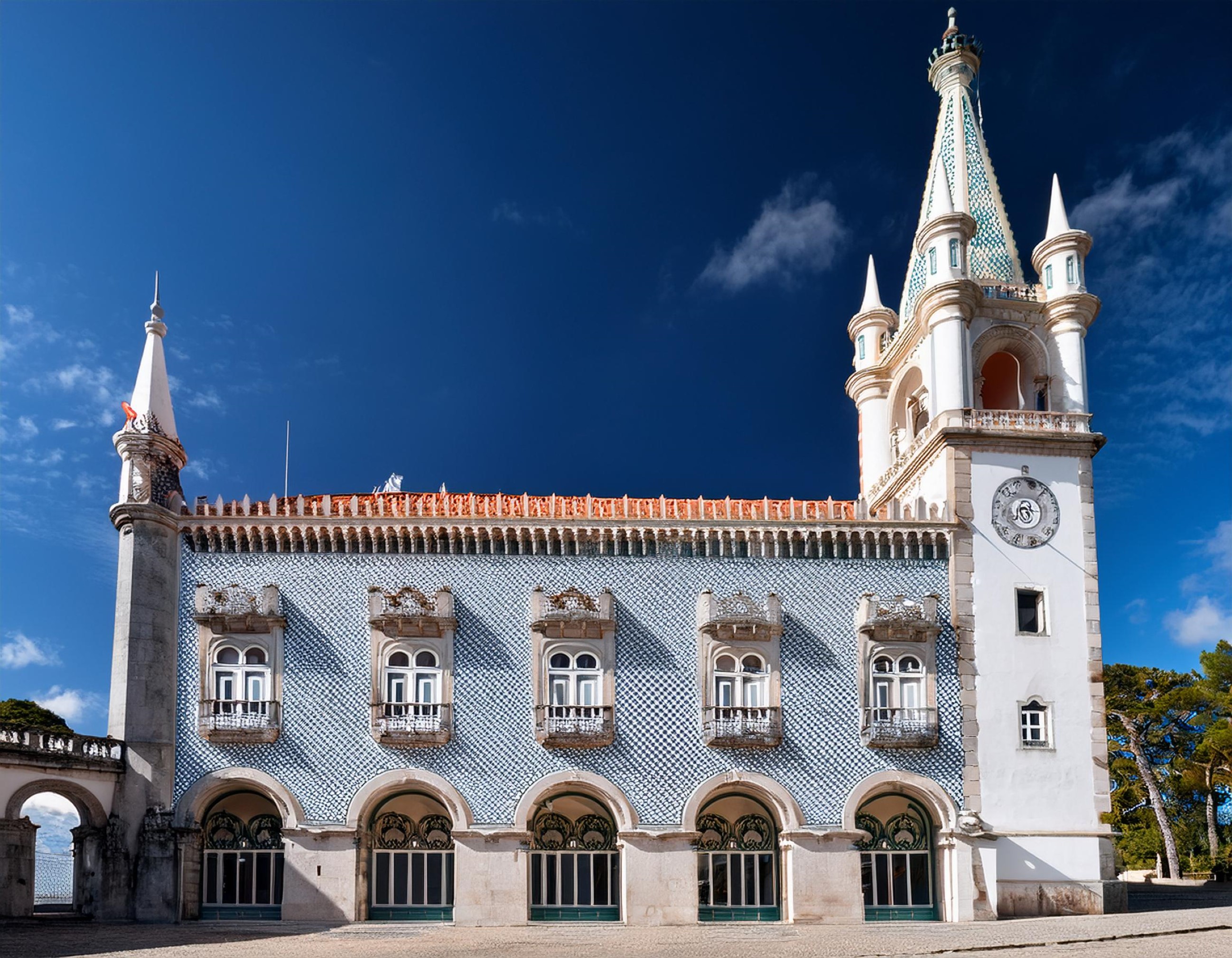
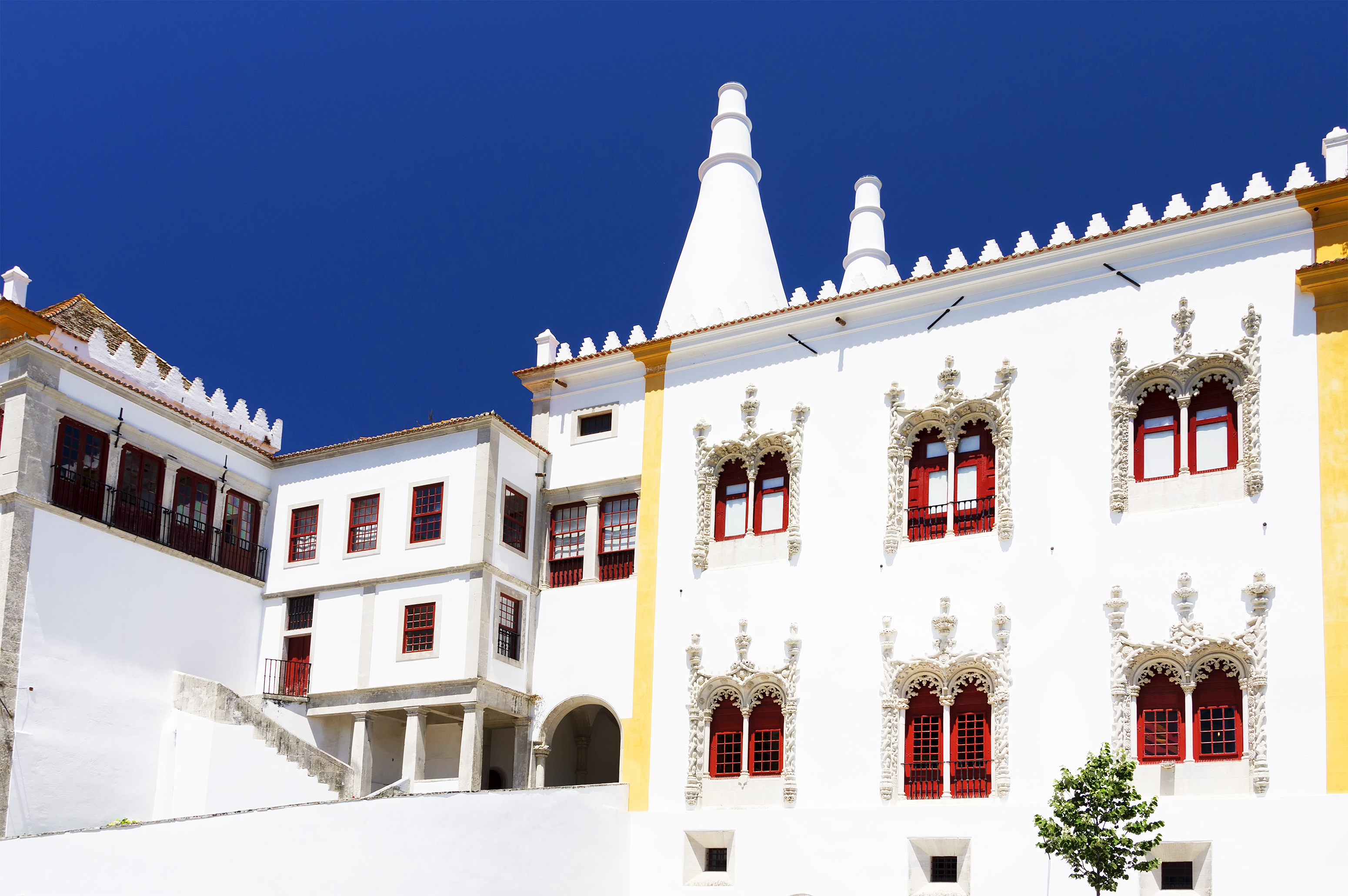
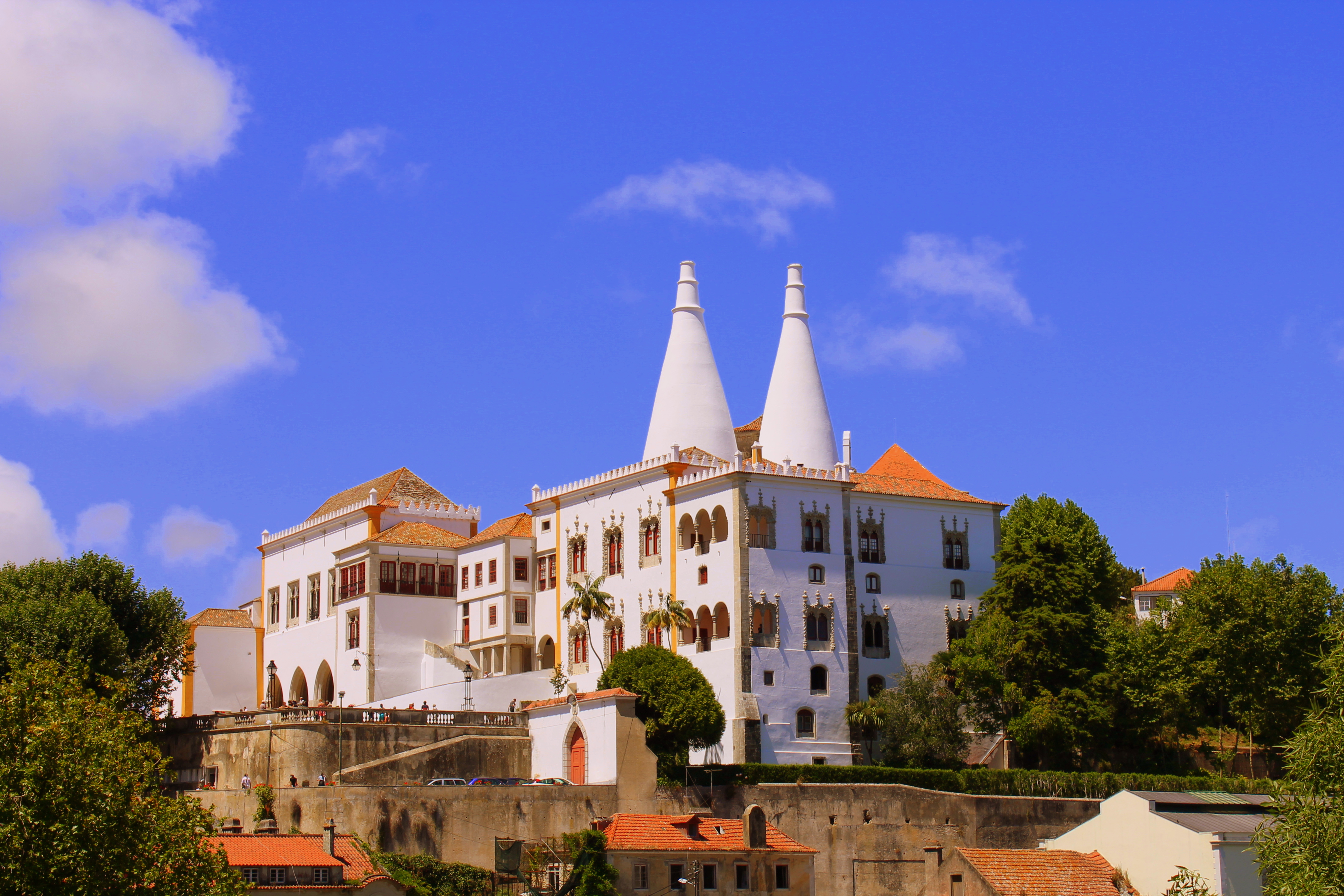
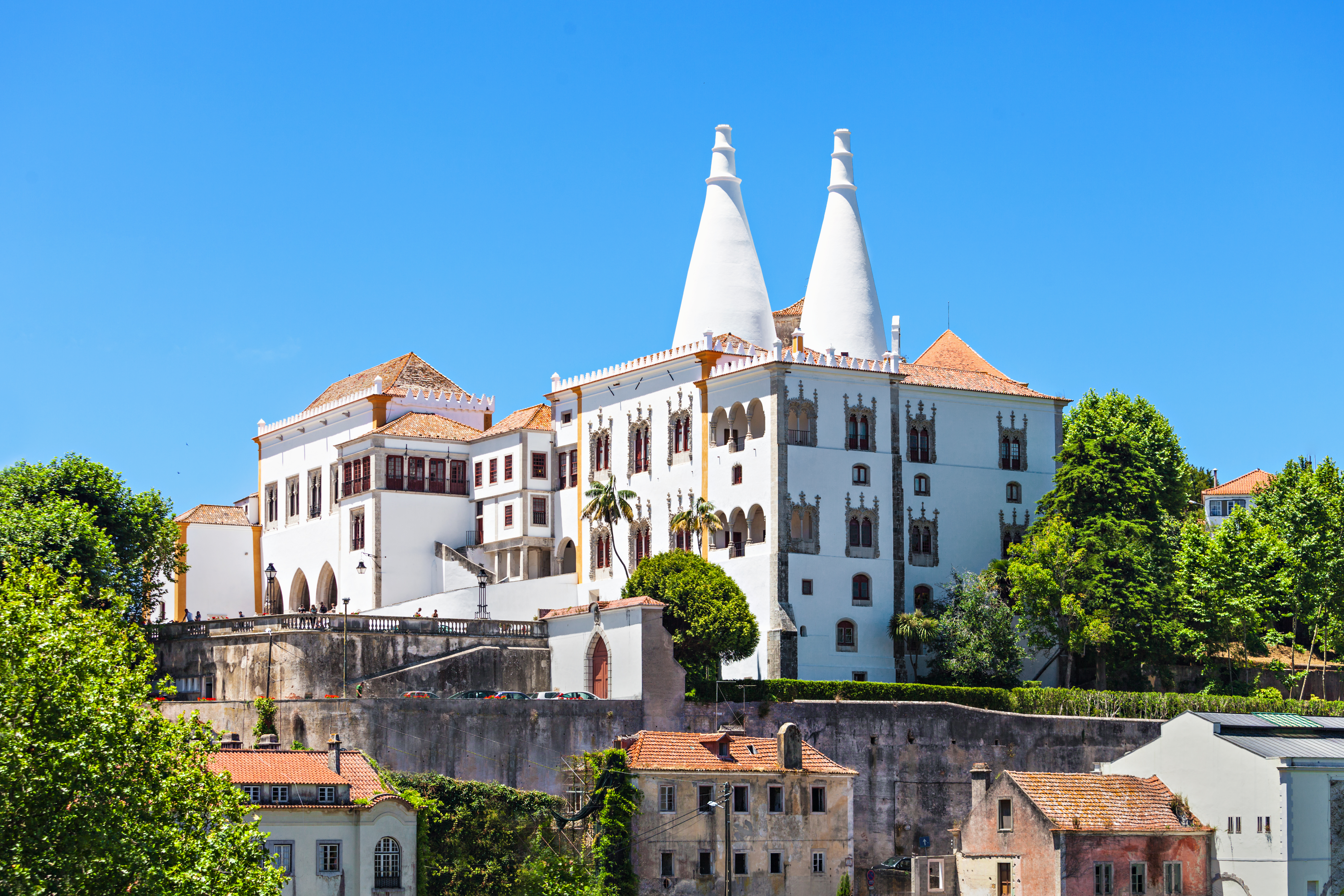
While the Palace of Monserrate is more a product of the European aristocracy’s quest for exotic beauty, the National Palace of Sintra has a deep-rooted significance for Portugal itself. This palace, also known as Palácio Nacional de Sintra, is the oldest surviving royal palace in the country and dates back to the early Middle Ages in its original form. From the outside, the palace exudes simple elegance, but inside, a magnificent world of richly decorated rooms and ceiling paintings is revealed.
Particularly impressive are the two cone-shaped chimneys, which rise unusually high into the sky and are visible from afar. They are the characteristic landmark of this palace and date back to the 14th century, when King John I had the original Moorish castle converted into a royal residence. The interiors bear witness to the eventful history of the Portuguese royal family and reflect the various influences that have shaped the country over the centuries, including Gothic, Renaissance, and Manueline styles.
Sintra itself is much more than just home to majestic palaces. The town has a long history dating back to the Moors, who left their mark here in the 8th century. Its strategic location on the hills made Sintra an important place for military and cultural activities. In 1995, the cultural landscape of Sintra was added to the UNESCO World Heritage List, an award that recognizes the exceptional importance of this region.
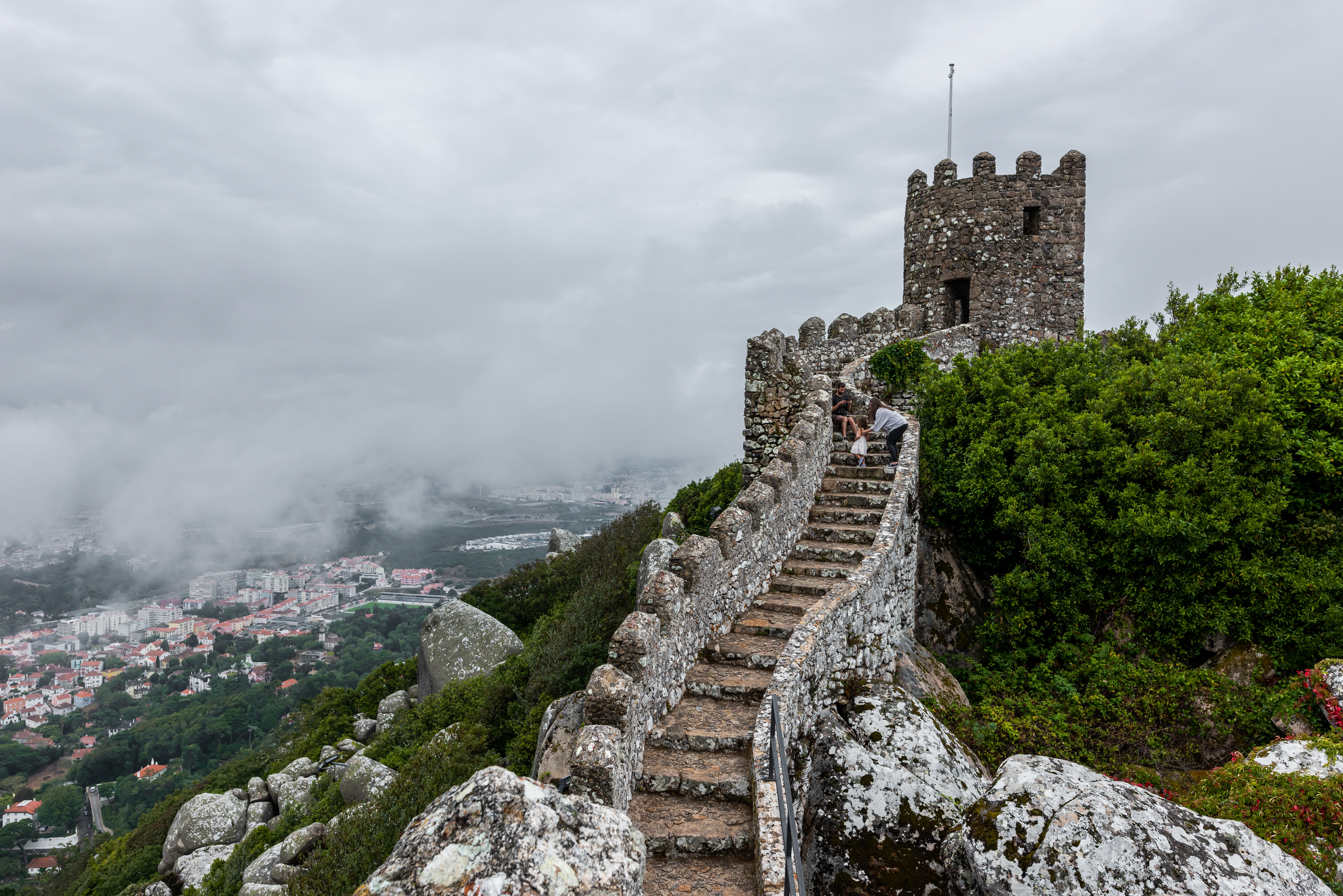
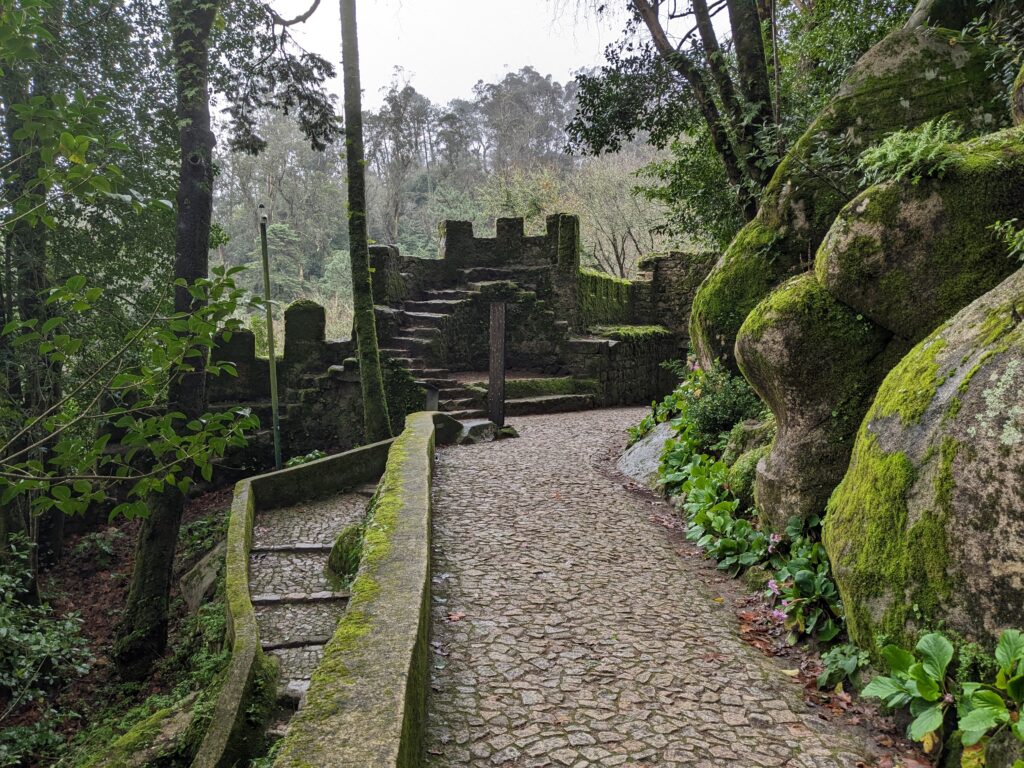
In addition to its famous palaces, Sintra is home to many other historic buildings, including the Castelo dos Mouros. This 10th-century fortress was also built by the Moors and offers breathtaking views of the surrounding area.
Although it is now largely in ruins, it is an impressive testament to Moorish engineering and a popular spot for hiking and photography.
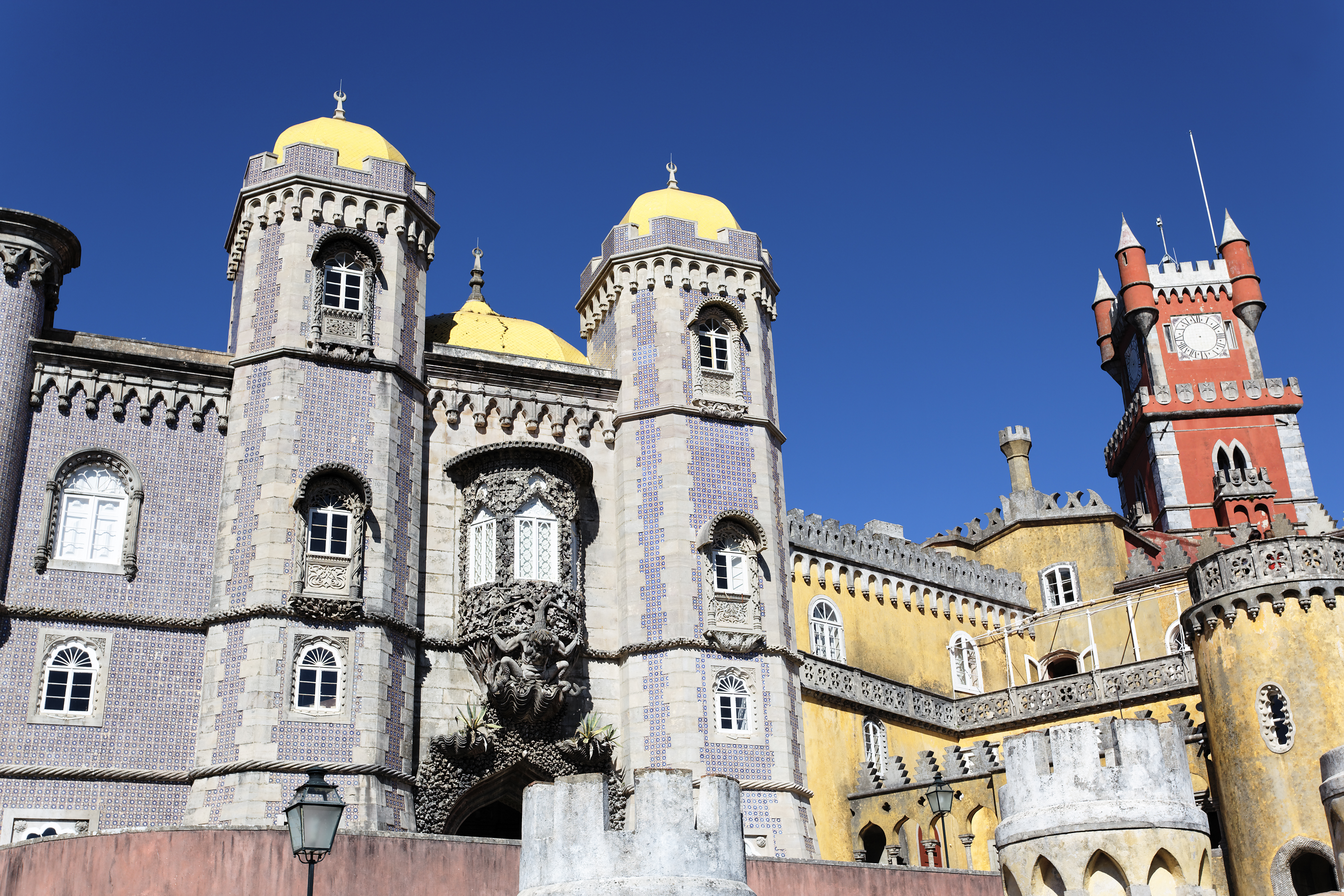
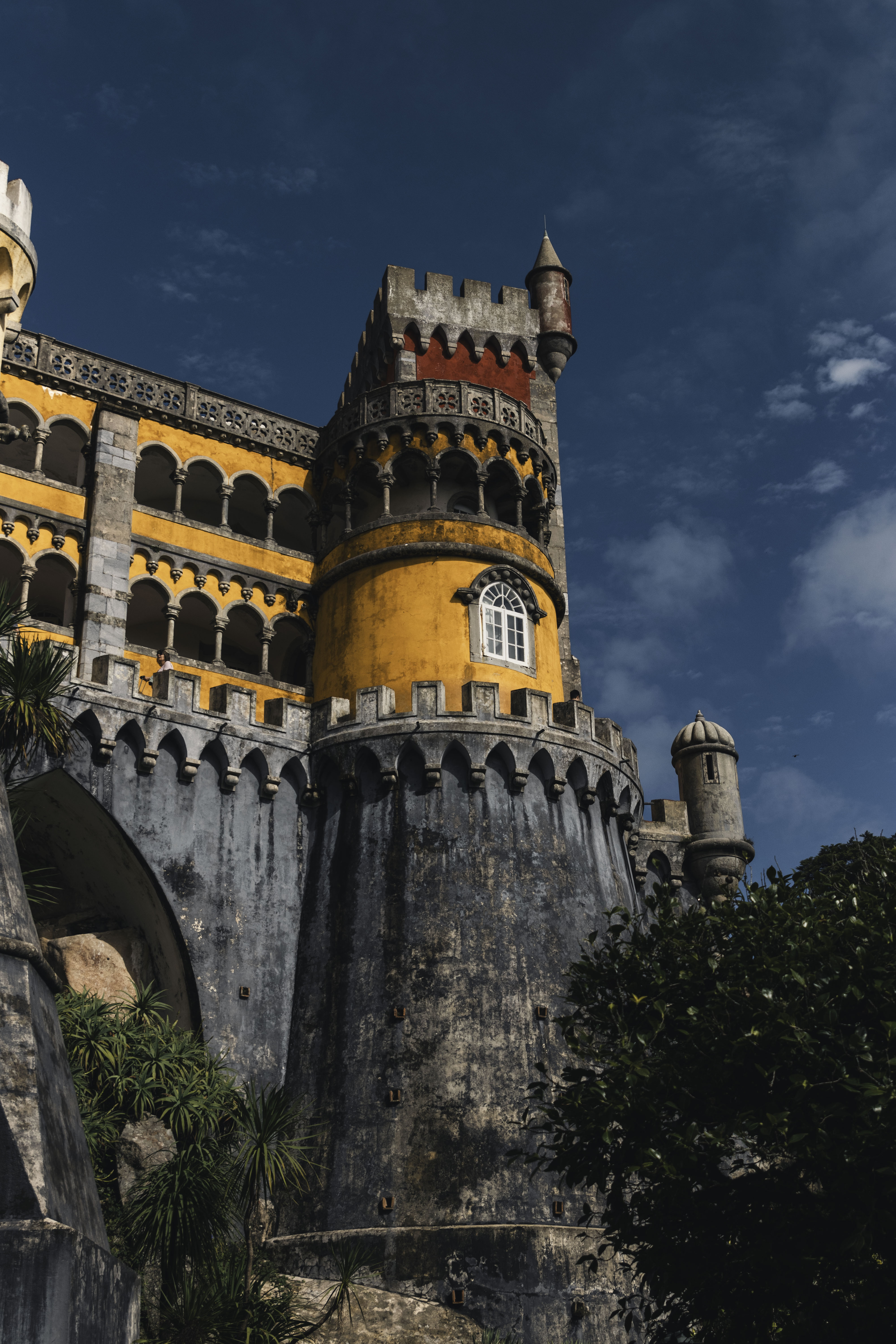
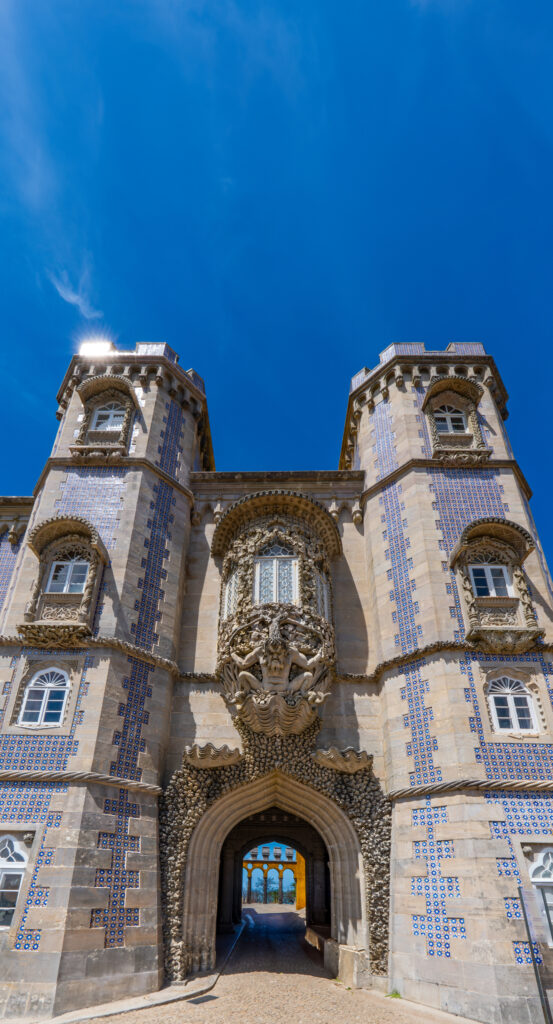
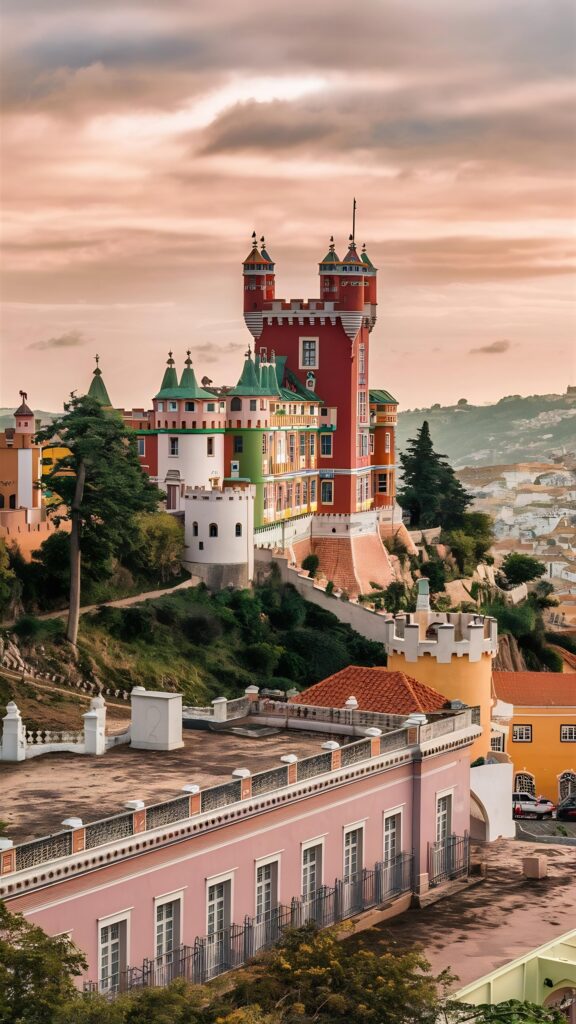
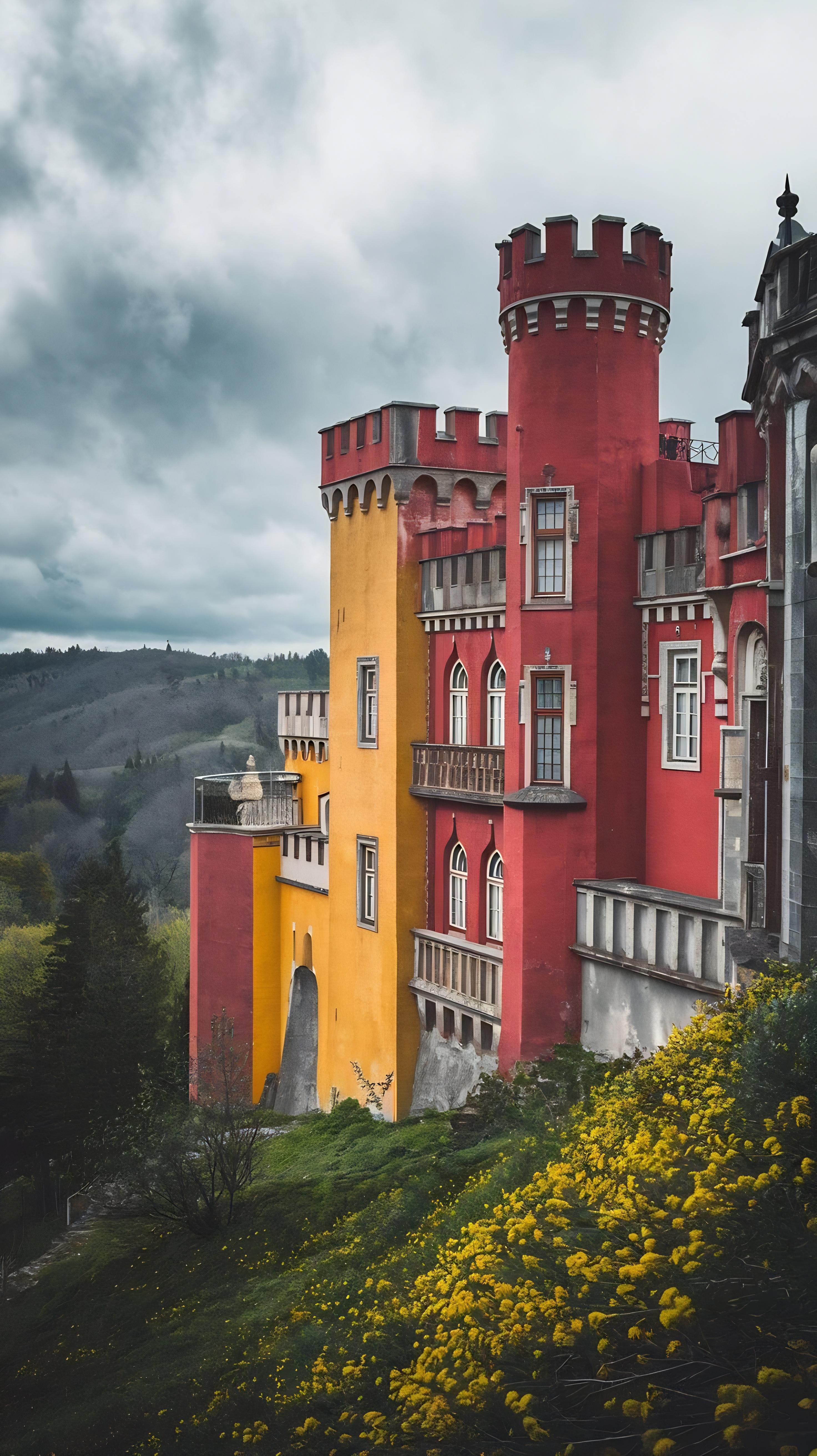
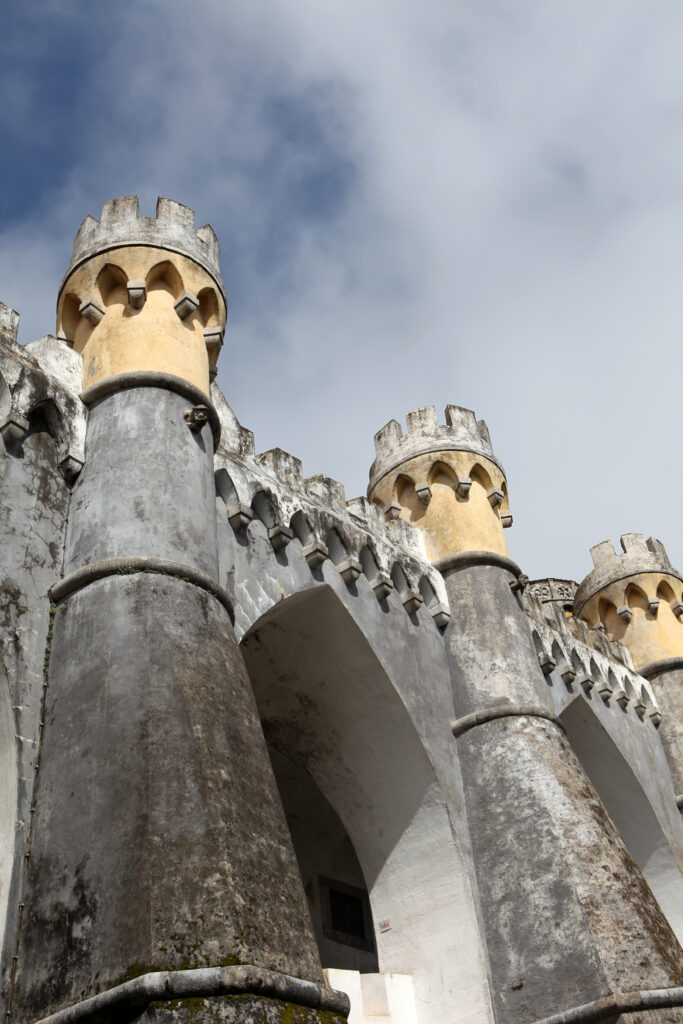
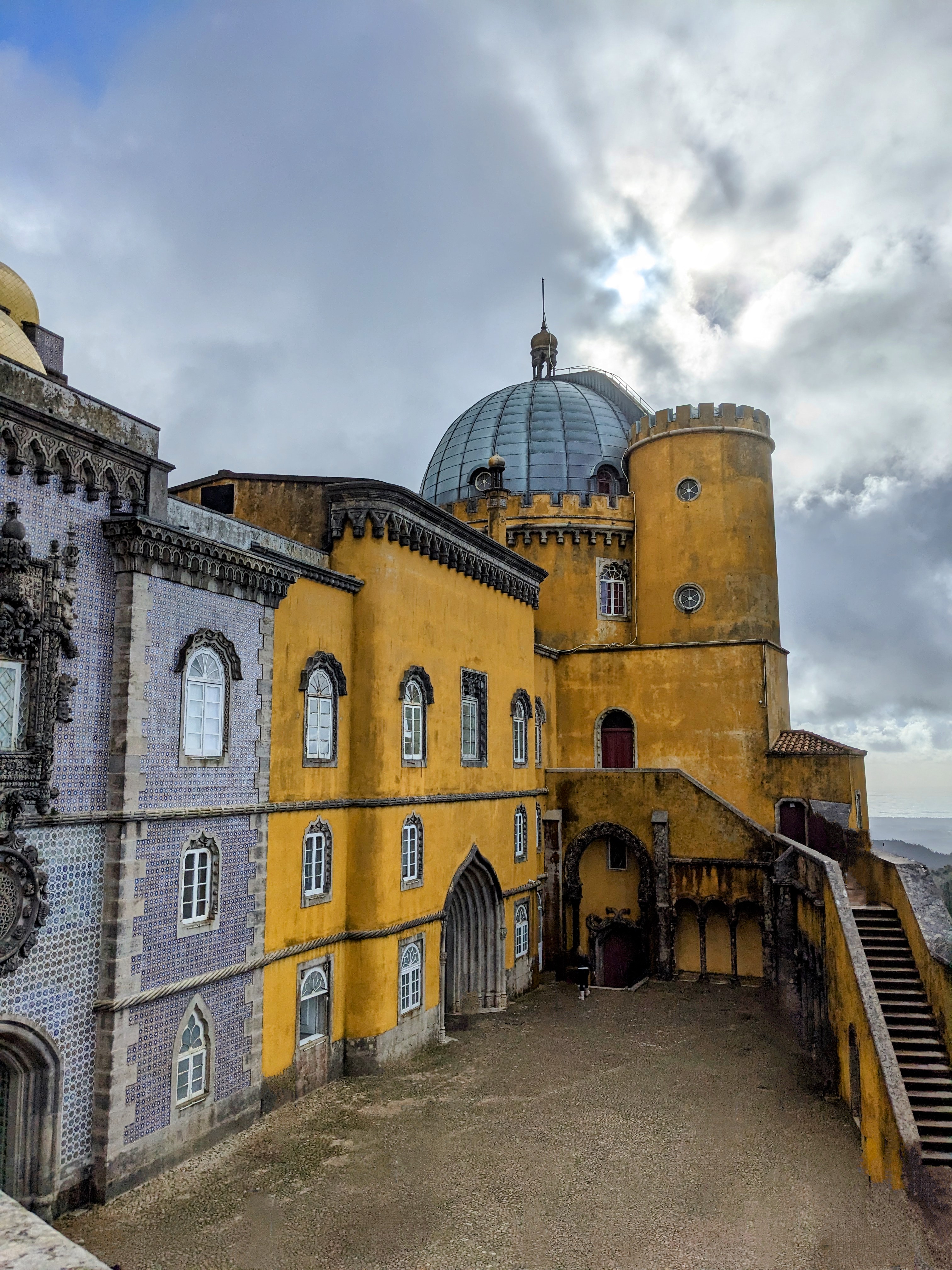
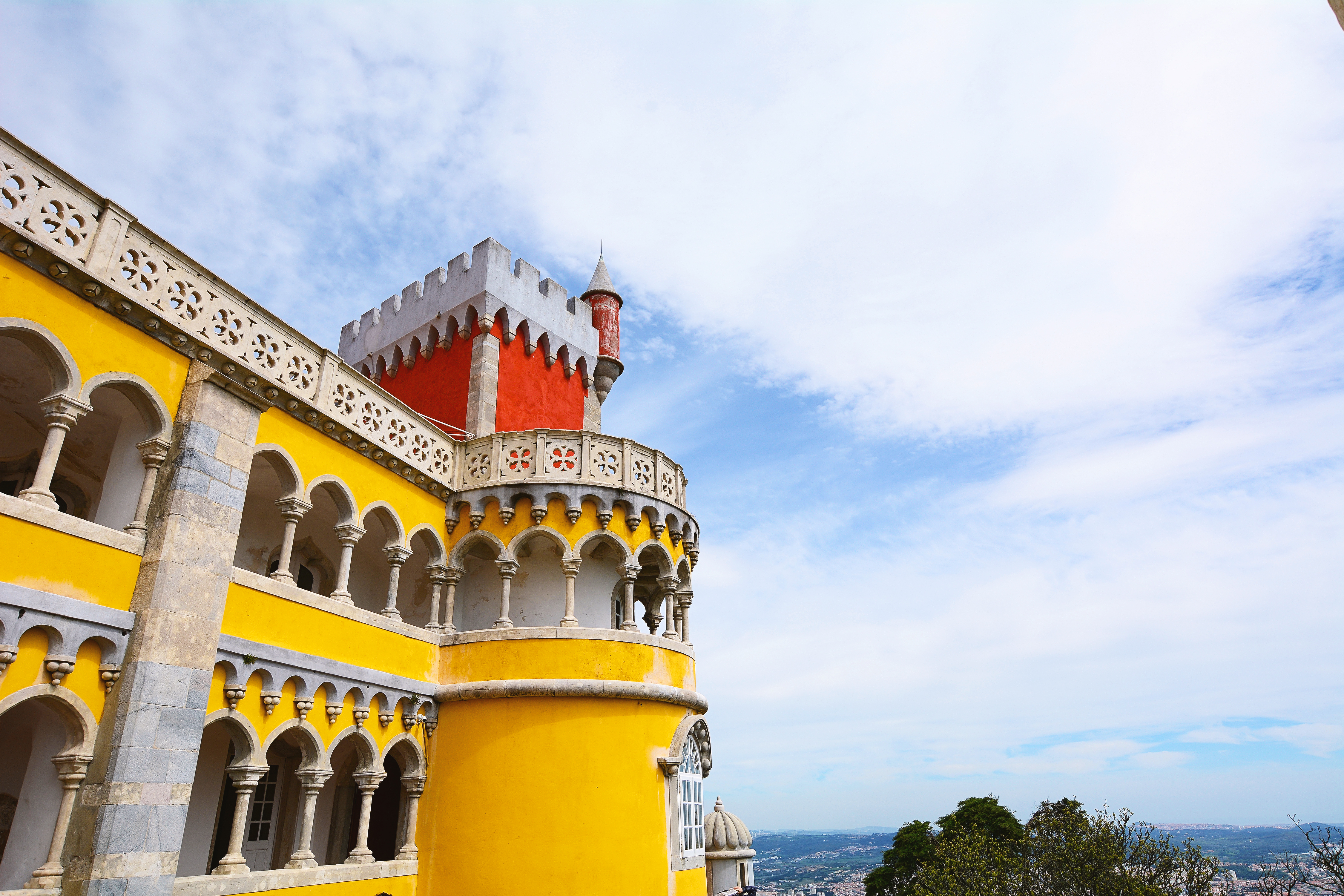
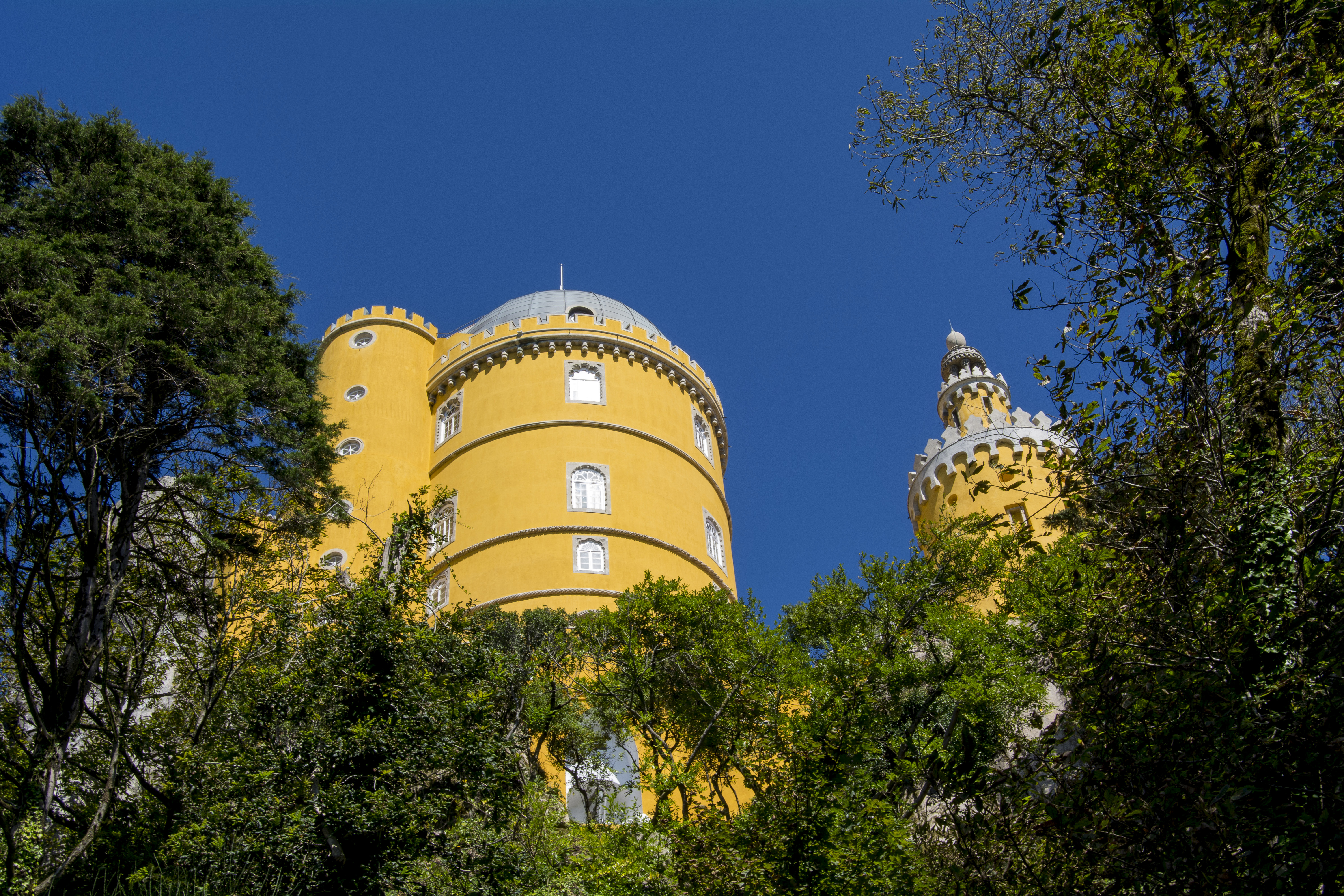
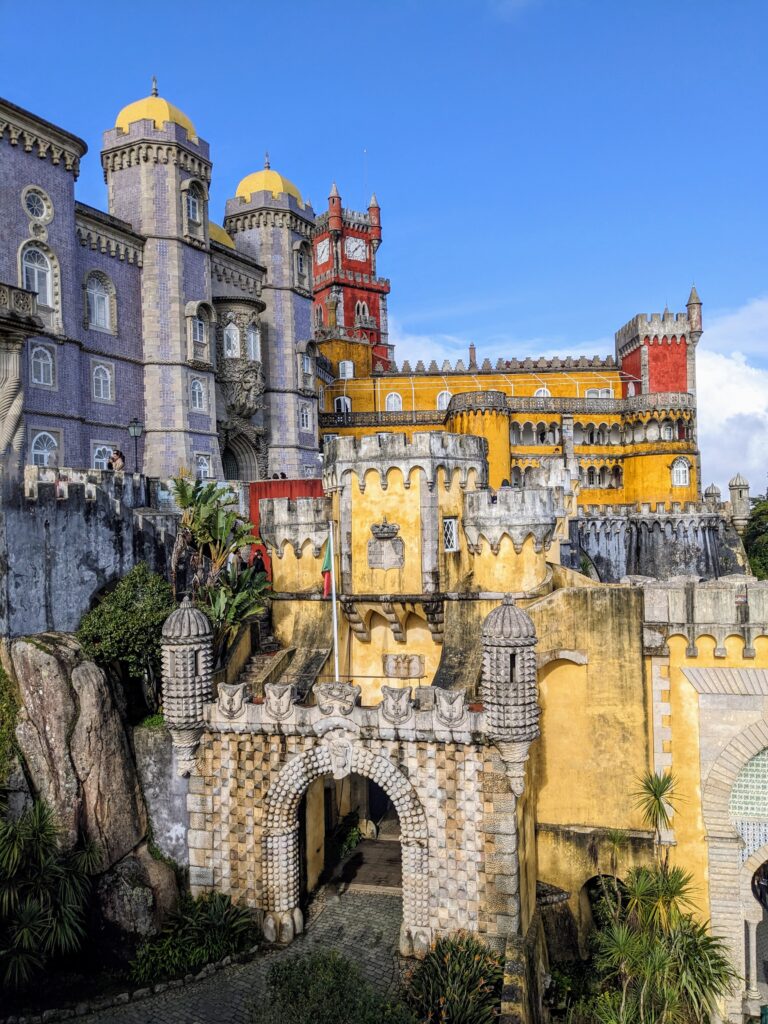
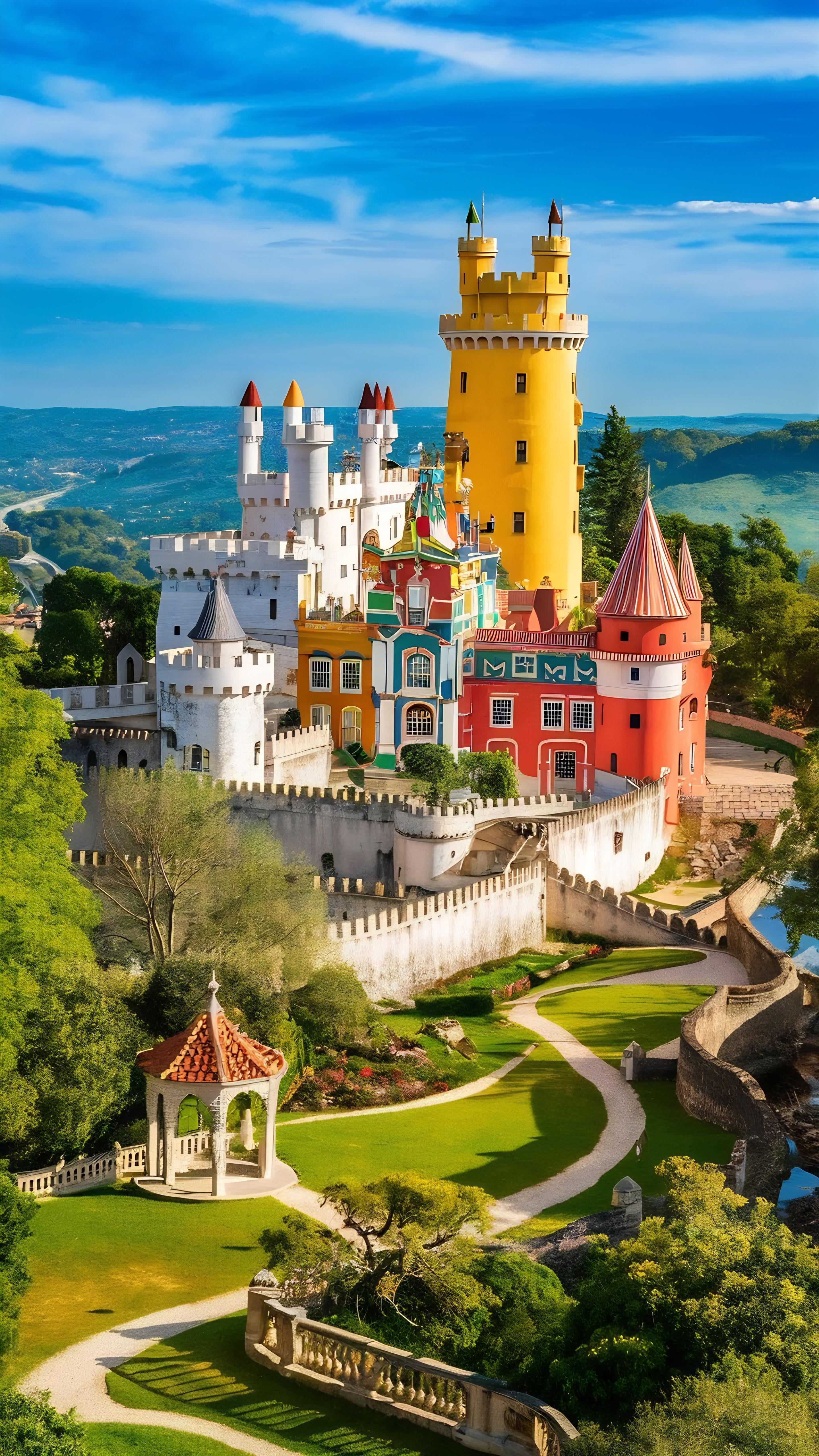
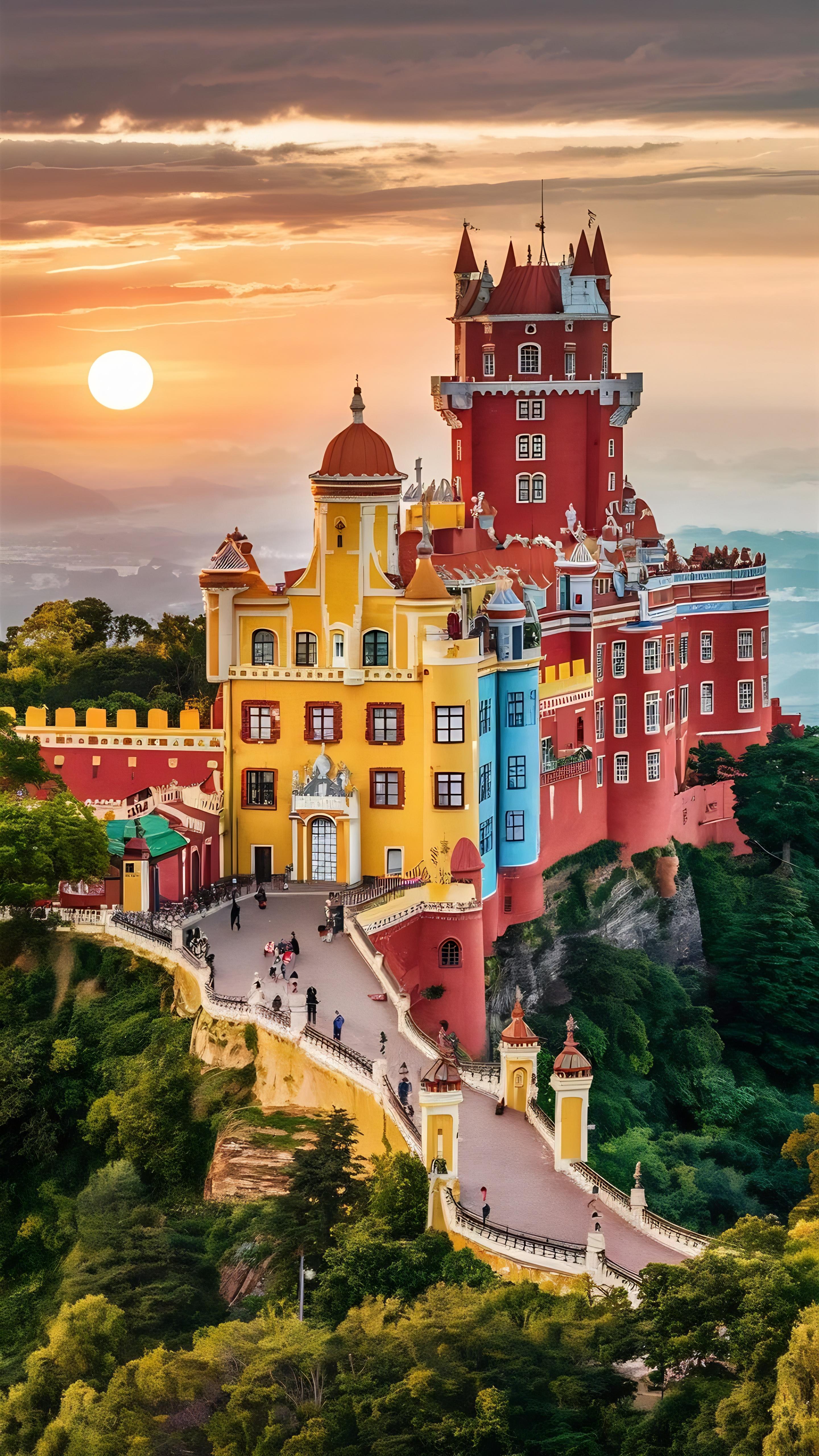
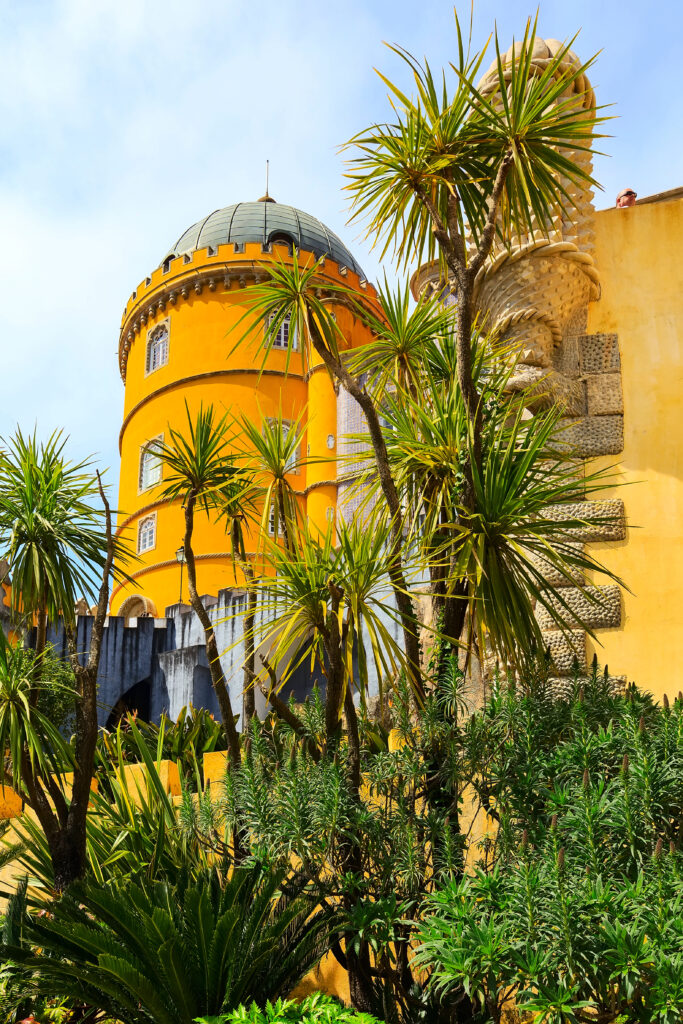
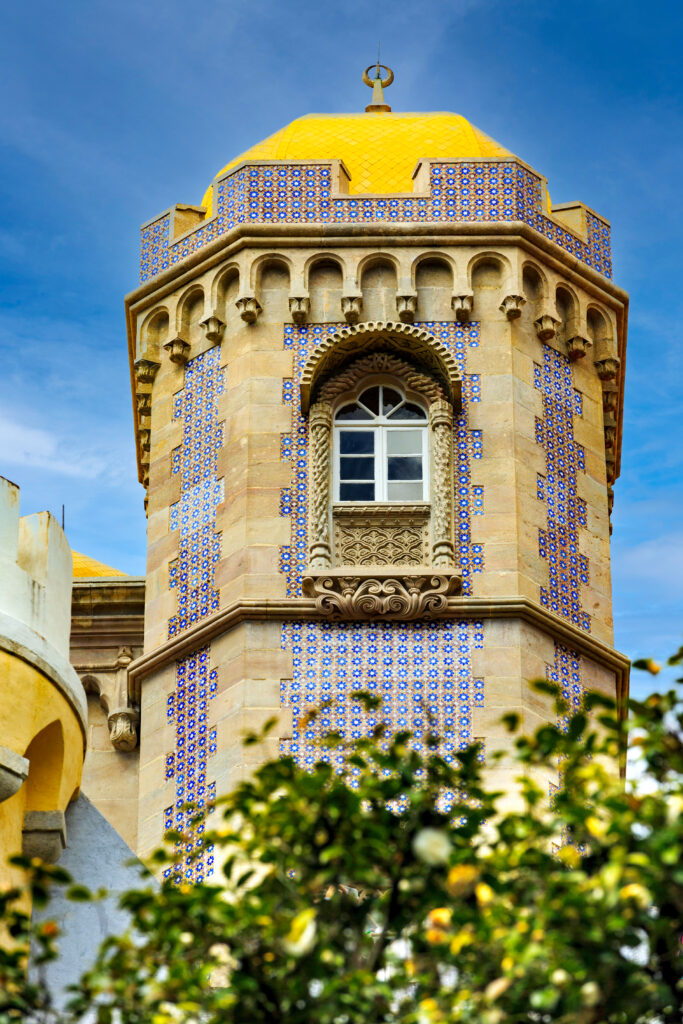
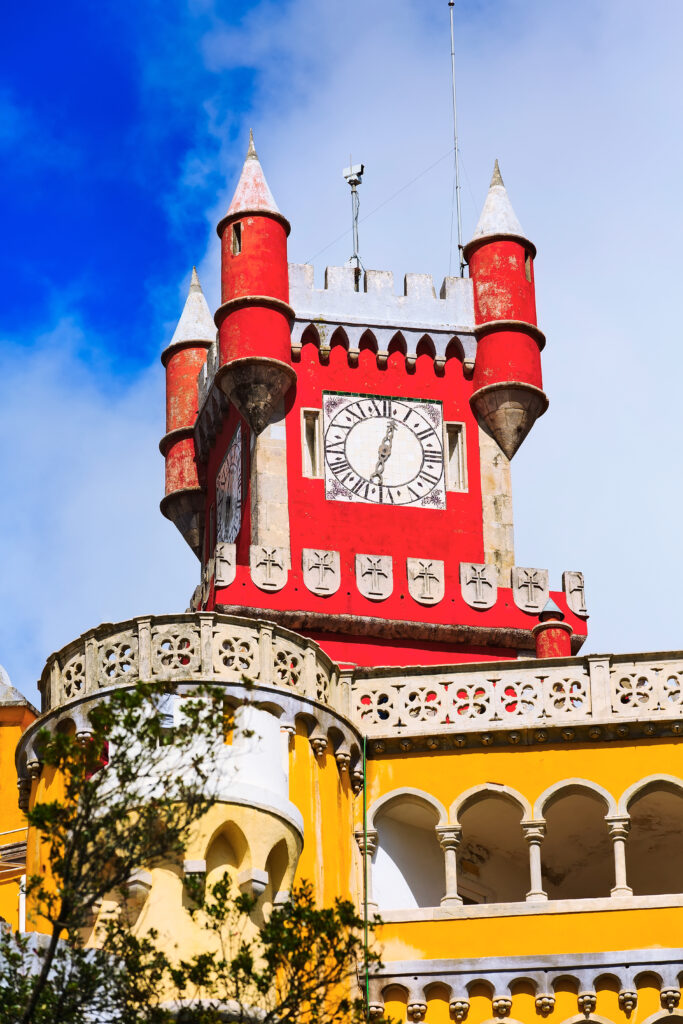
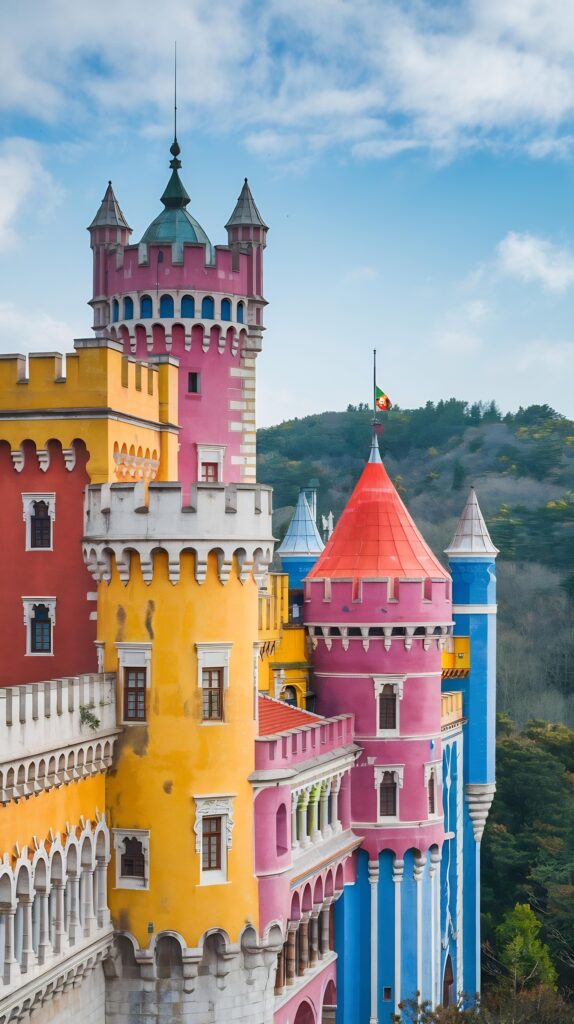
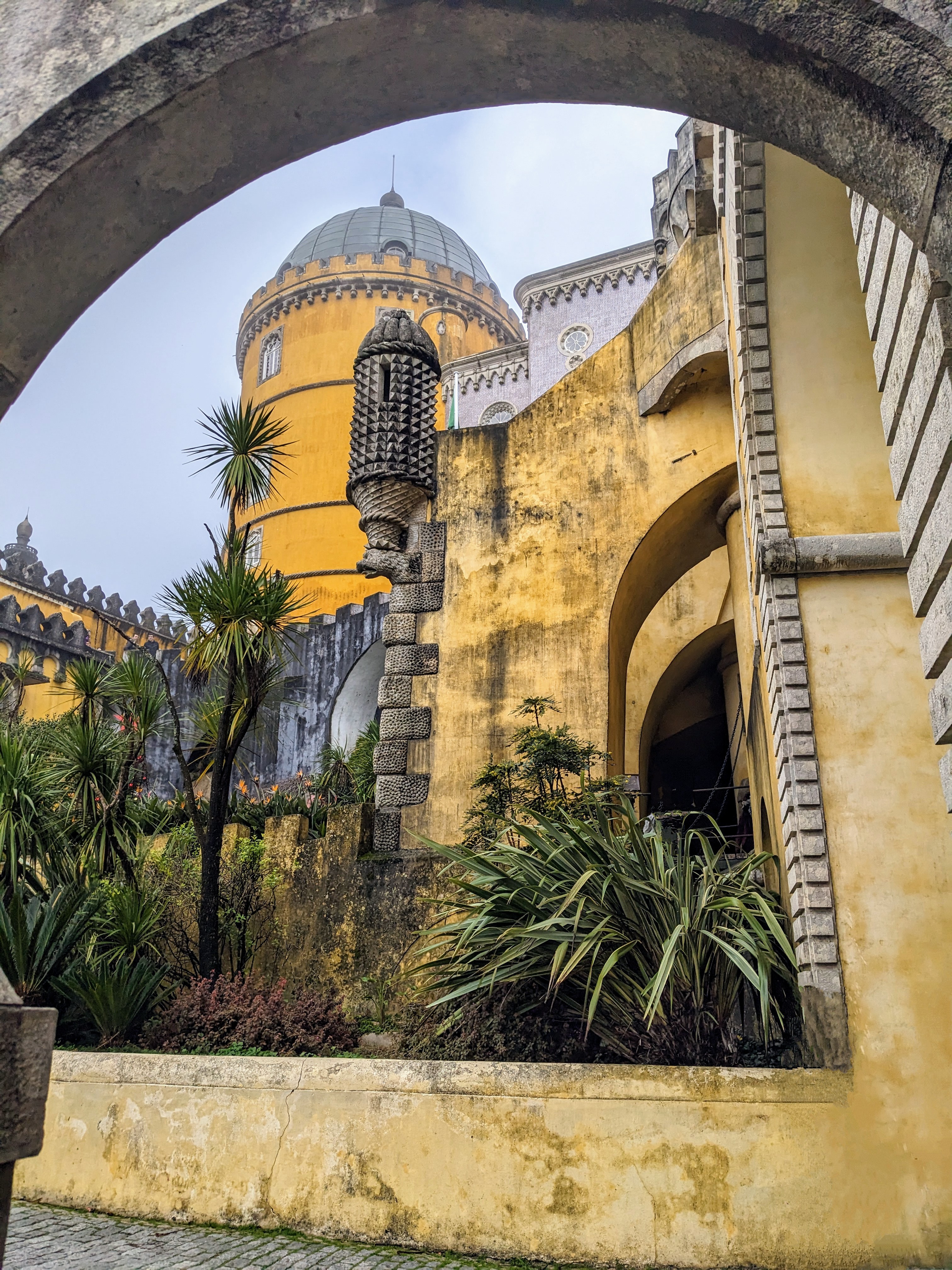
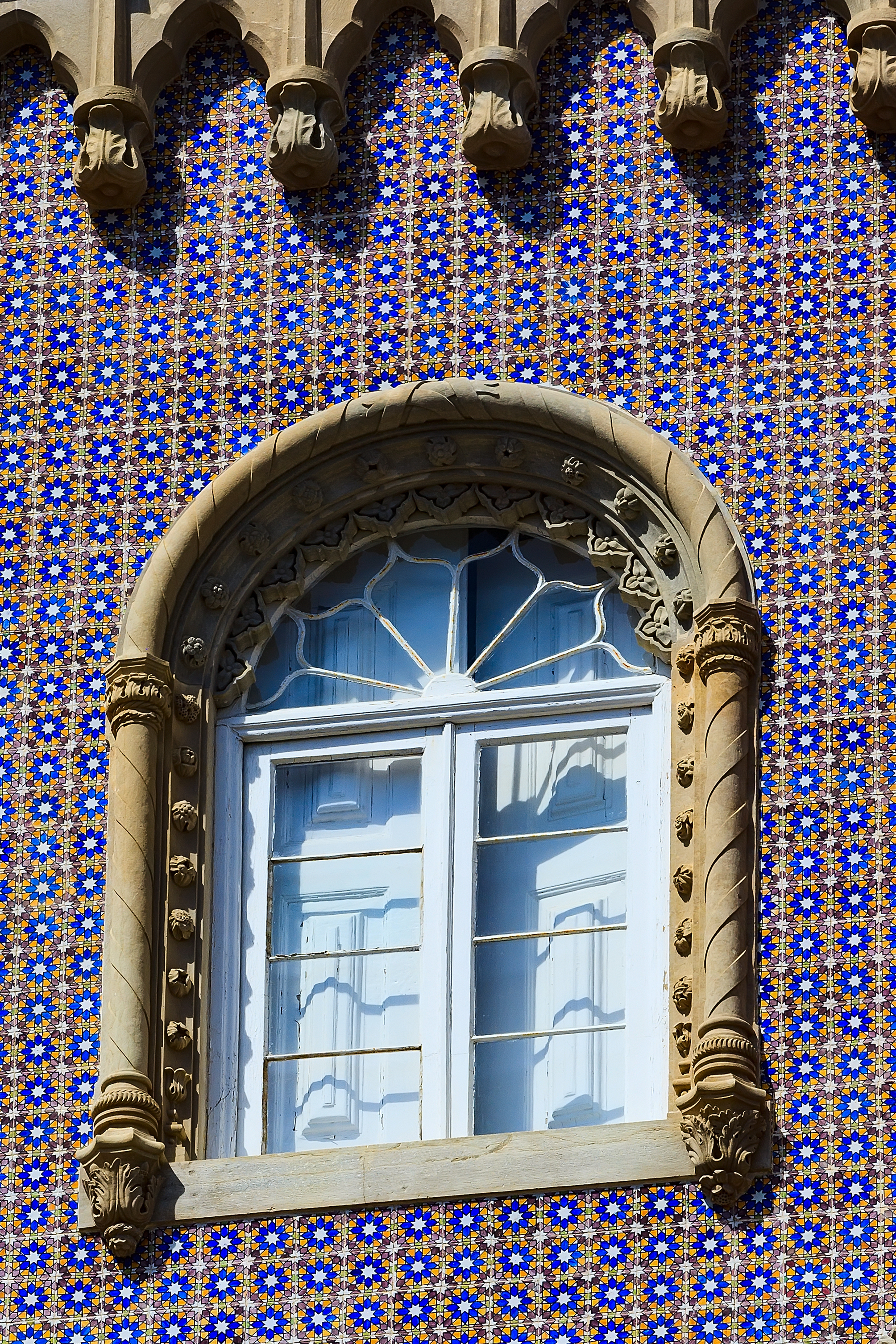
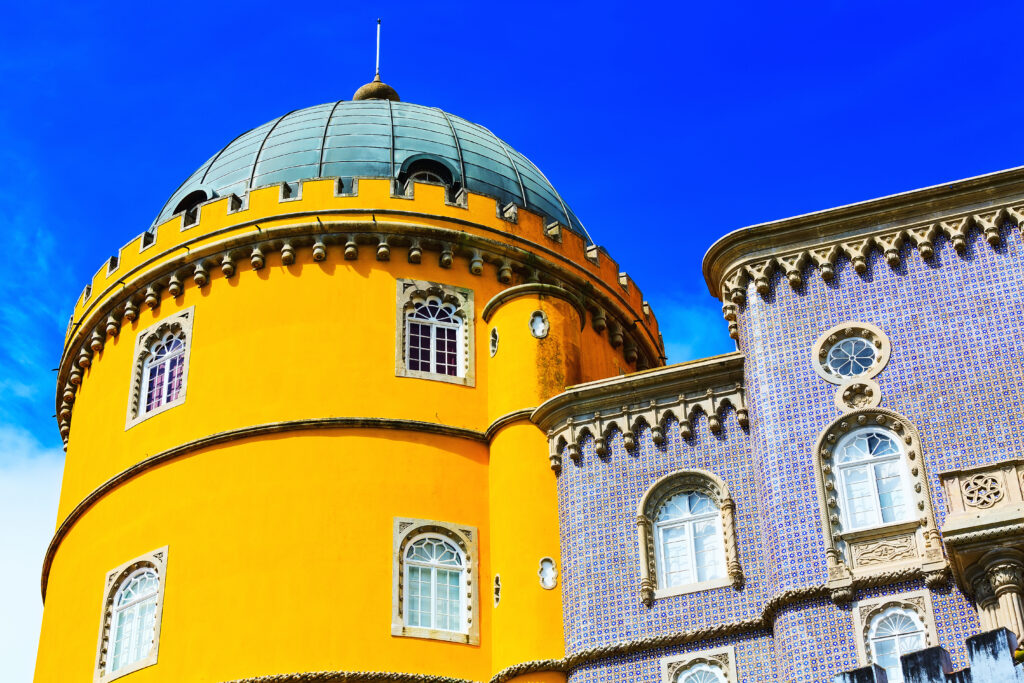
Another highlight is the Pena Palace, often referred to as a fairytale palace. Perched on a high rocky outcrop, it captivates visitors with its colorful towers and terraces that stand out clearly against the blue sky. Every corner of the palace offers a new perspective on its fantastic architecture, inspired by 19th-century Romanticism. The Pena Palace is a symbol of the alchemy of nature and imagination that makes Sintra so unique.
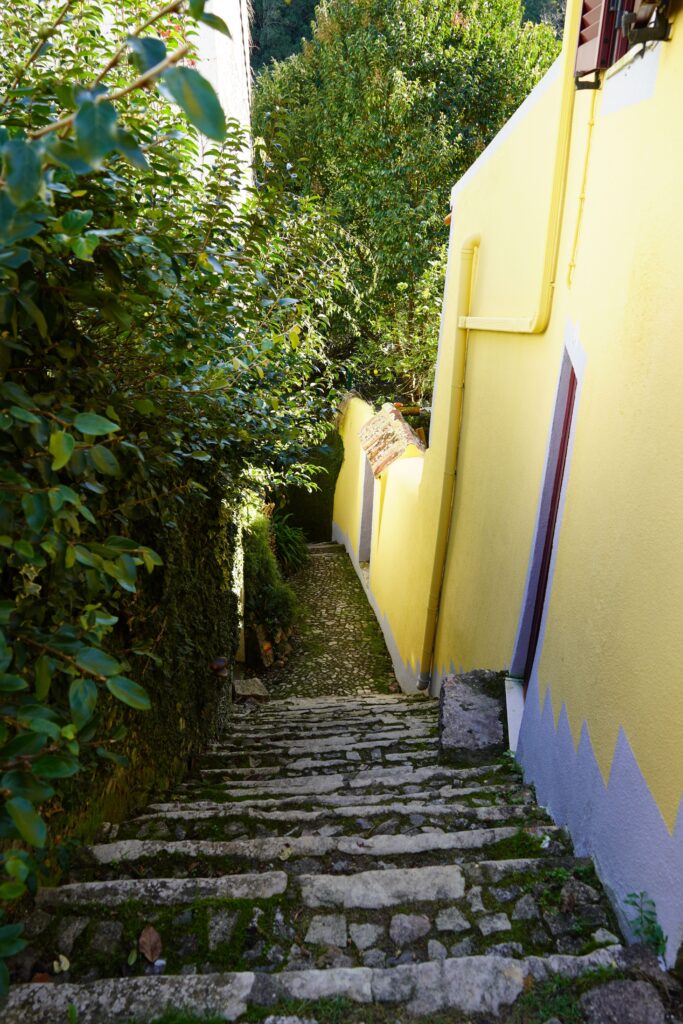
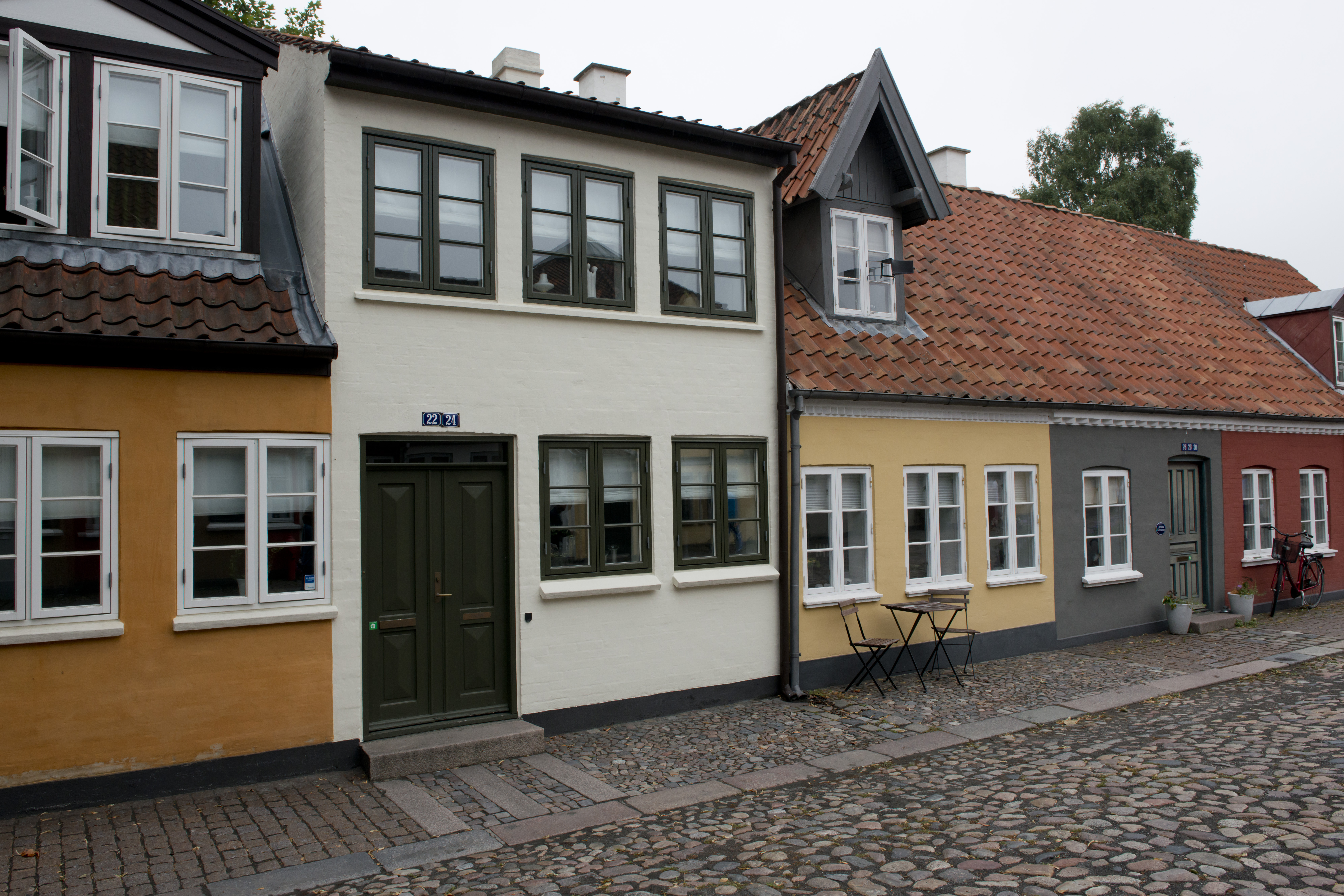
Travelers visiting Sintra embark on a journey of discovery through time and culture. The streets of the city are lined with traditional houses, charming cafes, and small shops offering handmade goods and local specialties. Sintra’s gastronomy is particularly distinctive, offering savory and sweet delicacies. Visitors should definitely try travesseiros or queijadas, pastries that have been baked according to traditional recipes for centuries.
In Sintra, the past and present merge in a magical way, and the many legends and myths surrounding the region give it a mysterious charm. The Palácio Nacional is one of the places where such stories originate—here, the ghost of a former king is said to still wander the halls. Such tales contribute to the mystical atmosphere and make Sintra a place full of secrets and wonders.
The city offers a perfect balance between natural beauty and human creativity. Whether it’s the dreamlike Monserrate Palace or the imposing National Palace of Sintra, each of these places tells its own story and invites visitors to delve deep into Portugal’s rich culture and history. Sintra remains a shining example of how architecture and nature can coexist harmoniously and is undoubtedly one of Europe’s jewels that should not be missed.