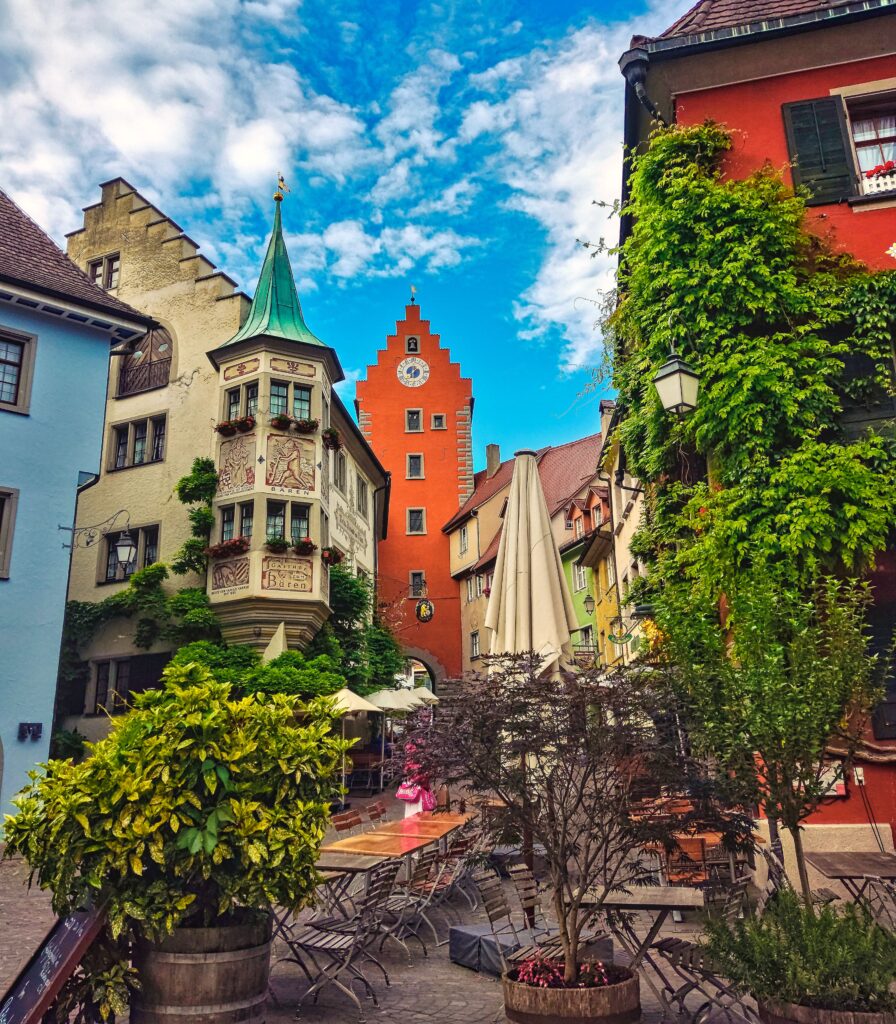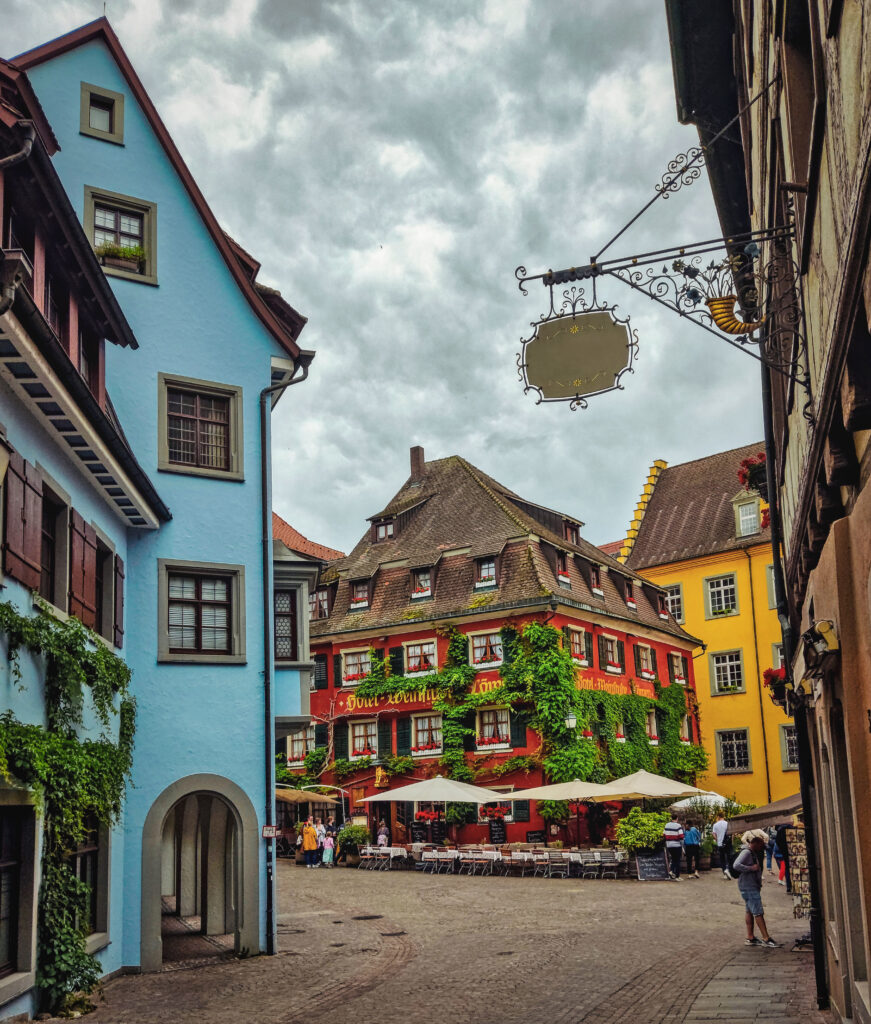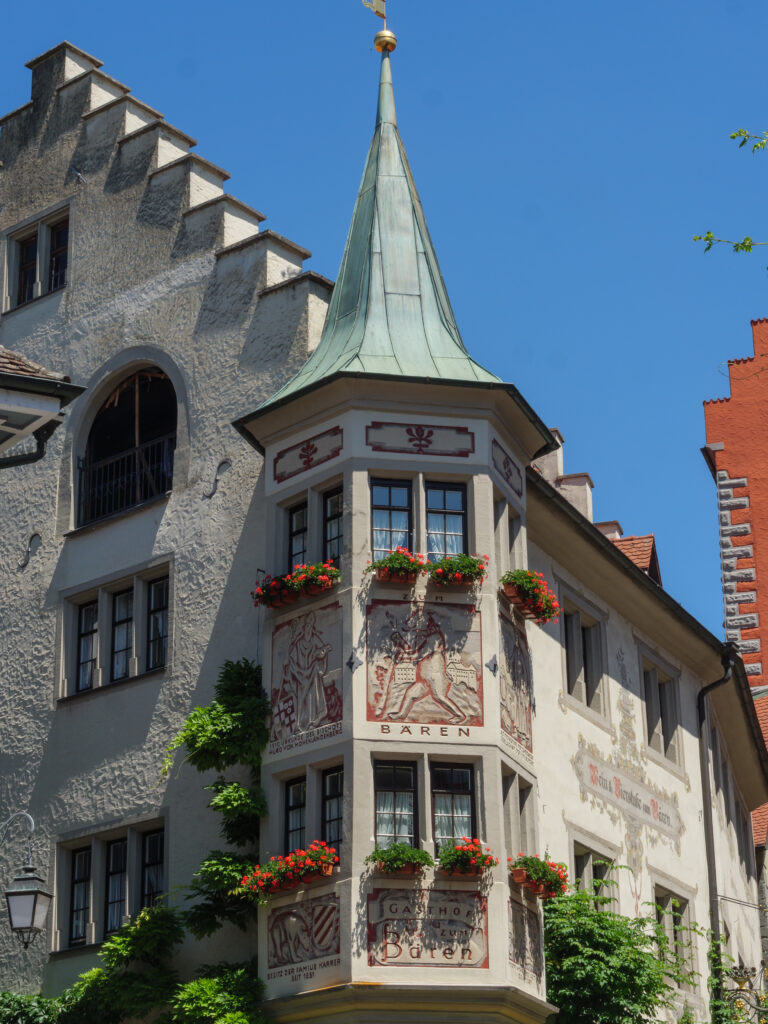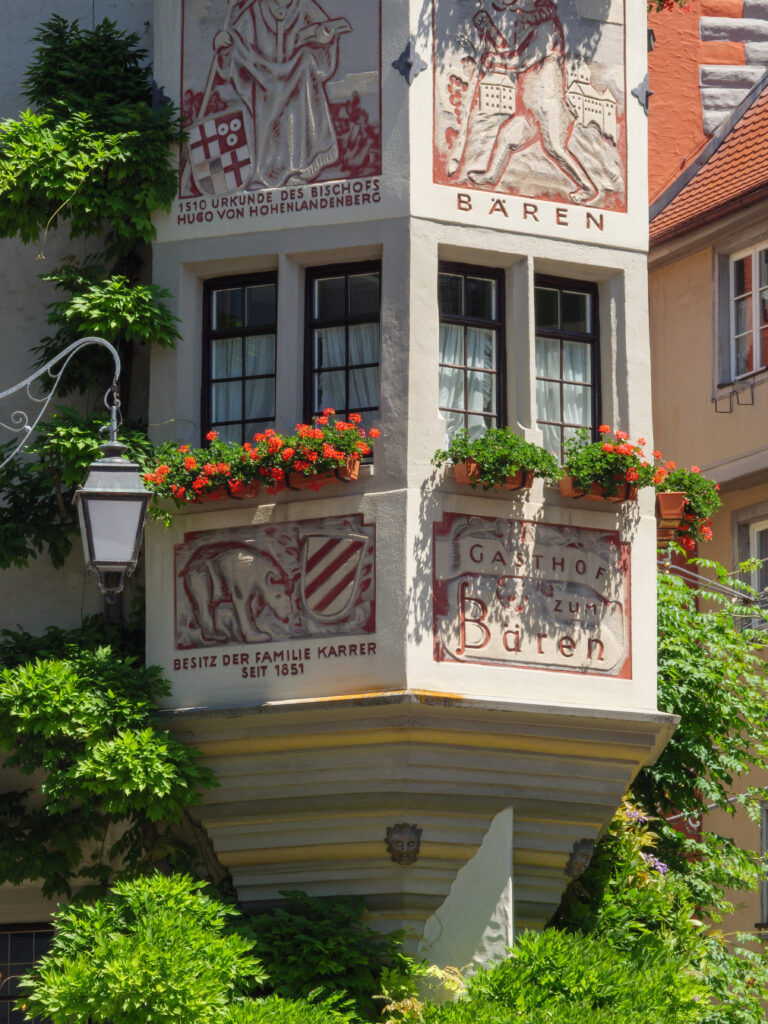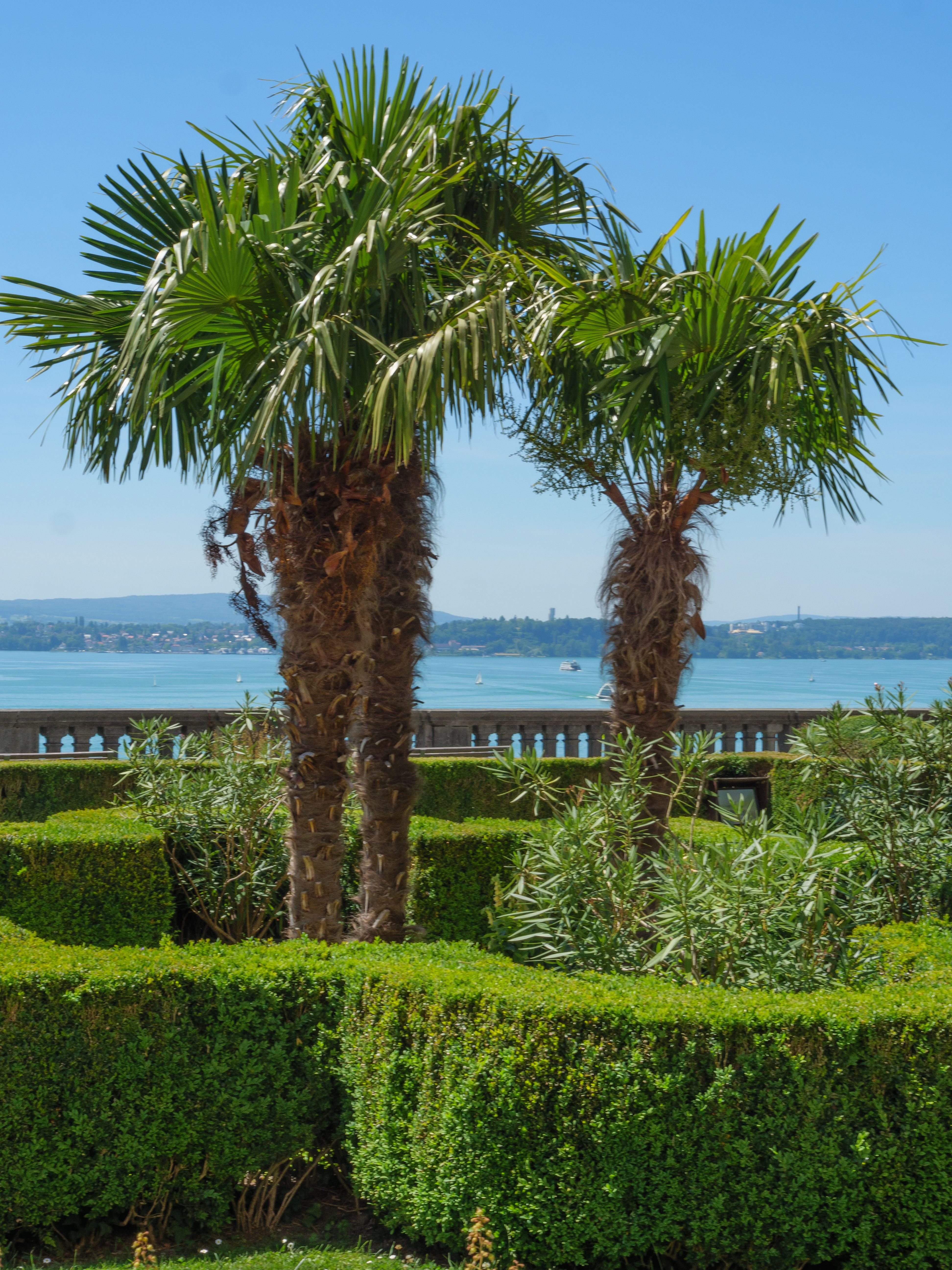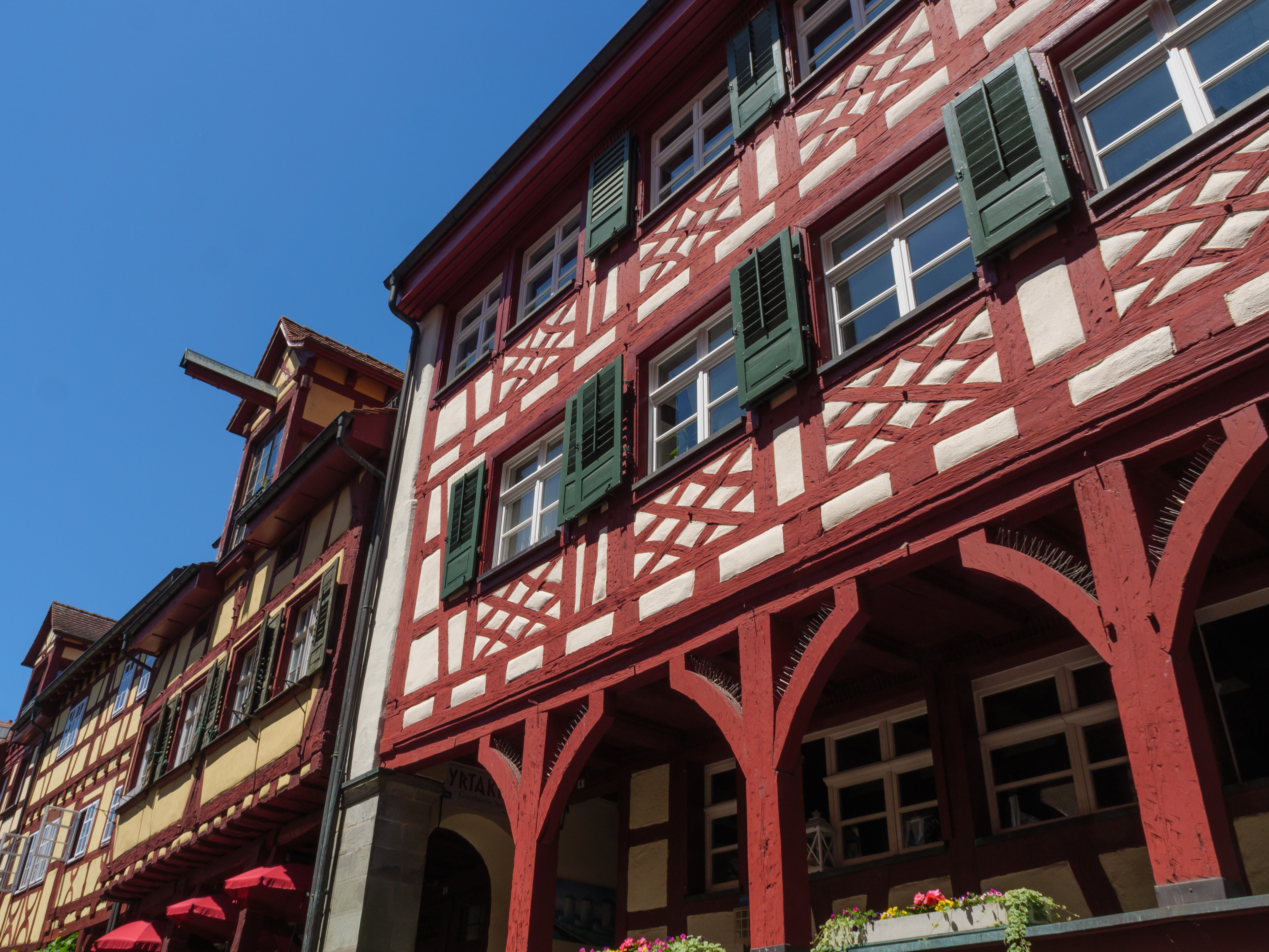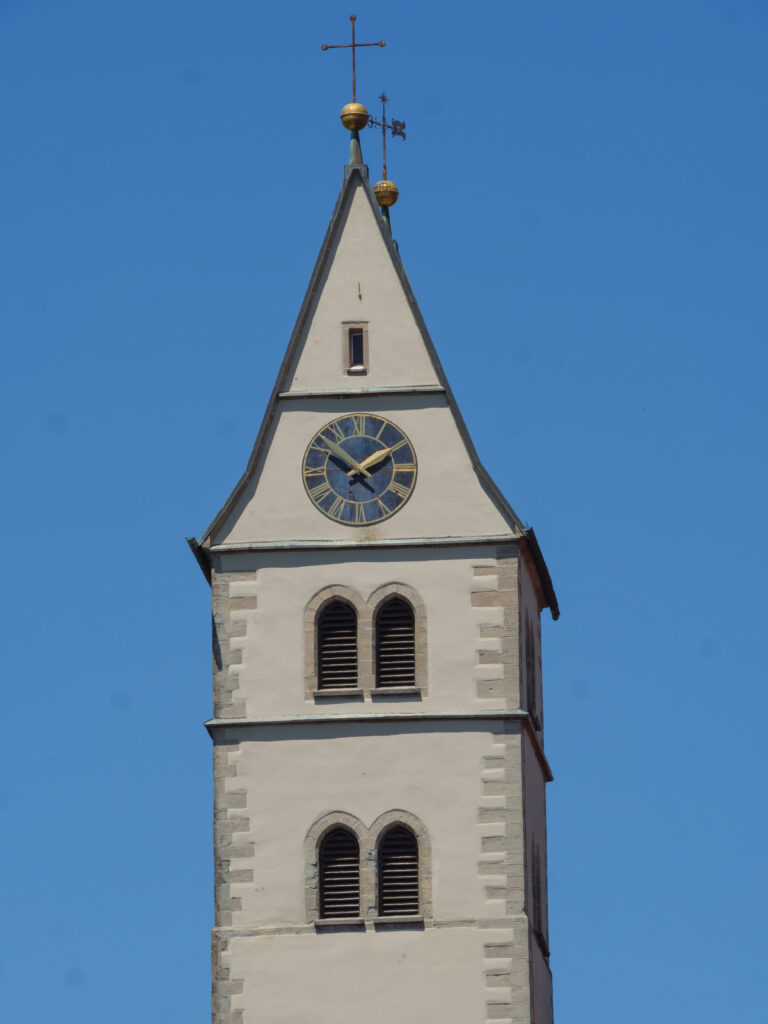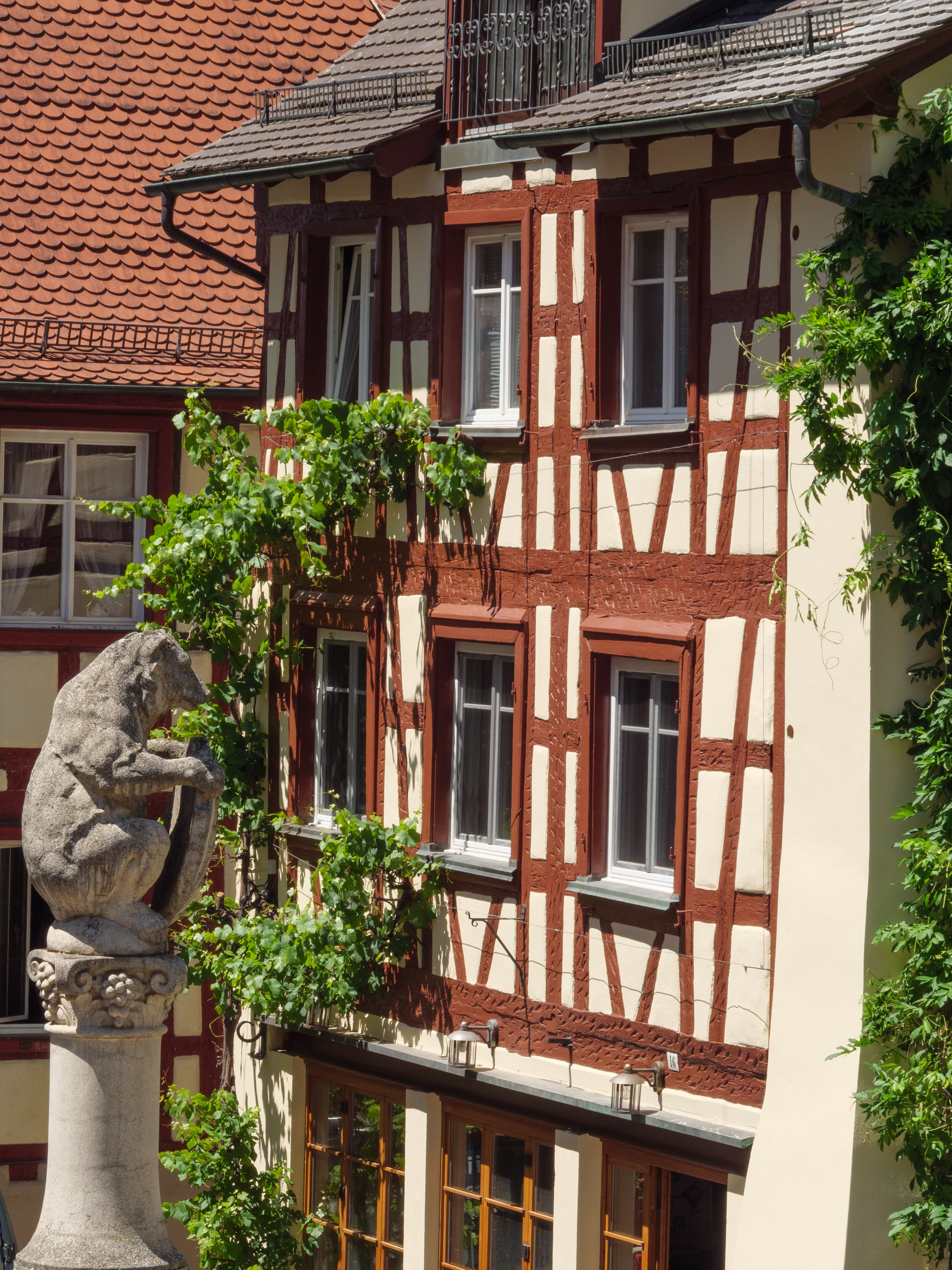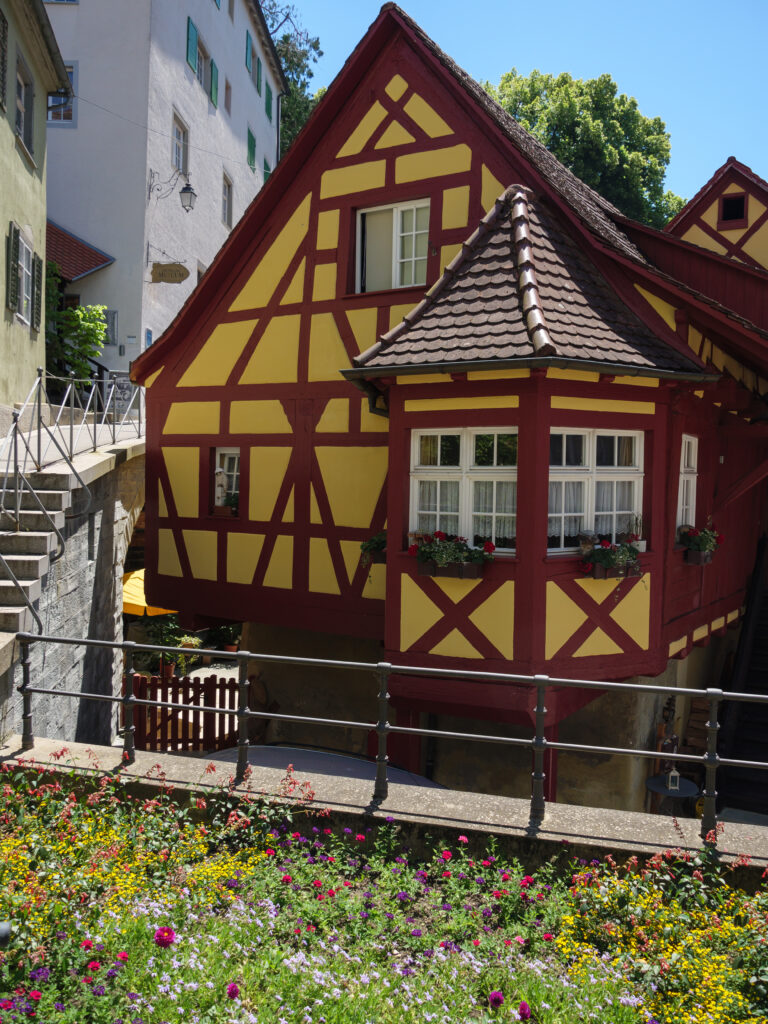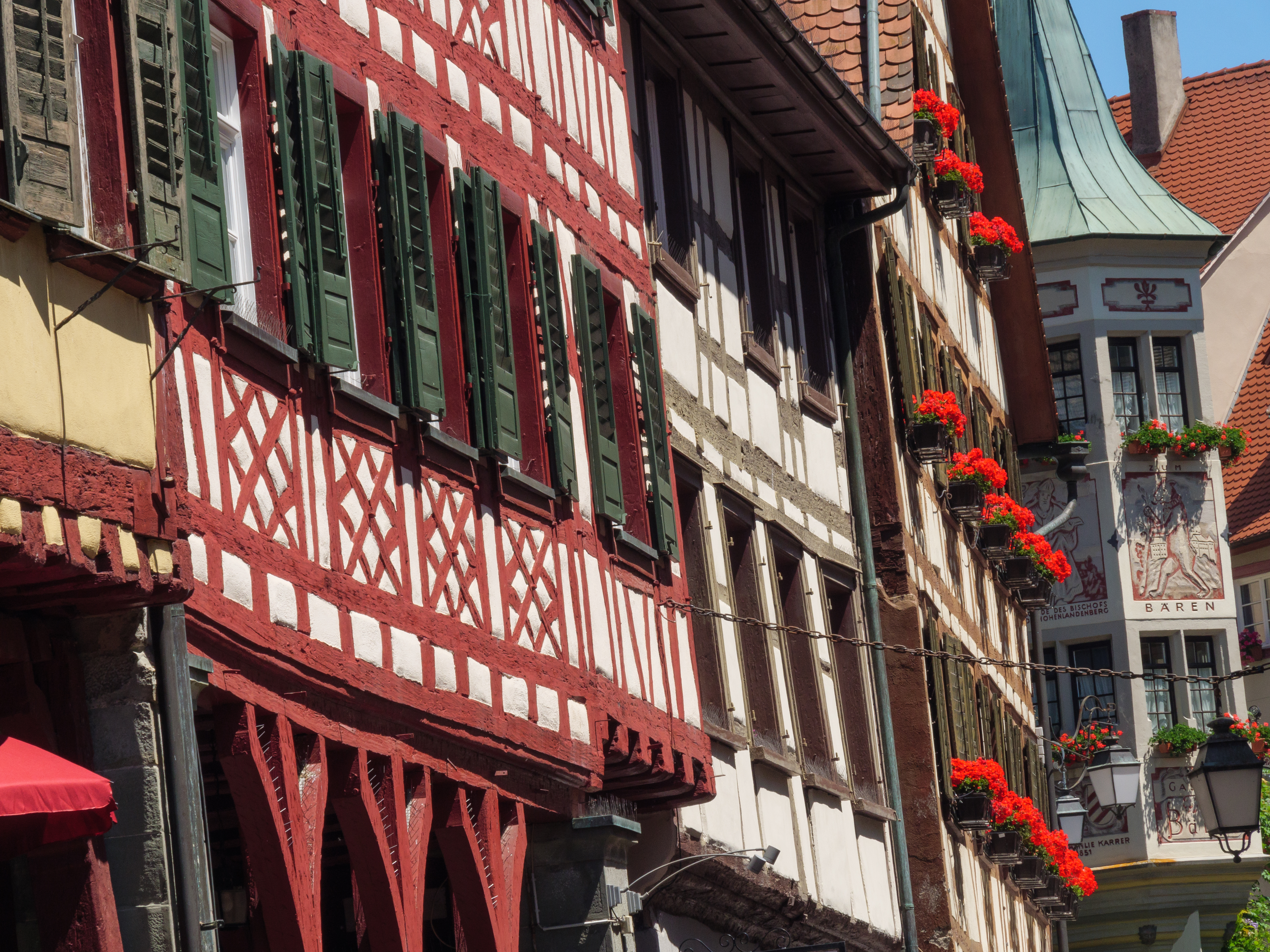
Nestled on the tranquil shores of Lake Constance, the historic town of Meersburg is not only a picturesque location, but also a living museum of European history. With its rich history that has developed over centuries, Meersburg invites visitors to explore beyond the enchanting views and immerse themselves in stories full of life and intrigue.
Ancient roots and medieval splendor – The history of Meersburg begins long before its romantic medieval architecture took shape. Archaeological finds suggest that this area has been inhabited since prehistoric times, creating a deep connection between land and sea that has shaped the region’s development. As the mists of time cleared, Meersburg developed into an important settlement in the early Middle Ages due to its strategic location on Lake Constance, becoming a major hub for trade routes throughout Europe.
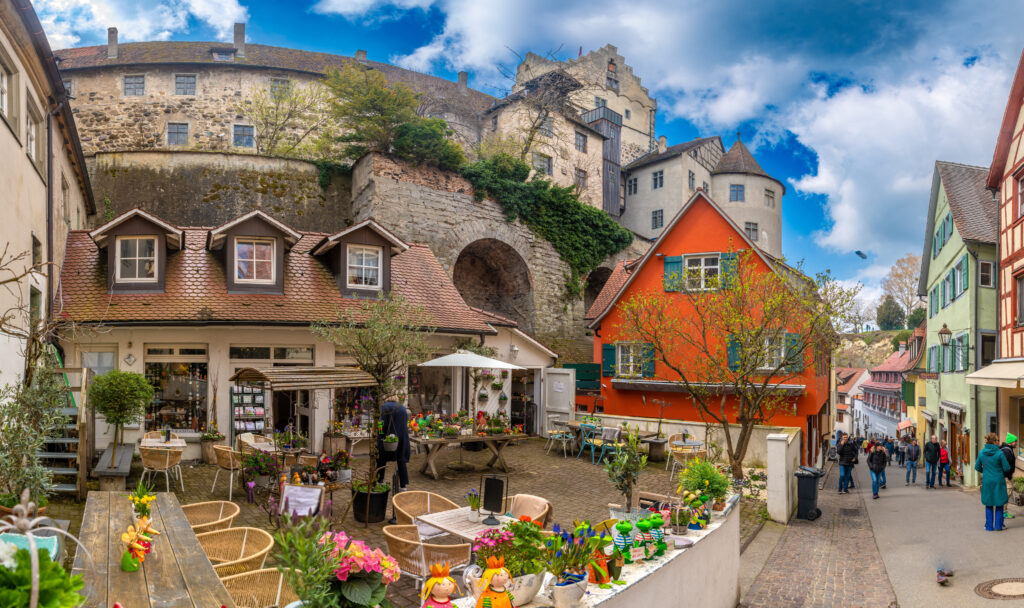
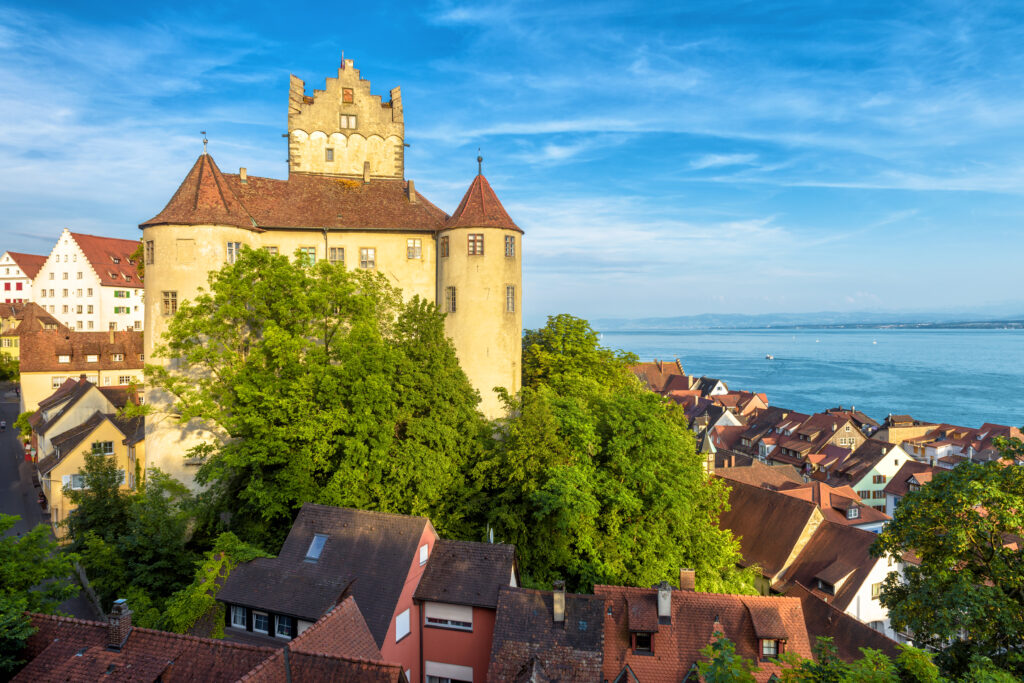
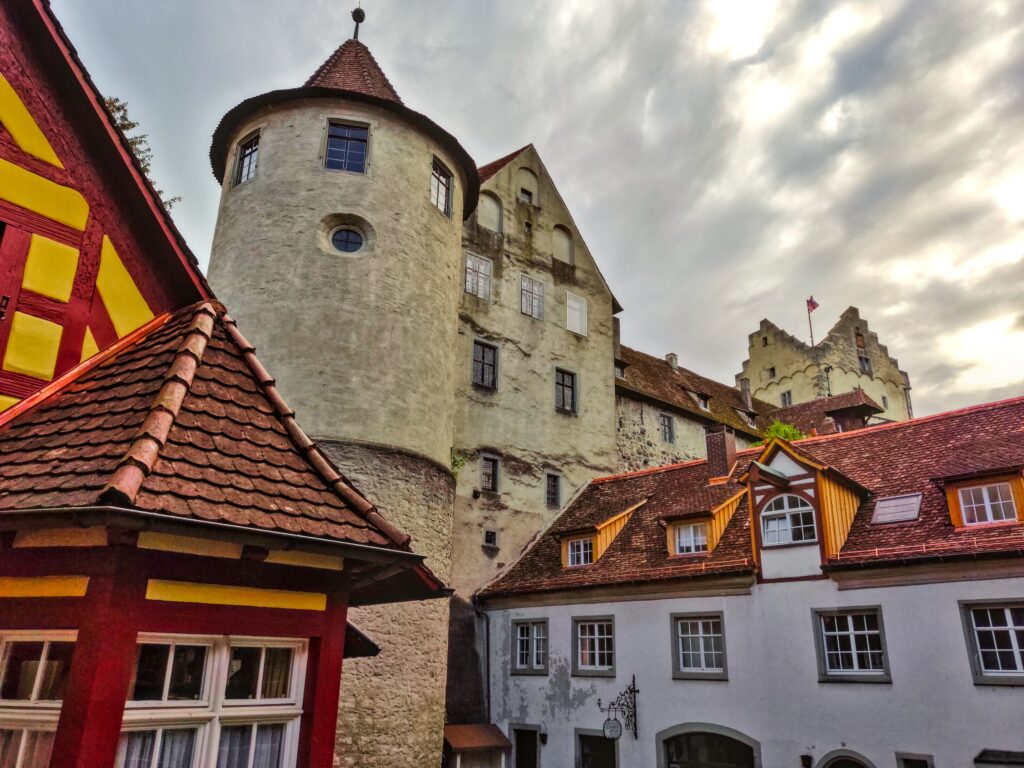
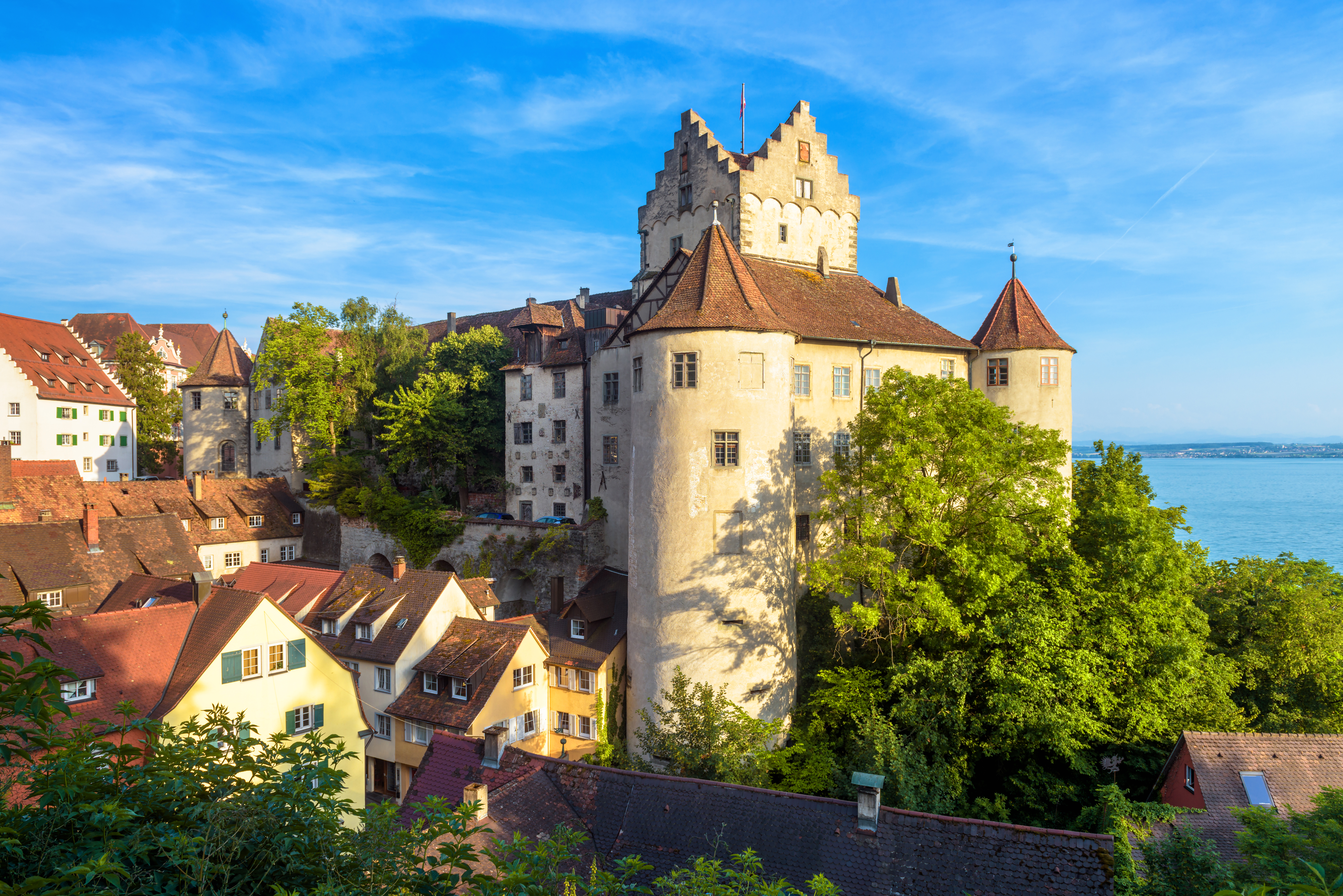
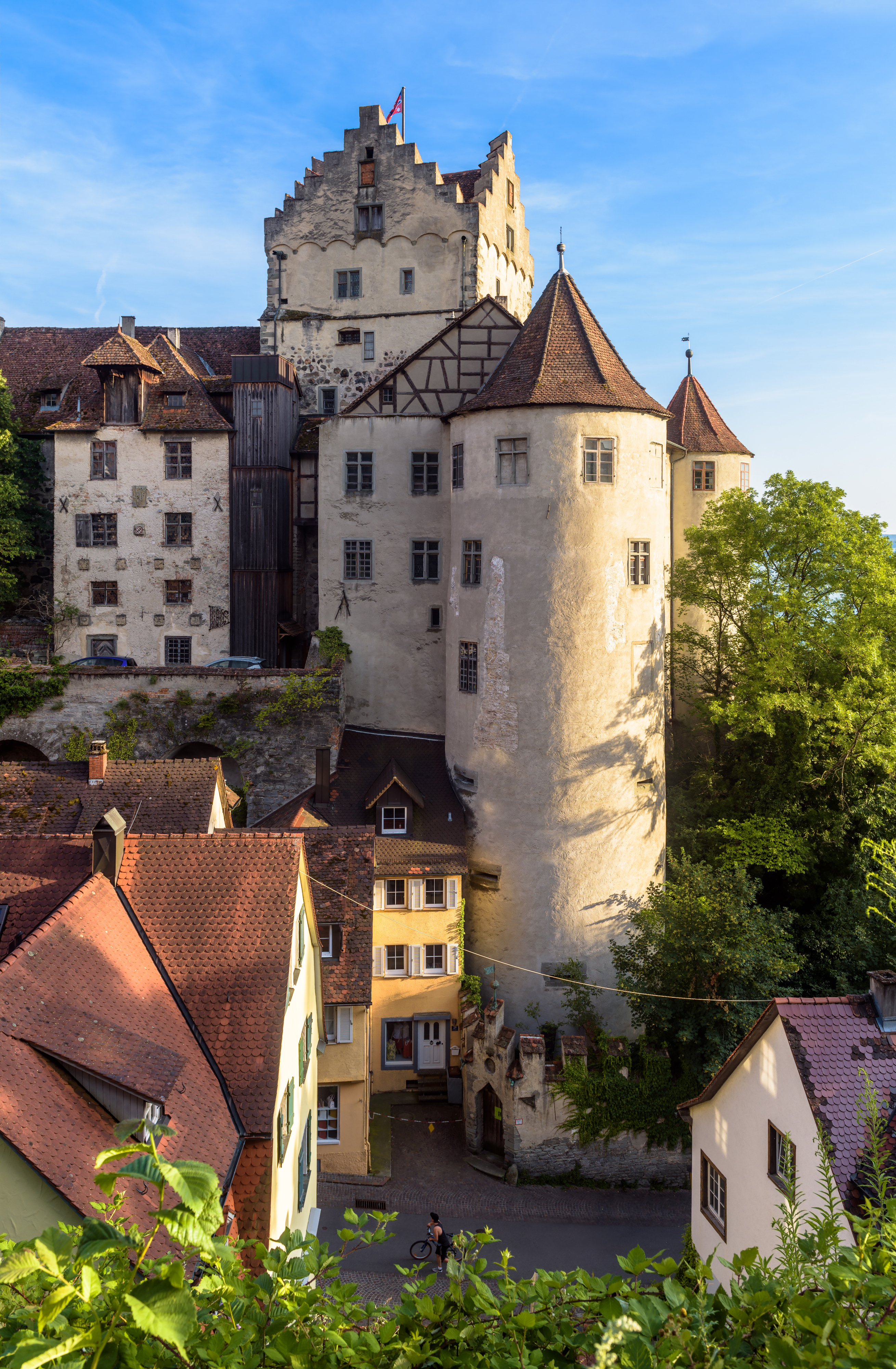
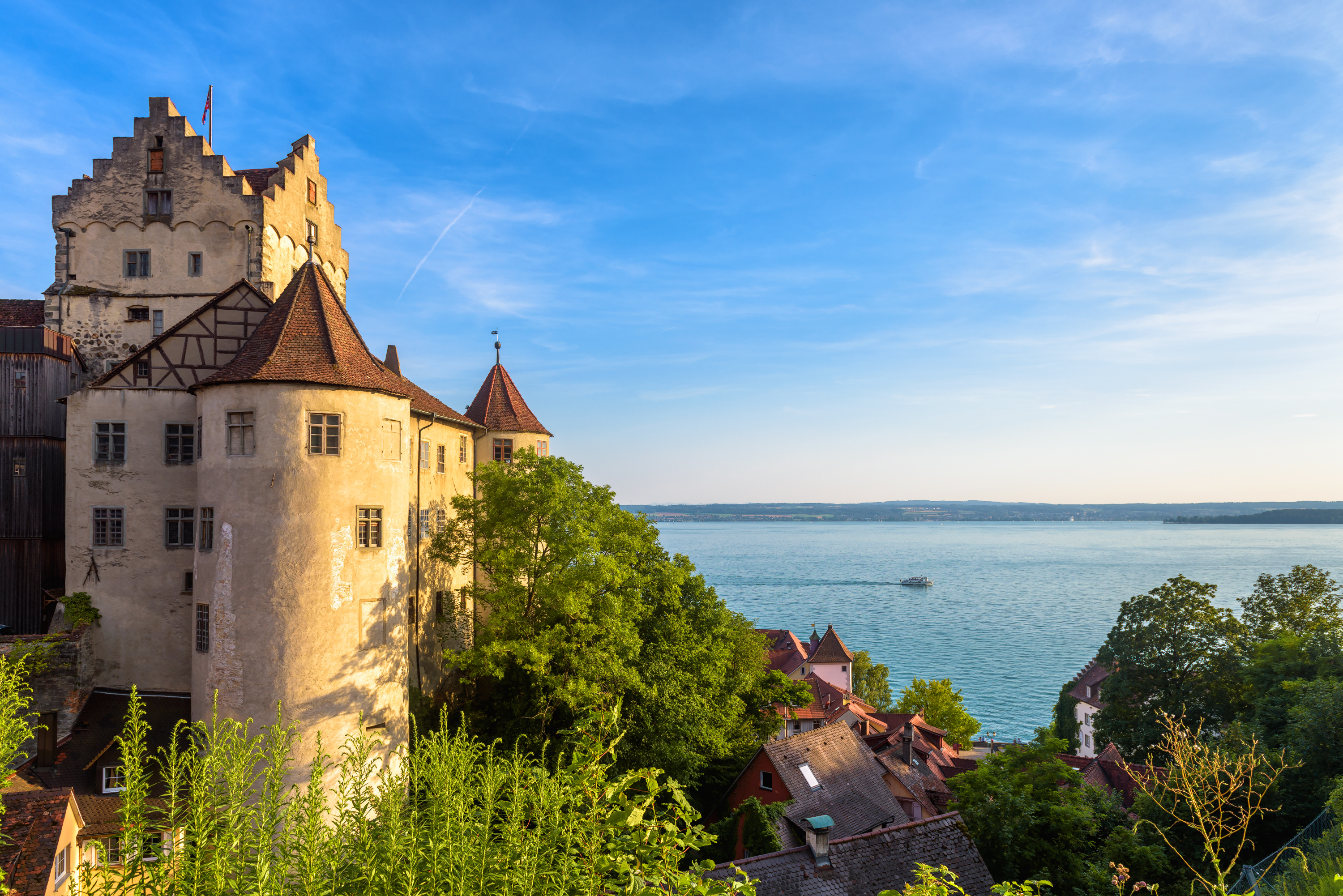
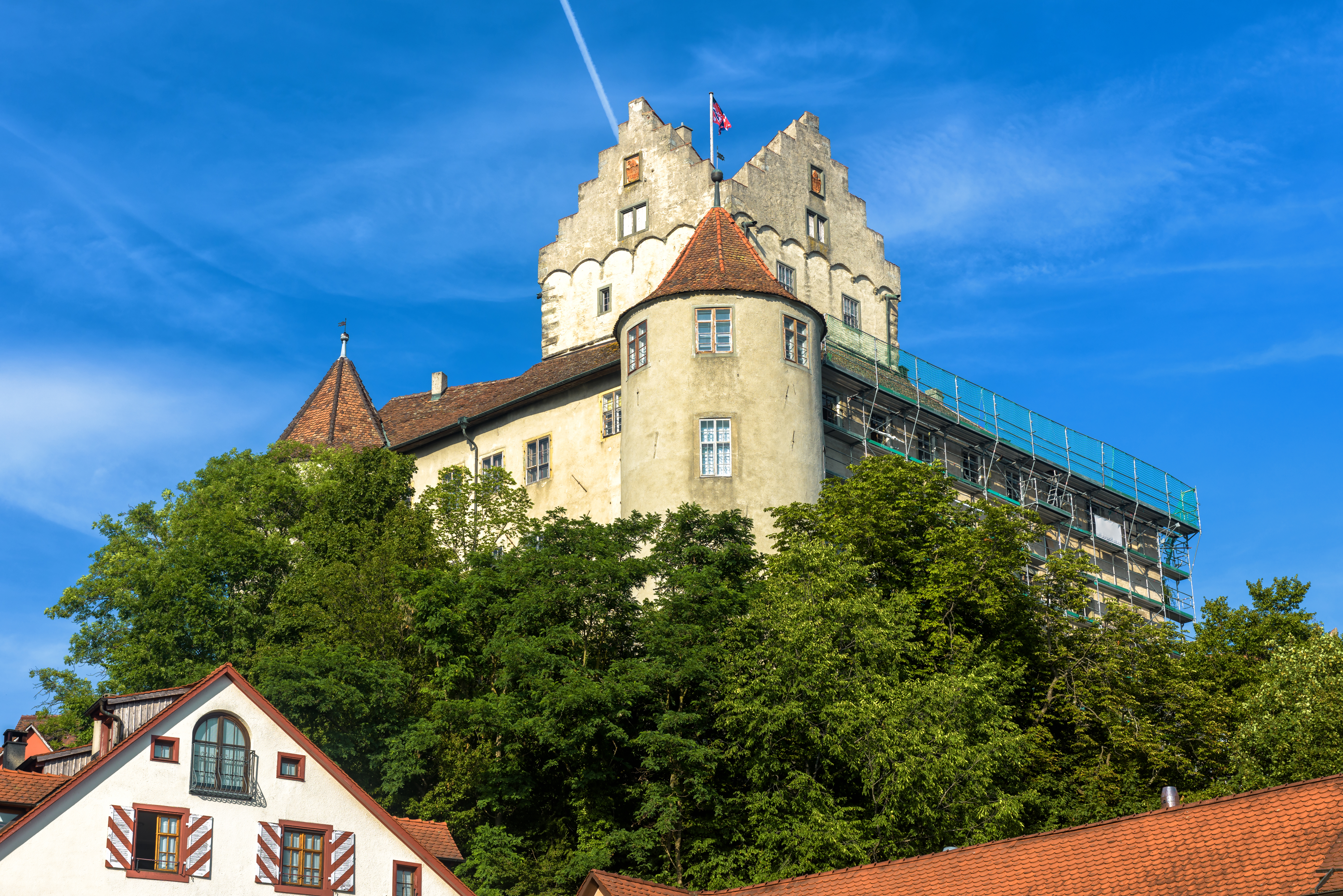
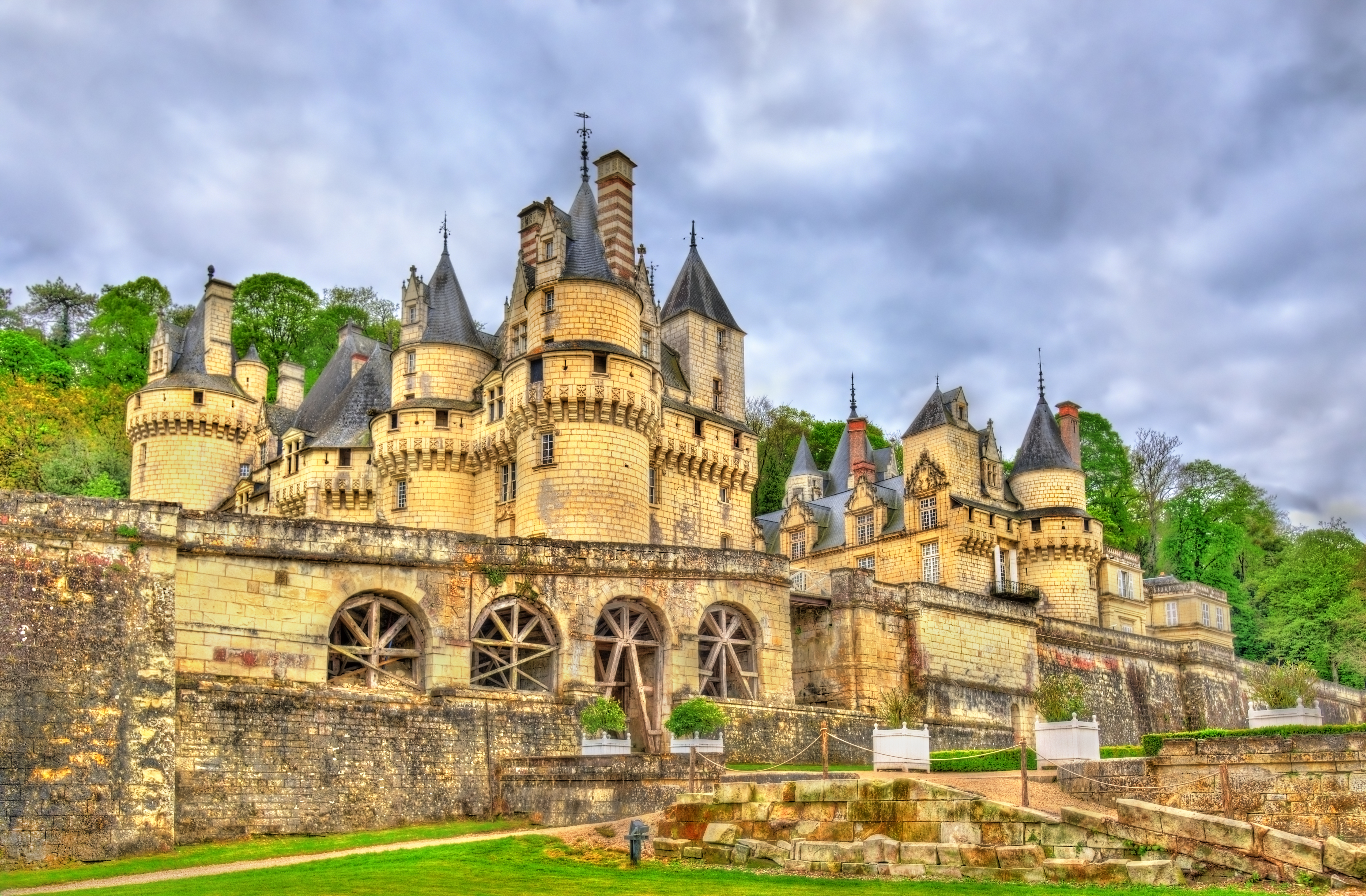
The skyline is dominated by the iconic Meersburg Castle, considered the oldest inhabited castle in Germany. Built around the 7th century, the castle bears witness to the resilience and continuity of the town’s historical development. Its sturdy stone walls have witnessed countless chapters of history, from the turbulent Middle Ages to the Enlightenment-inspired Renaissance.
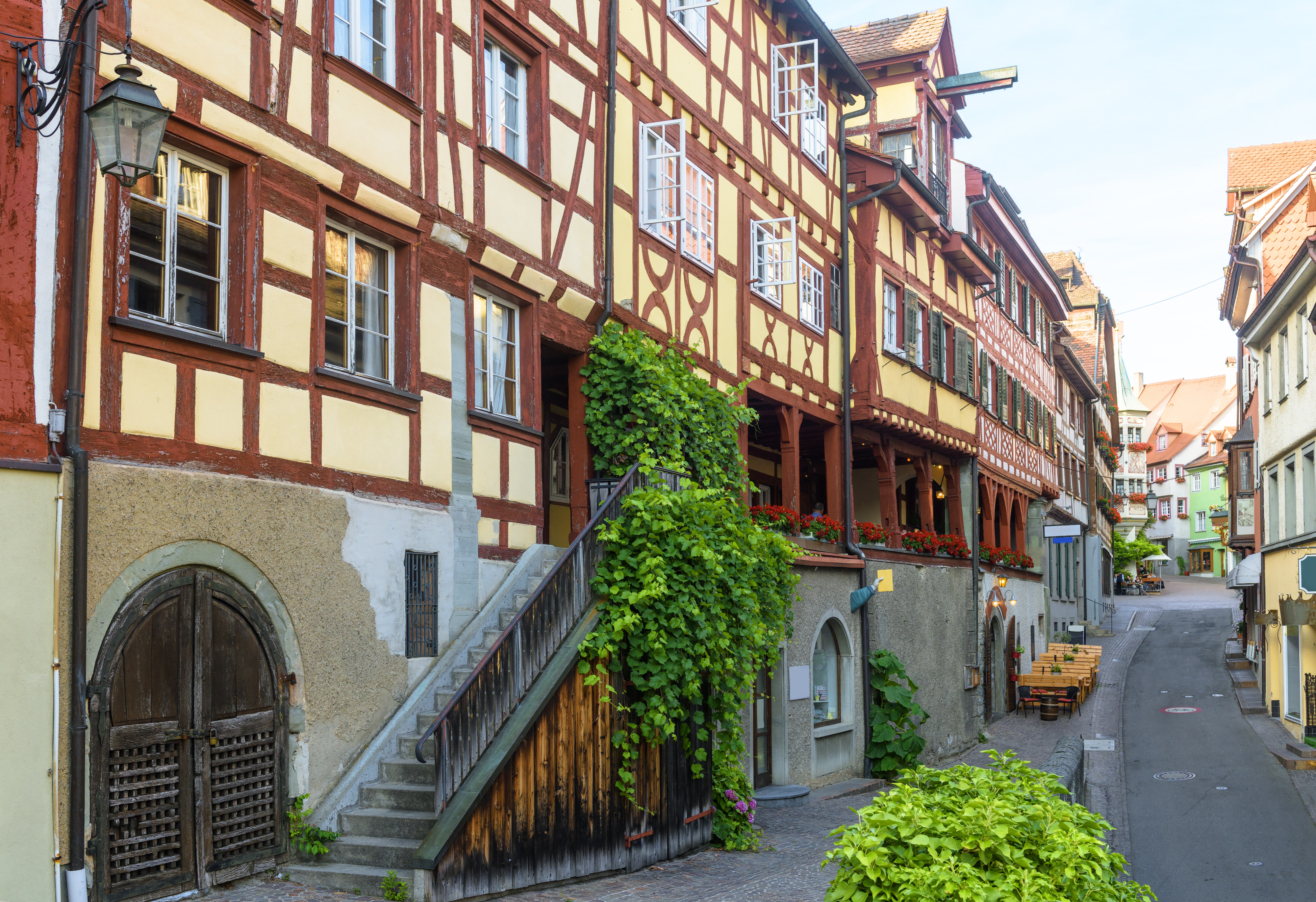
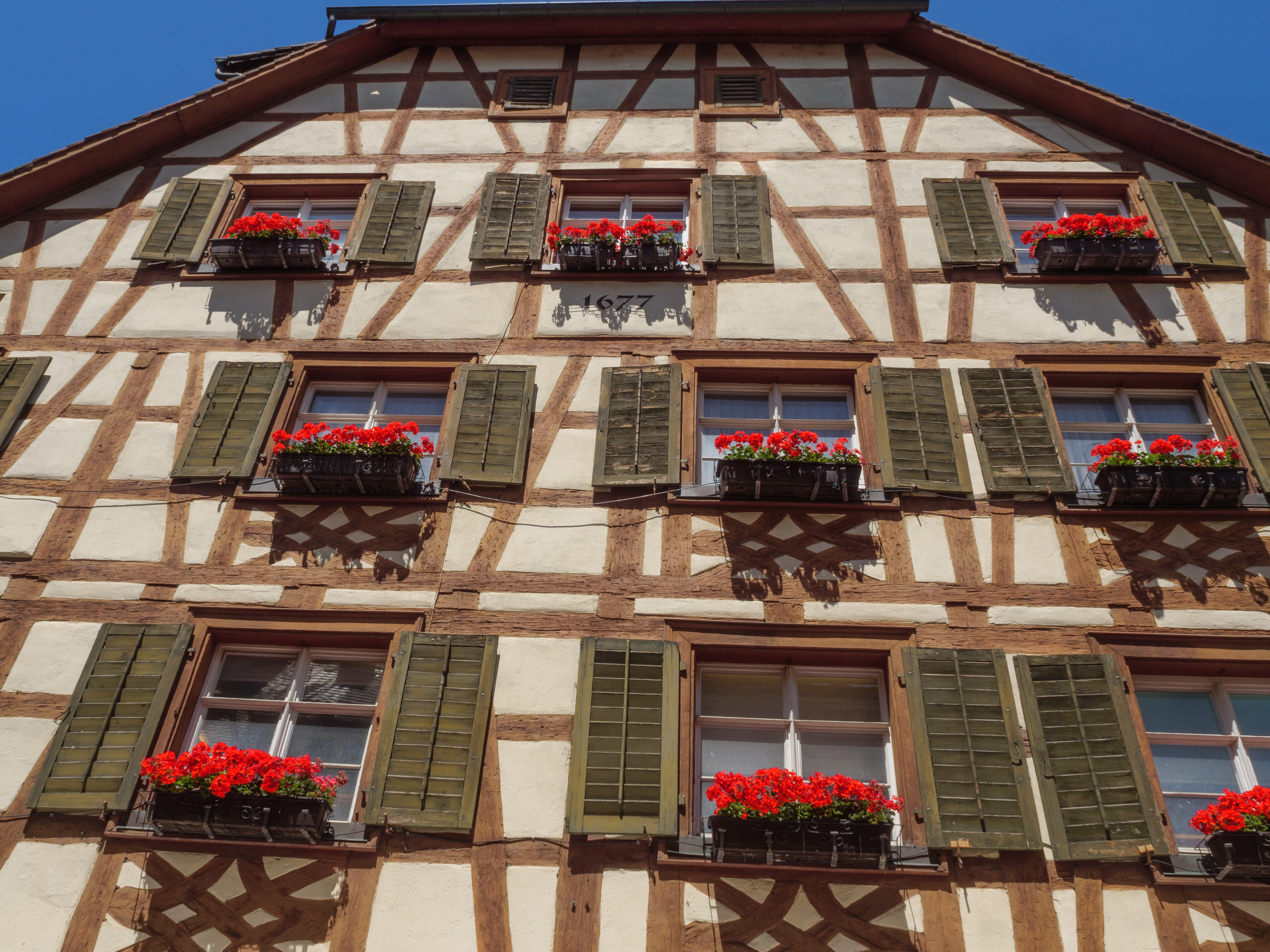
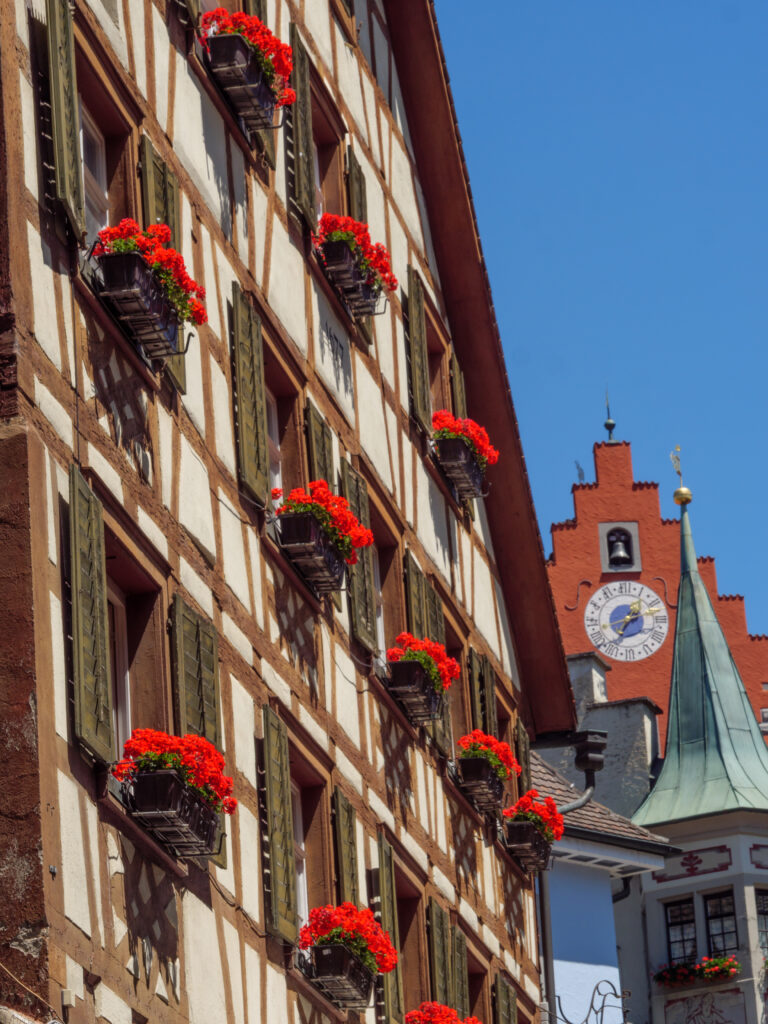
A cultural melting pot – As merchants and travelers passed through Meersburg, they brought with them a variety of cultural influences that continue to enrich the city’s heritage to this day. The blend of Swabian tradition and other European cultures transformed Meersburg into a vibrant center for art and education. This cultural synergy is evident in the city’s architecture and long-standing customs.
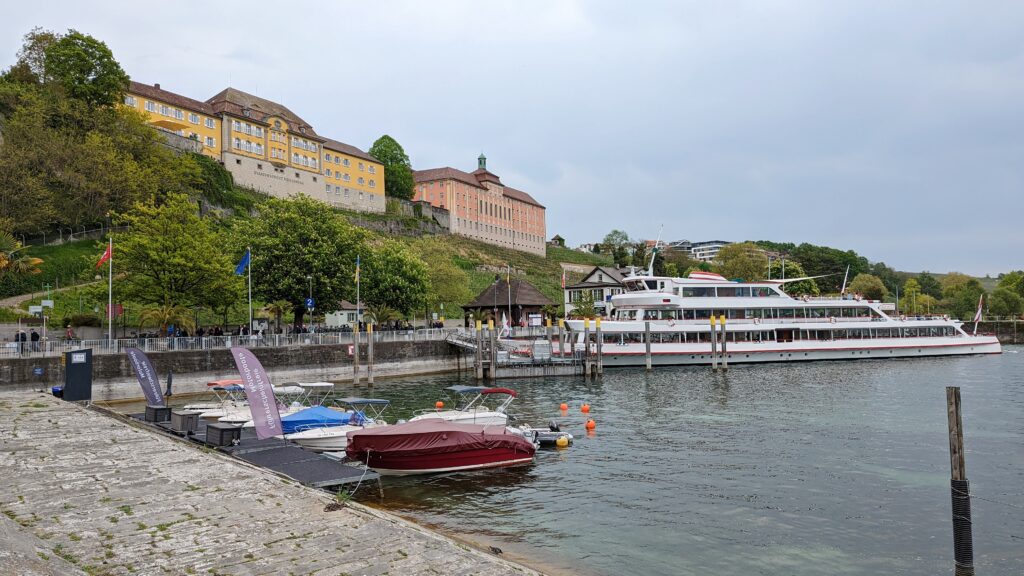
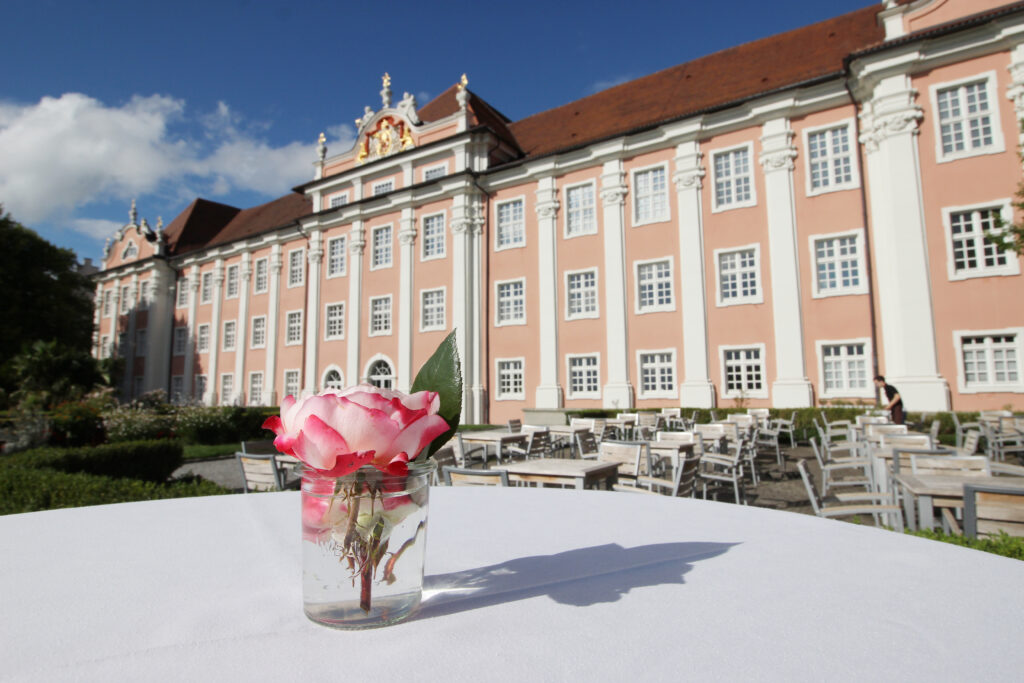
In the 19th century, the popular poet Annette von Droste-Hülshoff found refuge and inspiration within the walls of Meersburg’s New Castle. Her presence underscored the city’s reputation as a haven for writers and artists and attracted intellectuals seeking solace in the idyllic landscape and contemplative atmosphere of the city.
The Victorian tourism boom – The Industrial Revolution heralded a new era for Meersburg, as the expansion of the railway network opened up previously inaccessible areas and triggered a tourism boom. The Victorian elite were attracted by the prospect of tranquil lake views and refreshing breezes, making Meersburg a sought-after retreat for the European aristocracy. Luxurious hotels and guesthouses sprang up along the waterfront, accommodating illustrious guests whose visits added another dimension to the town’s historic past.
Yet despite its growing popularity, Meersburg retained its quaint charm. Unlike more commercial resorts, it preserved its rustic appeal through strict architectural regulations and a commitment to protecting historic sites. This balance between modernization and preservation remains a hallmark of Meersburg’s tourism concept to this day.
Whispers of war and remembrance – The 20th century brought turbulent times, as two world wars left indelible marks on the town’s collective memory. During these dark years, Meersburg remained resilient, though not unscathed. The Lake Constance area became a place of strategic importance, influencing military maneuvers and alliances.
In the post-war period, significant efforts were made to rebuild and heal, with communities coming together to build bridges – both literally and figuratively.
Memorials and museums scattered throughout the city serve as powerful reminders of these times of conflict. They ensure that the lessons learned are not forgotten, honor those who sacrificed their lives, and spread a message of peace and unity.
Meersburg today: a dynamic mosaic – Today, Meersburg is a thriving hub where modern vibrancy meets historical depth. The city continues to attract visitors from around the world who want to experience its unique blend of history, culture, and natural beauty. Festivals such as the annual summer music festival celebrate Meersburg’s artistic heritage, while local markets showcase regional crafts and culinary delights.
The ecological health of Lake Constance remains an integral part of Meersburg’s identity. Environmental protection measures play a crucial role in preserving the lake, which provides habitat for both humans and animals. Initiatives to promote biodiversity and sustainable tourism are examples of Meersburg’s forward-thinking approach, which ensures that the city will remain a haven for future generations.
Exploring tomorrow’s horizons – As Meersburg continues to move forward into the 21st century, challenges and opportunities lie ahead. The effects of climate change, demographic shifts, and changing global travel trends will test the city’s adaptability. However, Meersburg’s ability to reinvent itself while preserving its heritage offers hope for a sustainable future.
Innovative projects are currently underway to improve infrastructure and digital connectivity, aiming to enhance the quality of life for residents while accommodating the growing number of visitors. Emphasis is placed on community engagement and participatory governance, reflecting the civic spirit deeply rooted in Meersburg’s social fabric.
Meersburg, considered a beacon of heritage preservation and cultural richness, is ready to write its next chapter—a story that will be as fascinating as the stories from its past.
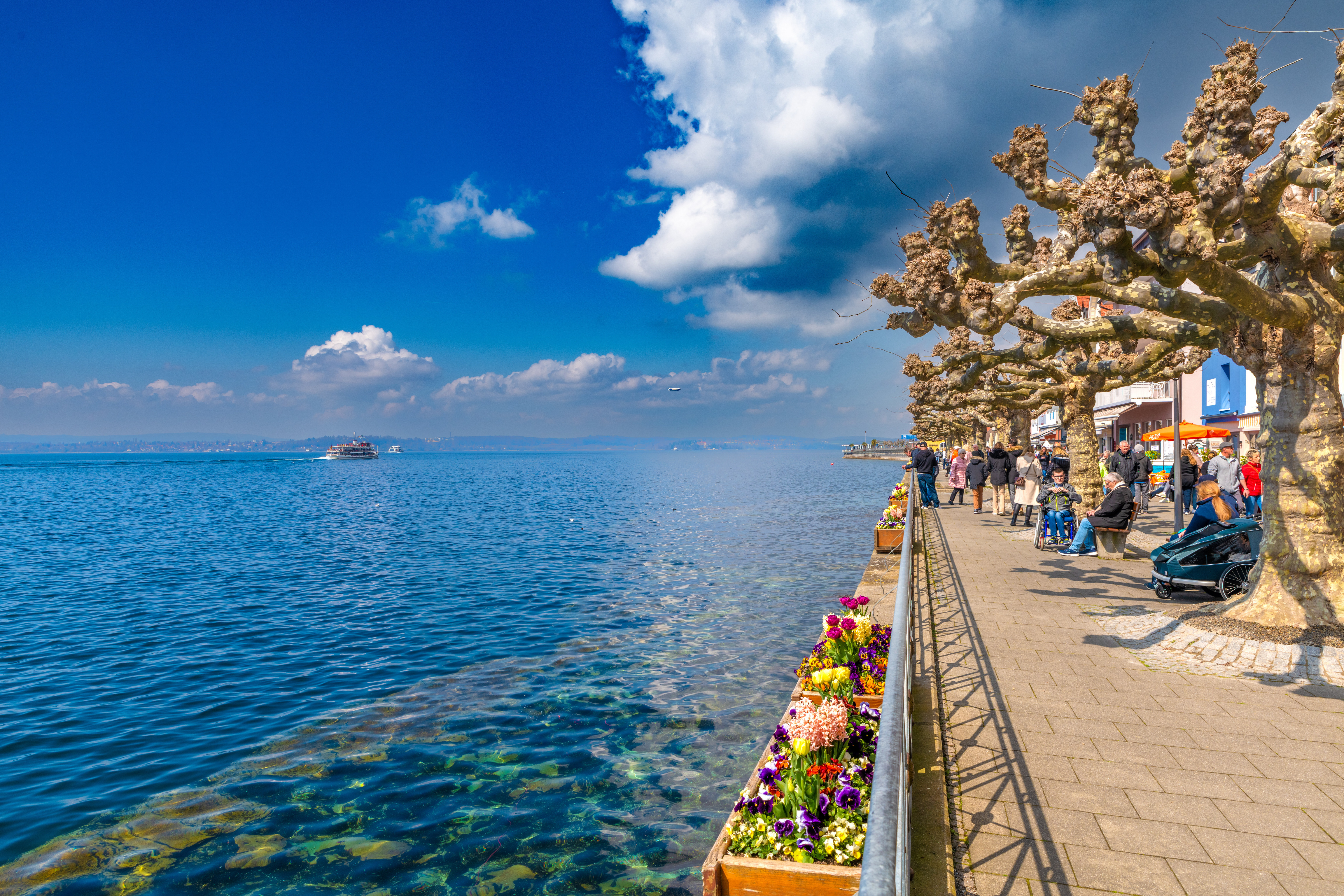
A timeless gem – In summary, Meersburg’s appeal lies not only in its breathtaking beauty, but also in its deep sense of identity, which has developed over thousands of years. It is a place where myths merge with reality and every cobblestone path whispers secrets of bygone eras. Whether you stroll through the bustling markets or linger on the tranquil shores of Lake Constance, Meersburg conveys an undeniable truth to its visitors: here, the past is never truly past, and every moment offers an opportunity to connect with the heartbeat of history itself.
Let the history of Meersburg inspire your journey, promising you a voyage of discovery that transcends time and space.