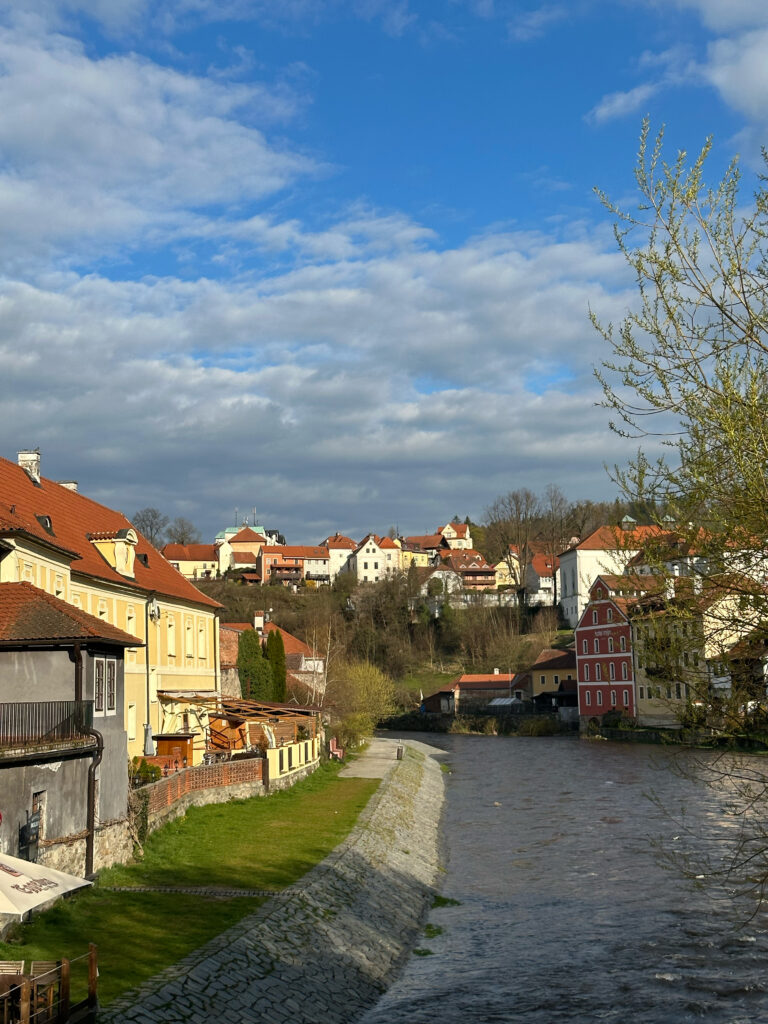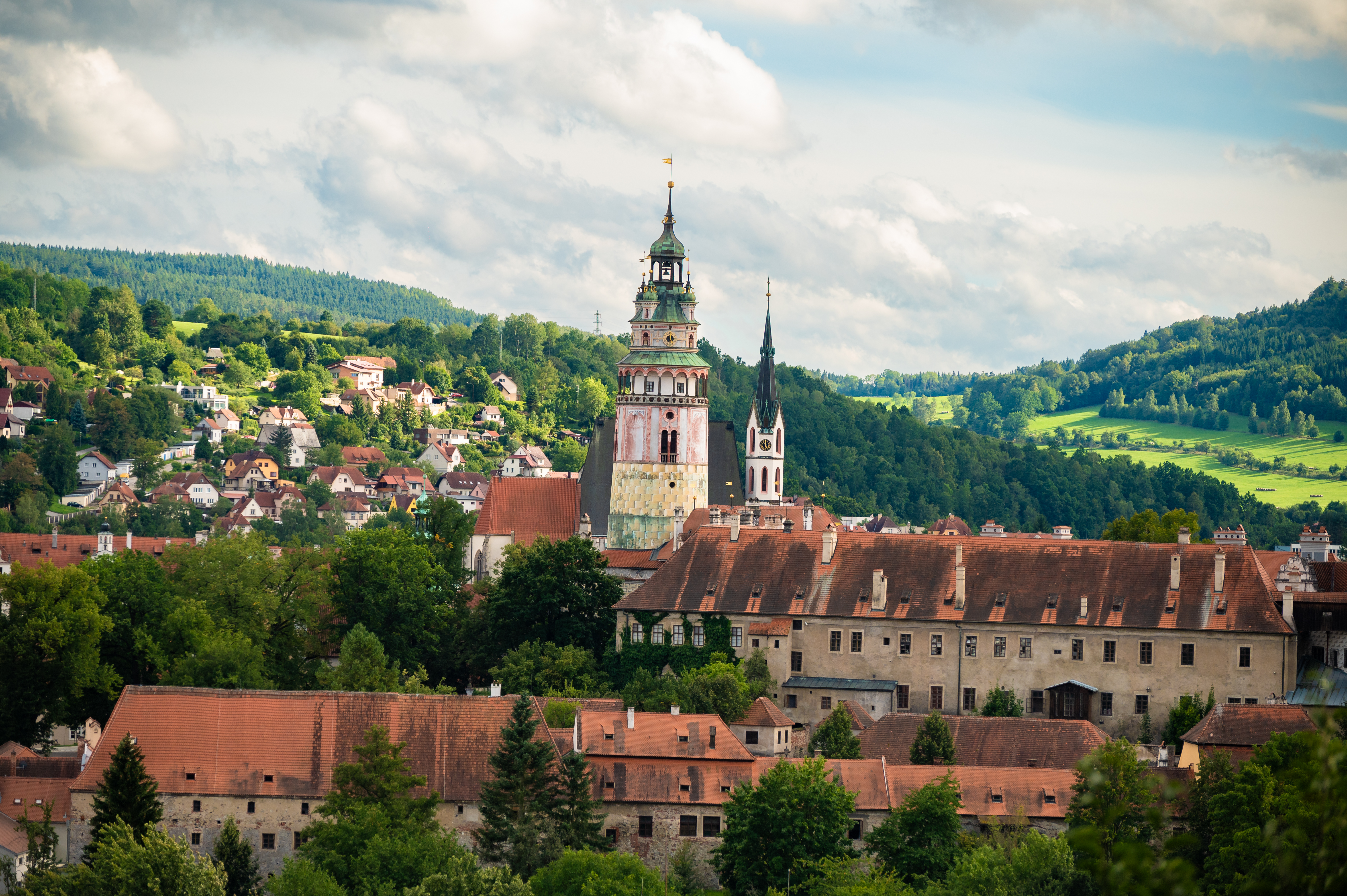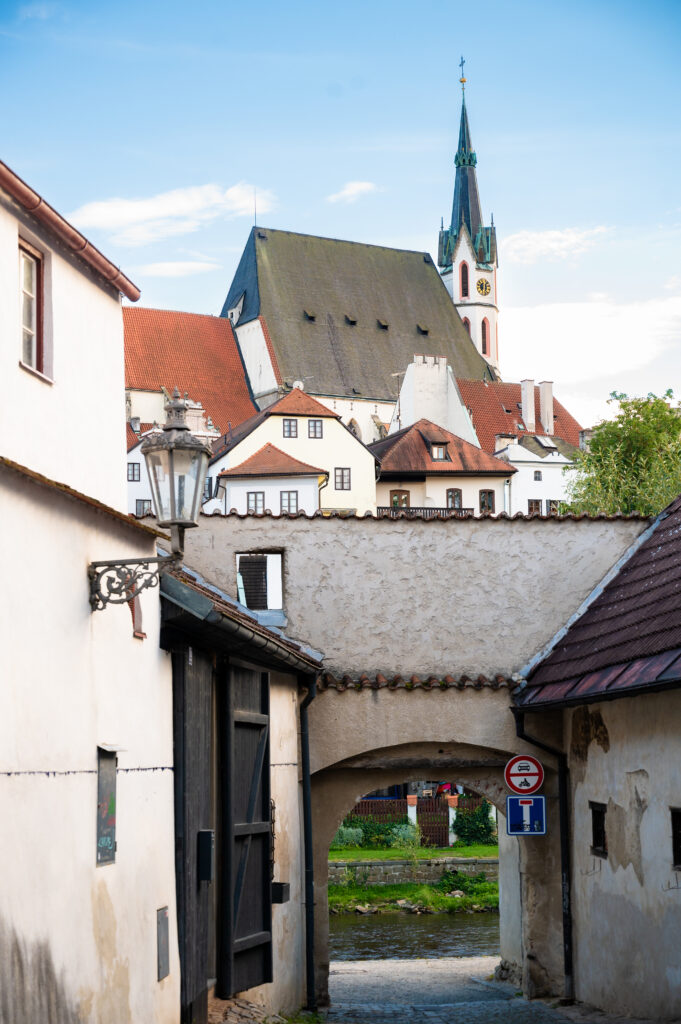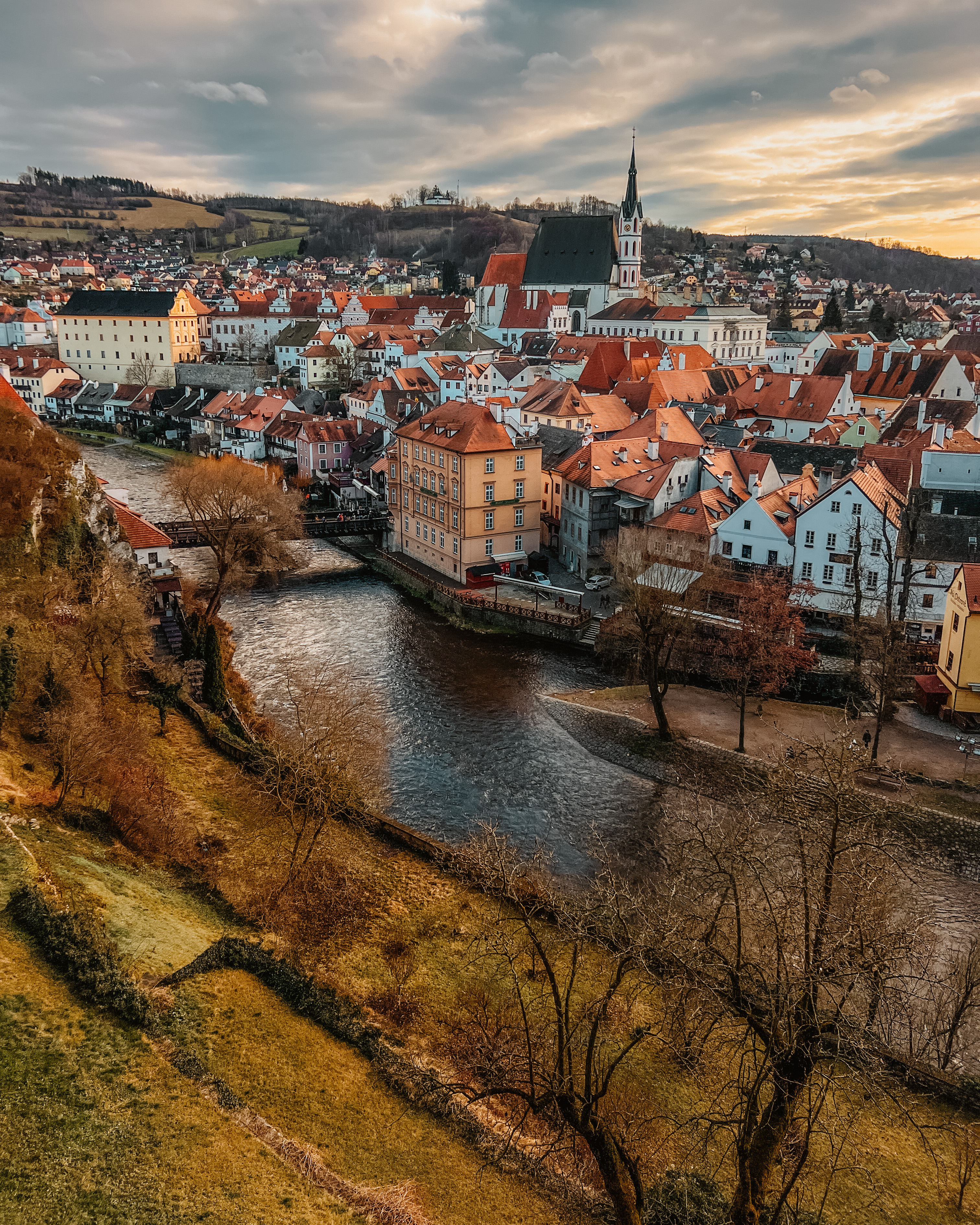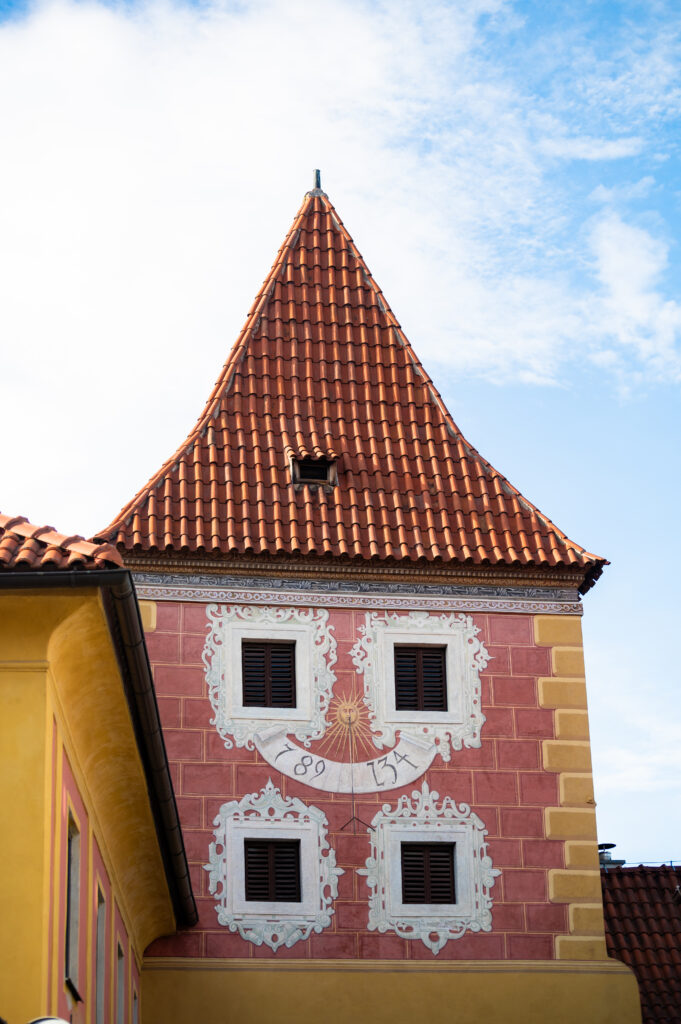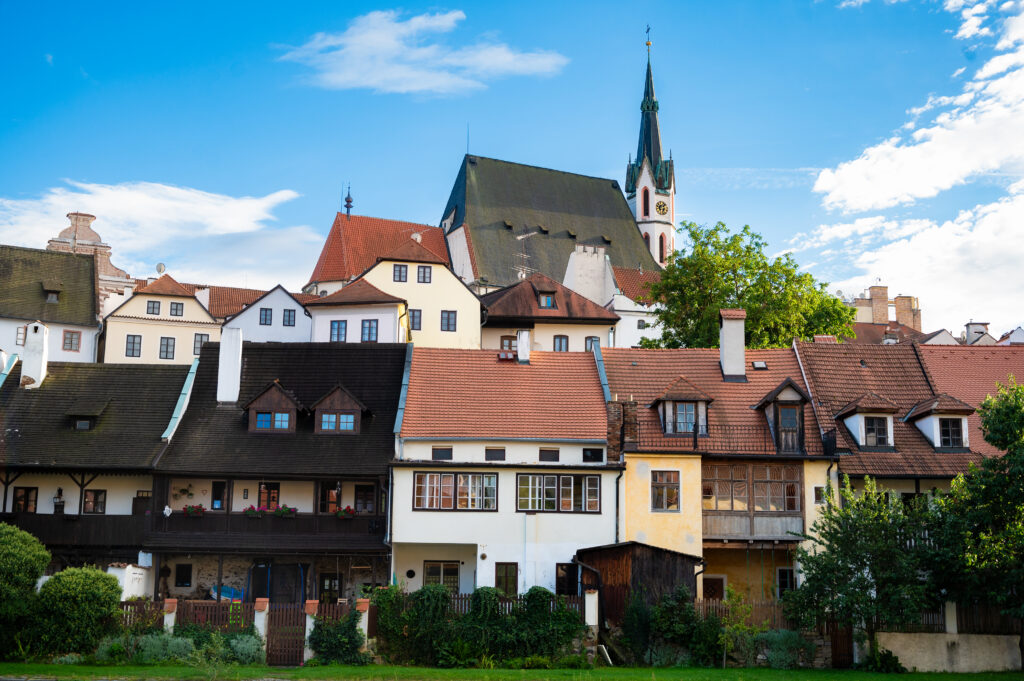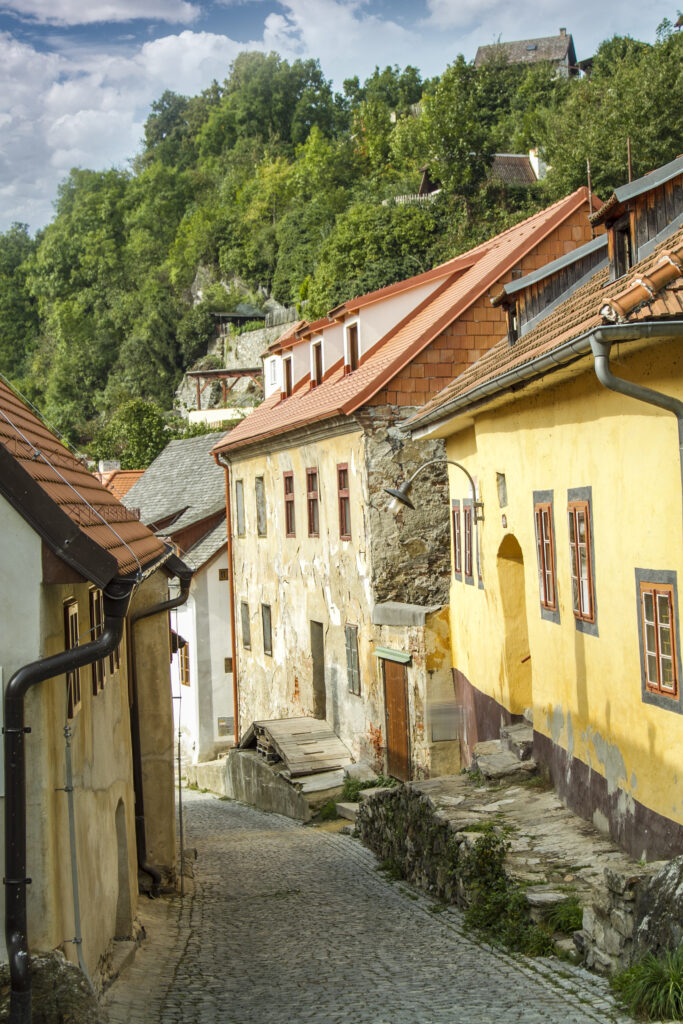
In the heart of the Bohemian Forest lies a city where history and myth blend seamlessly: Český Krumlov. This medieval gem of South Bohemia enchants visitors with its labyrinthine streets, majestic castle, and ancient legends that echo through its streets. With its vibrant history steeped in mystery and surrounded by the charm of bygone eras, Český Krumlov stands as a timeless testament to the fascinating blend of reality and folklore.
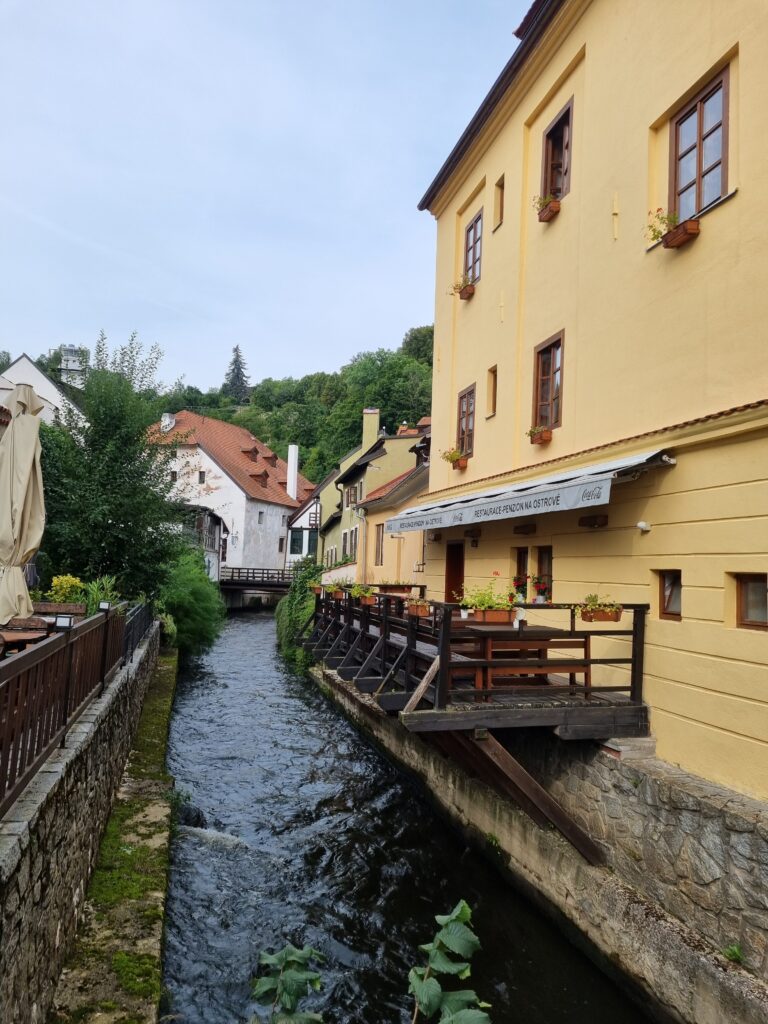
The veil of time: The origins of Český Krumlov – The origins of Český Krumlov date back to the 13th century, when the noble Vítkovci family founded the town. Due to its strategic location on the Vltava River, it initially served as a trading settlement. Its location made it an important hub for trade and attracted merchants and craftsmen. The town flourished under the patronage of the Vítkovec clan, whose foresight laid the foundation for its future glory.
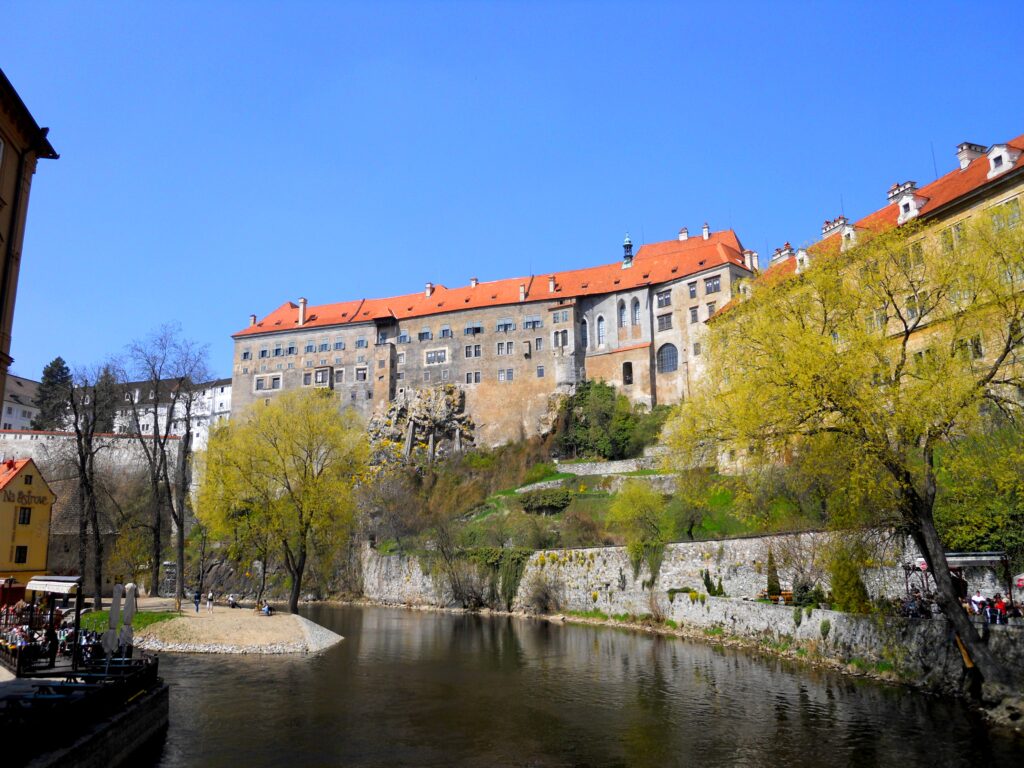
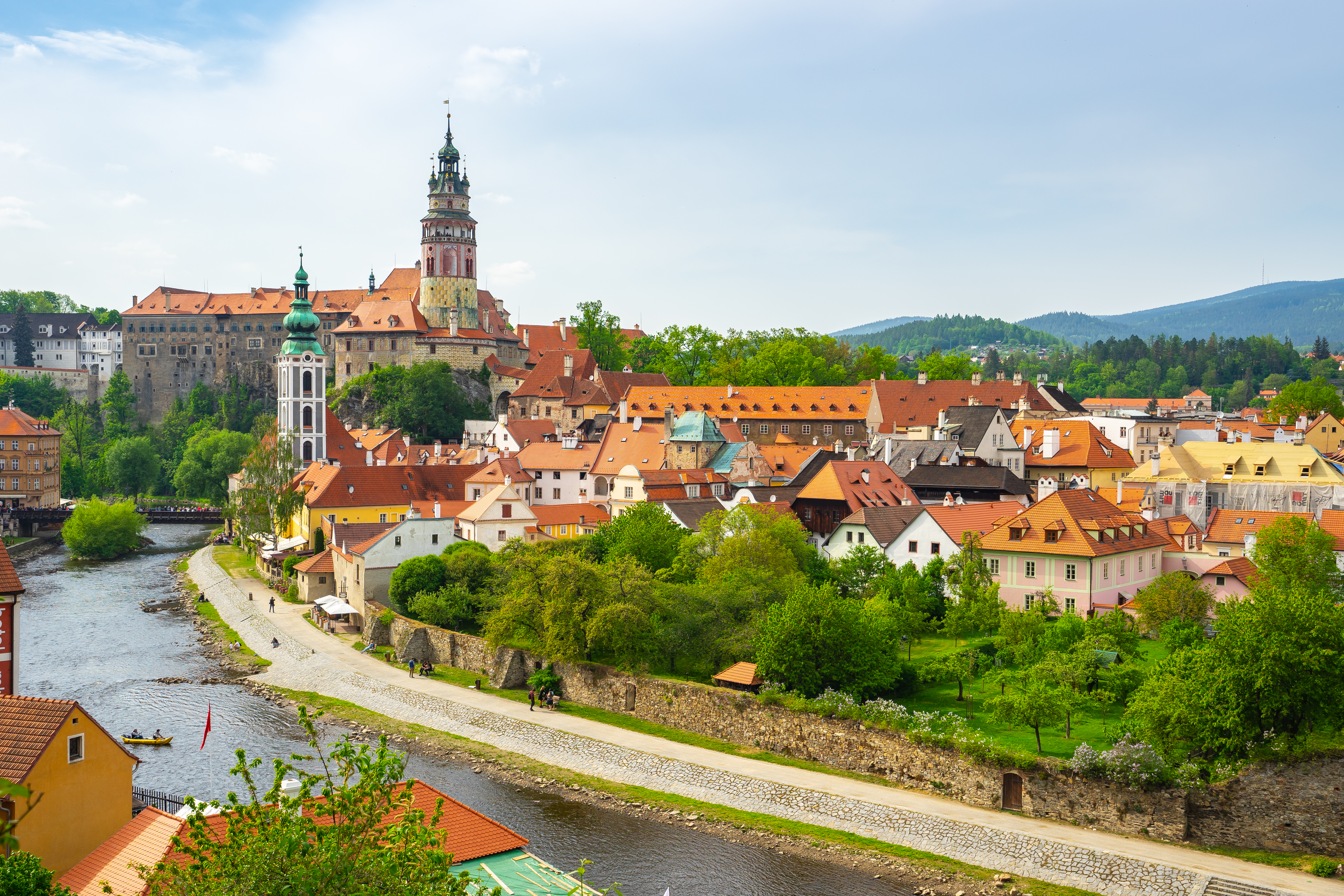
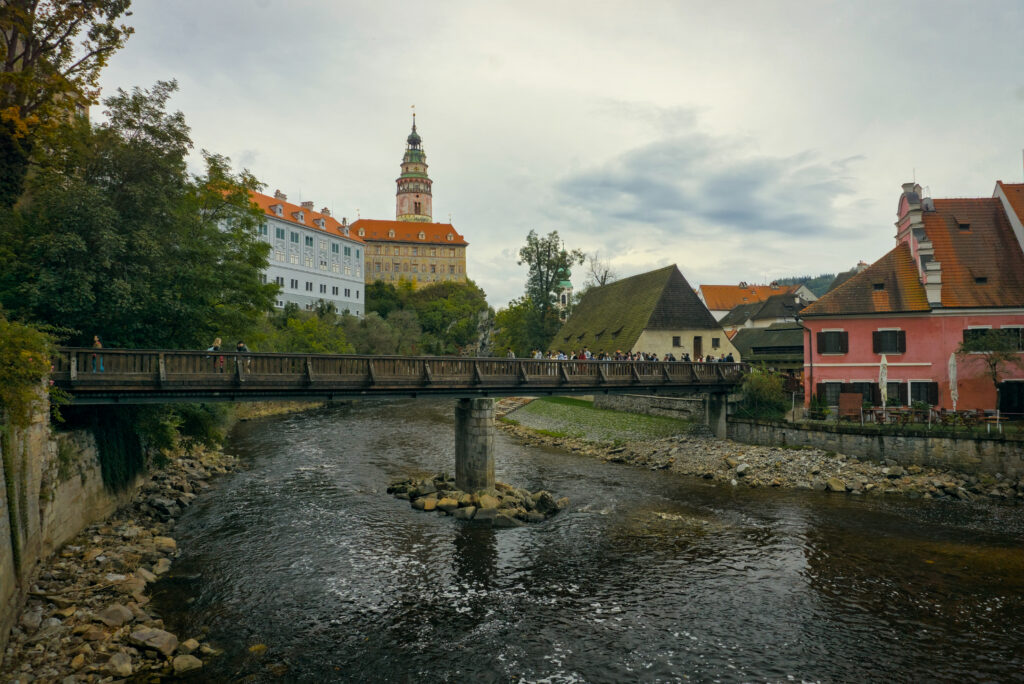
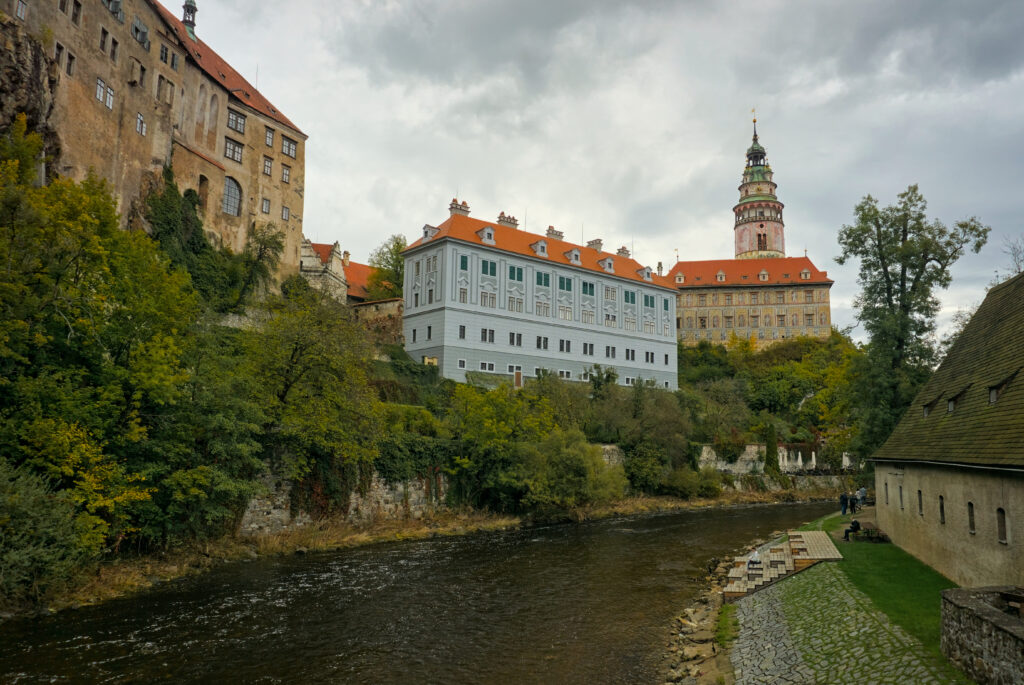
Even the name of the town sounds mysterious and is thought to derive from the Middle High German “Krumbenowe,” meaning “crooked meadow.” This aptly describes the town’s unique topography, whose historic center is surrounded by a bend in the river.
It is easy to understand why legends thrive here, as every corner of Český Krumlov seems to whisper stories from times long past.
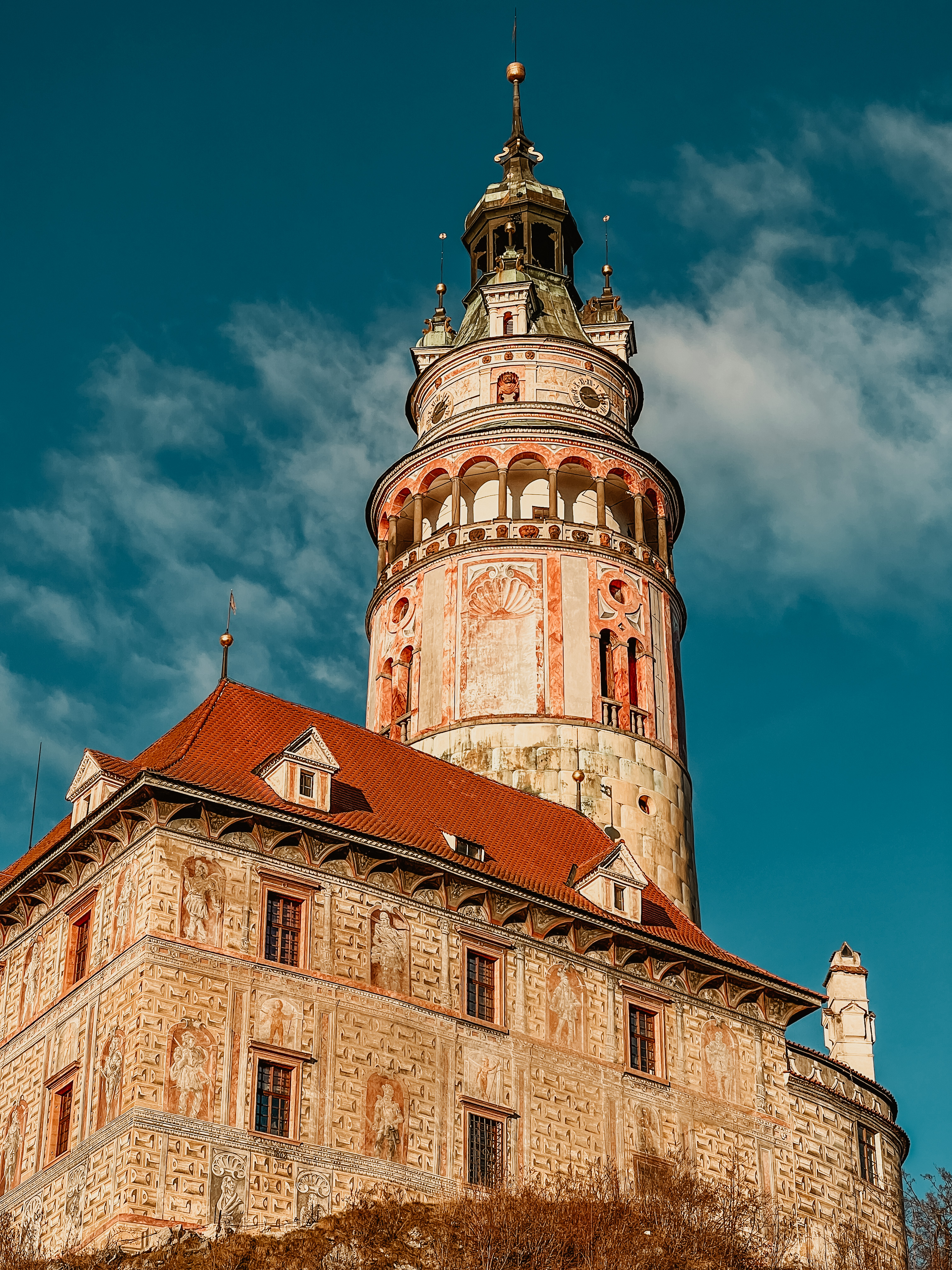
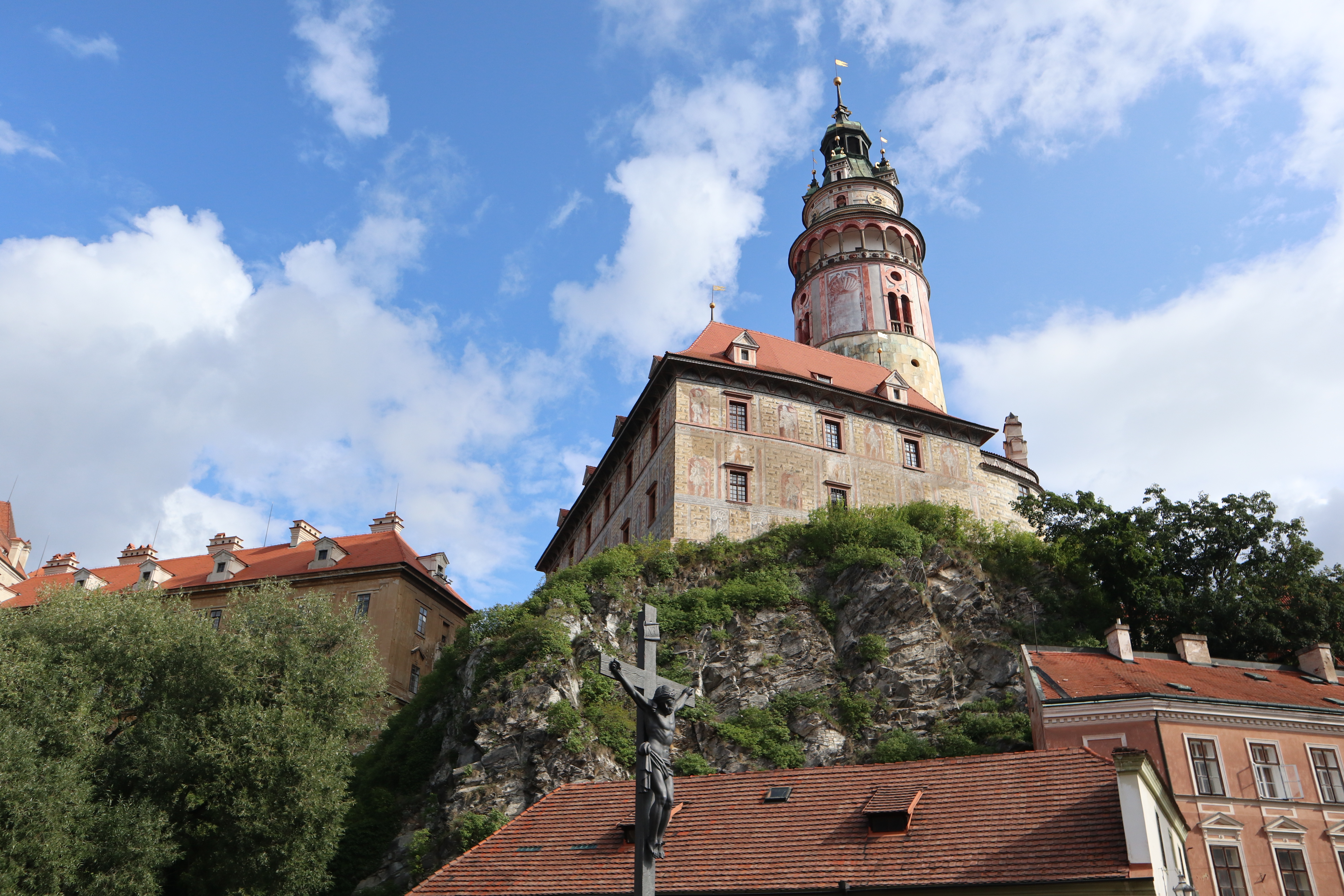
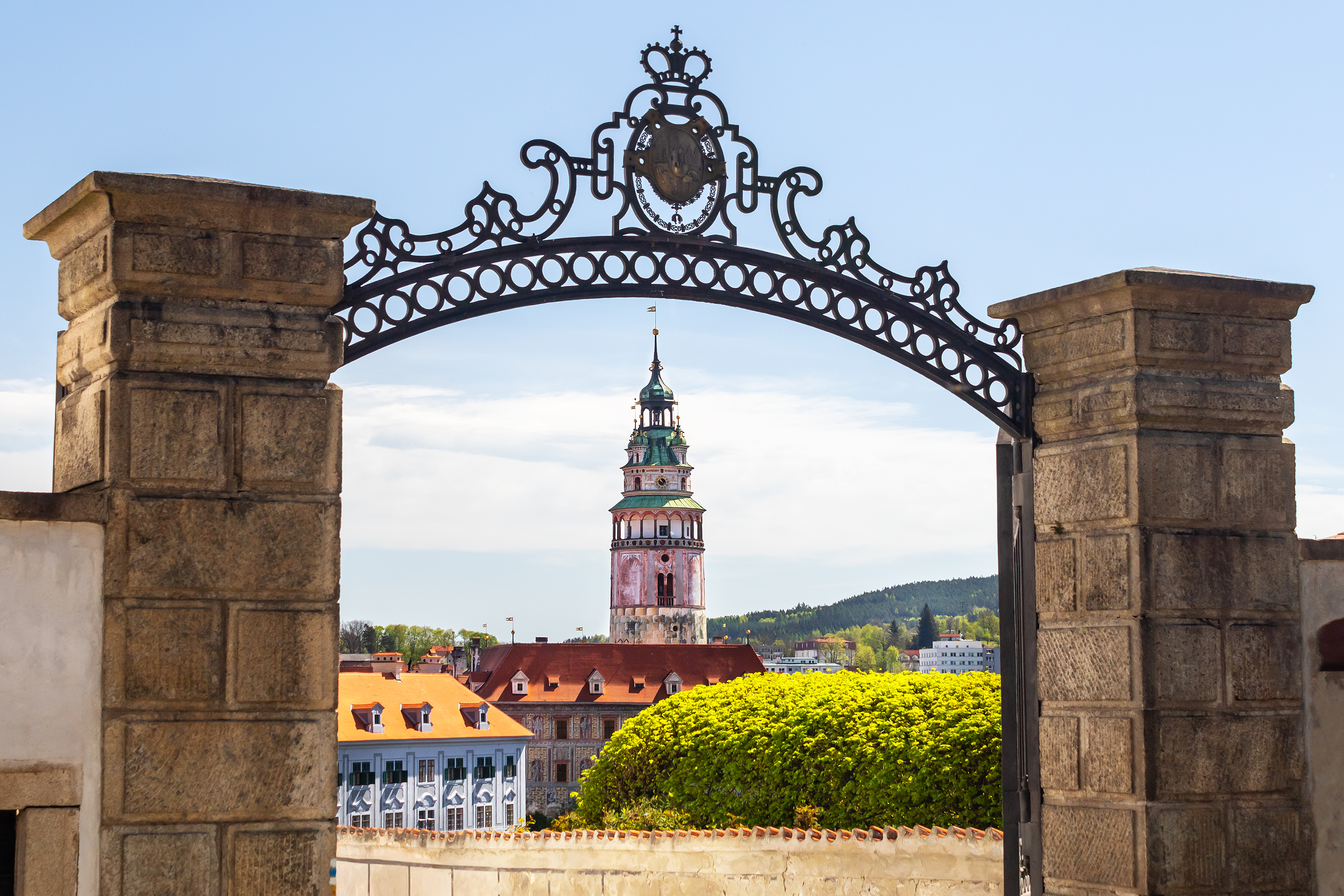
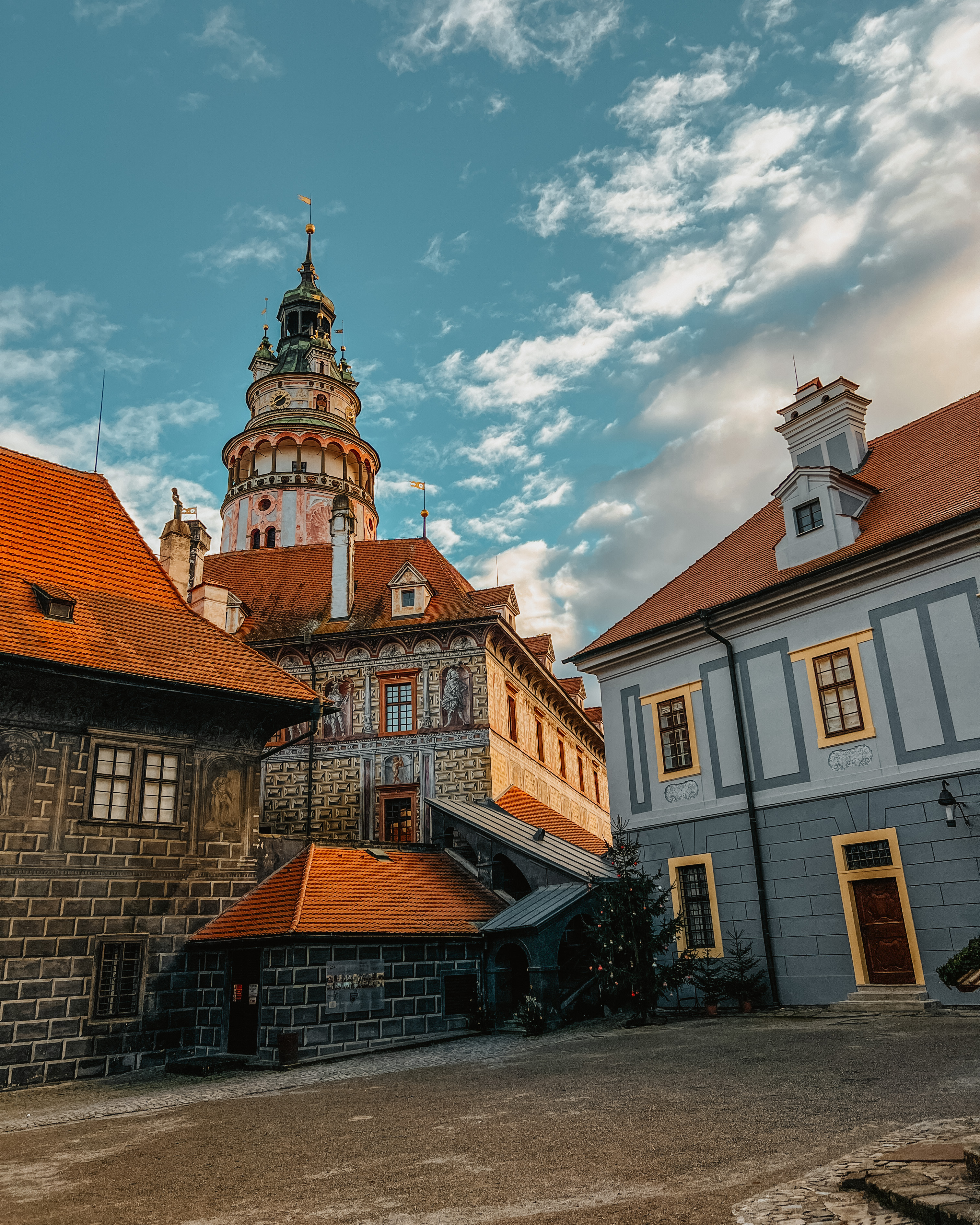
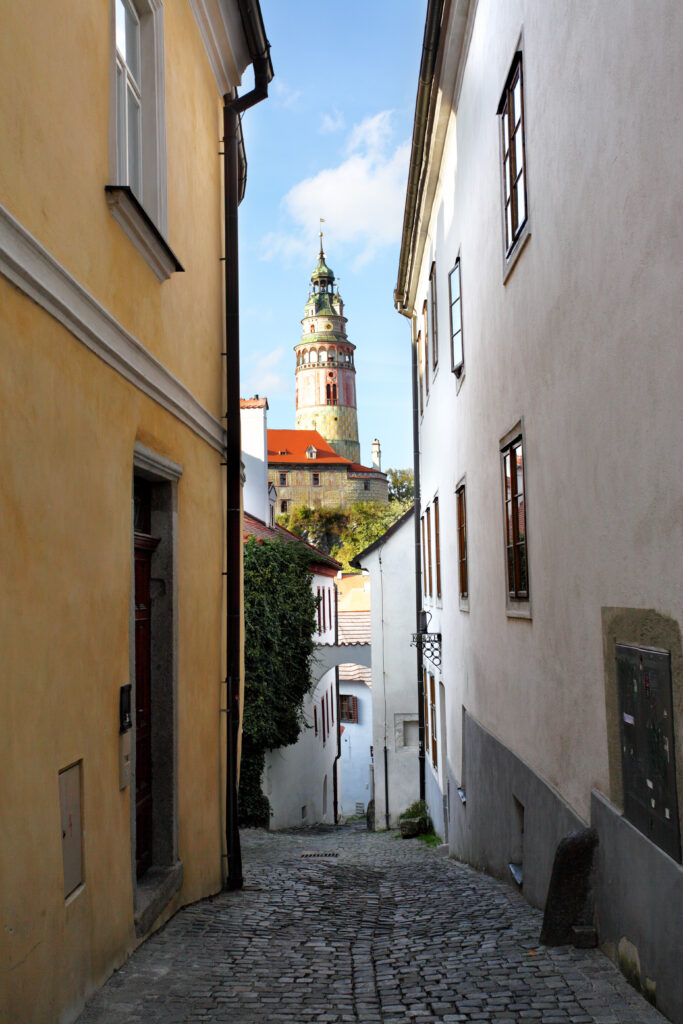
The castle on the hill: a symbol of power and prestige – In the heart of Český Krumlov stands the iconic castle, the second largest in the Czech Republic, surpassed only by Prague Castle. The castle was built in various stages from the 13th to the 17th century and combines several architectural styles, including Gothic, Renaissance, and Baroque. From its tower, you can enjoy breathtaking views of the town and the winding Vltava River and gain insight into the lives of those who once walked through its halls.
One of the most fascinating aspects of the castle is its connection to alchemy and mysticism. During the Renaissance, the castle became a center for alchemical practices. Wilhelm von Rosenberg, a prominent figure of the time, was a patron of the alchemical arts.
His interest in the transmutation of metals and the search for the philosopher’s stone brought many alchemists and sages to Český Krumlov, adding a mysterious and enigmatic touch to the town’s history.
The enigmatic legend of the White Lady – Among the countless legends that permeate Český Krumlov, none is as haunting as that of the White Lady. According to legend, the ghost of Perchta von Rosenberg, a noblewoman from the influential Rosenberg family, haunts the halls of the castle. Perchta was known for her tragic life: she was married against her will and had to endure immeasurable suffering under her cruel husband.
Her ghost is said to appear in white clothing, symbolizing her innocence and purity. According to legend, she continues to wander the castle, bound by a vow to protect her beloved home even after her death. The White Lady has been sighted for centuries, her presence a haunting reminder of the tangible history that lies within the castle walls.
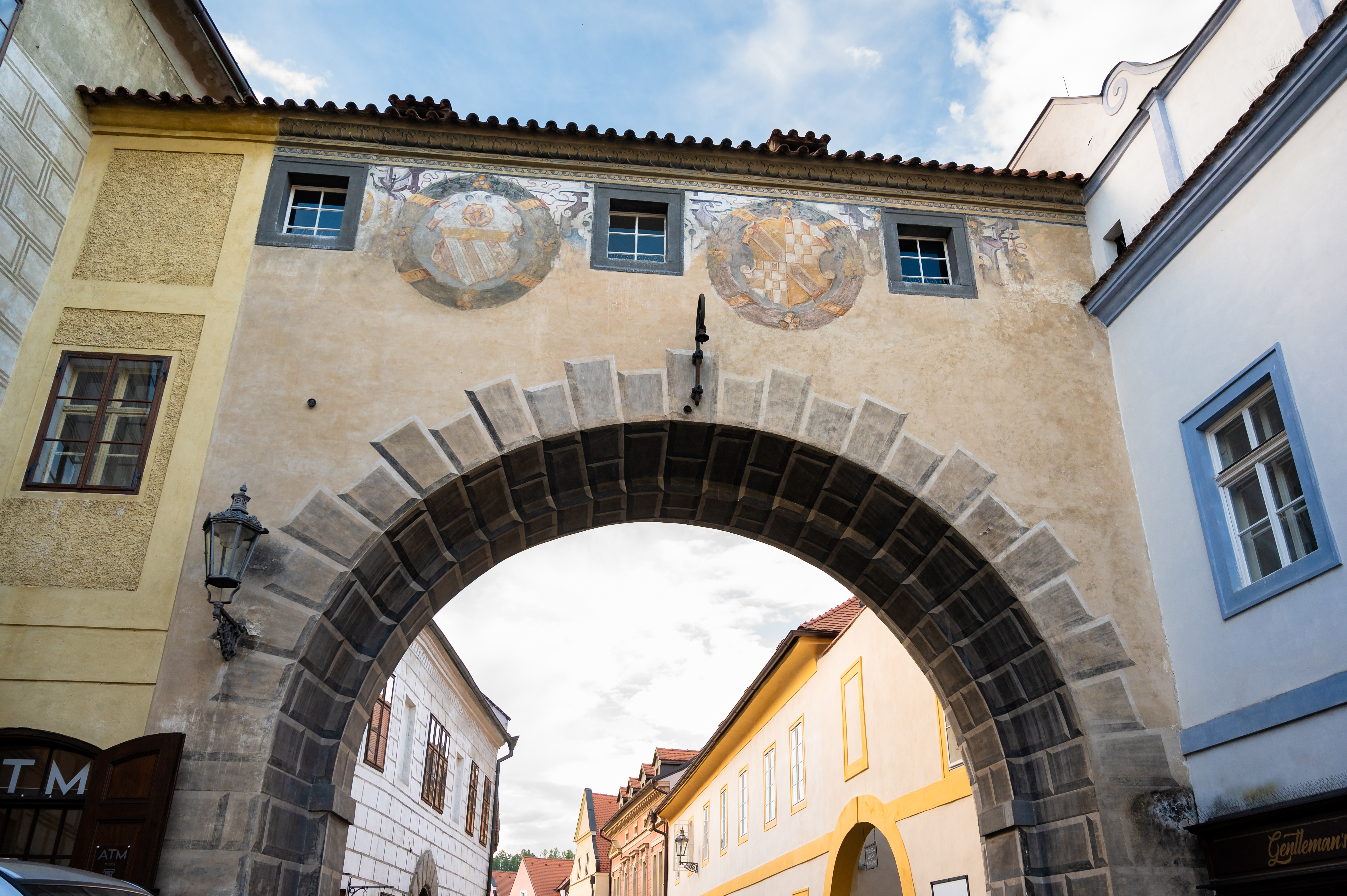
The mystery of the Cloak Bridge – The Cloak Bridge (Plášťový most), which connects the castle complex with the nearby gardens, is another architectural marvel shrouded in legend. This multi-story bridge from the 18th century features arcades and mysterious hidden corridors. It is said that at night, whispers and footsteps can be heard, presumably from the ghosts of former inhabitants announcing their presence.
Historically, the bridge served not only as a passageway but also as a strategic defensive point that facilitated the transport of soldiers and supplies.
Today, it offers tourists a unique vantage point from which to admire the beauty of Český Krumlov and imagine the bustling life of the medieval town beneath their feet.
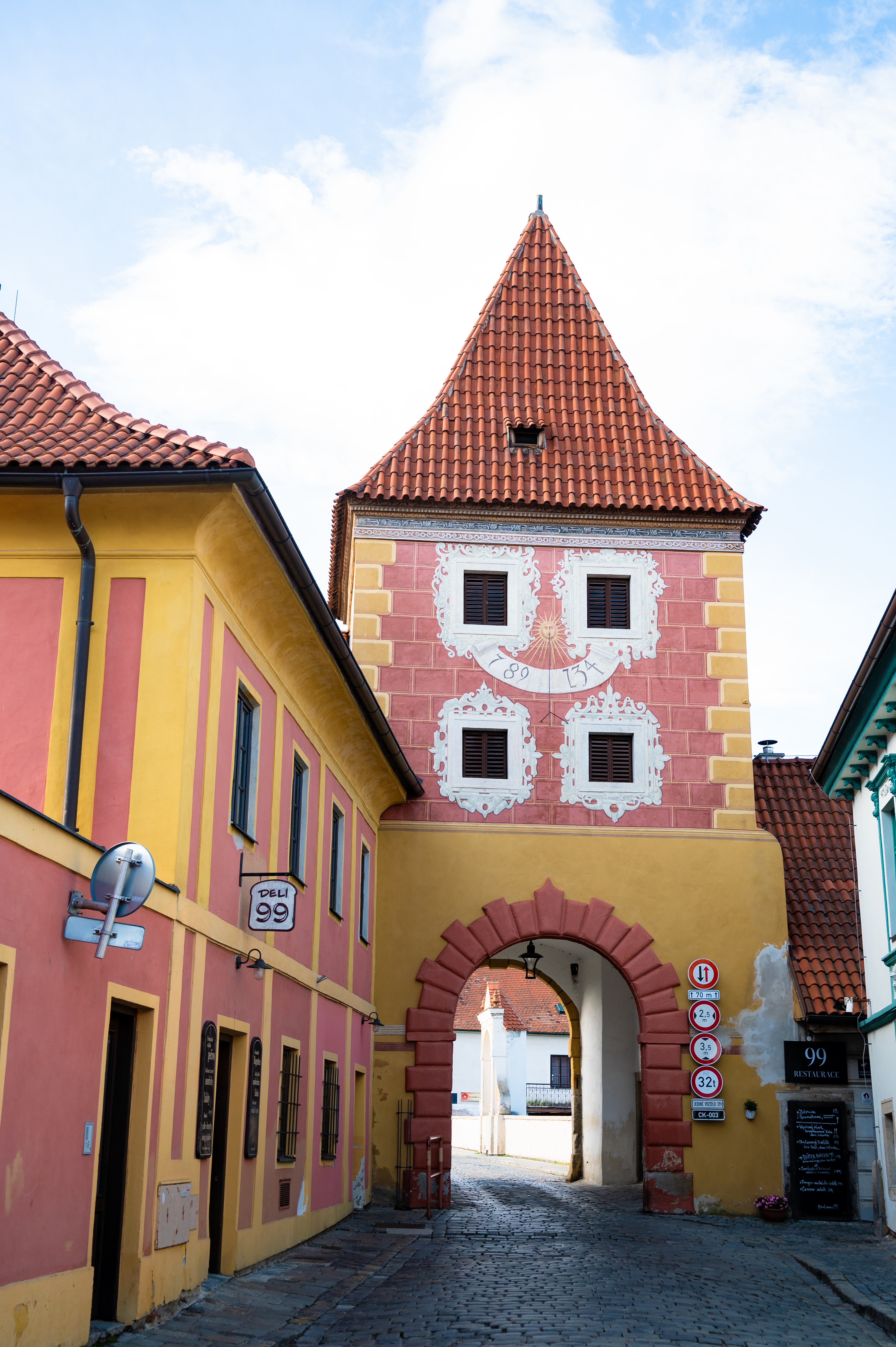
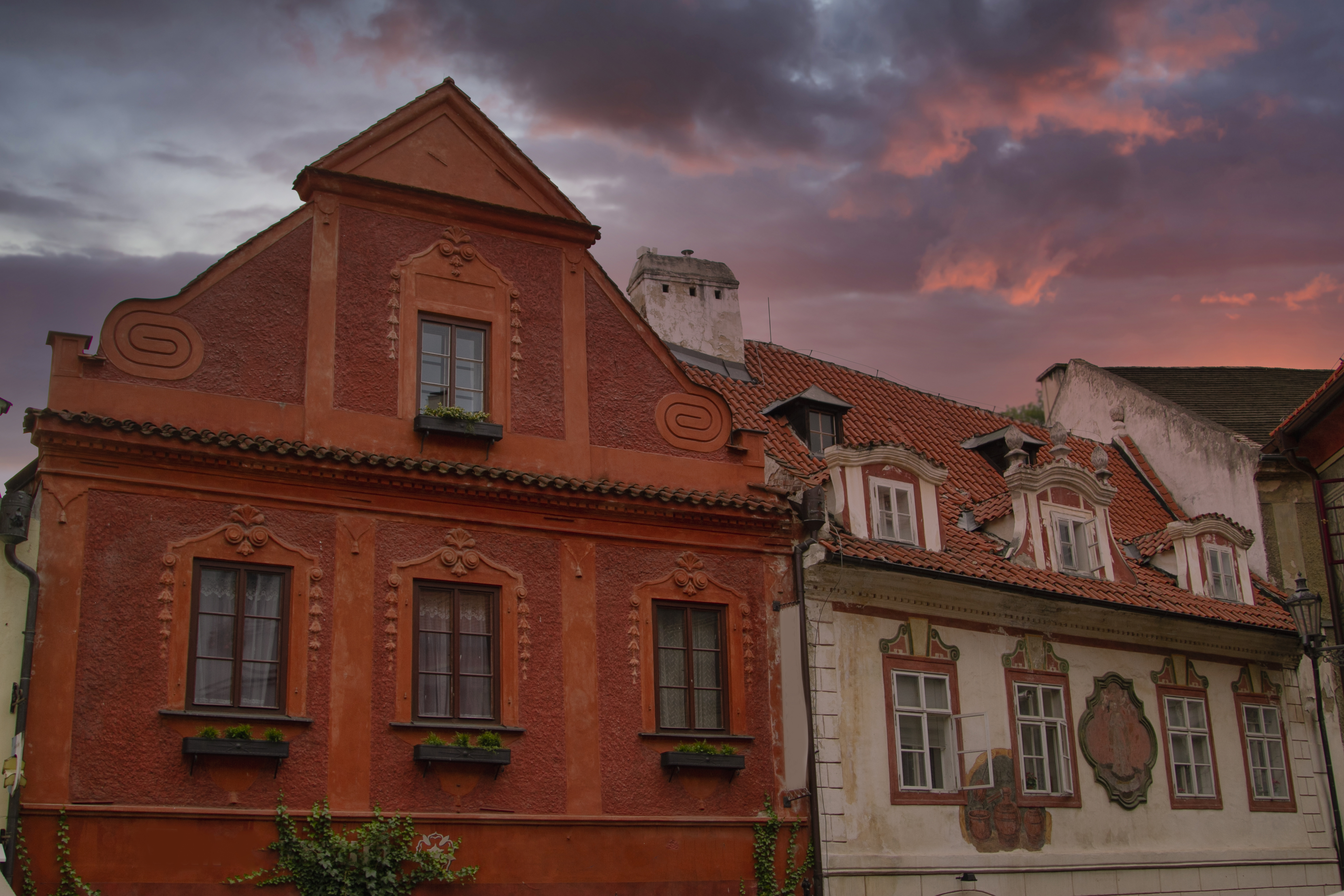
A town where time stands still: The Renaissance of Český Krumlov – The 16th century marked the heyday of Český Krumlov. Under the rule of the Rosenberg and later the Eggenberg families, the town underwent significant architectural and cultural changes. Prosperity flourished and with it began an era of impressive architectural projects. The town’s layout was redesigned to reflect Renaissance ideals, blending aesthetics and functionality.
One of the most striking examples of this influence is the Renaissance theater at Český Krumlov Castle, one of the oldest surviving Baroque theaters in Europe. The theater’s stage machinery and original decorations offer a rare insight into the theatrical traditions of the Baroque period.
Conservation efforts undertaken in later years have ensured that this valuable cultural heritage has remained intact and offers a glimpse into the artistic aspirations of the past.
Encounters with art and culture – Beyond its historical significance, Český Krumlov has earned a reputation as a cultural haven. The Egon Schiele Art Centrum, founded in honor of the Austrian painter who found inspiration here, hosts numerous exhibitions featuring works by contemporary and classical artists. Schiele’s connection to the city adds another layer of artistic heritage to Český Krumlov’s already rich legacy, interweaving the visual arts with the city’s history.
Annual festivals further enrich the cultural landscape, including celebrations such as the Five-Petaled Rose Festival, which attracts thousands of visitors. This event transforms the city into a living Renaissance tableau with costumed parades, jousting tournaments, and theatrical performances.
It is a powerful experience that allows participants to travel back in time and experience the historical splendor of the city up close.
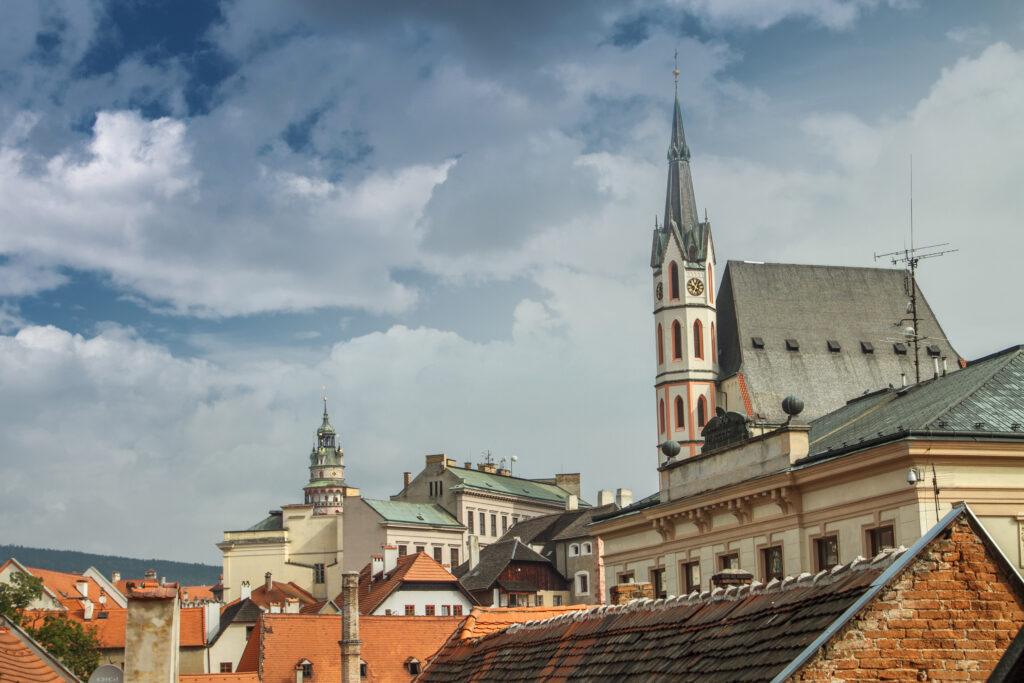
The enduring fascination of Český Krumlov – In an age where modernity often overshadows the past, Český Krumlov stands as a proud guardian of history and legends. The careful preservation of the city has earned it UNESCO World Heritage status, recognizing its value as an irreplaceable cultural treasure. Visitors are invited to lose themselves in the winding streets, marvel at the architectural wonders, and listen to the silent stories told by the stones.
The magic of Český Krumlov lies not only in its majestic buildings or rich history, but also in its ability to transport visitors to another time.
It is a place where every stone seems to hold a secret, every alley hints at a hidden story, and the past gently lives on in the present. Whether you seek the thrill of ghostly legends or the beauty of Renaissance art, Český Krumlov promises an unforgettable journey through time.
As we discover the multifaceted history of Český Krumlov, we are drawn not only to its physical beauty, but also to the intangible essence of its history—a delicate web of fact and fantasy that continues to fascinate and inspire.