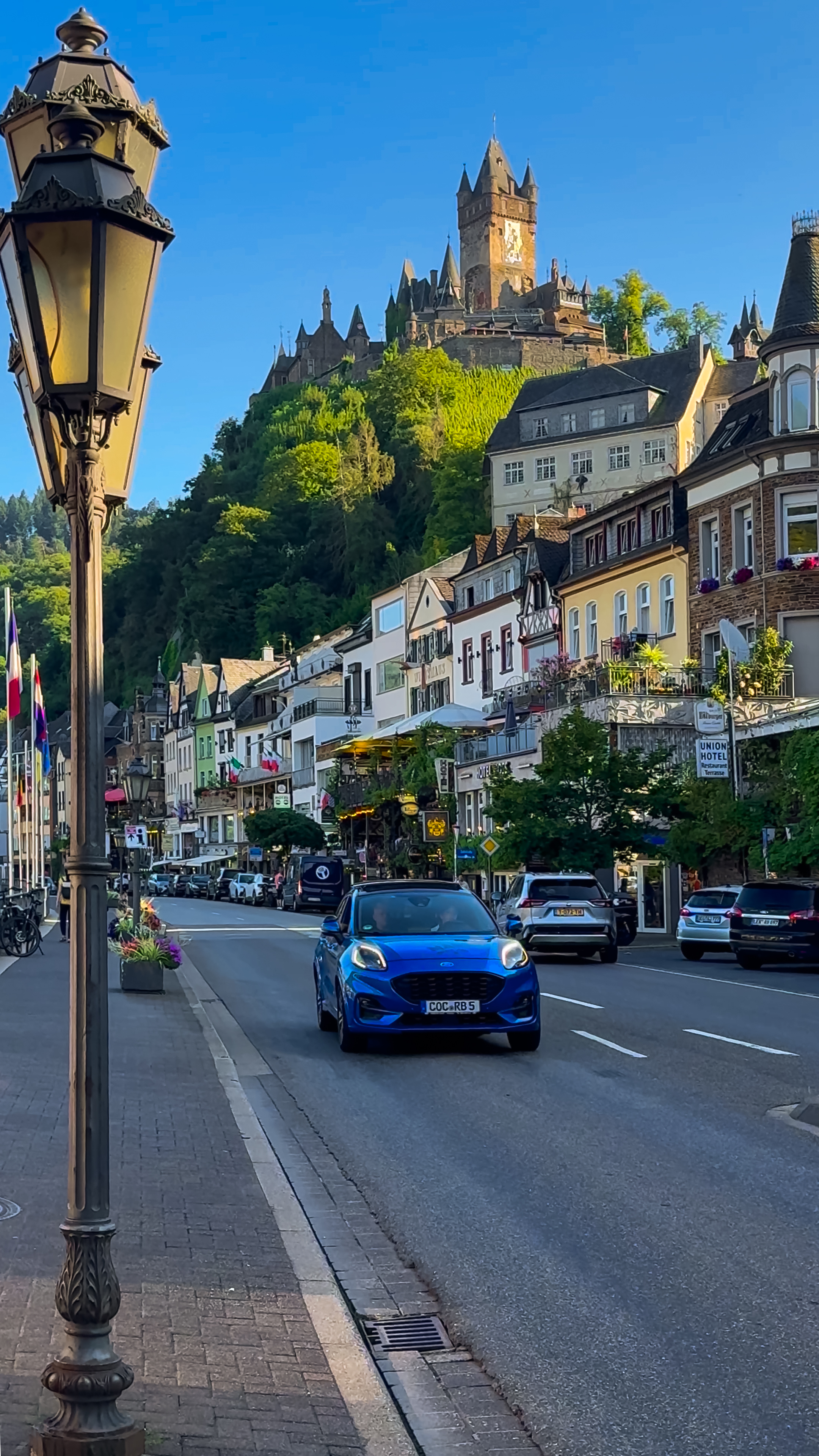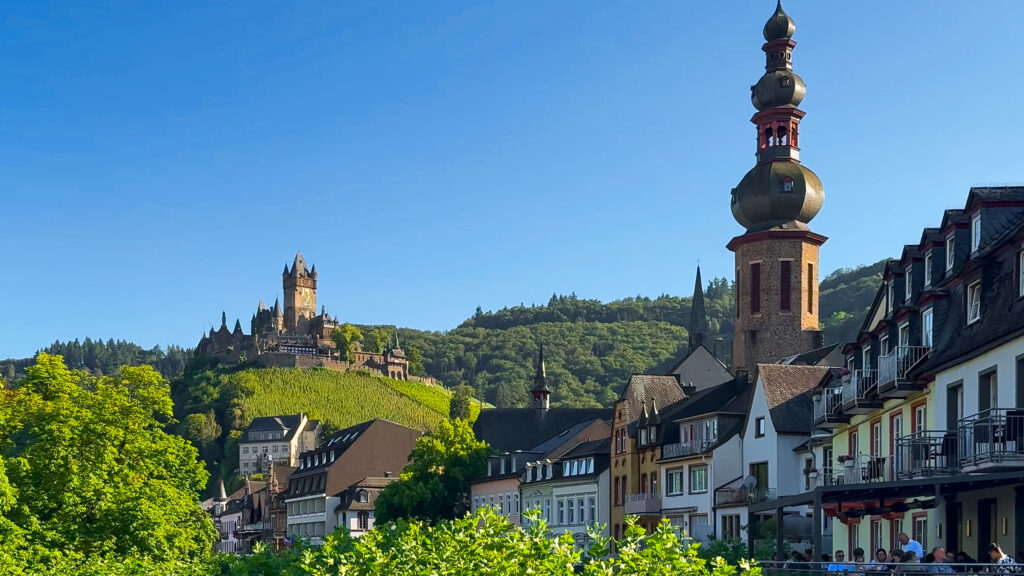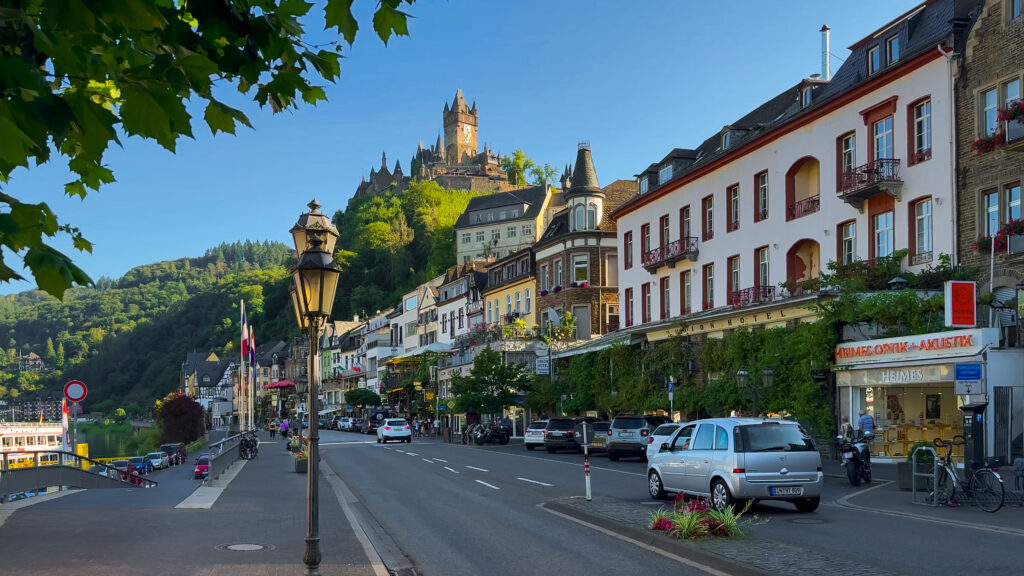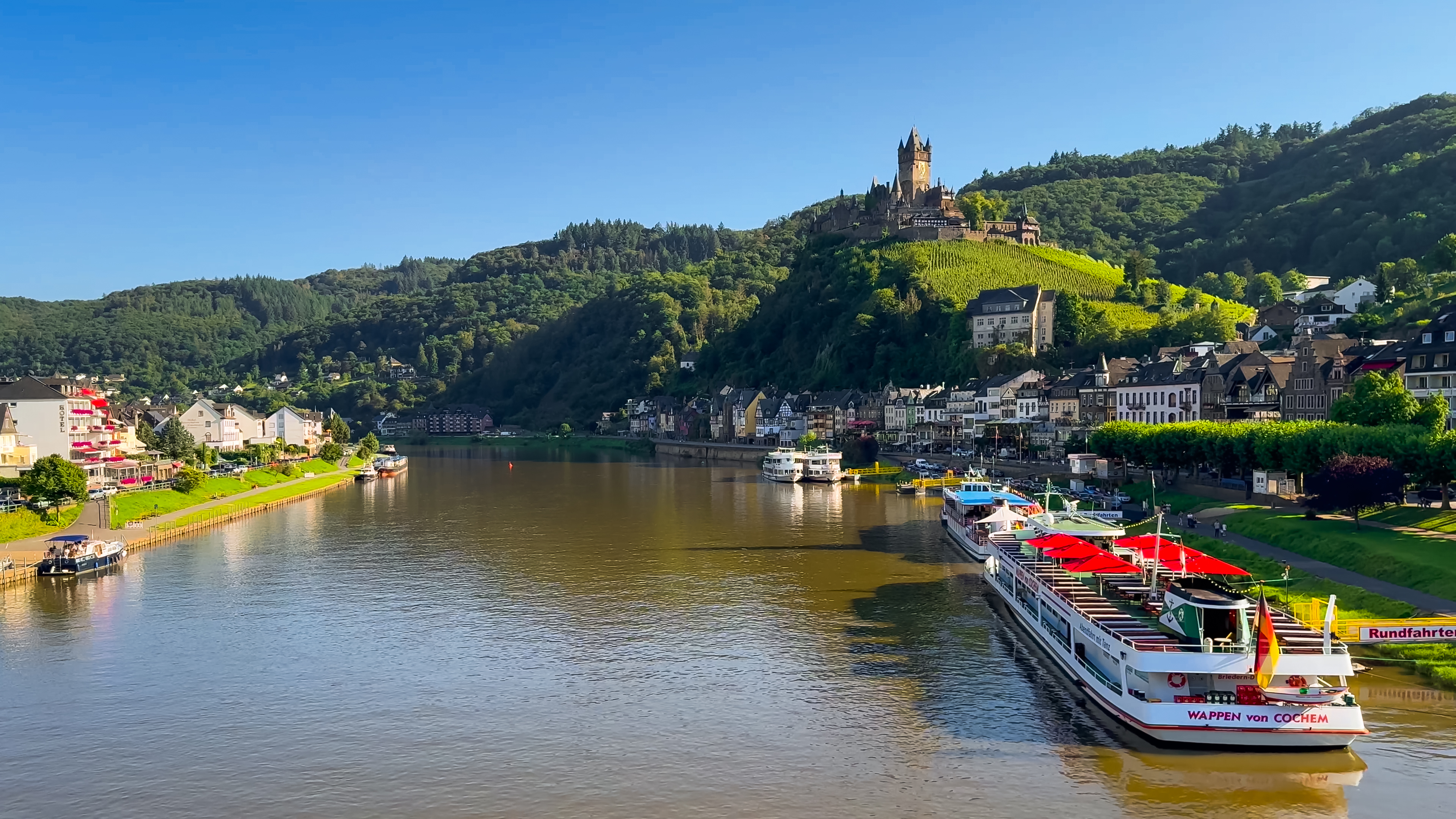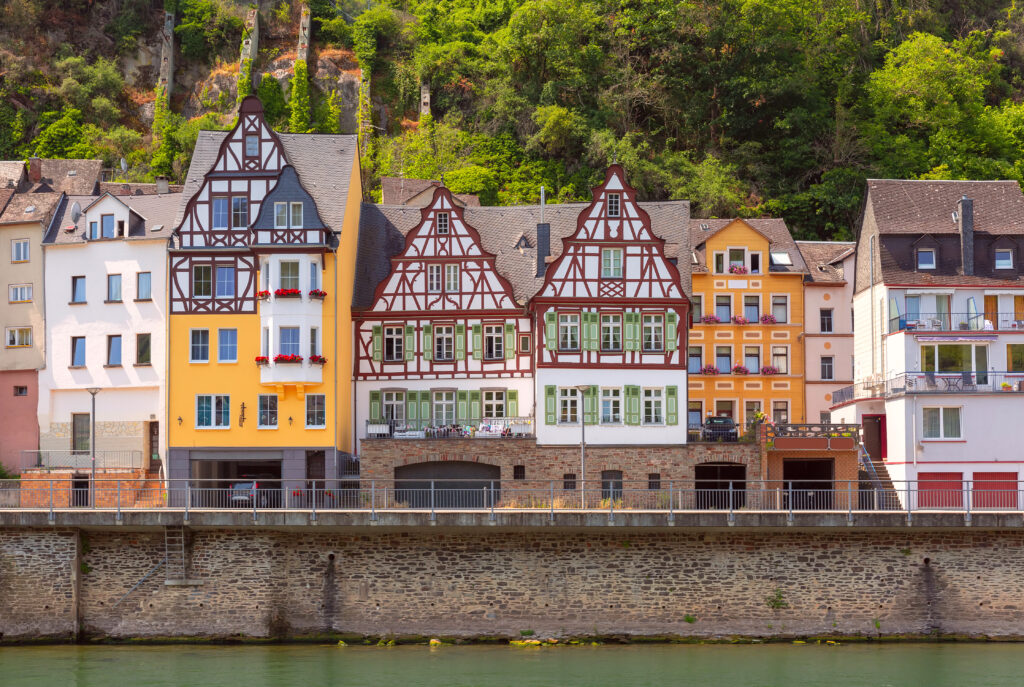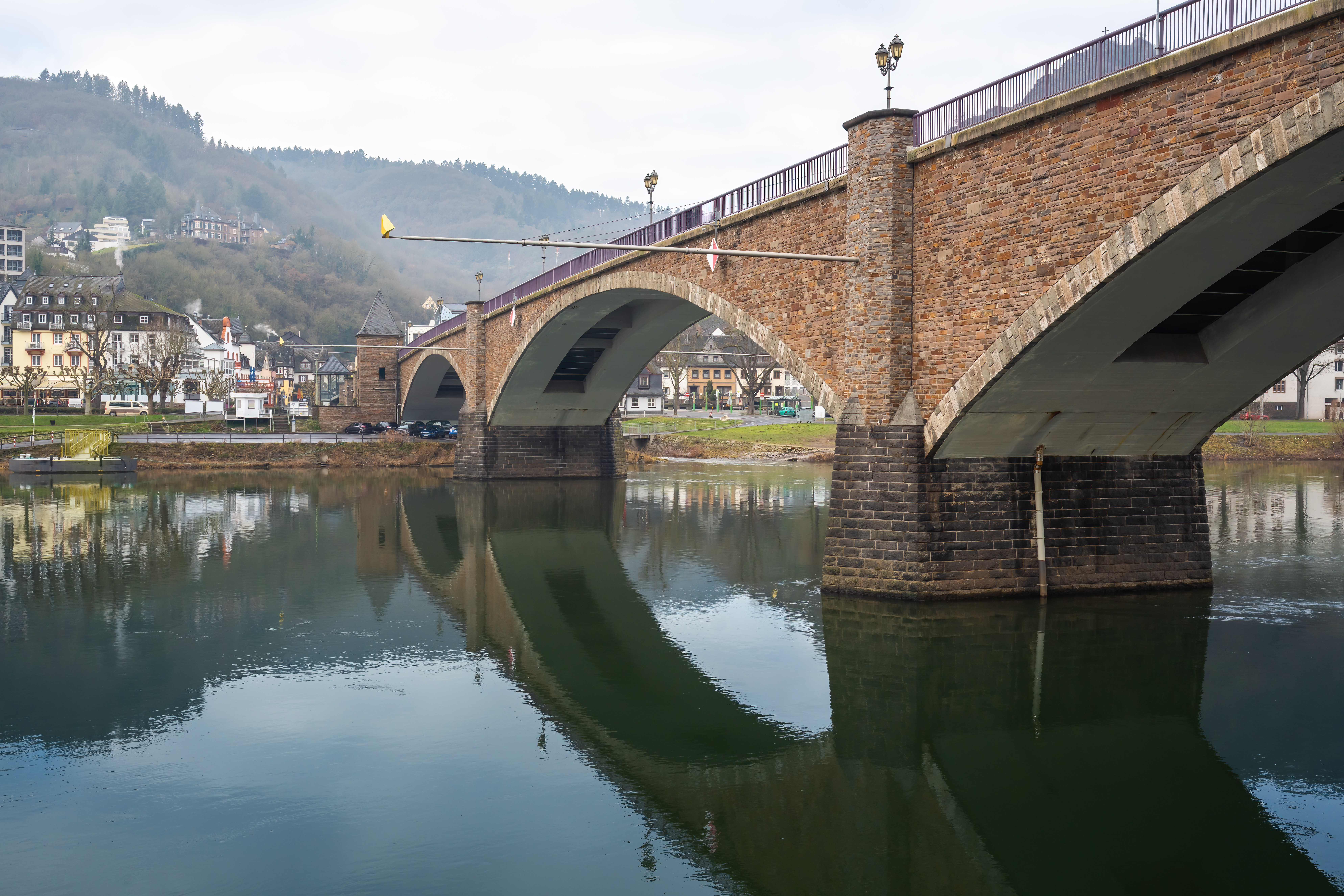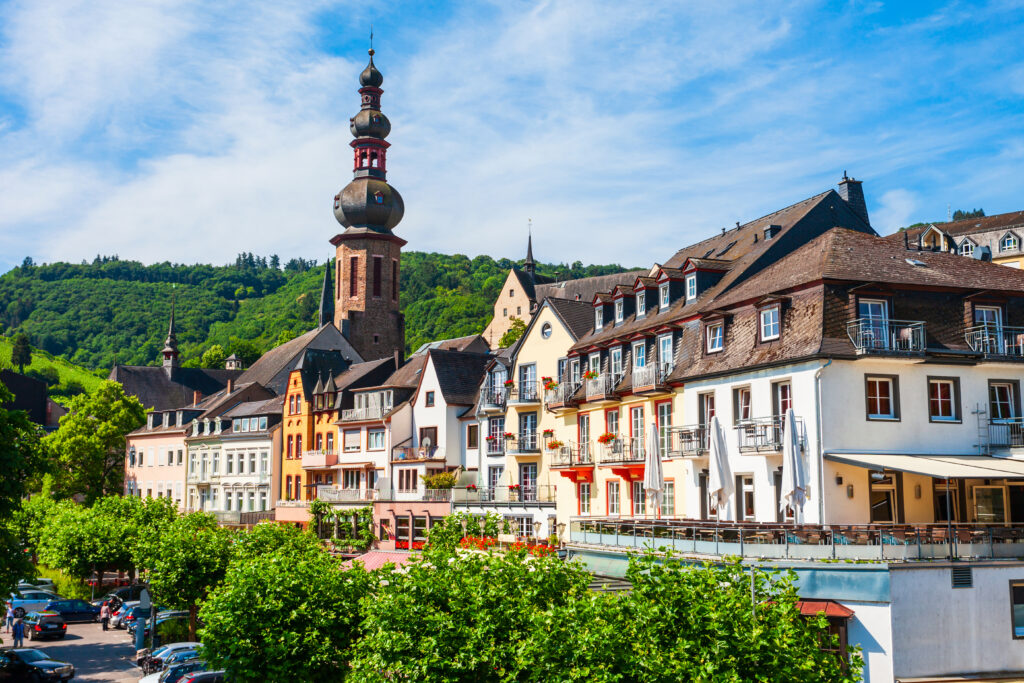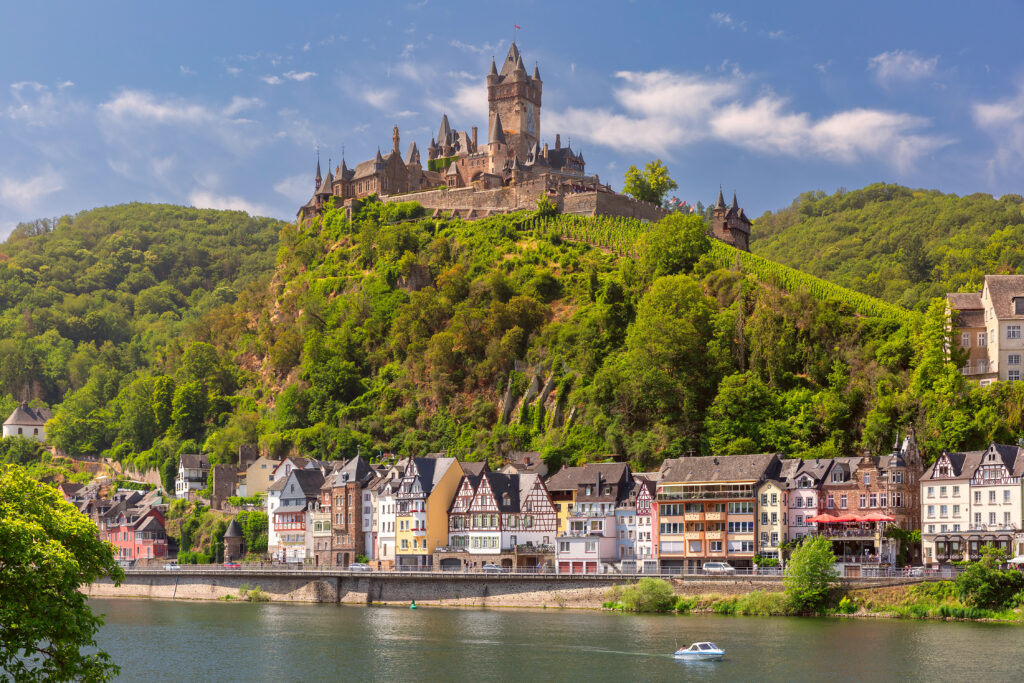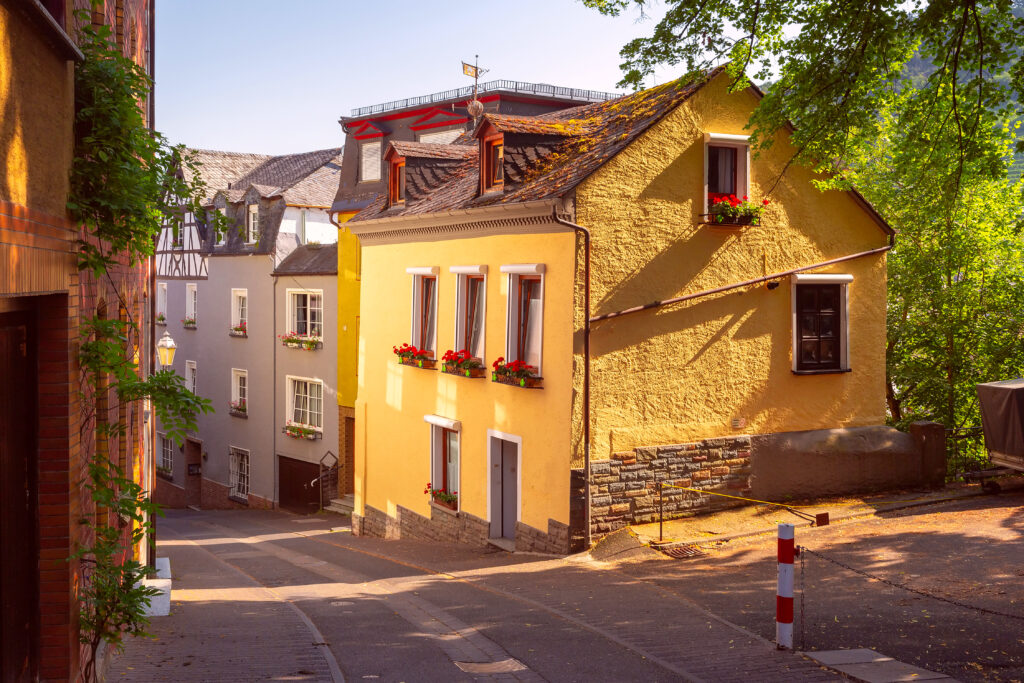
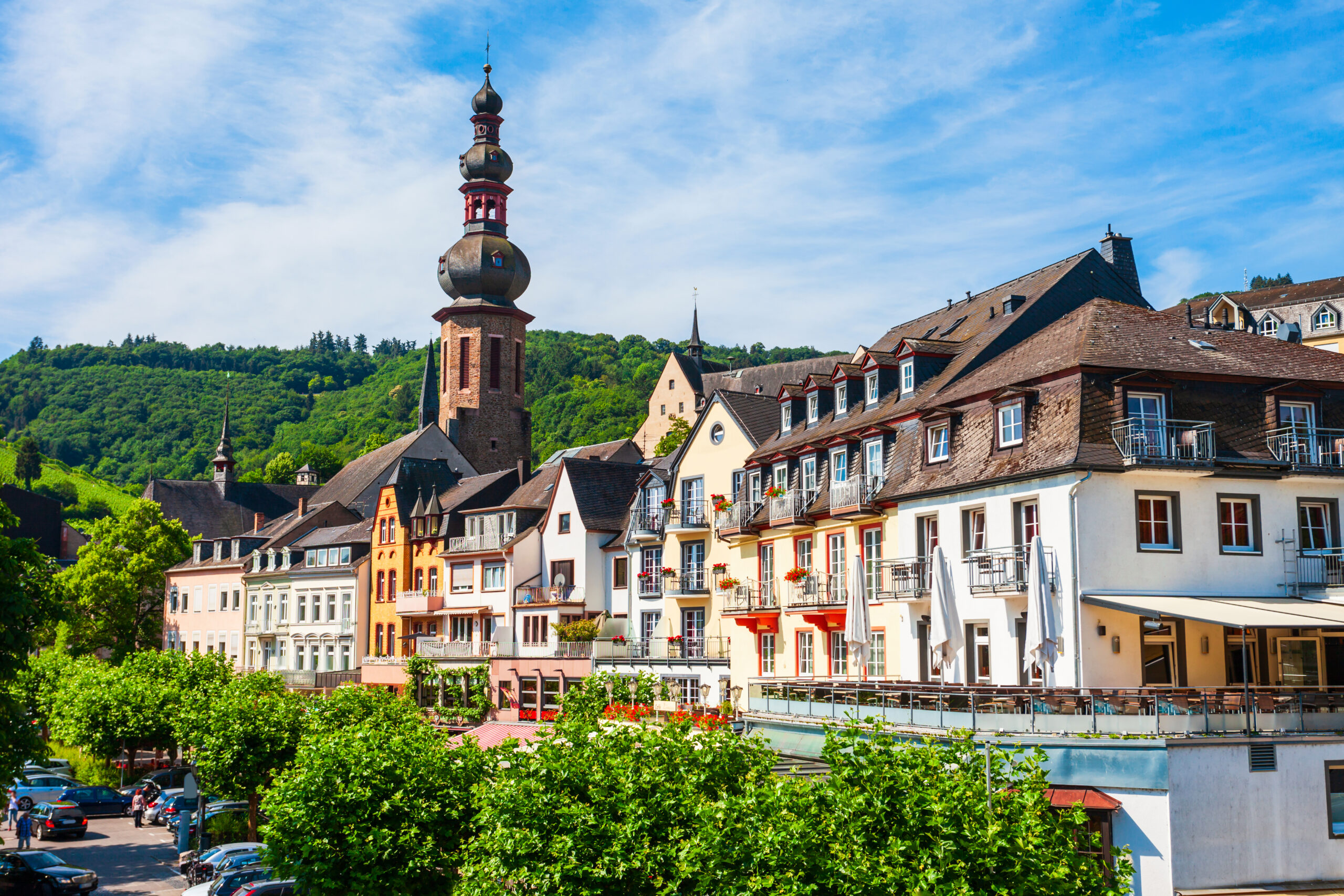
Nestled in the gentle curves of the Moselle, where vineyards flow down the slopes like green silk, lies the enchanting town of Cochem. With its fascinating blend of medieval charm and breathtaking landscapes, Cochem is not just a destination, but a journey into the past. As you stroll through the cobblestone streets, past half-timbered houses and towards the famous Reichsburg castle, you are transported to a time full of legends, history, and vibrant culture.
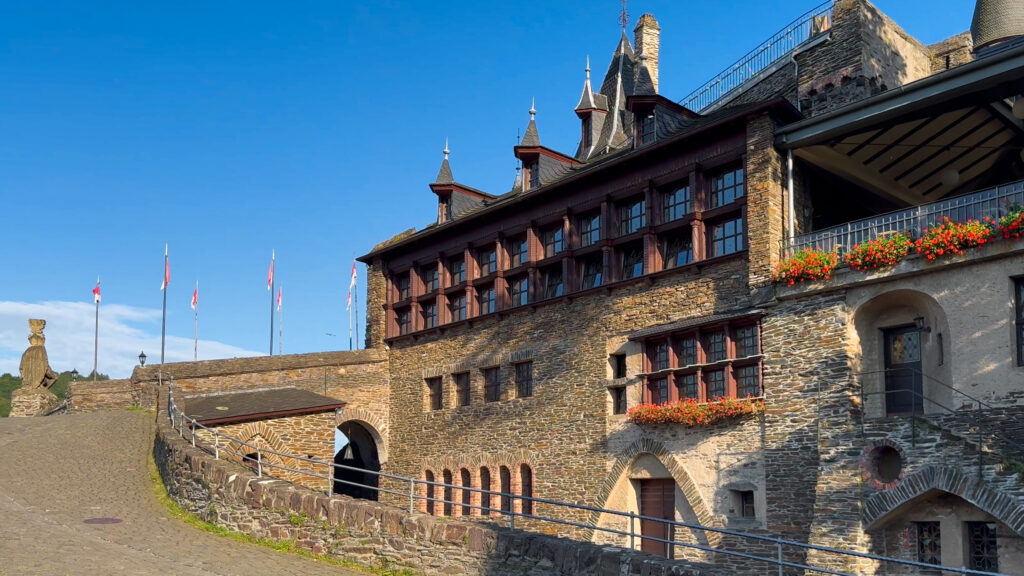
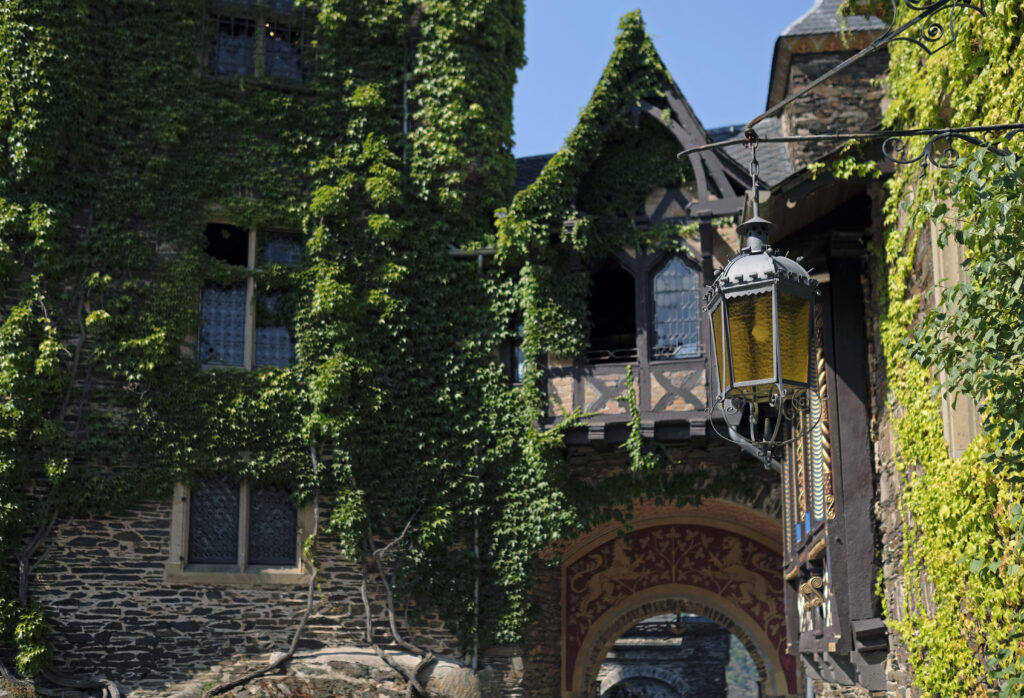
History that whispers through the centuries – Cochem’s origins date back to Celtic and Roman times, but it was not until the Middle Ages that this picturesque town began to flourish. The Reichsburg, towering high above the town, stands as a guardian of history, preserving stories that date back to the 11th century. Originally built by the Counts Palatine, the castle was destroyed by the French army in 1689 and remained a ruin until its loving restoration in the mid-19th century by wealthy Berlin businessman Louis Fréderic Jacques Ravené. Today, the castle is a beacon of neo-Gothic architecture, attracting visitors who long to see its towers and turrets soaring into the sky.
Cochem has endured many trials. During World War II, it served as a subcamp for prisoners who were forced to build secret bunkers and fortifications. Despite these dark chapters, Cochem’s resilience shines through. After the war, the town turned to peace, restoring its historic sites and revitalizing its natural beauty so that future generations could admire it.
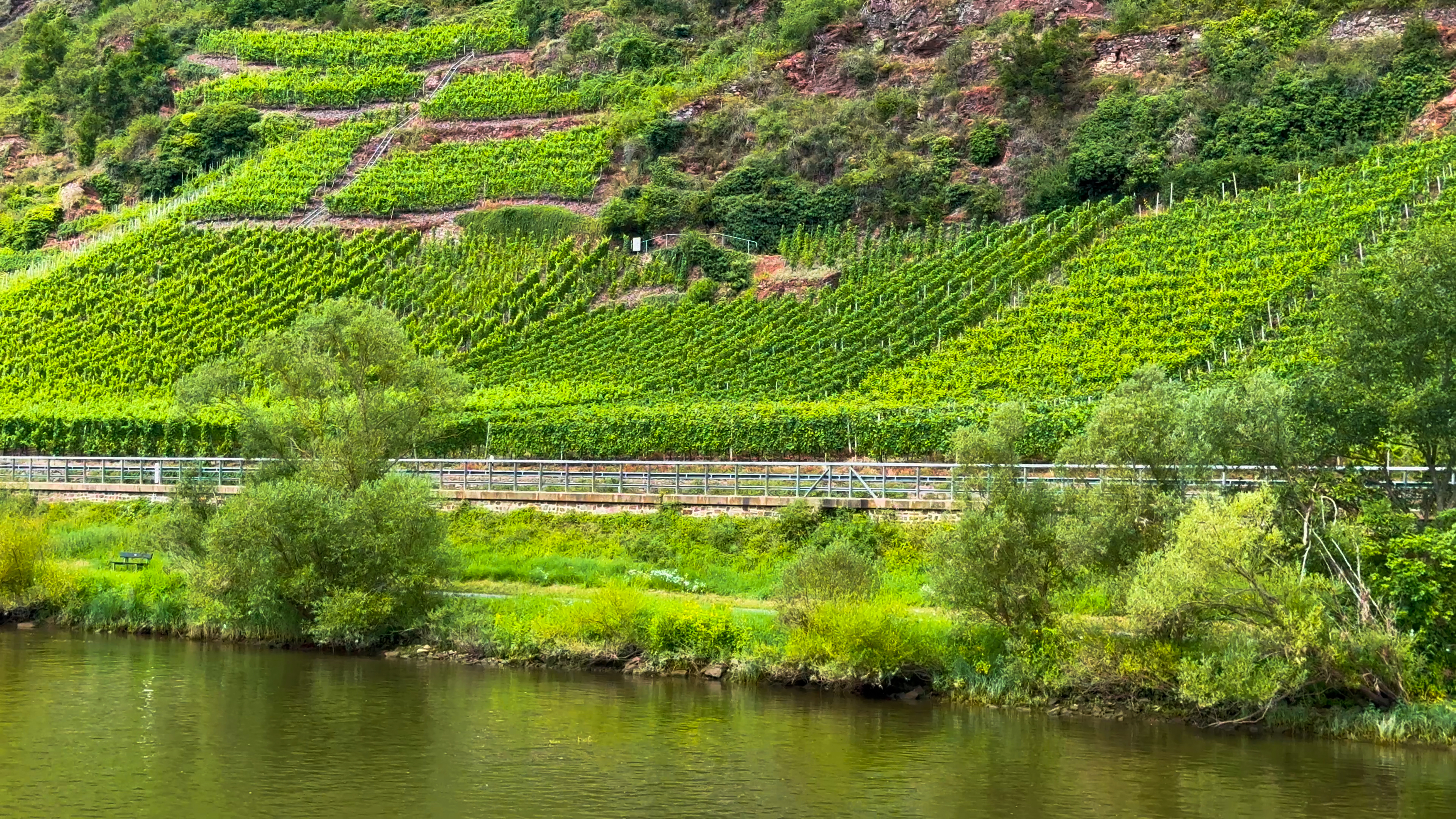
Wine culture: a legacy of the landscape – The region around Cochem is known for its exceptional wine production, thanks in large part to the Riesling grape, which thrives on the slate soils and temperate climate of the Moselle Valley. The winegrowing traditions of this area date back to Roman times, when soldiers and settlers planted the first vines. Even today, local winemakers strive to produce wines that reflect the unique terroir. A visit to Cochem is not complete without a tasting of these coveted wines.
Mosel Rieslings are known worldwide for their balance of acidity and sweetness. In late summer and early fall, the Mosel Wine Festival transforms Cochem into a place of celebration with wine tastings, parades, and fireworks. This festival offers a vivid picture of the town’s community spirit and its commitment to preserving centuries-old customs.
Culture and Festivals: The Heartbeat of Cochem – Cochem’s cultural diversity is as rich as its history. The town hosts numerous festivals throughout the year, offering everything from traditional German folklore to contemporary art. One of the most anticipated events is the annual Medieval Market, where locals don historical costumes and the streets come alive with the sights and sounds of a time when knights and jugglers entertained the nobility. It’s a spectacular display that attracts enthusiasts from all over Europe who are eager to experience authentic medieval culture against the breathtaking backdrop of the Moselle Valley.
In addition to these lively events, Cochem is also home to several art galleries and museums that celebrate the region’s rich heritage. The Cochem Nativity Museum, for example, offers a fascinating insight into the craft of nativity scene construction, while local artists draw inspiration from the idyllic landscapes and transform them into captivating works of art.
Unparalleled natural beauty – Beyond its historical and cultural appeal, Cochem offers some of Germany’s most breathtaking natural landscapes. The town’s location on the Moselle offers numerous opportunities for hiking, cycling, and river cruises. The Apolloweg, a popular hiking trail, rewards adventurers with panoramic views of the valley, offering a perspective that is both impressive and humbling.
For those who prefer a more leisurely pace, the Moselle itself is a place of tranquility. Boat tours depart regularly from the riverbank, allowing passengers to glide past vineyards and castles and enjoy the tranquil atmosphere. Alternatively, cycling enthusiasts can explore the Moselle Cycle Path, which winds its way along the river and offers tempting stops in charming villages and lively markets along the way.
A gastronomic journey – No account of Cochem would be complete without mentioning its culinary offerings. The town’s restaurants and cafés serve a delicious selection of traditional German dishes, with Sauerbraten, bratwurst, and pretzels featuring prominently on the menus.
However, the real stars of the culinary scene are often the lesser-known regional specialties such as onion tart and Federweißer, a seasonal young wine that pairs perfectly with hearty autumn dishes.
Cochem also has plenty to offer those with a sweet tooth. Bakeries entice passersby with a selection of baked goods, from classic Black Forest cake to aromatic apple strudel. Sampling these delicacies amid the old-fashioned charm of a Cochem café is an experience that captures the essence of German hospitality.
The appeal of Cochem: yesterday, today, and tomorrow – The appeal of Cochem is multifaceted. It is a place where history and modernity meet, where old traditions coexist with contemporary comforts. Whether you are drawn to its historic past, picturesque views, or vibrant community life, Cochem offers a unique experience that will remain with you long after you leave.
In today’s fast-paced world, Cochem remains a place of tranquility and timelessness. It invites every traveler to pause, take a deep breath, and immerse themselves in a fabric woven from the threads of history, nature, and human connection. From the echoes of medieval knights within the castle walls to the gentle lapping of the Moselle on its banks, Cochem continues to tell its story – a narrative as enduring and enchanting as the town itself.
Whether you’re strolling in the shadow of fairytale castles, drinking wine that captures the essence of sun-kissed vineyards, or simply enjoying the warmth of Cochem’s residents, one thing is certain: this is a place where magic is found not only in ancient stories, but in every corner of its present-day existence.