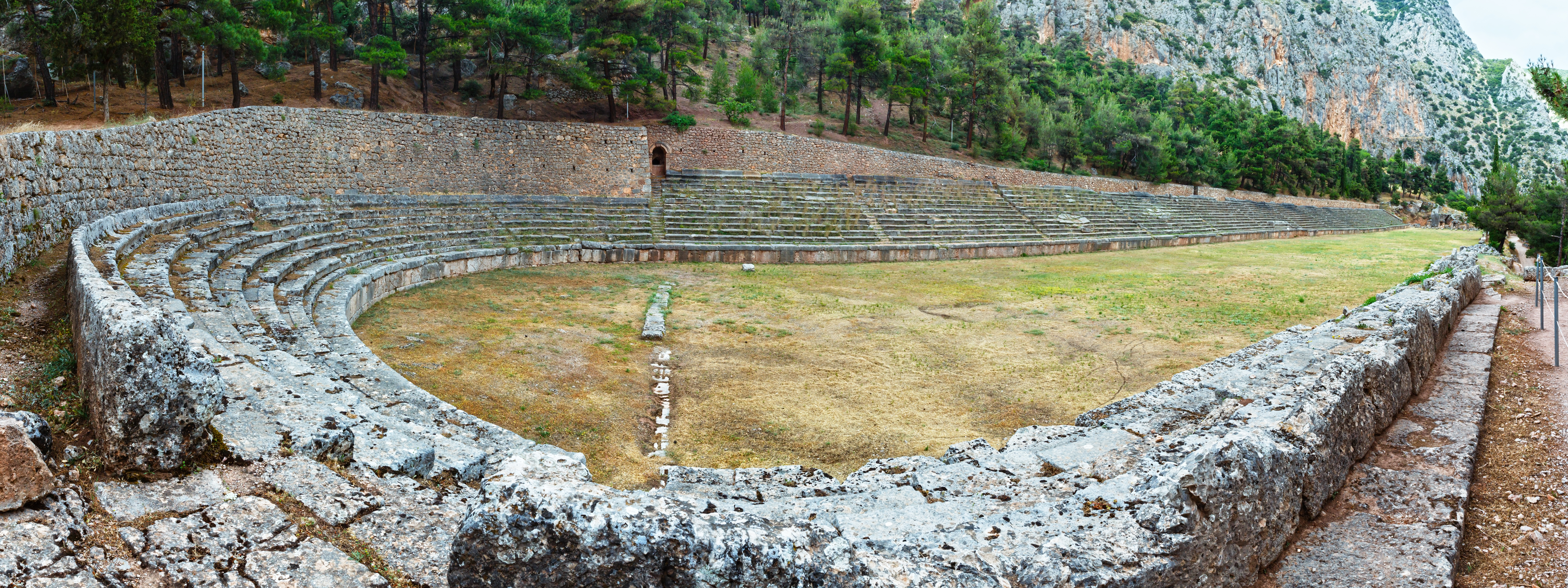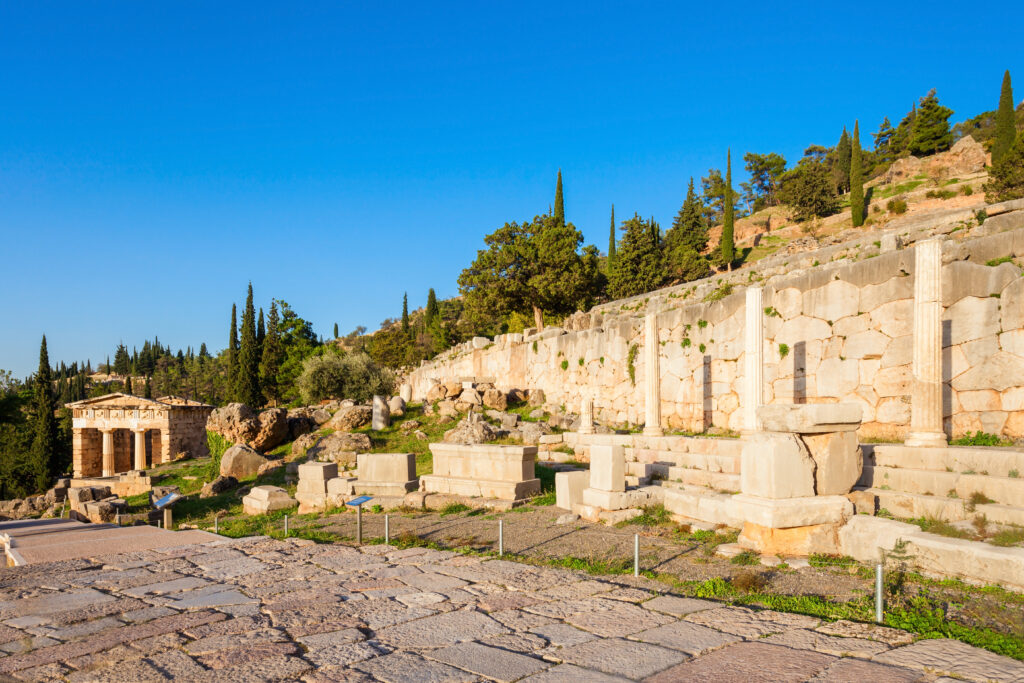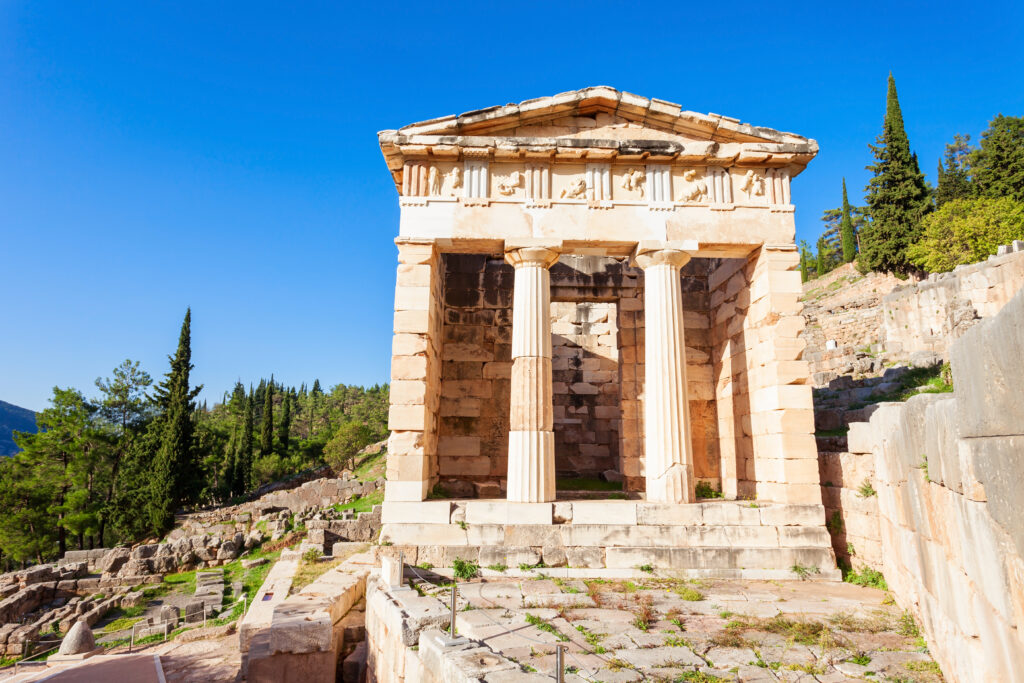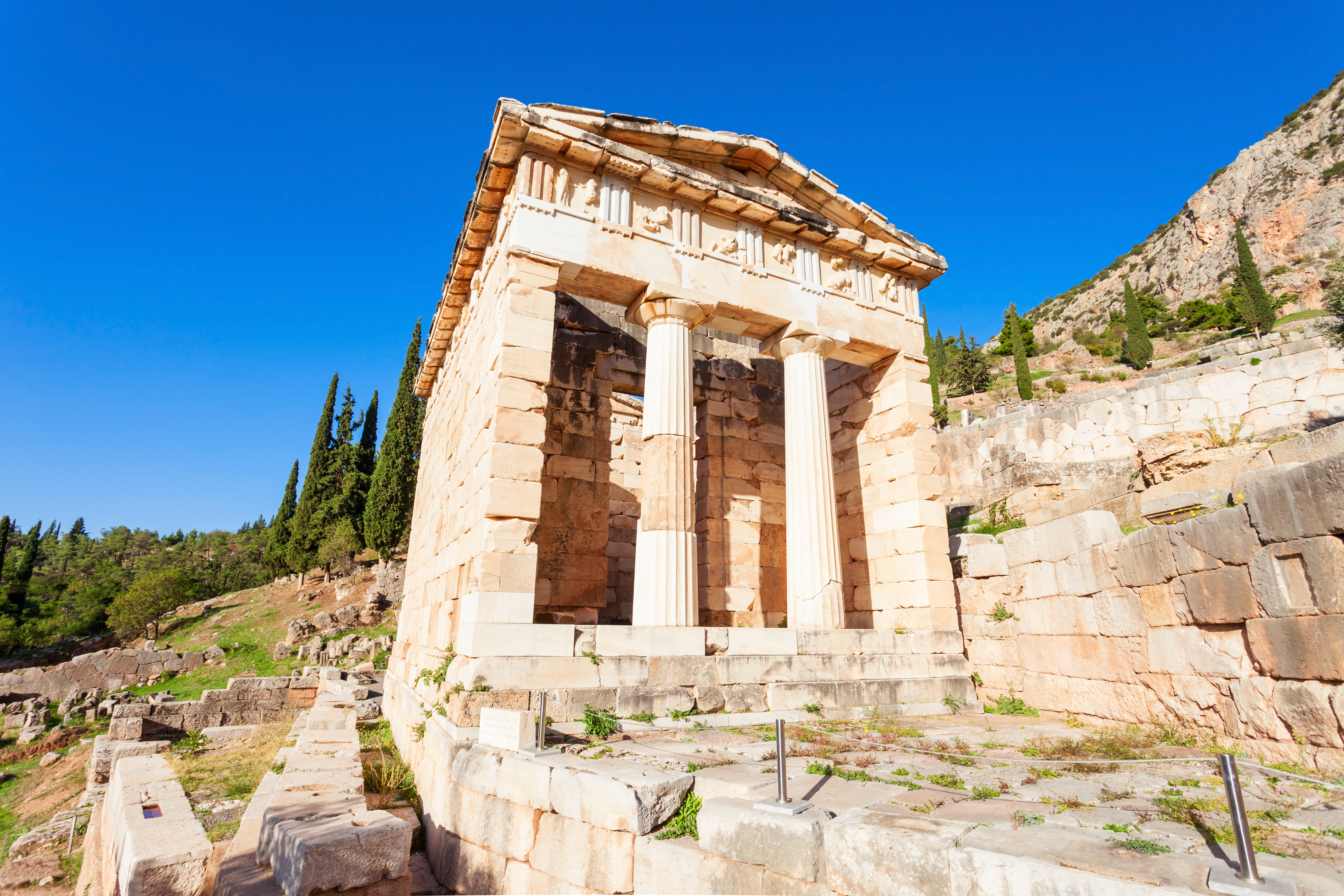
Delphi, a small town in Greece that was once the spiritual center of ancient Greece, is the setting for one of history’s most captivating myths. Today, it attracts millions of visitors who wish to walk in the footsteps of the ancient Greeks to experience the magic of this place for themselves. But what makes Delphi so special, and what role did it actually play in antiquity?
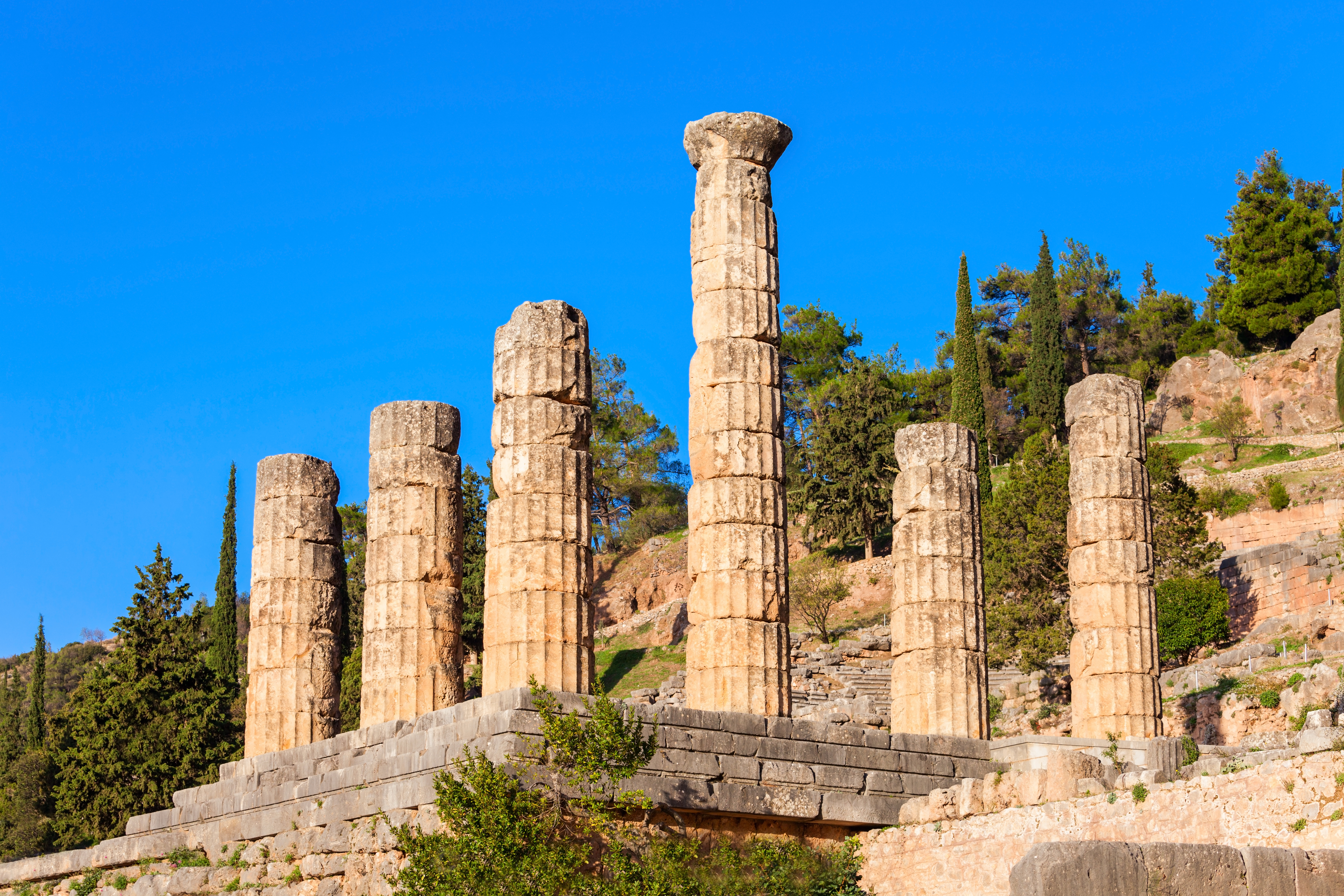
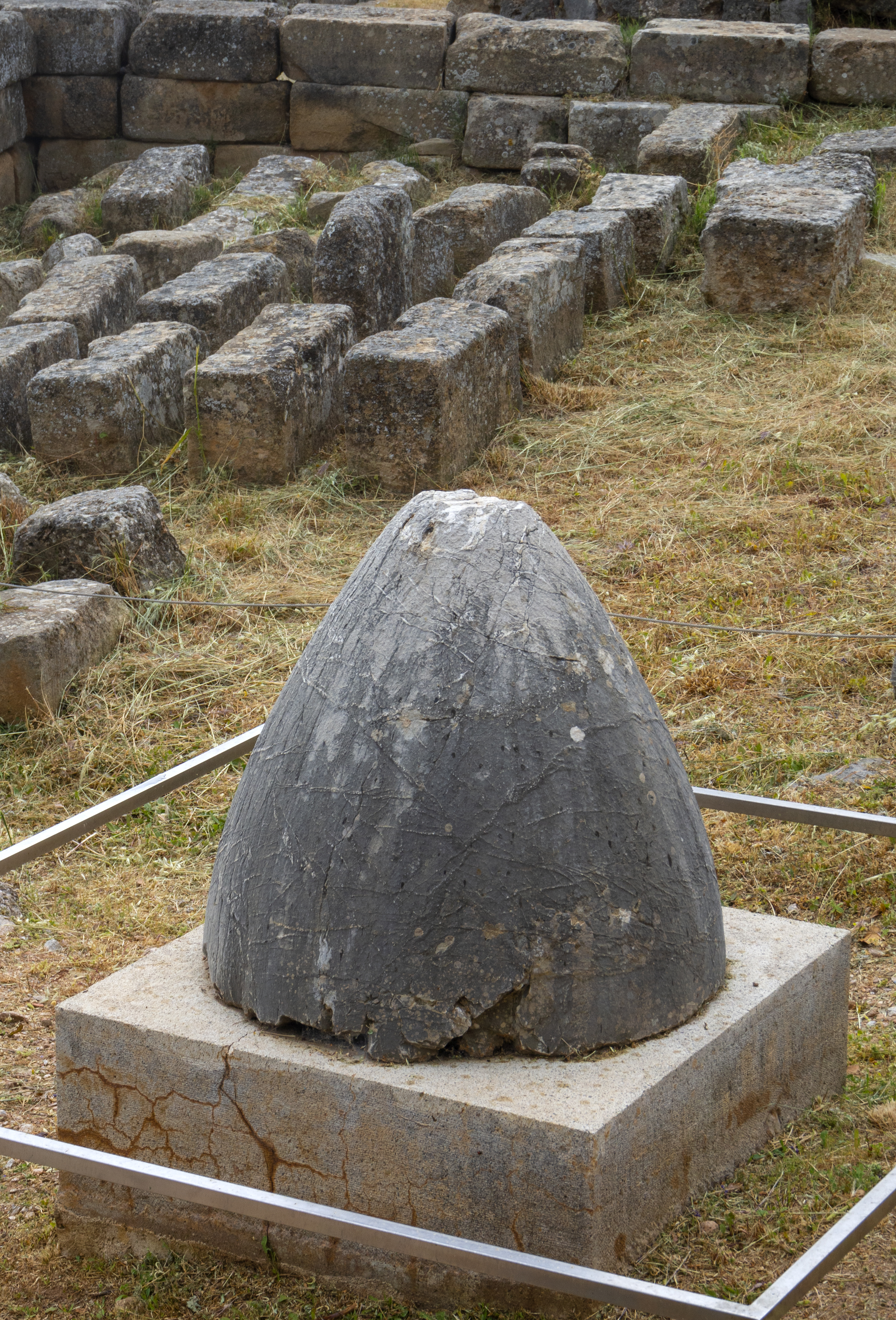
The Birthplace of a Myth – The origins of the Oracle of Delphi are shrouded in the thick fog of ancient legends. According to Greek mythology, this sacred site was the center of the earth, known as Omphalos, the “navel.” The story tells how Zeus sent two eagles from the ends of the world, and their flight paths crossed over Delphi. For Zeus, this was the sign that the center of the world lay here. In Delphi, the oracle resided in the temple dedicated to the god Apollo. Priestesses, known as Pythias, delivered their prophecies here. These women, who made their predictions while in a trance and under the influence of intoxicating gases flowing from a crevice in the rock, were central figures in the ancient Hellenistic belief system. The influence of their predictions extended far beyond the borders of Greece and shaped political and military decisions as well as the founding of cities.
Scientific Explanations versus Mystery – For centuries, the Oracle of Delphi puzzled scholars. In recent decades, archaeologists and scientists have attempted to unravel the mysteries of this mystical site. One theory suggests that the vapors that induced the Pythia’s trance contained ethylene—a naturally occurring gas with mind-altering properties. Historical and geological studies support the theory that tectonic activity in this region was responsible for the release of these gases. Thus, Delphi may not only have been the spiritual center of the earth, but was also physically situated on fertile geological ground that made these extraordinary phenomena possible.
Delphi’s Role in Historical Development – In addition to its reputation as a place of prophecy, Delphi was also a significant cultural and religious center. Every four years, athletes from across the known world gathered here to participate in the Pythian Games, one of the four major Panhellenic Games, comparable to the Olympic Games. These events promoted peace among the often-divided Greek city-states and strengthened the sense of a shared Hellenic identity. The region’s politics were also significantly influenced by the Oracle. Rulers and leaders from all over Europe sought counsel in Delphi before making strategic decisions. Often, however, the prophecies also reflected attempts to defuse or exacerbate political tensions. Thus, the Oracle prevented or encouraged wars and alliances, depending on the interpretation of its mystical messages.
An Inscrutable Legacy – Despite its historical significance, the Oracle of Delphi remains an enigma that has fascinated generations of historians, archaeologists, and anthropologists. Even today, many wonder what exact rituals were performed and how the Pythia actually experienced her trance states. Research into ancient texts and archaeological finds continually yields new insights, yet a complete picture still seems to elude us.
Delphi’s influence extended into art and architecture; famous schools of philosophy and libraries settled near the sacred site. Inscriptions and statues adorned the temples, and even today one can find traces here of great sculptors and historical figures whose works have left a lasting mark on Europe’s cultural heritage.
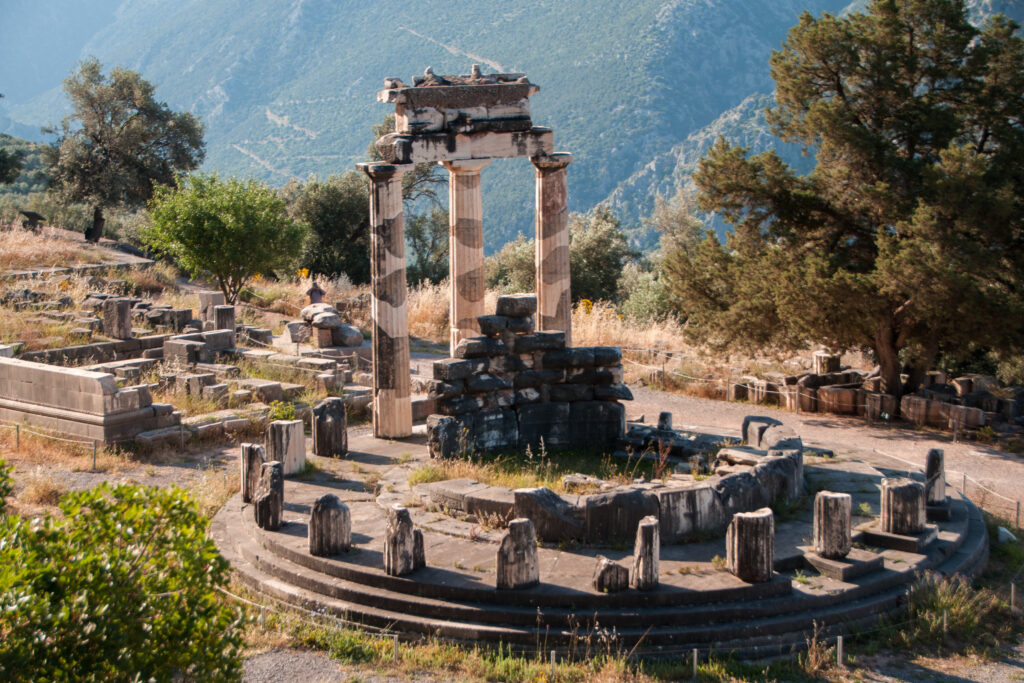
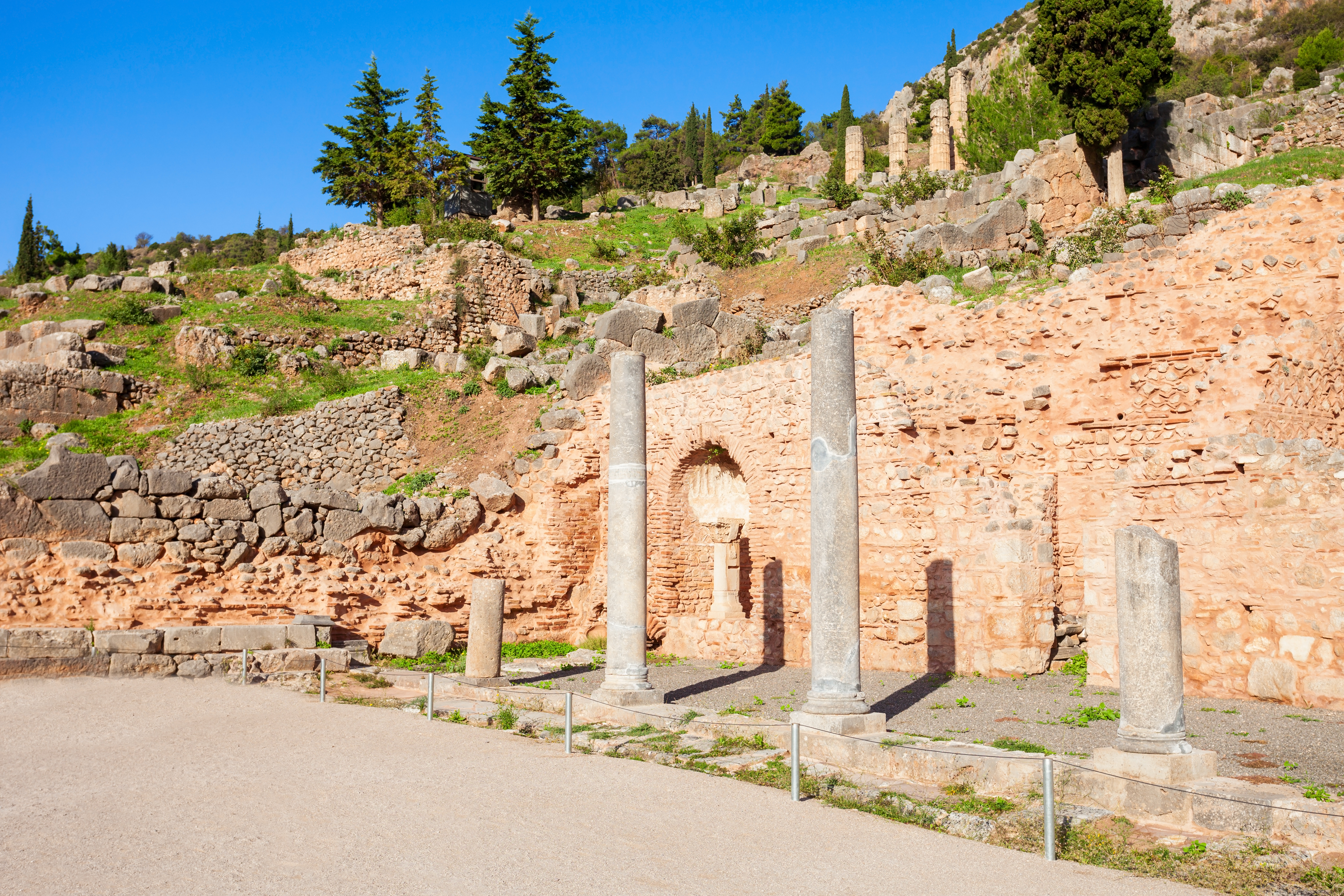
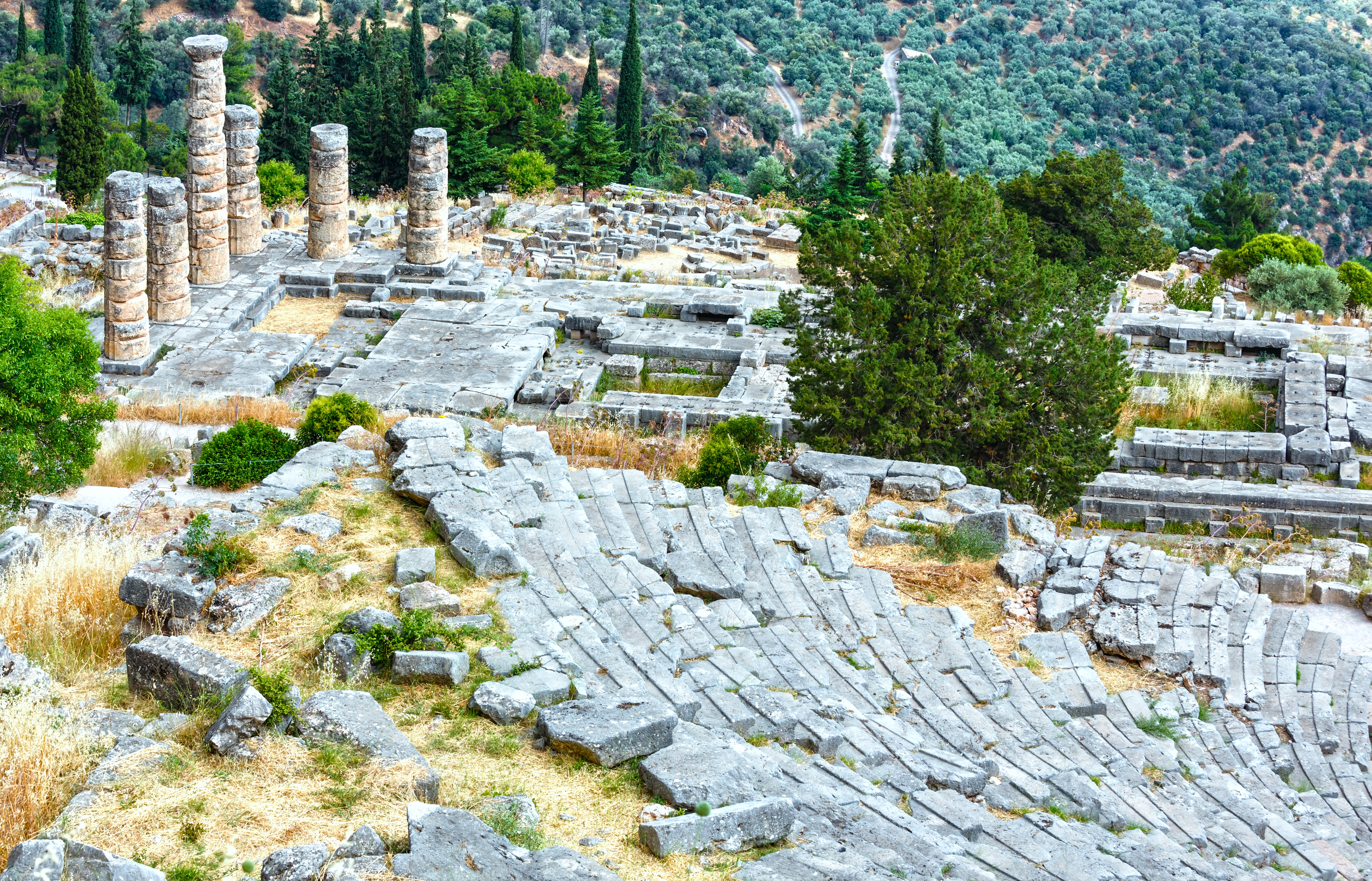
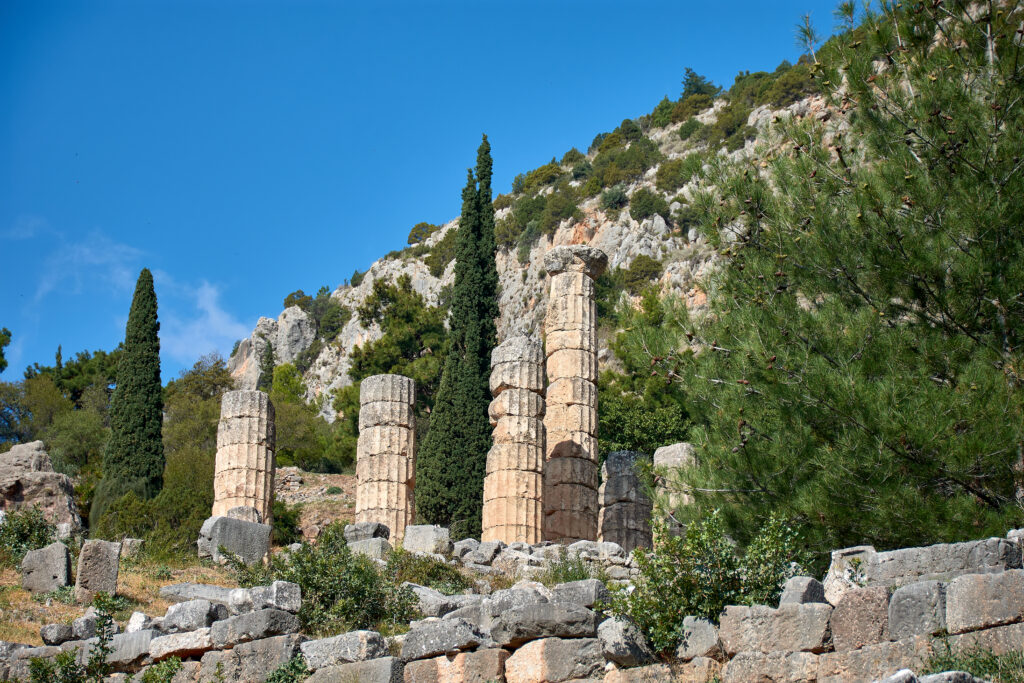
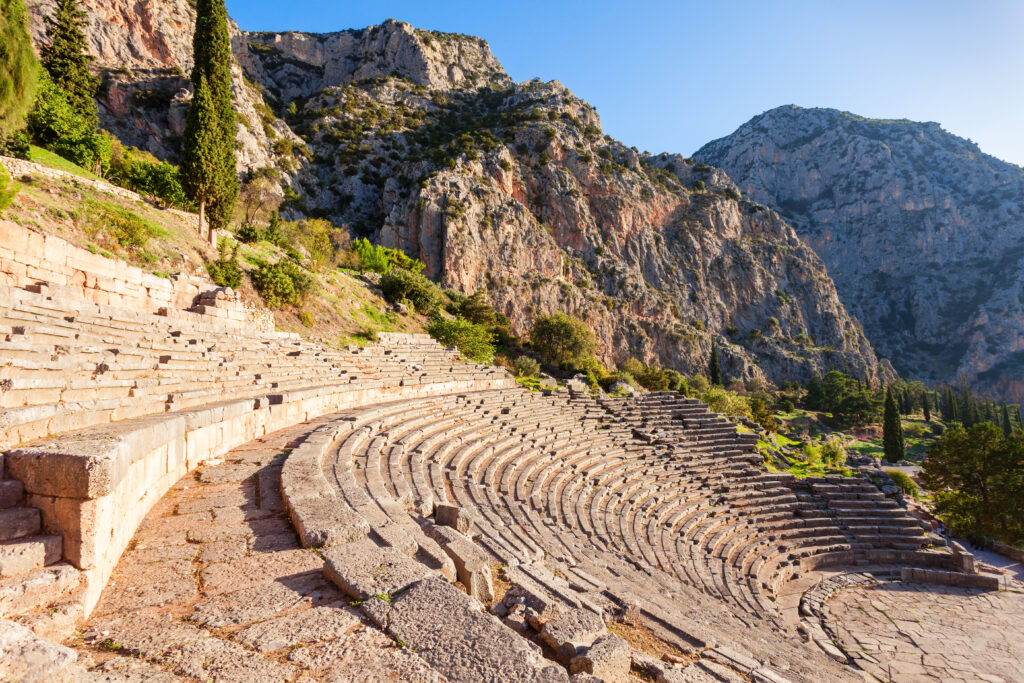
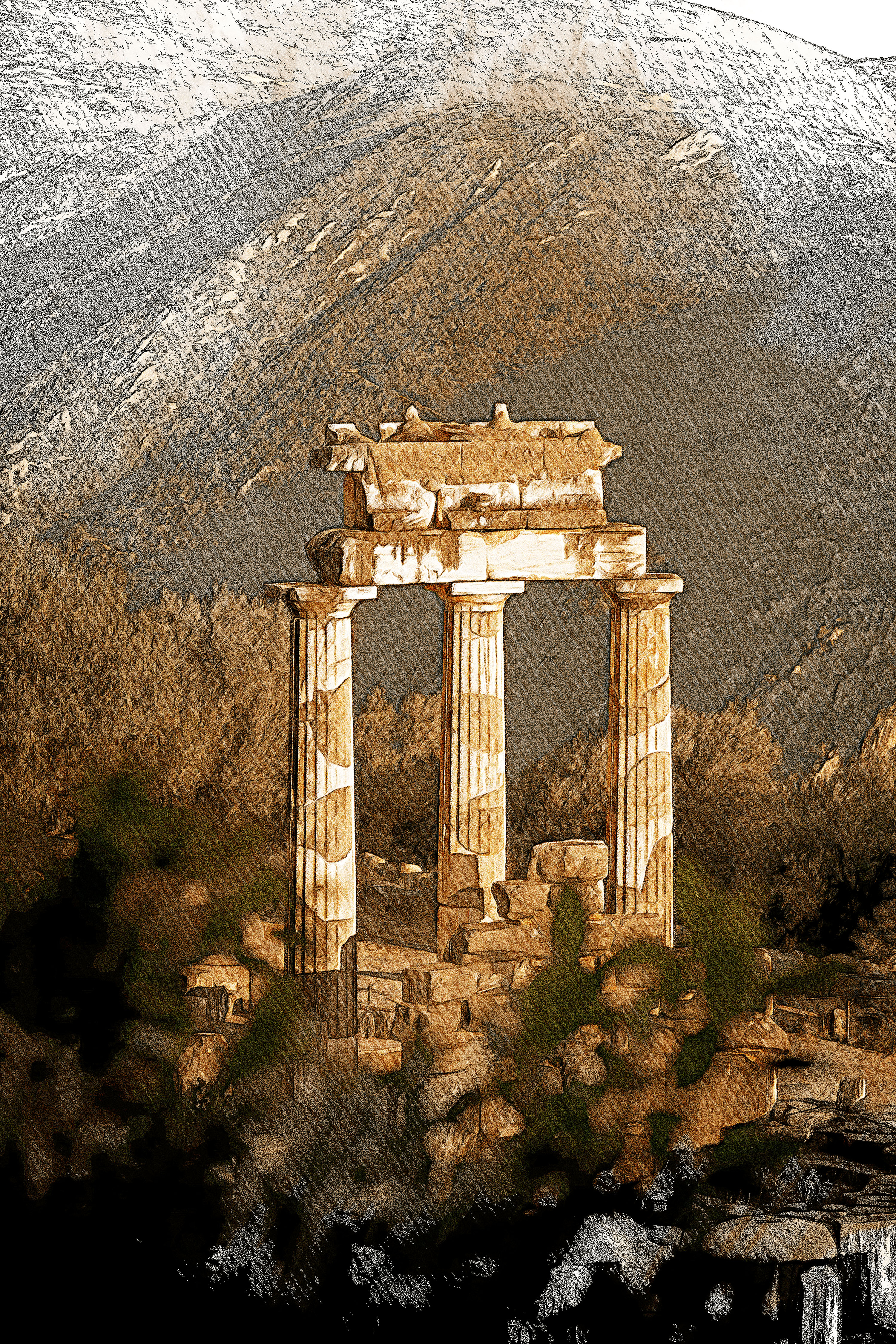
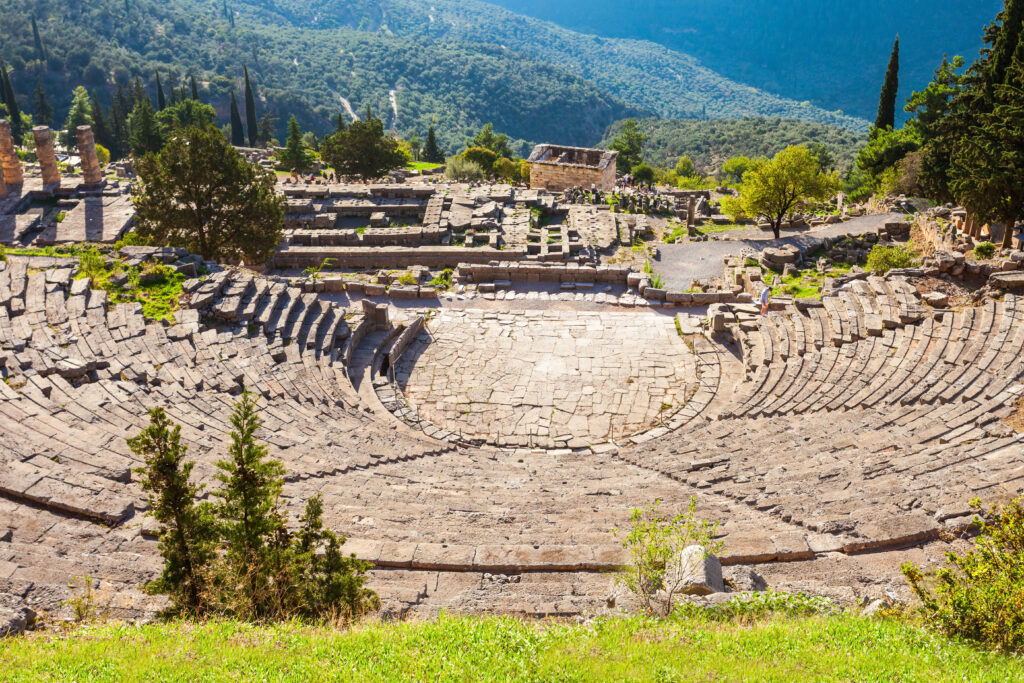
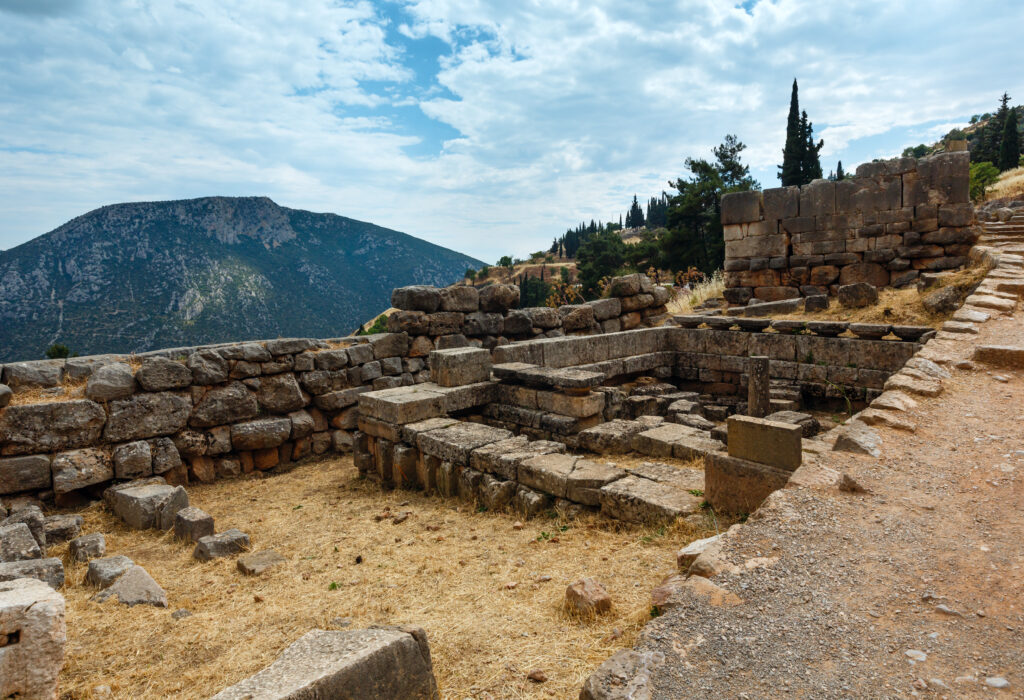
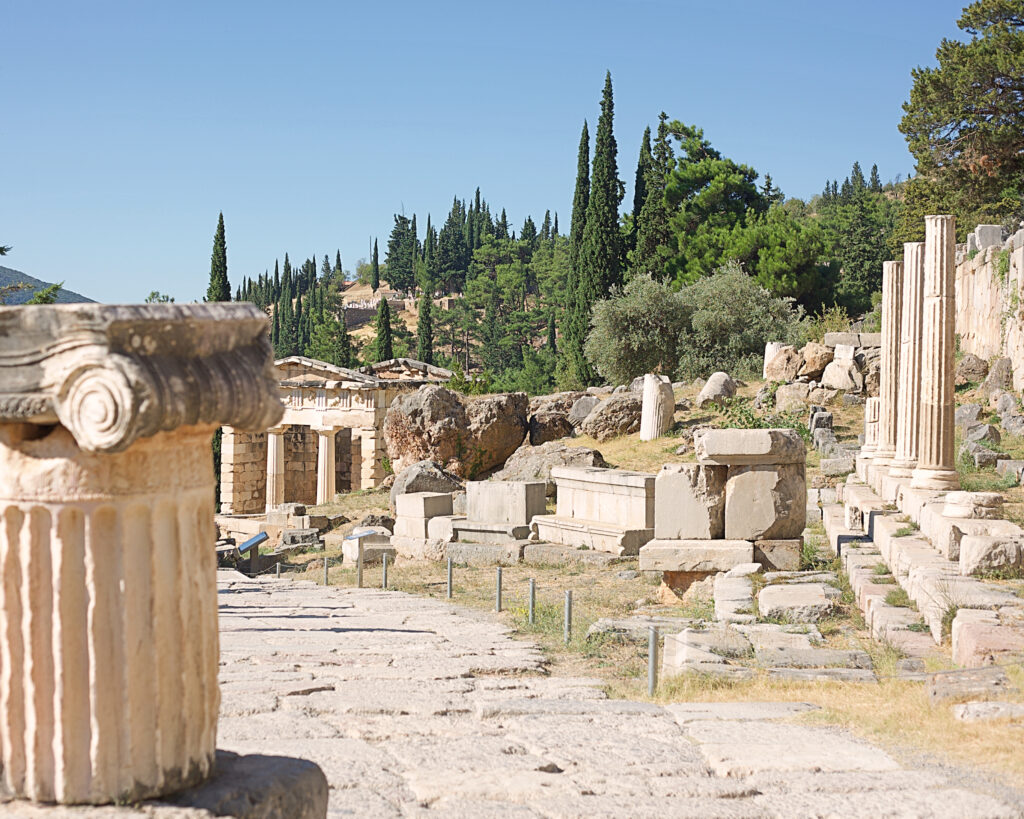
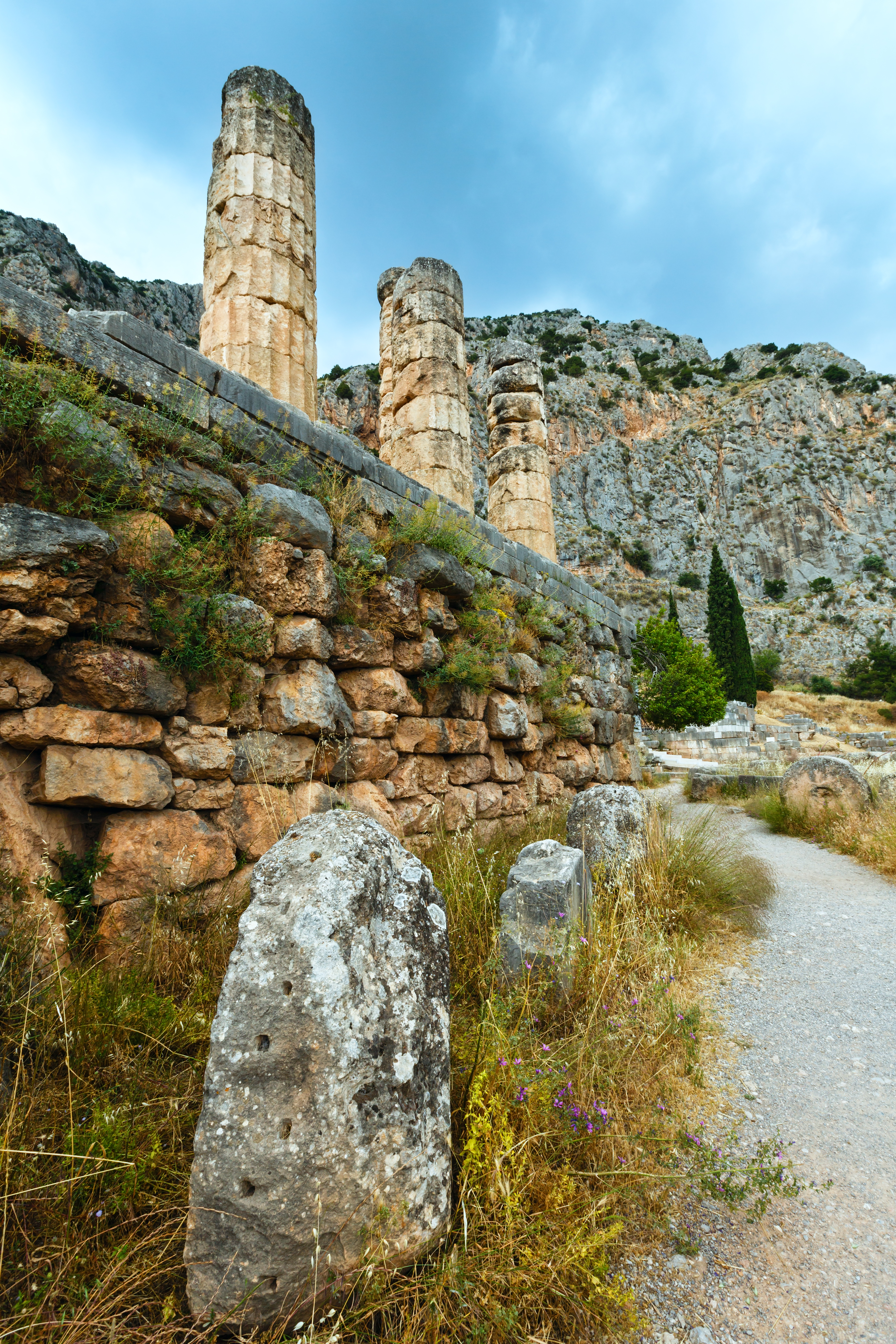
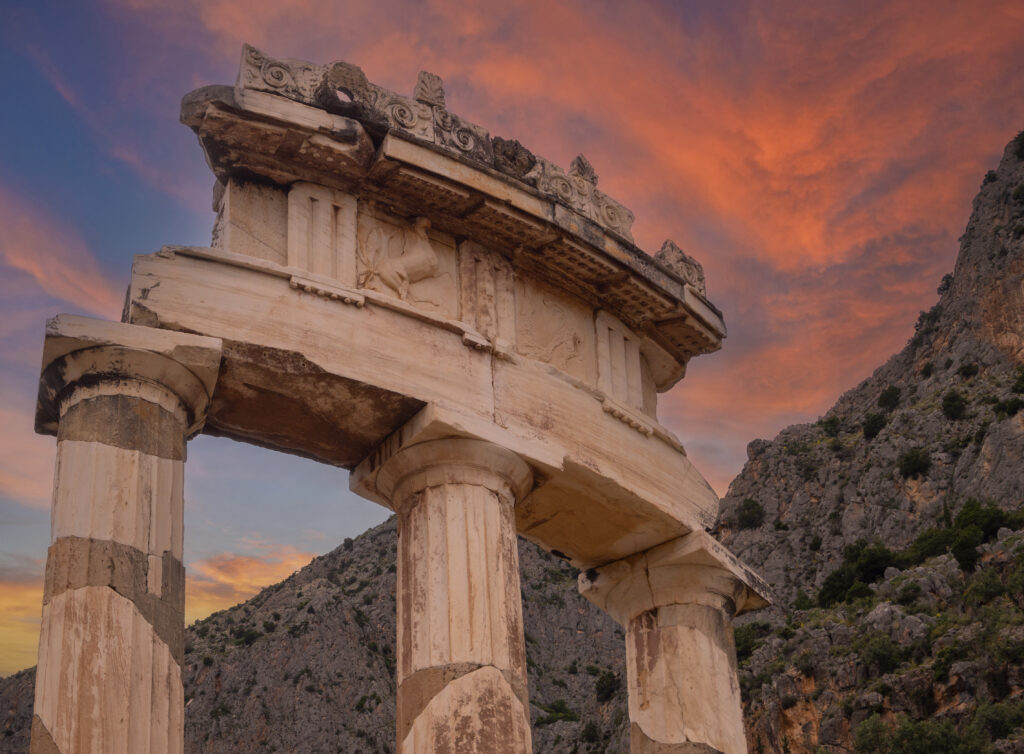
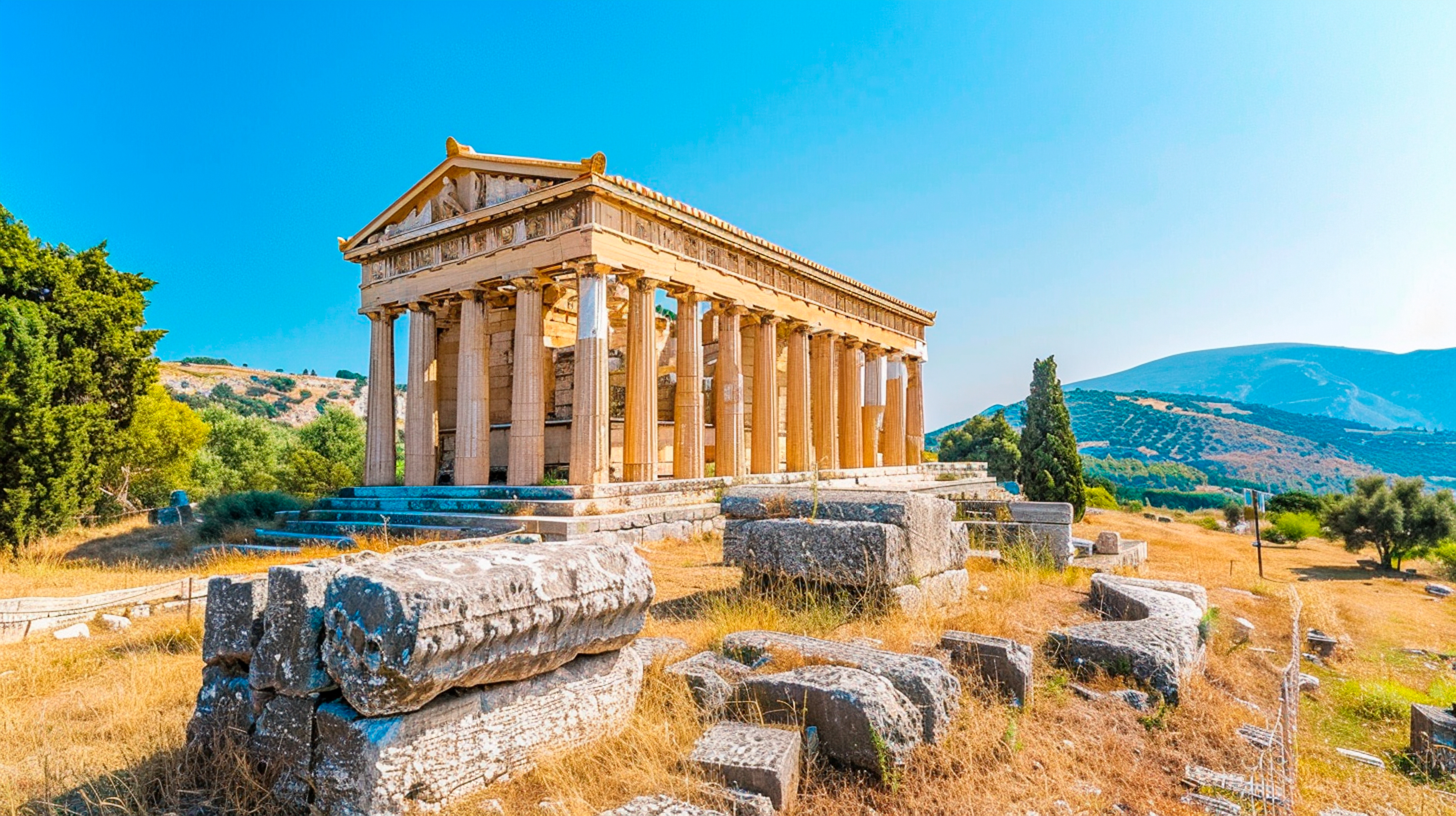
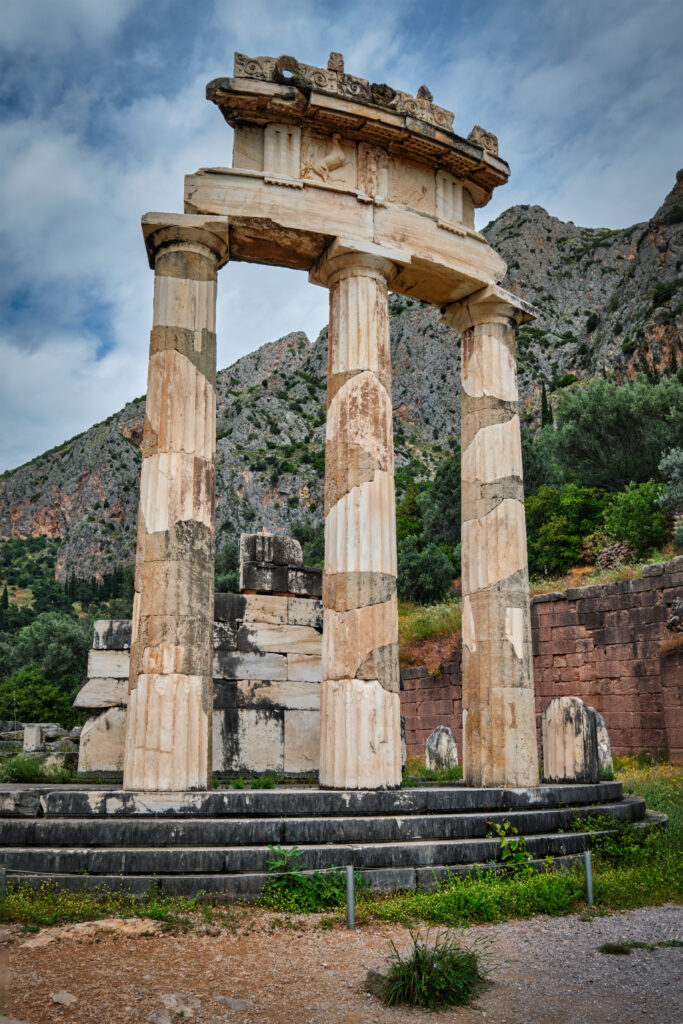
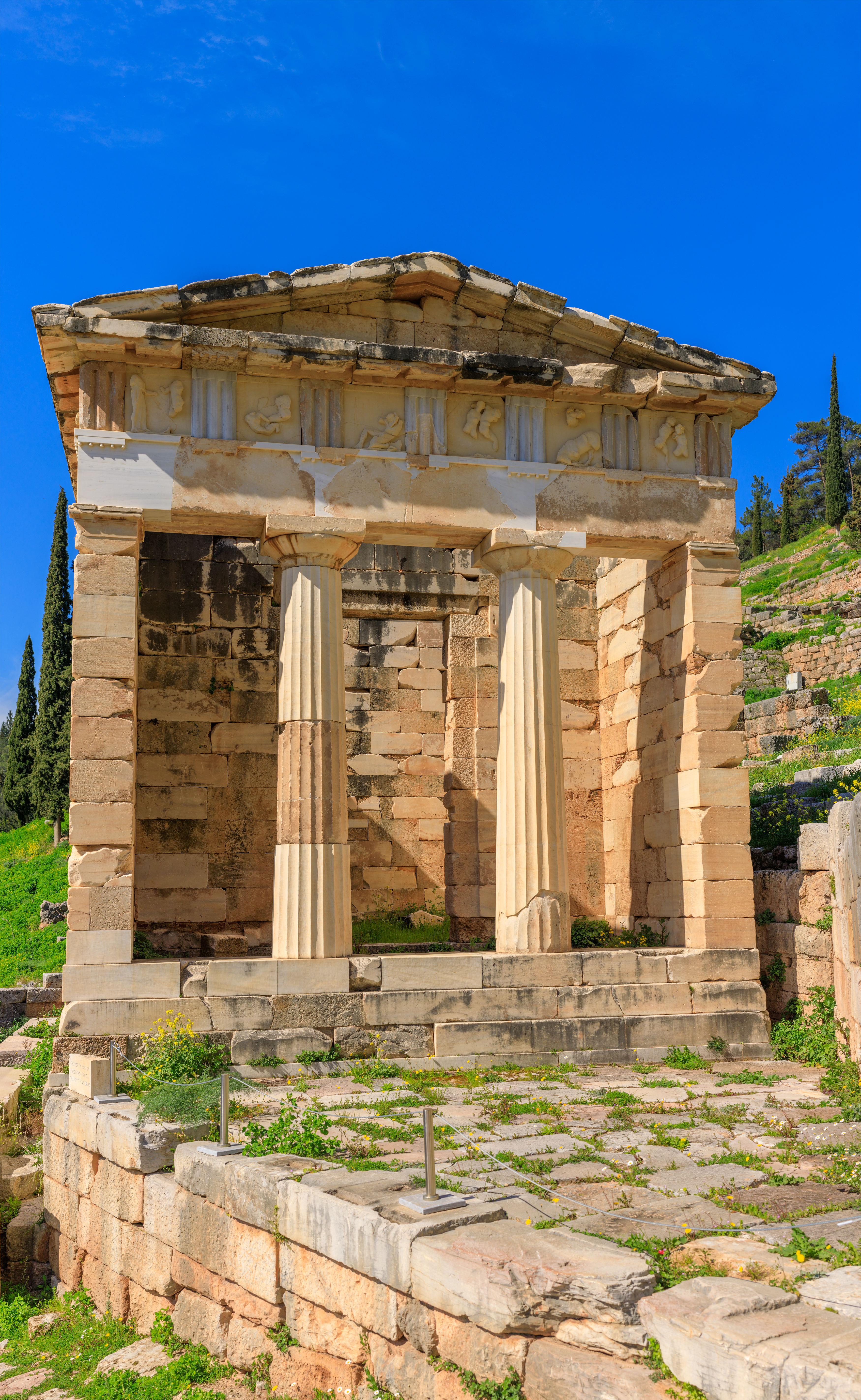
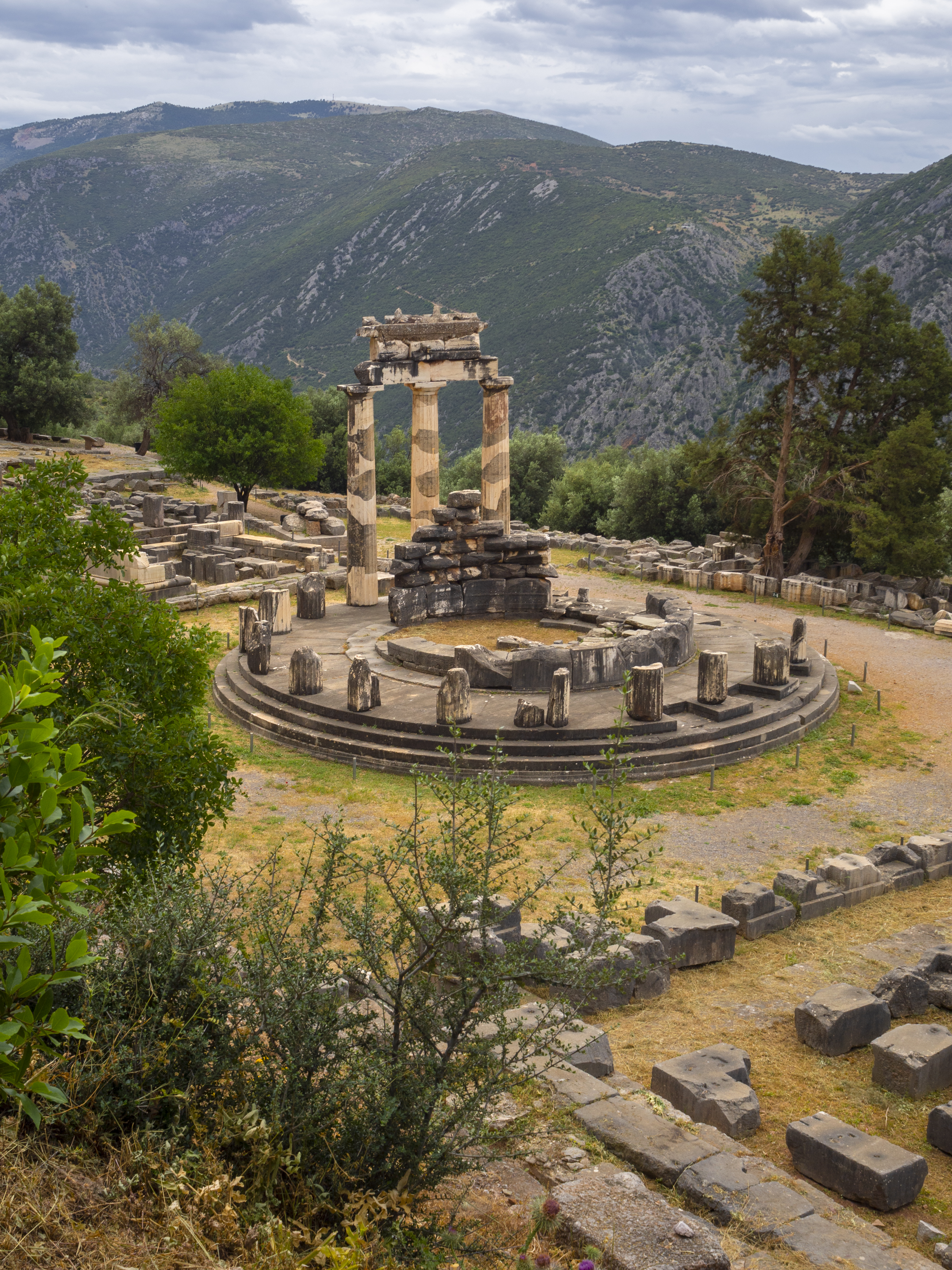
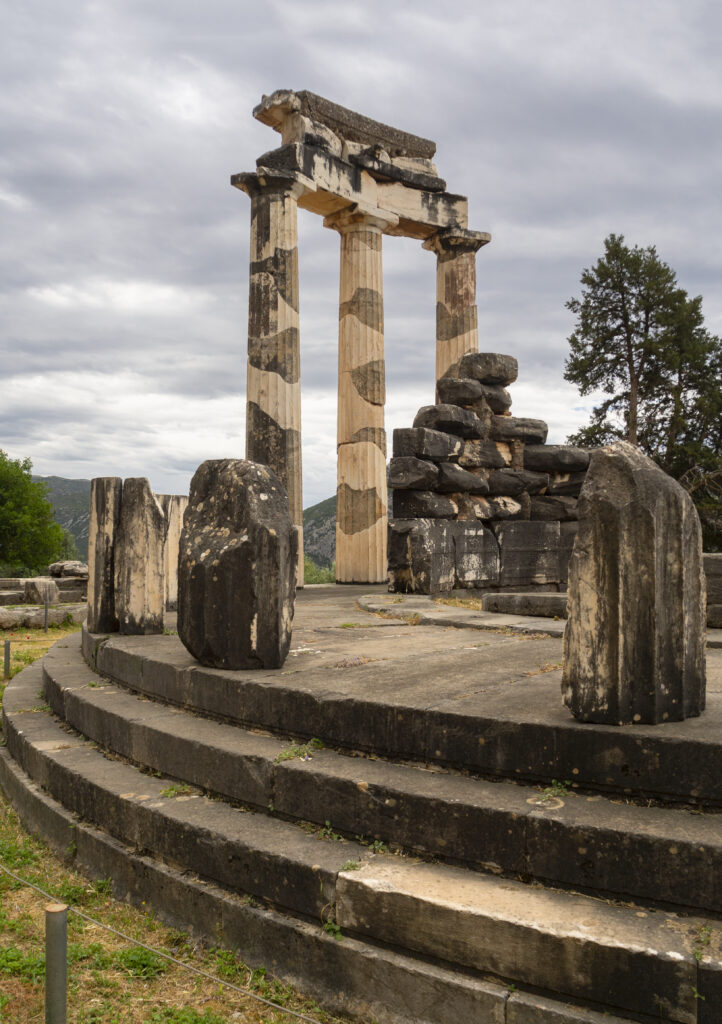
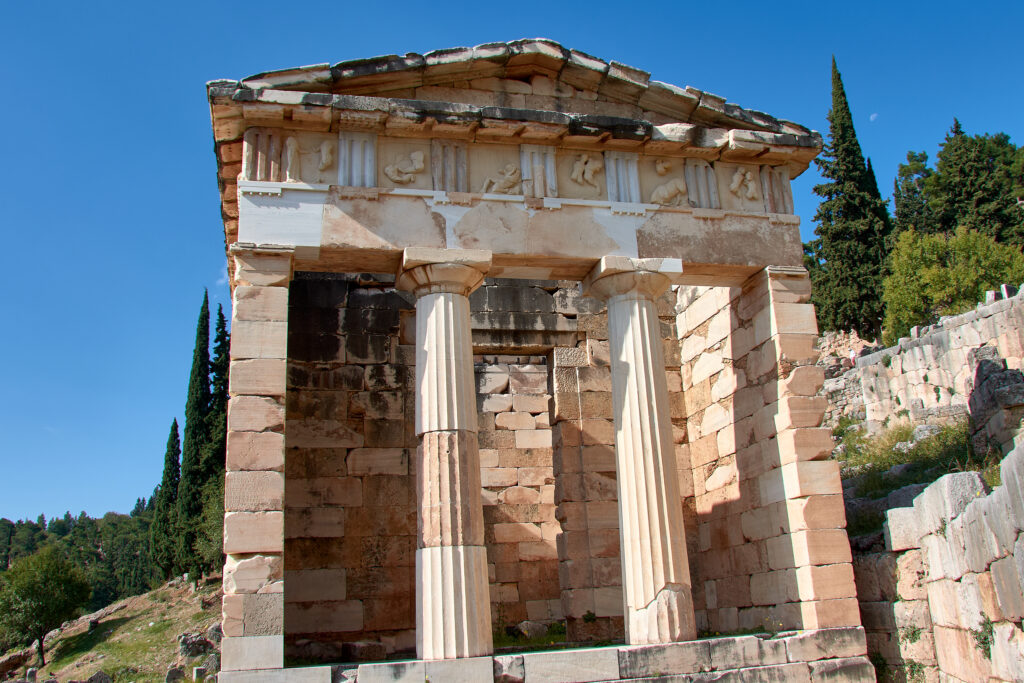
Delphi Today – Today, the ruins bear witness to Delphi’s former splendor and attract countless visitors every year. The unique location on the slopes of Mount Parnassus not only offers spectacular views but also invites reflection on the universal questions of fate and the future. Tourists can not only admire the remains of ancient architecture such as the Temple of Apollo or the ancient theater but also visit the Delphi Archaeological Museum. Here, artifacts and sculptures are on display that bring the history of the site to life. Yet despite the many answers that archaeology and research have provided since then, the magic of Delphi remains undiminished. The oracle continues to fascinate people from all over the world who make a pilgrimage to this mysterious place in search of spiritual experience and historical knowledge.
Despite all scientific findings, Delphi remains a source of inspiration and wonder. It is not only a place of historical interest but a living symbol of people’s belief in something greater. The myth of Delphi teaches us that history and faith often go hand in hand, and that the mysteries of the past can transcend our quest for knowledge. As we gaze upon the preserved stones—symbols of former splendor and power—it becomes clear: Delphi will always be more than just a place. It is an invitation to explore the wonders and wisdom of antiquity with open eyes and an open mind.