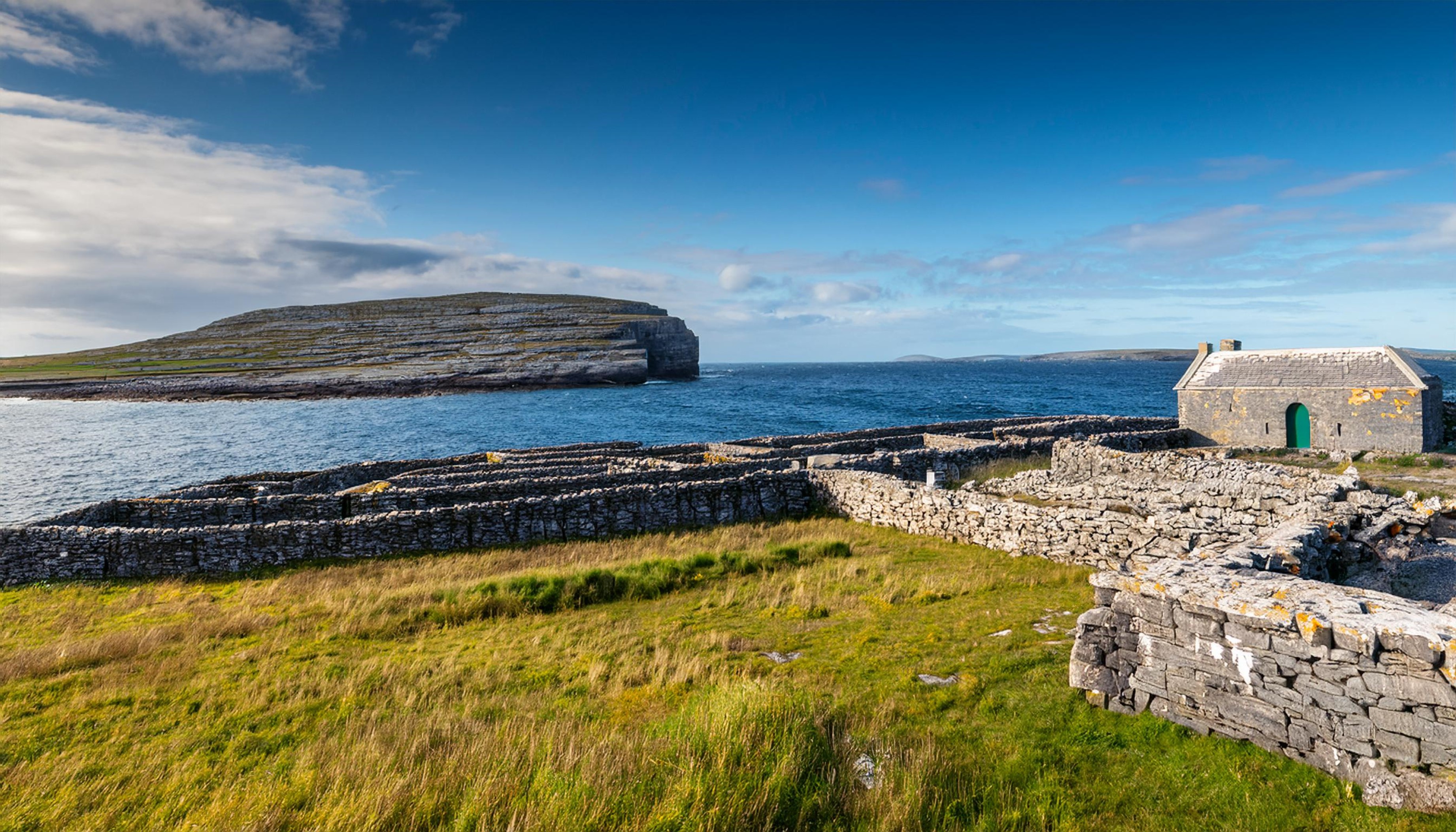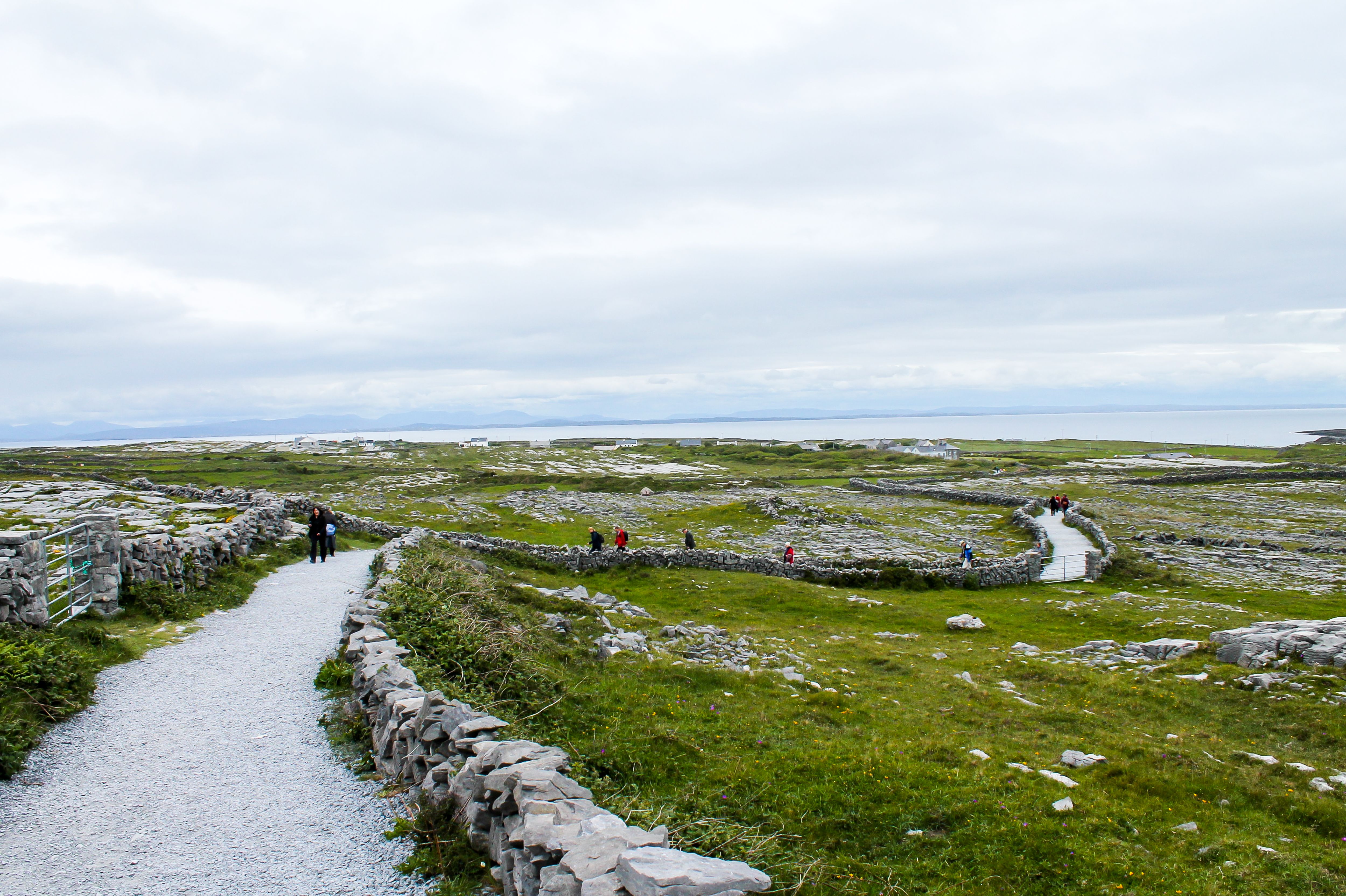
When you think of the Aran Islands, images of rugged beauty and mystical landscapes come to mind. But this archipelago off the coast of County Galway is more than just a scenic gem. It is a living treasure trove of history and mythology, deeply rooted in Gaelic culture. A journey here is not only a journey through breathtaking nature, but also a journey through time, with stories passed down from generation to generation that embody the soul of Irish culture.
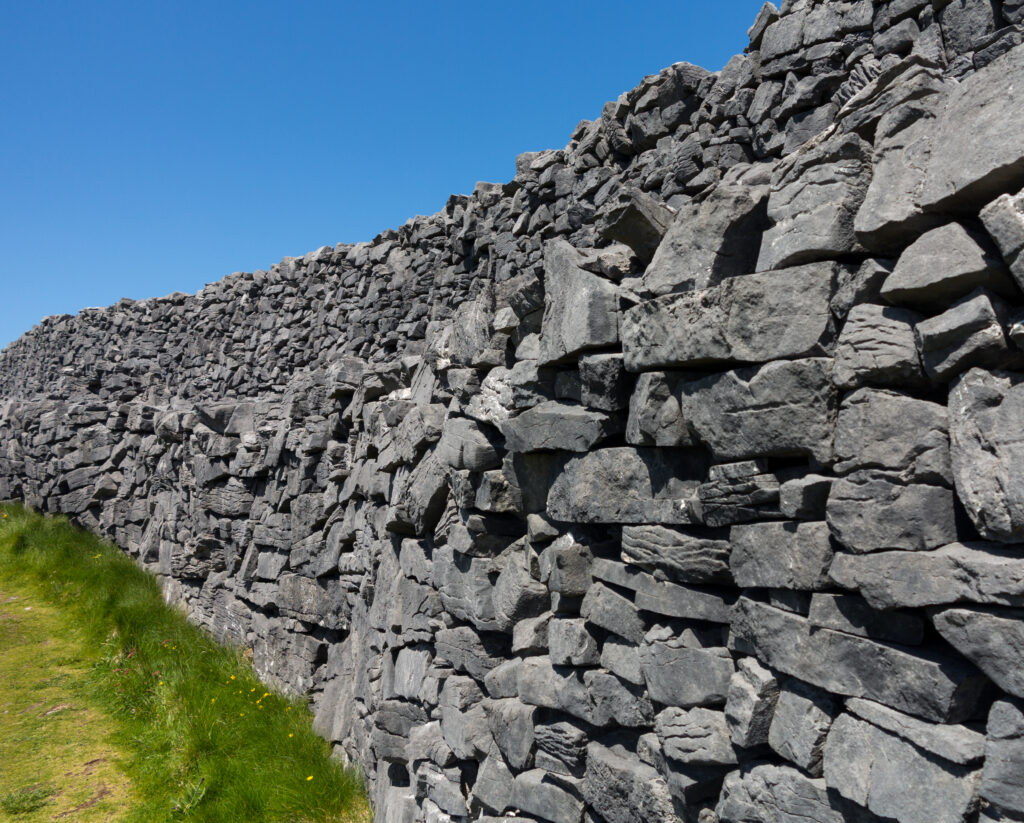
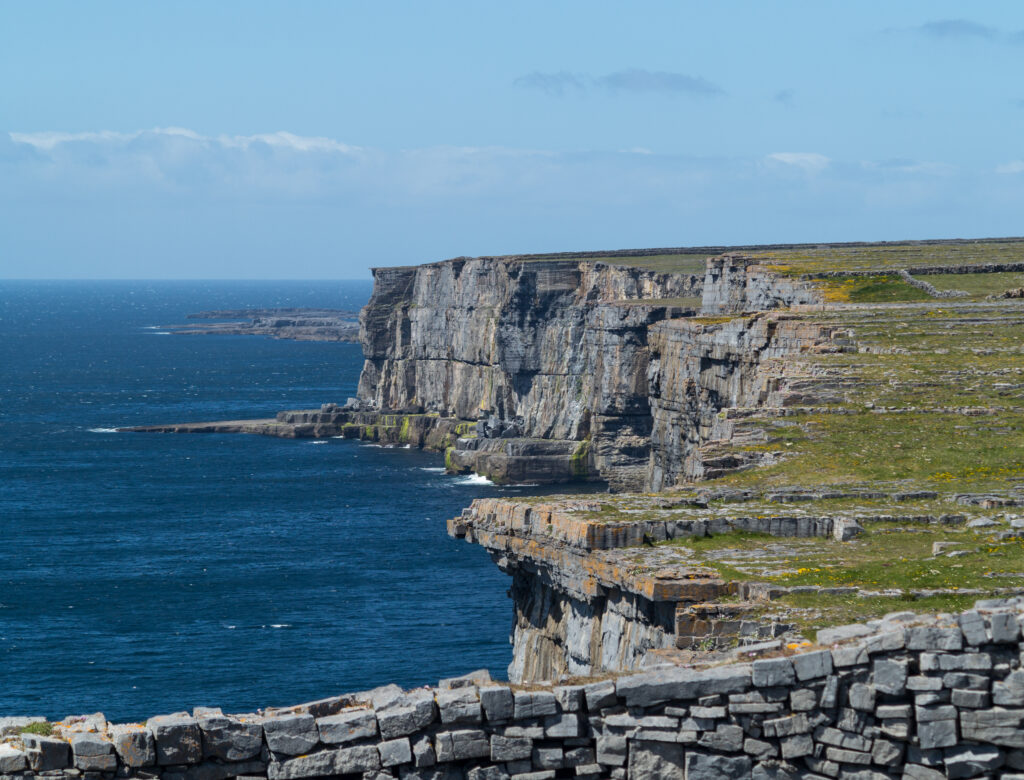
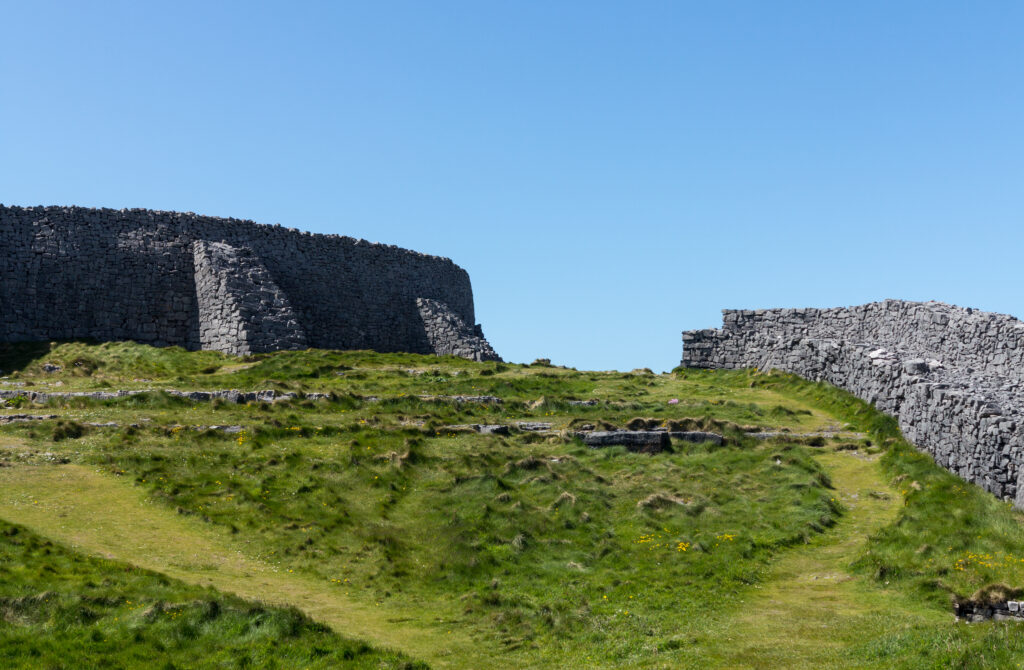
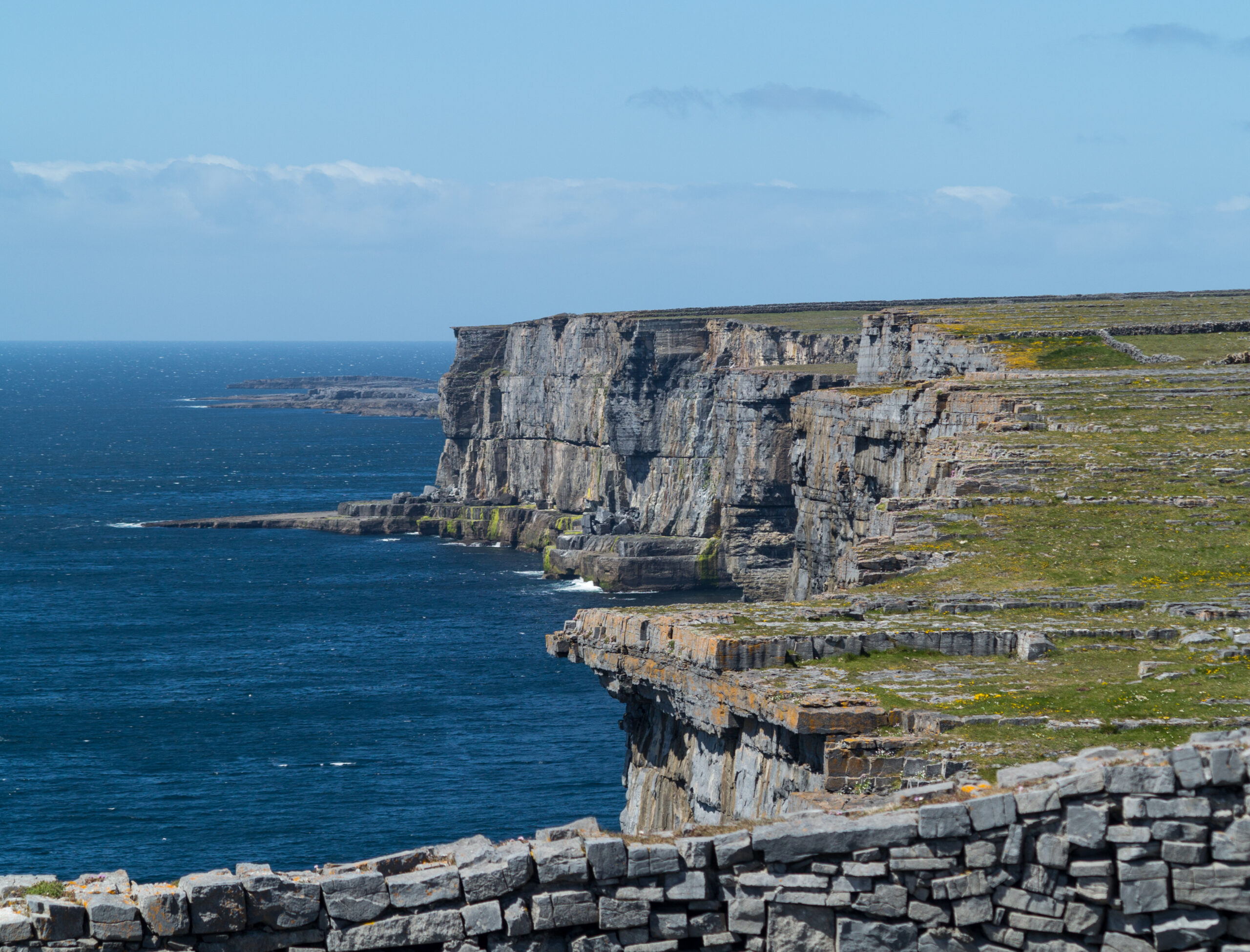
A Journey to the Heart of Myths – The Aran Islands consist of three main islands: Inishmore, Inishmaan, and Inisheer. Each has its own identity and plays a unique role in Irish mythology. These islands are home to ancient legends and mystical tales that spark the imagination and shed light on the cultural significance of these remote communities. One of the most famous landmarks on Inishmore is Dún Aonghasa, a prehistoric fortress perched on a dramatic cliff overlooking the Atlantic Ocean. The significance of this ancient monument remains a subject of speculation to this day. Some believe it was once a religious center or a strategic defensive site. Yet beyond the historical debates, myths surround this site, telling of druids and ancient rites. According to legend, this was a gathering place for Celtic priests who invoked the forces of nature here.
The Residents and Their Stories – The people who live on the Aran Islands are proud guardians of their Gaelic language and traditions. The influence of this culture is evident in every aspect of life on the islands, from the architecture of traditional homes to the handcrafted Aran sweaters, whose intricate patterns often hold personal or familial significance. These patterns were originally developed to identify fishermen who had gone missing at sea—a detail that speaks to the islanders’ deep connection to the ocean and its dangers. In oral tradition, many of the islanders’ stories are steeped in mystical beings such as the Sidhe. These fairy creatures, said to dwell in the green hills and underground caves, are central figures in many legends and lend a touch of magic to everyday life on the islands. The Sidhe are known for being able to bring both good luck and misfortune, depending on how one encounters them.
The Celtic Heritage and Its Secrets – Over the years, archaeologists have unearthed numerous relics on the islands that bear witness to the ancient Celtic presence. Celtic crosses, stone circles, and sacred wells can be found everywhere, attracting history buffs and mystics alike. These sites are often shrouded in legends that tell of brave warriors and wise women who have found their place in the pantheon of Irish mythology. A notable example is the story of Oisín, a hero famous for his adventures with the Fianna. It is said that on one of these islands, he rode into another world resembling the land of eternal youth—a motif frequently found in Irish legends that expresses a longing for the afterlife.
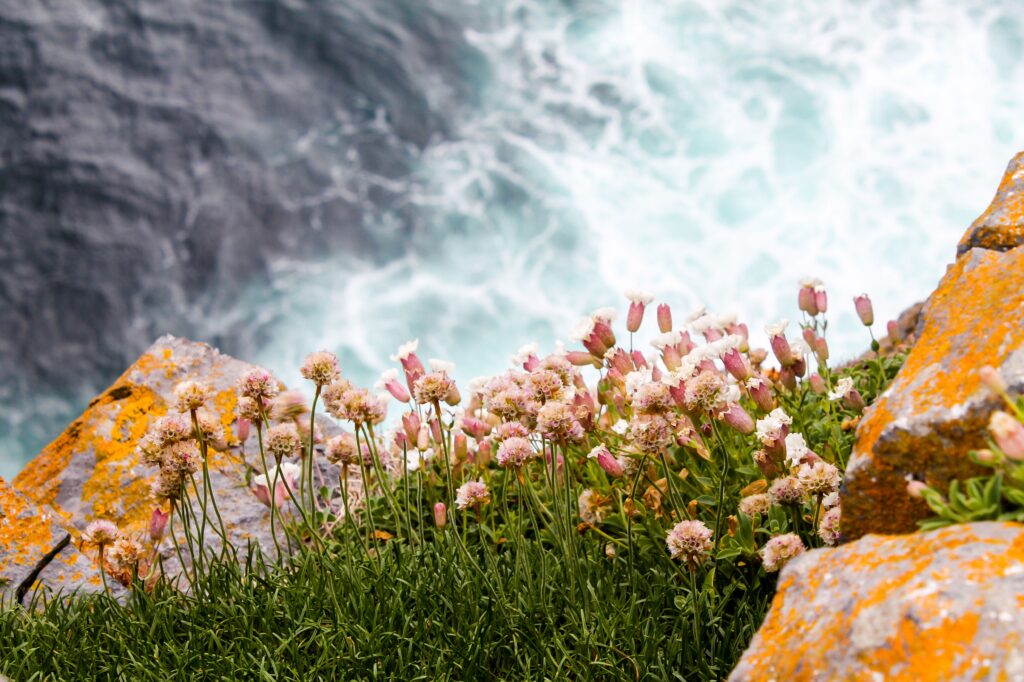
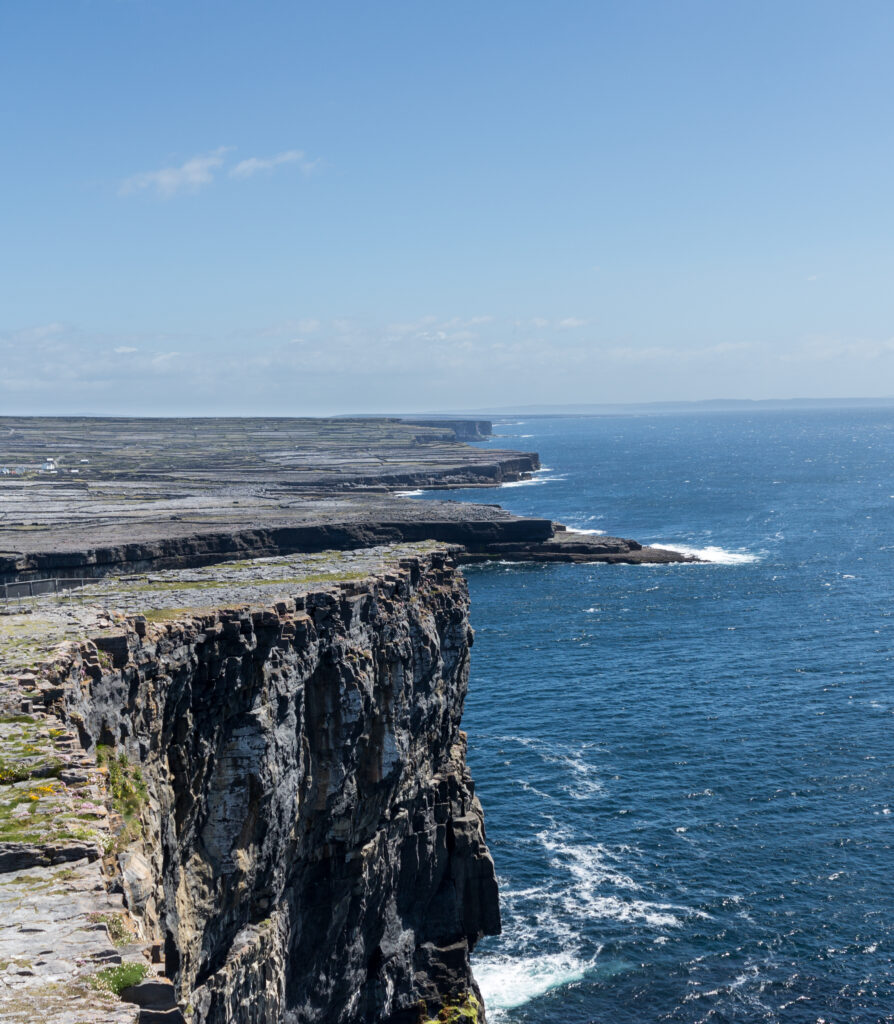
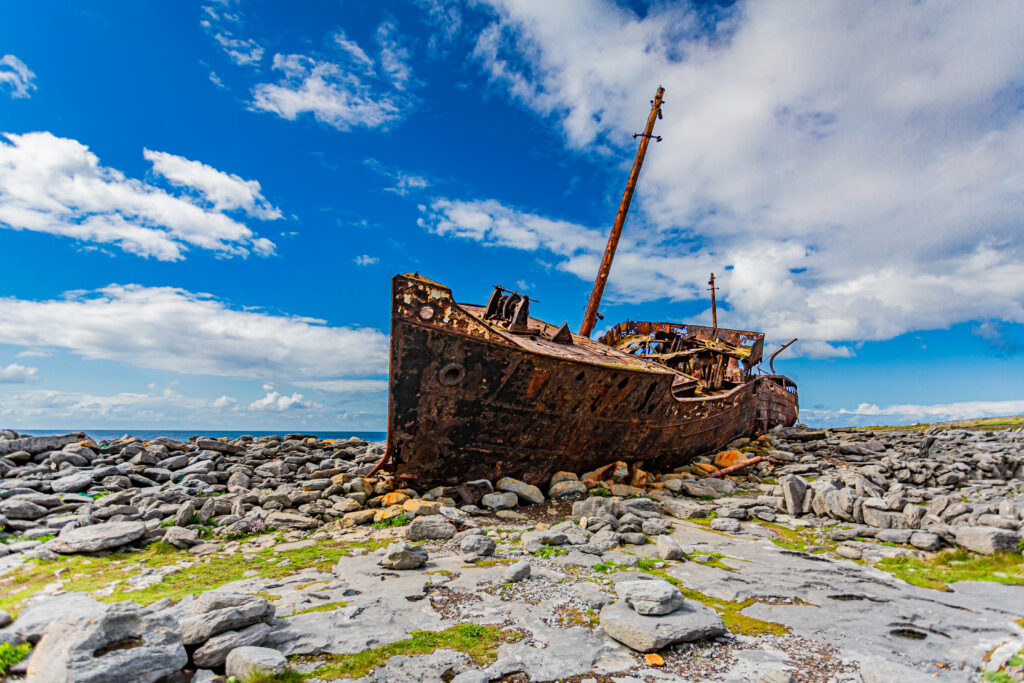
Natural Beauty and Spiritual Connection – Beyond their cultural appeal, the Aran Islands offer breathtaking natural beauty. The rocky landscape is dotted with wildflowers and secluded cliffs that offer spectacular views of the endless Atlantic. Here, time seems to stand still, and visitors can enjoy the tranquility and grandeur of nature in its purest form. Yet it is not only nature that draws visitors; it is also the spiritual aura inherent in these places. Many travelers report an almost tangible energy emanating from these islands, a spiritual connection that lingers with them. This could be linked to ancient lore suggesting that the islands are portals to other worlds—places where reality and myth merge.
The Challenges of Modernity – Despite their historical and cultural significance, the Aran Islands face the challenges of modernization and globalization. Preserving the Gaelic language, maintaining ancient traditions, and ensuring economic sustainability are urgent concerns for the islanders. Language promotion projects and tourism initiatives are crucial to striking a balance between progress and the preservation of cultural identity. Tourism plays a dual role here—it is both a potential threat to the traditional way of life and a necessary economic pillar. By immersing themselves in the stories and beauty of the islands, visitors help to boost the local economy. At the same time, tourism carries the risk that essential aspects of the culture will be diluted if they are merely marketed as a product.
A Living Backdrop for Future Generations – The Aran Islands are more than just a travel destination; they are a living museum of Gaelic culture and mythology, waiting to be explored. They represent the continuity of a rich cultural heritage and offer space for imagination and inspiration. As time marches inexorably on, the legacy of the Aran Islands remains unshaken—a shining example of Ireland’s rich, mythical soil.
When you visit the Aran Islands, open your heart to the stories you will encounter and let yourself be enchanted by the magic and mystery of this unique place. It is a place where history and myth merge, and the boundaries between reality and legend fade away. Immerse yourself in the heritage of the Aran Islands—perhaps you will discover a piece of yourself in the rich mosaic of Gaelic culture.