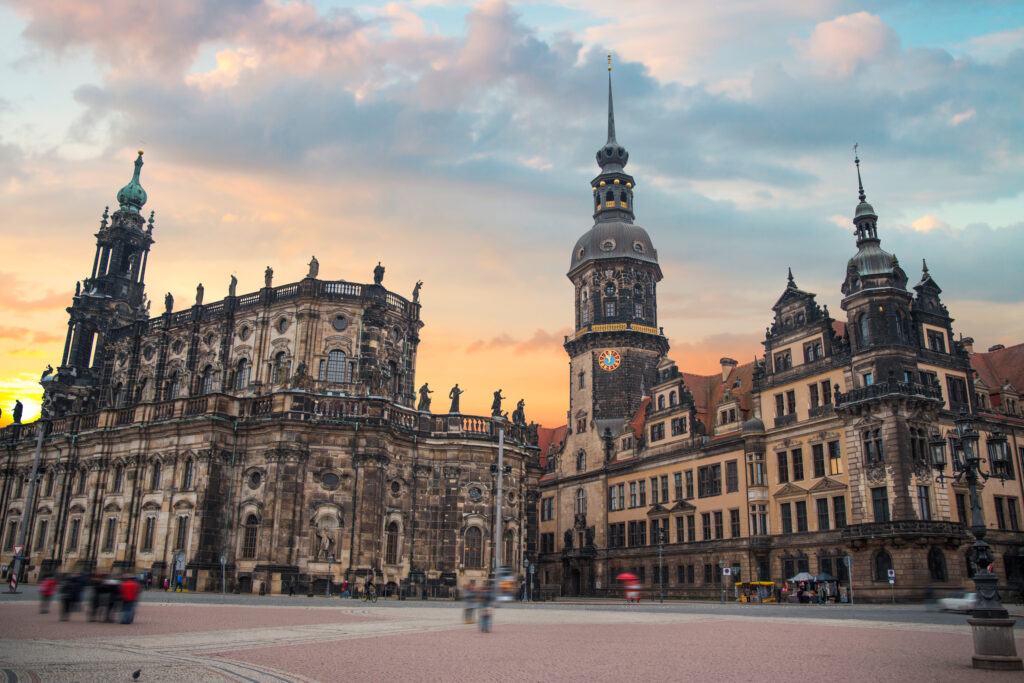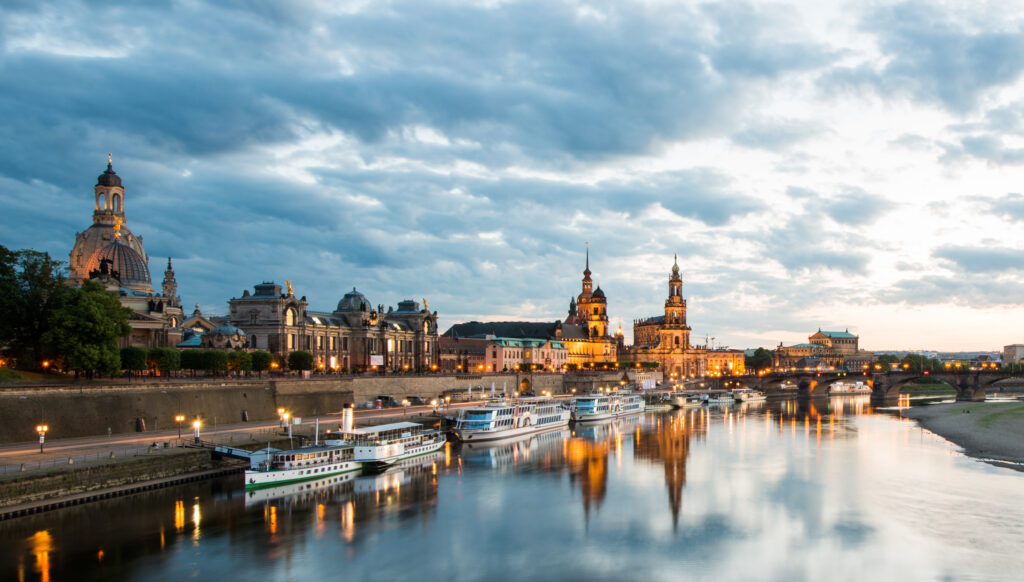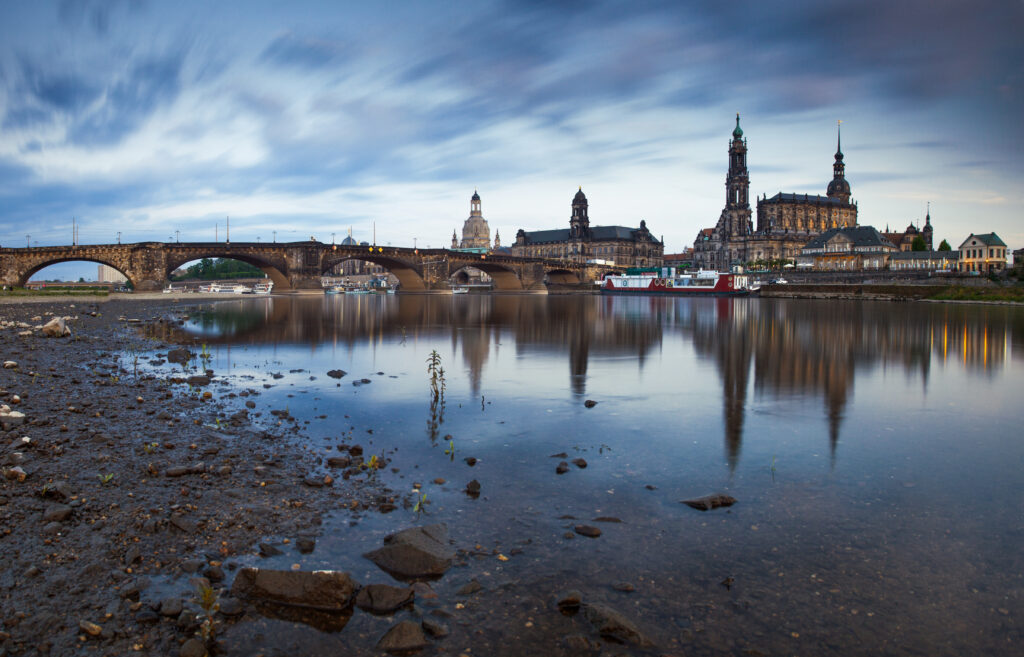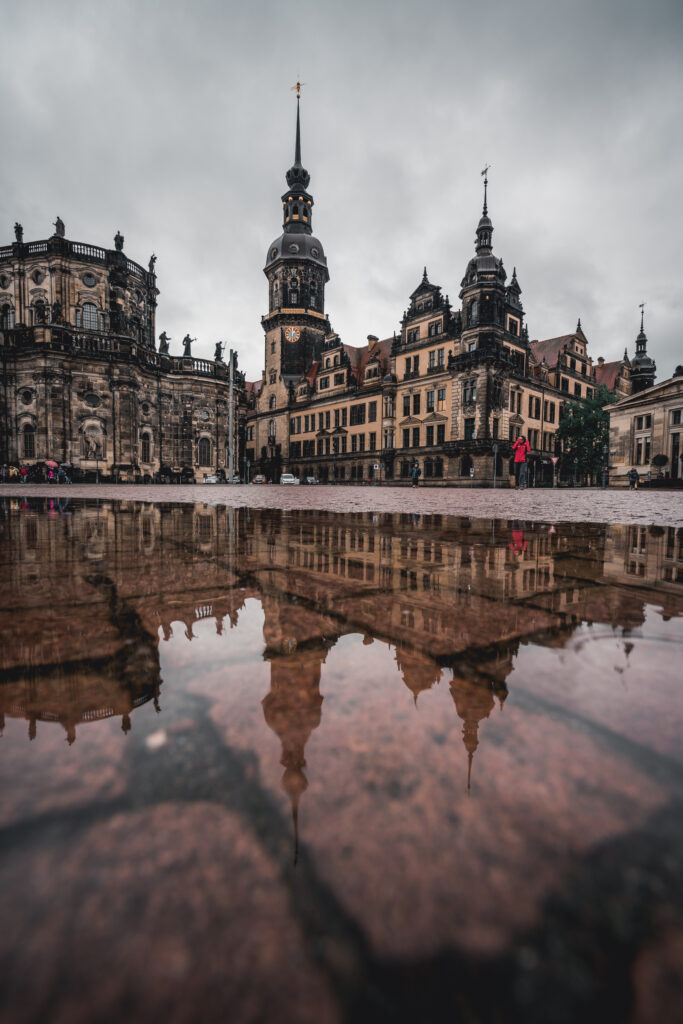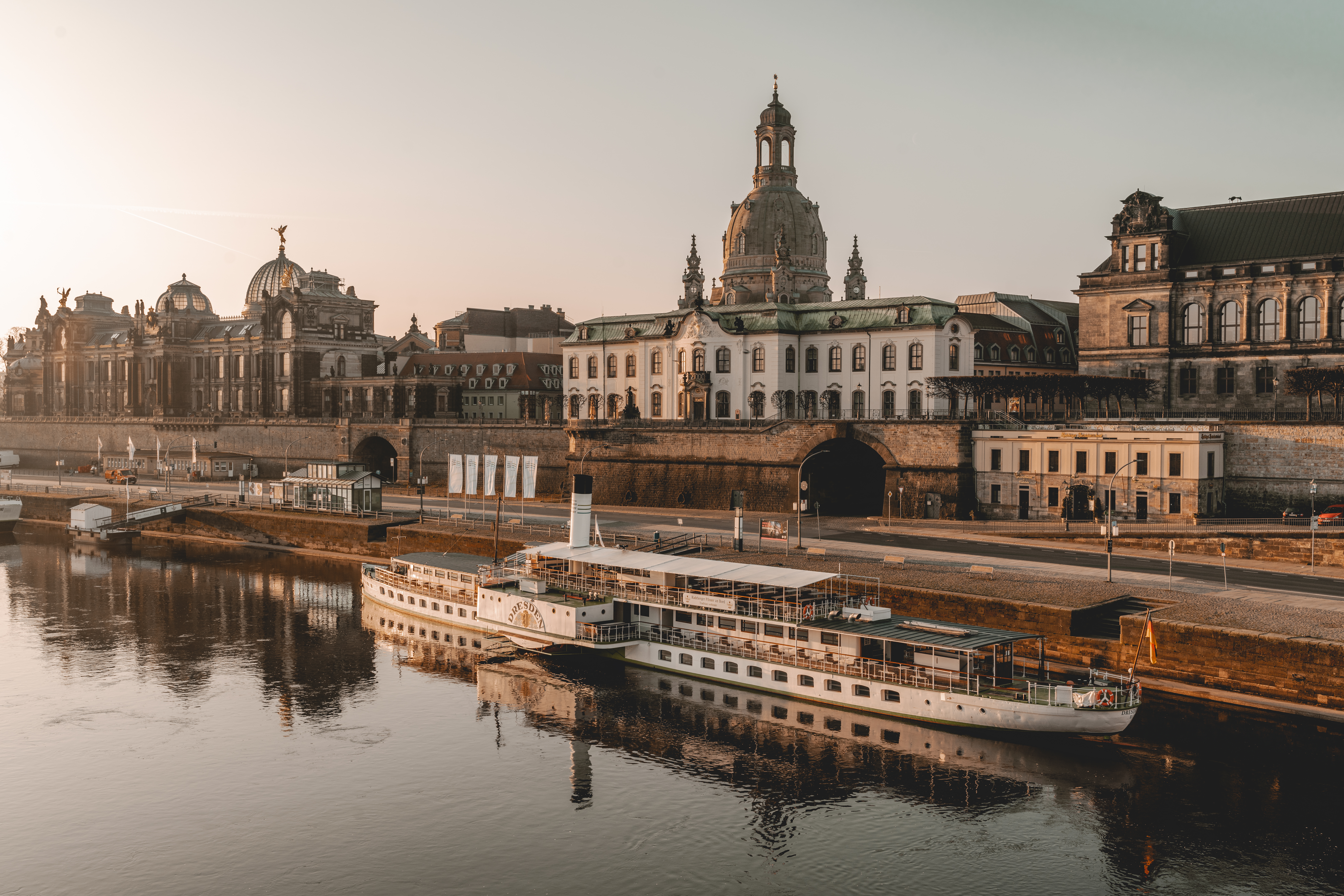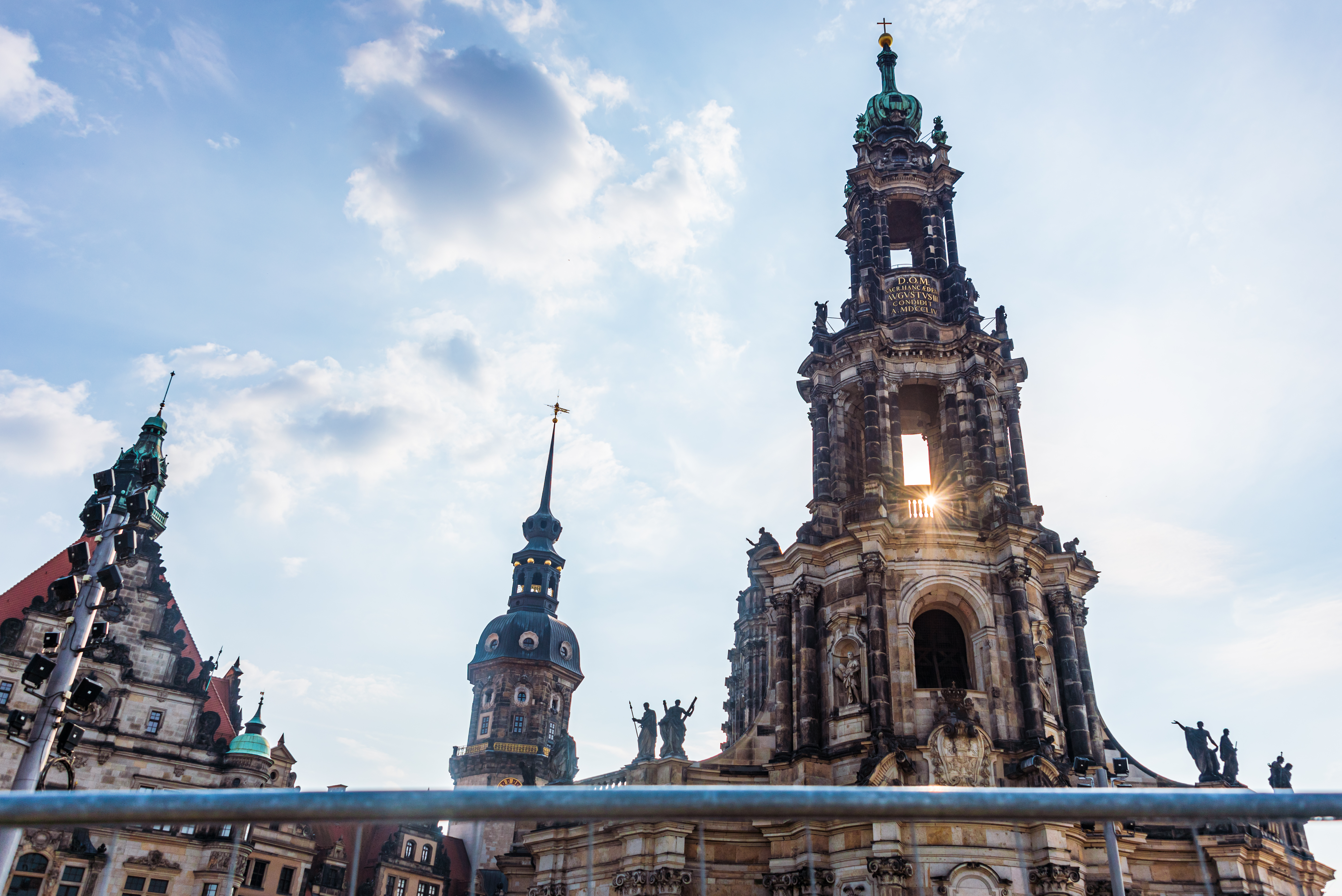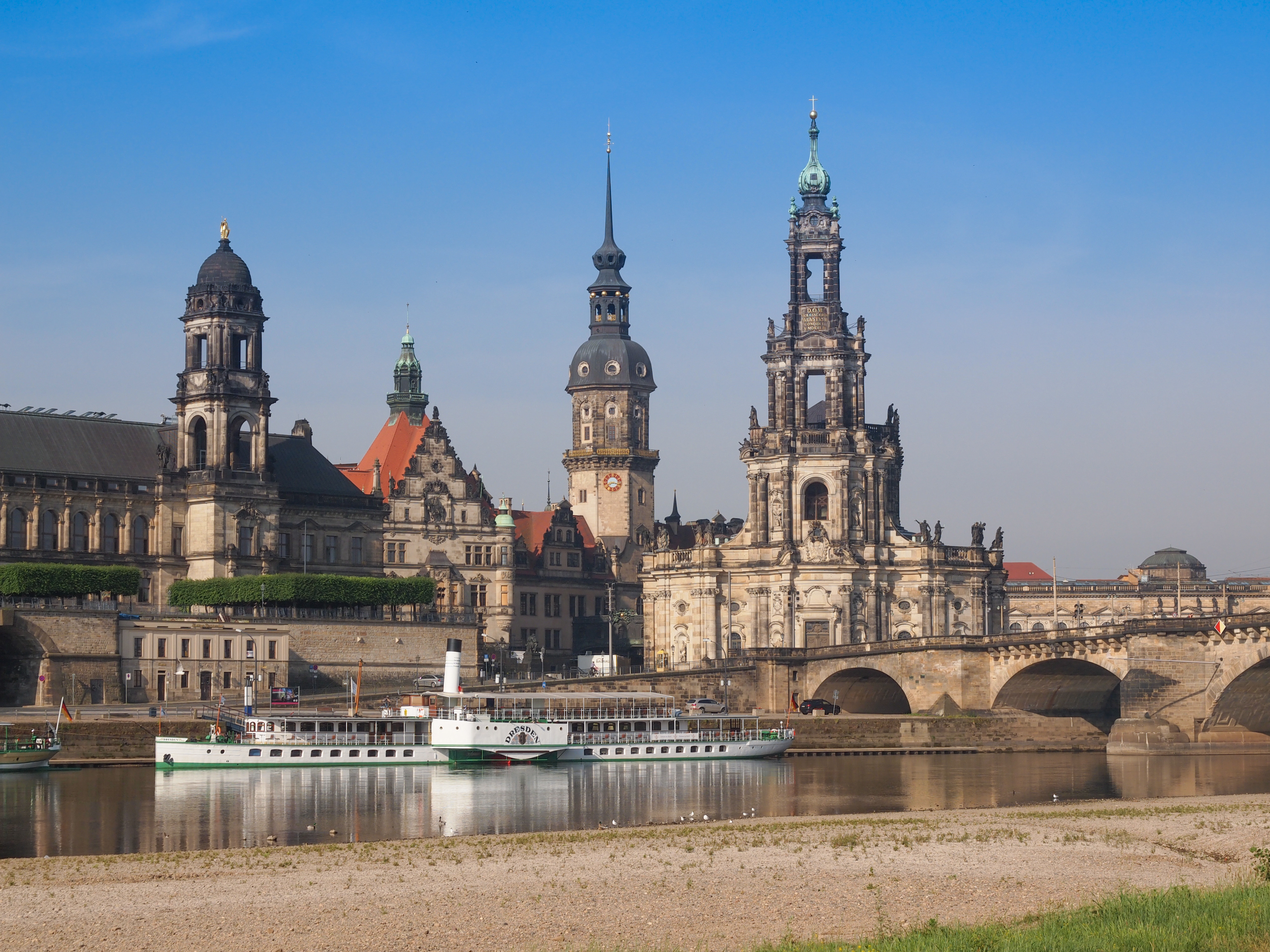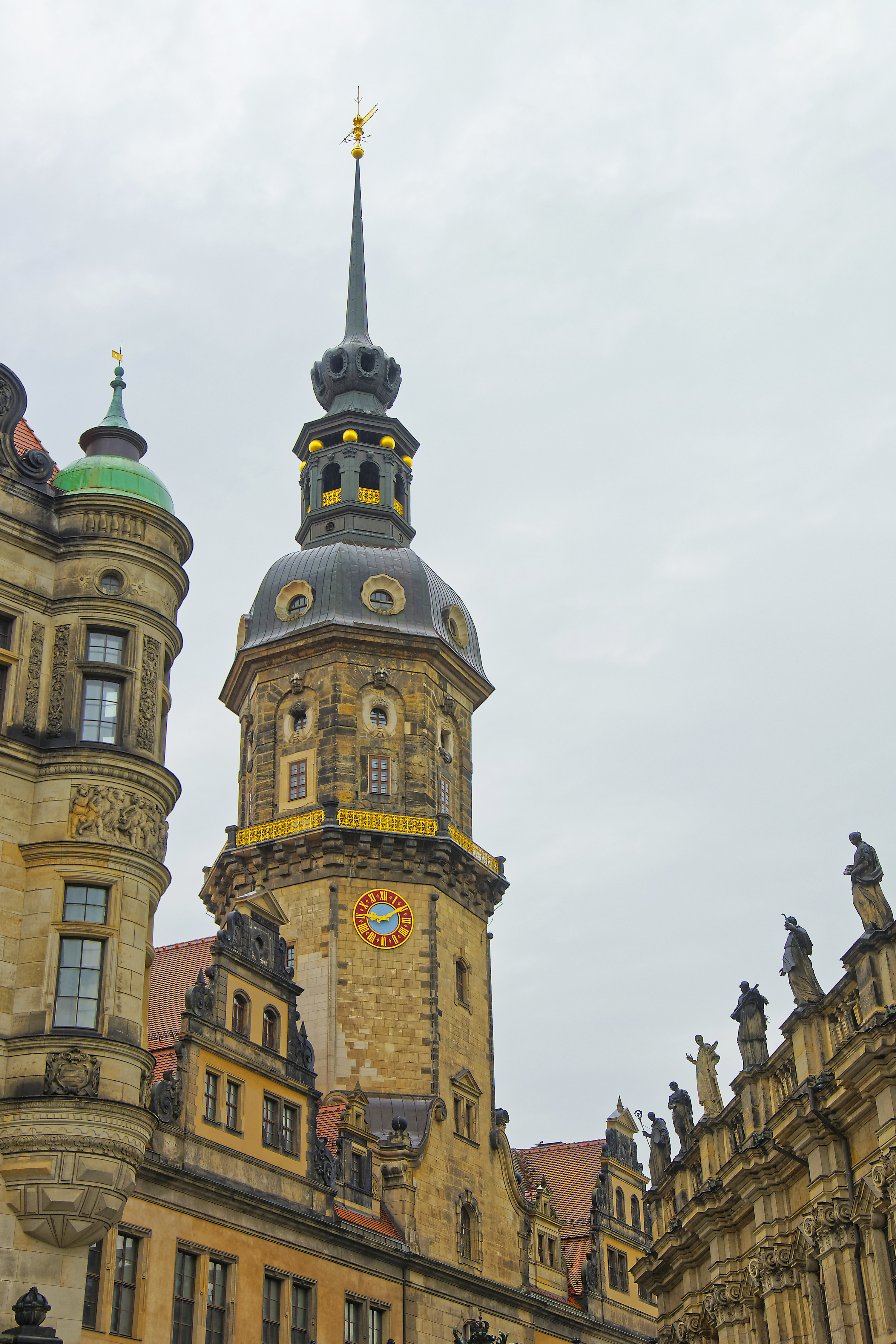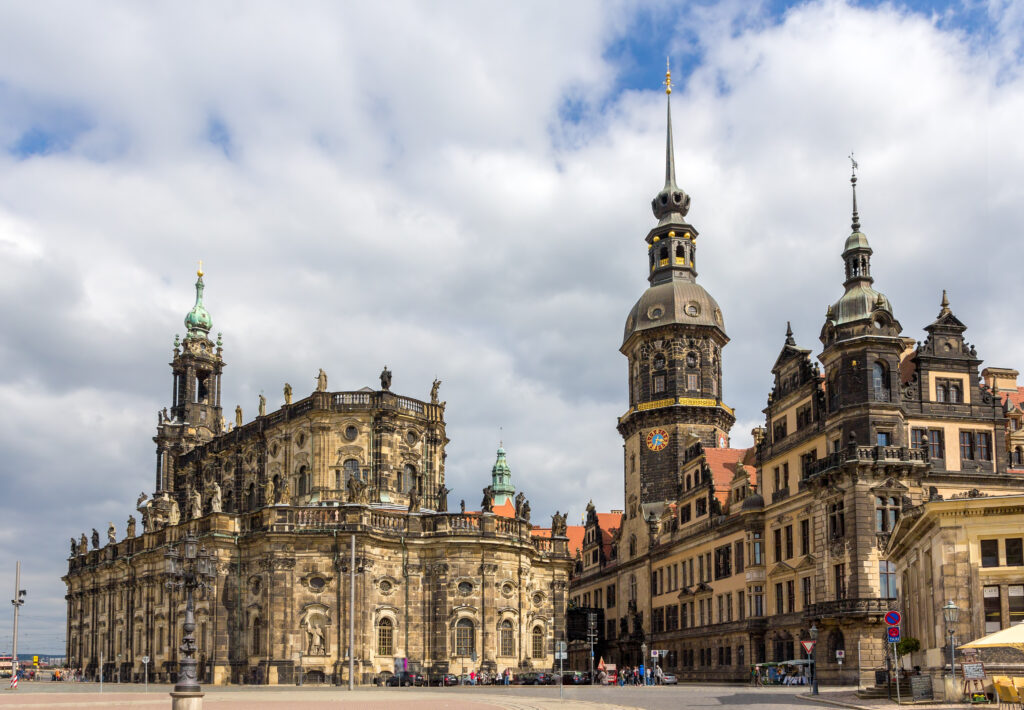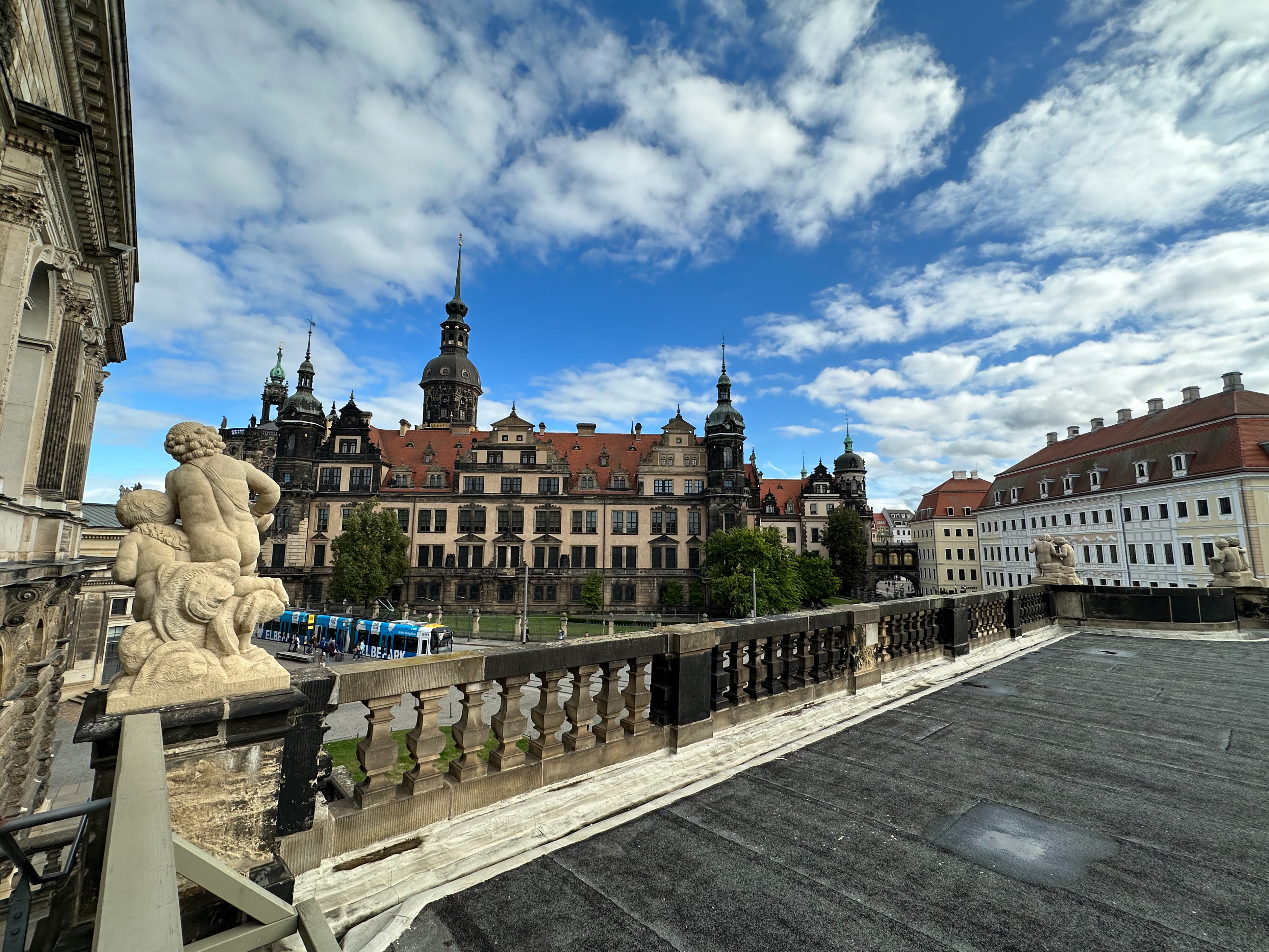
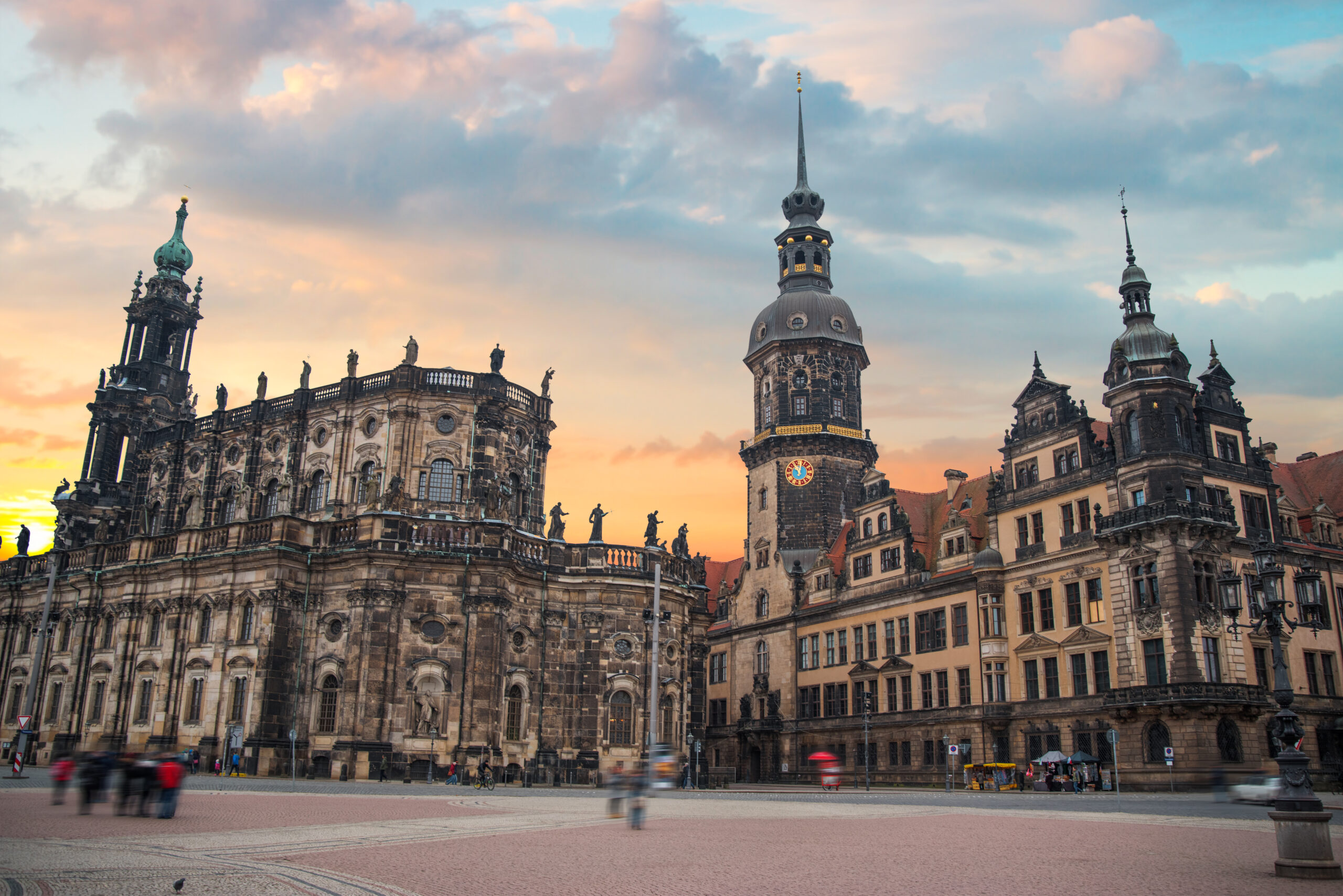
Dresden, the capital city of the German state of Saxony, stands as a testament to resilience and regeneration. Known as the “Florence on the Elbe,” Dresden is renowned for its rich history, captivating legends, and stunning architecture that has enchanted visitors for centuries.
A Glimpse into History – Dresden first emerged as an influential cultural and economic center during the Middle Ages. The city saw significant growth under the rule of Augustus the Strong in the 18th century, who transformed it into a hub of culture and the arts, modeling it after an Italian Renaissance city. This era marked Dresden’s ascent as one of Europe’s grandest cities, adorned with Baroque architecture, opulent palaces, and thriving art collections. However, Dresden’s history is marred by its destruction in World War II. The Allied bombing in February 1945 reduced much of the city to ruins, sparking controversy and debate over the necessity and impact of the bombings. Despite these devastating events, Dresden has been meticulously reconstructed, with many historic buildings restored to their former glory. Today, the city stands not only as a memorial to its own destruction but also as a symbol of renewal and hope.
Legends Weaved into the City’s Fabric – Beyond its tangible history, Dresden is rich with legends that add depth and mystique to its heritage. One such legend involves the so-called “Dresden Green Diamond.” The diamond, now housed in the famous Green Vault museum, was rumored to have mystical properties and is considered one of the most beautiful examples of Baroque-era craftsmanship. Its origins are tied to India, and various myths suggest that it was a talisman of prosperity and power, influencing the fate of those who possessed it. Another captivating tale is that of Augustus the Strong himself, whose larger-than-life persona fuels many stories. Known for his physical prowess and legendary feats, one story claims he could break horseshoes with his bare hands, symbolizing his immense strength and charisma. These tales contribute to the city’s romantic and mythical aura, blending fact and fiction seamlessly in Dresden’s narrative.
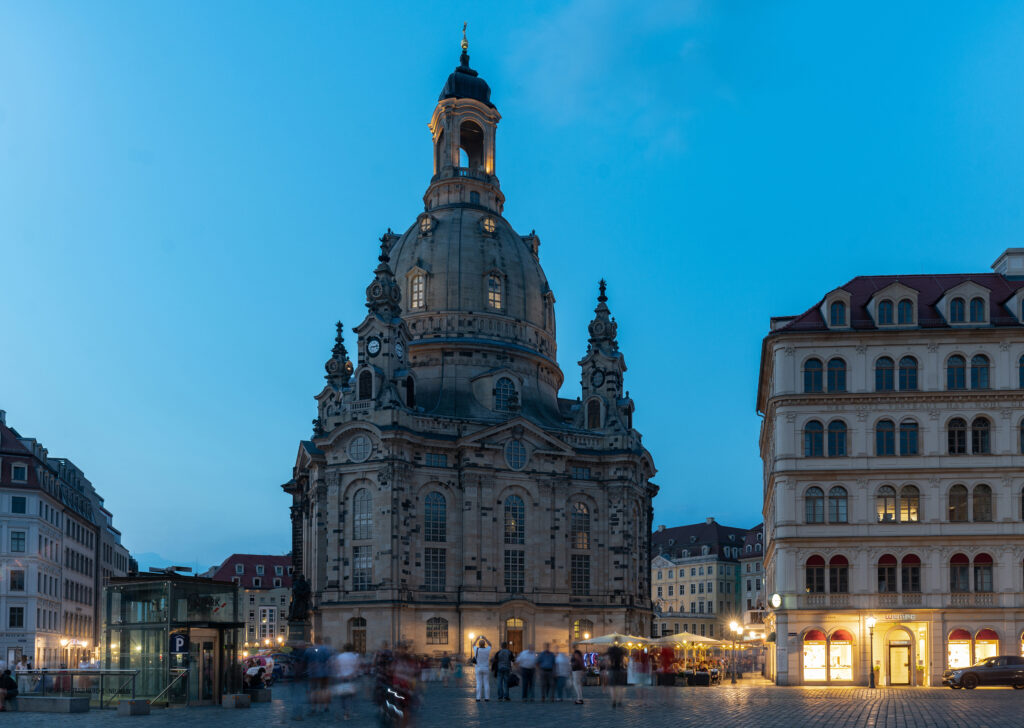
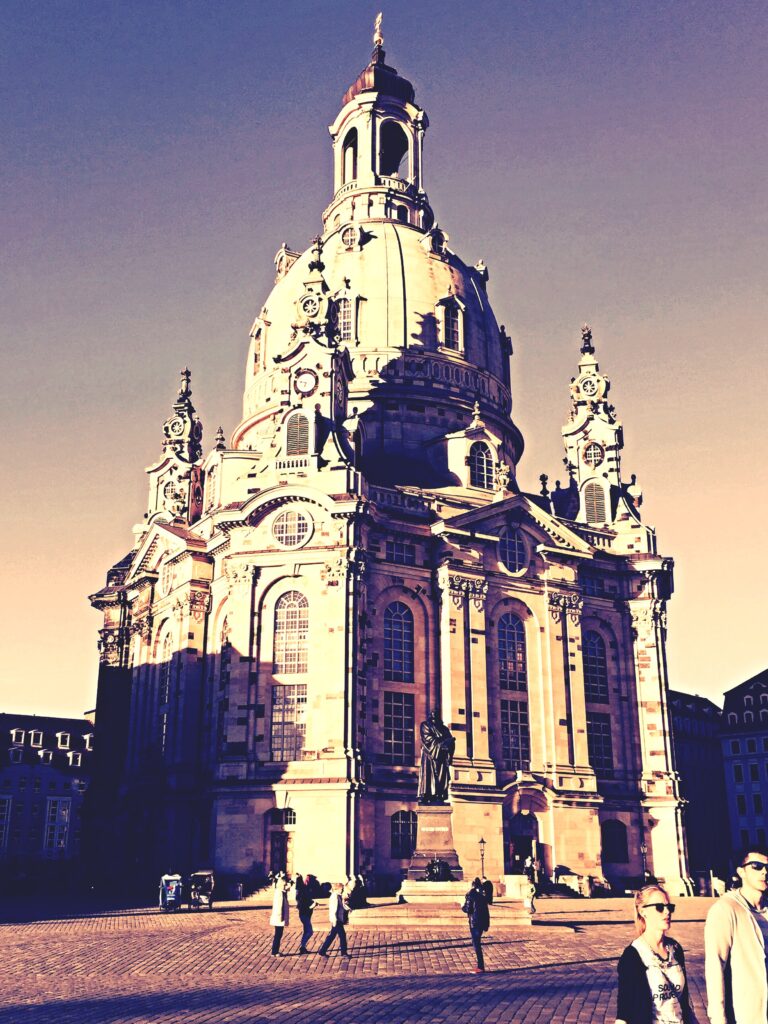
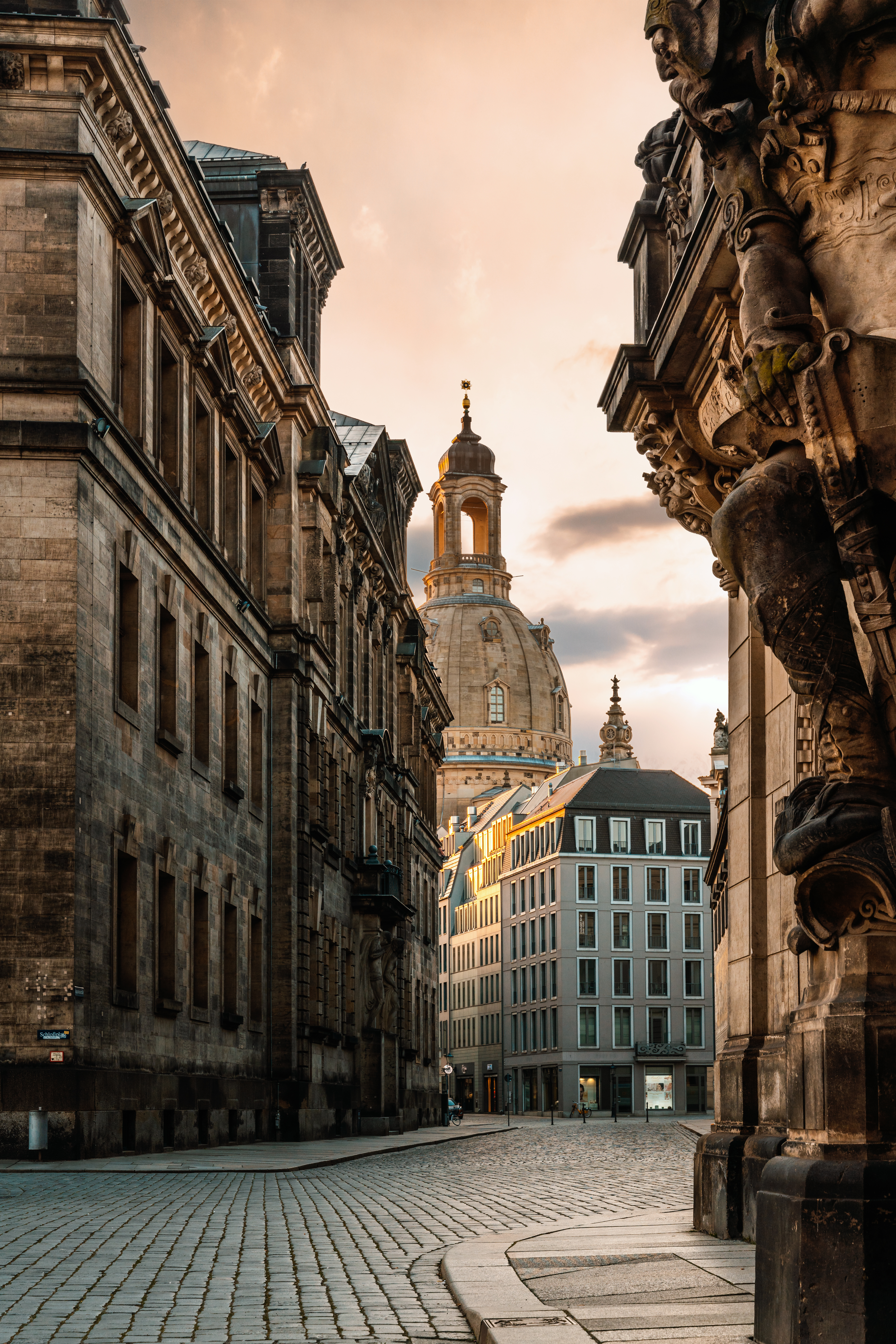
Architectural and Cultural Marvels – Dresden is endowed with architectural wonders that captivate any visitor. At the heart of the city lies the Frauenkirche, a Lutheran church that stands as a compelling symbol of reconciliation. Destroyed in the bombings and left in ruins throughout the Communist era, it was painstakingly rebuilt after German reunification, using as many of the original stones as possible. Today, its resplendent dome towers over the cityscape, embodying both Dresden’s tragic past and its hopeful future.
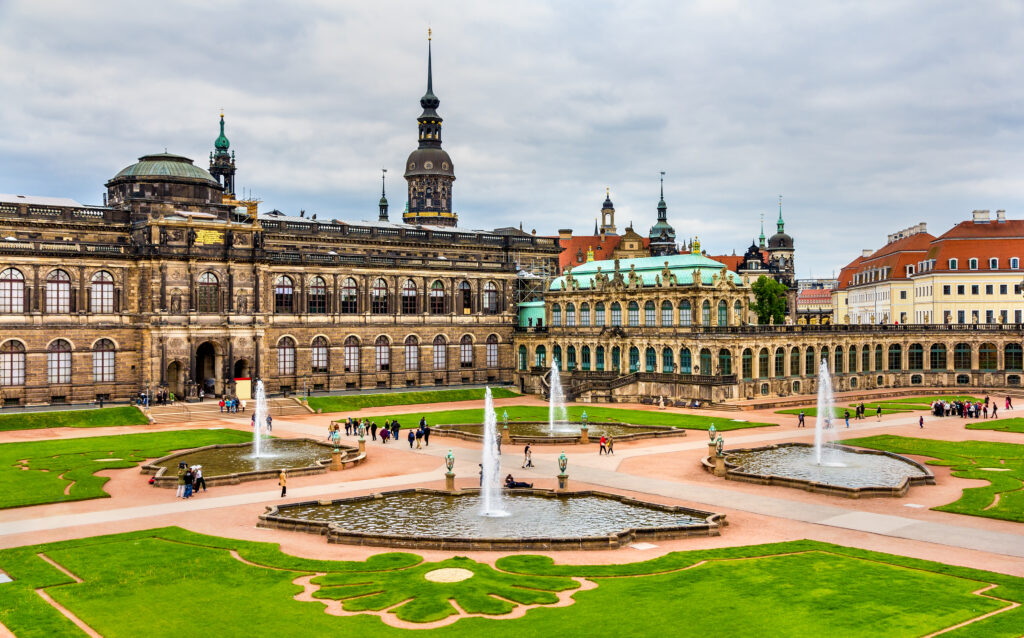
The Zwinger Palace, another masterpiece of Baroque architecture, is a must-see attraction. Originally conceived as an orangery and a festival arena, it now houses museums and art collections. Its beautifully manicured gardens and elaborate pavilions invoke the grandeur of Dresden’s golden age.
The Semper Opera House, located in the Theaterplatz, is yet another architectural gem that boasts a history of cultural significance. It has hosted numerous premieres of works by Richard Wagner and Richard Strauss and continues to be a prominent venue for opera, ballet, and concerts, contributing richly to Dresden’s cultural legacy.
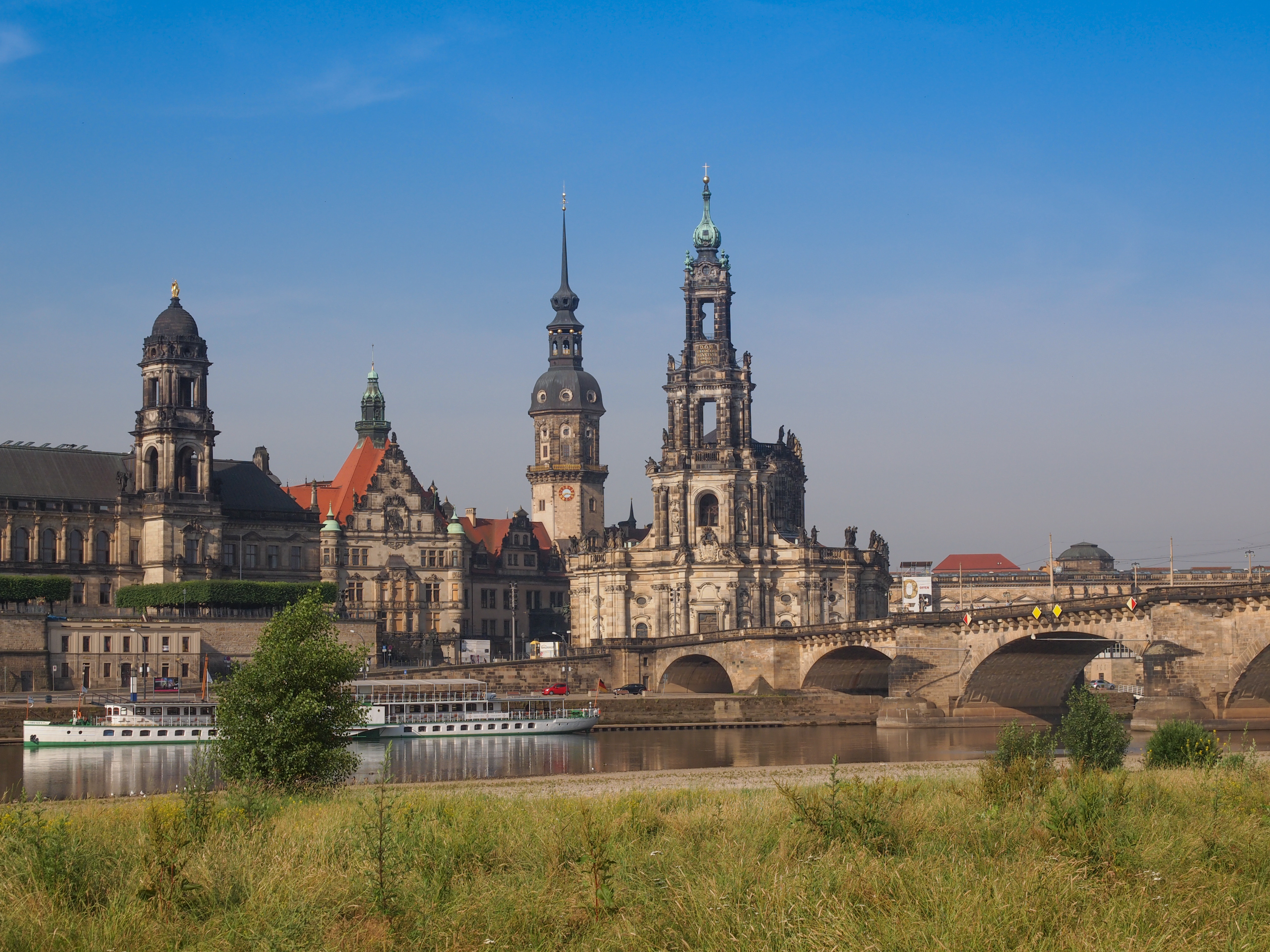
Natural and Scenic Splendor – In addition to its architectural highlights, Dresden offers natural beauty that complements its urban elegance. The Elbe River, meandering gracefully through the city, provides scenic vistas and serene settings for locals and tourists alike. The Elbe Sandstone Mountains, located not far from Dresden, offer breathtaking landscapes perfect for hiking and exploration, allowing adventurers to immerse themselves in the unique geological formations and lush greenery. The Great Garden (Großer Garten), Dresden’s largest park, serves as a green oasis in the city, inviting visitors to wander among its tree-lined paths, picturesque ponds, and vibrant floral displays. Throughout the year, cultural events like concerts and festivals bring the park to life, reflecting the city’s dynamic social atmosphere.
A Cultural Mosaic – Dresden’s rich cultural scene extends beyond buildings and natural landscapes. The city is home to prestigious institutions such as the Dresden State Art Collections, which comprises several museums featuring everything from classical paintings to modern art. The Albertinum Museum, focusing on Romantic and contemporary art, showcases Dresden’s artistic evolution through time. The annual Dresden Music Festival attracts world-class musicians, turning the city into a haven for music enthusiasts. Additionally, the Striezelmarkt, one of Germany’s oldest Christmas markets, transforms Dresden each winter, enveloping it in festive lights, traditional crafts, and the aroma of seasonal delicacies.
The Spirit of Dresden – Despite the scars of its past, Dresden embodies a spirit of resilience and unity. Its blend of the old and new, along with its capacity to honor its history while embracing modernity, makes it a city that inspires admiration and contemplation. From its storied past and legendary figures to its breathtaking sights and vibrant culture, Dresden offers a holistic experience that captures the imagination of all who visit.
The journey through Dresden is akin to paging through an expansive narrative, each chapter revealing layers of charm, intrigue, and wonder. Whether you are captivated by its historical depth, drawn to its legends, or mesmerized by its architectural splendor, Dresden promises an unforgettable rendezvous with history and culture. It is a city where every street and stone holds a story, inviting you to uncover the secrets and celebrations that define its enduring allure.