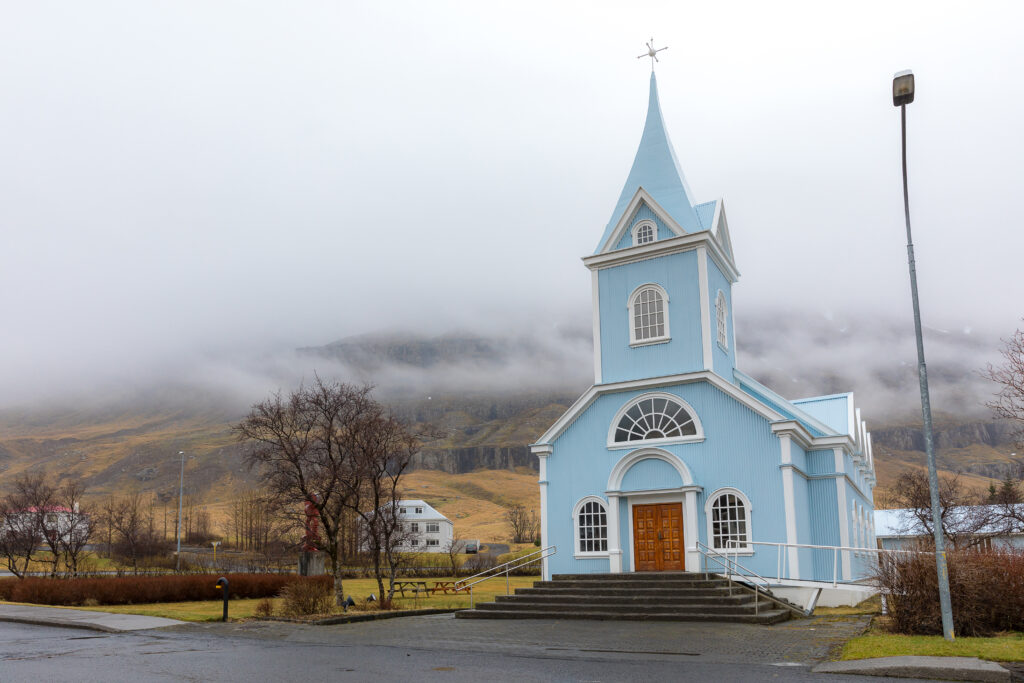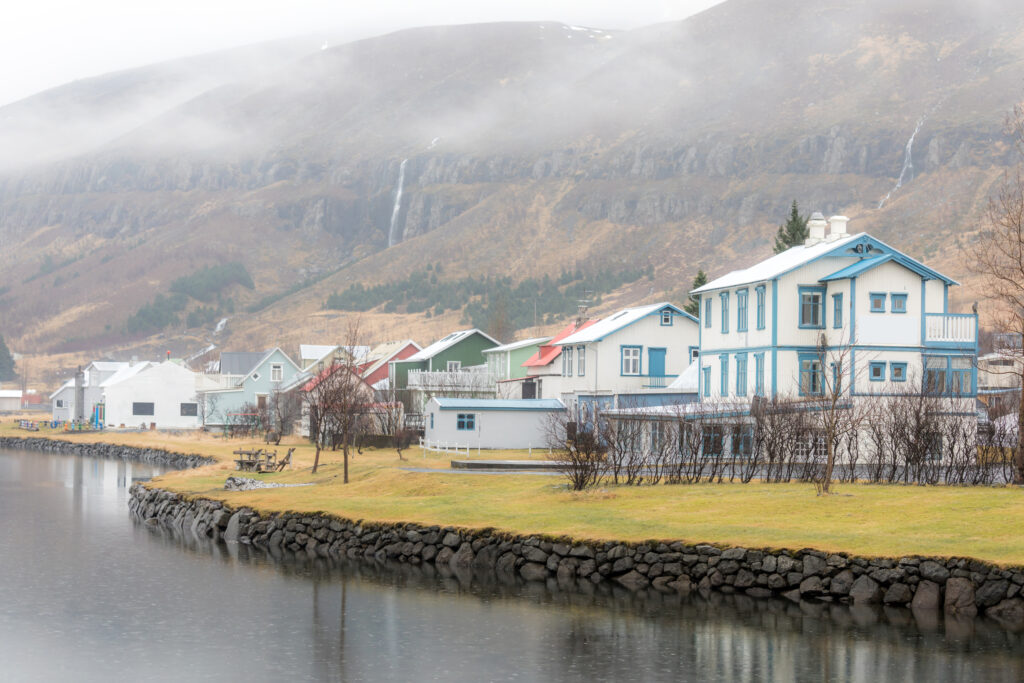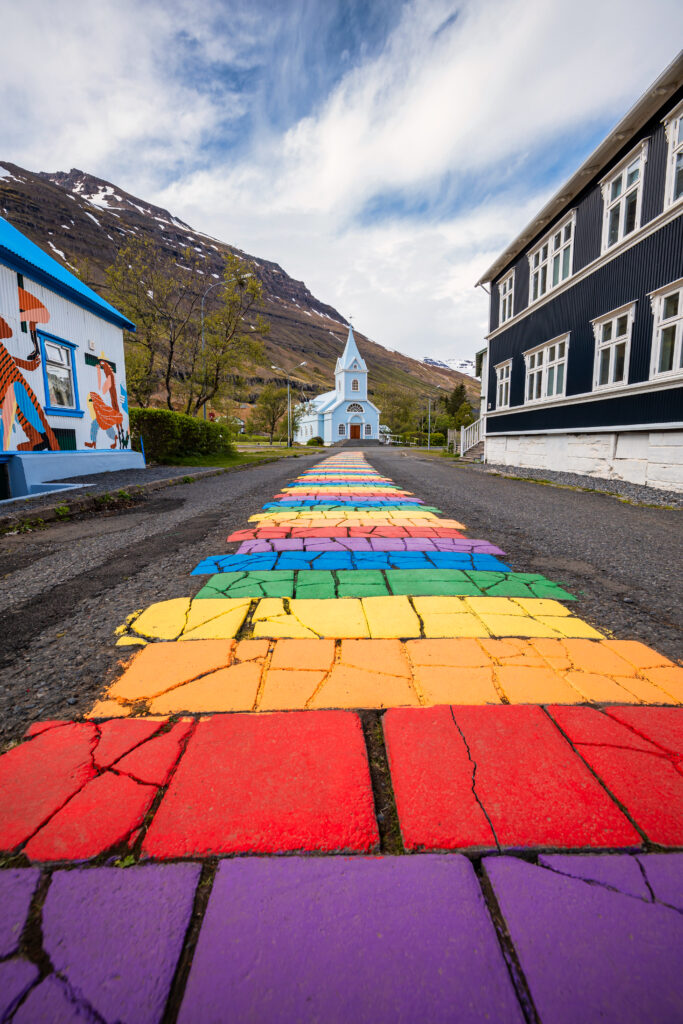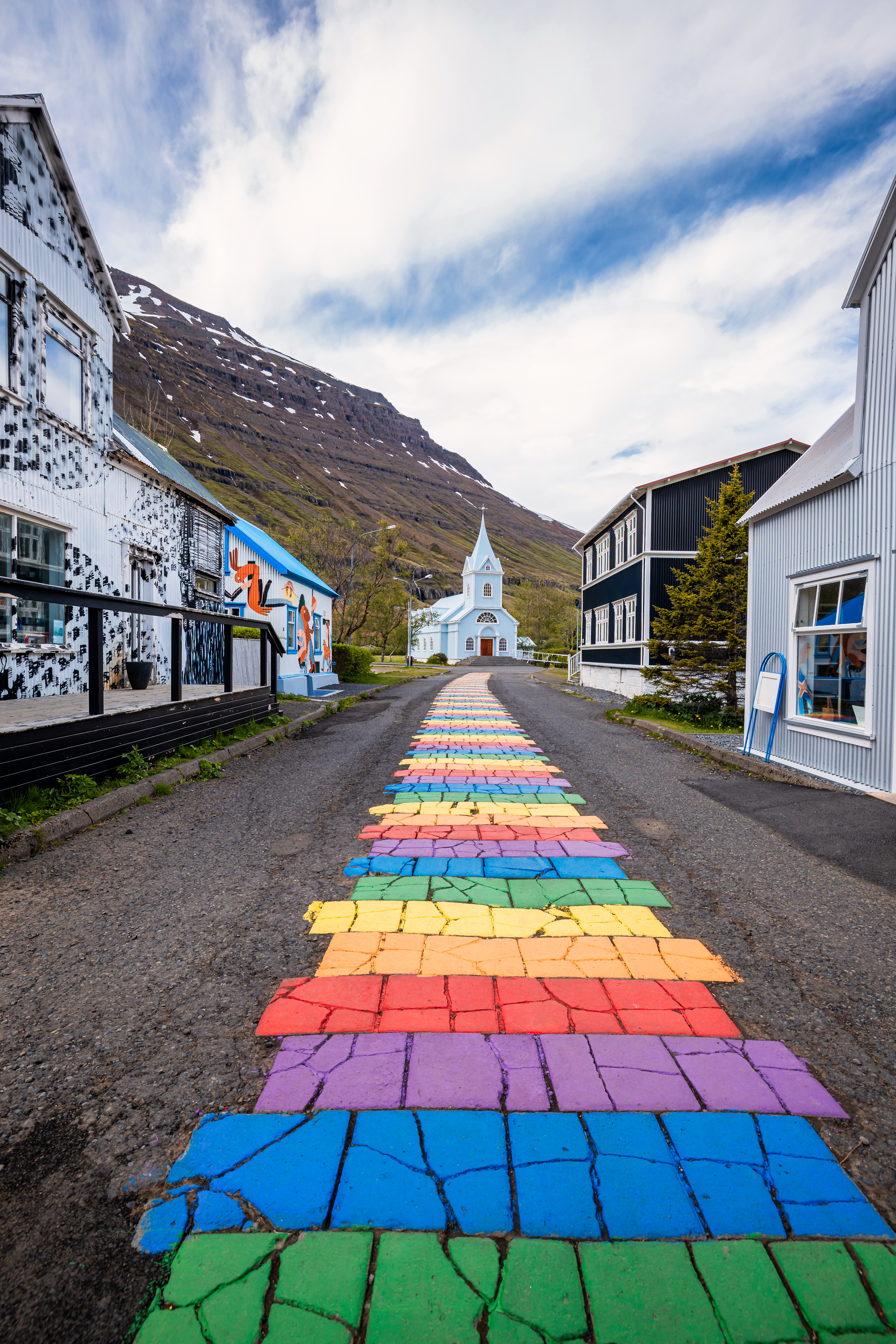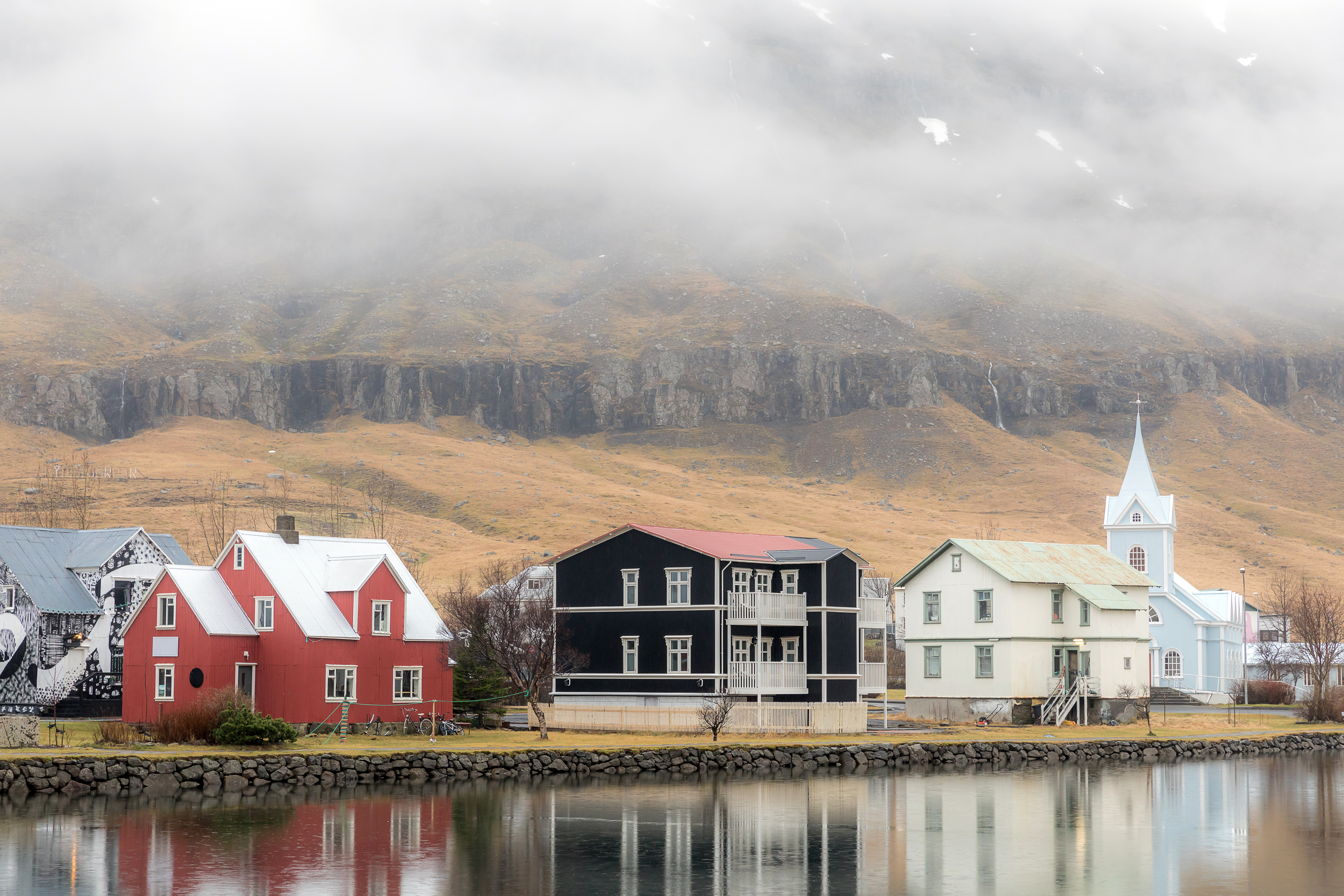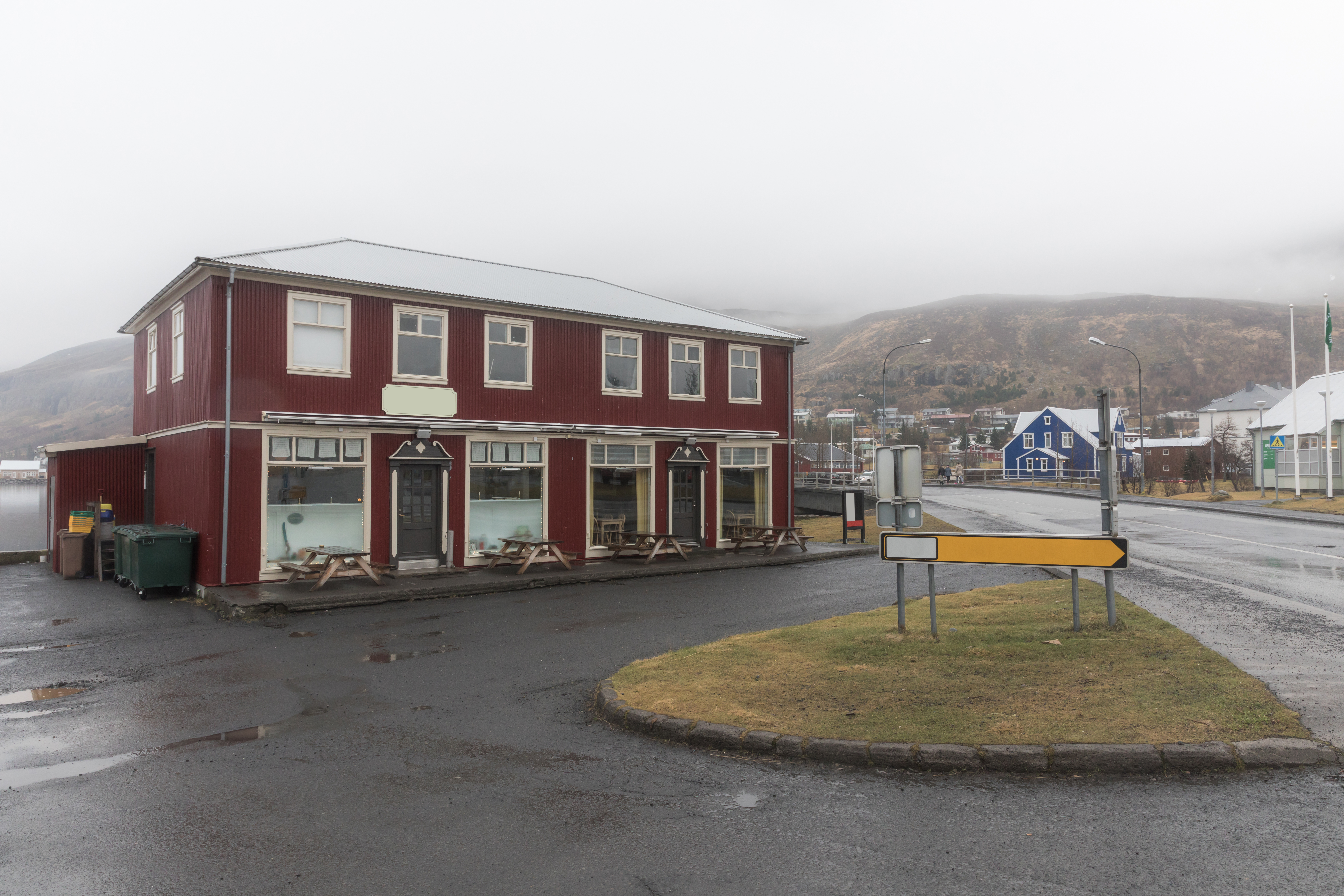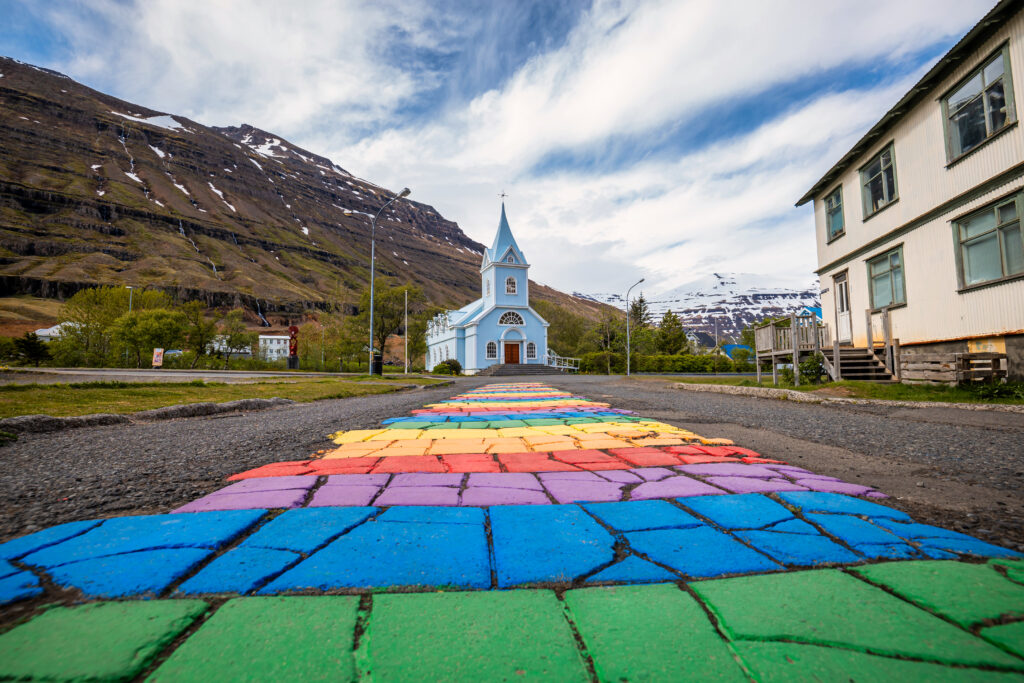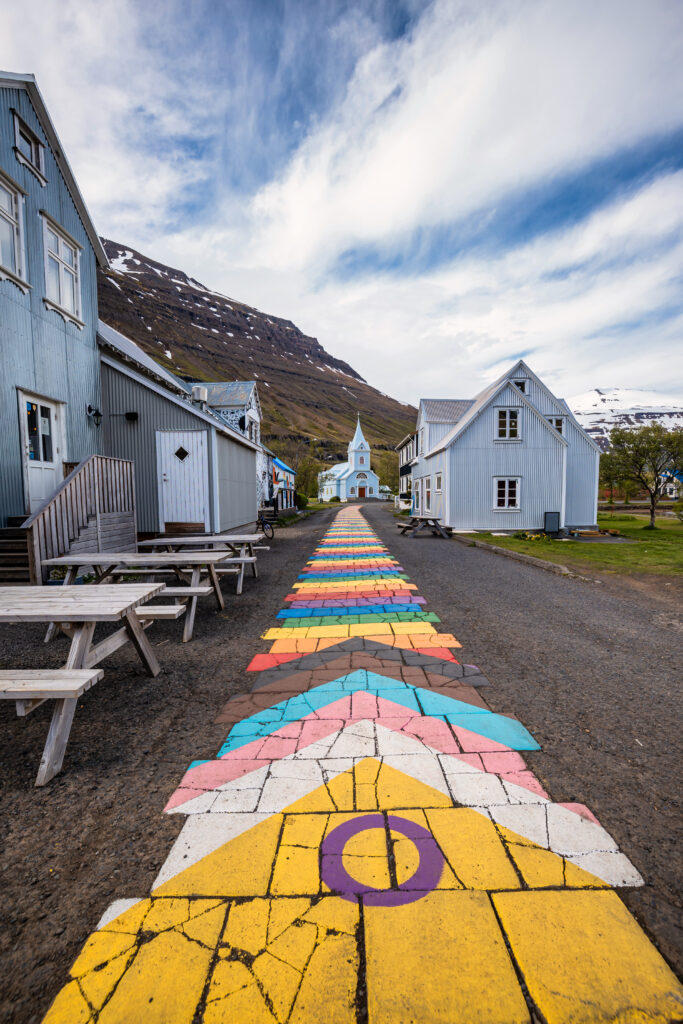
Nestled in the rugged landscape of eastern Iceland, the charming village of Seyðisfjörður is more than just a picturesque settlement—it is a canvas painted with fascination and history. This lively port town, often shrouded in fog, offers a unique blend of natural beauty, cultural richness, and a mysterious allure that attracts tourists and adventurers alike. But behind its enchanting scenery lies a history full of secrets waiting to be unraveled.
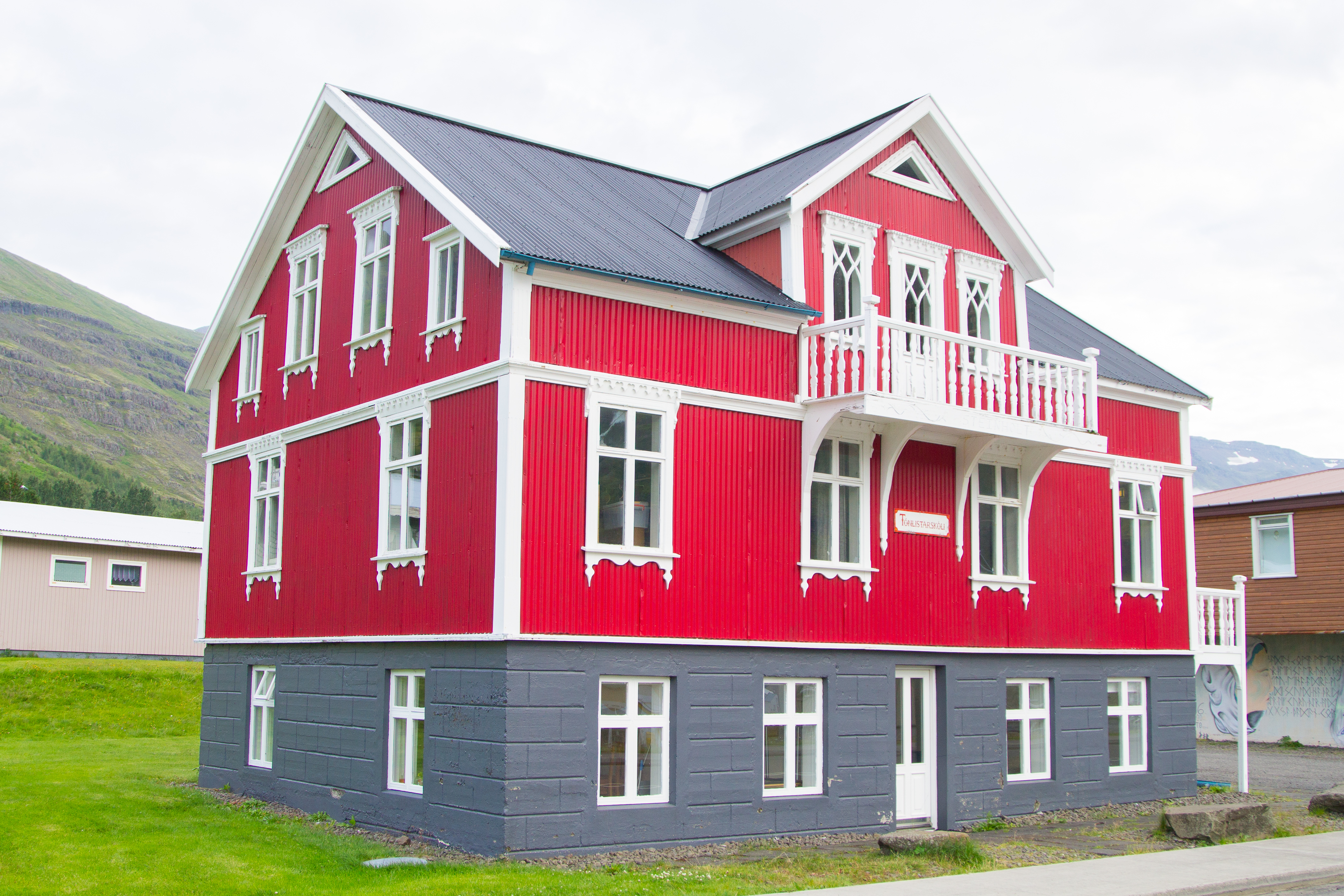
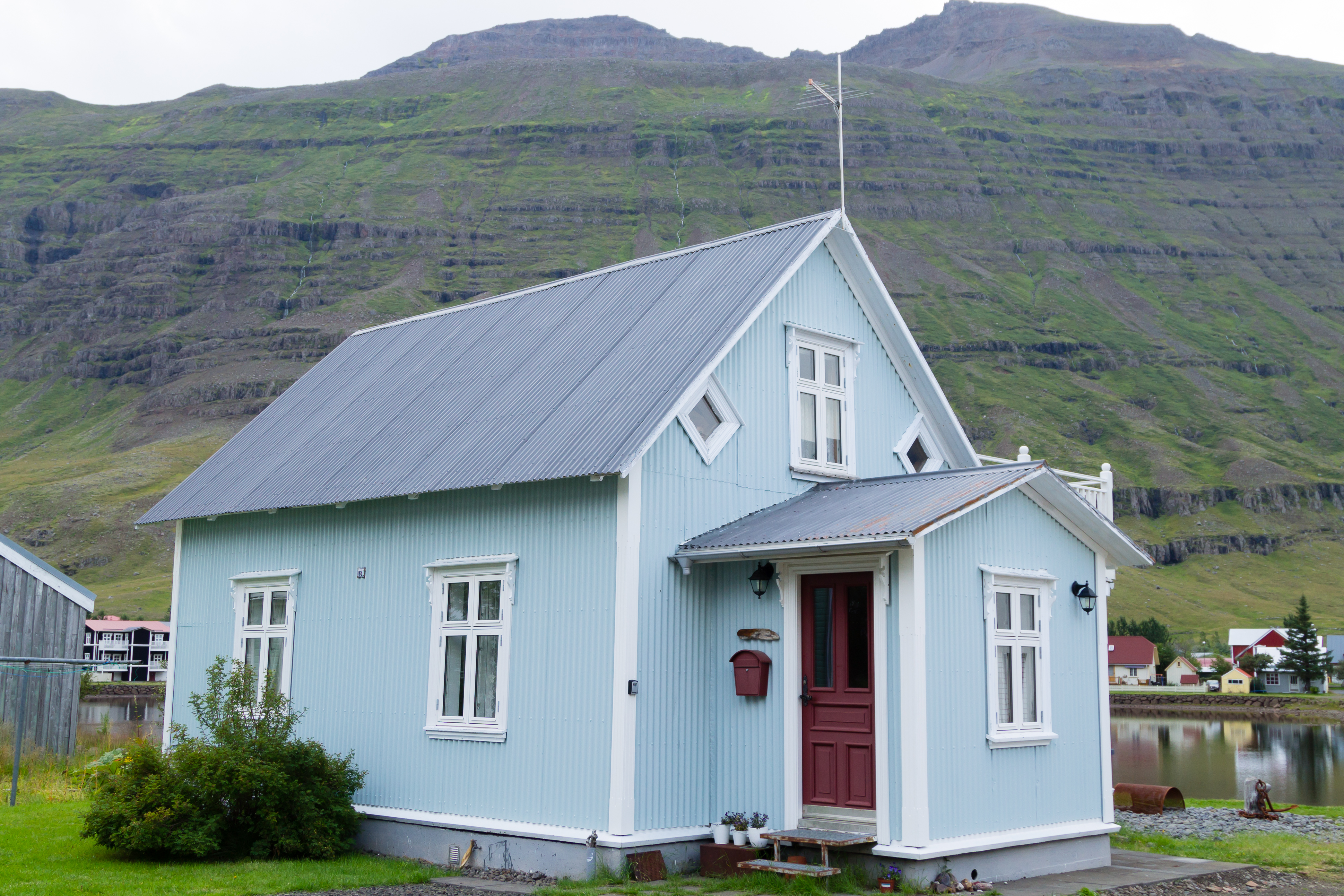
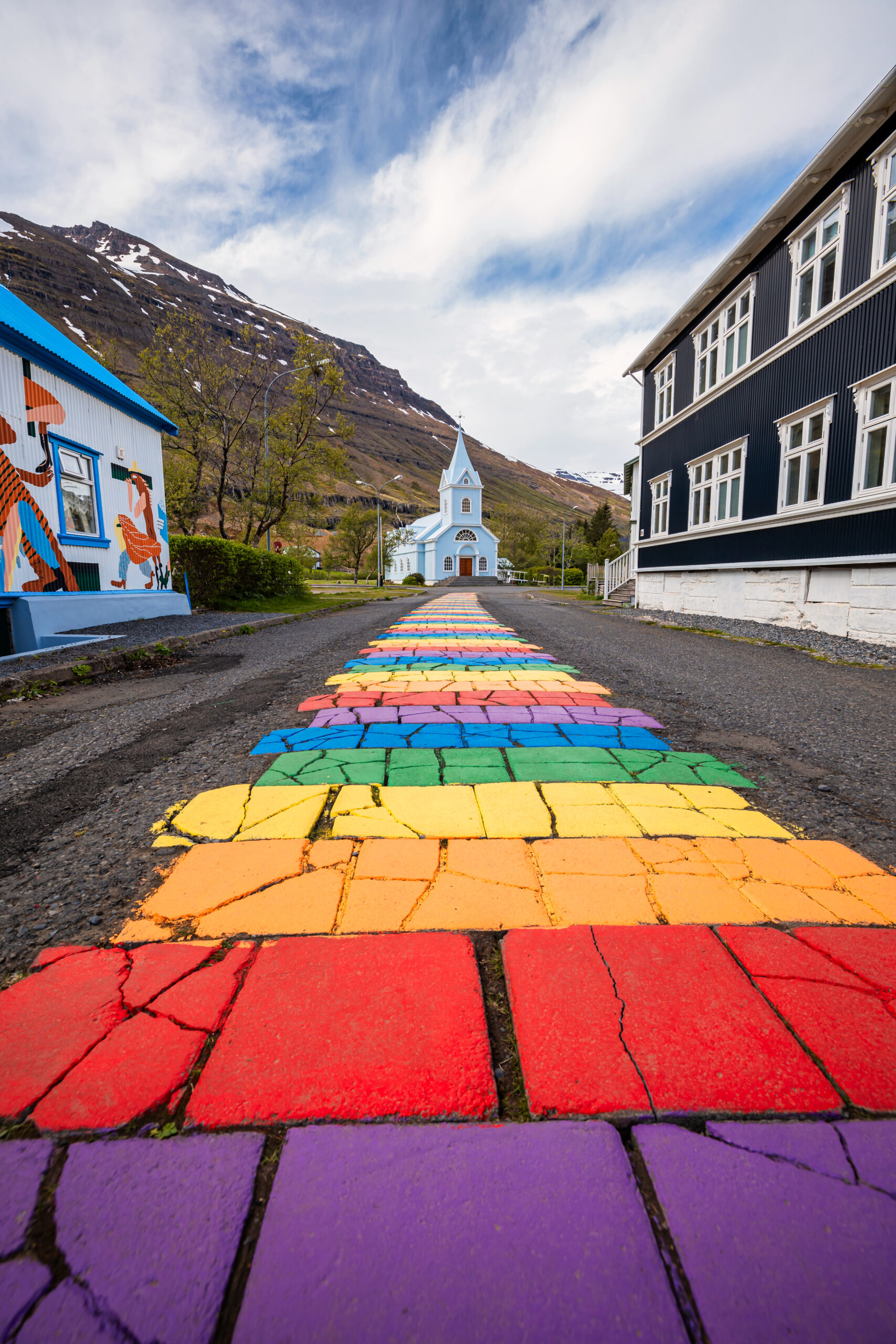
The village’s origins date back to the mid-19th century, when Norwegian fishermen settled here, attracted by the fjord’s rich fishing grounds. These waters were abundant with herring, a treasure that promised prosperity. Today, Seyðisfjörður has retained much of its original charm, and its brightly painted wooden houses bear witness to its Scandinavian roots. Strolling along the main street, it’s easy to feel as if you’ve traveled back in time.
Despite its picturesque appearance, Seyðisfjörður has a dynamic history marked by a series of remarkable events. During World War II, this quiet enclave suddenly found itself at the center of strategic military operations. British forces occupied the town in 1940 to prevent a Nazi invasion, bringing a flood of soldiers to the peaceful community. Remnants from this period can be found throughout the landscape, including old bunkers and runway remnants hidden among the moss-covered hills.
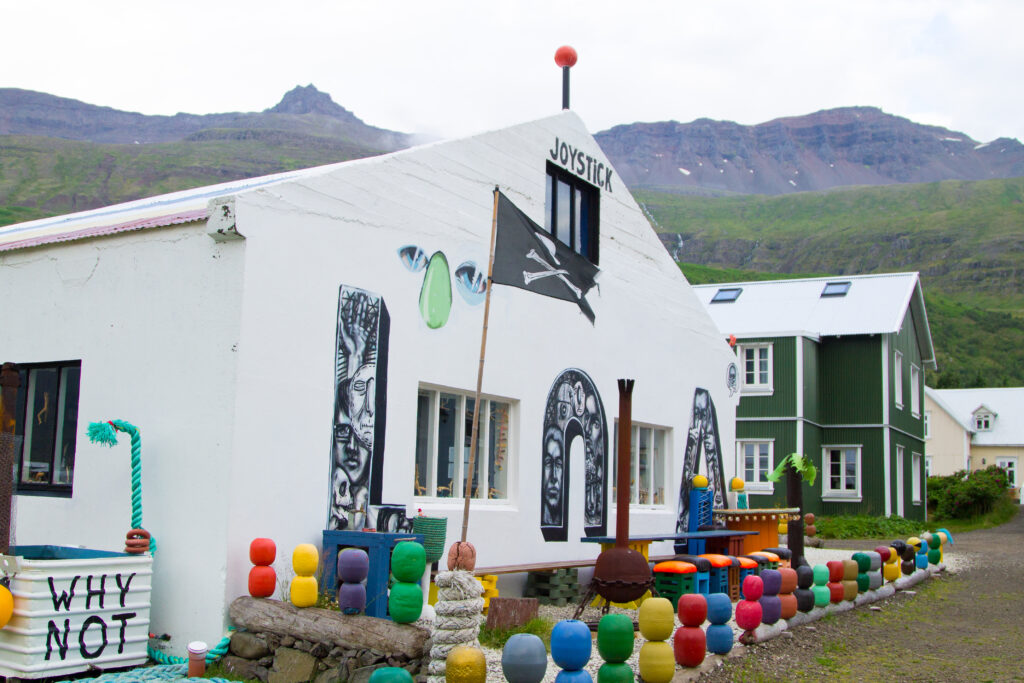
In recent years, Seyðisfjörður has earned a reputation as a fascinating artist community. Every summer, the LungA Art Festival transforms the village into a vibrant hub of creativity and expression. The festival not only showcases local talent but also attracts international artists who are inspired by the tranquil yet impressive surroundings of the fjord. This fusion of artistic minds has made Seyðisfjörður a cultural beacon of the Icelandic art scene.
However, this tranquil facade was shattered in December 2020 when Seyðisfjörður made headlines due to a disaster. After unusually heavy rainfall, the village was hit by massive landslides. Thousands of cubic meters of earth tumbled down the mountain slopes, threatening lives and destroying homes. Fortunately, thanks to rapid evacuation measures, there were no fatalities, but the destruction left indelible marks on the community.
The aftermath of the landslides was a testament to the resilience of the residents of Seyðisfjörður. They came together, rebuilt houses, and stabilized the land with renewed vigor. This perseverance, coupled with the support of the Icelandic government, helped restore Seyðisfjörður to its former glory. Nevertheless, the event was a stark reminder of the unpredictable power of nature, a force that is ever-present in Iceland’s seismic landscape.
Furthermore, Seyðisfjörður’s appeal is not based solely on its physical beauty or historical significance. The village is steeped in folklore and legends that capture the imagination. Locals tell tales of the Huldufólk, the “hidden people,” mysterious elf-like beings who are said to live in the rocks and hills. These stories are deeply rooted in Icelandic culture, and Seyðisfjörður is no exception. Tour guides eagerly recount tales of travelers who have experienced inexplicable events, attributing them to these elusive inhabitants.
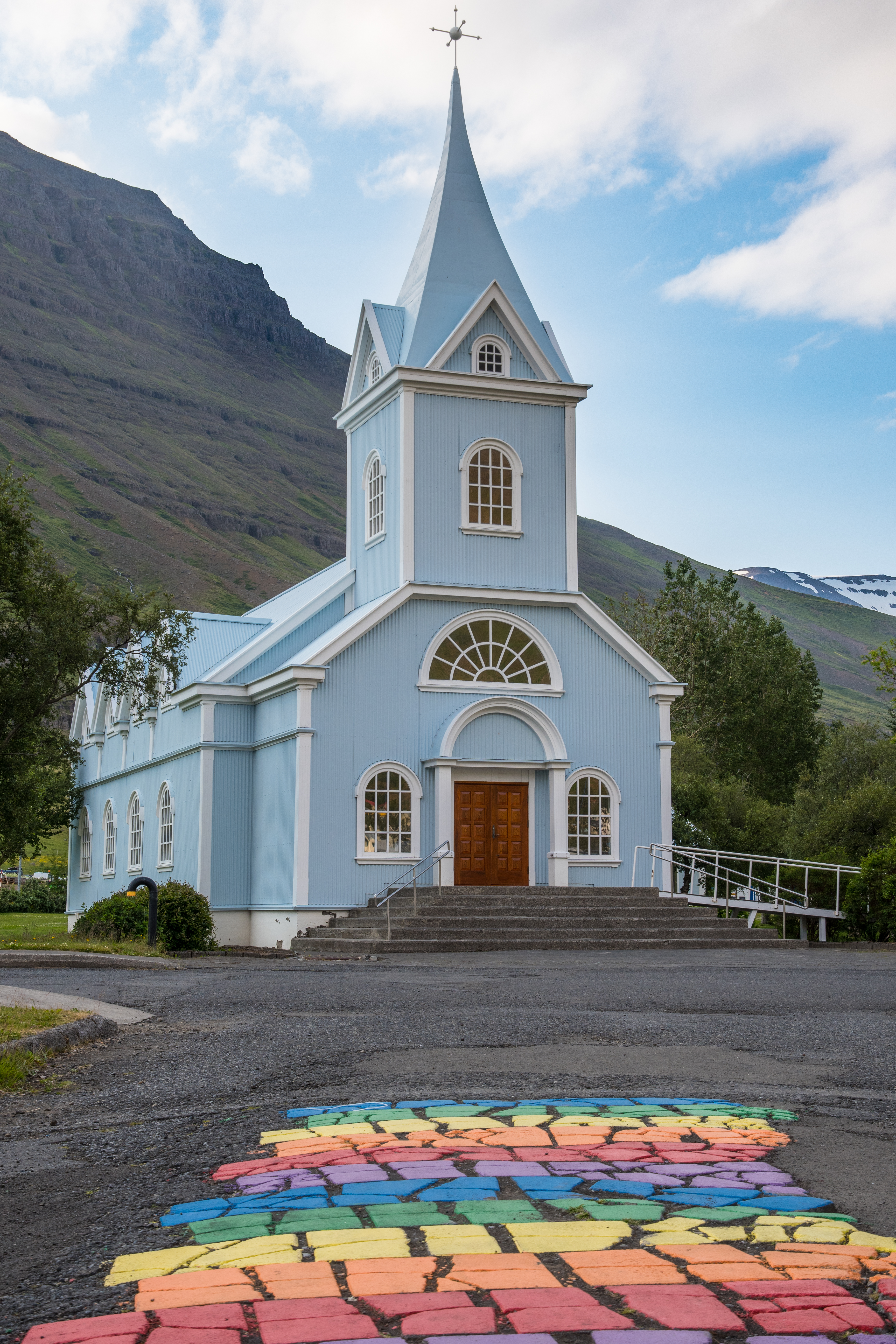
A commitment to sustainability and environmental protection adds depth to Seyðisfjörður’s story. Iceland as a whole prides itself on its eco-friendliness, with homes and businesses lit by geothermal energy. In Seyðisfjörður, this commitment is evident in initiatives such as the installation of solar panels on the Blue Church, underscoring the community’s drive to integrate renewable energy.
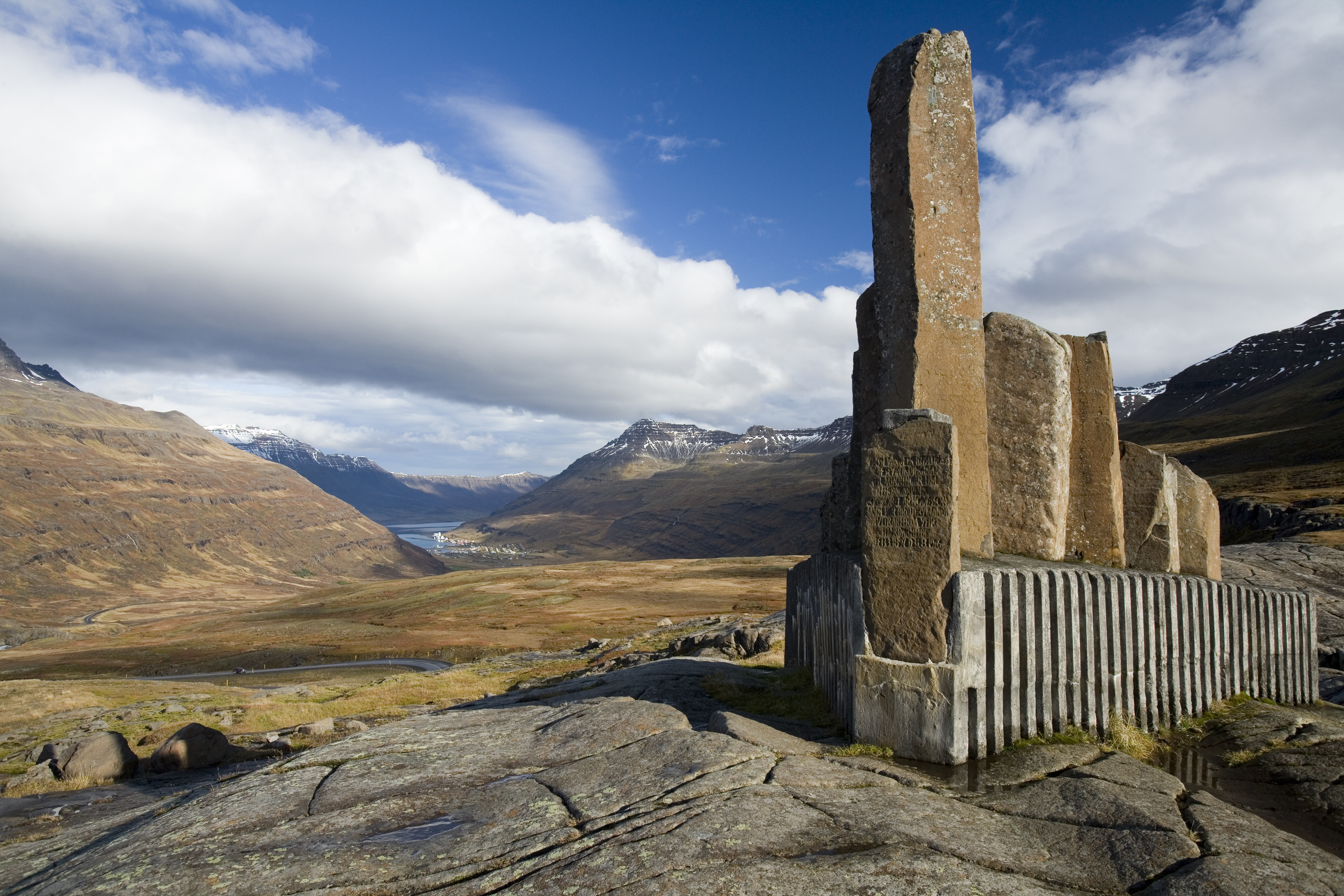
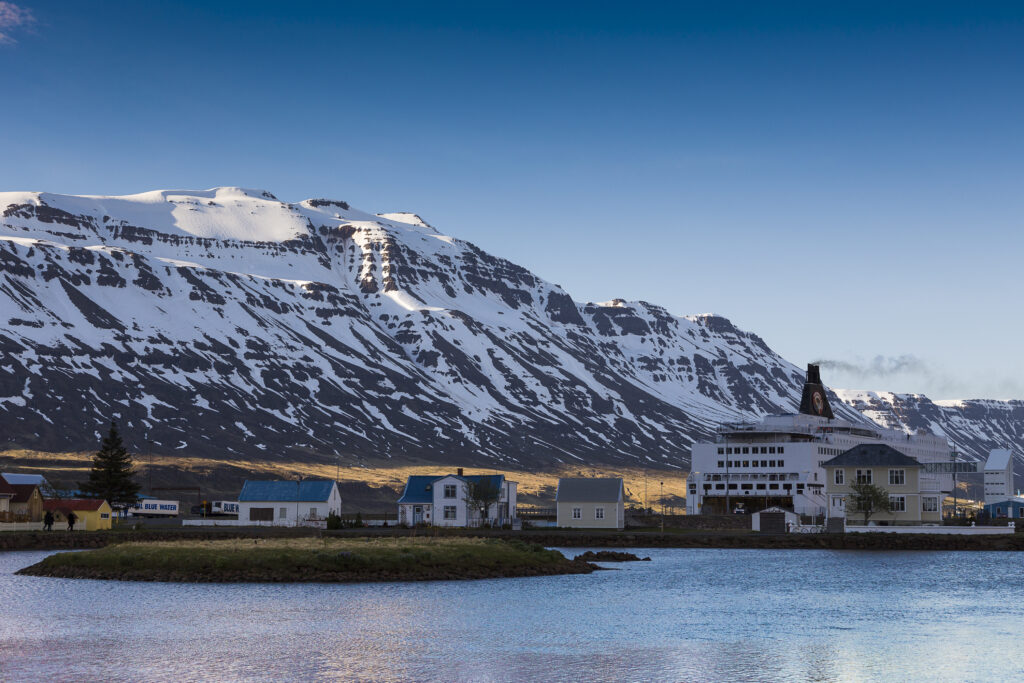
Seyðisfjörður is a living museum of history, culture, and legends set against a backdrop of stunning scenery. The fjord, which stretches 16 kilometers inland, is flanked by towering mountains that provide a dramatic setting for the village below.
These mountains are full of hiking trails that offer panoramic views and are perfect for those seeking both adventure and tranquility. Birdwatchers also flock here, hoping to catch a glimpse of the diverse bird species that call the fjord home.
One cannot talk about Seyðisfjörður without highlighting its vibrant art scene. In addition to the LungA Festival, the village is home to the Skaftfell – Center for Visual Art, a beacon for lovers of contemporary art. This place is dedicated to promoting artistic talent and dialogue between artists and the community. The exhibitions range from avant-garde installations to thought-provoking sculptures, making the center a must-see for anyone traveling to Iceland’s eastern fjords.
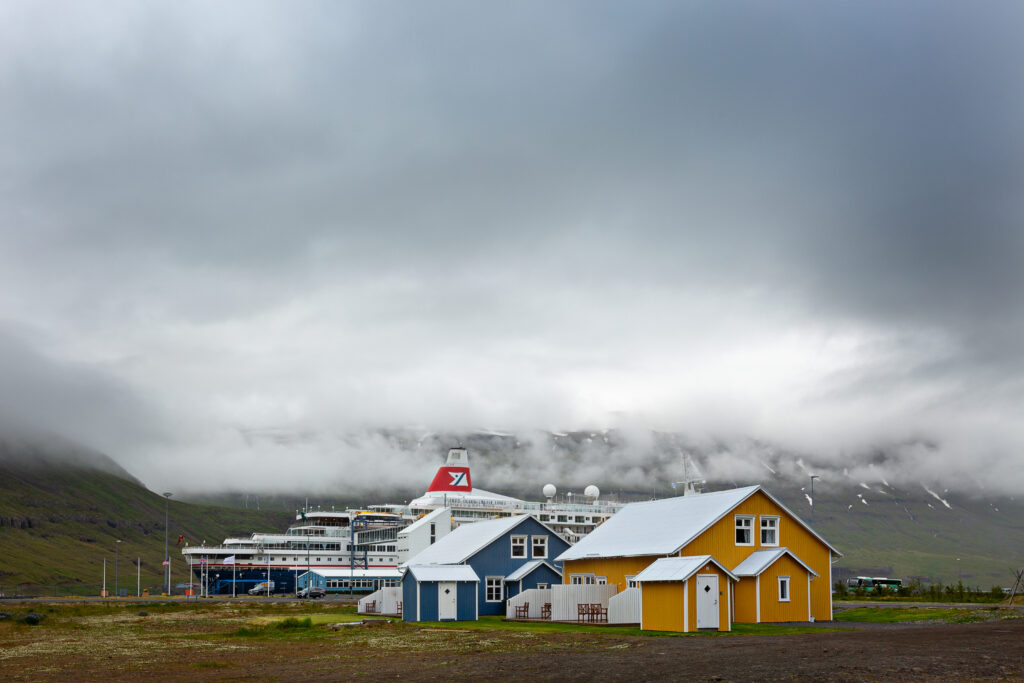
It is also noteworthy that Seyðisfjörður is the gateway to the Arctic and serves as the departure point for the Norröna ferry, which connects Iceland with the Faroe Islands and Denmark. This connection gives the town additional strategic and economic importance and ensures a steady influx of visitors who contribute to the village’s thriving tourism industry.
As dawn breaks over Seyðisfjörður, a magical mist often envelops the village, bathing the colorful house facades in an ethereal glow. It is a sight that remains in the memory of many visitors, evoking a deep nostalgia for the tranquility and mystery that seem to permeate the air. For all its appeal, Seyðisfjörður is a testament to the resilience of its inhabitants and the enduring magic of Iceland itself.
To experience Seyðisfjörður is to immerse yourself in a world where past and present merge, where nature and humanity dance in delicate harmony.
It is a story of survival, creativity, and unshakable spirit—a true Icelandic saga that continues to unfold, inviting and enchanting those who dare to enter its mysterious embrace. For those who wish to uncover the secrets beneath the surface, Seyðisfjörður offers whispers of the unknown, inviting you to listen closely and discover the wonders that await you.