Located on the banks of the Rhine, Linz am Rhein looks back on a rich history that blends seamlessly into the present. Often overshadowed by its larger neighbours, this picturesque town offers a unique blend of old-world charm and modern dynamism – a story that deserves all the attention it can get.
A historical gem – Linz am Rhein, a small but significant town in Rhineland-Palatinate, has roots that stretch back deep into the annals of time. The first documented mention of Linz dates back to 874 AD, but archaeological finds suggest that the area was settled much earlier. During the Middle Ages, Linz gained importance due to its strategic location on the Rhine and developed into a bustling centre of trade and commerce. The passing ships brought not only goods but also a wealth of cultural influences that shaped the city’s identity.
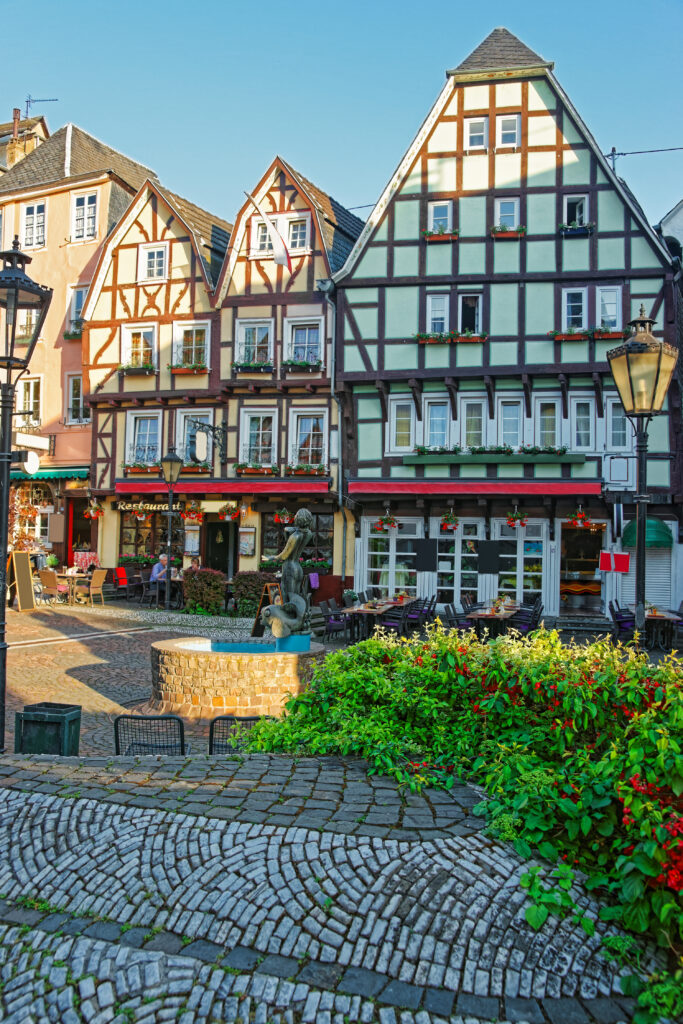
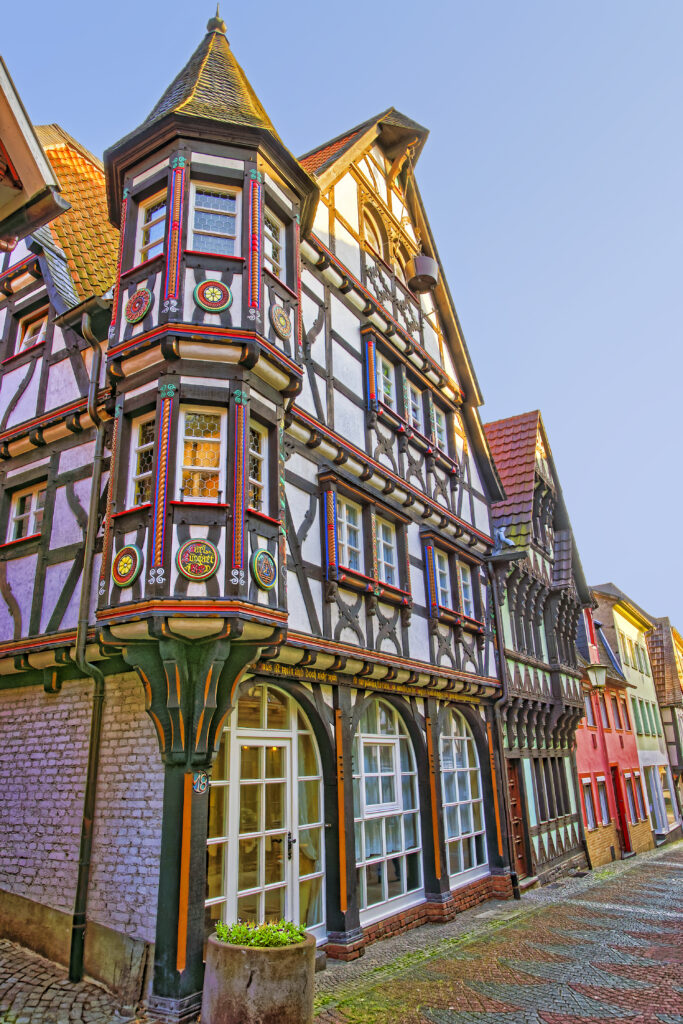
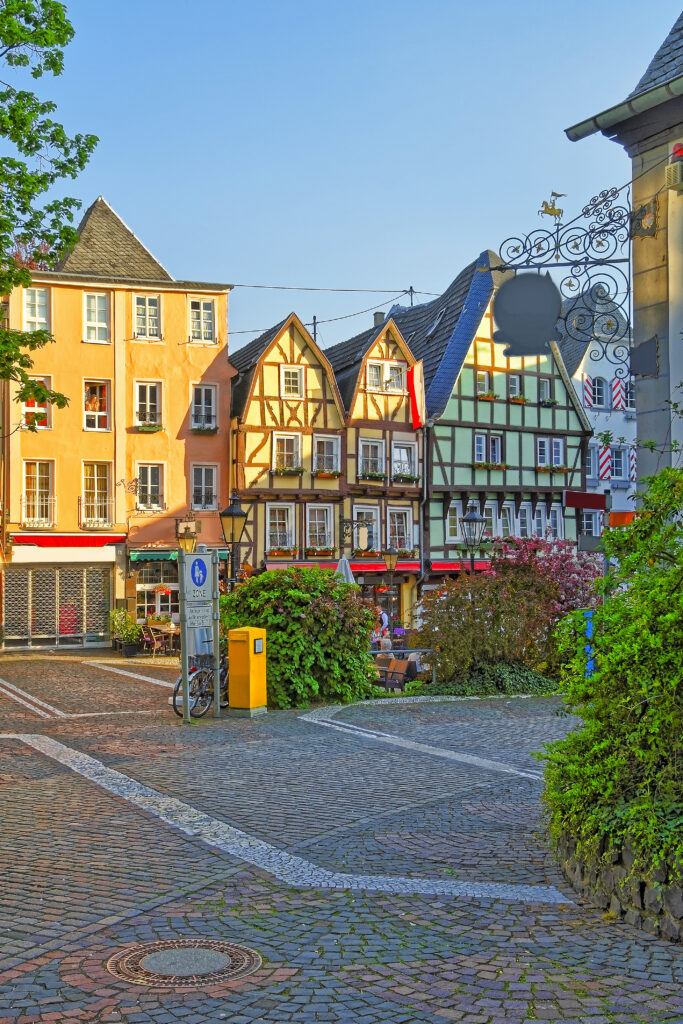
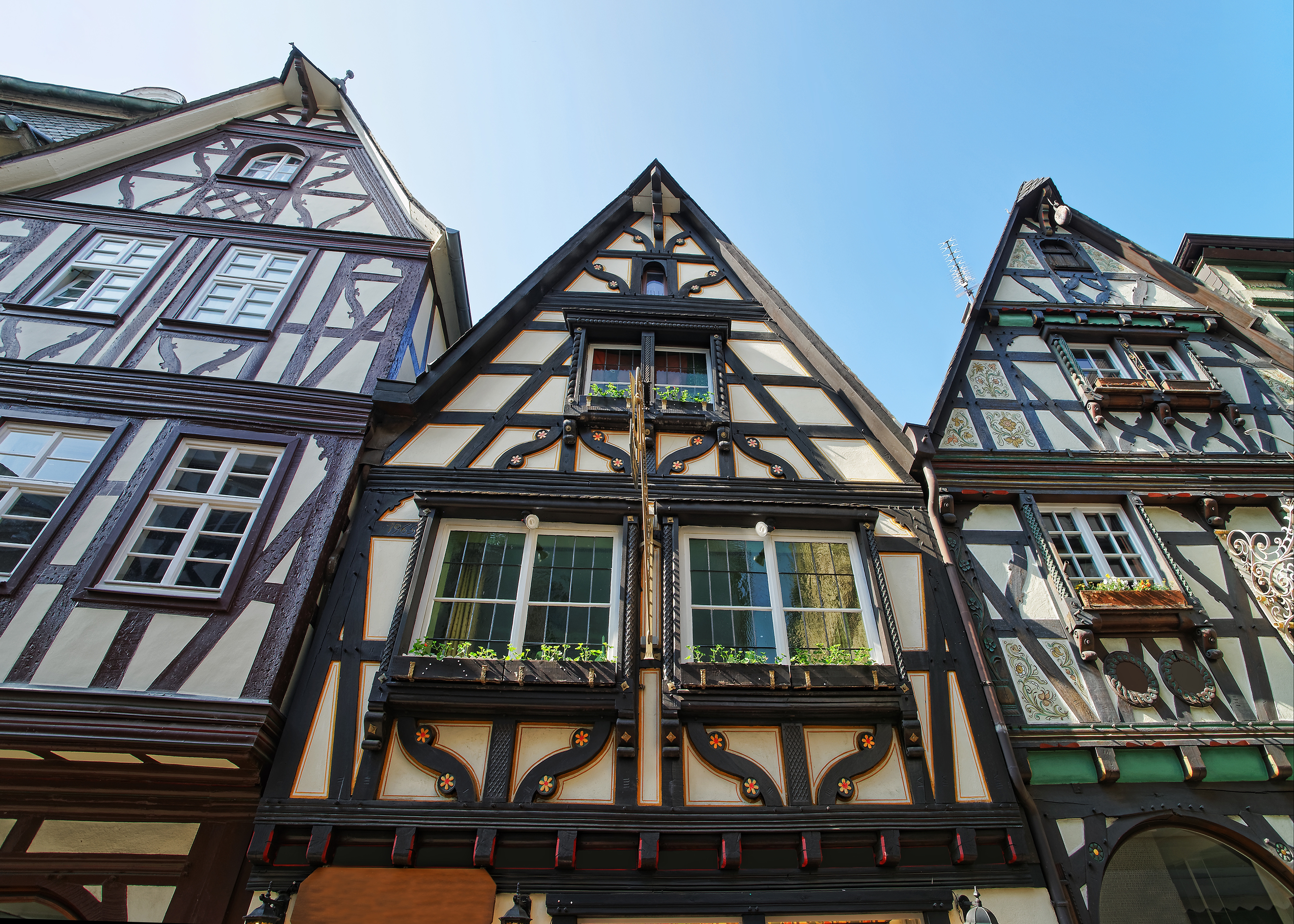
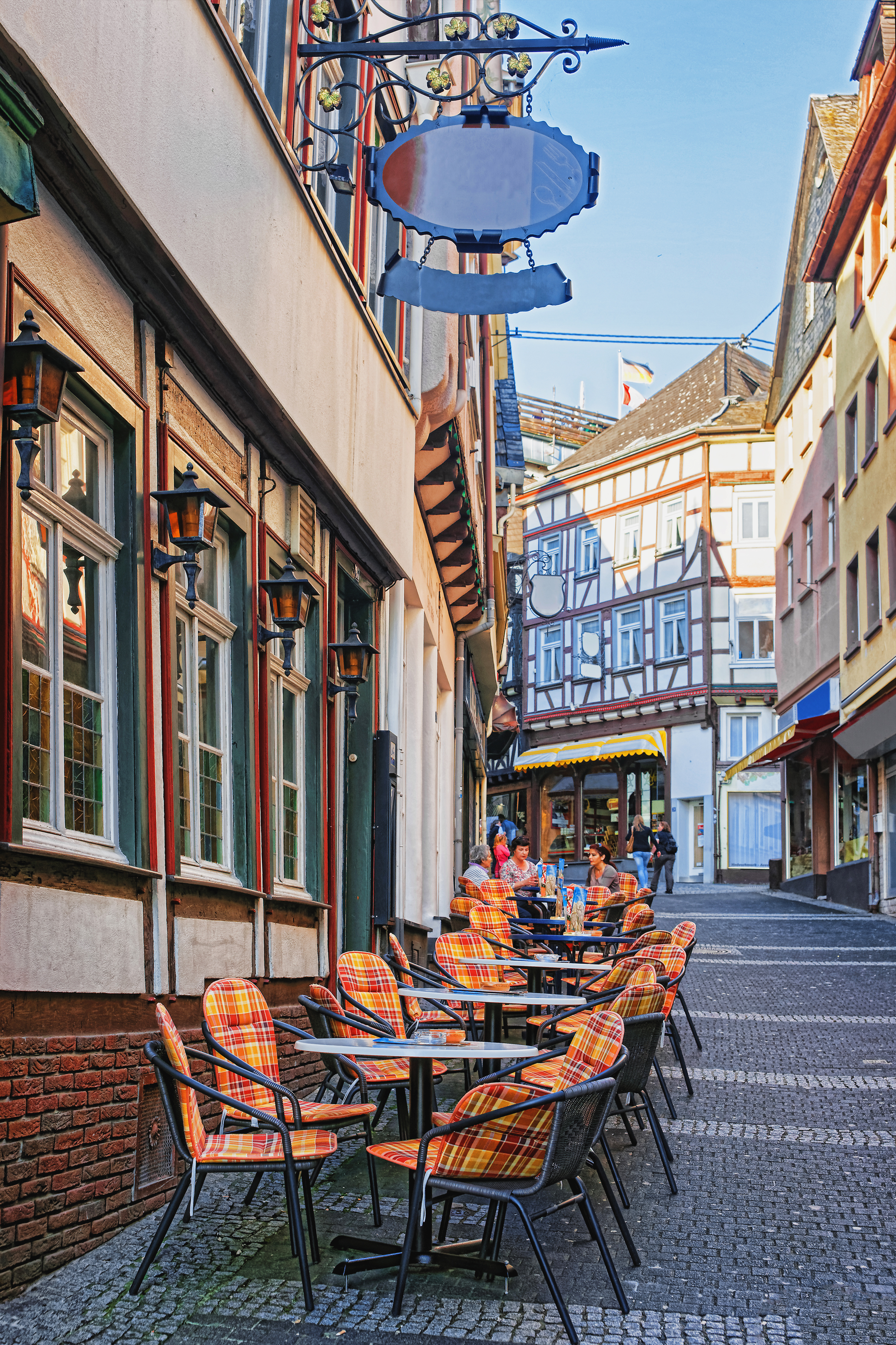
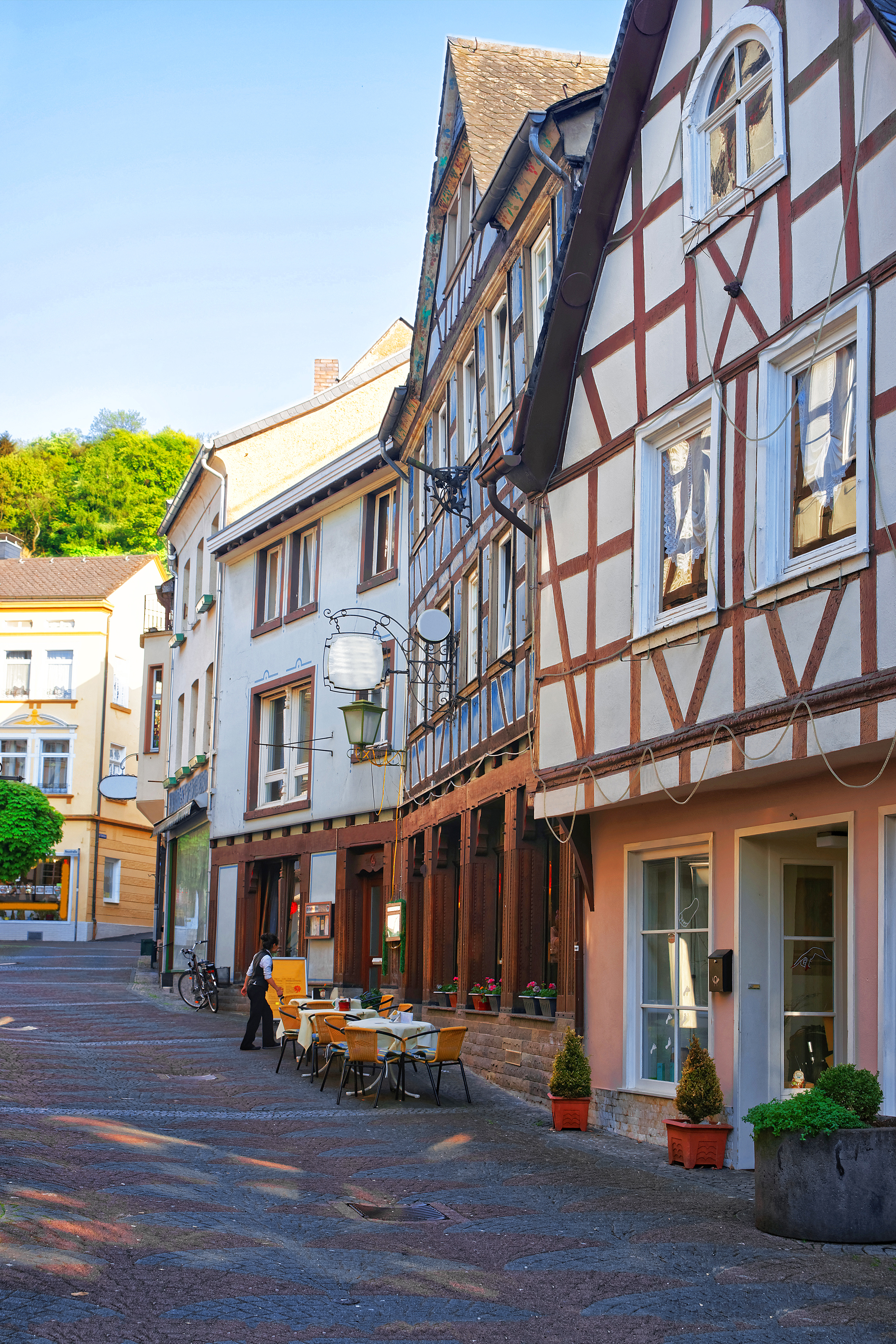
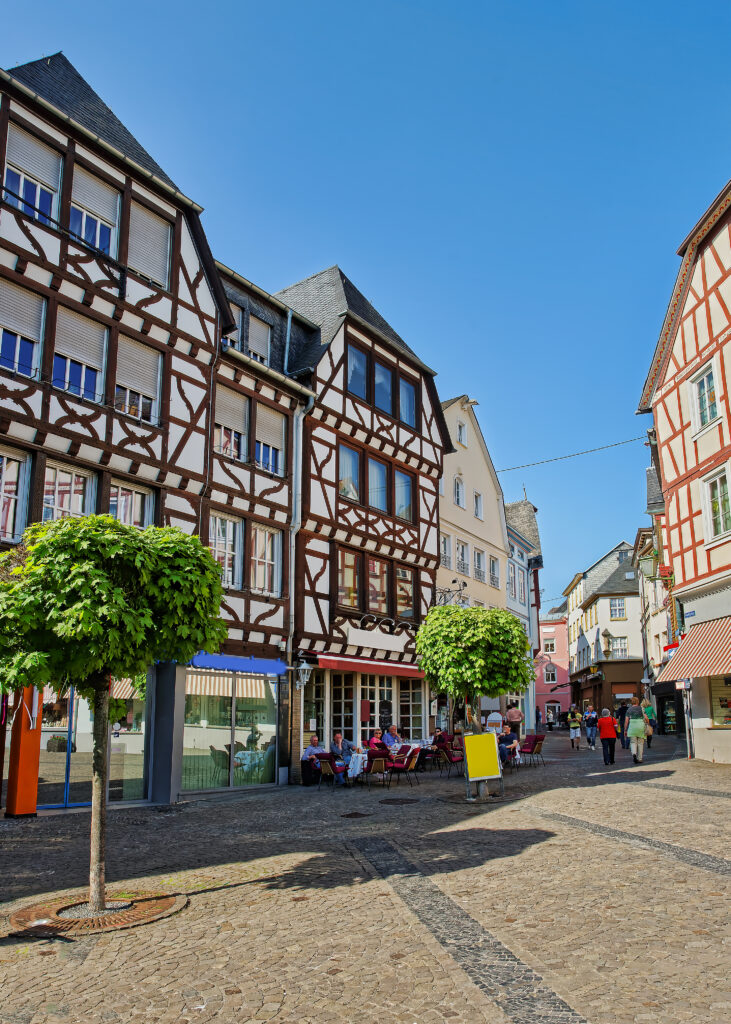
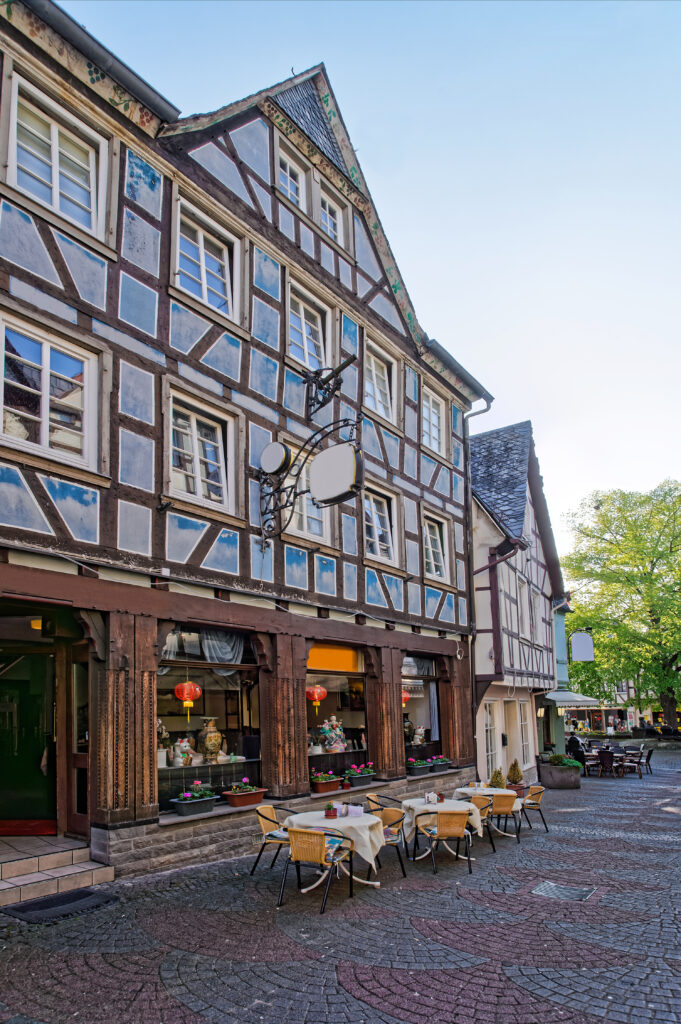
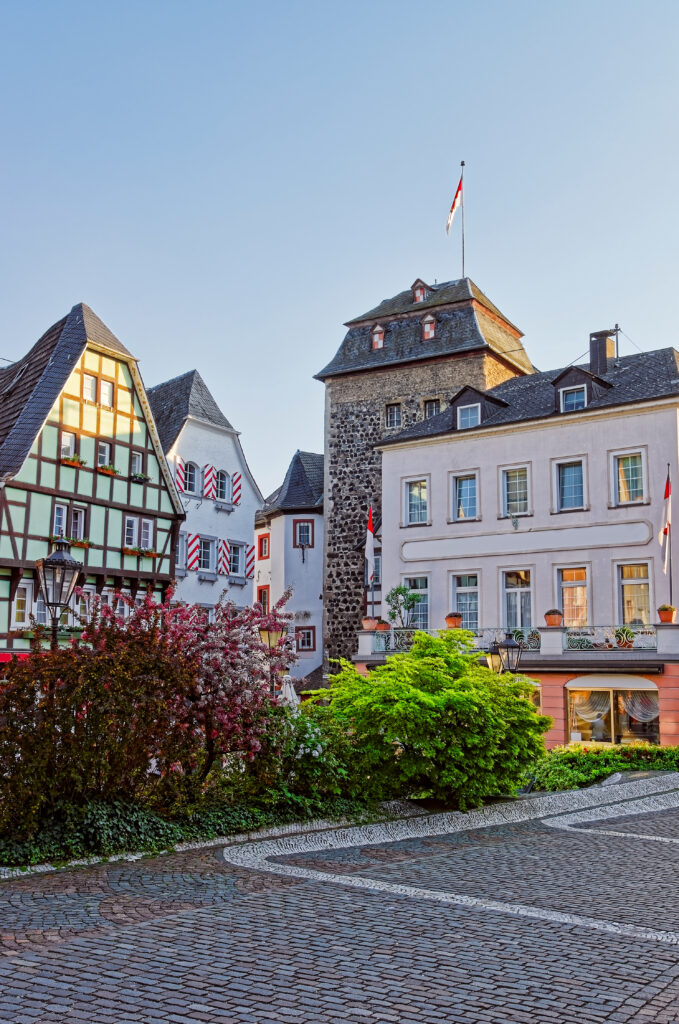
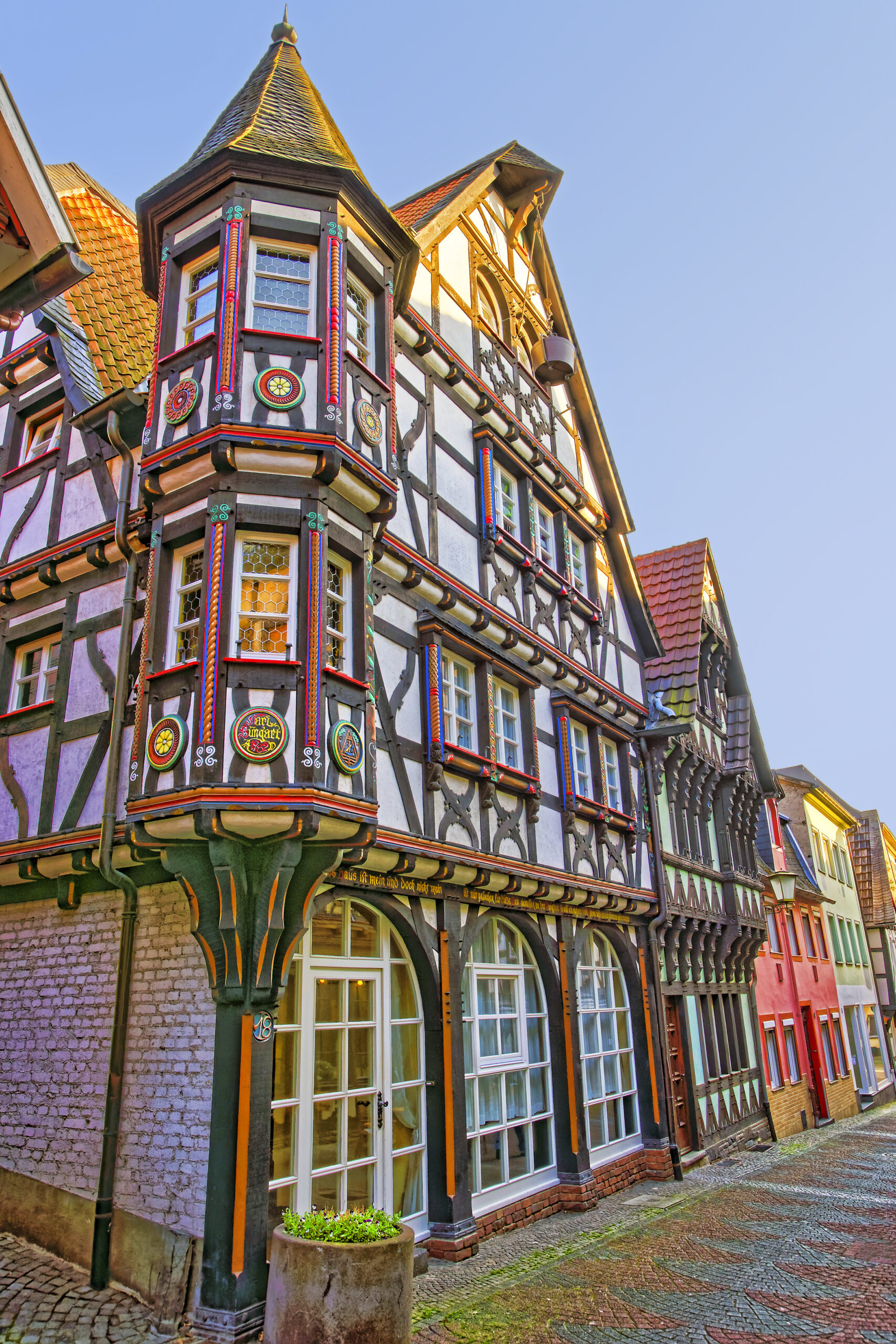
Architectural marvels – One cannot talk about Linz am Rhein without highlighting its architectural heritage. The city’s skyline is dominated by impressive medieval buildings, including the iconic St. Martin’s Basilica. Built in the Romanesque style, this basilica bears witness to the city’s historical significance and religious fervour in the Middle Ages. The picturesque city centre is a labyrinth of cobbled streets lined with beautifully preserved half-timbered houses that transport visitors back in time.
Linz Castle, which towers above the city, offers panoramic views of the Rhine Valley and tells stories of noble families who once ruled the region. Throughout its history, it has served various functions, from a fortress to a residence, and its walls whisper stories of times past to those who venture through its gates.
Cultural melting pot – Over the centuries, Linz am Rhein has experienced several waves of cultural change, each of which has left its indelible mark. The city has witnessed the emergence of various art movements, and its open-mindedness has attracted artists and thinkers who were drawn to its idyllic landscape and intellectual climate.
Even today, Linz celebrates this vibrant past with numerous festivals and events. A prime example of this are the colourful carnival celebrations, which attract people from near and far to enjoy the city’s cheerful atmosphere.
Economic development – While the economy of Linz am Rhein was historically dominated by trade and agriculture, the Industrial Revolution brought significant changes. The introduction of the railway in the 19th century opened up new avenues for economic growth, connecting Linz to larger markets and facilitating the movement of goods. This transformation not only strengthened local businesses, but also attracted new industries to the region and paved the way for modernisation.
Today, Linz combines tradition with innovation. The city has built a thriving tourism sector, capitalising on its rich historical and natural resources. Visitors flock here to immerse themselves in the city’s history while enjoying modern amenities and hospitality that rival those of larger cities.
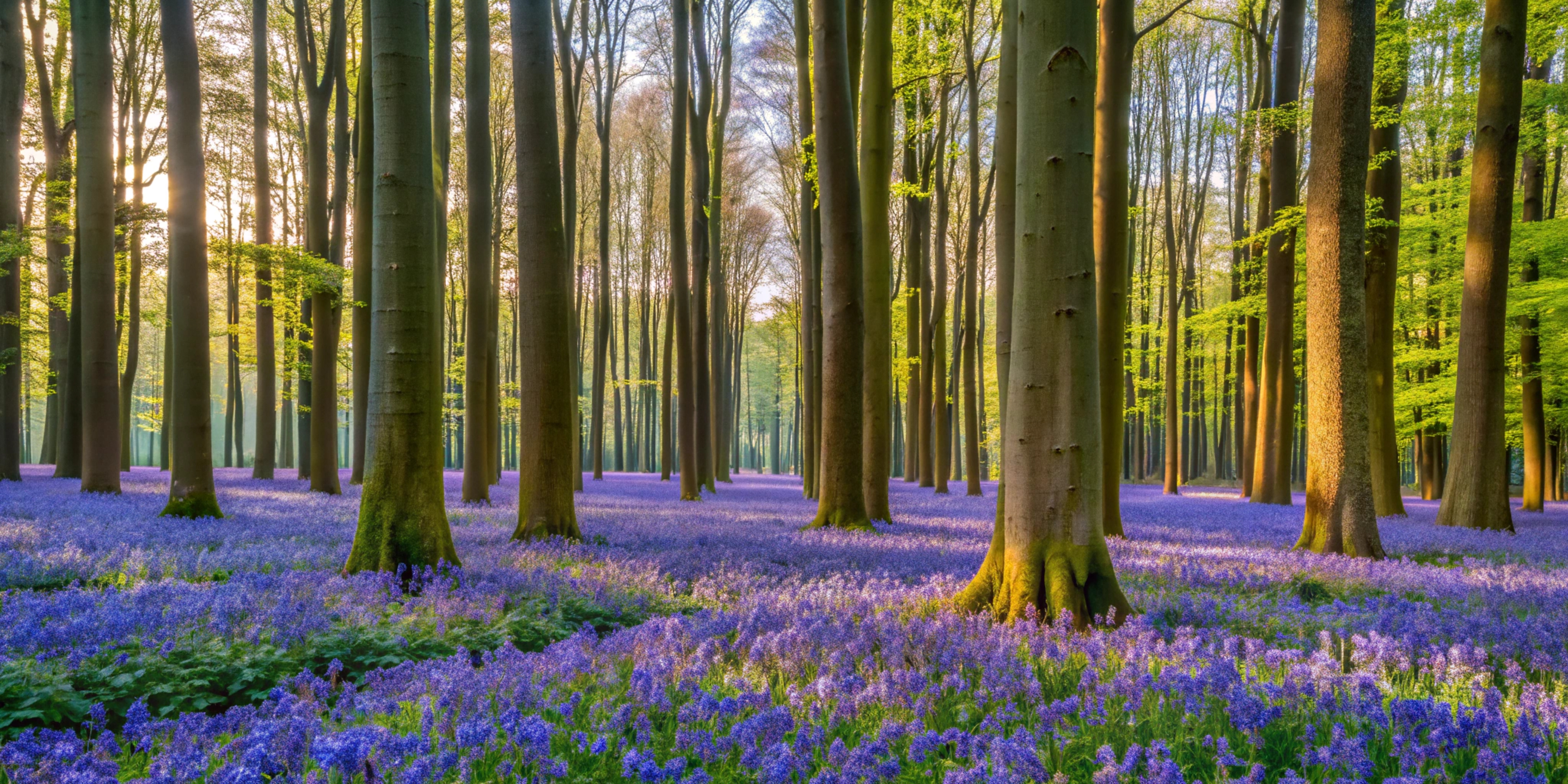
Natural charm – Surrounded by breathtaking landscapes, Linz am Rhein is a gateway to the beauty of nature. The Rhine, with its calm waters and lush banks, offers outdoor enthusiasts numerous opportunities. Whether on a leisurely boat trip or a hike along the picturesque trails of the nearby Siebengebirge mountains, nature lovers will find countless opportunities to connect with the peaceful surroundings.
Furthermore, the town is part of the UNESCO World Heritage Site Upper Middle Rhine Valley, recognised for its outstanding universal value. This designation highlights the region’s exceptional blend of cultural and natural heritage and cements Linz’s status as a destination of global interest.
Community spirit – Despite its small size, Linz am Rhein is characterised by a strong community spirit. Local traditions are strictly preserved, and residents are proud of their shared heritage. This is evident in initiatives to preserve historical sites and promote cultural activities.
The town’s citizens’ association plays a central role in promoting civic engagement and passing on Linz’s heritage to future generations.
Contemporary challenges and opportunities – Like many historic towns, Linz am Rhein faces the challenge of balancing the preservation of its cultural heritage with progress. The need to preserve the city’s unique character while adapting it to the needs of today is a recurring theme among local decision-makers and residents. Efforts are being made to revitalise the infrastructure and promote sustainable development in line with the city’s ethos.
This is Linz’s greatest opportunity: to position itself as a model for small towns around the world seeking to navigate the complexities of modernity.
By leveraging its historical assets and community spirit, Linz am Rhein can forge a path that honours its past while embracing a forward-looking future.
A living heritage – Linz am Rhein is a living museum, its streets echoing stories of conquest, creativity and camaraderie. Its history is not confined to dusty archives but lives on in its architecture, culture and community. Strolling through its charming streets, it is impossible not to feel the weight of centuries past mingling with the promise of the future.
In a world that often looks to megacities for inspiration, Linz am Rhein proves that the most exciting stories sometimes come from the smallest places. Here, history is not just remembered – it is experienced, celebrated and rewritten every day.