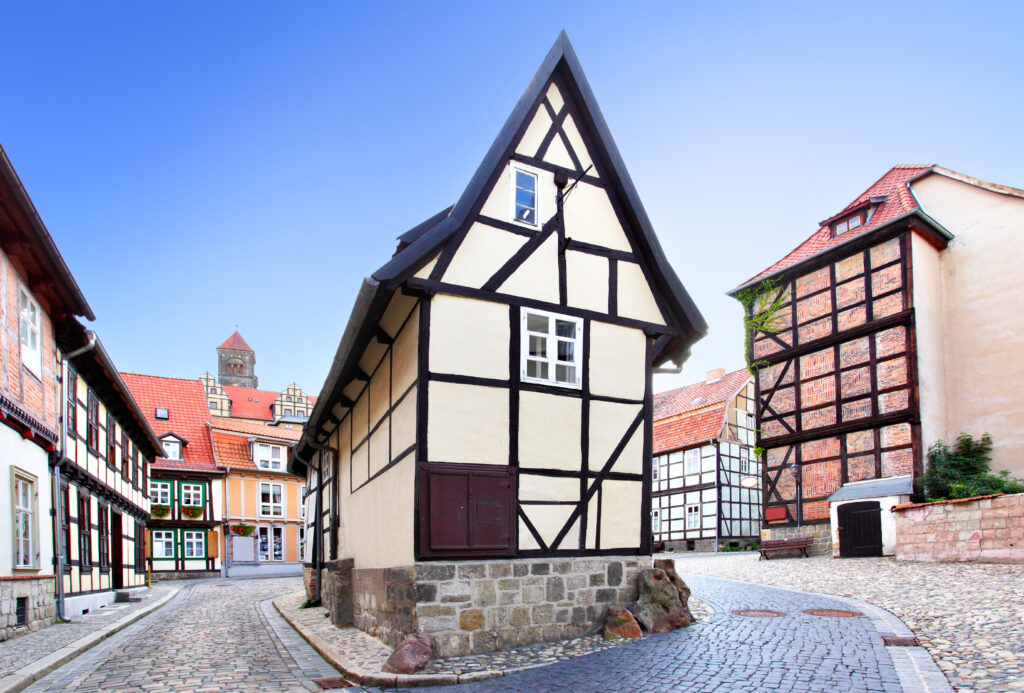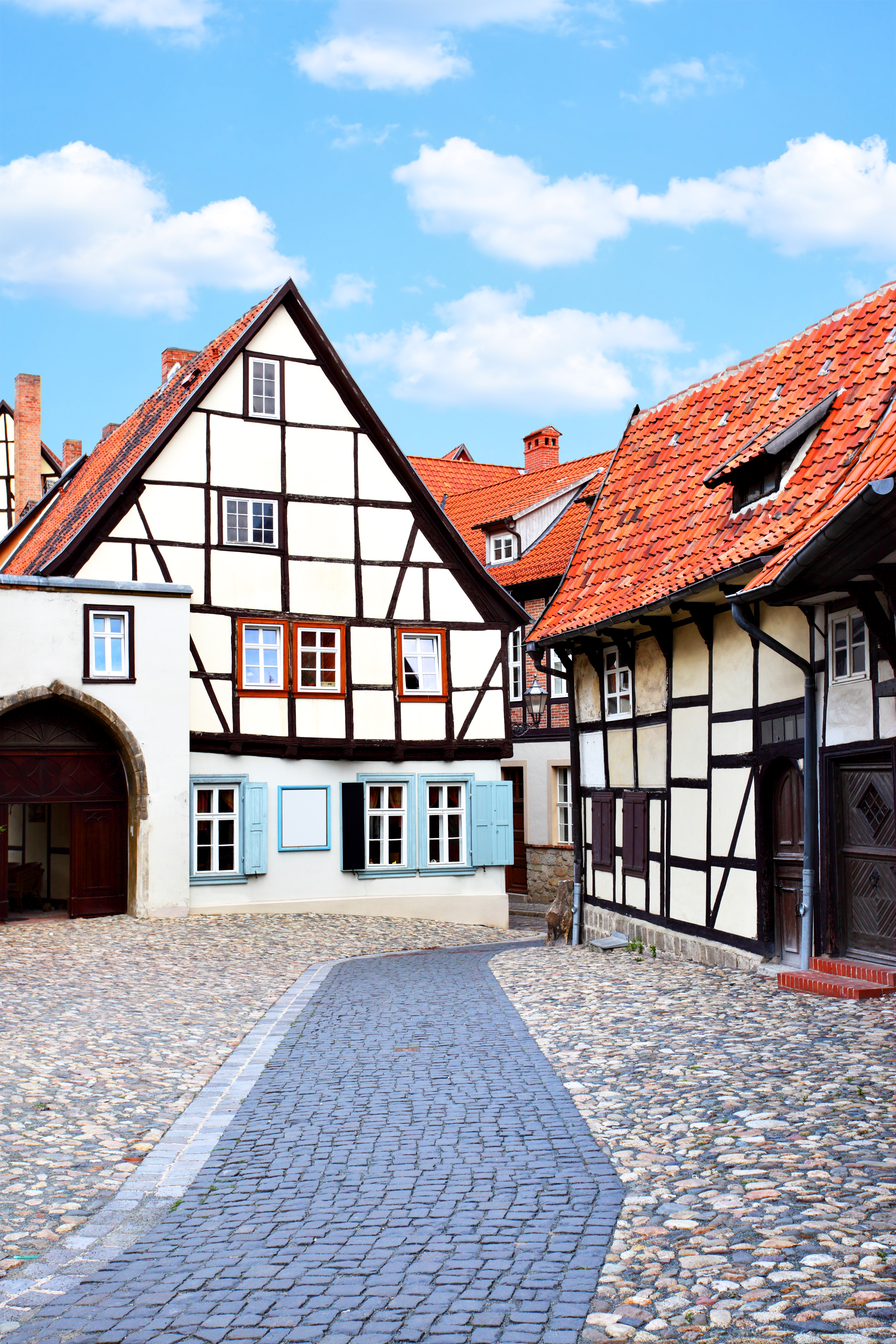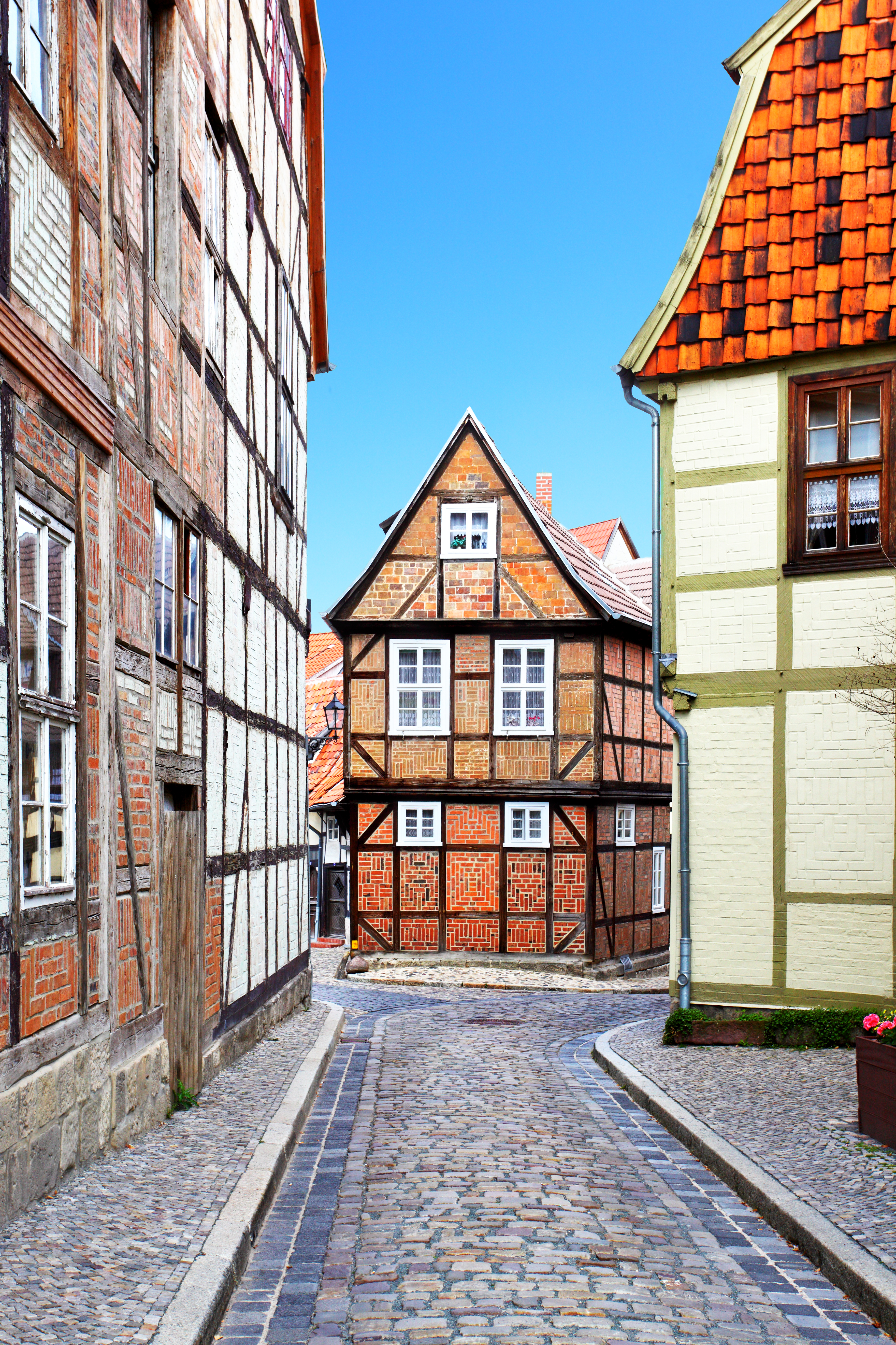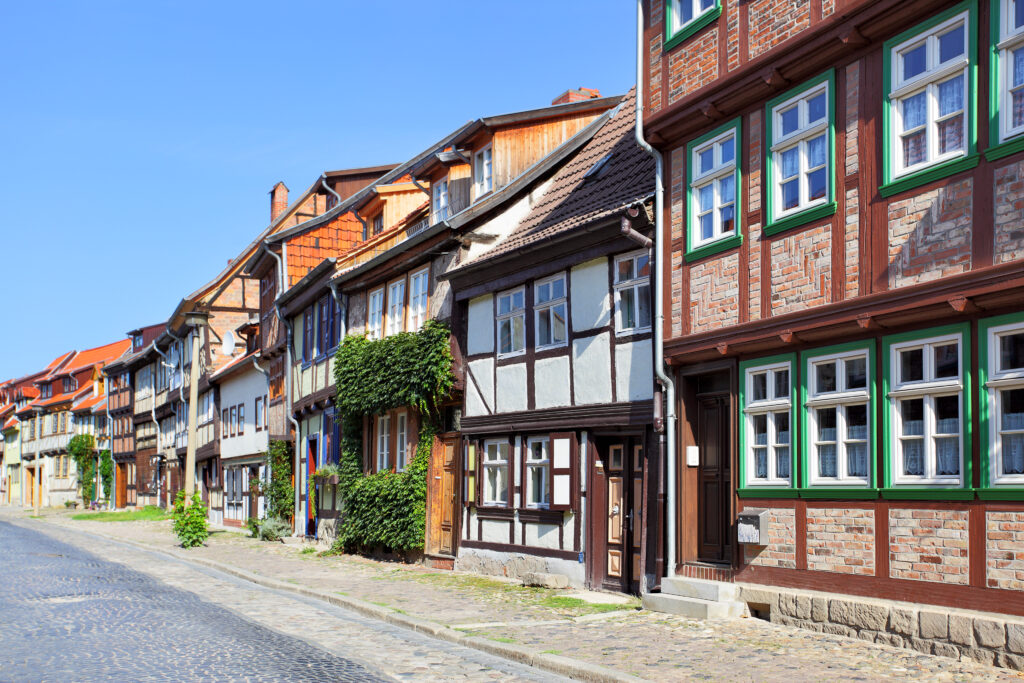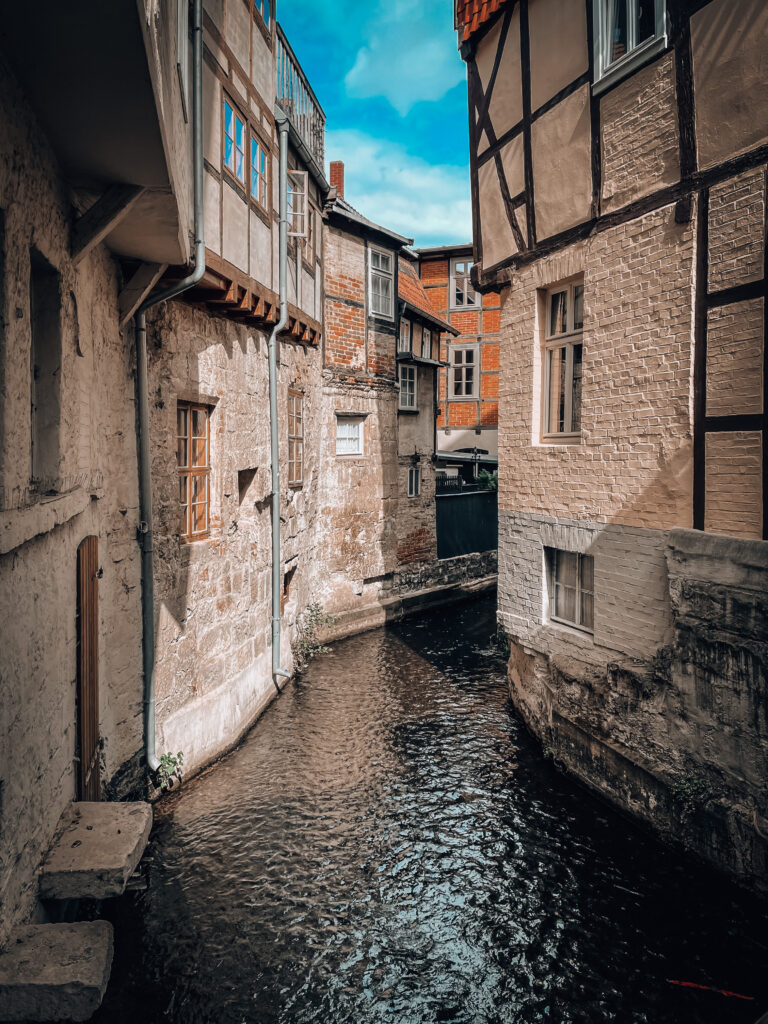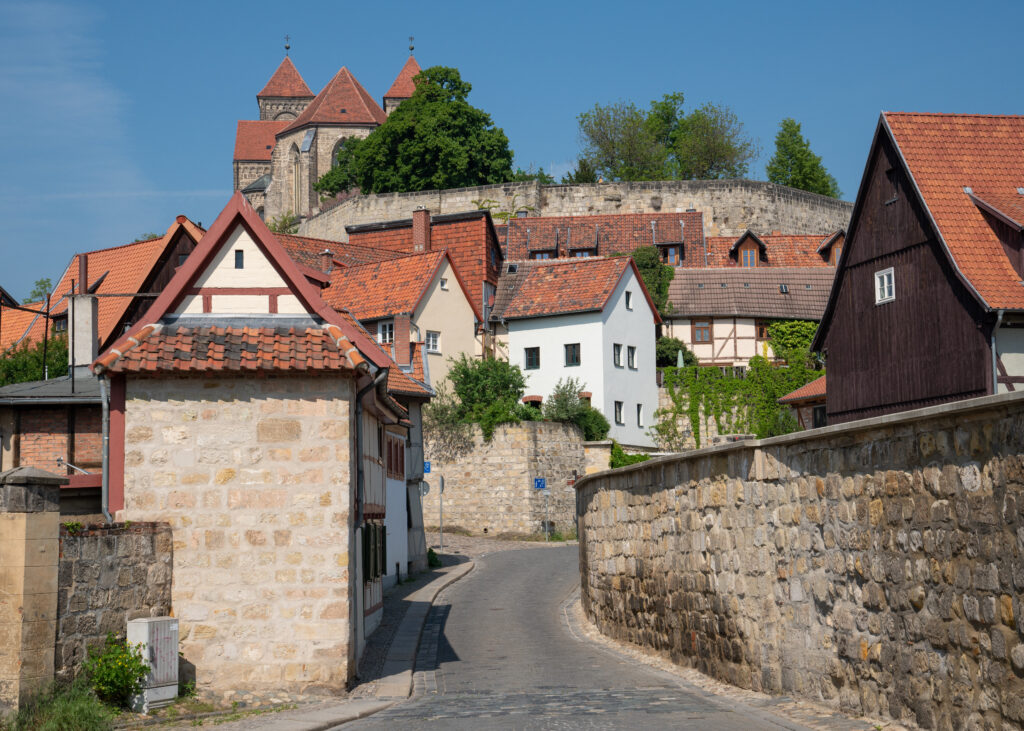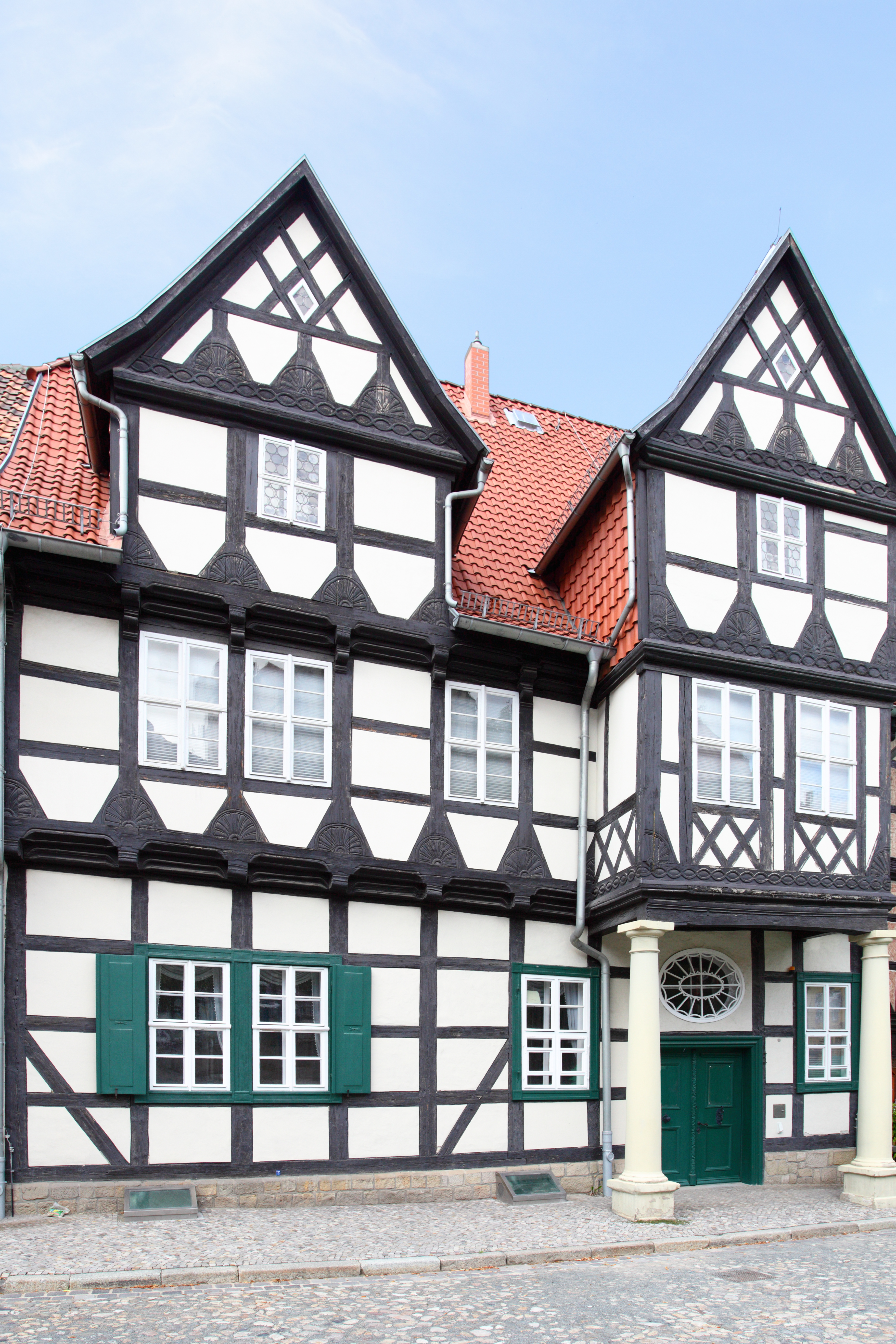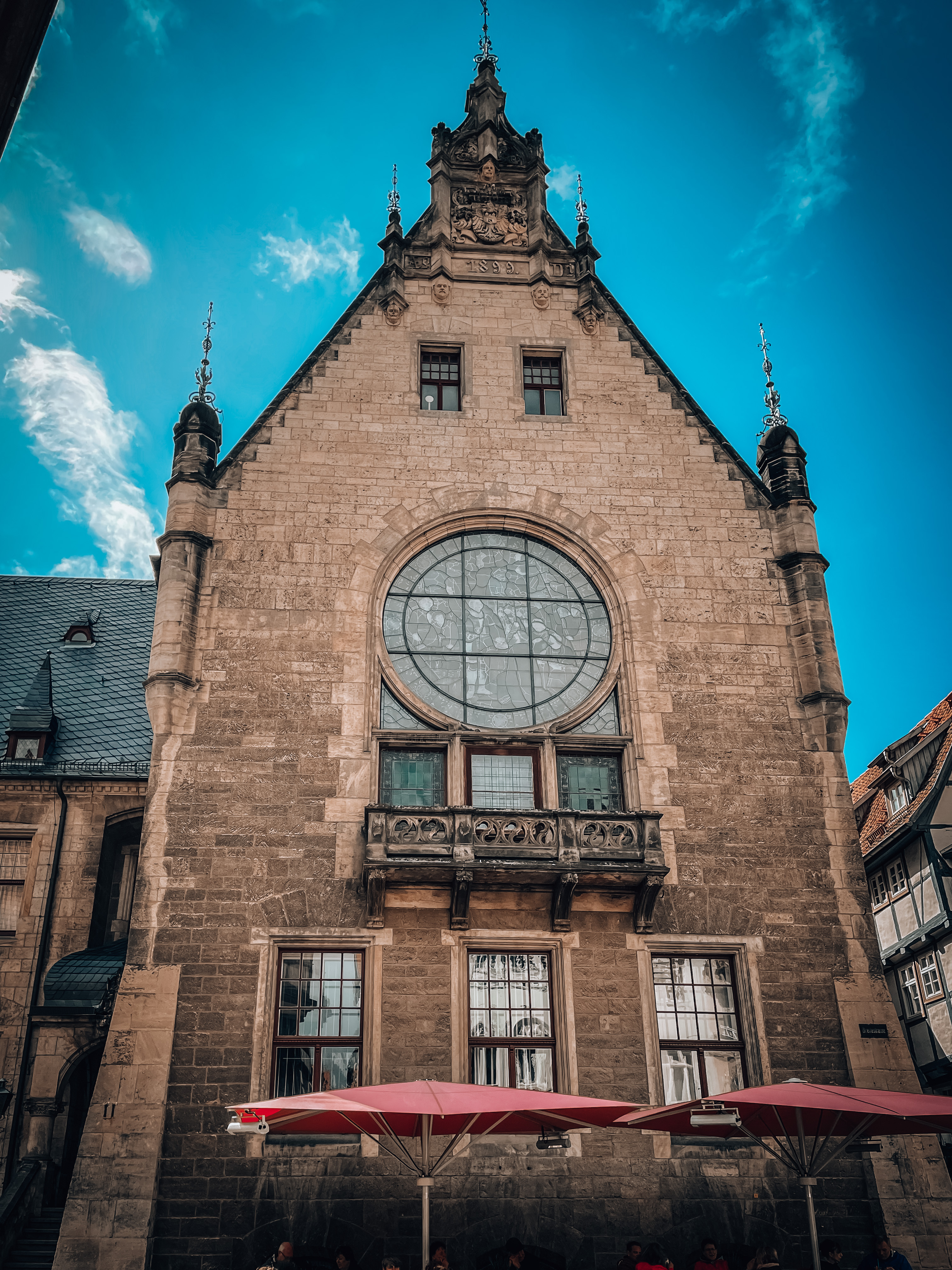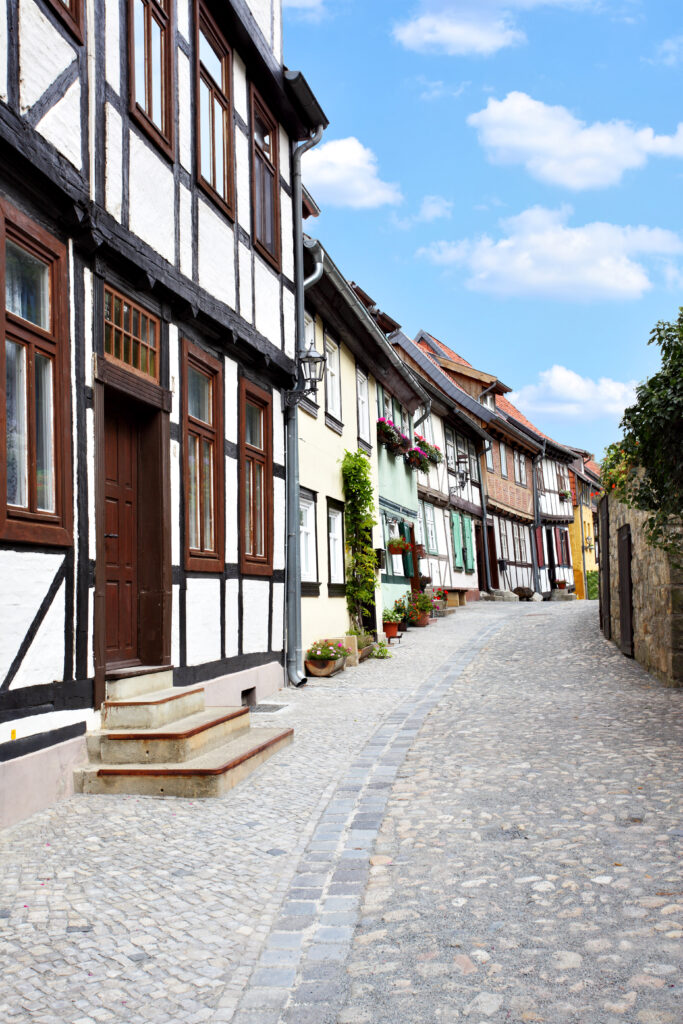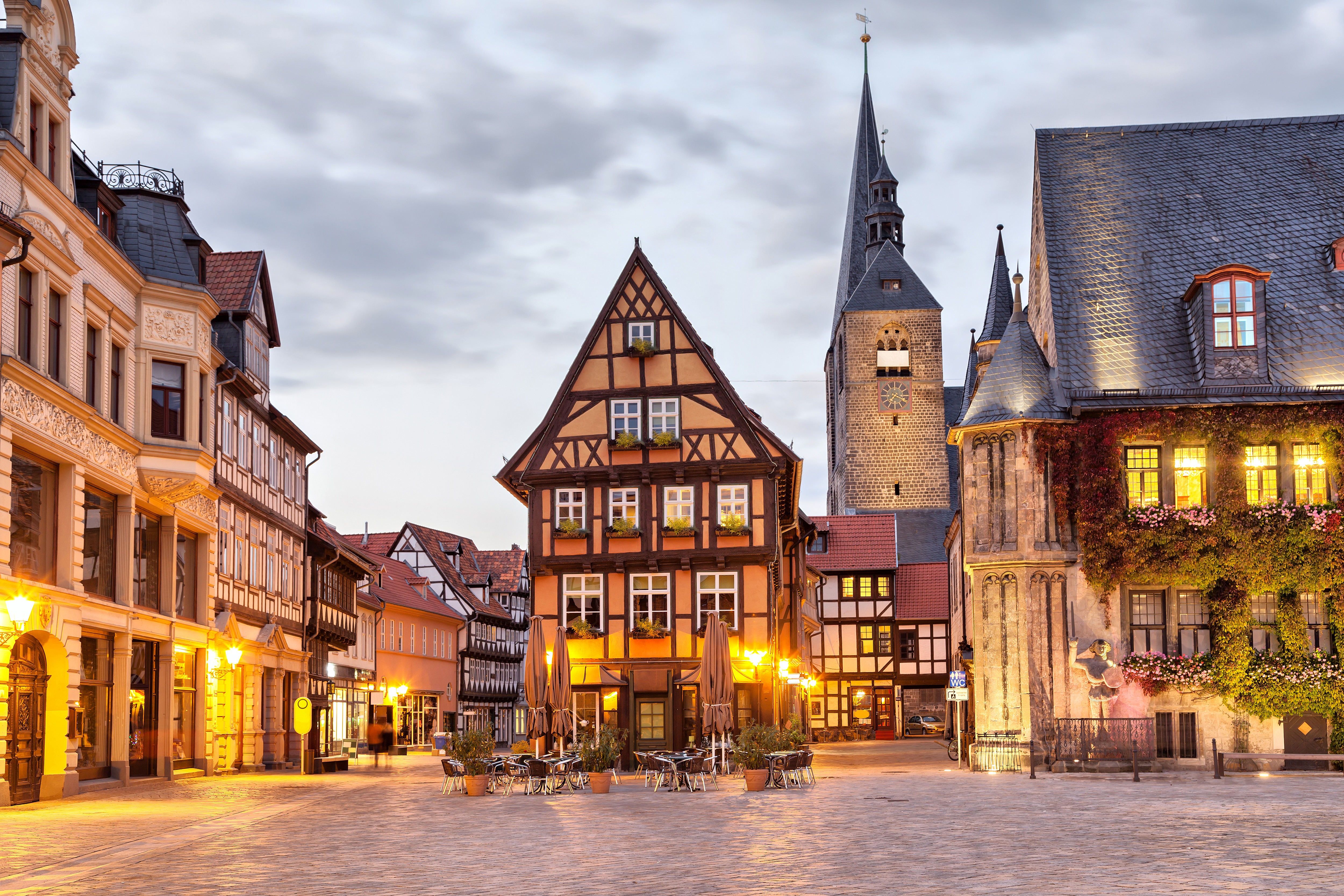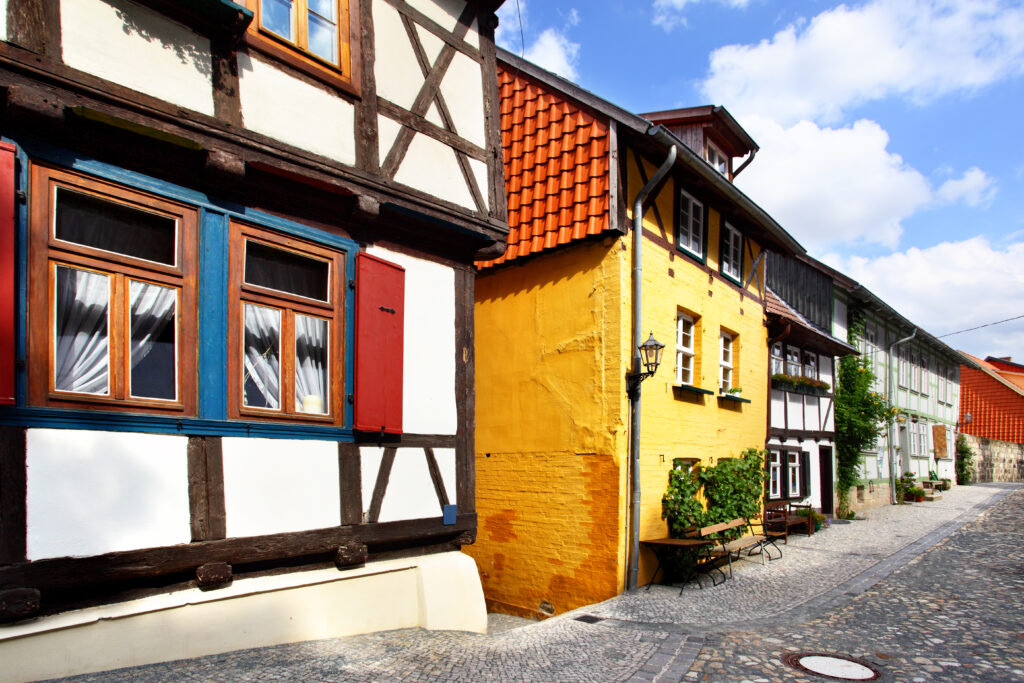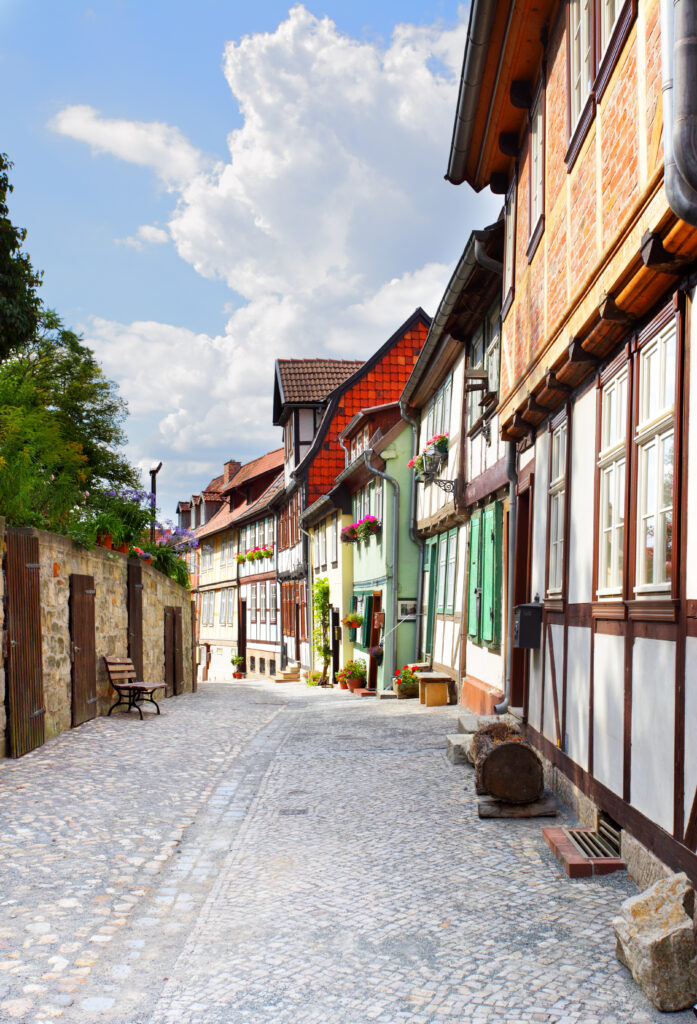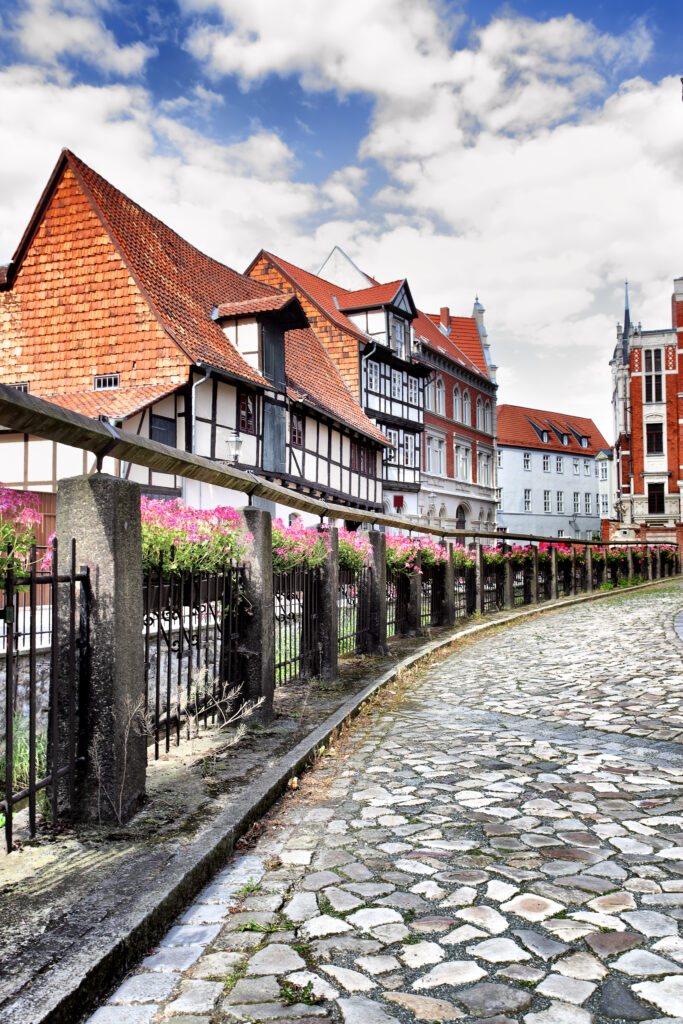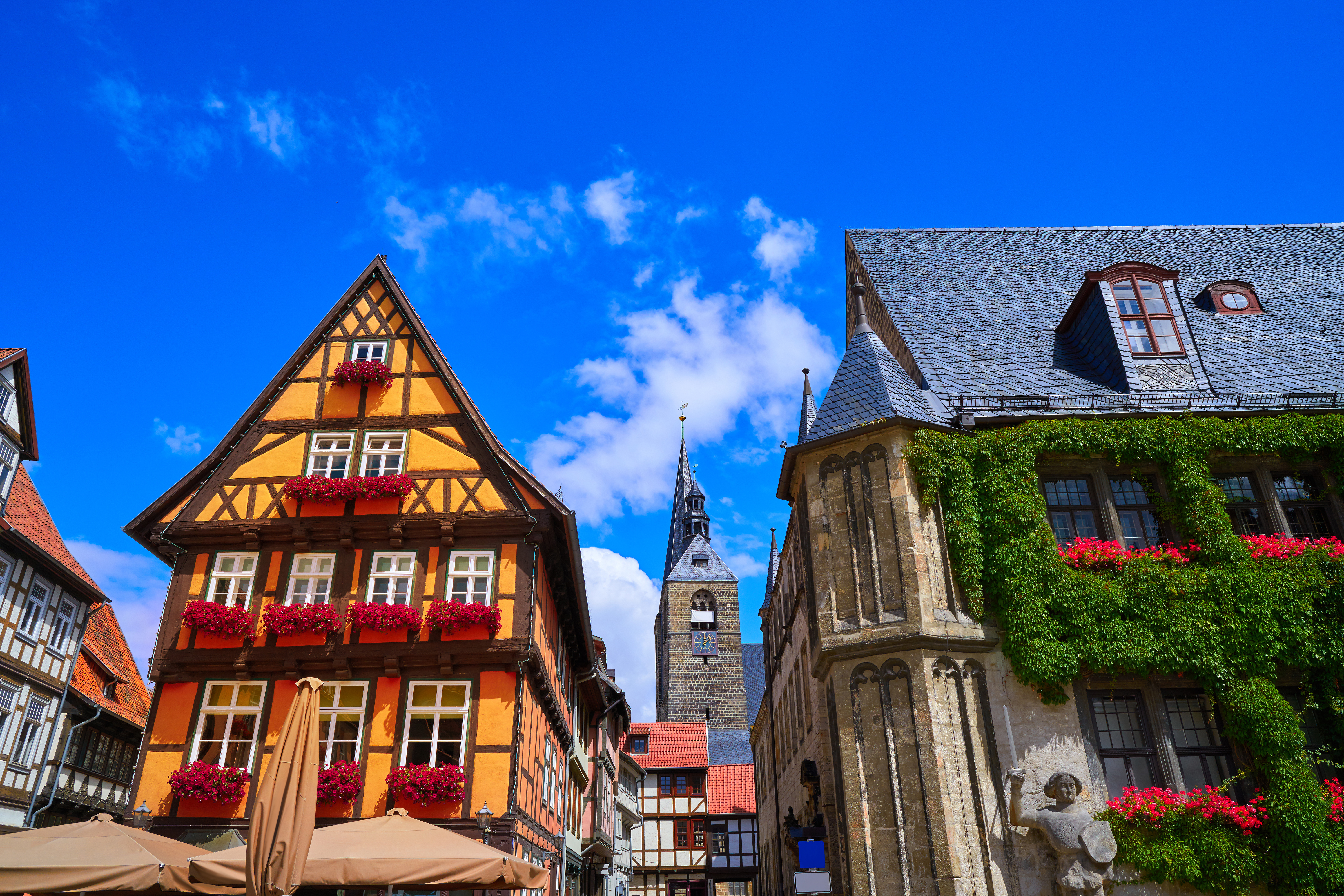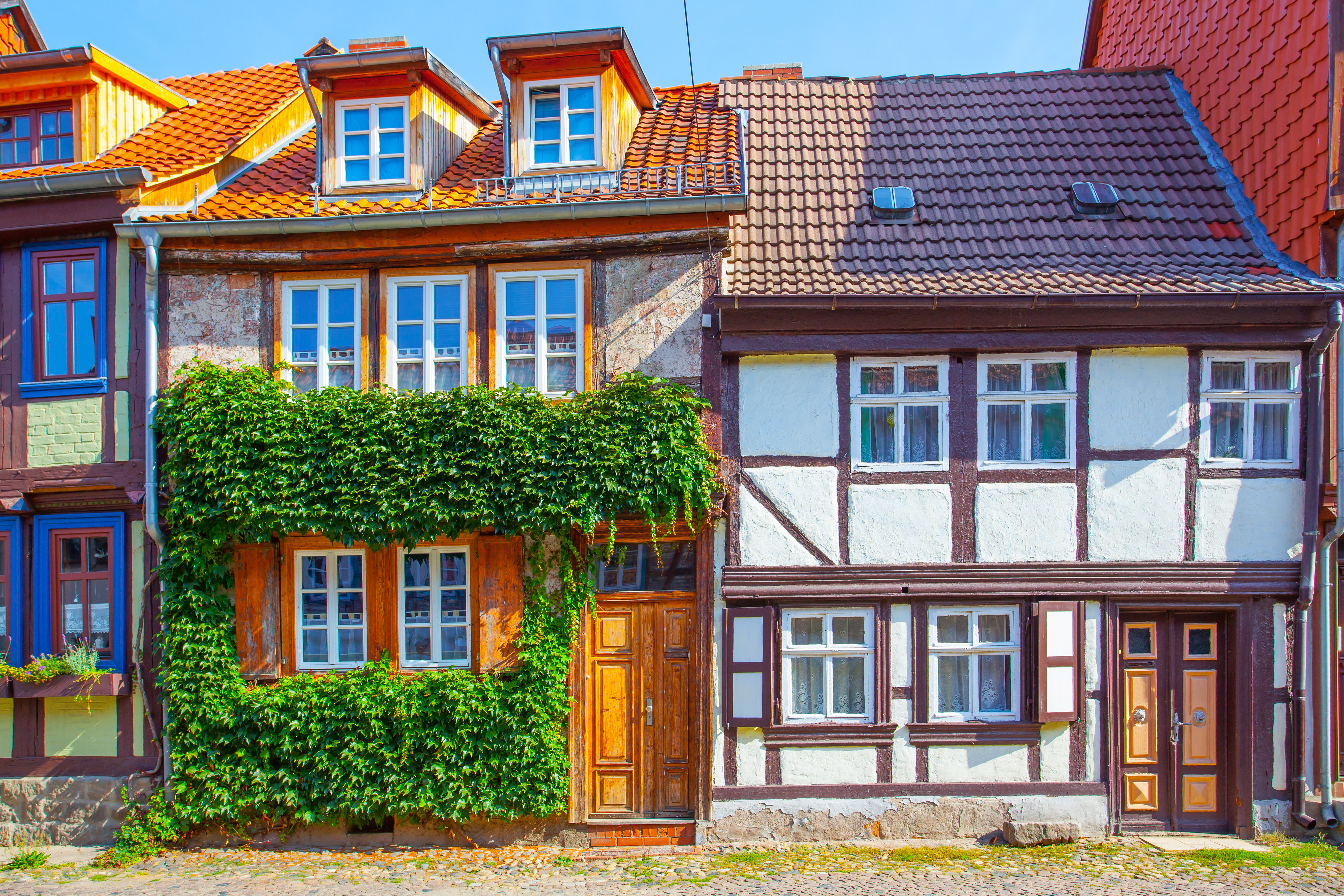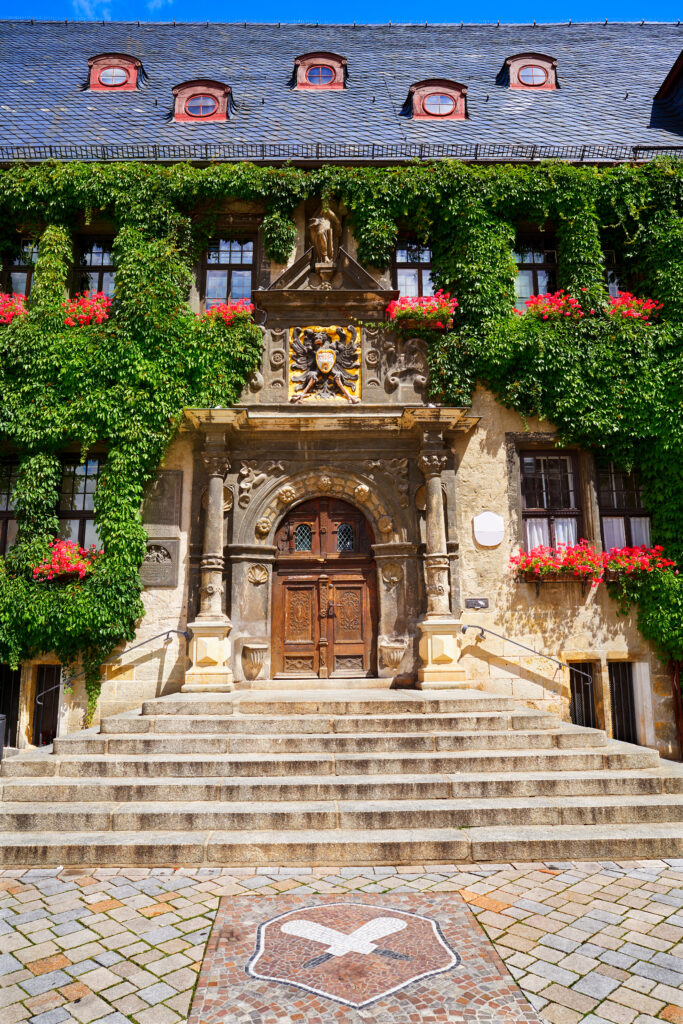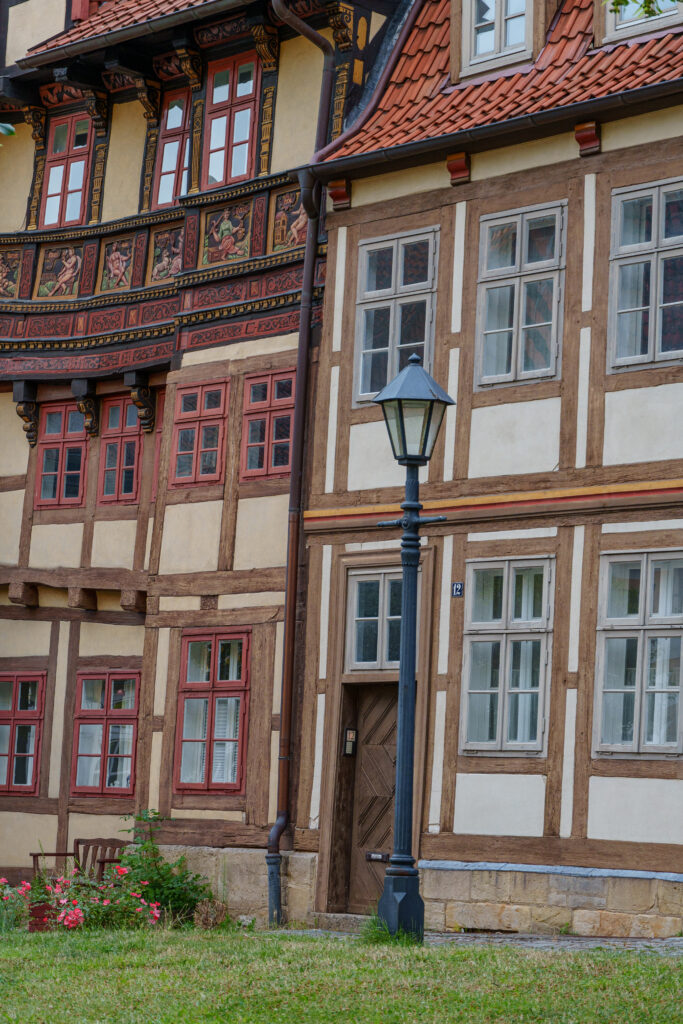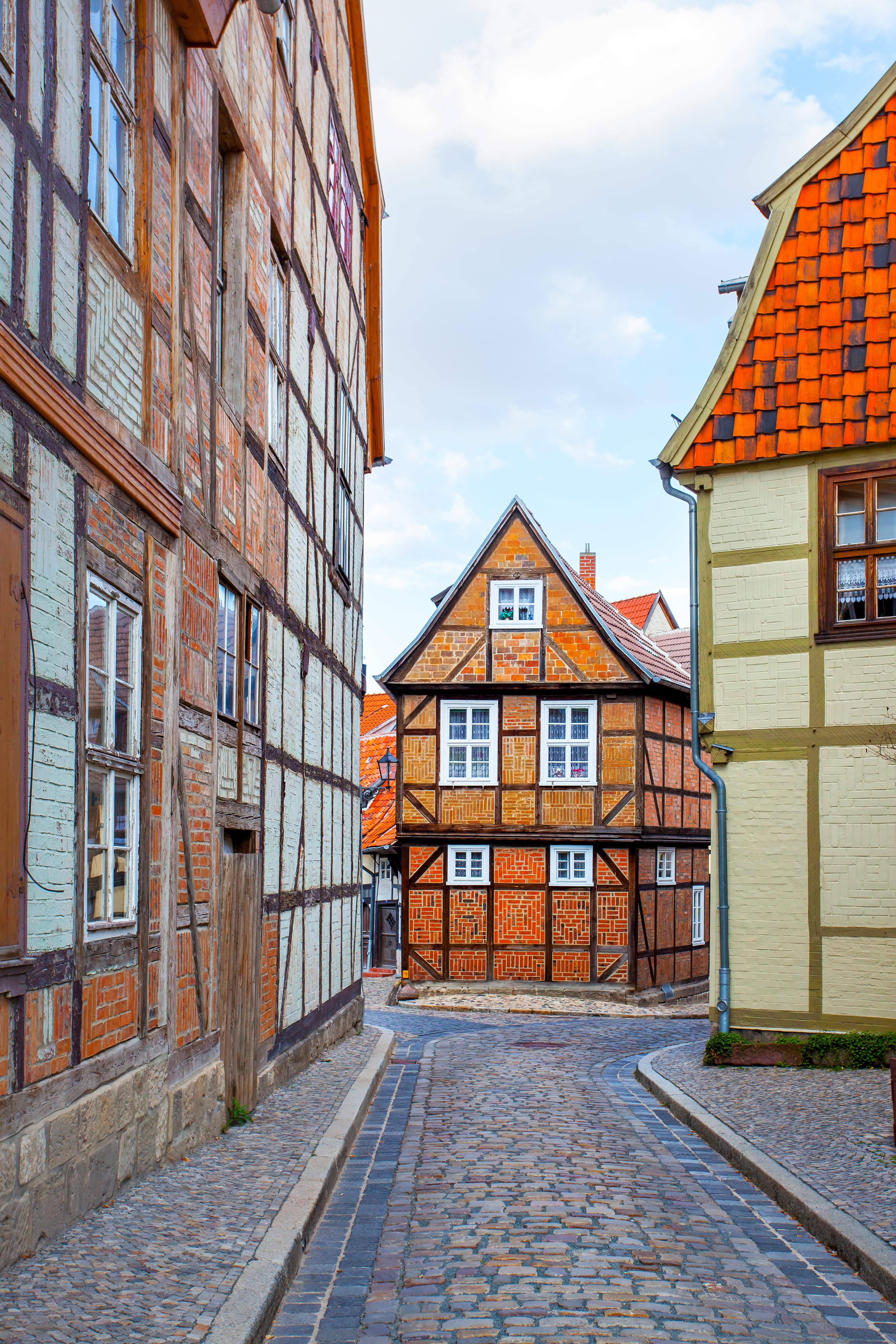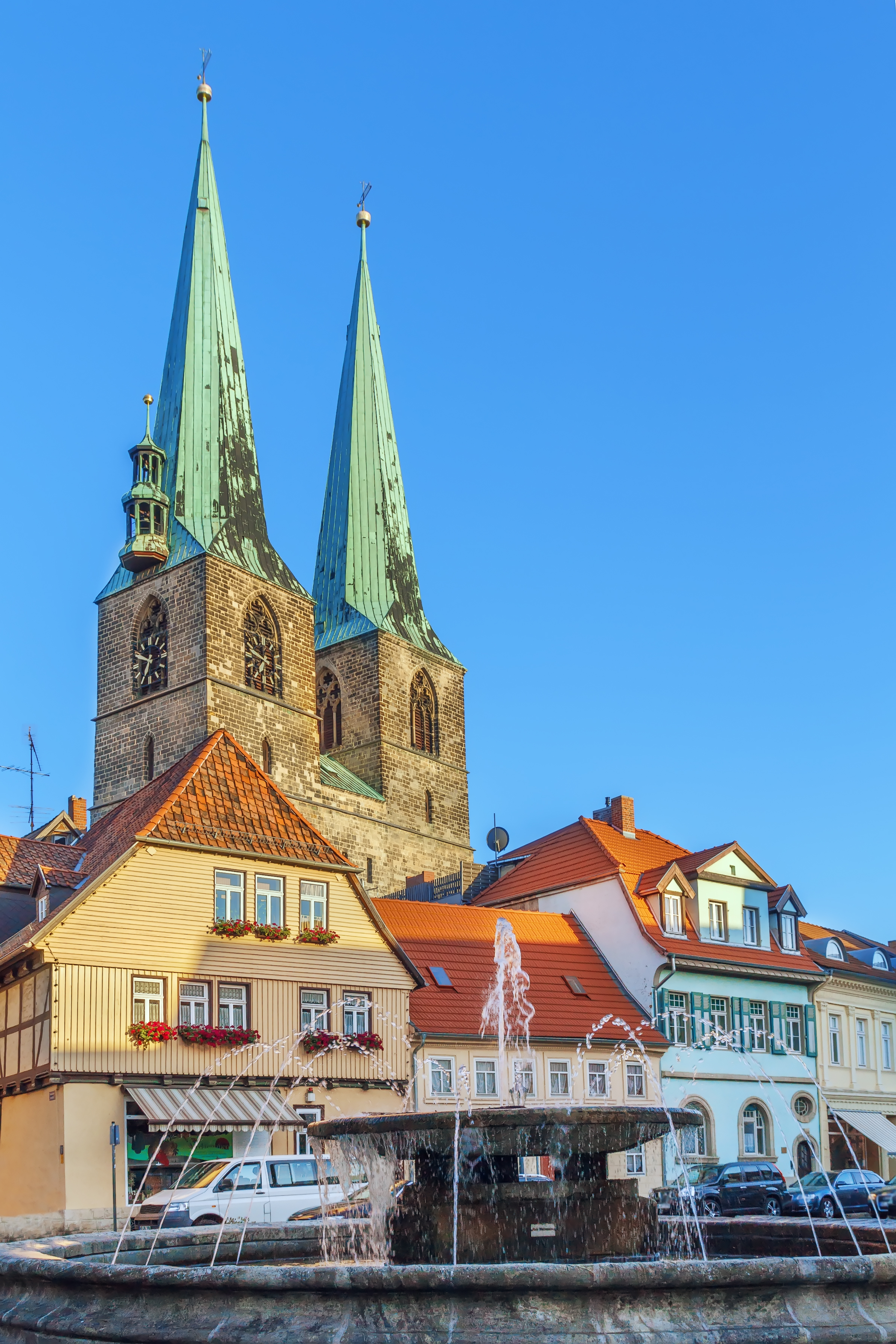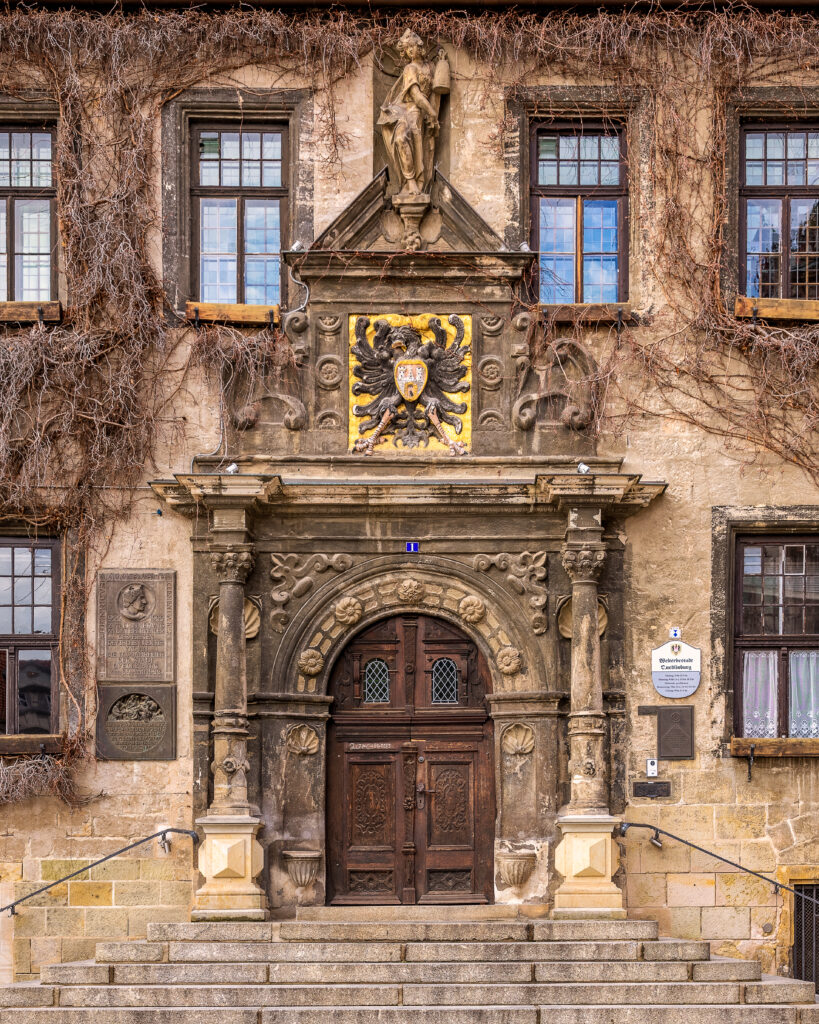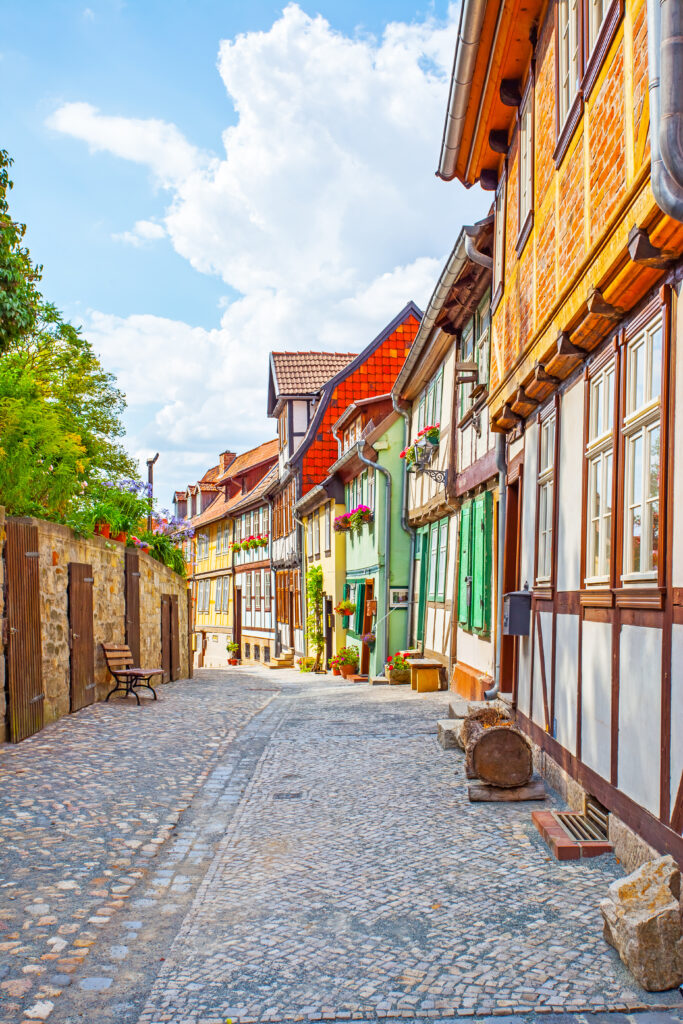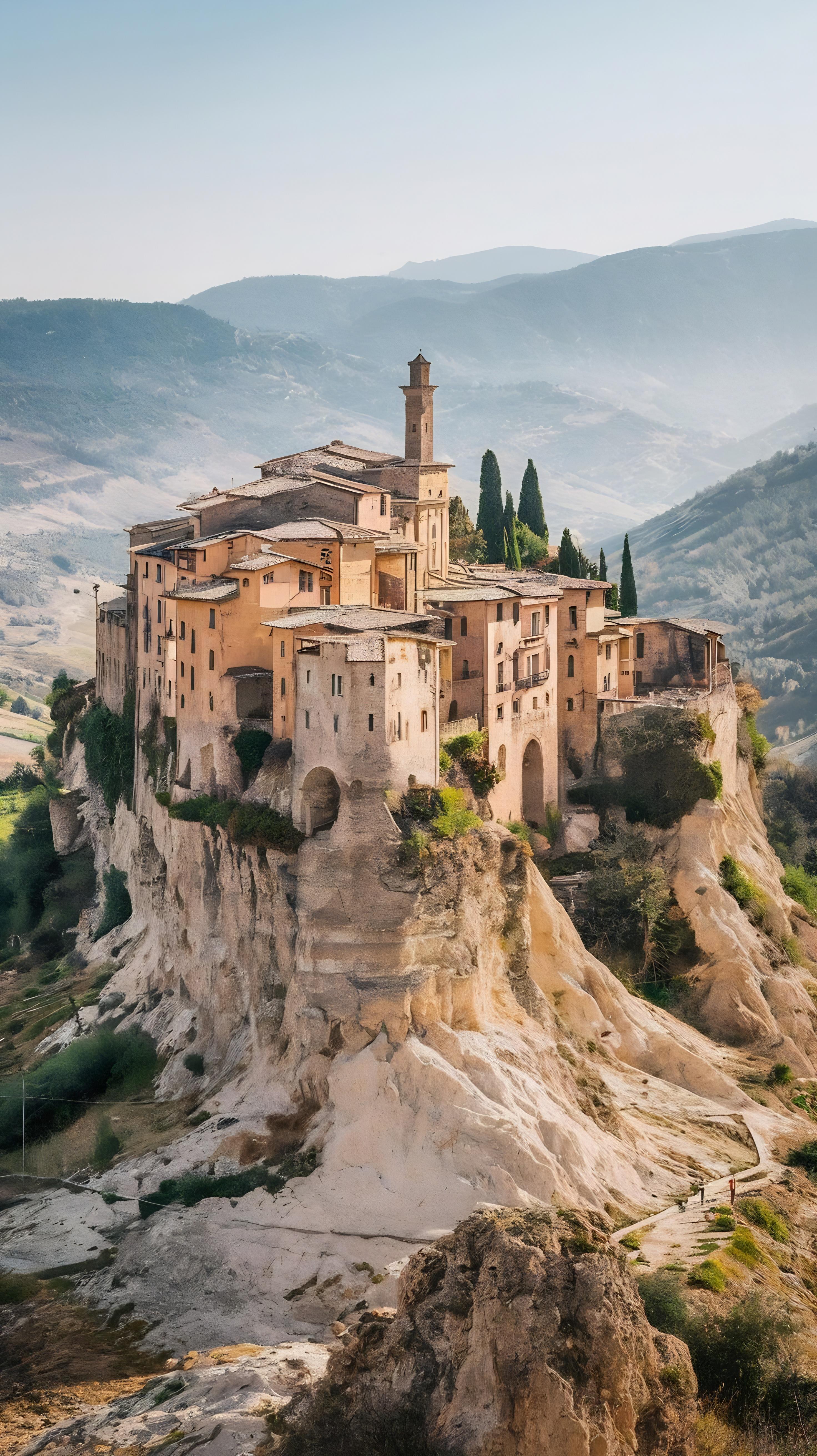
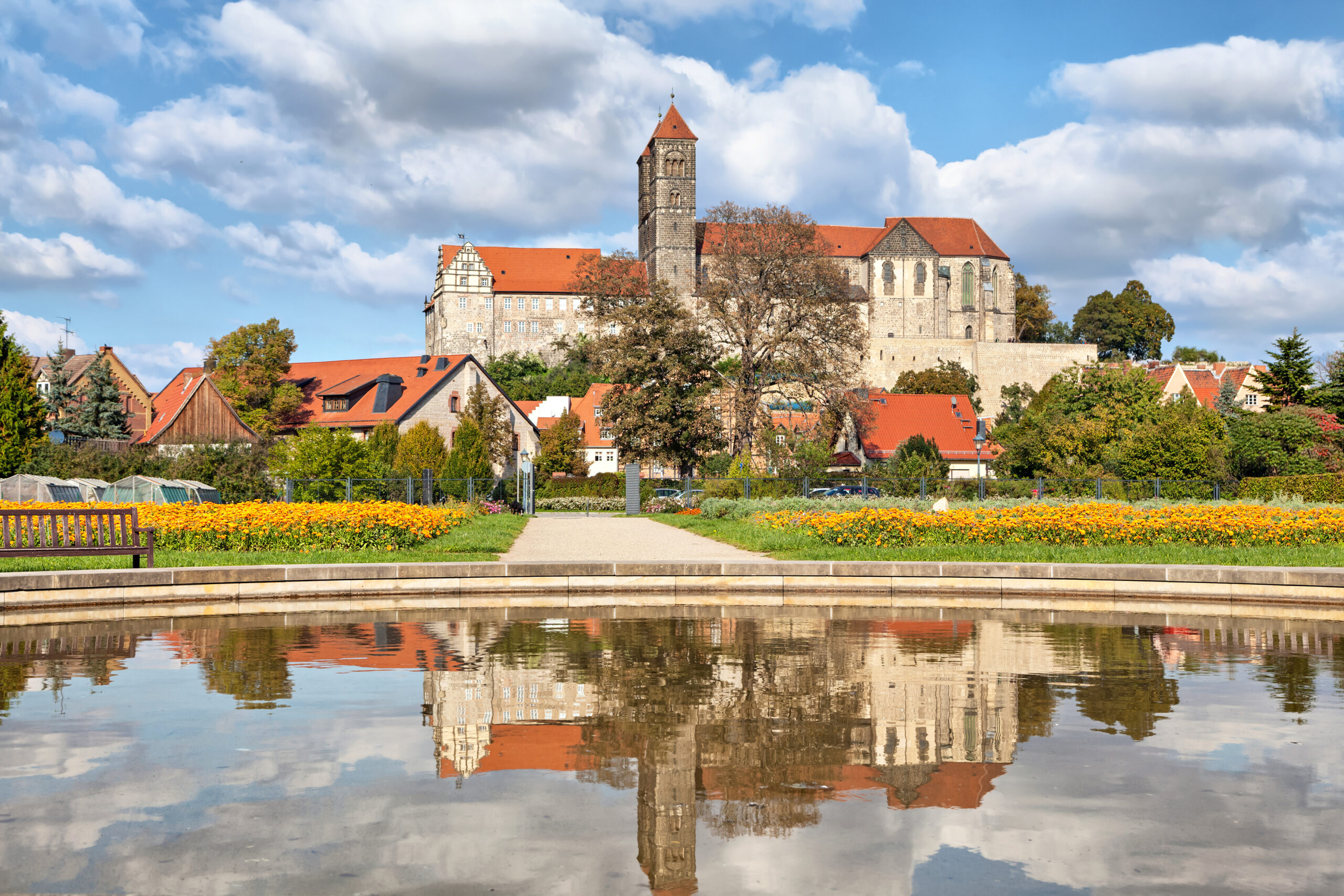
Quedlinburg is located in the heart of Saxony-Anhalt and is not just another German town, but a treasure trove of rich history, enchanting myths and captivating legends. Known for its cobbled streets, half-timbered houses and medieval architecture, the town offers a unique insight into the past. This article takes you on a journey through Quedlinburg’s historical milestones and its most fascinating stories.
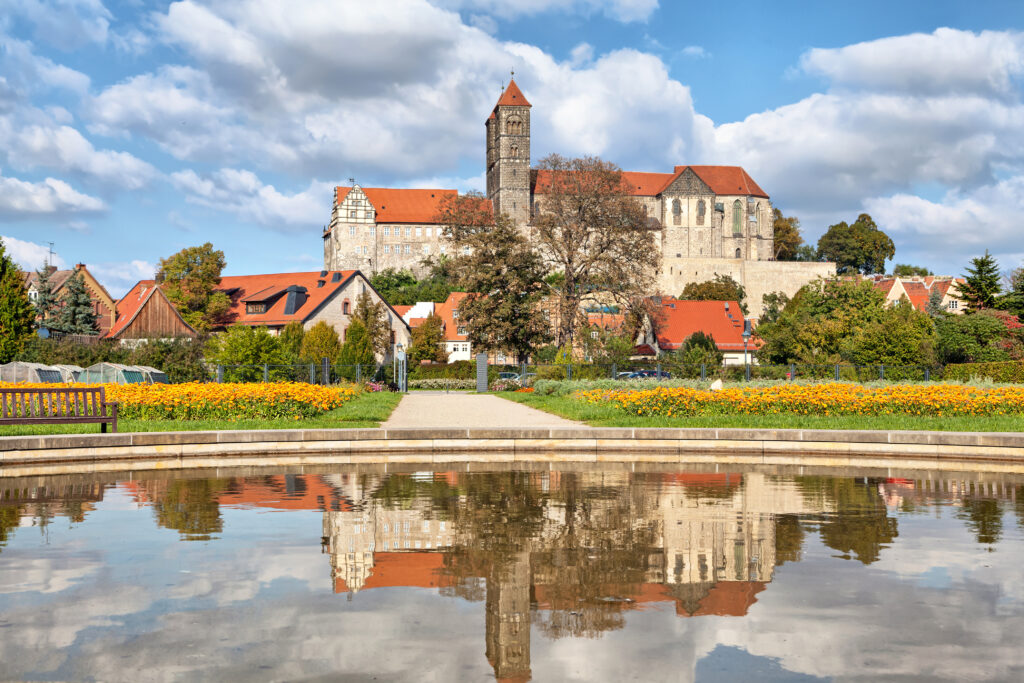
The historical tapestry – Quedlinburg’s origins can be traced back over a thousand years. The town was first mentioned in 922 AD in a document by King Henry I. However, its importance grew when King Henry’s widow Mathilde founded a monastery here in 936 AD. This monastery became an important religious and cultural centre during the Ottonian dynasty. The lasting legacy of this period is embodied in St. Servatius’ Collegiate Church, a Romanesque masterpiece that crowns the town and houses the tombs of Henry I and other Ottonian rulers.
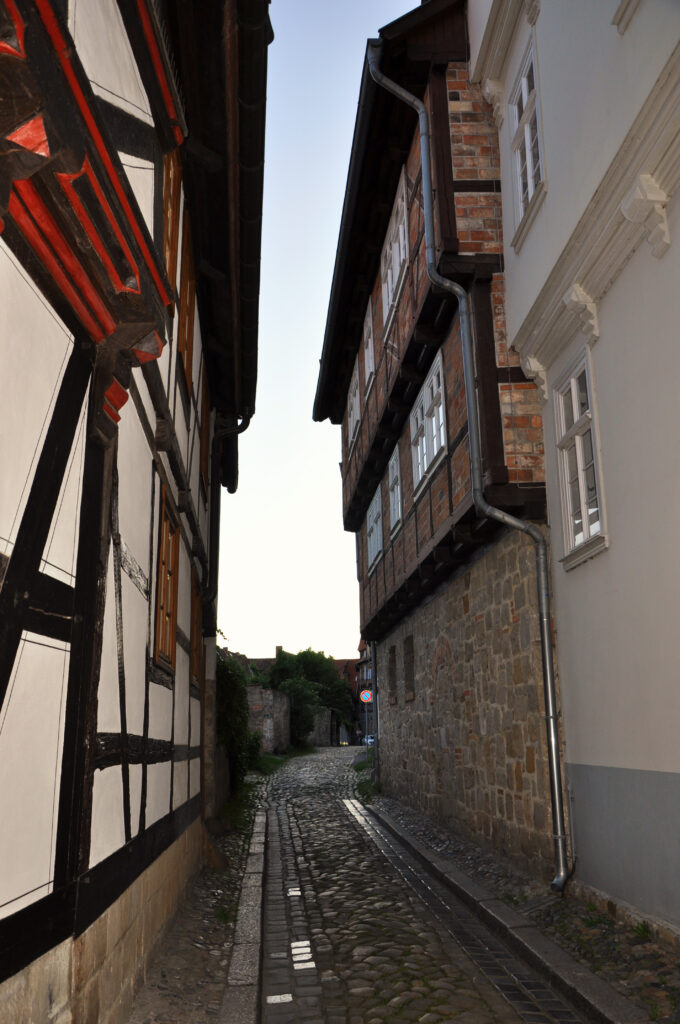
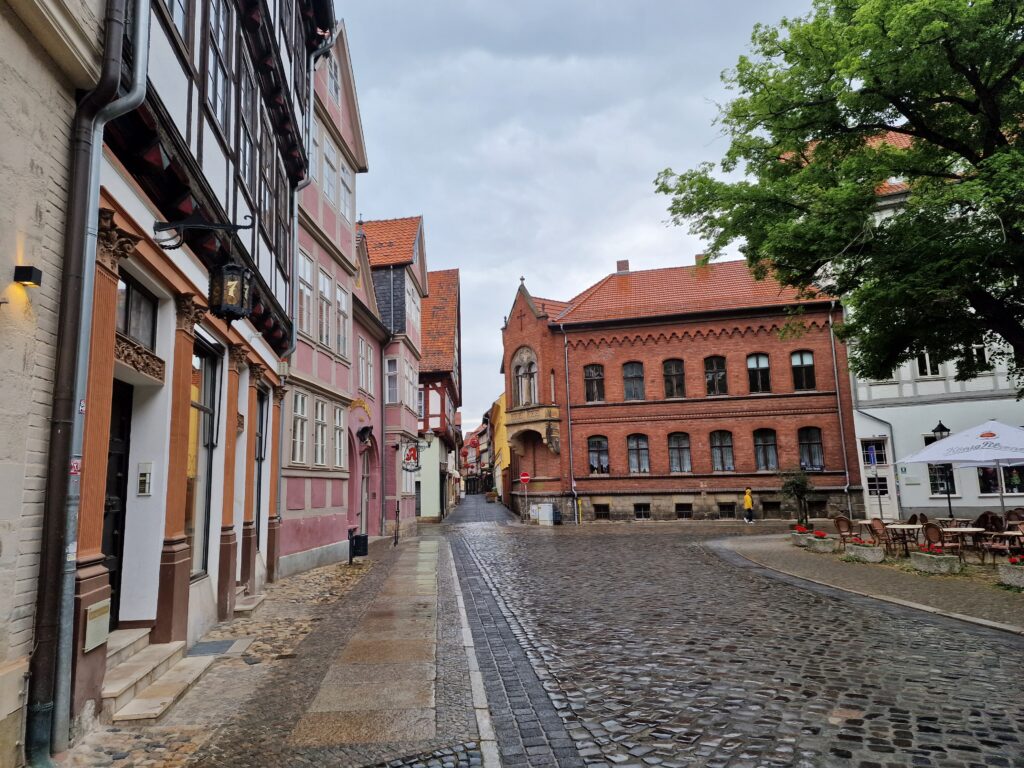
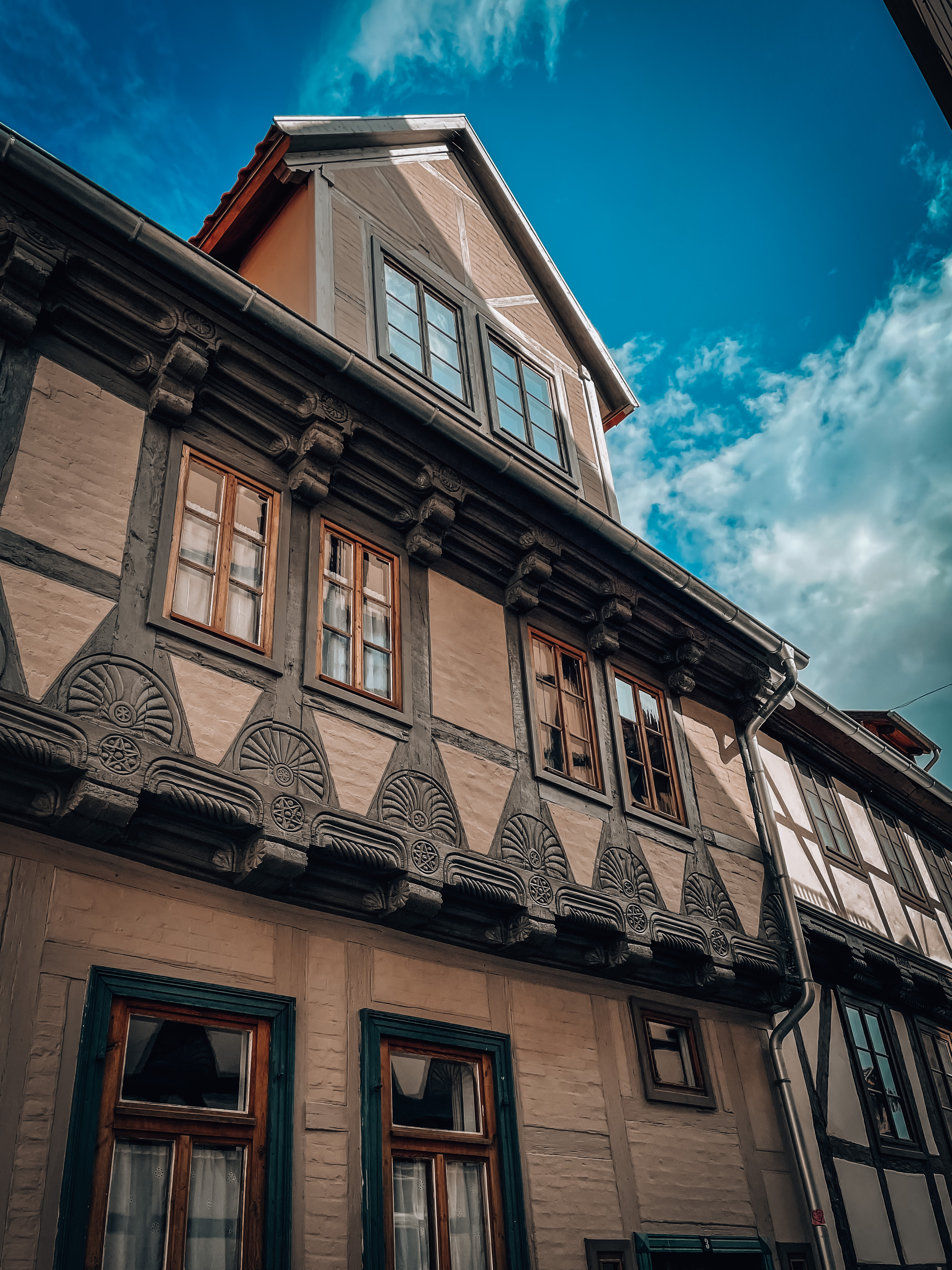
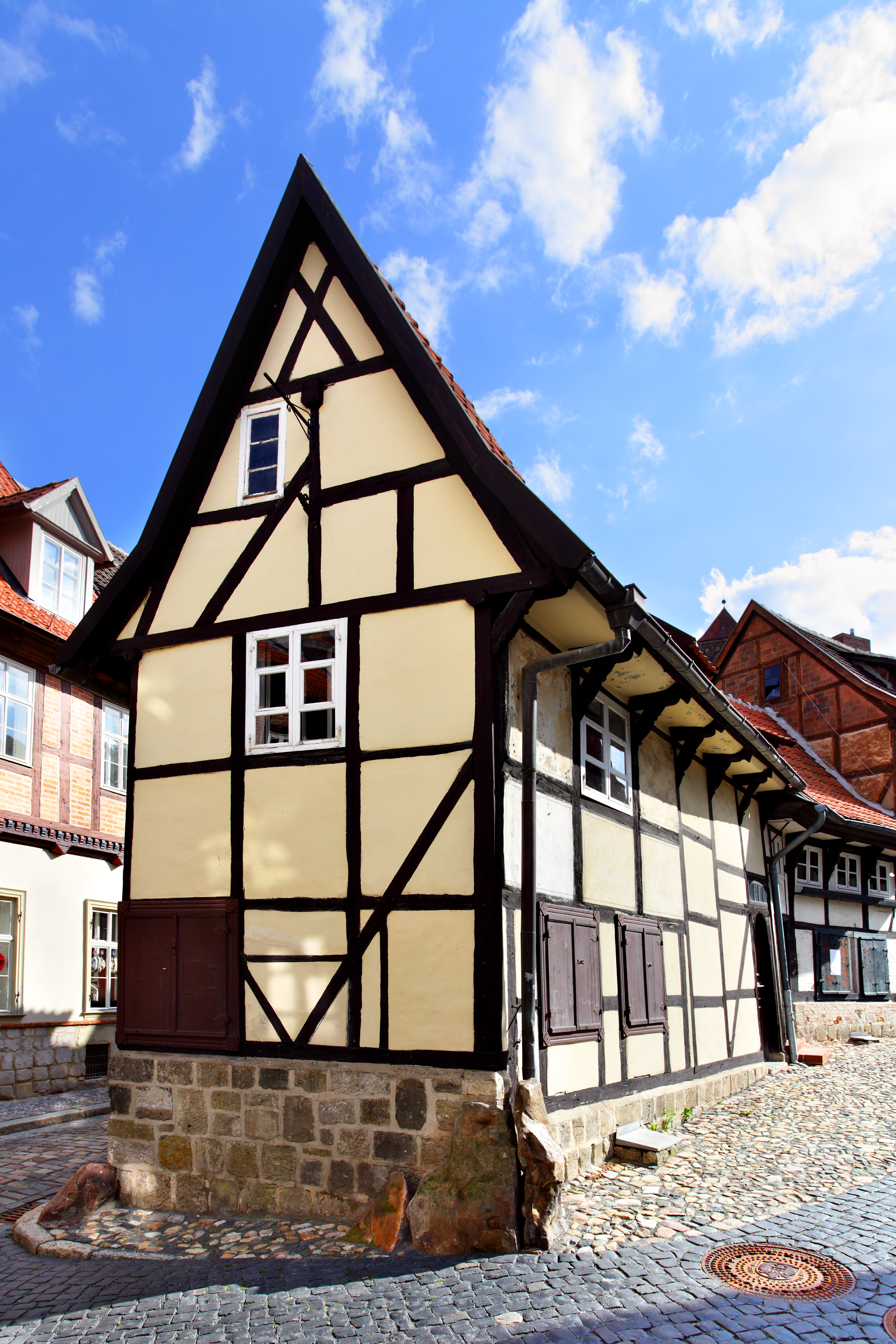
As a member of the Hanseatic League in the Middle Ages, Quedlinburg flourished as a trading town. The economic prosperity of this period laid the foundation for the architectural splendour that visitors can admire today. The town has more than 1,300 half-timbered houses from six centuries, making it an exemplary showcase of medieval and Renaissance building techniques.
Legends carved in stone – Quedlinburg’s history is rich in legends and traditions that have been passed down through generations, further enriching the already rich image of the town.
The Quedlinburg treasure – One of the most exciting legends is about the Quedlinburg treasure. According to local myth, a huge treasure trove of valuable artefacts was hidden during turbulent times. Over the years, rumours of a treasure buried beneath the town’s churches and abbeys persisted, attracting countless treasure hunters. In 1990, this legend took on a real dimension when parts of the legendary treasure were discovered in Texas, having been looted by an American soldier during the Second World War. Among the recovered items were valuable manuscripts and ancient relics, which have since been returned to Germany and reignited the fascination with Quedlinburg’s mysterious riches.
The witch trials – Another dark chapter in Quedlinburg’s historic past is its involvement in the European witch trials. Between the 16th and 17th centuries, fear and superstition led to the persecution of numerous women accused of witchcraft. The trials reached their peak in the early 1600s under the rule of the Prince-Abbot of Quedlinburg. Despite these grim episodes, the town has embraced these historical events as part of its history and offers educational insights through guided tours and exhibitions that critically examine this era of hysteria and injustice.
Woven through myths – Quedlinburg’s cultural fabric is further enriched by its myths – stories that blend history with supernatural elements and reflect the fears, hopes and fantasies of its inhabitants.
The Legend Trail – A notable attraction in Quedlinburg is the Legend Trail. This hiking trail takes visitors through the old town and shows places associated with the city’s most famous myths. One of these stories is that of the ‘sleeping emperor’ – a legend that tells of an emperor who slumbers beneath the Scholssberg and will awaken in the hour of the country’s greatest need. Another story tells of the haunting of the Münzenberg, where the ghosts of coin workers who died in an explosion are said to still wander.
The Dragon of Osterwiek – Not far from Quedlinburg lies the village of Osterwiek, home to another long-standing legend: the Dragon of Osterwiek. According to legend, a dragon terrorised the region and demanded sacrifices from the villagers. The monster was eventually slain by a brave knight, and every year this event is celebrated with festivals and re-enactments that demonstrate the immortal spirit of heroism and community resilience.
Preserving the past – In 1994, Quedlinburg was declared a UNESCO World Heritage Site due to its unparalleled preservation of its medieval heritage. This designation has helped to preserve the town’s architecture and cultural attractions so that future generations can also appreciate their beauty and historical significance. The town actively promotes conservation measures and carries out numerous restoration projects to revitalise old buildings while preserving their historical integrity.### Quedlinburg todayDespite its ancient roots, Quedlinburg is a very lively town. It thrives as a tourist destination, thanks in part to its fascinating blend of history and legend. Festivals such as the Quedlinburg Christmas Market attract thousands of visitors every year. This market is one of the oldest and most picturesque in Germany, offering stalls selling handicrafts, festive food and mulled wine against a backdrop of historic charm. In addition, the town has opened itself up to modern cultural movements. Art exhibitions, music concerts and theatre performances regularly enliven Quedlinburg’s historic venues. The combination of contemporary culture with a medieval ambience creates a unique atmosphere that appeals to locals and visitors alike.
Quedlinburg is a testament to the timelessness of human culture and creativity. Its history is contained not only in the walls of its buildings or the pages of its records, but also in the myths and legends that continue to capture the imagination. As you stroll through the ancient streets, you are walking through centuries of stories – some documented, others whispered through the ages. The town’s ability to preserve its heritage while constantly evolving makes it a true gem of Germany, a place where past and present coexist in harmonious splendour.