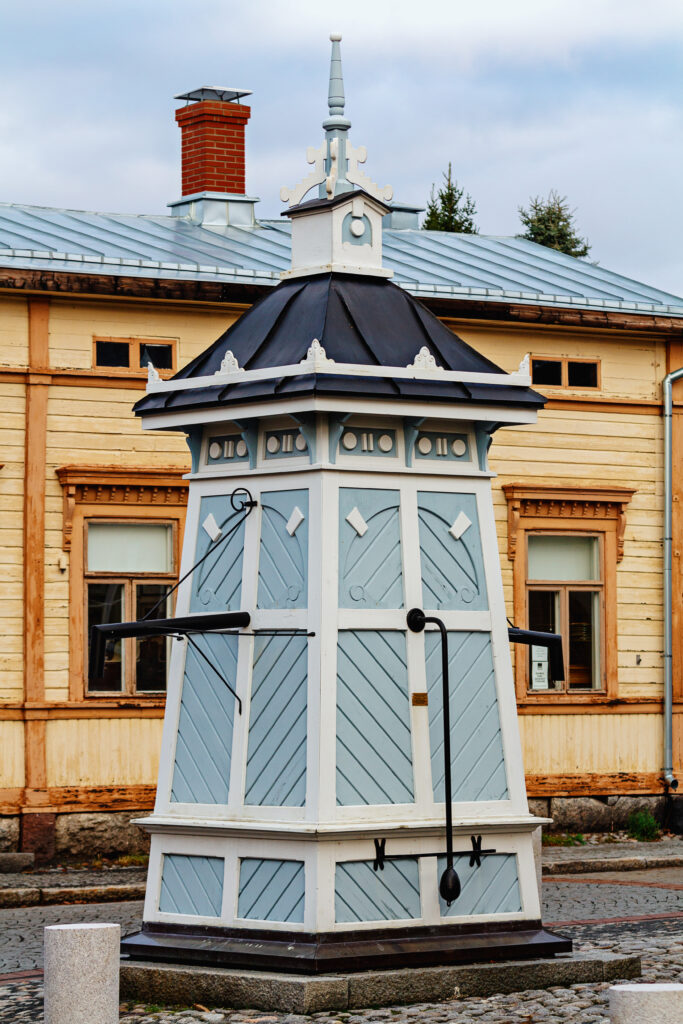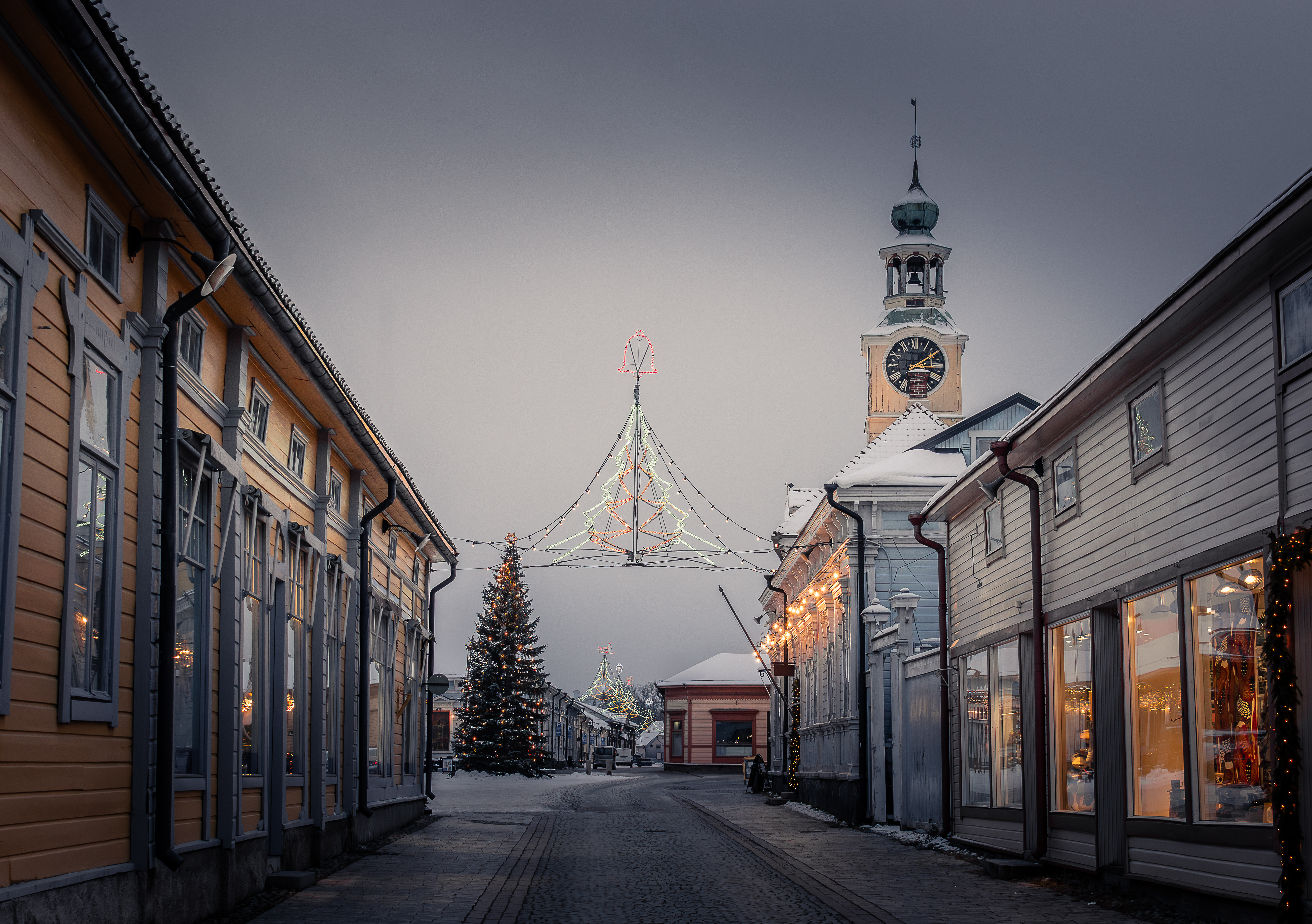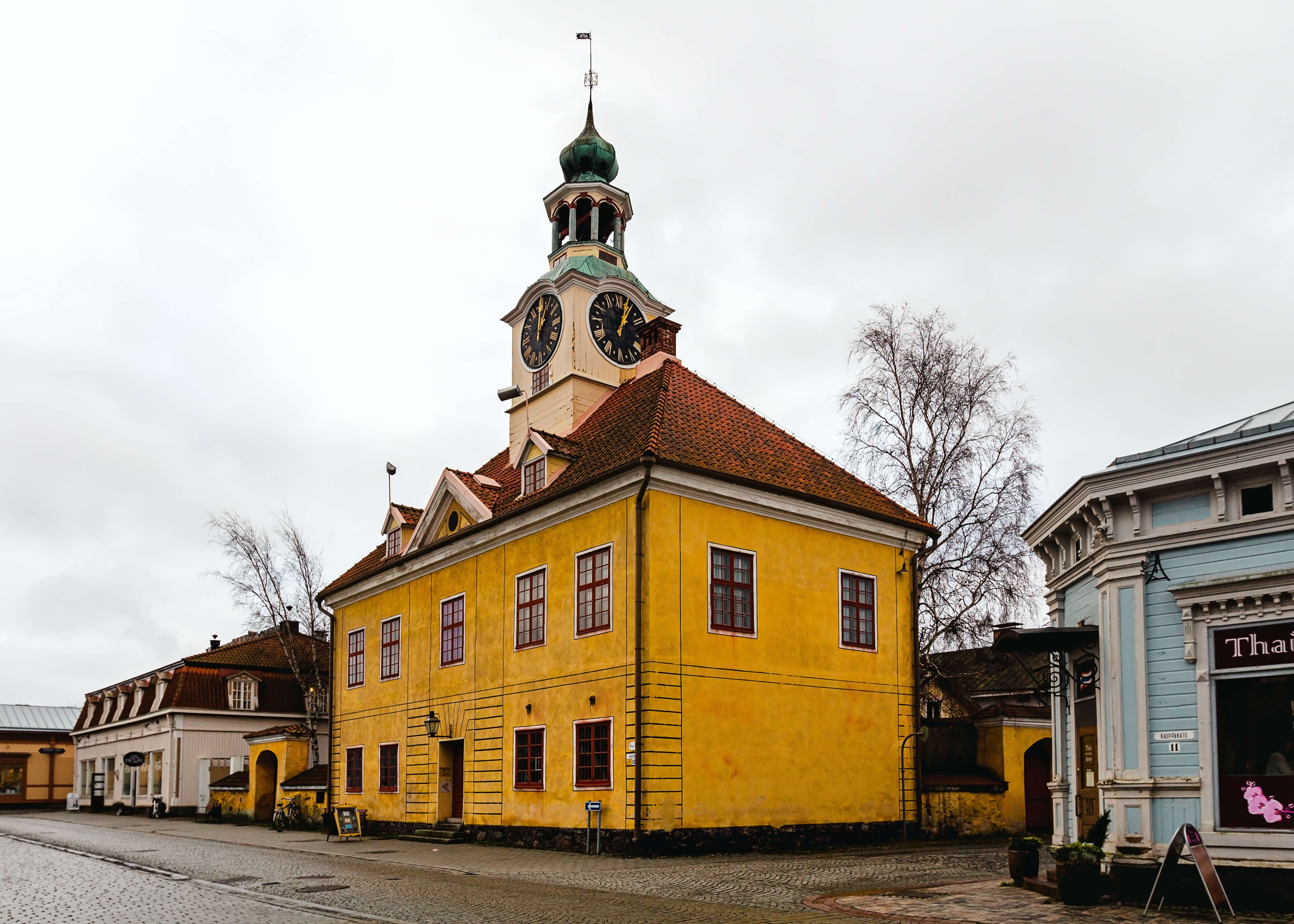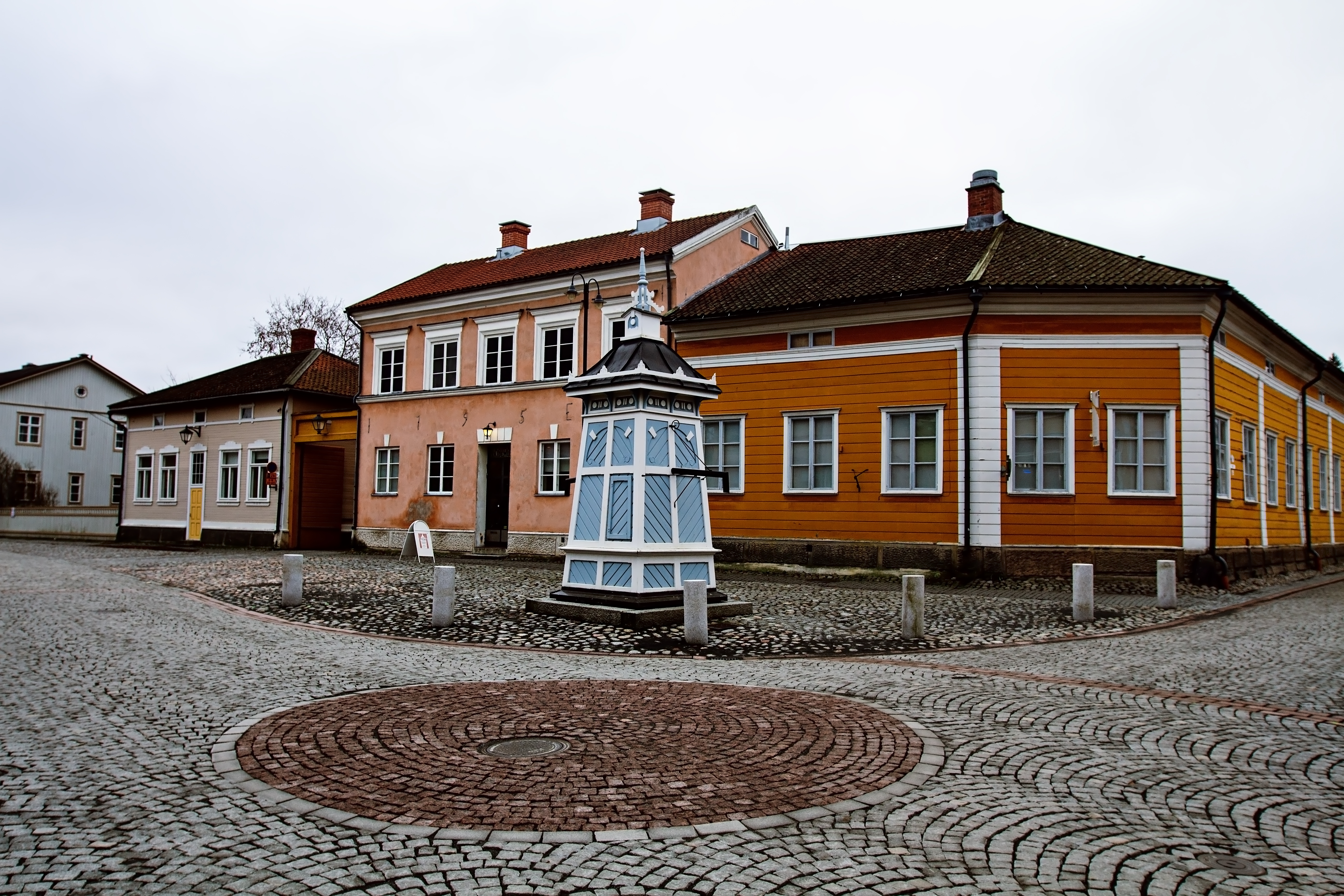
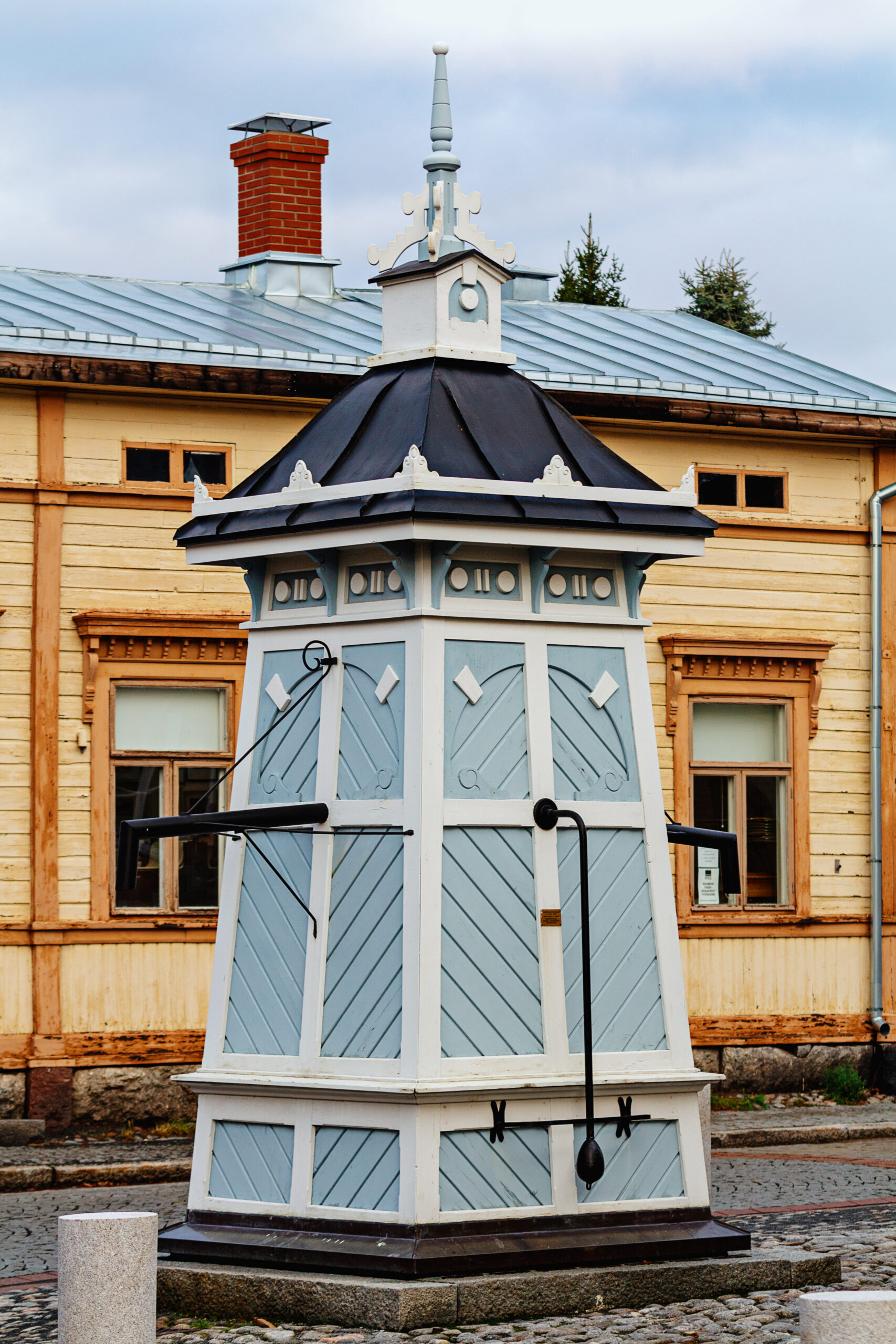
Rauma, a picturesque town on the west coast of Finland, is much more than just a dot on the map. This charming town has earned its place among UNESCO World Heritage Sites and is home to the largest contiguous wooden house district in the Nordic countries. Visitors to Rauma are immersed in a world of history, legends, and architectural masterpieces.
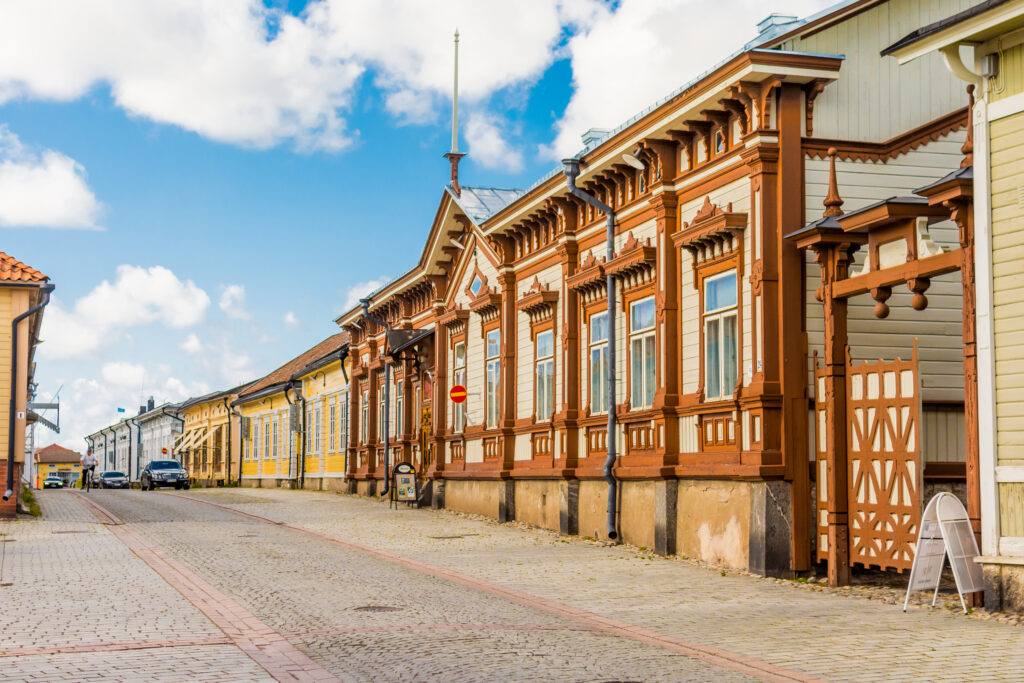
The origins and significance of Rauma’s old town – Rauma’s old town, known as “Vanha Rauma,” dates back to the 14th century. It covers 29 hectares and consists of around 600 wooden houses, most of which date from the 18th and 19th centuries. Most of these buildings have been lovingly restored and are just as vibrant today as they were hundreds of years ago. Rauma was granted city rights in 1442 by the Swedish king Kristofer of Bavaria, laying the foundation for a flourishing trading history. The city developed into an important trading center and benefited in particular from trade with the Baltic Sea. In the narrow alleys and cobblestone streets, you can literally feel the traces of past generations who moved here in lively exchange.
Cultural heritage and UNESCO recognition – The inclusion of Rauma’s old town in the UNESCO World Heritage List in 1991 was no coincidence. The degree of preservation and authenticity of the wooden houses is remarkable and offers a unique insight into the urban structure and way of life of past centuries. Each house tells its own story, and many buildings still house shops, cafes, and museums that keep the cultural heritage alive. An outstanding example is the Marela House, a magnificent merchant’s house that is now a museum and offers insights into the life of a wealthy family in the 19th century. The Kirsti House, a small 18th-century craftsmen’s quarter, is also worth a visit and shows the everyday life of the inhabitants at that time.
Legends and myths: The mythology of Rauma – As befits a city with such a long history, numerous myths and legends surround Rauma. One of the best-known stories is about the virgin of Rauma Church. According to legend, a young woman who had entered the local convent as a nun was madly in love with a sailor. Their forbidden love ended tragically when he was killed in a storm. Since then, her ghost is said to haunt the church, and on stormy nights you can sometimes hear her quiet crying in the wind. Another fascinating story is that of the “Air Dogs of Rauma,” a group of daring robbers who were said to have supernatural abilities and would float through the air on dark nights to catch their prey and then disappear unnoticed. Whether these stories are true or not, they add to the mystical atmosphere of the city and attract curious visitors.
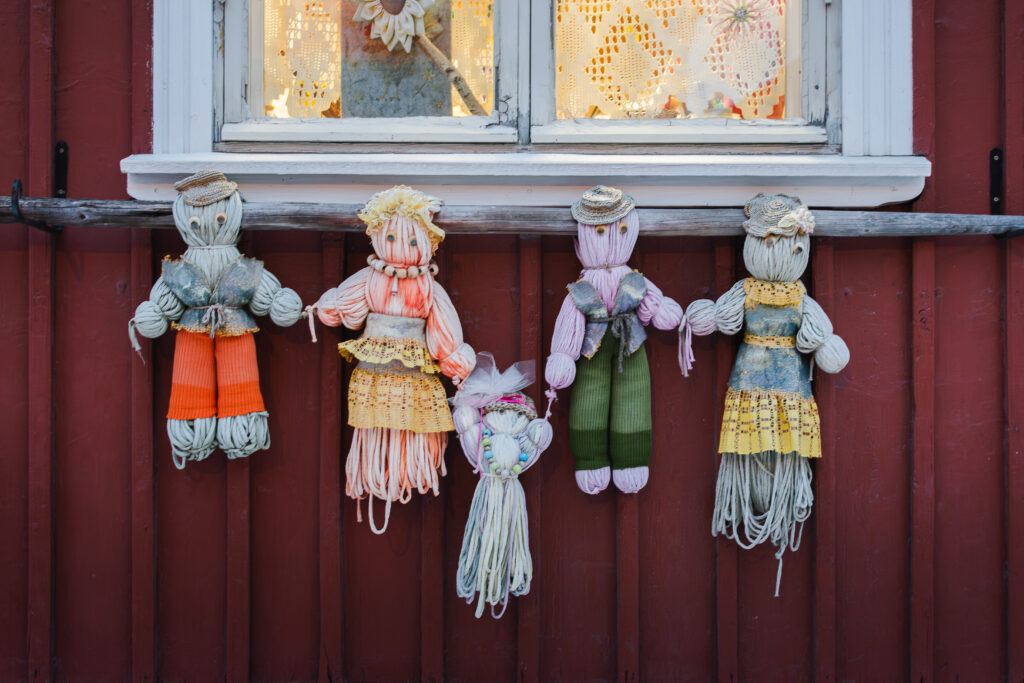
Markets, festivals, and traditions: the lively Rauma – Despite its historic charm, Rauma is not a city that lives in the past. The inhabitants are proud of their traditions and organize various festivals and markets throughout the year. Particularly noteworthy is the annual lace market, which takes place in July. Long before Rauma was declared a UNESCO World Heritage Site, the city was known for its delicate lace-making. The lace market brings together artisans from all over Finland and revives this centuries-old tradition. Another highlight is the Pyynikki Festival, which presents the history of Rauma in a lively and accessible way with historical theater performances, music, and dance. It is events like these that reflect Rauma’s rich culture and warm community.
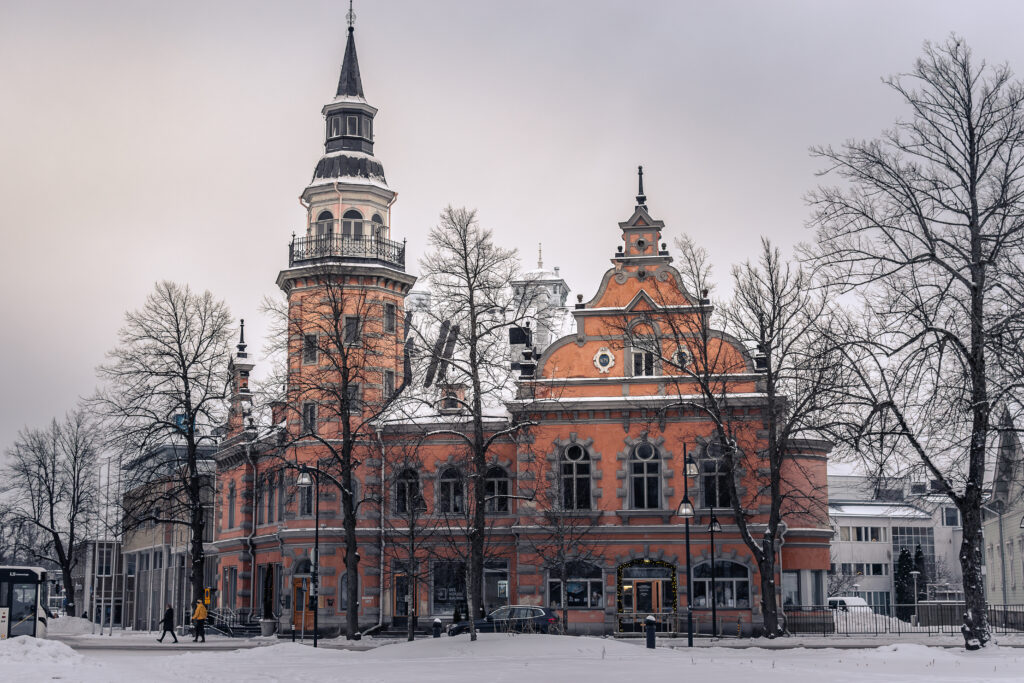
Modernity meets history – Although the old town is the heart of Rauma, the city also offers modern amenities and a dynamic cultural scene. The coastal village of Syväraumanlahti, located in the immediate vicinity of the old town, offers a picturesque promenade, marinas, and modern residential areas that blend harmoniously with the natural beauty of the region. Here, visitors can sail, fish, or simply enjoy the fresh sea breeze. Rauma also has a variety of museums and galleries. The Rauma Art Museum, known for its impressive collection of contemporary art, attracts art lovers from all over the world. The combination of tradition and modernity is omnipresent, making the city a versatile travel destination.
Future prospects: preservation and development – The challenge for Rauma is to maintain the delicate balance between preserving its historical heritage and developing a modern city. Thanks to strict heritage preservation guidelines and the commitment of the local population, this has been very successful so far. Initiatives such as the annual “Open Monument Day” promote awareness of the need to preserve and repair historic buildings. Looking to the future, Rauma could become a model for other historic cities by striking a balance between tradition and innovation. This includes the use of sustainable technologies and the development of tourism in a way that respects the city’s unique history and culture.
A must-see for every traveler – Rauma is a place that has much more to offer than meets the eye. From its charming wooden houses and fascinating legends to its lively markets and festivals, Rauma is a city waiting to be discovered and experienced. It invites its visitors to immerse themselves in a world where history and the present coexist harmoniously and where every corner tells a new and fascinating story.
For history buffs, architecture enthusiasts, and lovers of Nordic culture, Rauma is an absolute must-see. Visit this unique city and let yourself be enchanted by its magic—you won’t be disappointed!