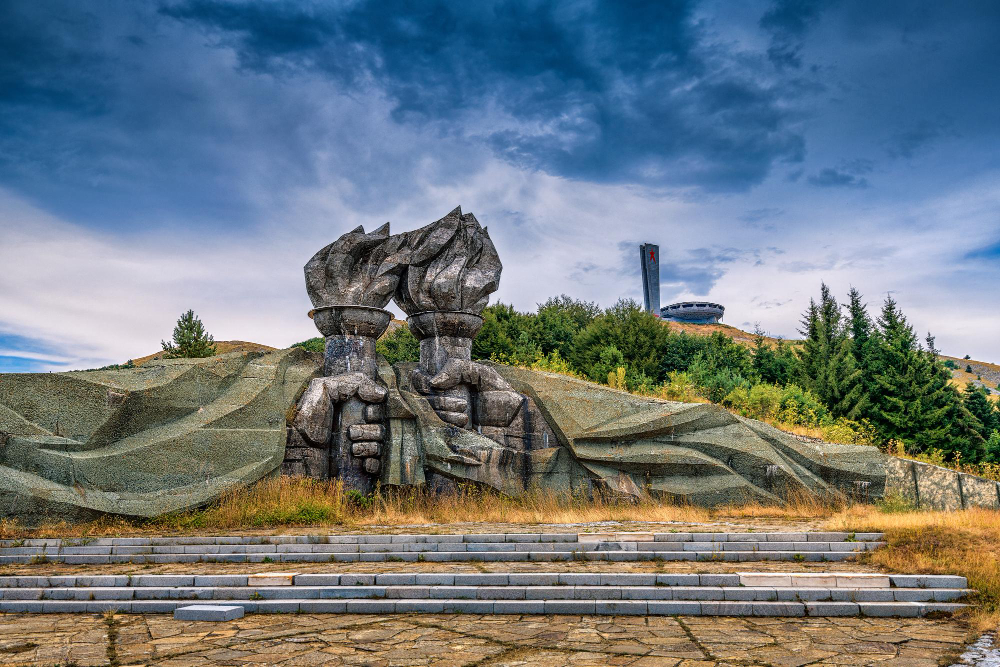
Perched high atop a mountain peak in the heart of Bulgaria stands a structure that is both an architectural masterpiece and a symbol of bygone eras—the Buzludzha Monument. Since its completion in 1981, the monument has attracted the attention of historians, architecture enthusiasts, and curious tourists alike due to its extraordinary design and its political and historical significance. However, in recent decades, the monument has fallen into increasing disrepair, raising questions about its future and its role in modern society.
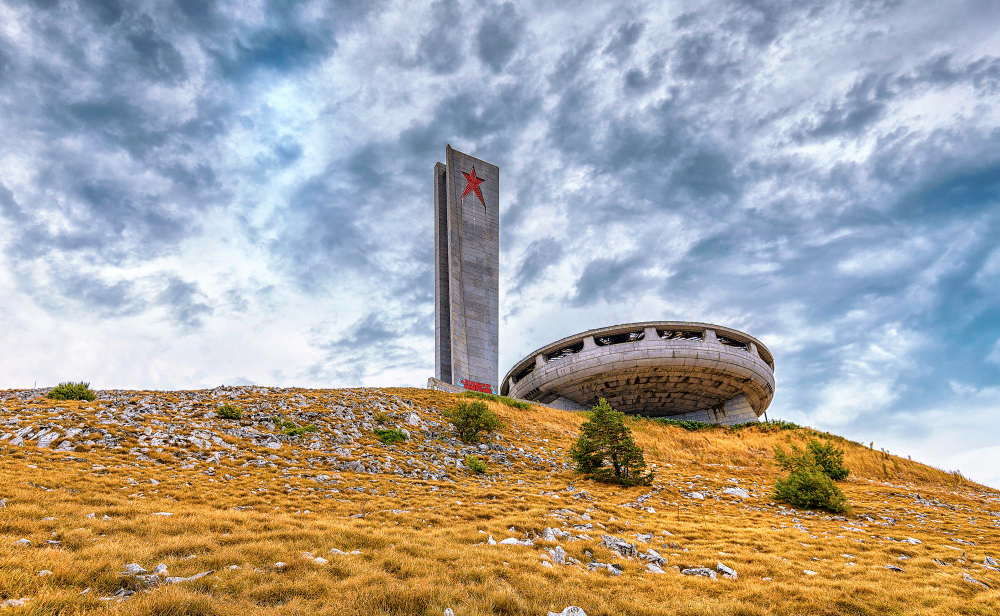
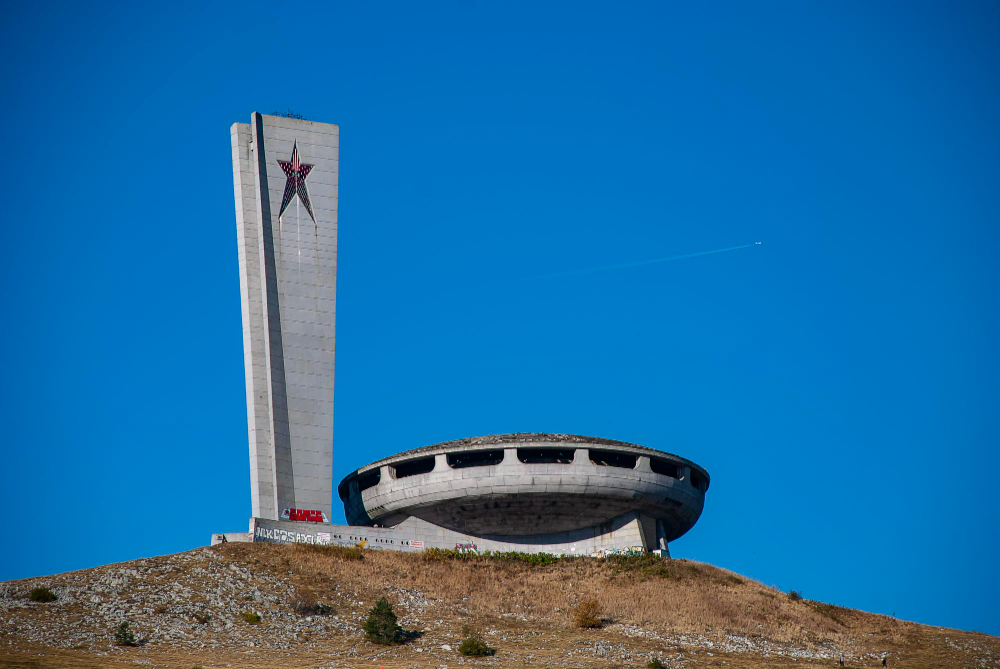
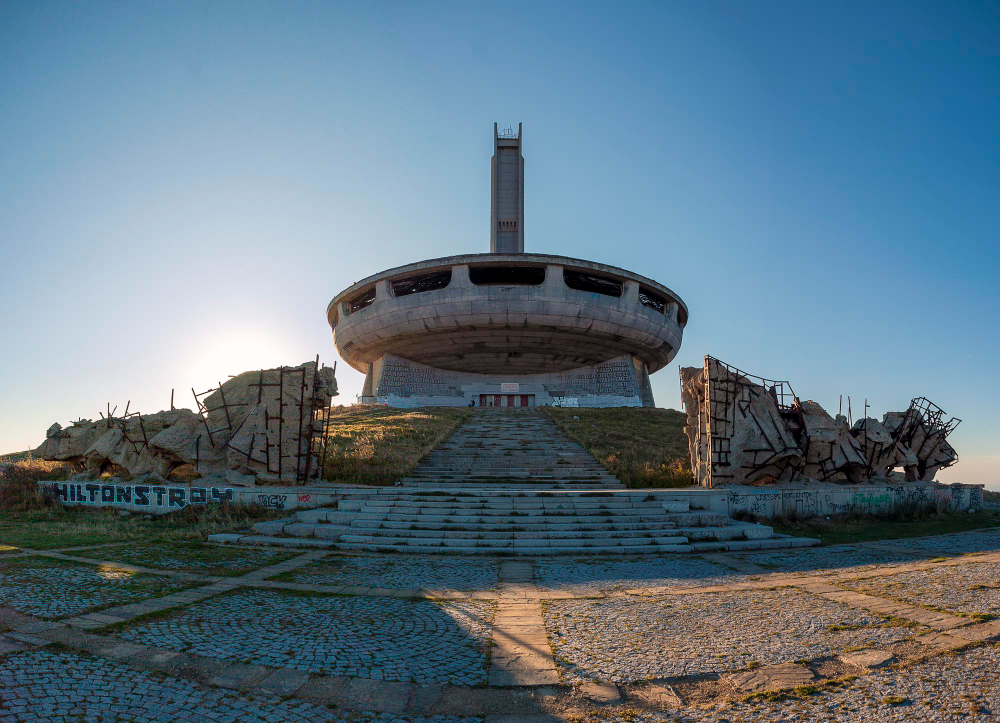
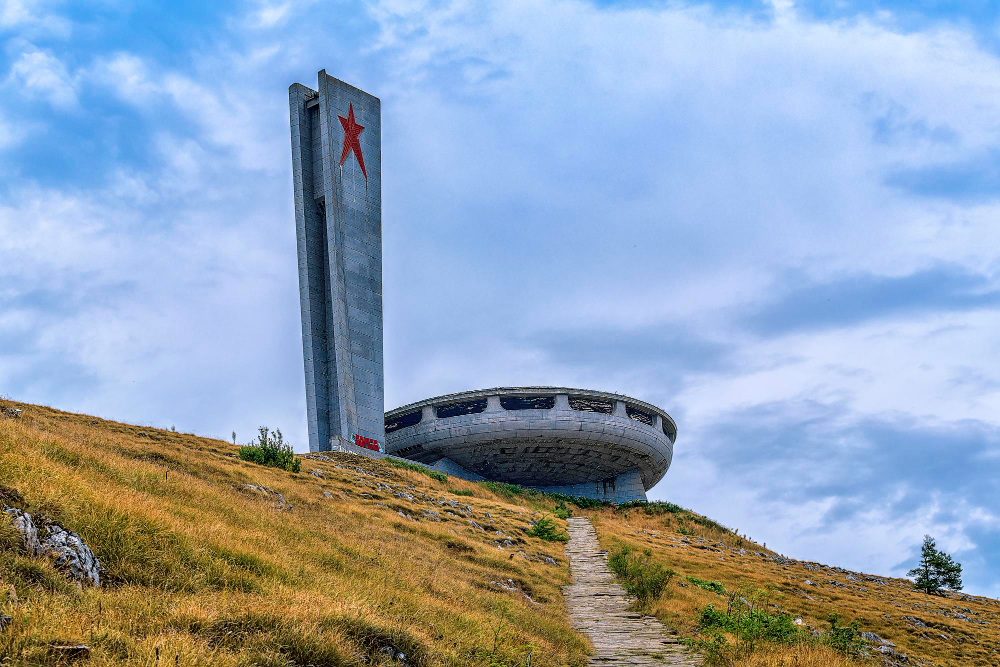
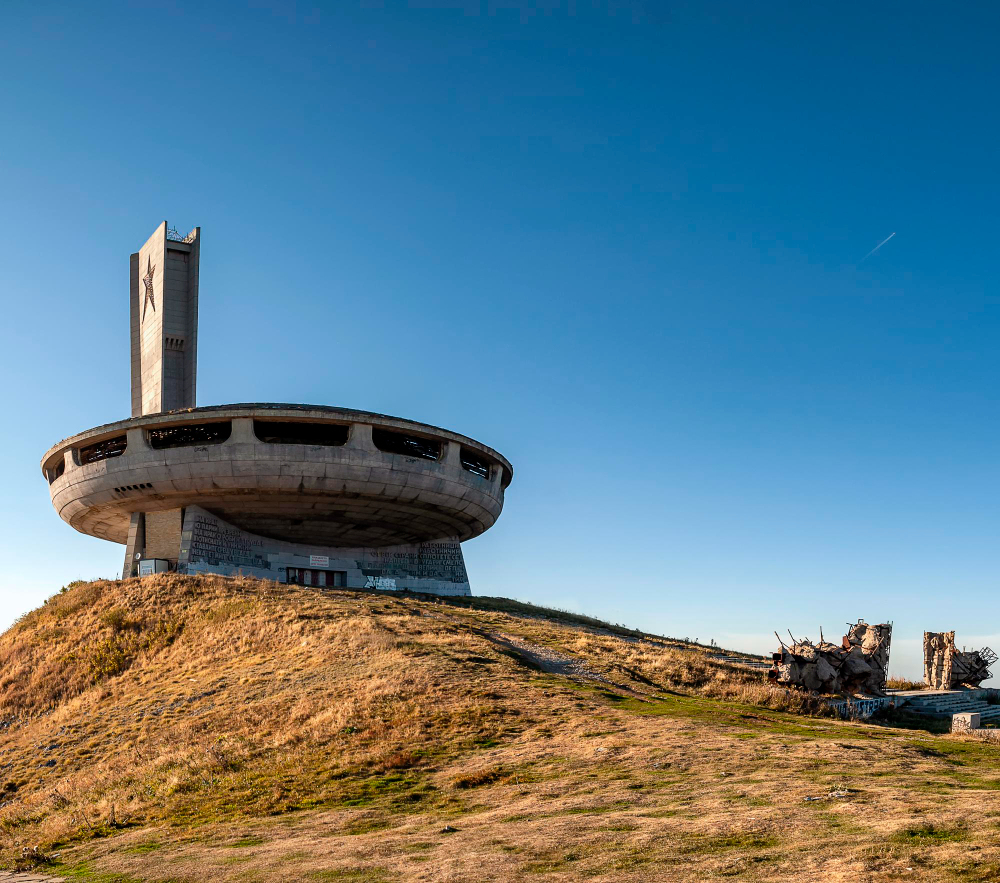
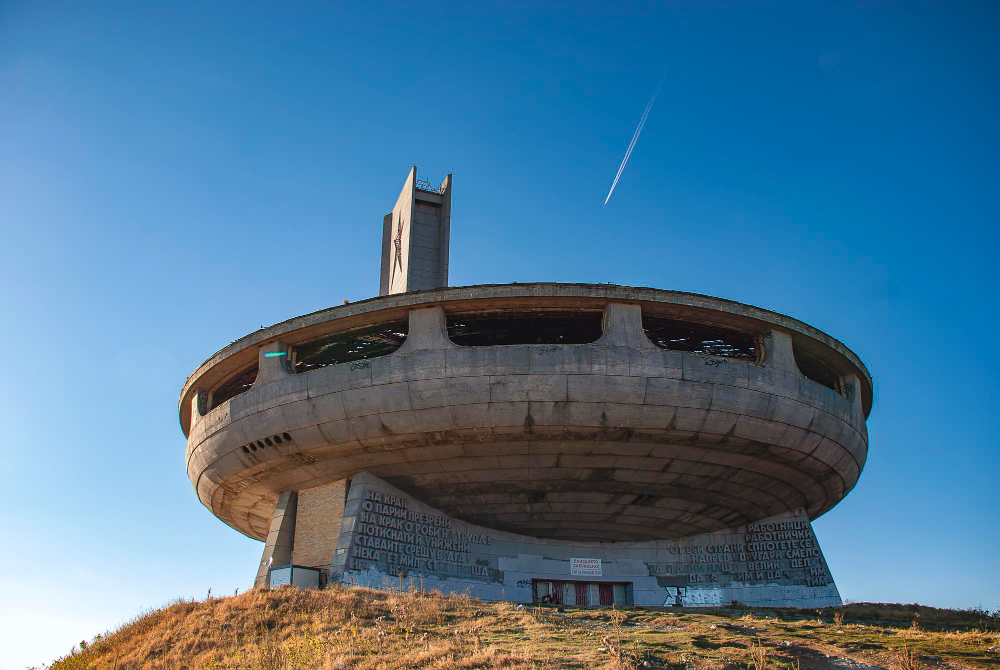
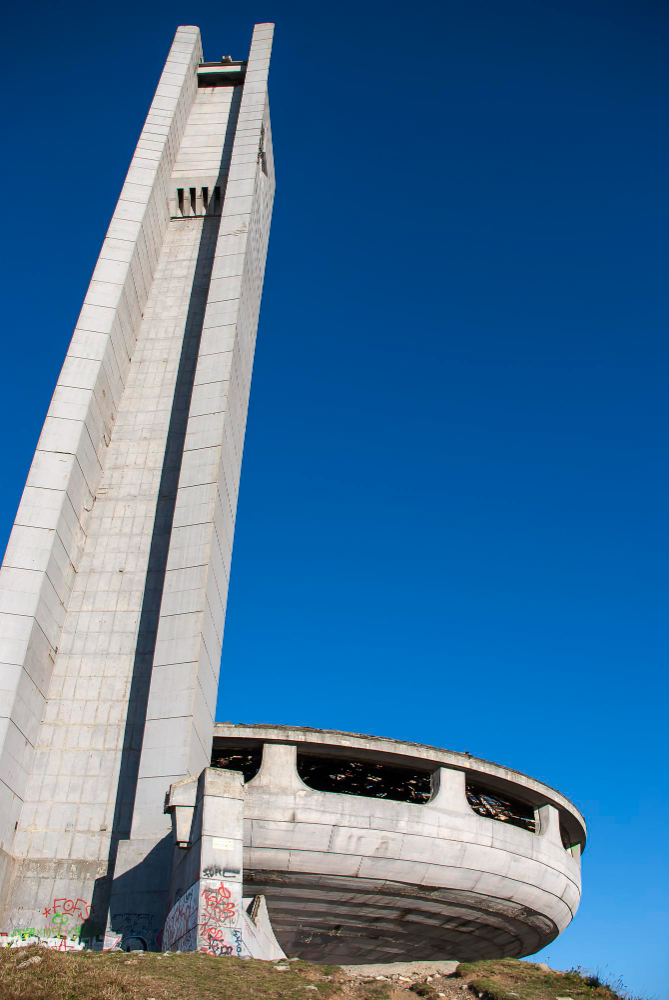
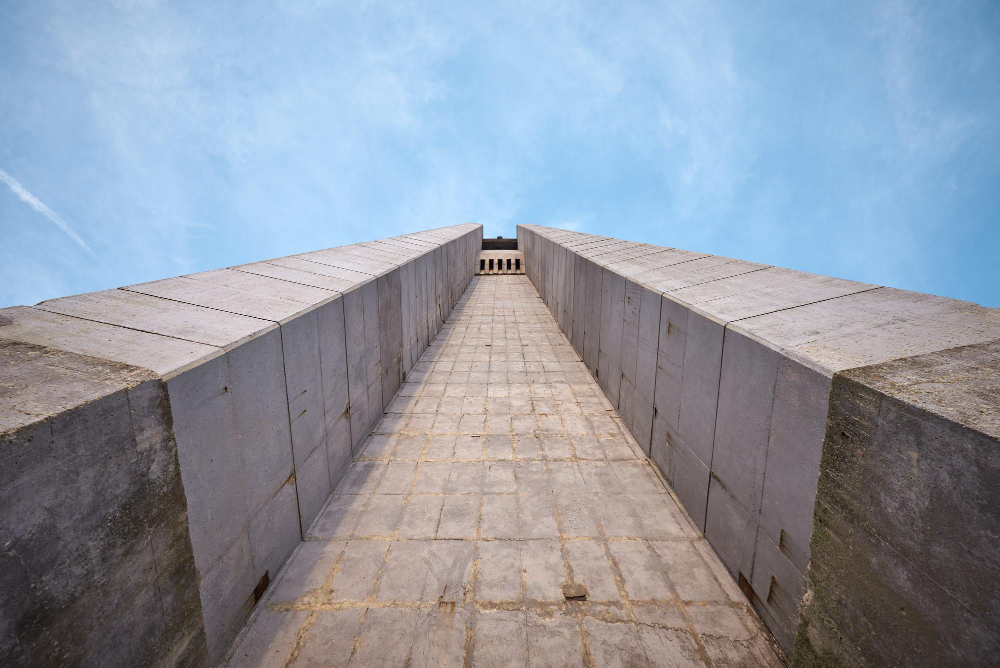
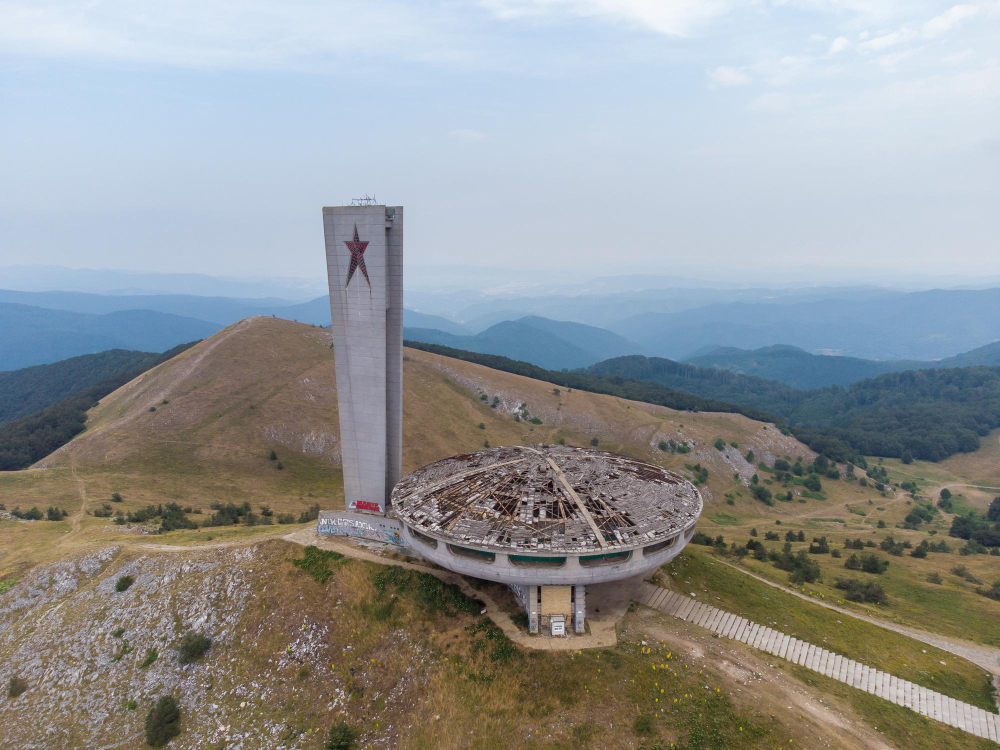
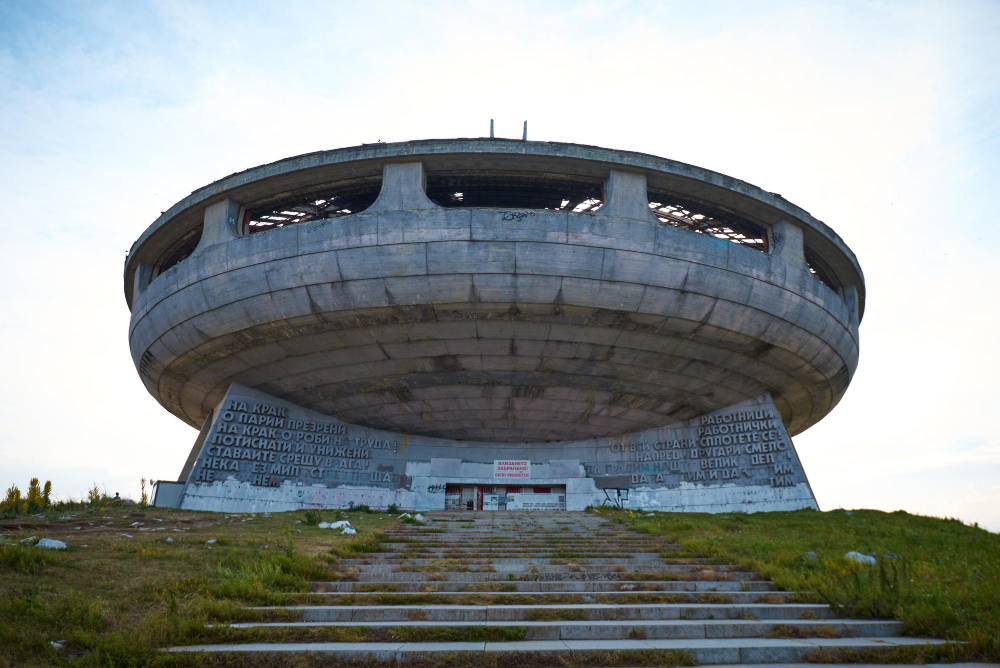
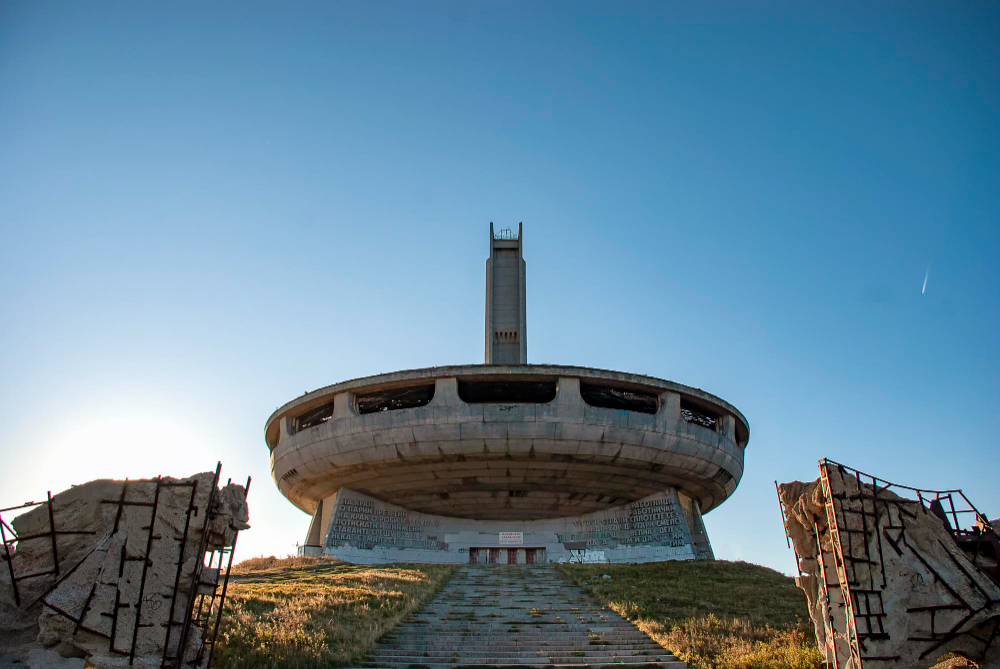
The History of the Buzludzha Monument – The Buzludzha Monument was erected to commemorate the origins of the Communist Party of Bulgaria. Its location atop Mount Buzludzha was not chosen by chance: it was there, in 1891, under the leadership of Dimitar Blagoev, that a meeting took place considered the founding moment of the country’s organized socialist movement. The construction of the monument was an ambitious project initiated by the communist government to honor its ideals and achievements. Construction of the monument took seven years and consumed immense resources. The architecture is extremely impressive: the monument takes the form of a futuristic circle, complemented by a massive tower crowned by a red star. Inside, there were once magnificent wall mosaics depicting scenes from Bulgarian history and communist ideology. It was intended not only as a memorial but also as a gathering place and cultural center.
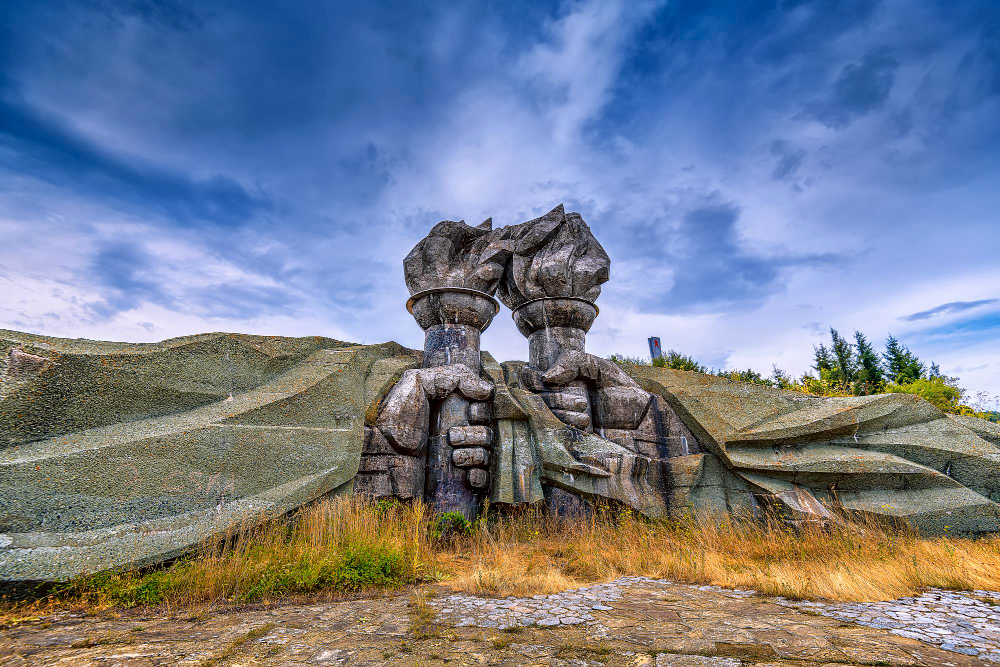
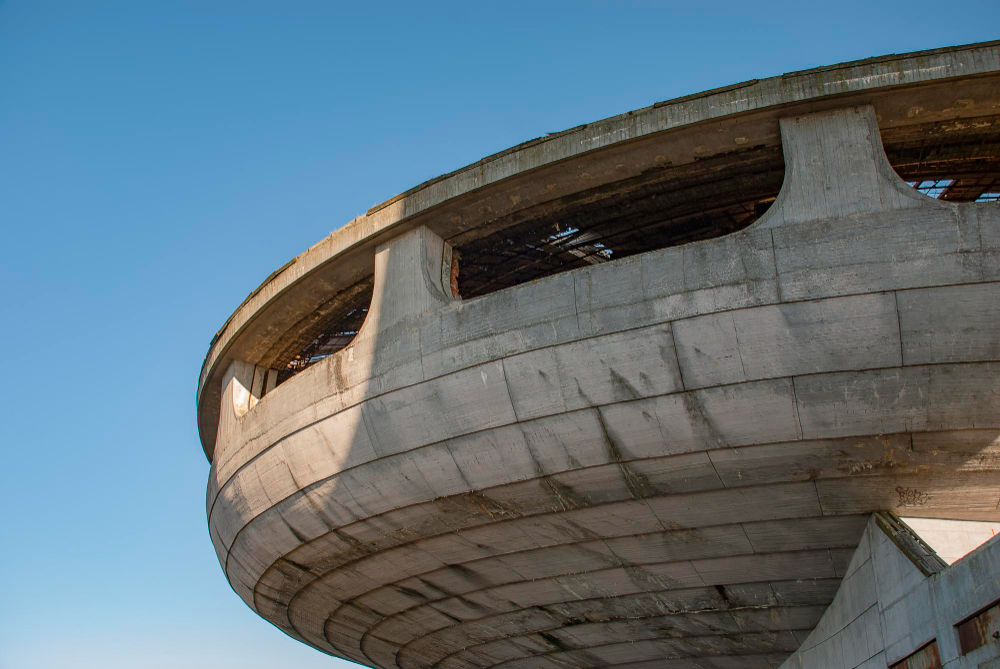
Architectural Significance and Symbolism – The design of the Buzludzha Monument is a prime example of Brutalist architecture, which gained popularity worldwide in the second half of the 20th century. This style is characterized by massive forms and the use of concrete as the primary material. The combination of artistic elements and functional architecture reflects the ambitions and optimism of that era. Particularly noteworthy is the red star atop the monument’s tower. With a diameter of about twelve meters, it was one of the largest and most magnificent stars ever installed. In the symbolism of communist ideology, the red star represents international solidarity and the triumph of socialism. Today, however, more than three decades after the fall of communism in Bulgaria, this symbol is highly controversial politically and is often associated with a dark chapter in the country’s history.
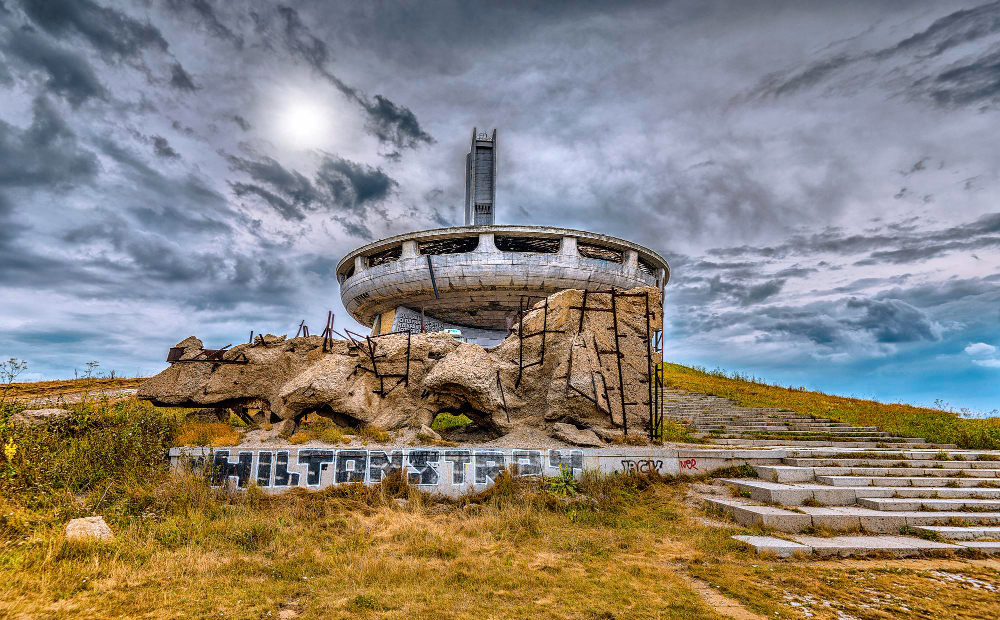
The Decline of a Landmark – After the collapse of communism, the Buzludzha Monument lost its original function and significance. Since then, it has been left to its own devices and increasingly neglected. The harsh climatic conditions of the mountain on which the structure stands have further accelerated its decay. Key elements such as the wall mosaics and the red stars are damaged or missing. The interior of the monument is now covered in graffiti, and many parts of the structure are dilapidated and dangerous. For a long time, the Bulgarian government has been unable to decide whether the monument should be restored or repurposed. Instead, it has become a symbol of the fragility of political ideals and the price of forgetting. The structure’s current condition sparks controversial debates over whether it should be preserved as a memorial or completely demolished.
A Magnet for Cultural Tourism – Despite its desolate condition, the Buzludzha Monument attracts numerous tourists every year. Many travel from all over the world to see this unique relic of the past and experience the mystical atmosphere on site. Photographers, history buffs, and lovers of abandoned places appreciate the building’s unique aesthetic. The monument has also evolved into a hub for artistic and cultural experimentation. Artists use the structure as a source of inspiration and a platform for extraordinary projects. In this sense, despite its ruins, it continues to fulfill a cultural function, albeit in a different way than originally intended.
The Future of the Buzludzha Monument – Given the site’s ongoing deterioration, the question arises as to how the Buzludzha Monument should be handled in the future. Some experts argue that it should be restored to preserve its historical and architectural significance. Others consider the costs of restoration unjustifiable given the country’s limited resources. However, initiatives such as the “Buzludzha Project Foundation” have sparked new hope. This organization, together with international partners, is advocating for the restoration of the monument and aims to revitalize the site as a museum and cultural center. Preserving the structure could not only keep the memory of history alive but also generate economic benefits through cultural tourism.
Critical Reflection – The Buzludzha Monument is more than just a structure—it embodies the complexity of Bulgarian history and the ambivalence of political symbols. While some celebrate the monument as an impressive architectural achievement, others see it as a memorial to an era marked by oppression and state control. The question of whether the monument should be restored or left to decay reflects the tensions that exist between preserving history and turning away from painful chapters. One aspect that is often overlooked is the potential to use the history of the Buzludzha Monument for educational purposes. At a time when many societies are struggling to come to terms with their past, the monument could serve as a starting point for dialogue and educational initiatives. It could help foster an understanding of the complex processes of history and draw valuable lessons for the future.
The Buzludzha Monument is a fascinating example of how architecture and history are intertwined. Although it is in a deplorable state, it remains a powerful visual and symbolic expression of its time. Its future depends on many factors, particularly the decisions of Bulgarian society as well as international initiatives. No matter which path is taken, one thing is certain: this extraordinary structure will continue to spark discussions about history, identity, and our responsibility toward the past.