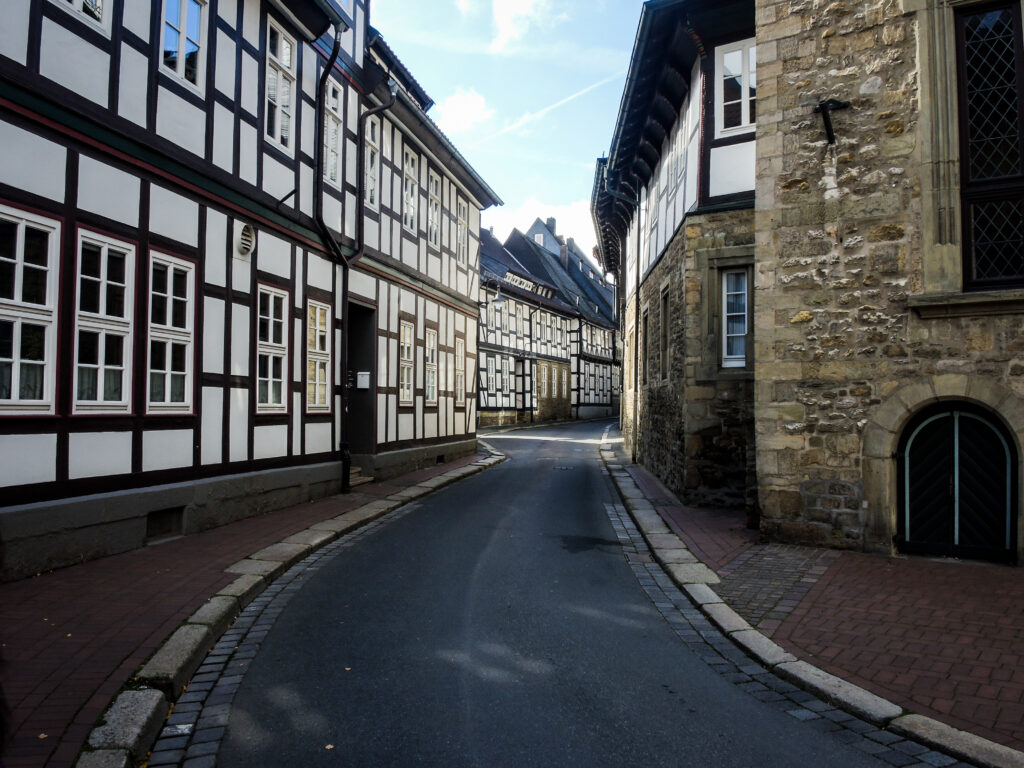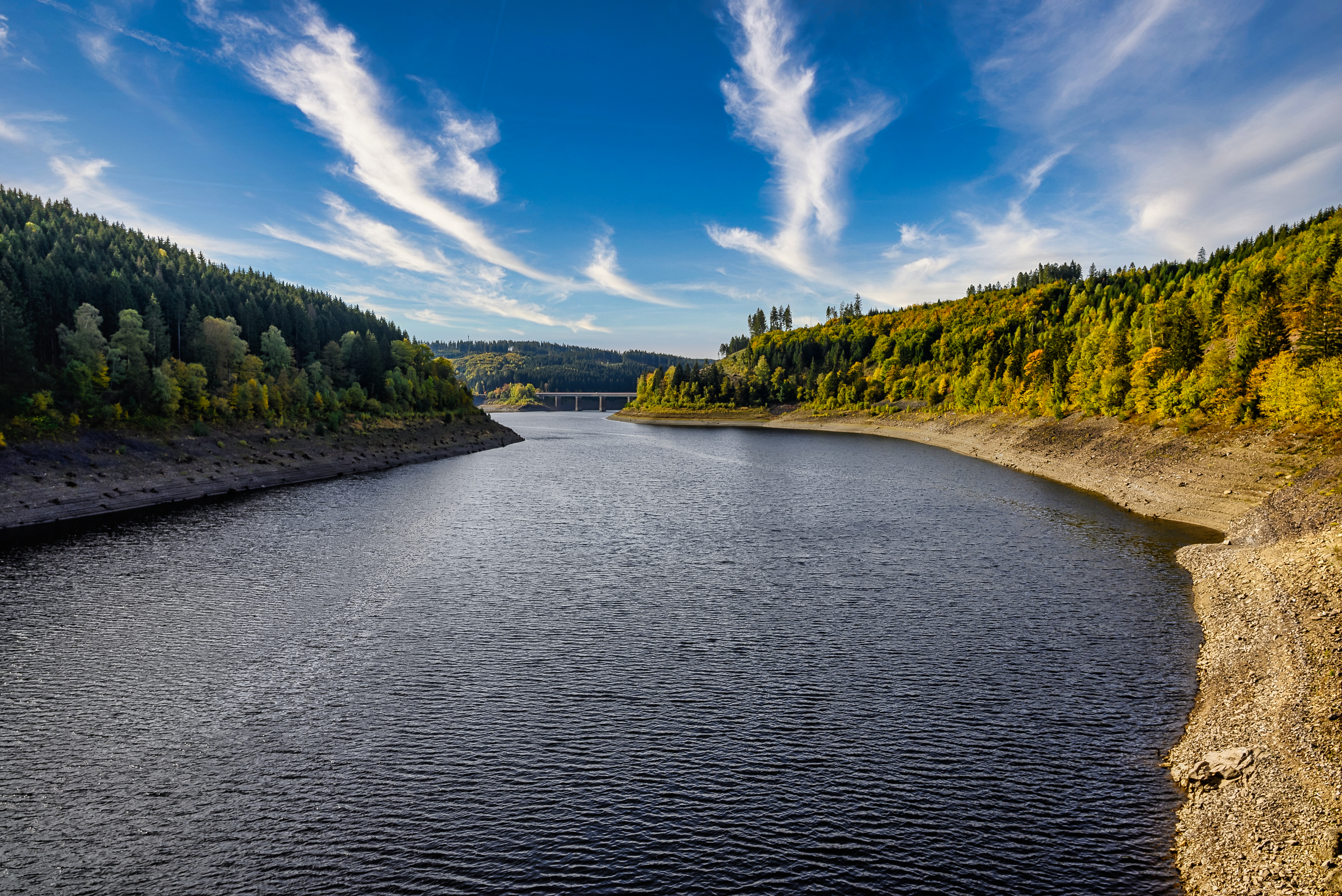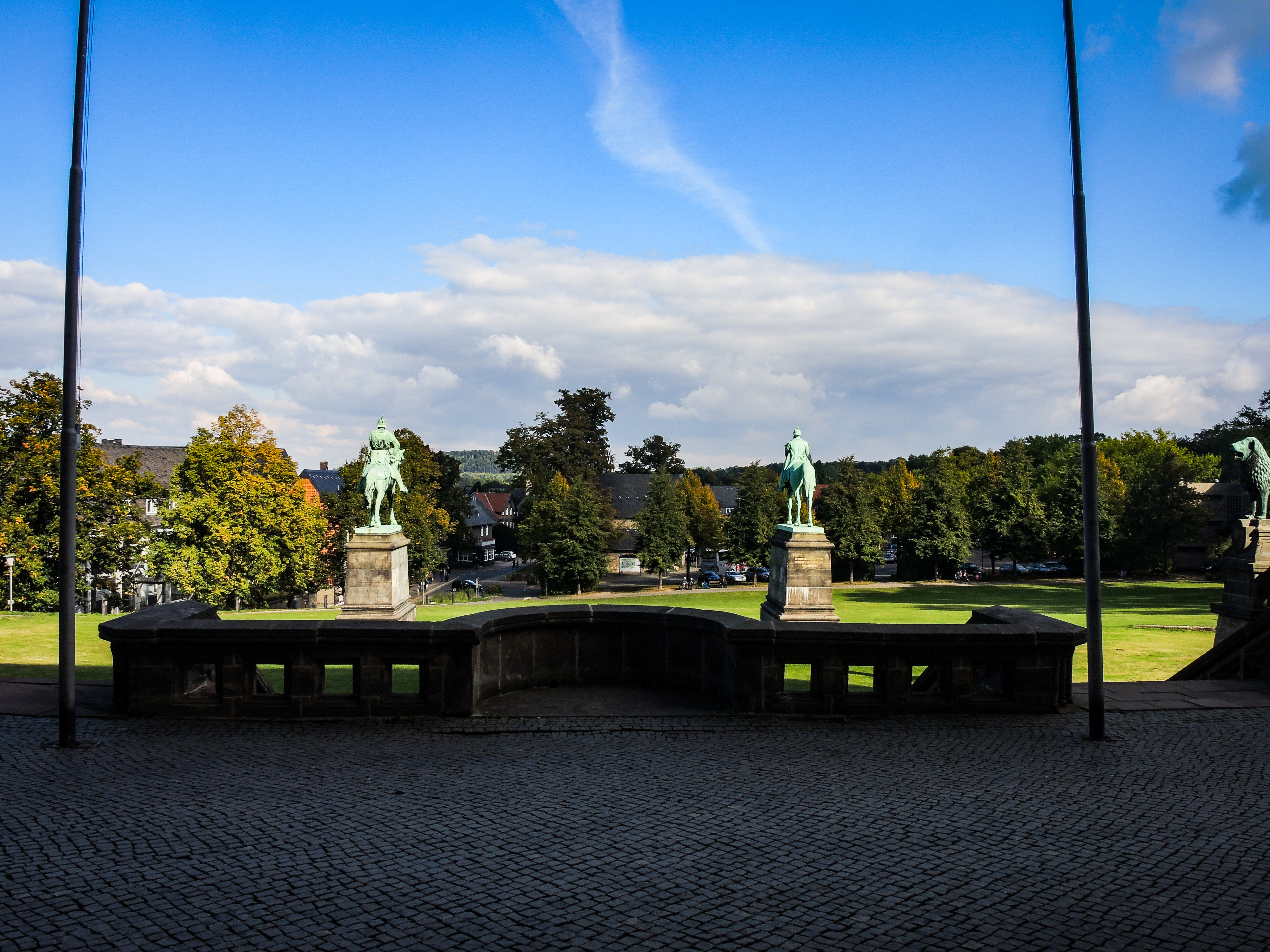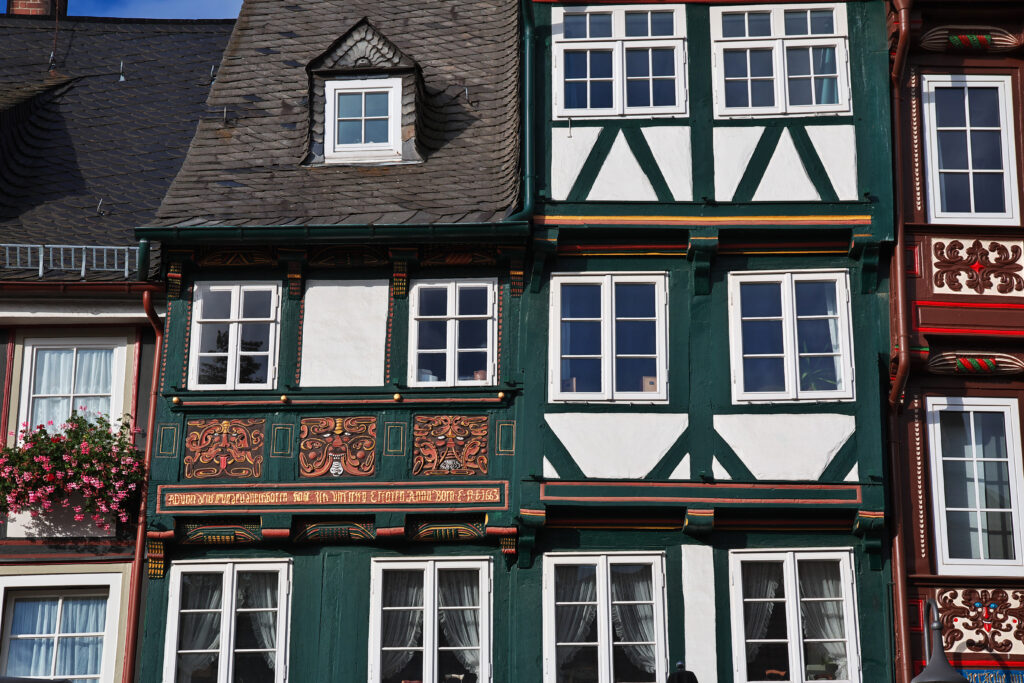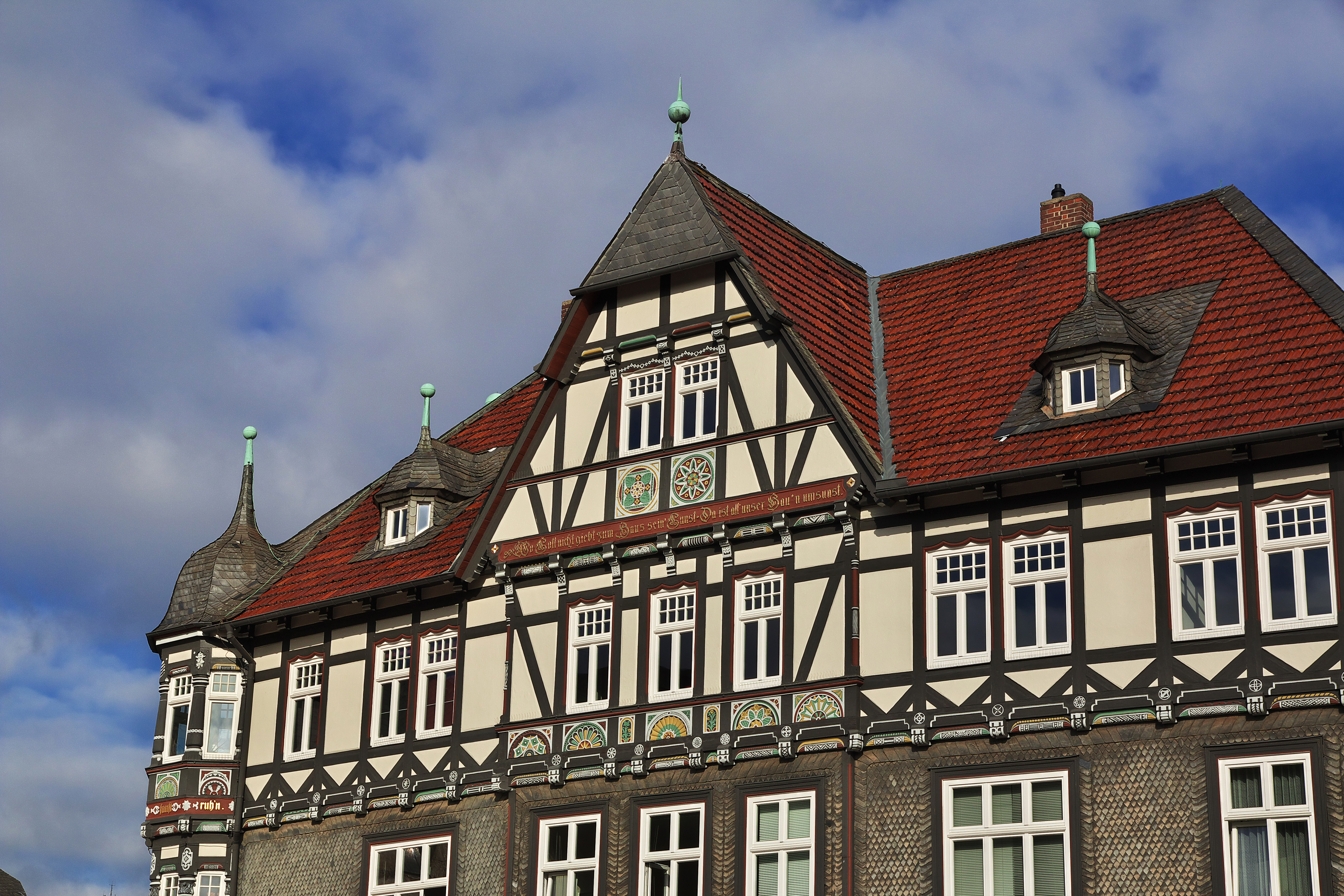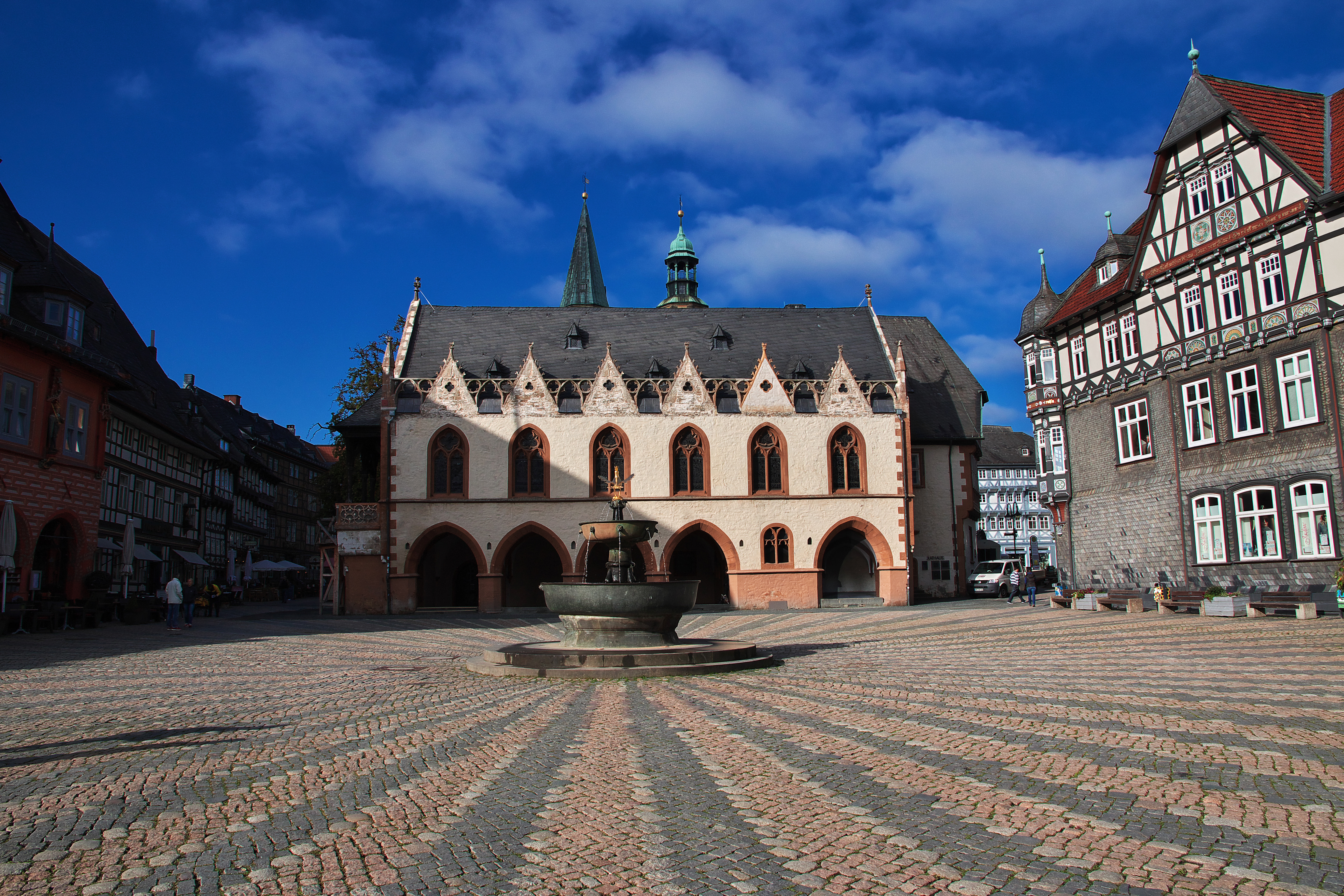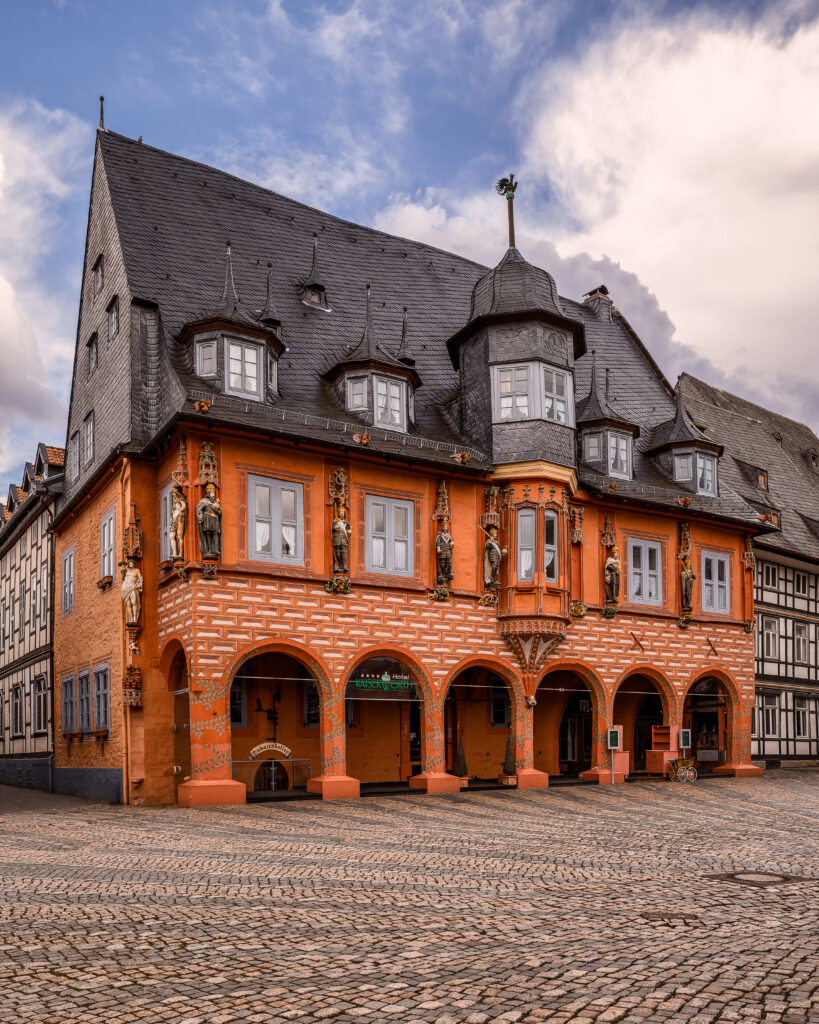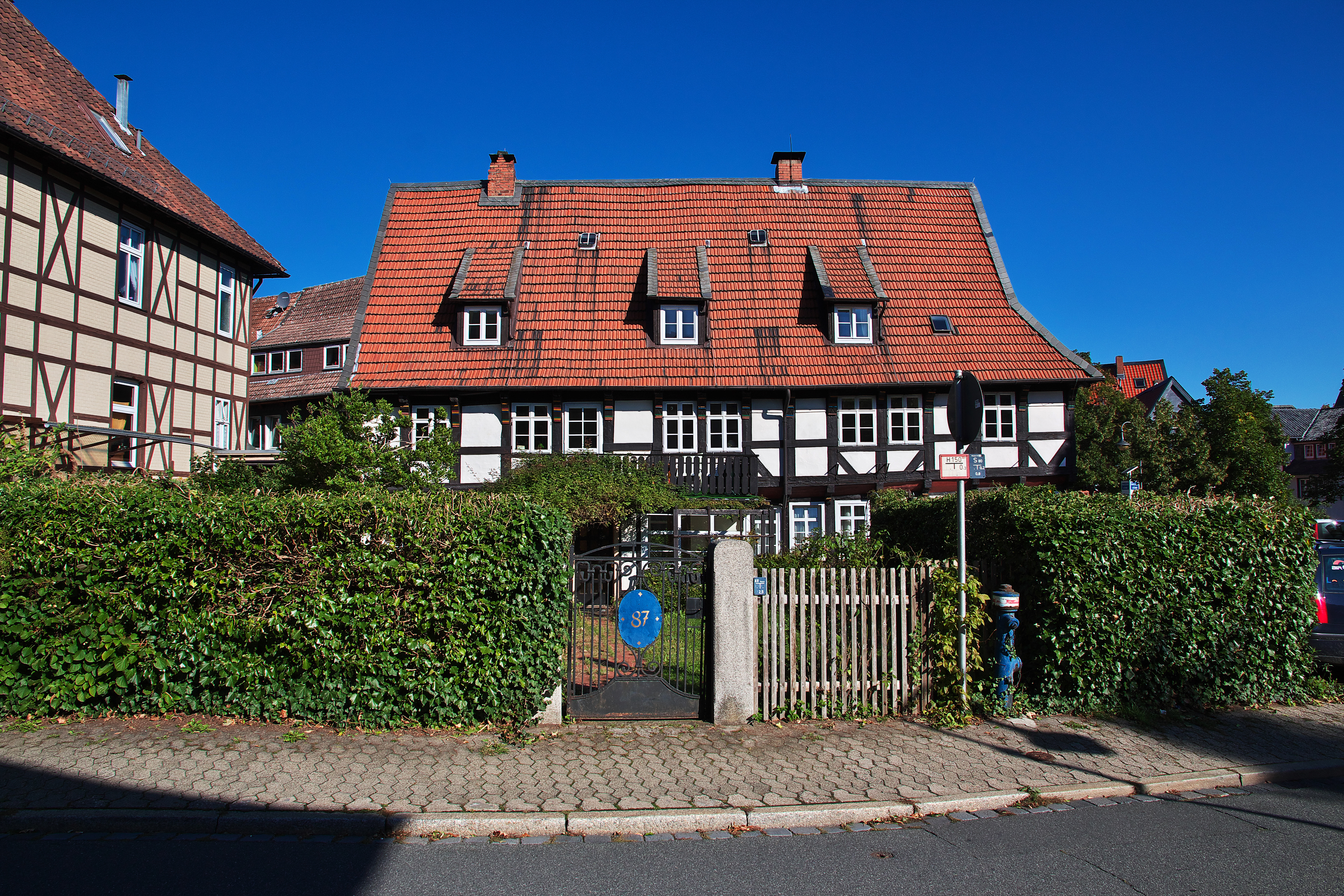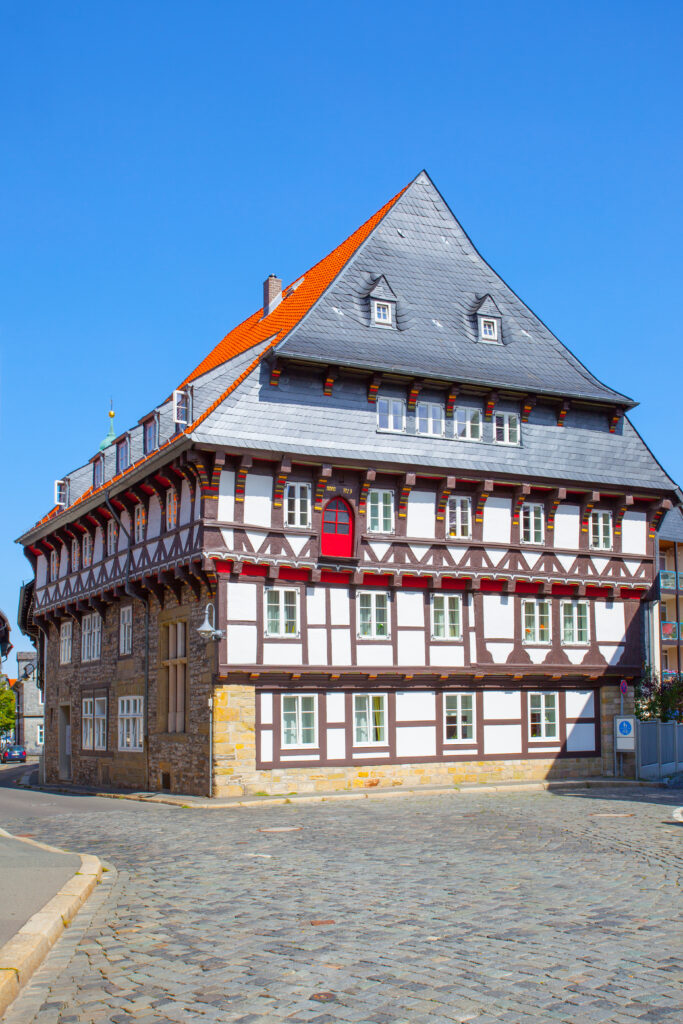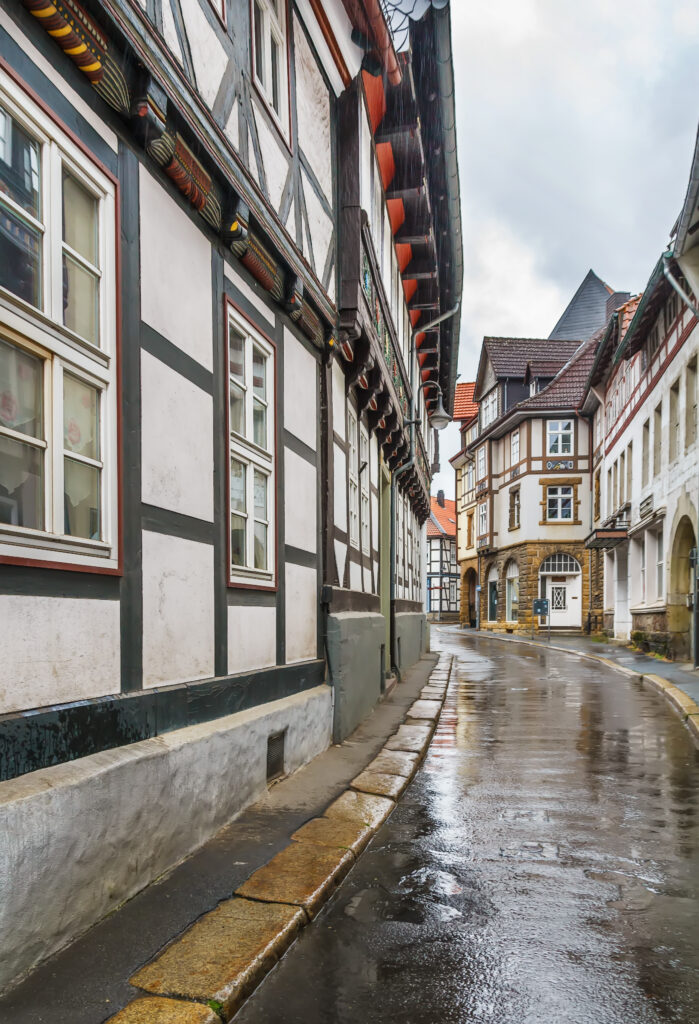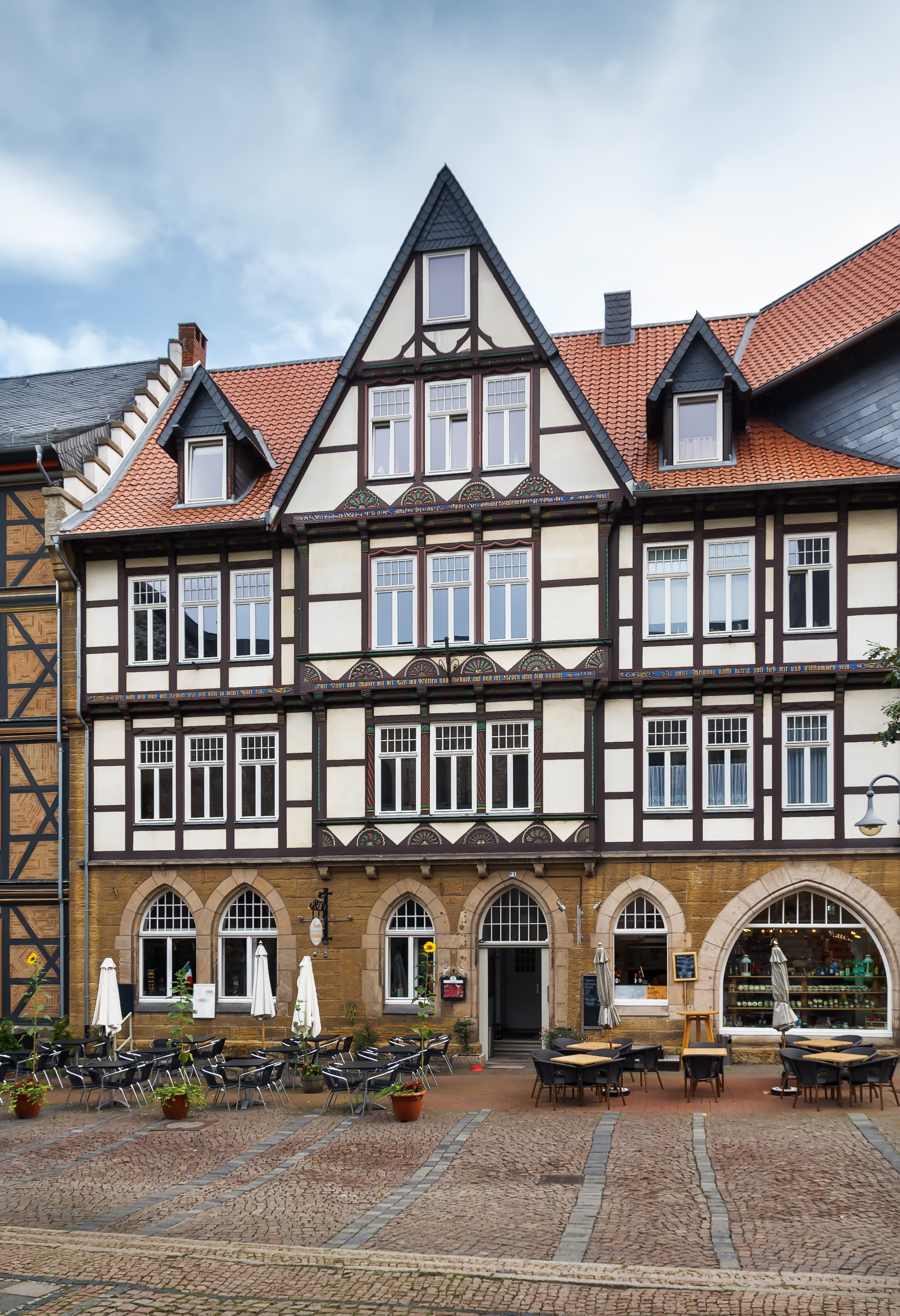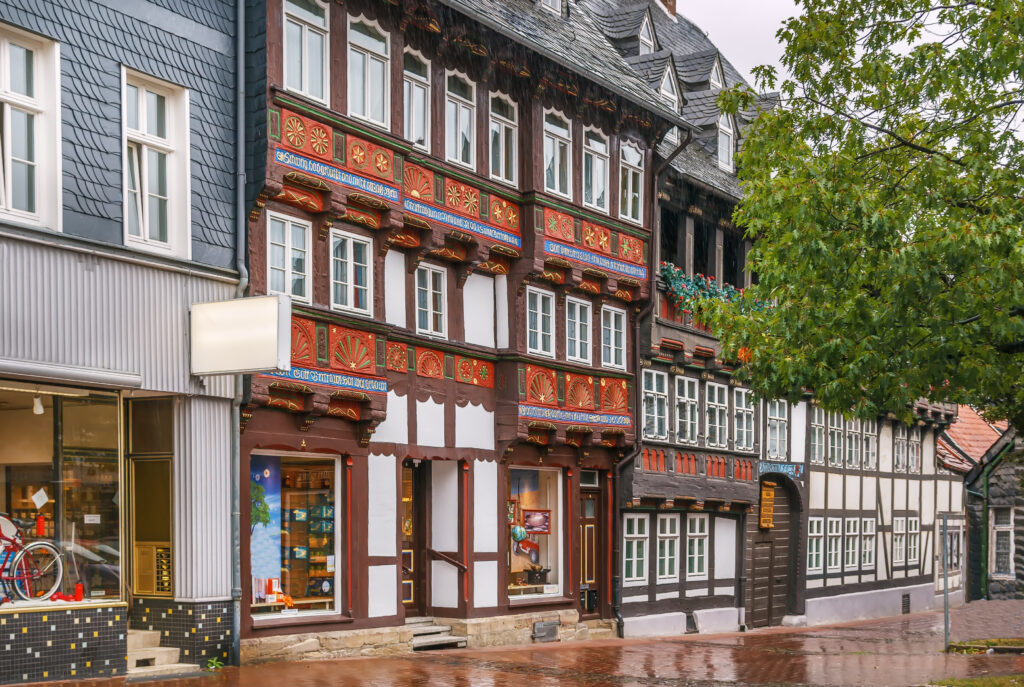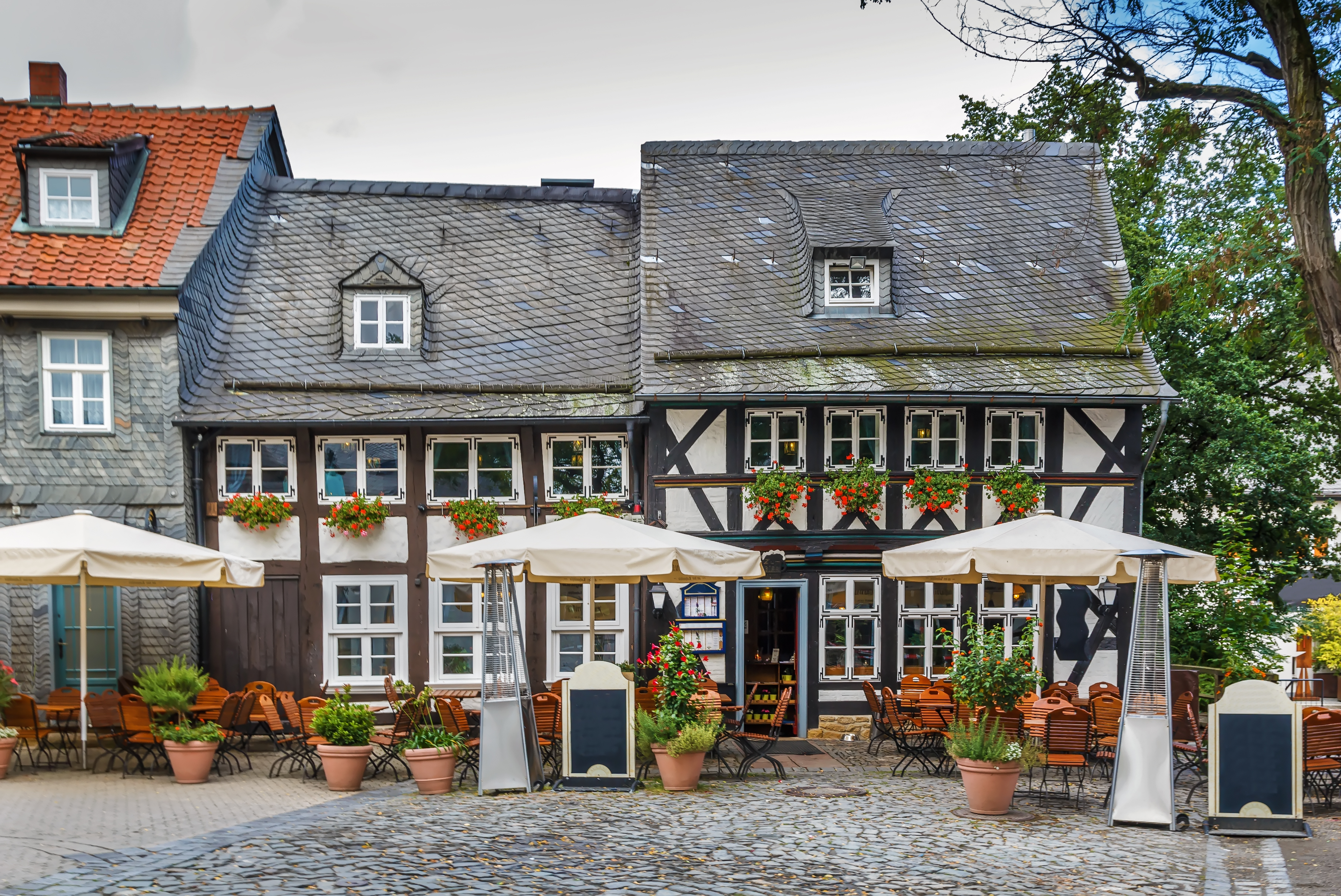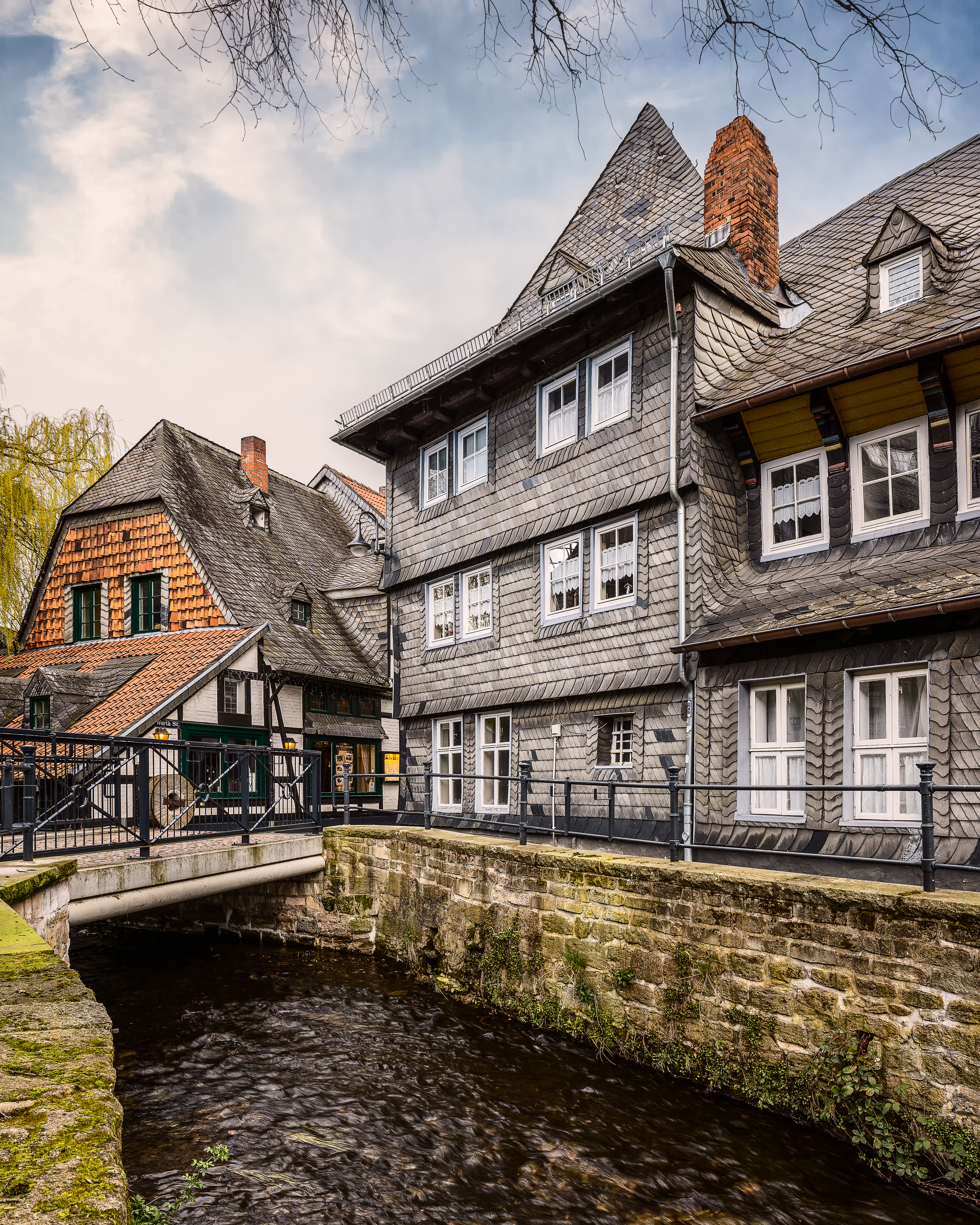
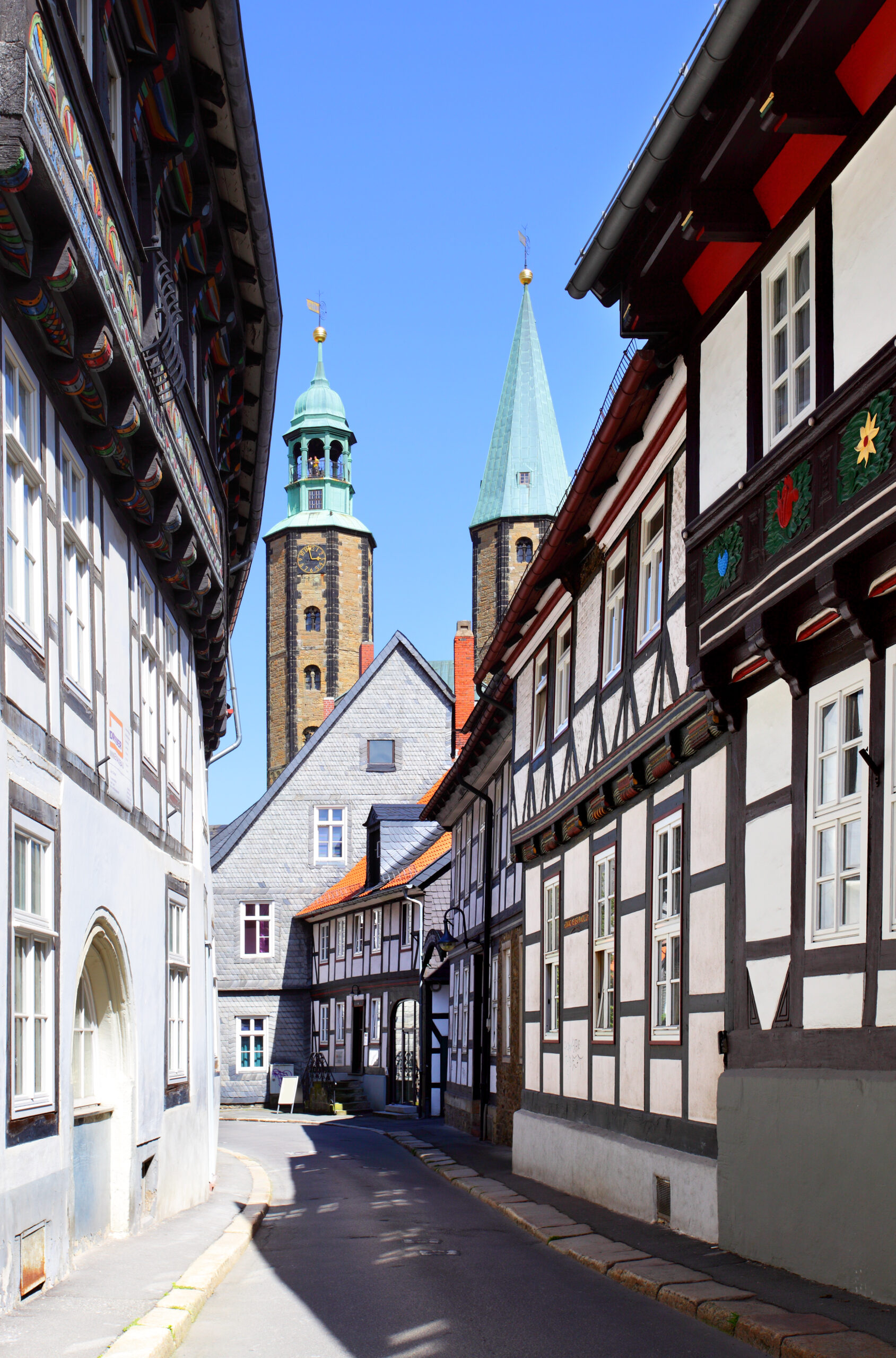
Nestled within the heart of Germany, the historic town of Goslar emerges like a scene from a medieval tale. Its charm is not solely defined by cobblestone streets and half-timbered houses but is enriched by the whispers of myths and legends that have echoed through its alleys for centuries. This enchanting town, surrounded by the Harz Mountains, beckons travelers to dive into its tapestry of history, wonder, and mystery.
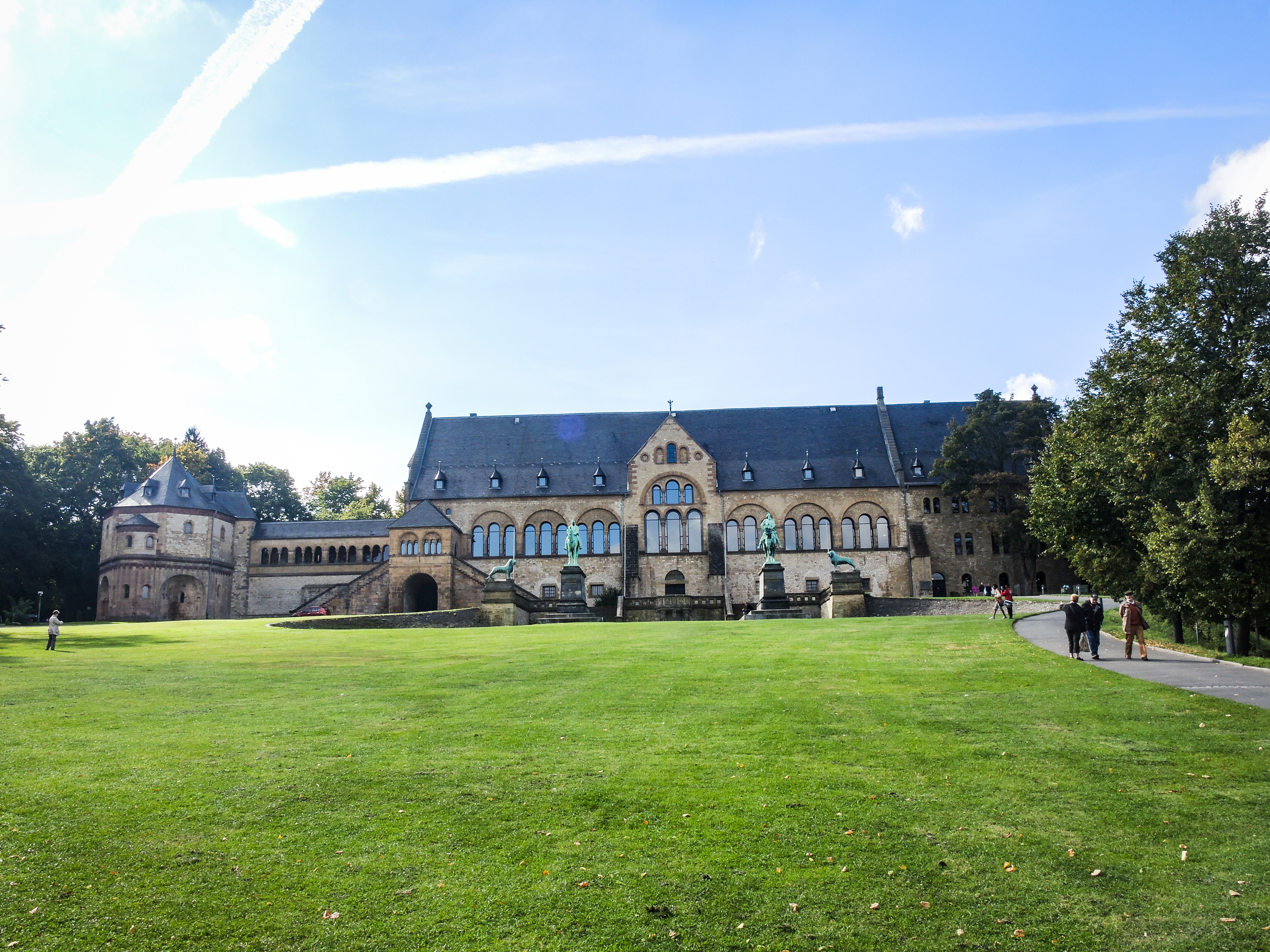
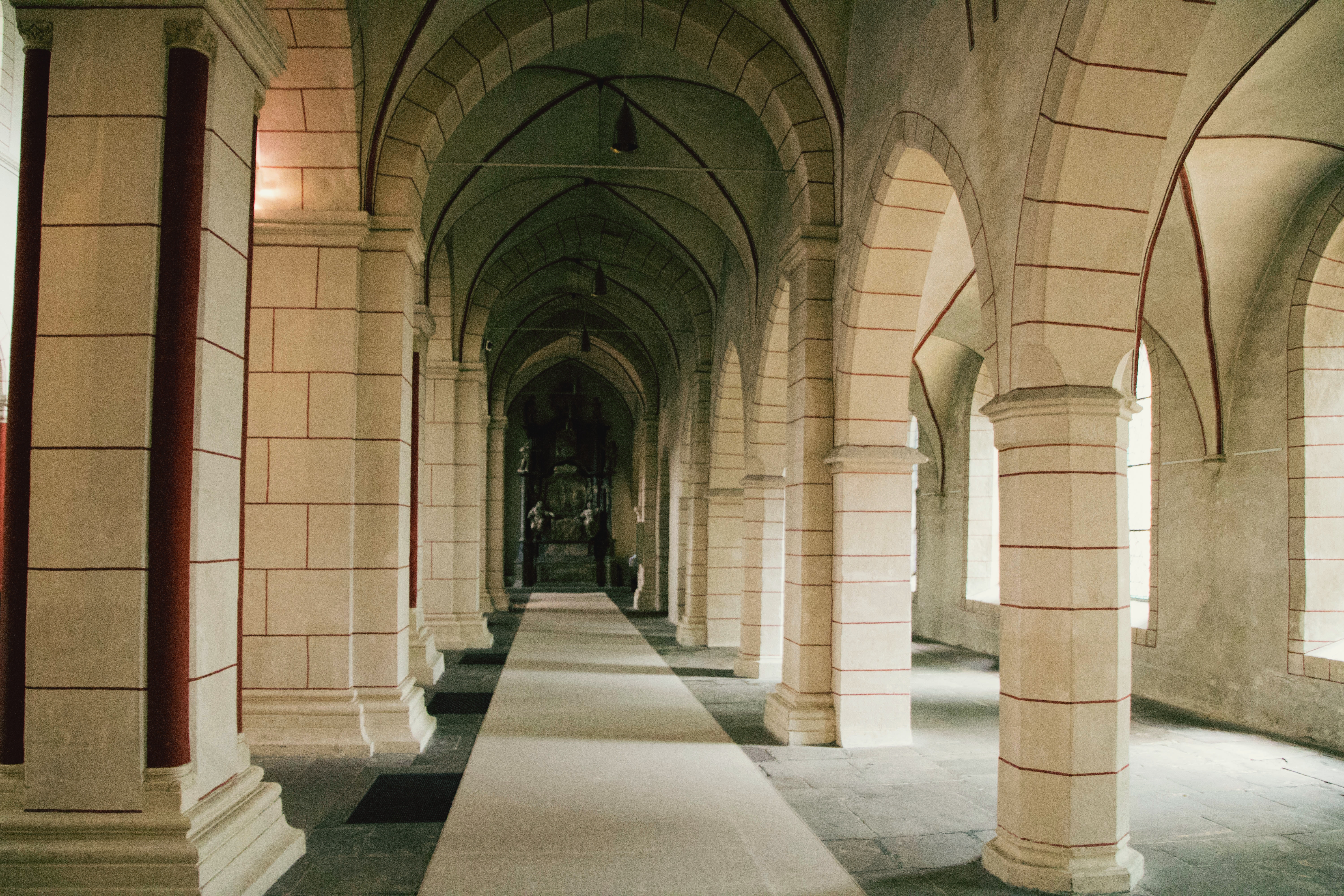
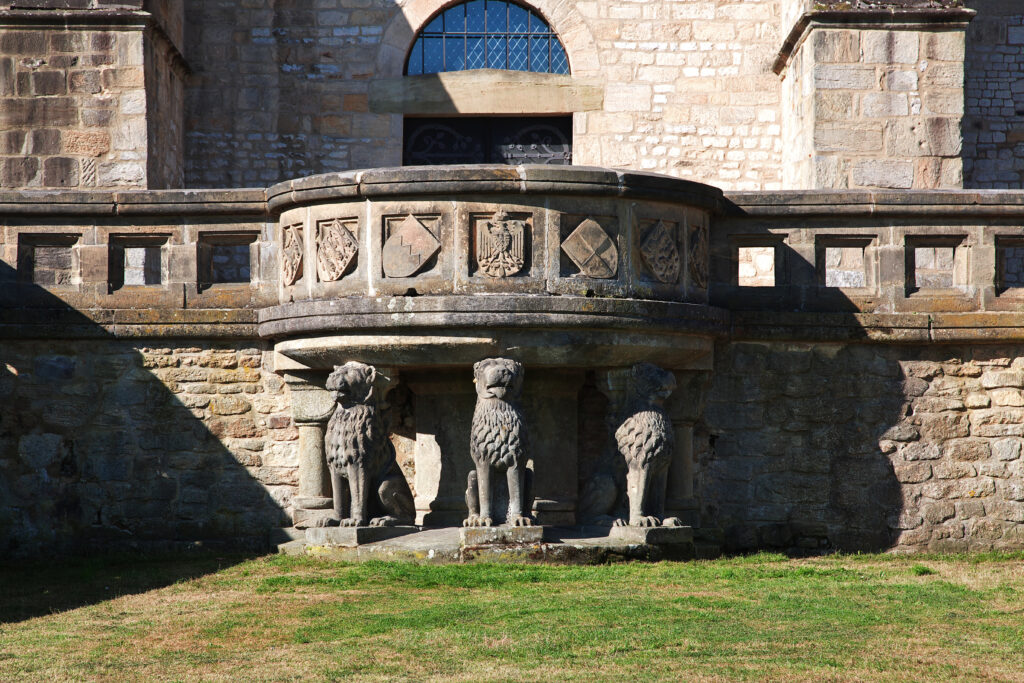
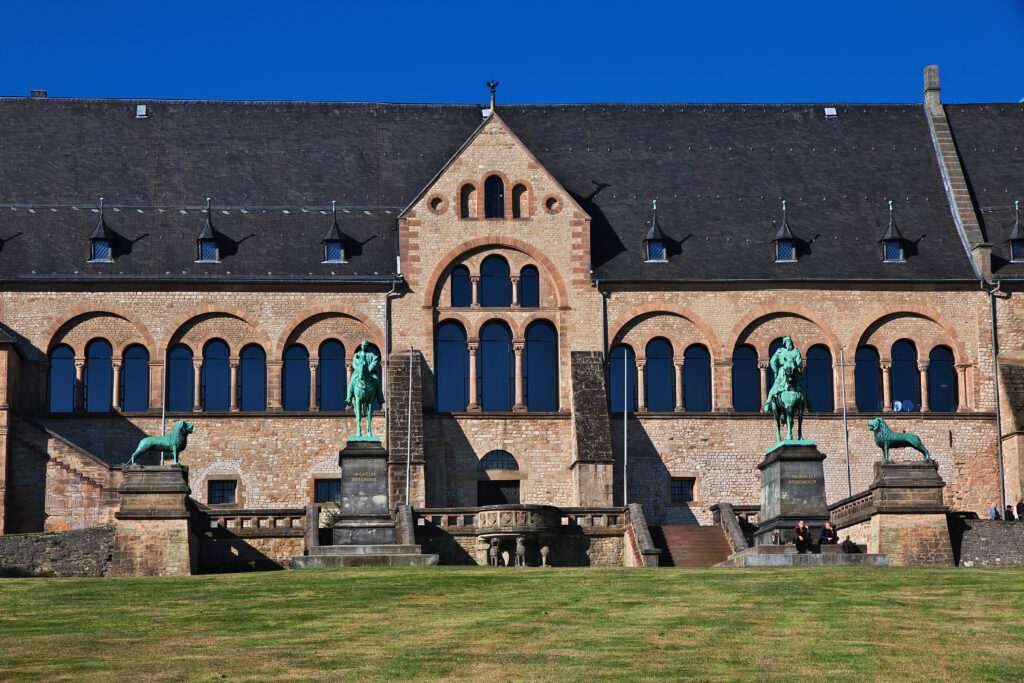
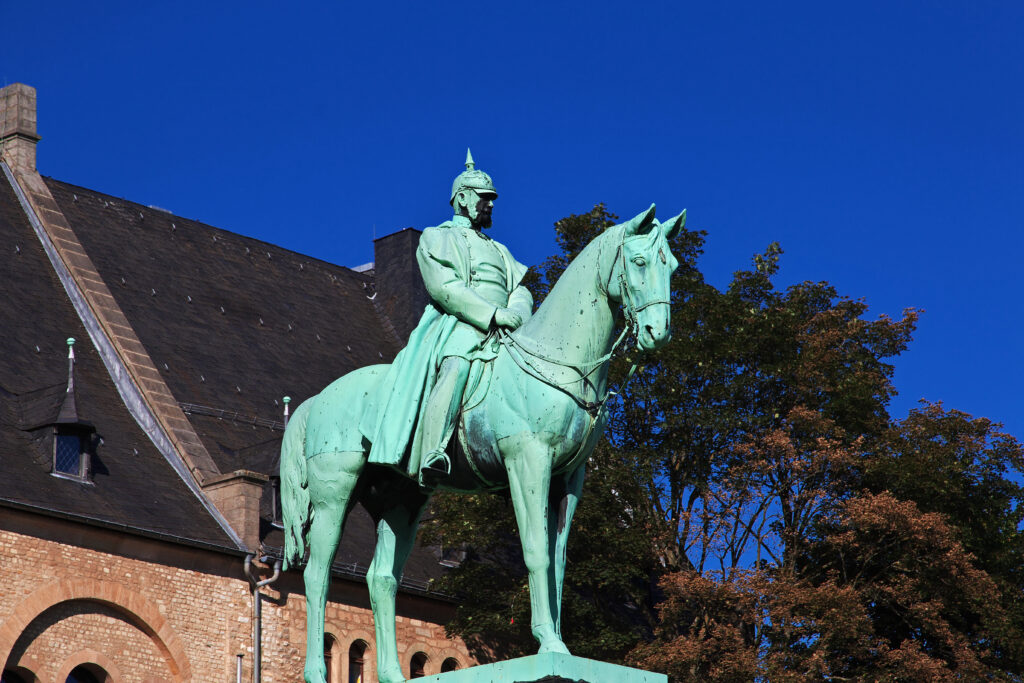
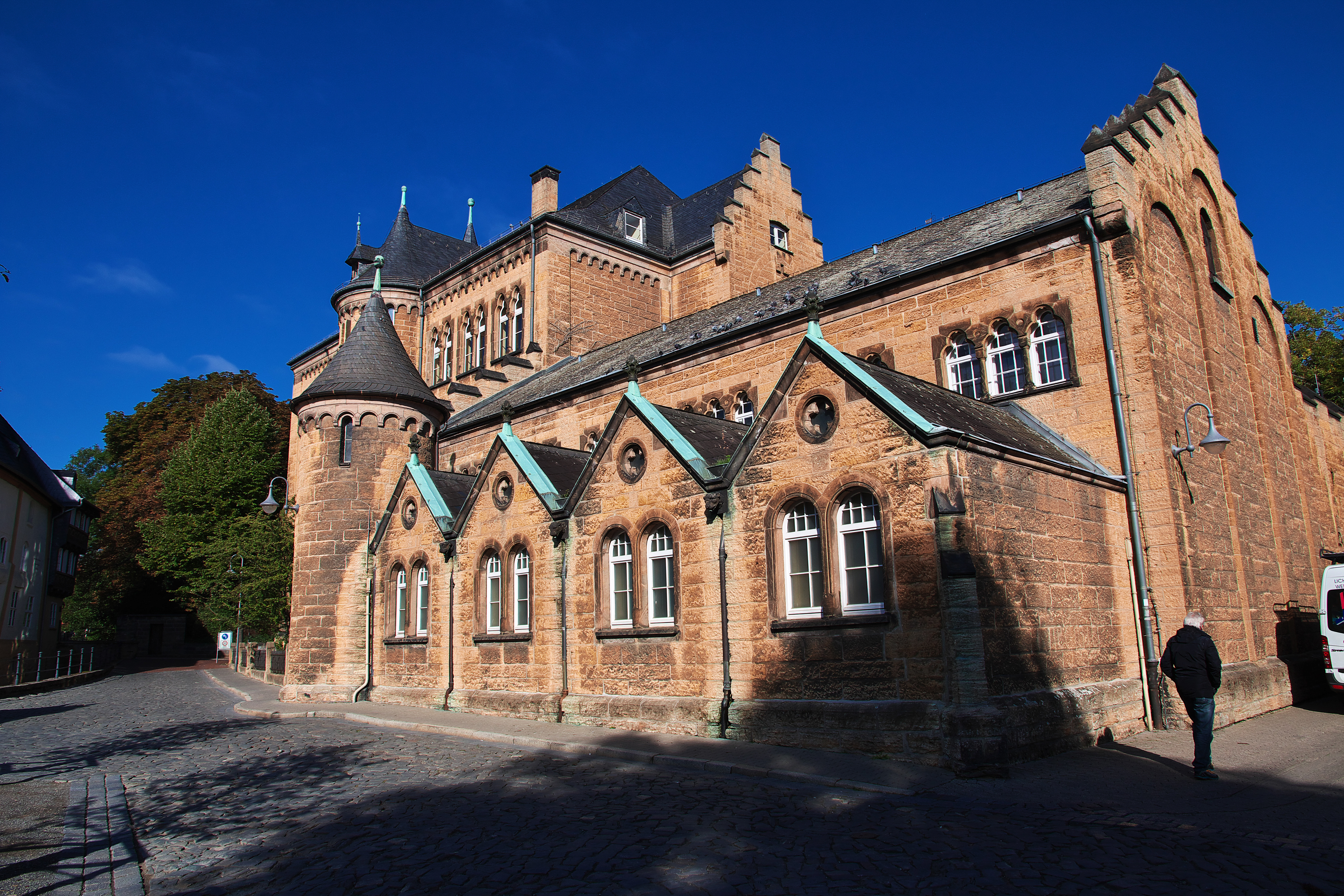
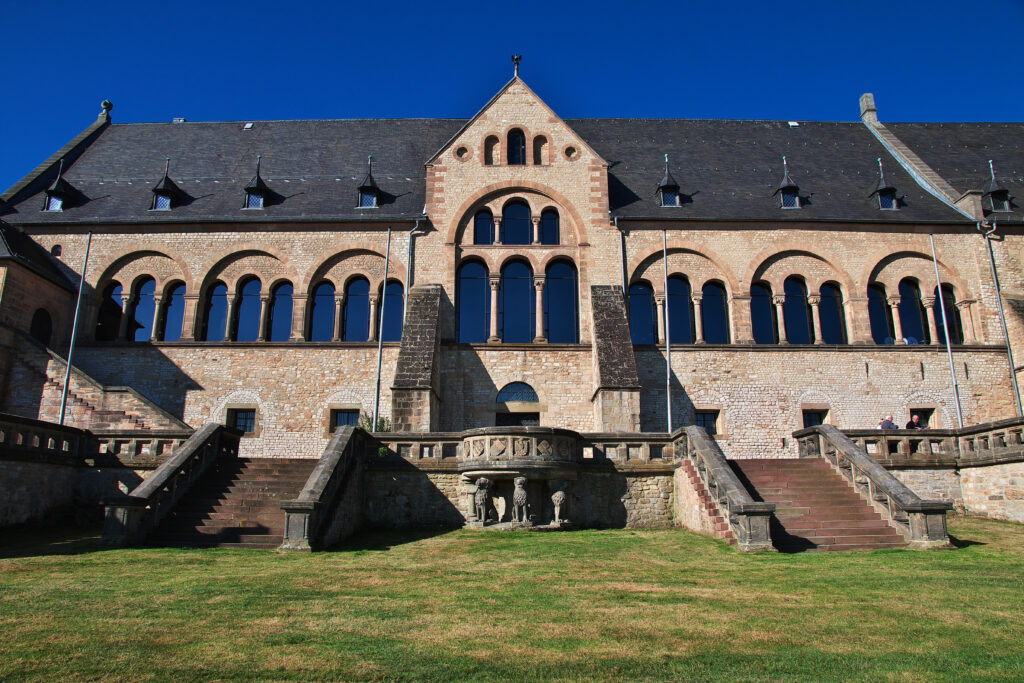
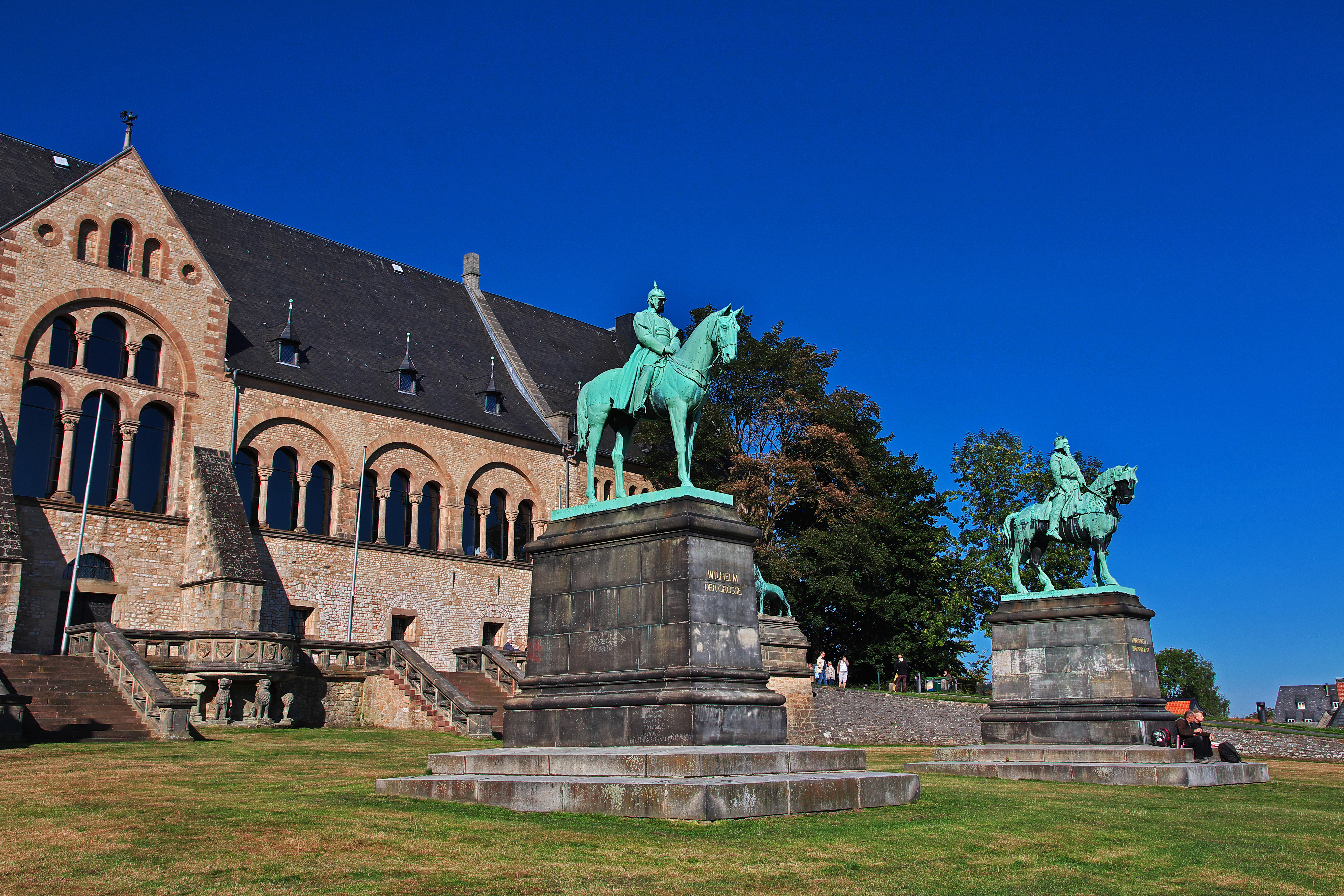
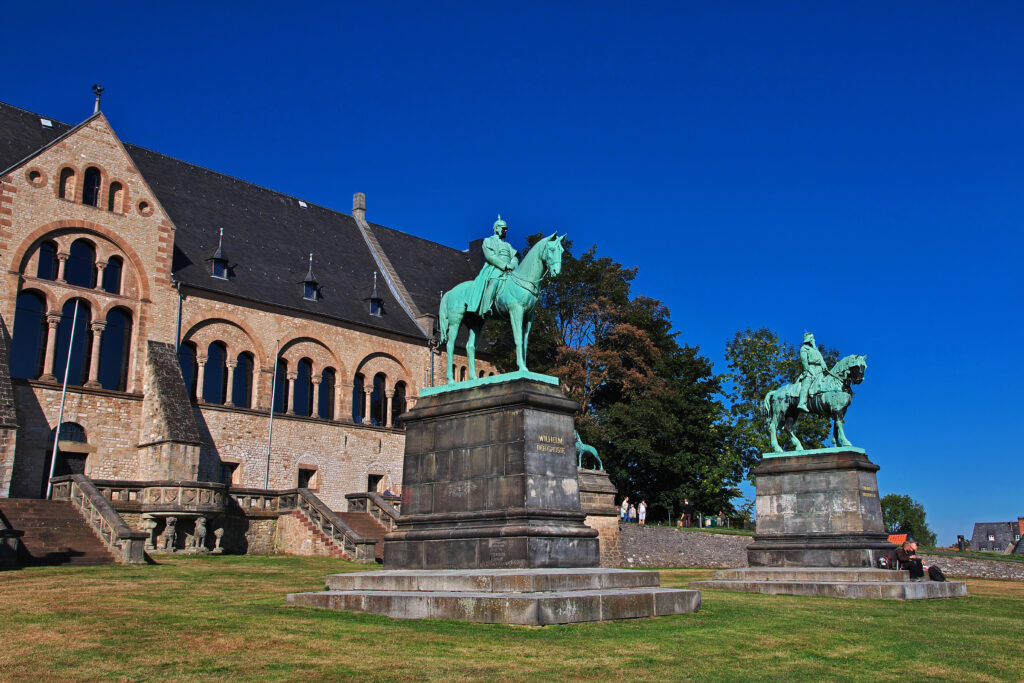
The Imperial Crown: A Legacy of Power and Intrigue – Goslar’s story begins with its early importance as an imperial city in the Holy Roman Empire. It was Emperor Henry II who, recognizing the strategic significance of the town, commissioned the construction of the Kaiserpfalz, the Imperial Palace, in the early 11th century. This magnificent palace remains a testament to the town’s erstwhile political might. Here, emperors held court, schemed power plays, and orchestrated alliances. Legend has it that beneath the grand halls of the Kaiserpfalz lies a secret chamber filled with treasures from conquered lands—golden goblets and jeweled armors touched by the hands of kings. Some say that on moonlit nights, the spirits of long-gone rulers can be seen wandering the palace grounds, lamenting over lost empires and forgotten glories.
The Rammelsberg Mines: Riches from the Deep – Another cornerstone of Goslar’s prosperity is the Rammelsberg Mines, a UNESCO World Heritage Site that attests to the town’s deep-rooted mining legacy. For nearly a thousand years, these mines produced silver, copper, and lead, forming the backbone of Goslar’s wealth. According to local lore, the mines are protected by the “Bergmann,” a mythical guardian spirit who watches over the depths and ensures the miners’ safety. Stories handed down through generations tell of miners encountering this spectral figure, adorned with glowing emerald eyes and a cloak of shimmering ore. They say he appears during times of peril, guiding lost souls back to the surface.
The Witches of the Harz Mountains – Just beyond the town’s borders lays the sprawling Harz Mountains, shrouded in mist and mystery. This rugged landscape has long been associated with tales of witchcraft and dark magic, with the Brocken Mountain at the center of these eerie legends. On Walpurgis Night, it is believed that witches gather atop the Brocken, soaring through the skies on broomsticks to convene with the devil himself. In the annals of Goslar’s history, there is the harrowing account of the Witch Trials that swept through the region in the 16th and 17th centuries. Many women accused of witchcraft were brought to trial within Goslar, their fates intertwined with the panic and superstition of the era. Yet, amidst these grim histories, a legend speaks of a benevolent witch who resided in the Harz, using her powers not for malice but to heal the sick and aid the poor.
The Gose River: Life and Legend – Flowing gently through the town, the Gose River lends its name not only to Goslar itself but also to a unique style of beer that originated in the region. This slightly sour wheat beer, seasoned with coriander and salt, has quenched the thirst of miners and townsfolk alike for centuries. One intriguing tale linked to the river involves a mysterious water nymph who, according to myth, dwells within its depths. Known as “Gosine,” she is said to bless those who honor the river with abundant harvests and prosperous ventures. However, woe befalls those who disrespect the water; stories tell of farmers losing entire crops after dismissively casting rubbish into her waters.
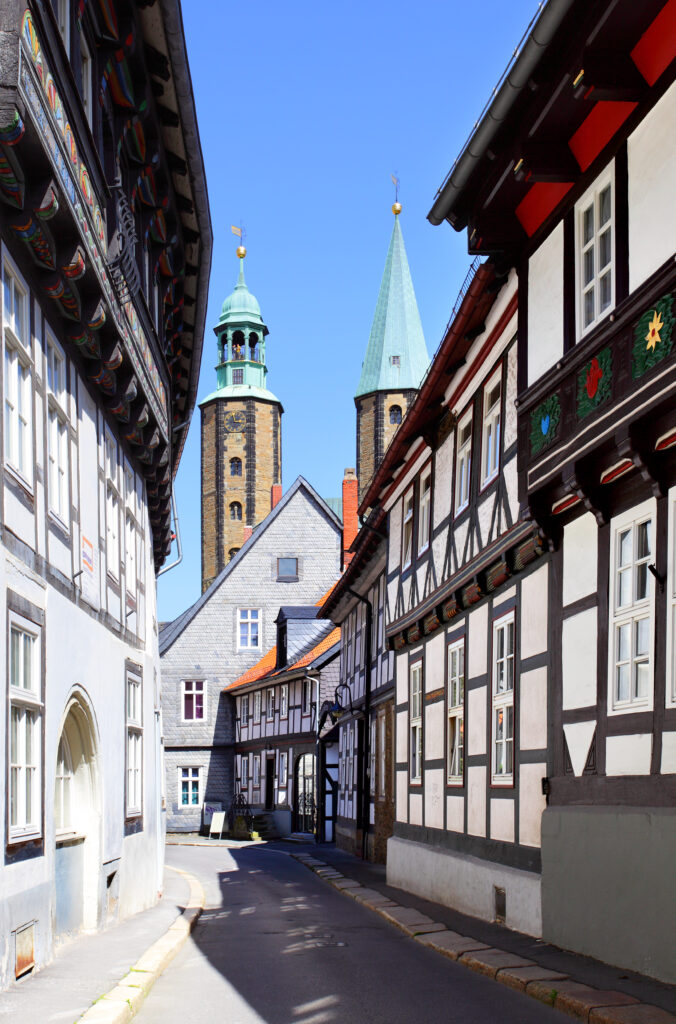
The Marktkirche and the Phantom Bellringer – The Marktkirche, or Market Church, stands proudly in the center of Goslar, its twin spires punctuating the skyline. While admired for its architectural beauty, it is also the subject of one of Goslar’s most enduring ghostly tales—the legend of the Phantom Bellringer. It is said that during a fierce storm many centuries ago, the bellringer stayed behind to sound the bells, warning of impending danger. As lightning struck the church, he perished, dedicating his final moments to his duty. Since then, residents have reported hearing the church bells toll mysteriously during storms, even when the belfry stands empty.
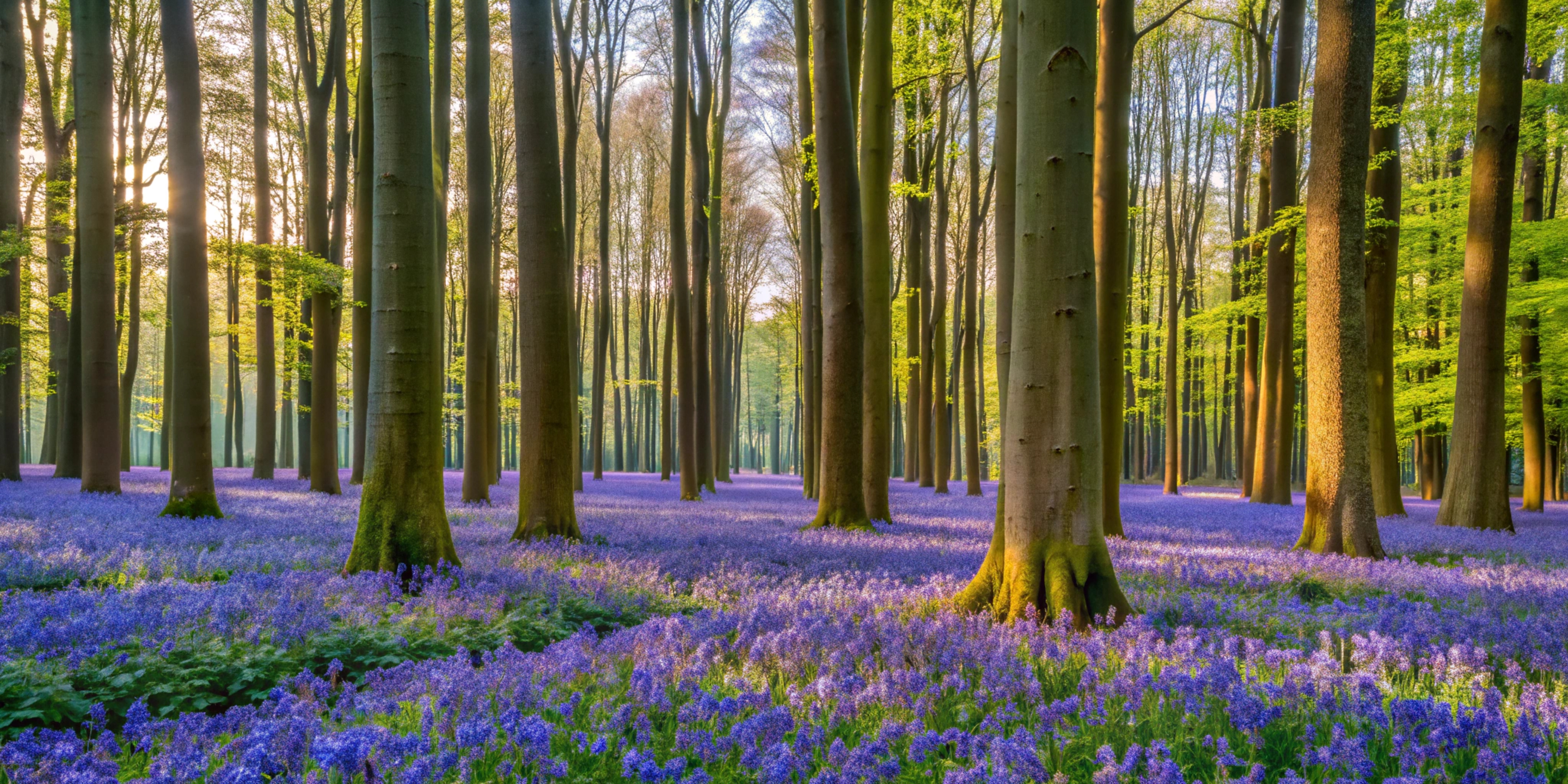
The Hexenstieg: A Trail of Wonder – For those with a penchant for exploration, the Hexenstieg (Witches’ Trail) offers a journey through the hauntingly beautiful landscapes around Goslar. Stretching over 100 kilometers, this trail winds through dense forests, along narrow ridges, and past cascading waterfalls. Hikers often speak of a peculiar sensation while traversing the path—a feeling of being watched, as though unseen eyes from the forest’s depths are following every step. Perhaps it’s just the wind rustling through the trees, or perhaps it’s something more—the spirits of the witches of Brocken, watching over those who dare to tread their ancient path.
Embracing the Mythical Tapestry – To visit Goslar is to step into a realm where history and myth dance together in an eternal waltz. From the storied walls of the Kaiserpfalz to the shadowy trails of the Harz Mountains, every corner of Goslar resonates with the echoes of its past. Visitors find themselves wrapped in the tapestry of tales, where each landmark holds a story, each street a whisper of legend. Whether you’re a seeker of history, a lover of lore, or simply a wanderer searching for enchantment, Goslar welcomes you with open arms. Embrace the myths, listen to the legends, and let the spirit of this ancient town leave its indelible mark upon your soul.
As you leave Goslar, the stories linger, woven into the fabric of memory—a reminder that the land of legends has never really left you, and perhaps, you too might return someday, drawn back by the call of its timeless wonders.