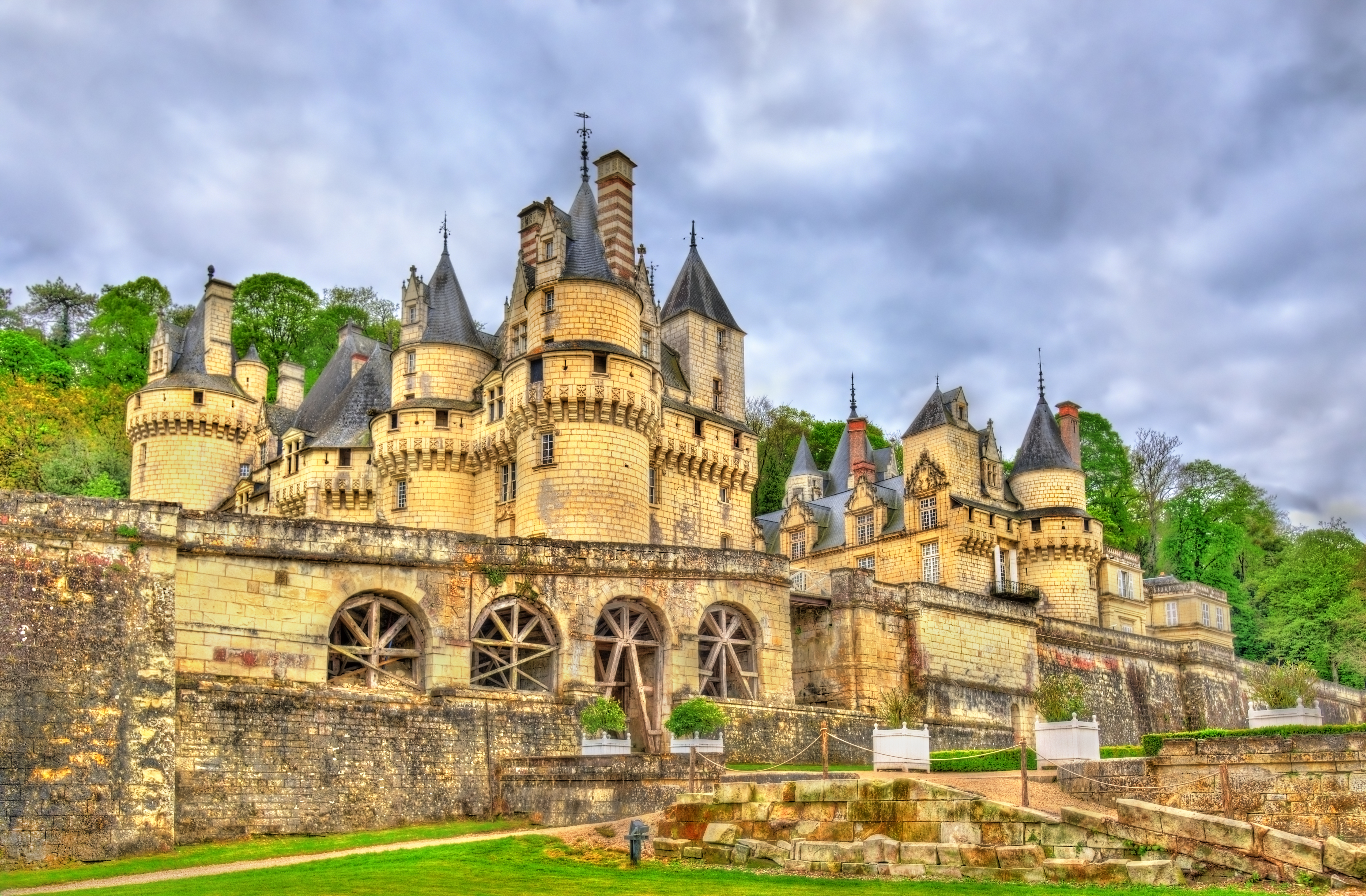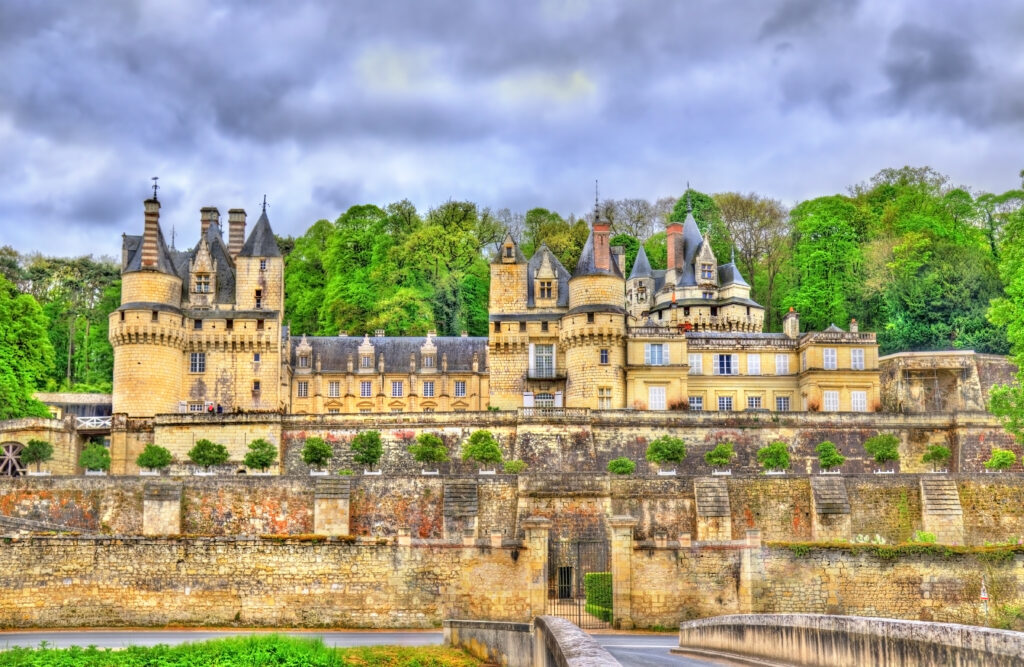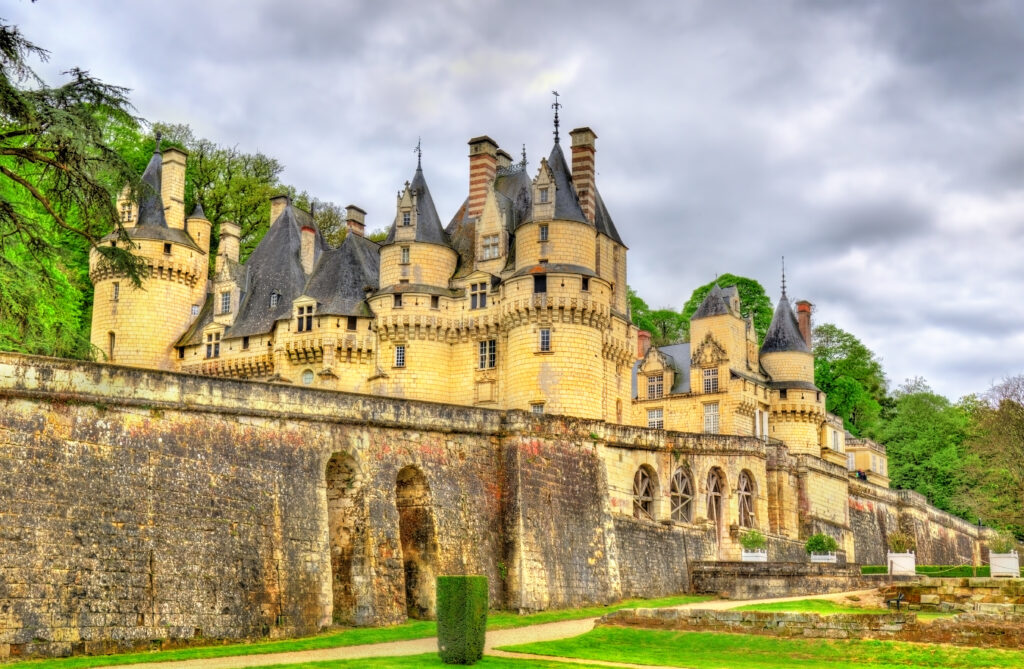
Located in the picturesque French village of Rigny-Ussé on the south bank of the Indre River, not far from the Loire, the castle of Ussé is much more than just an architectural masterpiece. It is a place where history and fairy tales merge, a real fairy-tale castle that has captured the imagination of many generations and remains a popular tourist destination.
Built on the foundations of an 11th-century medieval fortress, the present-day castle has evolved over the centuries into a magnificent structure that delights historians and tourists alike. Architects such as Jean V. de Bueil and Jacques d’Espinay had a decisive influence on the appearance of the castle in the 15th and 16th centuries. But it was not only stone and mortar that gave Ussé its iconic status, but also the legends and stories that surround the castle and make it a mystical place.
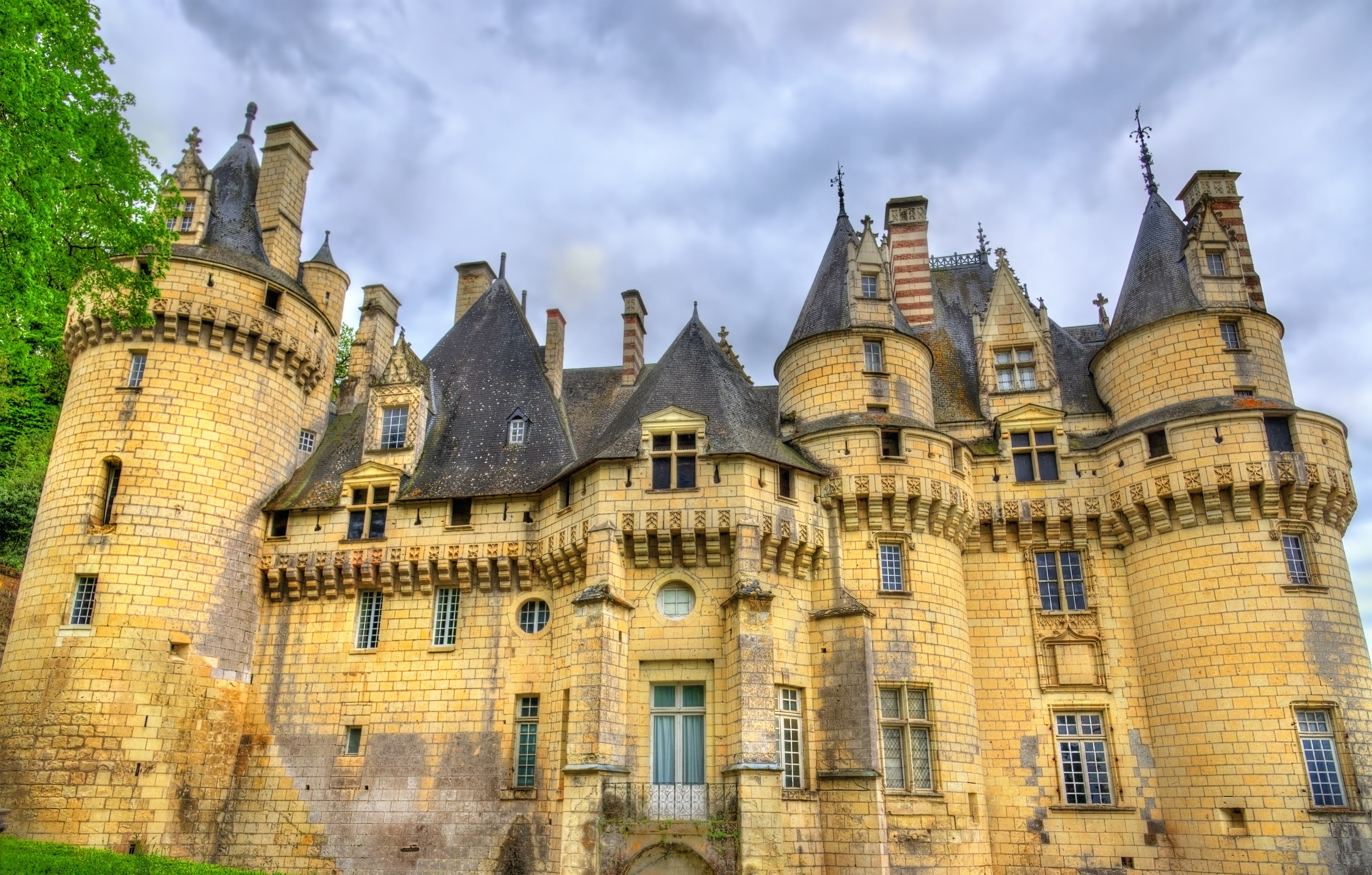
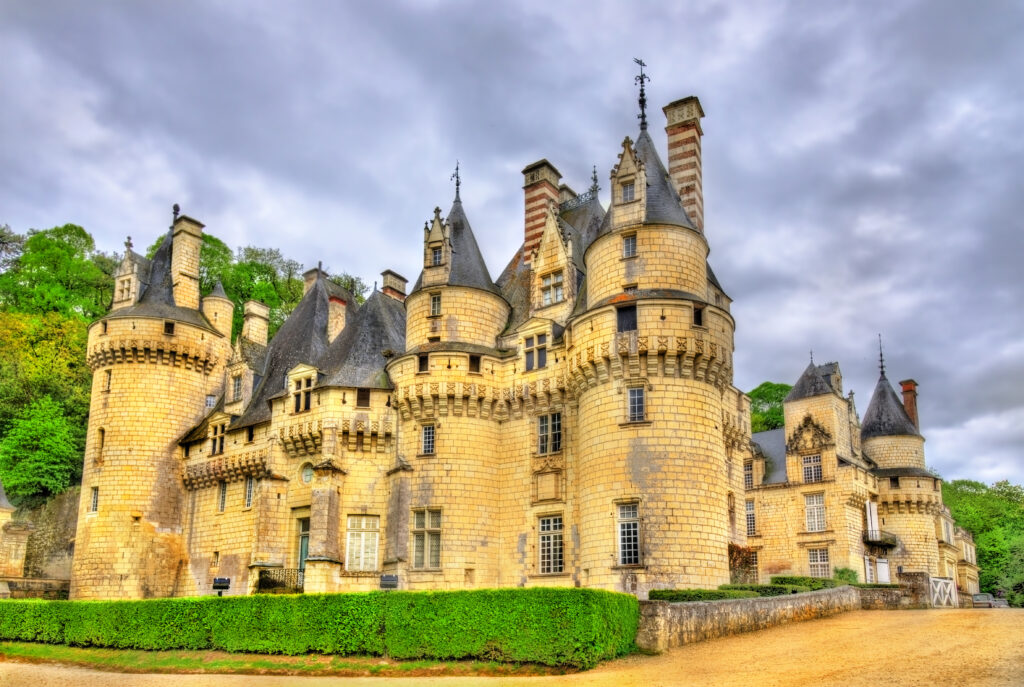
One of the most famous stories associated with the Château d’Ussé is the inspiration Charles Perrault found here for his world-famous fairy tale “Sleeping Beauty.” The picturesque surroundings and romantic atmosphere of the château must have seemed magical to the French writer during his stay. With its numerous towers and decorative elements, the château is indeed reminiscent of the settings of classic fairy tales. Anyone strolling through its magnificent halls or admiring its enchanting Baroque gardens can easily understand how this environment could have fired an author’s imagination.
Another remarkable aspect of the Château d’Ussé is its strategic location between the historic regions of Anjou and Blois. This made it a coveted and often contested site over the centuries. The region was already inhabited in Gallo-Roman times, as archaeological finds prove. The castle’s eventful history is reflected not only in its numerous renovations and extensions, but also in the various families that have owned it over the centuries, partly due to constant conflicts and power struggles.
Thomas Bernin, Marquis of Valentinay, finally acquired the estate in 1659. Under him and his son Louis I, the castle underwent fundamental changes that gave it its present appearance. Not only did the architecture shape the castle, but the gardens were also designed in the Baroque style by the famous landscape architect André Le Nôtre. These terraced gardens, known as the Terraces of Vauban, are another highlight of a visit to Ussé and offer a breathtaking view of the Loire Valley.
Particularly fascinating are the stories of the famous poets and writers who visited the castle throughout its history. Among the guests of Jeanne-Françoise Le Prestre de Vauban were Jean-Baptiste Rousseau and Antoinette-Thérèse Deshoulières, who visited regularly. Her daughter-in-law continued this tradition and invited Voltaire, who stayed at the castle from December 1722 to February 1723 and wrote part of his work “La Henriade.”
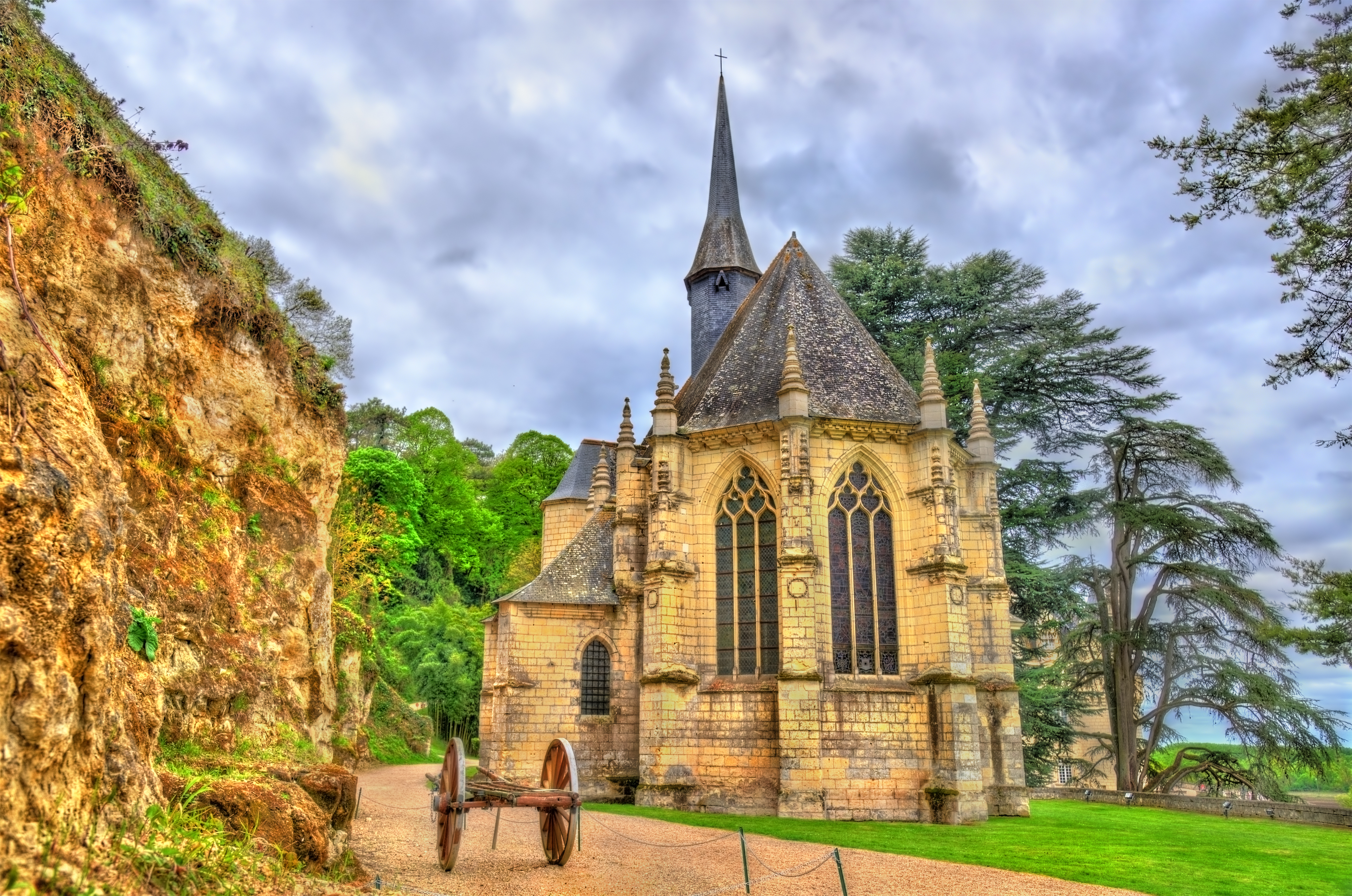
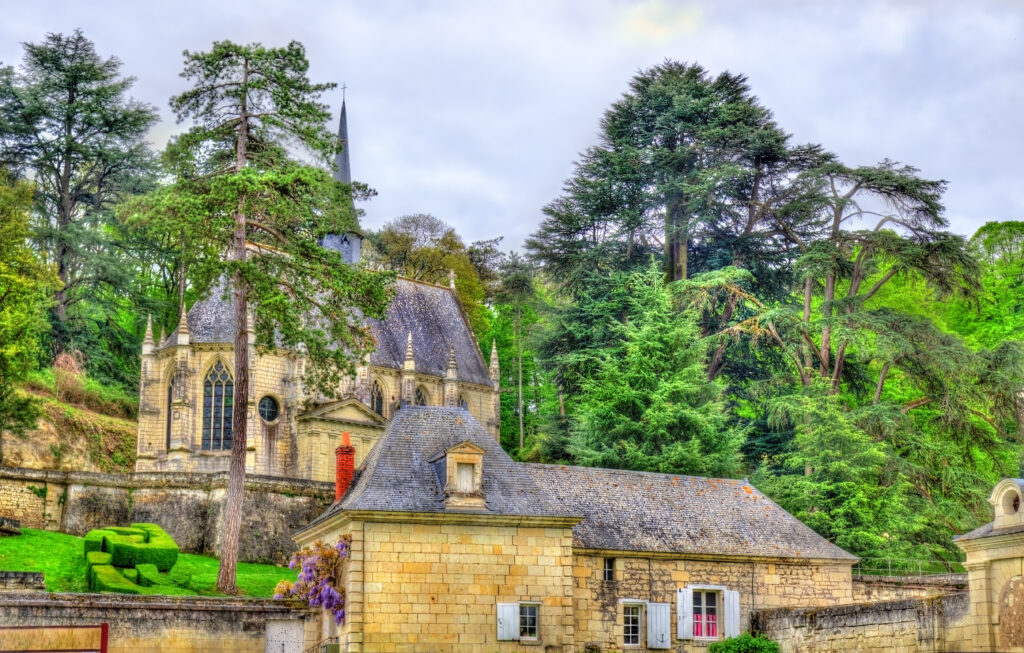
Claire de Duras, the wife of Amedée de Durfort, wrote her novels ‘Ourika’ and “Edouard” here and was buried in the castle chapel after her death. François-René de Chateaubriand also resided temporarily at the Château d’Ussé, where he worked on his famous “Mémoires d’outre-tombe.” In honor of this place, he planted two Lebanese cedars, which still stand next to the castle chapel today.
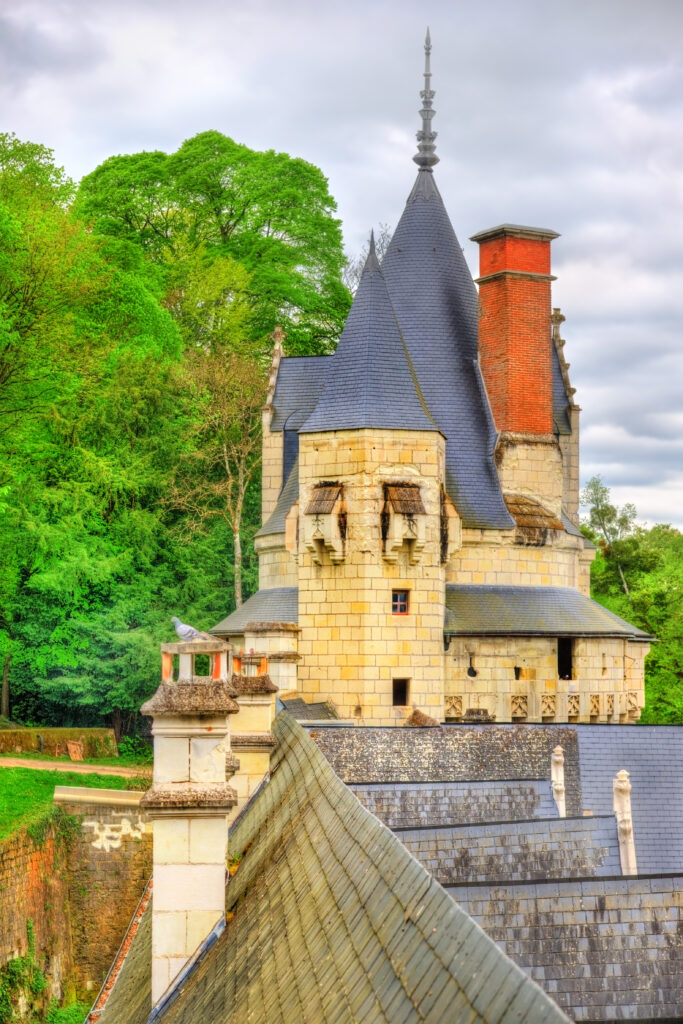
The Château d’Ussé is impressive not only for its historical and literary significance, but also for the variety of architectural styles it encompasses, from the Middle Ages to the Renaissance. The east wing features Gothic elements from the 15th century, while the facades of the west and south wings display Renaissance elements. The pavilion, on the other hand, is in the classicist Baroque style.
The castle chapel, an example of sacred architecture, awaits visitors with rich Renaissance-style sculptural decorations and houses valuable works of art such as the choir stalls of the school of Jean Goujon and a statue of the Virgin Mary in enameled terracotta. This statue is attributed to Luca della Robbia and is located in the north side chapel.
Although many of the interior rooms are used privately by the current owners, the descendants of Bertrand de Blacas, visitors can admire scenes from the fairy tale “Sleeping Beauty” in some areas of the castle. The building complex is constructed of white limestone and slate roofs and has a very defensive appearance thanks to its round corner towers and a surrounding battlement. This combination of romantic charm and historical splendor makes the Château d’Ussé an essential destination for anyone who wants to immerse themselves in the world of fairy tales and legends.
Ussé Castle is much more than just a historic building; it is a living testimony to times gone by, a place of inspiration for writers and poets, and an enchanted place that captivates all visitors with its history and beauty. A visit to Ussé Castle is like a journey into a fairy tale world where stones speak and legends come to life.