Deep in the forests of Latvia, shrouded in mystery and time, lies Skrunda-1—the largest ghost town in the Baltic States. This secret military facility, hidden from the rest of the world during its heyday, was an important hub in the Soviet Union’s defense network. Today, it stands as a macabre monument to the Cold War era, its eerie remains now used by NATO troops for urban warfare exercises.
The secret origins of Skrunda-1 – Skrunda-1 was built between 1965 and 1969 as a secret Soviet radar station. Located about a two-hour drive from the Latvian capital of Riga, the base was part of an elaborate network of early warning systems designed to detect ballistic missile threats from NATO submarines. This technological fortress, camouflaged in the middle of a dense forest, was so well hidden that even in its heyday, very few outside the inner circles knew of its existence.
The Soviet Union fortified Skrunda-1 with an impressive array of radar systems. The primary facility consisted of the Dnestr-M and Dnieper radar stations, which were capable of scanning thousands of kilometers to the horizon for impending threats. As technology advanced, the facility was expanded to include a bistatic radar system called Daryal-UM, often referred to as Skrunda-2. These developments were evidence of an escalating arms race and the ever-present threat of nuclear war that loomed over this era.
The abandoned city – With the collapse of the Soviet Union, the geopolitical landscape of Eastern Europe changed irrevocably. By 1991, Latvia had regained its independence, and the presence of Russian military installations within its borders became a point of contention. In 1994, a compromise was reached: Russia would continue to operate Skrunda-1 until 1998 under a lease agreement worth $5 million annually, in order to allow sufficient time for the construction of a replacement facility on Russian soil.
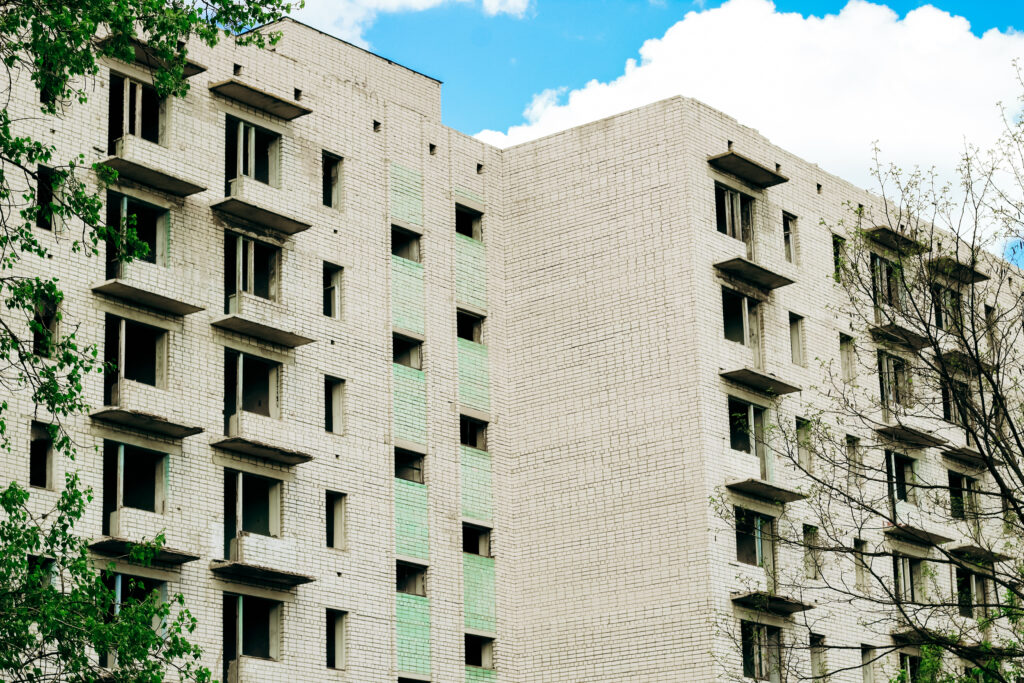
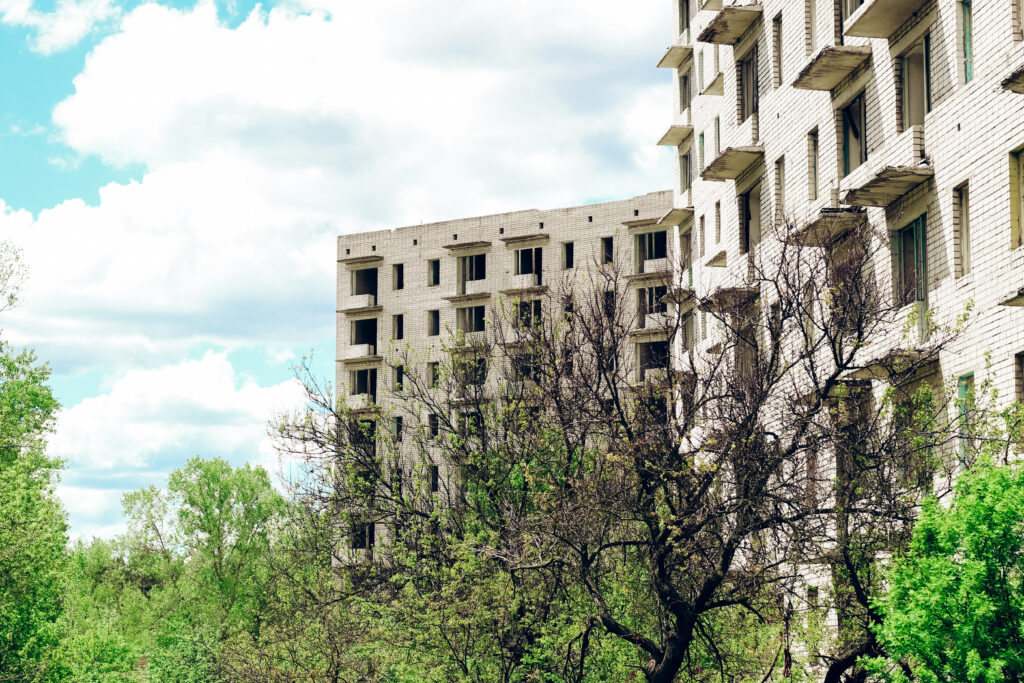
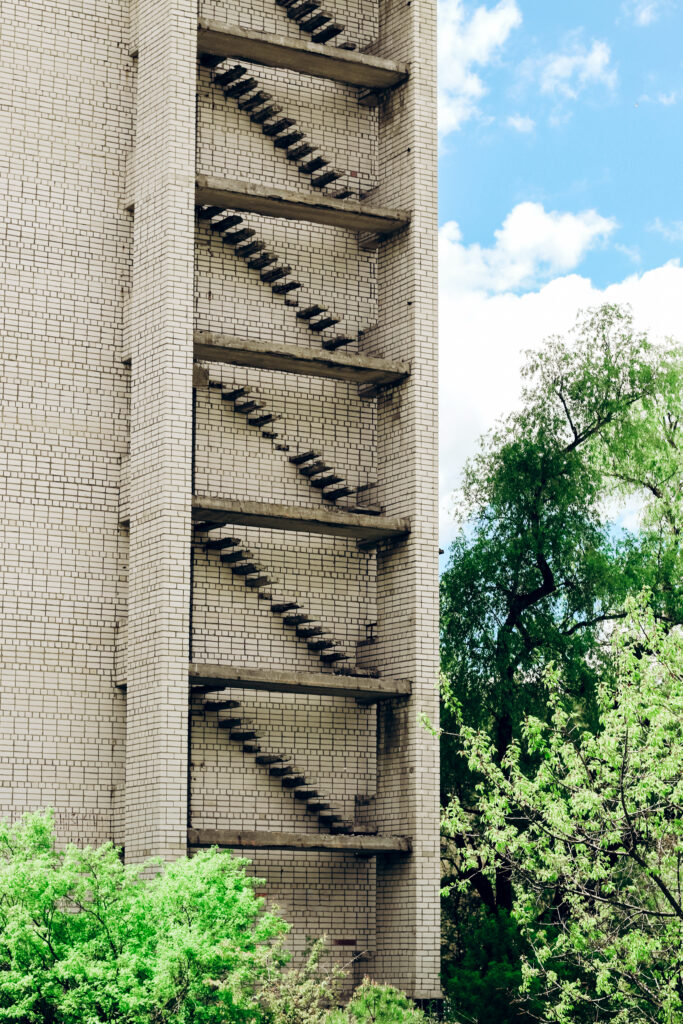
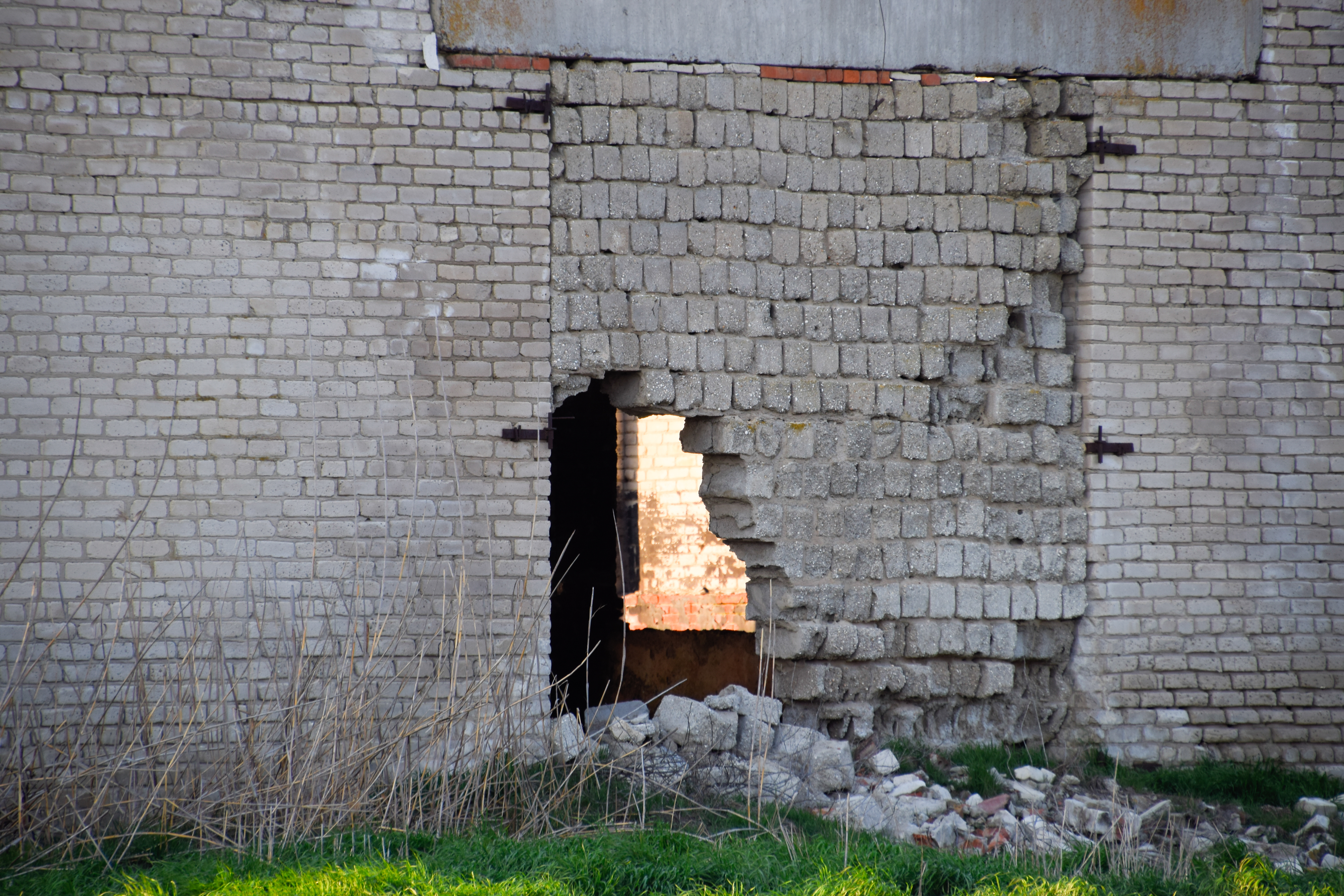
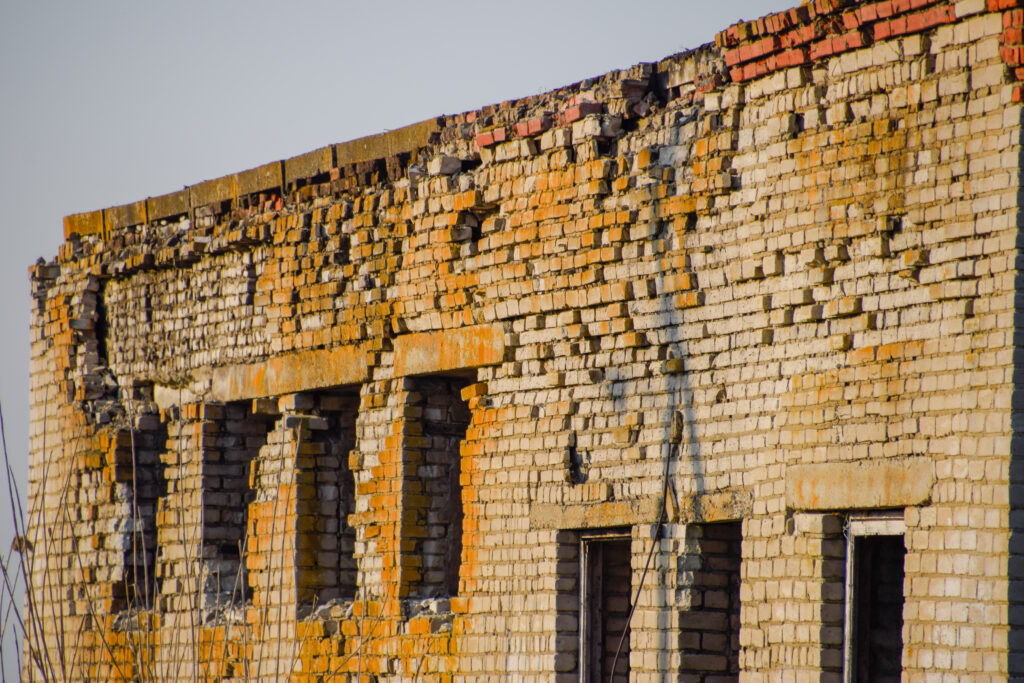
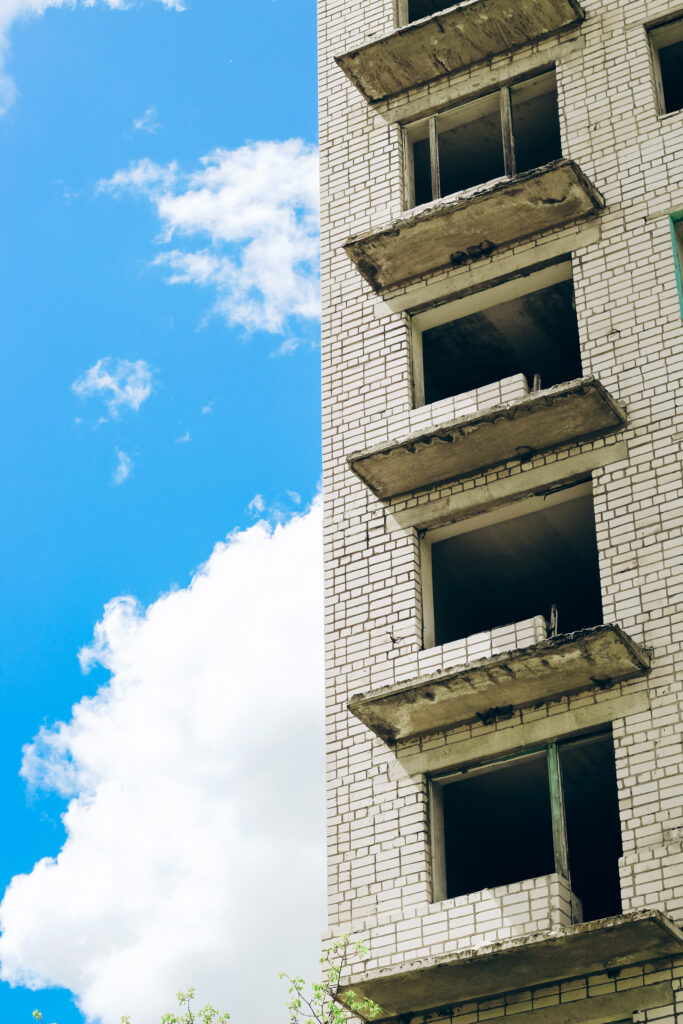
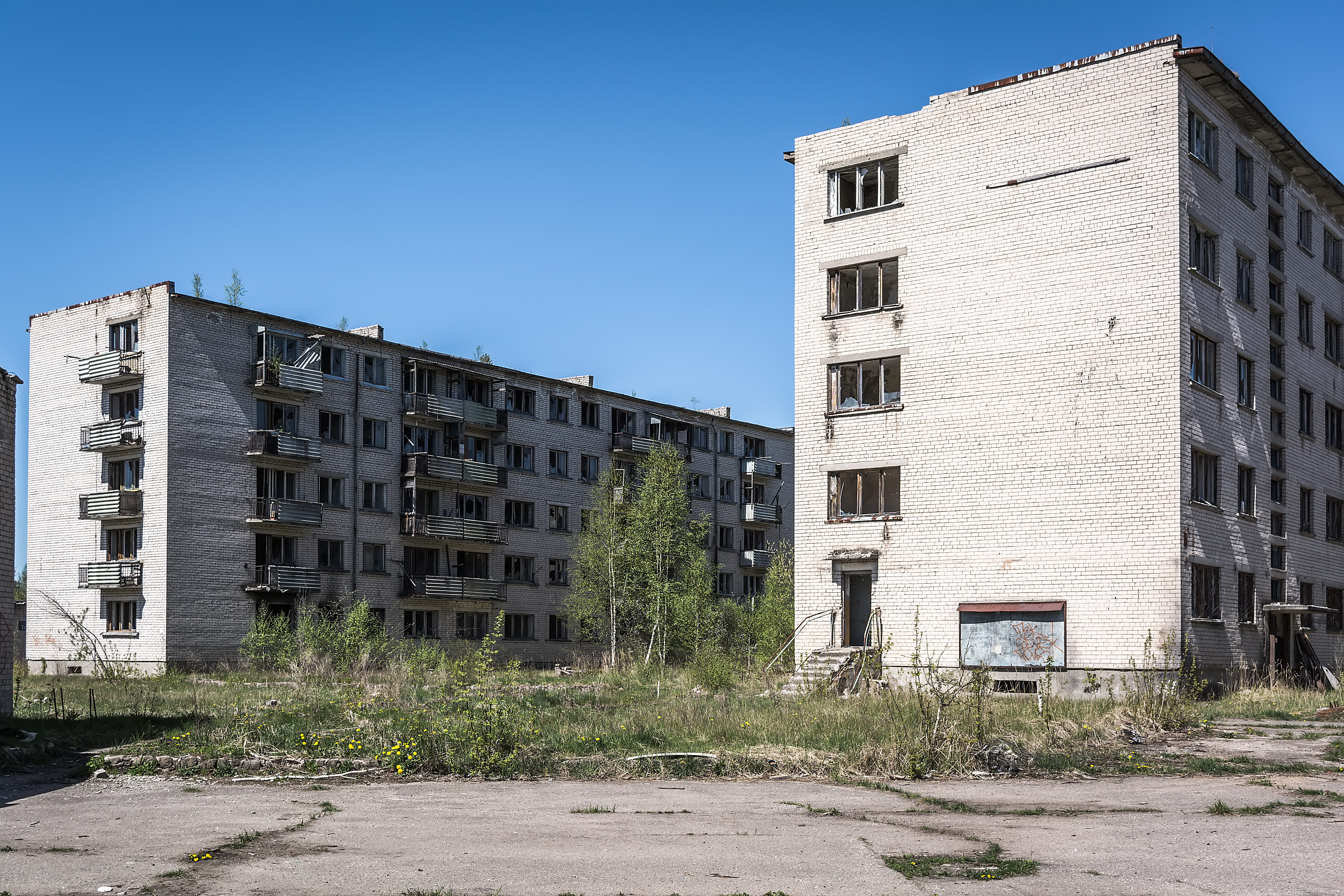
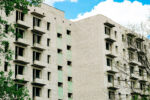
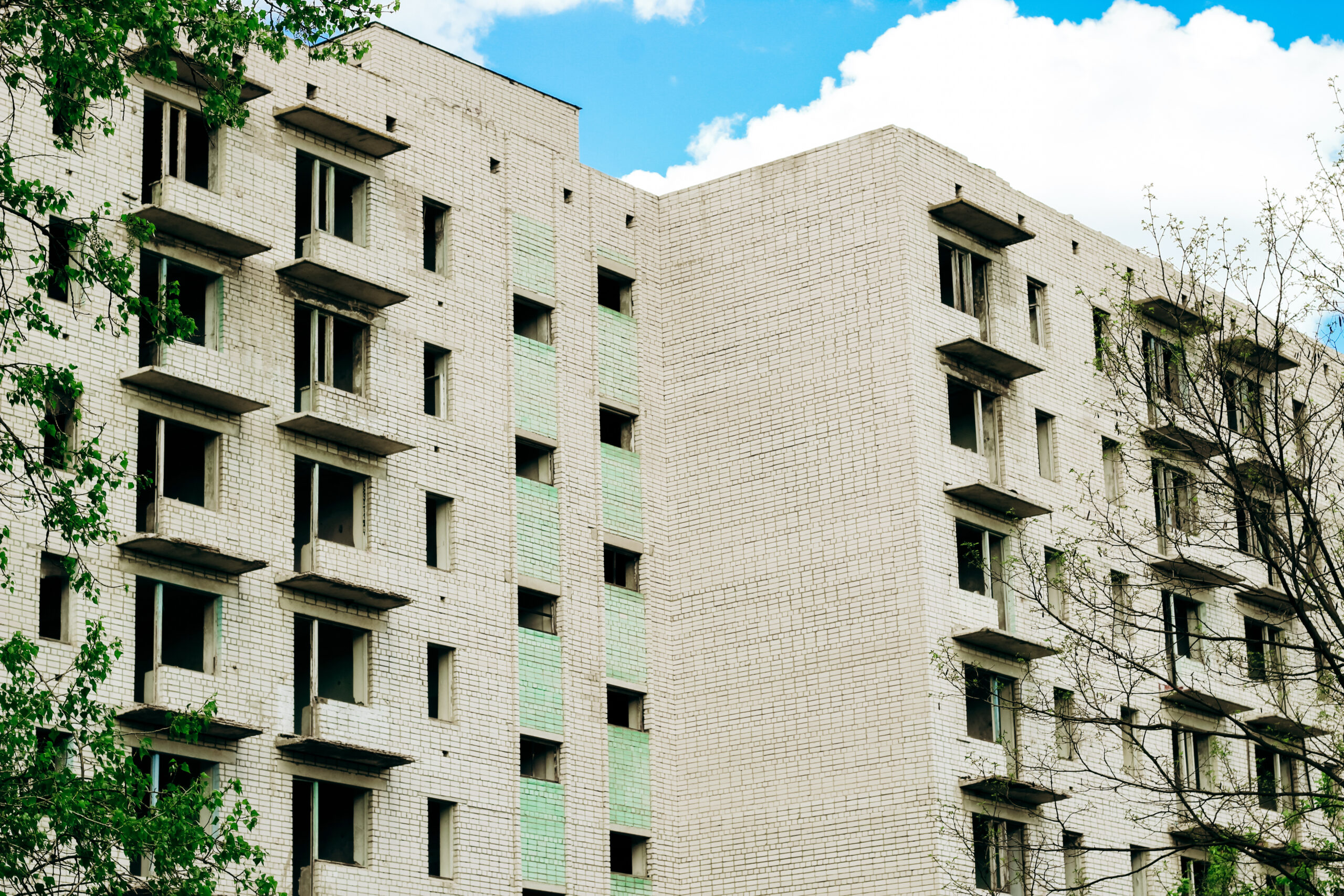
When the last Russian soldiers left Skrunda-1 in October 1999, they left behind an abandoned city. The once-bustling streets, populated by the soldiers’ families, fell into rapid decline. Apartment blocks, schools, shops, and hospitals quickly began to decay, succumbing to the ravages of time and neglect. Today, these remains offer a poignant glimpse into a past marked by secrecy and Cold War paranoia.
Current use and tourism – Despite its desolation, Skrunda-1 has found a new lease on life. The site has become a popular destination for urban explorers and history buffs. Guided day trips from Riga allow visitors to wander through the ruins and experience the eeriness of the abandoned buildings firsthand. Upon arrival, tourists are greeted by an atmosphere that recreates the historical conditions of the place. People in protective suits and gas masks check visitors, reminding them of the strict security measures that were once the norm here.
For those who want to take a piece of Skrunda-1’s aura home with them, souvenir stands offer replicas of these iconic gas masks and protective gear. Military training ground – Beyond their role as a tourist attraction, the ghostly streets of Skrunda-1 have found a new purpose as a military training ground. NATO forces use the site for urban combat simulations, taking advantage of the abandoned city’s labyrinthine infrastructure to conduct realistic maneuvers. These exercises not only give the abandoned site a new purpose, but also add another layer to the complex history of Skrunda-1—transforming it from a symbol of Soviet secrecy to a strategic asset of modern military readiness.
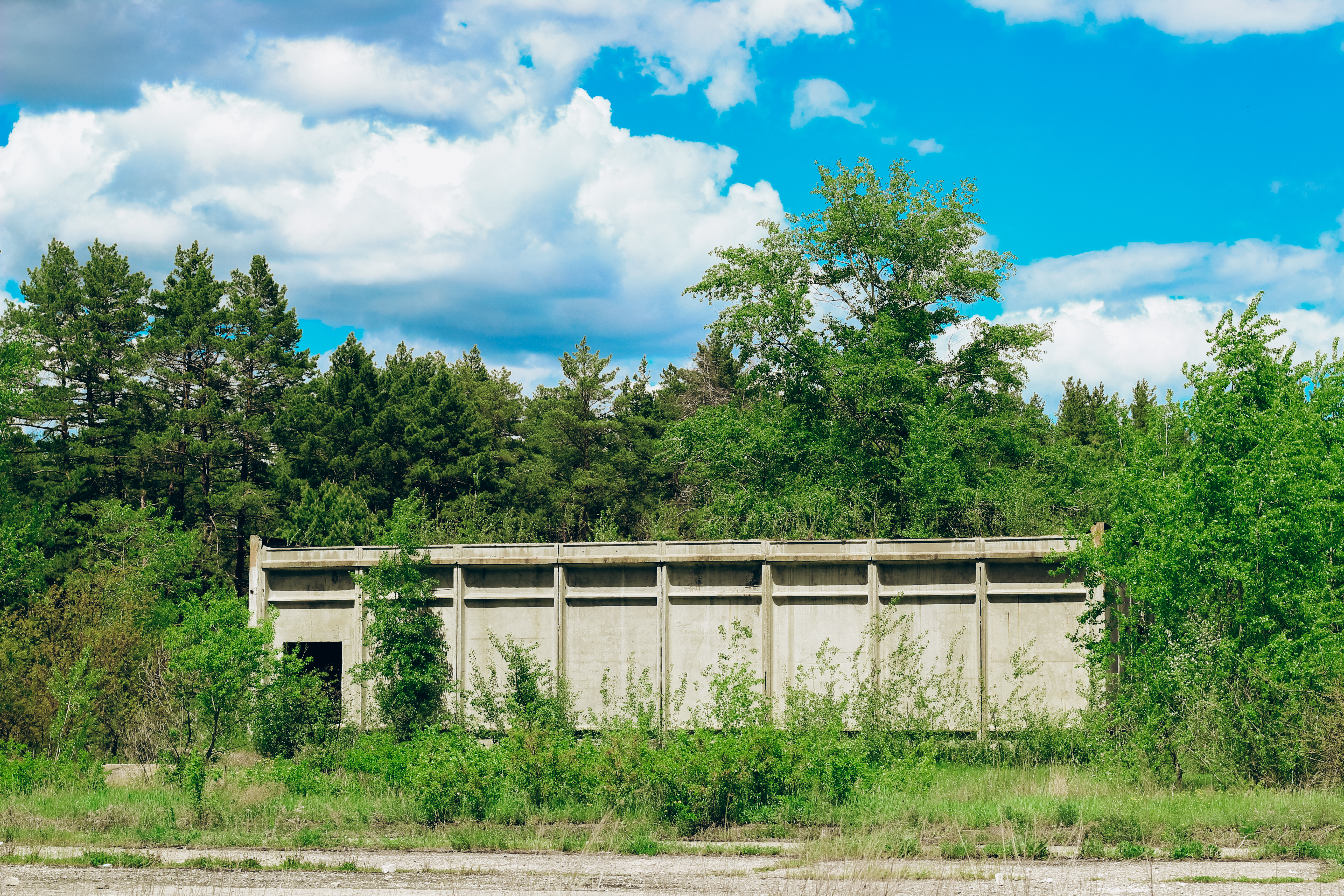
An architectural monument to the Cold War – The ruins of Skrunda-1 are also a powerful architectural testament to the Cold War era. The crumbling buildings and rusty radar installations are silent witnesses to a time marked by ideological rivalry and the ever-present fear of nuclear war. Each structure tells a story—from the towering horn antennas, each 200 meters long and nearly 25 meters high, to the apartment blocks where families once maintained a semblance of normality under the watchful eye of the state’s technological surveillance. In addition, filmmakers and production companies have recognized the cinematic potential of the location. The bleak atmosphere and decaying aesthetics make Skrunda-1 an ideal backdrop for films and documentaries dealing with themes such as desolation, survival, and historical self-reflection.
Challenges and preservation efforts – While Skrunda-1 continues to capture the imagination of visitors and serve practical purposes for NATO, the challenge remains to preserve this relic of the Cold War. The Latvian government, together with local authorities, has expressed interest in preserving the site, balancing its historical significance with the natural reclaiming of the surrounding forest. Funding for preservation projects is often limited, which poses a significant hurdle.