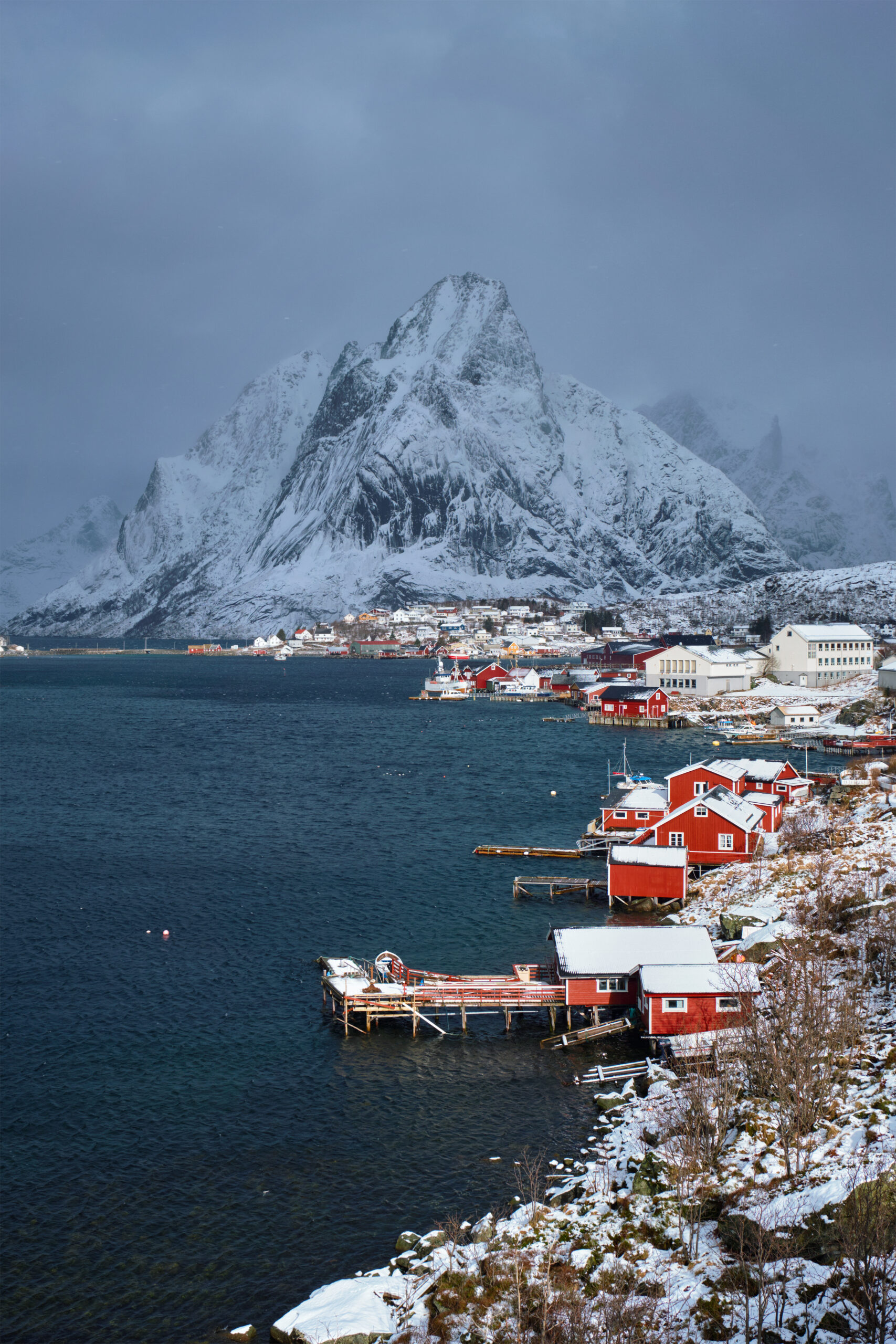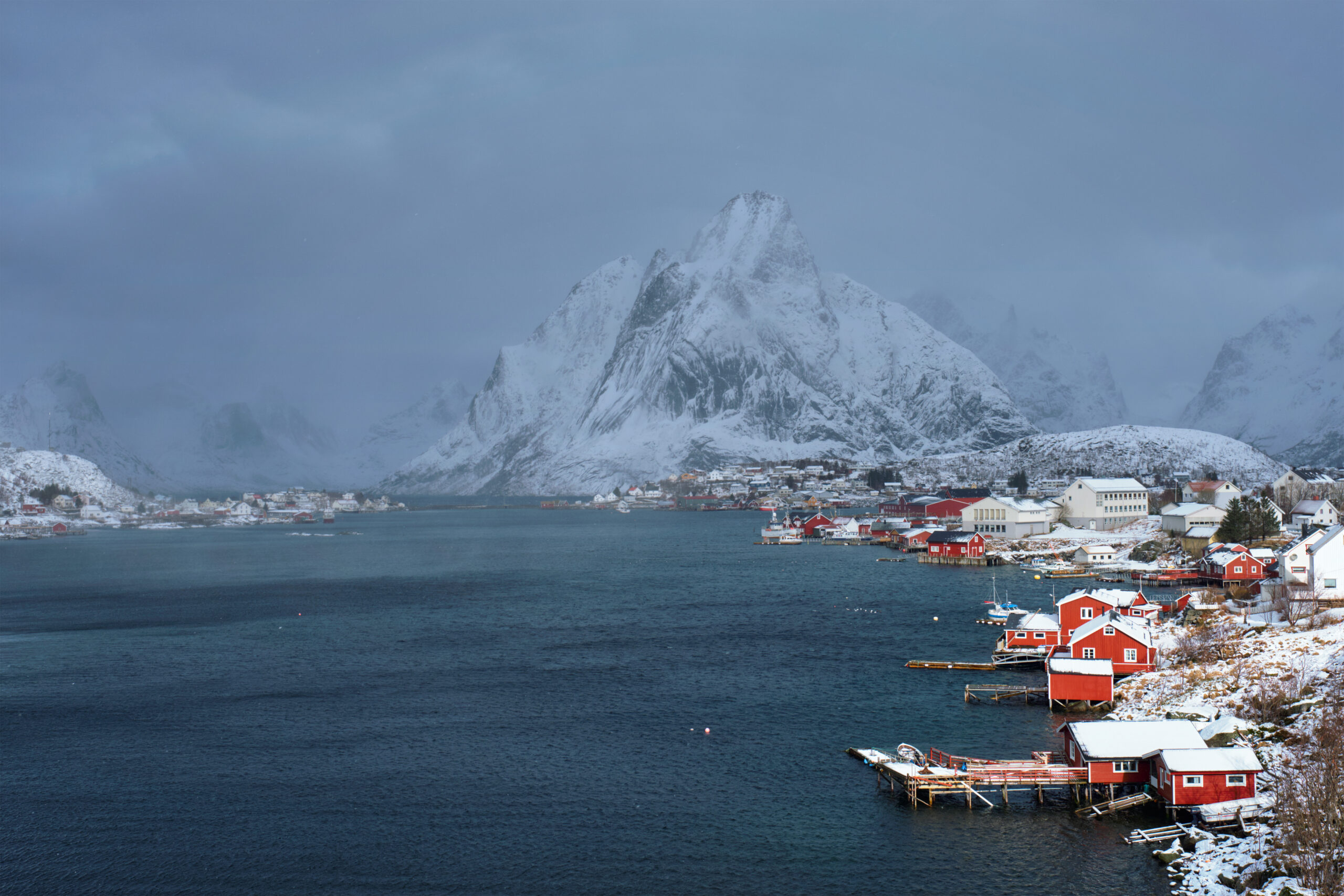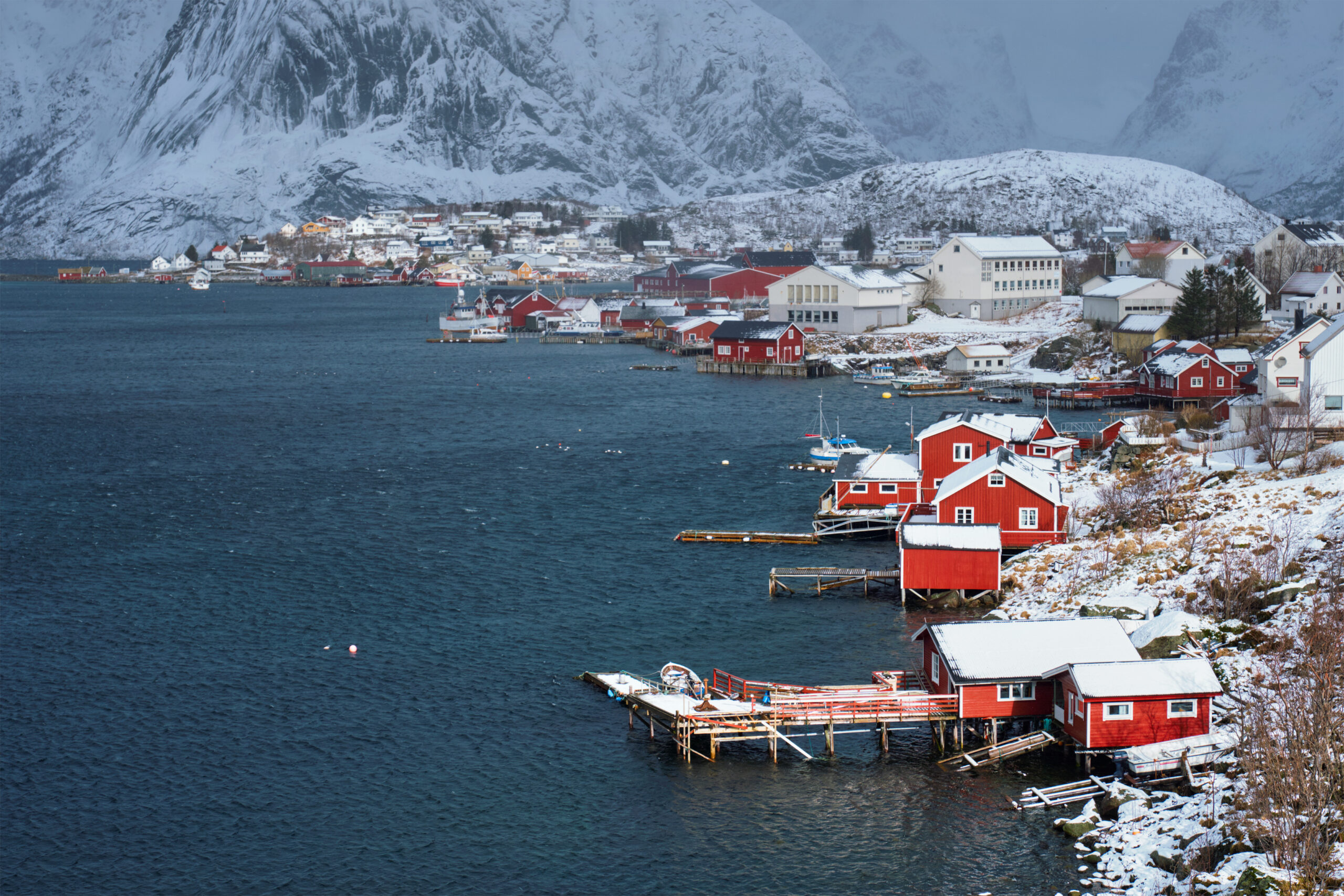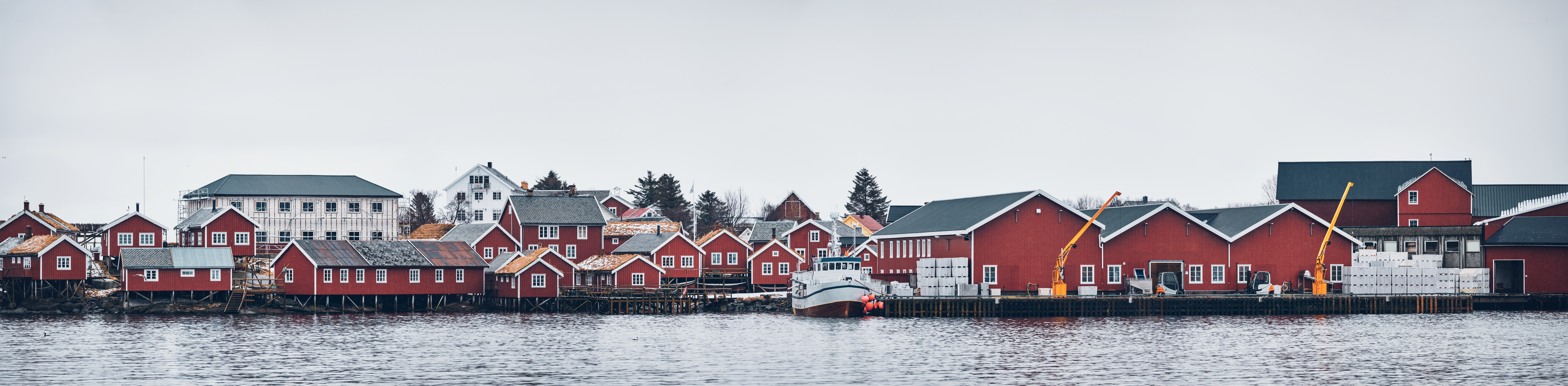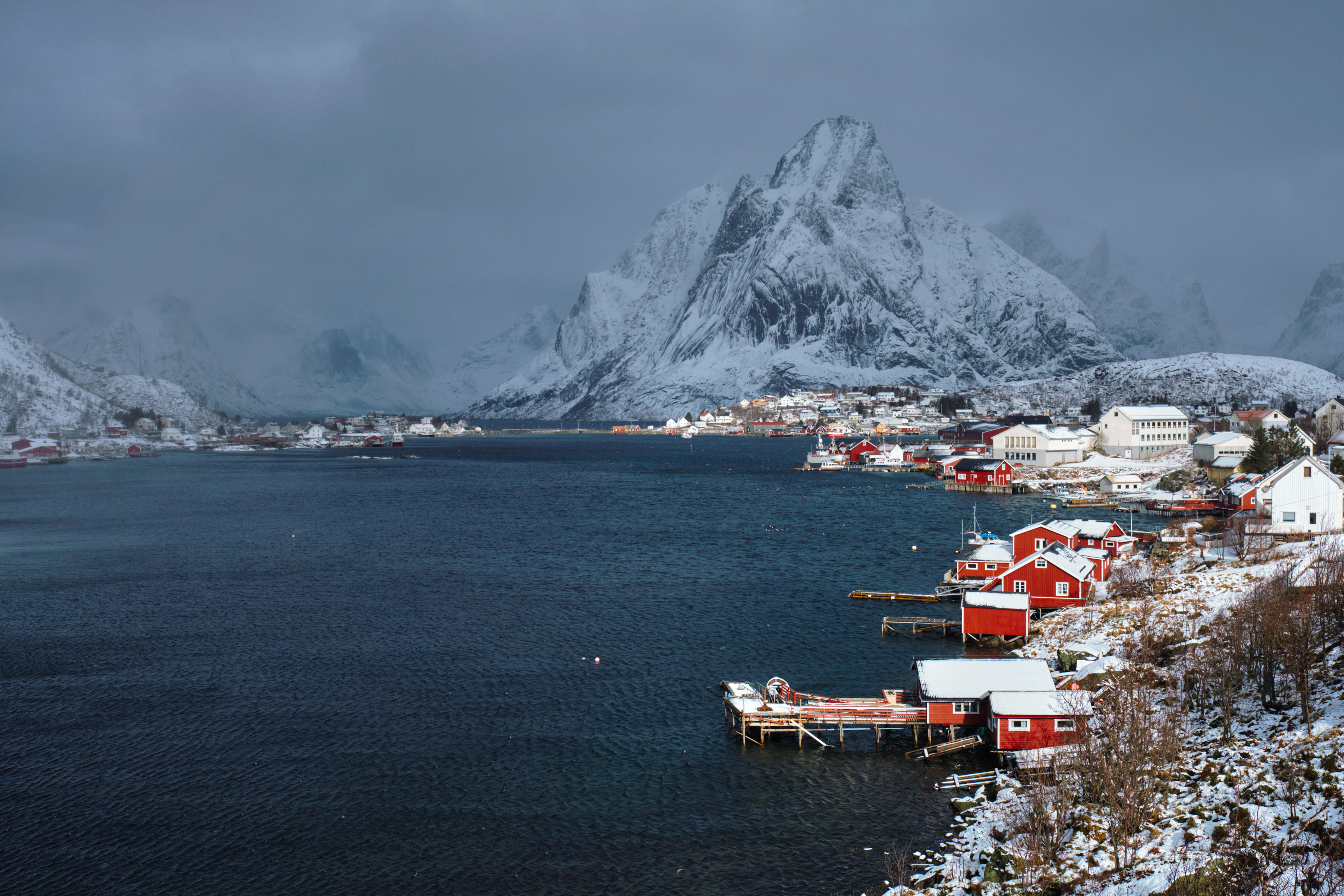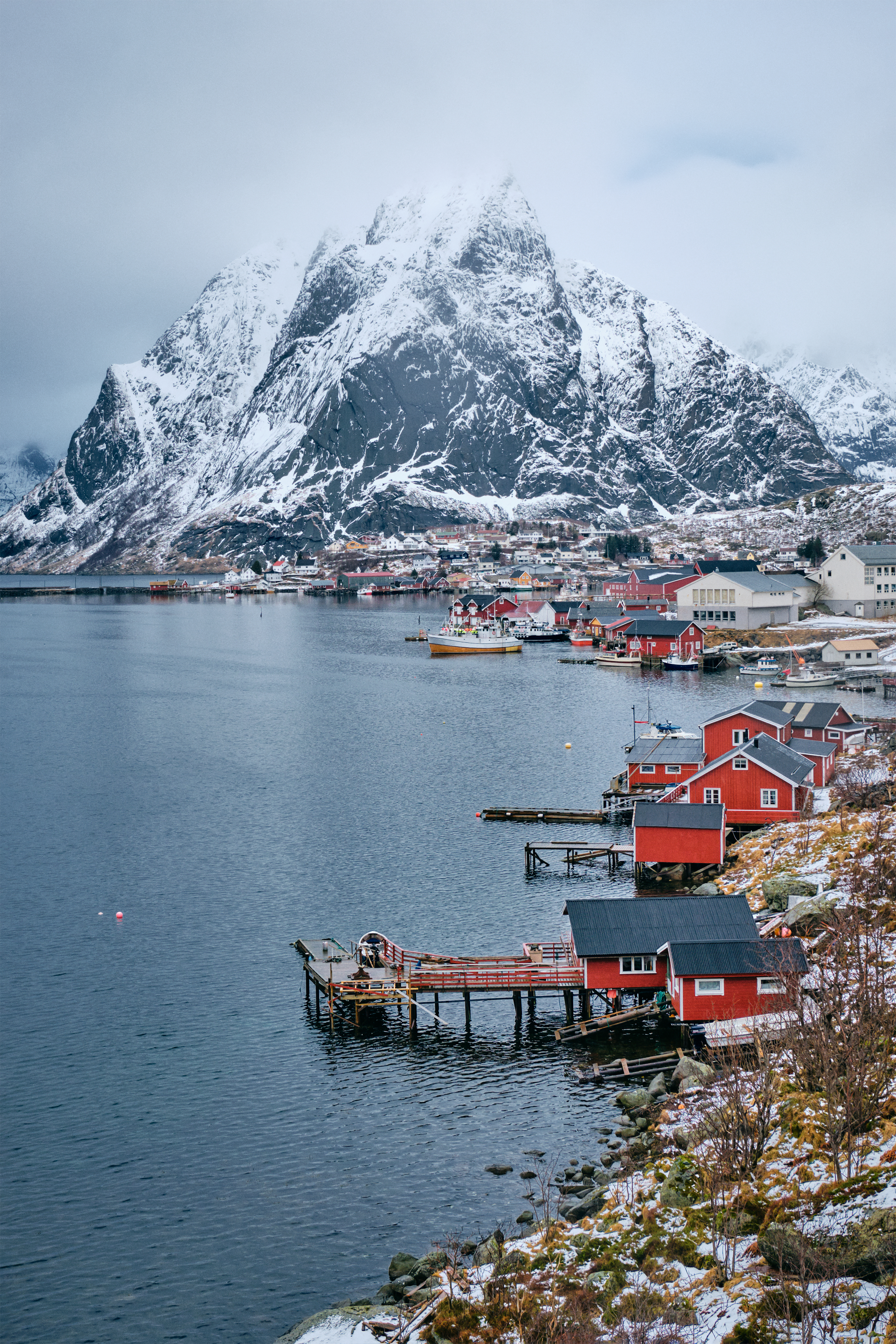
Nestled in the dramatic landscape of the Lofoten Islands lies the picturesque village of Reine, a place rich in stories about its majestic fjords, rugged mountains, and mysterious seas. Reine is not only known for its breathtaking beauty, but also for the mystical tales and historical events that surround this remote part of Norway. Join us on a journey into the world of myths, legends, and living history that make Reine a unique destination.
The beginnings of Reine – The history of Reine dates back to the early Middle Ages, when the first settlers explored the region, attracted by the fish-rich waters and fertile soils of the Lofoten Islands. The early inhabitants lived mainly from fishing and agriculture and developed a close connection to nature over the centuries. Archaeological finds show that the Viking Age had a particularly strong influence here. Reine served as an important trading center where merchants from different parts of Scandinavia met to exchange goods and tell stories.
Myths and legends – The mysterious fjords and rugged mountains of Lofoten have always captured people’s imaginations. One of the most famous legends tells of the “Soul Singer of Reine,” a beautiful girl who had such an enchanting voice that she could supposedly bring the dead back to life. However, on a cold winter evening, she disappeared without a trace, while her singing continued to echo in the mountains for a long time. Even today, some villagers claim to be able to hear her beguiling singing on quiet nights. Another myth tells of the “light warriors,” the spirits of ancient warriors whose swords are said to shine like the northern lights in the sky. This legend says that they watch over the fishermen to protect them from the dangers of the rough sea. Especially on stormy evenings, the fascination of these lights is particularly impressive, as they are seen as a symbol of hope and protection.
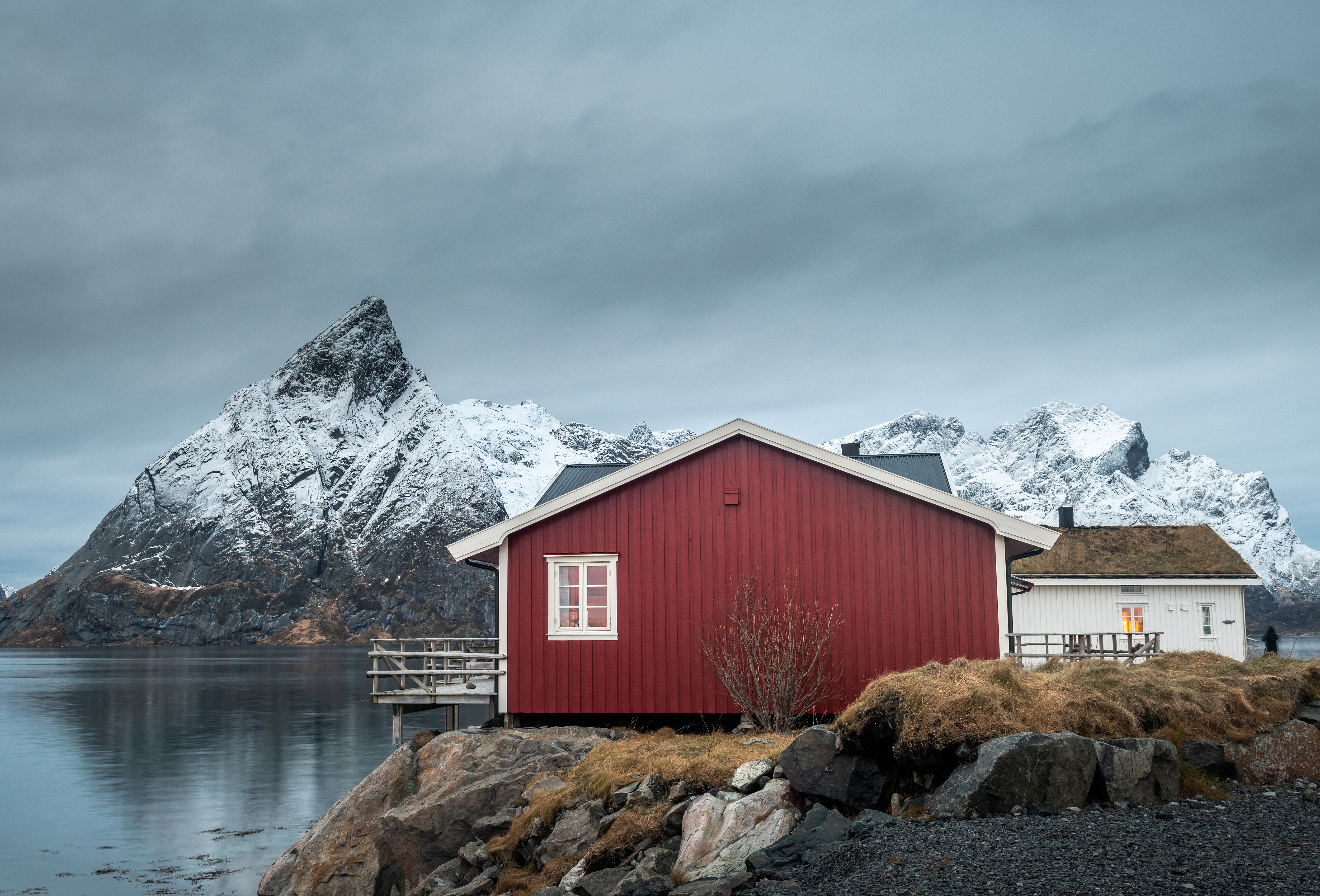
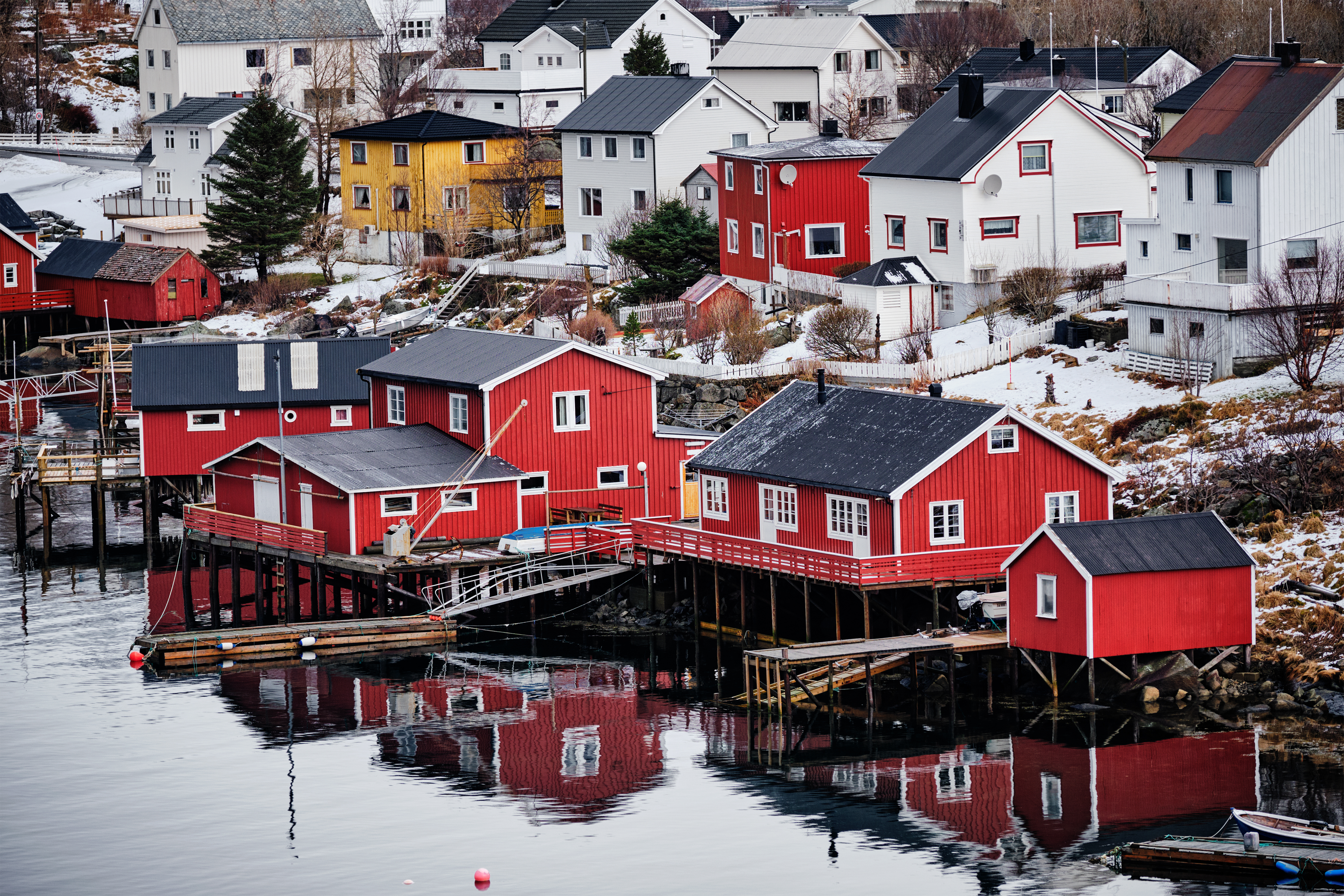
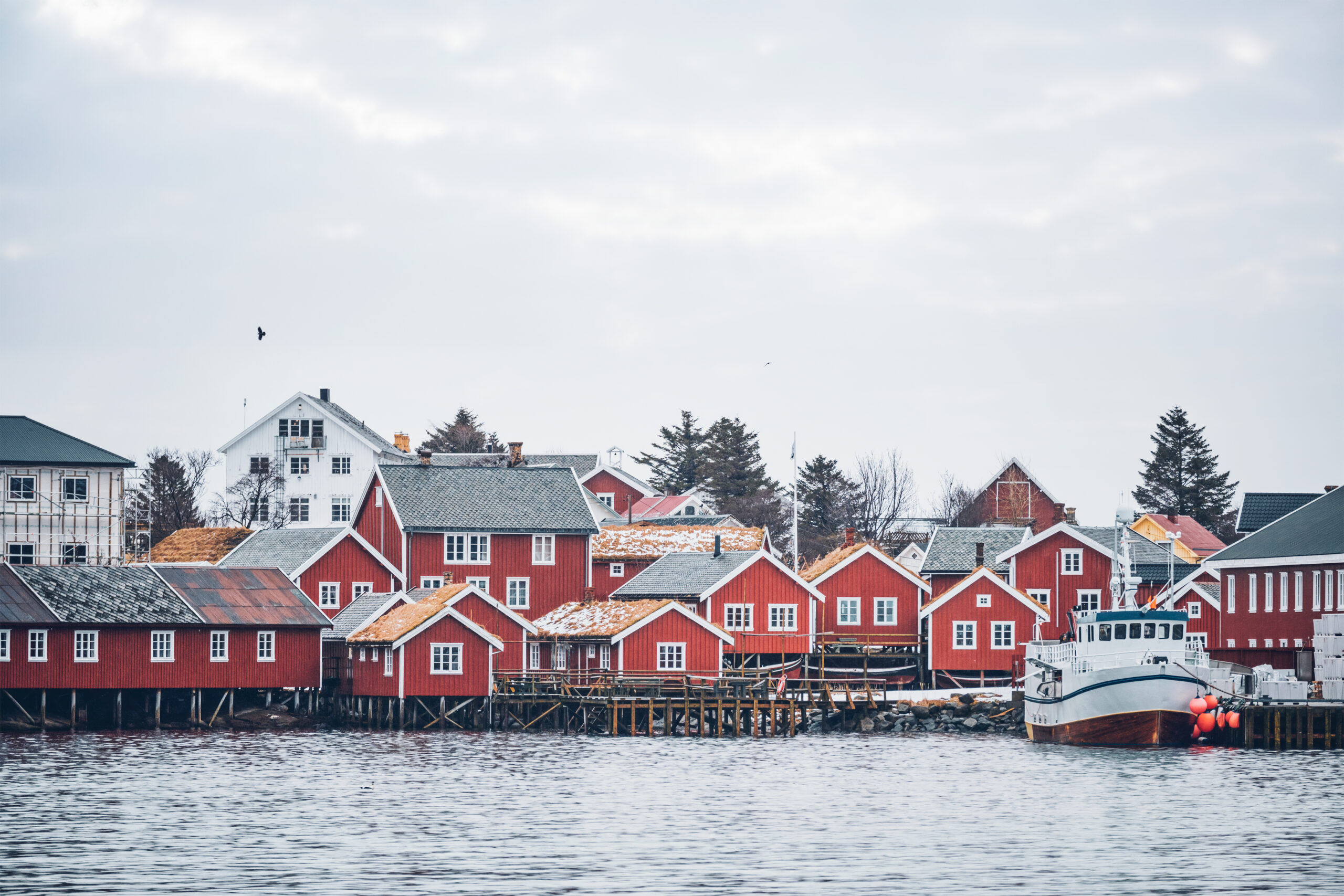
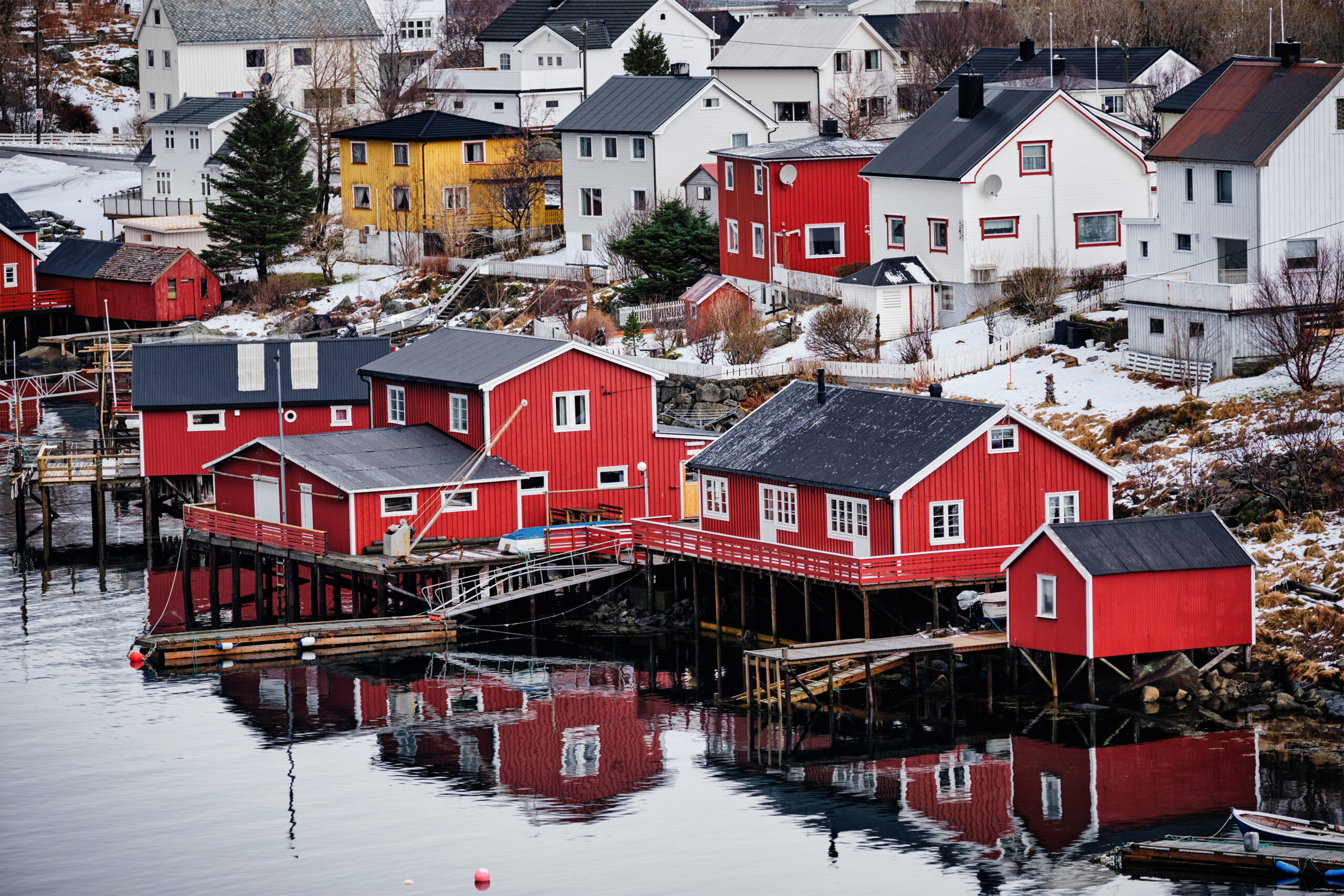
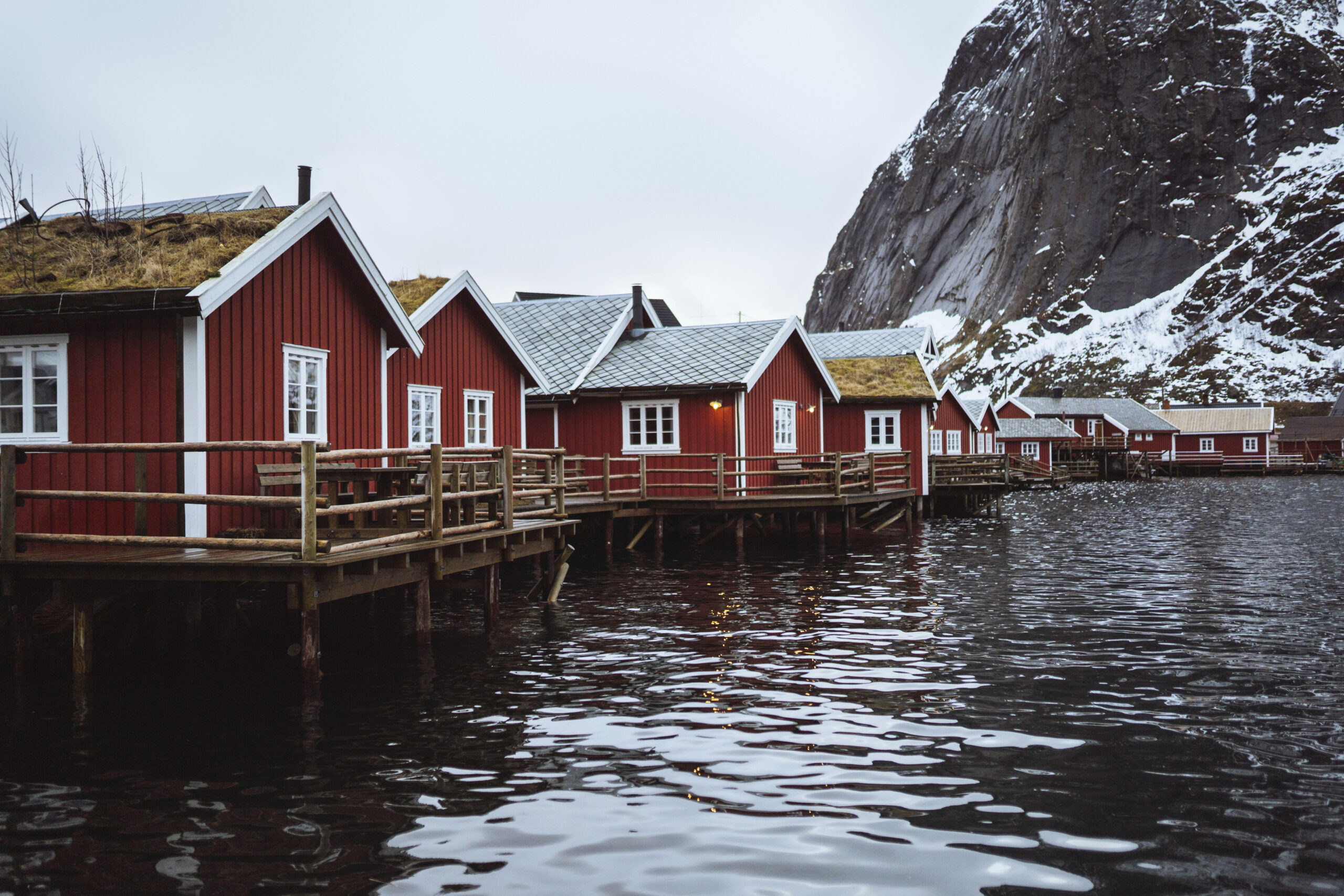
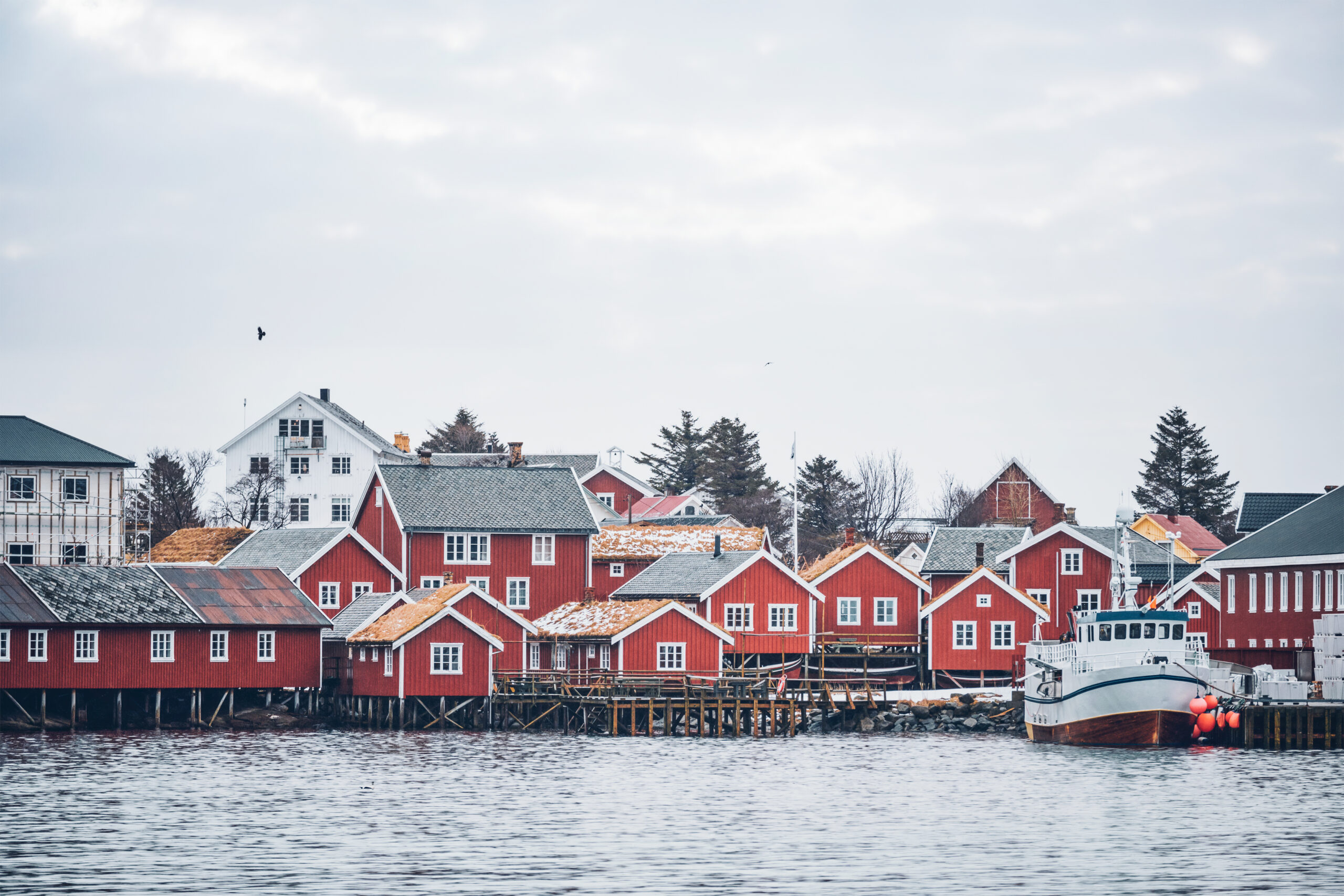
Historical events – Not only myths and legends shape the history of Reine, but also significant historical events. In the 19th century, the village experienced an economic boom thanks to the stockfish trade. Thanks to its strategic location, Reine developed into an important center for the trade in dried fish, which was in high demand both in Europe and overseas. The economic success led to a construction boom, and many of the charming red fishermen’s huts that characterize the townscape of Reine date from this period. During World War II, Reine was once again at the center of historical events. The Allies took advantage of the remote location of the Lofoten Islands to carry out secret operations against the German occupation. One of the most famous actions was the so-called “Lofoten Raid,” in which British forces disrupted German supply routes and destroyed information centers. The bravery of the locals, who helped the Allies with information and accommodation, is still honored in the community today.
Reine today – Today, Reine is a popular destination for vacationers from all over the world who want to experience unspoiled nature. Tourism has significantly boosted the local economy, but the residents of Reine are committed to preserving their traditions while promoting sustainable tourism. Fishing remains a central part of life in Reine. In many places, traditional knowledge is still passed down, from the best fishing methods to the processing and preparation of fish. Visitors to Reine can expect a unique blend of natural beauty and cultural heritage. Hiking trails lead through spectacular landscapes, and boat tours offer unforgettable views of the fjords. For nature lovers, the region is a true paradise where you can watch whales or marvel at the impressive northern lights.
Preserving traditions – Reine’s cultural heritage is rich in traditions that are deeply rooted in the Norwegian soul. Festivals and events such as the annual fish festival celebrate the inhabitants’ connection to the sea. On such occasions, old songs and dances are performed that have been passed down from generation to generation. There are also local craft markets offering handicrafts and regional specialties.
Looking to the future – With growing interest in sustainable tourism, the residents of Reine face the challenge of protecting their natural and cultural heritage without jeopardizing their economic opportunities. Initiatives to promote environmentally friendly practices and involve the community in decision-making processes are helping to strike a balance between tradition and modernity.
Reine remains a place of wonder and discovery, where both the past and the present are alive. The stories, myths, and legends that surround this village testify to deep roots and a vibrant culture that must be preserved. Whether through sacred songs, whispered legends, or impressive natural beauty, Reine invites every visitor to become part of its history.