Thessaloniki, Greece’s second-largest city, is a place of breathtaking beauty and fascinating history. For centuries, this metropolis has been a hub of cultural diversity and political significance. But what makes Thessaloniki such a special place? Let’s embark on a historical journey through time to discover the hidden treasures of this remarkable city.
Early History and Founding – Thessaloniki was founded in 315 BC by Cassander, one of Alexander the Great’s Diadochi. He named the city after his wife Thessalonike, a sister of Alexander the Great. Its strategic location on the Thermaic Gulf quickly made Thessaloniki an important trading center. The city benefited from both inland trade and the maritime trade routes that crossed the Mediterranean.
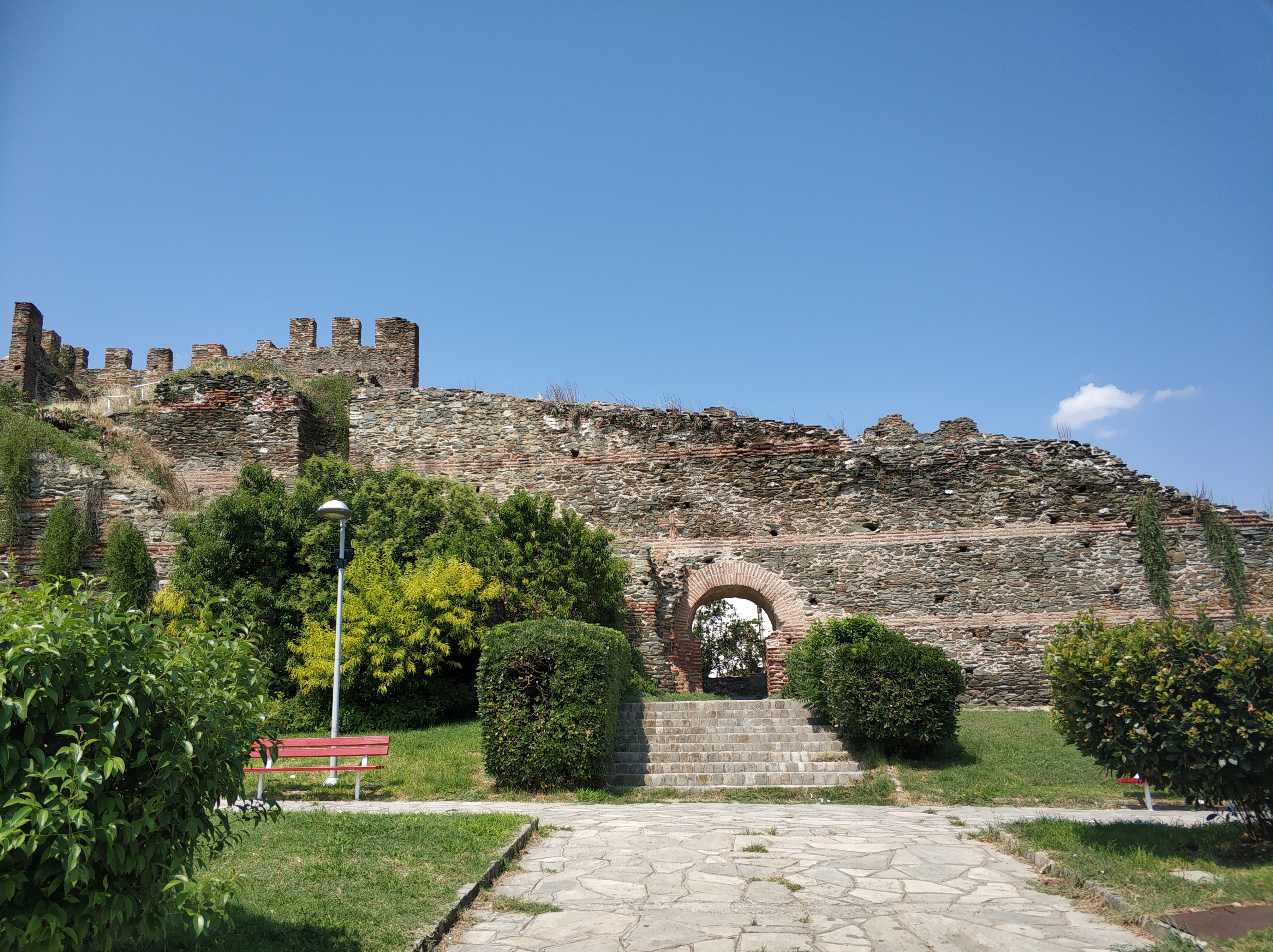
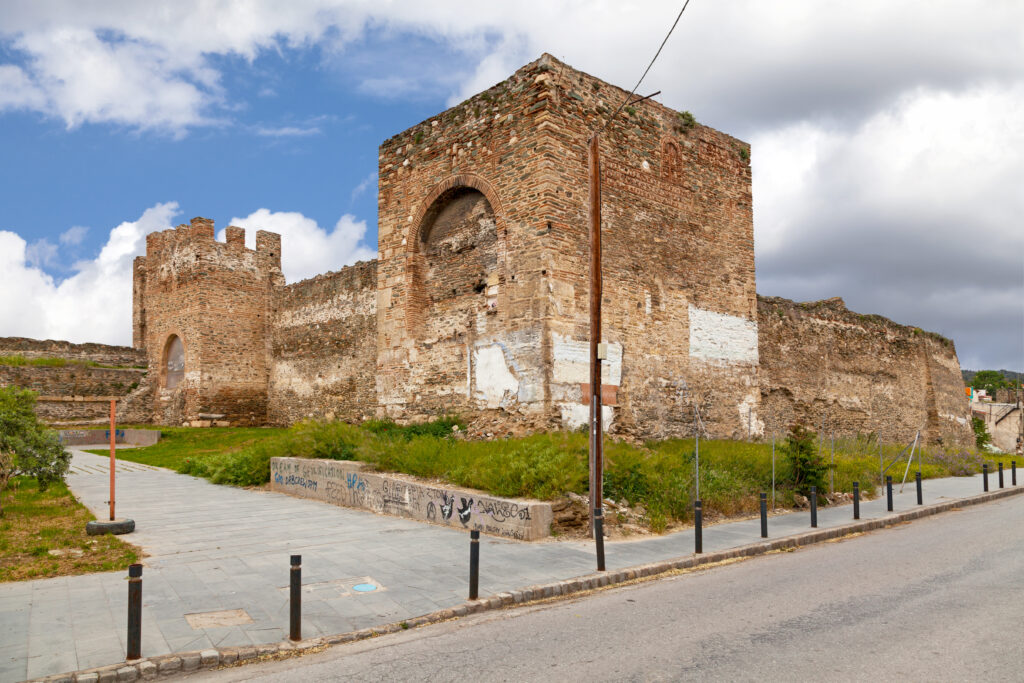
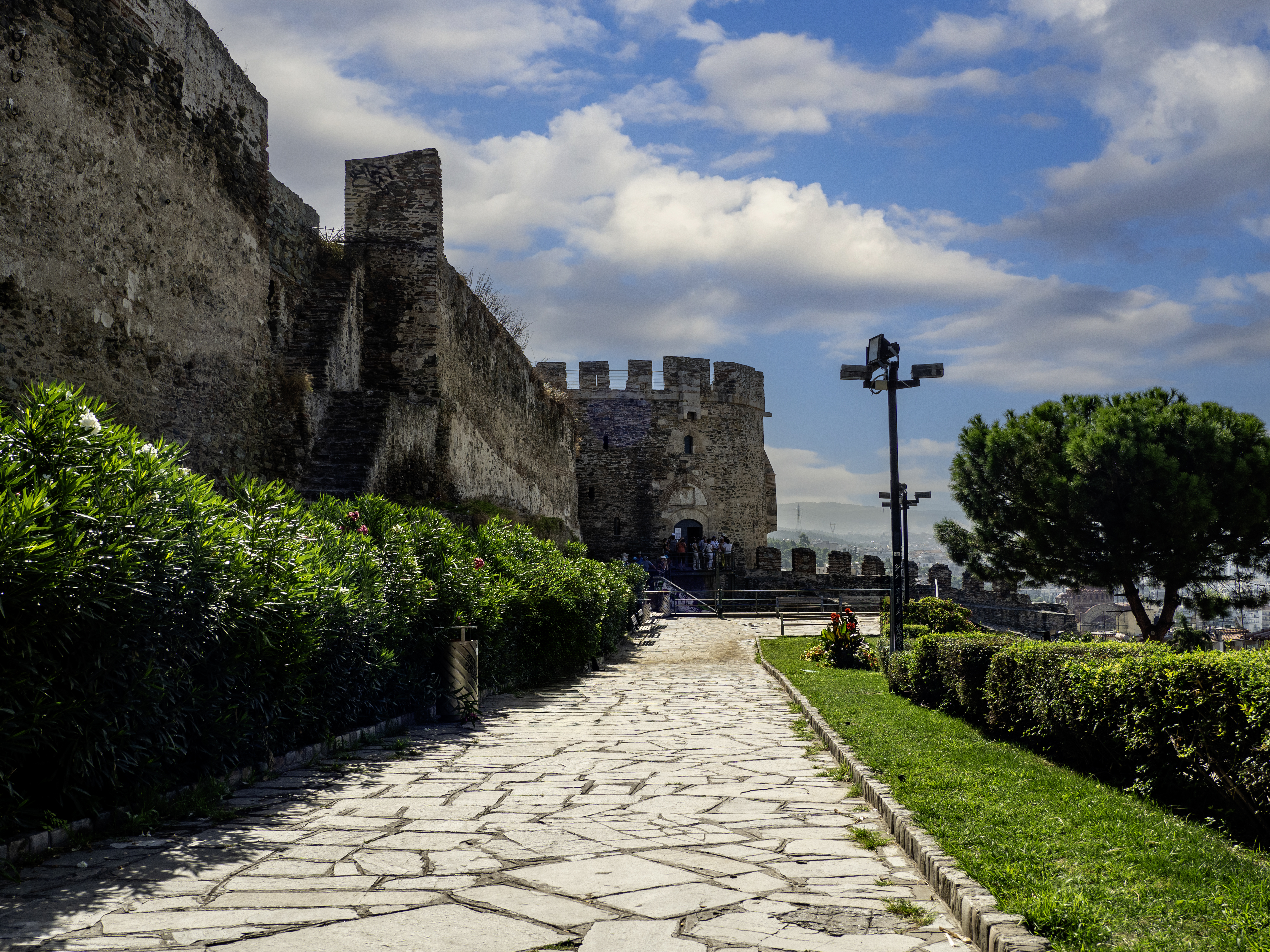
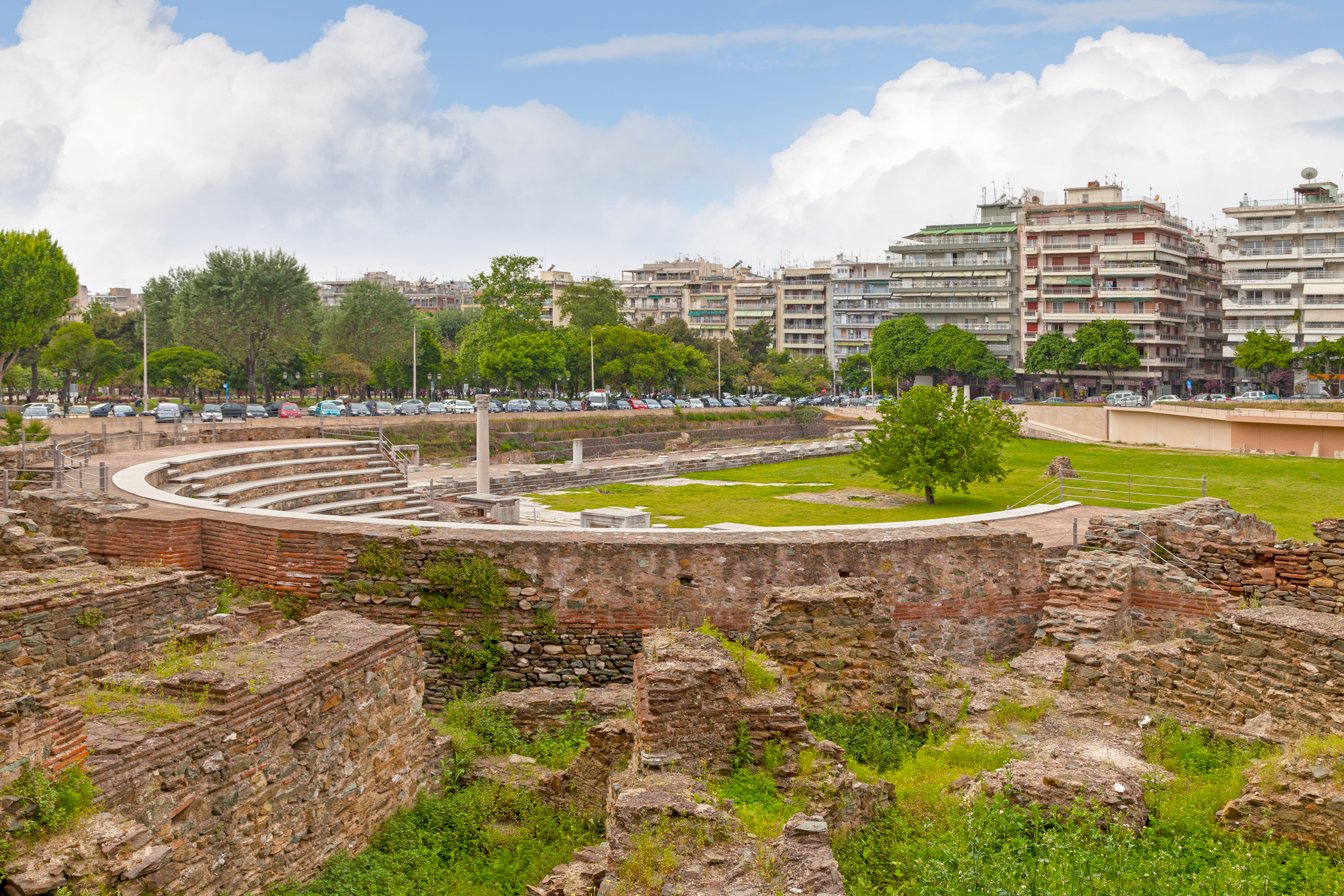
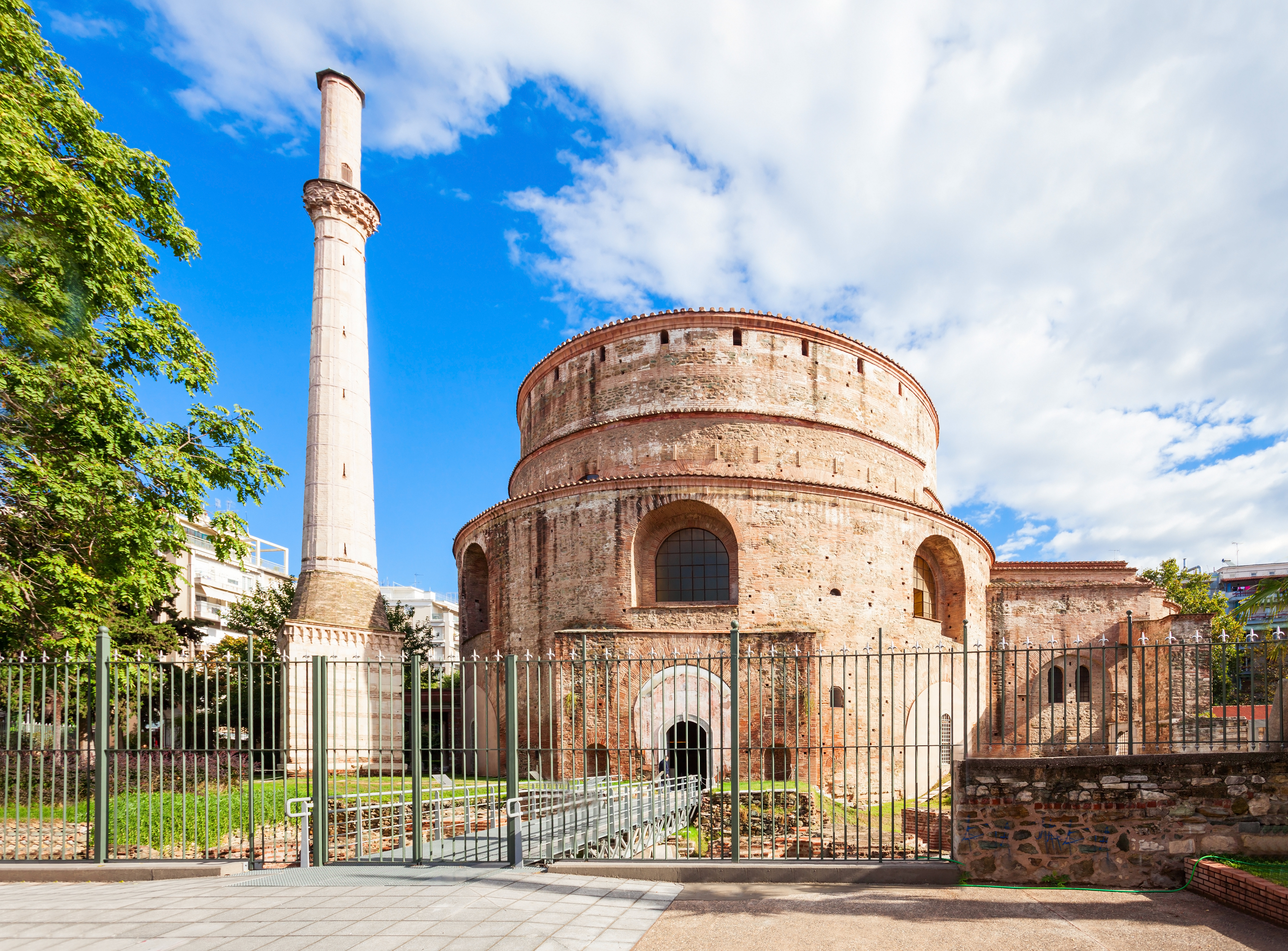
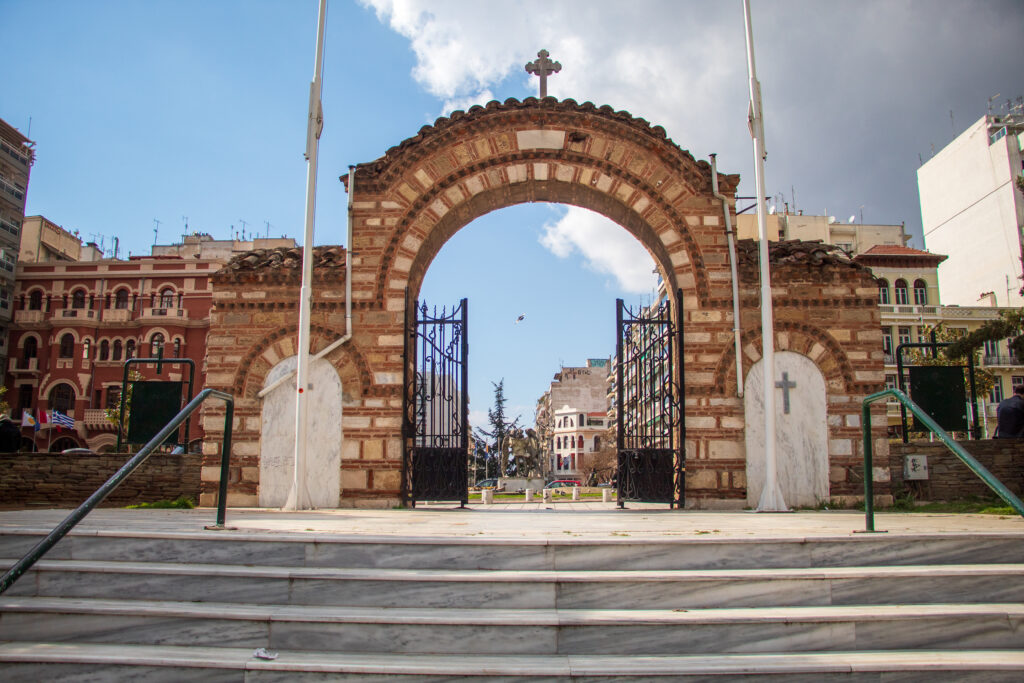
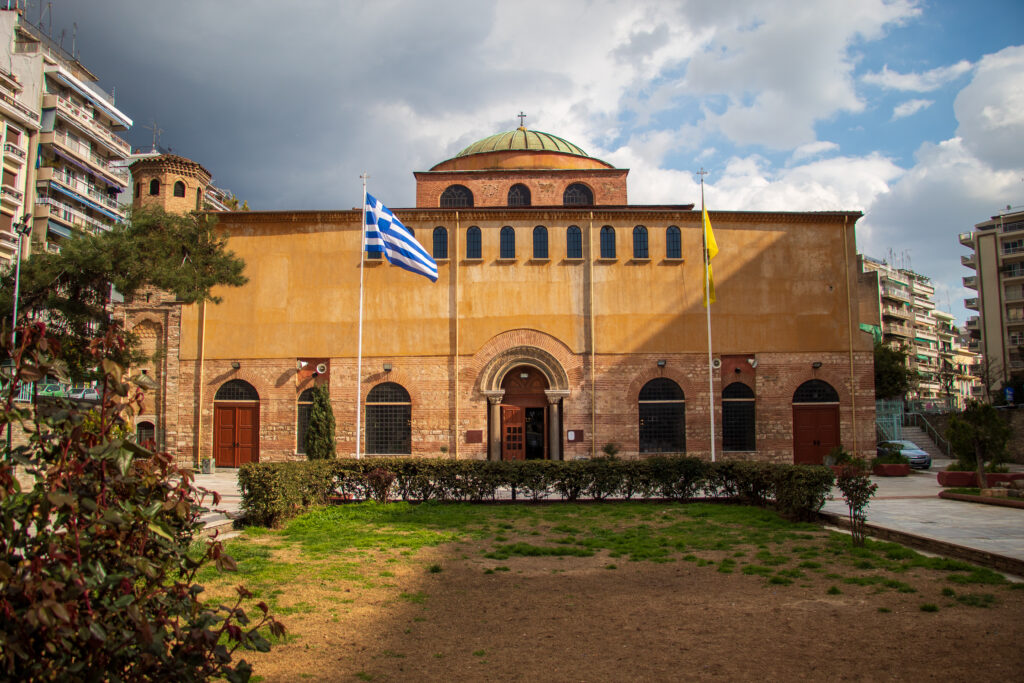
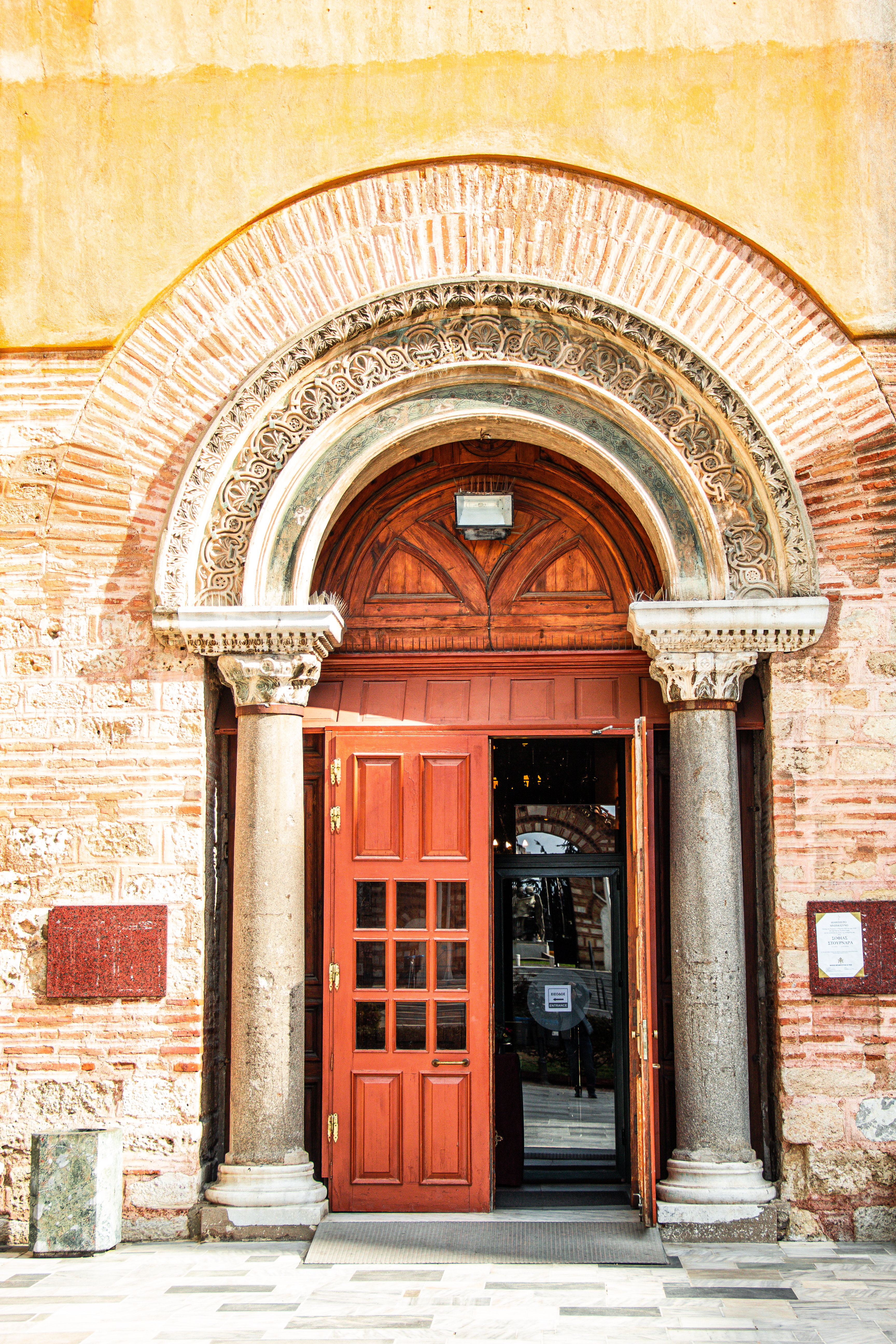
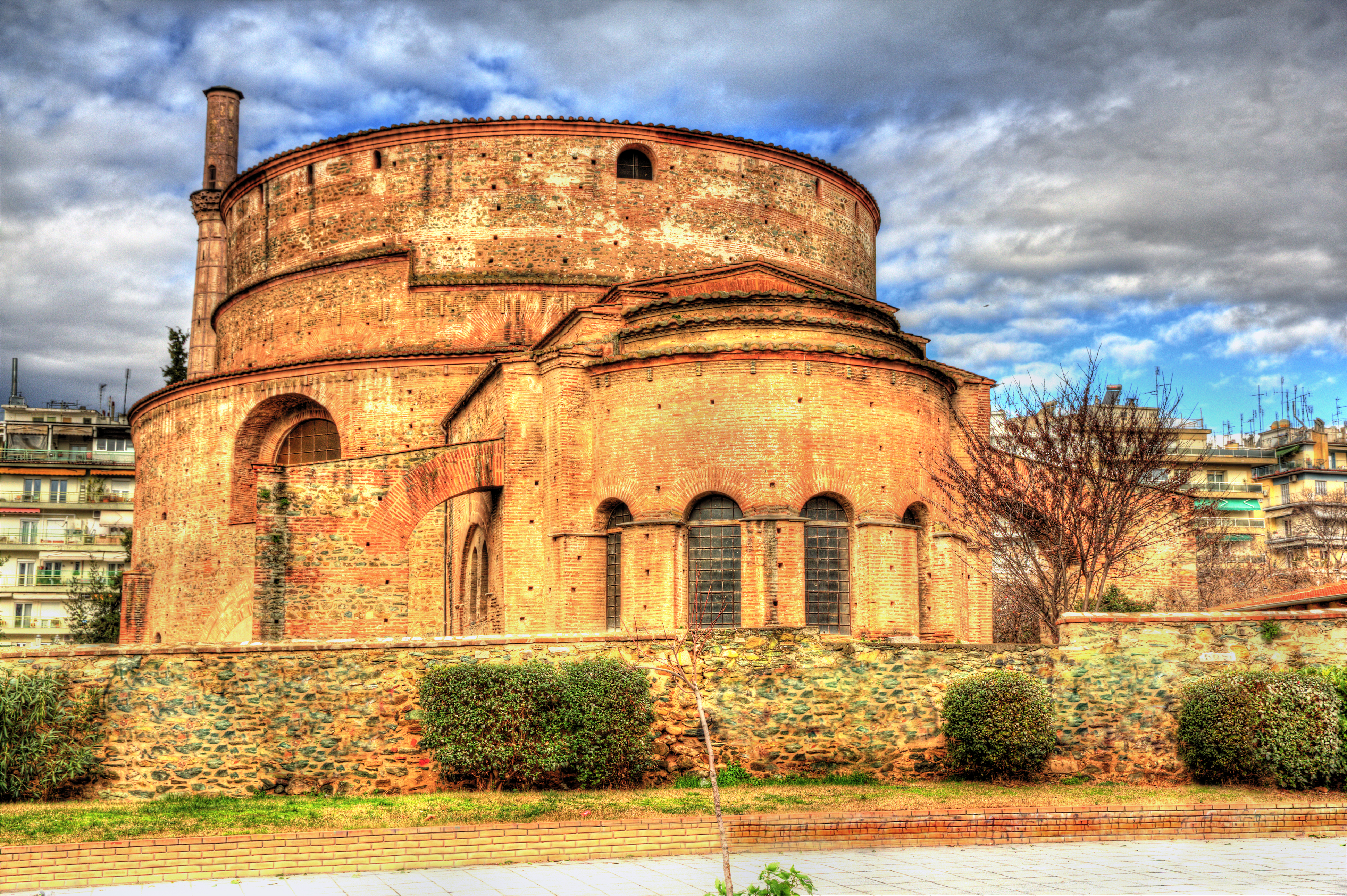
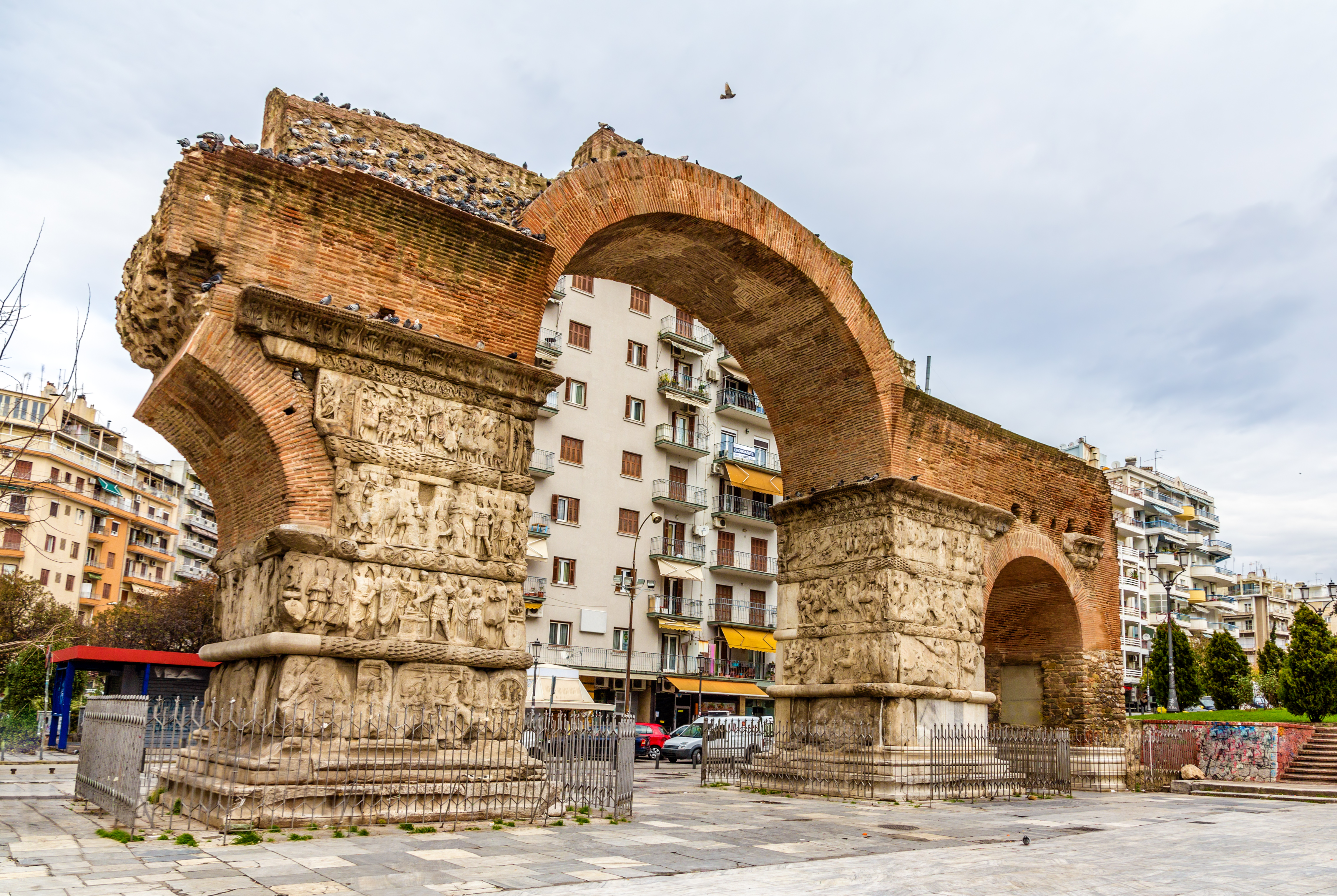
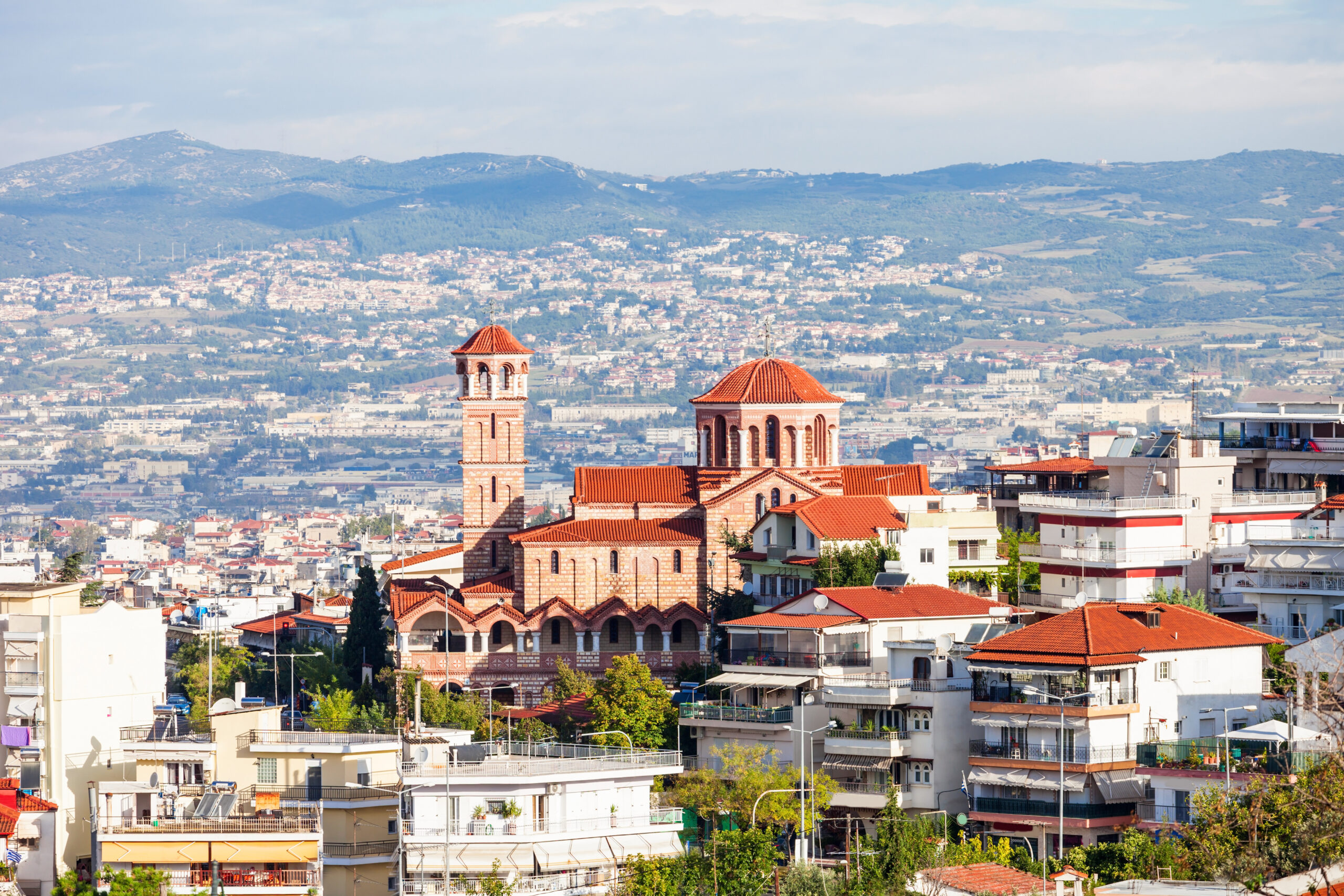
A Melting Pot of Cultures – Over the centuries, Thessaloniki experienced numerous conquests and changes in rule. From the Romans to the Byzantines to the Ottomans—each era left its mark on the city’s architecture and culture. This led to Thessaloniki becoming a true melting pot of diverse cultures. Particularly noteworthy are the Byzantine churches, which are now UNESCO World Heritage Sites. The Church of Saint Demetrius, dedicated to the city’s patron saint, and the Rotunda, originally built as a mausoleum for Emperor Galerius, are impressive testaments to this era.
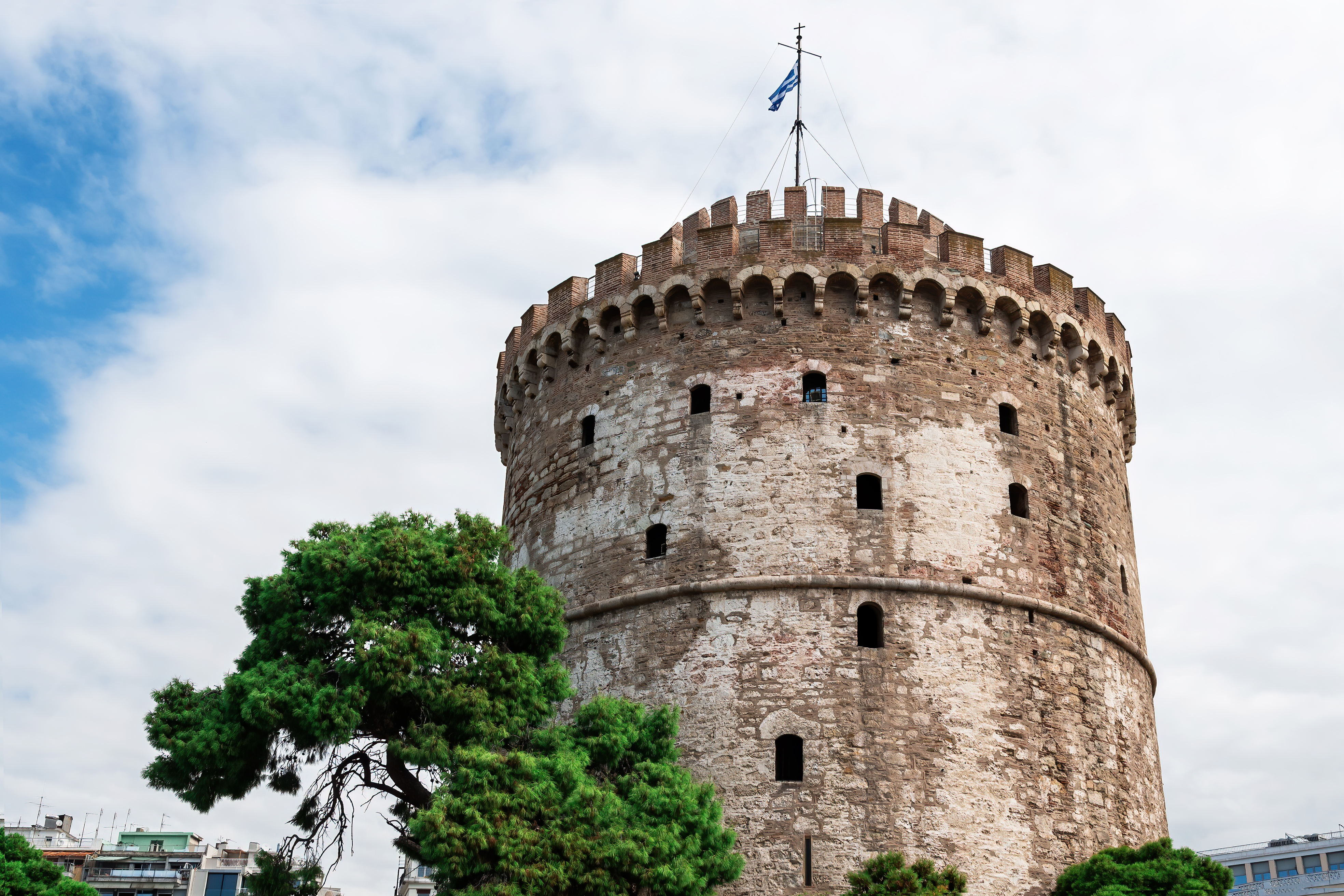
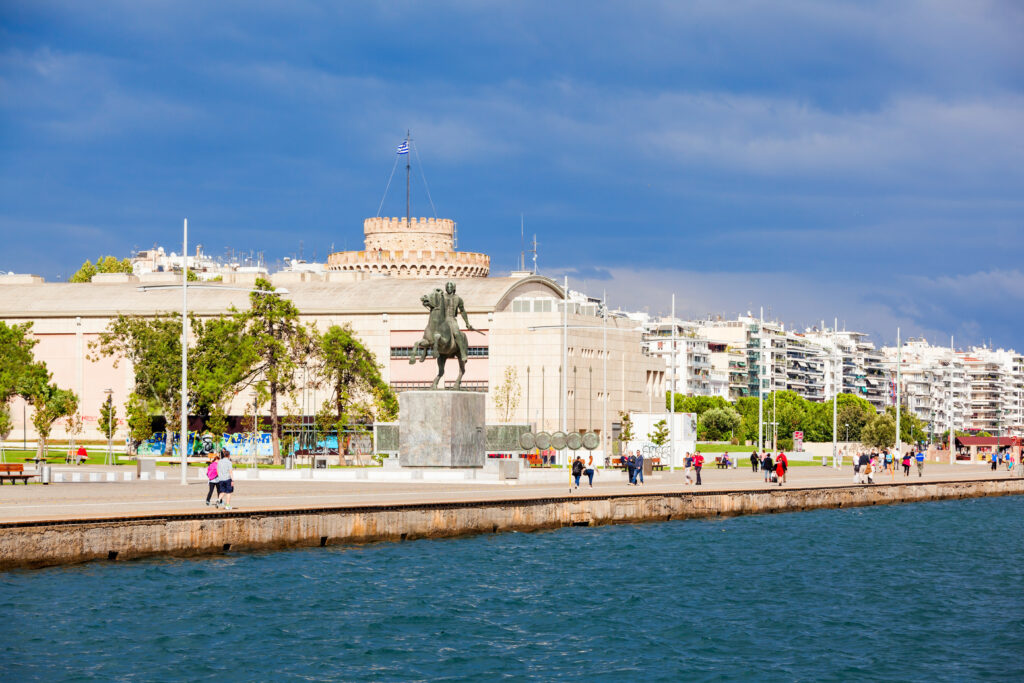
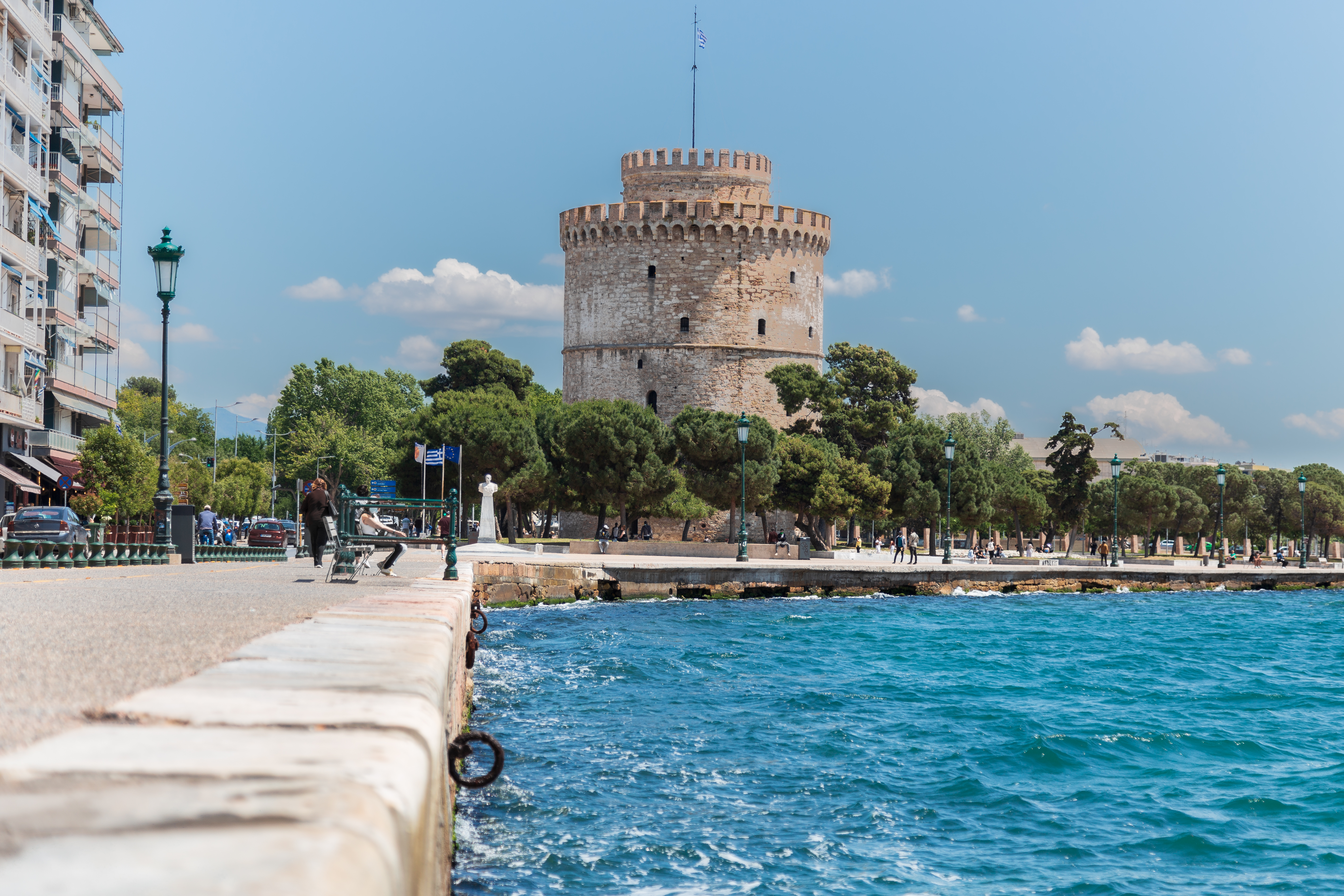
The Influence of the Ottoman Empire – From the 15th to the 20th century, Thessaloniki was under Ottoman rule. During this period, the city developed into a center of religious tolerance and multicultural life. Jews, Christians, and Muslims lived together peacefully here for many years. The Jewish community of Thessaloniki was one of the largest in the Ottoman Empire and had a significant influence on the city’s economic and cultural life. A remnant of this era is the famous White Tower, a landmark of Thessaloniki and a relic of Ottoman architecture. Today it houses a museum and offers a breathtaking view of the Aegean Sea.
The Path to Modernity – In the 20th century, Thessaloniki underwent dramatic changes. Following the devastating fire of 1917, which destroyed large parts of the city, Thessaloniki was rebuilt according to modern urban planning principles. However, this tragedy presented an opportunity for transformation and contributed to the city’s development into a modern urban center. During World War II, the city suffered severe damage once again, and the thriving Jewish community was tragically almost completely wiped out. Today, the Jewish Museum of Thessaloniki commemorates this dark chapter in history.
A Mecca for Education and Culture – Since the founding of Aristotle University in 1925, Thessaloniki has developed into an academic hub. Named after the famous philosopher Aristotle, the university attracts students from all over the world and contributes to the city’s lively and dynamic atmosphere. In addition, Thessaloniki is known for its numerous festivals and cultural events. The annual Thessaloniki International Film Festival is one of the most important cultural events in Greece and attracts film lovers and professionals from around the world.
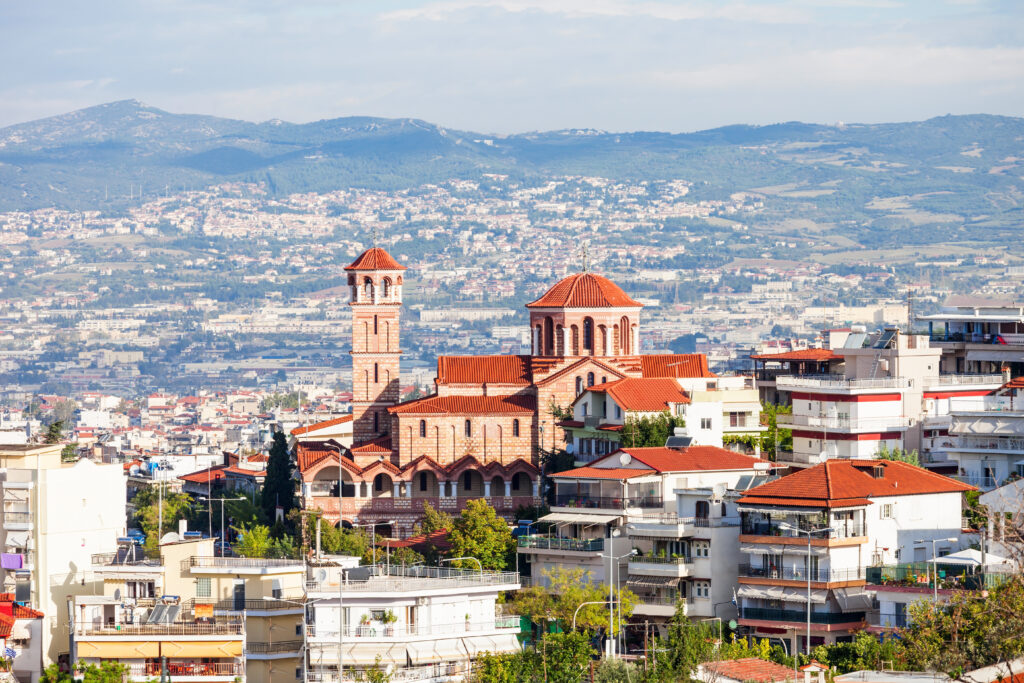
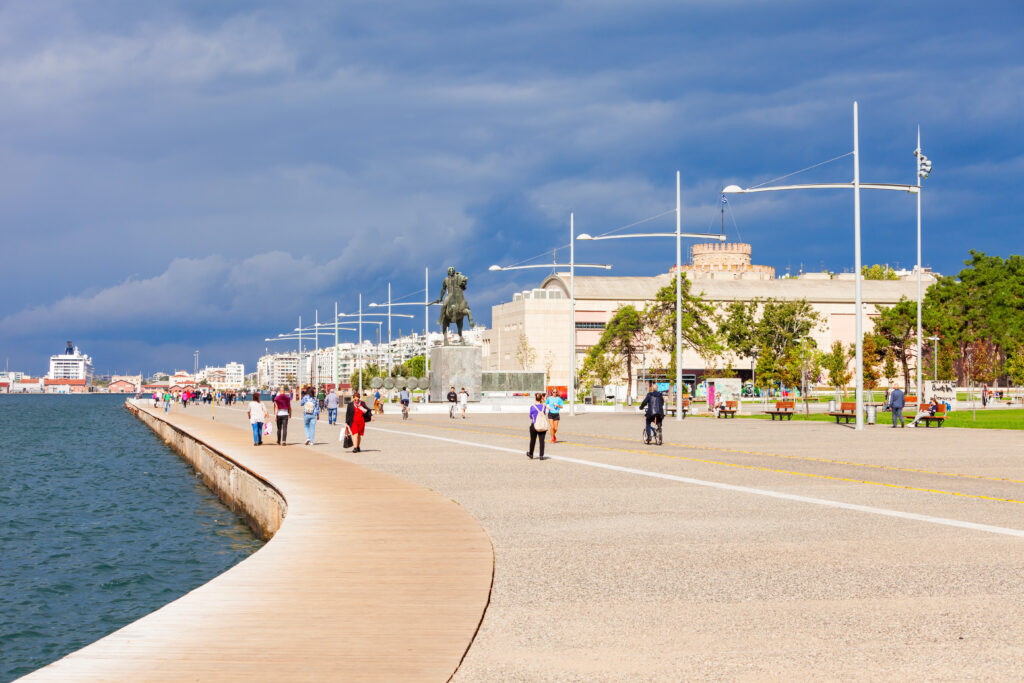
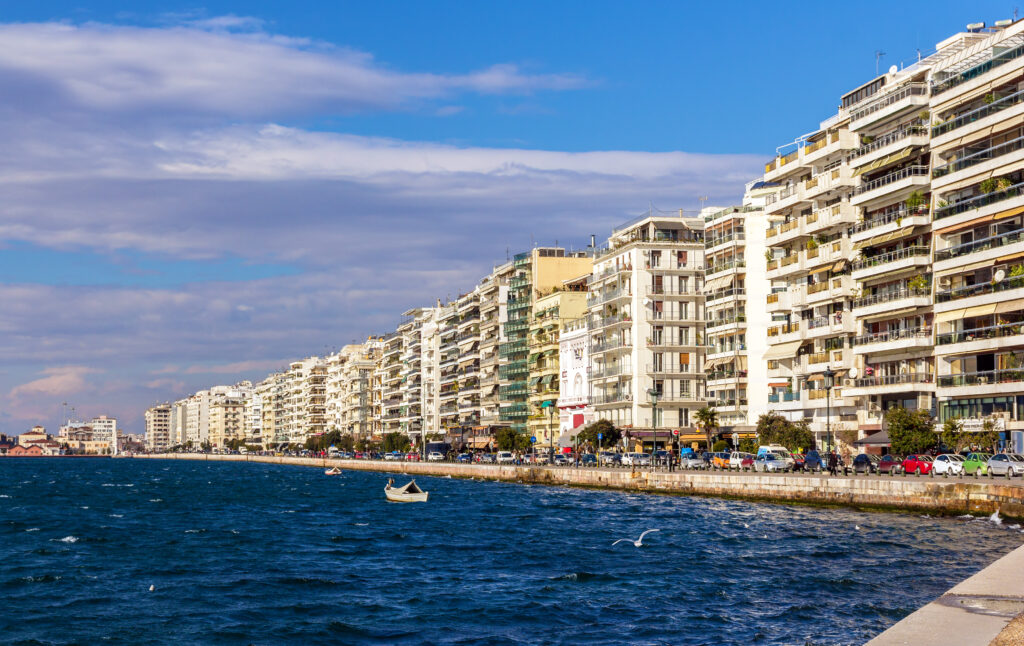
Modern Architecture and Urbanity – Thessaloniki’s architecture reflects the city’s diverse history. In the Upper Town (Ano Poli), visitors can admire traditional Macedonian houses with wooden balconies, while the city center is characterized by neoclassical buildings and modern structures. The beach promenade, the “Nea Paralia,” is a popular gathering spot and offers a relaxed atmosphere with numerous cafés and restaurants.
Culinary Highlights – No visit to Thessaloniki would be complete without sampling the local cuisine. The city is famous for its culinary diversity, which reflects its various cultural influences. Whether it’s the sweet bougatsa, the hearty gyros, or the fresh seafood—Thessaloniki offers something for every taste.
The Future of Thessaloniki – Today, Thessaloniki is a vibrant, modern city that remains forward-looking despite its historical roots. Numerous development projects are underway to improve infrastructure and make the city even more livable. Nevertheless, Thessaloniki remains true to its rich cultural heritage and proudly preserves the monuments and traditions that have shaped it over the centuries.
Thessaloniki is more than just a city; it is a living history book that tells stories of conquest, reconstruction, and cultural richness. The blend of ancient and modern architecture, the vibrant cultural scene, and the warm-hearted people make the city a unique experience. Anyone who has ever strolled through the streets of this fascinating metropolis will agree: Thessaloniki is a true treasure, hidden yet visible to all who are ready to discover it.