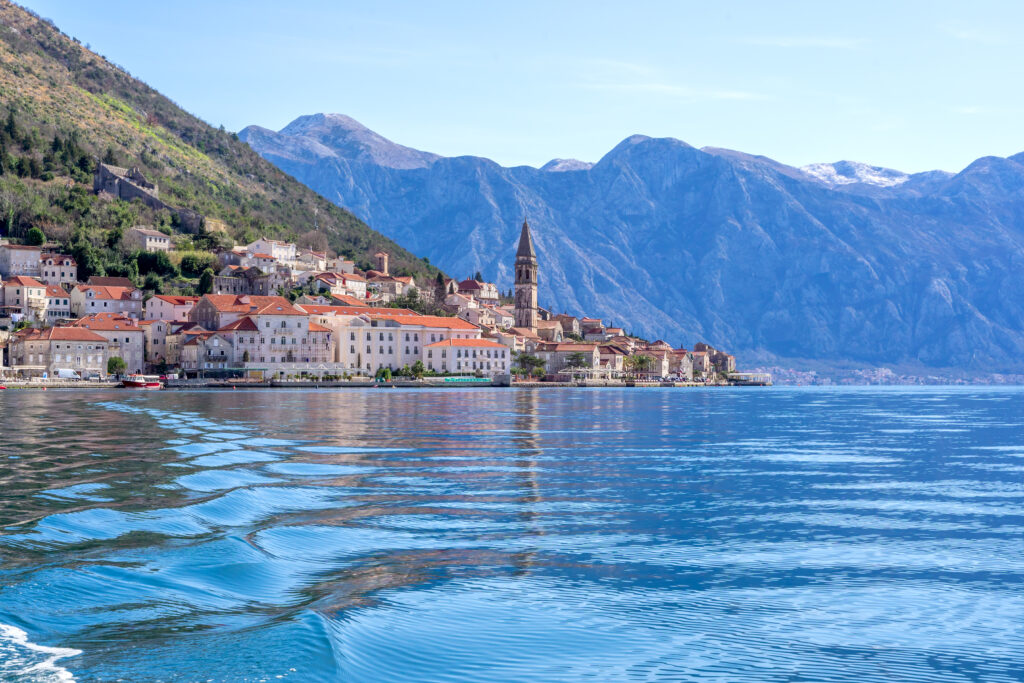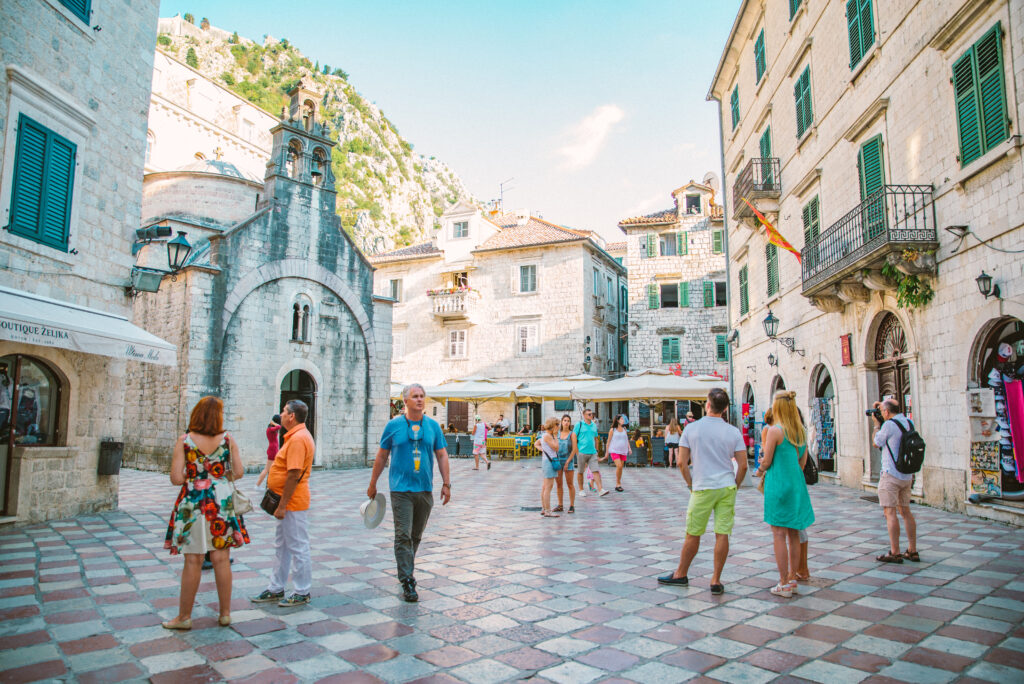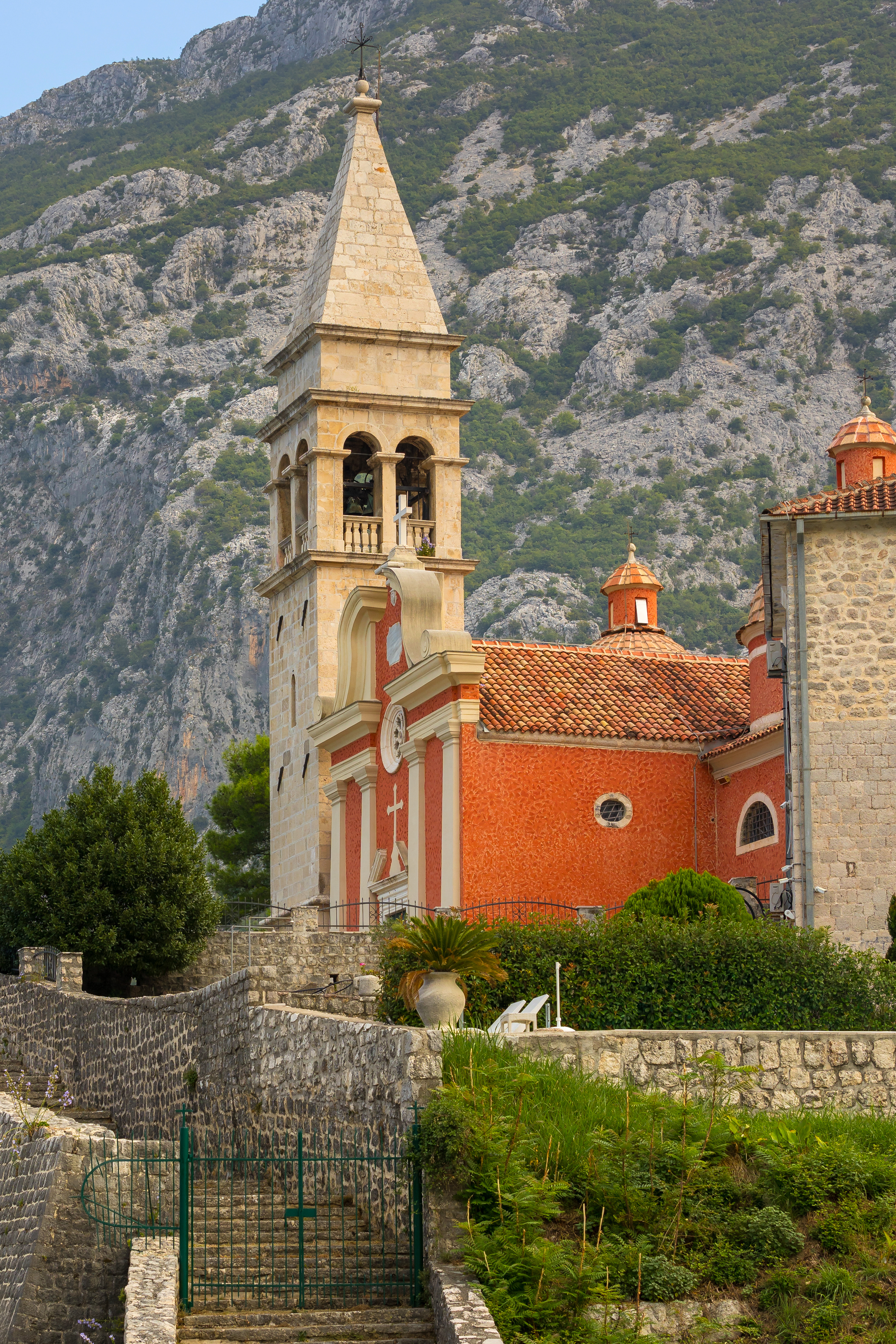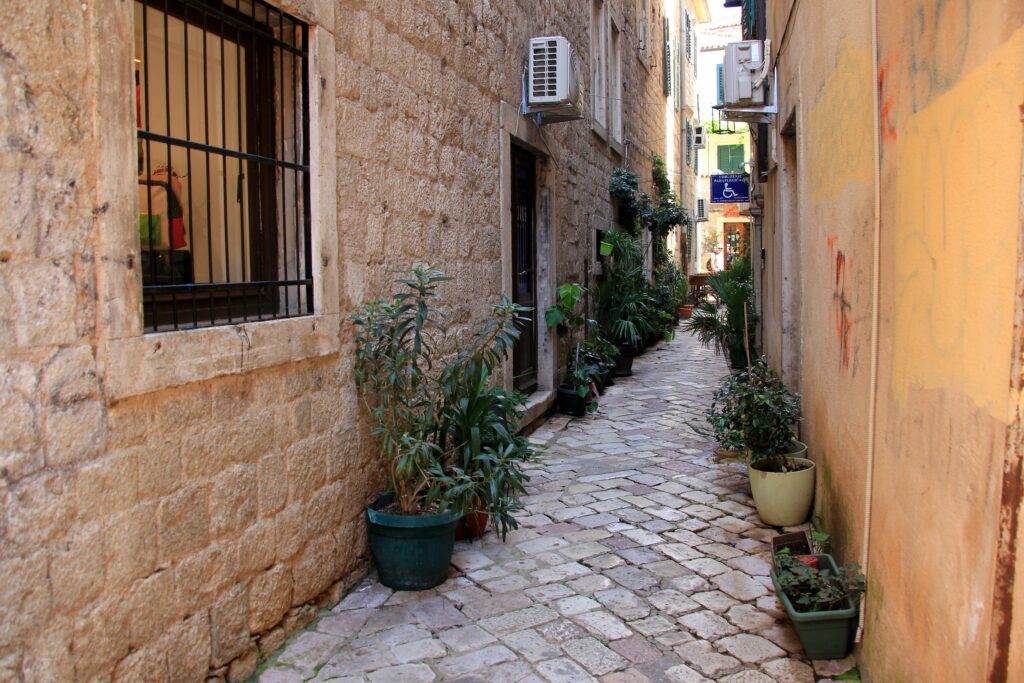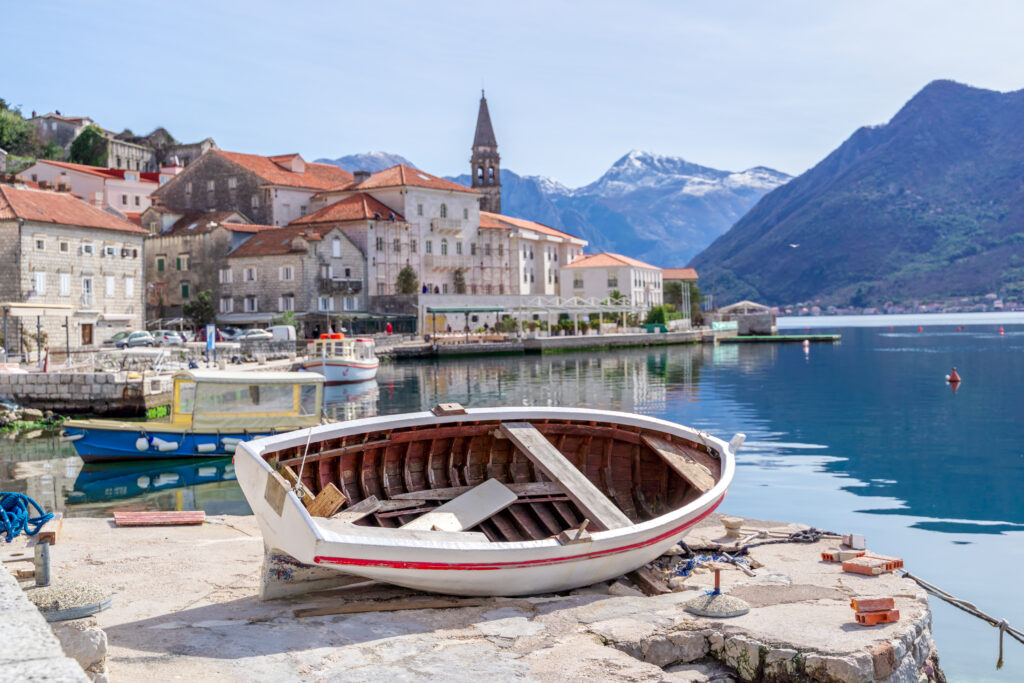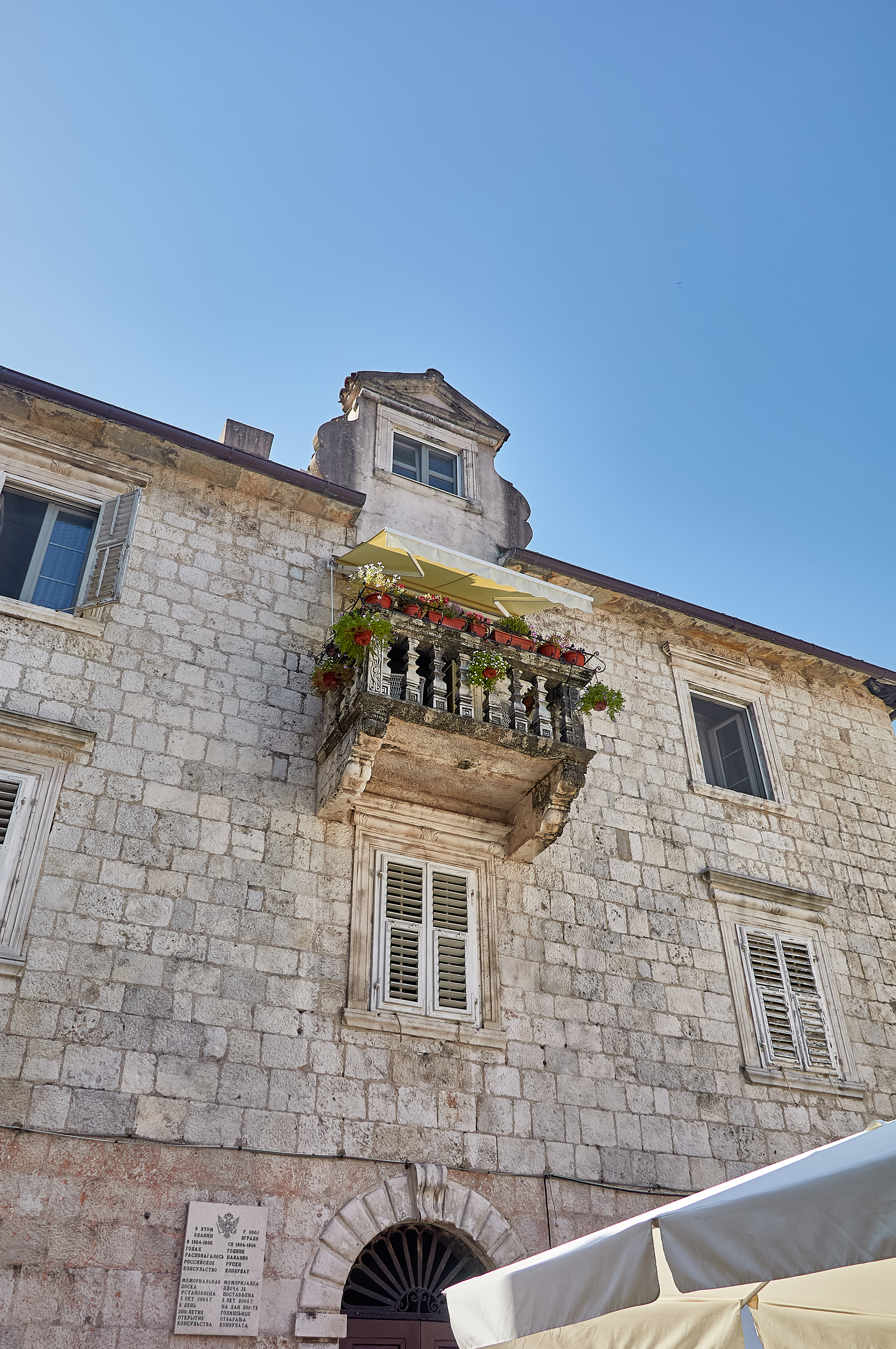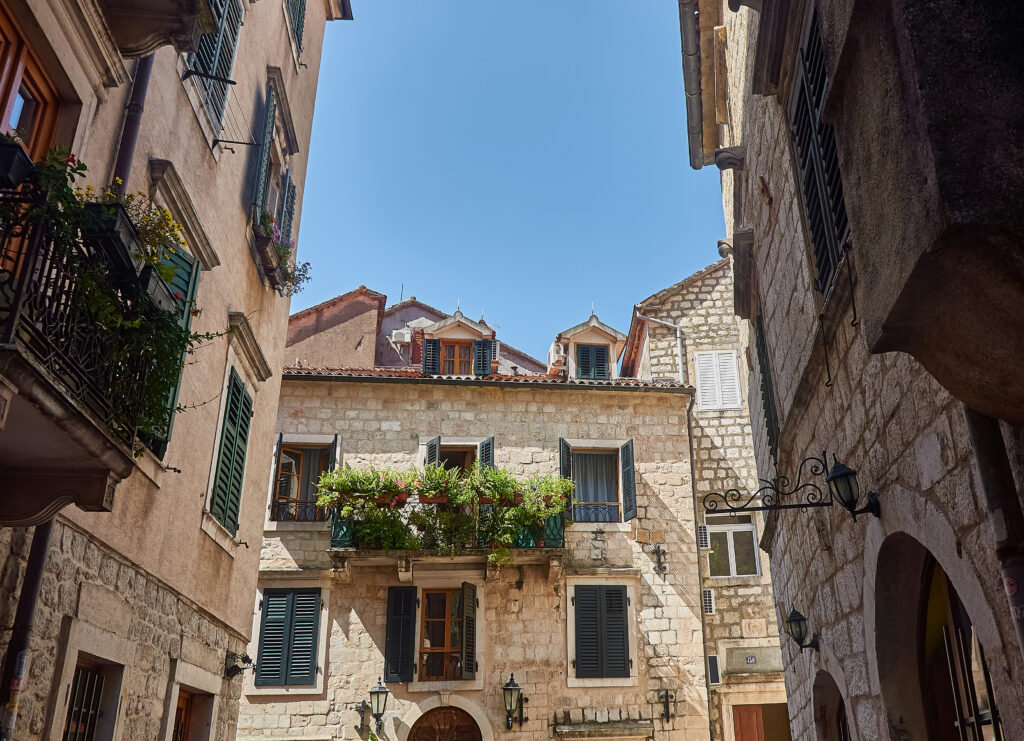
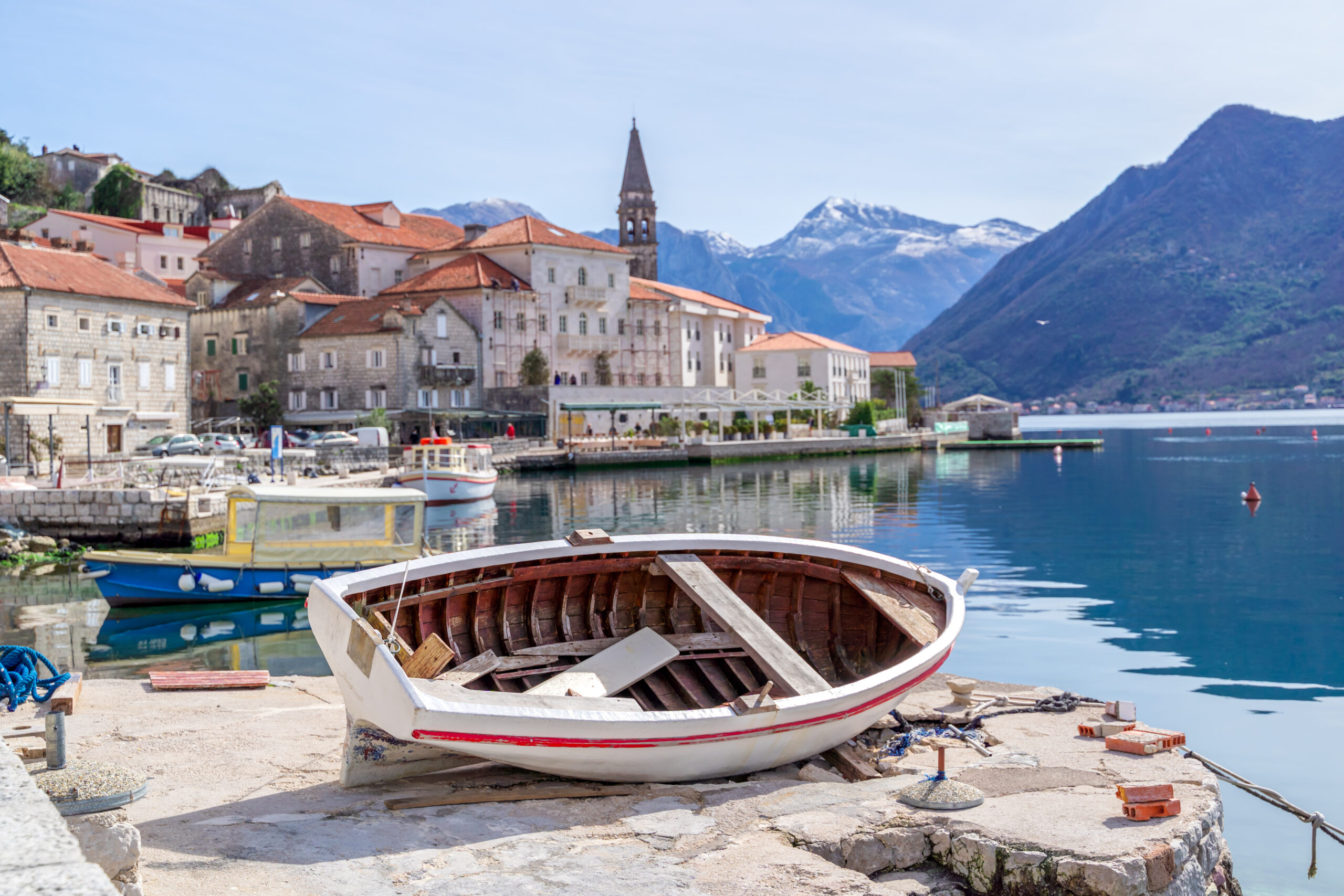
Located on the breathtaking Adriatic coast, Kotor in Montenegro is a city steeped in history, myths, and legends. Surrounded by protective walls that rise dramatically from the Bay of Kotor, this ancient city has long been a magnet for adventurers and historians alike. With its red-roofed buildings, labyrinthine streets, and medieval architecture, Kotor is not only a picturesque destination but also a living museum full of stories waiting to be discovered.
The basics of history – The history of Kotor begins in Roman times, when the settlement, known as Acruvium, was first mentioned in documents. Over the centuries, it developed into an important center for trade and cultural exchange and was influenced by various empires. The unique blend of Roman, Venetian, and Ottoman architectural styles bears witness to the countless cultures that have left their mark on this city.
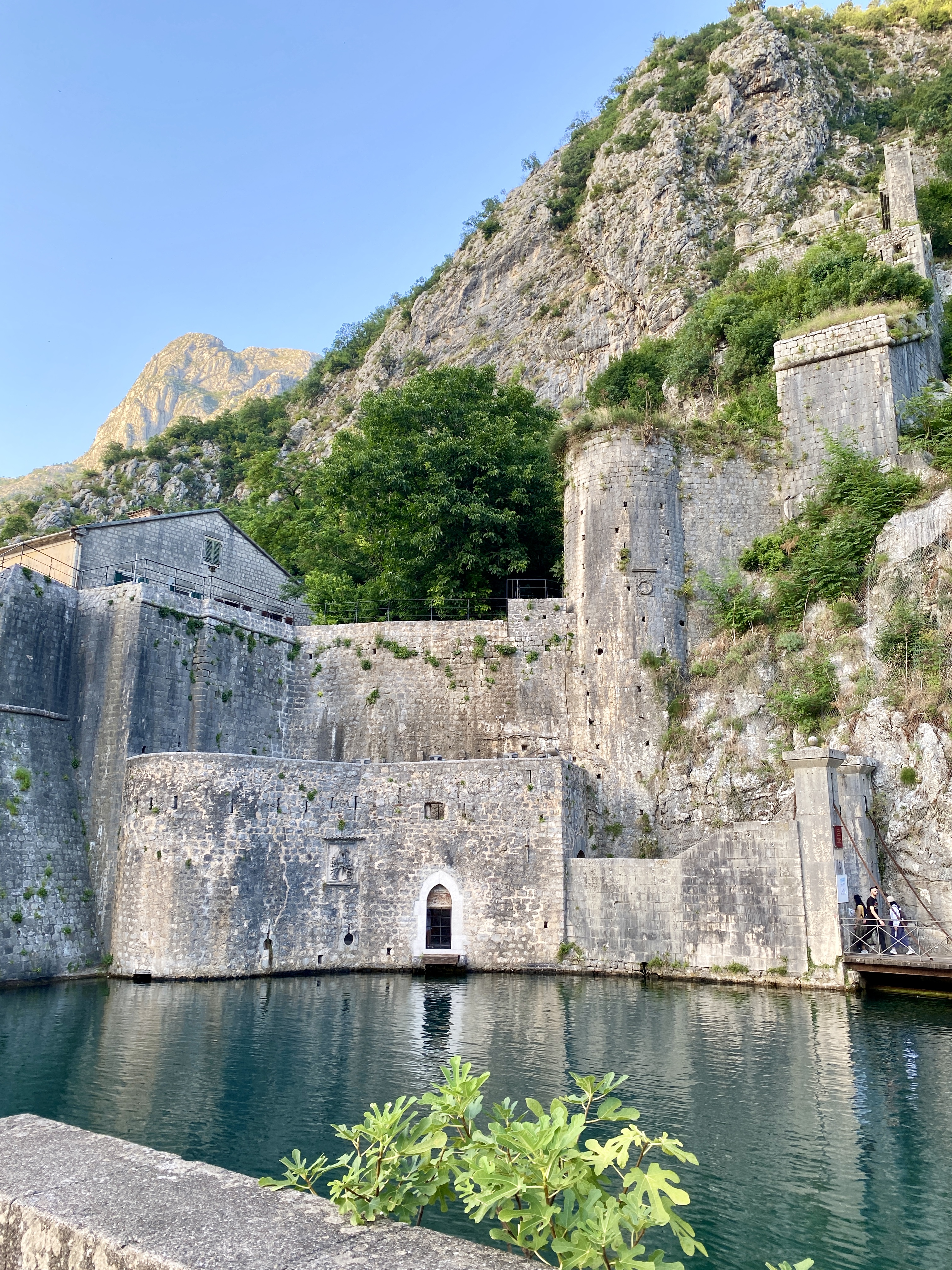
One of Kotor’s most striking features is its impressive city walls, which stretch for over four kilometers. These walls, a monumental technical feat, were built in different eras; the oldest parts date back to the Illyrian period, while the last additions were made by the Venetians in the 15th and 16th centuries.
The walls served not only as a defensive structure, but also as a symbol of the city’s resilience and strategic importance.
A tapestry of myths and legends – The mystique of Kotor is further enhanced by the numerous myths and legends woven into its history. One of the most famous stories is that of Saint Tryphon, the patron saint of Kotor. According to legend, a local ship captain brought the relics of Saint Tryphon from Asia Minor to Kotor in 809. The cathedral built in his honor, St. Tryphon’s Cathedral, remains one of the city’s landmarks to this day. It is said that Saint Tryphon protected Kotor from various plagues and misfortunes for centuries.
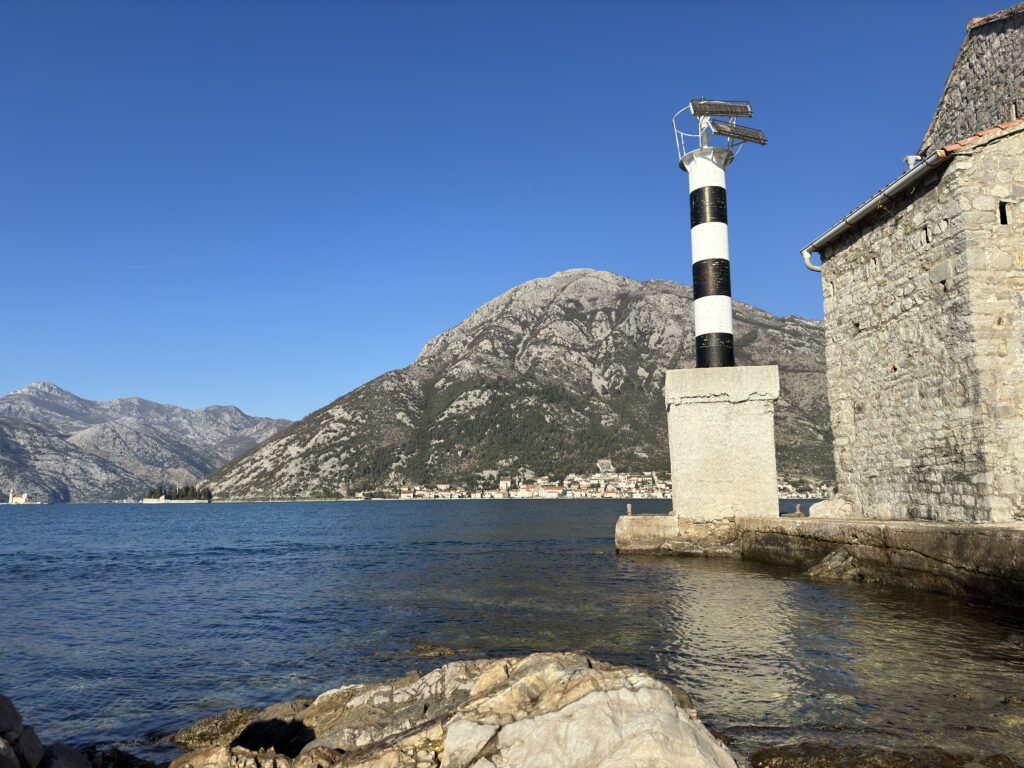
Another local legend tells the haunting story of the “Lady of the Rock.” On a small artificial island in the Bay of Kotor stands a church dedicated to Our Lady of the Rock. According to legend, in 1452, two fishermen found an icon of the Madonna and Child on a rock in the sea.
They believed this was a divine sign and vowed to build a church there. Over time, the locals added rocks and sunken old ships to create the artificial island. Every year on July 22, the tradition of the “Fašinada” continues, in which boats are loaded with stones and sail to the island to stabilize its foundation.
The invisible guardians: the cats of Kotor – In addition to its ecclesiastical and military heritage, Kotor is also known for its cat population, which has become an integral part of the city’s identity. According to legend, sailors from distant lands brought cats with them to keep the city free of rats. Over time, these cats made Kotor their kingdom. Today, the cats of Kotor are so popular that they have their own museum and a variety of cat-themed souvenirs that visitors can take home with them.
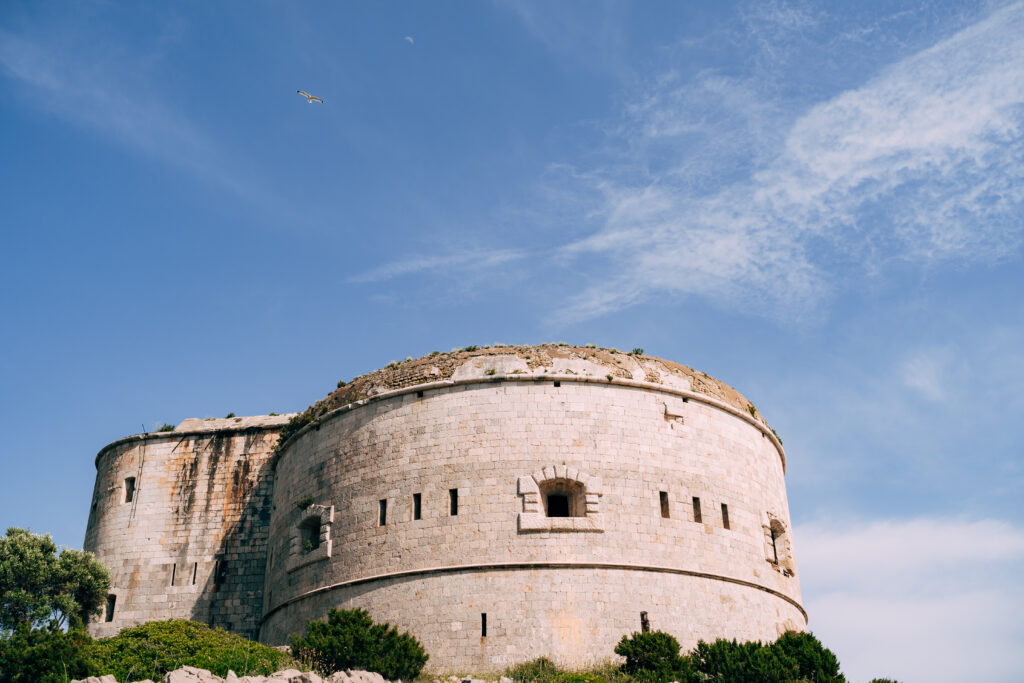
Echoes of war and peace – Kotor’s strategic location made it a coveted target during numerous conflicts. It was subjected to sieges, battles, and occupations by various powers, including the Byzantines, Venetians, Austrians, and French. The fortresses that crown the hills around Kotor stand like silent guardians, whispering of past conflicts. Among these, the Fortress of San Giovanni offers a climb that rewards the brave with breathtaking views of the bay and the city below.
During the Napoleonic Wars, Kotor briefly fell under French control before being taken by the Austrians, who held it until the end of World War I.
With the dissolution of the Austro-Hungarian Empire, Kotor became part of the newly founded Yugoslavia and later independent Montenegro. Each of these transitions has left a distinct mark on the city’s culture and architecture.
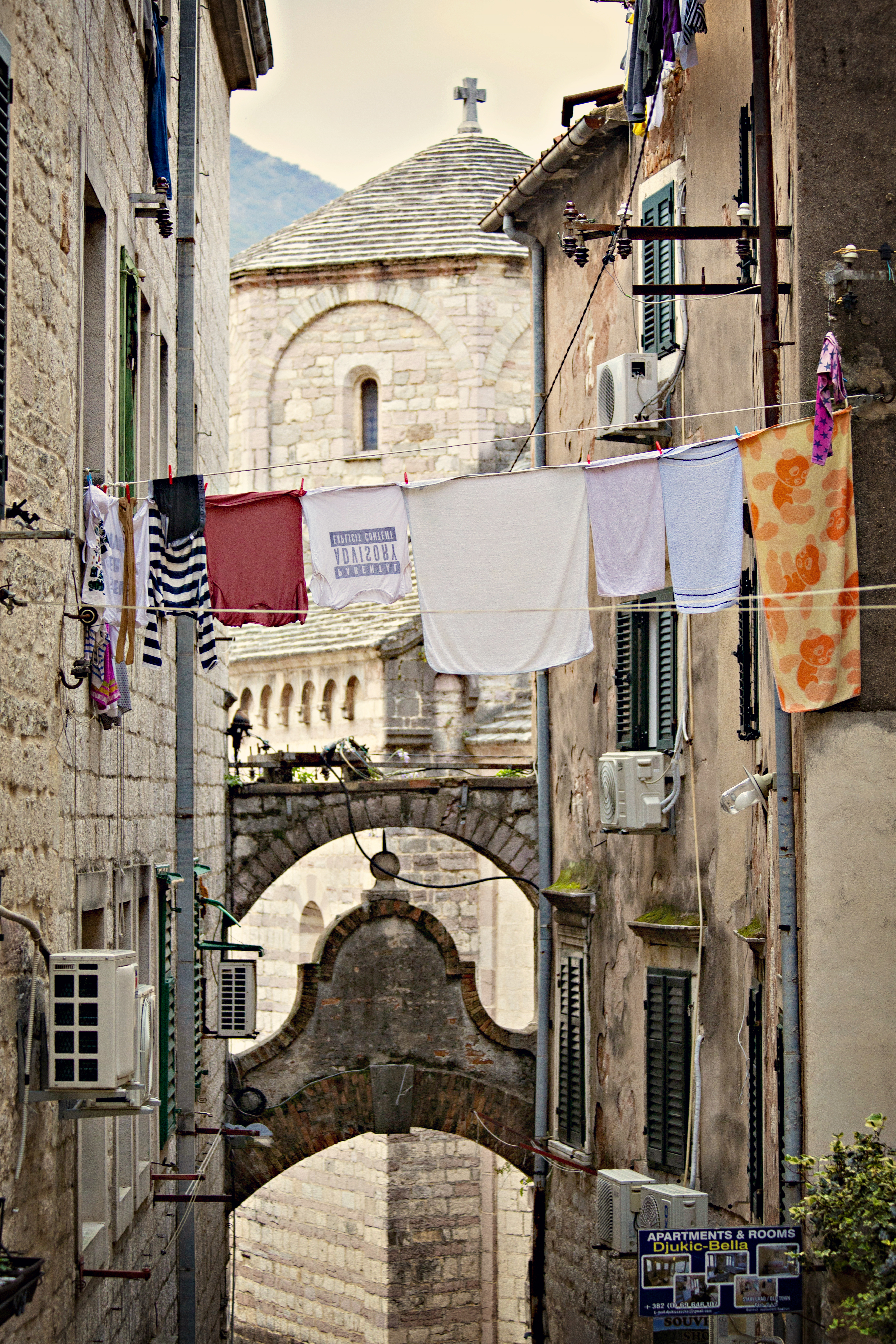
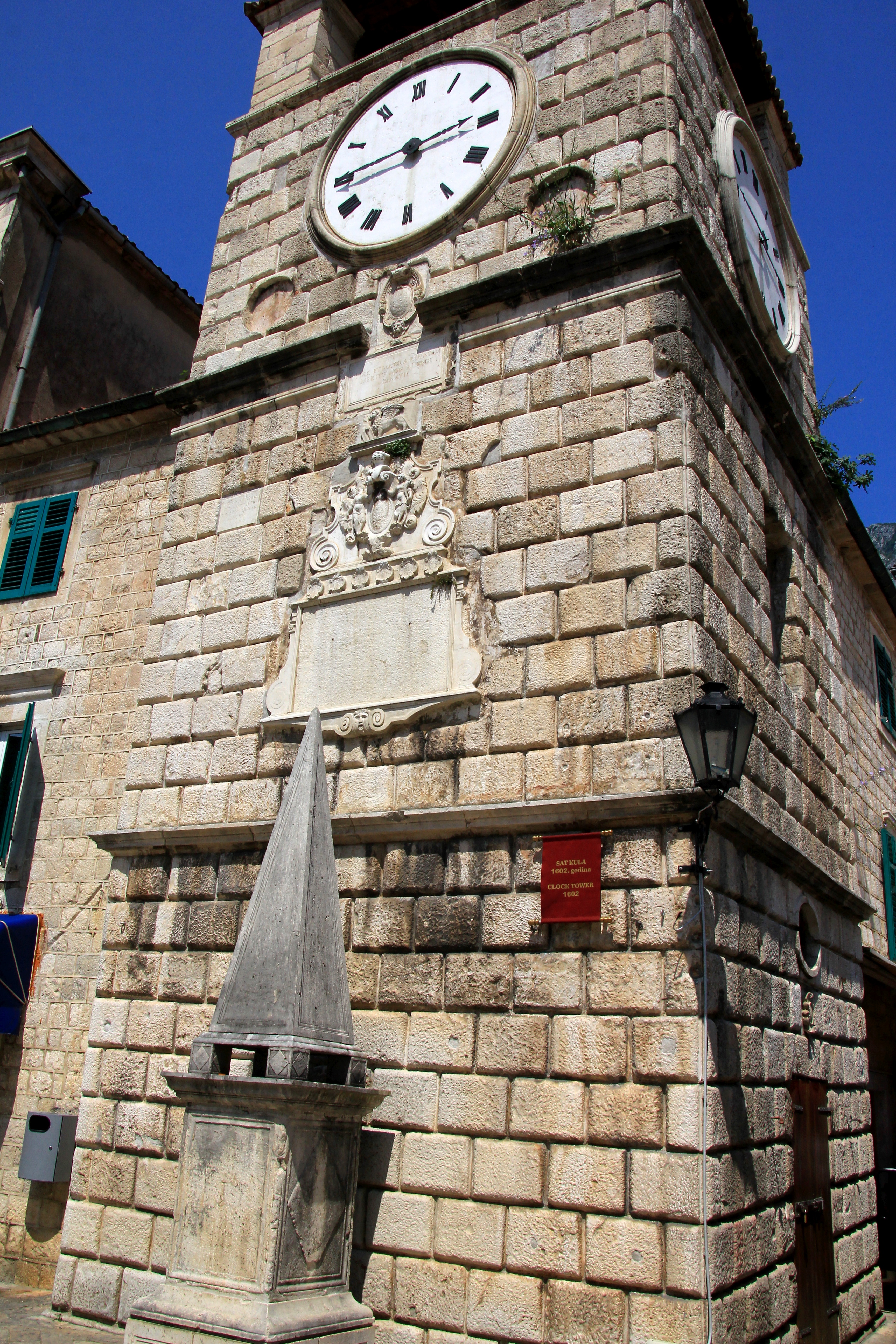
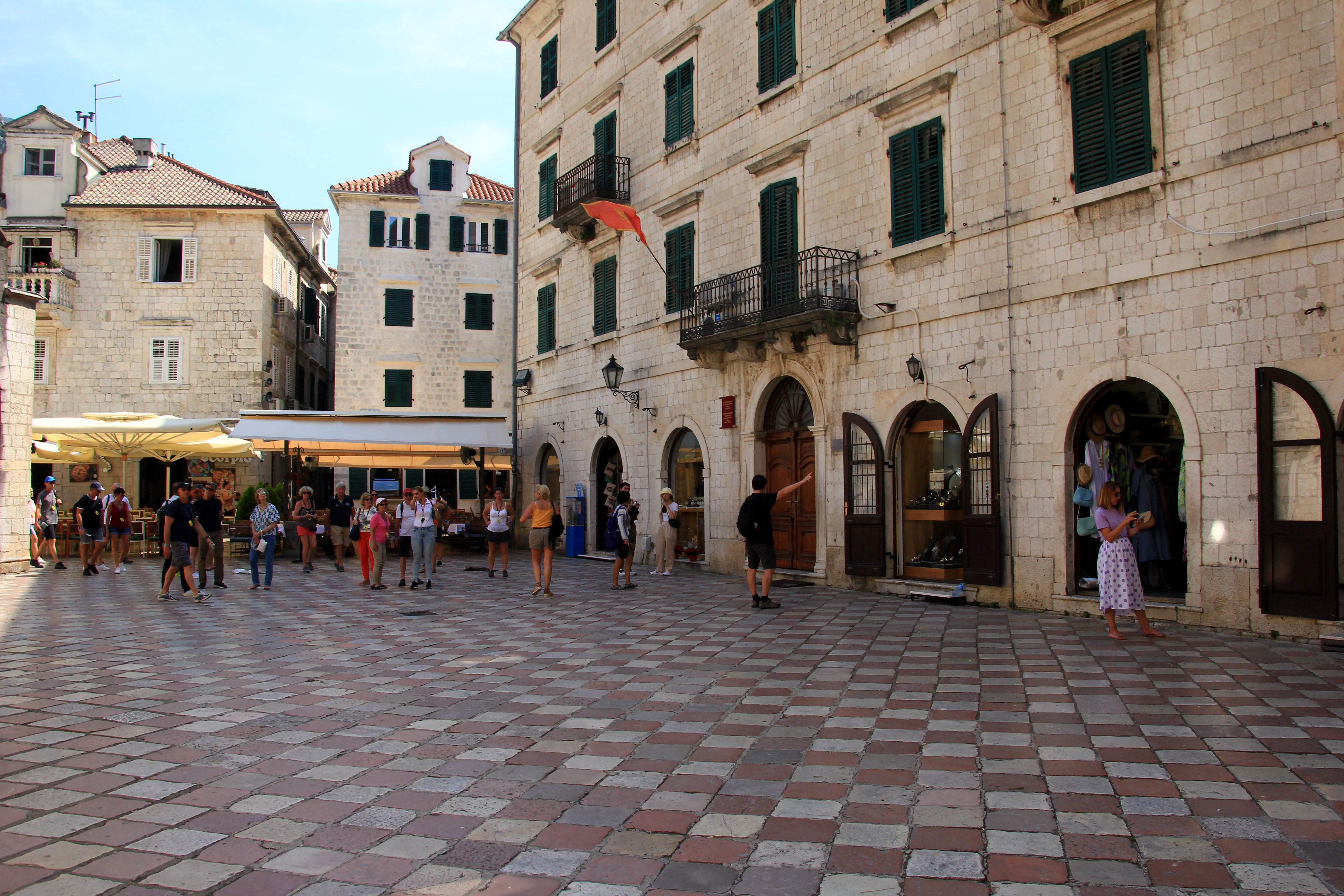
A living heritage – Today, Kotor is a UNESCO World Heritage Site and is known for its well-preserved medieval buildings and rich mix of cultures. The old town, or Stari Grad, is a labyrinth of narrow streets, squares, and old buildings that transports visitors back in time. Landmarks such as the Clock Tower, St. Luke’s Church, and the Maritime Museum add to the historic charm and offer insights into the city’s storied past.
But Kotor is not just a relic of days gone by; it is a vibrant city. The summer carnival, which takes place every August, is a festival of color, music, and dance that attracts visitors from all over the world.
The Bokeljska Noć, a nighttime boat parade in July, illuminates the bay with festive lights and decorations and celebrates the region’s maritime heritage.
Modern mysteries – Despite its ancient roots, Kotor remains a place full of mystery and intrigue. In recent years, the abandoned village of Gornji Stoliv, located directly across the bay, has attracted many lovers of the paranormal. This ghost village, with its crumbling stone houses and overgrown paths, is said to be haunted by spirits of the past. Whether you believe in ghosts or not, the eerie atmosphere surrounding this abandoned settlement is undeniable.
Furthermore, rumors of hidden treasures buried by pirates or forgotten by retreating armies continue to fuel the imagination. Although no significant stashes have been discovered, the idea that untold riches may lie hidden beneath the cobblestones keeps the spirit of adventure alive.
Embracing the future – While Kotor honors its past, it also looks to the future. Sustainable tourism initiatives aim to preserve the delicate balance between heritage preservation and modern development. Efforts are being made to protect the natural beauty of the Bay of Kotor and ensure that future generations can also enjoy this enchanting destination.
Kotor’s culinary scene is also evolving, combining traditional Montenegrin dishes with contemporary flavors. From fresh seafood from the Adriatic Sea to organic produce from local farms, the cuisine is a testament to the region’s richness.
An invitation to discover – Kotor remains a mysterious jewel in Montenegro’s crown and has something to offer every traveler. Whether you are interested in history, love mythology, or are simply looking for breathtaking landscapes, Kotor entices with its fascinating blend of reality and legend. So step through the ancient gates, stroll through the winding alleys, and let the stories of Kotor sink in. Who knows? Maybe you’ll become part of this city’s ever-growing collection of myths and legends.