Located on the picturesque Nidelva River, Trondheim is often overshadowed by Norway’s more famous cities. However, this historic metropolis has an extraordinary history dating back over a thousand years, marked by Vikings, kings, and technological innovations.
Originally founded as a Viking trading post called Kaupangen, Trondheim has evolved into a vibrant city known for its cultural heritage, educational prowess, and innovative development. Join us on a journey through the fascinating chapters of Trondheim’s dynamic past and present.
The beginnings of the Vikings and royal residences – Trondheim (then Kaupangen) was founded in 997 AD by the legendary Viking king Olav Tryggvason and quickly developed into an important trading and economic center. Thanks to its strategic location on the fjord, it was easily accessible to seafaring Nordic traders. The city’s early days were marked by bustling markets where everything from furs to fine handicrafts were traded.
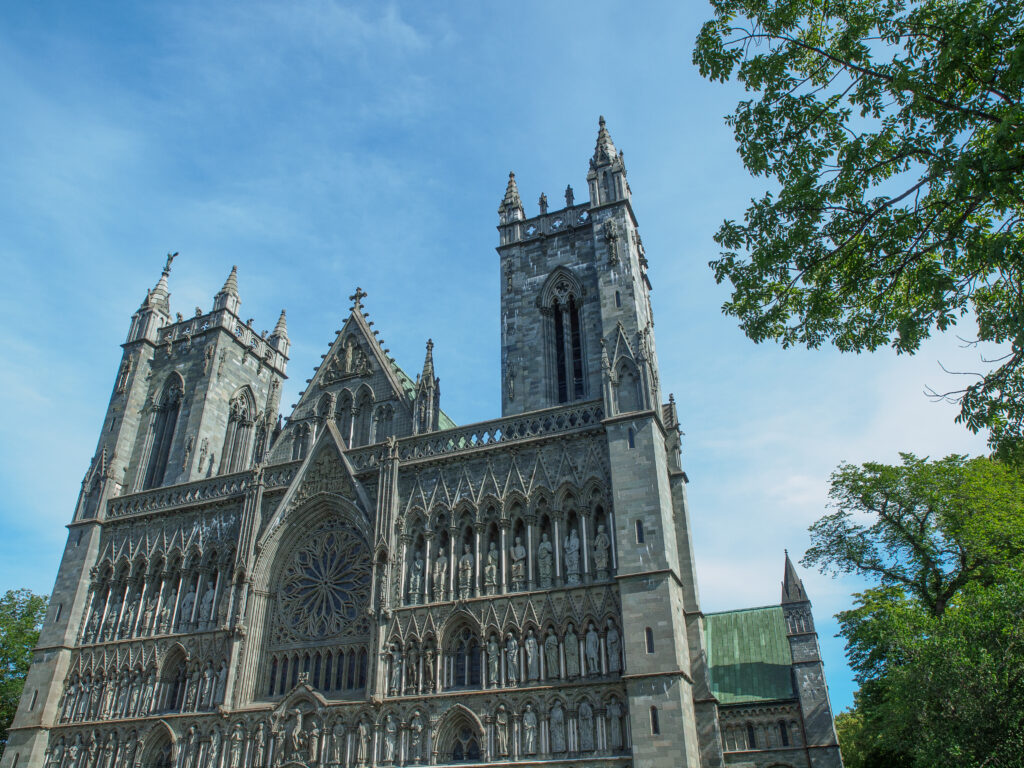
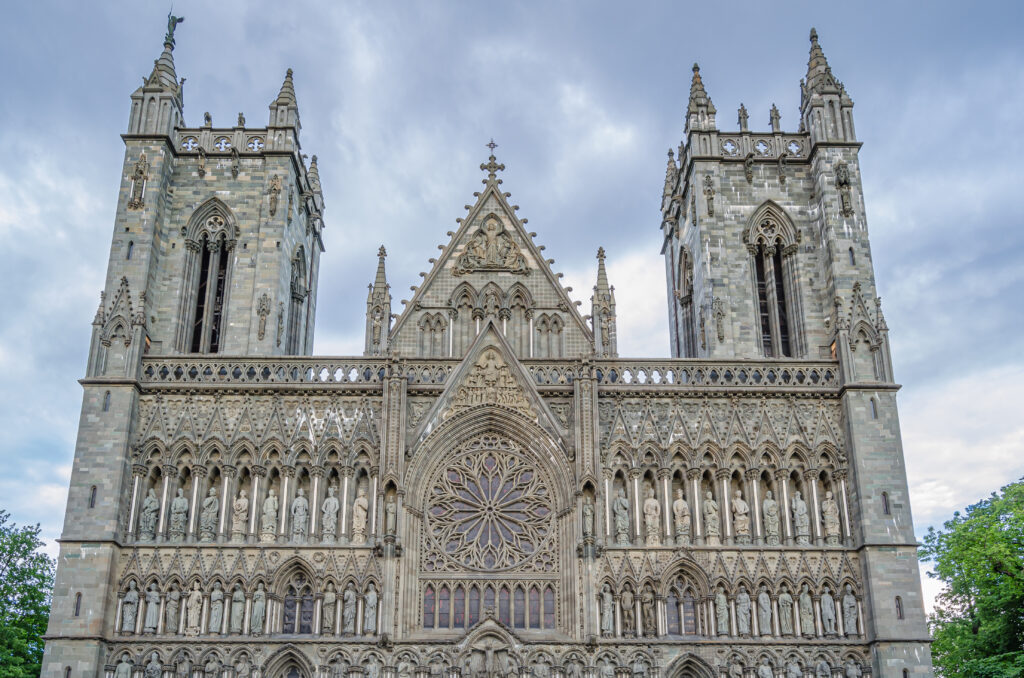
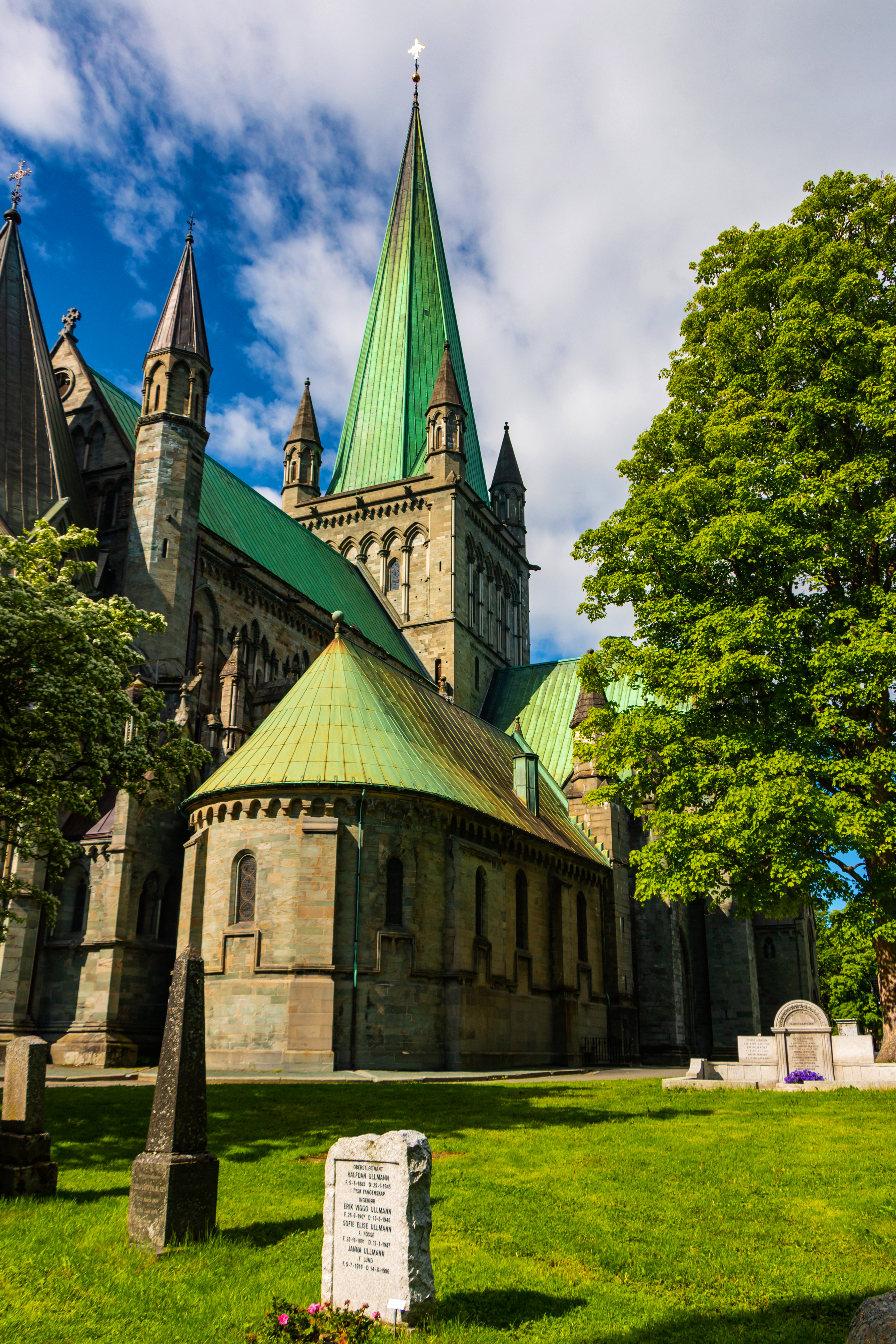
With the arrival of Christianity in Norway in the 11th century, Trondheim developed into an important ecclesiastical center. The construction of Nidaros Cathedral, begun in 1070, underscored the city’s new status. This magnificent building, said to have been built over the burial site of Norway’s patron saint Olav, became a pilgrimage destination and a symbol of religious significance.
Trondheim’s importance continued to grow when it became the coronation city for Norwegian monarchs. The first coronation in Nidaros Cathedral was that of King Magnus Erlingsson in 1163. To this day, the cathedral remains the traditional venue for royal ceremonies, including the coronation of kings and queens.
Medieval struggles and resilience – Despite its spiritual significance, Trondheim was not spared the turmoil of the Middle Ages. The city experienced numerous invasions and occupations, including the infamous siege by Sverre Sigurdsson in the late 12th century. Sverre, a charismatic leader and church reformer, waged a relentless battle against the influence of the church, culminating in the dramatic Battle of Kalvskinnet outside Trondheim.
Frequent fires also marked the city’s history, with major fires in 1598, 1651, and 1681 causing significant damage.
The Great Fire of 1681 in particular led to a comprehensive reconstruction plan designed by General Johan Caspar von Cicignon. His vision included wider streets to prevent fires from spreading quickly, and many of these thoroughfares remain an integral part of Trondheim’s cityscape today.
The renaissance of learning and innovation – The beginning of the 19th century heralded a new era for Trondheim with the rise of its academic institutions. The founding of the Norwegian University of Science and Technology (NTNU) in 1910 catapulted the city to the forefront of higher education and research. Today, NTNU is one of the world’s leading universities, attracting students and scientists from all over the world. Research at NTNU covers a wide range of areas, from renewable energy to smart technology, positioning Trondheim as a leading innovation hub.
In addition to academic excellence, Trondheim has invested heavily in technology and industry.
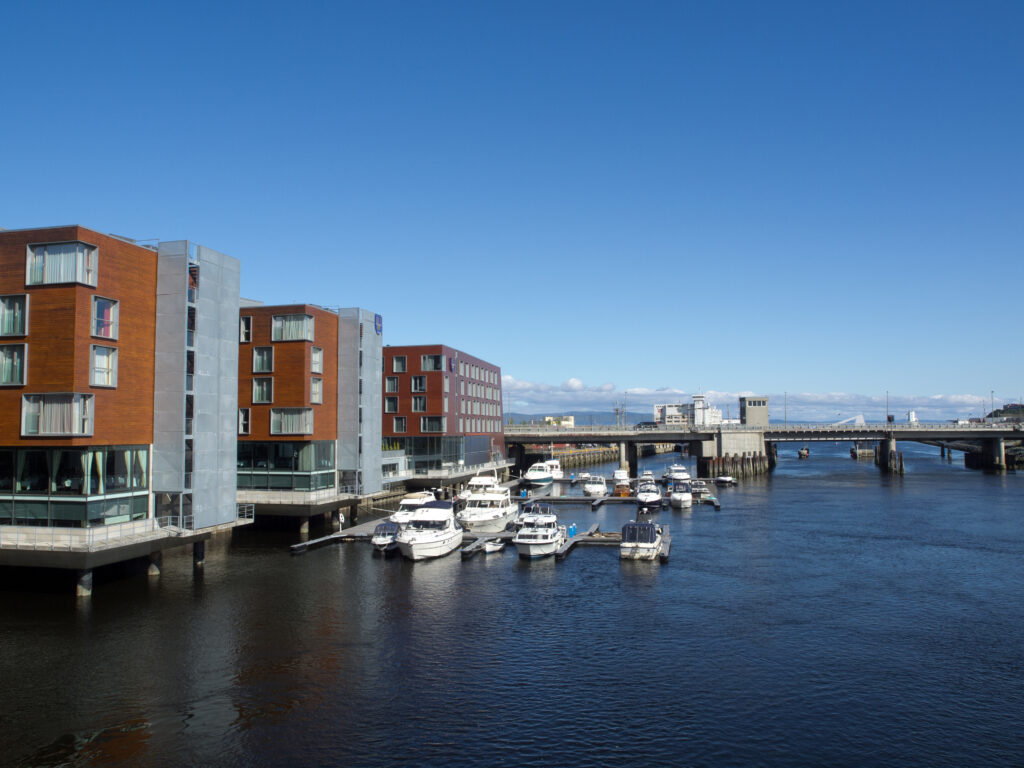
The city’s commitment to sustainability is evident in initiatives such as the ZEB Pilot House, a zero-emission building that showcases state-of-the-art green architecture. The Trondheim Tech Port, a collaborative space for start-ups and technology companies, embodies the city’s forward-thinking attitude.
A cultural kaleidoscope – Beyond science and innovation, Trondheim is a city brimming with culture. The annual St. Olav Festival, held every July, celebrates the legacy of St. Olav with concerts, plays, and historical reenactments. Similarly, the Trondheim Chamber Music Festival attracts classical music lovers with performances by world-renowned artists. The city’s vibrant arts scene is enriched by the Rockheim Museum, dedicated to the history of Norwegian pop music.
Trondheim’s culinary landscape reflects the diversity of its culture. The city’s restaurants emphasize local ingredients, often with a modern twist. From fresh seafood dishes to traditional fare such as “klippfisk” (dried and salted cod), Trondheim offers a gastronomic journey that delights both residents and visitors alike.
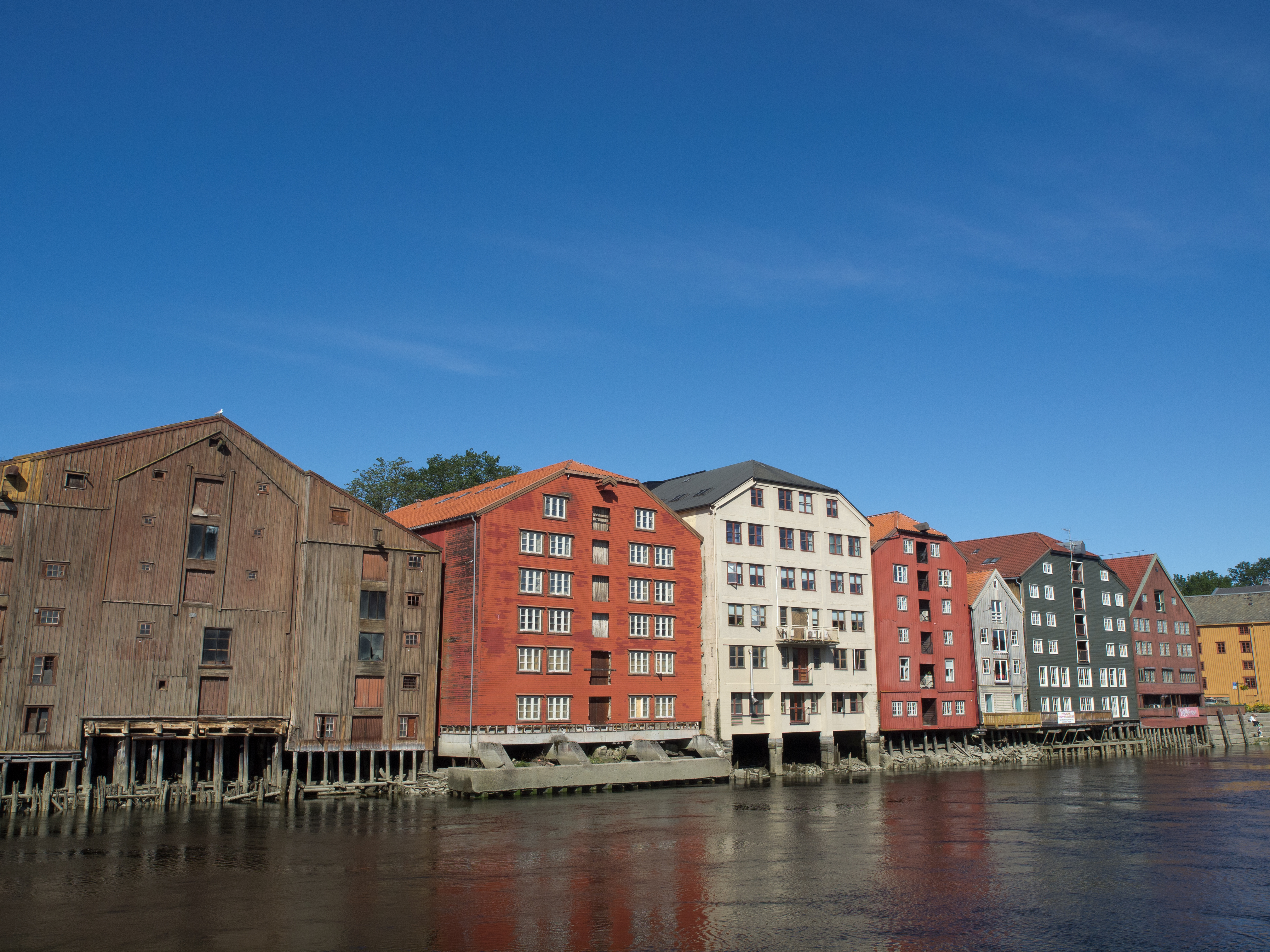
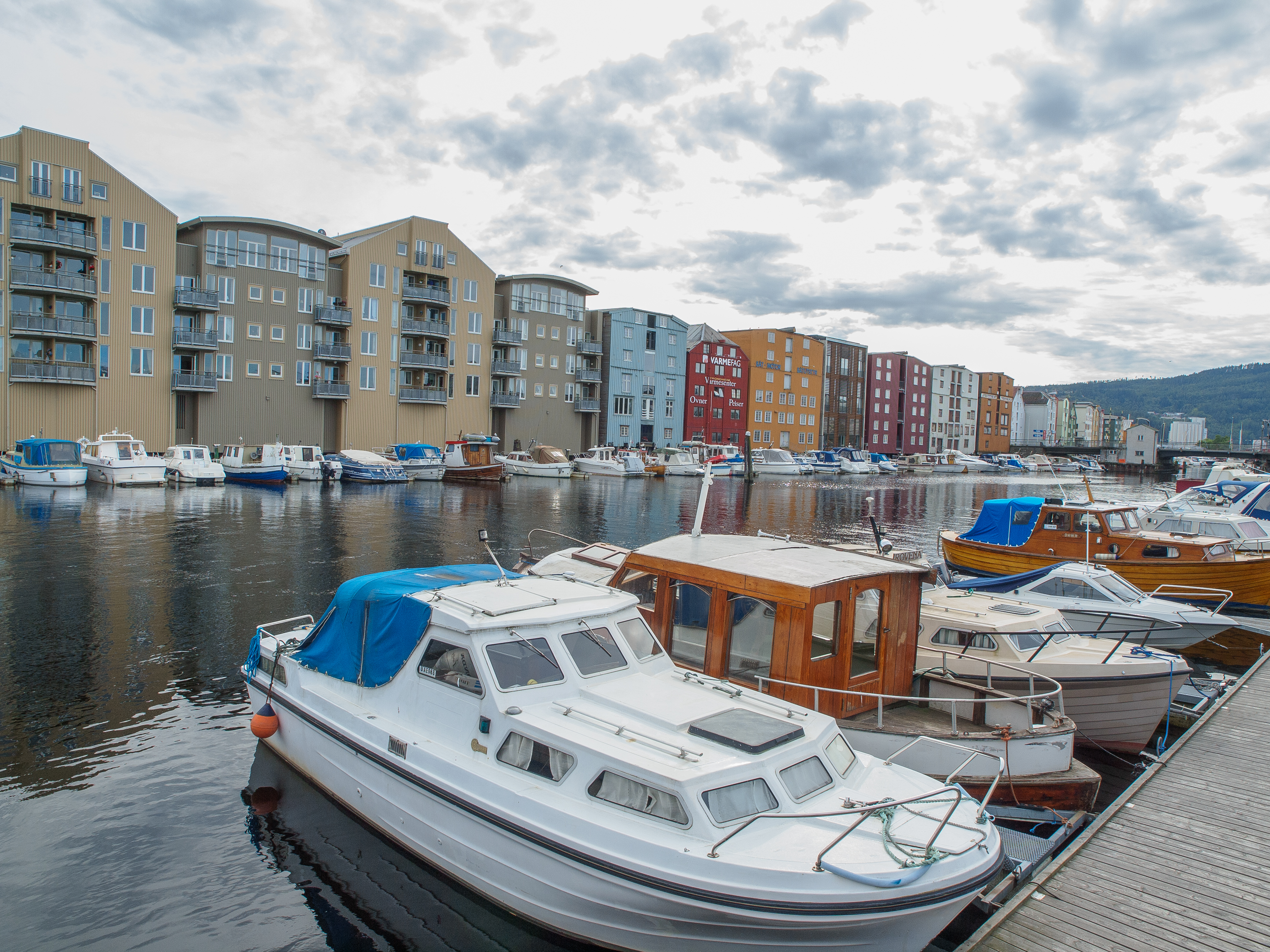
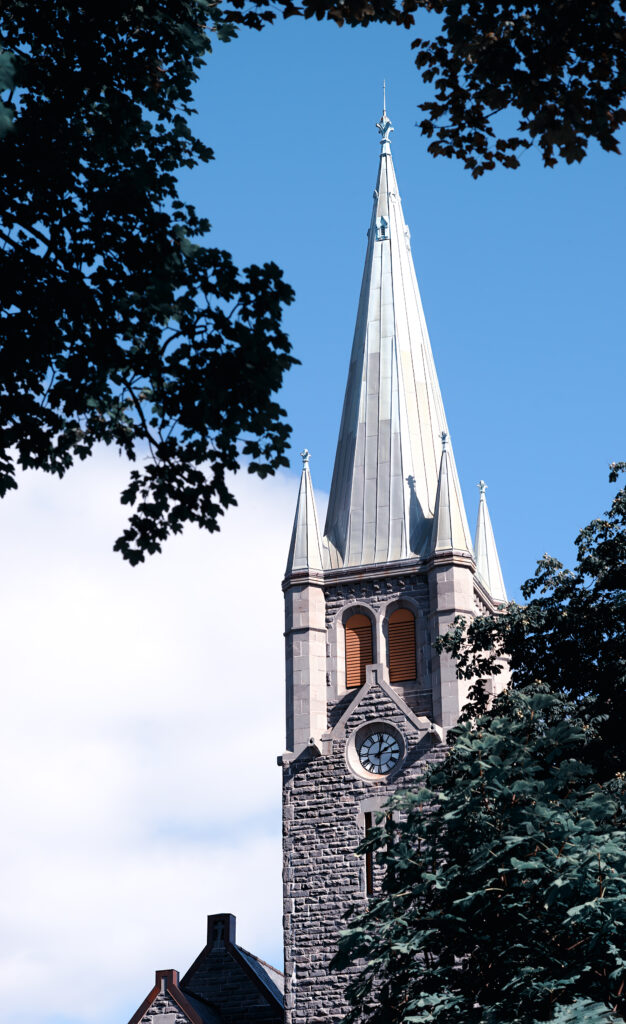
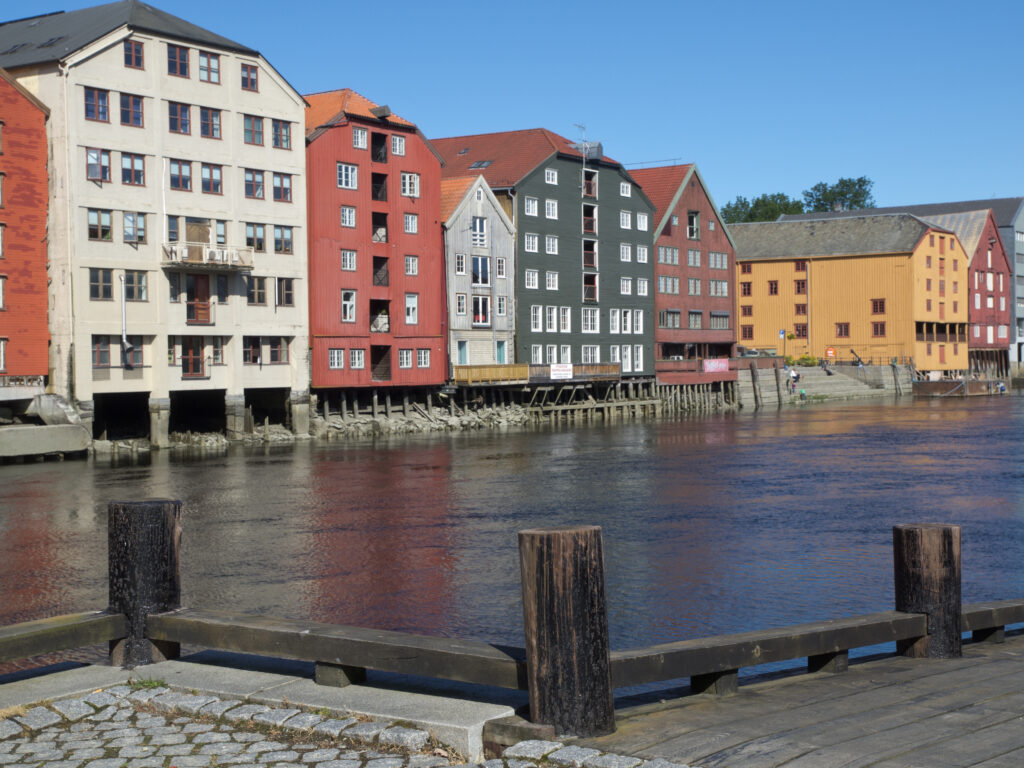
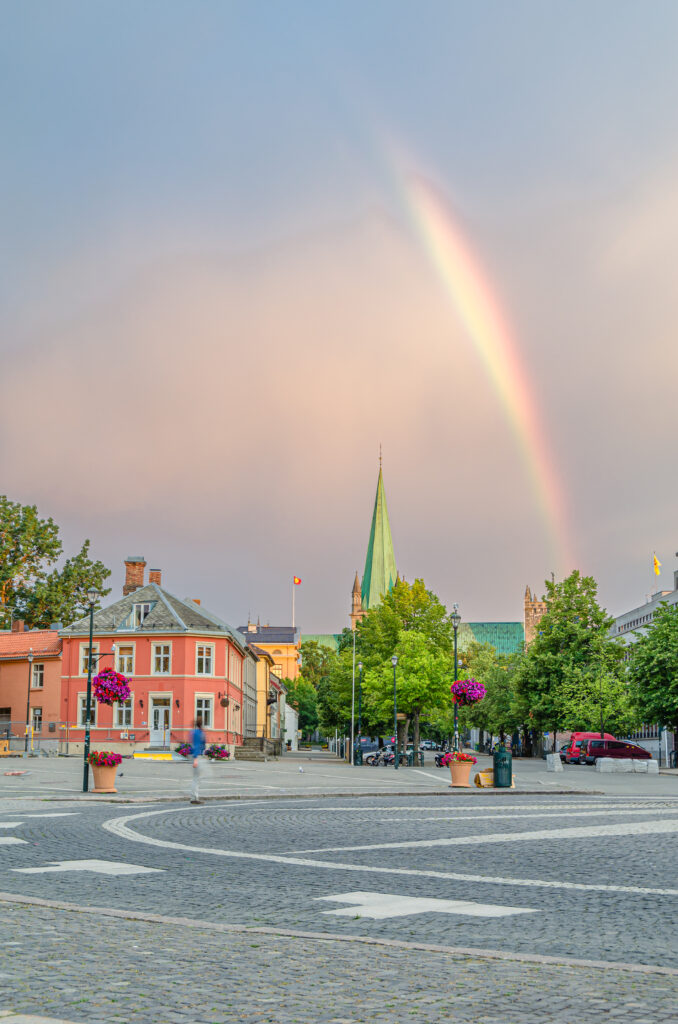
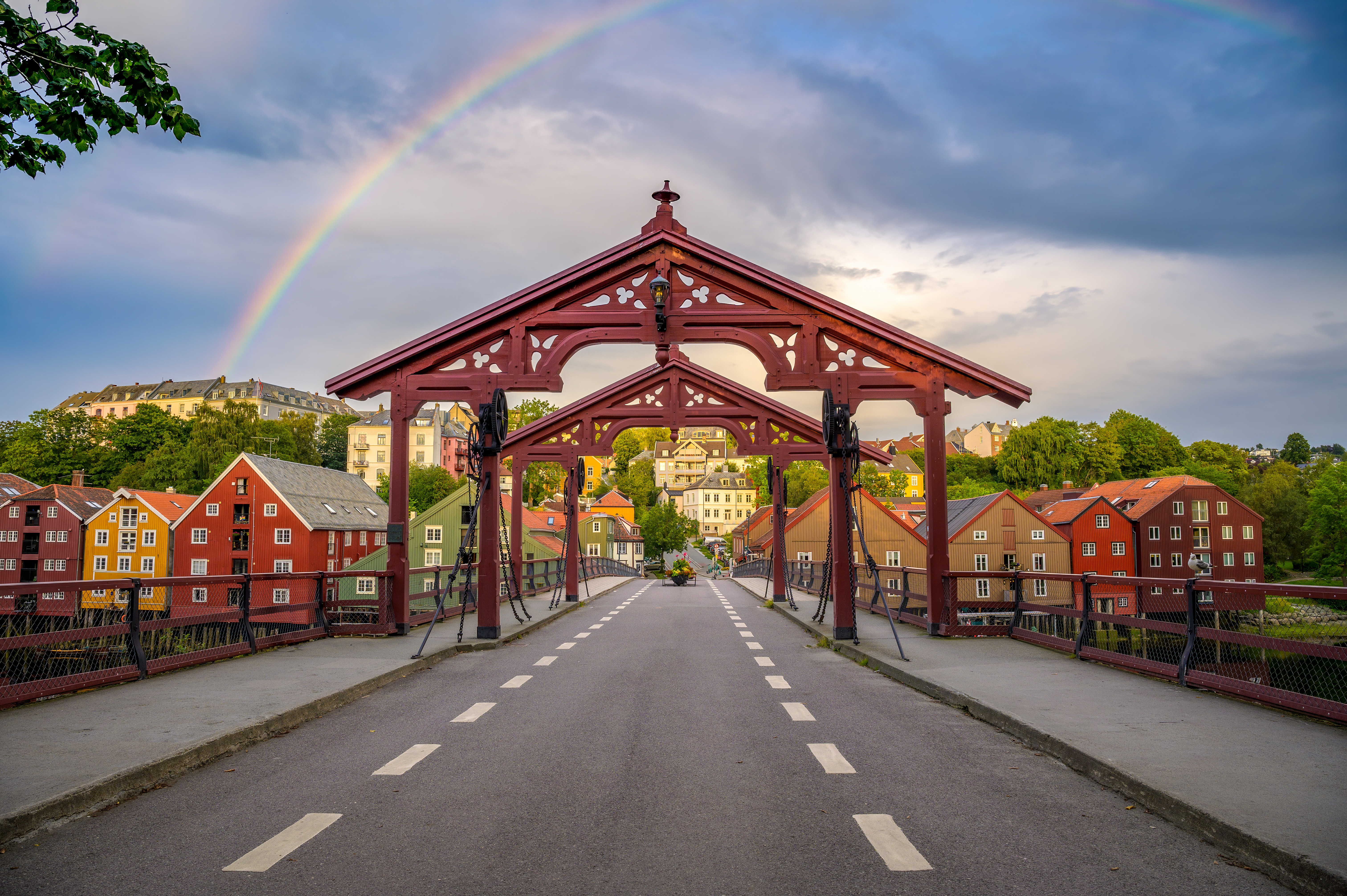
Architectural wonders and scenic beauty – Amidst its rich historical and cultural history, Trondheim offers numerous architectural wonders. The aforementioned Nidaros Cathedral is the heart of the city – an impressive Gothic structure with intricate details and a towering spire. Another attraction is the Old Town Bridge (Gamle Bybro), which offers a picturesque view of the colorful wooden houses along the riverbank. The bridge dates back to 1681 and is affectionately known as the “Gateway to Happiness,” reflecting the warmth and charm of the city.
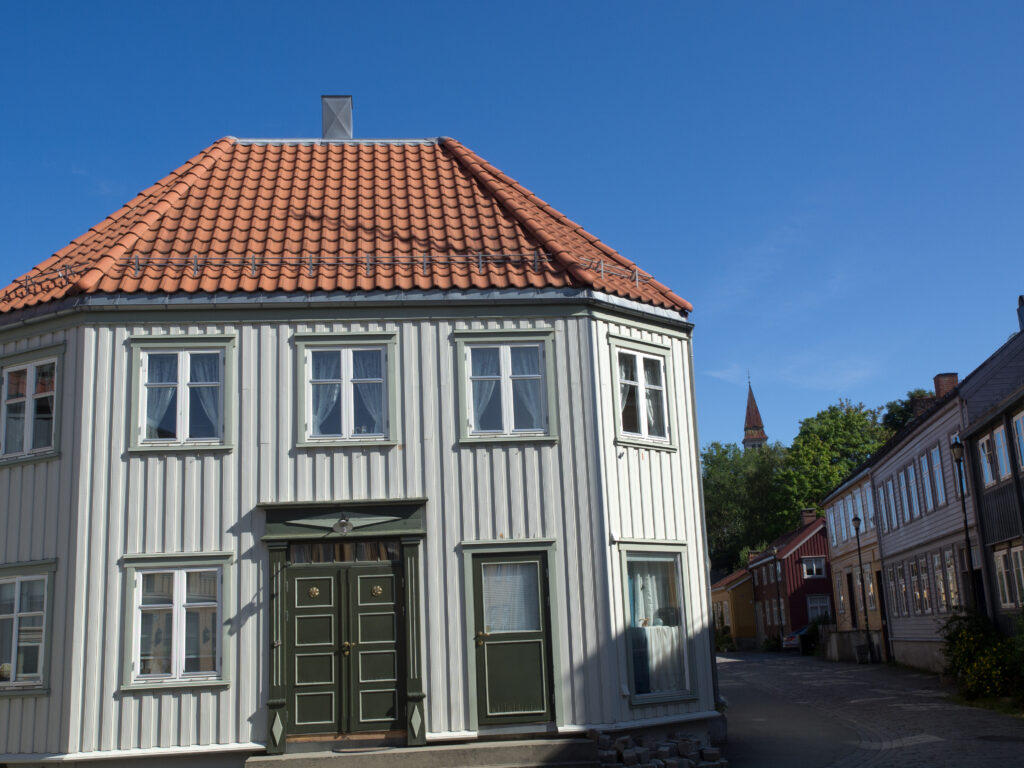
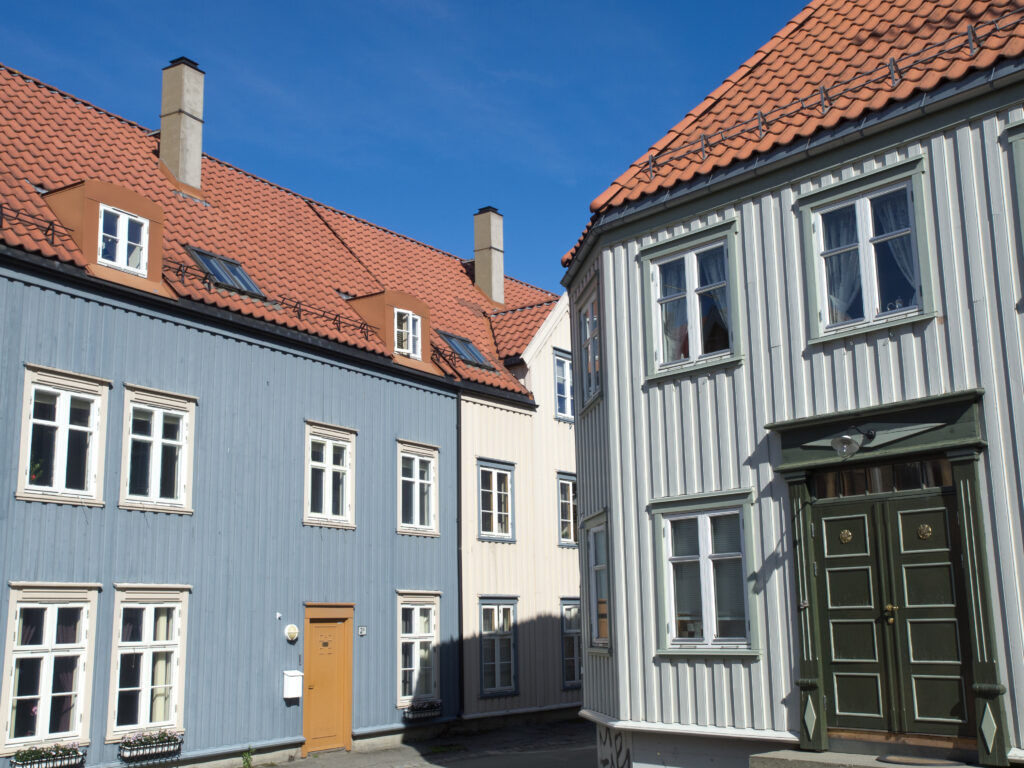
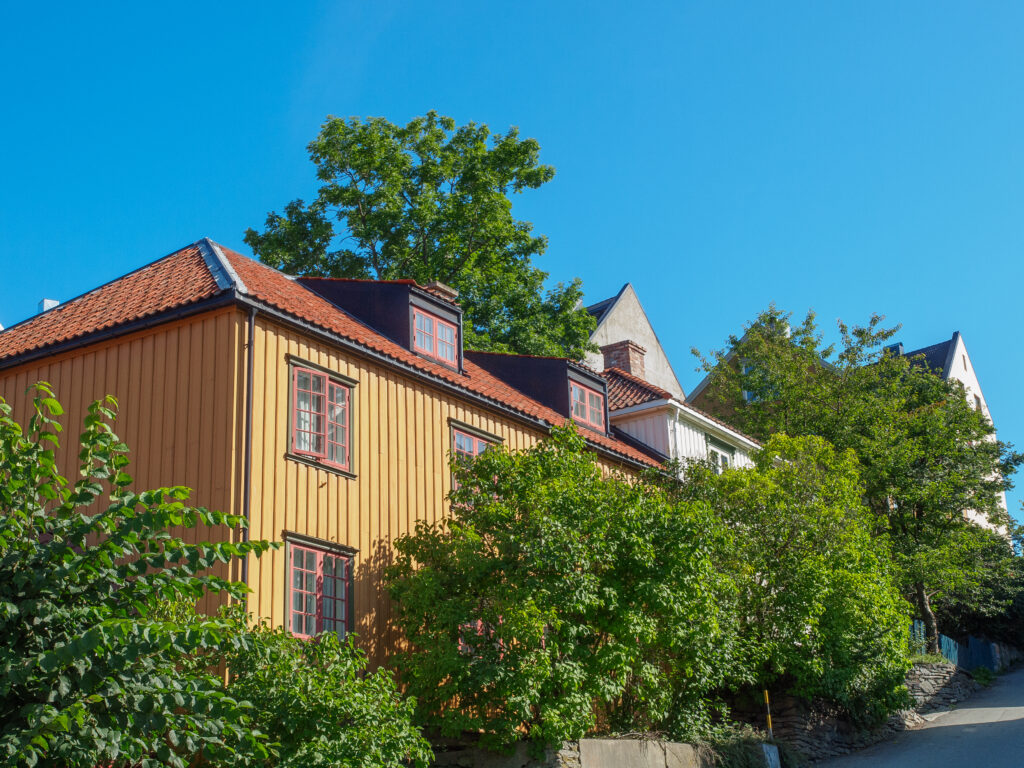
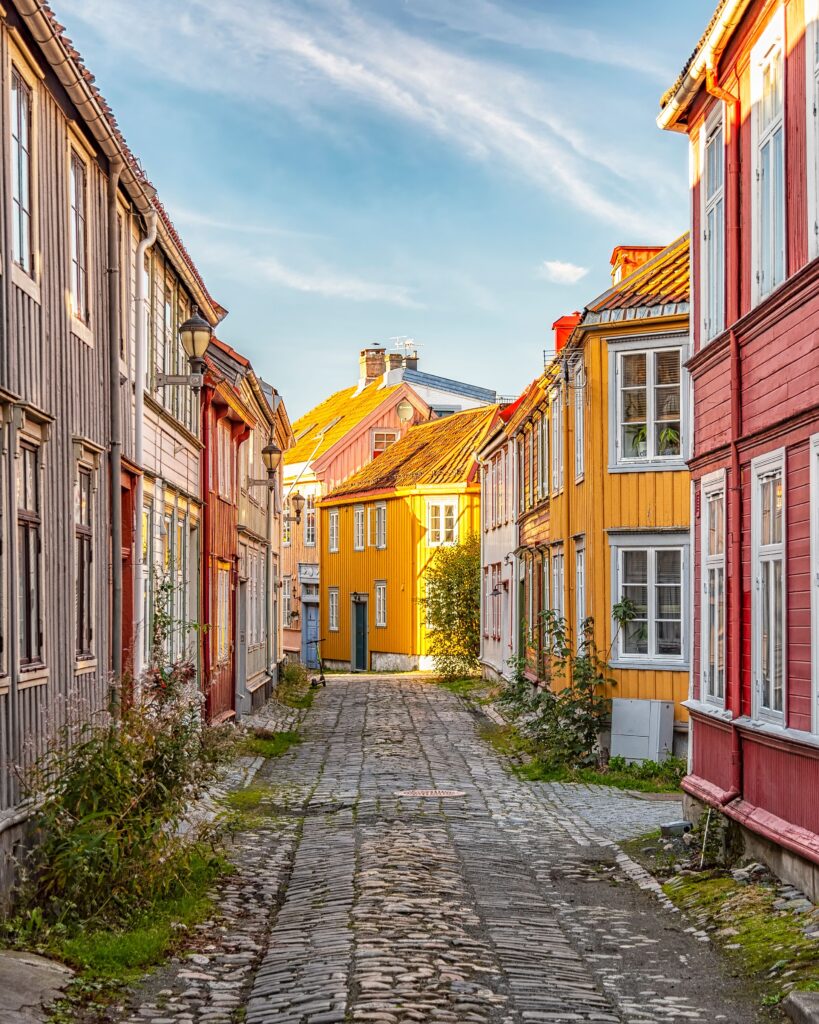
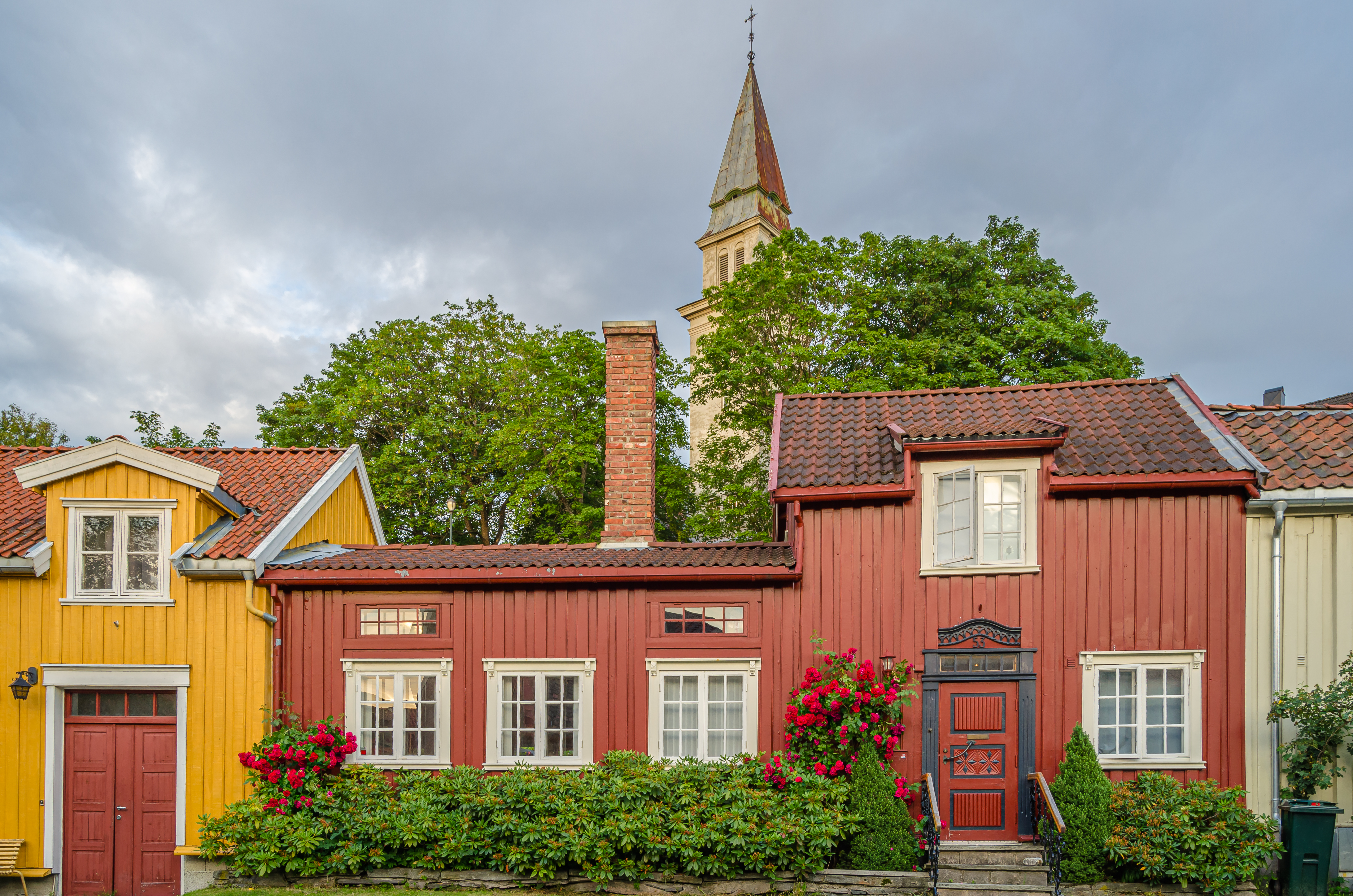
Bakklandet, the old town on the eastern bank of the Nidelva River, is characterized by beautifully preserved wooden buildings that now house cafés, boutiques, and galleries. The cobblestone streets of this neighborhood invite you to take leisurely strolls and soak up Trondheim’s unique blend of history and modernity.
Trondheim is surrounded by natural beauty and offers easy access to breathtaking landscapes. Bymarka, a vast recreational area west of the city, offers opportunities for hiking, skiing, and wildlife viewing. Nearby, the pristine fjords offer stunning views and activities such as kayaking and fishing.
A city with an eye to the future, Trondheim’s evolution from a Viking trading post to a modern center for education, technology, and culture is a testament to its resilience and adaptability. The city’s layers of history add depth to its modern identity, creating a place where tradition and innovation coexist harmoniously.
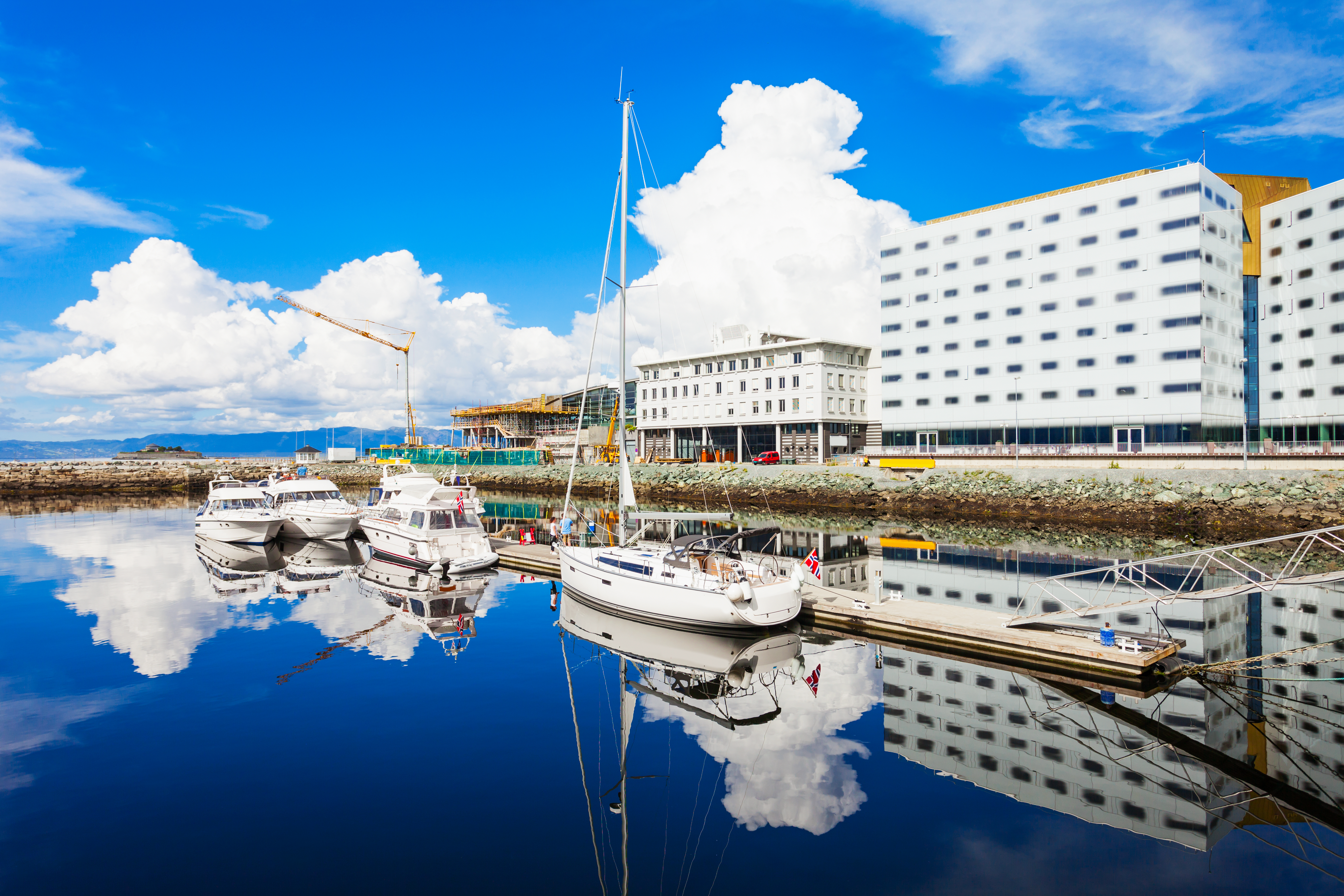
Looking to the future, Trondheim continues its innovation with projects focused on smart cities and sustainability. Ongoing urban development plans aim to improve quality of life while preserving the city’s historic character. These include expanding the public transport network and creating more green spaces.
For travelers and residents alike, Trondheim offers a fascinating blend of ancient tradition and futuristic thinking. With its unparalleled historical significance and commitment to progress, this city truly lives up to its royal heritage while paving the way for an exciting, sustainable future.
When we reflect on Trondheim’s rich history, it becomes clear that this Norwegian gem embodies the spirit of continuous development. Whether you’re strolling through the sacred halls of Nidaros Cathedral, exploring the bustling markets, or engaging in cutting-edge research at NTNU, Trondheim leaves a lasting impression.
Through trials and triumphs, this city has evolved into a beacon of culture, education, and innovation. As Trondheim looks to the future, it does so with the wisdom of its historic past guiding its steps.