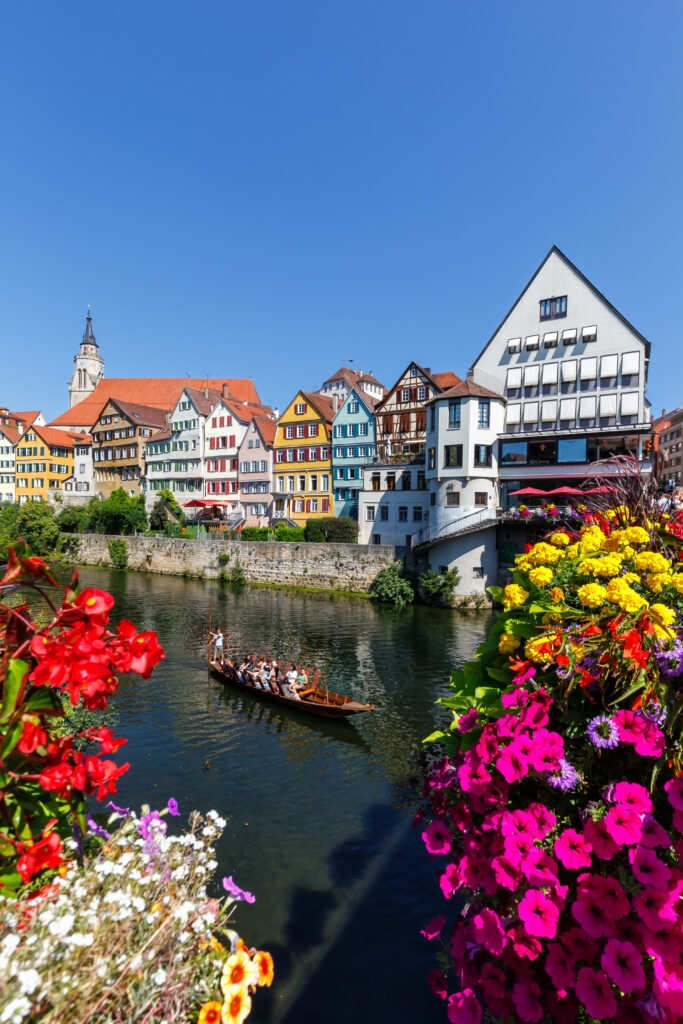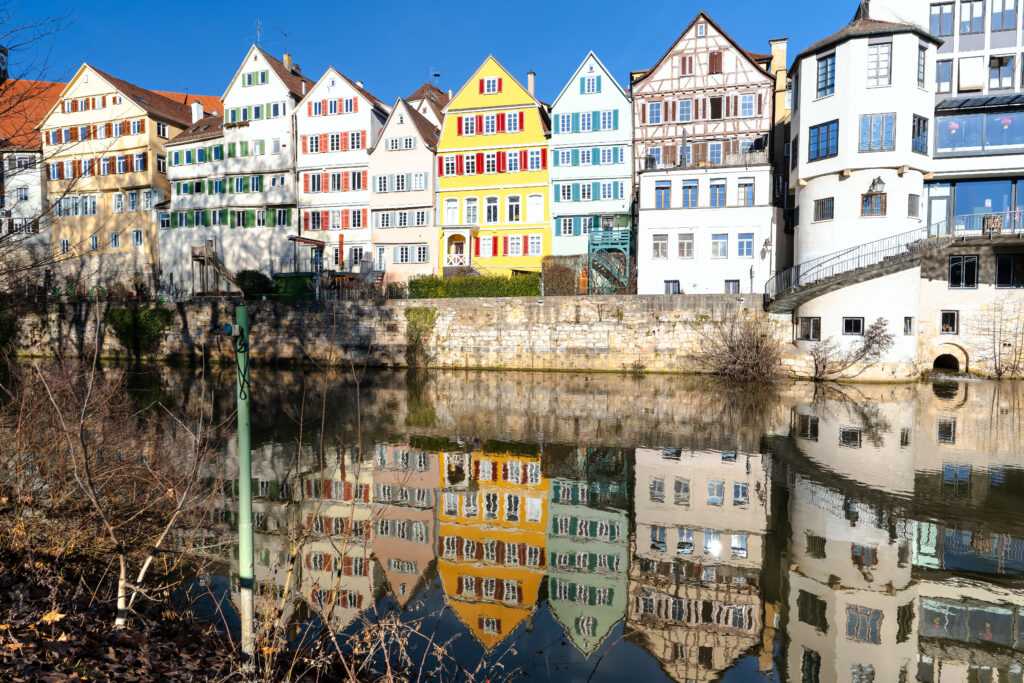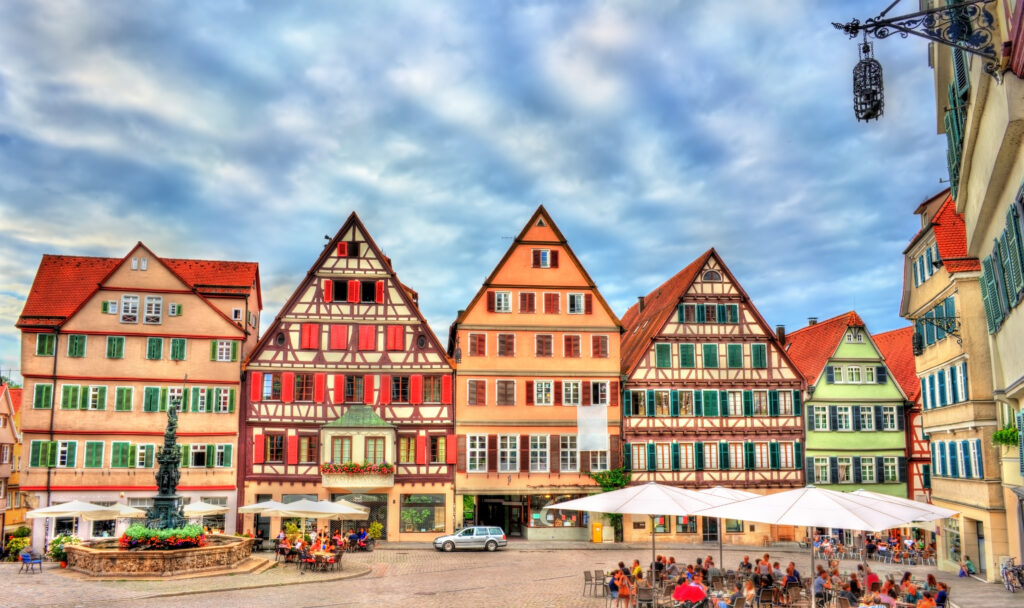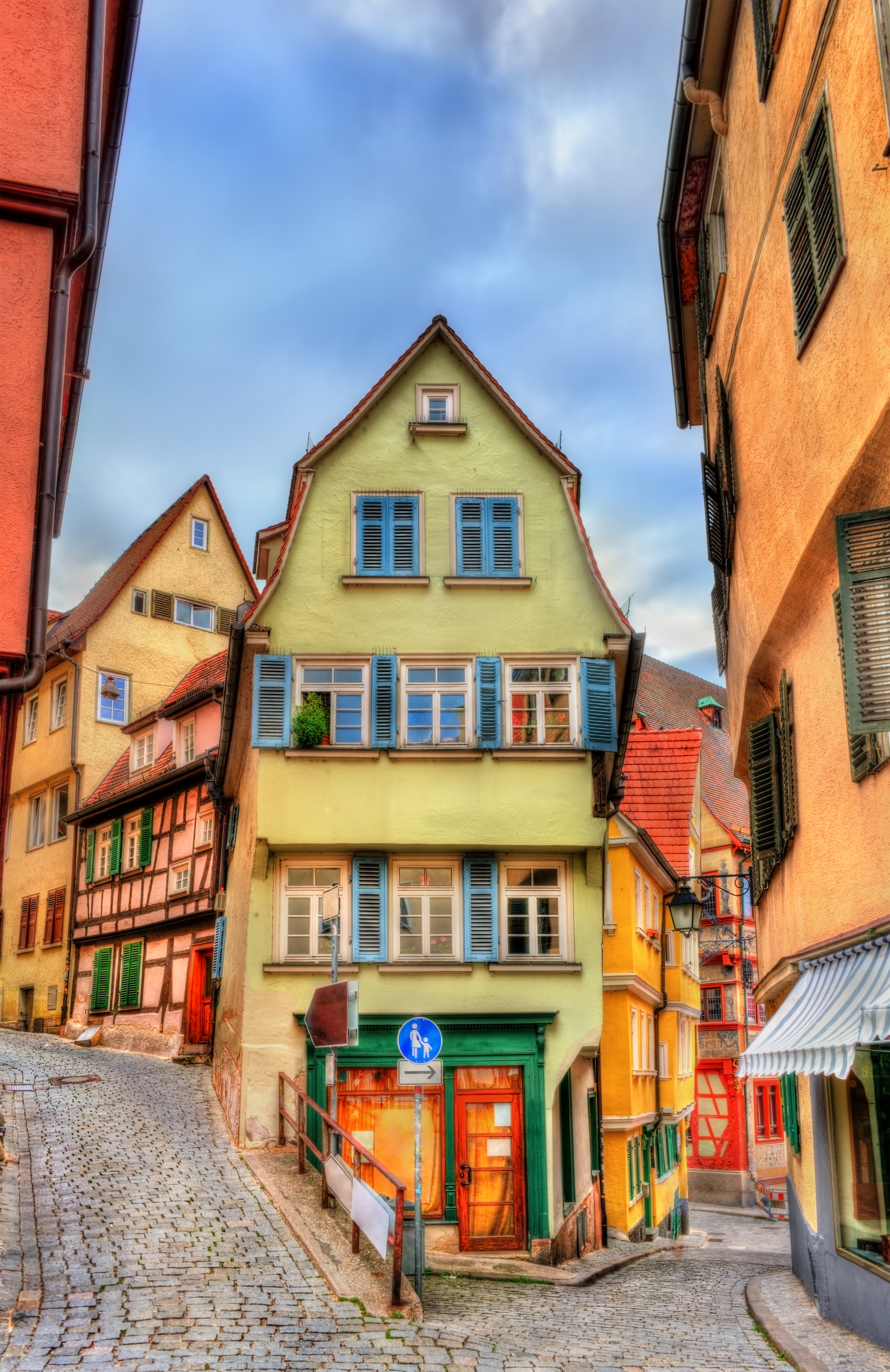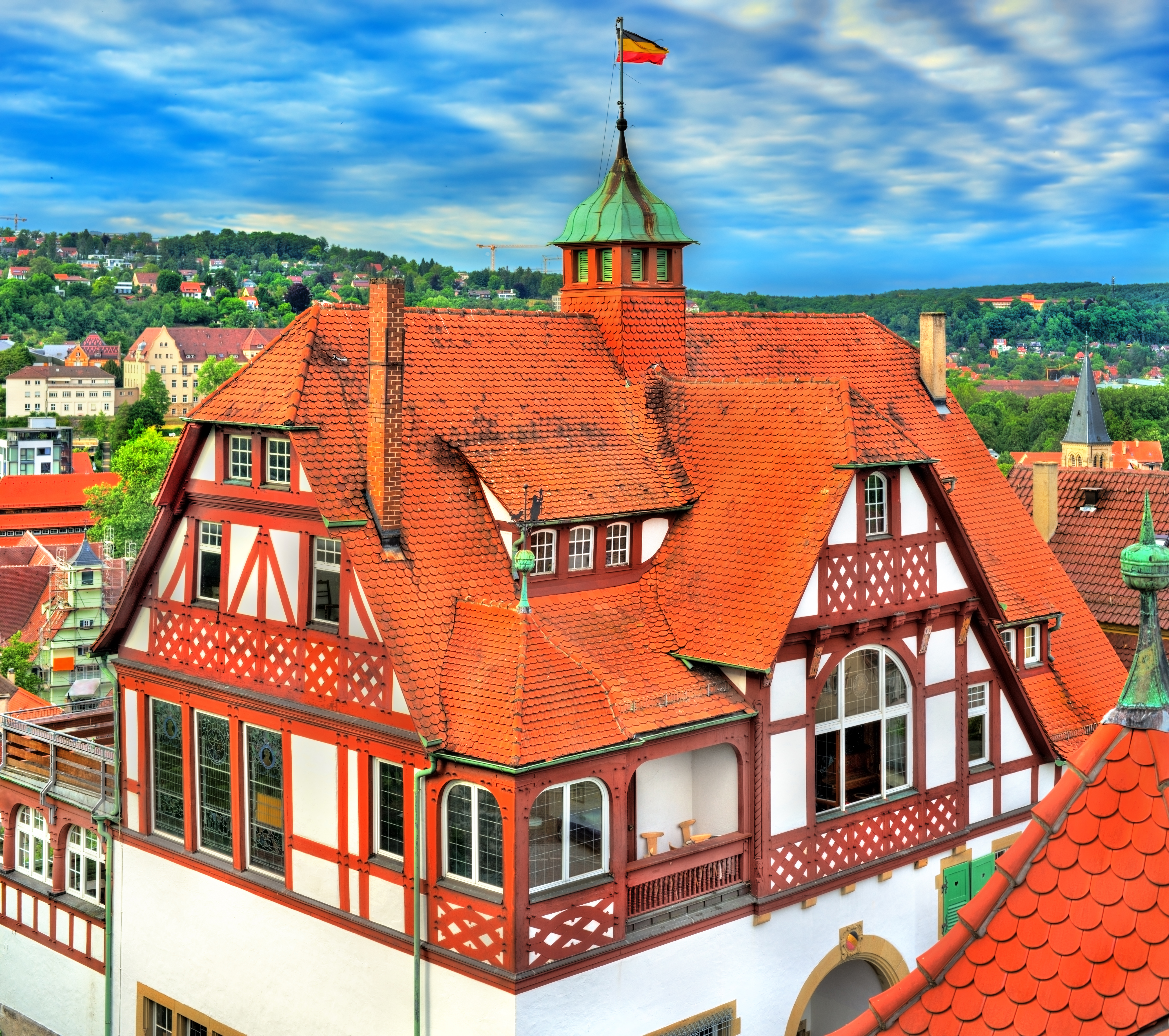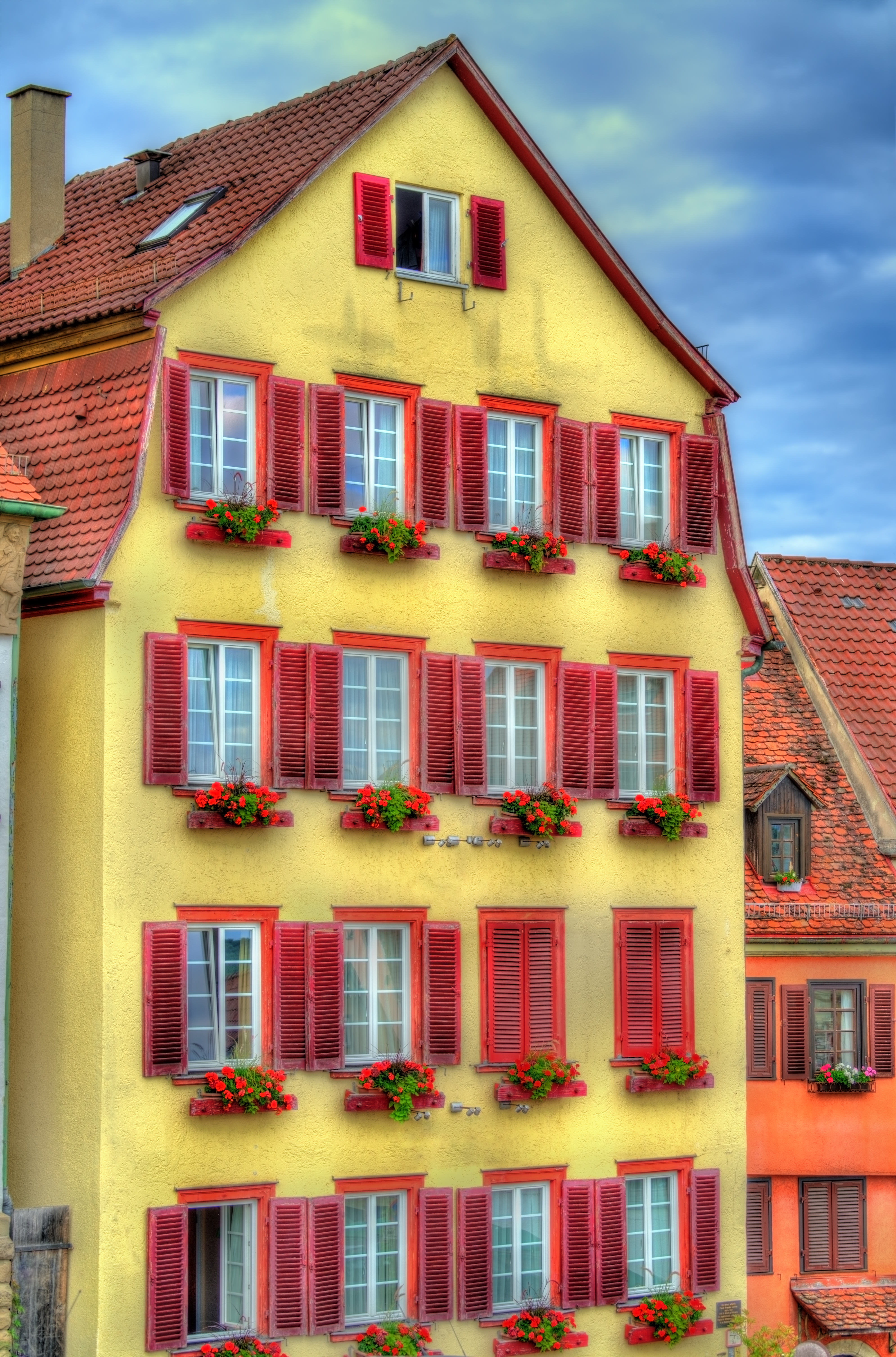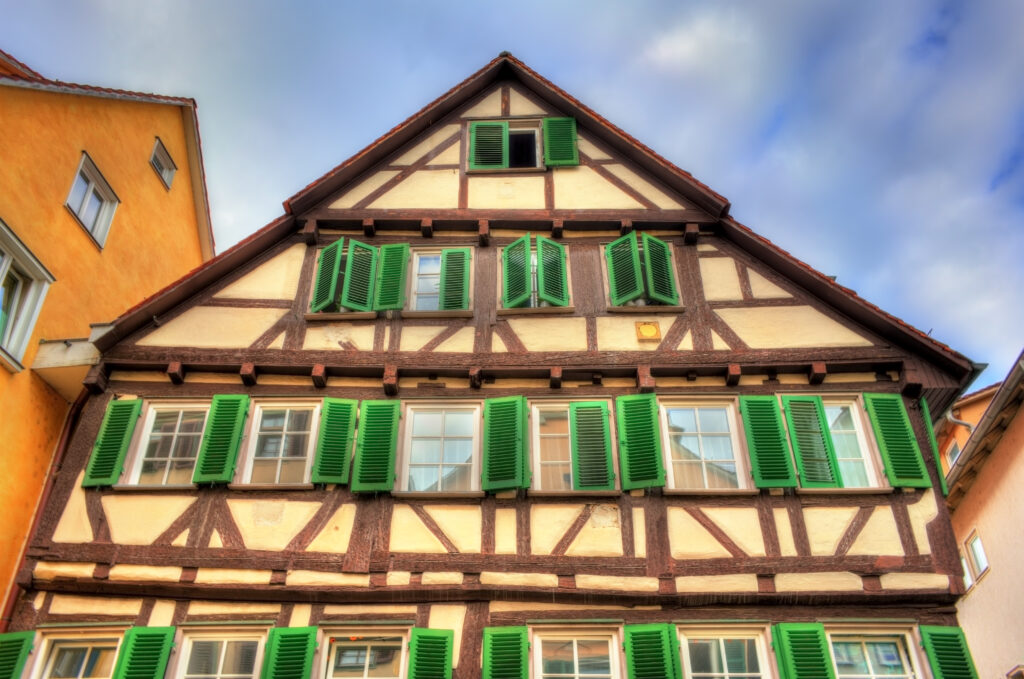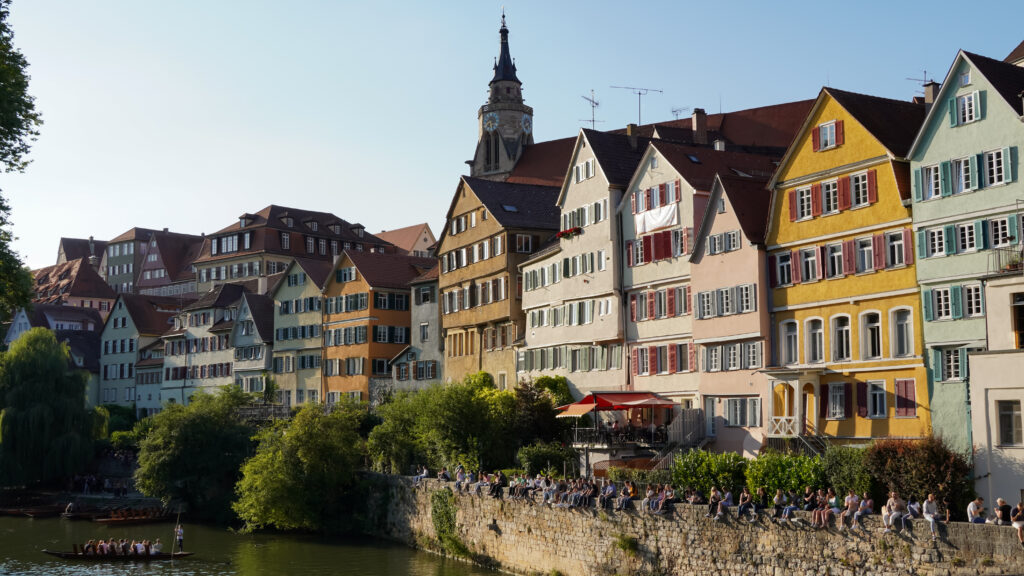
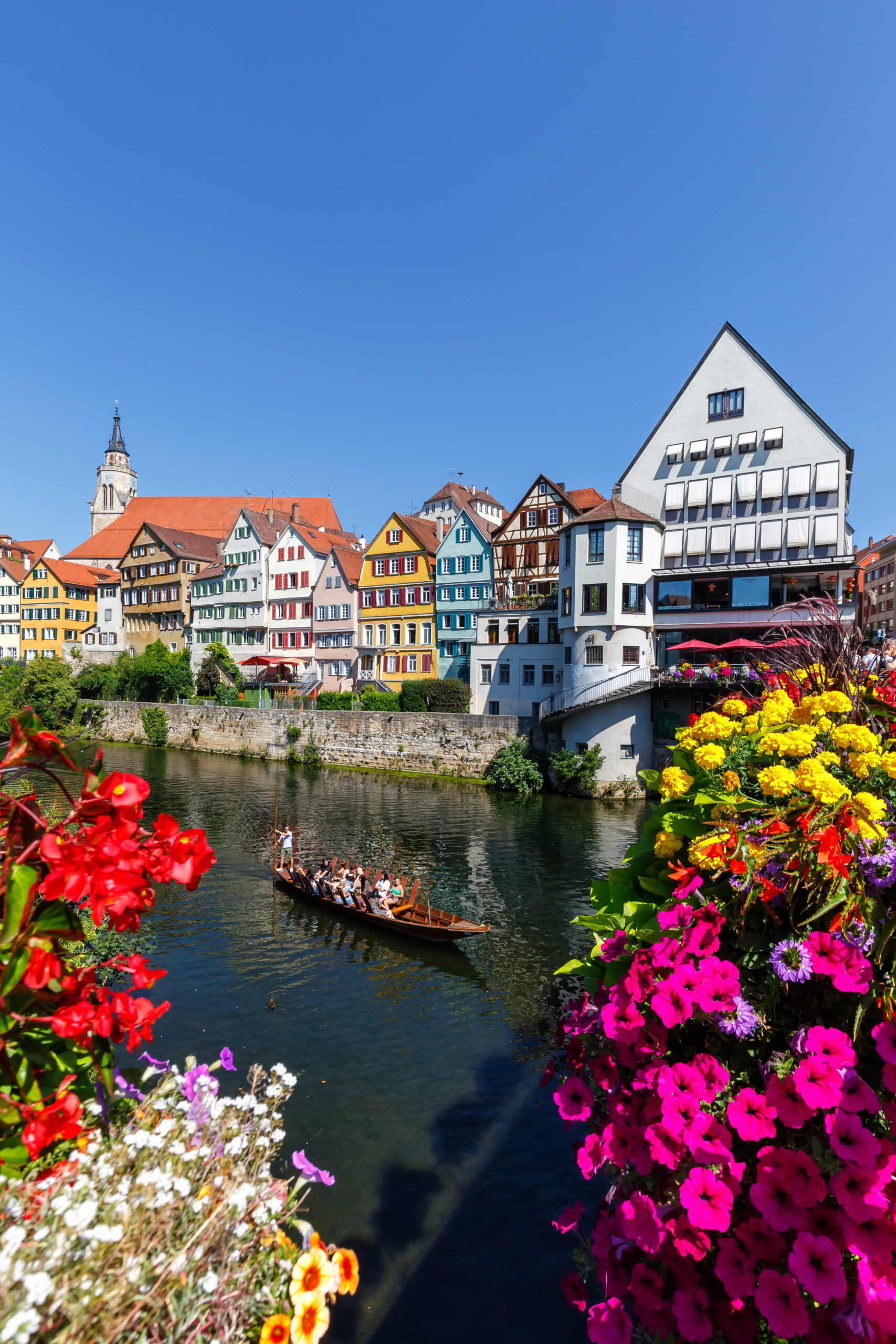
Tübingen, the picturesque jewel in the heart of Baden-Württemberg, is more than just a university town. With its winding streets, historic buildings, and majestic location on the Neckar River, Tübingen is home to exciting stories and fascinating myths that date back to the Stone Age.
From early hunters to Roman occupiers – the region around Tübingen has been visited by hunters and gatherers since at least the Magdalénian culture of the Ice Age. Over the millennia, people from the Linear Pottery culture, the Rössen culture, and the Corded Ware culture left their mark. Particularly noteworthy is a gold ring from the early Bronze Age, which is considered the oldest reliably dated gold find in southwestern Germany. With the arrival of the Romans around 85 AD, a new chapter began. Traces of the Neckar Limes bear witness to this period, but it is the medieval chronicles that illustrate Tübingen’s significance for historiography.
Royal sieges and counts of Zollern – Tübingen was first mentioned in a document in 1078 as “castrum twingia”. King Henry IV besieged Hohentübingen Castle during his conflict with his rival, King Rudolf of Rheinfelden. This siege, documented in the Zwiefalter Annals and the Gesta Treverorum, underscores the strategic importance of the city. The Counts of Zollern dominated in the Middle Ages before Tübingen fell to the Counts of Württemberg in 1342. A period of economic prosperity followed, supported by the founding of Eberhard Karls University in 1477, one of the oldest universities in Germany.
Reformation and Thirty Years’ War – The Tübingen Treaty of 1514, Württemberg’s most important constitutional document, secured far-reaching rights for citizens and became a symbol of civil resistance. However, the Reformation brought political and religious upheavals, from which Tübingen was not spared. The period between 1534 and 1535 marked the end of the monasteries; the Protestant seminary was founded, producing personalities such as Johannes Kepler and Georg Wilhelm Friedrich Hegel. The Thirty Years’ War left deep wounds: plague, looting, and sieges characterized the years 1630 to 1649.
Modern times and dark chapters – In the 18th century, Tübingen suffered destruction from city fires (1771 and 1789) and became a center of publishing thanks to Johann Friedrich Cotta. The Industrial Revolution radically changed the political and social landscape. The opening of the railway station in 1861 marked the beginning of a new era of mobility. However, the rise of the NSDAP in the 1930s cast a dark shadow over the city. The synagogue on Gartenstraße was looted and burned down, and Jewish citizens were persecuted and murdered. Thanks to the mediation of local doctor Theodor Dobler, World War II ended without a fight for Tübingen in 1945, but the scars remained.
Post-war period and reconstruction – After the war, Tübingen became part of the French occupation zone and was temporarily the capital of the state of Württemberg-Hohenzollern. This status ended in 1952 with the founding of the state of Baden-Württemberg. The incorporation of surrounding communities shaped modern Tübingen and gave the city new momentum. Until the 1990s, French troops used barracks and residential areas, shaping the cityscape. Despite this military presence, Tübingen remained a cultural and scientific center.
A window to the past – What makes Tübingen so special are its myths and legends, which are closely linked to its real history. Stories of sieges and liberations, of plague and war, of science and enlightenment interweave to form a rich mosaic of narratives. Today, Tübingen is not only a place of study for many young people, but also a tourist attraction that delights its visitors with historic buildings, romantic Neckar river cruises, and a vibrant cultural life.
In summary, Tübingen is not just a city, but a living museum that generously tells its stories and captivates its visitors time and again. Anyone who has been here once will want to return again and again to experience the aura of legends and the essence of history up close.