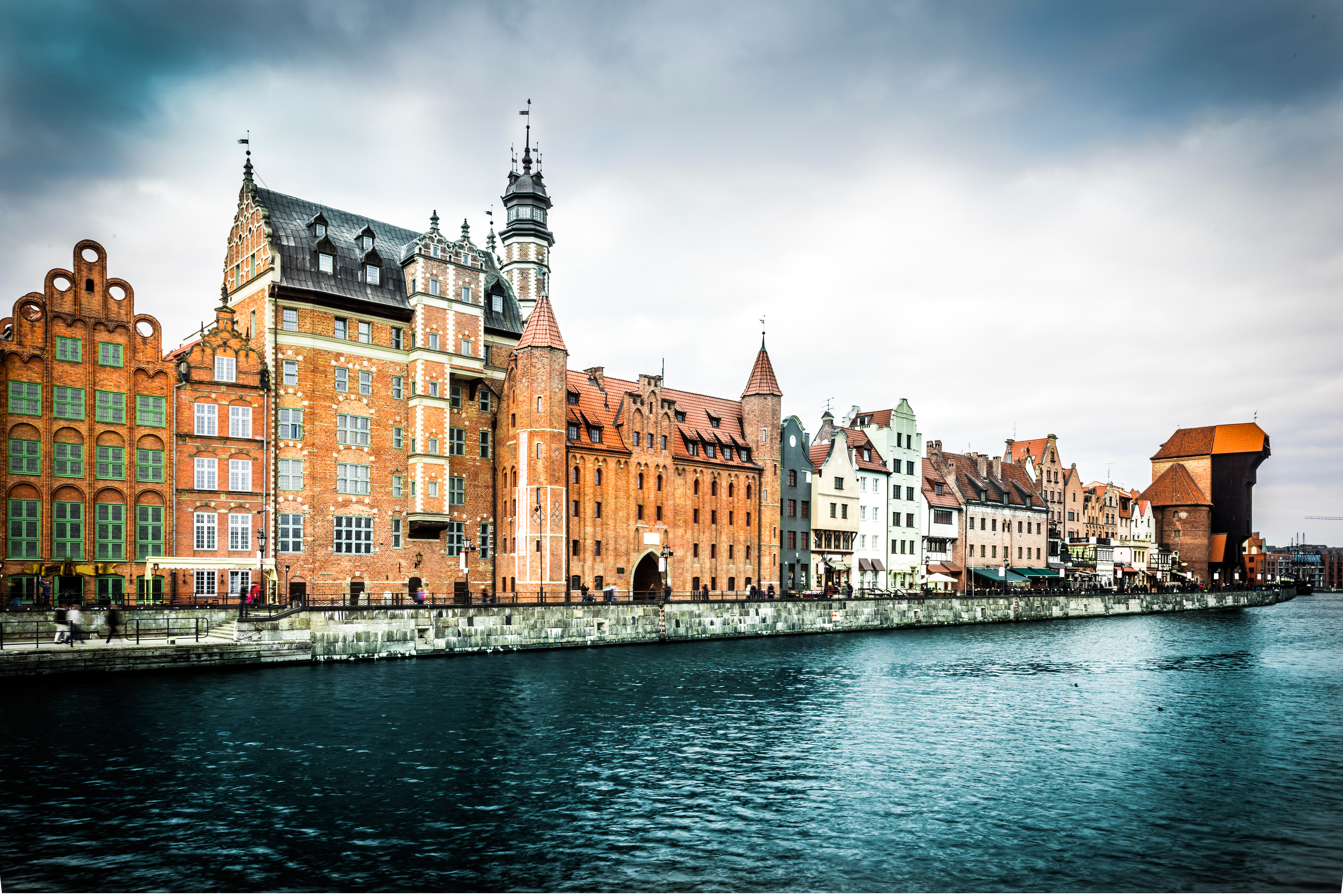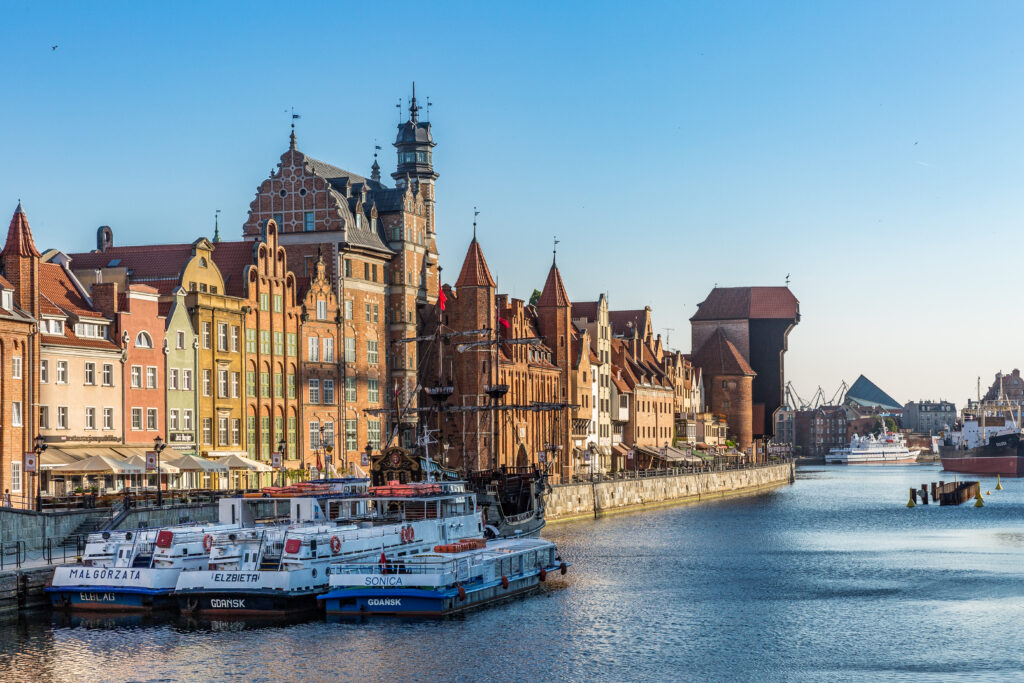
Located on the Baltic Sea coast, the city of Gdańsk in Poland is more than just a geographical location. It is a living mosaic of centuries of history, adorned with architectural marvels and steeped in myths that enchant locals and visitors alike. As we delve into the heart of Gdańsk, we will uncover its fascinating past, discover its impressive sights, and bring to light some of the intriguing legends that give this magnificent city a mystical aura.
The historic past of Gdańsk – Gdańsk’s history dates back over a thousand years, making it one of the oldest cities in Poland. The city was first mentioned in documents in 997 AD and, due to its strategic location on the Baltic Sea, was a hub for various cultures. In the Middle Ages, Gdańsk flourished as an important trading hub within the Hanseatic League, an influential association of merchant guilds. During this period, many important buildings were constructed and Gdańsk’s long tradition as a center of craftsmanship and seafaring began. The city’s complex past is also marked by times of war and upheaval. The Battle of Oliwa in 1627 during the Polish-Swedish War demonstrated the strategic importance of the port of Gdańsk. Later, during World War II, Gdańsk was heavily bombed, but rose courageously from the ashes, demonstrating a resilience and determination that can still be felt today.
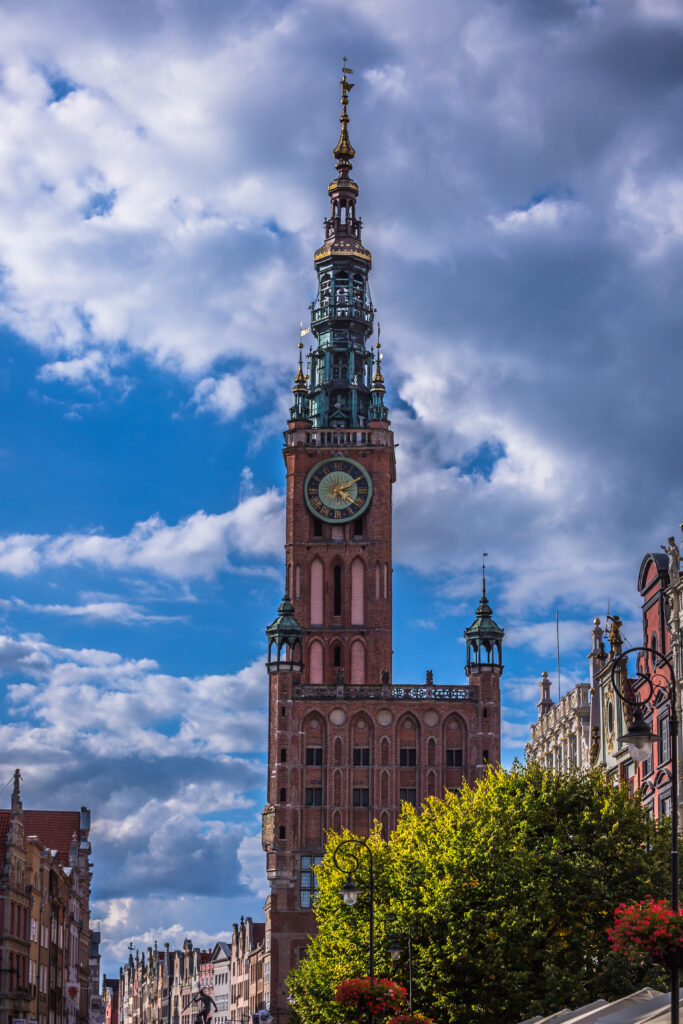
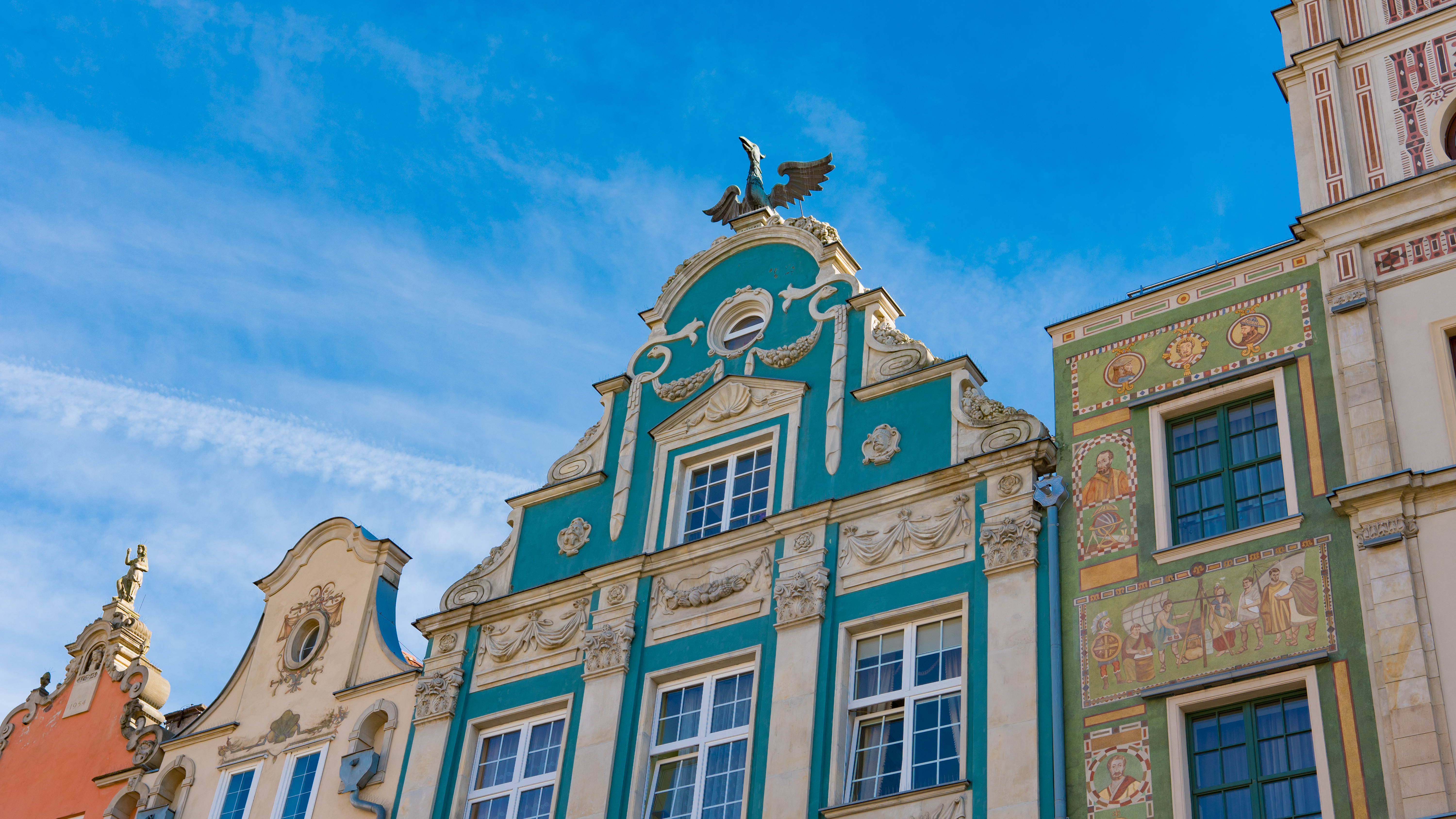
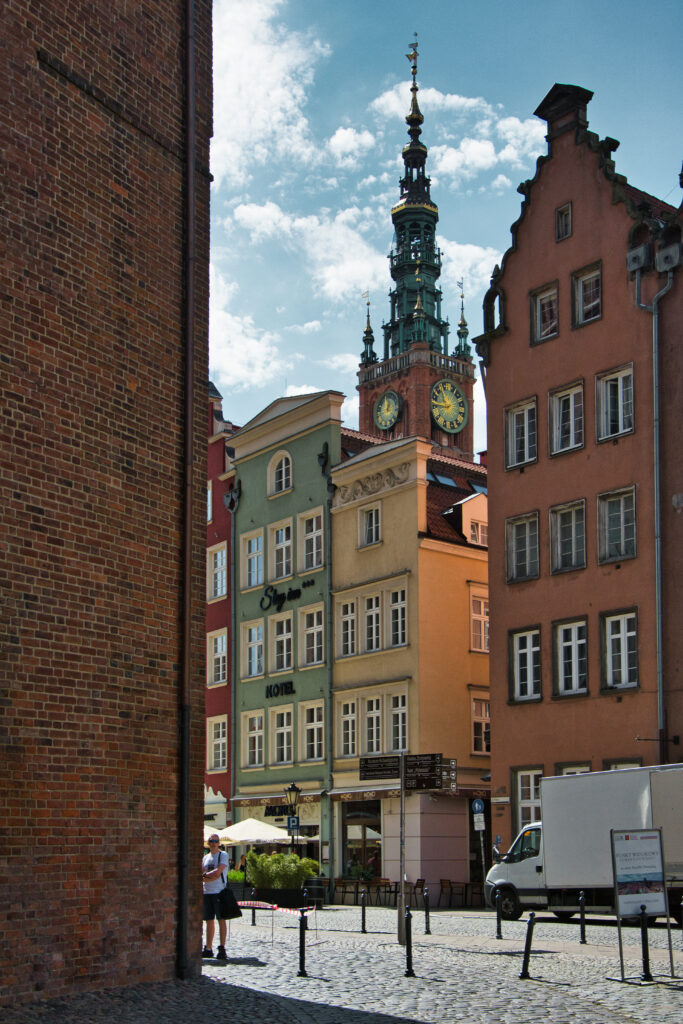
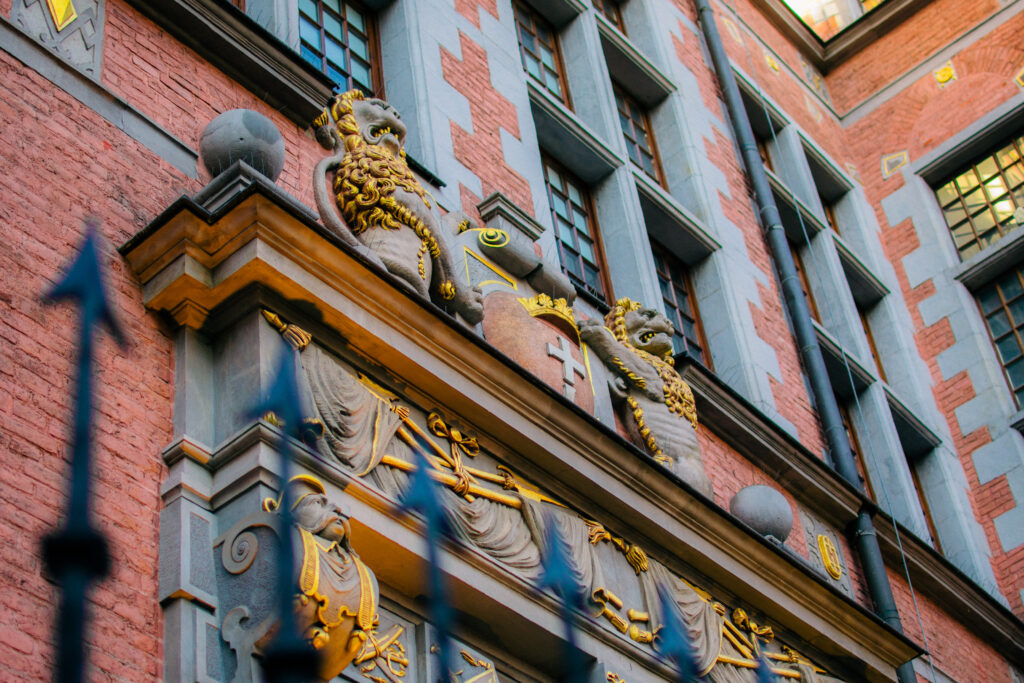
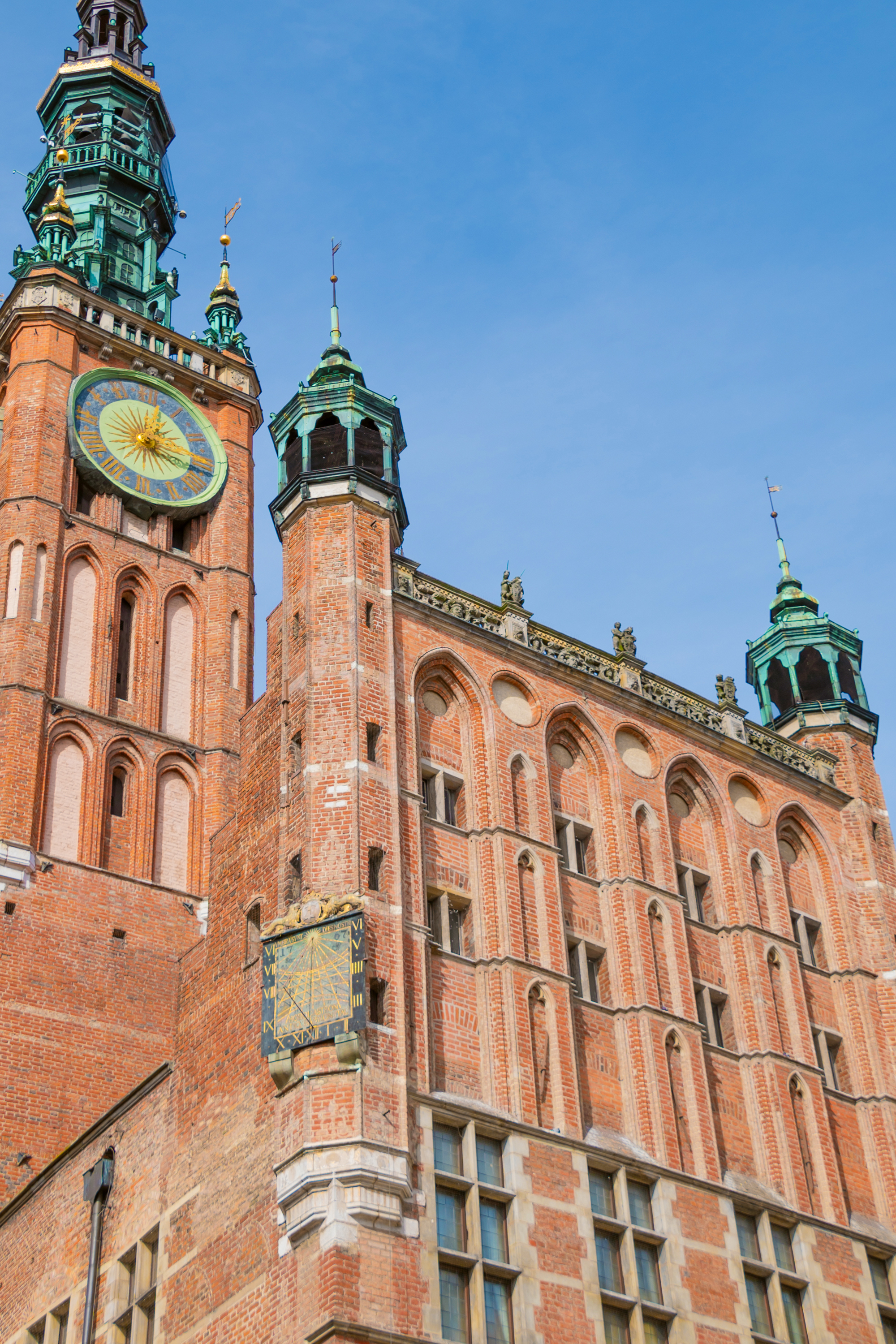
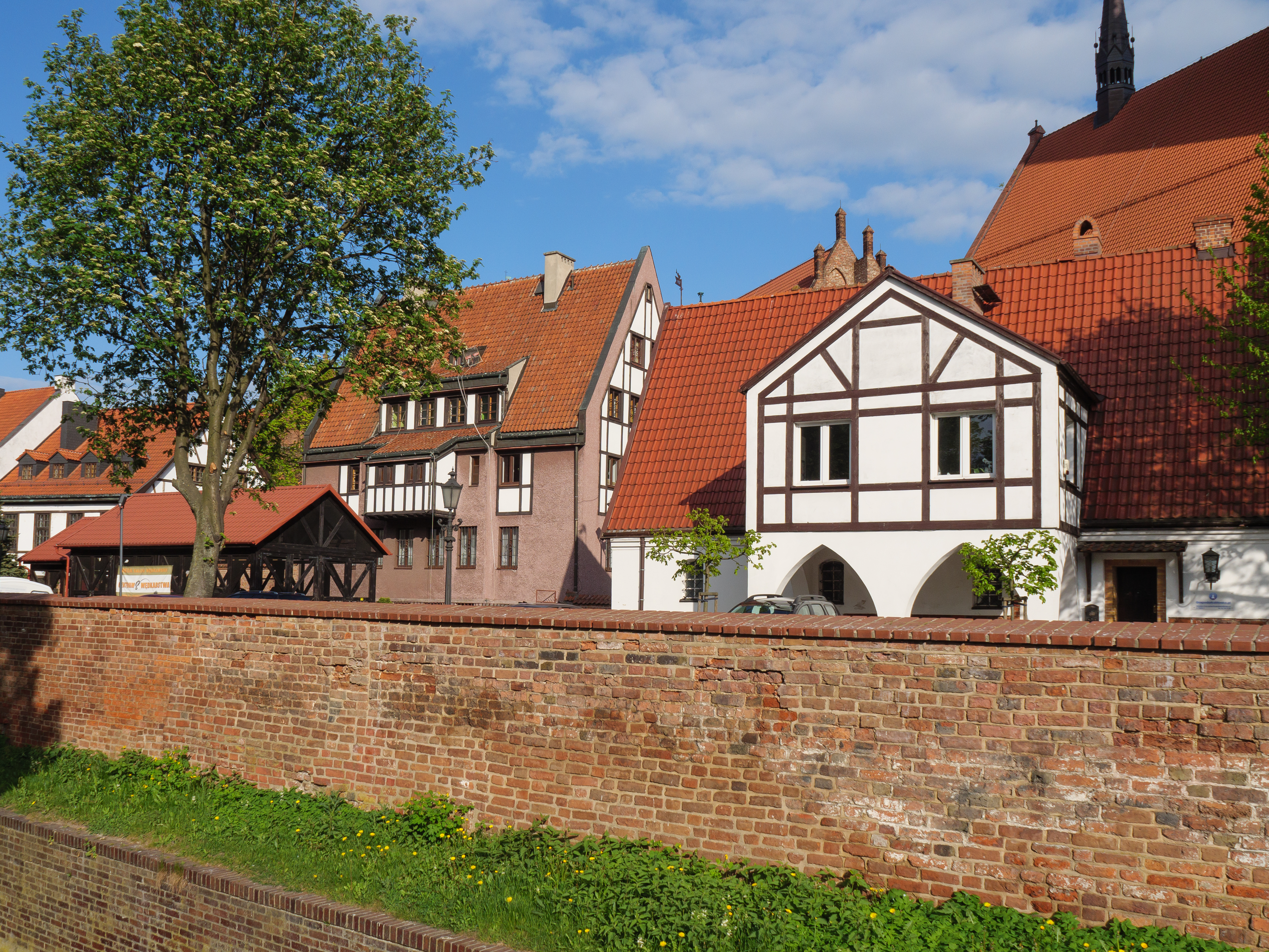
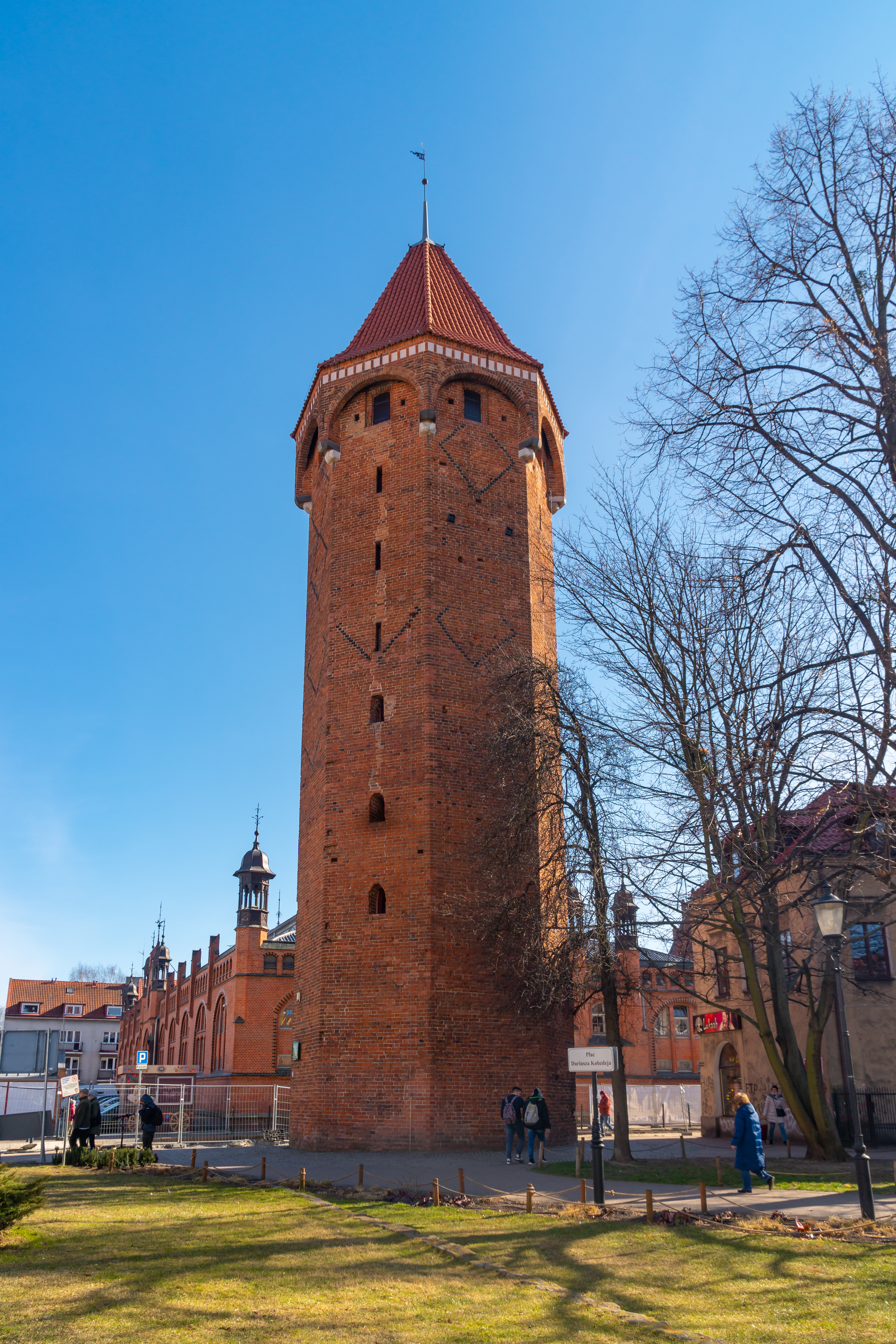
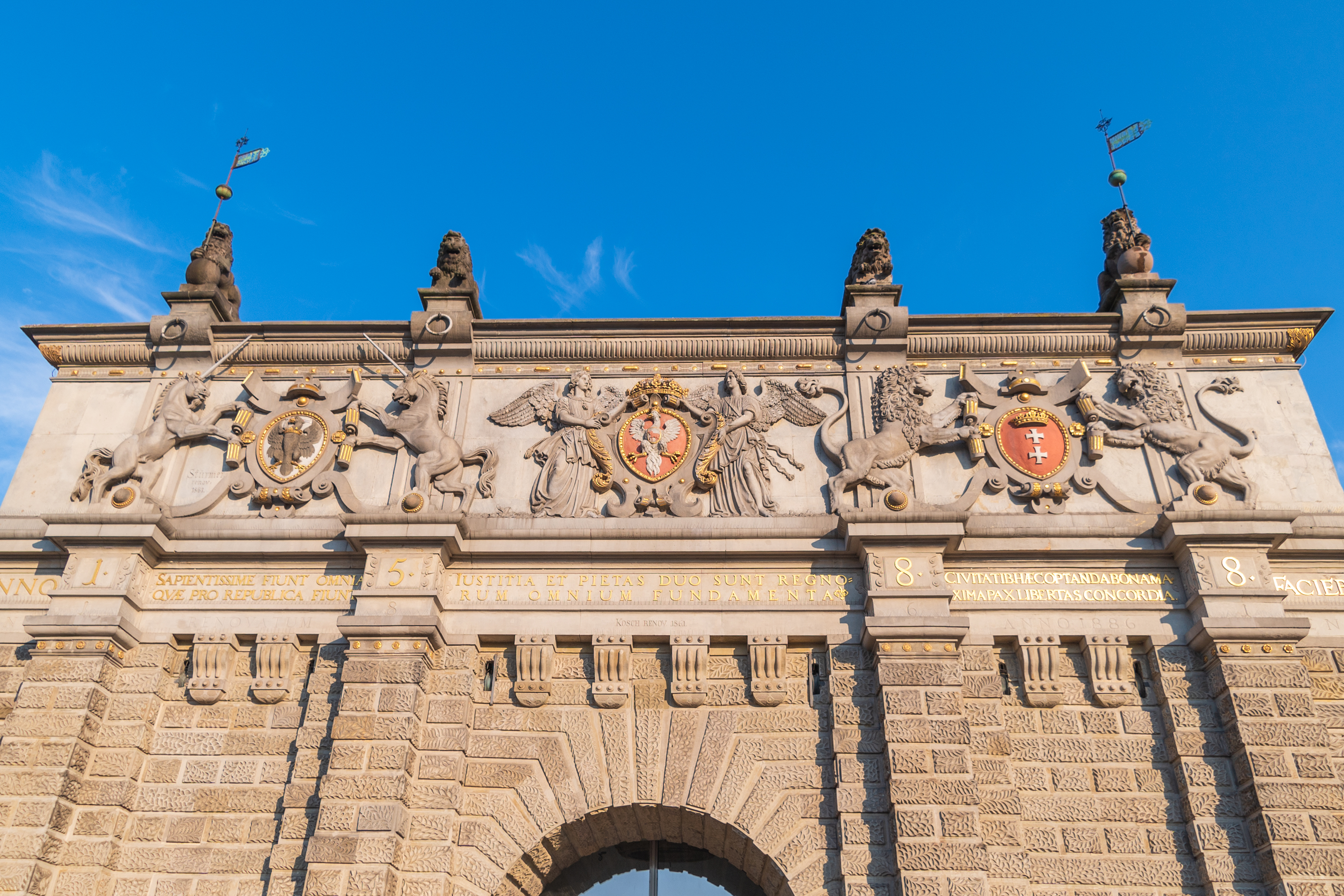
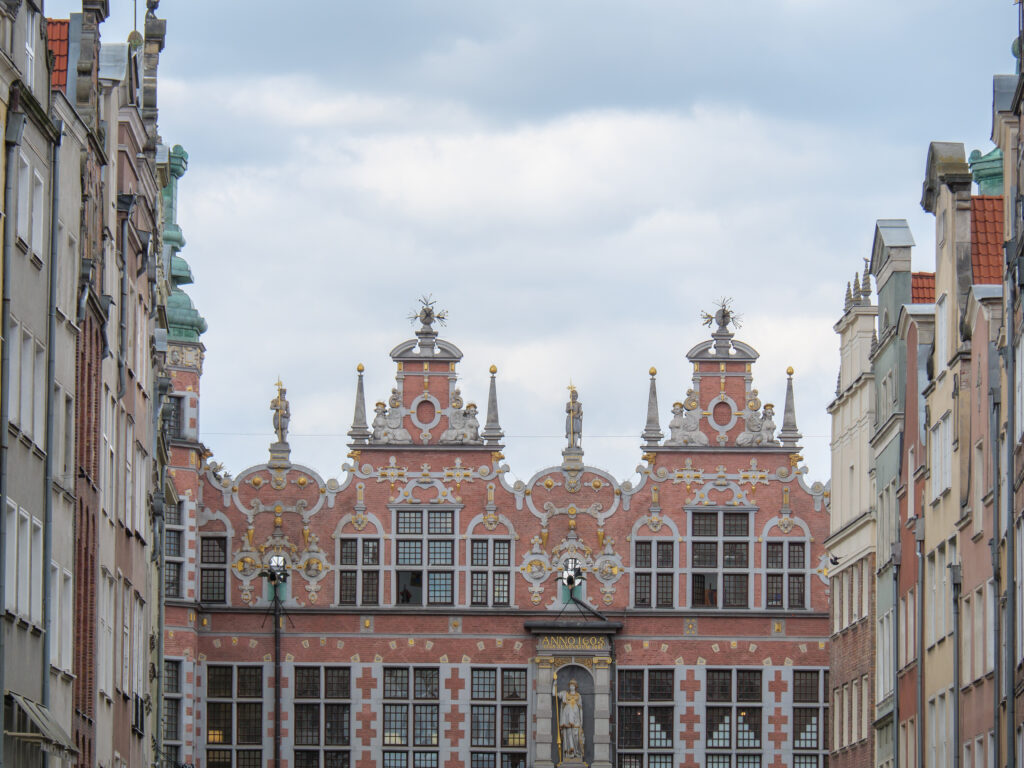
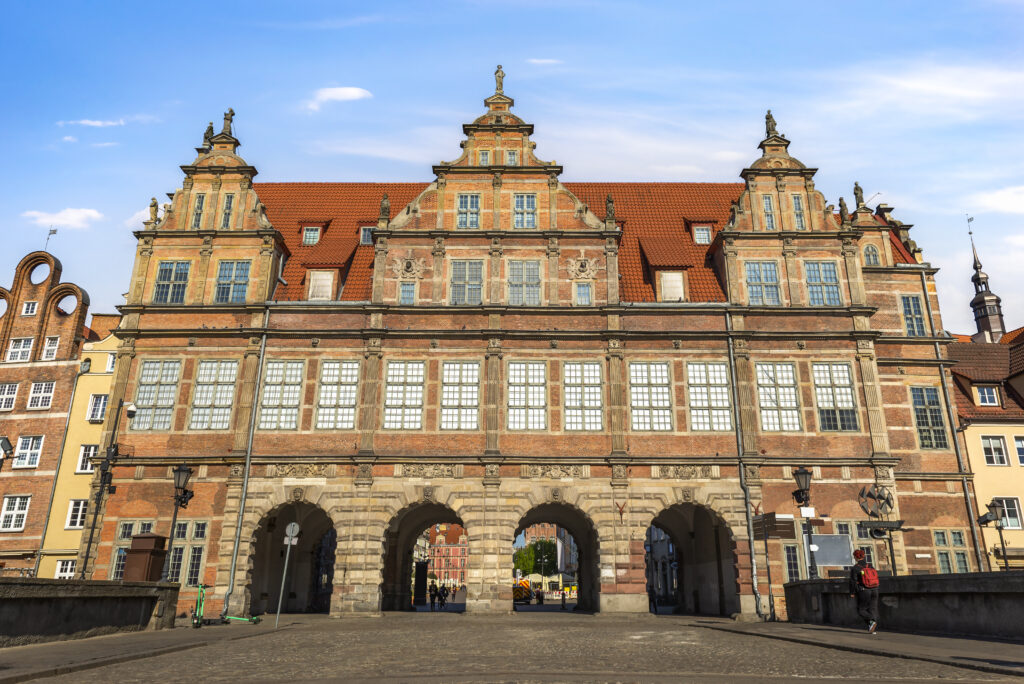
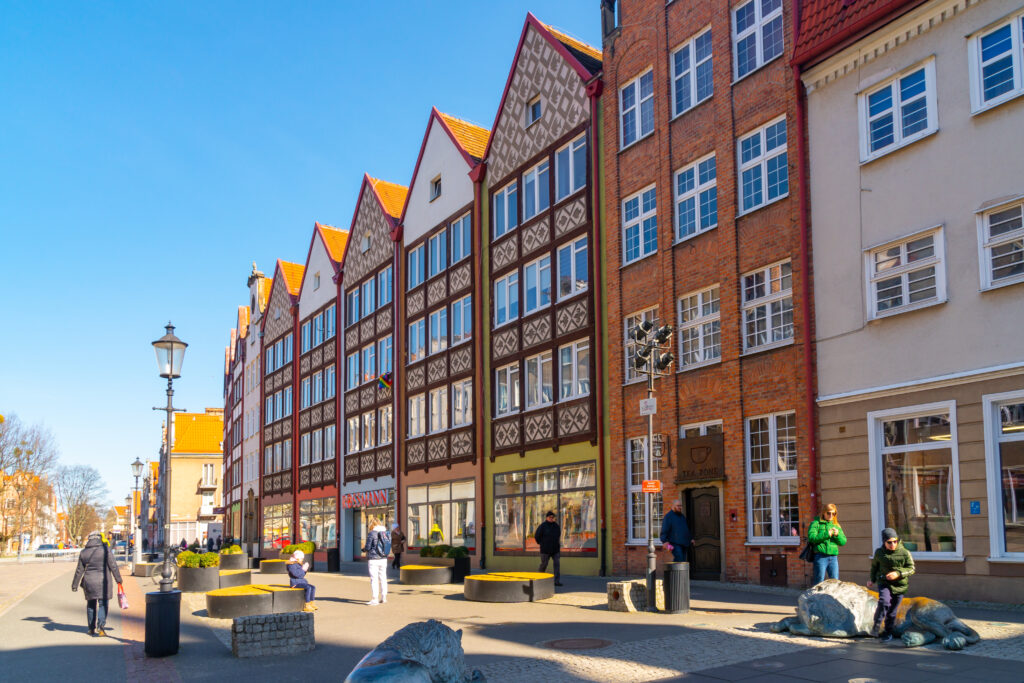
Architectural marvels – A stroll through Gdańsk is like a journey through a huge open-air museum. The cityscape bears witness to its rich heritage and captivates with a multitude of Gothic, Renaissance, and Baroque buildings.
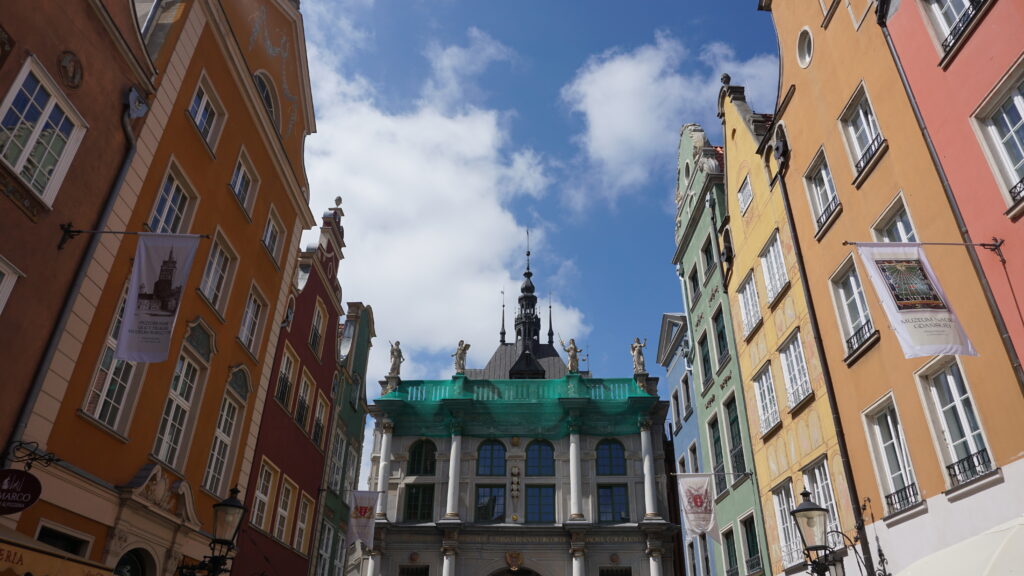
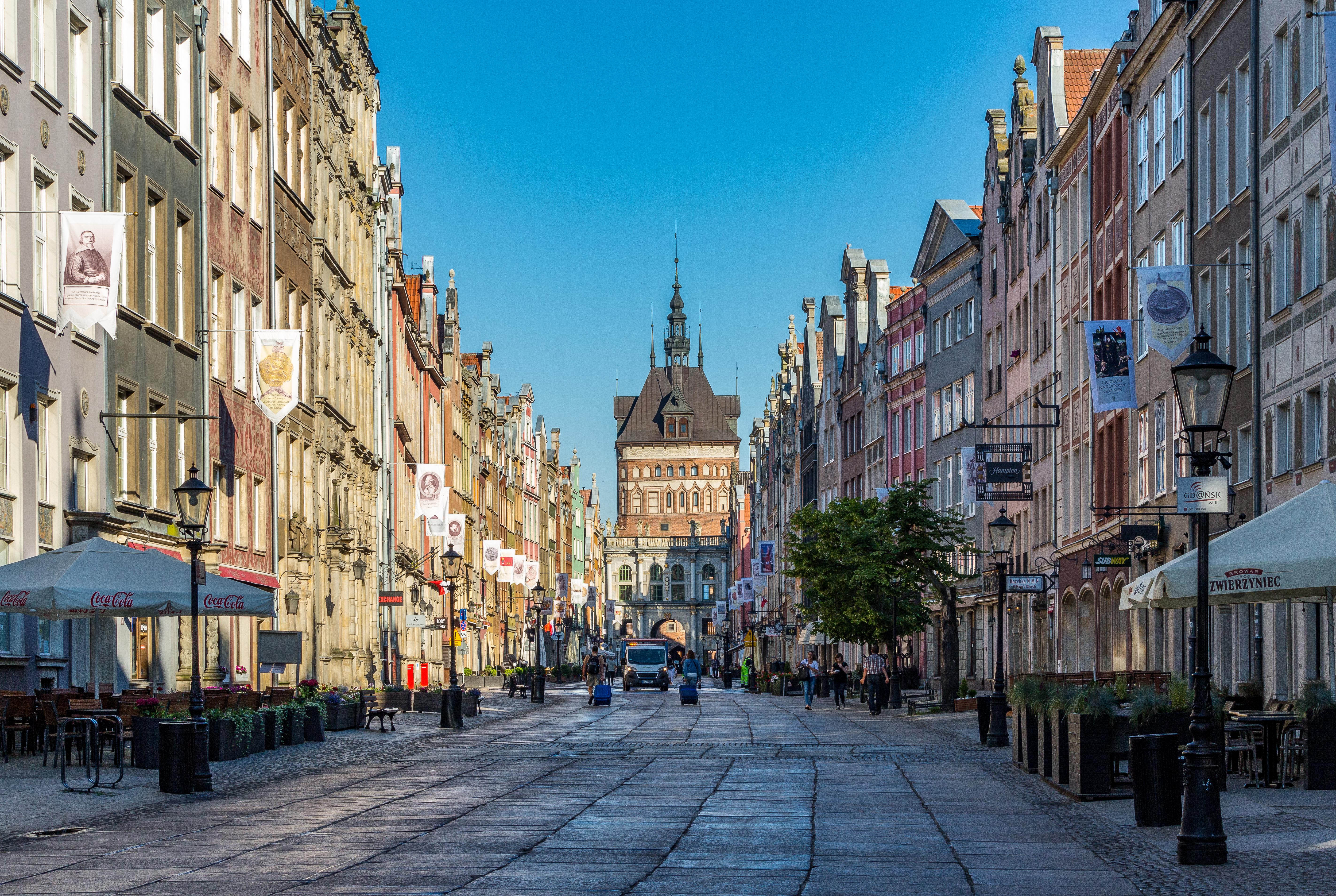
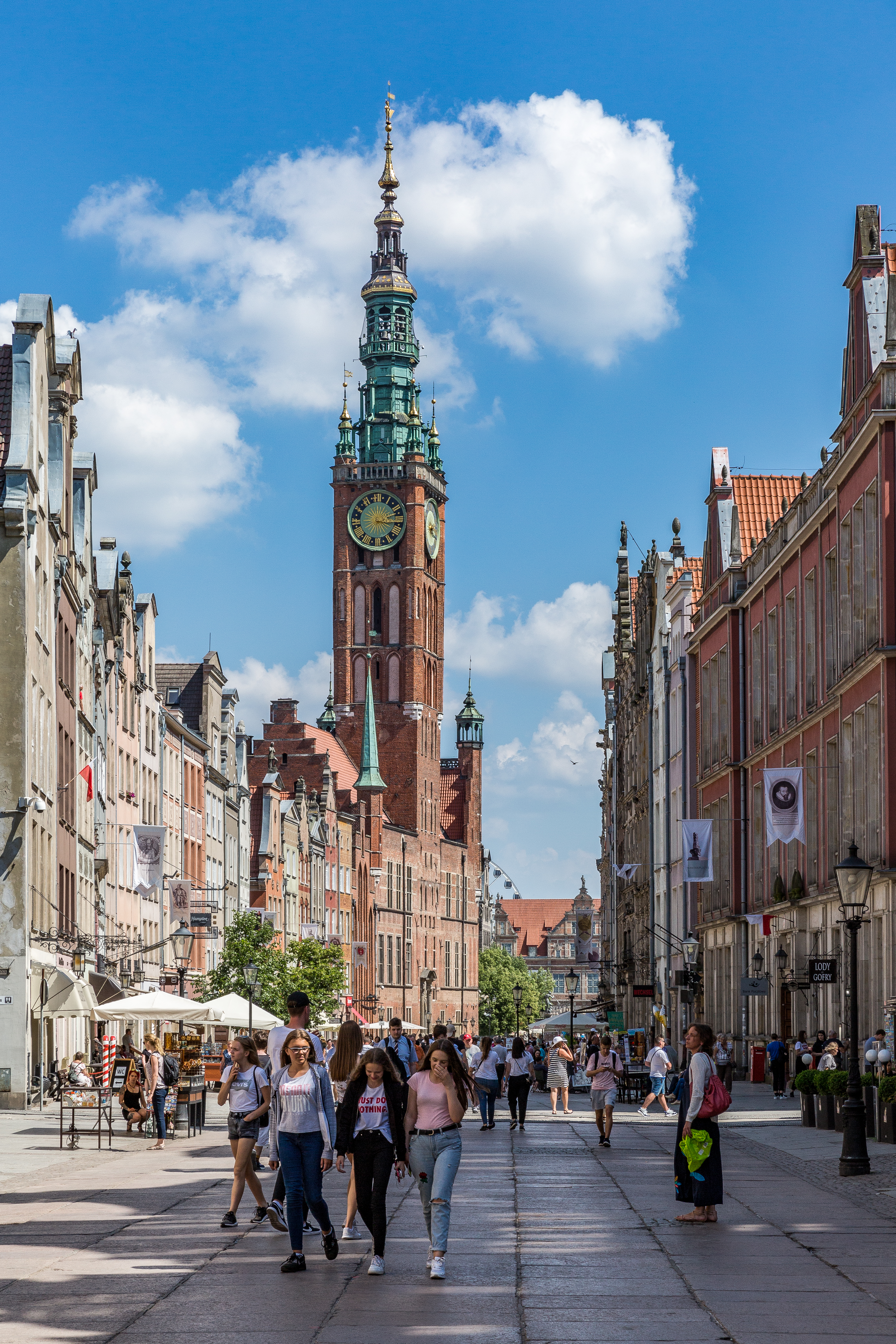
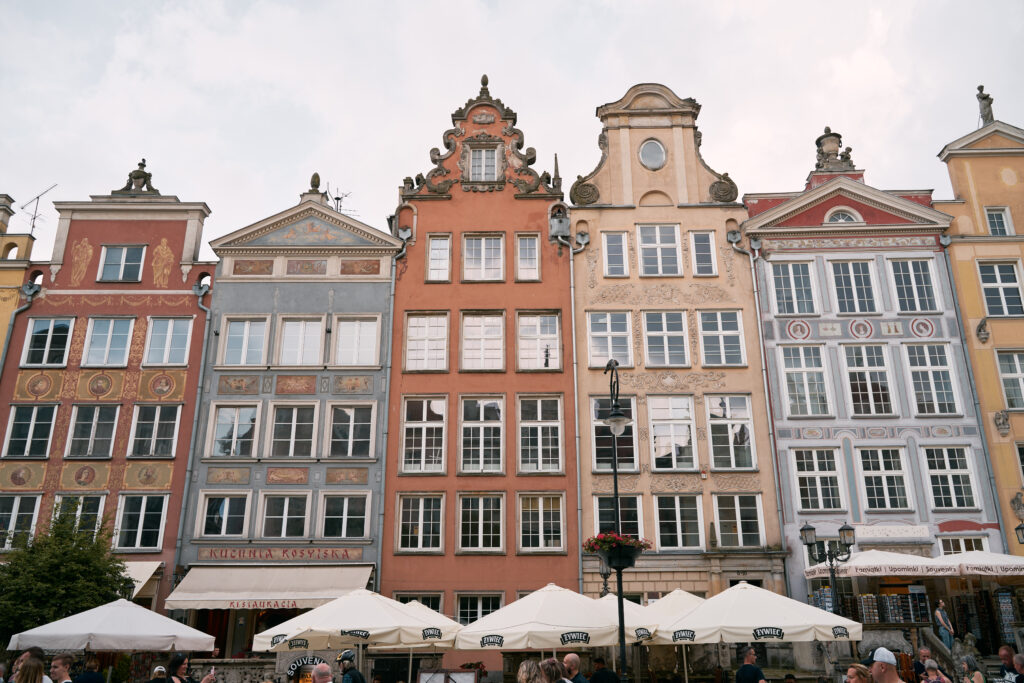
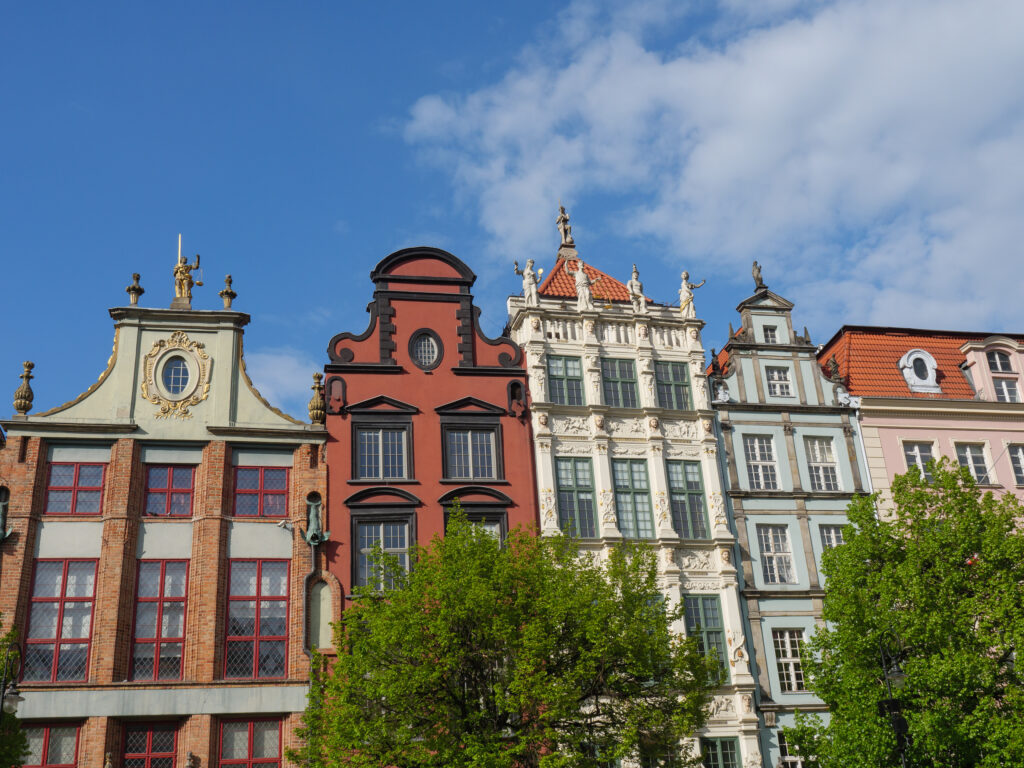
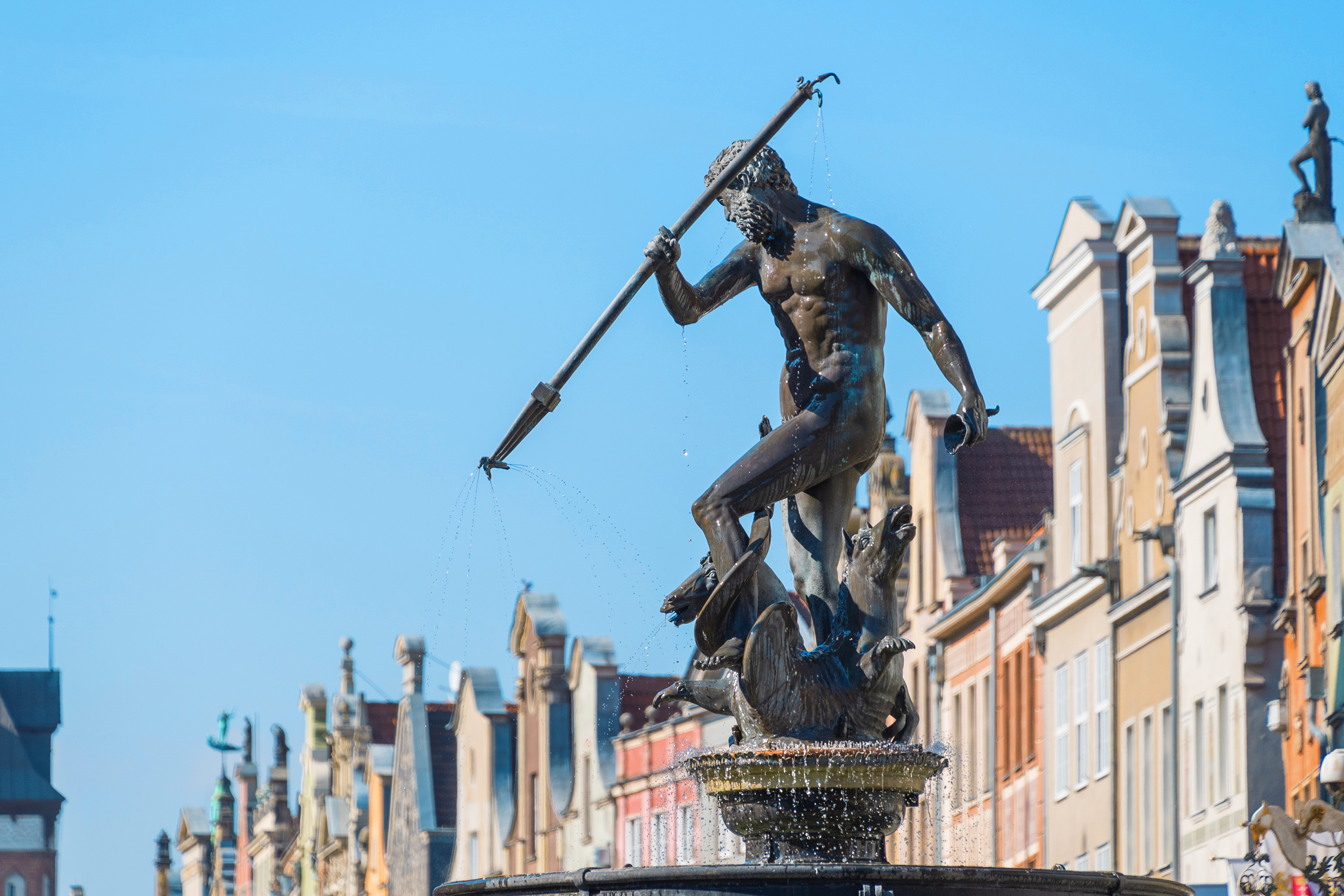
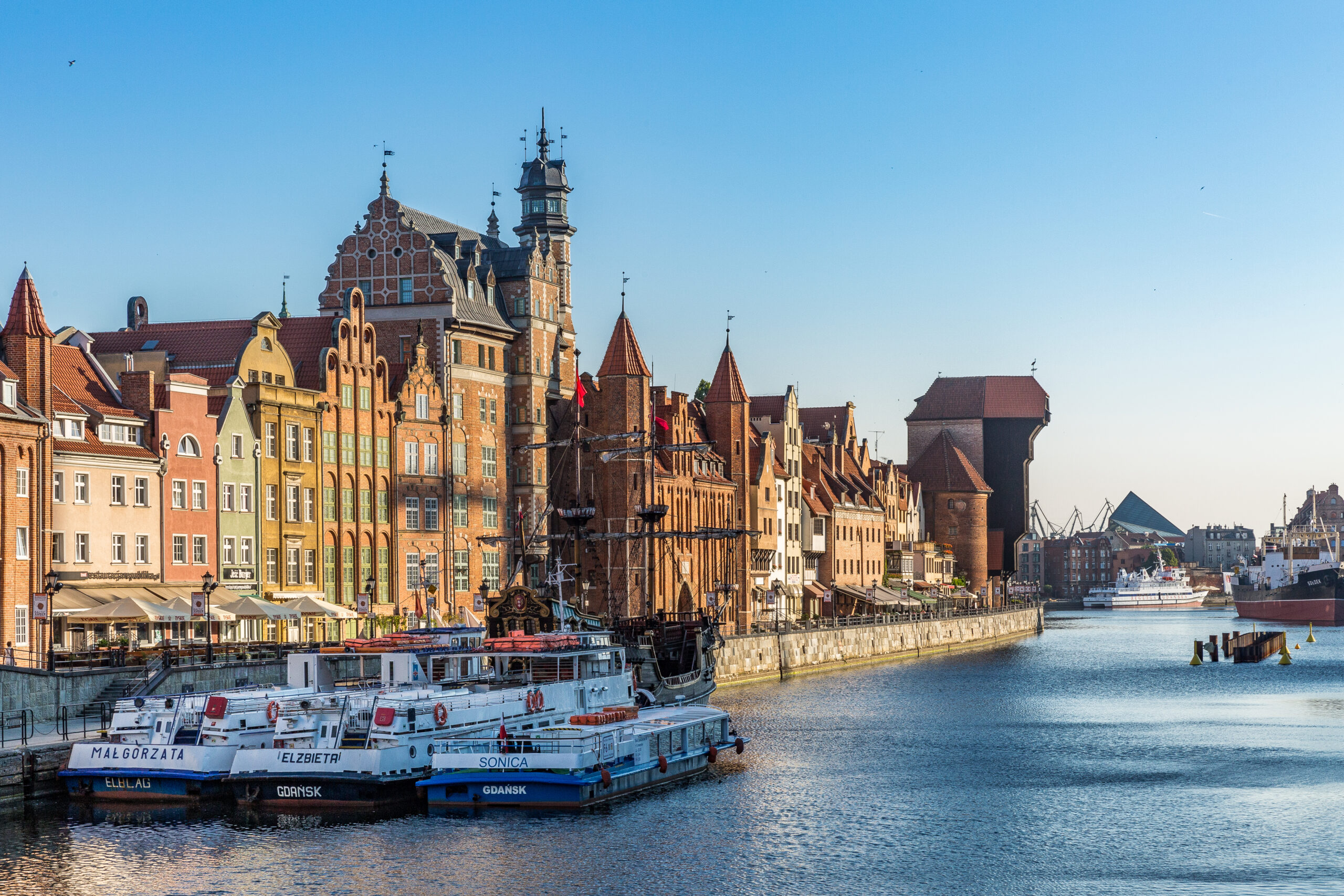
The Old Town (Główne Miasto) – In the heart of Gdańsk lies the Old Town, where historic buildings line the famous Long Market (Długi Targ). Here stands the magnificent Neptune’s Fountain, which has been a symbol of the city since the early 17th century. According to legend, the statue’s trident once turned the water of the fountain into gold, the remains of which are said to still glisten in the sunlight today. Nearby, the Artus Court (Dwór Artusa) impresses with its splendor and ornate facades. Once a meeting place for merchants and a symbol of the city’s prosperity, it now houses the Gdańsk Historical Museum. Every stone of the Artus Court whispers stories of diplomatic meetings, lavish feasts, and the comings and goings of merchants from all over the world.
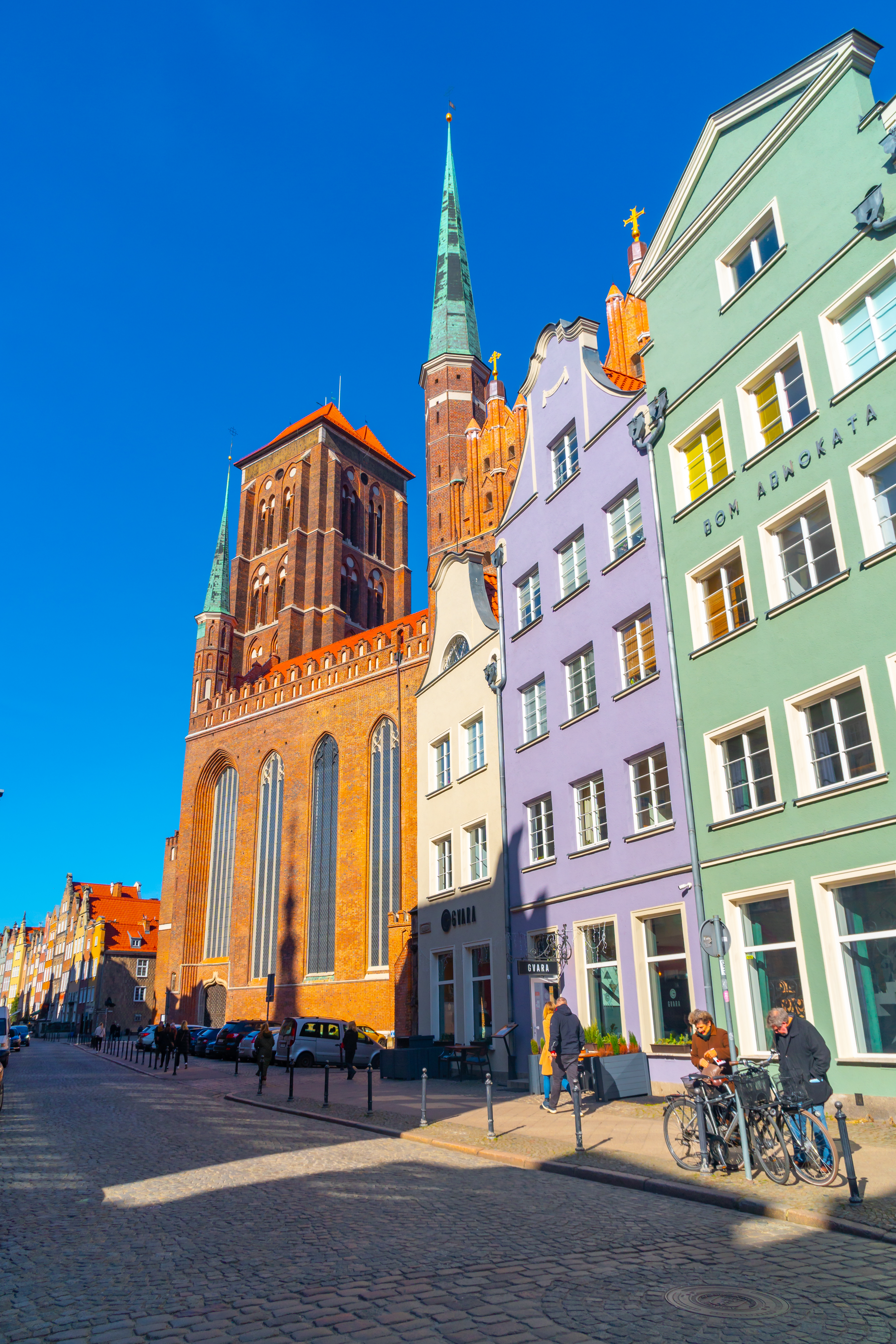
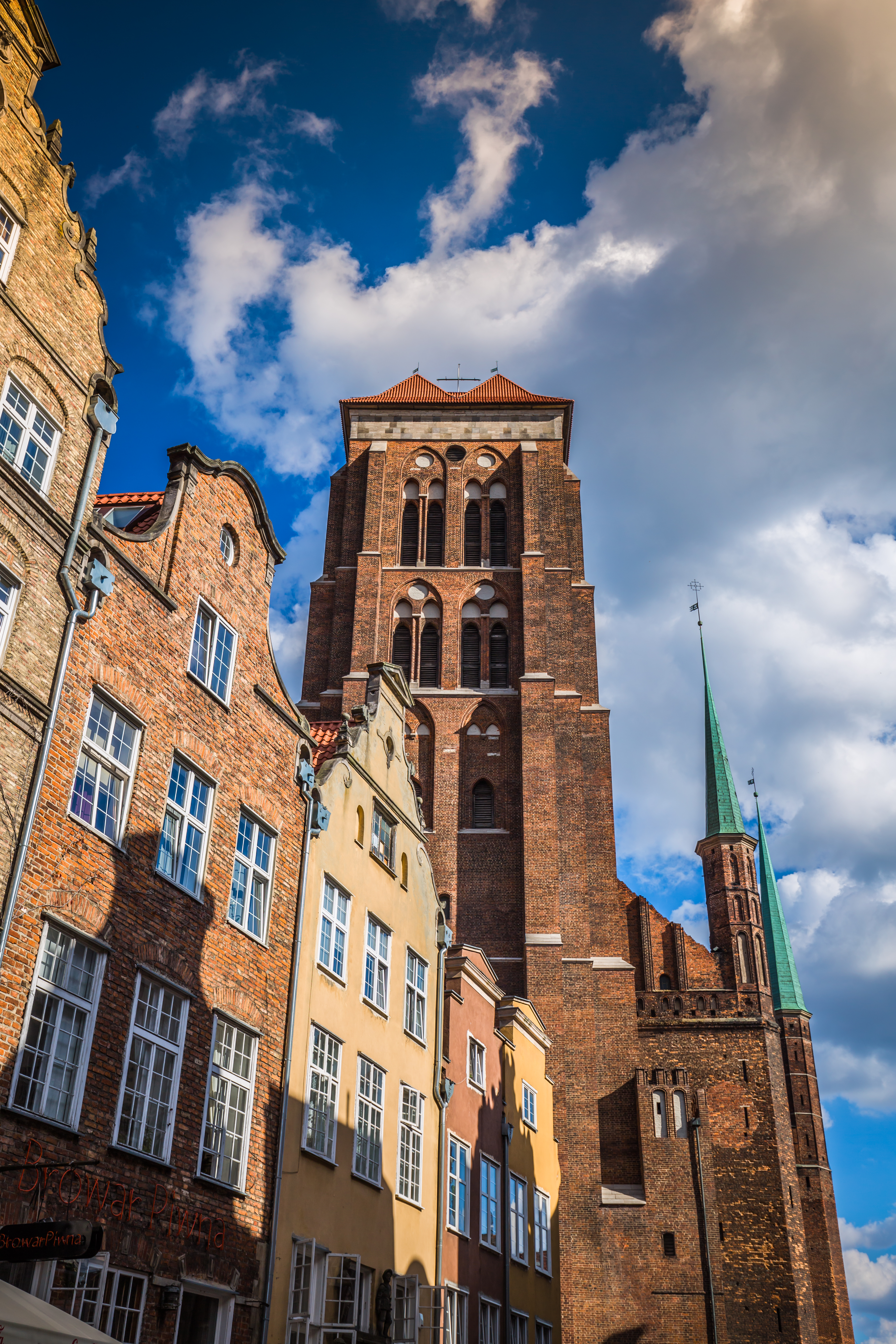
St. Mary’s Church – Another must-see is St. Mary’s Church (Bazylika Mariacka), the largest brick church in the world. With its towering spires and expansive interior, the church is not only a place of worship but also a treasure trove of art and history. Visitors are often fascinated by the astronomical clock, a masterpiece of medieval engineering that does more than just tell the time—it tells of the movements of the celestial bodies and the cycles of the zodiac.
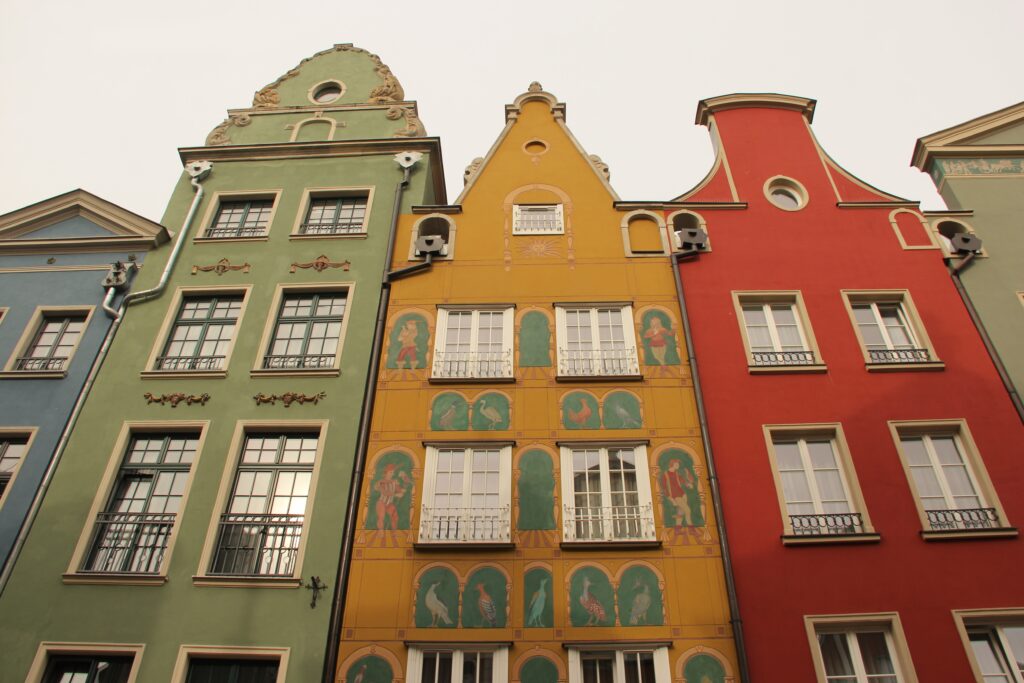
Enigmatic legends and myths – Gdańsk’s fascination is further enhanced by the myths and legends that permeate its historic streets and alleys. One of the best known is the legend of the Golden House (Złota Kamienica). Built in the early 17th century, the house is richly decorated with gilded sculptures on its façade. According to legend, the house was built by a wealthy but miserly alchemist who attempted to turn base metals into gold. Although he failed in his alchemical endeavors, his mansion remains – a golden legacy and a cautionary tale about the dangers of greed.
The wandering bust – Not all legends are associated with buildings; some refer to statues. One such story is about the bust of Johann Uphagen, a famous merchant from Gdańsk. It is said that on foggy nights, the bust, which stands in the courtyard of the Uphagen House, comes to life and roams the city in search of long-lost family members, keeping a watchful eye on the trade routes that once contributed to his wealth.
Modern wonders – Despite its historical charm, Gdańsk is a very modern city with a dynamic cultural scene. The European Solidarity Center is a modern monument to the city’s role in the fall of communism in Eastern Europe. This museum and library preserve the memory of the Solidarność movement, which began in the Gdańsk shipyard in 1980 and led to significant political changes across the continent.
Cultural highlights – Art and culture flourish in Gdańsk, with numerous festivals and events attracting international attention. The Dominikus Fair, whose origins date back to 1260, brings joy and commerce every summer, making it one of the largest and oldest fairs in Europe. This lively market transforms the city into a bustling bazaar that comes alive with music, crafts, and culinary delights.
Culinary adventure – No trip to Gdańsk would be complete without indulging in its culinary delights. From traditional Polish dishes such as pierogi and bigos to regional specialties such as Gdańsk-style fish stew (known locally as zupa rybna), the city’s cuisine reflects its coastal character and diverse history. Pastry shops serve pierniki, spiced gingerbread cookies that tell a sweet story of tradition and flavor.
Gdańsk is a city that thrives on its contrasts—where ancient walls hold modern secrets and every cobblestone could tell a story. Its history is rich with pivotal moments, its architecture a feast for the eyes, and its legends a source of endless fascination. Whether you’re an avid historian, architecture lover, or myth seeker, Gdańsk promises a journey full of wonder and discovery.
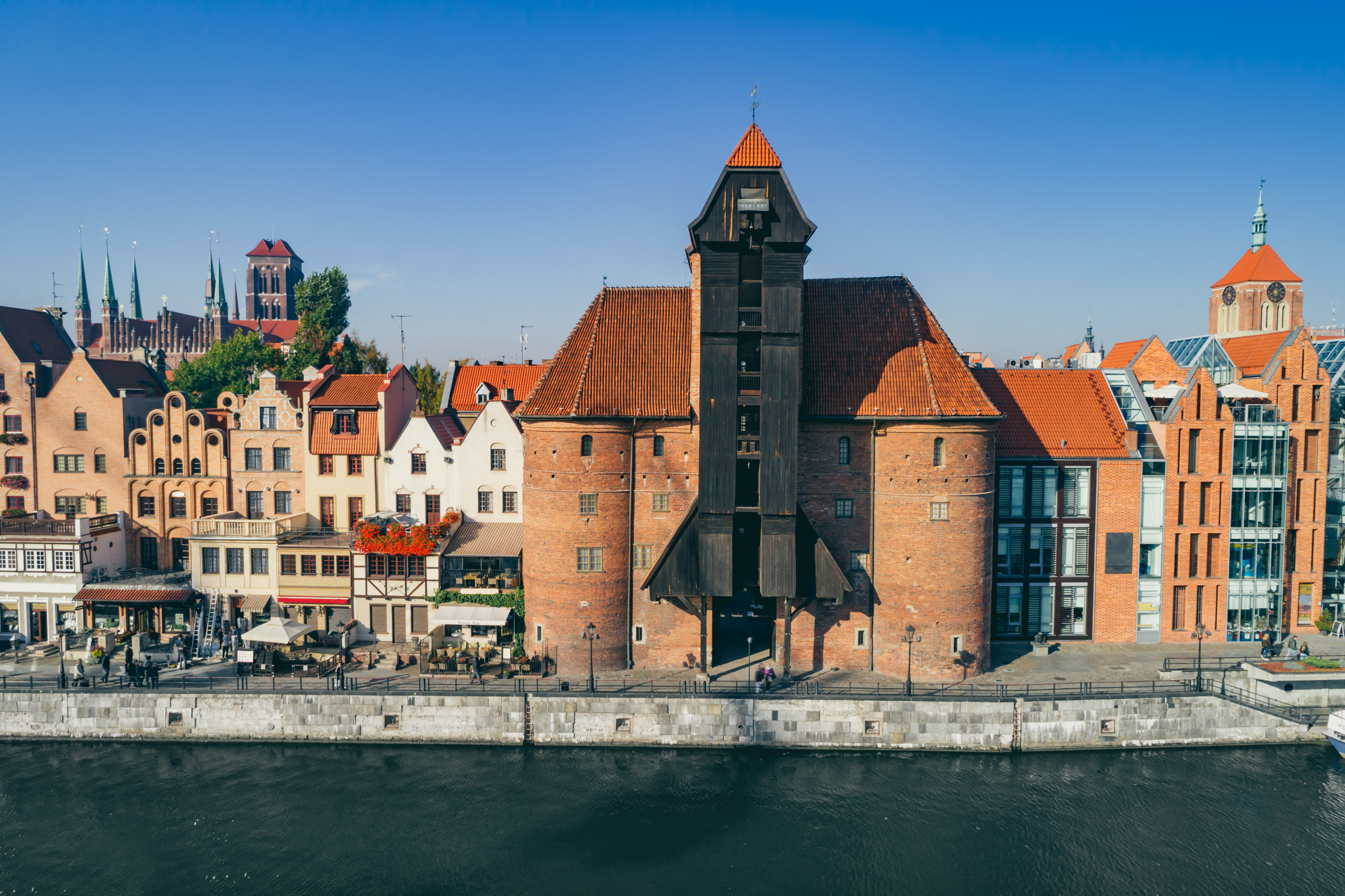
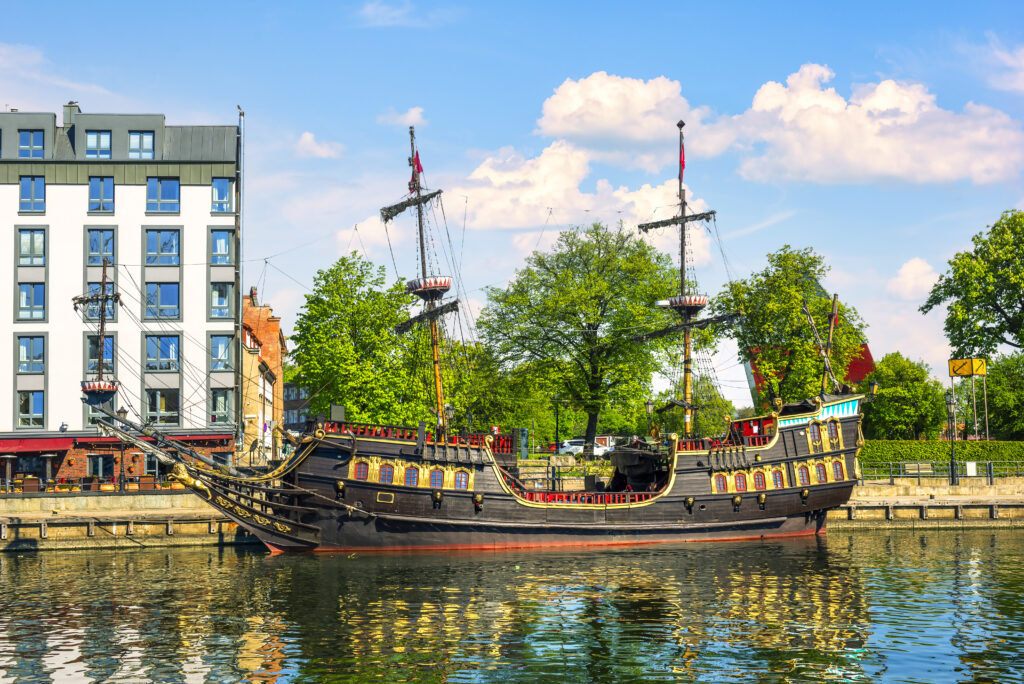
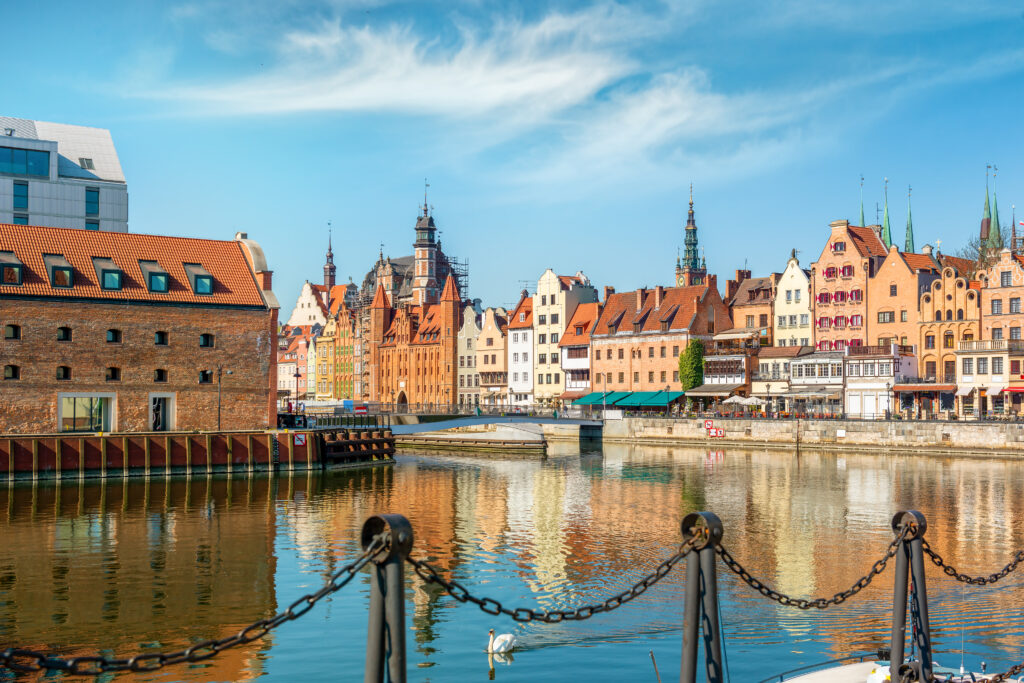
As you stroll along the Motława River, admire the splendor of St. Mary’s Church, or lose yourself in the bustling energy of the Long Market, remember that Gdańsk is not just a place, but an experience—a living testament to the resilience and magic of human endeavor.