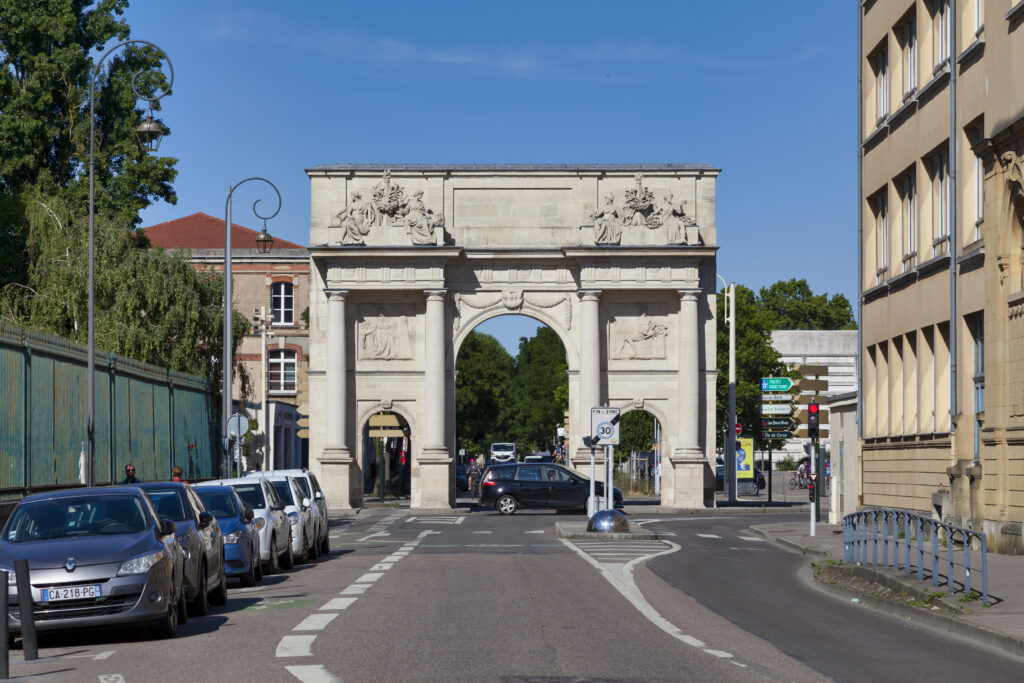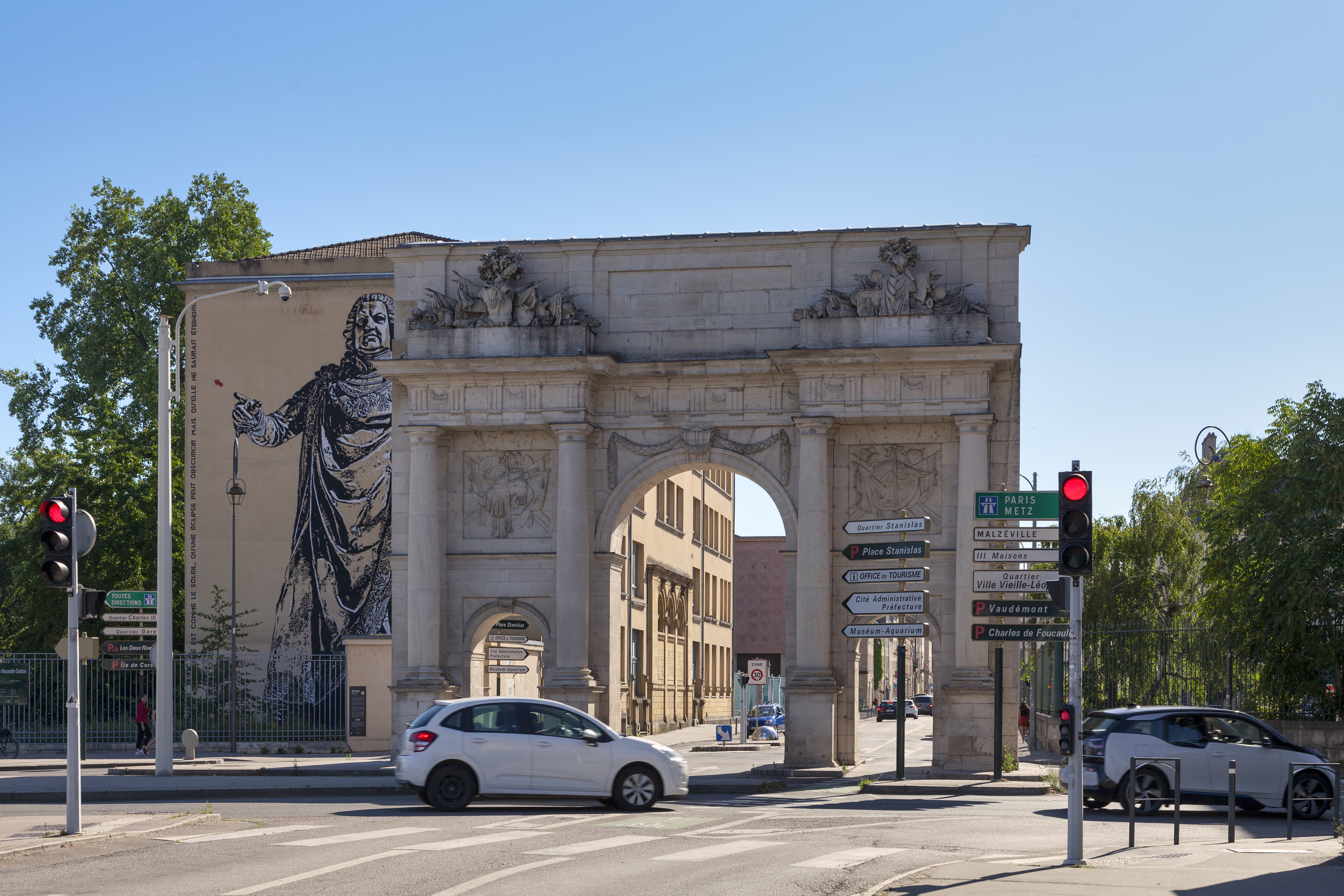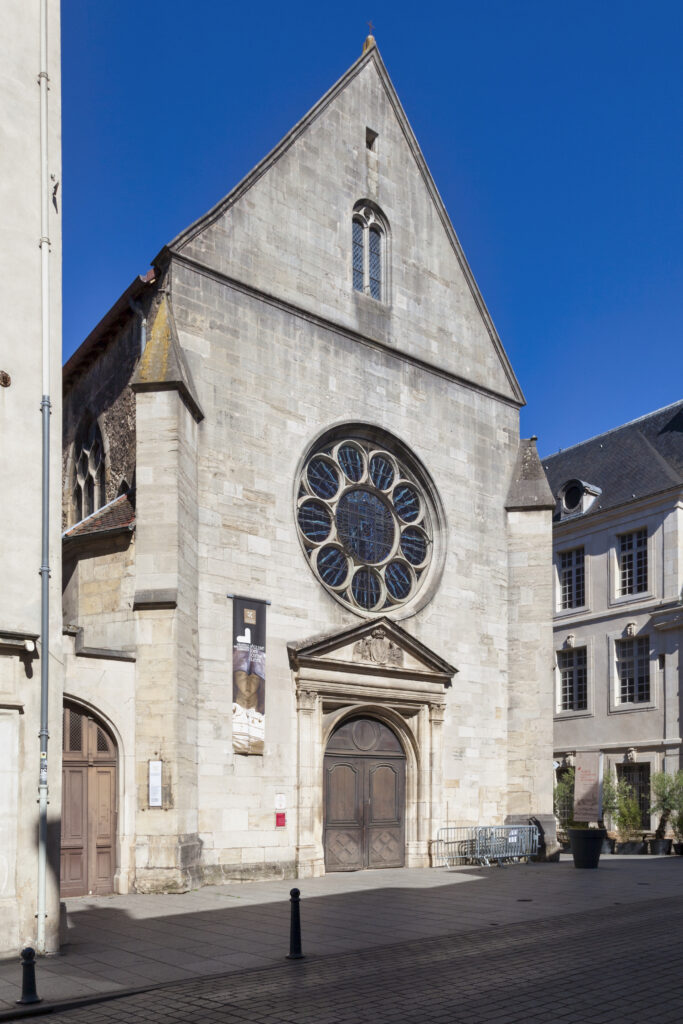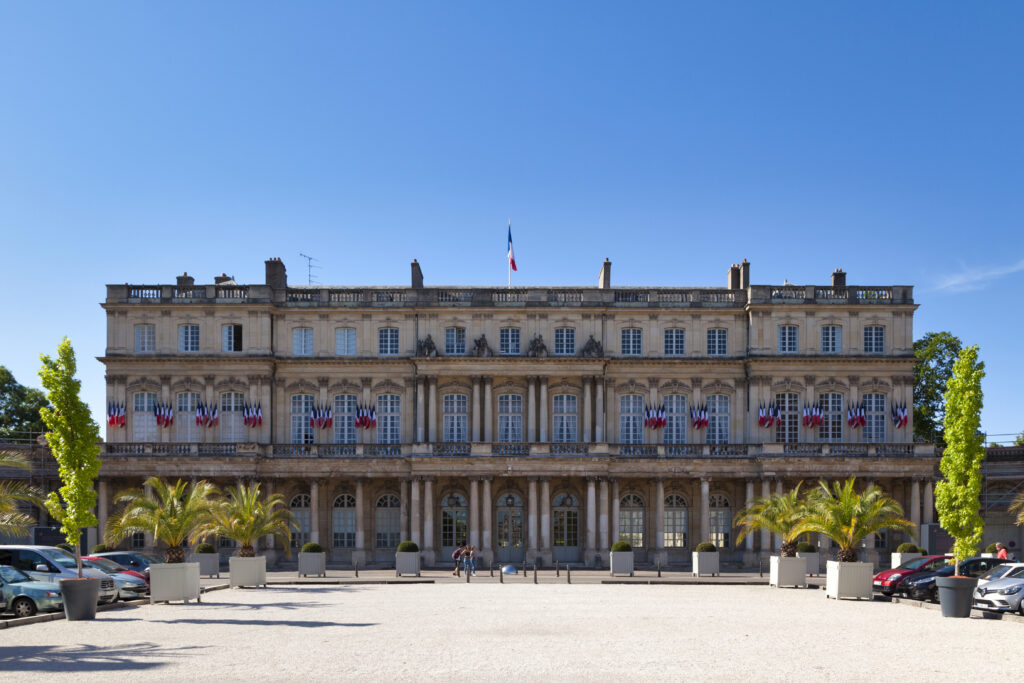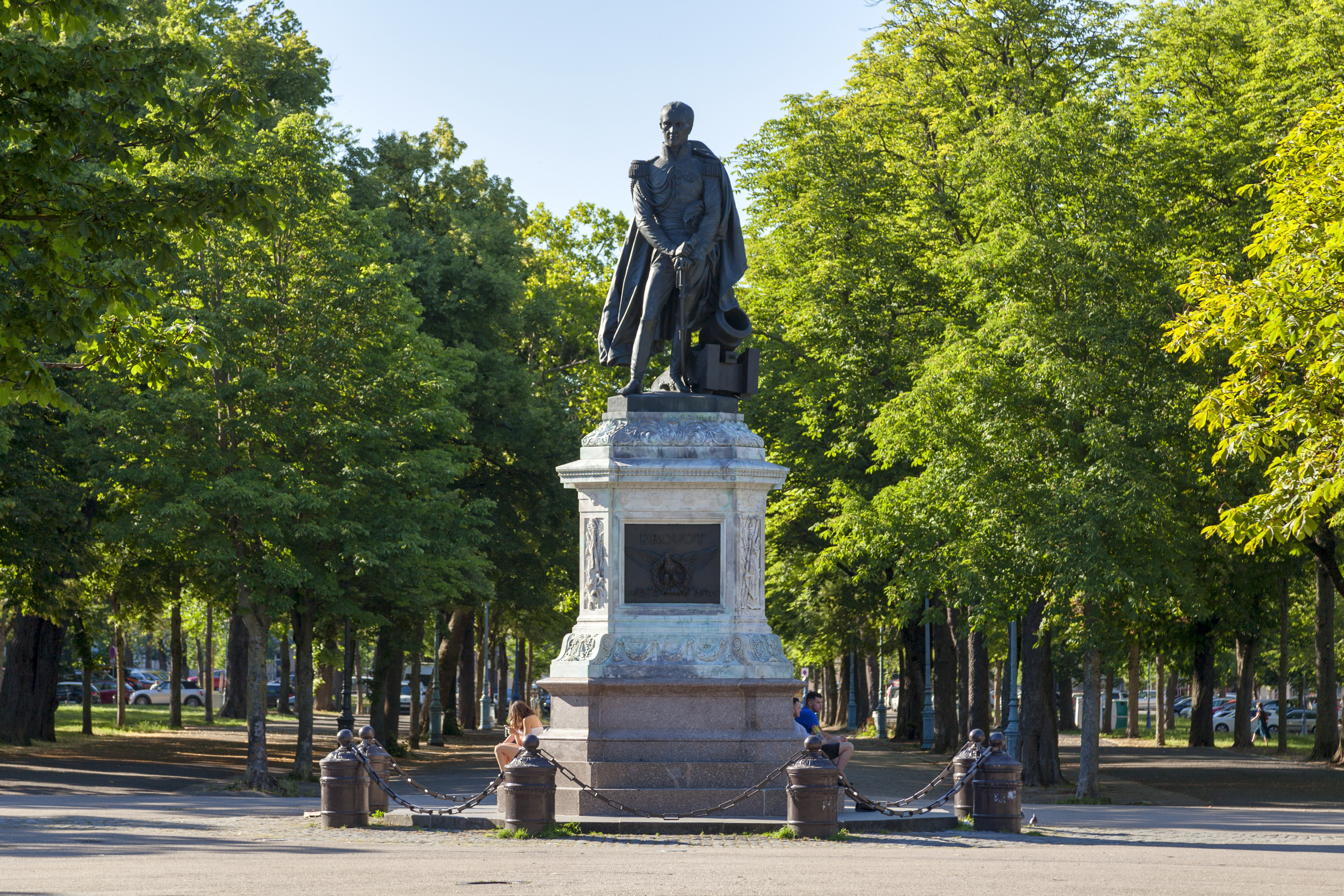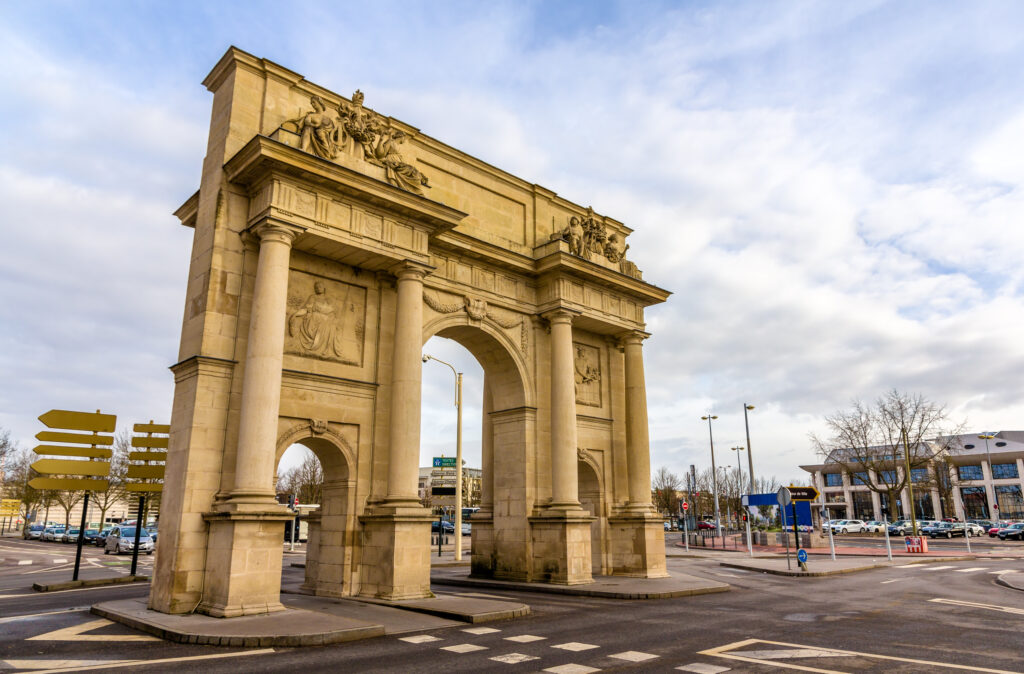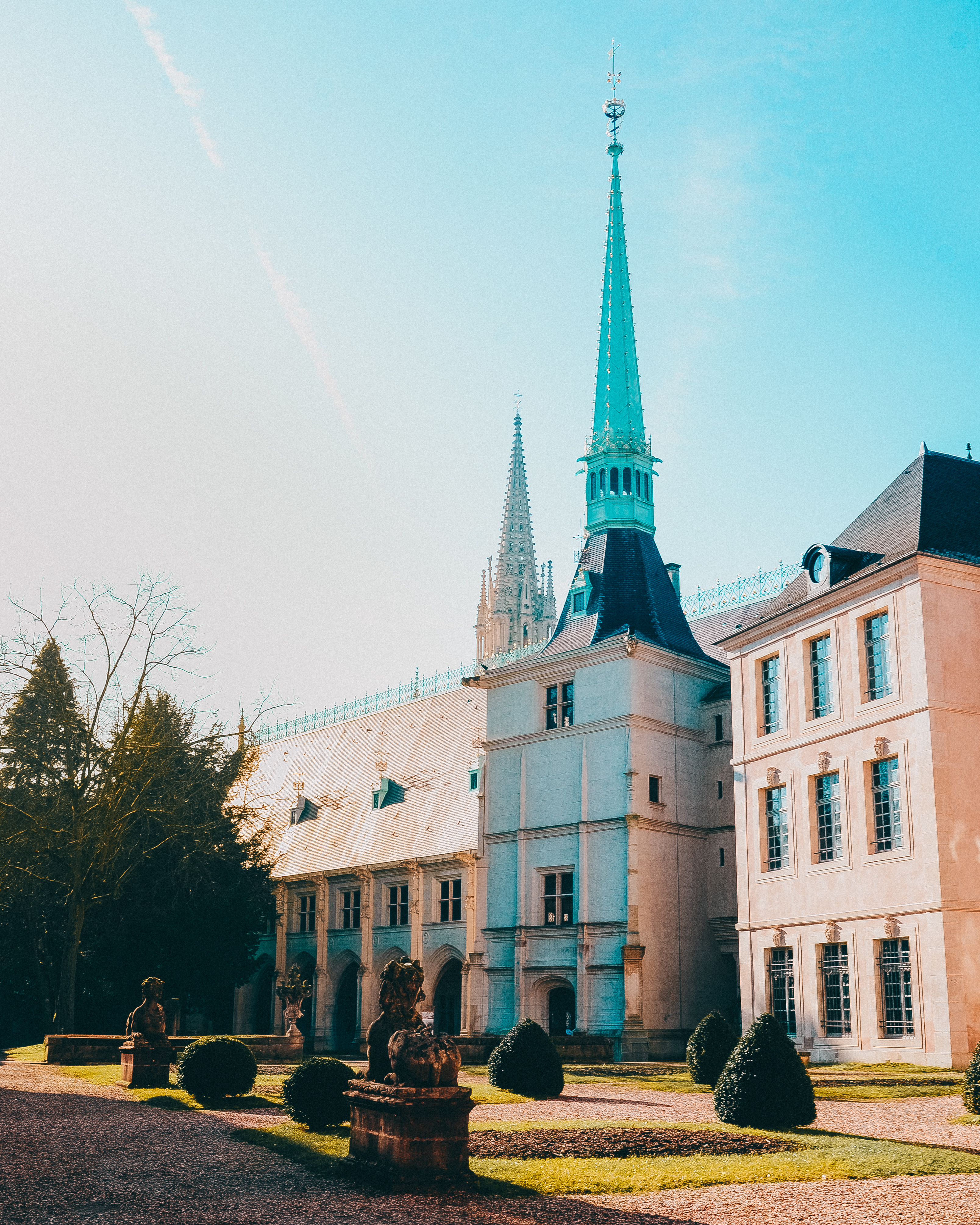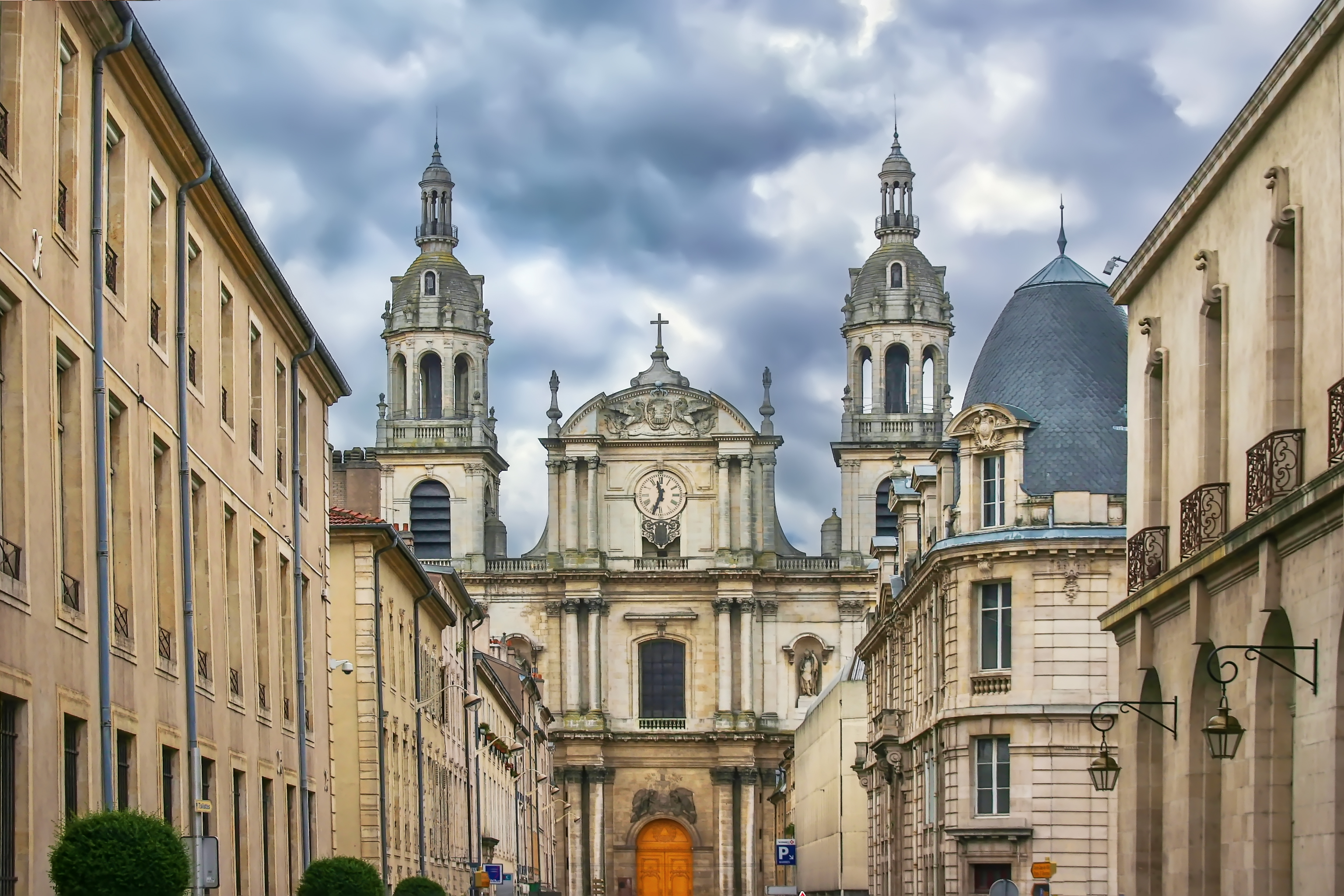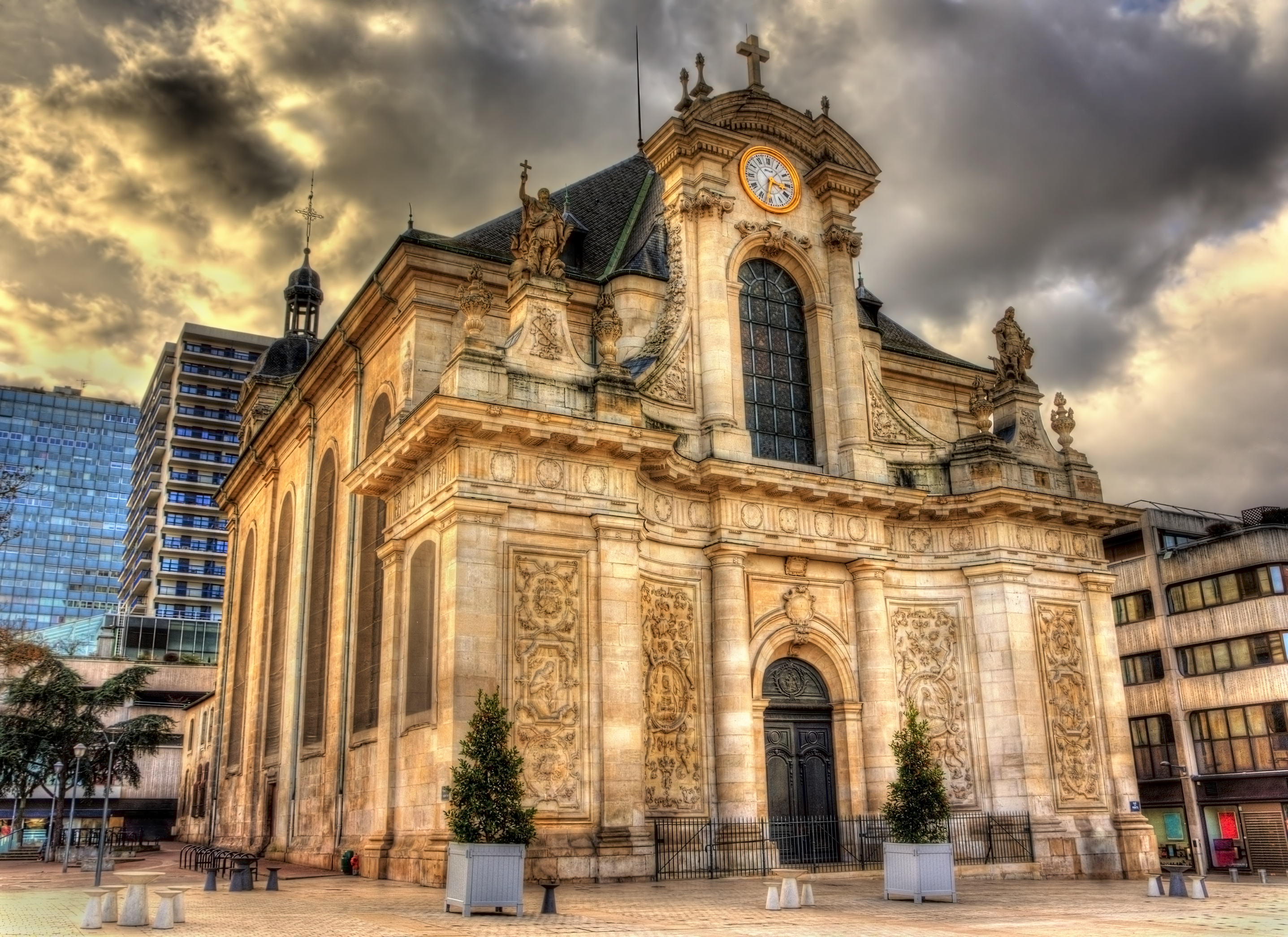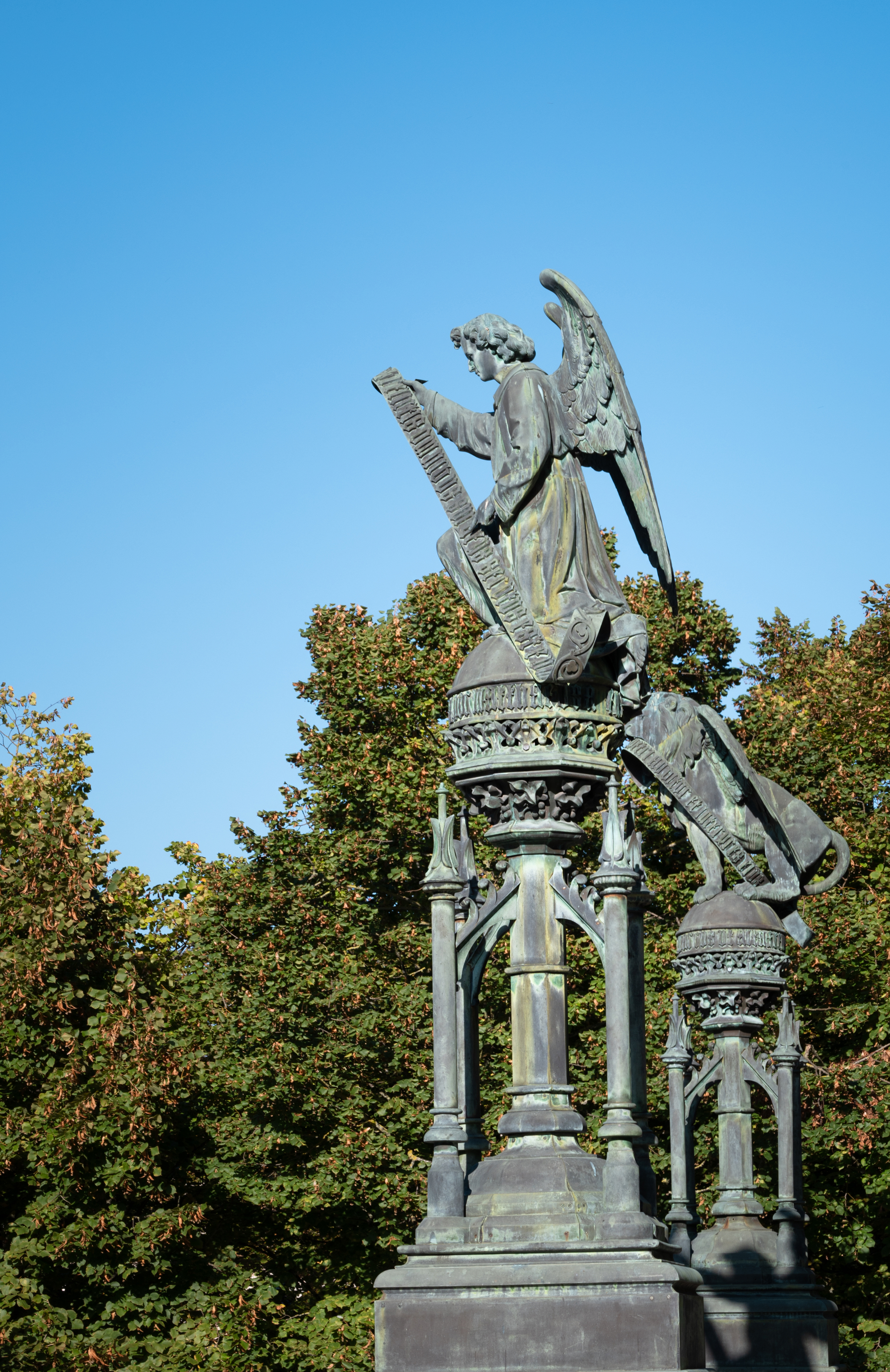
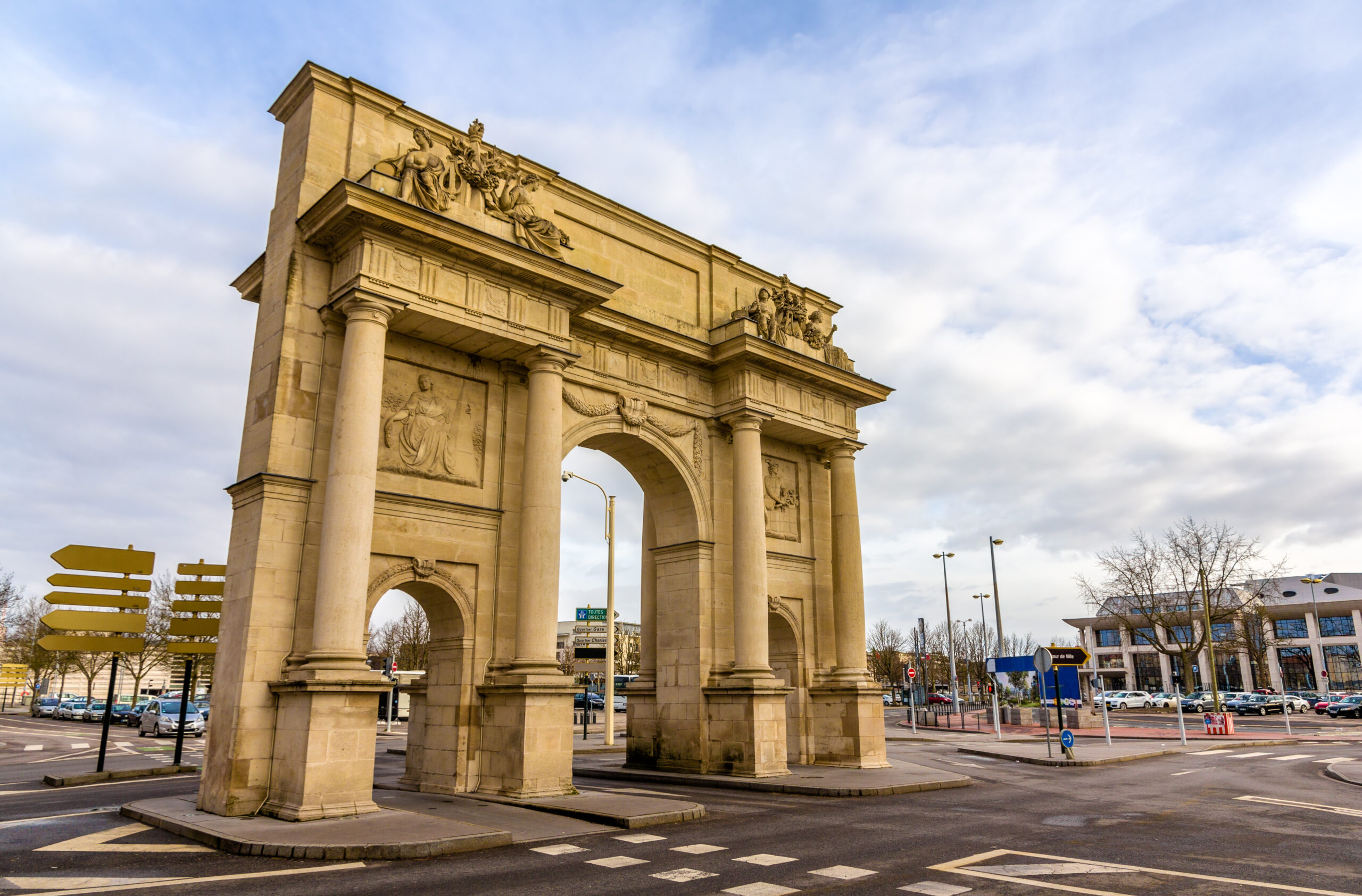
Located in northeastern France, the city of Nancy boasts a rich history, art, and mythology that permeates its cobblestone streets. Known for its exquisite Baroque architecture and UNESCO World Heritage Site Place Stanislas, Nancy offers a fascinating blend of past and present that makes it a jewel of French cultural heritage.
A historical overview – Nancy’s origins can be traced back to the 11th century, when it was the capital of the Duchy of Lorraine. The city’s strategic location made it a point of contention during various conflicts, including the Thirty Years’ War and the Franco-Prussian War. One of its most significant historical milestones was probably achieved in the 18th century under the rule of Duke Stanisław Leszczyński, the former king of Poland. His vision transformed Nancy into a center of enlightenment and architectural splendor, earning the city a reputation as a hub for art and culture.
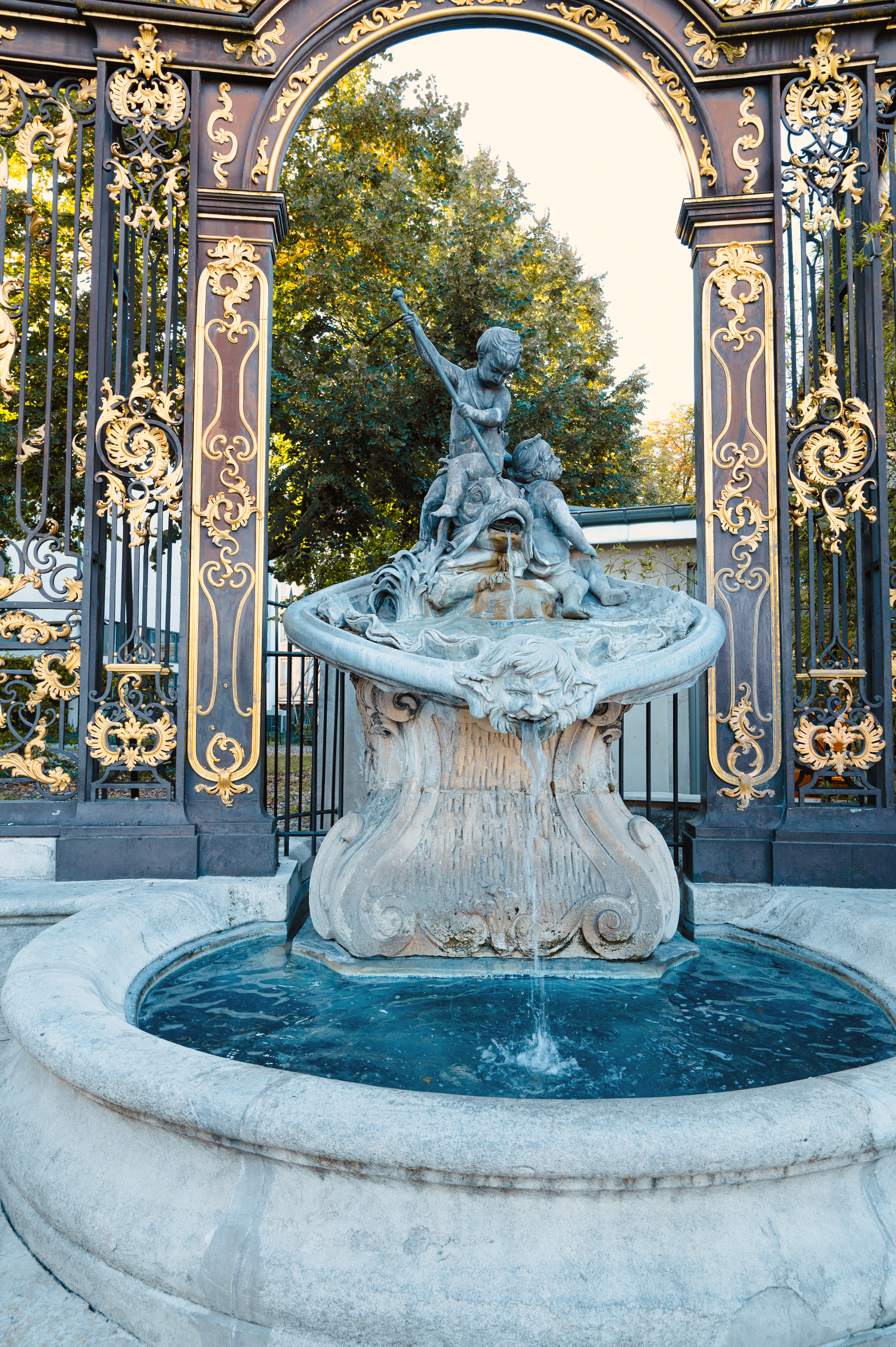
The most famous symbol of this era is Place Stanislas, a large square that embodies the harmonious fusion of classical and Rococo styles.
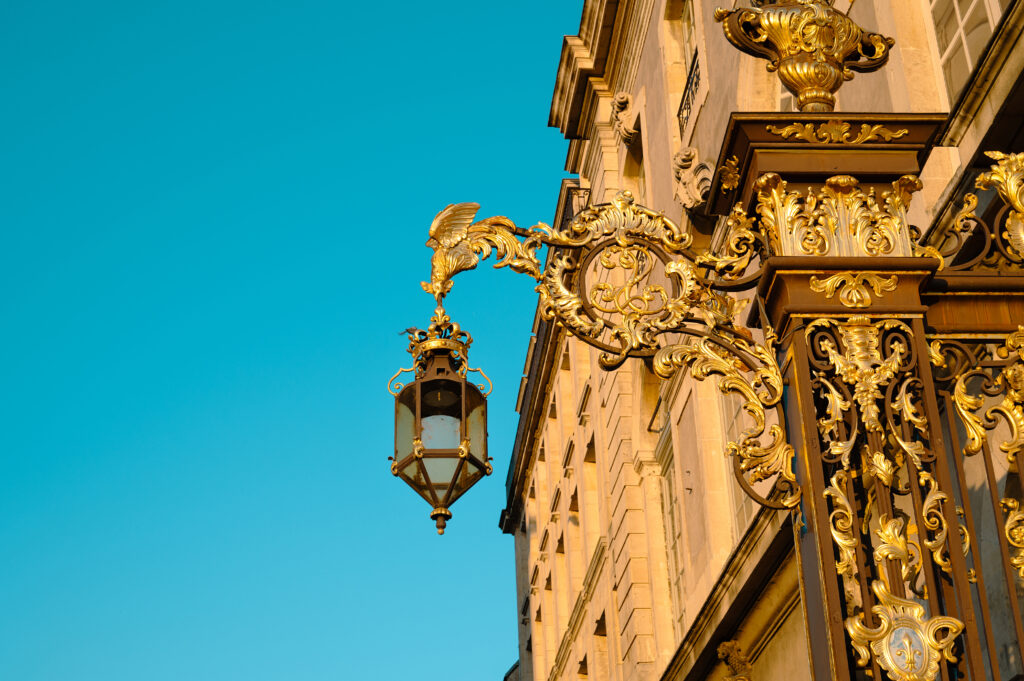
Adorned with ornate fountains and gilded railings, it stands as a monument to the Duke’s influence on the city. This square is not only a popular meeting place for locals and tourists, but also a testament to the lasting legacy of Enlightenment ideals in urban planning and design.
Myths and legends of Nancy – Beyond its historical significance, Nancy is rich in myths and legends that add a fascinating touch to its identity. One of these legends revolves around the patron saint of Lorraine, Saint Nicholas. The feast of Saint Nicholas is celebrated every year in early December with parades, feasts, and storytelling. According to local tradition, Saint Nicholas brought three children back to life after they had been killed by an innkeeper—a miracle that cemented his status as the protector of children and served as inspiration for today’s Santa Claus.
Another story from Nancy’s folklore concerns the Château de Lunéville, often referred to as the “Versailles of Lorraine.”
It is said that the castle is haunted by the ghost of its last resident, the Marquise de Boufflers, who wanders the halls with a candle in her hand, forever searching for her lost love. This ghostly presence lends the opulent estate a mysterious atmosphere and attracts visitors who are fascinated by the supernatural.
Art and innovation – In addition to its legendary stories, Nancy also has a long tradition of artistic innovation. In the late 19th and early 20th centuries, the city became a center of the Art Nouveau movement. The Nancy School, led by figures such as Émile Gallé and Louis Majorelle, revolutionized the decorative arts with designs inspired by nature. Their work is characterized by intricate patterns, floral motifs, and curved lines, which can still be admired today in the city’s architecture, furniture, and glasswork.
The Musée de l’École de Nancy displays an impressive collection of Art Nouveau exhibits and offers visitors an insight into this influential era. The museum itself, surrounded by a lush garden with sculptures, embodies the harmonious connection between art and nature that characterized this movement.
Modern Nancy: a cultural center – Today, Nancy remains a vibrant cultural center. The annual Nancy Jazz Pulsations music festival attracts artists and audiences from around the world. The event celebrates not only jazz but a variety of genres, underscoring the city’s commitment to cultural diversity and artistic expression.
In addition, Nancy is home to several renowned universities, including the University of Lorraine. These institutions contribute to the city’s dynamic atmosphere and promote innovation and intellectual exchange. The convergence of students, scholars, and artists creates a vibrant environment that complements Nancy’s historic charm.
Culinary delights and local traditions – No exploration of Nancy would be complete without indulging in its culinary delights. The region is famous for its quiche Lorraine, a savory tart filled with eggs, cream, and bacon. While enjoyed worldwide, this dish holds a special place in the hearts of locals as a symbol of regional pride.
In addition, the Macaron de Nancy, a sweet confection made from almond paste, sugar, and egg whites, has been delighting palates since the 17th century. These treats were originally made by nuns who wanted to support their convent, and they remain a popular part of Nancy’s gastronomic landscape today.
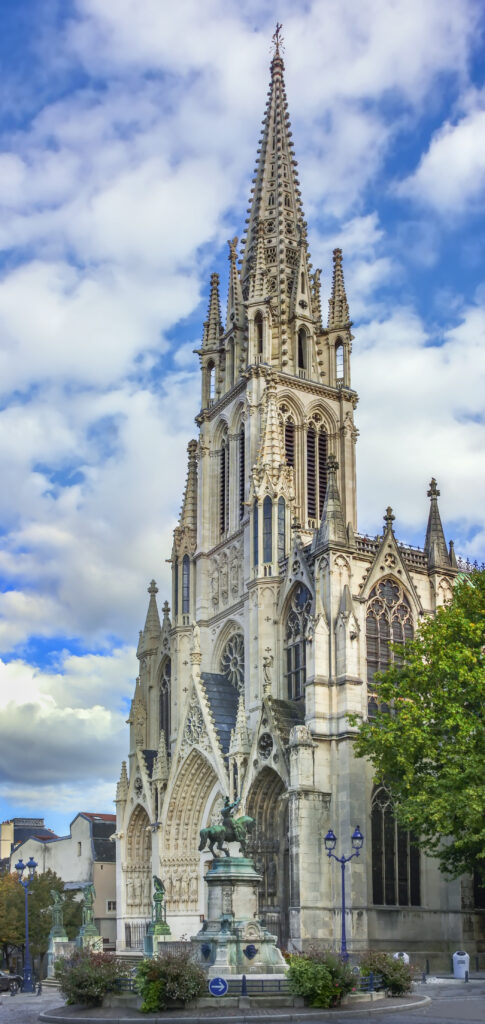
The architectural wonders of Nancy – A stroll through Nancy reveals an eclectic mix of architectural styles that reflect the city’s complex history. Behind Place Stanislas stands the Basilica of Saint-Epvre, a magnificent example of neo-Gothic architecture. Its towering spires and stained-glass windows tell stories of faith and tradition, captivating all who enter the church.
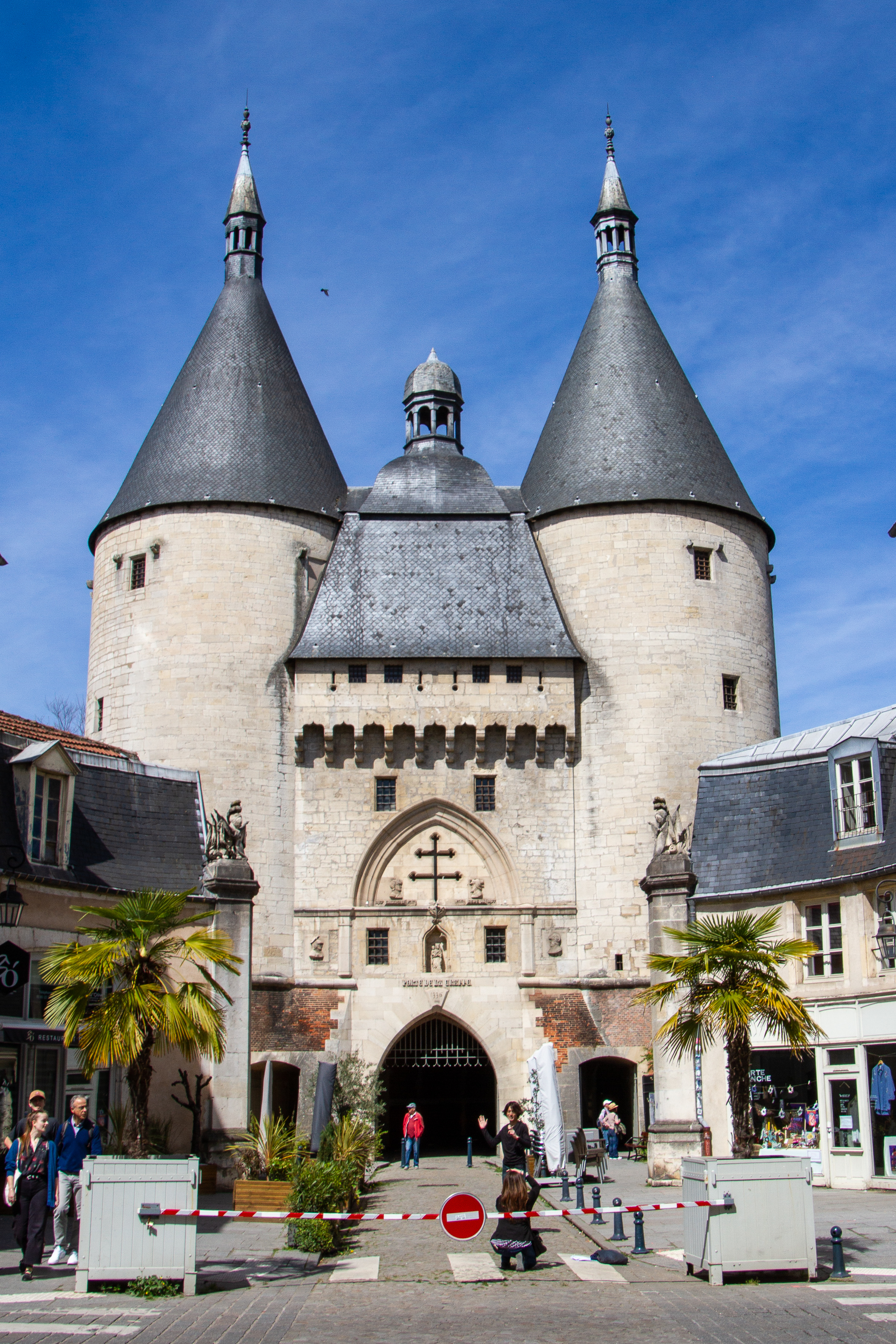
The medieval heart of the city can be explored in the old town, where narrow streets and picturesque squares invite you to discover them. With its half-timbered houses and winding alleys, this district transports visitors back to a bygone era and shows how architectural beauty can stand the test of time.
A city full of magic – Nancy’s appeal lies not only in its architectural splendor and historical significance, but also in its ability to bridge the gap between myth and reality. It is a place where stories of saints and ghosts coexist with the legacy of enlightened thinkers and artistic pioneers. As you stroll through its historic streets, you can feel the whispers of past eras mingling with the rhythm of modern life.
Whether you are drawn by the festivals, the food, or the folklore, visitors to Nancy will be enchanted by a city that celebrates both its glorious past and its promising future. In Nancy, every step is a journey through layers of history, each more fascinating than the last, inviting you to discover the stories woven into the fabric of this remarkable city.