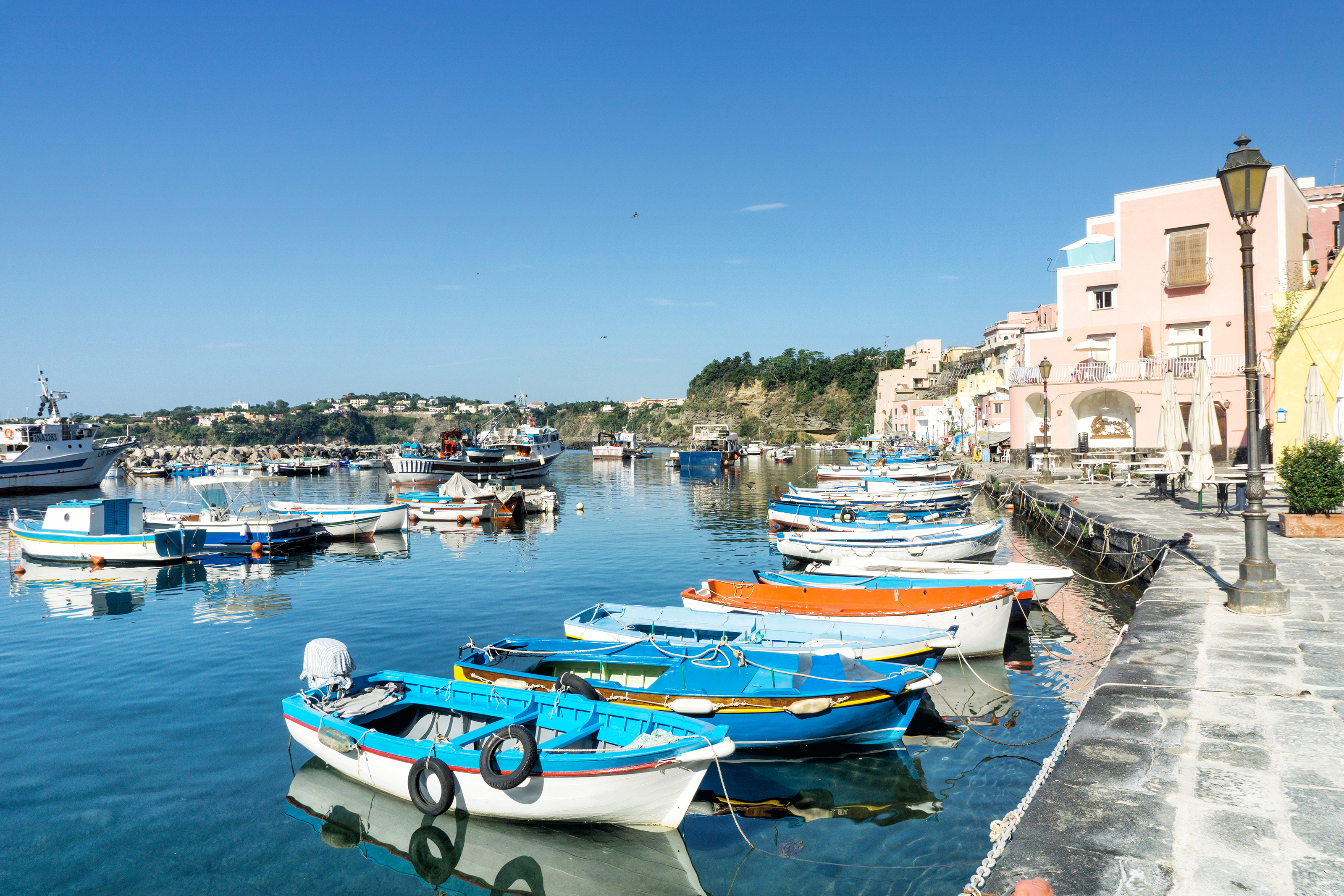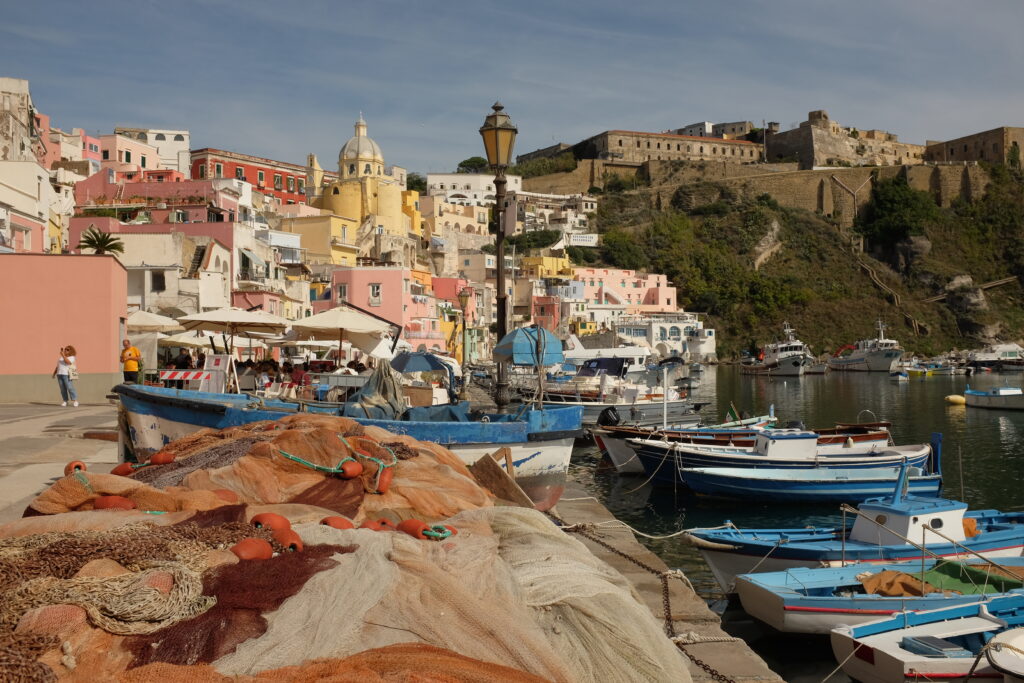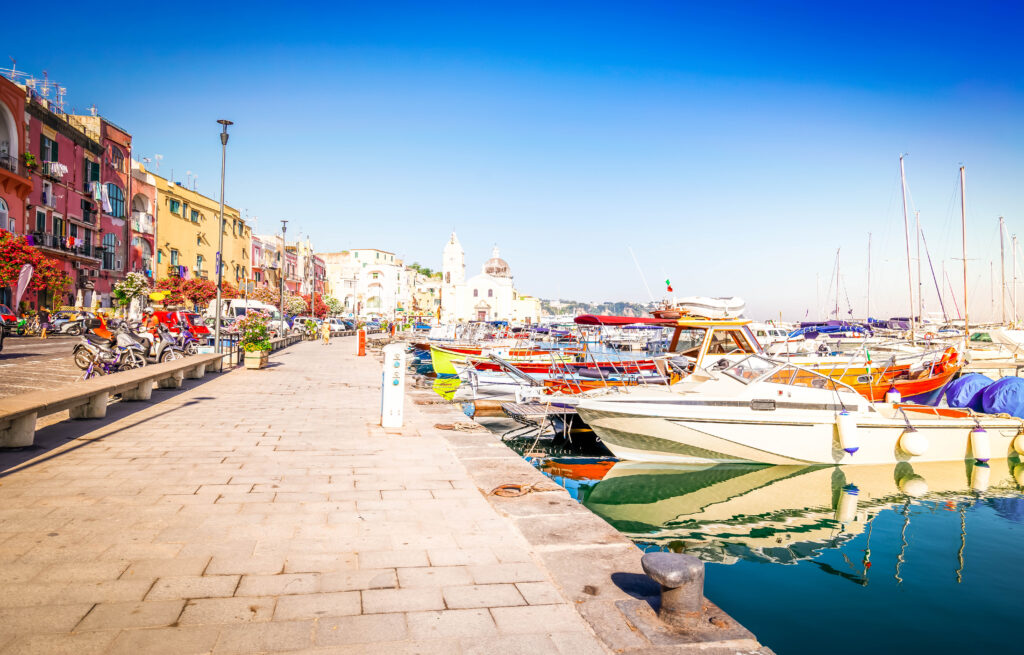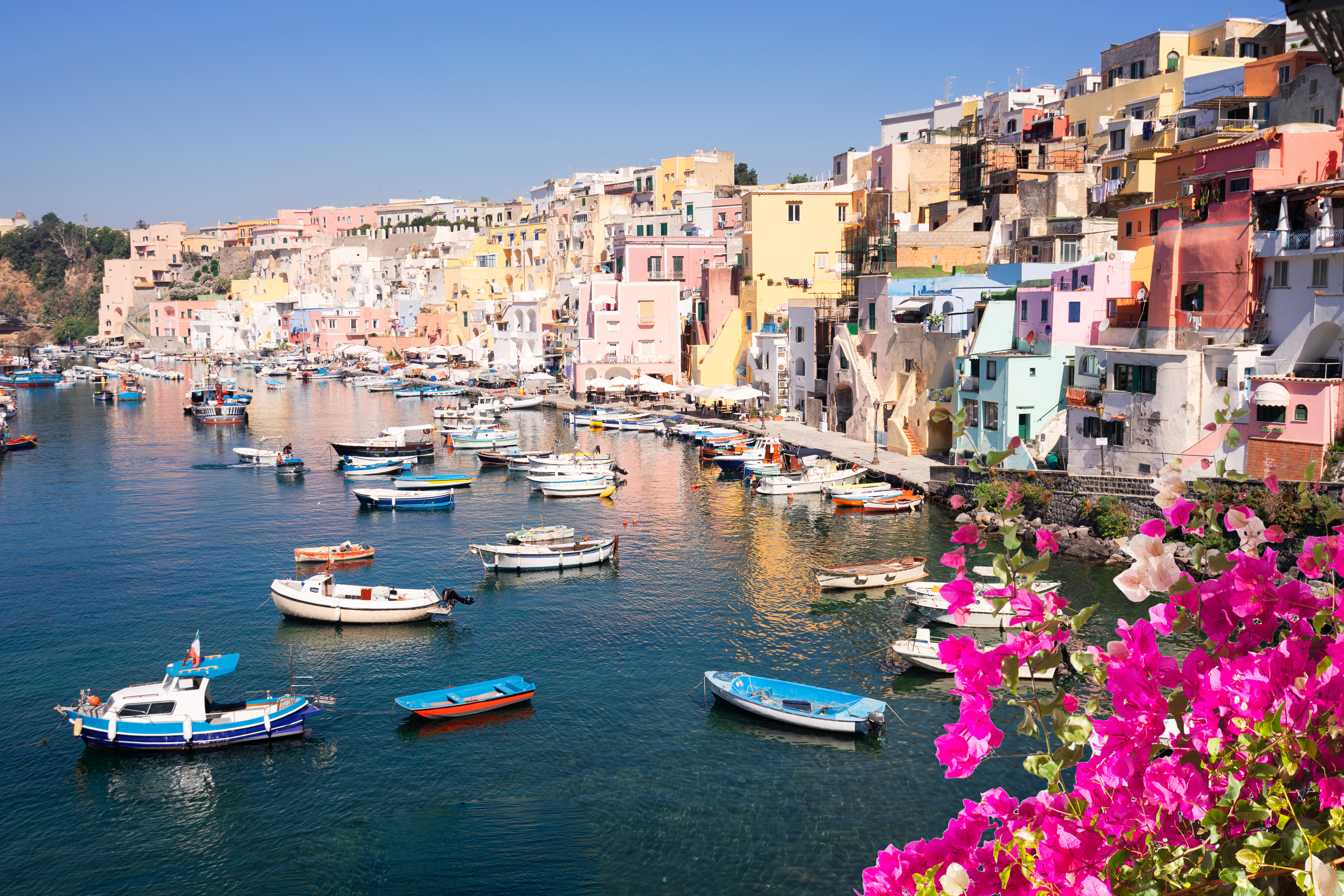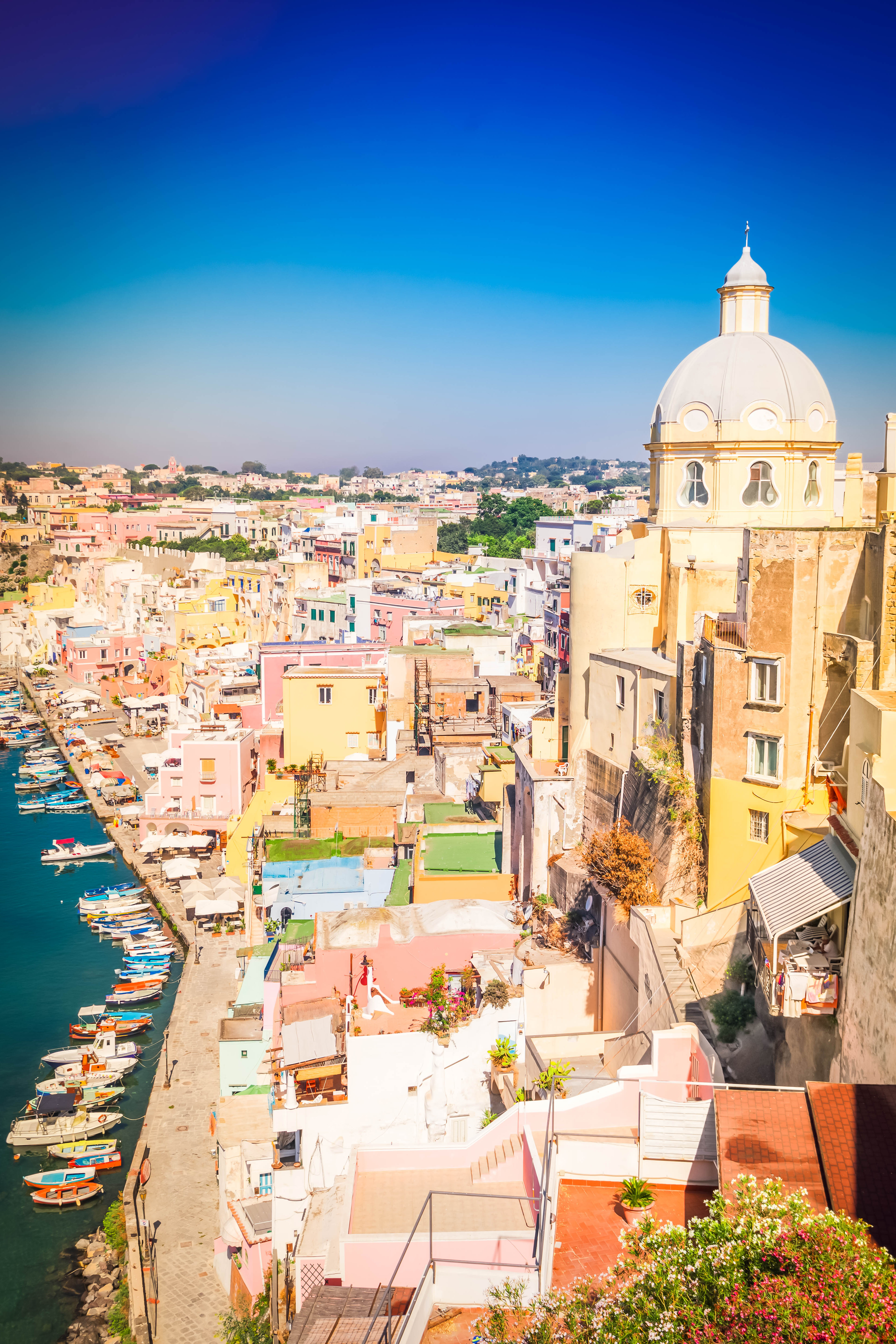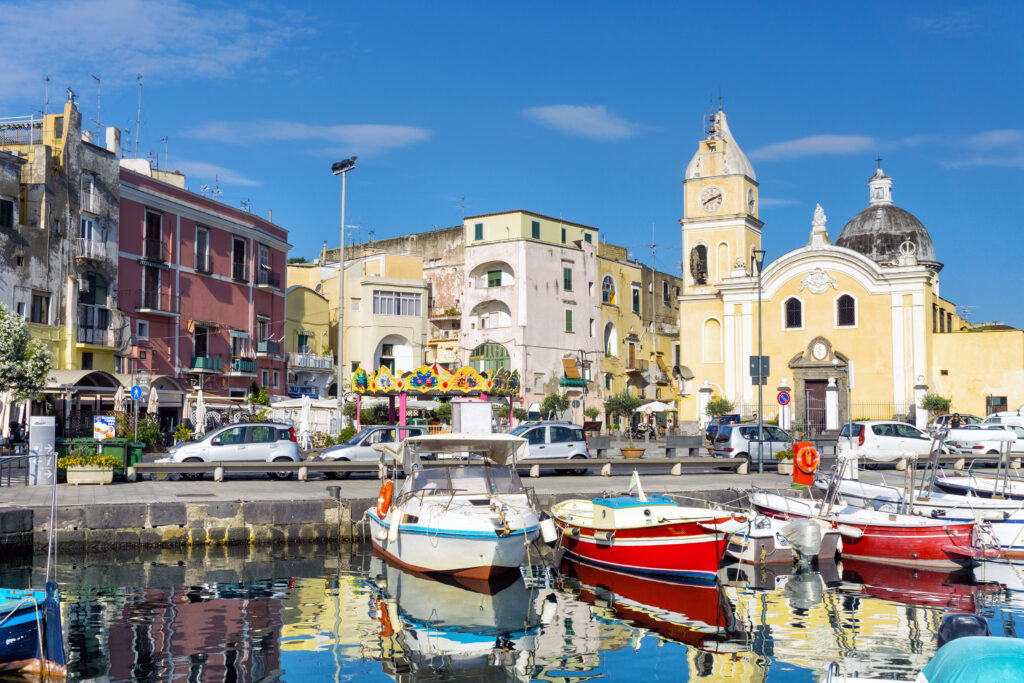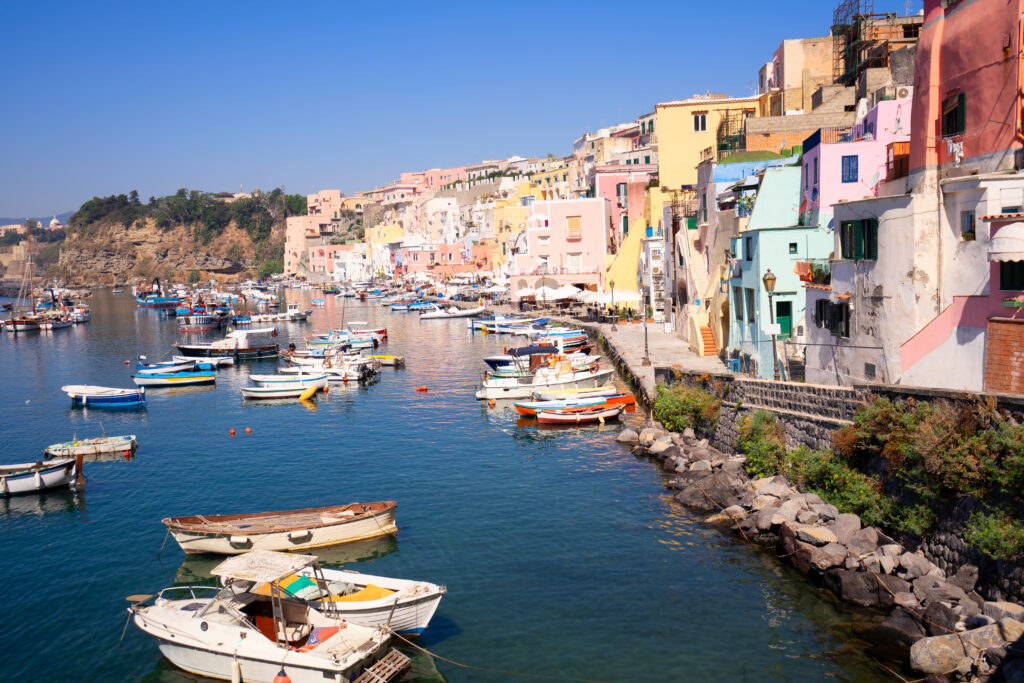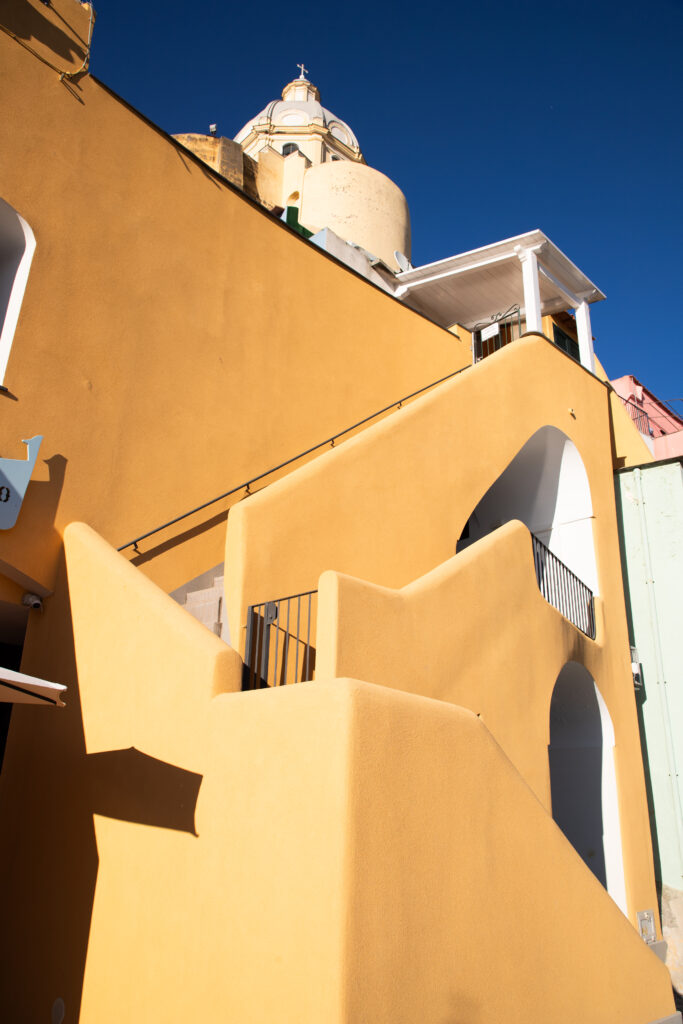
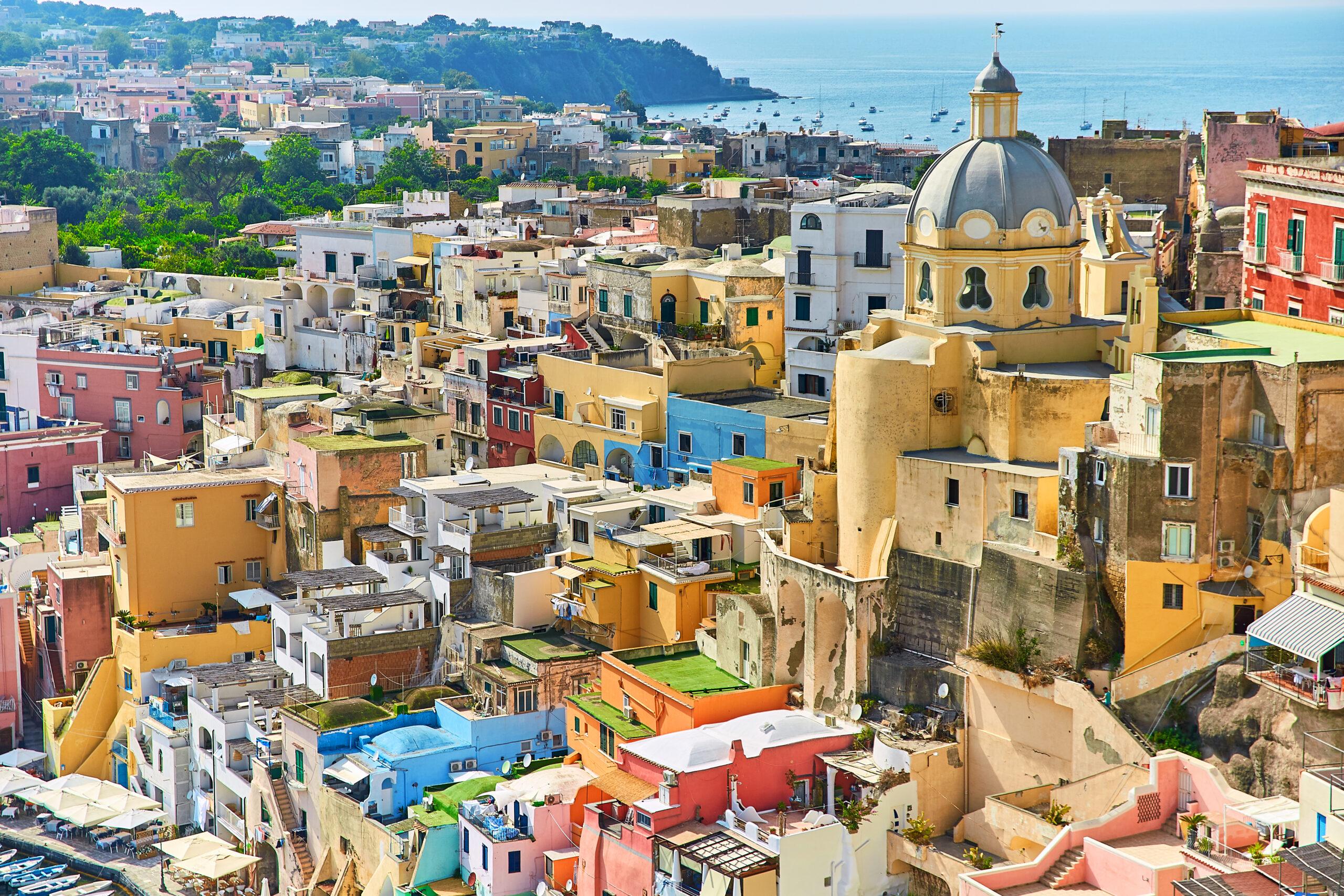
In the Bay of Naples, just a stone’s throw from the bustling metropolis, lies a small island that is considered an insider tip among travelers. Procida, the unknown jewel of the Mediterranean, may be overshadowed by its more famous neighbors Capri and Ischia, but its history and beauty are unique and impressive in many ways.
A fairytale origin story – The history of Procida dates back to ancient times. The first traces of settlement date back to the 16th century BC, when the Oscans, an Italic people, lived on the island. Later came the Greeks, who gave Procida the name “Prochyta,” derived from “prochetai,” meaning “spit out”—a reference to the island’s volcanic origin. Over the centuries, Procida has been shaped by a variety of cultures and civilizations. The Romans, Byzantines, Normans, and Spaniards all left their mark. The Romans in particular used the island’s picturesque bays as retreats and fell in love with their charm, a tradition that continues to this day.
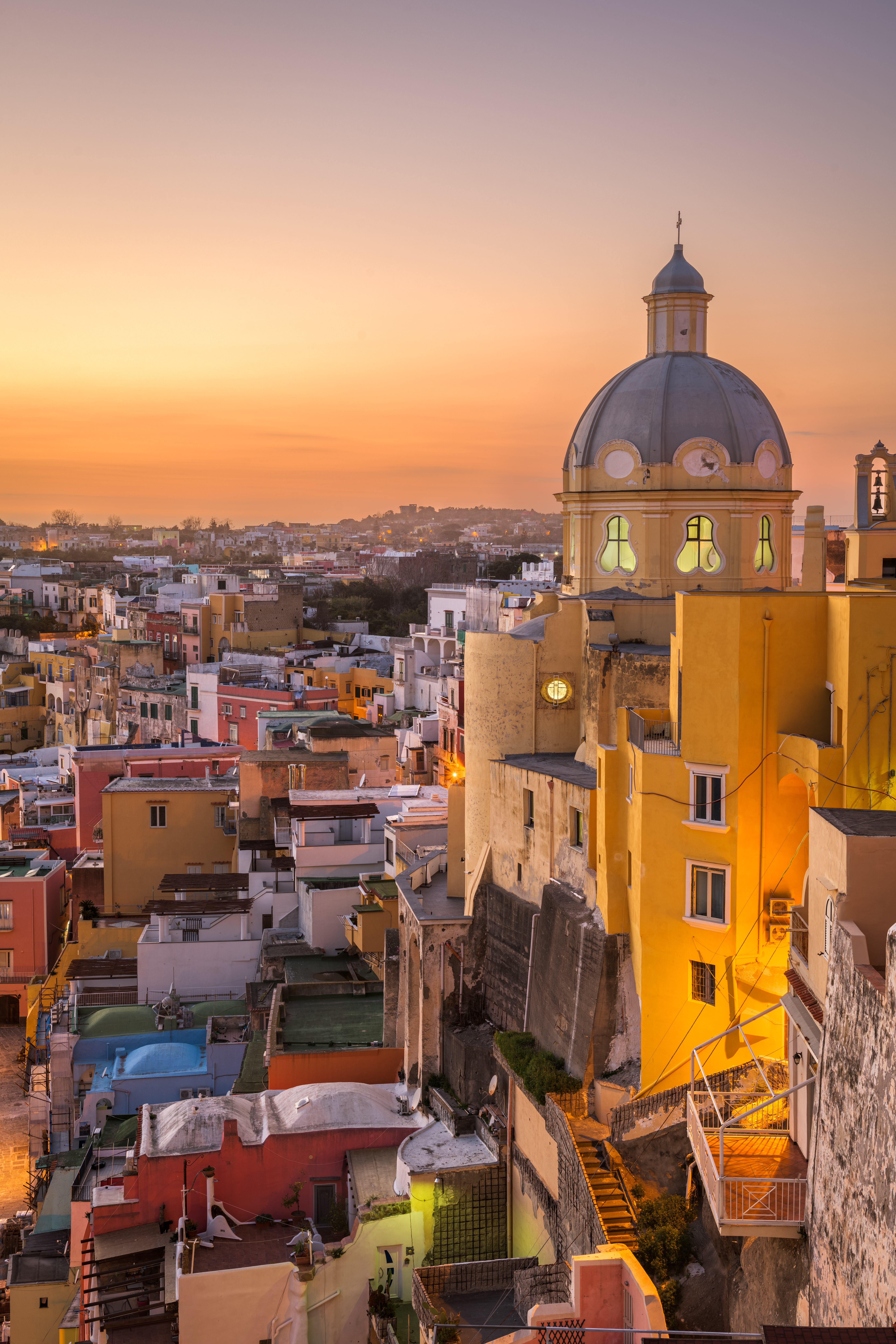
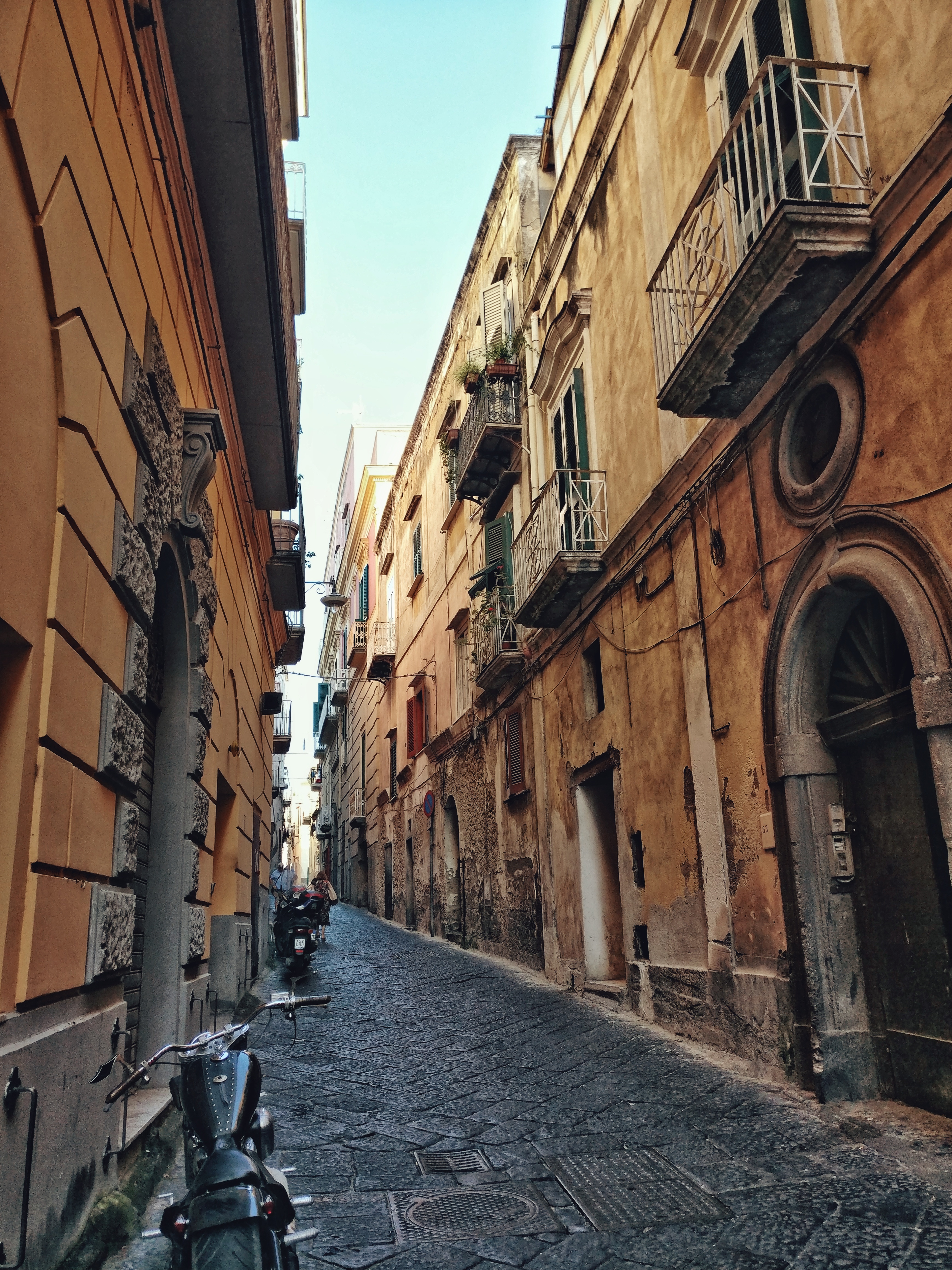
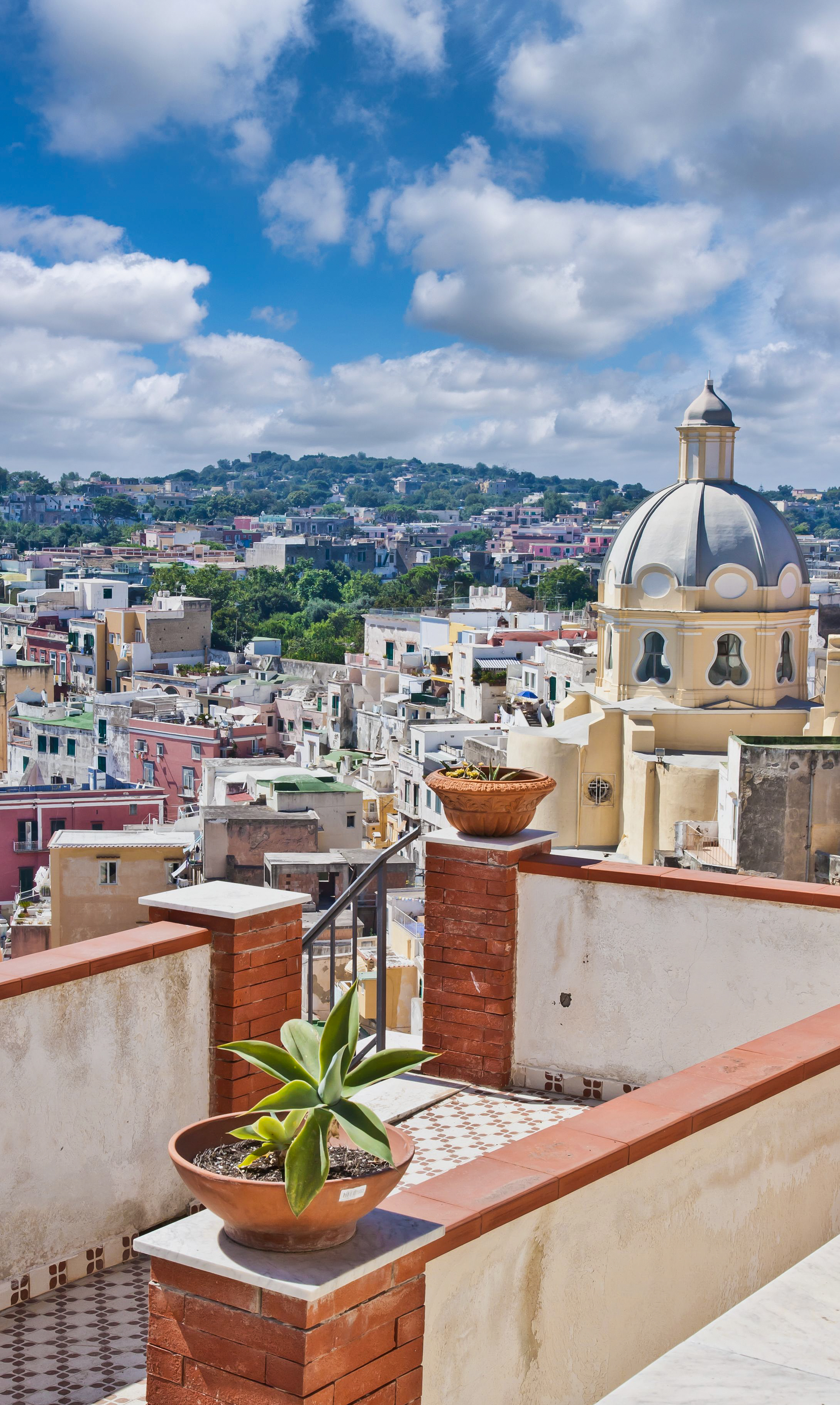
The fortified town of Terra Murata – One of the most striking landmarks and also the historic heart of the island is Terra Murata. This medieval fortified village is perched on a hill and offers breathtaking views of the sea and the surrounding islands. Its strategic location made it an important defensive point for centuries. Terra Murata has always been a center of life on Procida. The narrow streets and old buildings tell stories of times gone by. The fortress itself not only served as protection against pirates and other attackers, but also housed the monastery of the Benedictine Abbey of San Michele Arcangelo. The former royal palace, the Palazzo d’Avalos, is also located here. It was built in the 16th century, later served as a prison, and remains an impressive relic of Procida’s eventful history.
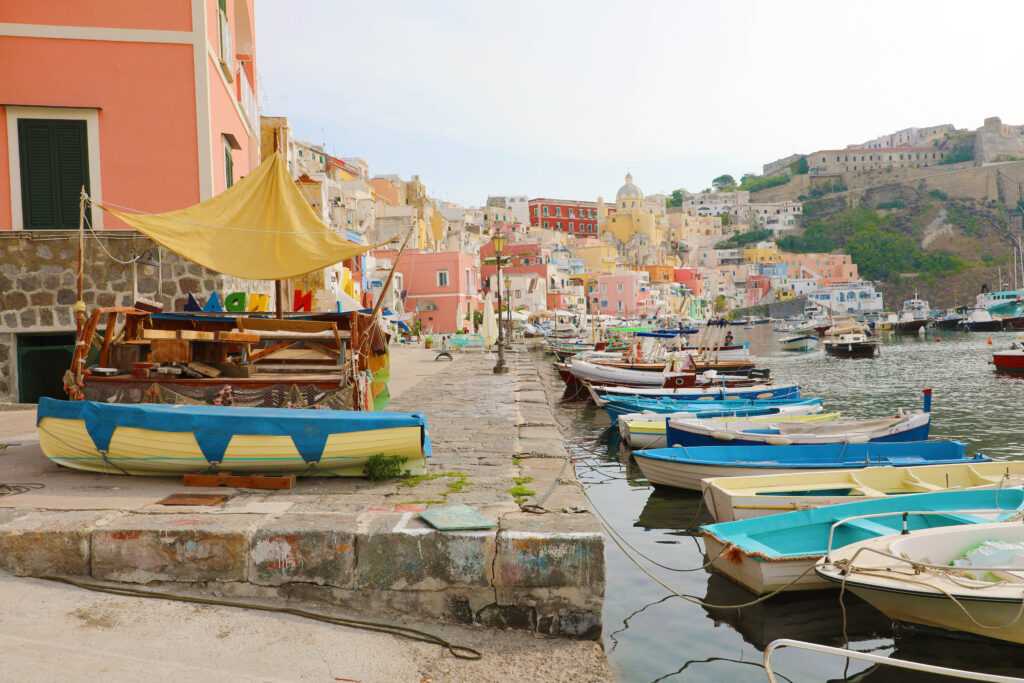
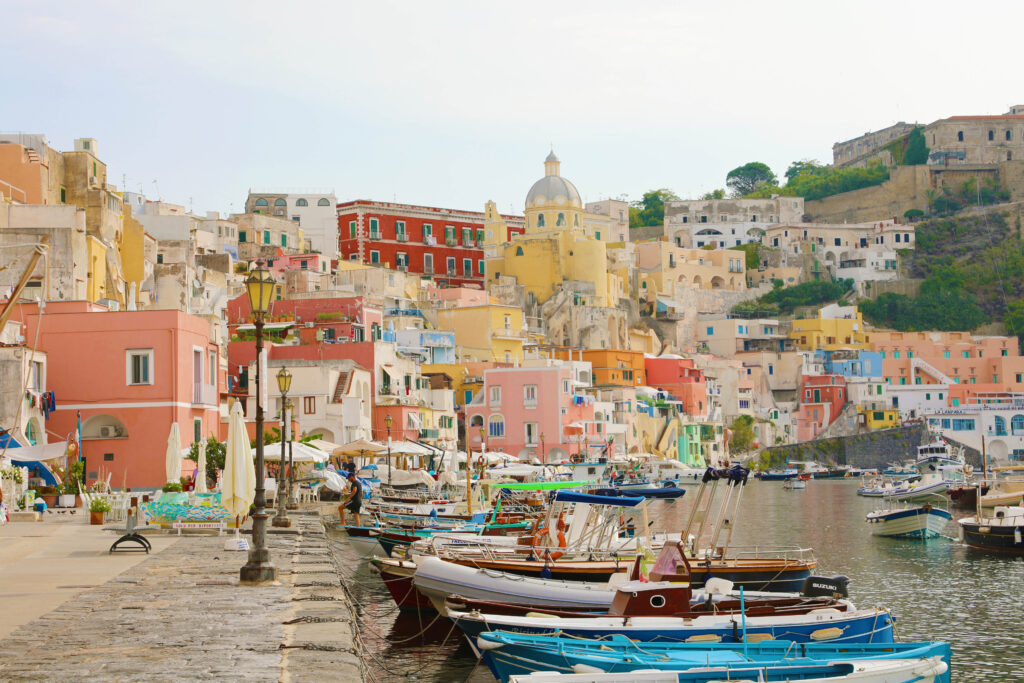
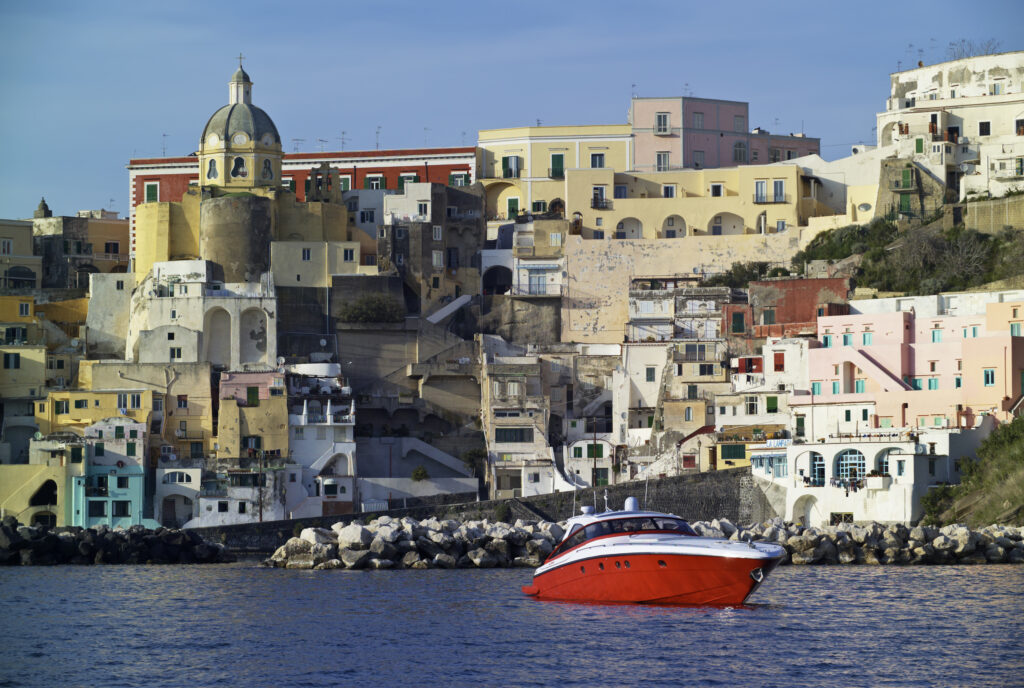
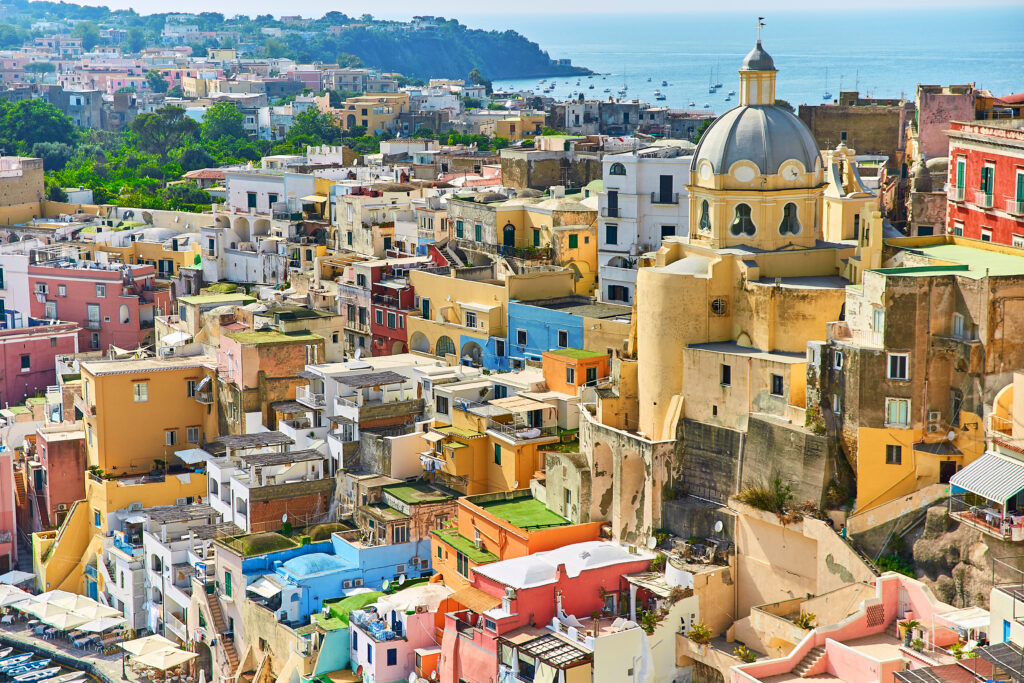
From fishing village to film set – for centuries, life on Procida was dominated by fishing. The colorful houses, painted in countless colors, once helped fishermen find their way home from far away. This tradition has given the island its distinctive charm, which has inspired not only locals but also artists and filmmakers. In recent history, Procida has gained international fame as a film location. Films such as “Il Postino” (The Postman) and parts of “The Talented Mr. Ripley” were shot here. The picturesque backdrop of the island provided the perfect atmosphere for these cinematic masterpieces and once again attracted worldwide attention.
Modern challenges and opportunities – Despite its idyllic appearance, Procida has not been spared the challenges of modernity. Its economic dependence on fishing and agriculture proved problematic in the wake of economic development. However, the inhabitants have repeatedly demonstrated their adaptability and found new ways to secure their livelihoods. Tourism now plays an important role, and sustainable development is a key concern for the island’s administration. An important step in this direction was Procida’s selection as the Italian Capital of Culture for 2022. This event marked a turning point and brought new impetus to culture, art, and infrastructure. Renovations and restorations revitalized the historical heritage while creating modern amenities for visitors and locals alike.
Traditions and customs – Procida is also rich in cultural traditions and festivities. A particularly outstanding event is the Good Friday procession, during which religious representations and valuable statues of saints are carried through the streets. This procession, whose origins date back to the 17th century, attracts numerous pilgrims and onlookers every year. The feast of St. Michael, the patron saint of the island, is also celebrated with great devotion. Over several days, there are festive parades, musical performances, and culinary highlights that strengthen the sense of community and keep old customs alive.
The natural beauty of Procida – In addition to its historical and cultural riches, Procida also offers breathtaking natural experiences. The coastline is dotted with hidden coves and beaches that are perfect for swimming and snorkeling. The Pineta, a lush pine forest, is a paradise for walks and picnics, while the island of Vivara, a nature reserve, is renowned for its rich fauna and flora. Vivara, Procida’s little sister island, is now a protected nature reserve and a popular destination for nature lovers and hikers. The island is connected to Procida by a narrow bridge and offers breathtaking views and a variety of animal and plant species. Here, visitors can enjoy the unspoiled nature of the Mediterranean to the fullest.
The future of Procida – Looking ahead, Procida seems well positioned to continue to shine as a hidden gem of the Mediterranean. Initiatives to promote sustainable tourism and preserve cultural heritage are already underway and showing positive results. A spirit of cooperation and pride in their island unite the residents in their efforts to protect and promote the paradise they call home. The increasing number of visitors shows that interest in authentic, less crowded destinations is growing. At a time when sustainability and authenticity are becoming increasingly important, Procida could become a model for other islands and smaller communities.
The charm of a timeless island – While so many destinations are suffocating under their own fame, Procida has managed to retain its authenticity. The island remains a place where history and the present coexist harmoniously, inspiring visitors to leave the noise and bustle of modern life behind.
Procida is more than just an island; it is a living museum, a film set, and a refuge all in one. Once you set foot on this enchanting island, you will never be able to completely escape its magic. And perhaps that is precisely the secret of Procida—the ability to tell the deepest stories and create lasting memories in silence and simplicity.