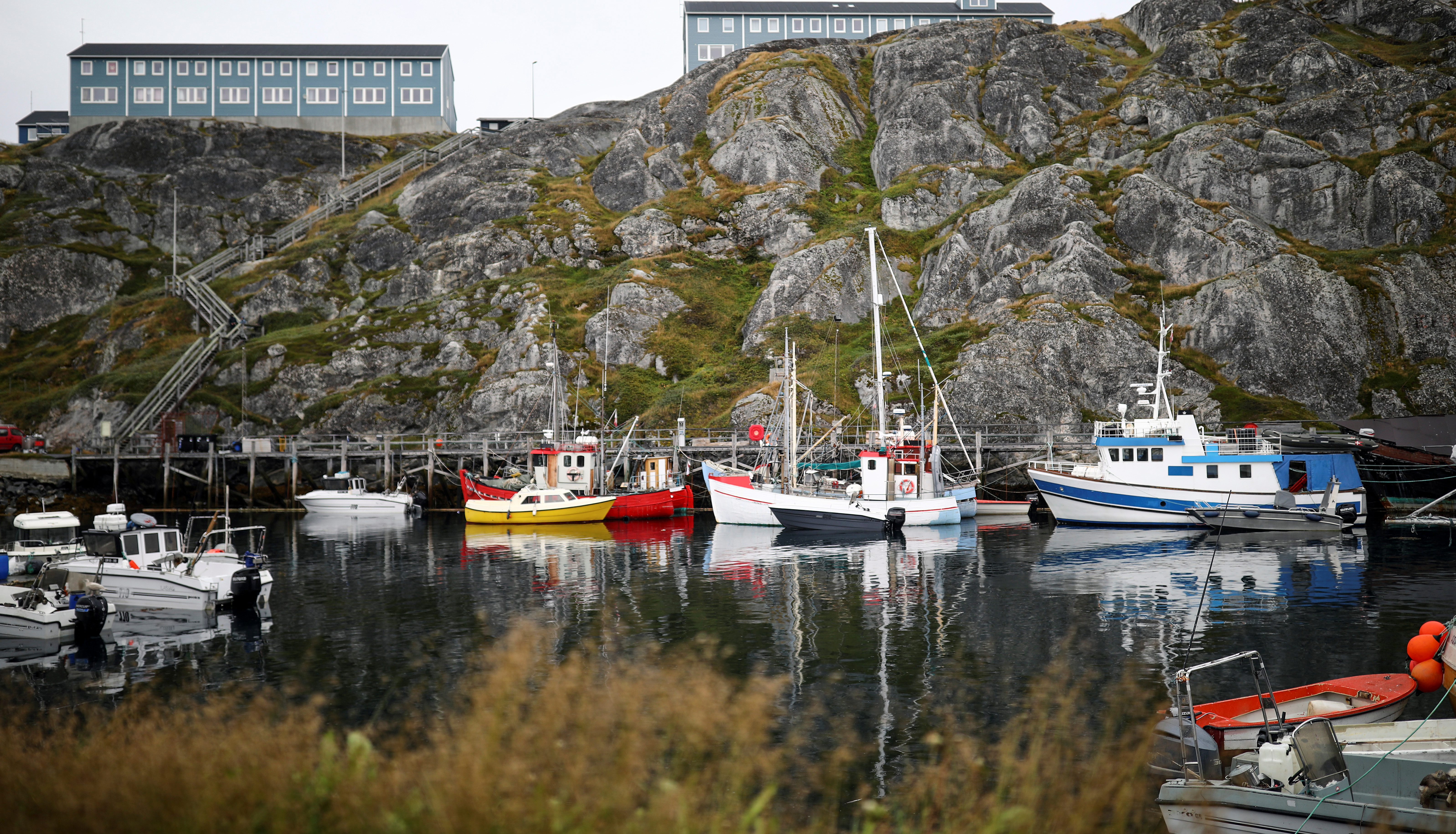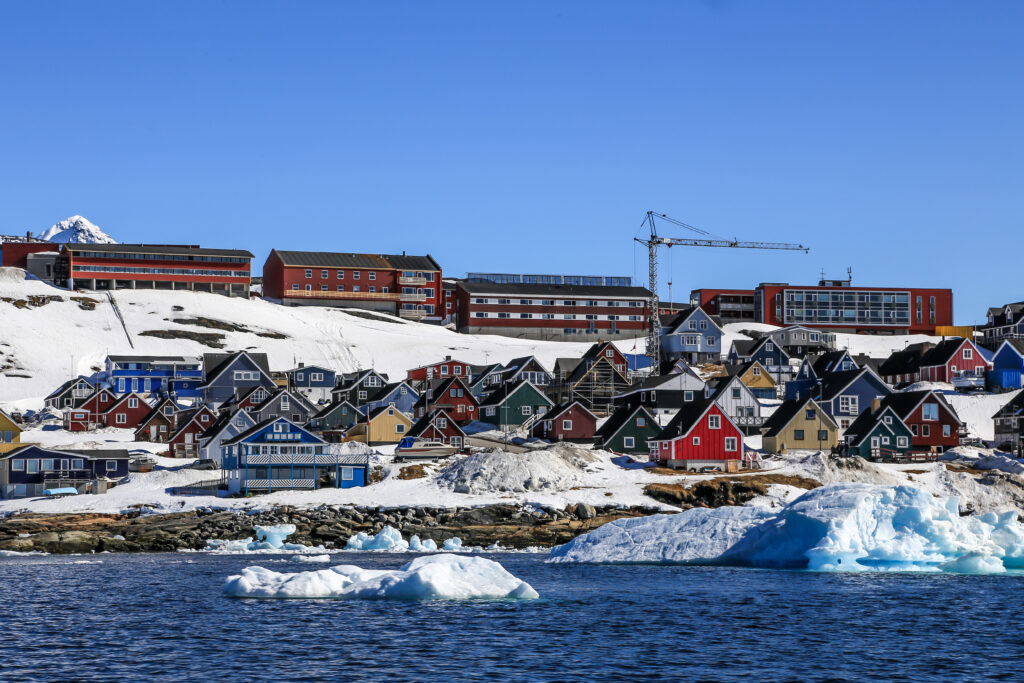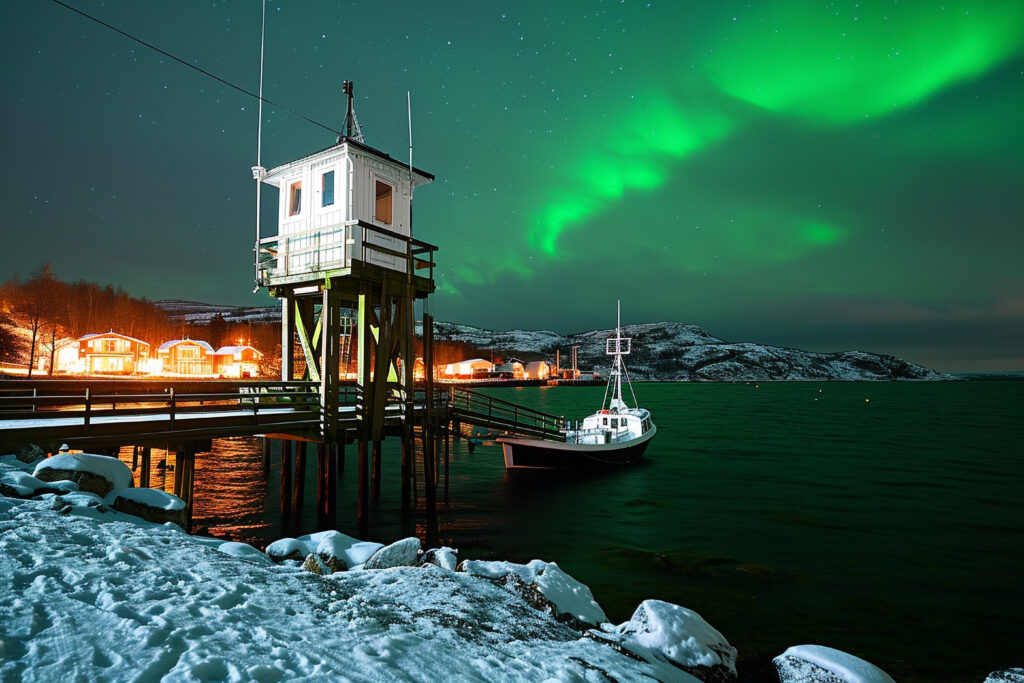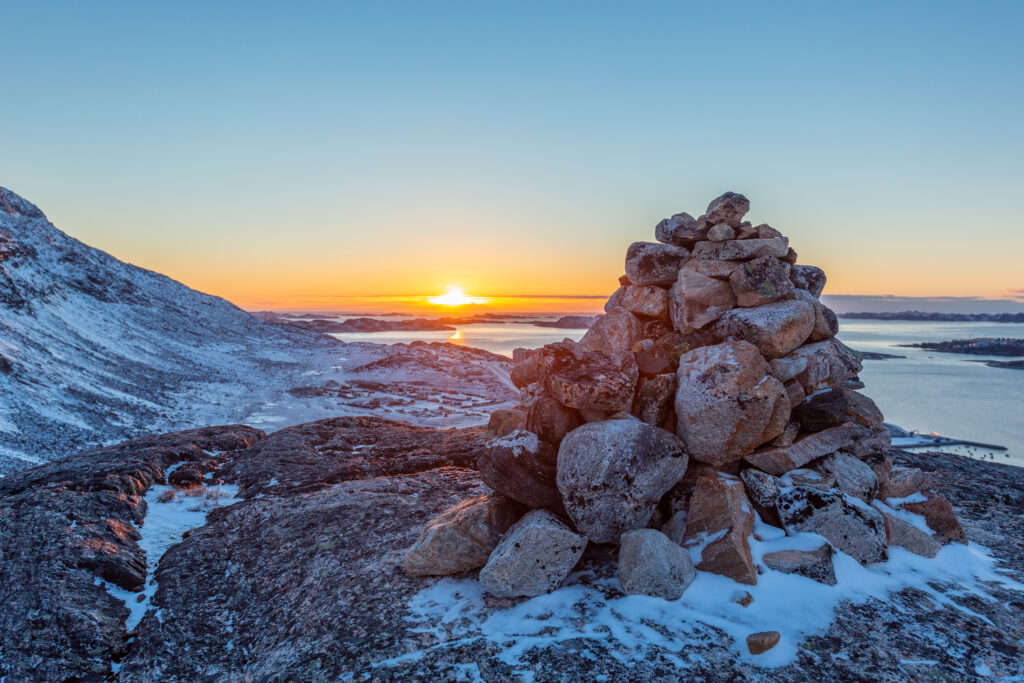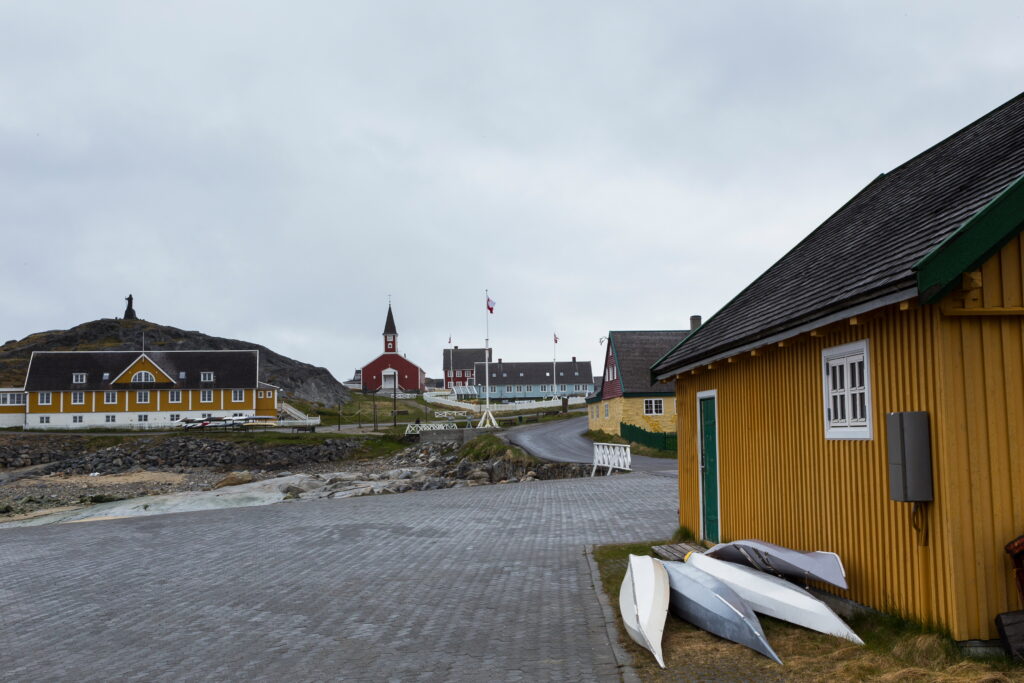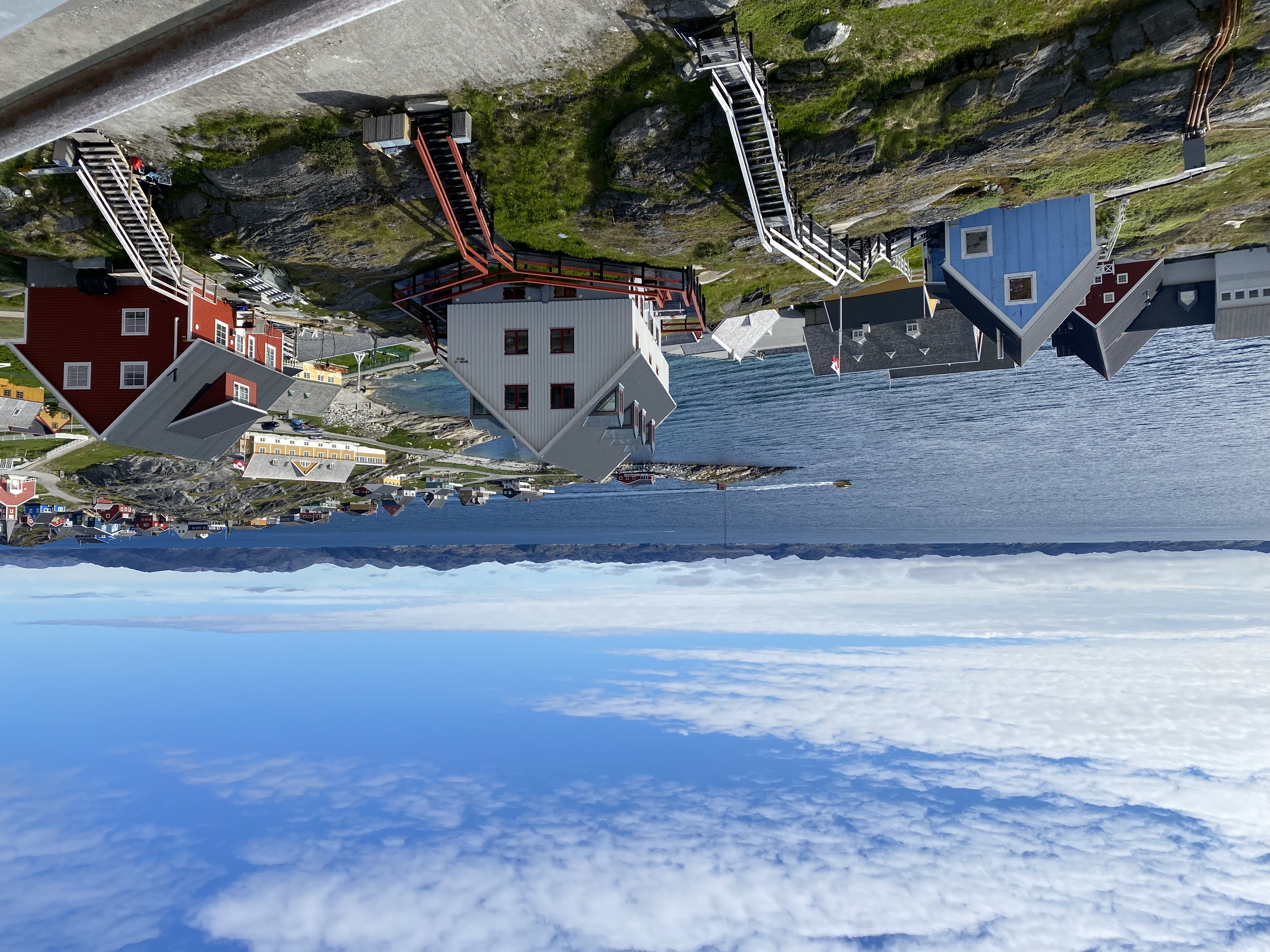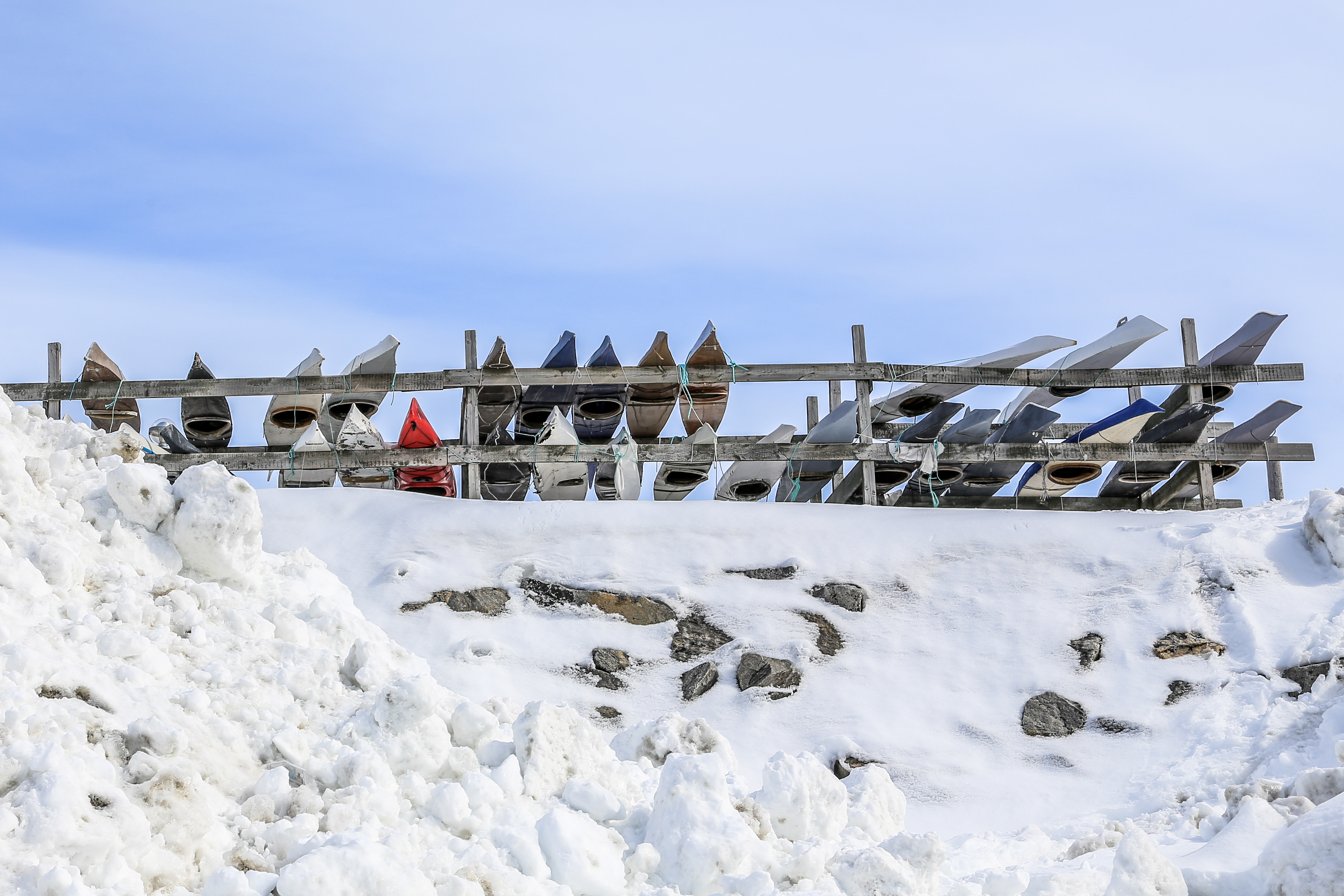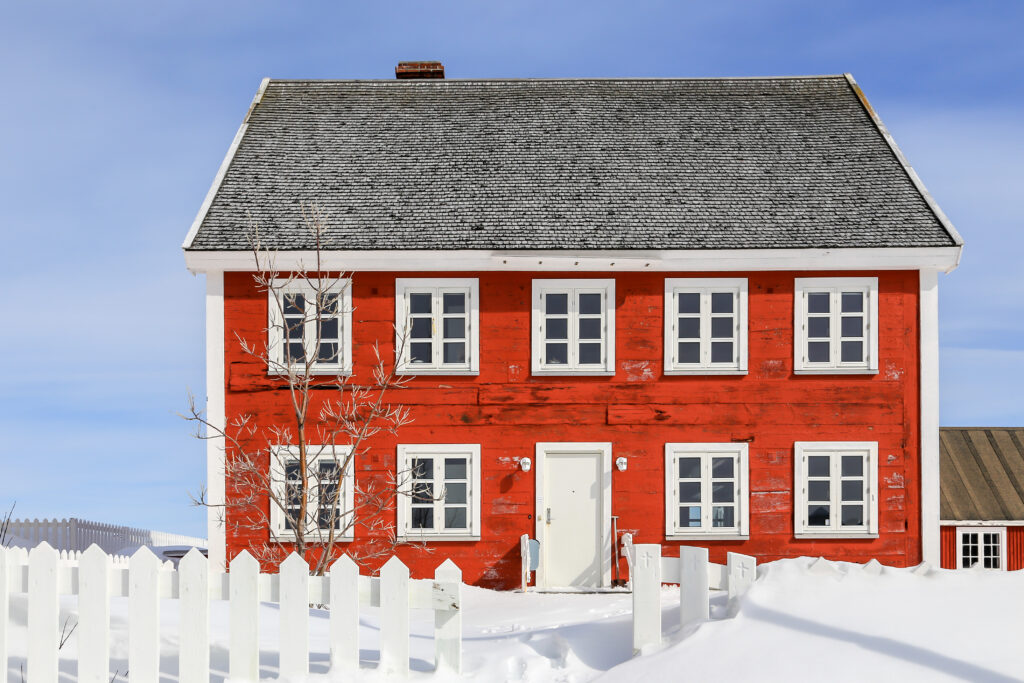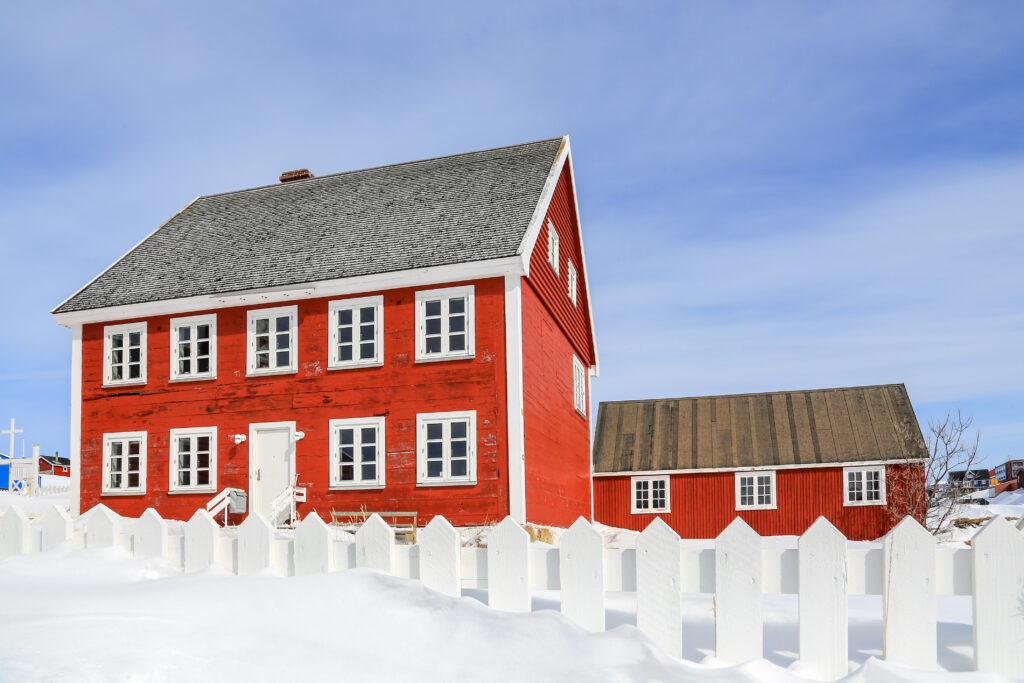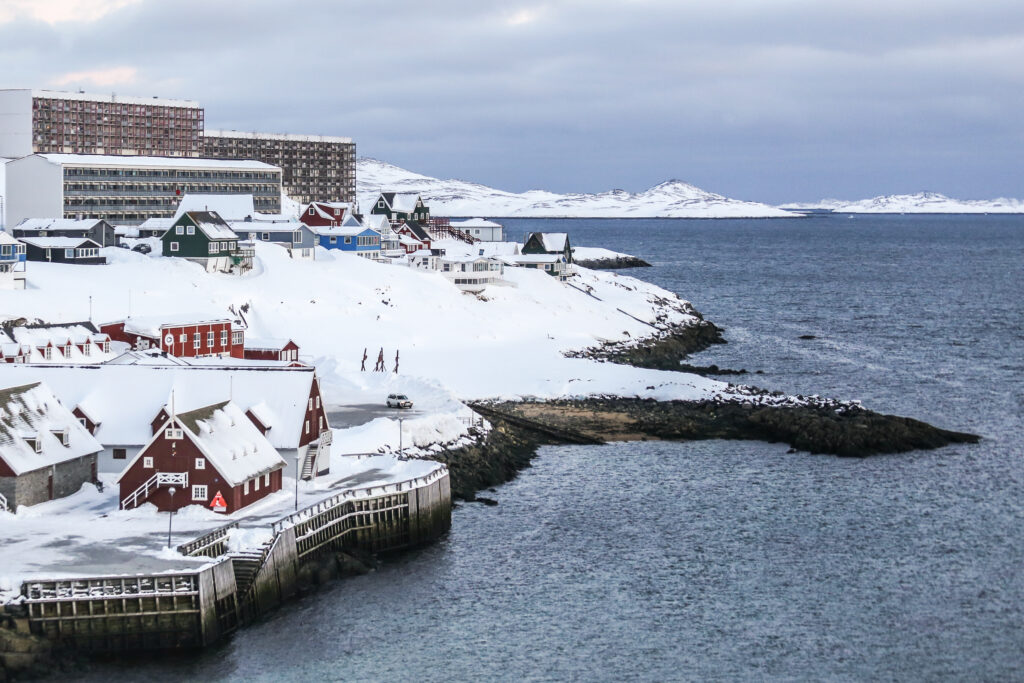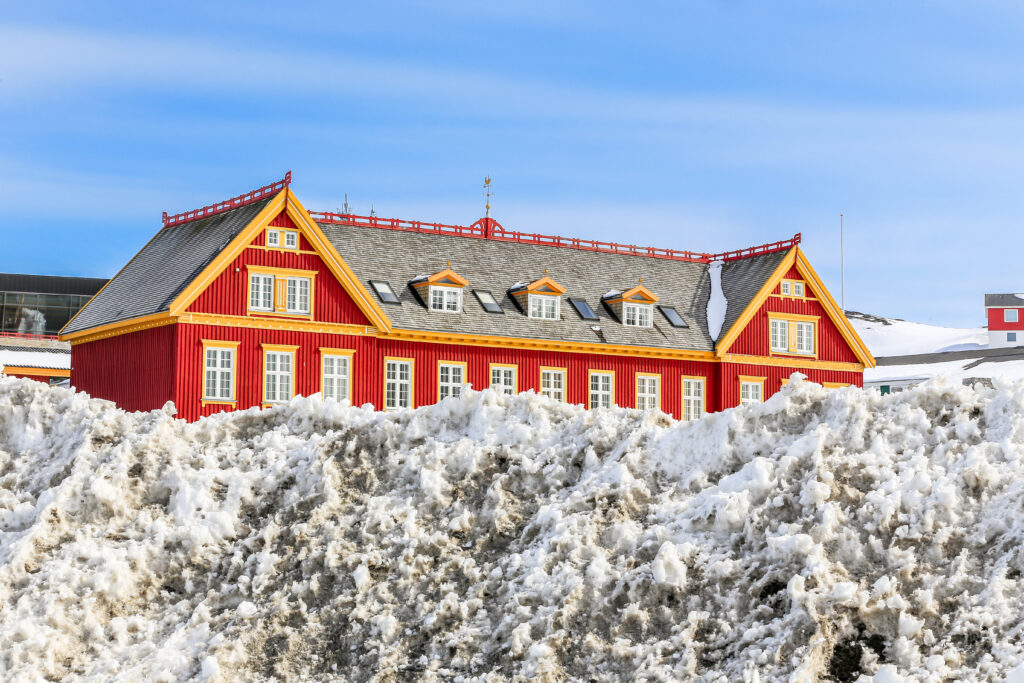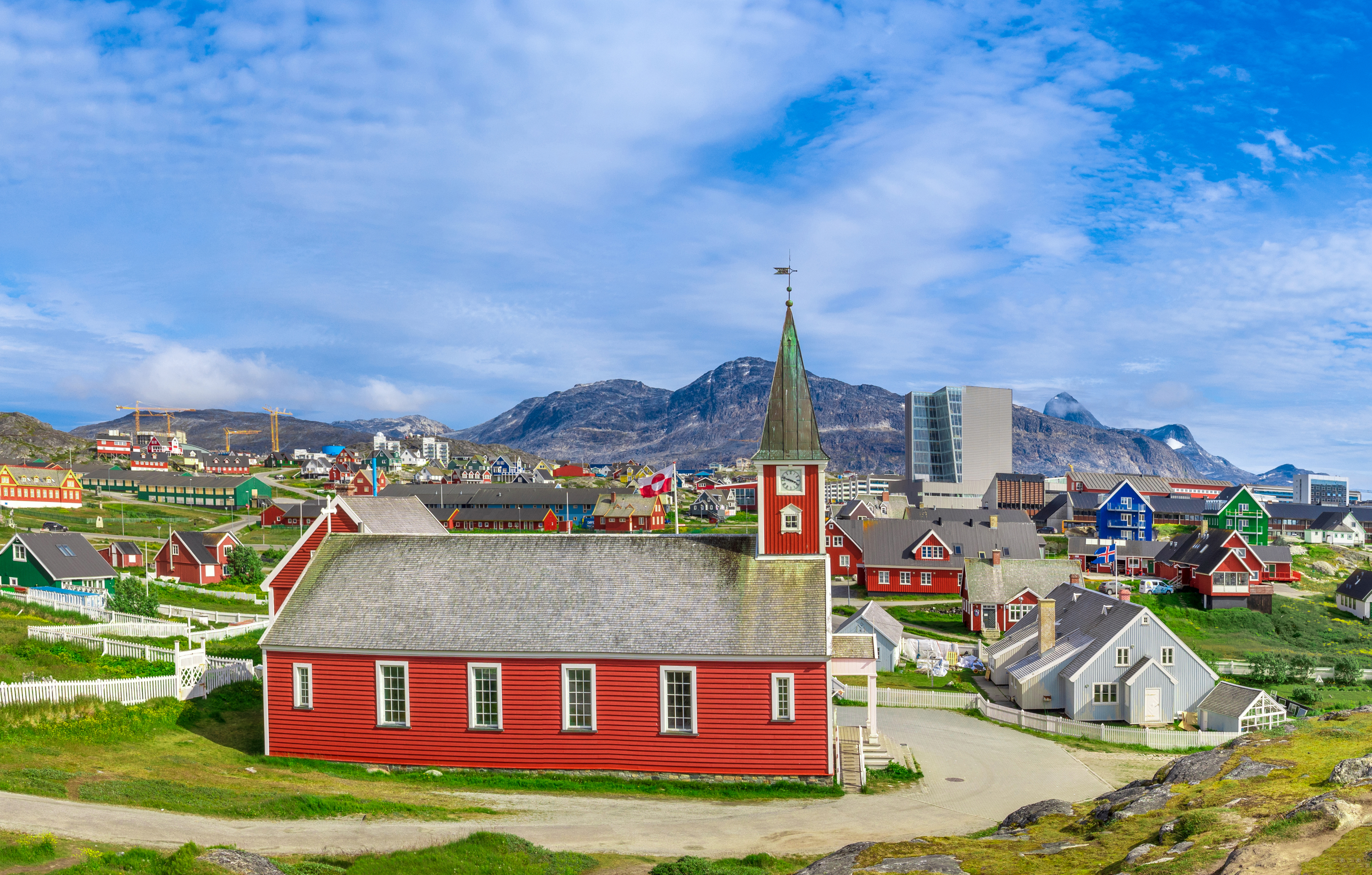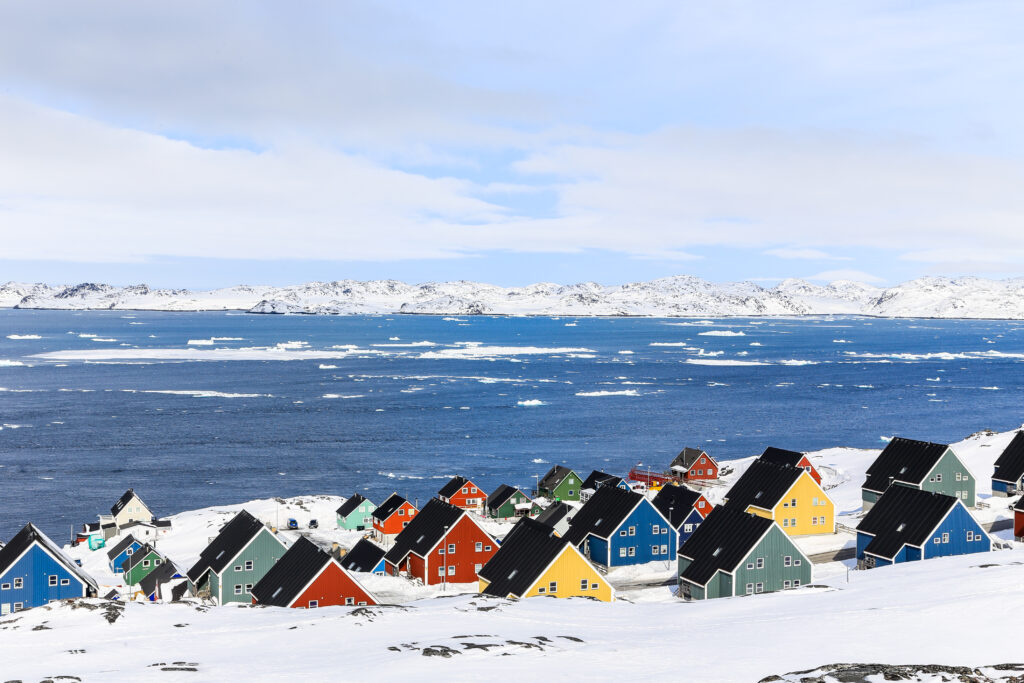
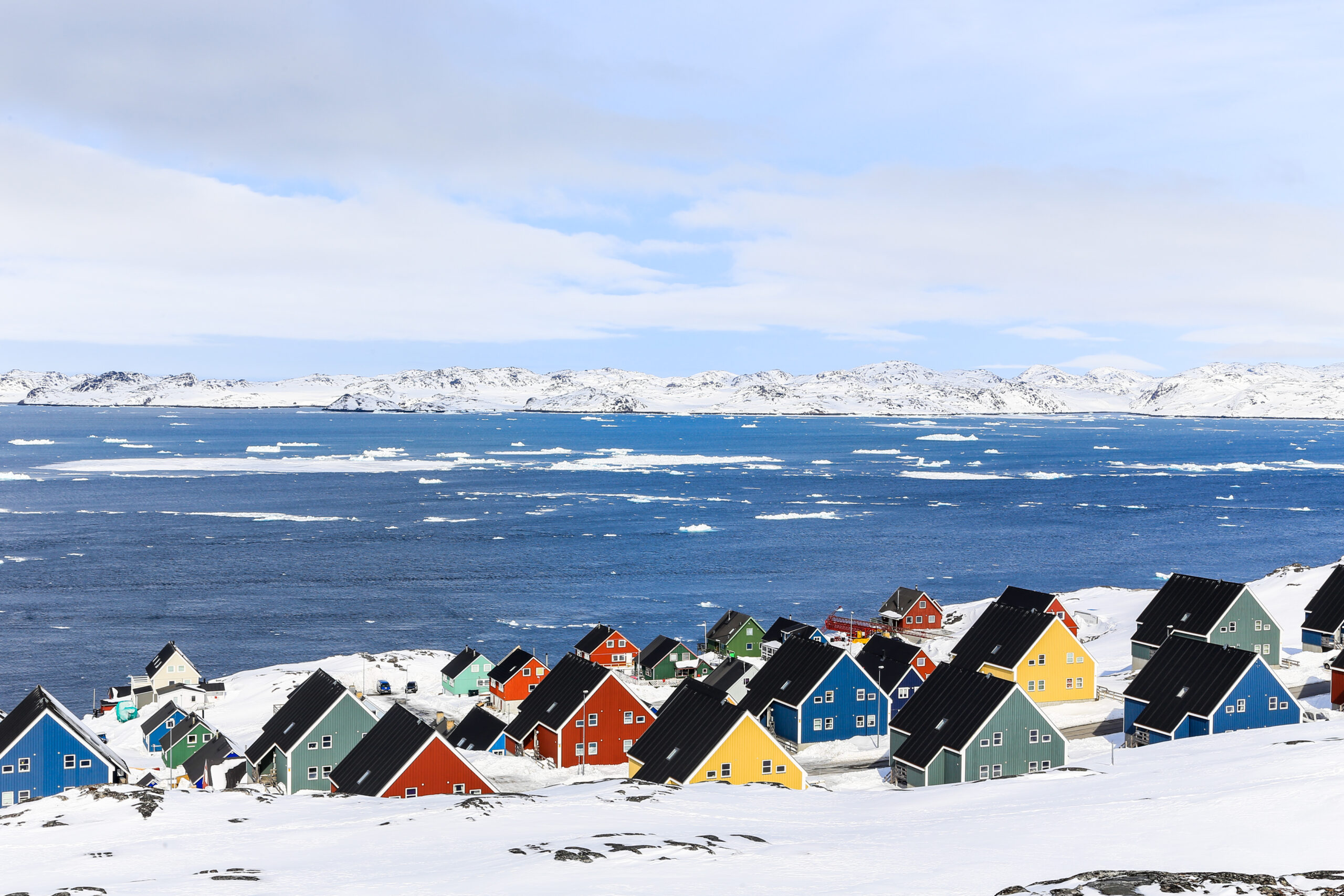
In the heart of imposing Greenland, the capital city of Nuuk rises as a fascinating melting pot of history, myths, and modern developments. Once a sleepy settlement surrounded by icy landscapes, Nuuk has developed into a vibrant city that has nevertheless always preserved its roots and legends. Let’s take a look behind the scenes of this unique city and discover its hidden stories, which are often blown away by the icy wind.
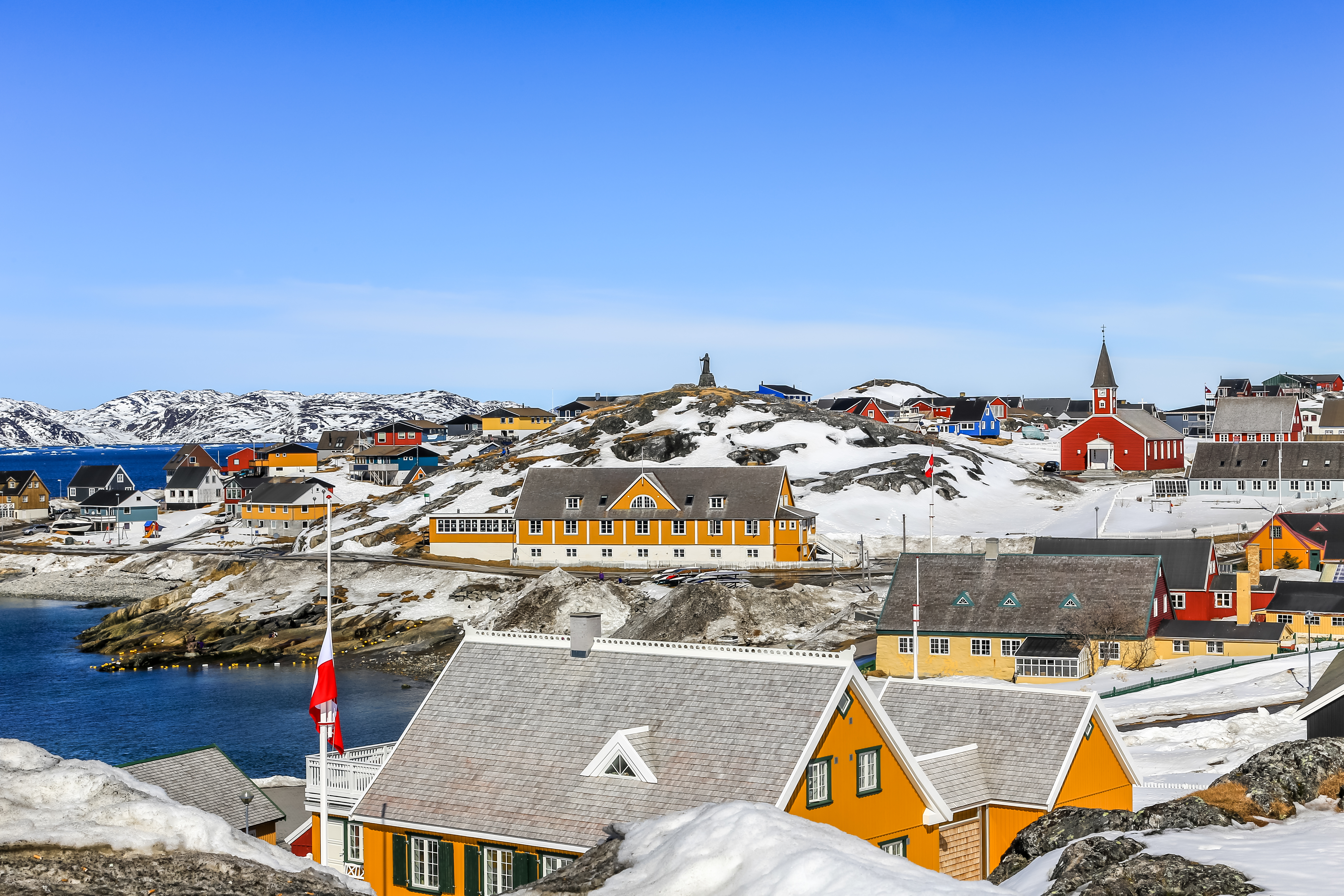
The beginnings of an unshakeable settlemen- The history of Nuuk begins long before the arrival of Europeans. Archaeological finds indicate that the region around Nuuk was already inhabited by the Inuit over 4,000 years ago. These early inhabitants were masters of survival who had learned to adapt to the harsh climatic conditions. They lived in harmony with nature and developed a deep spiritual connection to their surroundings, which still echoes today in many traditional stories and myths. With the arrival of Europeans in the 18th century, led by Danish missionary Hans Egede, the city’s development took a new direction. Egede founded Nuuk in 1728 under the name “Godthåb,” which translates to “good hope.” But not everyone was enthusiastic about this new chapter; many Inuit felt threatened in their habitat and resisted the foreign influences. This led to conflicts that continue to have an impact today.
Myths and legends of the Inuit – The legends of the Inuit are rich and captivating, full of stories about ghosts, goblins, and other mystical beings. One of the most famous stories is that of the “Qivittoq,” a lonely wanderer who was cast out of society and now roams the land with supposedly superhuman powers. This legend reflects the fears and hopes of a community that lives in close relationship with nature. Another fascinating element of Greenlandic mythology is the “Tupilak,” magical figures or beings created by shamans to ward off enemies. These Tupilak creatures were made from bones and other natural materials and represent the deep roots of Inuit traditions in the spirit world. Creating a Tupilak was a mysterious and dangerous task, as even the creator himself could fall victim to a possible curse.
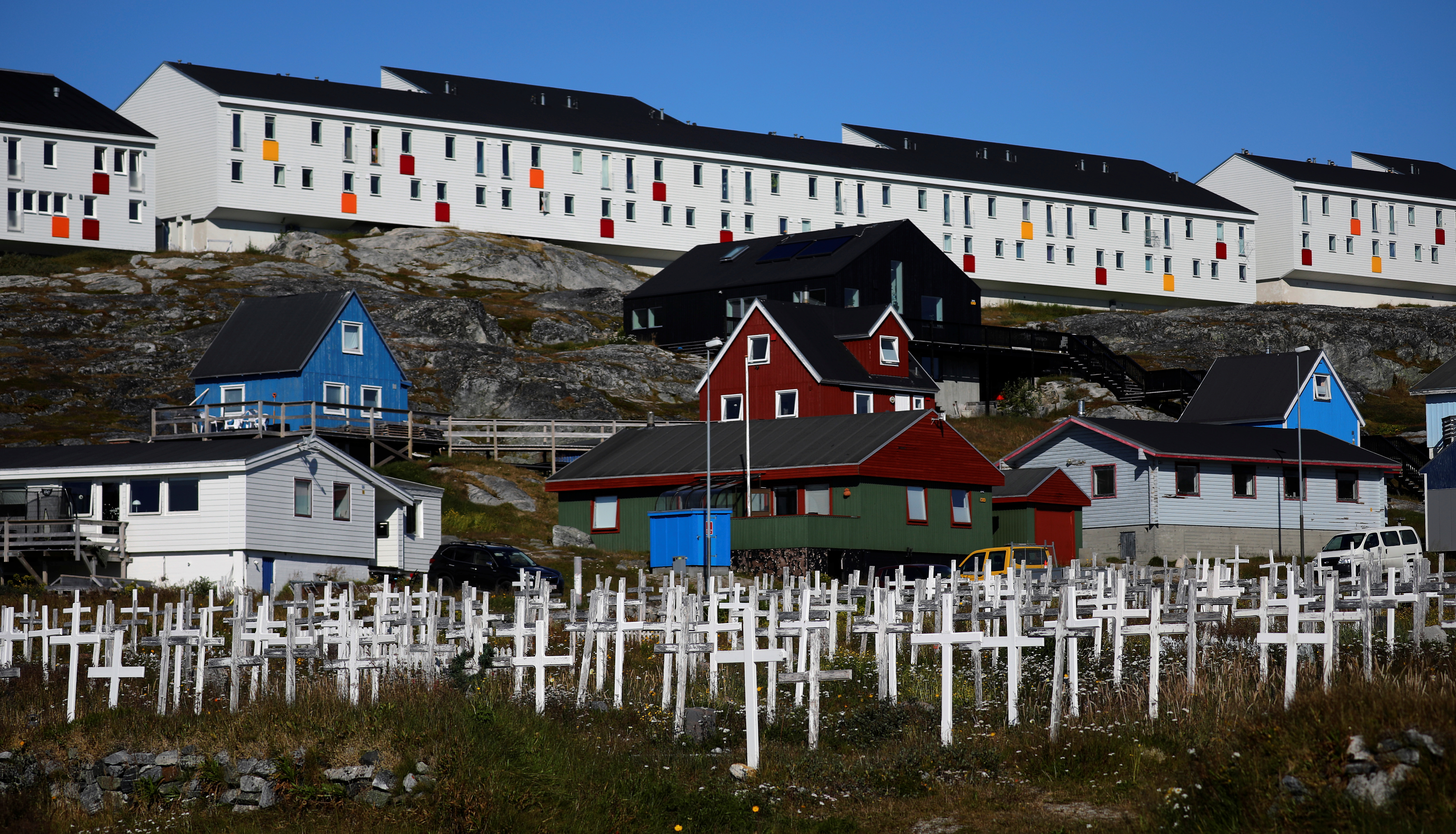
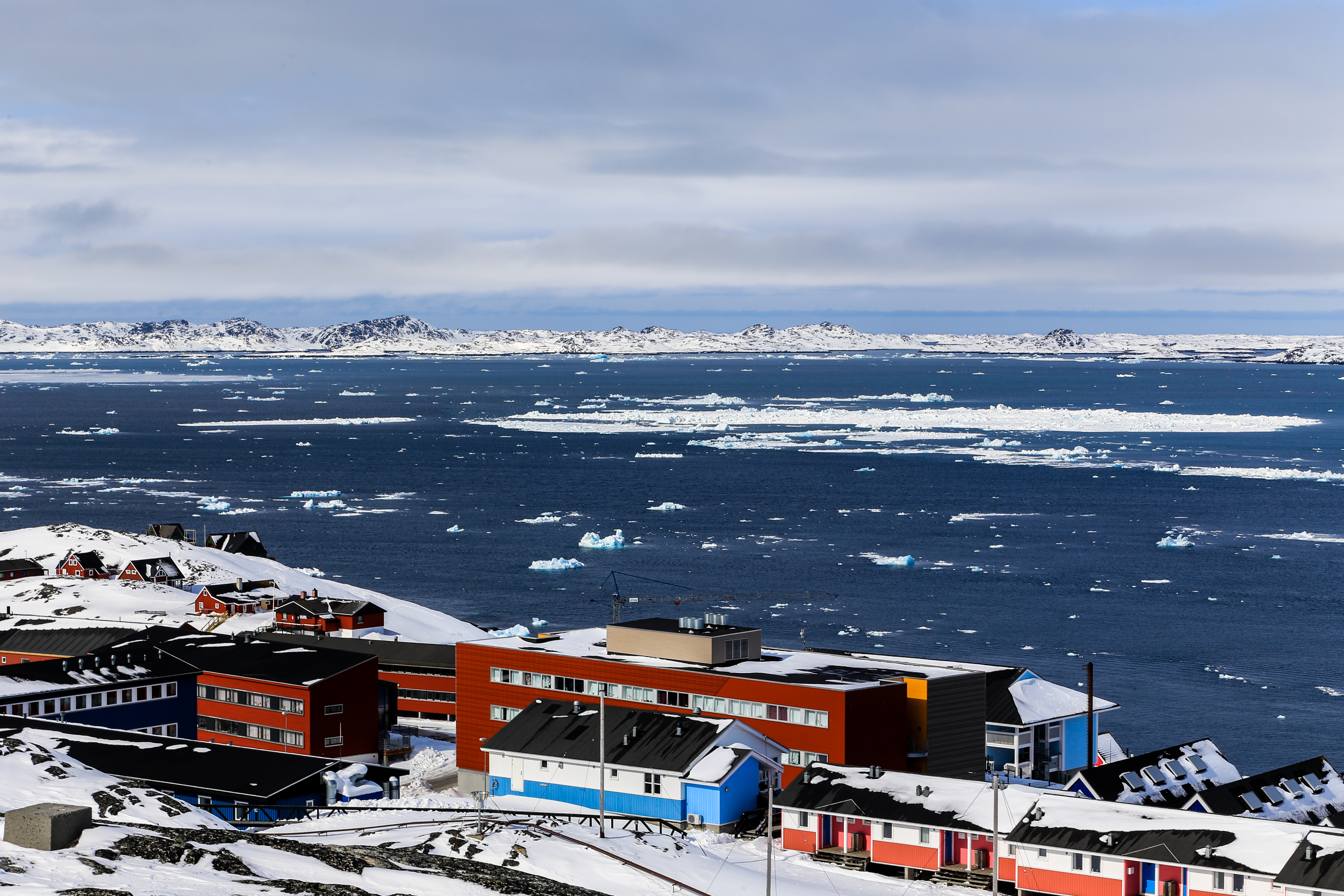
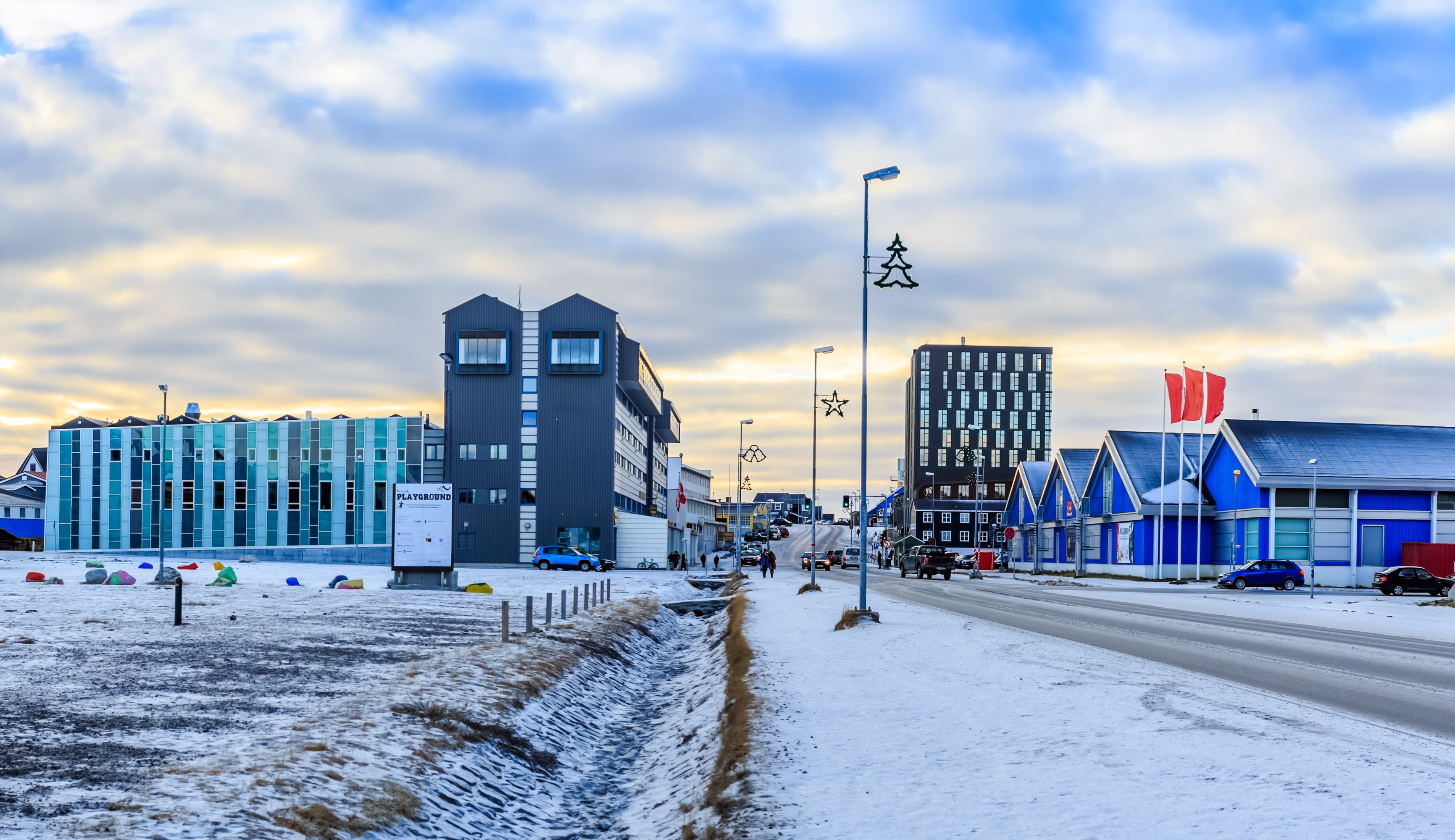
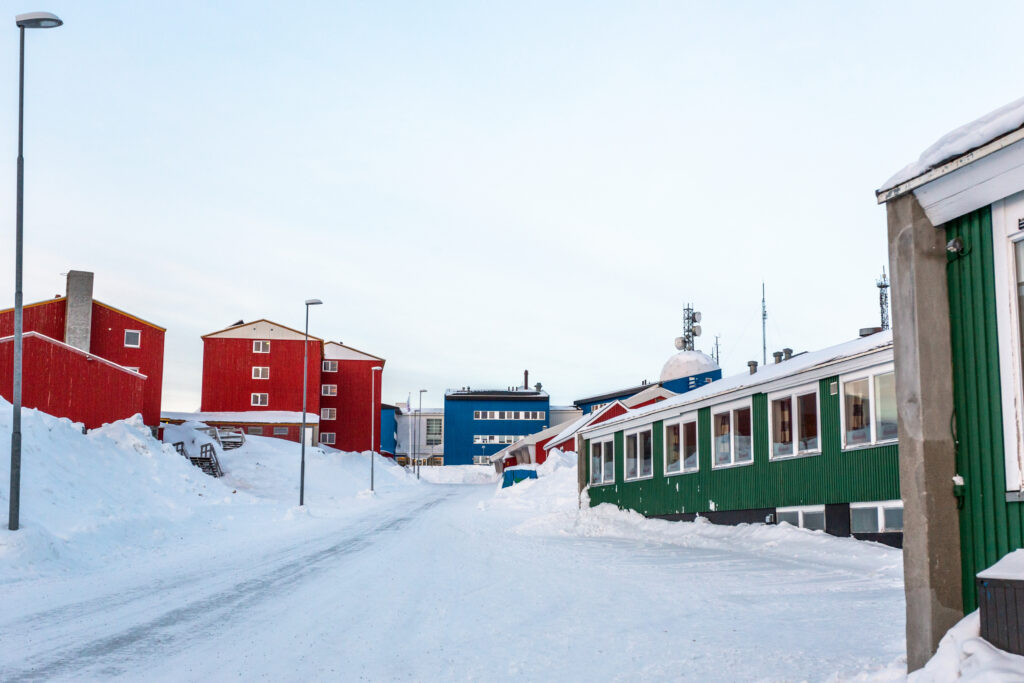
The transformation into a modern metropolis – Today, Nuuk is a vibrant city that is proud of its role as Greenland’s cultural and economic center. With a population of around 18,000, it is the country’s largest city and offers an impressive blend of traditional life and modern infrastructure. The impressive Katuaq Cultural Center, whose architecture is reminiscent of the waves and ice floes of the surrounding area, is a testament to this transition to modernity. In addition to its cultural significance, Nuuk is also the political center of Greenland. It is home to the parliament, the Inatsisartut, and the government, which decides on the autonomous affairs of the island. Despite this modernity, the city remains closely connected to its history and myths, which is particularly evident in the annual celebrations of national holidays, where traditional dances and songs play an important role.
The hidden history of the city: stories from the ice – There are many lesser-known but fascinating episodes in the historical narrative surrounding Nuuk. One such story is that of the “forgotten expedition” of 1883, when a group of scientists and adventurers attempted to cross the Greenland ice cap. This expedition was surprised by thick fog and violent storms, forcing the members to spend several months in makeshift shelters before they could be rescued. This adventure, marked by loss and the will to survive, is still recounted in local folklore today. Another remarkable episode is the story of “Annaaraq,” a legendary figure who is said to have lived alone in the eternal ice at the end of the 19th century. Her story, half myth, half reality, tells of a woman who overcame all adversities and symbolizes the independence and strength of Greenlandic culture. She became a symbol of freedom and resistance to outside influences and is often mentioned in Greenlandic art and literature.
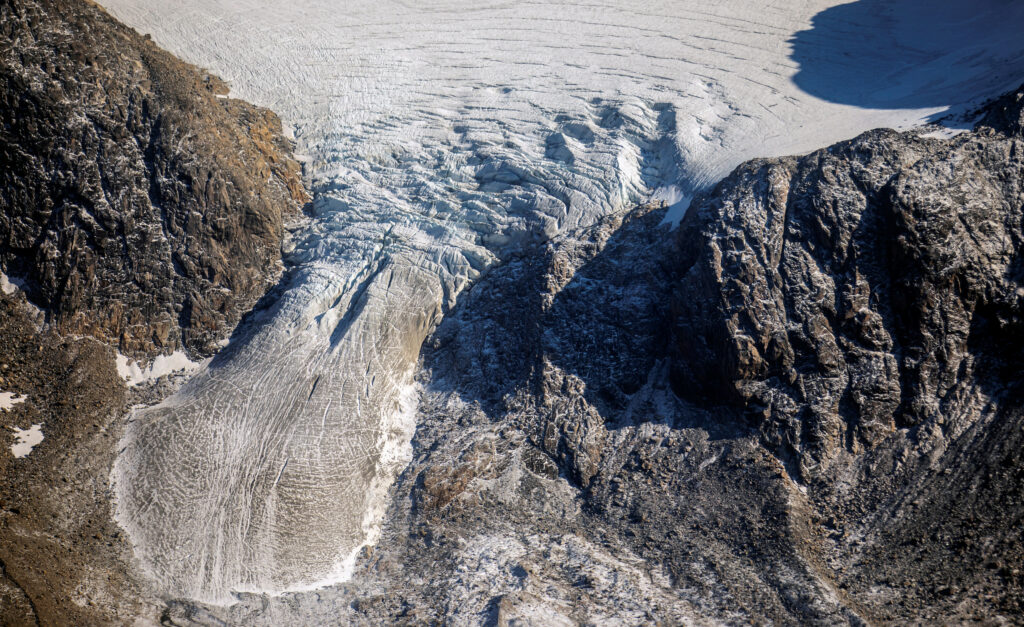
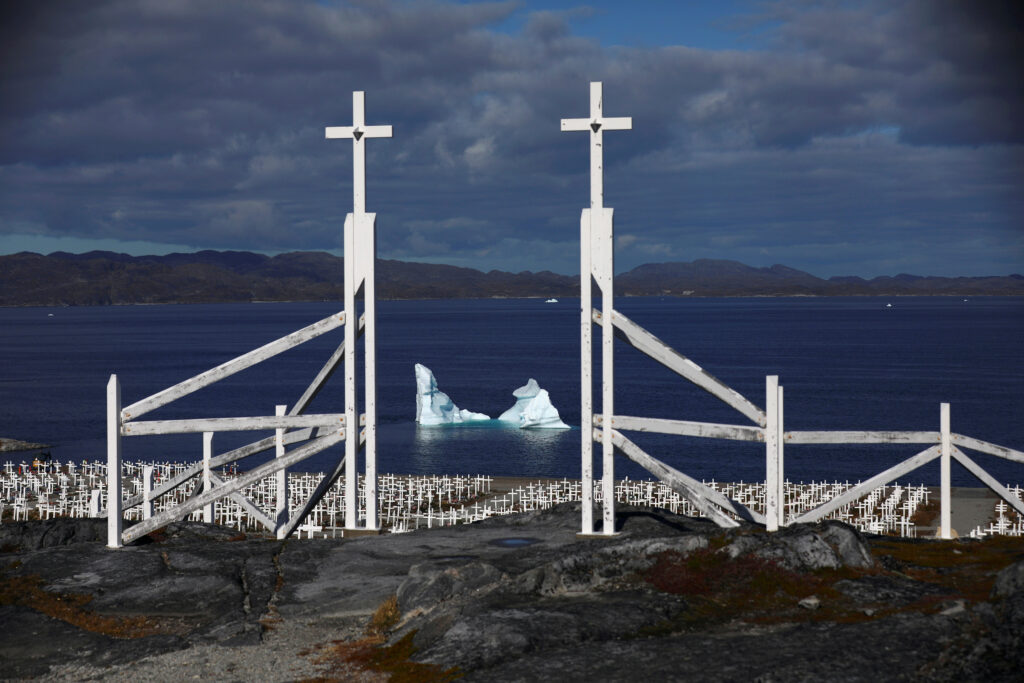
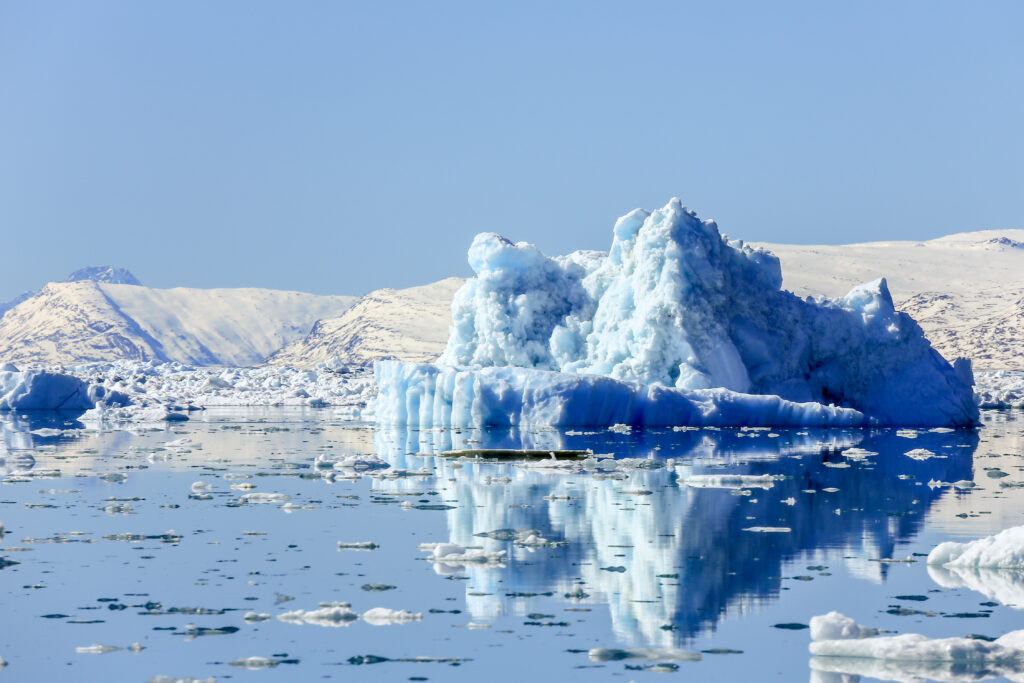
Challenges of the future – While Nuuk celebrates its rich past, the city also faces major challenges. Climate change is having a dramatic impact on the region, with melting glaciers and rising sea levels threatening the coastline. The people of Nuuk, who have lived in harmony with nature for centuries, must now find new ways to cope with these changes. Greenland’s economic potential, particularly through mineral resources such as rare earths and minerals, offers opportunities but also risks. The debate over the expansion of mining is intense and divided between economic progress and environmental protection.
A city full of secrets – Nuuk is a city that fascinates with its contrasts. It tells the story of a people who have lived in harmony with nature for thousands of years and a modern population that looks to the future. The myths and legends that surround this city are more than just stories; they are living memories of the struggles and triumphs of a community that has conquered the ice. Although the challenges are great, Nuuk remains a place of inspiration and discovery, where tradition and modernity coexist harmoniously. Nestled in the majestic landscape of Greenland, this city will continue to tell stories and create new legends as it connects the heritage of the past with the hope and promise of the future.