The Brandenburg Gate is not only one of Germany’s most famous landmarks, but also a living testament to the country’s turbulent history. As an architectural masterpiece and historical symbol, it has shaped German identity for centuries and remains a place that connects the past, present, and future. This article explores the fascinating history of the Brandenburg Gate, its symbolic significance, and its role in modern Germany.
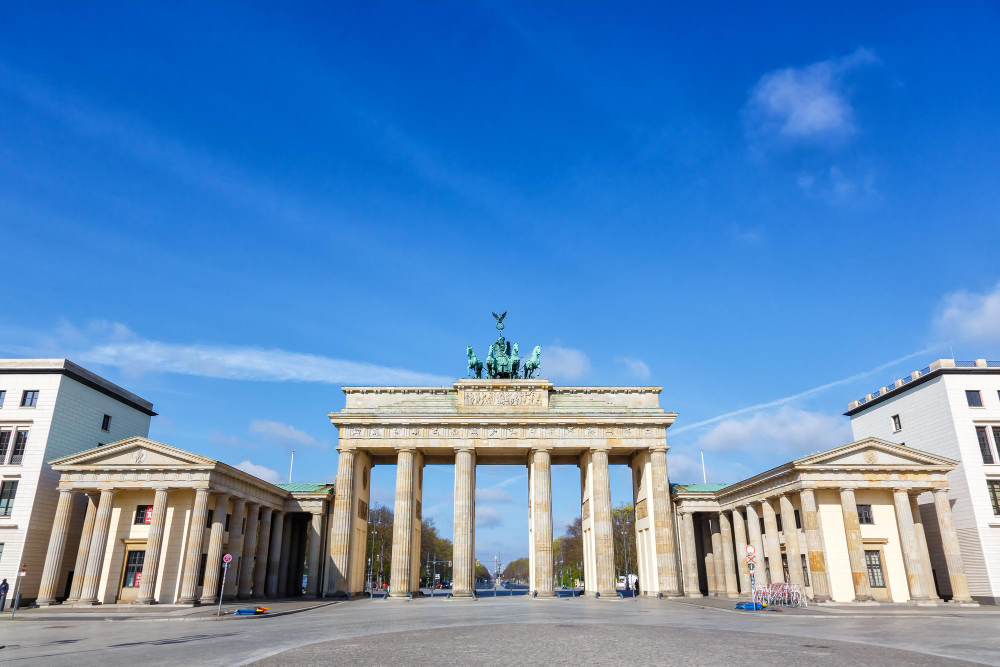
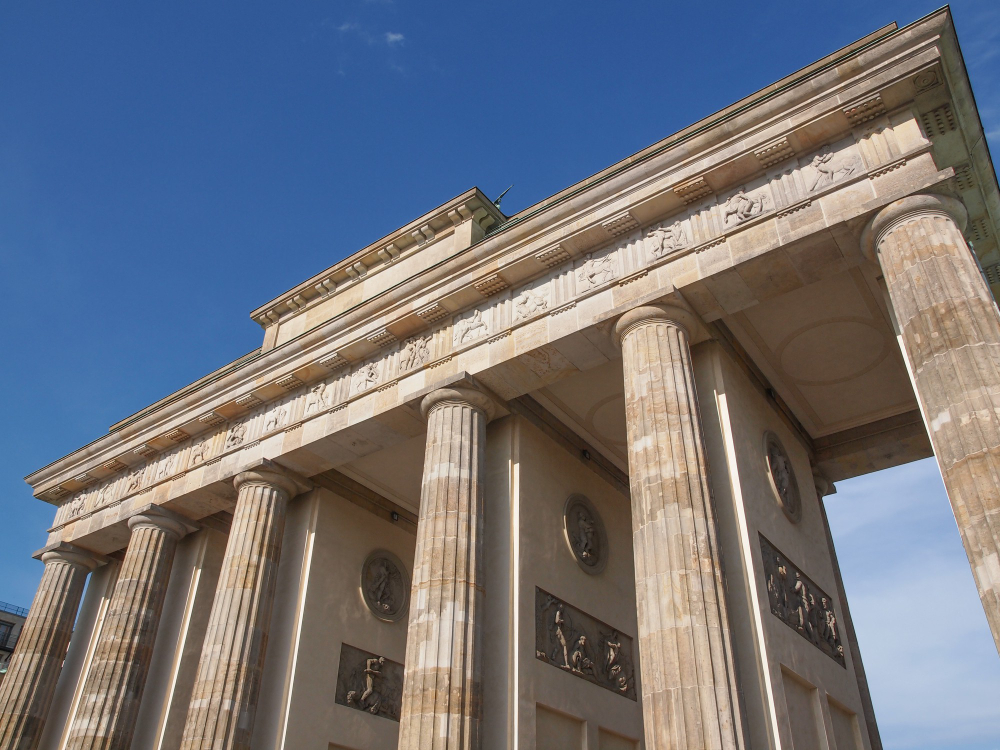
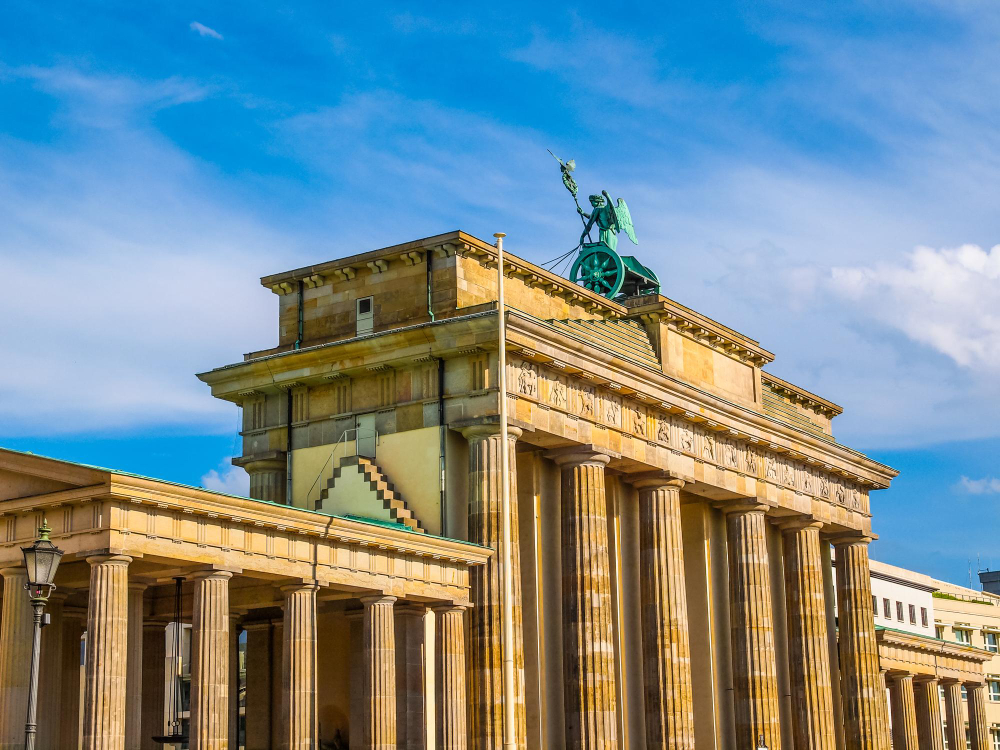
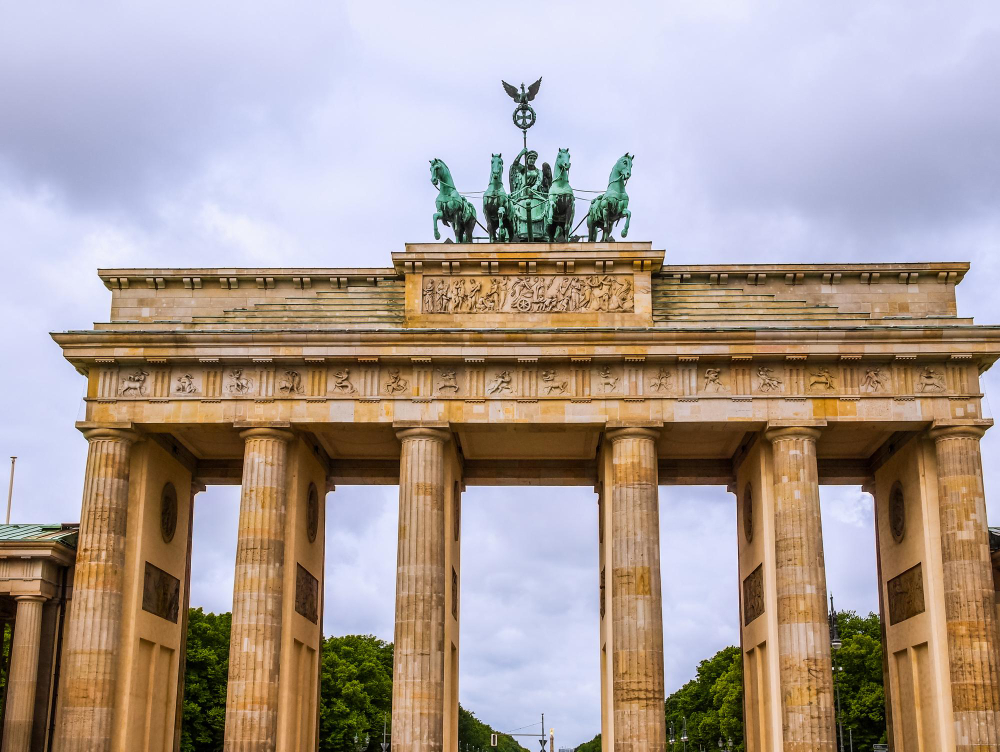
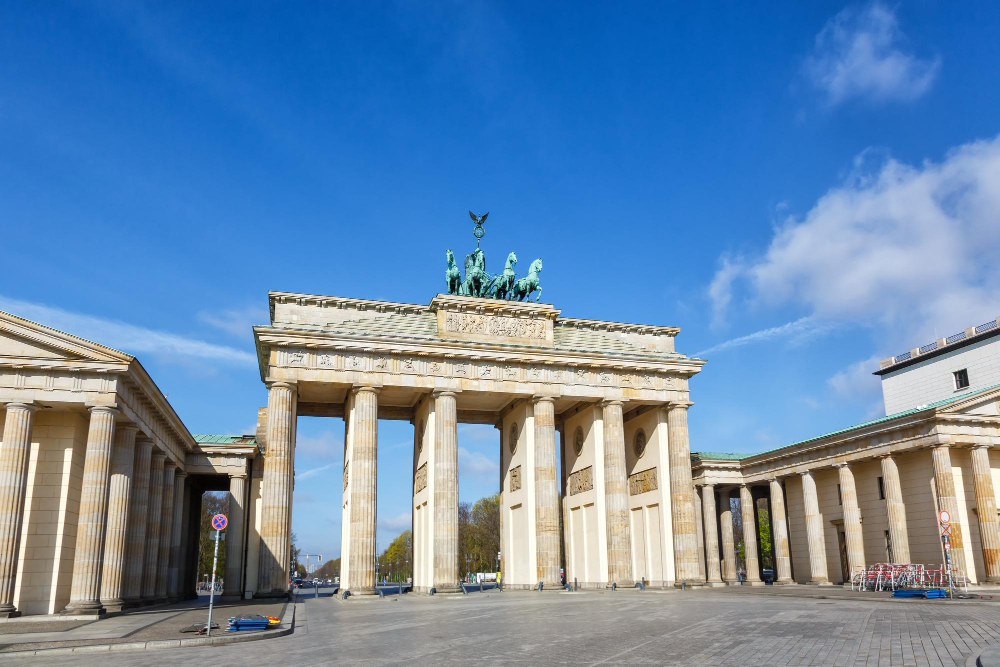
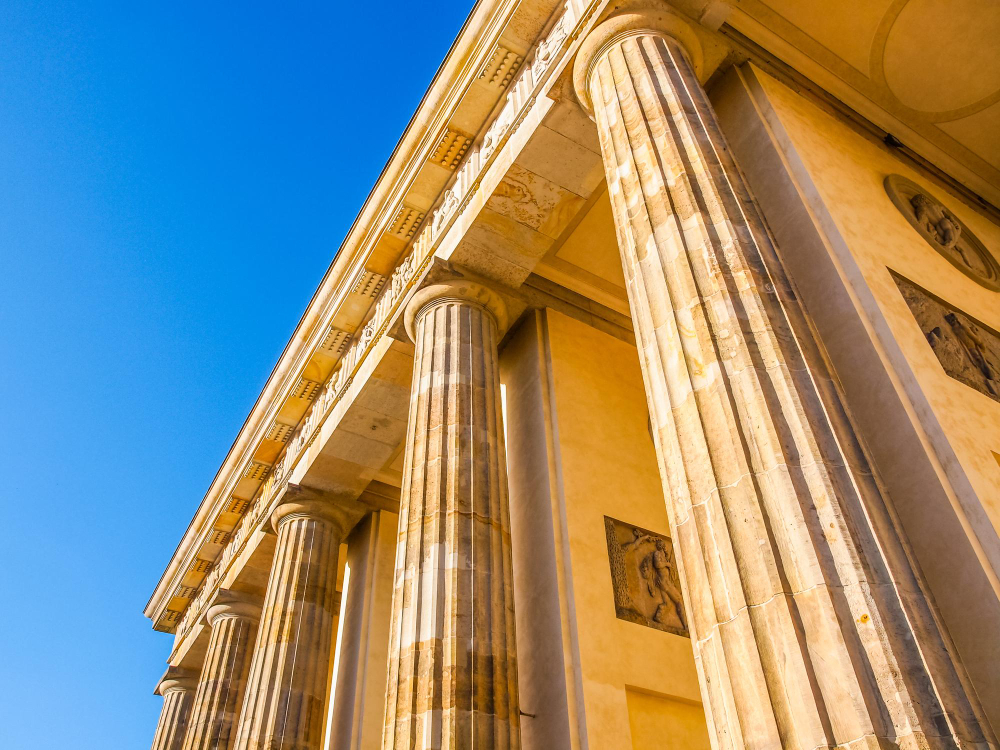
The History of Its Creation: A Triumphal Arch for the City – The Brandenburg Gate was built between 1788 and 1791 under the direction of architect Carl Gotthard Langhans. Prussian King Frederick William II commissioned the construction to mark the end of the street “Unter den Linden.” Inspired by the classical architecture of ancient Greece, Langhans modeled the gate on the Propylaea of the Acropolis in Athens. The architectural style of the gate—known as Classicism—was intended to symbolize Prussia’s cultural and political rise. The gate consists of twelve Doric columns forming five passageways. Originally, the central passageways were reserved for the royal family, while the outer passageways were reserved for commoners. Above the columns towers the Quadriga, a statue designed by Johann Gottfried Schadow depicting a chariot drawn by four horses. The Quadriga originally symbolized peace—a theme that was reinterpreted several times in the gate’s later history.
The Brandenburg Gate Through the Ages – The significance of the Brandenburg Gate has steadily evolved over the centuries and impressively reflects the highs and lows of German history.
Napoleon and the Quadriga – When Napoleon Bonaparte conquered Berlin in 1806, he had the Quadriga dismantled and taken to Paris as spoils of war. But after Napoleon’s defeat, the statue returned and took on a new meaning: instead of peace, it now symbolized victory. The statue was adorned with an Iron Cross and supplemented by an eagle—these details were intended to underscore Prussia’s military triumph.
The Gate During the German Empire – With the founding of the German Empire in 1871, the Brandenburg Gate became a powerful symbol of national unity. It stood for a resurgent Germany and was frequently used for patriotic celebrations and political rallies. The streets surrounding the gate developed into an important political and social center of Berlin.
World Wars and Destruction – The two world wars brought considerable suffering and destruction not only to Germany but also to the Brandenburg Gate. During World War II, the gate was severely damaged by bombing raids. After the war ended, it stood in a divided Berlin, marked by the scars of past battles.
The Cold War and the Berlin Wall – One of the most remarkable phases in the history of the Brandenburg Gate is its role during the Cold War. With the construction of the Berlin Wall in 1961, the gate found itself in the middle of the border zone between East and West Berlin—inaccessible to both sides. It became a symbol of Germany’s division and the ideological confrontation between the United States and the Soviet Union. Images of the gate, surrounded by the insurmountable wall, circulated around the world and became a symbol of hope for unity.
Reunification and the New Germany -With the fall of the Berlin Wall on November 9, 1989, the significance of the Brandenburg Gate changed radically once again. It became a symbol of reunification and served as a venue for celebrations where people from all over the world gathered. Since October 3, 1990, the day of German reunification, the Brandenburg Gate has been regarded as a national monument to a united Germany.
The Brandenburg Gate in a Modern Context – Today, the Brandenburg Gate stands not only as a symbol of history but also as one of Germany’s most important cultural and tourist attractions. Every year, it draws millions of visitors from around the world who are fascinated by its historical significance and architectural beauty.
Events and Celebrations – Today, the gate serves as a backdrop for a variety of events and celebrations. From New Year’s Eve parties to political demonstrations, it is regularly used to bring people together. Particularly impressive is the light installation during the Festival of Lights, when the structure is illuminated with colorful projections reflecting historical and artistic themes.
A Symbol of Peace and Openness – In an era of global challenges such as the climate crisis, migration, and political tensions, the Brandenburg Gate has also become a symbol of peace and openness. It is frequently used in international campaigns—whether to support social movements or to commemorate historical events.
Restoration Efforts – To ensure the long-term preservation of the structure, several restoration projects have been carried out over the years. Of particular significance was the comprehensive renovation between 2000 and 2002, during which the Quadriga and the sandstone surface of the gate were restored. Thanks to this work, the Brandenburg Gate now shines once again in all its splendor.
A Gateway to the Past and the Future – The Brandenburg Gate is far more than just a historical monument. It is a living symbol that tells the story of Germany while also conveying hope for the future. Its walls and columns have endured for centuries and witnessed both the deepest divisions and the most beautiful moments of unity. In an ever-changing world, the gate reminds us that bridges can be built, even when walls separate us. Whether visitors from afar or Berliners—the Brandenburg Gate inspires people to engage with history, embrace the challenges of the present, and look to the future with hope. It stands there, majestic and timeless, reminding us that even difficult times can give rise to something beautiful and strong.
The Brandenburg Gate—once a sign of war, today a symbol of peace and unity—remains a place that honors the past while offering us a glimpse into a hopeful future.