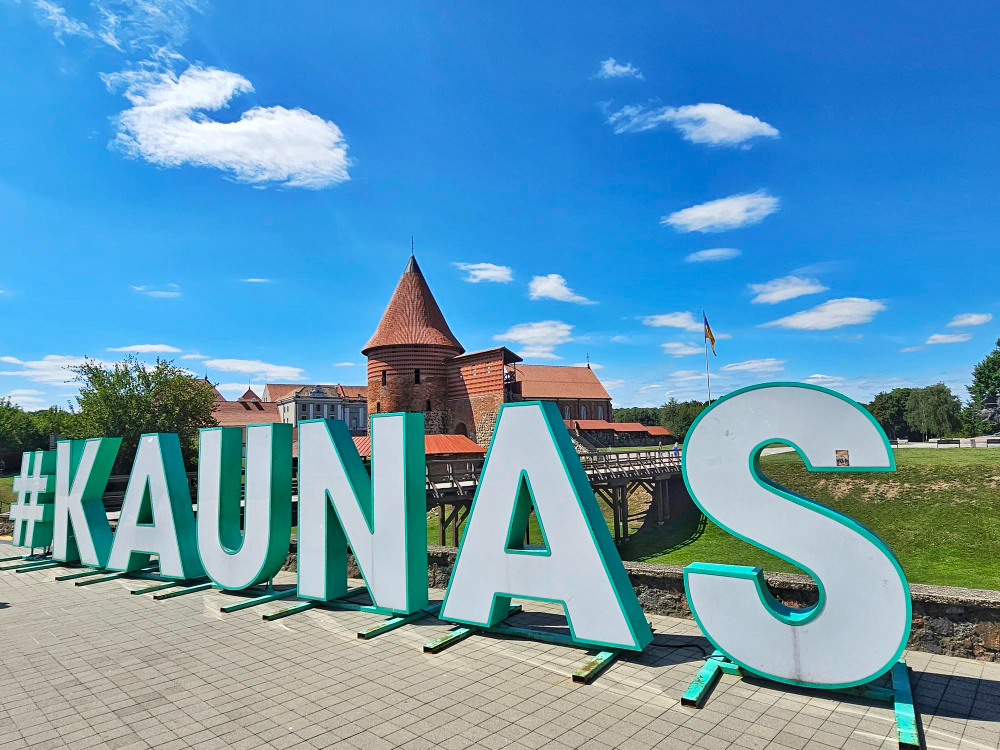
Kaunas, Lithuania’s second-largest city, is a fascinating destination that captivates visitors with its rich history, unique legends, and vibrant modern life. Away from the better-known Baltic capitals, Kaunas offers a blend of medieval charm, architectural diversity, and cultural richness that delights every visitor. In this article, we take you on a journey through Kaunas’ history, shed light on fascinating legends about the city, and provide practical tips for travelers looking to discover this Lithuanian gem.
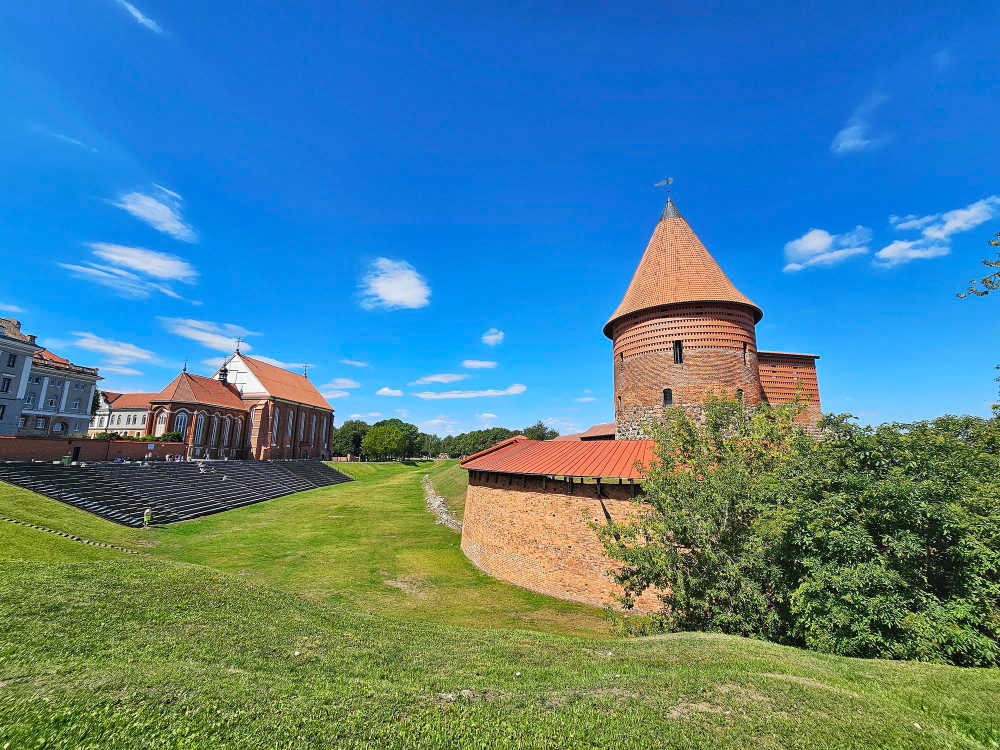
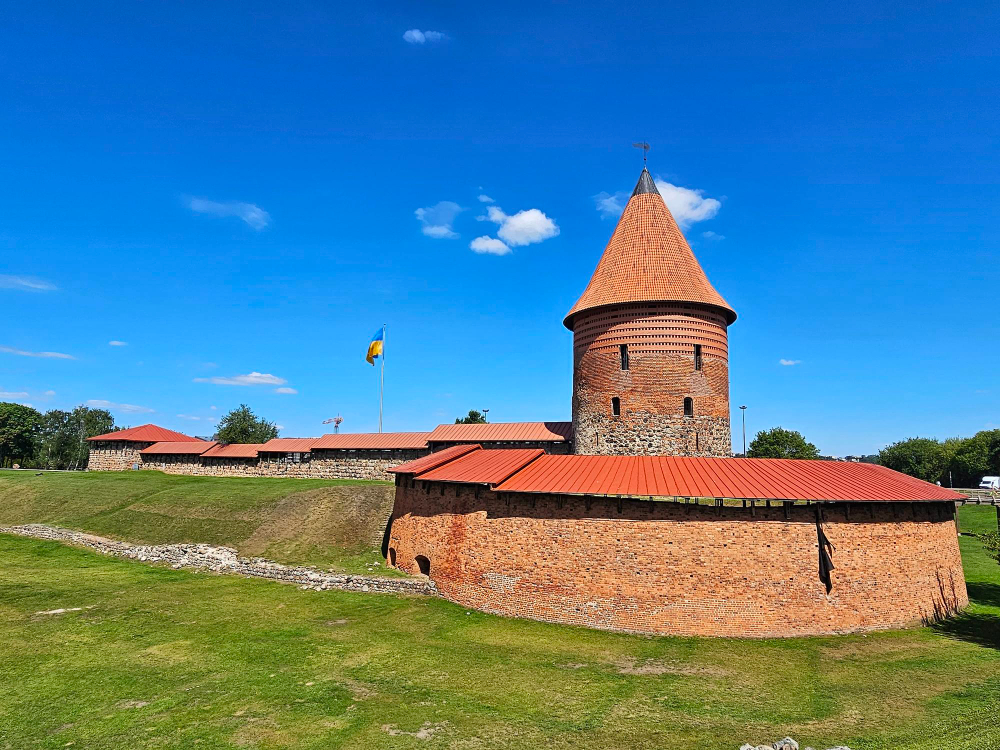
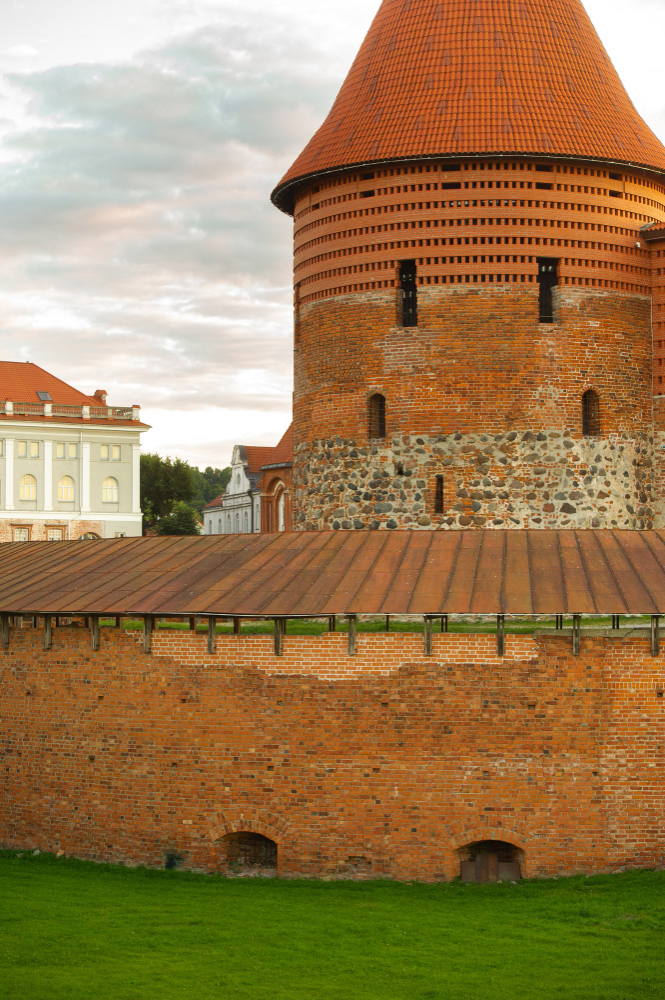
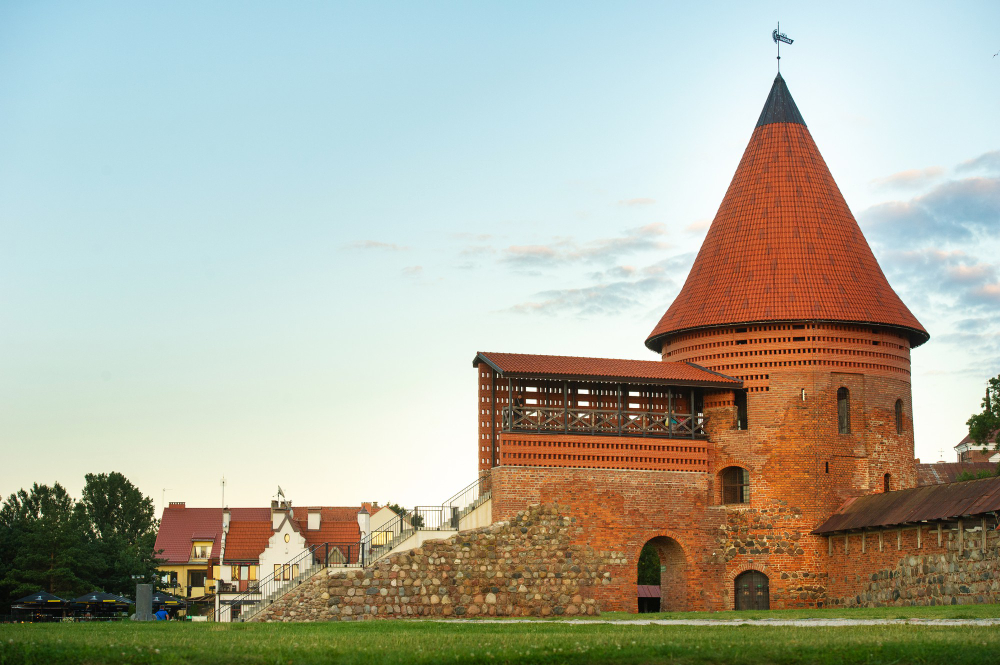
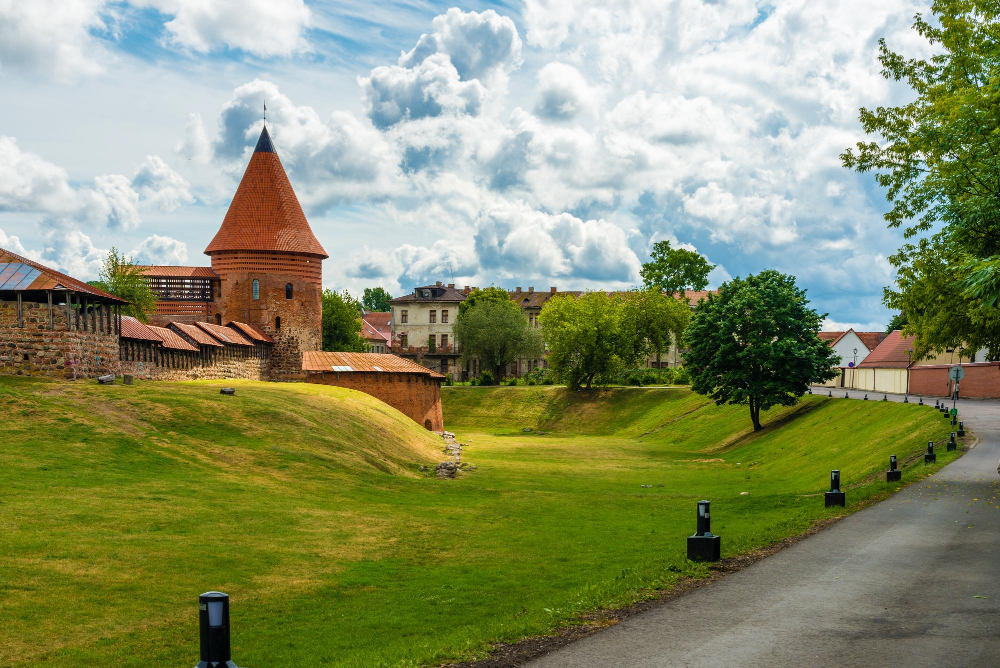
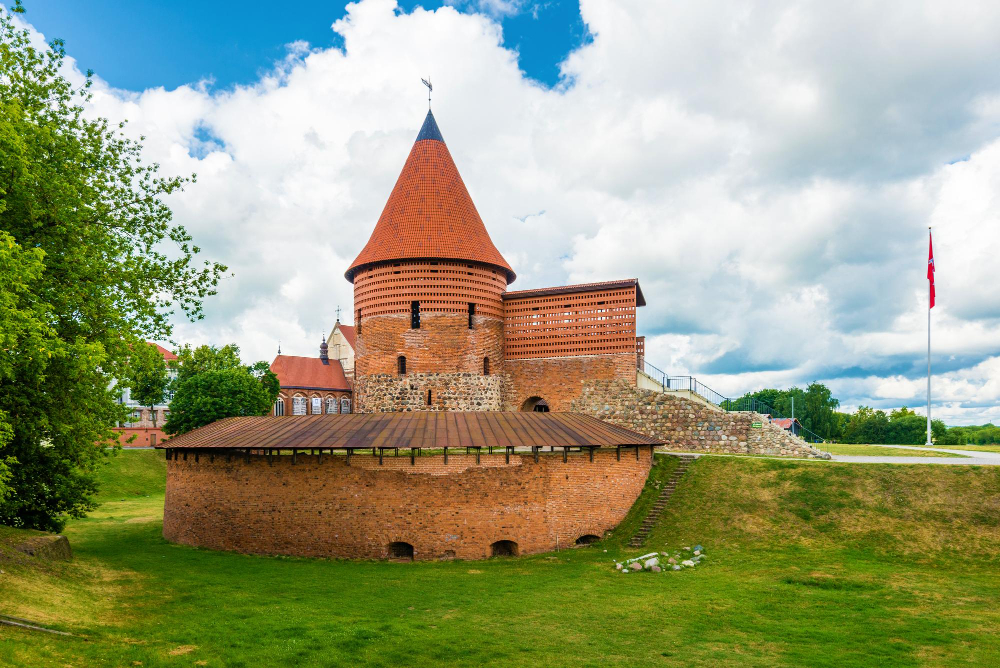
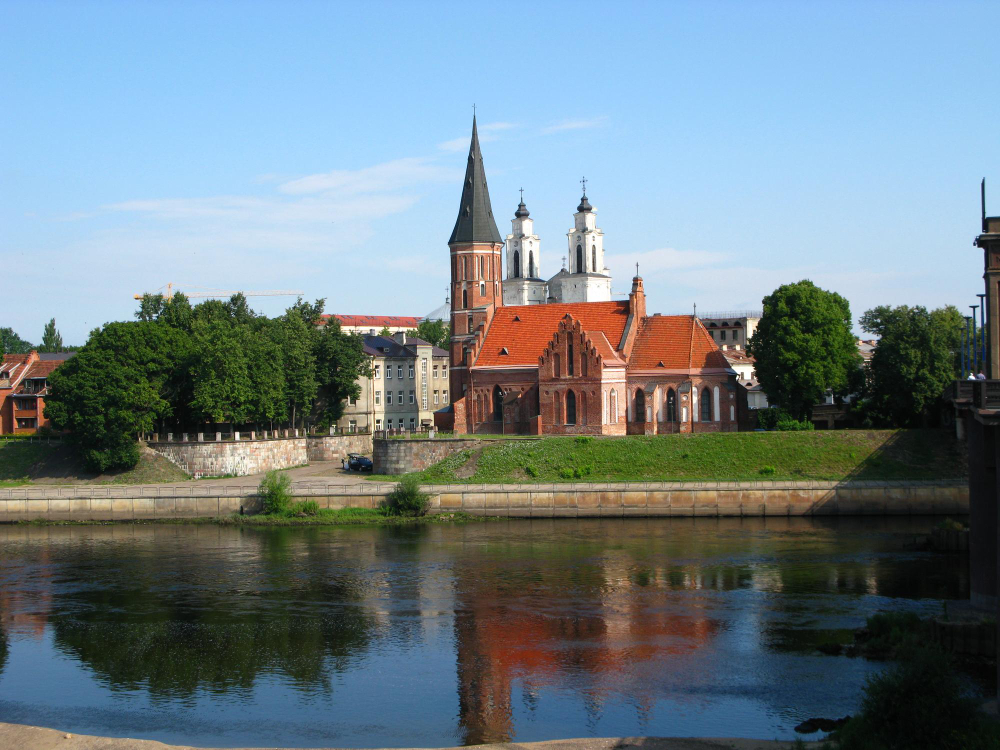
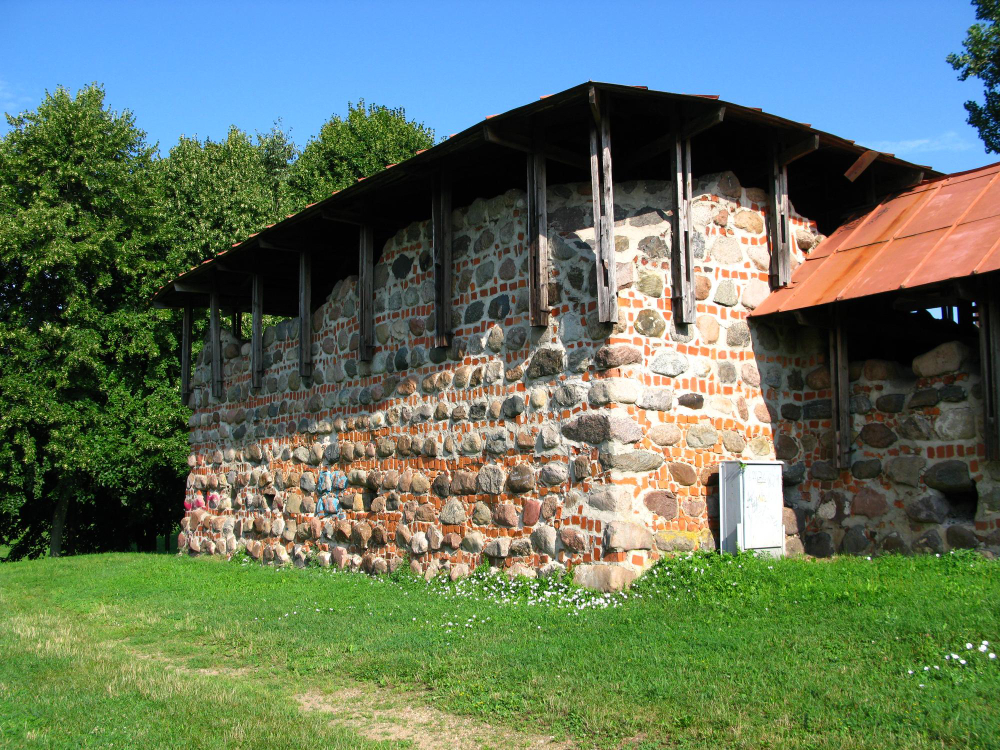
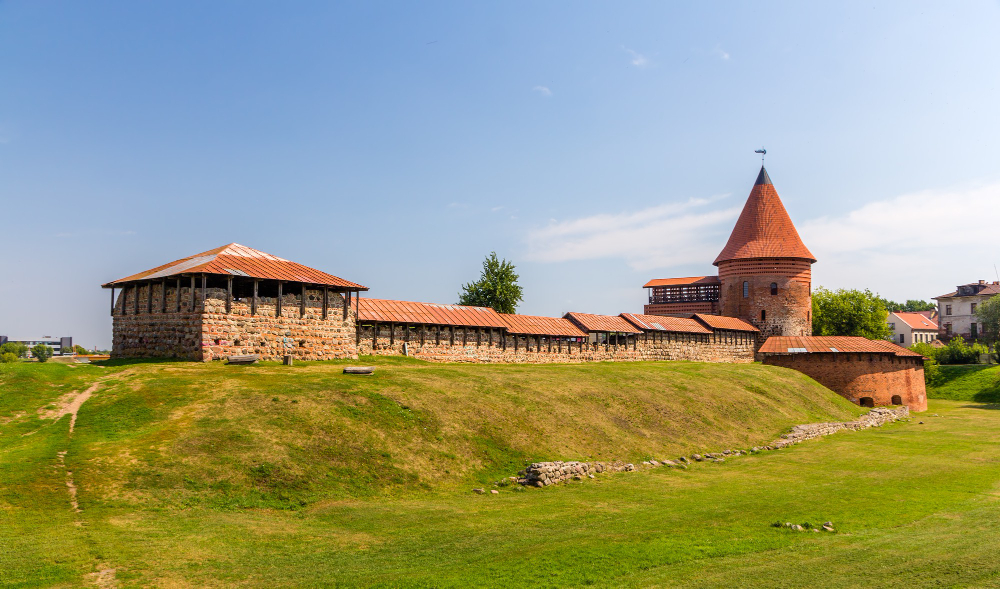
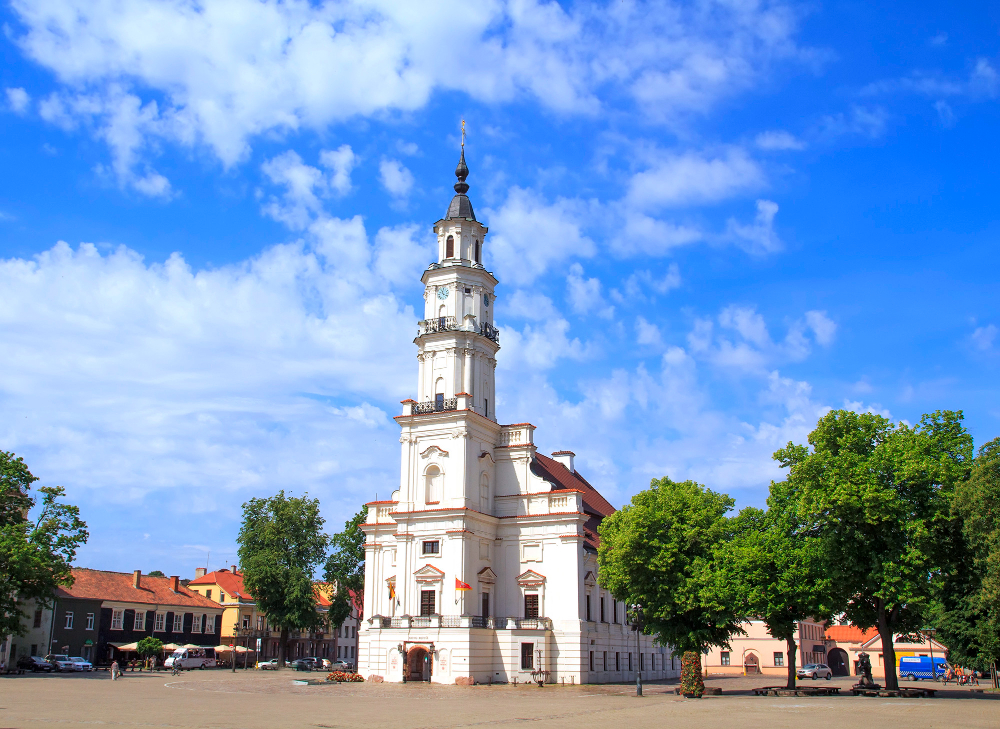
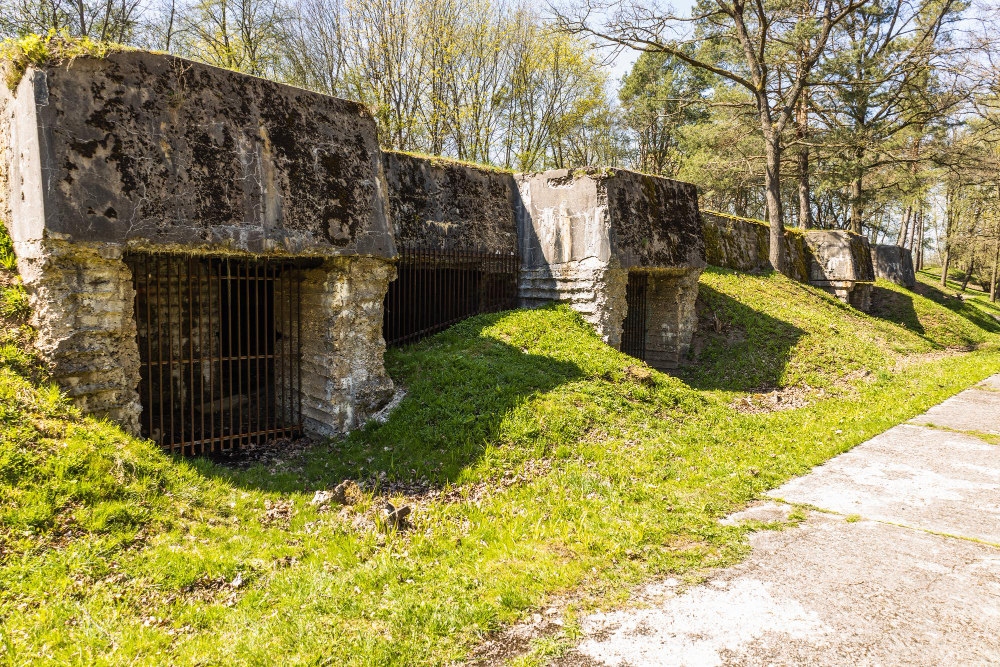
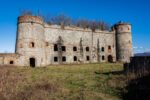
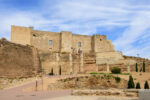
From Medieval Trading Hub to Modern Metropolis – The origins of Kaunas can be traced back to the 10th century, when the region was settled by Baltic tribes. Kaunas was first mentioned in historical records in 1361, when the castle at that time was attacked and destroyed by the Teutonic Knights. Strategically located at the confluence of the Memel (Lithuanian: Nemunas) and Neris rivers, this castle served as an important defensive stronghold against western invaders and played a significant role in securing trade routes. In the Middle Ages, Kaunas developed into a central trading hub between the Baltic region and Eastern Europe. The Nemunas River made the city attractive for the transport of goods, and the market square became the vibrant heart of economic life. Over the centuries, Kaunas changed rulers several times—from the Lithuanians to the Poles and later to the Russians—which had a strong influence on the city’s cultural and architectural development.
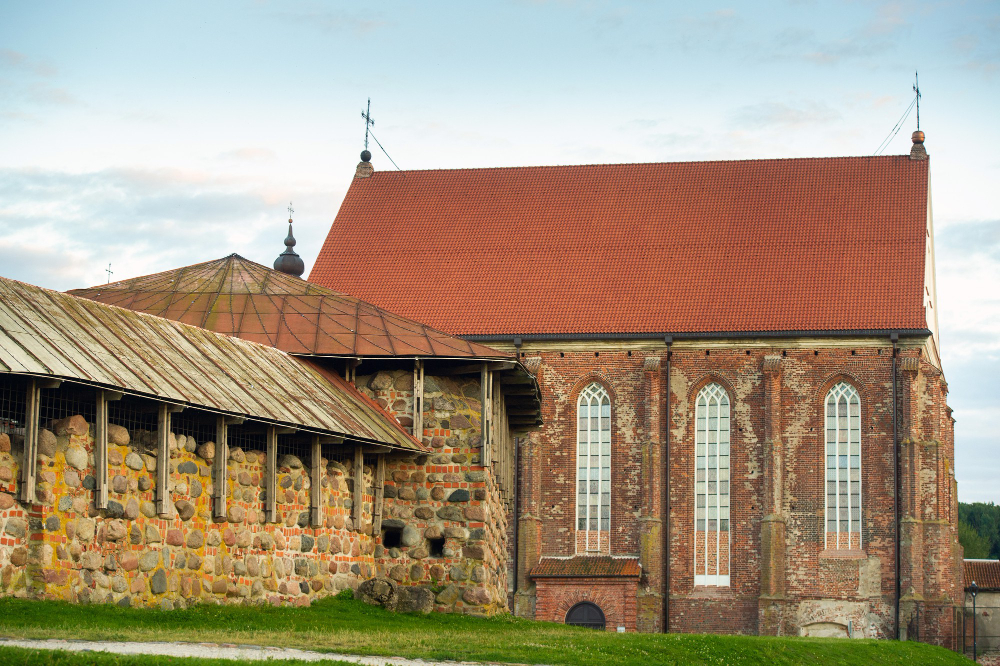
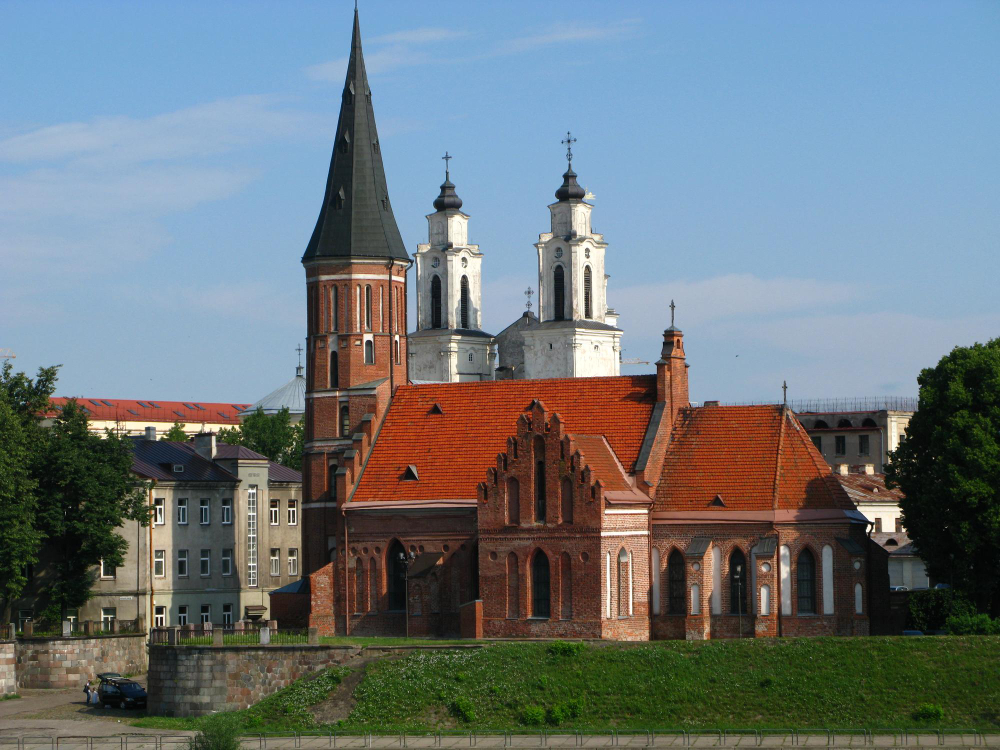
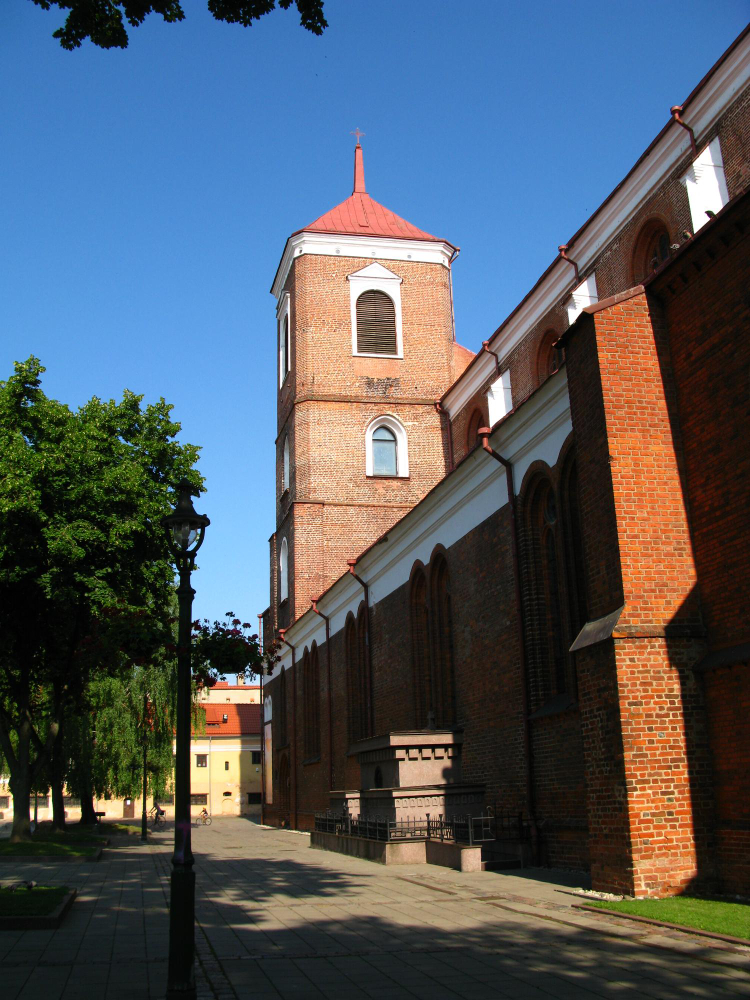
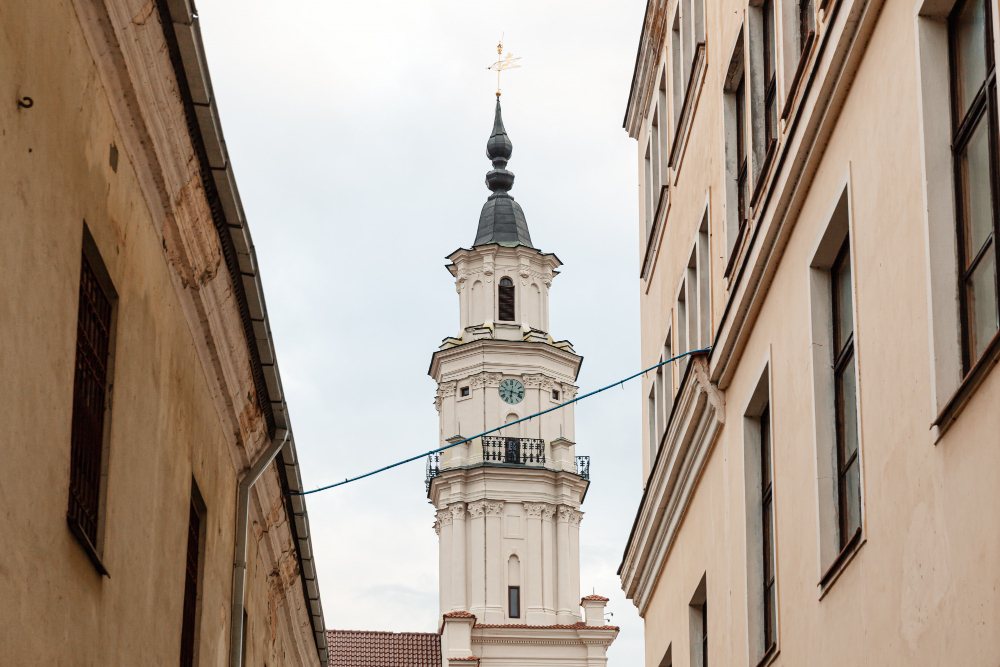
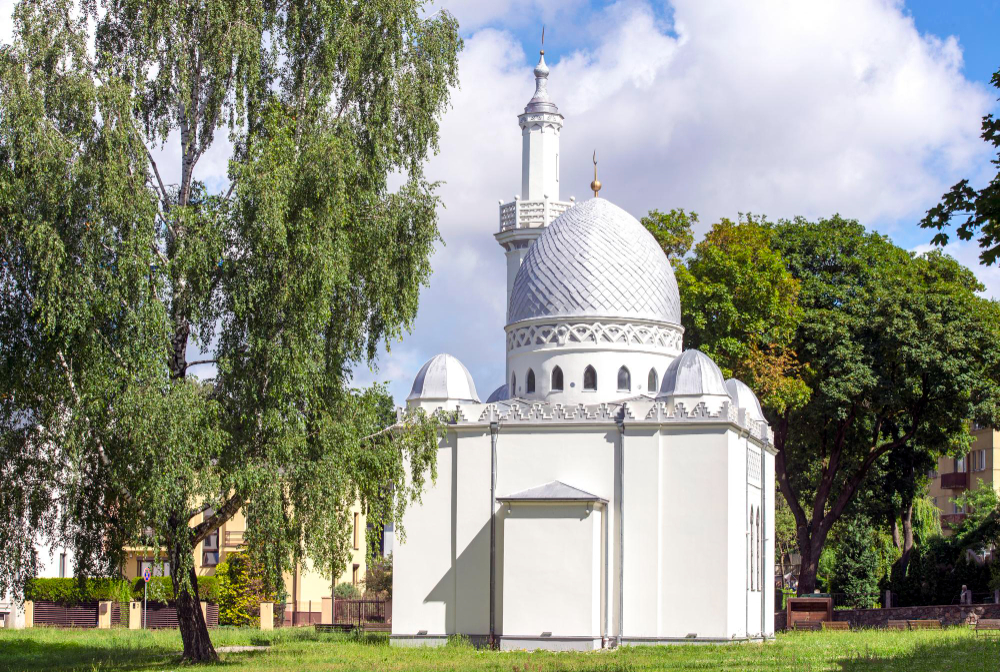
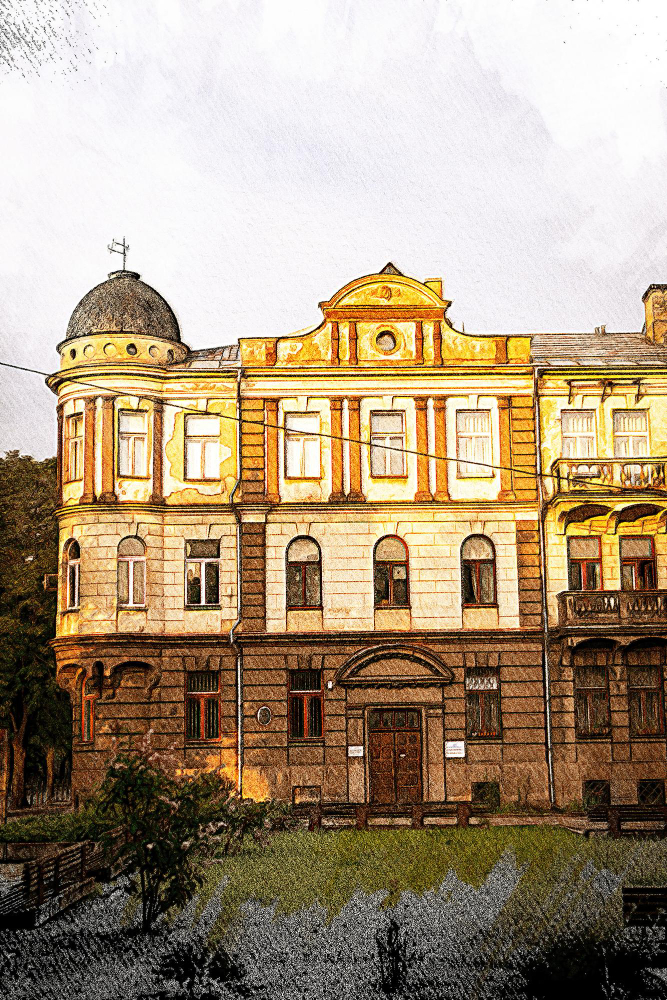
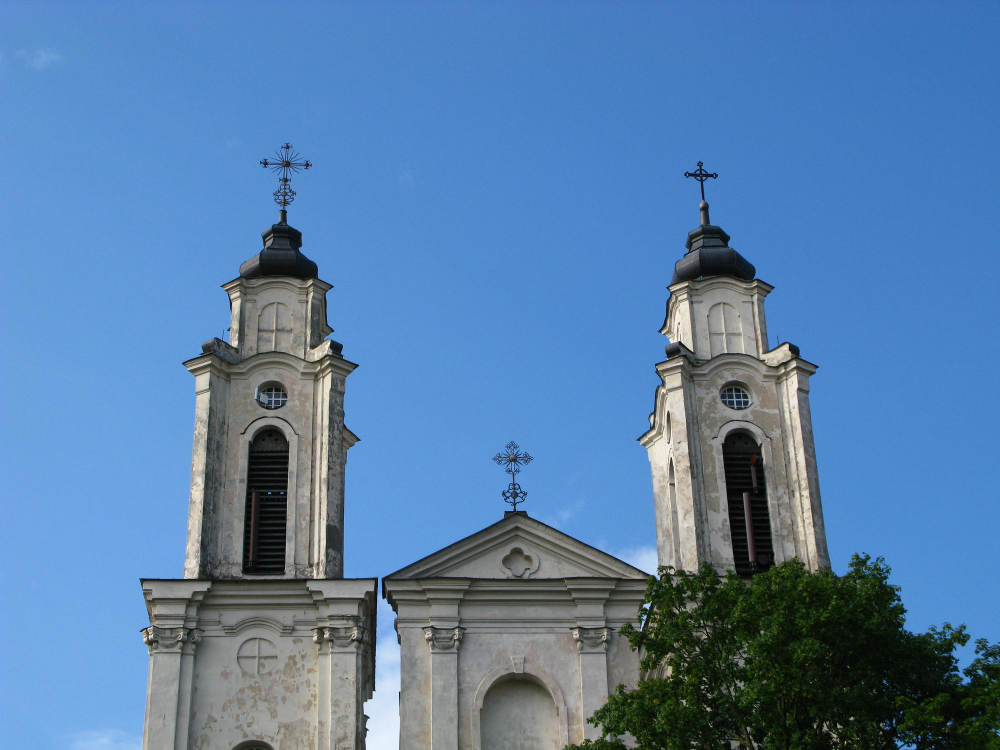
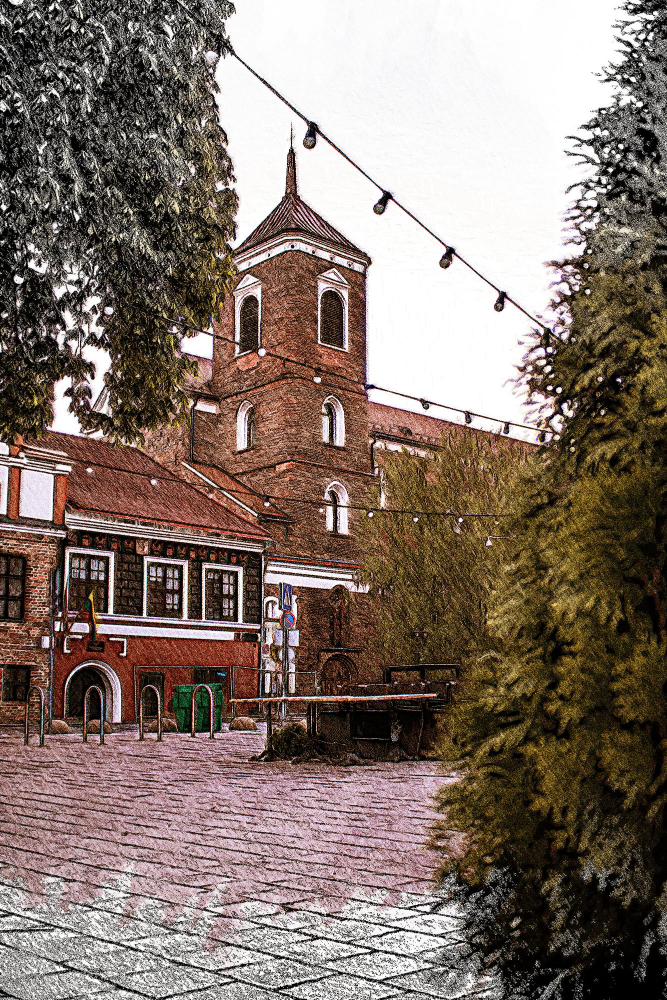
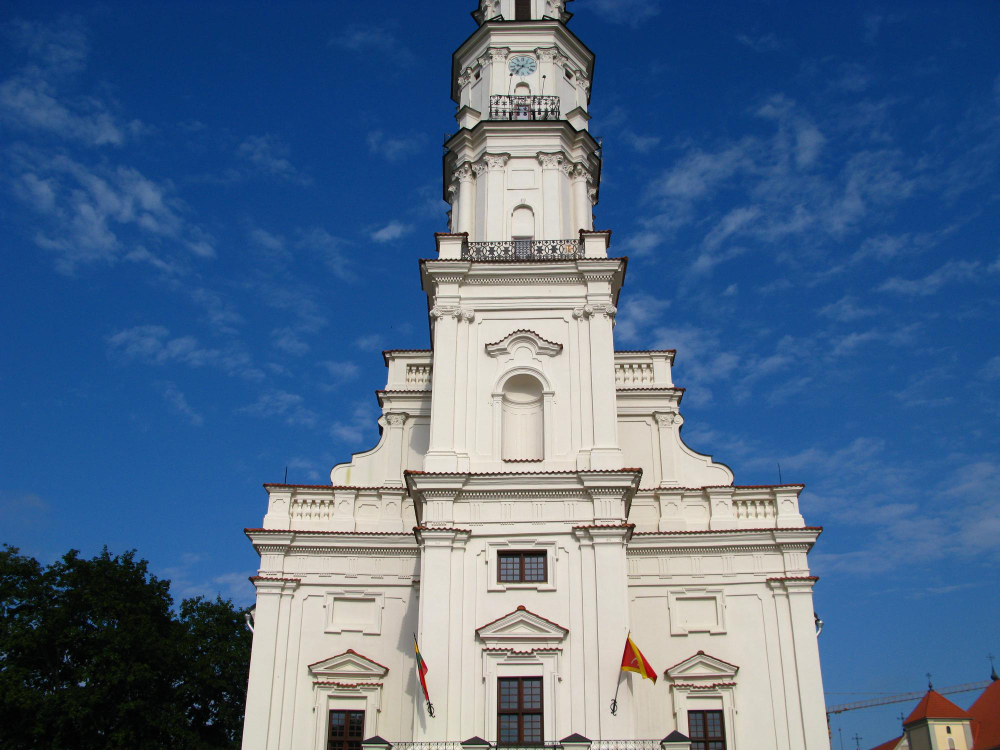
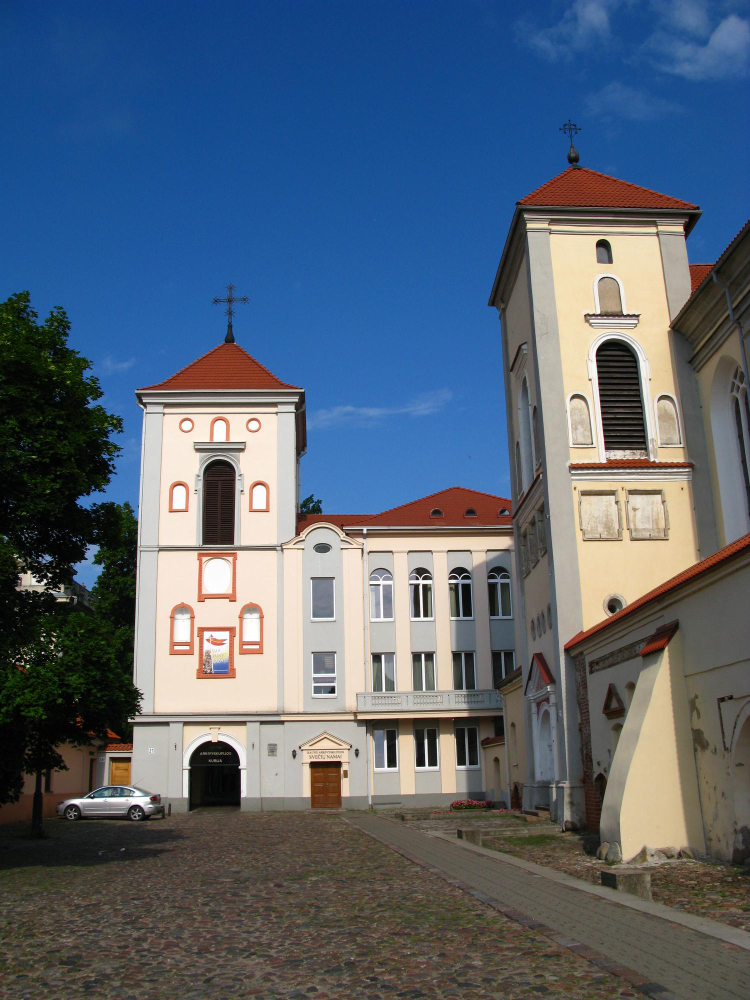
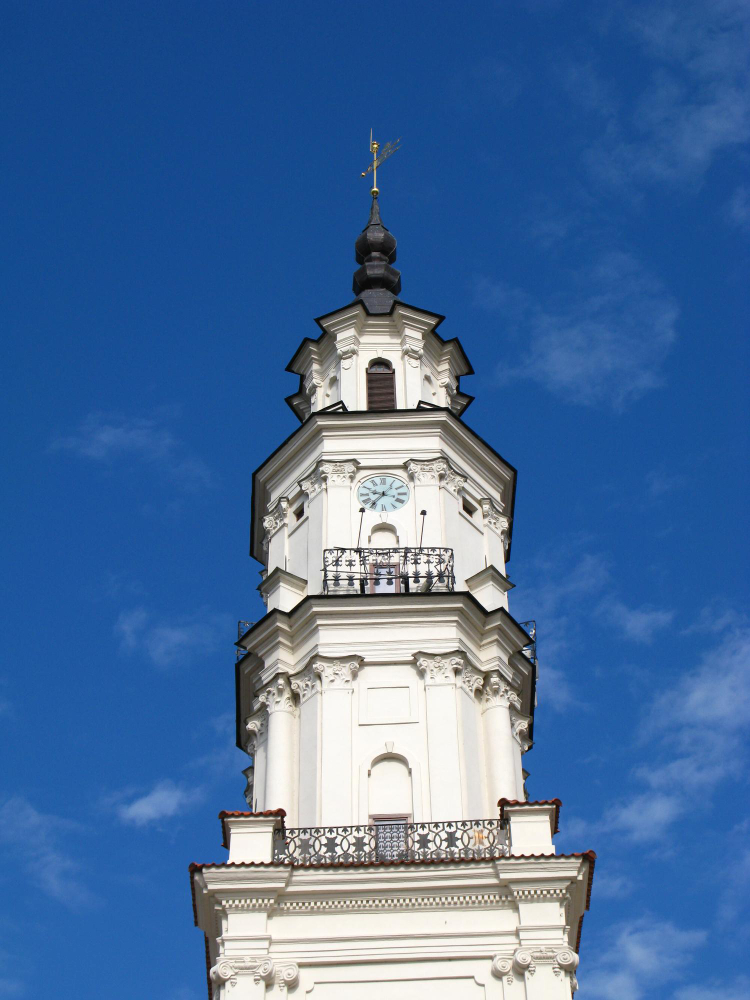
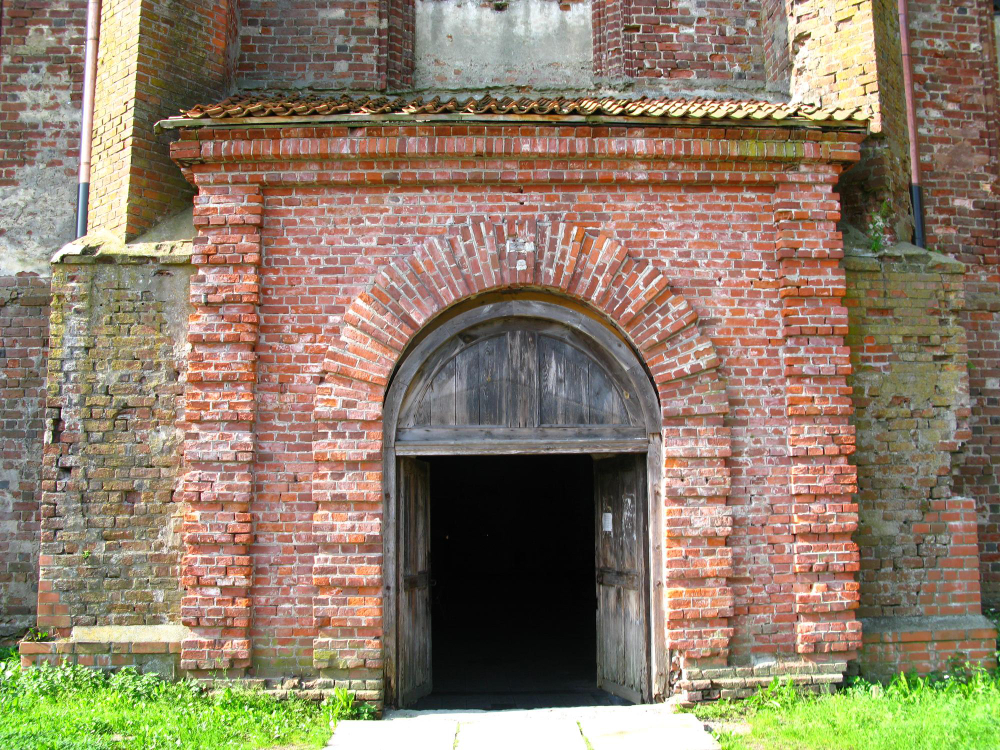
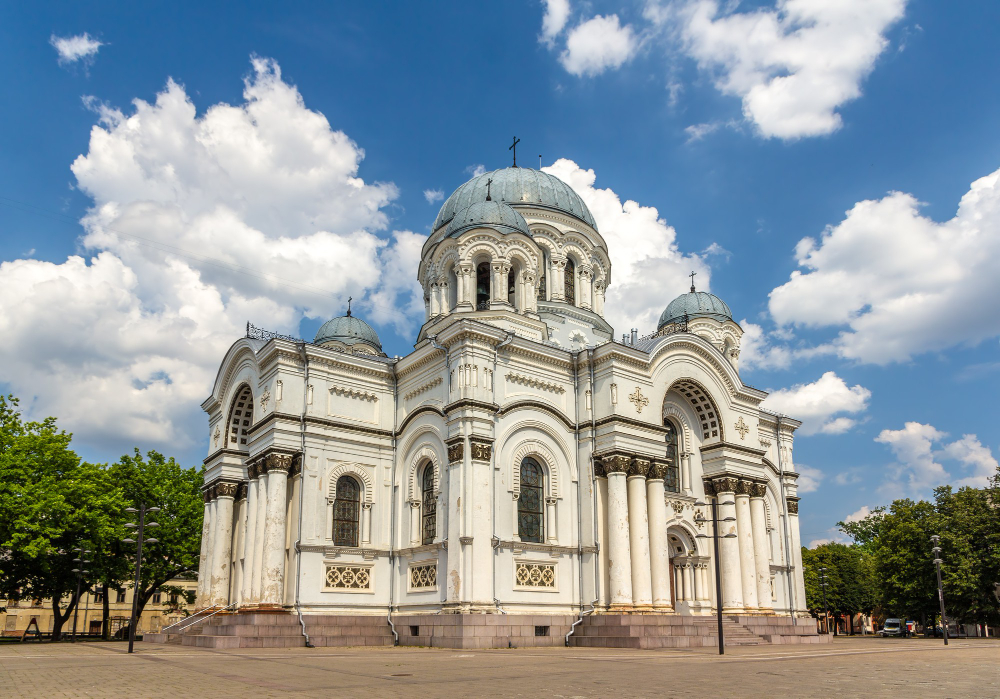
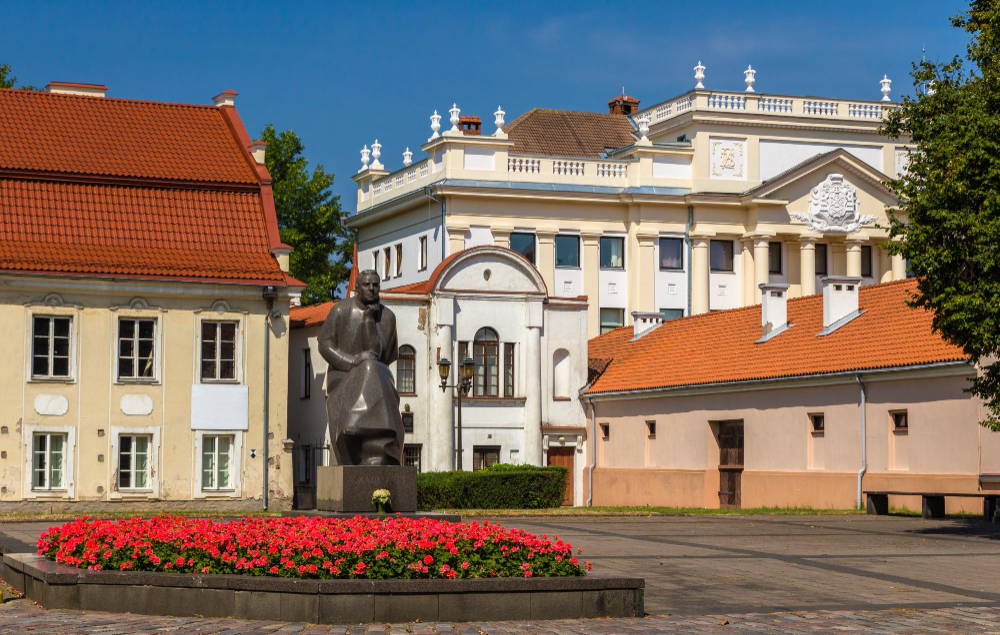
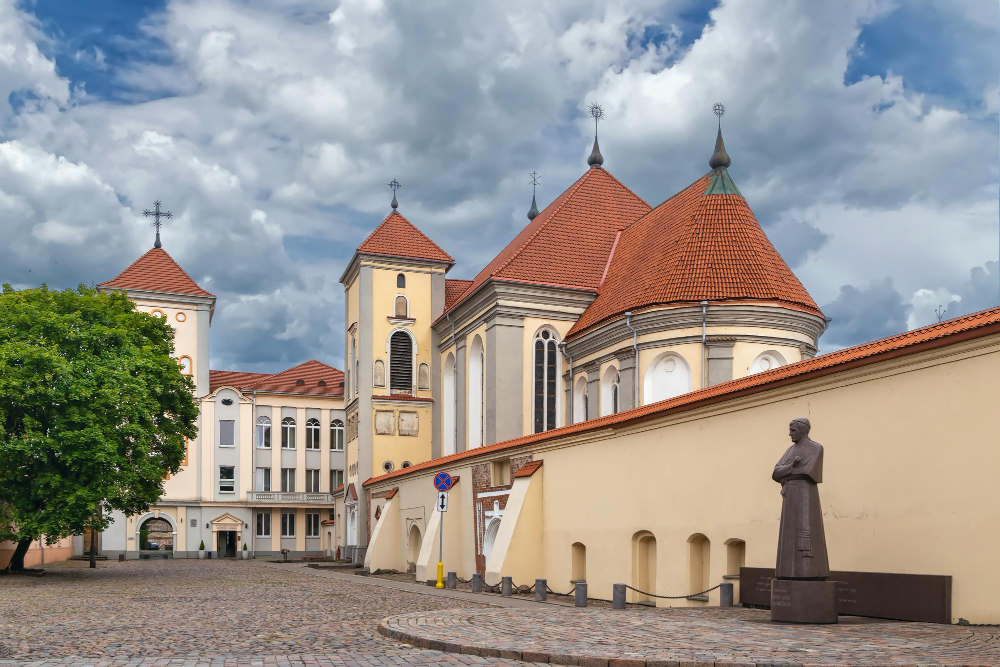
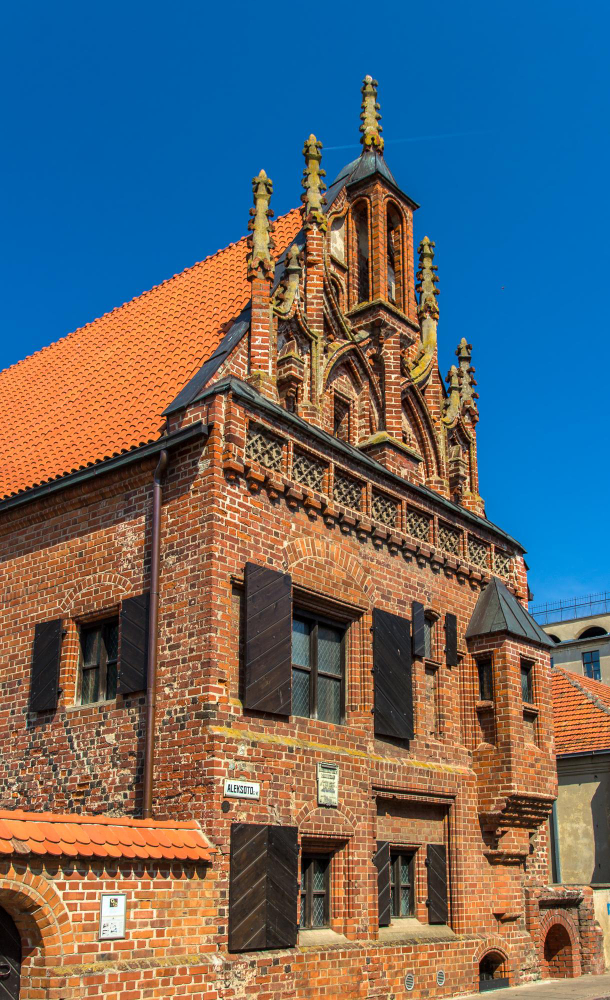
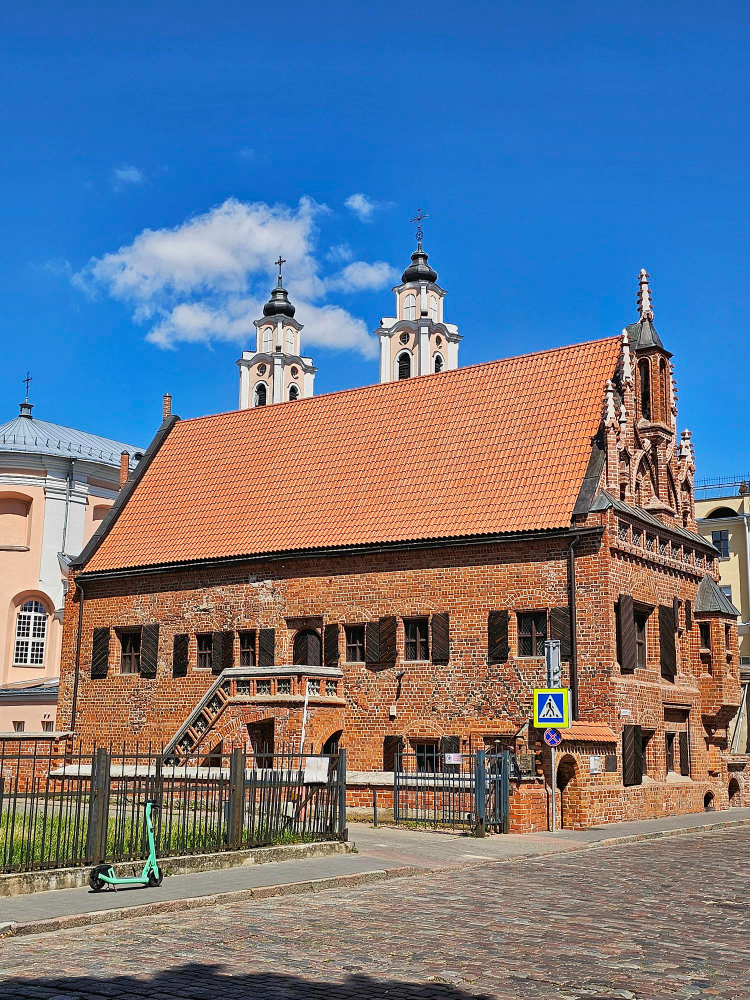
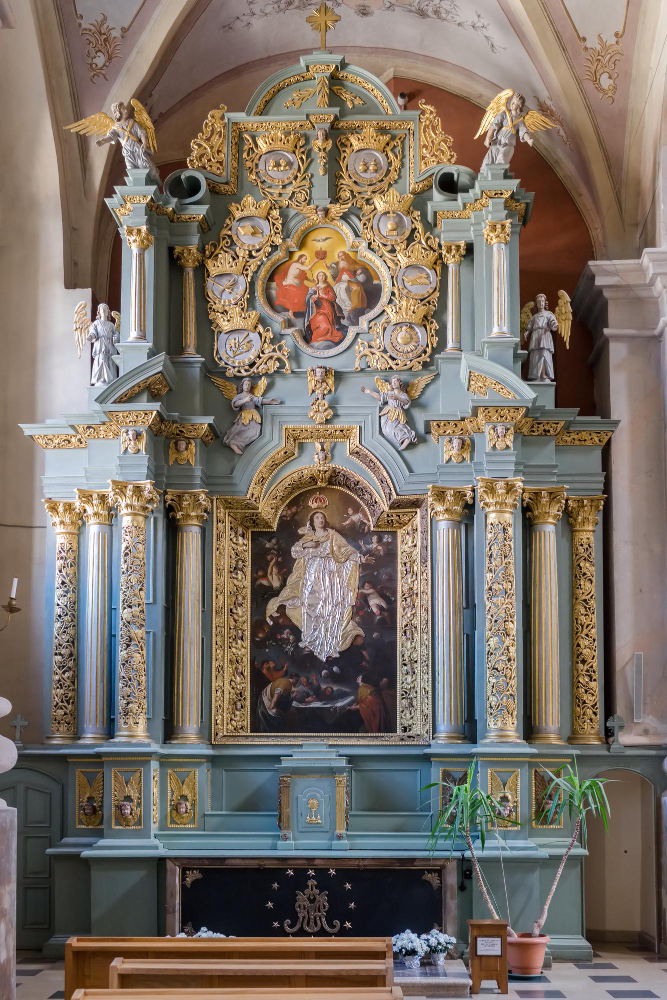
Architecture That Tells a Story – The city is like an open history book: here, Gothic churches meet Baroque palaces, and Art Nouveau buildings stand alongside Soviet monuments. Kaunas’s Old Town, one of the largest in Lithuania, enchants visitors with its narrow streets, colorful facades, and historic squares. Particularly worth seeing is the Benedictine Church of St. George, a masterpiece of 15th-century Gothic architecture. Kaunas was also Lithuania’s capital during the interwar period and experienced an unprecedented urban boom during that time. Numerous buildings from the 1920s and 1930s still bear witness to the spirit of that era and reflect the functionalist style that is particularly pronounced in Kaunas. “Kaunas Modernism” has even been recognized by UNESCO as a World Heritage Site—a testament to the city’s unique architectural significance.
Myths and Legends Surrounding Kaunas – Like any city with a long history, Kaunas is rich in legends deeply rooted in local culture. One of the most famous stories revolves around the “Kauno Mergelė” (the Maiden of Kaunas). According to legend, a young woman named Živilė saved the city from destruction during a war—by posing as a feared warrior to the enemy soldiers, thus sparing Kaunas. To this day, the figure of the maiden symbolizes the city’s protection and resilience. Another fascinating legend tells of mysterious underground passages that supposedly run beneath the Old Town. These tunnels, the story goes, once served as escape routes for nobles and merchants in times of crisis. While some sections have been confirmed by archaeologists, many of the connections remain a mystery to this day. Adventurous travelers can get a sense of what these hidden passages might have looked like at the Museum of Underground Passages.
Culture and Modern Attractions – Kaunas is not only a city of history and legends but also a vibrant cultural hub. Numerous festivals take place here throughout the year, ranging from music and film festivals to traditional Lithuanian events. The city is famous for its diverse art scene, reflected in its many galleries, theaters, and museums. Particularly noteworthy is the Lithuanian National Museum of Art, which houses one of the largest collections of classical and modern art in Kaunas. The Devil’s Museum (“Velnių muziejus”) is also an extraordinary attraction that offers insights into Lithuanian folklore and folk art and has garnered worldwide attention with its whimsical collection of devil figures.
Culinary Discoveries in Kaunas – Kaunas also has a lot to offer in terms of cuisine. Numerous cafés and restaurants serve Lithuanian specialties with a modern twist. Be sure to try the traditional dish “Cepelinai” (large potato dumplings stuffed with meat) or enjoy freshly smoked fish from the region. The blend of Eastern European flavors and Western influences reflects the city’s eventful history.
Kaunas – More Than Just a City – Kaunas is a true treasure trove of Lithuania: a city that uniquely blends the past and the present. Its eventful history, fascinating legends, and vibrant culture make it an inspiring destination for any traveler wishing to experience the Baltic region off the beaten path. Visitors to Kaunas are rewarded with a wealth of impressions—from medieval architecture and mysterious stories to a modern lifestyle and warm hospitality.
Discover the hidden gem in the heart of Europe and let yourself be enchanted by the multifaceted charm of Kaunas!