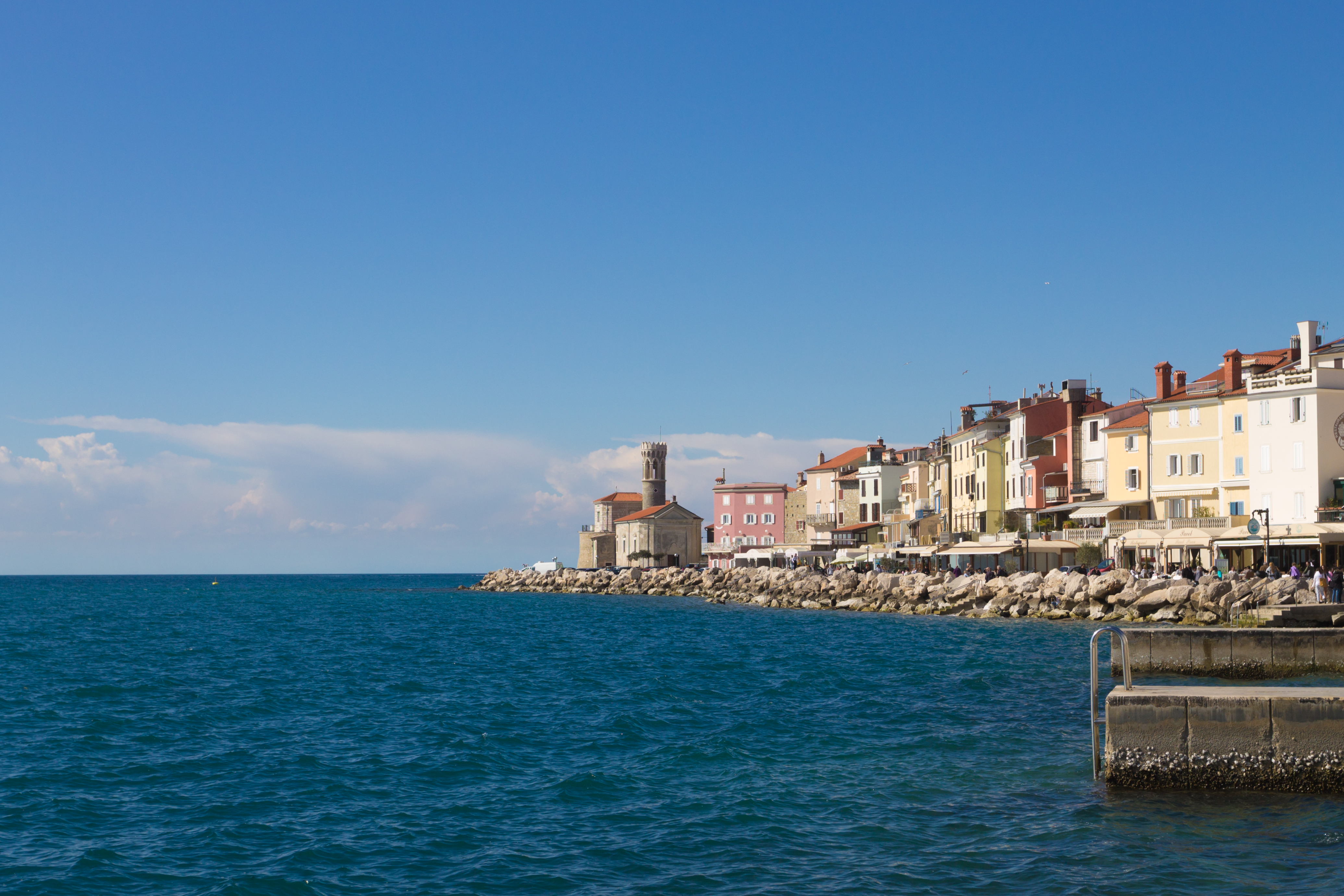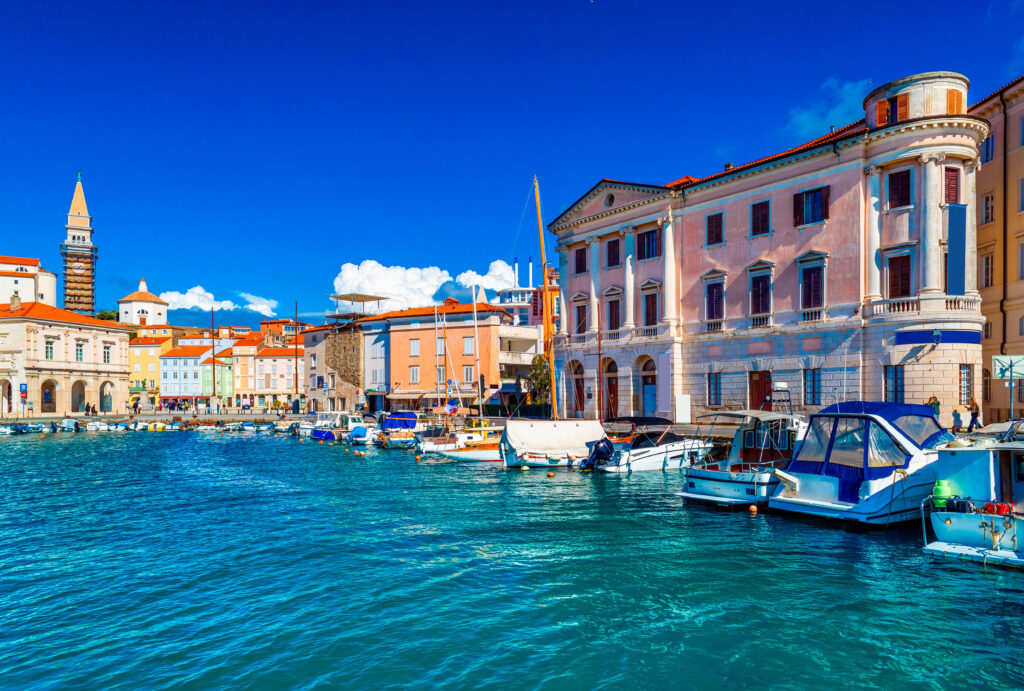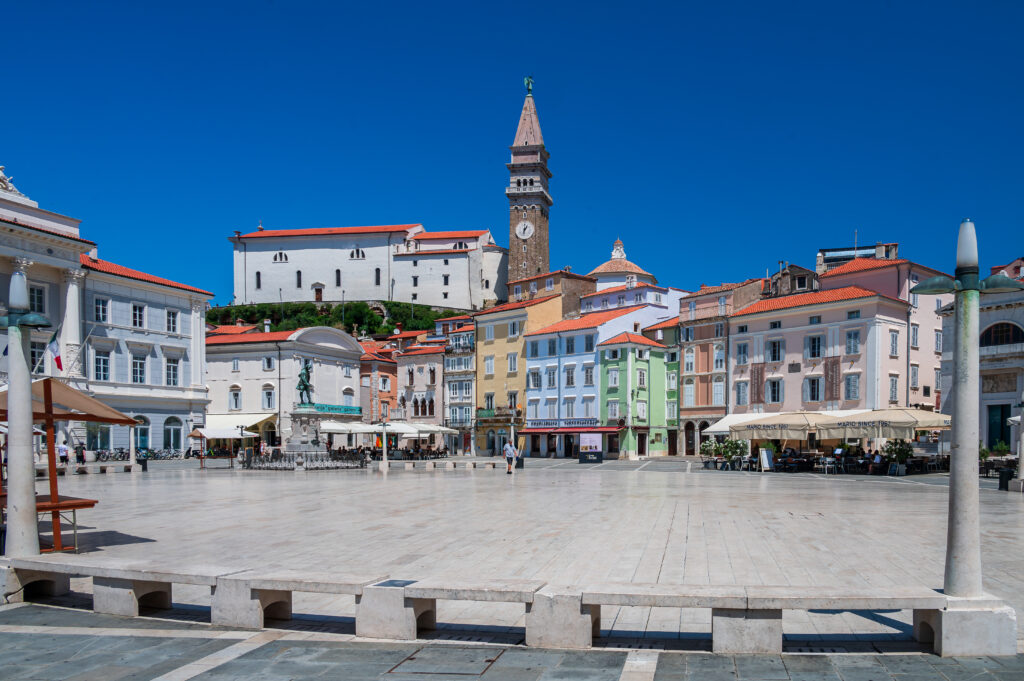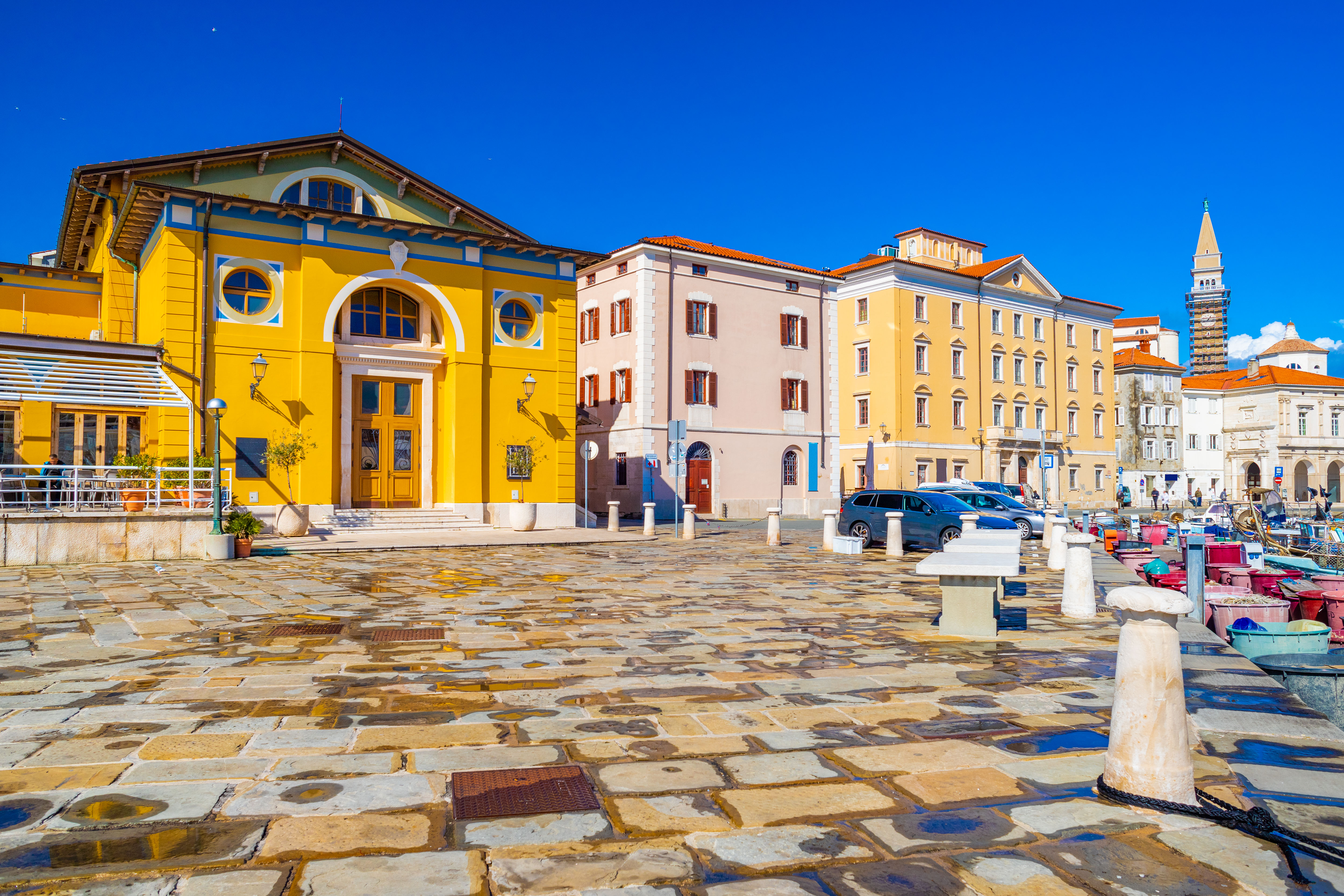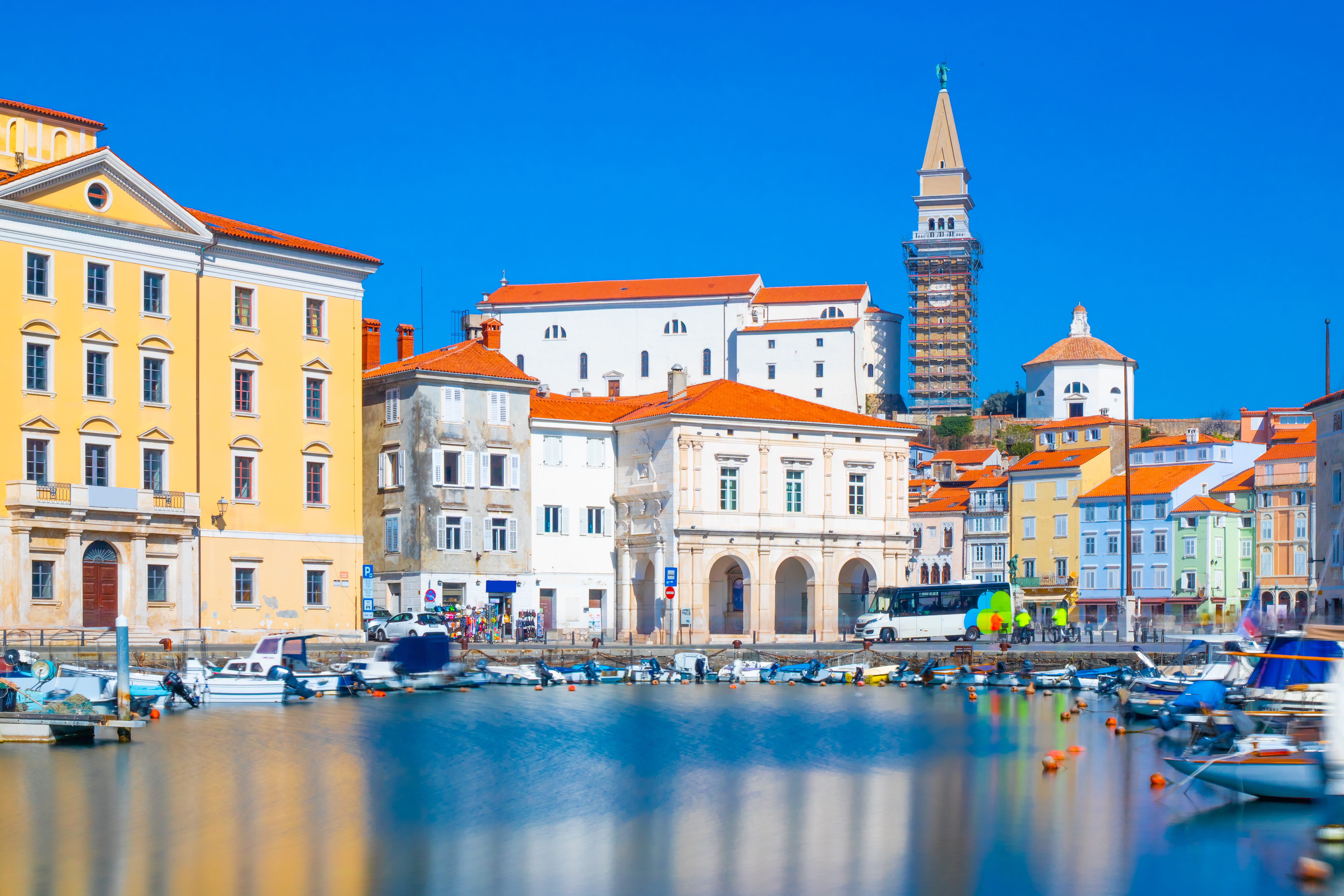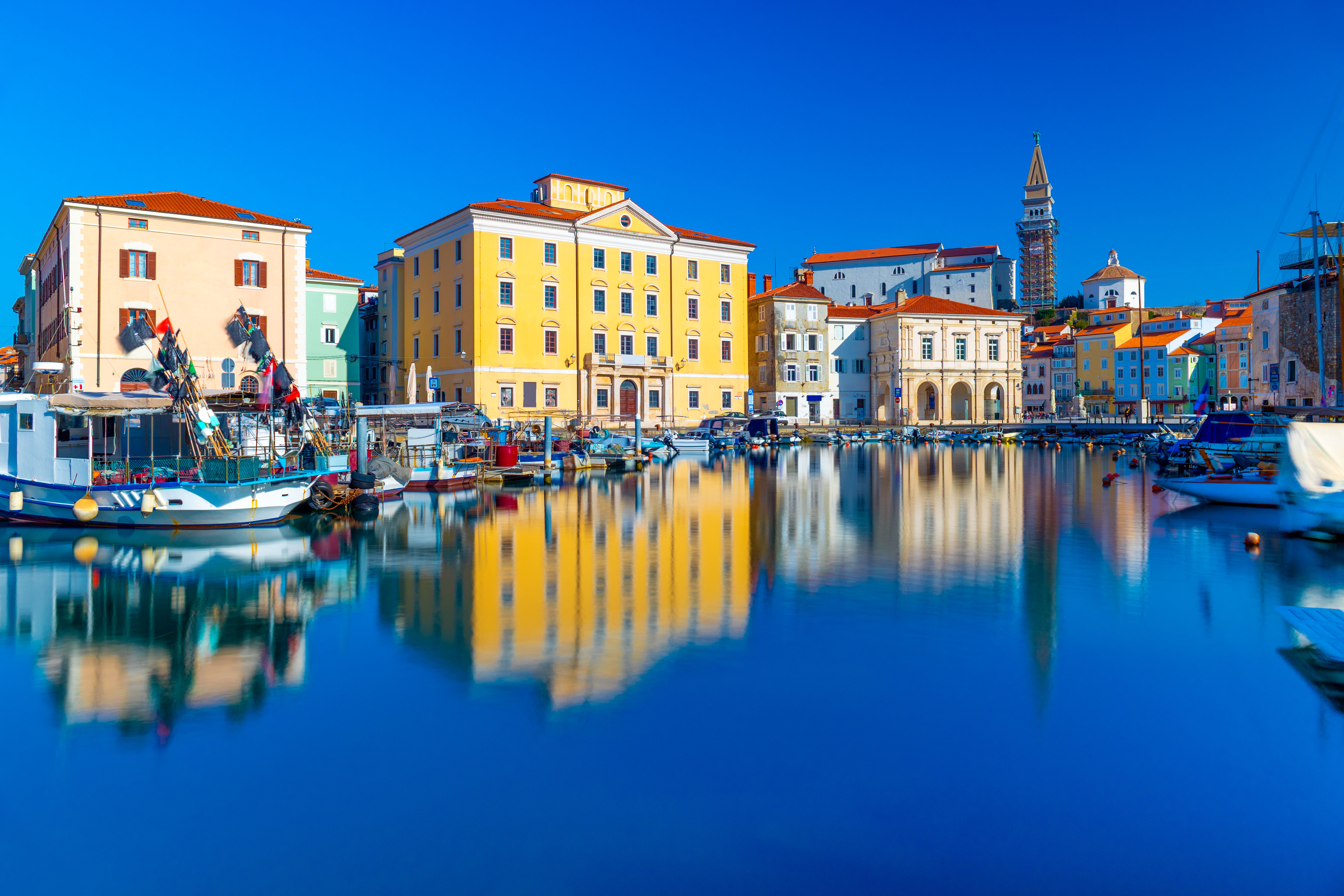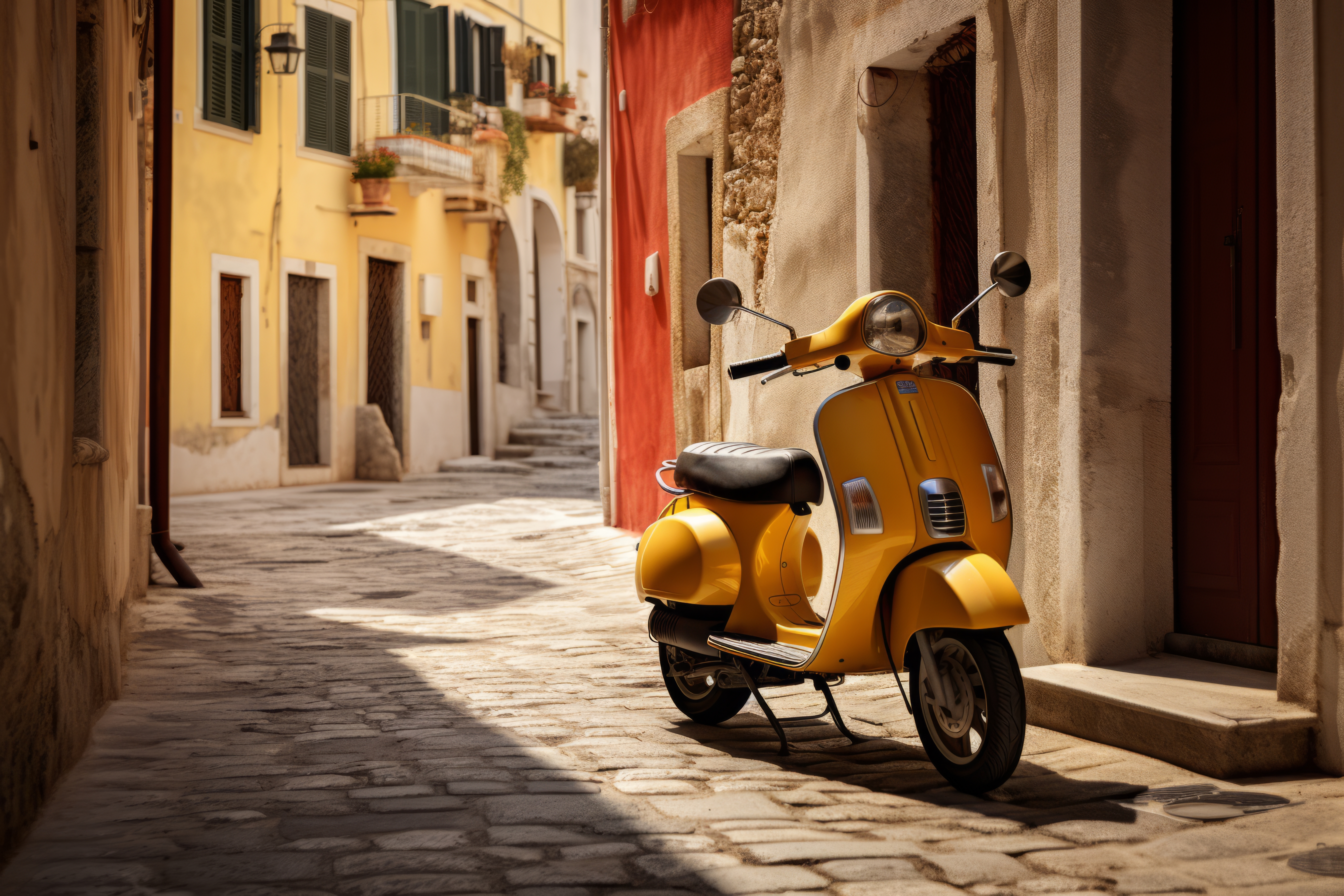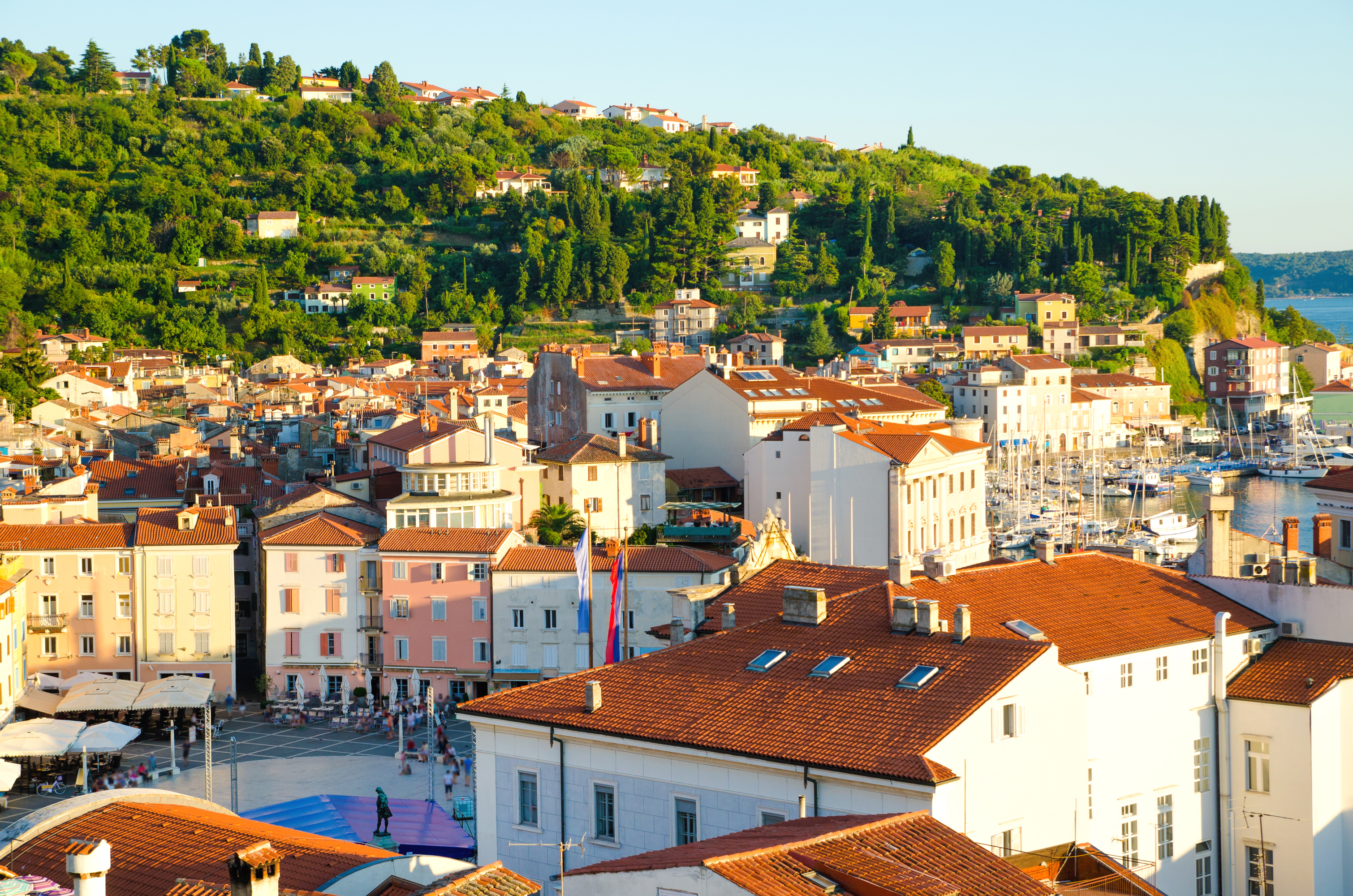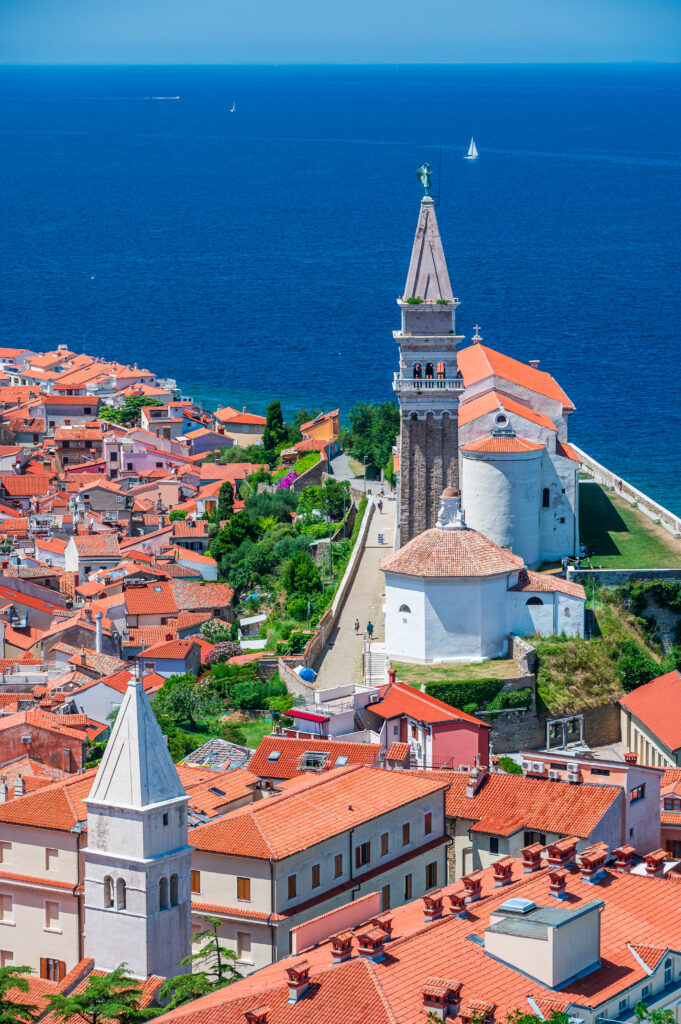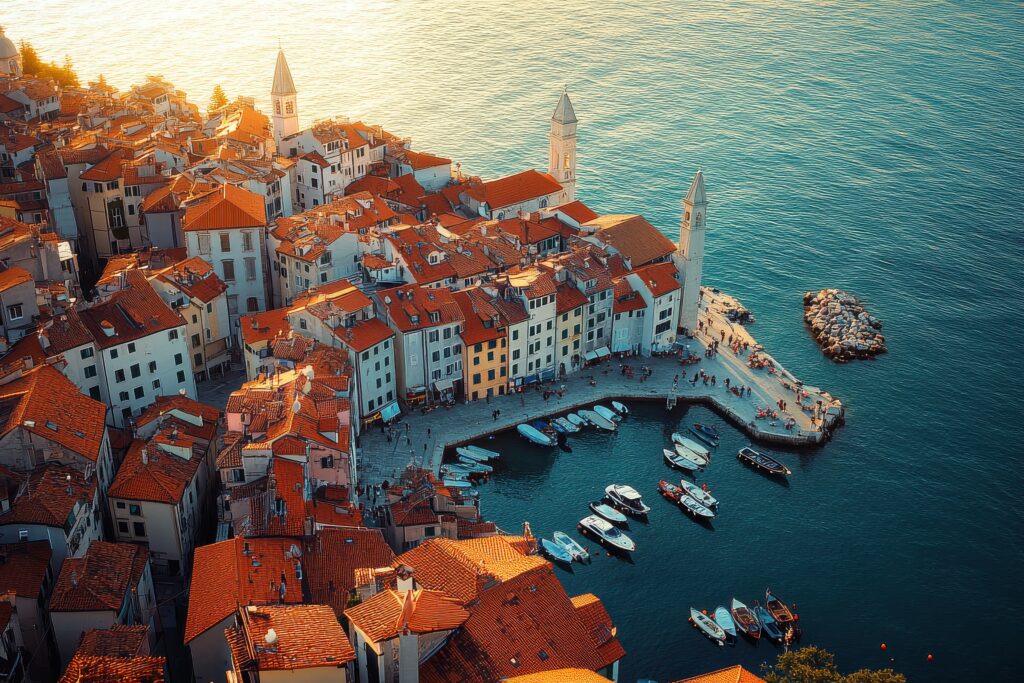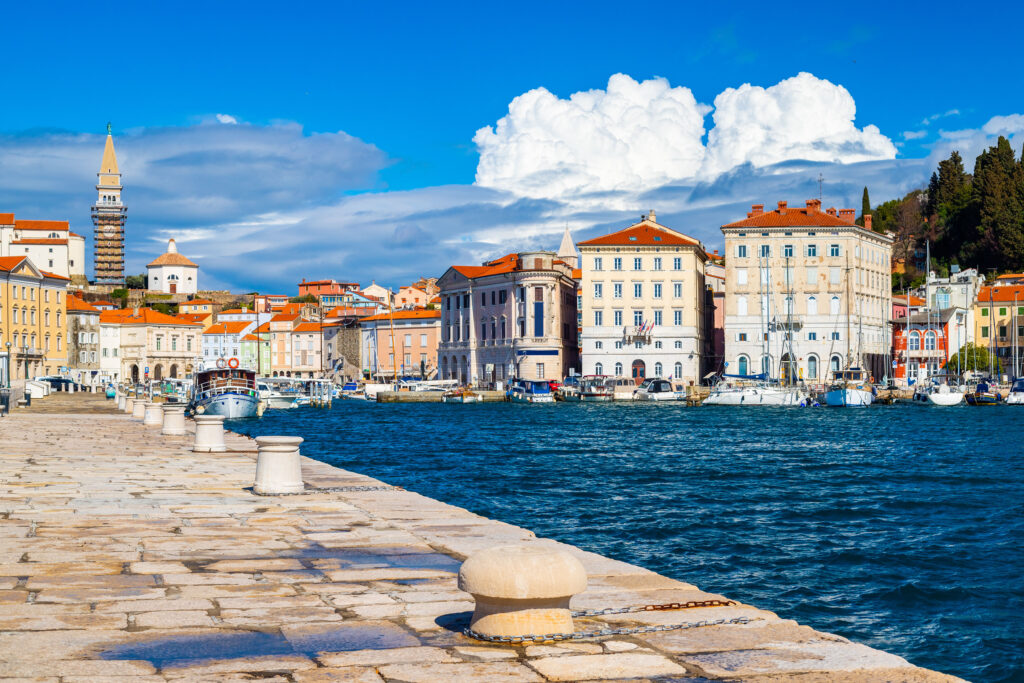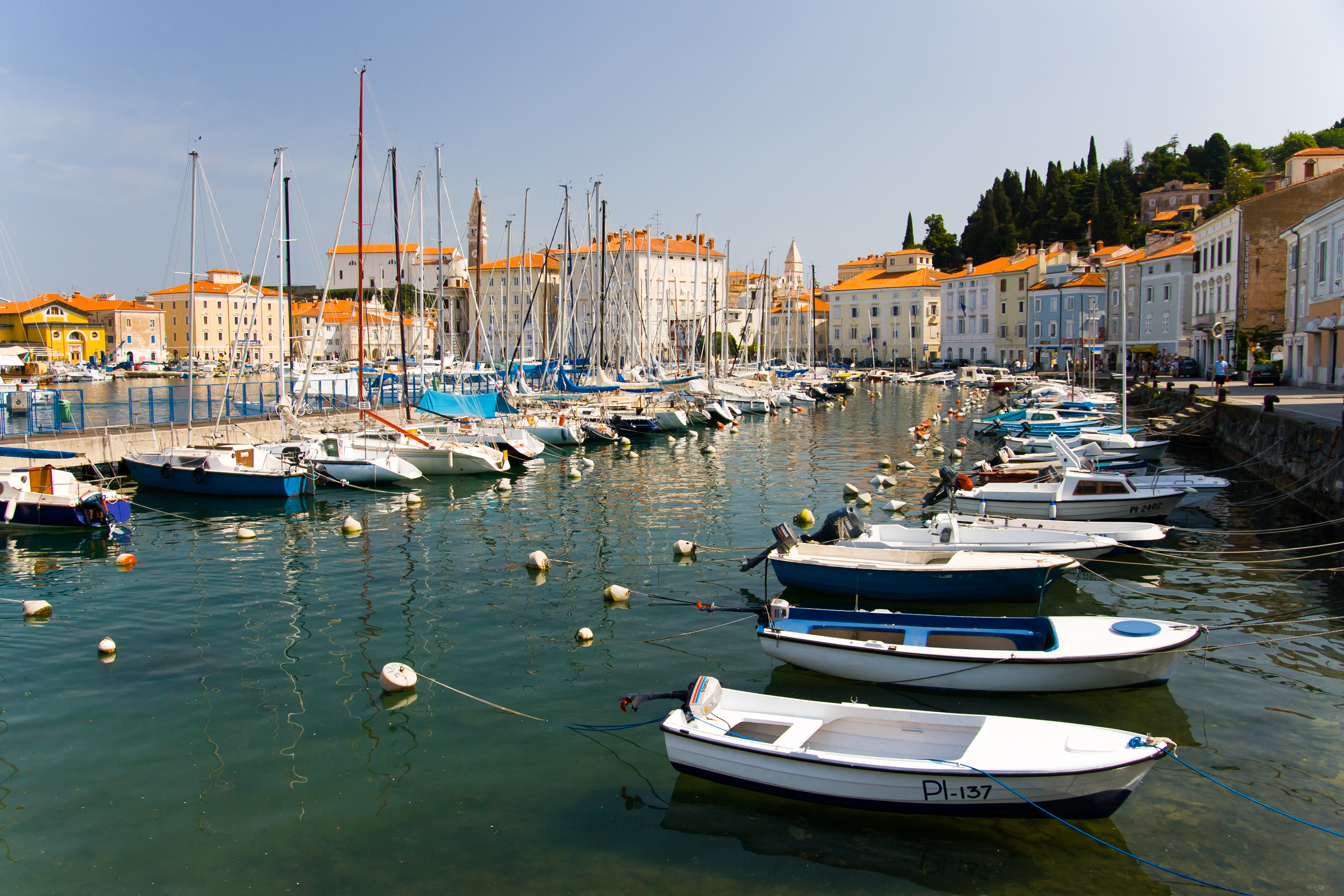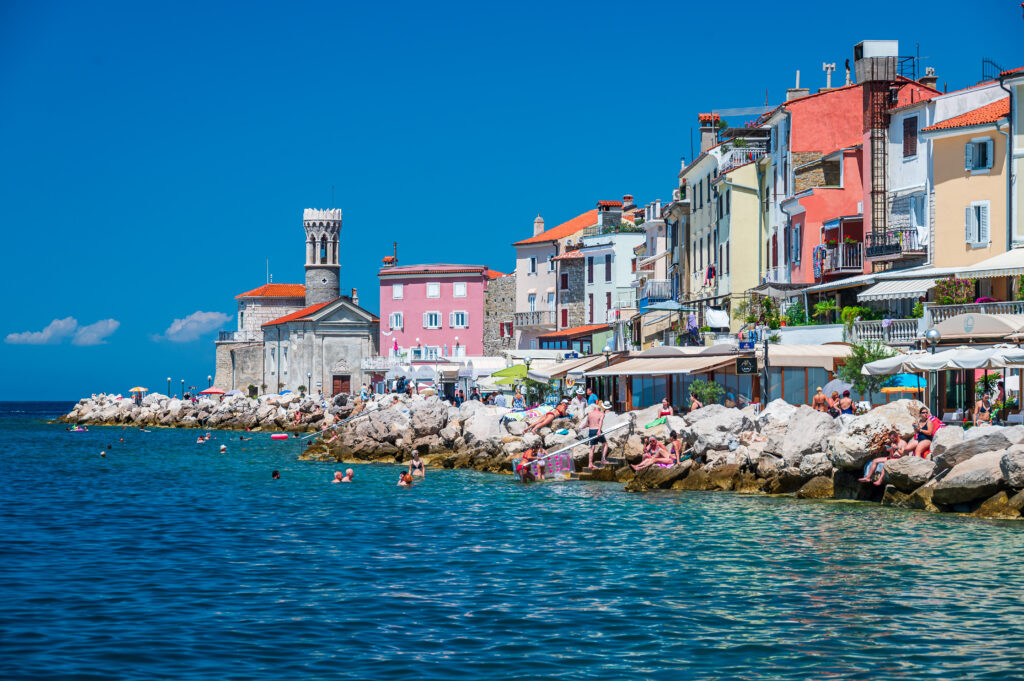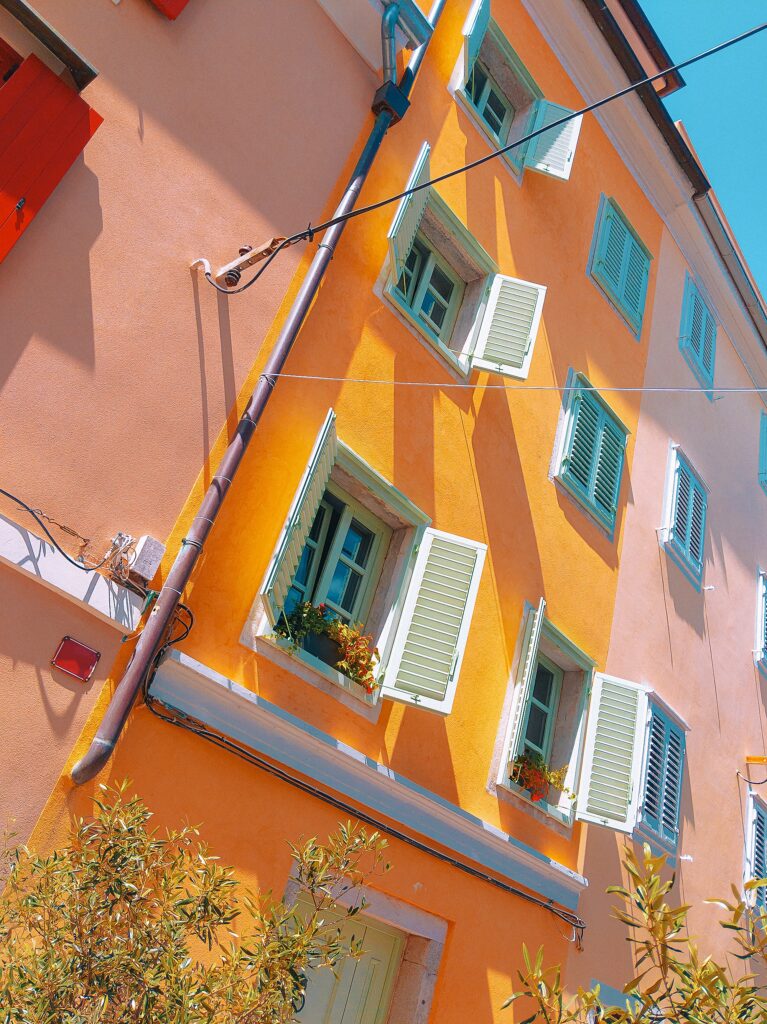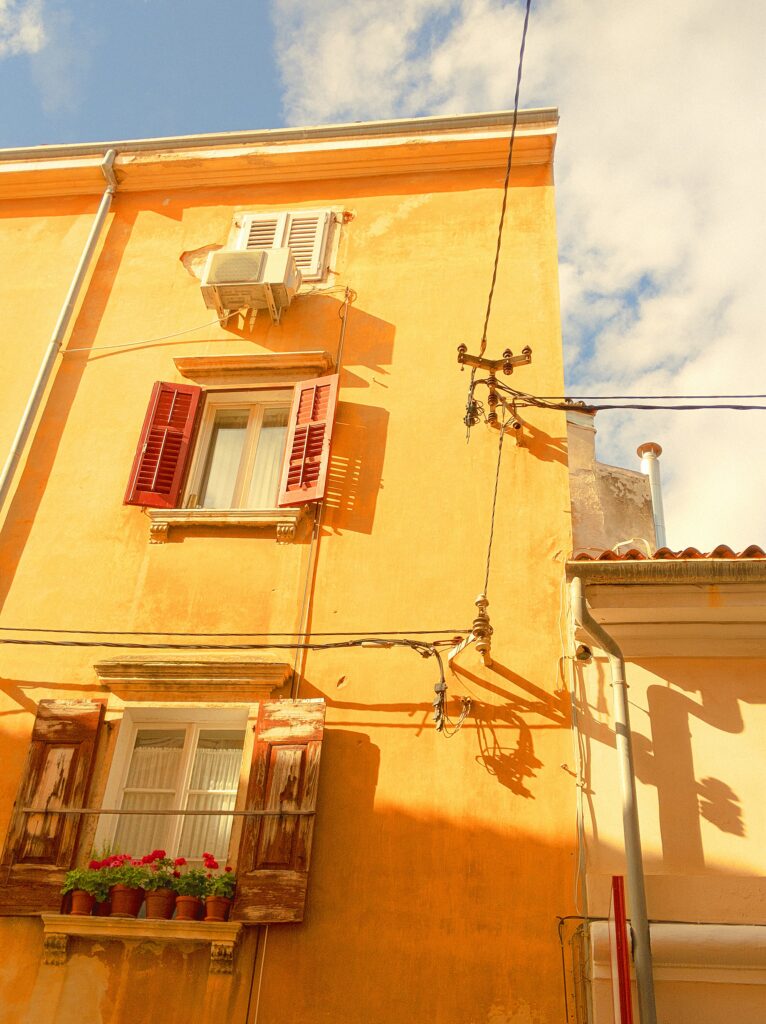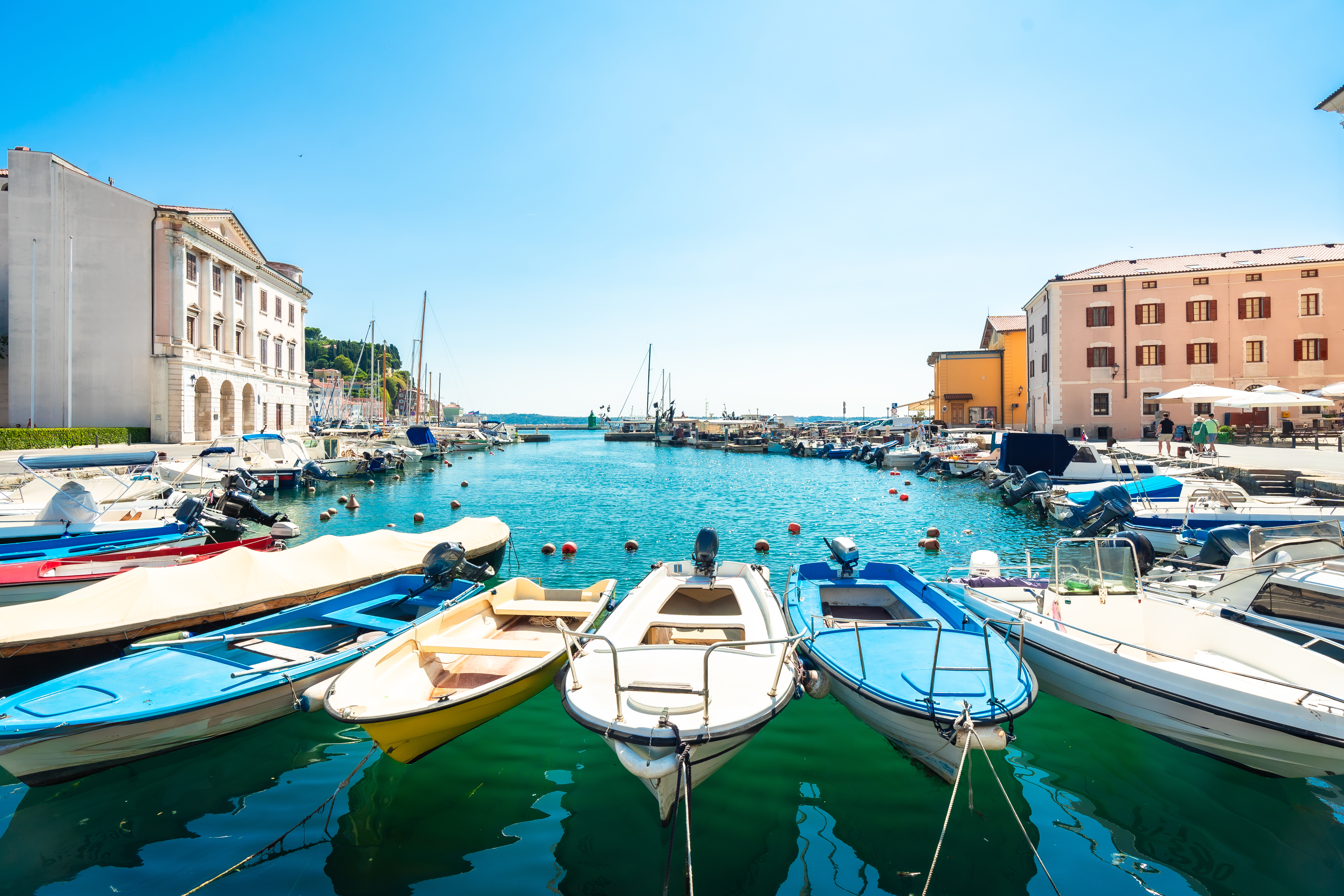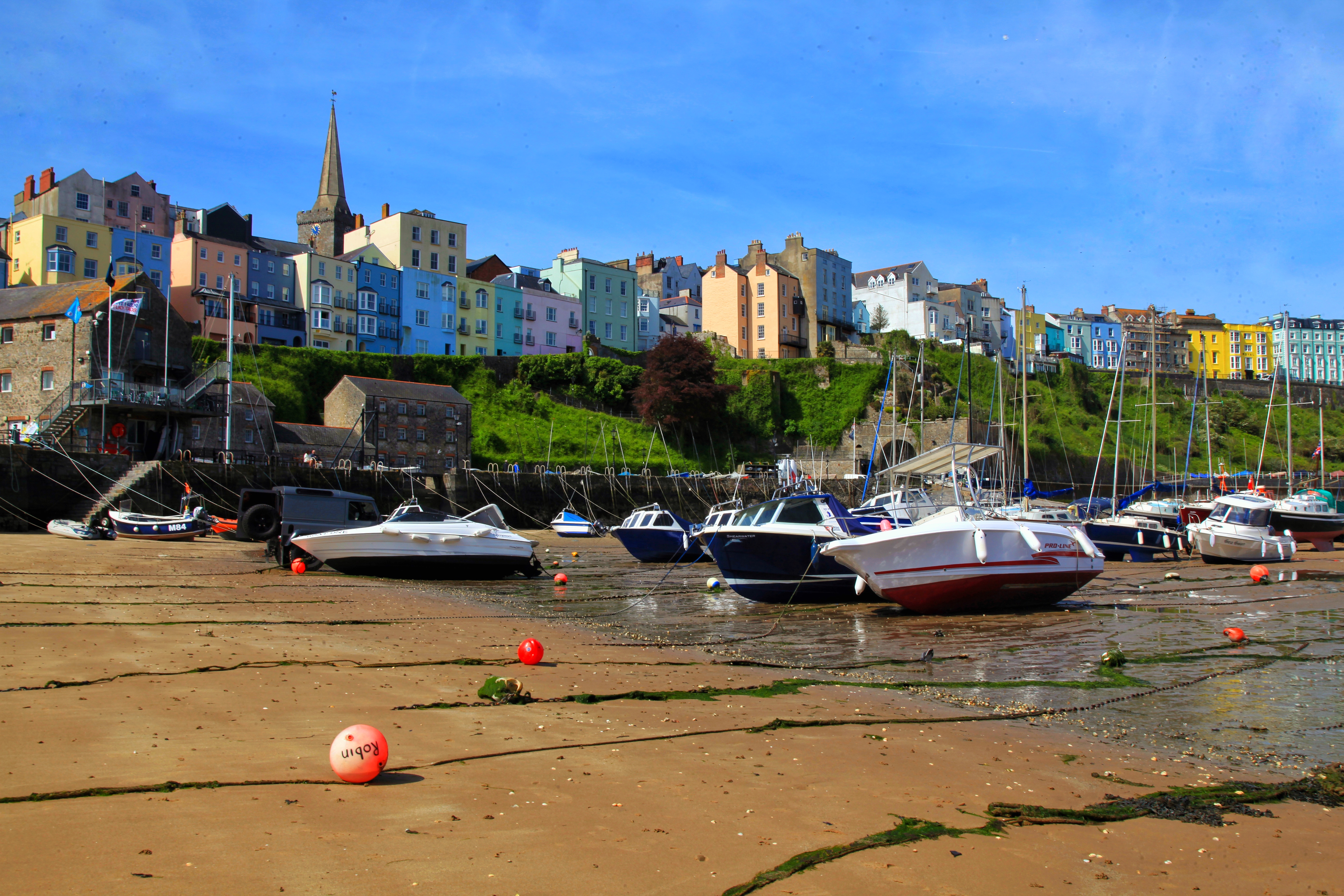
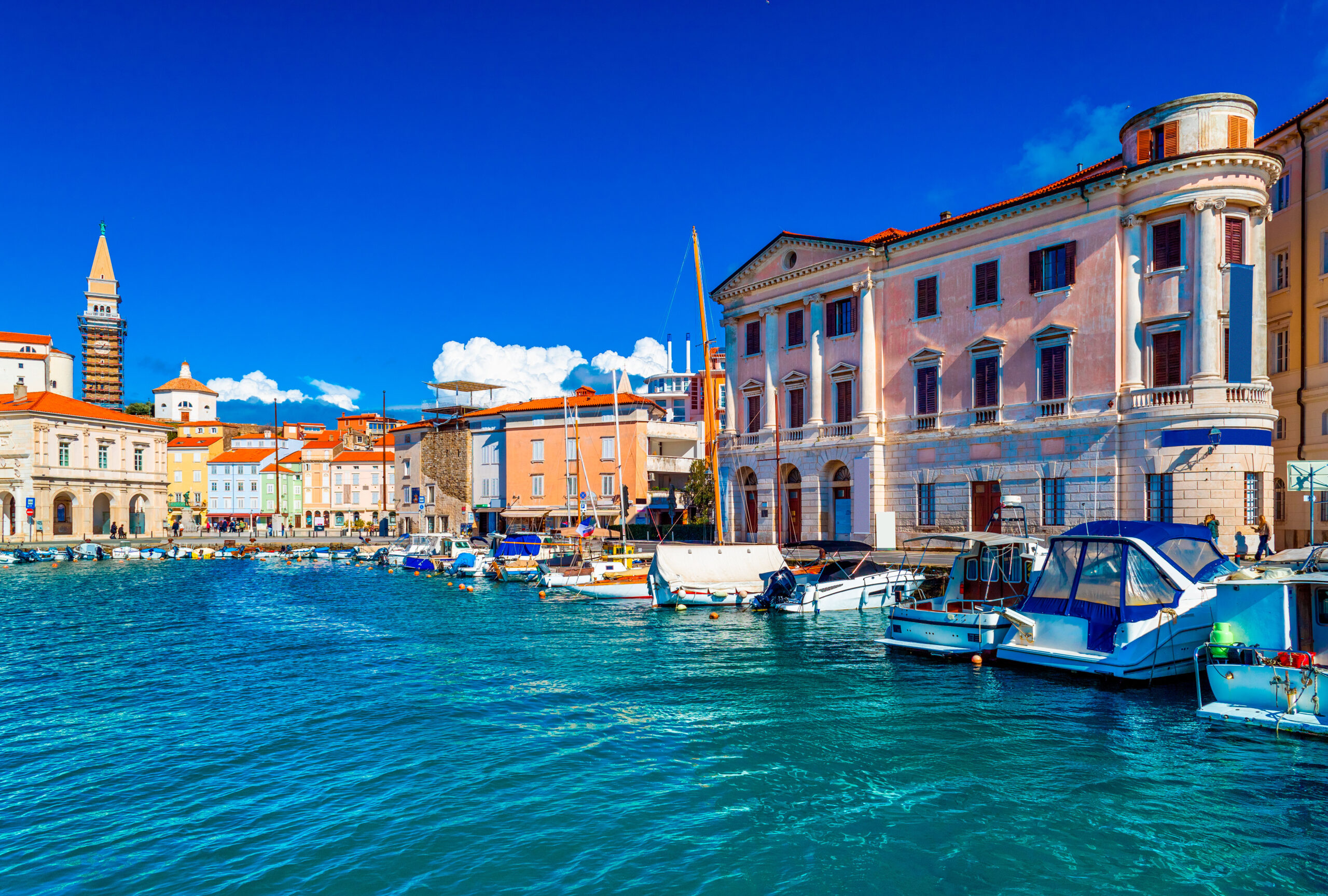
The picturesque coastal town of Piran, often referred to as the “Venetian jewel” on the Adriatic coast, is a true paradise that attracts tourists from all over the world. With Tartini Square at its heart, winding alleys, and historic city walls offering breathtaking views of the sea, Piran uniquely combines history, charm, and mystery.
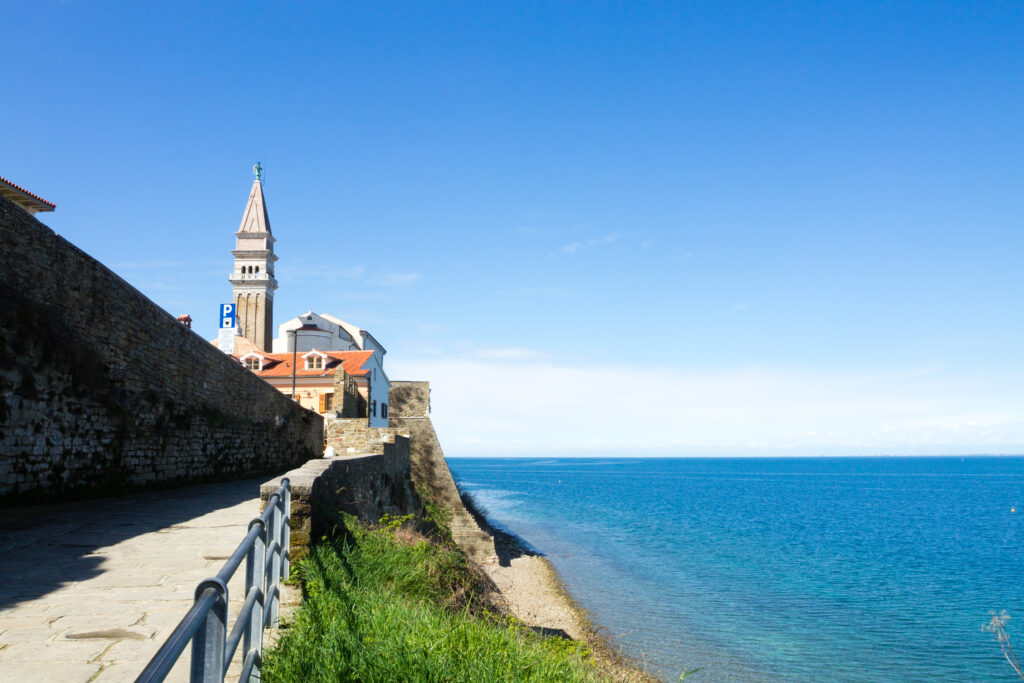
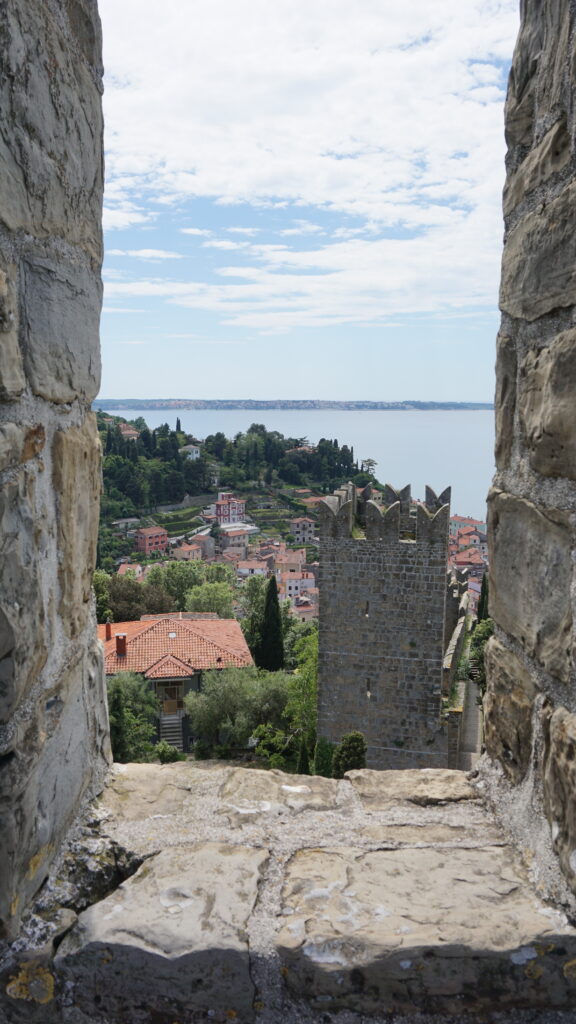
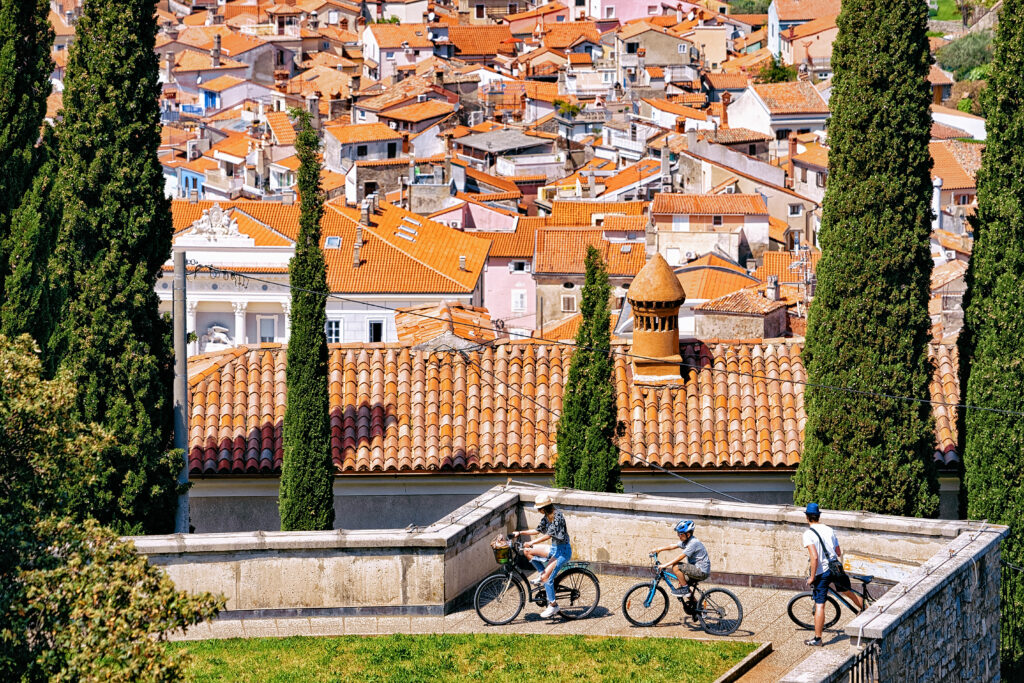
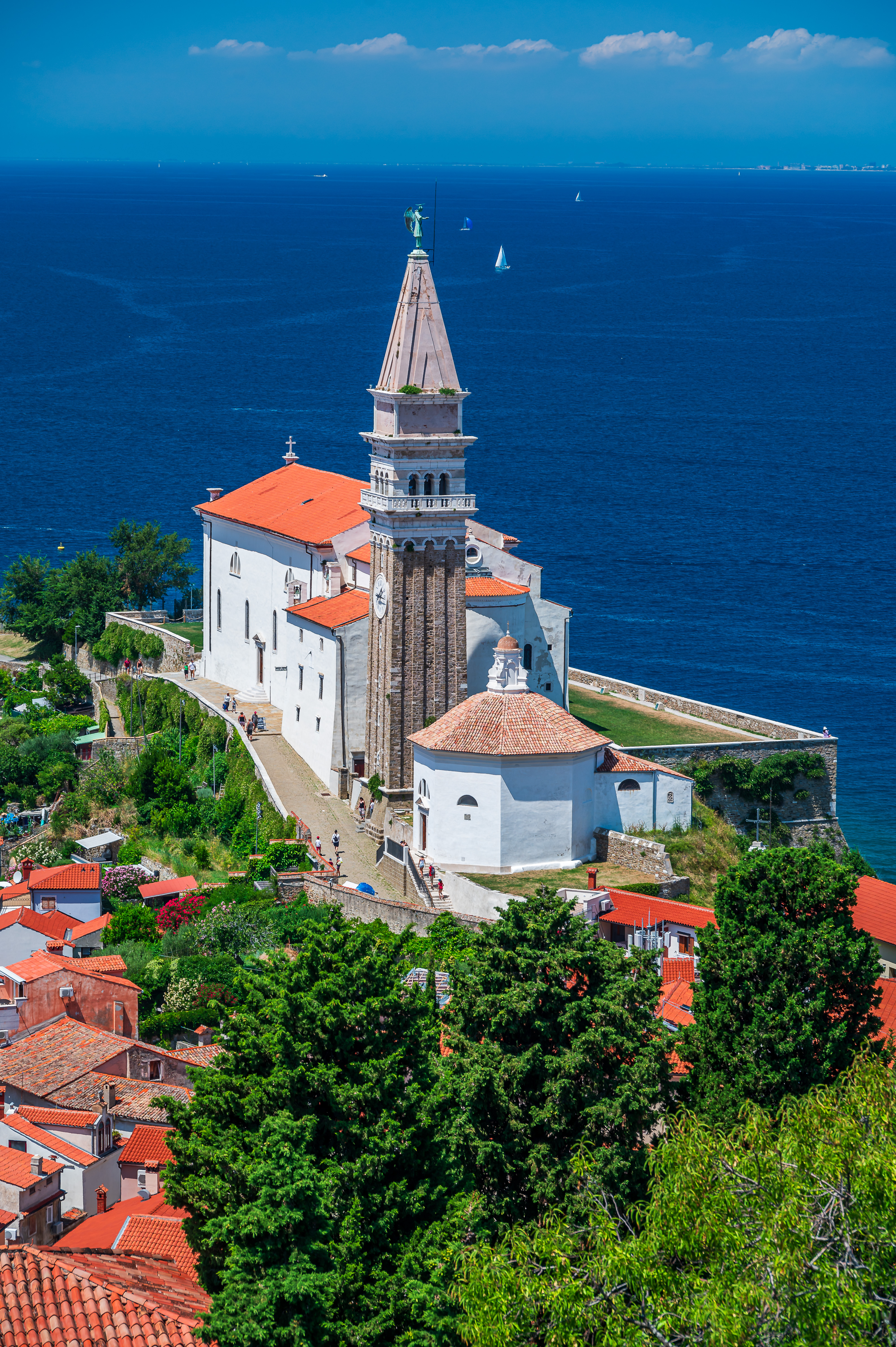
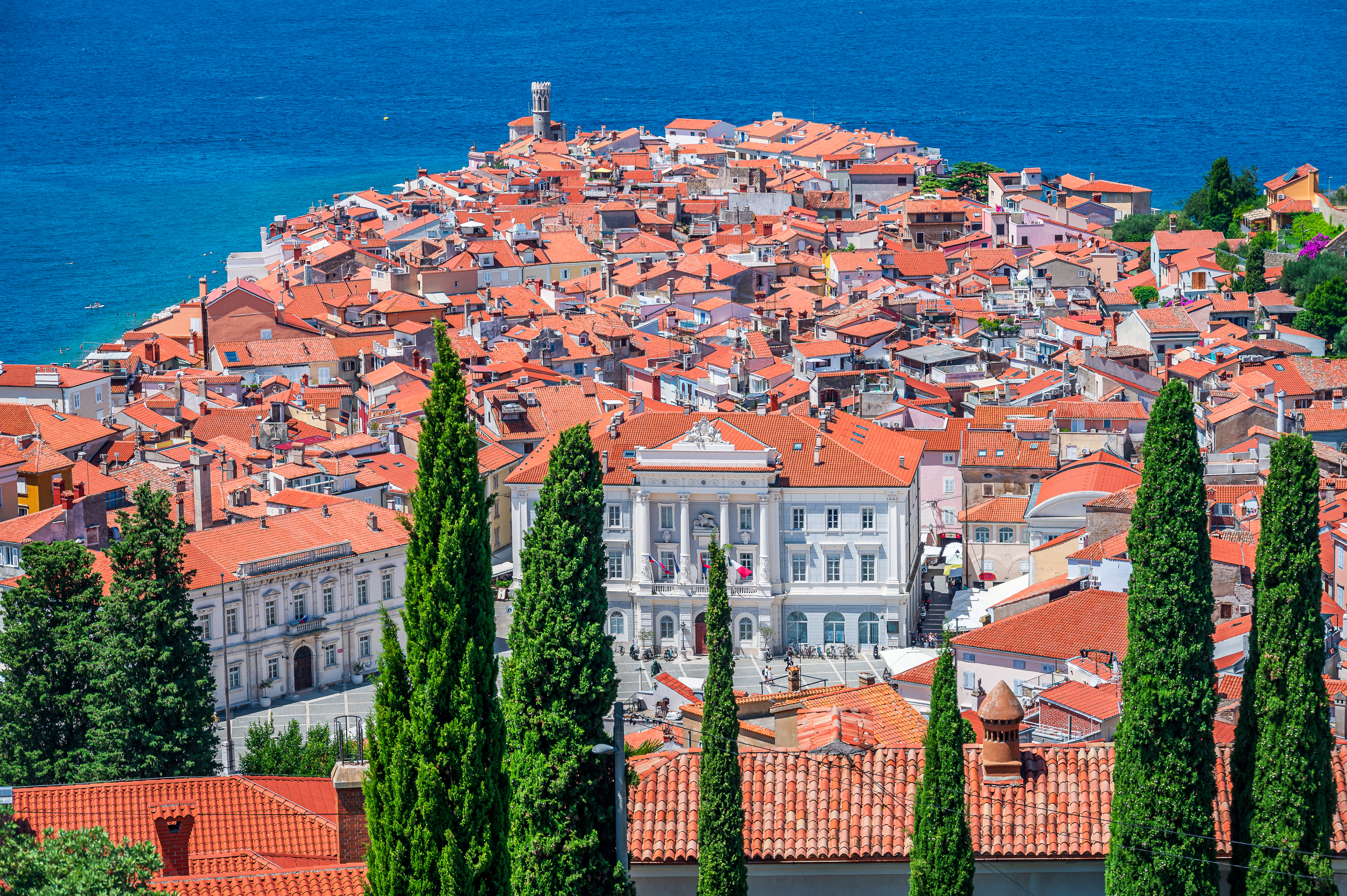
The history of Piran: A journey through the centuries – The history of Piran is a fascinating journey that dates back to ancient times. Originally settled by the Histrians, the town became part of the Roman Empire in the 2nd century BC, which contributed to its flourishing as a trading center. After the fall of the Western Roman Empire, Piran came under Byzantine rule and later, in the 10th century, under Venetian control. During Venetian rule, Piran experienced a cultural and economic boom, the evidence of which can still be admired today. The impressive city walls, which once served as protection against invaders, are now a popular tourist destination. From there, you can enjoy a spectacular view of the red roofs and the vastness of the Adriatic Sea.
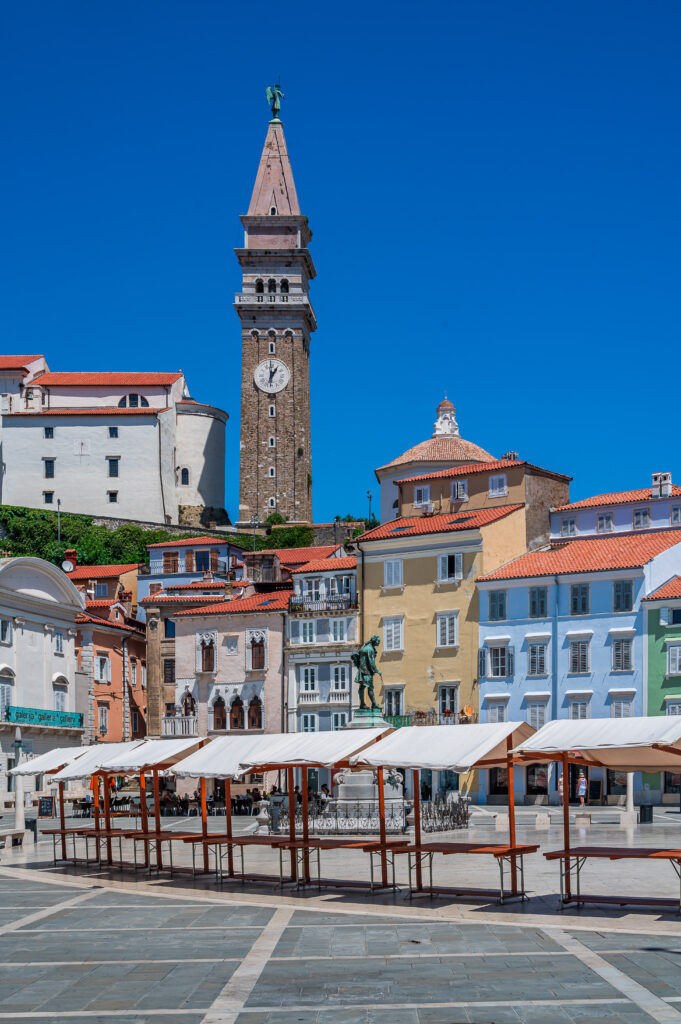
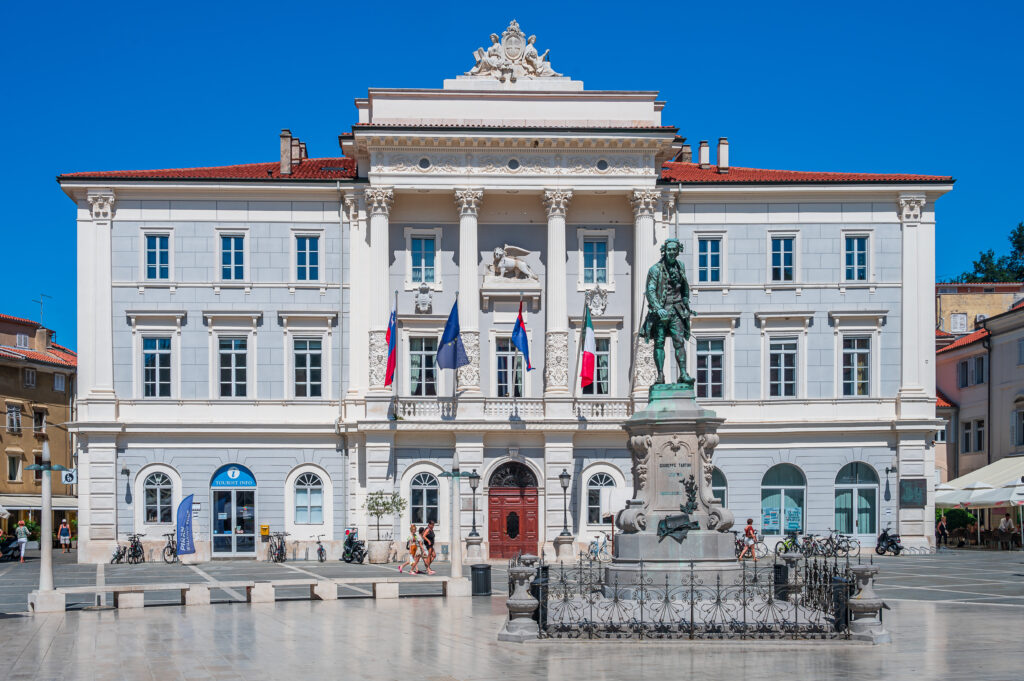
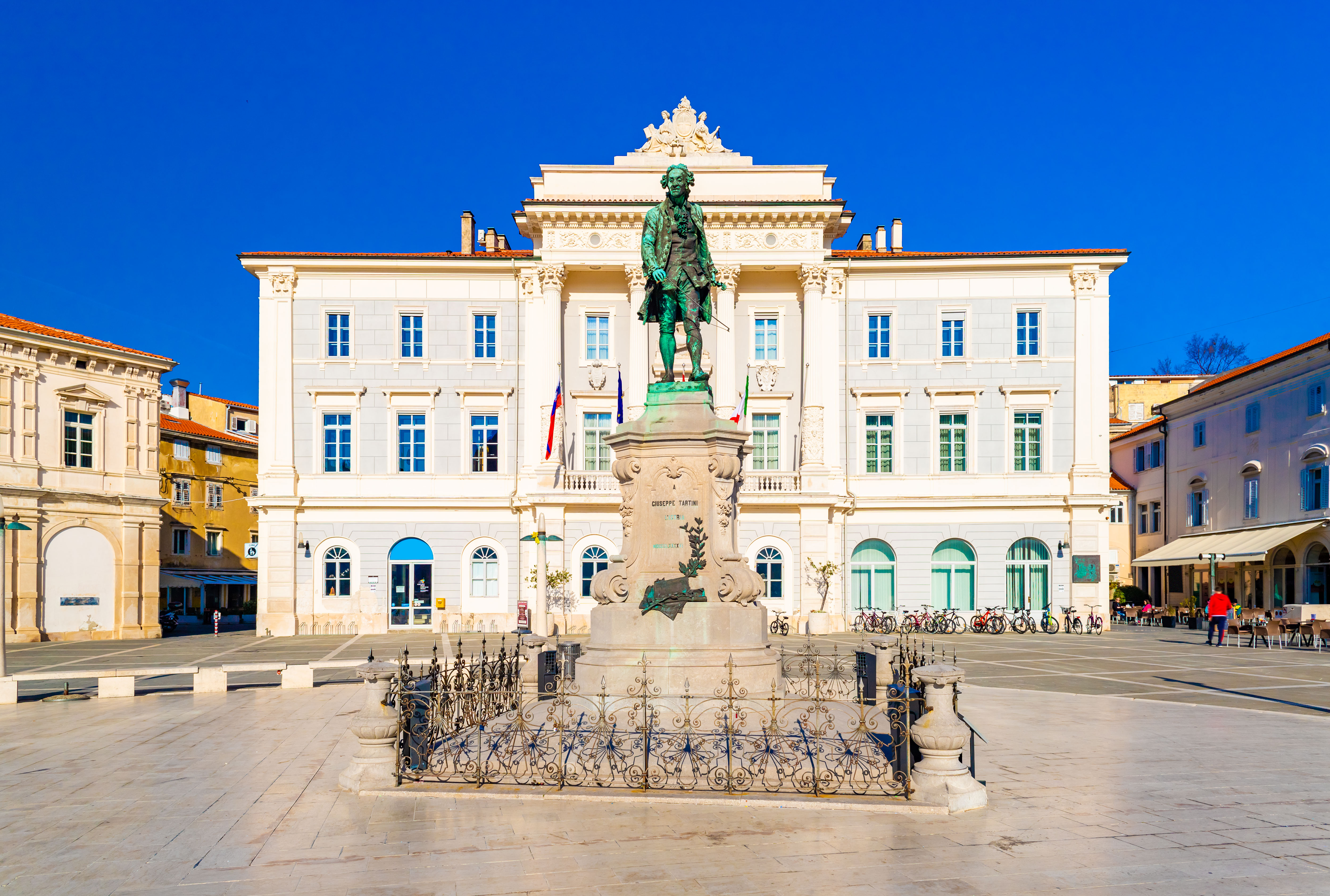
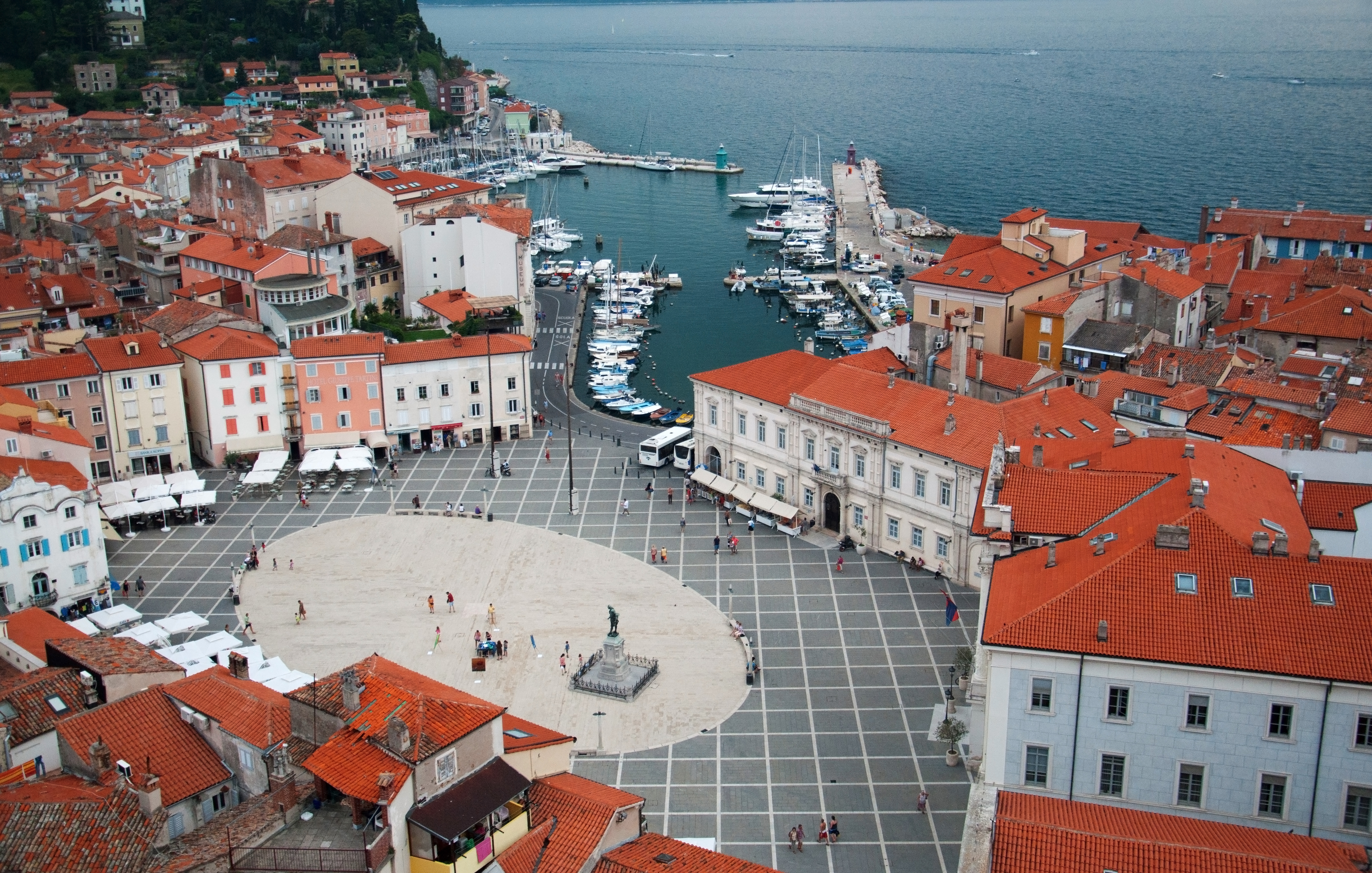
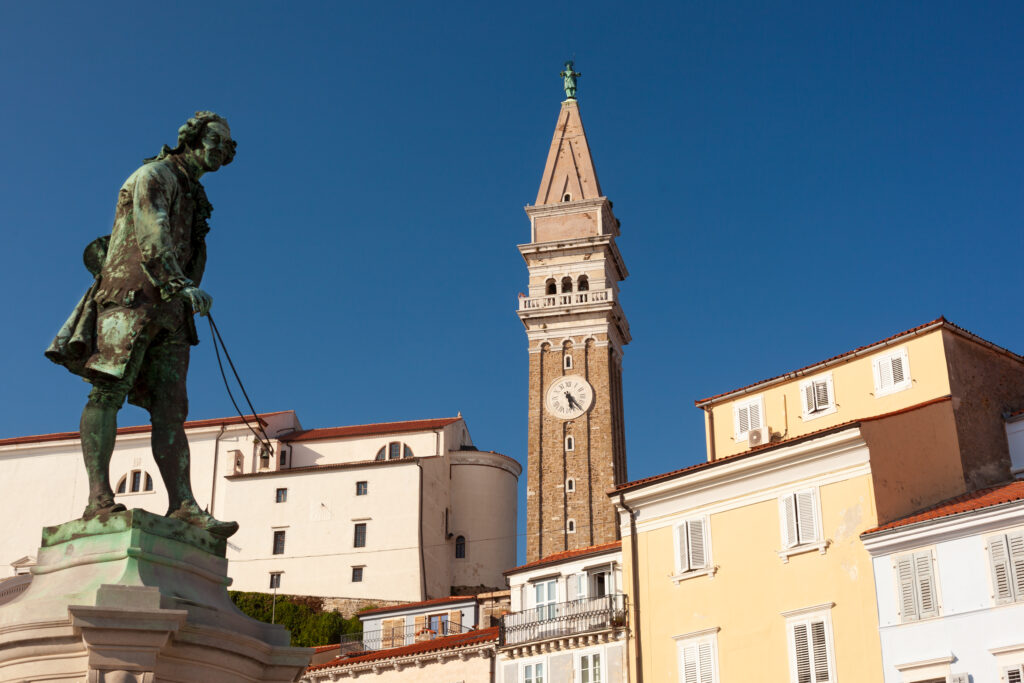
Tartini Square: A place full of stories – Tartini Square, the heart of Piran, is named after the famous violinist and composer Giuseppe Tartini. Surrounded by magnificent Venetian-style buildings, the square offers a journey into the past. In the center stands the statue of Tartini, commemorating the city’s rich musical heritage. According to legend, Tartini composed his “Devil’s Trill Sonata” after a dream in which the devil himself played the melody to him.
Myths and legends of Piran – Piran is rich in myths and legends that contribute to its mystical charm. One of the most famous stories is about the forbidden love between a Venetian woman and a fisherman, whose strong connection is said to have influenced the forces of nature. When the two came together, the stormy sea calmed down and protected the returning fishermen. Another myth tells of a hidden treasure in Tartini Square, guarded by a dragon. Brave adventurers are said to have disappeared without a trace in search of the treasure. To this day, this legend inspires treasure hunters to explore the secret paths and hidden alleys of the city.
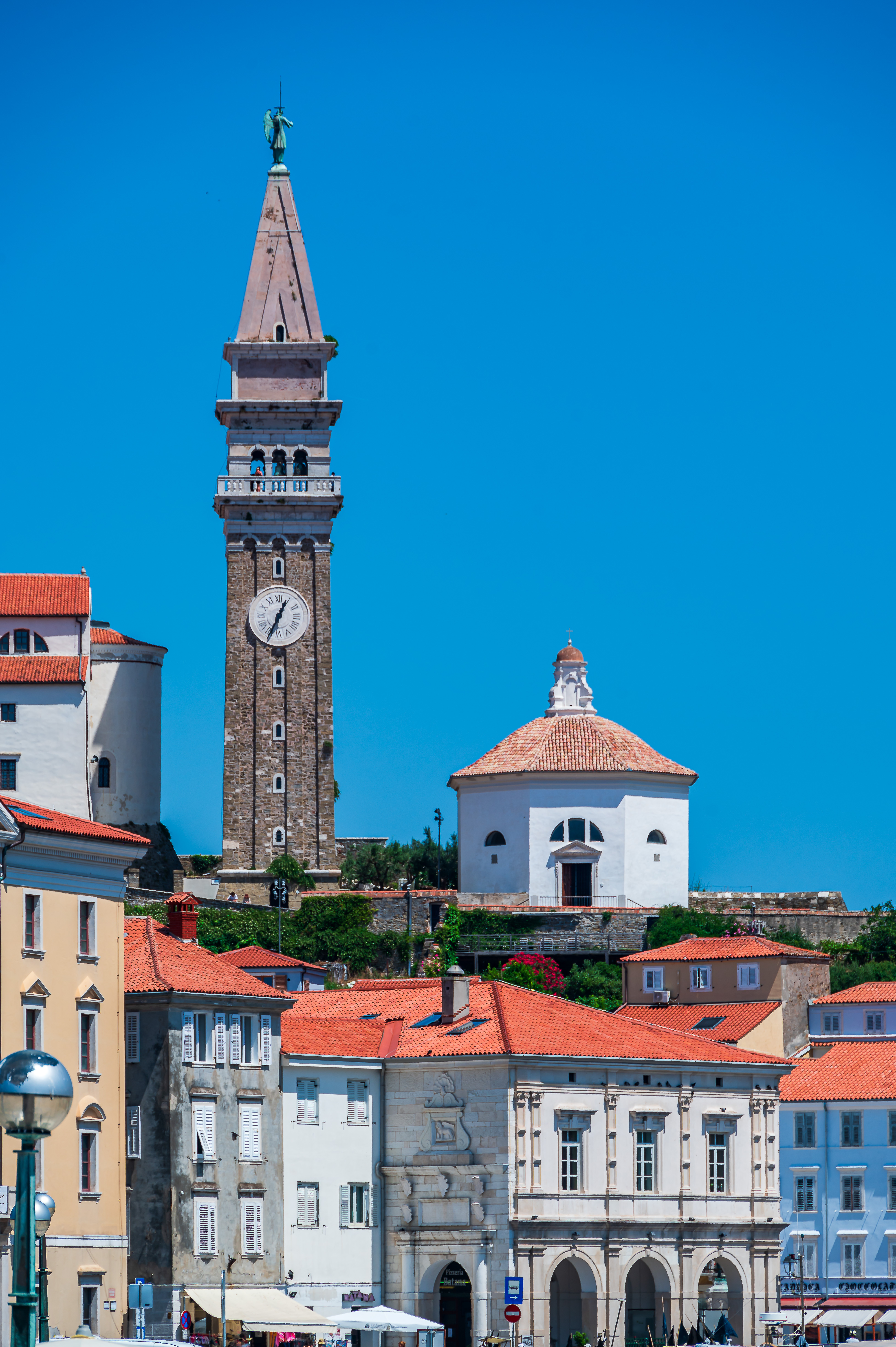
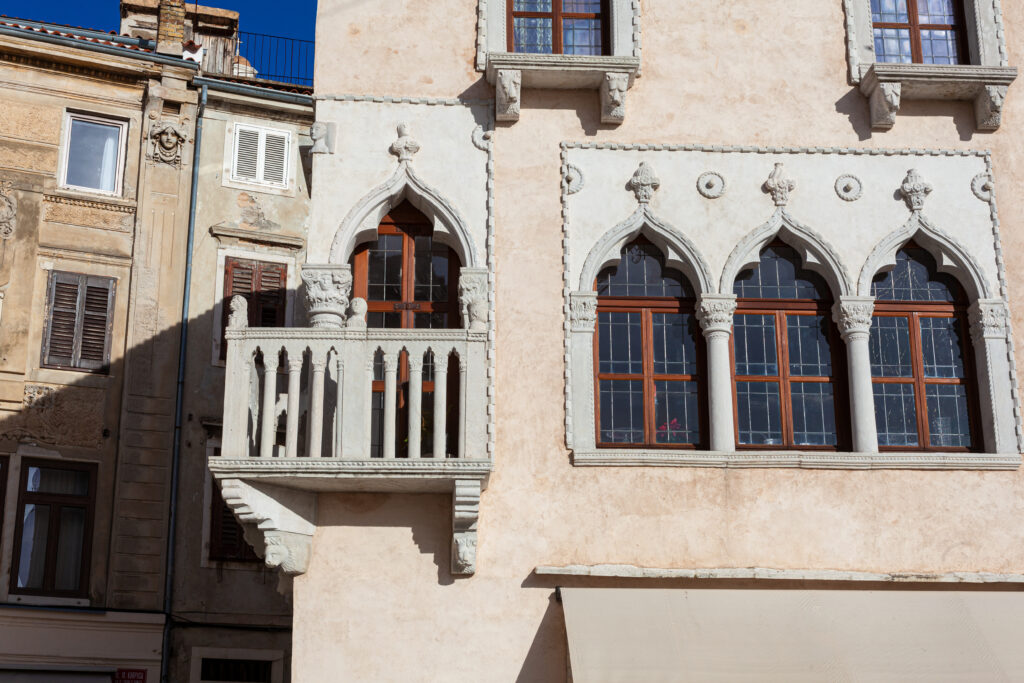
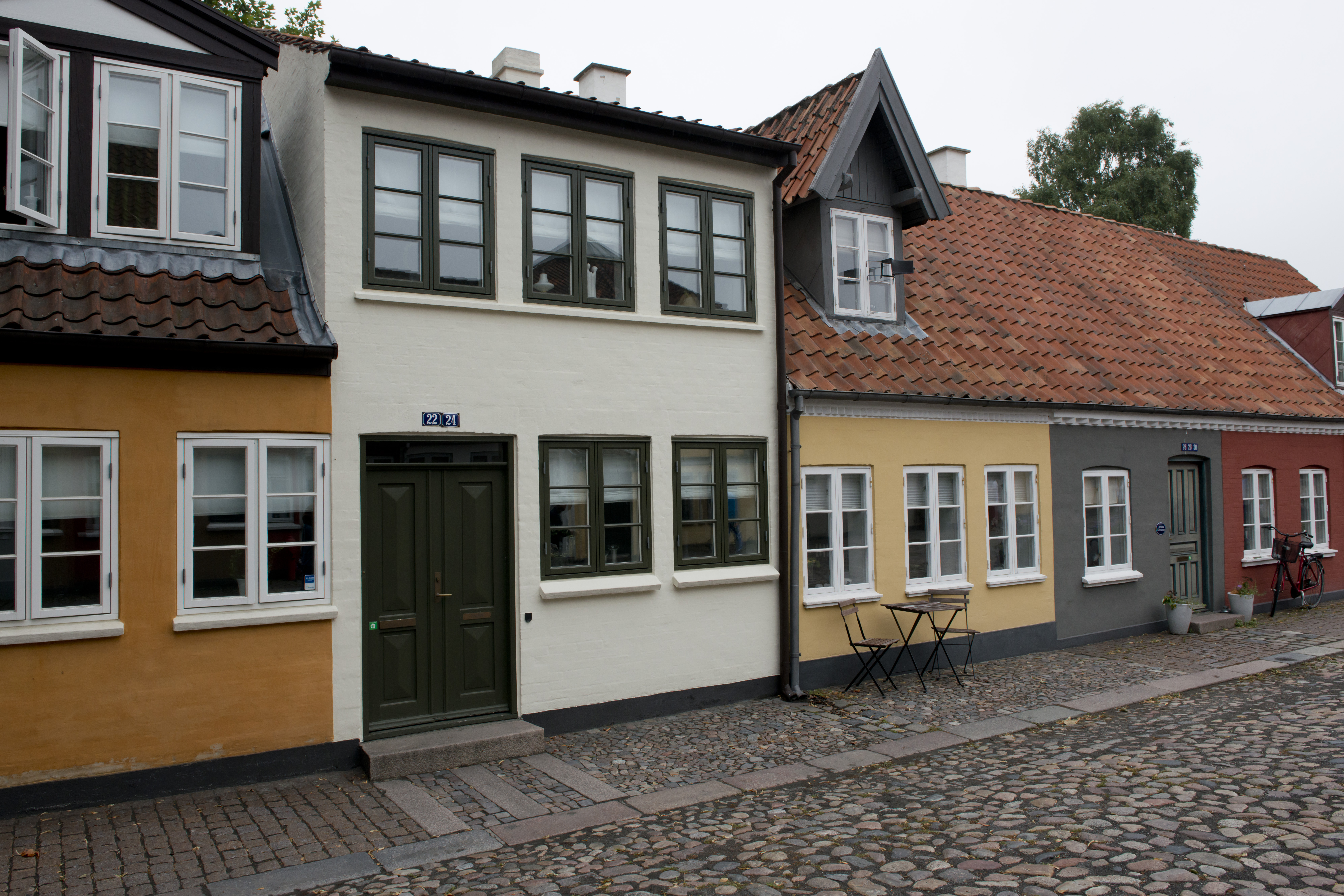
Venetian architecture: a legacy for eternity – Venetian architecture is the most striking feature of Piran. The narrow, winding streets and well-preserved old town houses tell stories of times gone by. A notable example is the Venetian House, a Gothic building with a red façade and ornate windows, built in the 15th century by a wealthy merchant.
Culinary treasures and traditions – Piran’s cuisine is a feast for the senses and features fresh seafood straight from the Adriatic Sea. Specialties such as fried sardines, black risotto, and scallops reflect the connection to Venetian cuisine. At the local market, visitors can not only discover delicacies such as olive oil, truffles, and cheese, but also get tips on how to prepare them from the friendly vendors.
Modern Piran: preserving heritage and shaping the future – Today, Piran seamlessly combines its historical identity with modernity. The town is a cultural center with numerous festivals and events. The annual Tartini Festival, which attracts musicians and music lovers from all over the world, keeps the composer’s musical heritage alive and offers concerts and master classes.
Natural beauty: between the Adriatic Sea and the Karst region – The surroundings of Piran are just as charming as the town itself. The Adriatic coast is ideal for swimming, sailing, and diving, while the nearby Karst region delights hikers with its caves. In the Sečovlje Salina Nature Park, visitors can learn about traditional salt production techniques and marvel at the unique flora and fauna.
A visit to Piran – an experience for all the senses – Piran is more than just a “Venetian jewel”; it is a place full of myths and legends whose charm captivates every visitor. Tartini Square, the winding alleys, and the imposing city walls tell their own stories. Once you have been to Piran, you will never forget the magic of this place.
With its rich history, impressive architecture, and warm hospitality, Piran invites you to rediscover it again and again. It is a living open-air museum where the past and present blend harmoniously, captivating every visitor.