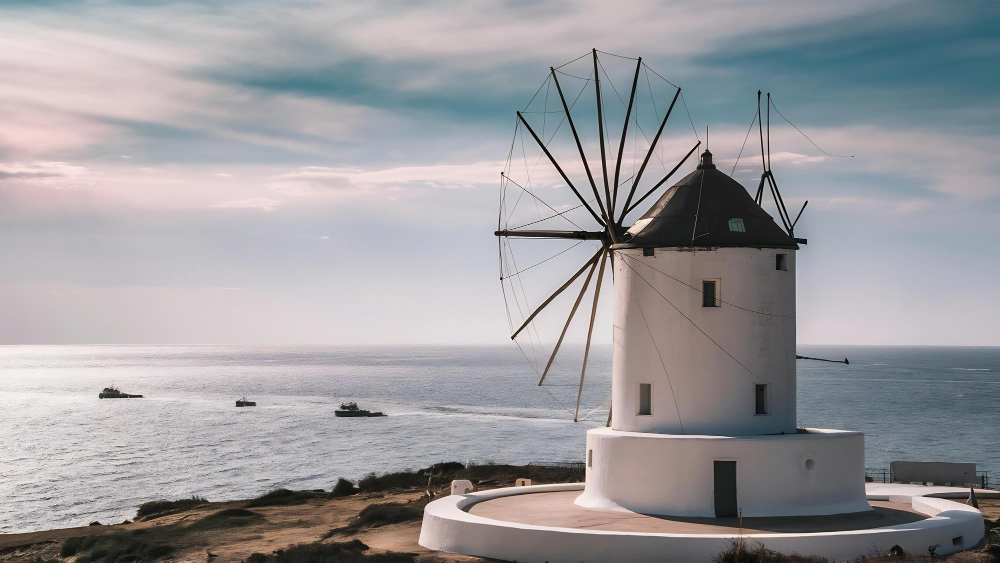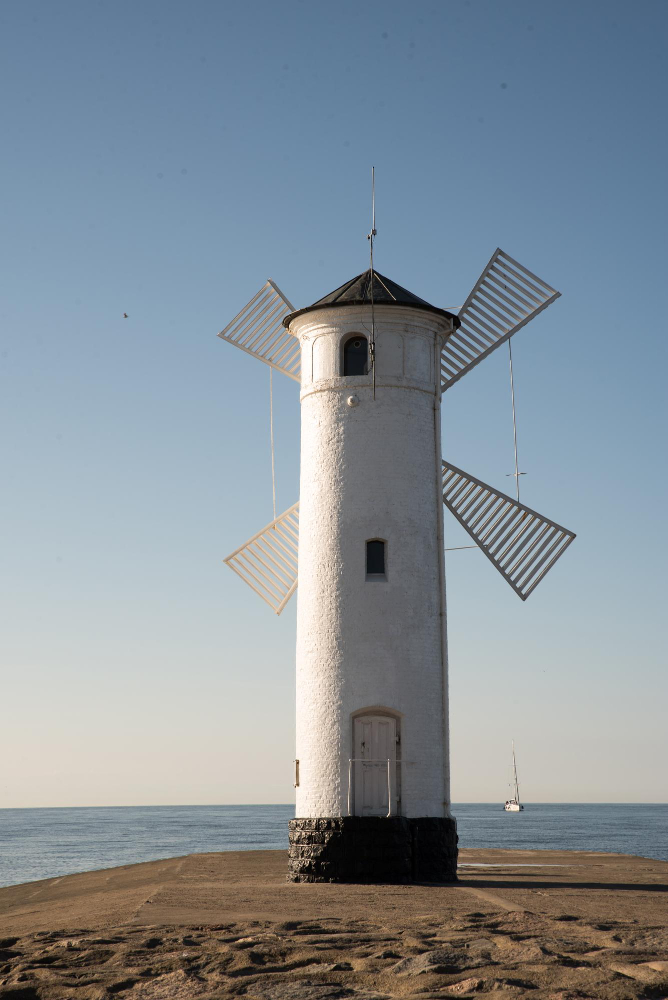
Świnoujście, a coastal city on the Baltic Sea, has developed over the centuries into an important center for trade, tourism, and culture. Its history is marked by political upheavals, economic dynamism, and a close connection to nature. With its miles of sandy beaches and strategically advantageous location, Świnoujście is today not only a popular tourist destination but also a living testament to European history.
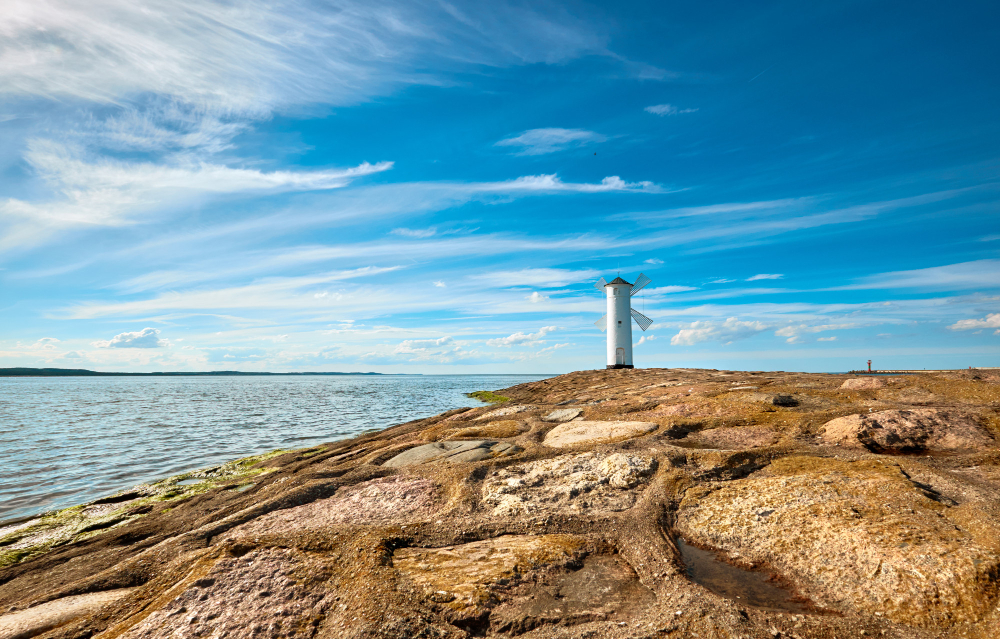
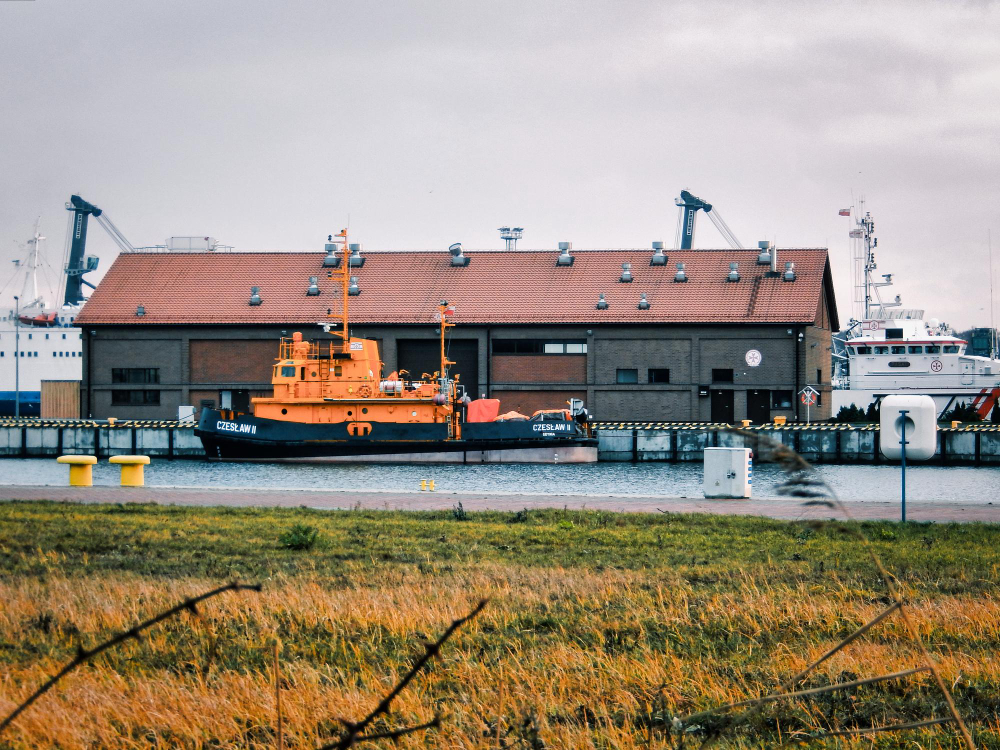
Geographical Features – Świnoujście spans the three islands of Usedom, Wolin, and Karsibór, with the majority of the city located on Usedom. This extraordinary location makes the city unique: surrounded by water and crisscrossed by canals and natural waterways, Świnoujście has always played a key role—both economically and strategically. The city is the only one in Poland that extends entirely across islands, giving it a special character. Crucial to the region’s development was the Świna River, which connects the Szczecin Lagoon with the Baltic Sea. This waterway enabled Świnoujście to develop early on as a port city and establish itself as a trading hub. Today, the port of Świnoujście ranks among Poland’s most important and plays a central role in international trade.
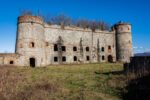
The Beginnings – From Fishing Village to Port City – The first traces of human settlement in the region date back to the 12th century. Small fishing villages took advantage of the natural coastal location and laid the foundation for the city’s later development. As early as the Middle Ages, the Świna River was an important trade route for the transport of goods between what is now Poland, Germany, and Scandinavia. In 1743, Świnoujście was officially granted city rights, at that time under Prussian rule. The Prussian influence is still visible today in the architecture and urban planning. During this period, construction of port facilities and military defenses also began, making Świnoujście a strategic hub.
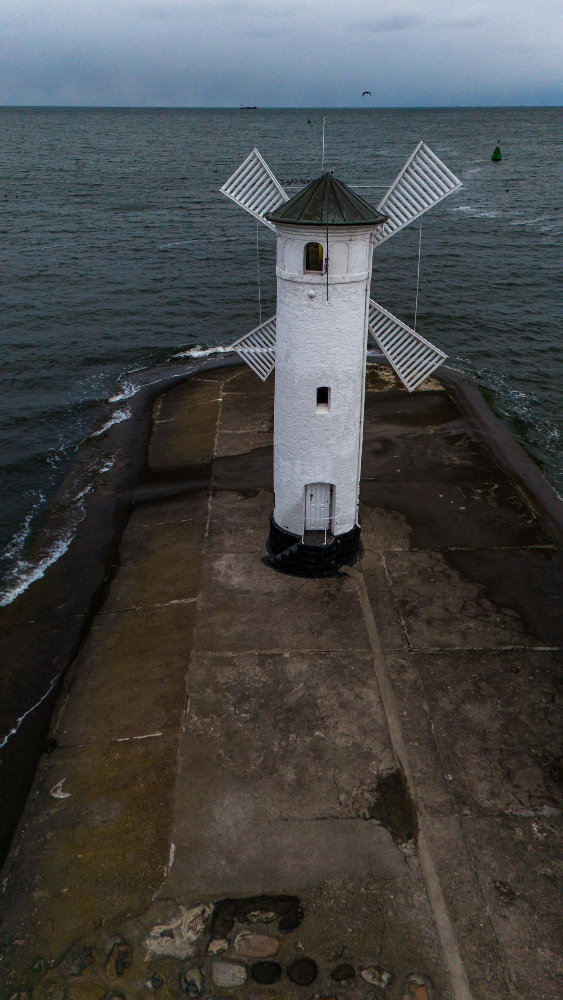
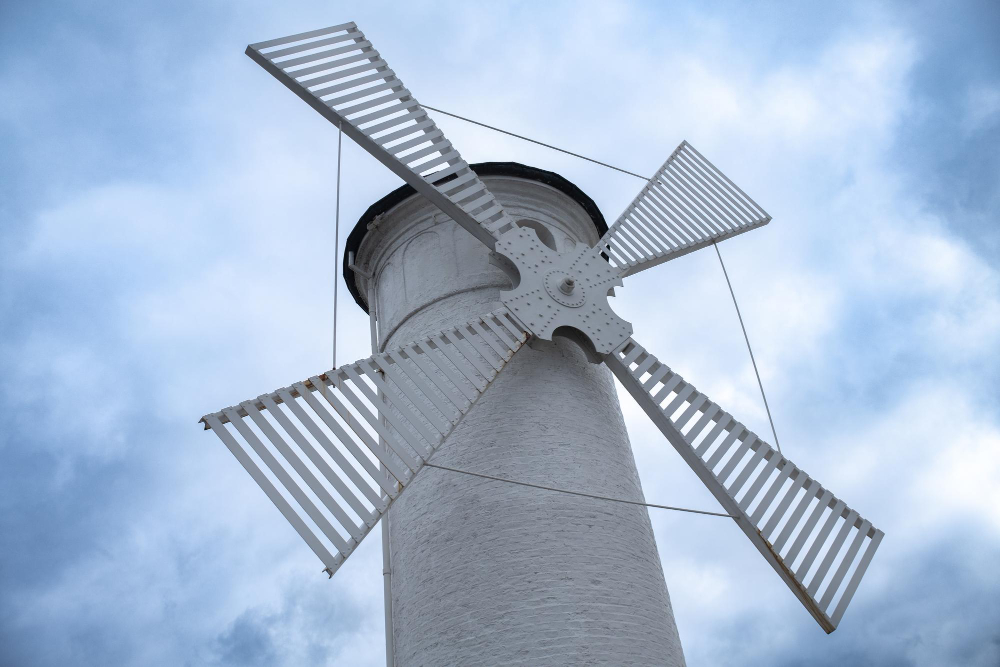
Świnoujście in the Age of Industrialization – With the industrialization of the 19th century, Świnoujście experienced an enormous boom. The expansion of the port and the creation of modern infrastructure attracted numerous merchants and workers to the city. At the same time, Świnoujście developed into a popular resort town. Thanks to the mild maritime climate and beautiful beaches, the city was increasingly visited by wealthy families from all over Europe seeking relaxation. A particularly striking structure from this period is the Świnoujście lighthouse, built in 1857. Standing 68 meters tall, it is not only the tallest lighthouse in Poland but also one of the city’s landmarks. It symbolizes the city’s maritime tradition and its close connection to the Baltic Sea.
Between War and Reconstruction – However, the history of Świnoujście is not defined solely by prosperity and growth. During World War II, the city was severely damaged. Due to its strategic location, it was the target of numerous air raids. After the war ended, Świnoujście became part of Poland, which represented a significant change for the population. Many German residents left the city, while Polish families from other regions settled here. Post-war reconstruction was a challenge, but it also created new opportunities. Świnoujście developed into an important hub for Polish maritime traffic. The port was modernized and expanded and continues to play a central role in the Polish economy to this day.
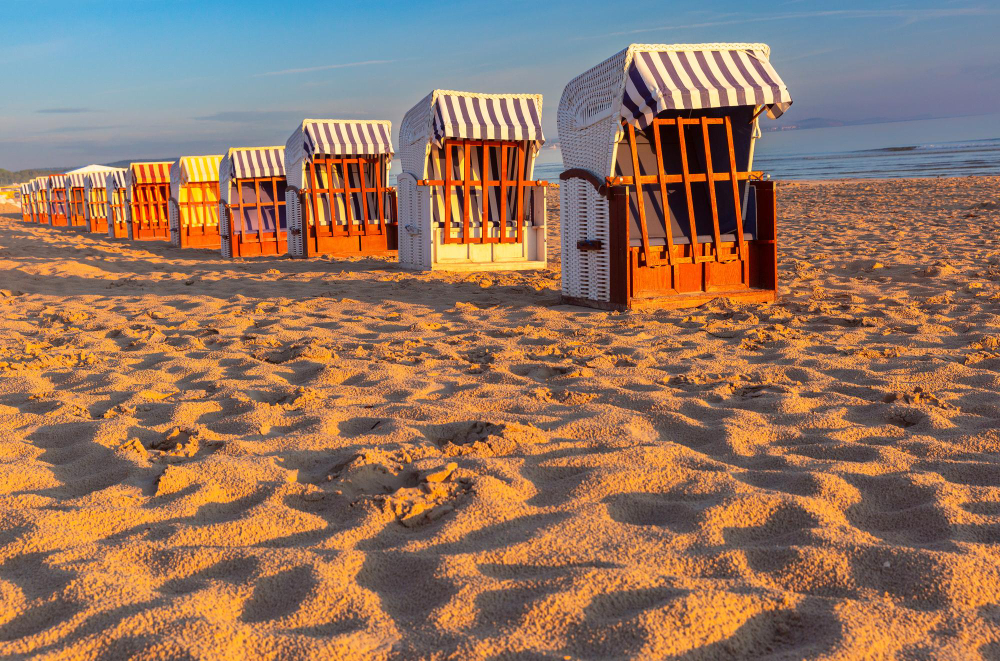
The Rise of Tourism – In recent decades, Świnoujście has become one of Poland’s most popular seaside resorts. Above all, the miles-long sandy beaches attract thousands of visitors every year. Through investments in tourism infrastructure, the city has further enhanced its appeal as a health resort and vacation destination. Cultural events such as music festivals and historical exhibitions also contribute to Świnoujście’s reputation far beyond the country’s borders. Another highlight of the city is the spa park, which was laid out in the 19th century according to plans by Peter Joseph Lenné. The park not only offers peace and relaxation but also tells a story of artistic and historical significance.
Economic Significance Today – In addition to tourism, the port economy remains a central pillar of the city. Świnoujście has a modern ferry port that not only offers connections to Scandinavia but also plays an important role in freight transport. Furthermore, the city is a key location for the LNG (liquefied natural gas) terminal, which plays a crucial role in Poland’s energy security. Its proximity to Germany, particularly to the island of Usedom, makes Świnoujście an important border hub for trade and cultural exchange. In recent years, the city has increasingly invested in cross-border projects to promote cooperation with its neighbors.
Świnoujście and the Future – The history of Świnoujście demonstrates how a city can develop from humble beginnings into a major hub. Yet challenges remain: climate change, economic competition, and the protection of natural resources will also shape Świnoujście’s future. The city administration is increasingly focusing on sustainable development. Projects to promote renewable energy and revitalize historic buildings are top priorities. At the same time, efforts are being made to further enhance the region’s appeal to tourists without harming the environment.
Świnoujście is more than just a charming coastal town—it is a living testament to European history and its dynamism. From its beginnings as a small fishing village, through its role as a strategic port city, to its significance as a modern resort, Świnoujście has undergone an impressive evolution. The combination of history, nature, and innovation makes the city a unique place that attracts and inspires people from all over the world.