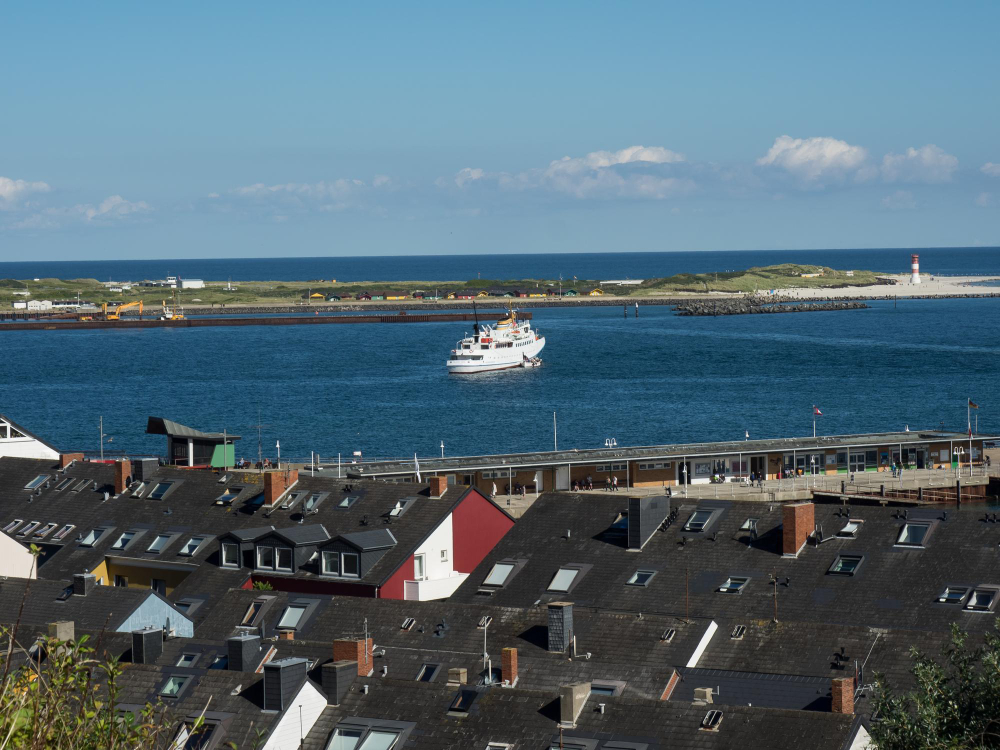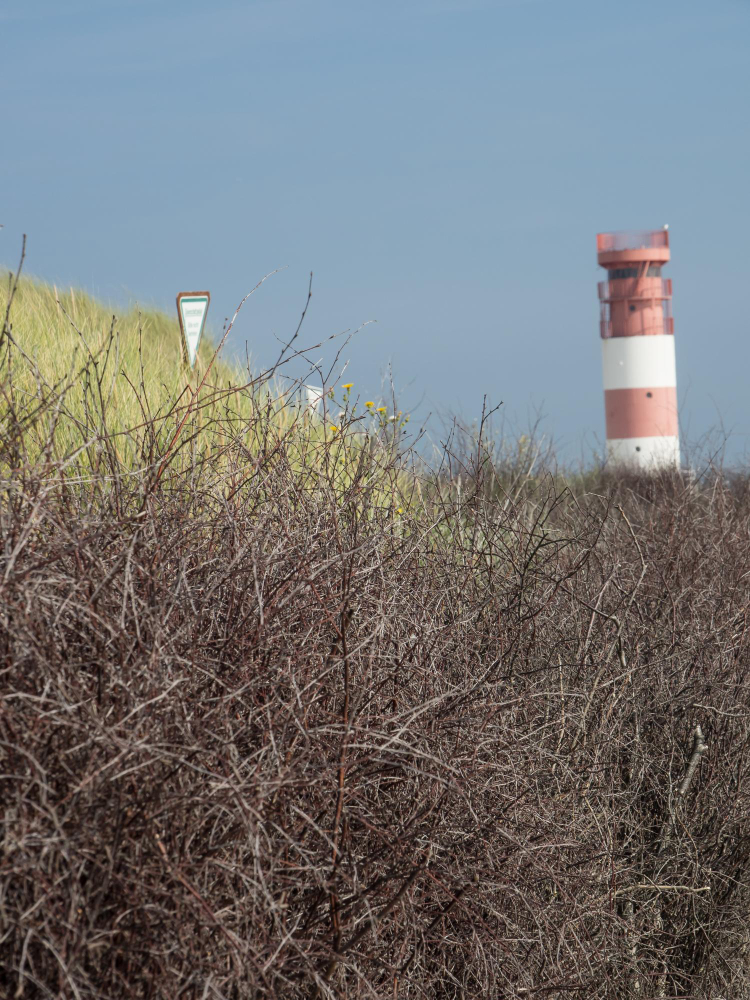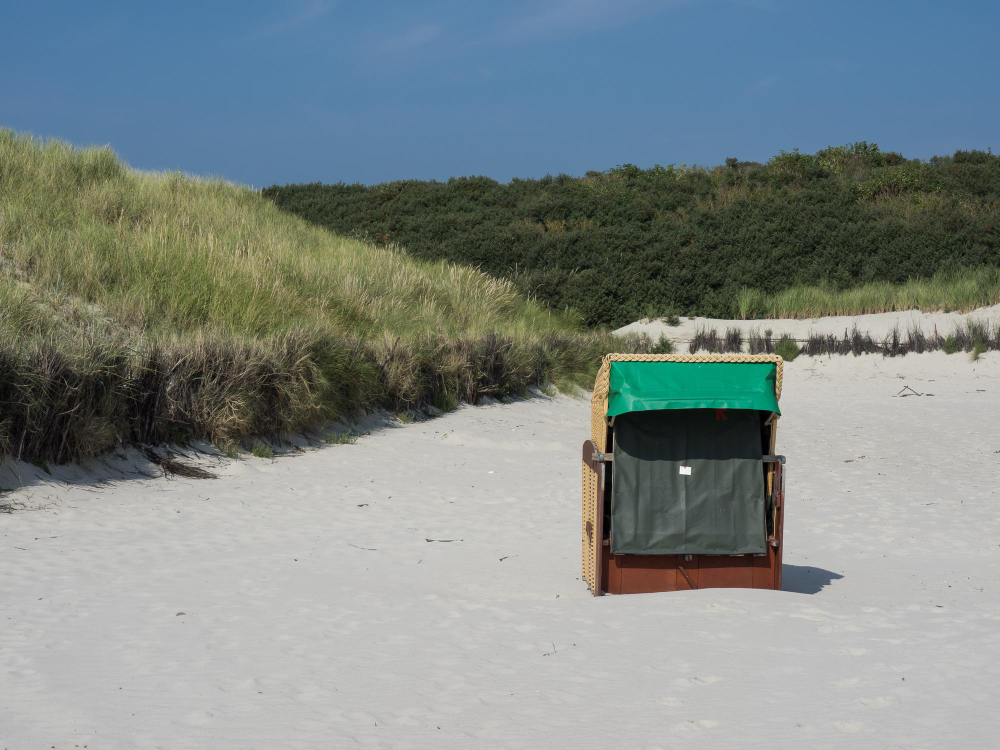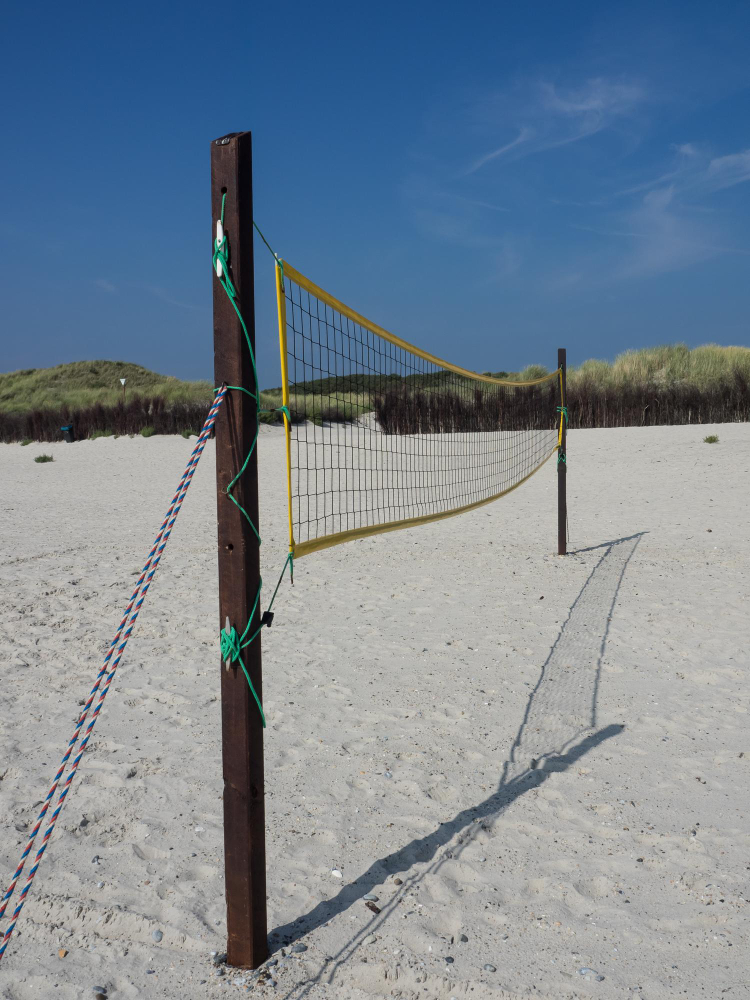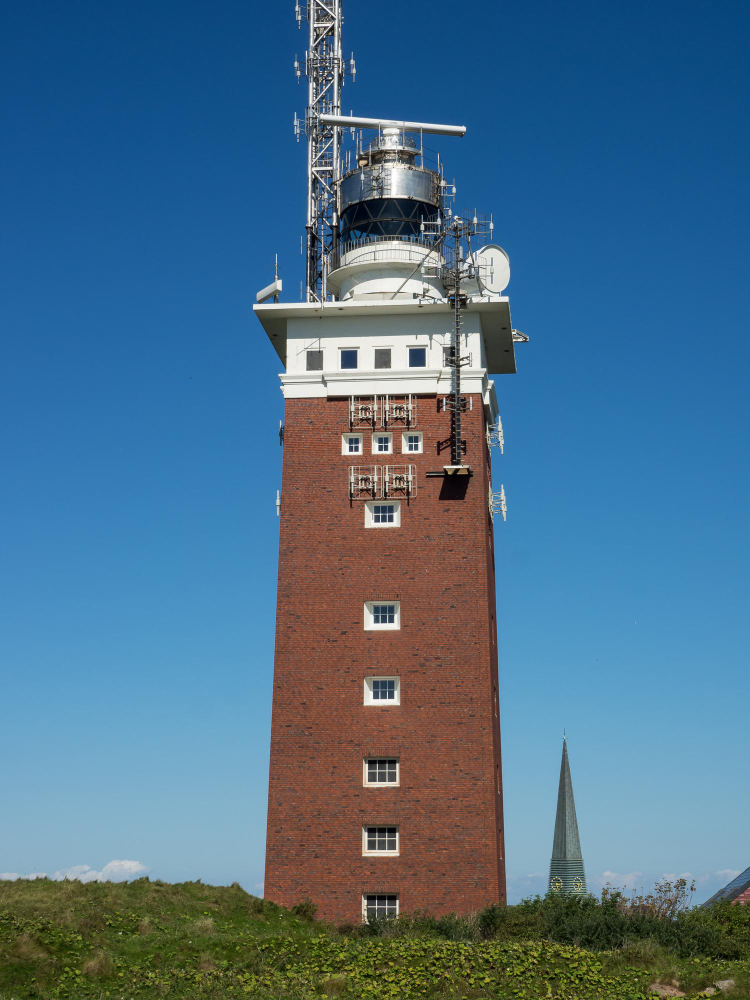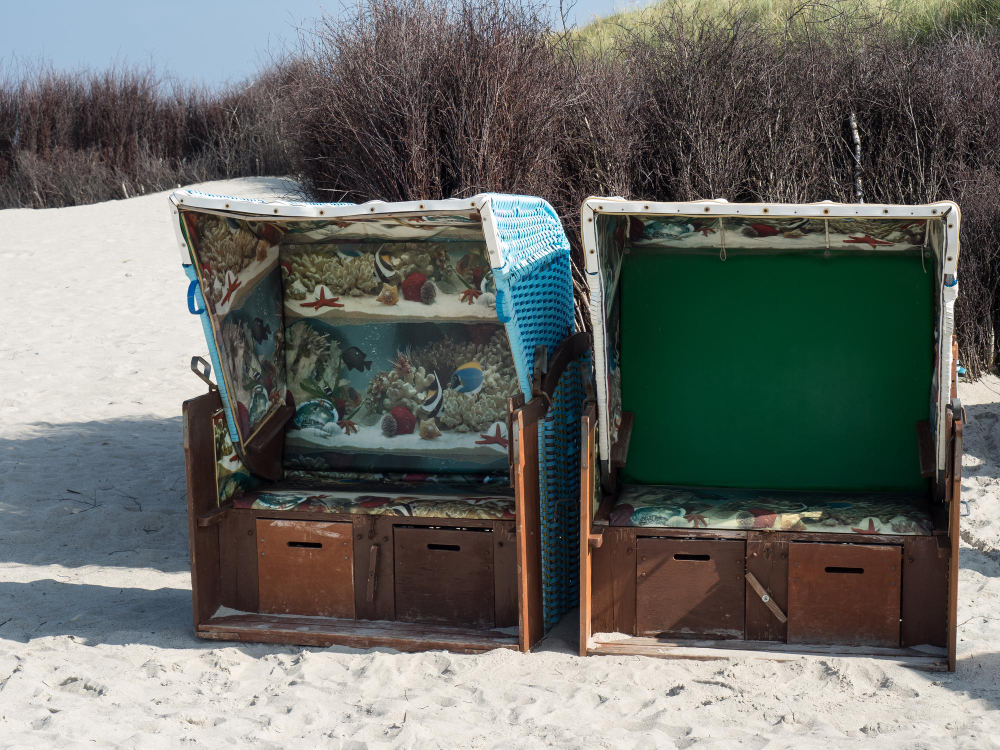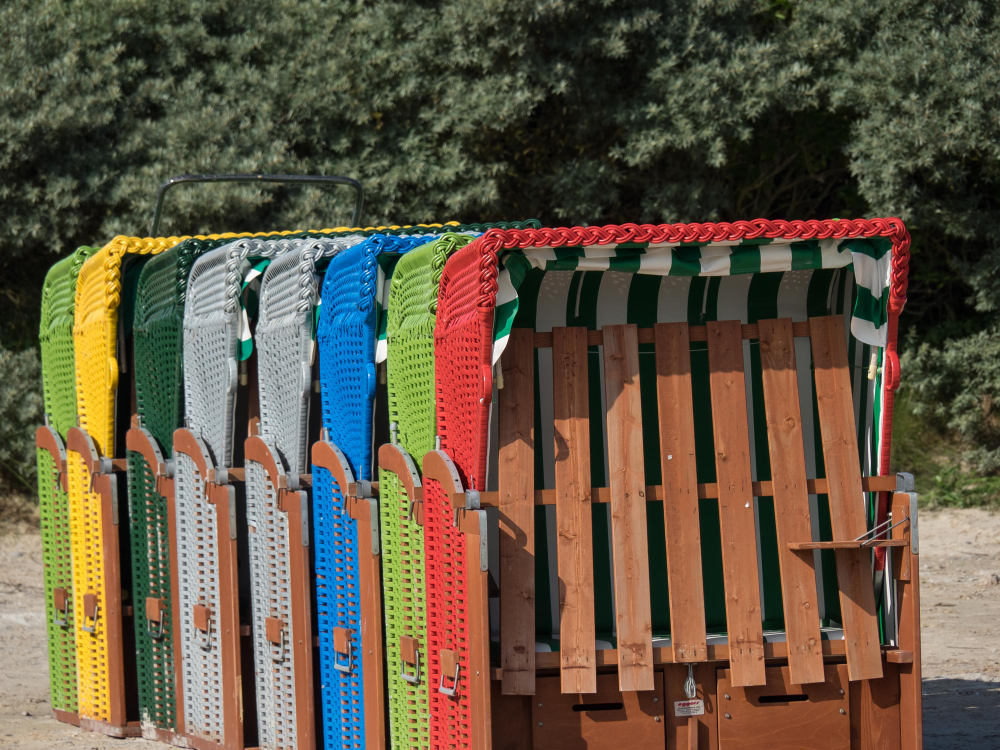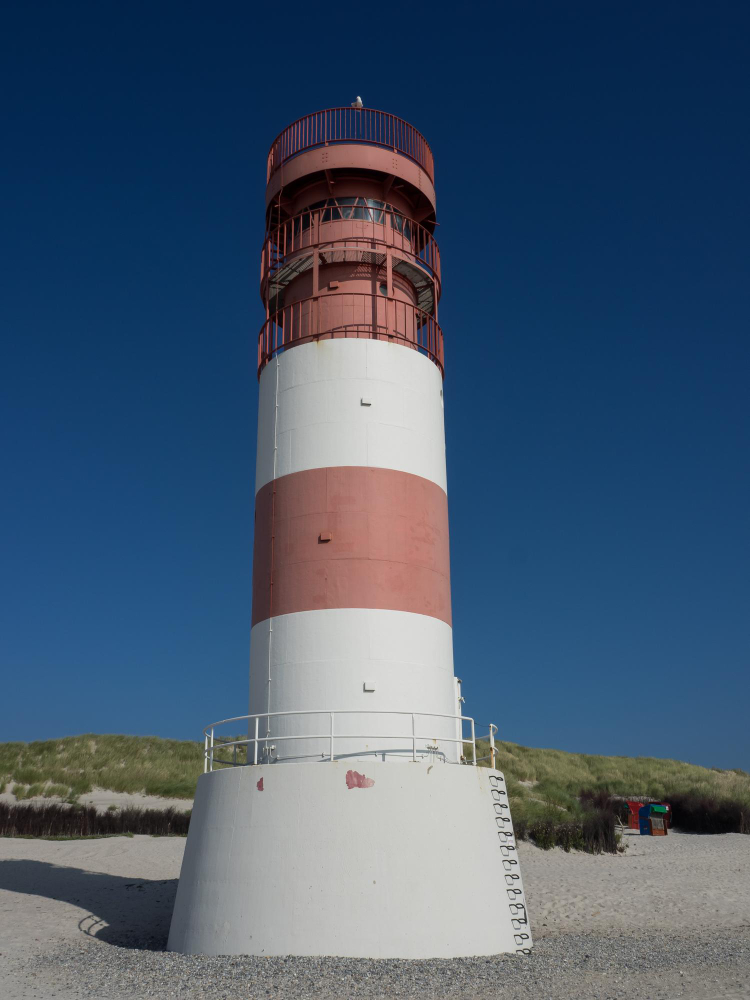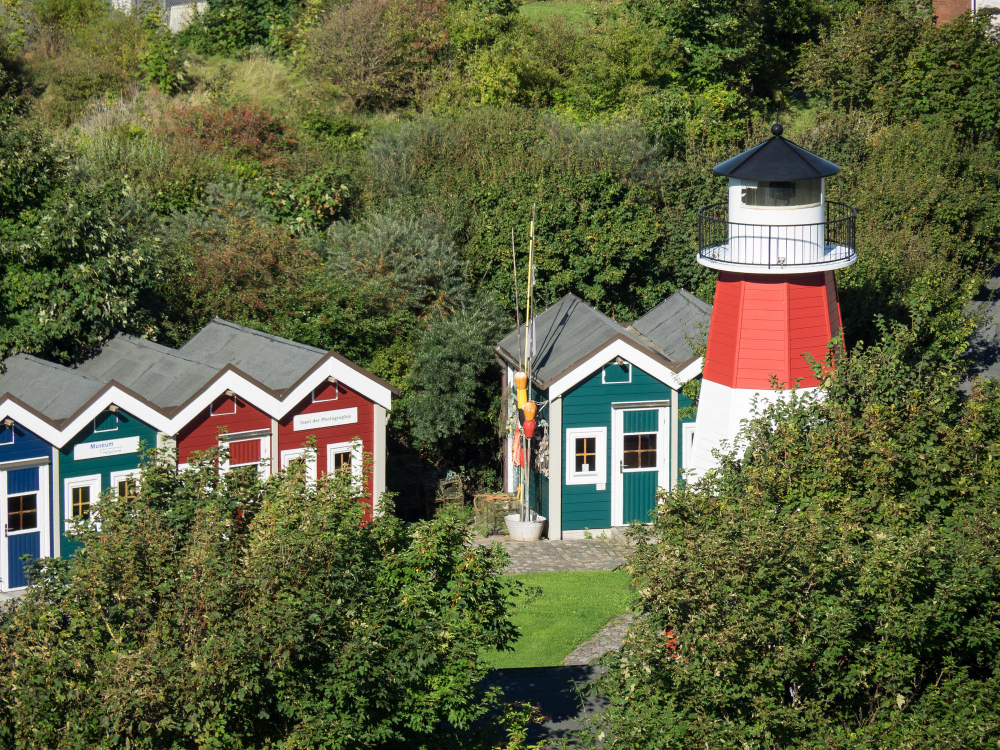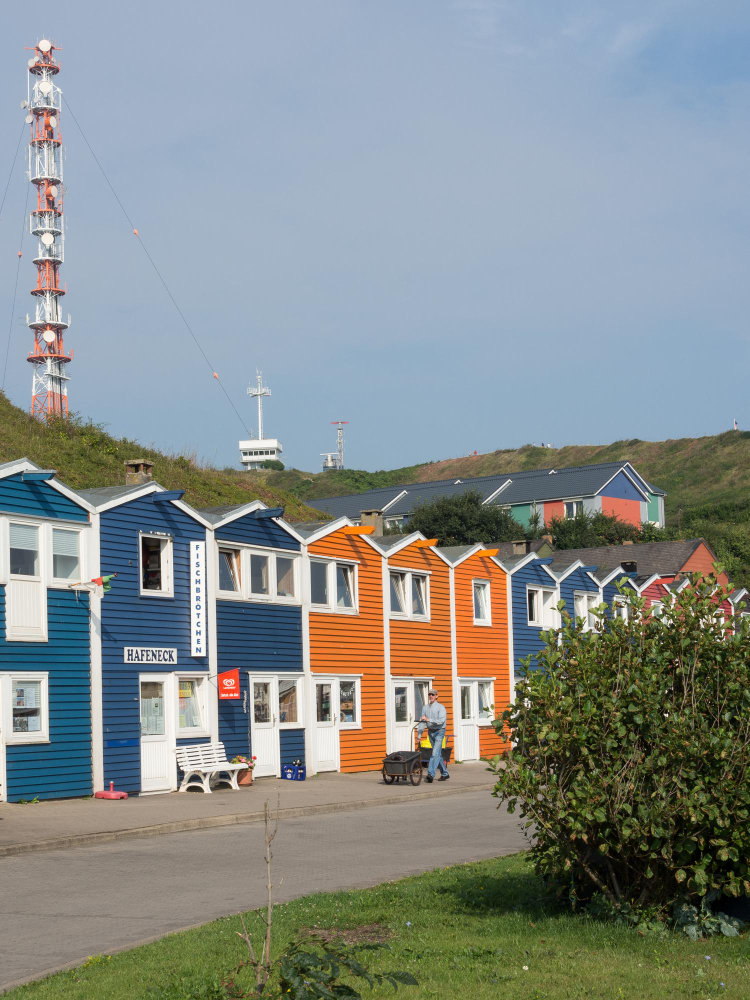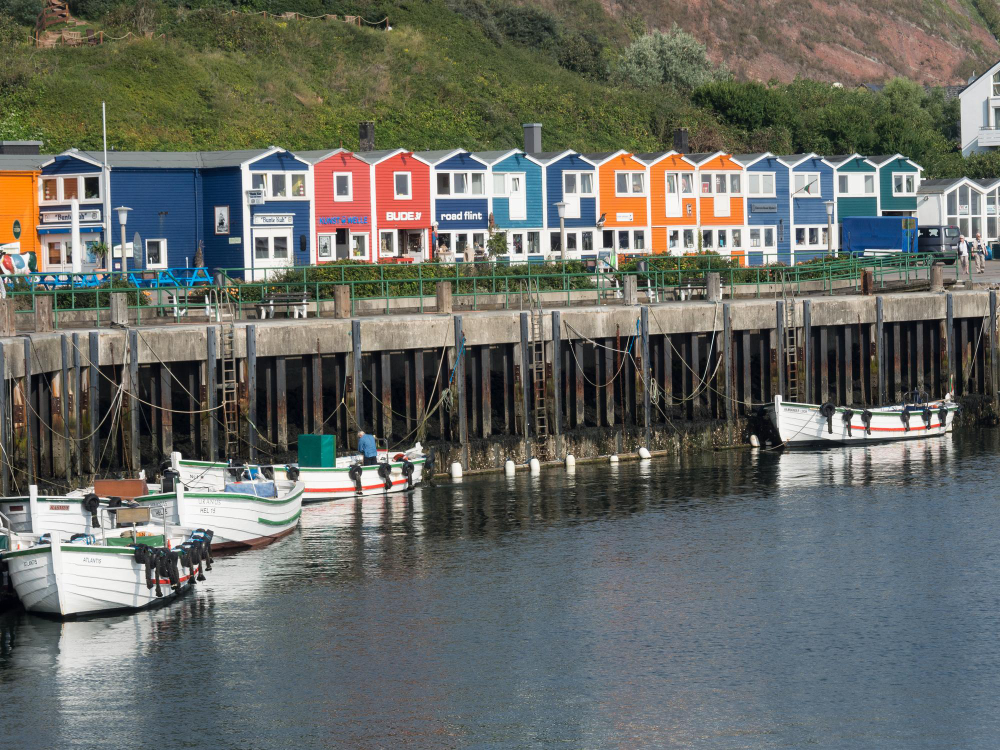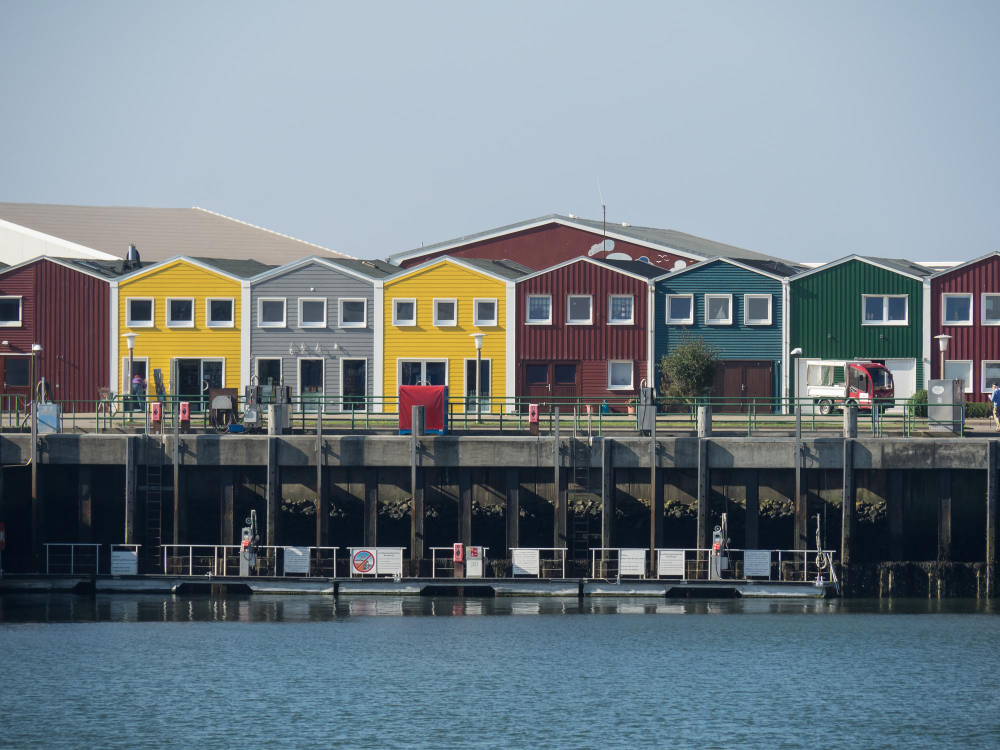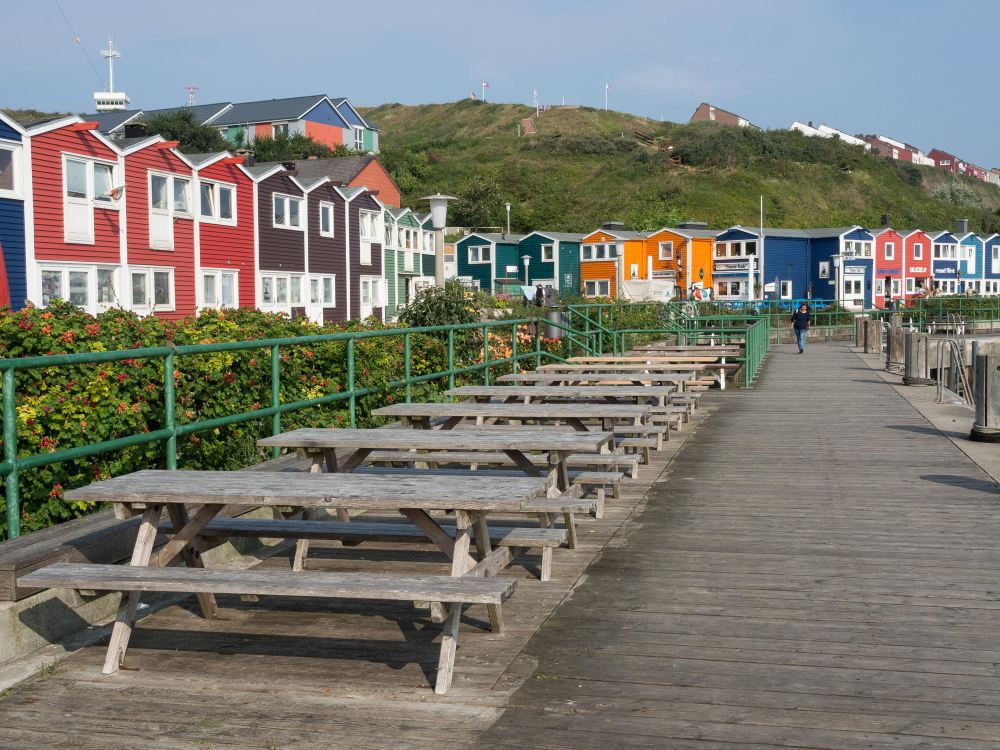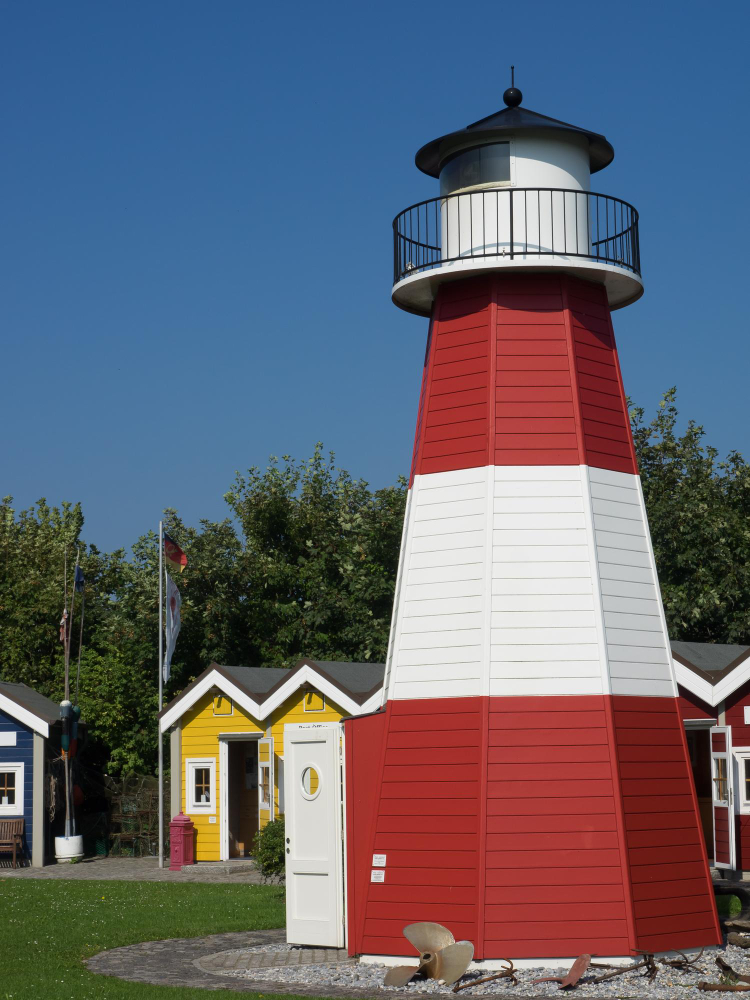
Heligoland, the small North Sea island, is a place of astonishing diversity and fascinating history. With an area of just under one square kilometer on the main island and an additional uninhabited island, the Düne, Heligoland offers far more than one might expect at first glance. Its unique geographical location and eventful history make the island an exciting destination for both nature lovers and history buffs.
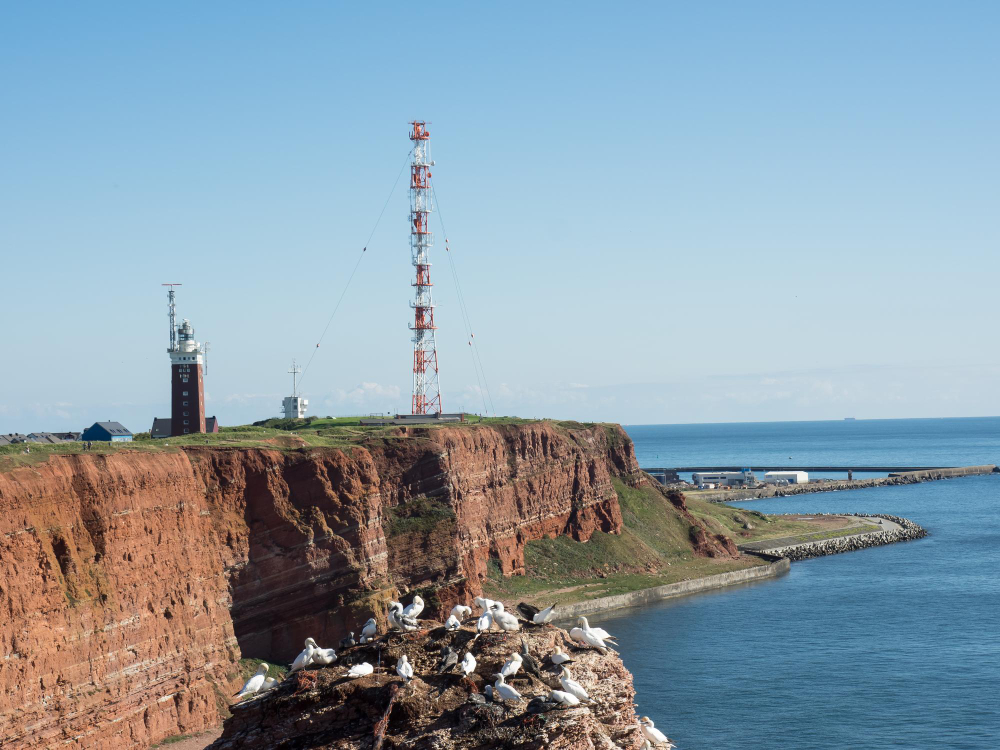
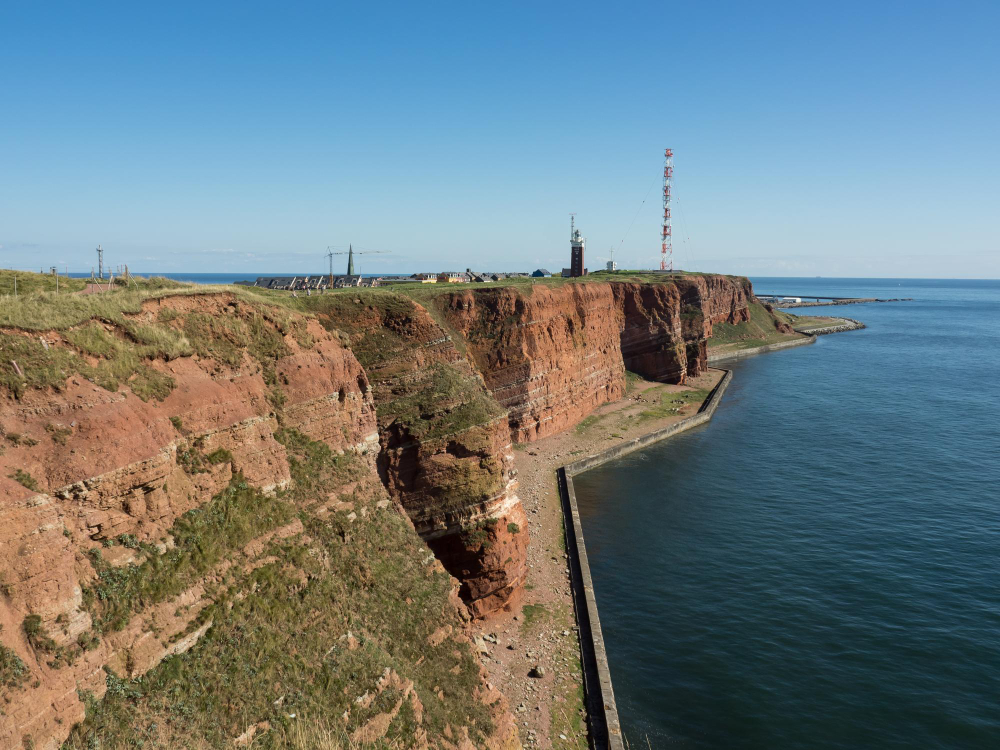
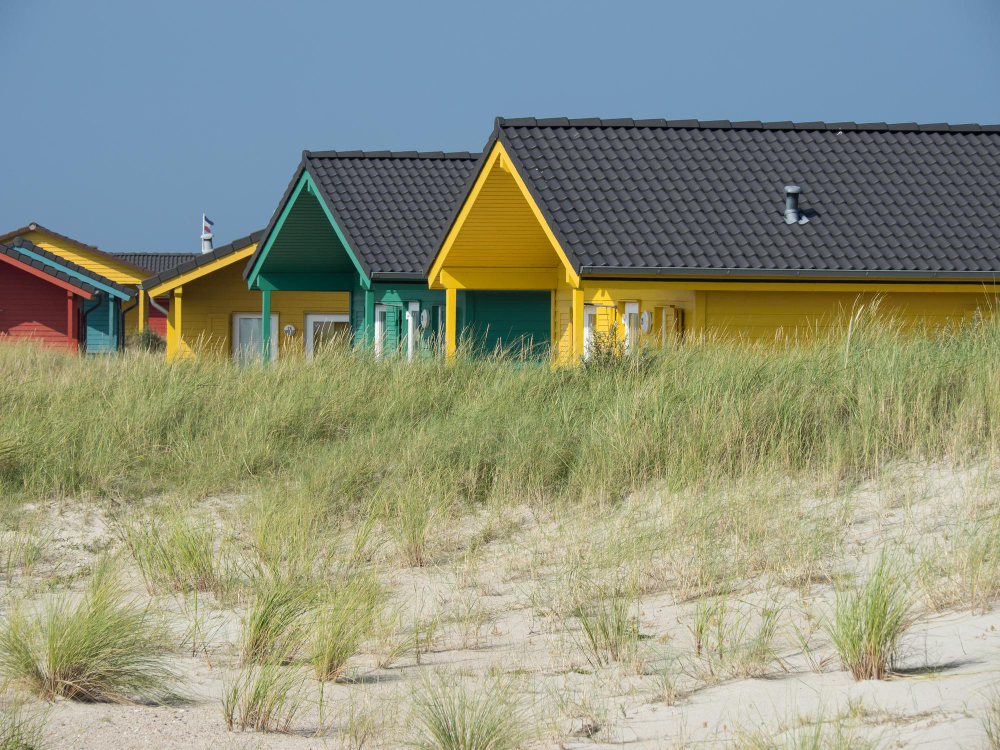
Geological and Geographical Uniqueness – As Germany’s only offshore island, Heligoland captivates visitors with its striking red cliffs of red sandstone, which contrast with the blue sea and the green land. This interplay of colors reflects the famous description of the island: “Red is the cliff, white is the sand, green is the land.” The Düne, separated by a strait about 1 kilometer wide, complements the main island with its fine sandy beaches and natural wonders. The island’s formation dates back to the Cretaceous period. The alternation of sedimentary deposits and erosion created a geologically unique formation that remains a popular research area for geologists to this day. Furthermore, Heligoland is part of the Schleswig-Holstein Wadden Sea National Park and is a UNESCO World Heritage Site. The region’s biodiversity and unspoiled nature make it a paradise for birdwatchers and conservationists.
Heligoland Through the Lens of History – Heligoland’s history is marked by shifting claims of ownership and strategic importance. The island was already inhabited in prehistoric times. It served as a trading and fishing base before falling under Frisian rule in the Middle Ages. Over the centuries, Heligoland experienced numerous political upheavals. The period under British control in the 19th century was particularly formative. As a result of the Congress of Vienna, the island became part of the British Empire in 1814 before being returned to Germany in 1890 under the Heligoland-Zanzibar Treaty. The agreement exchanged Heligoland for German claims to Zanzibar, a strategically important colony in Africa. The treaty not only placed Heligoland permanently under German administration but also gave it new significance in the context of German history. During both world wars, Heligoland was a military hotspot. Due to its isolated location and natural defensive advantages, the island was fortified. After the end of World War II, Heligoland suffered severe bomb damage, particularly from a British attack in 1945 that destroyed nearly the entire infrastructure. In the years following the war, the island was initially uninhabitable and was used as a “bombing range.” It wasn’t until 1952 that the residents returned and began reconstruction, making Heligoland a symbol of postwar Germany.
What makes Heligoland so special today? – Today, Heligoland is a popular travel destination that attracts thousands of tourists every year. In addition to its natural landscape and history, the island is best known for its duty-free shopping. Visitors can purchase alcohol, perfume, and cigarettes duty-free here, which has earned Heligoland the nickname “Shopping Island.” Another highlight is the long-standing tradition of the Heligoland Biological Institute (BAH). Since its founding in 1892, the institute has served as a center for marine research. Thanks to the unique flora and fauna surrounding the island, important insights into marine ecology have been gained here. The clear water and unspoiled nature create ideal conditions for scientists and divers alike. Culture and customs also play a central role on Heligoland. Annual events such as the traditional “Biikebrennen,” during which blazing fires light up the island, bear witness to the deeply rooted North German traditions. The songs and stories of the Heligolanders speak to the people’s connection to their homeland and its unique past.
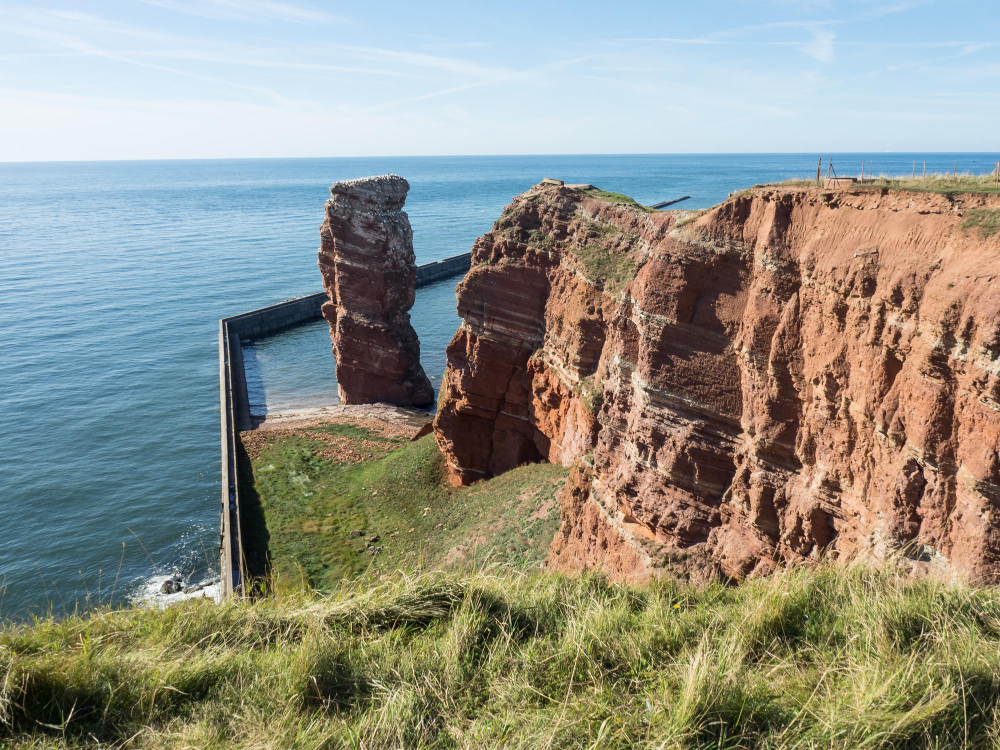
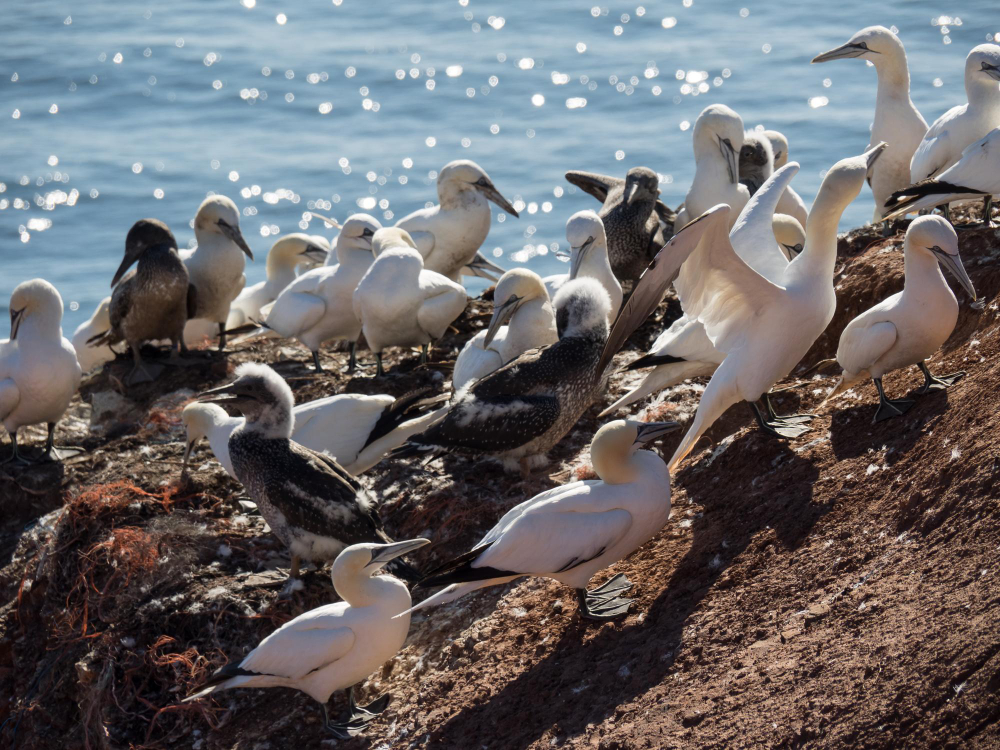
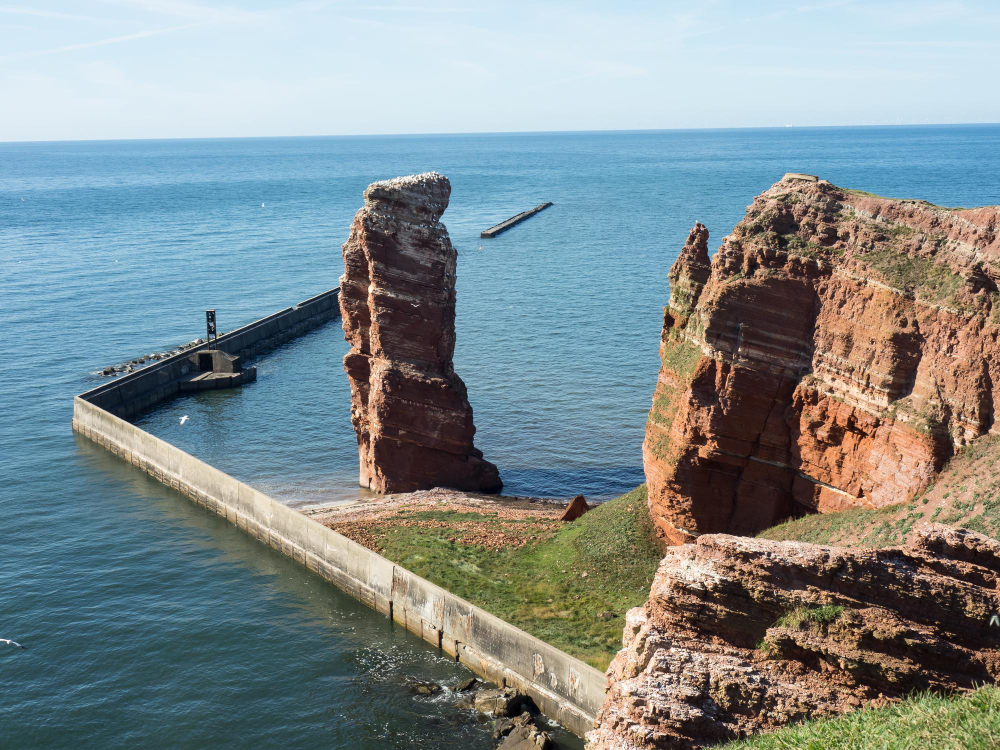
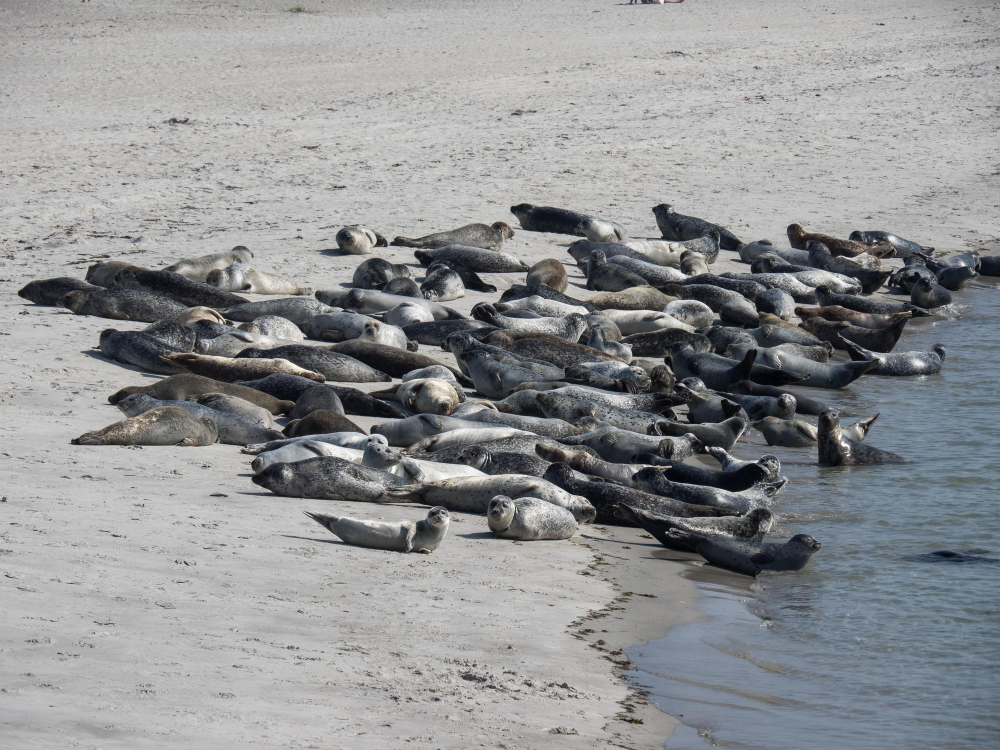
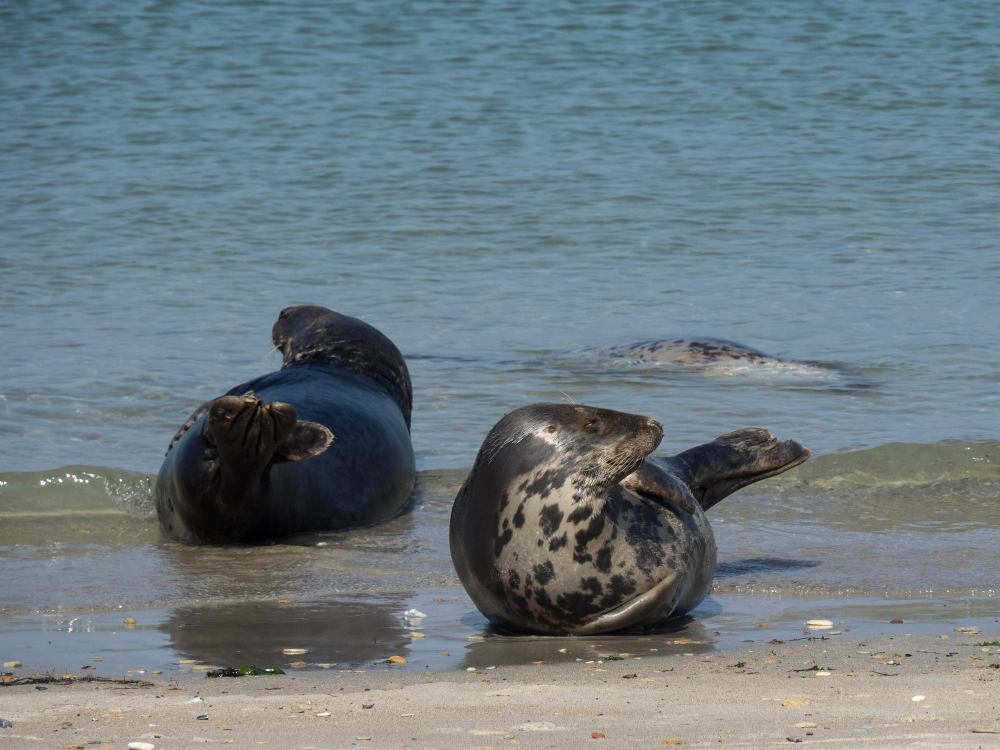
Sights and Activities – Visitors to Heligoland should take the time to explore the island on foot or by bike. The Lummenfelsen is particularly impressive. Here, thousands of seabirds such as northern gannets and common murres breed, captivating all who watch them with their flying skills and songs. From the Oberland, a spectacular view of the sea and the island opens up. Another absolute must-see is the “Lange Anna,” an imposing, 47-meter-high rock formation made of red sandstone. It is the island’s landmark and a popular photo spot. Hikes along the cliffs and the view of the roaring sea make for unforgettable memories. The Dune invites visitors to explore its stunning beaches on foot. With a bit of luck, you might encounter the famous gray seal colony basking on the sandbanks. These animals are considered symbols of untouched nature and are extremely popular with tourists.
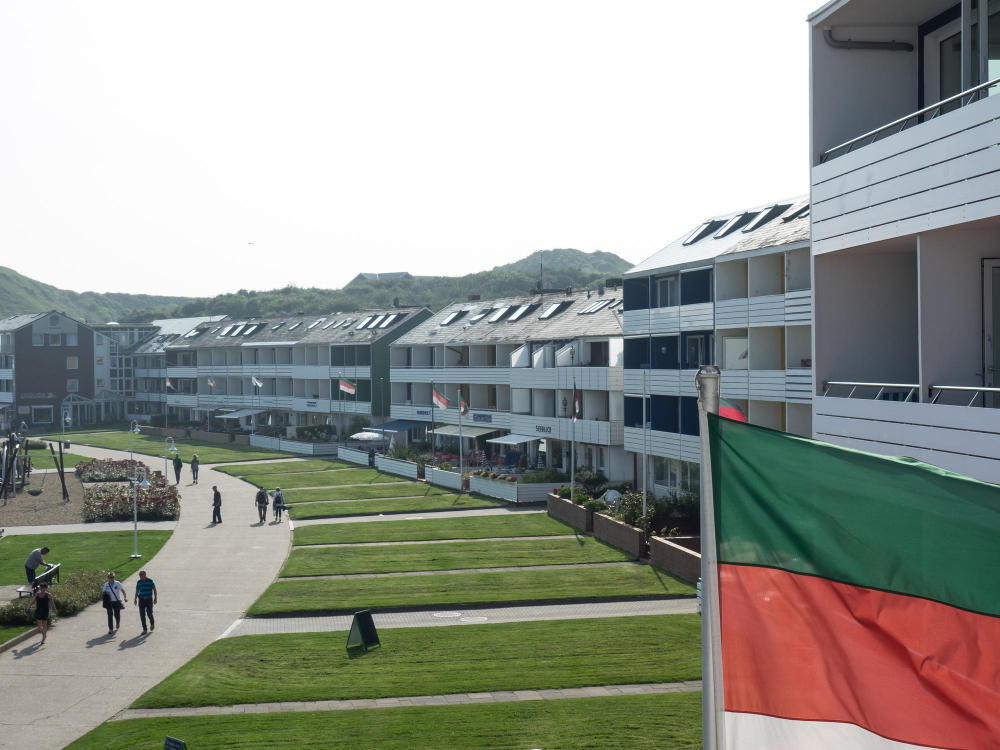
Heligoland: An Insider’s Tip – Despite its popularity, Heligoland remains an insider’s tip for anyone seeking peace and unspoiled nature far from mass tourism. The island’s unique microclimate ensures plenty of sunshine and fresh sea air, which can have a positive effect on health. Living conditions on the island differ significantly from those on the mainland: there are no cars, but instead an incomparable silence. The regional cuisine offers culinary delights. Fresh fish, crabs, and specialties like “Helgoländer Knieper” (a type of small crab) delight visitors’ palates. In addition to these delicacies, restaurants and cafés offer breathtaking views of the sea—a perfect combination of culinary enjoyment and the natural experience.
Heligoland is more than just an island—it is a place of contrasts, history, and natural wonders. It connects historical events such as the Heligoland-Zanzibar Treaty and the post-war era with the unspoiled beauty of the Wadden Sea National Park. Whether you’re exploring the rugged cliffs, observing the fascinating wildlife, or strolling through the narrow streets of the lowlands: Heligoland invites you to pause and experience its magic.
A visit to this extraordinary island is like a journey to another world—a world where the sound of the sea and the voices of the past can still be heard. Anyone who has been here knows that Heligoland has much more to offer than one might suspect at first glance.