Lüneburg, a charming city in northern Germany, is regarded as a place rich in historical events and fascinating legends, and holds a special appeal for tourists. With its centuries-old history, amusing anecdotes and impressive architectural heritage, the Hanseatic city has always captivated locals and visitors alike. But what makes Lüneburg so unique? Let’s delve into its past and discover the secrets of this enchanting city.
A vivid journey through the centuries – Lüneburg’s roots stretch deep back into the early Middle Ages. The first traces of human settlement can be traced back to the 10th century AD. Even then, the city gained remarkable significance through salt production, which laid the foundation for its long-lasting prosperity. The salt springs beneath Lüneburg were exploited for centuries, leading the city to gain prominence as the ‘white gold of the North’. During the Hanseatic era, this brought it not only economic strength but also political influence. Particularly noteworthy is the fact that Lüneburg managed to maintain a close link between its identity and salt mining right into the early 20th century. The Salt Museum, which attracts many visitors today, vividly recounts the glorious era of salt production and its significance for the city’s development. Here, one learns not only interesting facts about working in the salt mines, but also how salt had a decisive influence on trade and the balance of power in northern Germany.
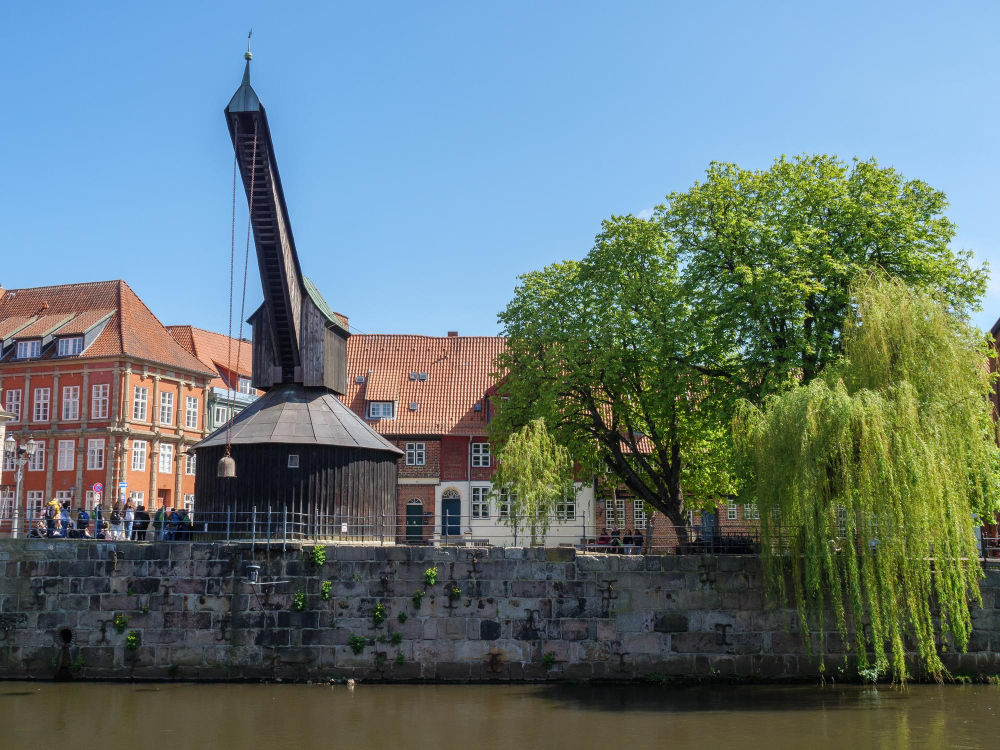
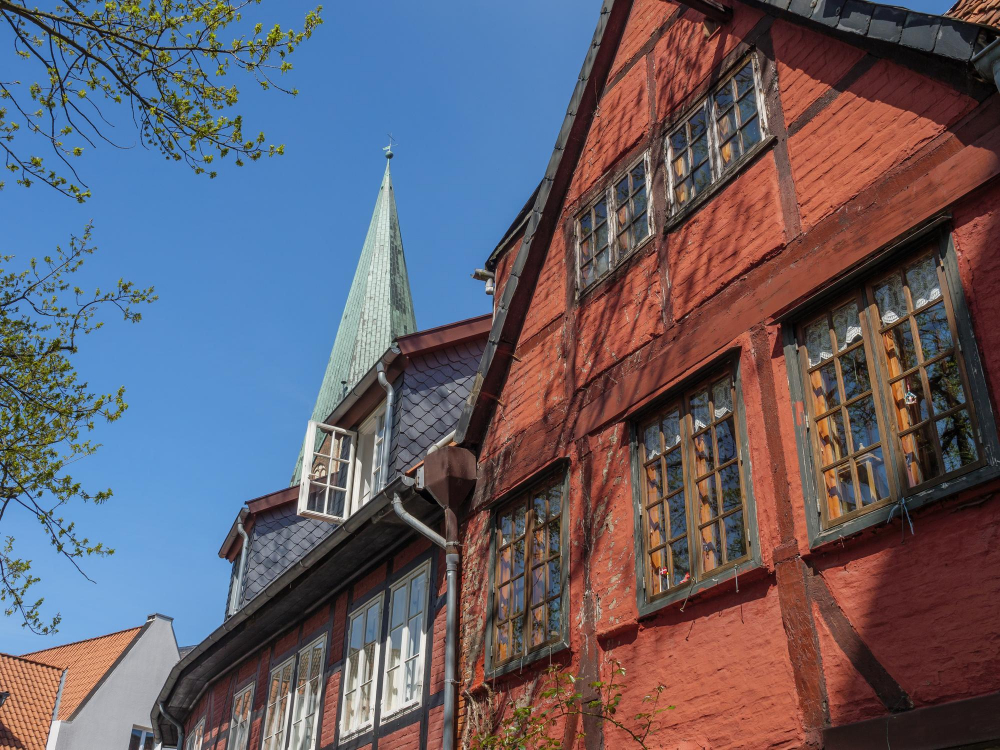
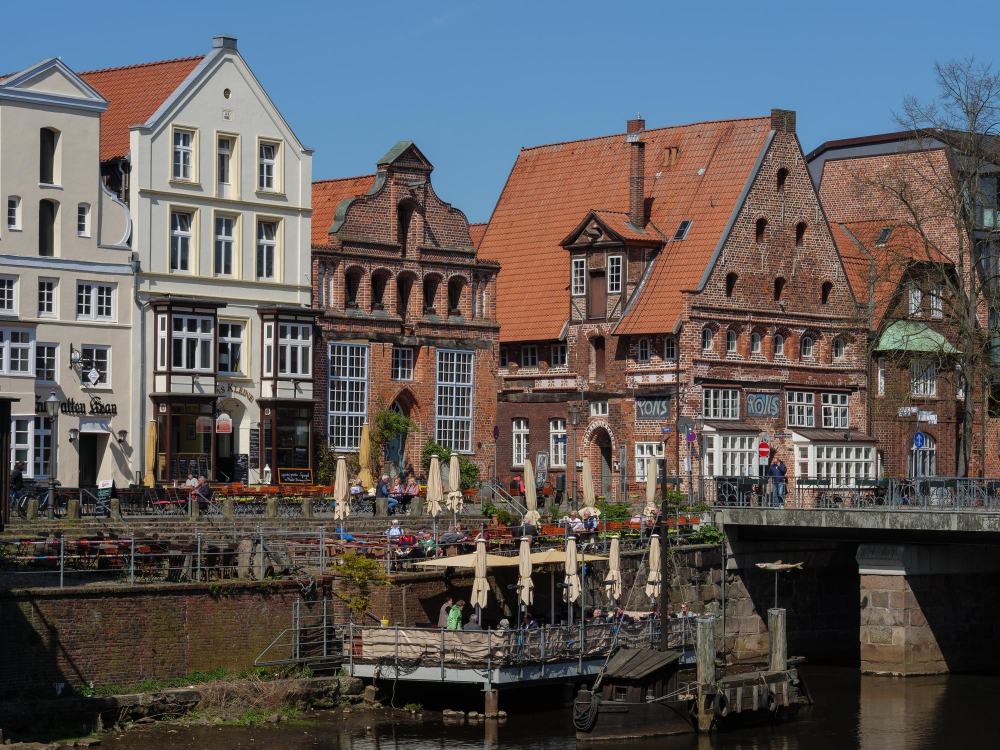
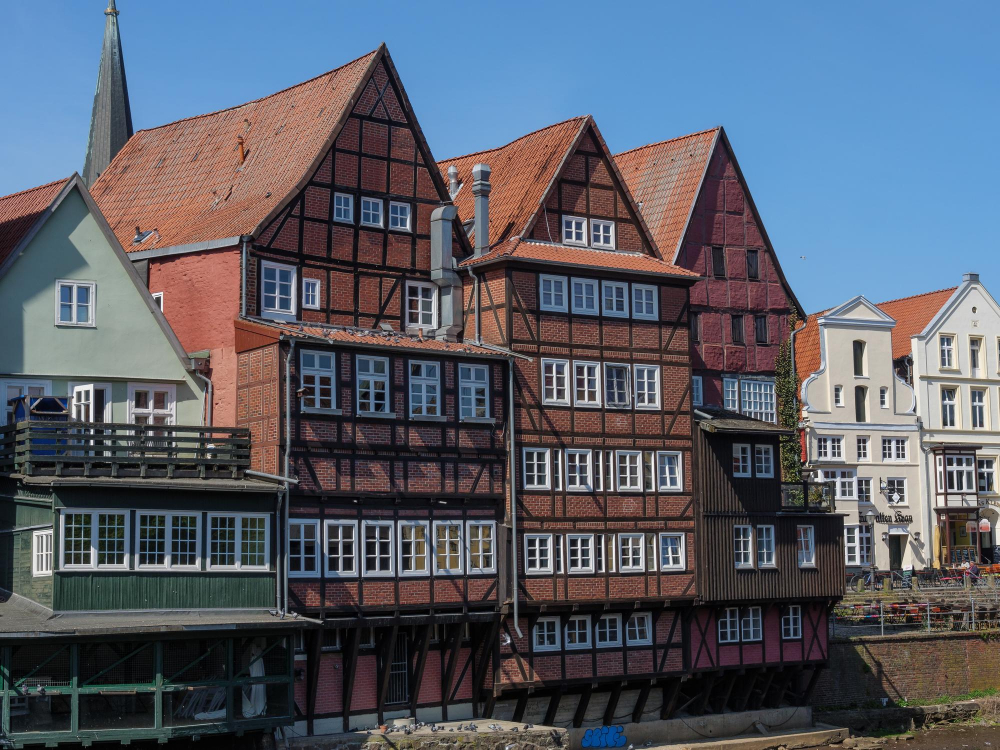
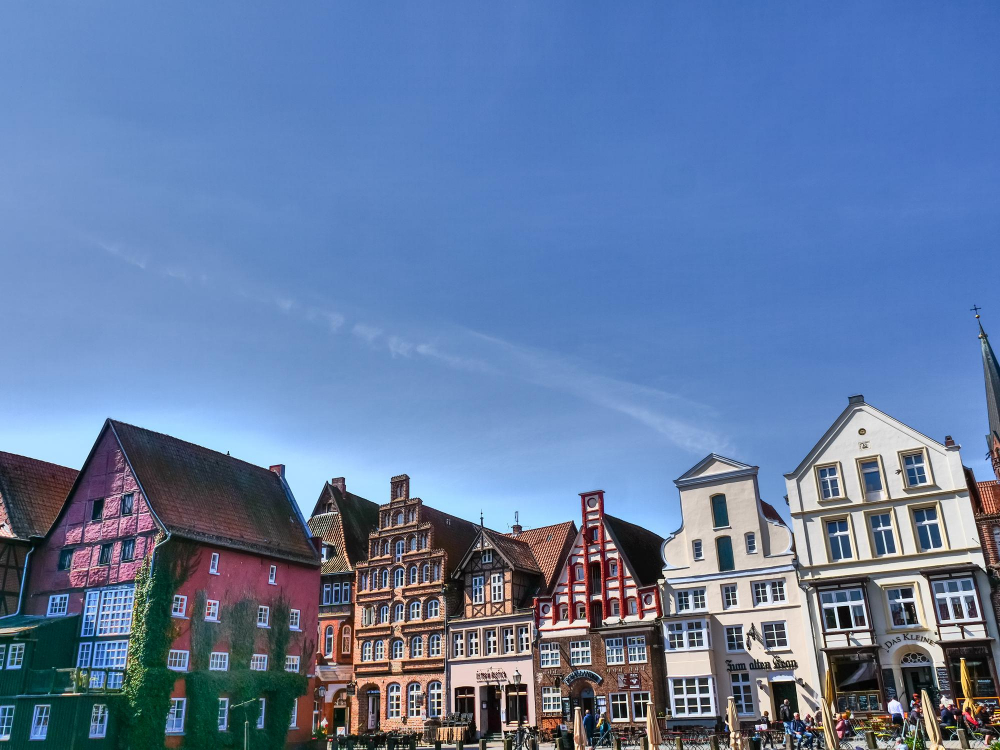
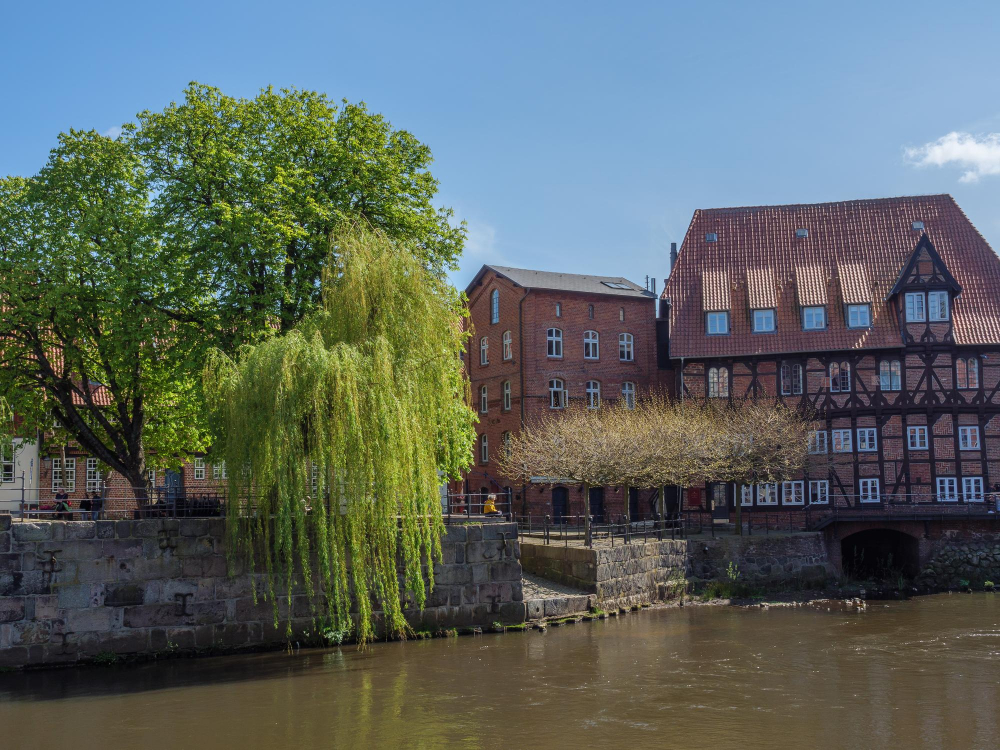
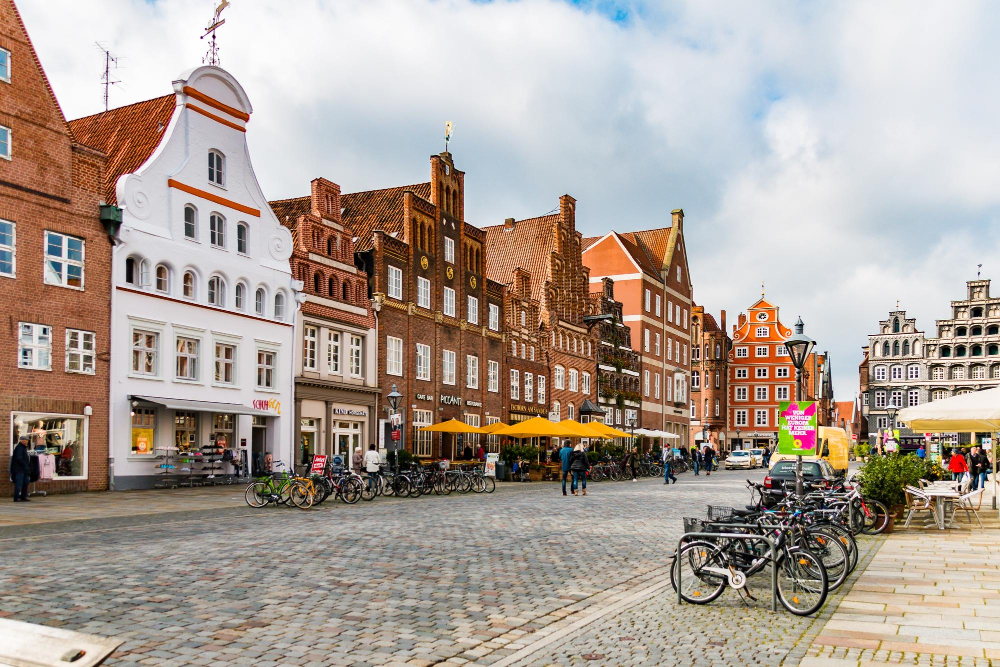
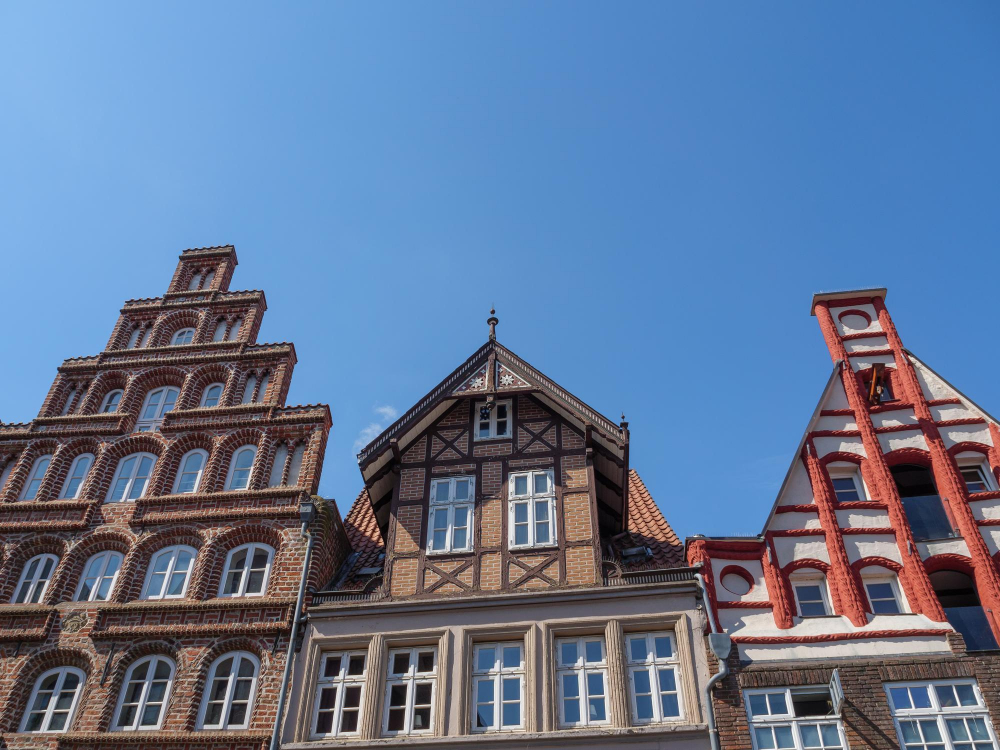
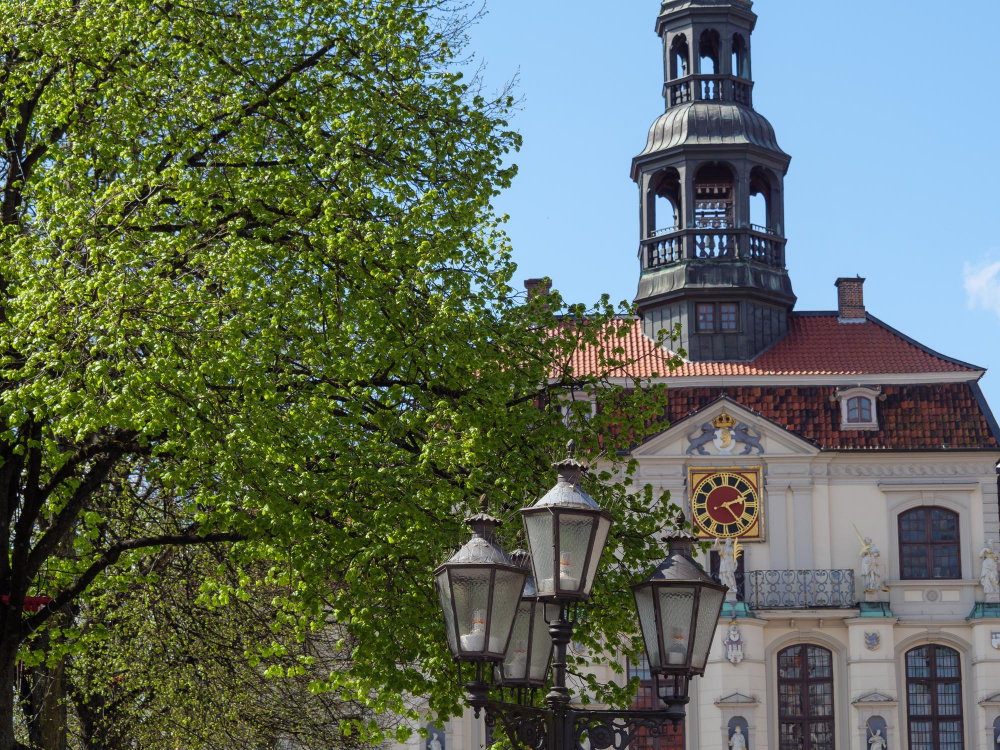
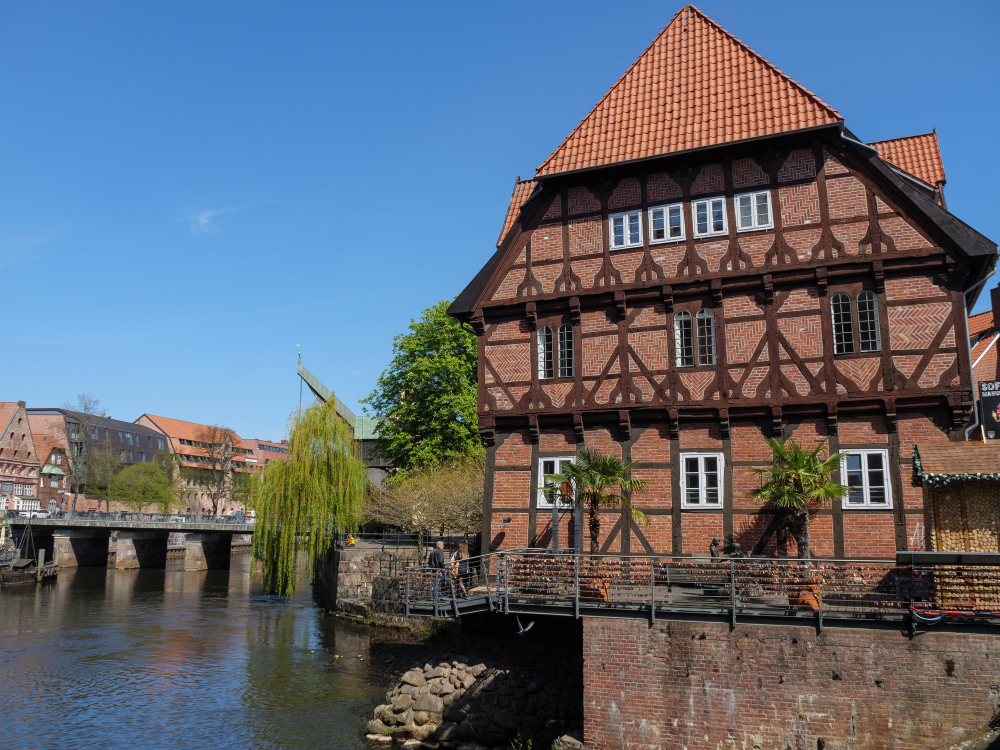
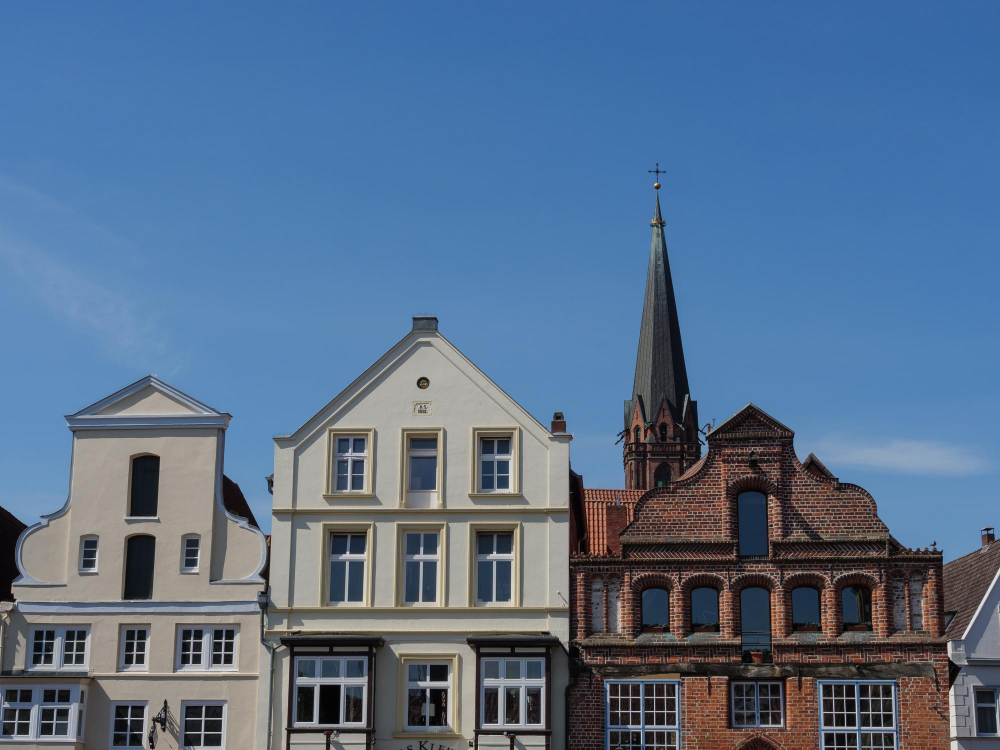
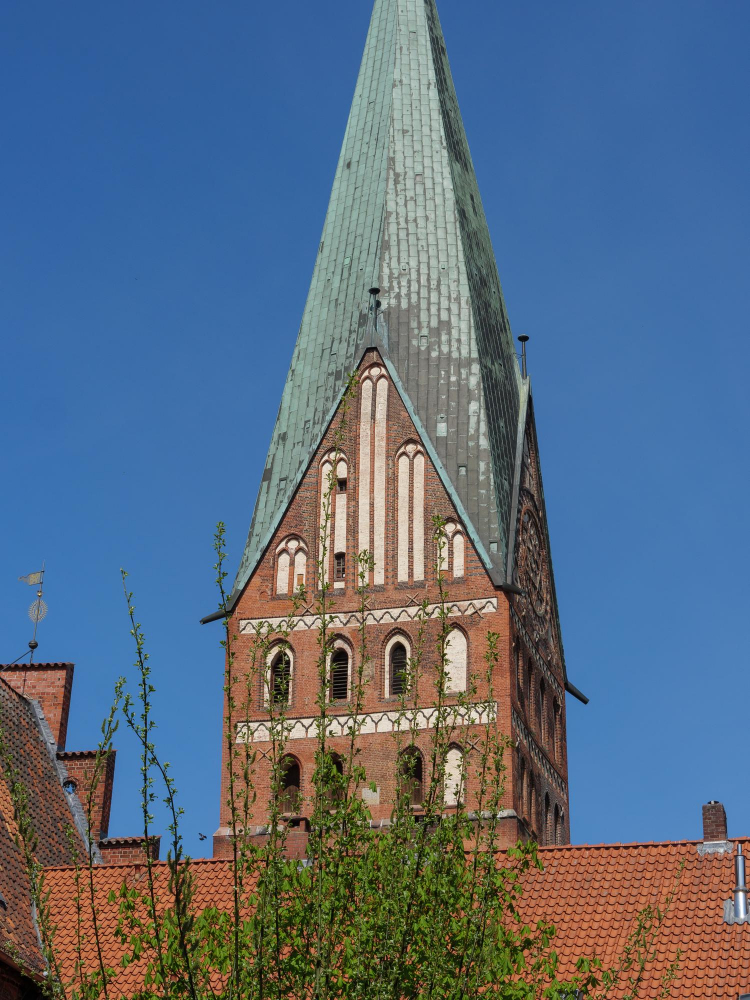
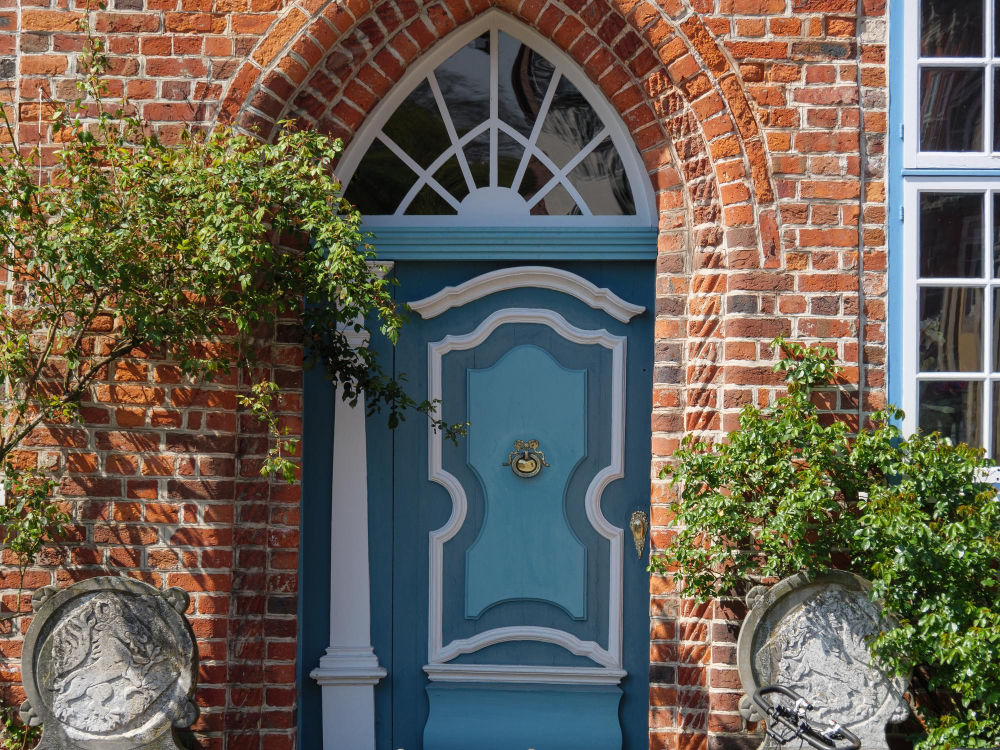
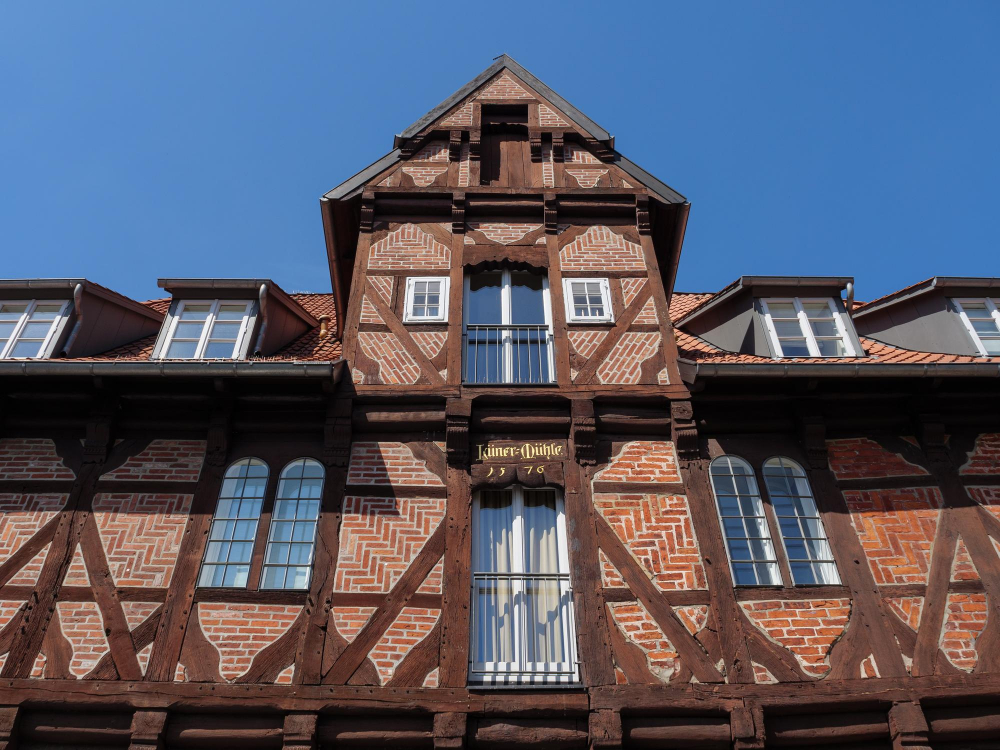
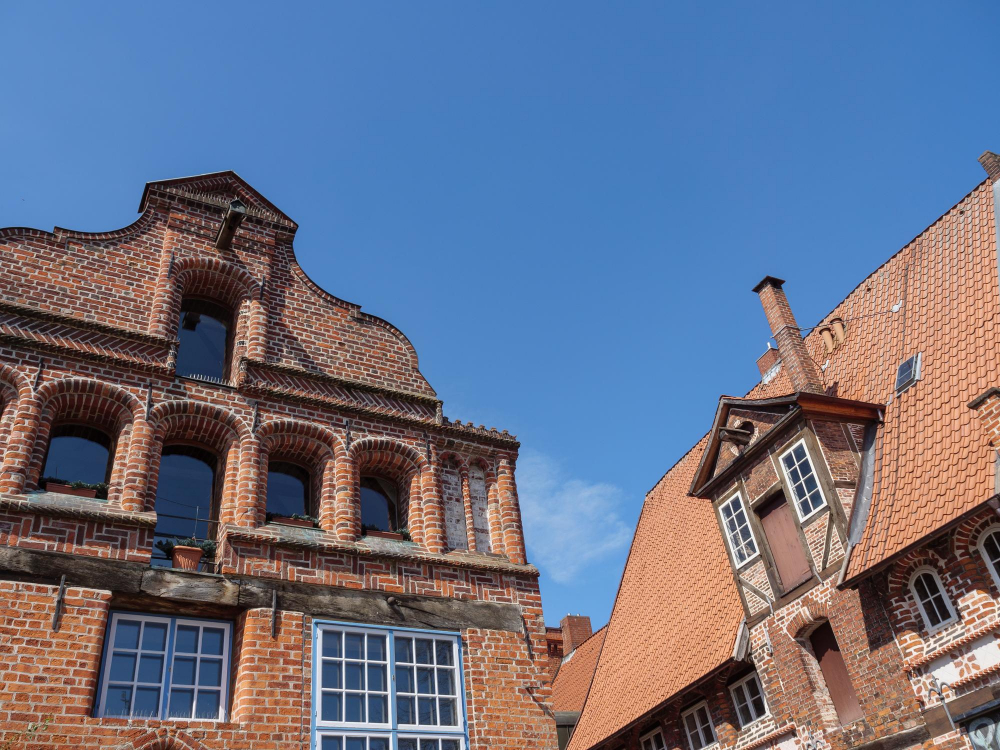
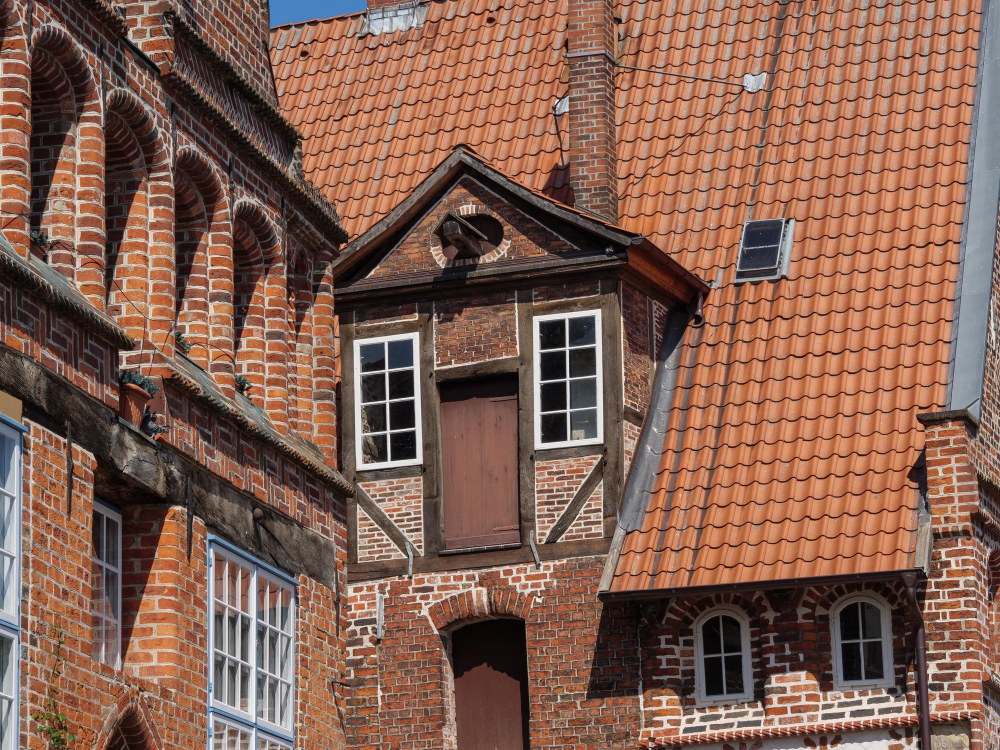
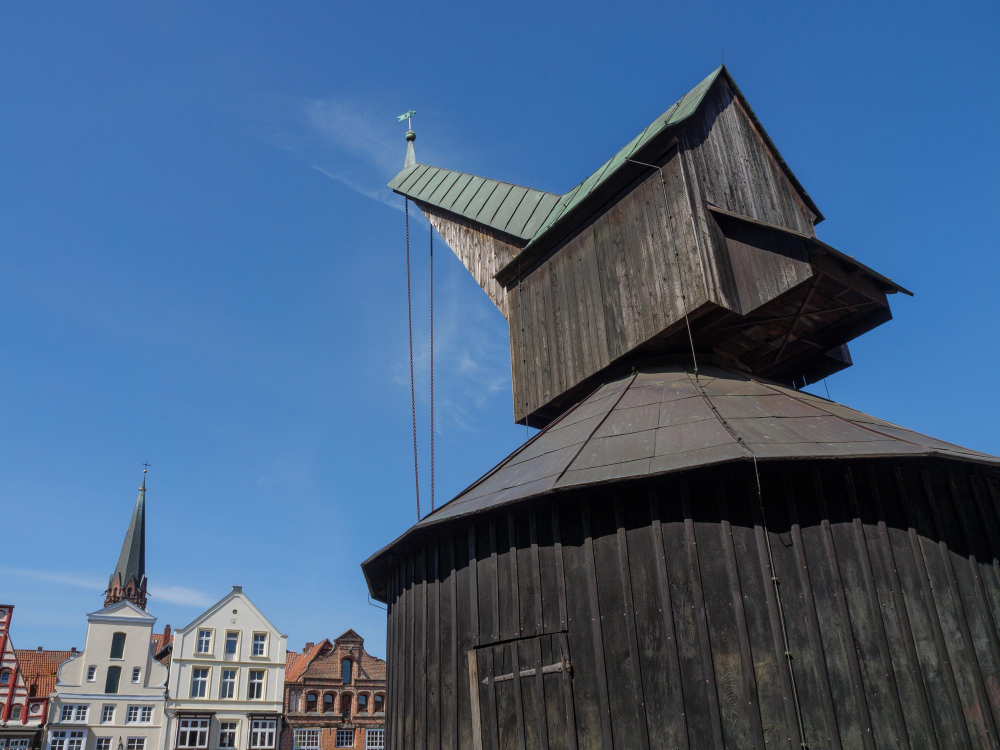
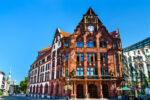
Architectural masterpieces and historic charm – A stroll through the old town reveals why Lüneburg is considered one of the most beautiful towns in northern Germany. The well-preserved facades in the Brick Gothic style and the picturesque cobbled streets lend the town an incomparable charm. Particularly impressive are the Town Hall and St. John’s Church, which are among Lüneburg’s landmarks. The 13th-century Town Hall is a work of art in its own right: with its magnificent banquet hall and ornate façade, it captivates every visitor. It reflects not only the wealth of bygone eras, but also Lüneburg’s significance as an administrative centre. Be sure to visit Poststraße and Schröderstraße, two of the city’s most popular shopping streets, which impressively demonstrate how harmoniously tradition and modern life can blend together. Numerous shops, cafés and restaurants invite you to linger here. The waterfront district is also particularly well-known. The Illmenau, the small river that flows through the city, shapes the atmosphere of the district. Old warehouses and renovated storehouses tell stories of the city’s economic power – a time when goods were transported by water and Lüneburg was an important trading hub.
Mysterious legends and mystical places – However, Lüneburg is not only known for its history, but also for its numerous myths and legends. One of the best-known stories revolves around the legendary ‘Red Rooster’, a symbol of fire and destruction. It is said that a great fire once ravaged the city, which was interpreted as divine punishment for the arrogance of the citizens of that time. Many old buildings still bear visible traces of this tragedy, which is why the ‘Red Rooster’ serves to this day as a warning against pride and recklessness. Another legend tells of the mysterious figure of the ‘Salt Witch’. According to tradition, she is said to have once stolen salt from the springs and been banished by the citizens. Ever since, she has haunted the alleys of the old town, serving as a reminder of how precious salt was as a commodity in those days. The mysterious passageways and cellars of the Schifferviertel, which served as storage rooms and secret passages during the Hanseatic era, also capture the imagination of many visitors. Guided tours of these hidden places offer fascinating insights into the lives and work of earlier generations, whilst also shedding light on the darker sides of the city’s history.
Lüneburg as a popular destination – In addition to its past, Lüneburg today offers a wide range of cultural attractions that draw tourists from all over the world. From the historic old town to modern attractions, there are numerous ways to explore the city from different perspectives. It is particularly popular to simply take things at a leisurely pace and explore the city on a gentle stroll or a bike ride. A special recommendation for visitors is the weekly market, which takes place regularly in front of the town hall. Here, regional delicacies meet a lively atmosphere, allowing you to sample both traditional specialities and modern treats. For nature lovers, there is also the Lüneburg Heath, which lies just outside the city gates. With its expansive landscapes, picturesque walking trails and colourful heathland, this is a paradise for anyone wishing to enjoy peace and nature. For culture enthusiasts, Lüneburg offers a diverse range of museums, including the aforementioned Salt Museum and the German Tank Museum, which provides fascinating insights into the history of military vehicle technology. The Lüneburg Theatre also impresses with a varied programme of performances and events.
A multifaceted city – Lüneburg is a fascinating city that uniquely blends the past and the present. Its eventful history is reflected not only in its buildings and cultural offerings, but also in the legends that capture the imagination. Whether you’re admiring the historic sights, drawing inspiration from the tales of the Salt Witch, or simply enjoying the city’s picturesque corners – Lüneburg has something to offer every visitor. With its beauty and distinctive character, Lüneburg has secured a firm place as a popular destination. Anyone who has been here is likely to remember this enchanting city time and again – and perhaps even dream of returning one day to discover even more of its secrets.