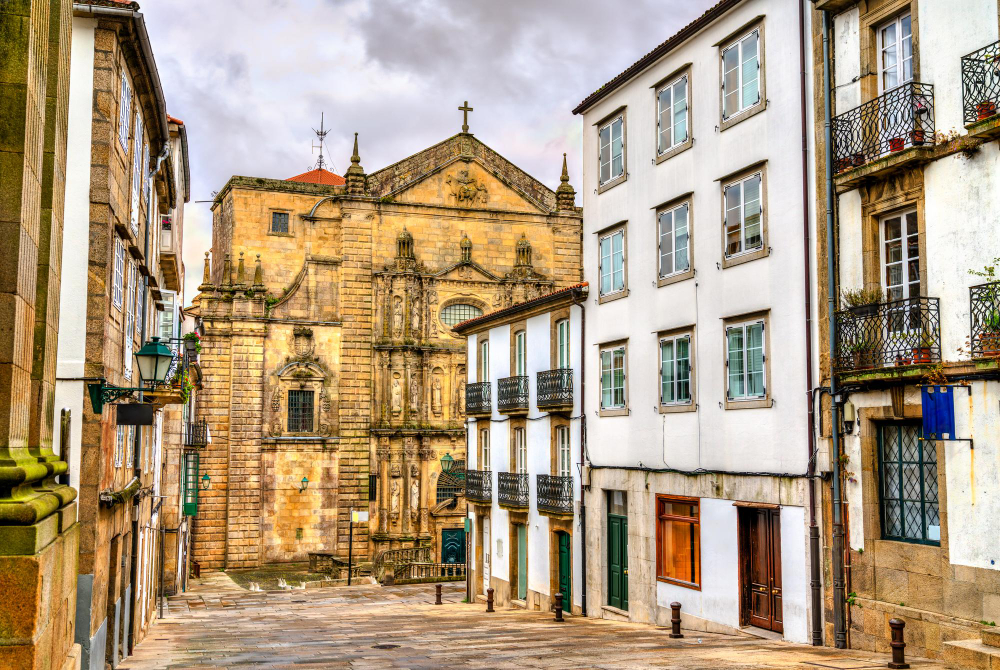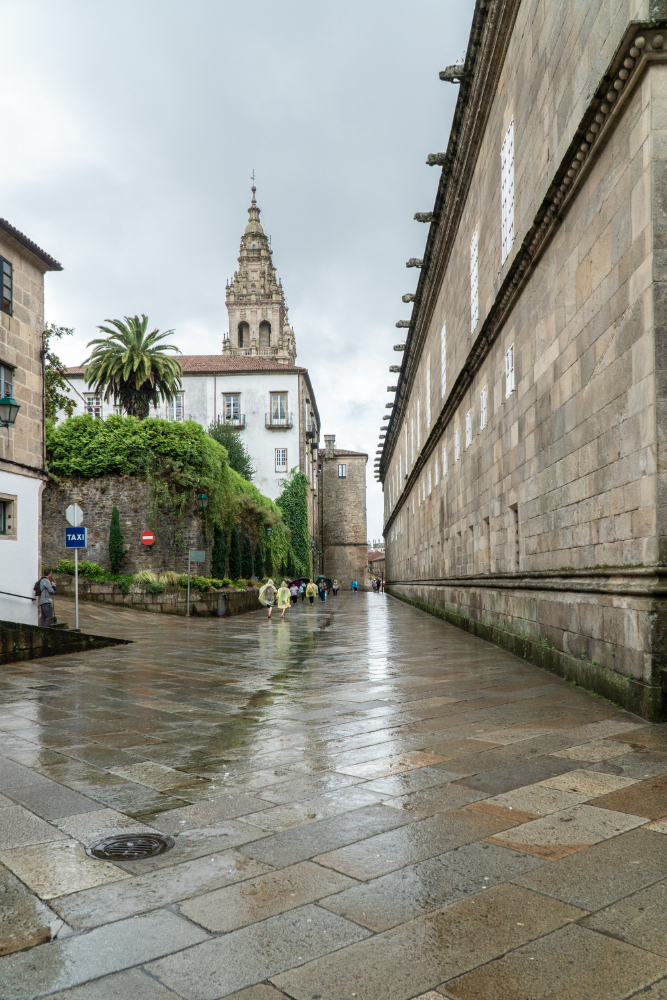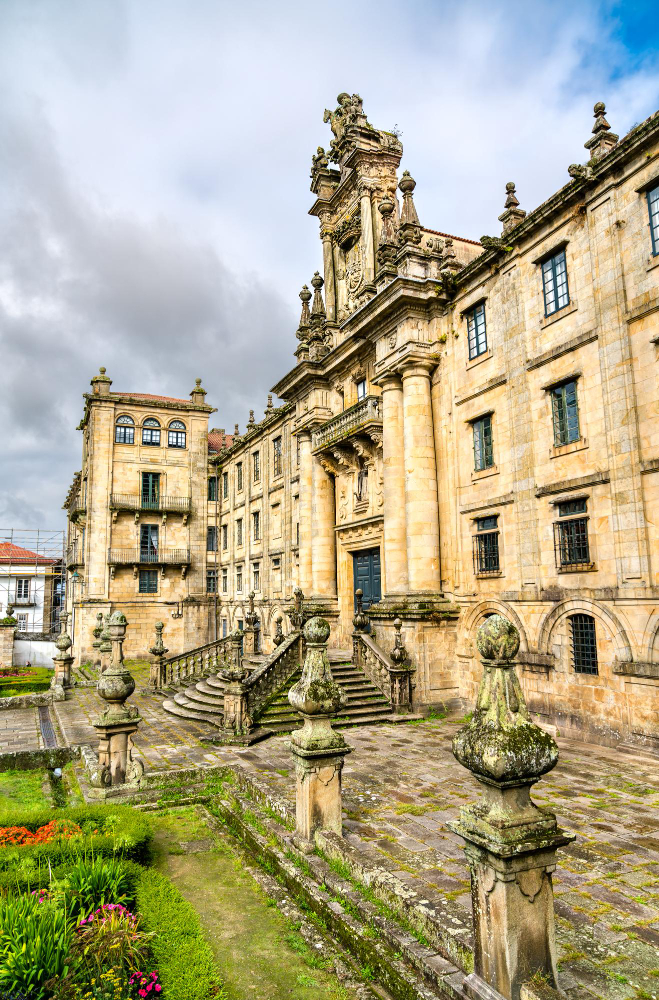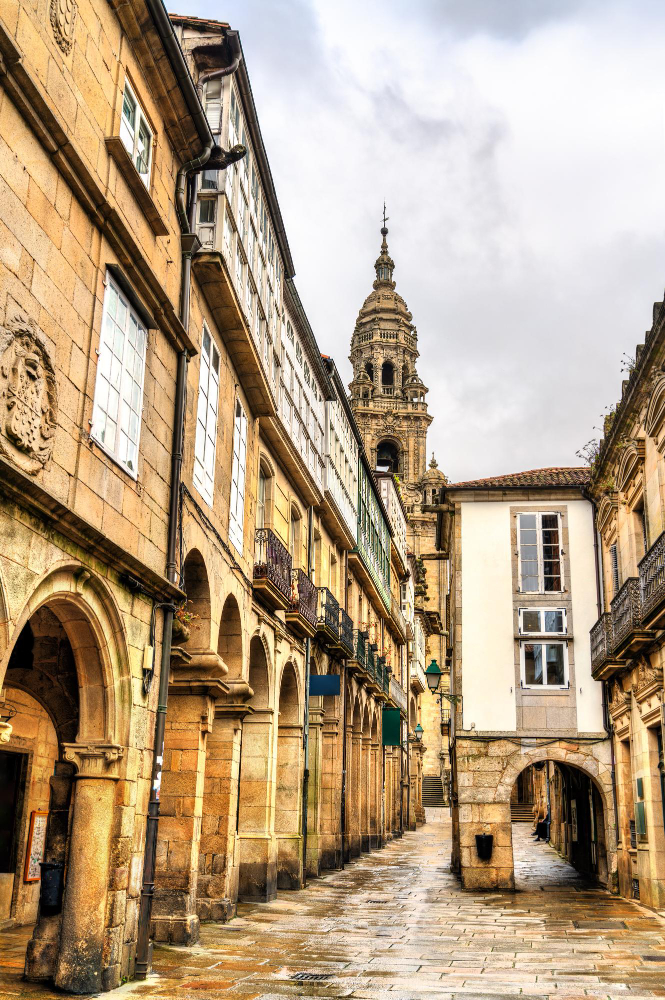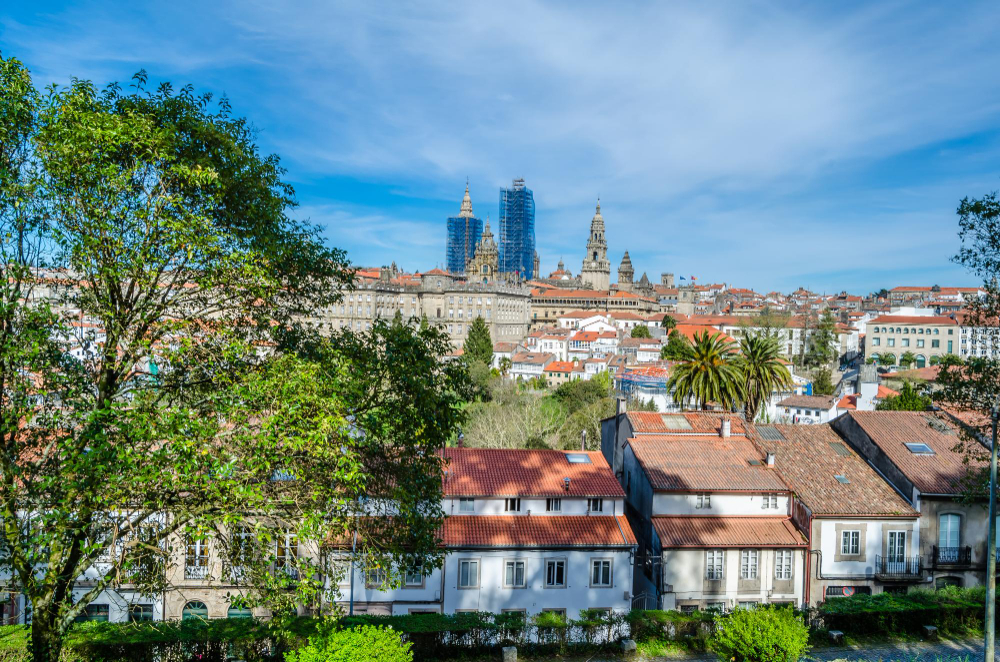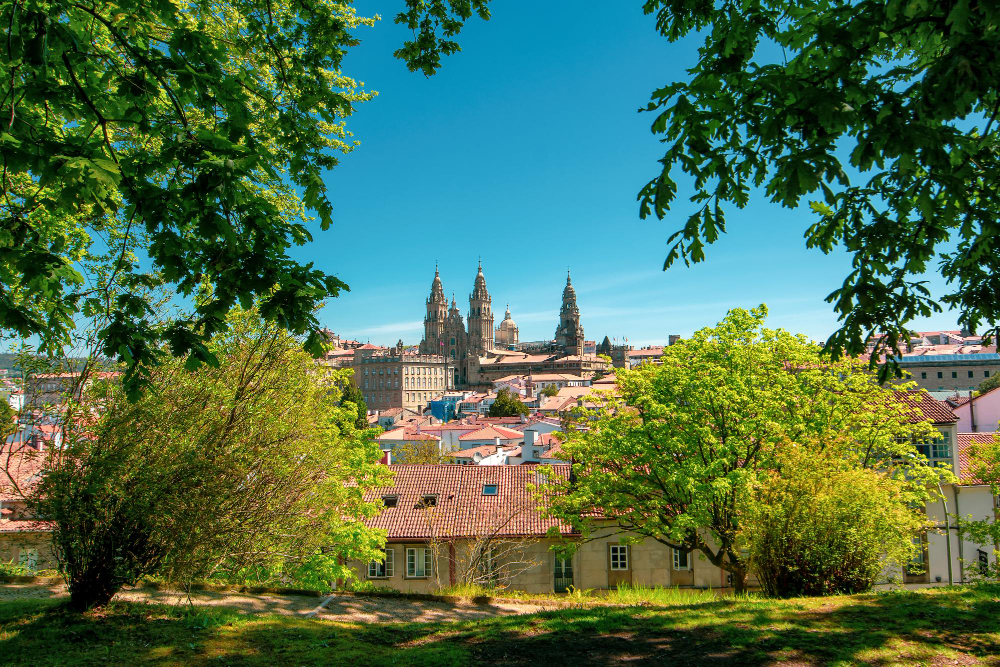
Santiago de Compostela – a city that captivates pilgrims from all over the world – is regarded as a symbol of spirituality, history and cultural diversity. Situated in the region of Galicia in north-western Spain, the city is best known as the final destination of the famous Way of St James. Yet Santiago de Compostela has far more to offer than just pilgrimages. With its impressive architecture, deep-rooted traditions and vibrant atmosphere, the city is regarded as one of the most important centres of Christian culture and historical significance in Europe.
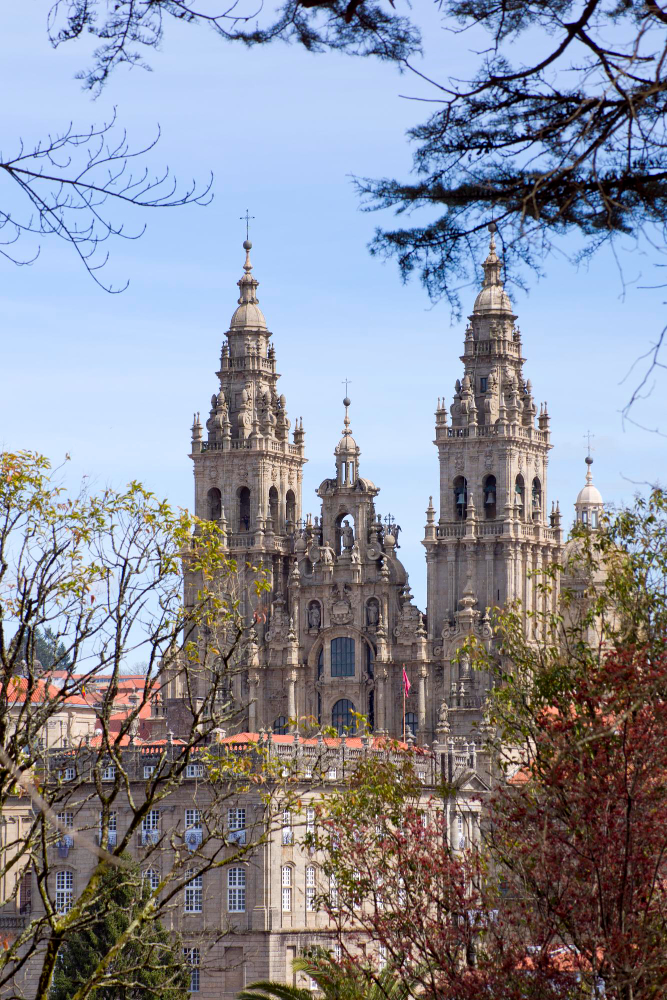
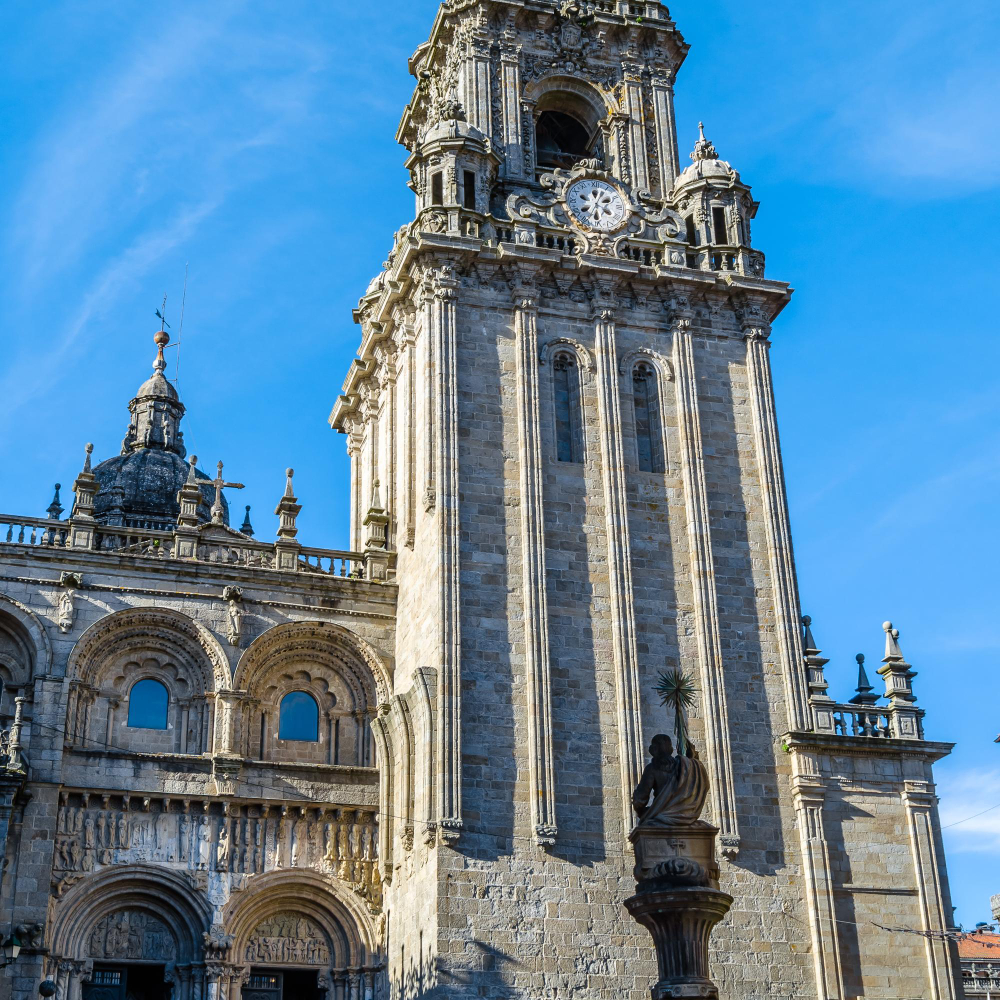
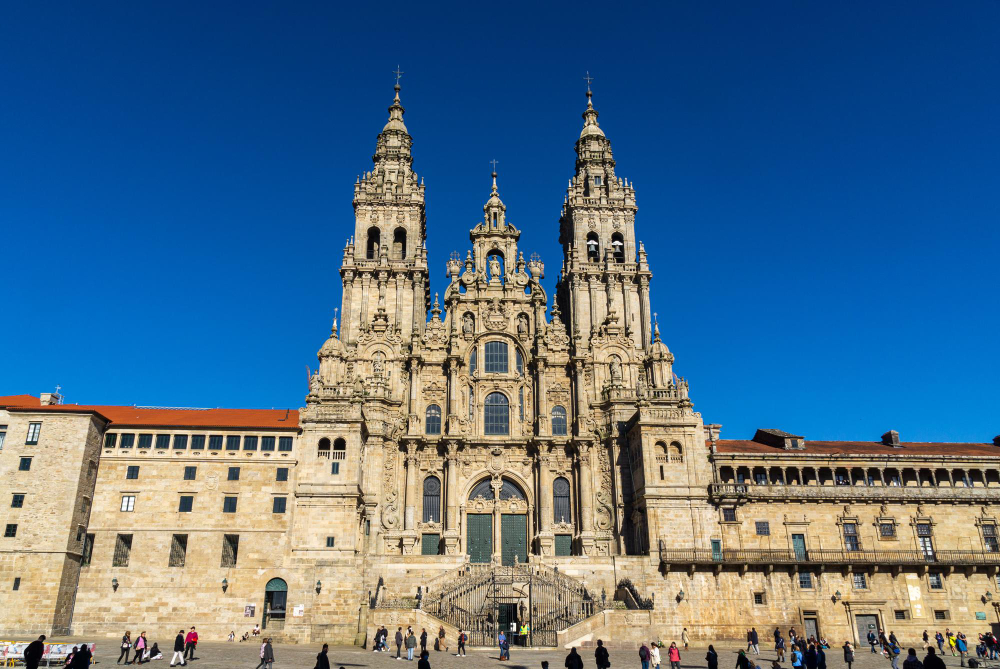
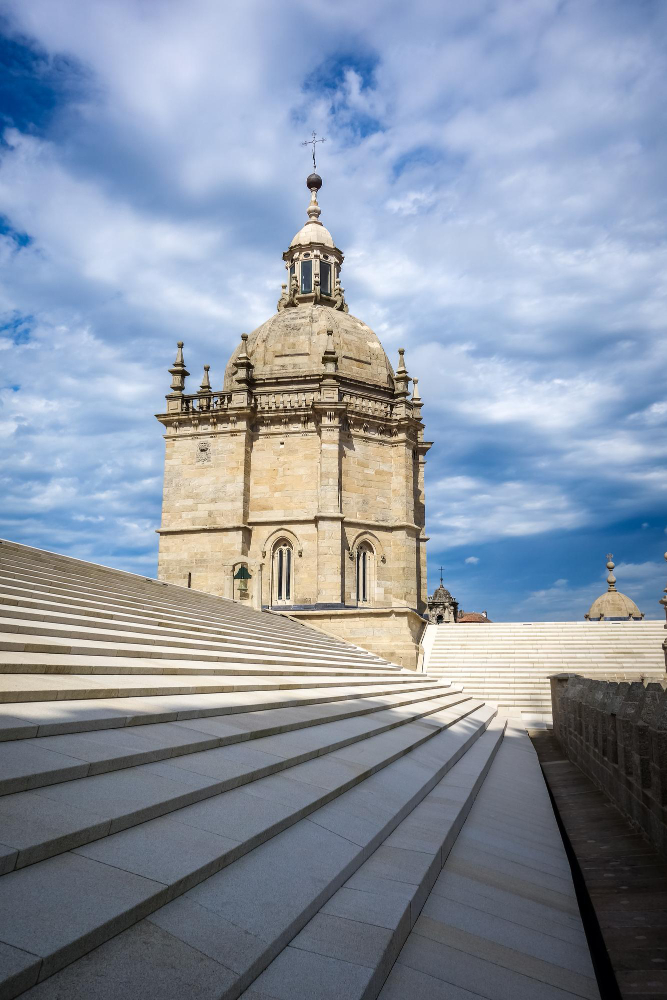
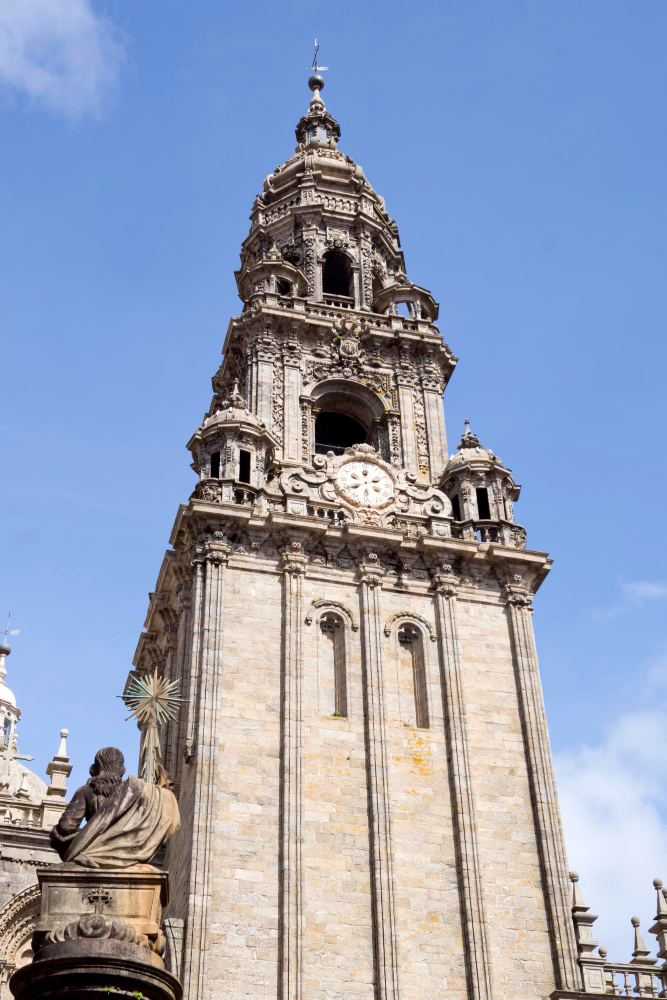
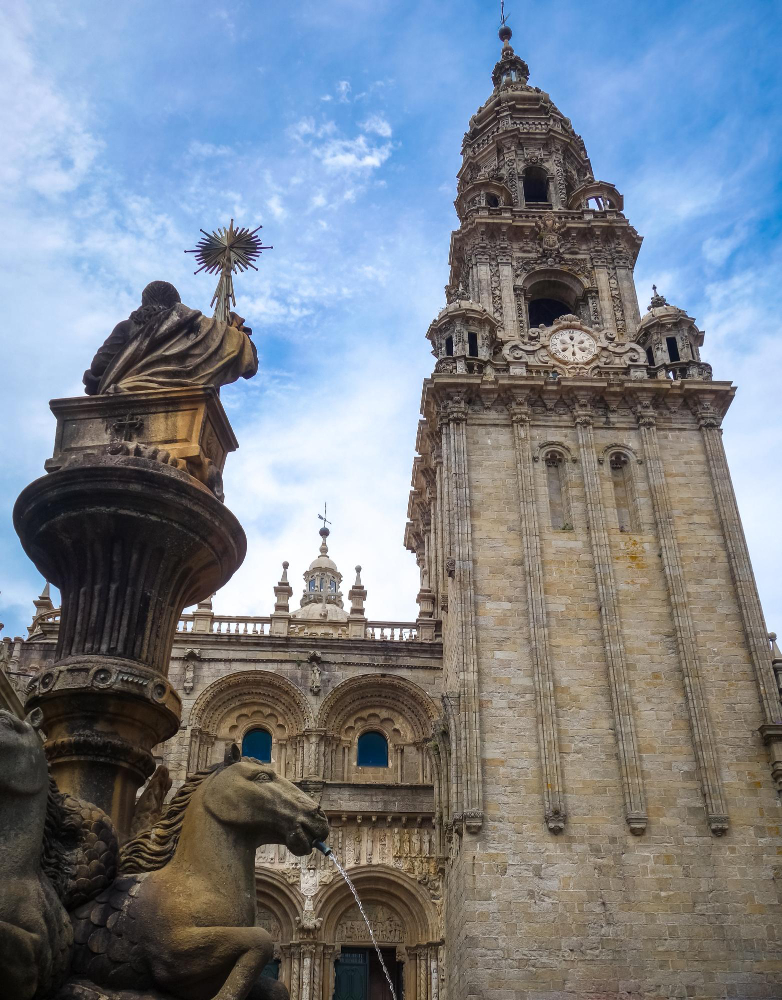
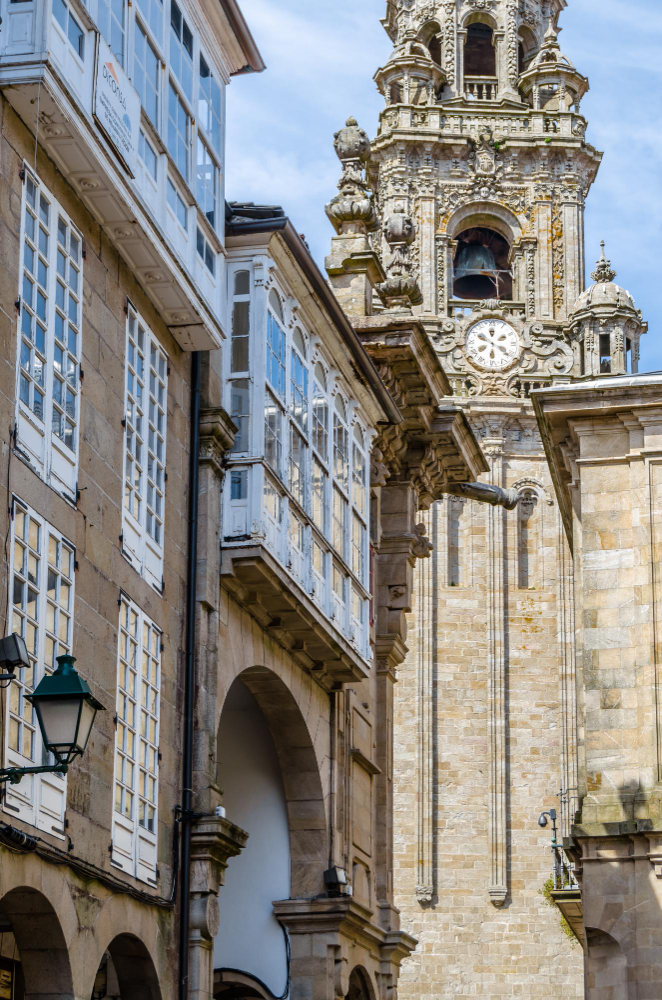
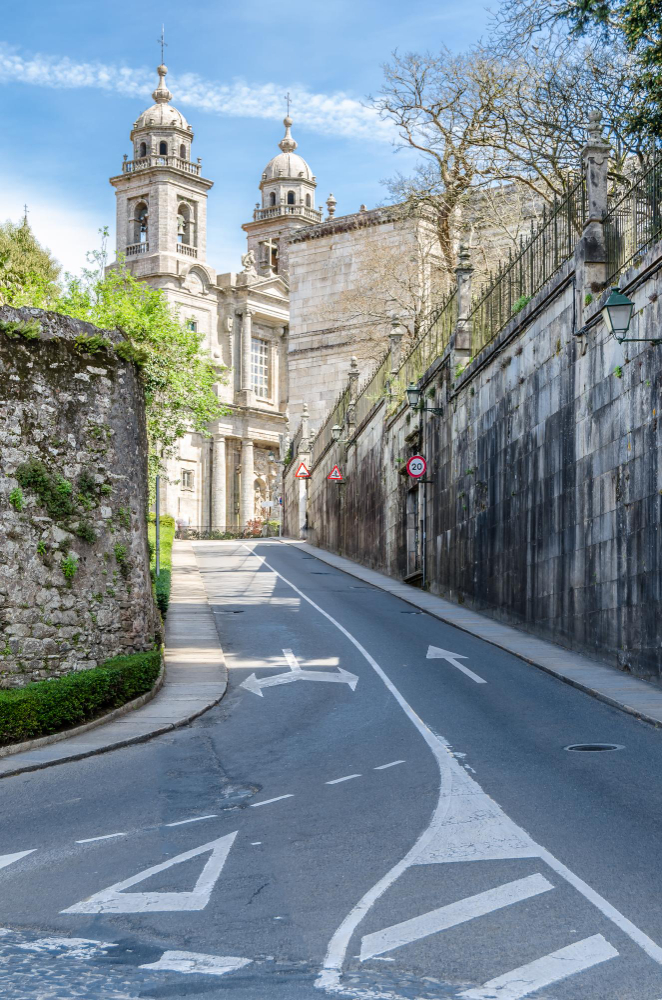
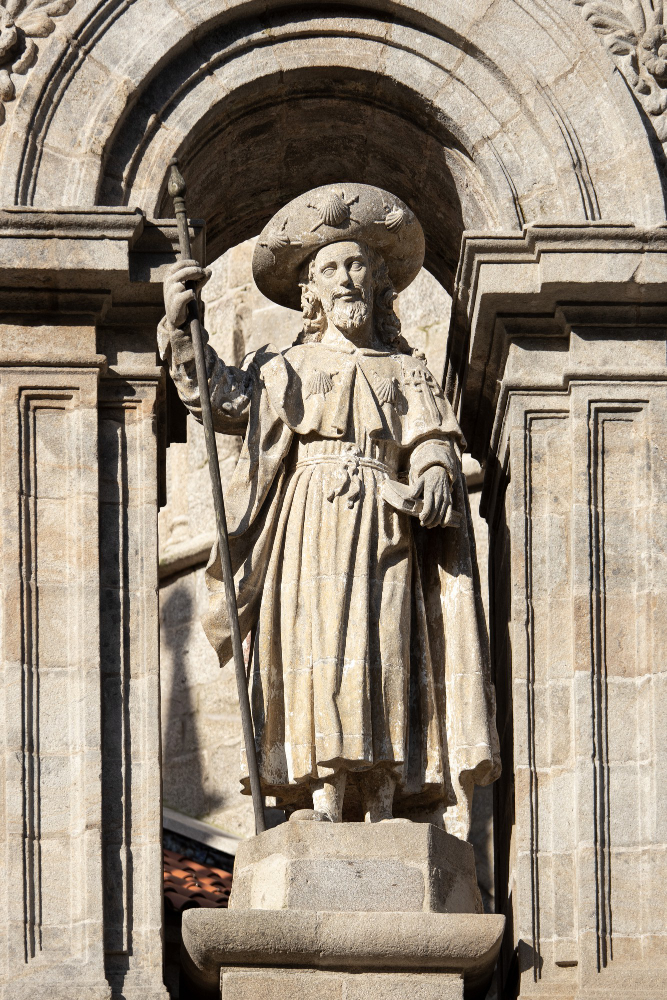
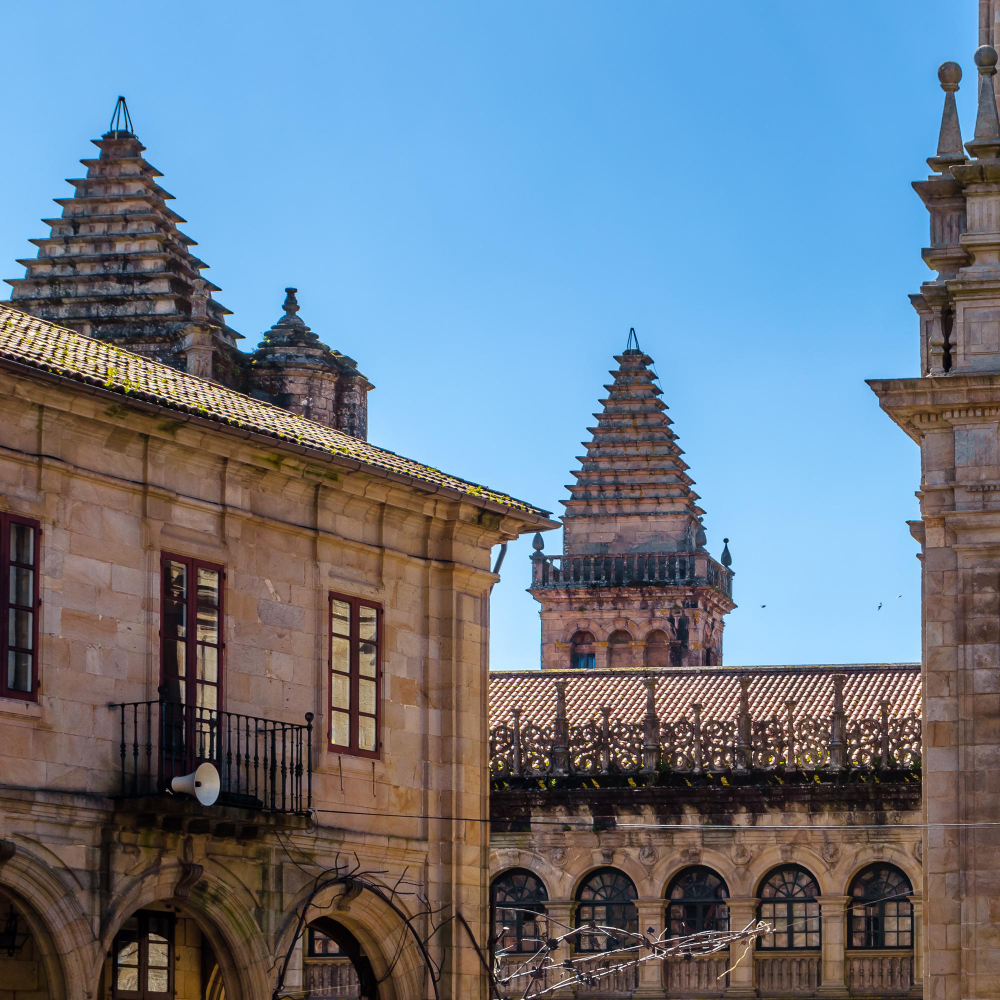
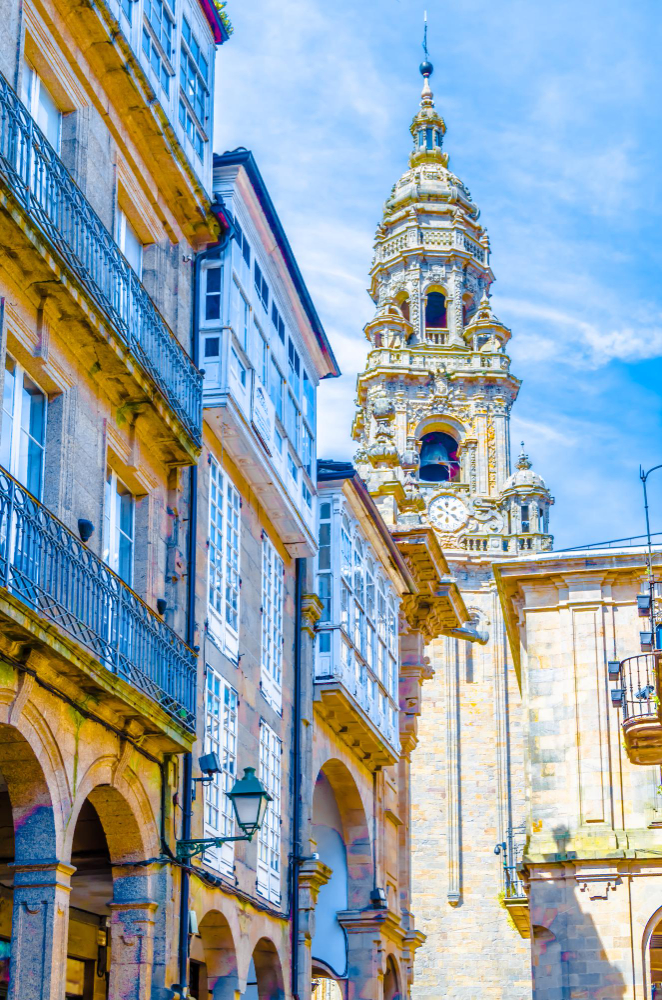
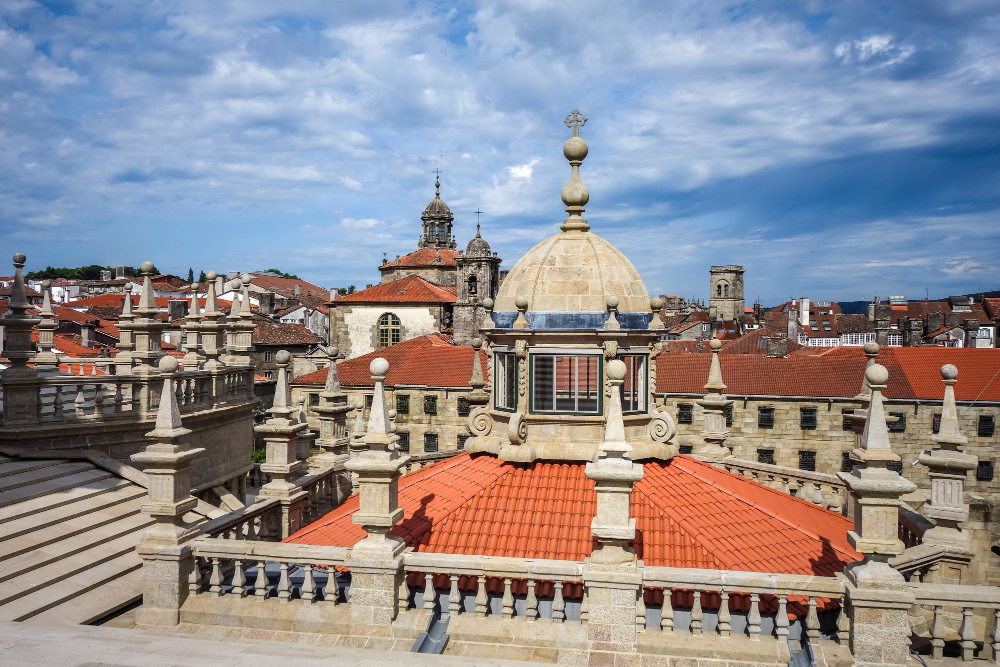
A city with a spiritual aura – The heart of Santiago de Compostela is undoubtedly the magnificent cathedral, which dominates the cityscape and has attracted pilgrims for centuries. This important church houses the shrine of St James the Apostle, one of the most significant places of pilgrimage in the Catholic world. According to legend, the apostle’s relics were discovered in the 9th century, leading to a veritable flood of pilgrims. Since then, Santiago de Compostela has become a major destination for the faithful who walk the Way of St James to complete their spiritual journey. The cathedral itself is not only a religious centre but also an architectural masterpiece. Its Baroque style and imposing façade impress visitors from all over the world. Particularly striking is the so-called ‘Portico de la Gloria’, the cathedral’s Romanesque main portal, which is adorned with ornate sculptures depicting stories from the Bible. Inside, there are further artistic highlights, including the statue of St James and the magnificently designed crypt where his relics are kept.
The Way of St James: More than just a pilgrimage route – The Way of St James – or ‘Camino de Santiago’, as it is known in Spain – is one of the world’s most famous pilgrimage routes. It stretches for thousands of kilometres and crosses various European countries, including France, Portugal and Spain. Whilst many people undertake the journey for religious reasons, others seek personal challenges or an opportunity for reflection far from the hustle and bustle of everyday life. The “Camino Francés” route is particularly popular; it begins in the Pyrenees and leads through picturesque landscapes, historic villages and lively towns. The pilgrimage ultimately culminates in a triumphant moment in Santiago de Compostela, where the cathedral awaits travellers. Here, many pilgrims attend the traditional mass, the highlight of which is the impressive Botafumeiro ceremony – a huge censer that is swung the entire length of the church. Interestingly, the Way of St James is not only a religious phenomenon but also a cultural experience. Along the route, pilgrims meet a wide variety of people, exchange stories and experience a unique sense of community. For many, this experience is profoundly life-changing and remains in their memories for a lifetime.
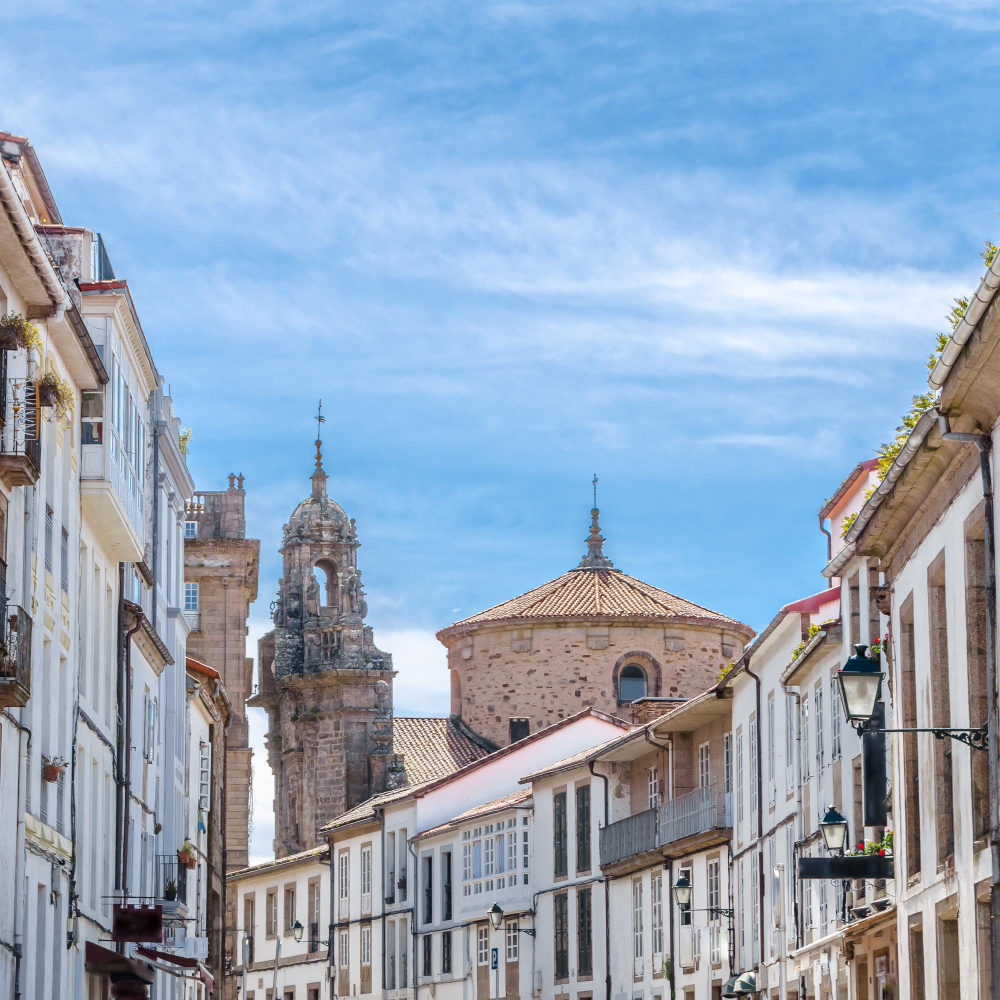
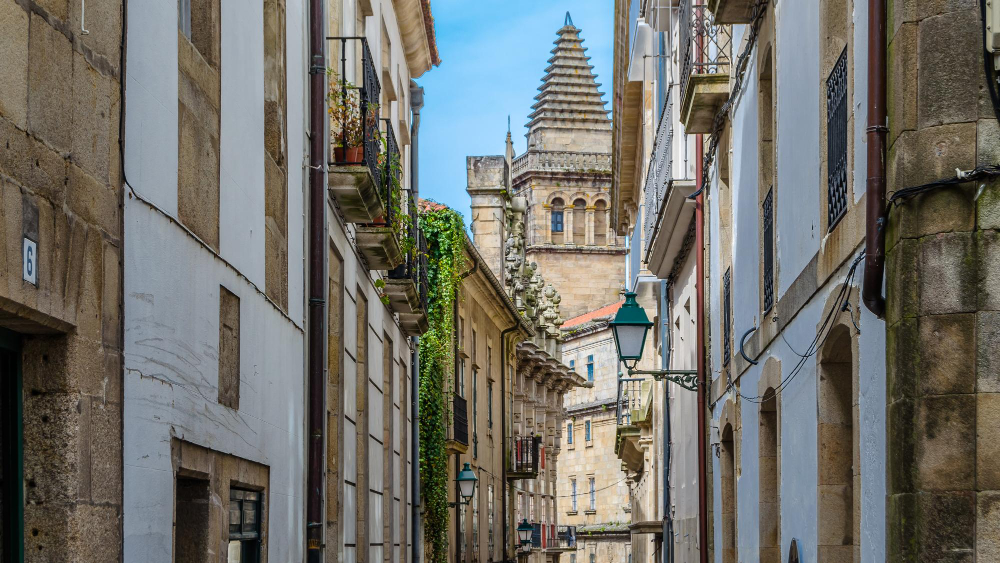
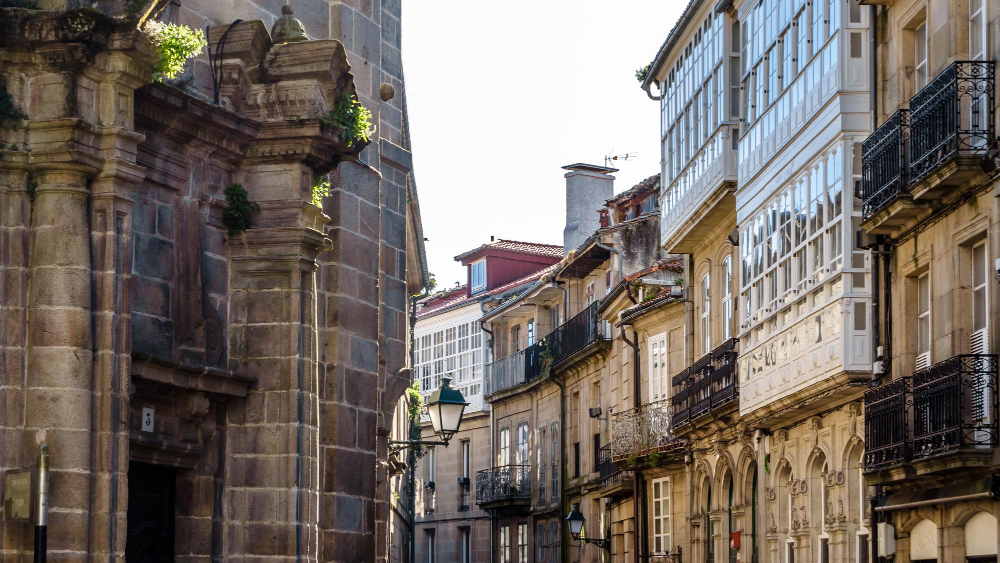
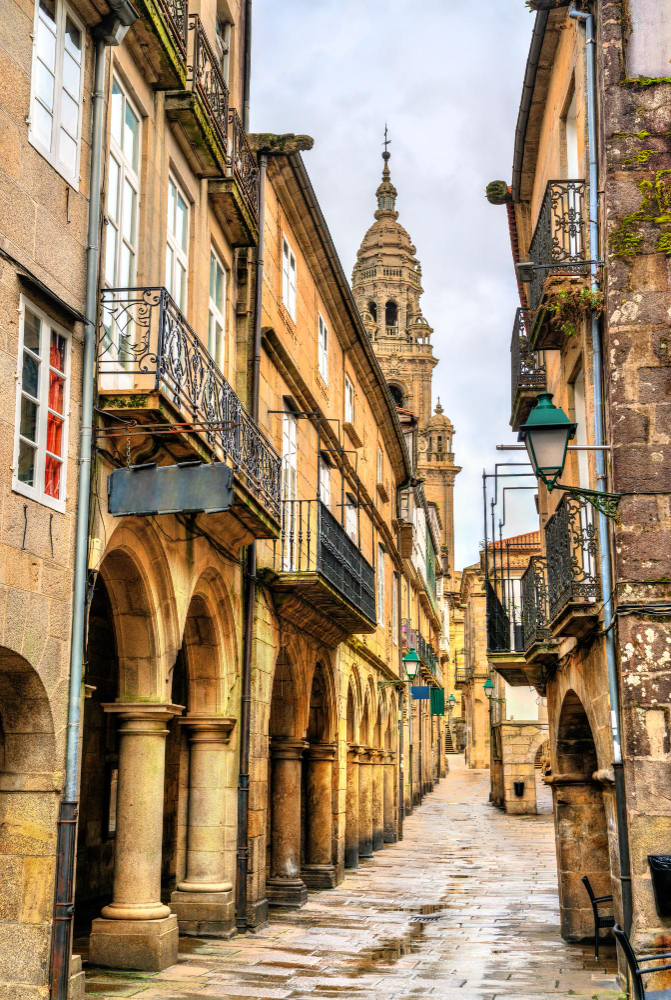
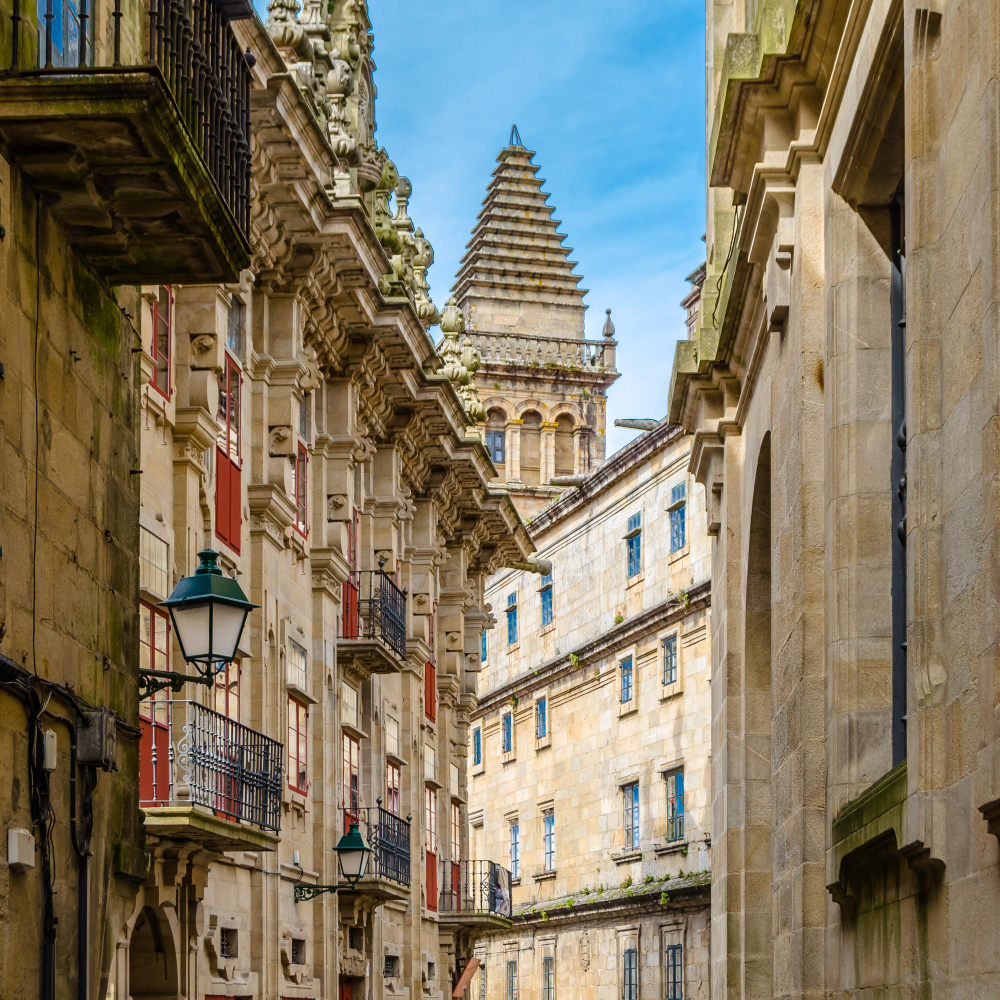
The History of Santiago de Compostela: From Antiquity to Modern Times – The origins of Santiago de Compostela date back to Roman times, but its true heyday began in the Middle Ages with the discovery of the shrine of St James. According to legend, starlight appeared in a field and guided a monk named Pelayo to the saint’s remains. This alleged divine revelation led to the construction of a place of pilgrimage, which later evolved into the cathedral we see today. Over the years, the city developed into a major centre of religious power and political influence. This glorious era is reflected in the historic old town, which is now a UNESCO World Heritage Site. Cobbled streets, winding alleys and majestic buildings bear witness to centuries of history and cultural development. Yet Santiago de Compostela was not merely a place of faith and piety. The city also played a crucial role in repelling invaders and promoting trade. Its strategic location made it a hub of cultural exchange and economic growth in Galicia. Even today, museums, churches and historic sites bear witness to this significant past.
Cultural Life and Culinary Delights – As well as its religious and historical significance, Santiago de Compostela also delights its visitors with a vibrant cultural scene. The city hosts numerous festivals and events celebrating local traditions. The best known of these is the Festival of St James, which takes place every year at the end of July and attracts pilgrims and tourists alike. Music, dance and colourful parades fill the city’s streets, making the festival an unforgettable experience. Furthermore, Santiago de Compostela is renowned for its culinary delights. Typical regional specialities include seafood such as ‘pulpo a la gallega’ (Galician-style octopus), as well as locally produced cheeses and wines. Anyone wishing to discover Galician cuisine should plan a visit to one of the city’s many cosy taverns or restaurants. There, traditional dishes are combined with modern influences to delight the palate.
Sustainable tourism and the future of the pilgrimage – Given the growing popularity of the Way of St James and the increasing number of pilgrims, Santiago de Compostela faces the challenge of preserving its cultural and environmental heritage. Sustainable tourism is playing an increasingly important role in this context. Initiatives to support local businesses, reduce litter along the pilgrimage routes and restore historic buildings are crucial to preserving the region’s charm and authenticity. At the same time, the Way of St James is becoming increasingly diverse in order to appeal to a wider audience. Alongside traditional pilgrimages, there are now numerous options for cyclists, hikers and even organised group tours with a cultural or sporting focus. These developments show that Santiago de Compostela will continue to be a place of encounter and cultural exchange – for both religious pilgrims and curious travellers.
A place of inspiration – Santiago de Compostela is more than just a destination – it is a journey, an experience and a cultural heritage of inestimable value. For centuries, the city has attracted people from all over the world seeking spiritual fulfilment, historical insights or simply a break from everyday life. Pilgrims and visitors alike are enchanted by the unique atmosphere where history, faith and a modern zest for life blend together. The impressive cathedral, the historic pilgrimage route and the vibrant culture make Santiago de Compostela a distinctive jewel of Europe. As the city continues to welcome pilgrims and travellers, it remains a symbol of human connection and inspiration – a place that tells stories whilst also giving rise to new ones.