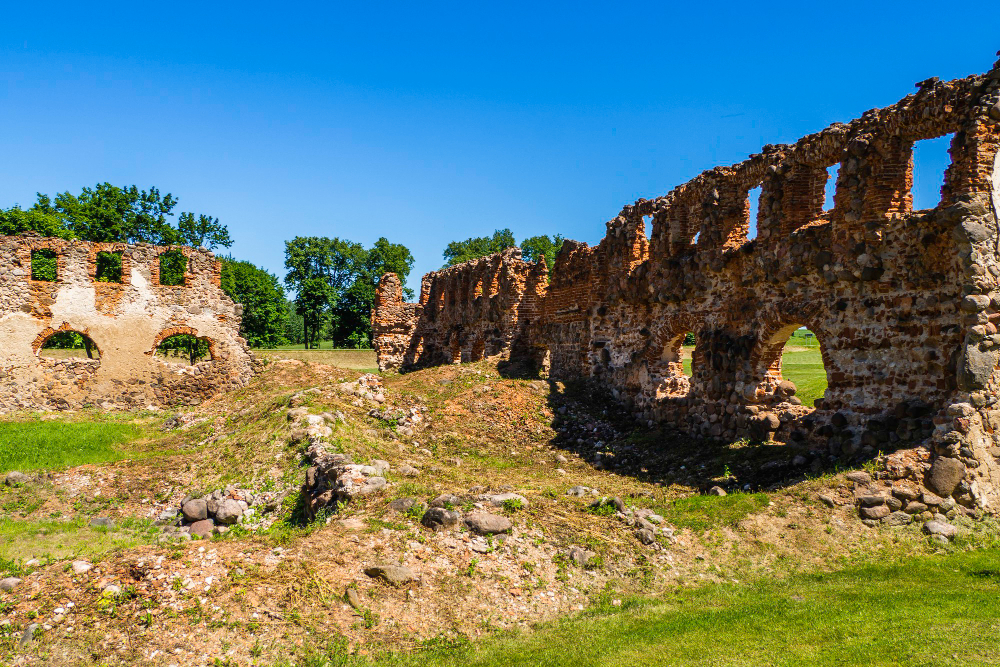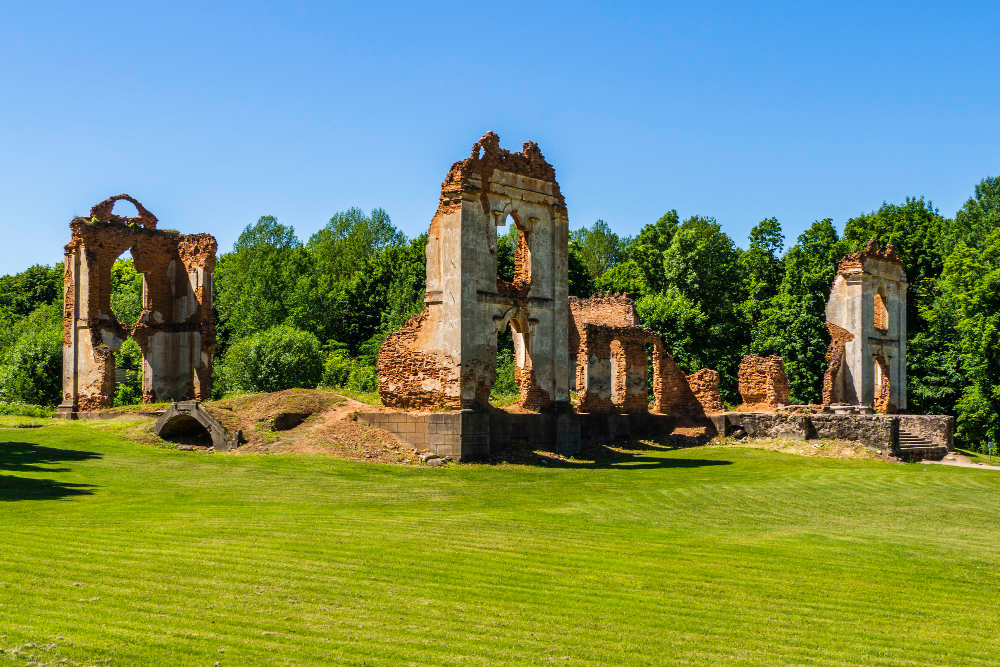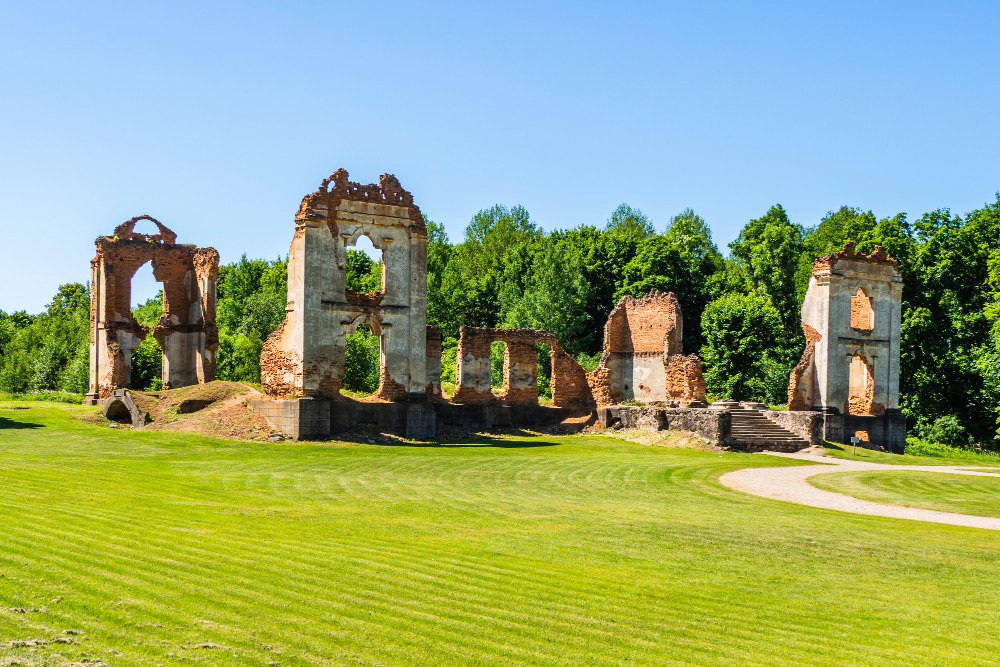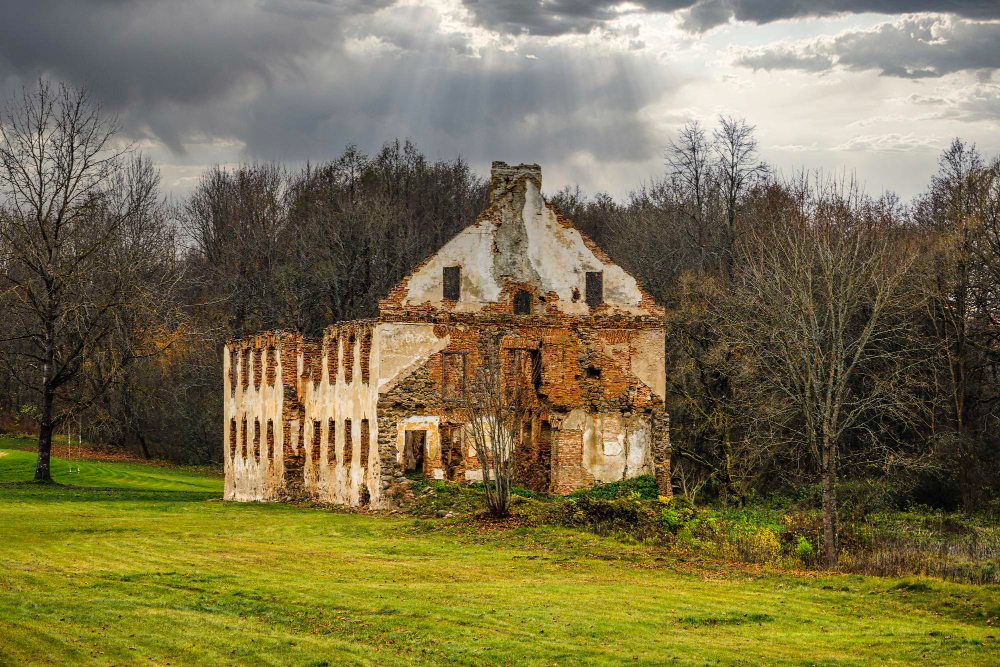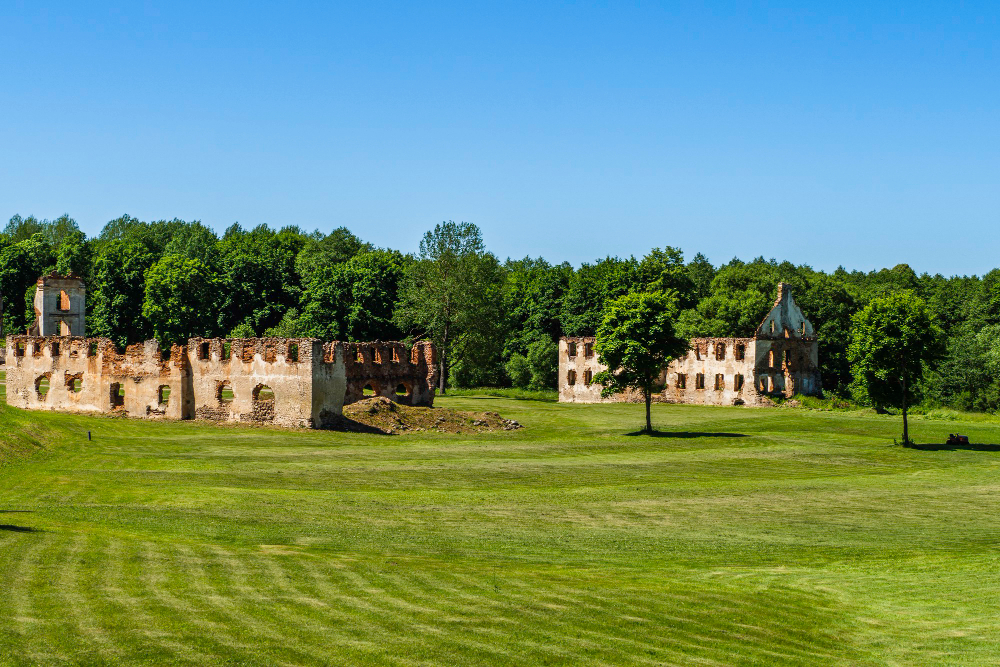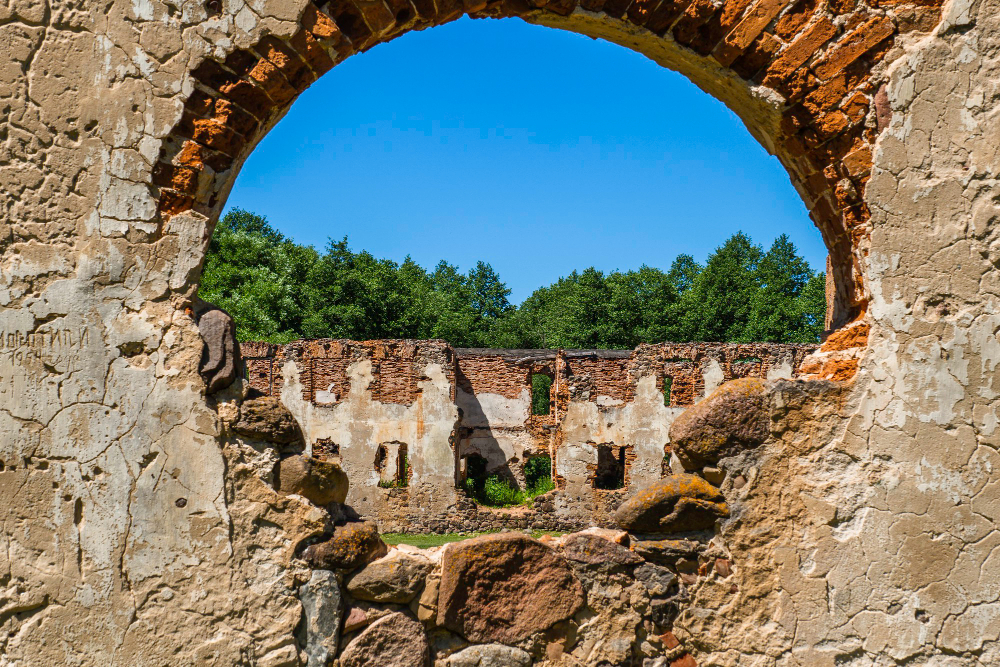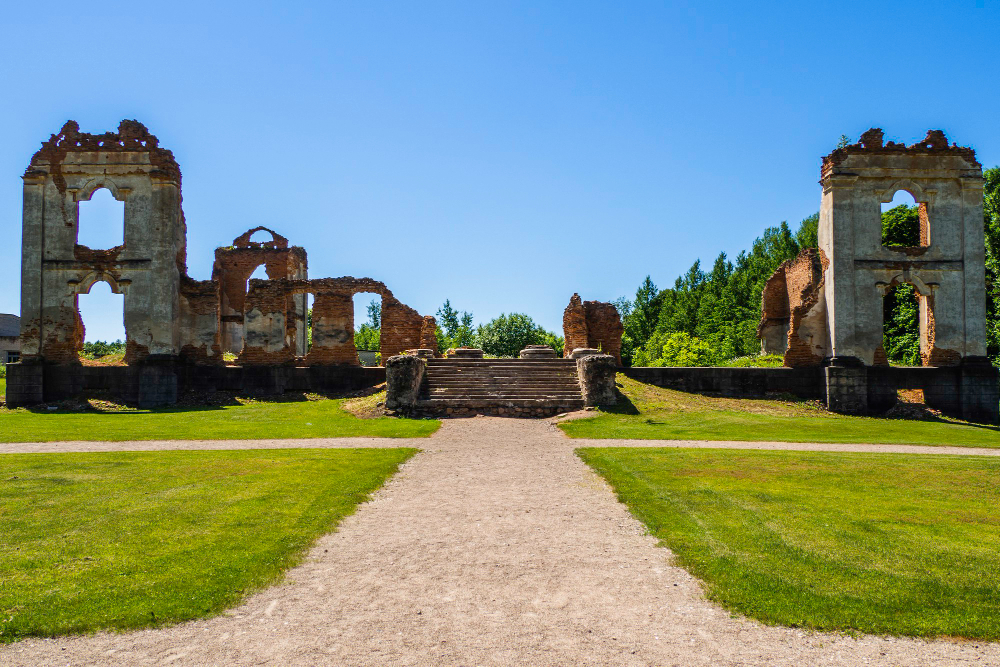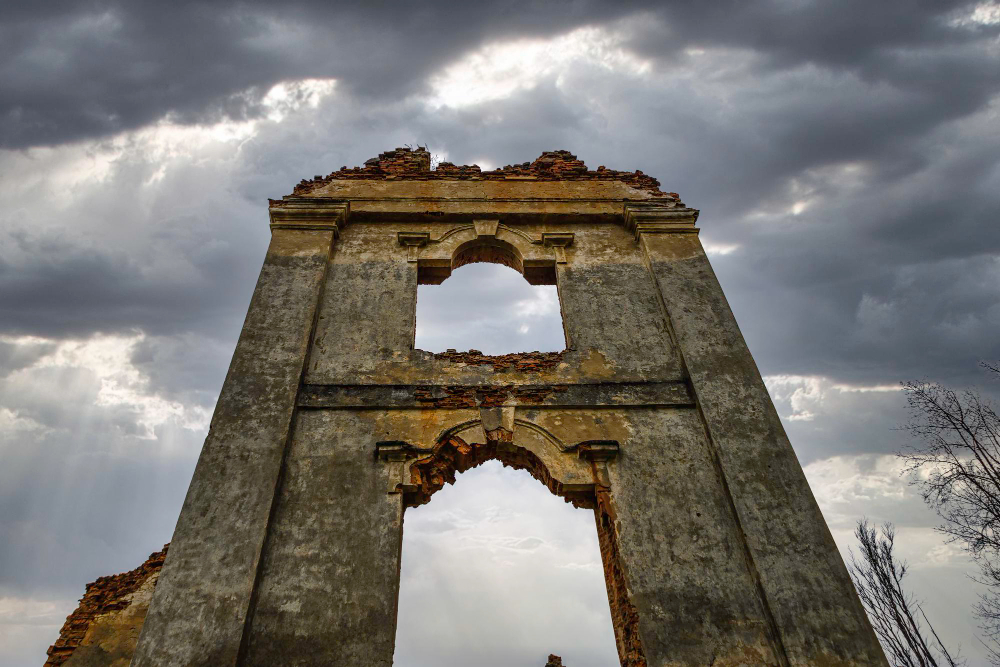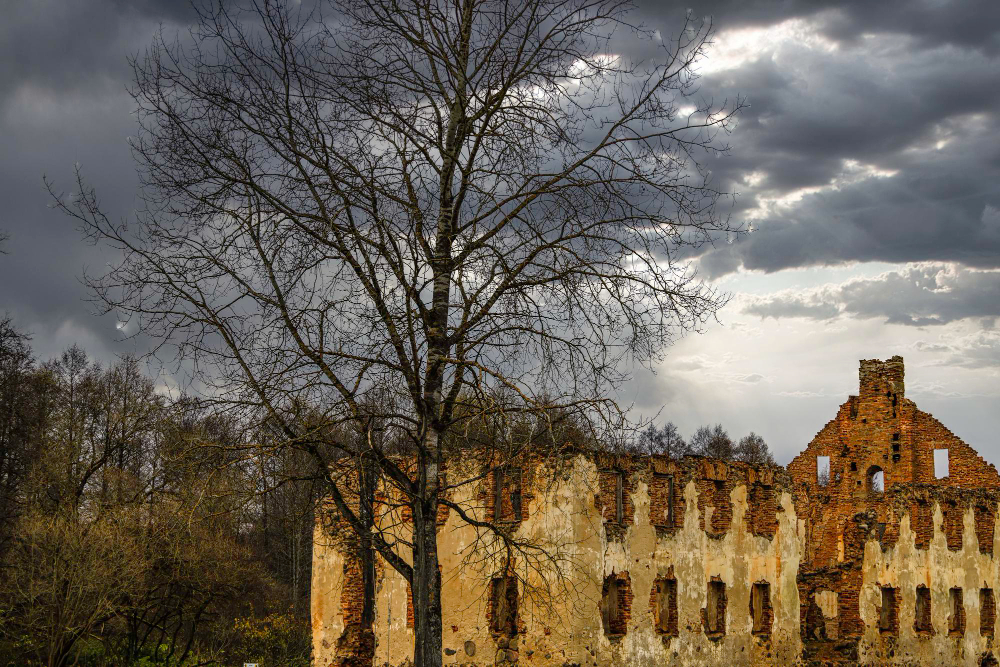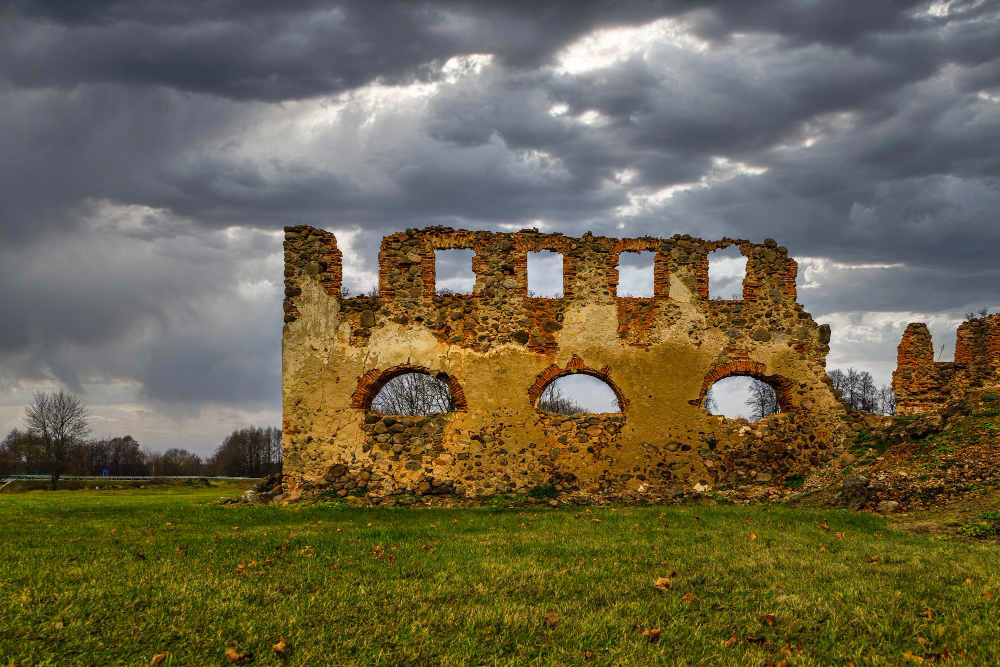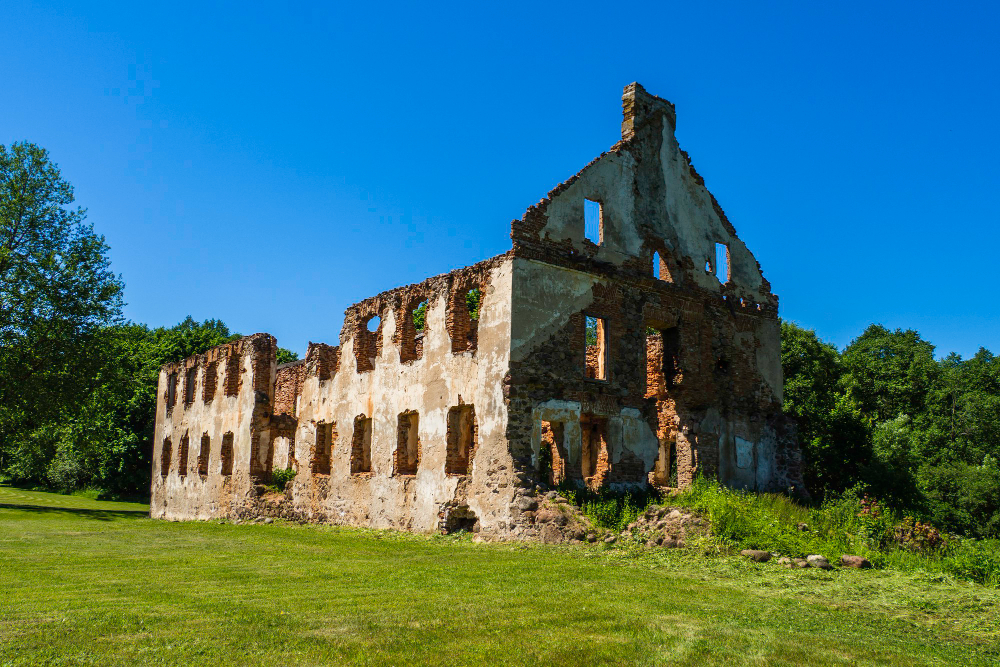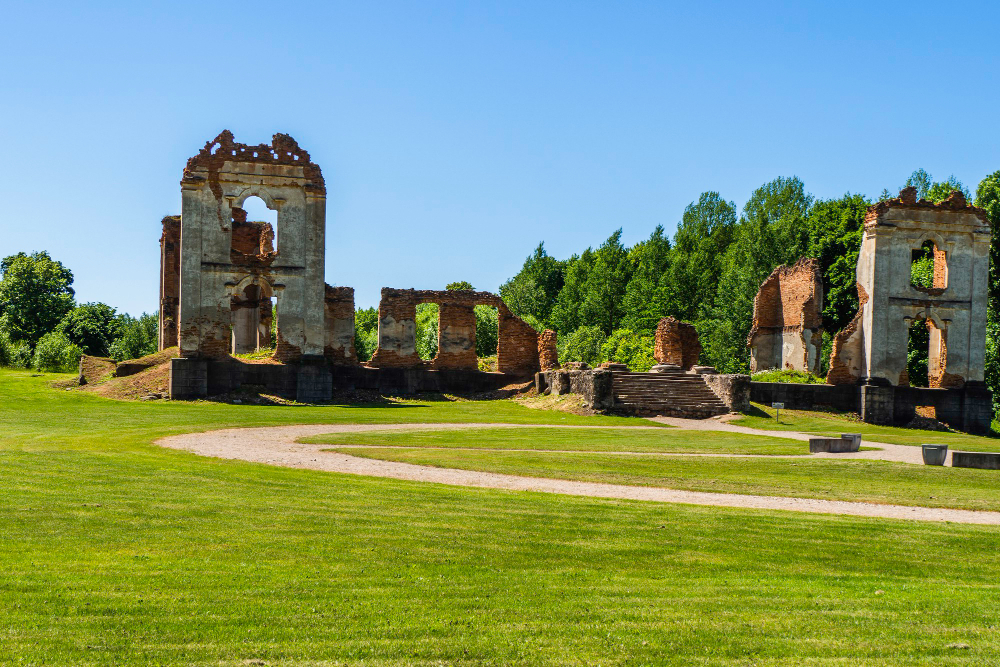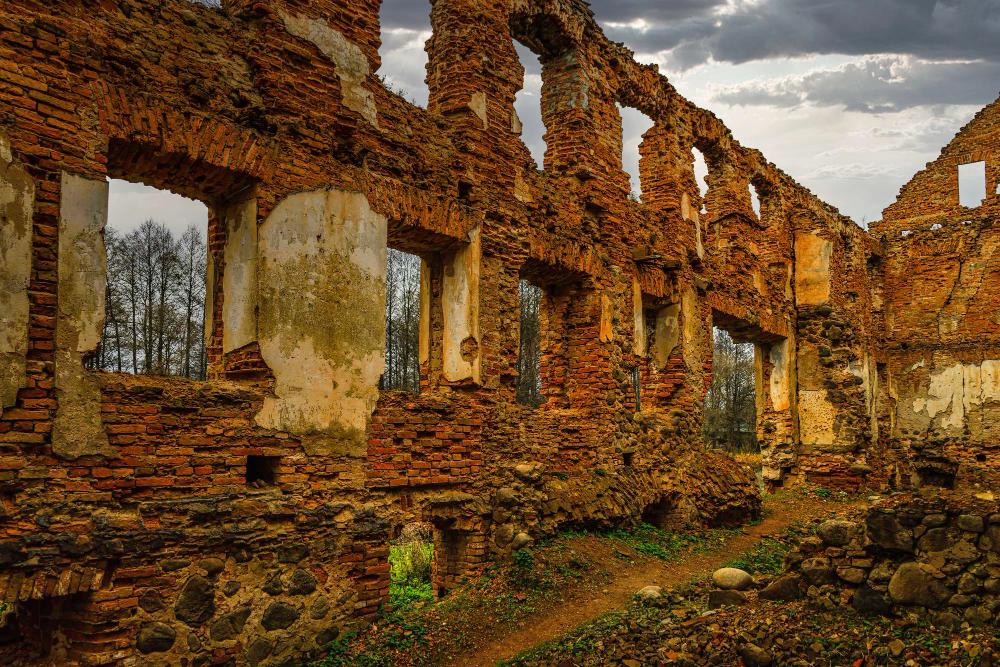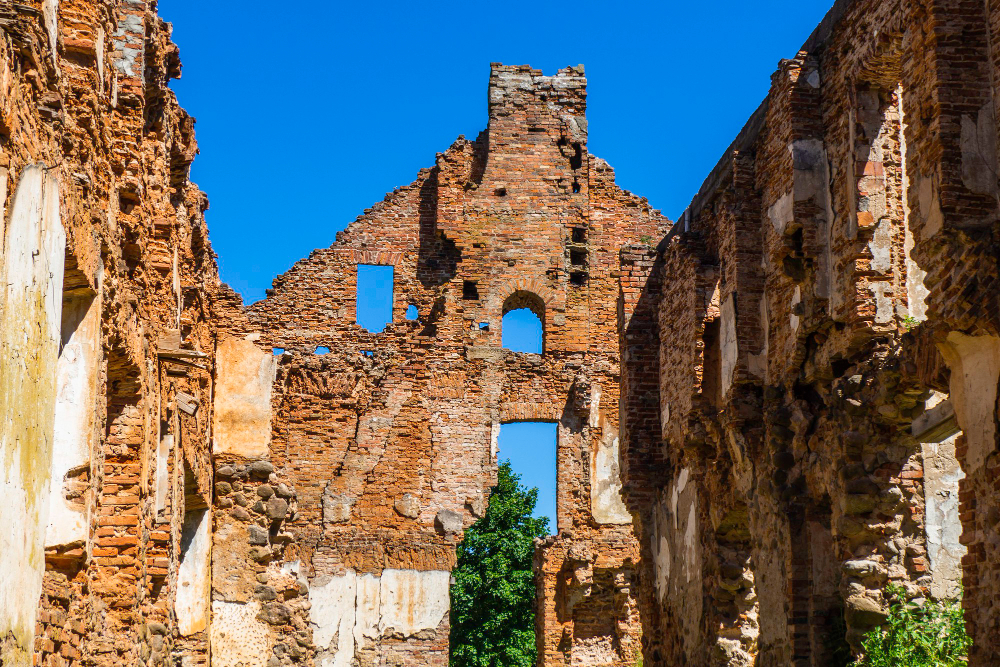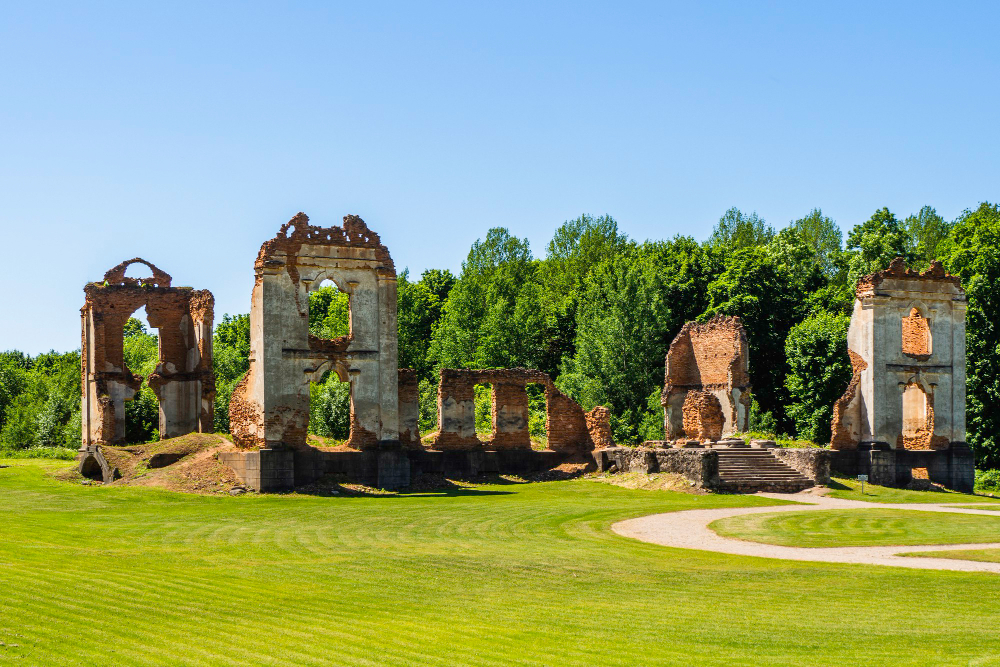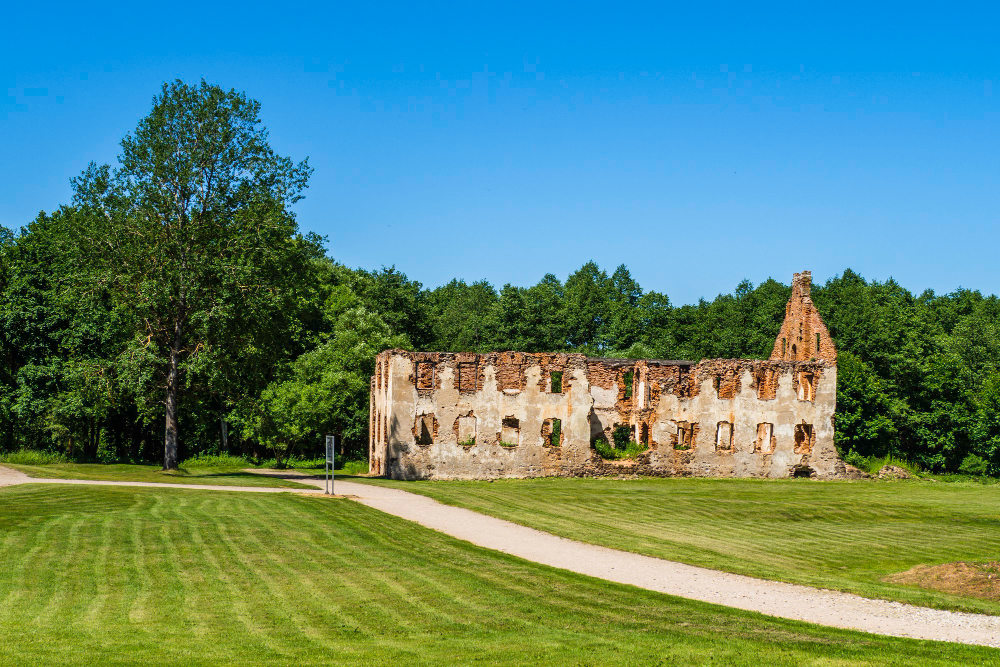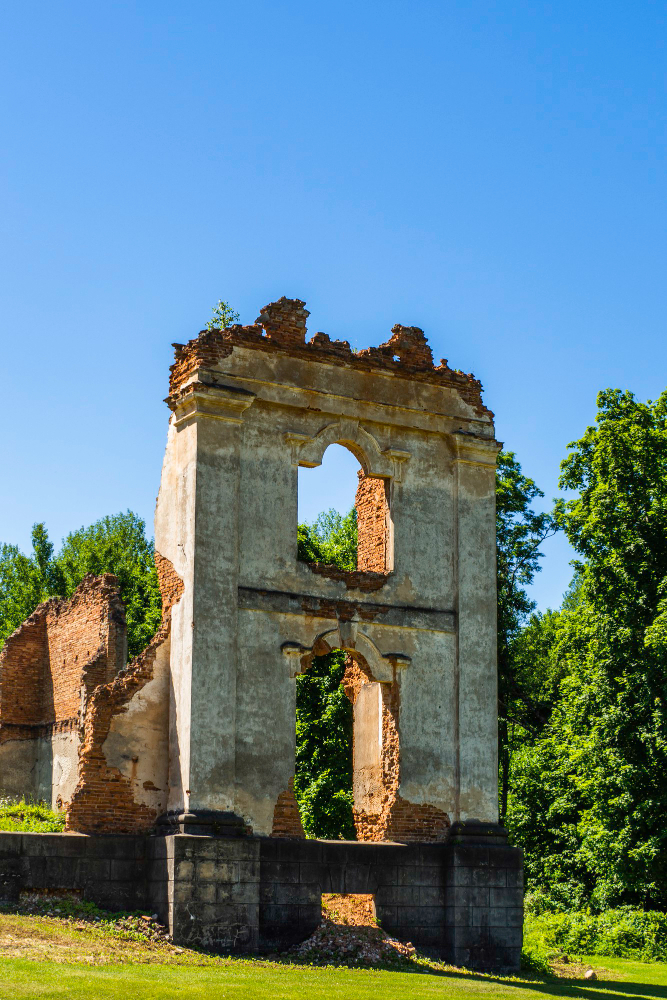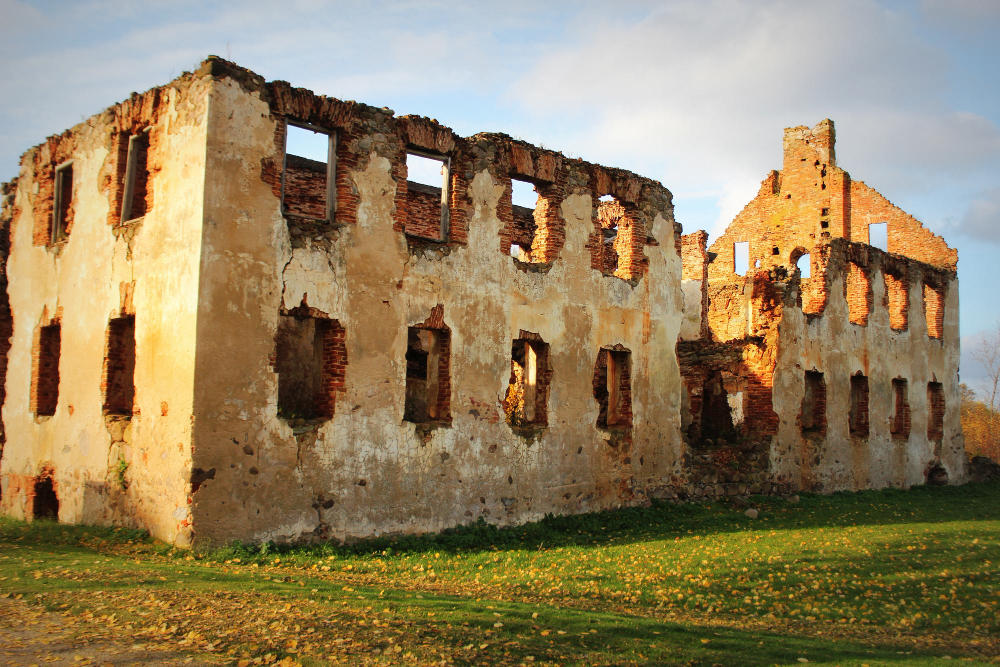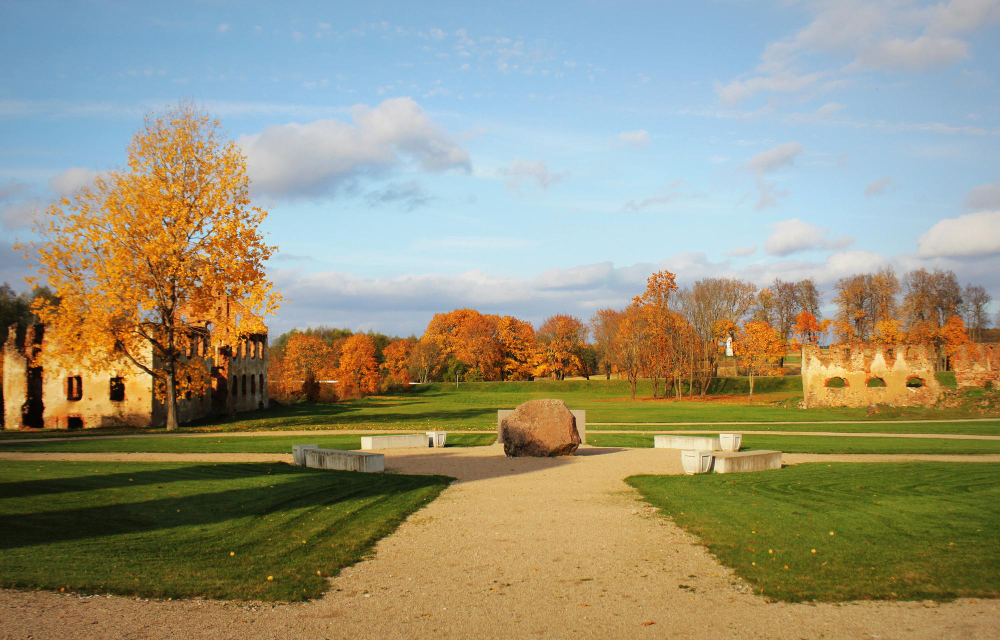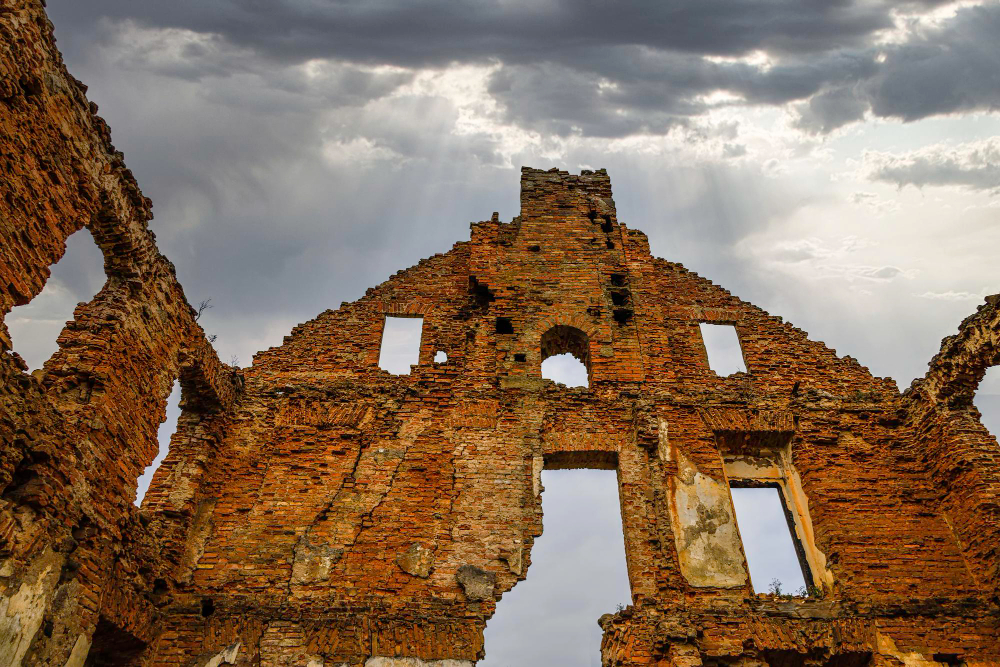
In the heart of the former Polish-Lithuanian Commonwealth, hidden in a region that today belongs to the municipality of Šalčininkai in Lithuania, there once existed an extraordinary peasant republic. The Republic of Paulava (Lithuanian: “Paulavos respublika,” Polish: “Rzeczpospolita Pawłowska”) was neither an ordinary village nor a traditional feudal estate—it was a unique small state with its own government, army, and legislation. Founded in 1769 by Paweł Ksawery Brzostowski, a Catholic priest with revolutionary ideas, it attracted both regional and international attention and is still regarded today as an example of early social reforms and self-determination.
The Dream of a Modern Society – The Republic of Paulava was established around the Merkinė estate, also known as Pavlovo Manor, and covered an area of approximately 30.4 square kilometers. With around 800 inhabitants, it was a small community with big ambitions. Its founder, Brzostowski, was a man of visionary spirit. Instead of submitting to the norms of feudal society, he dreamed of a world in which peasants were no longer oppressed but actively participated in decision-making and the development of their homeland. In keeping with his convictions, he appointed himself “President” of his republic. This was not merely a symbolic title; Brzostowski established a functioning government with a parliament (Seimas) composed of local peasants.
Progressive Reforms and a New Social Model – One of Brzostowski’s most radical measures was the abolition of serfdom. At a time when the system of serfdom often hindered social and economic progress, this decision was nothing short of revolutionary. Instead of the arduous corvée labor, Brzostowski introduced a fair tax system: Peasants were now required to pay a monetary tax based on the use of their land. This system not only replaced the cruel practice of forced labor but also motivated the Republic’s inhabitants to pursue more productive and creative approaches to agriculture. Orchards, livestock farming, and other profitable agricultural activities were encouraged, significantly improving the living conditions of the population. Brzostowski, however, went even further—in addition to economic reforms, he worked to make education and healthcare accessible. He founded a school and a pharmacy, a privilege that was extremely rare for the rural population at that time. His vision of a just society made him a pioneer of his time, and the income from his estate doubled as a result of the new organization.
Political Recognition and International Attention – The Republic of Paulava was not a hidden experiment. It was officially recognized by Stanisław August Poniatowski, the last king of the Polish-Lithuanian Commonwealth. The Great Sejm (1788–1792)—one of the most important parliamentary assemblies of the time—also approved the republic’s statutes. This was a significant milestone, as it meant that the Republic of Paulava was not merely a local peculiarity but had also gained political legitimacy within the vast empire. Brzostowski thus proved that social reforms and a break with traditional structures were possible without causing chaos or unrest.
The End of a Utopia: From Heyday to Decline – Unfortunately, the history of the Republic of Paulava was as brief as it was impressive. The political unrest of the late 18th century led to the dissolution of the Polish-Lithuanian Commonwealth in the wake of the partitions by Prussia, Russia, and Austria. In 1795, following the Third Partition, Brzostowski was forced to relinquish his estate and exchange it for lands in Saxony and Dresden. This marked the end of his direct influence. The estate changed hands several times, and with each change, the freedom the peasants had enjoyed under Brzostowski dwindled. Under Fryderyk Józef Moszyński and later under the French Count de Choiseul-Gouffier and his successors, parts of the reforms were tolerated, but the Republic’s glorious era ended definitively when the peasants took part in the failed November Uprising against Russian rule in 1830. The last link to Brzostowski’s ideals faded at the latest with his death in 1827.
An Inspiring Story with a Lasting Legacy – Although the Republic of Paulava is now merely a footnote in history, its influence remains unforgettable. It was a bold attempt to create an alternative social model based on justice, education, and solidarity. While many European countries clung to feudal structures for a long time, Brzostowski proved with his republic that a more just world was possible. His ideas on social reform and civil rights seemed revolutionary in his time and remain relevant to this day. The history of the Republic of Paulava shows that even small communities are capable of sparking great change. Its brief existence may seem to many like a failed attempt, but in reality, it was a shining example of how courage and foresight can influence the world. The peasants of Paulava proved that dignity and freedom should not be reserved solely for the elite. Their republic remains a symbol of the power of human will and the desire for a better future.
The Republic of Paulava was not merely a historical curiosity, but also proof that social innovation and reform are possible even under the most adverse conditions. The ideas that Brzostowski implemented as early as the late 18th century would have had the potential to shape the society of the Polish-Lithuanian Commonwealth and beyond in the long term—had they not been thwarted by the political upheavals of their time.
Perhaps the history of the Republic of Paulava holds a message for our world today: change often begins on a small scale, with a single idea, and can nevertheless have far-reaching influence. Paweł Ksawery Brzostowski’s visions deserve to be told again and again—not only as a historical phenomenon, but also as an inspiration for future generations committed to justice and progress.