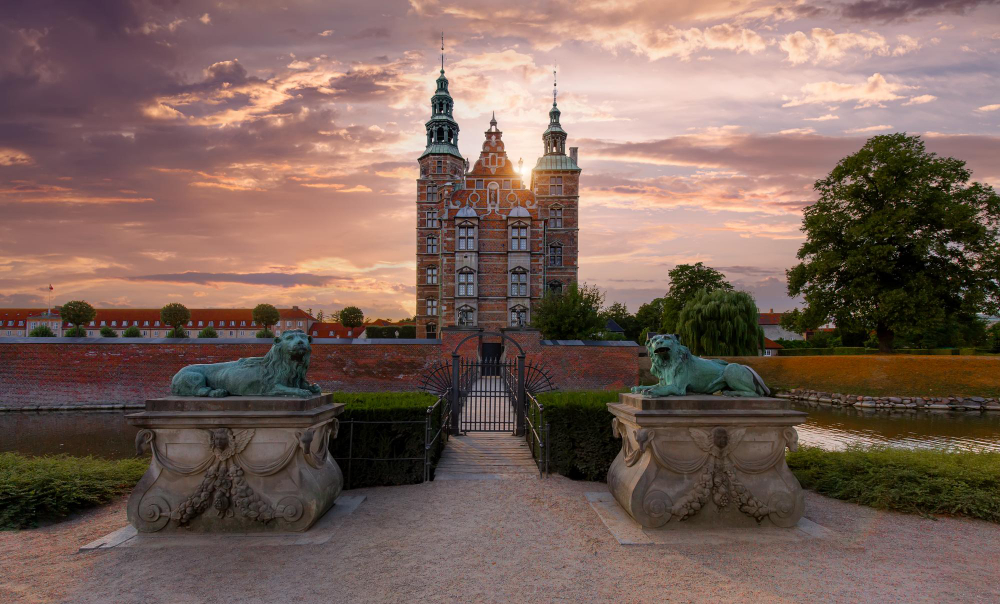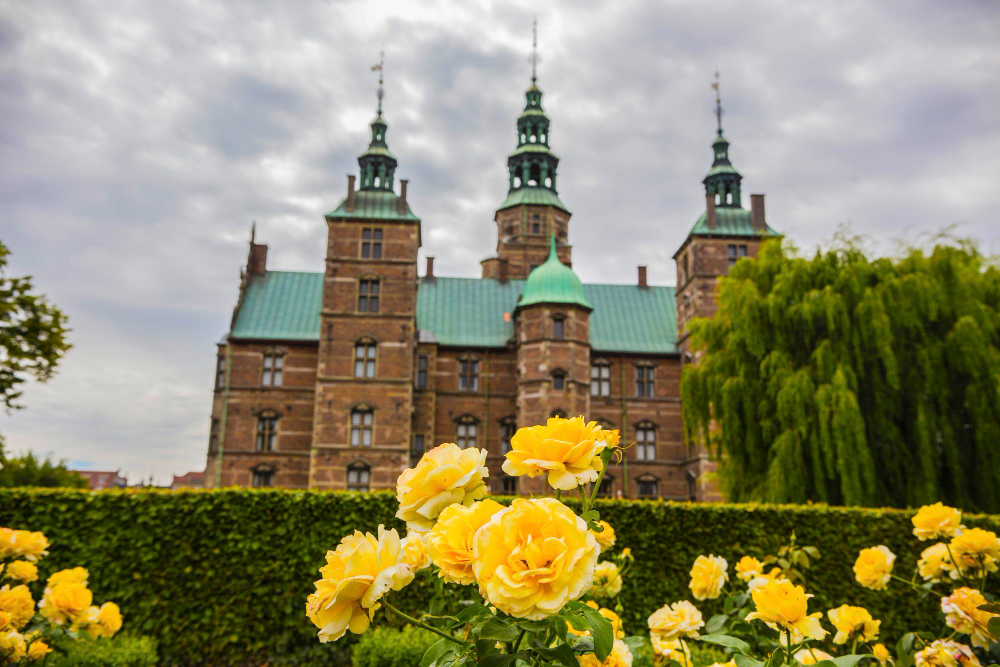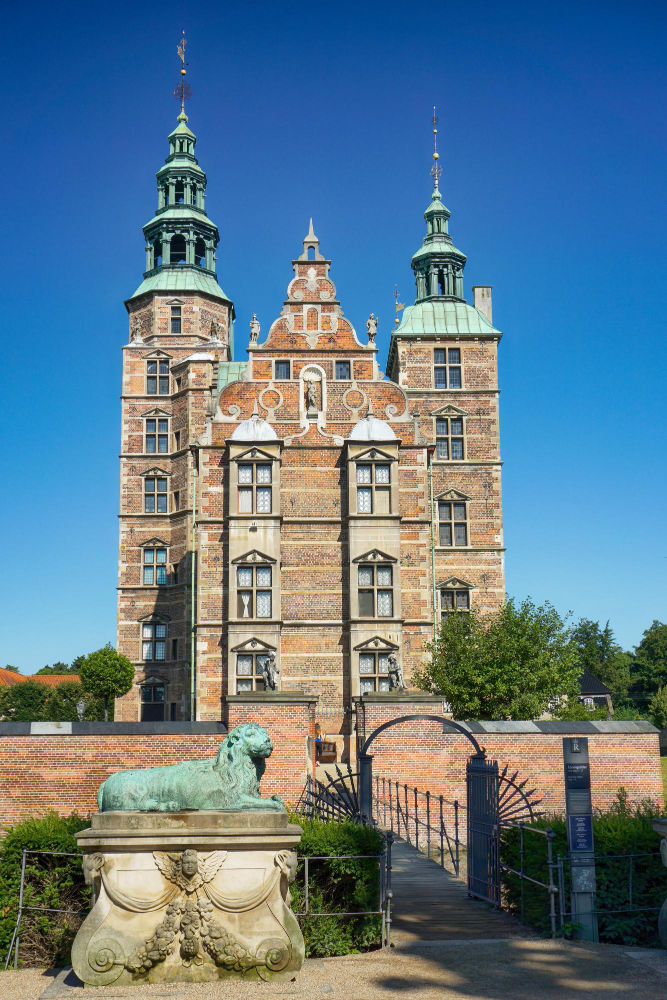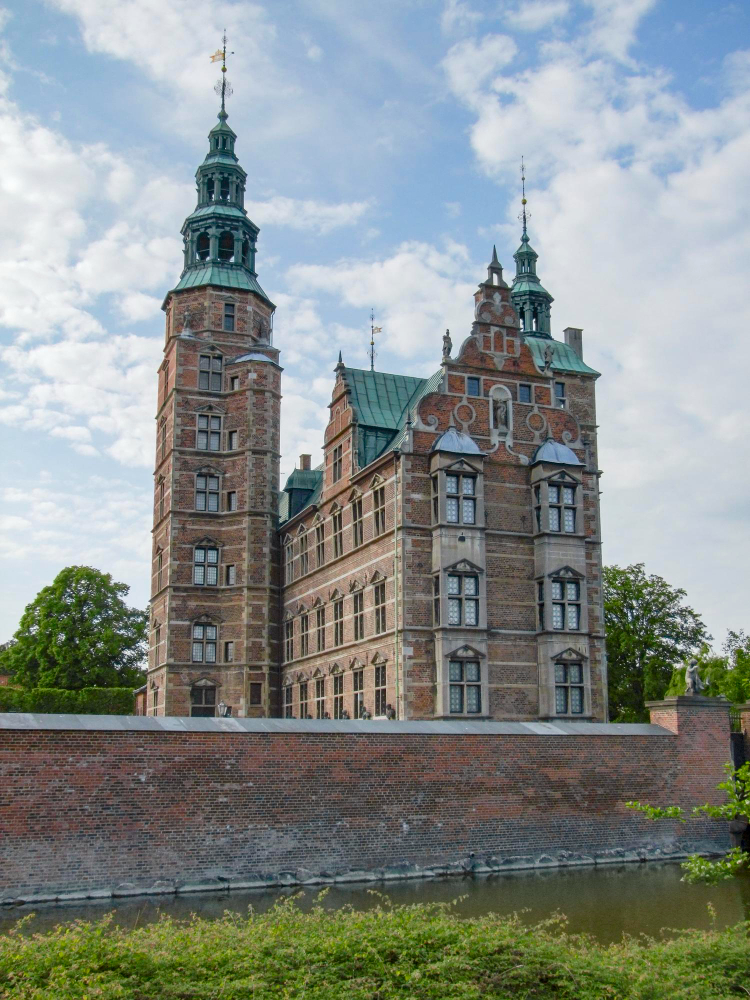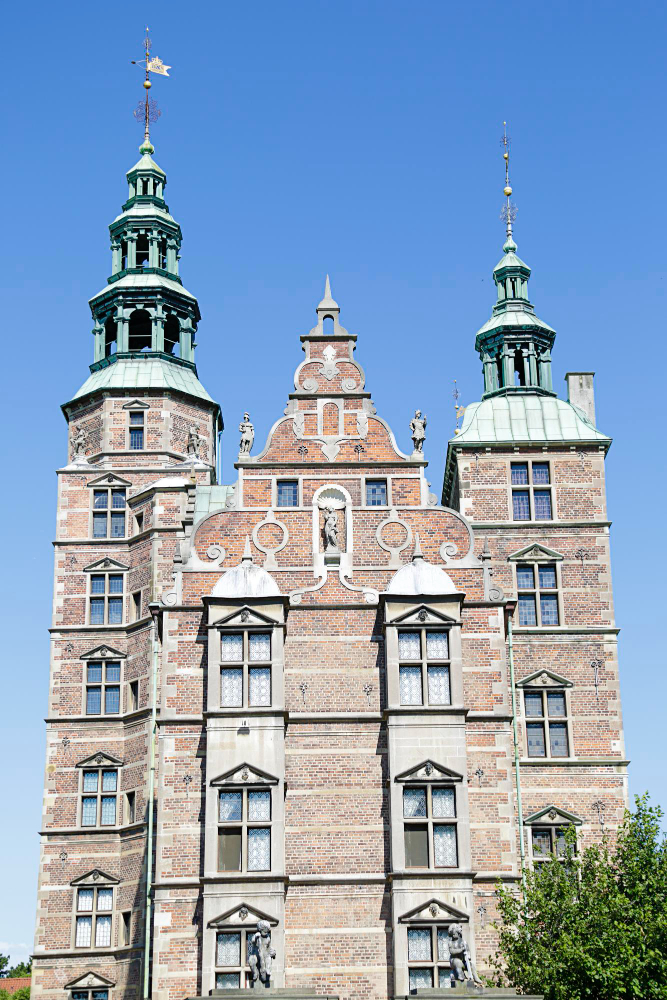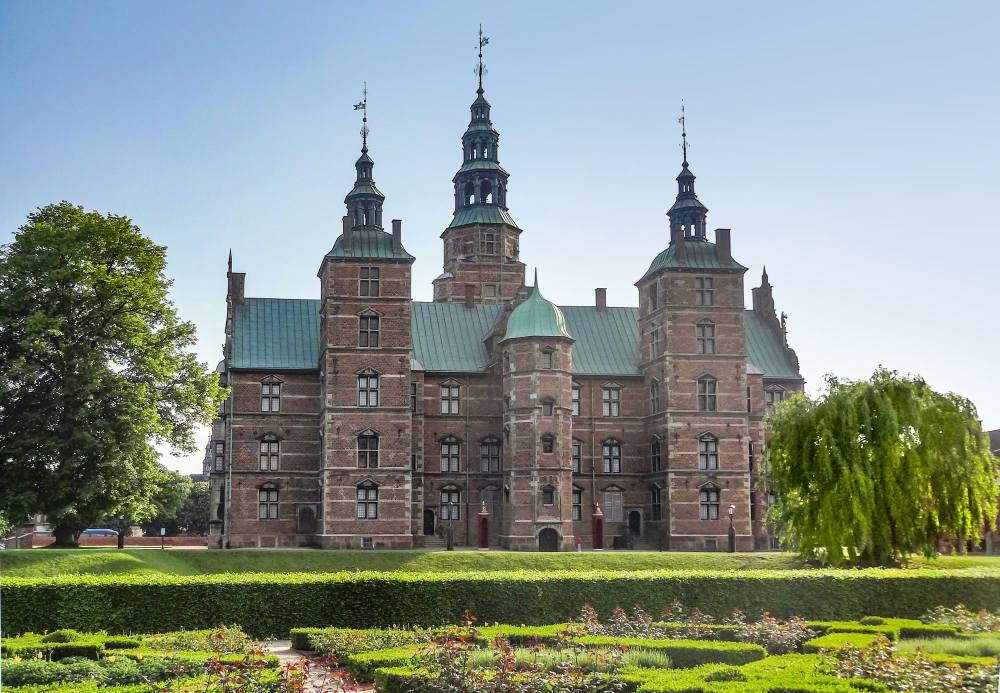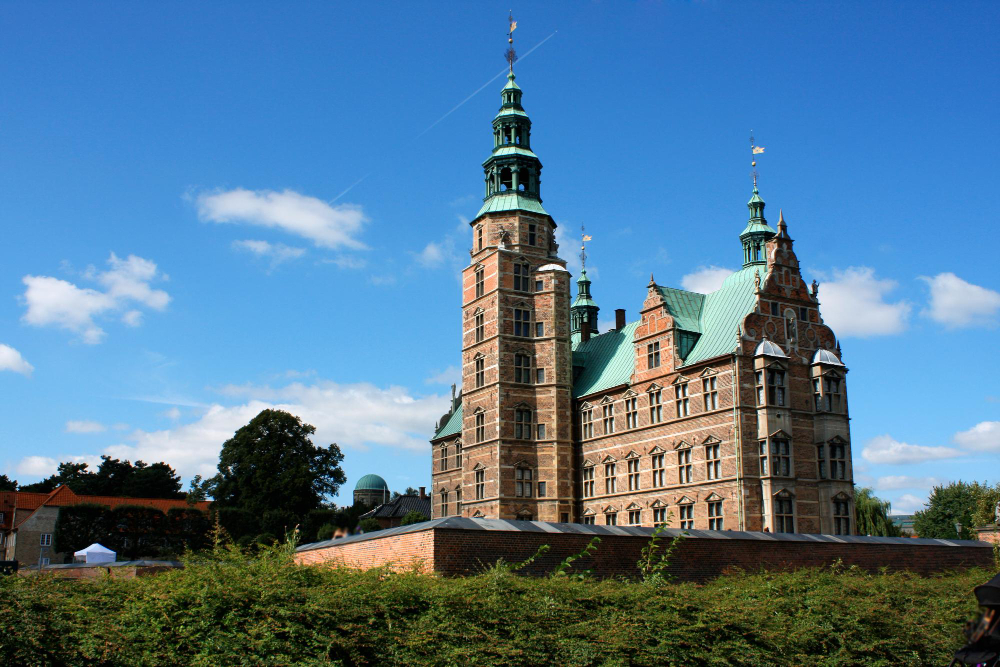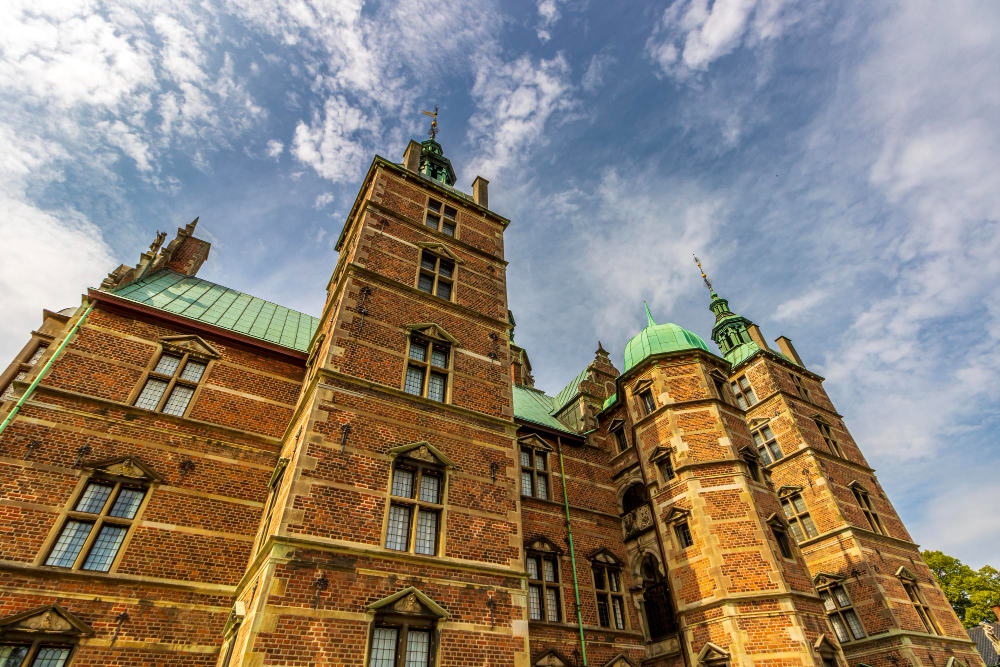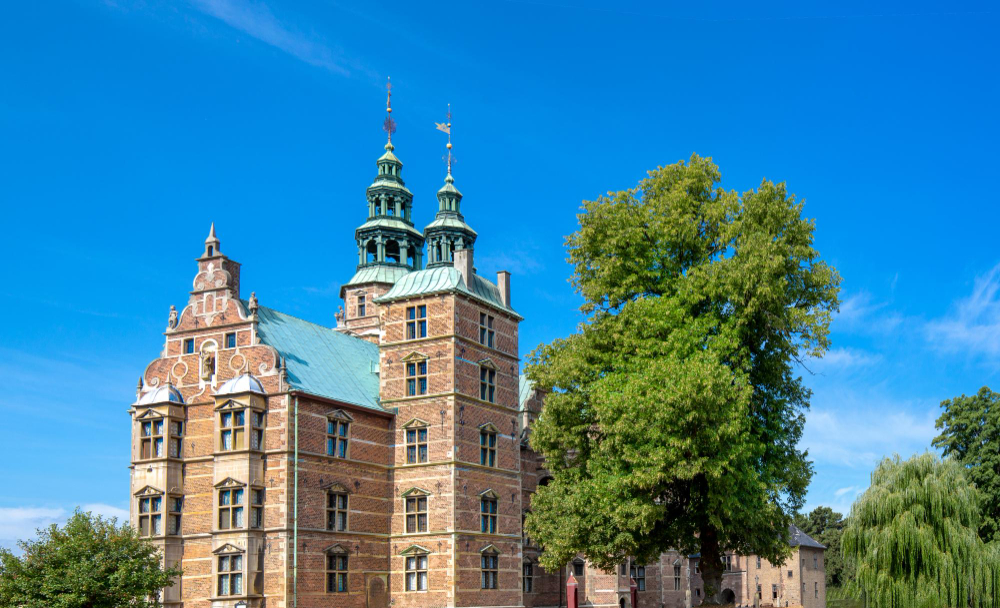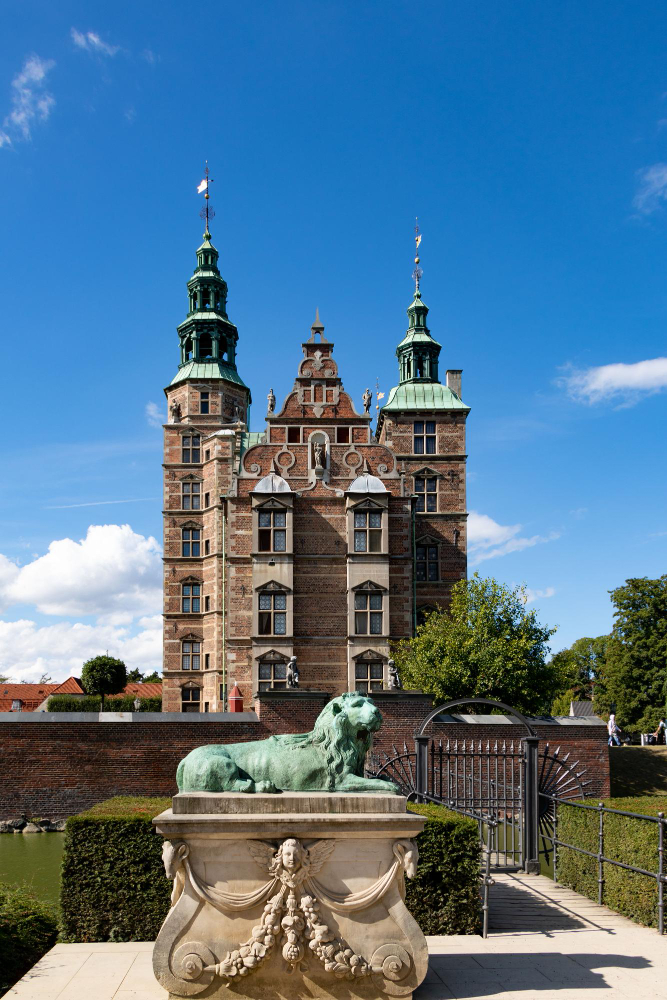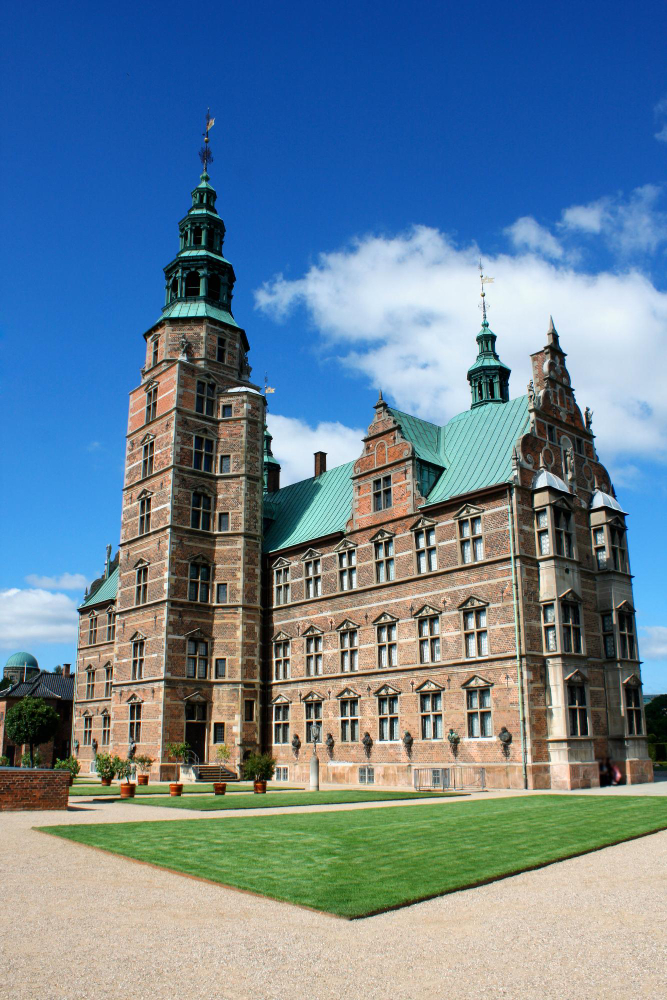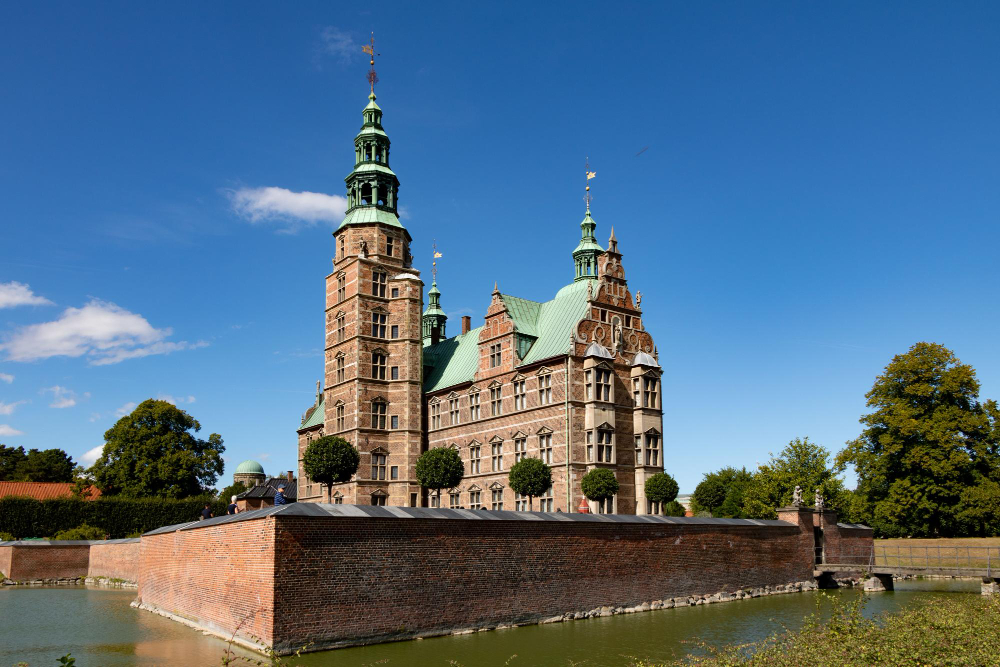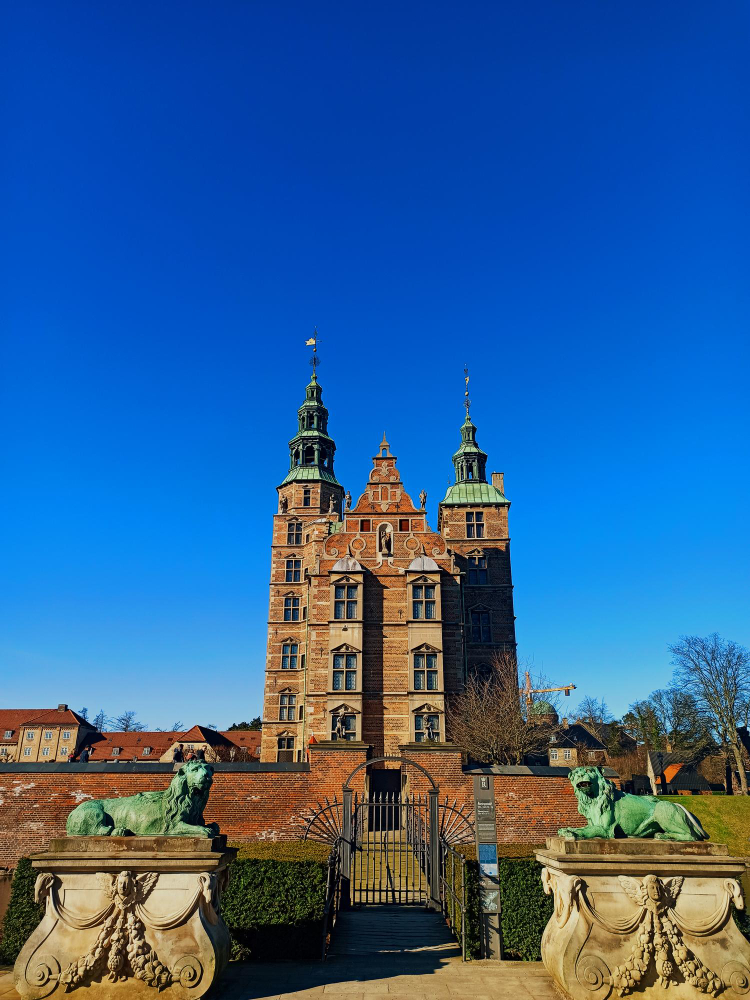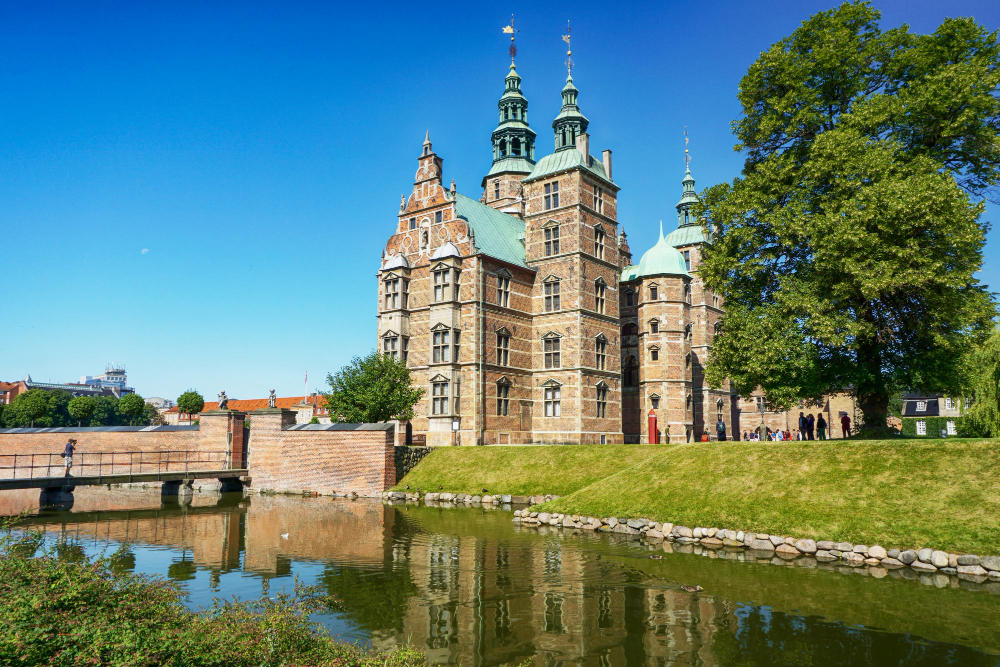
Rosenborg Castle (Danish: Rosenborg Slot) is one of Denmark’s most impressive buildings and a true symbol of Renaissance architecture. With its centuries-long history, royal treasures and idyllic gardens, the castle invites visitors to embark on a journey through time – from the glorious days of Christian IV to its present-day role as a museum and tourist attraction.
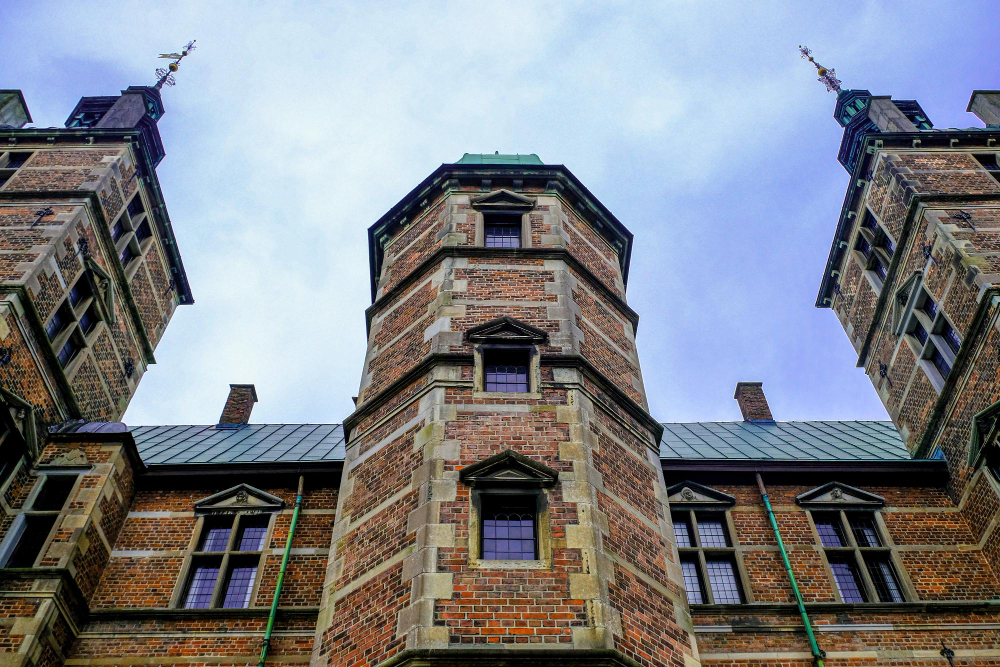
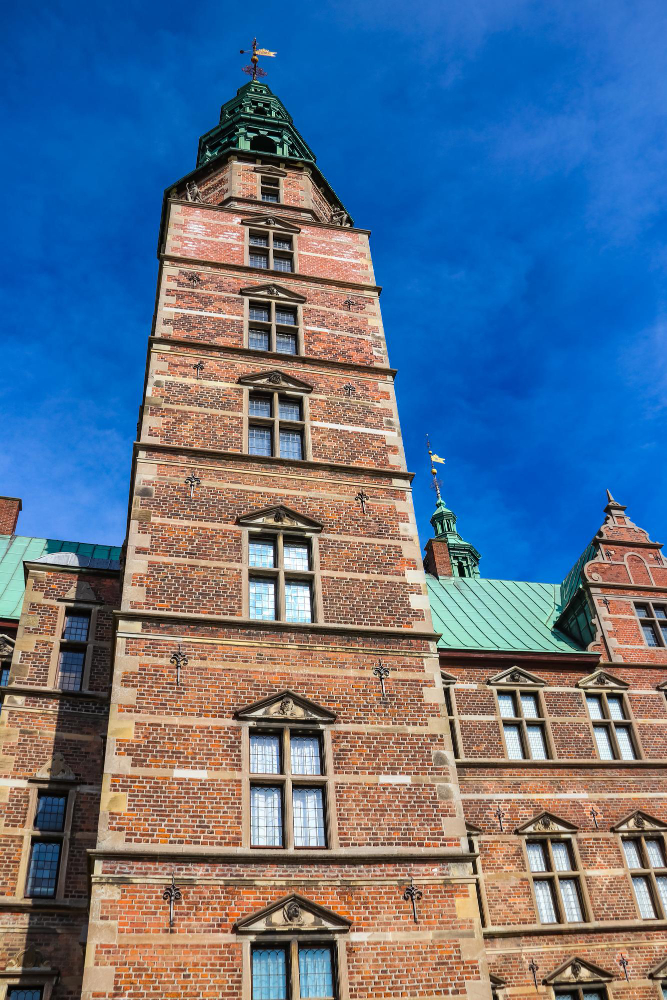
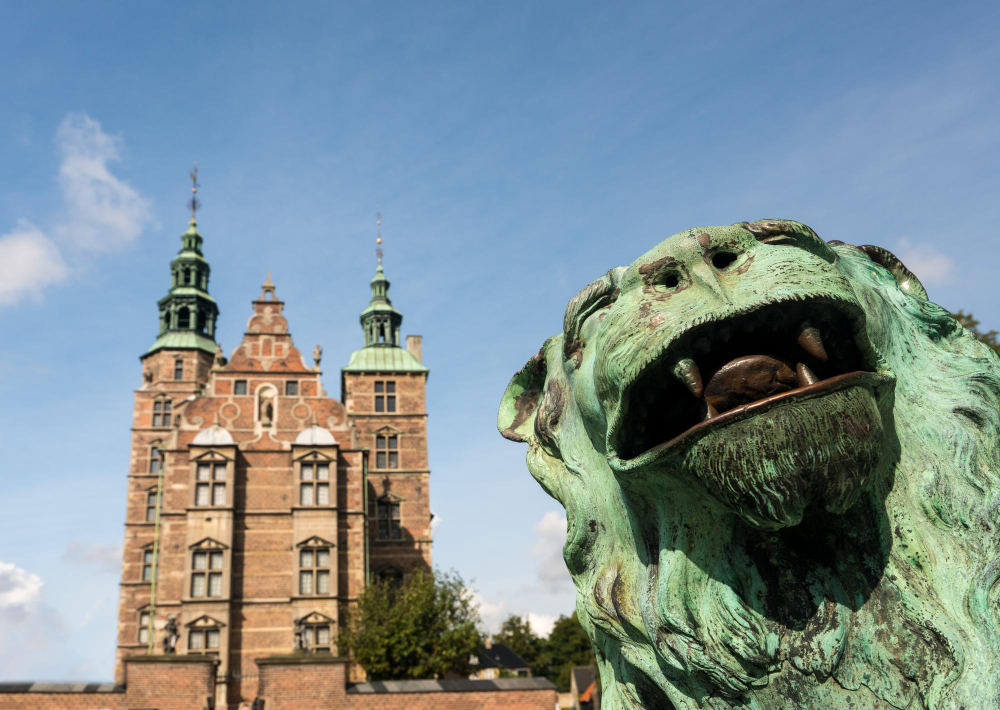
The origins of Rosenborg Castle: A vision comes true – In 1606, King Christian IV, one of the most famous monarchs in Danish history, commissioned the construction of Rosenborg Castle, initially as a summer residence outside the city walls of Copenhagen. The king was renowned for his passion for architecture and art, and Rosenborg is just one of many building projects realised during his reign. His aim was to create a stately building that reflected both the style of his era and his own power and vision. The palace was built in the so-called Dutch Renaissance style, which was popular in Denmark at the time. The architects Bertel Lange and Hans van Steenwinckel the Younger played a key role in the design and gave the building its distinctive character through skilful architectural details and balanced proportions. Between 1606 and 1624, the palace underwent numerous extensions until it took on its present form.
The Royal Residence: A Refuge in Times of Crisis – Until around 1710, Rosenborg Castle served as the preferred residence of the Danish monarchs. Later, however, it lost its function as a residence in favour of more modern palaces such as Christiansborg and Amalienborg. Nevertheless, Rosenborg remained a safe haven for the royal family during particularly difficult times. For example, they sought refuge in the palace after Christiansborg fell victim to a devastating fire in 1794. Rosenborg also once again became a temporary home during the British attack on Copenhagen in 1801. Although the castle’s use as a royal residence may have been limited, the building has always held a special place in the history and in the hearts of the Danish monarchy.
The magnificent architecture of the Long Hall – A highlight of Rosenborg Castle’s architecture is the ‘Long Hall’, located on the third floor and originally designed as a ballroom in 1624. Over the centuries, its function changed several times: around 1700, the hall was used as a royal reception room; later, it was converted into a banquet hall. It was not until the 19th century that it was given the title ‘Knight’s Hall’, which it still bears today. The ceiling of the Knight’s Hall is adorned with magnificent stucco work, including the coat of arms of Denmark, framed by the Orders of the Elephant and the Dannebrog. Side reliefs depict significant historical events, such as the emancipation of the serfs and the establishment of the Landmiliz under Frederik IV. Particularly impressive are the twelve tapestries commissioned by Christian V, which depict the king’s victories in the Scanian War (1675–1679). Another highlight of the Knights’ Hall is the collection of 17th-century silver furniture. Of particular note are the coronation chair of the absolutist kings and the queens’ throne, guarded by three majestic silver lions.
The Museum of the Royal Collections: A treasure trove of history – Rosenborg Castle has been officially open to the public since 1838 and today houses the Museum of the Royal Collections. The castle’s numerous rooms display exhibits that document the history and culture of the Danish monarchy between the late 16th and the 19th centuries. From paintings and precious pieces of furniture to personal effects of the royal family, the museum offers a fascinating glimpse into the past. Particularly famous is the castle’s treasury, where the crown jewels and the royal regalia are kept. Among the most valuable exhibits are the Danish crowns, which were used in coronation ceremonies, and the Coronation Carpet. These artefacts are not only of immense cultural value but also bear witness to the power and splendour of the Danish royal family.
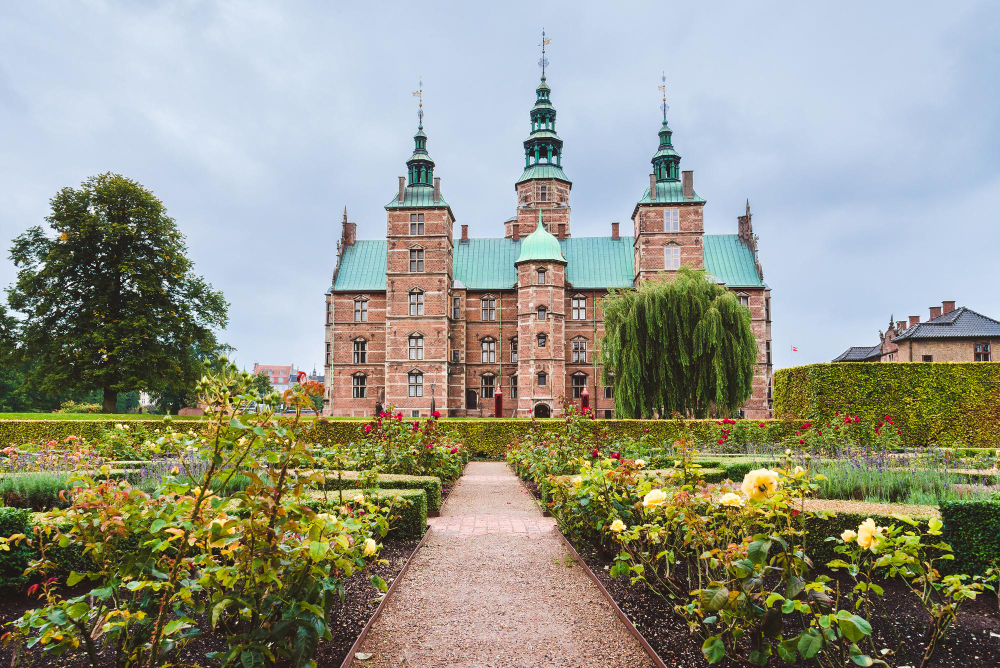
Kongens Have: Denmark’s oldest royal garden – Rosenborg Castle is surrounded by the beautiful Kongens Have (‘The King’s Garden’), also known as Rosenborg Slots-Have. This garden, laid out in the Renaissance style by Christian IV shortly before the castle was built, is Denmark’s oldest royal garden. Originally a private retreat for the royal family, today it welcomes millions of visitors every year to enjoy its well-tended avenues, flowerbeds and lawns. Kongens Have is not only a green oasis in the heart of Copenhagen, but also a place steeped in history and stories. Every year, around 2.5 million people flock here – whether to experience the beauty of the garden, have a picnic or simply enjoy a moment of peace and quiet. The garden is a living testament to how history and nature can blend harmoniously. Right next to the palace are the barracks of the Royal Life Guards, whose members stand ceremonial guard at the palace every day. The sight of them is another highlight that immerses visitors in the magnificent world of royal Denmark.
A Journey Through Time – Rosenborg Castle is more than just a building – it is a living monument that brings together the eventful history of the royal family, the splendour of the Renaissance and Denmark’s cultural traditions. From the architectural treasures of the Royal Halls to the royal collections and the green oases of the garden, every stone, every detail and every exhibition tells a story that bears witness to a bygone era. Visitors to this masterpiece not only immerse themselves in Denmark’s history, but also experience the beauty and elegance of a castle that has lost none of its magic over the centuries. Rosenborg is a place that brings the past to life and enchants visitors with its timeless beauty. With its rich history and unrivalled atmosphere, Rosenborg Castle remains one of the most impressive cultural experiences in Denmark and a must-see for anyone visiting the capital.