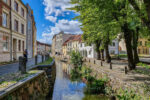
The Hanseatic city of Wismar, situated on the picturesque coast of the Bay of Mecklenburg, is a true gem of the Baltic Sea coast. With its rich history, impressive architecture and maritime atmosphere, the city captivates visitors from all over the world year after year. As a UNESCO World Heritage Site, Wismar ranks among the cultural and historical highlights of northern Germany. In this article, we delve deeper into the history, sights and modern life of this fascinating city, which is the perfect destination for a short break or a day trip.
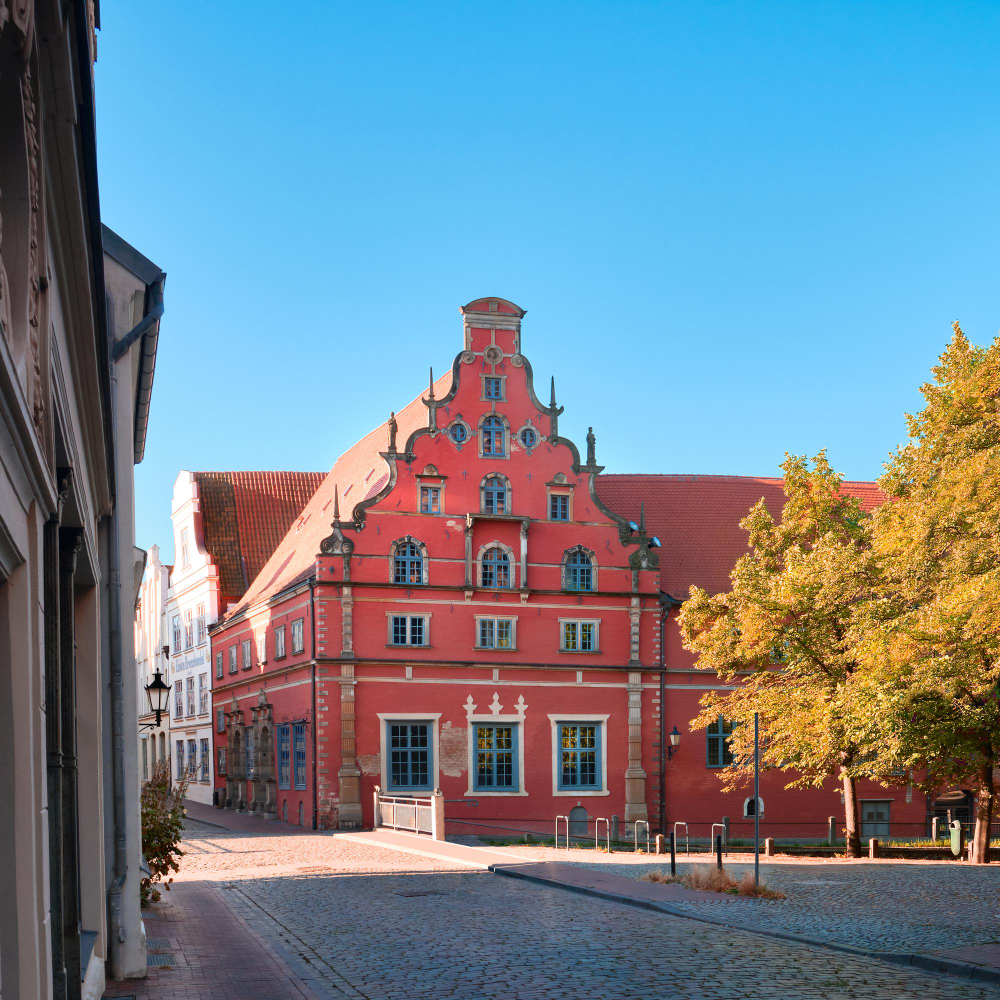
The historical significance of the Hanseatic city – Wismar was founded in 1229 and, thanks to its location on the Baltic Sea, rapidly developed into a major trading centre. Wismar enjoyed particular economic prosperity during the era of the Hanseatic League, the medieval alliance of German merchant cities. As part of this network, the city benefited from a lively exchange of goods, ideas and technologies. Wismar’s strategically favourable location made it an important transhipment point for trade goods such as salt, fish and grain. A significant historical milestone was Swedish rule over Wismar, which lasted from 1648 to 1803. During this period, the town played a major role as Sweden’s military and administrative outpost in northern Germany. This influence is still visible today: many buildings and monuments, such as the Swedish Consulate or the so-called ‘Schwedenfest’, serve as reminders of this historical episode. The Swedish period had a profound cultural and architectural impact on Wismar and contributes to the town’s unique character.
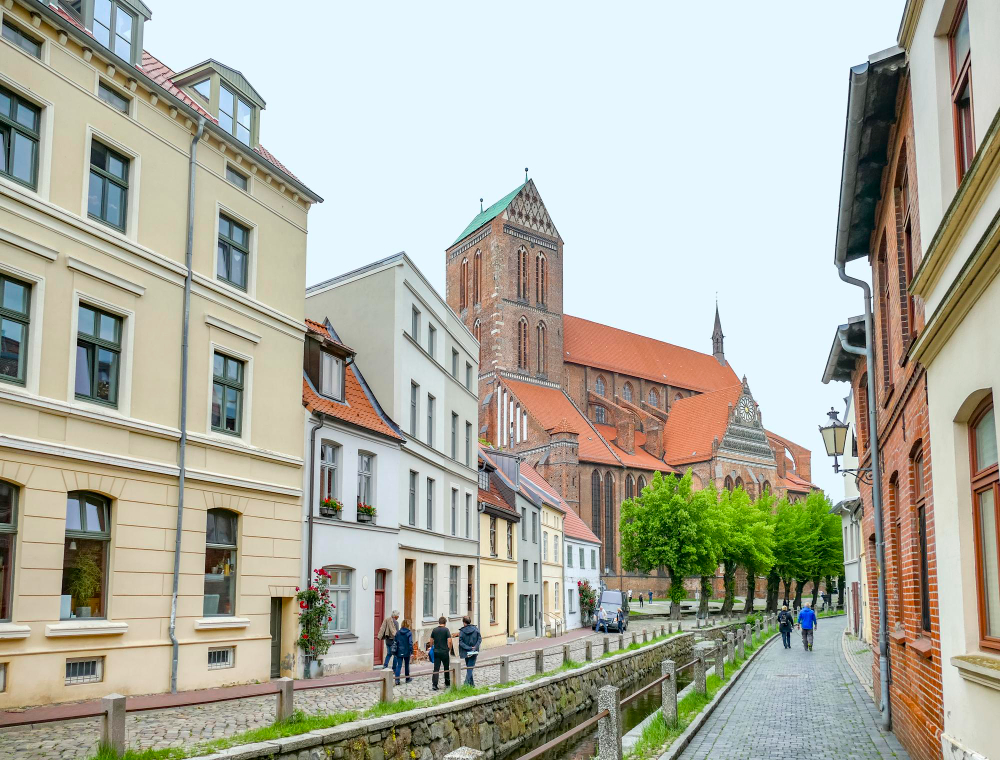
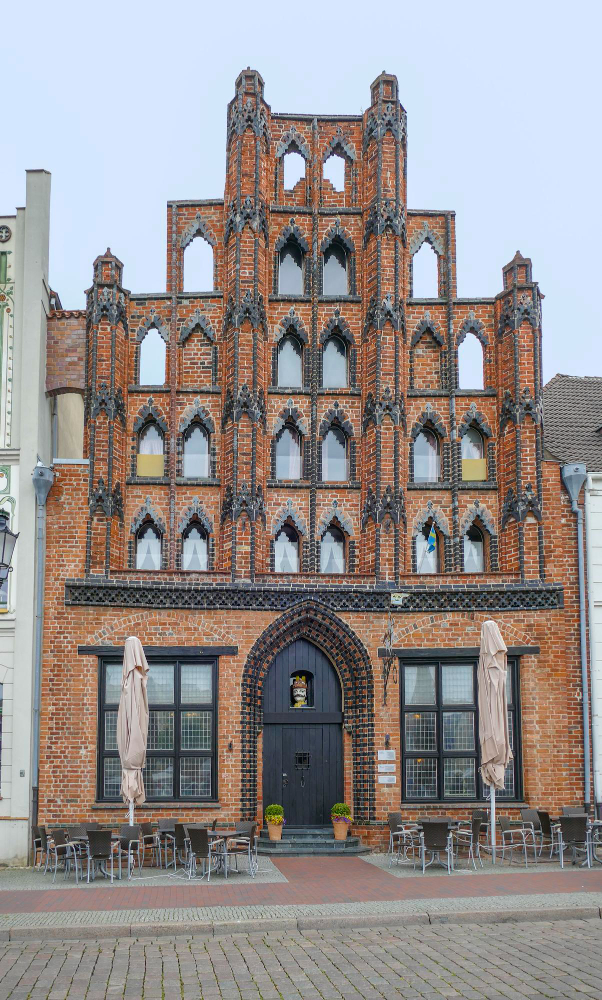
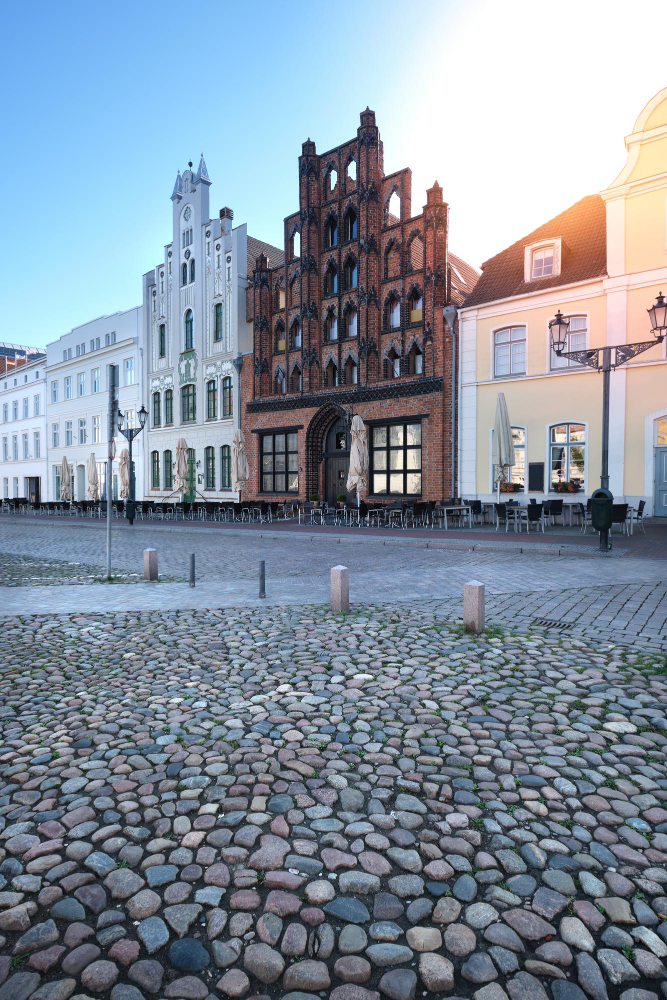
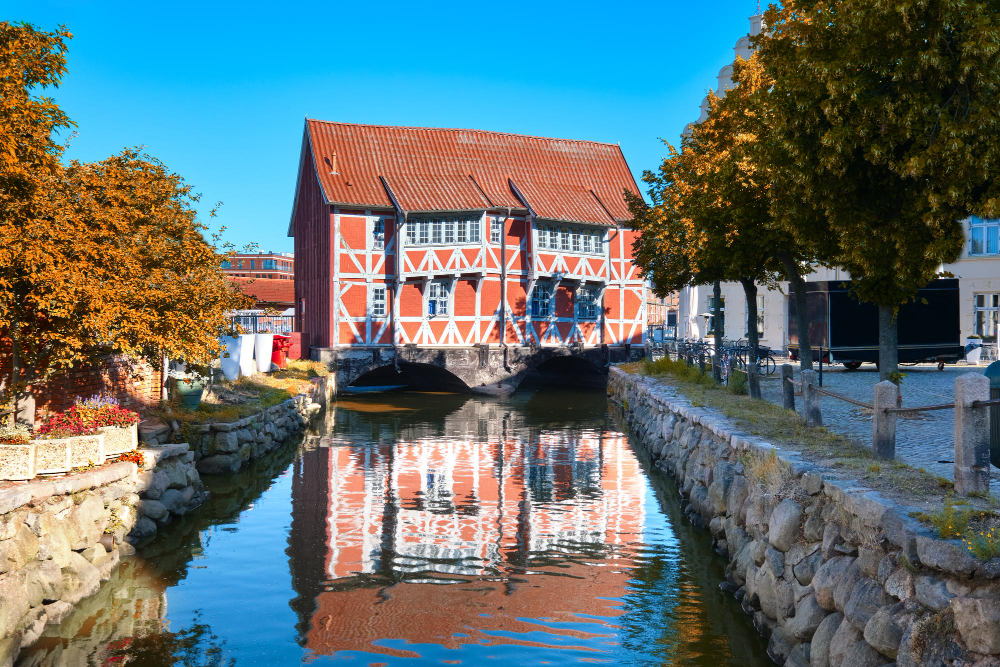
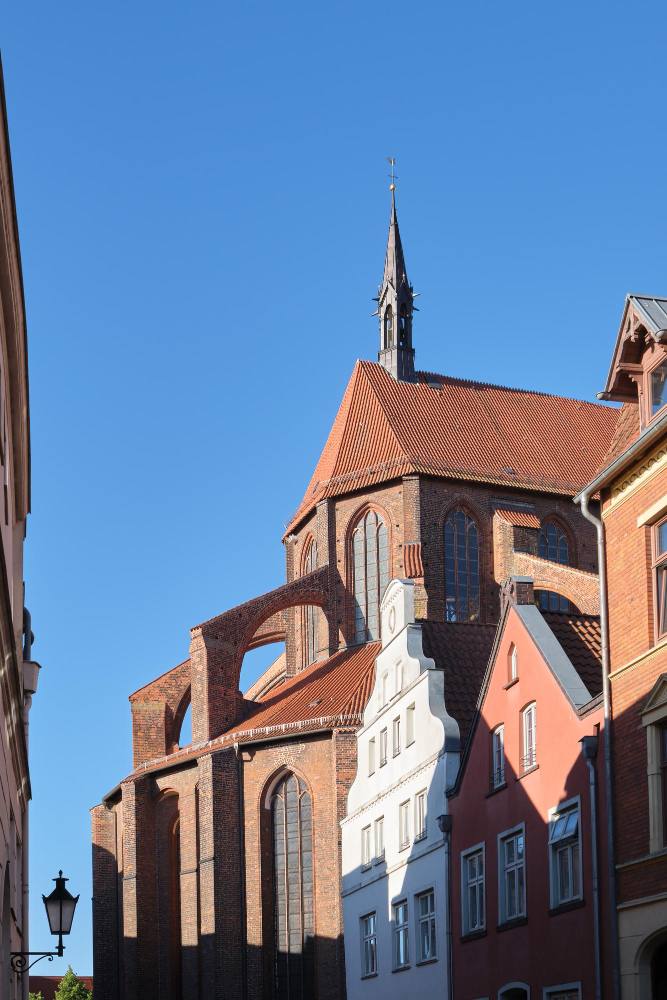
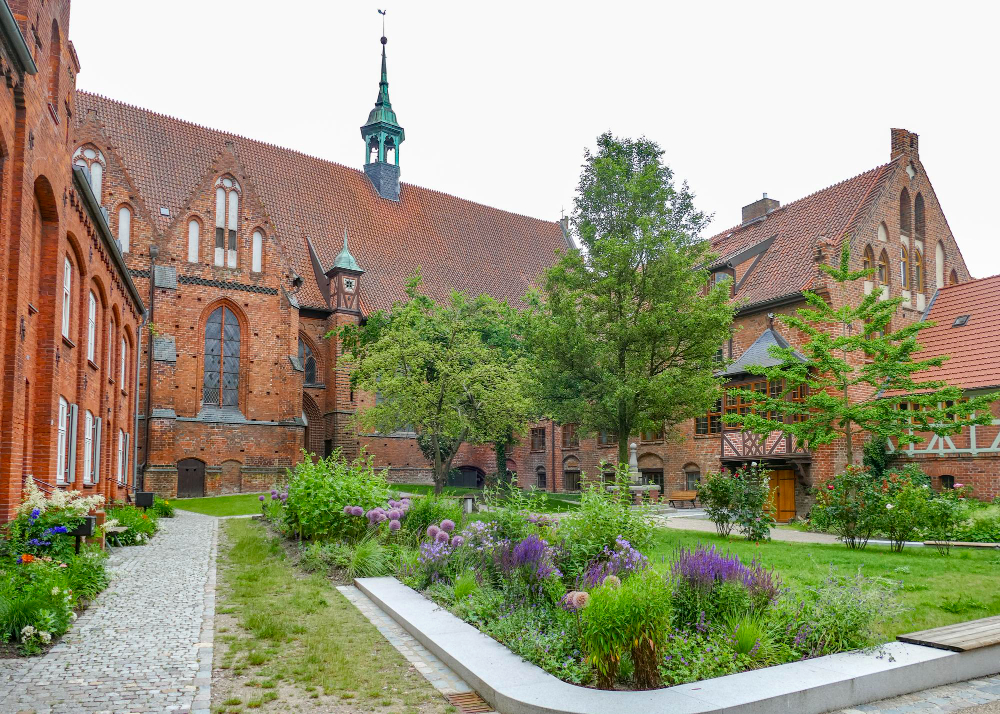
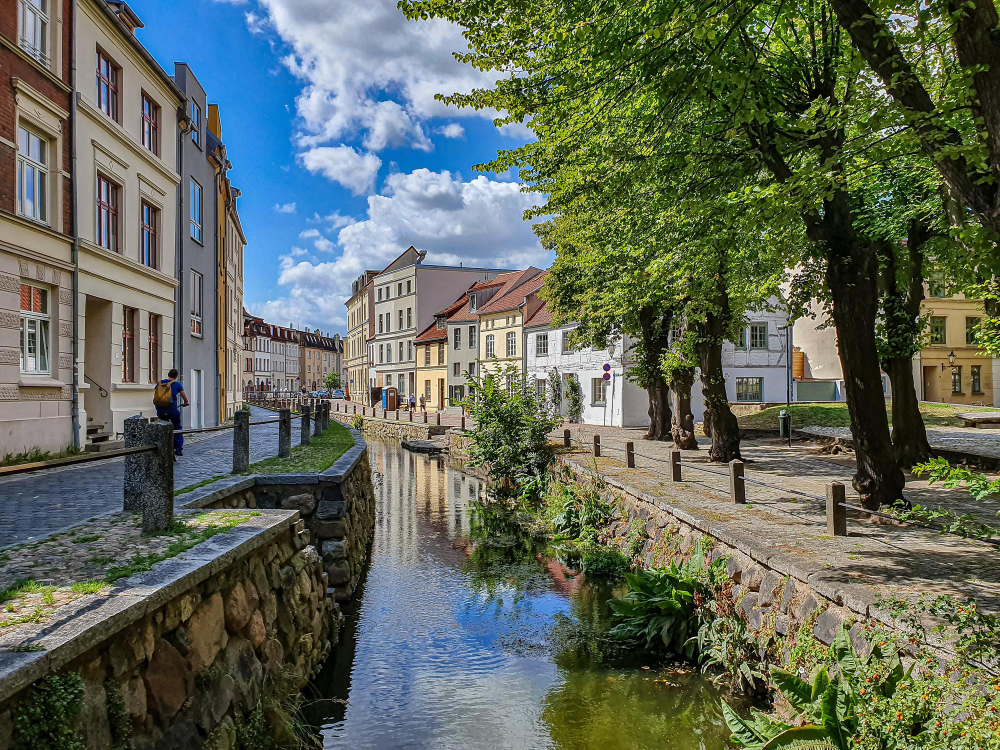
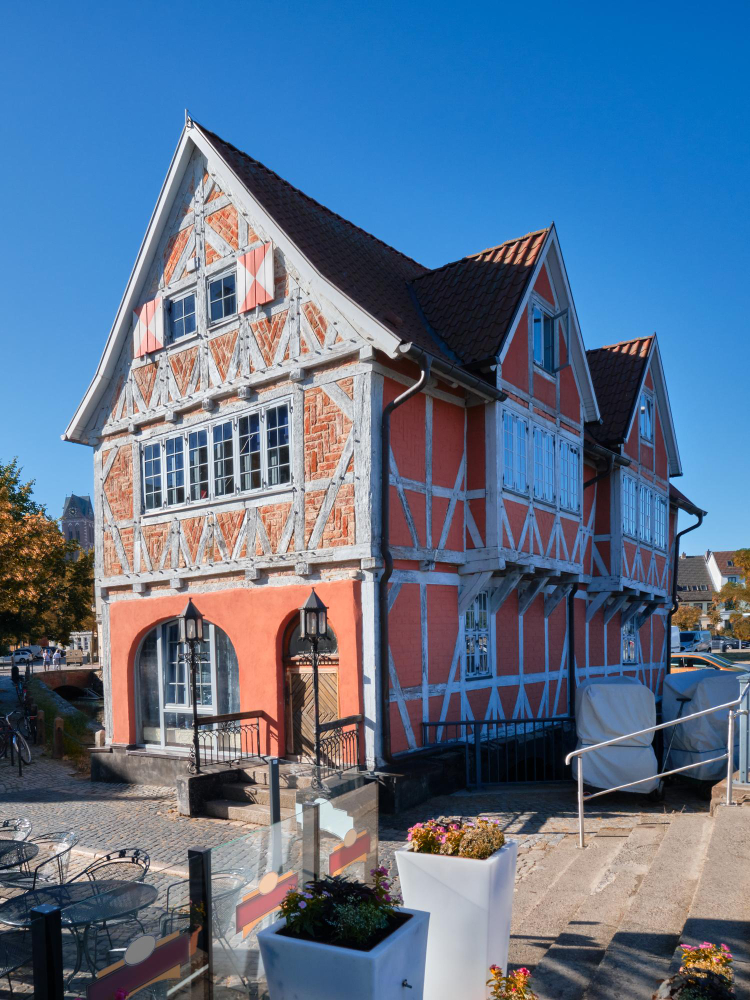
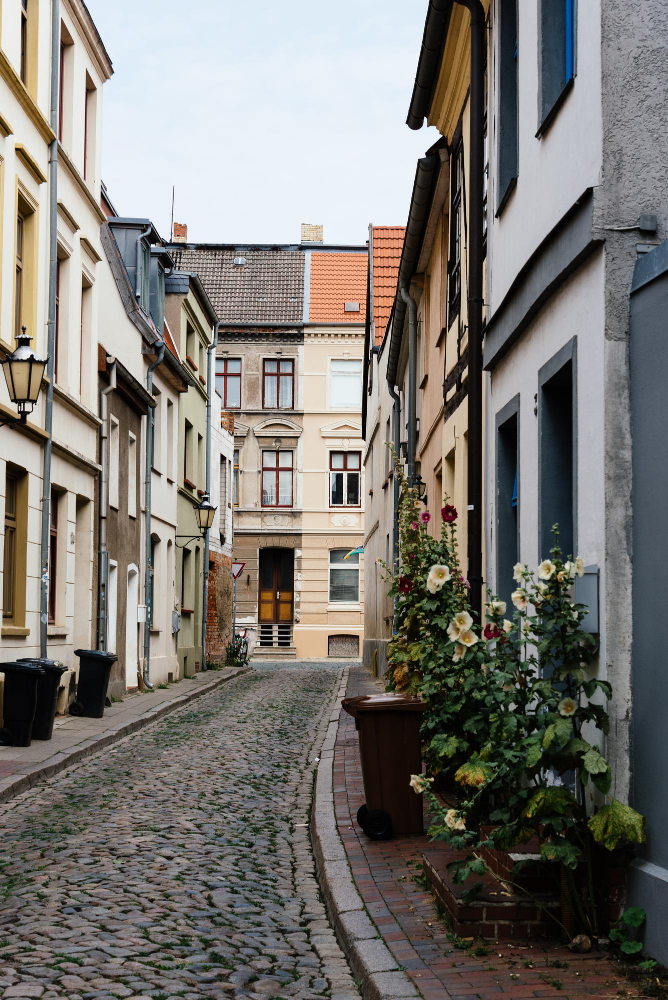
A stroll through the old town: UNESCO World Heritage Site – Wismar’s Old Town was inscribed on the UNESCO World Heritage List in 2002, together with the city centre of Stralsund. A stroll through the cobbled streets reveals the town’s rich architectural heritage. Particularly impressive are the Brick Gothic buildings, which are typical of northern Germany.
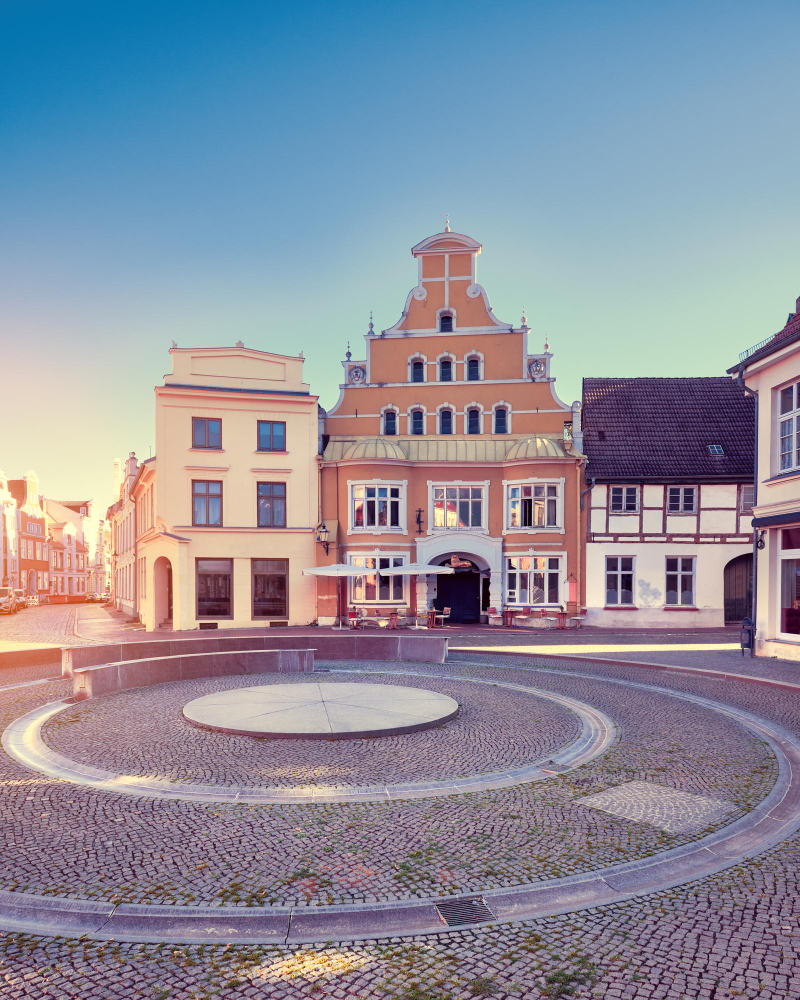
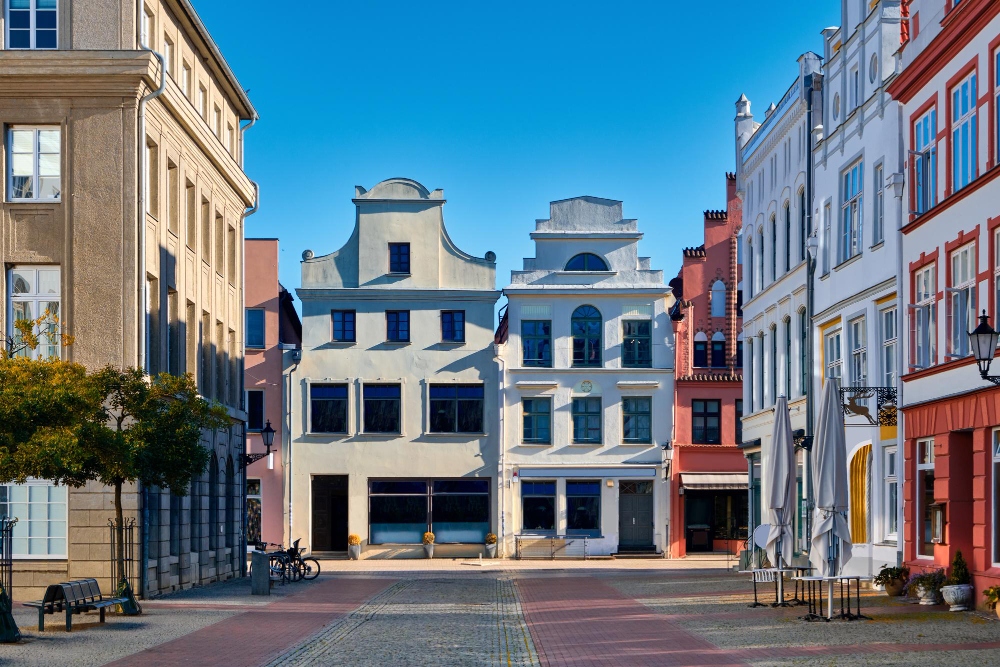
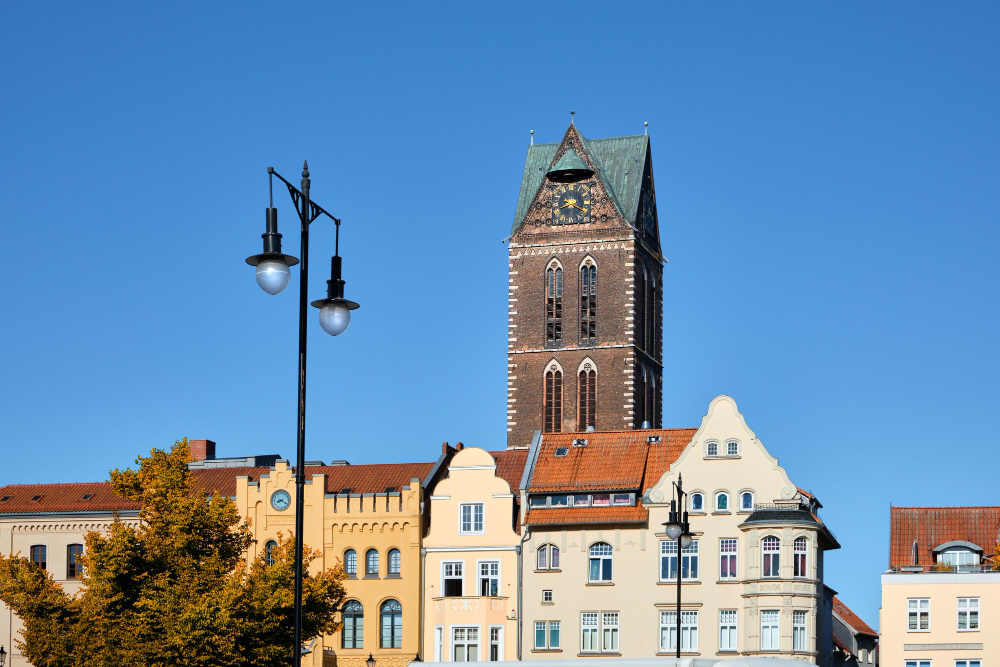
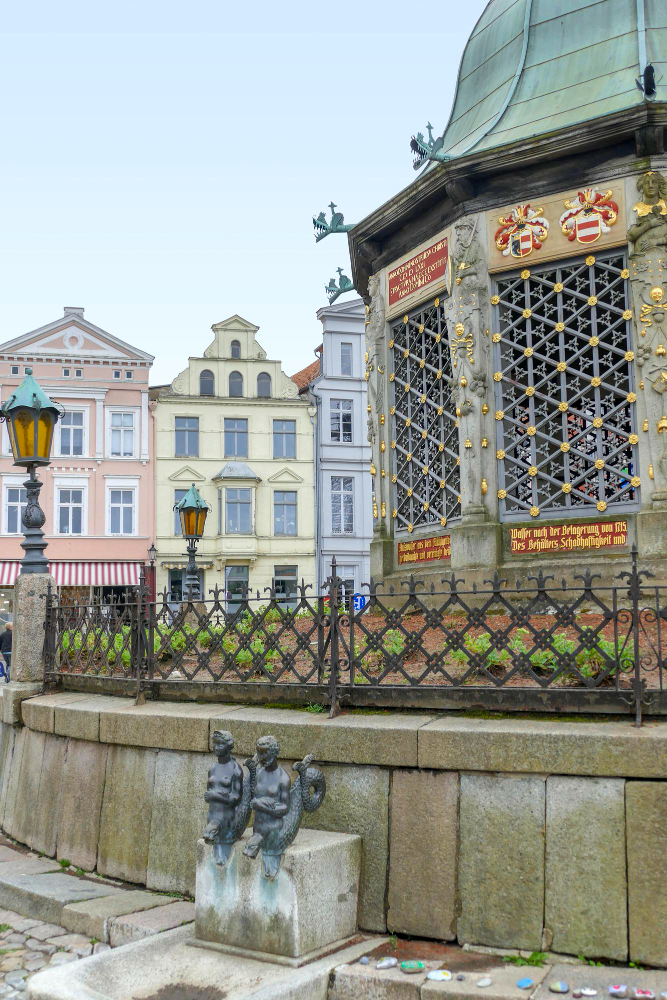
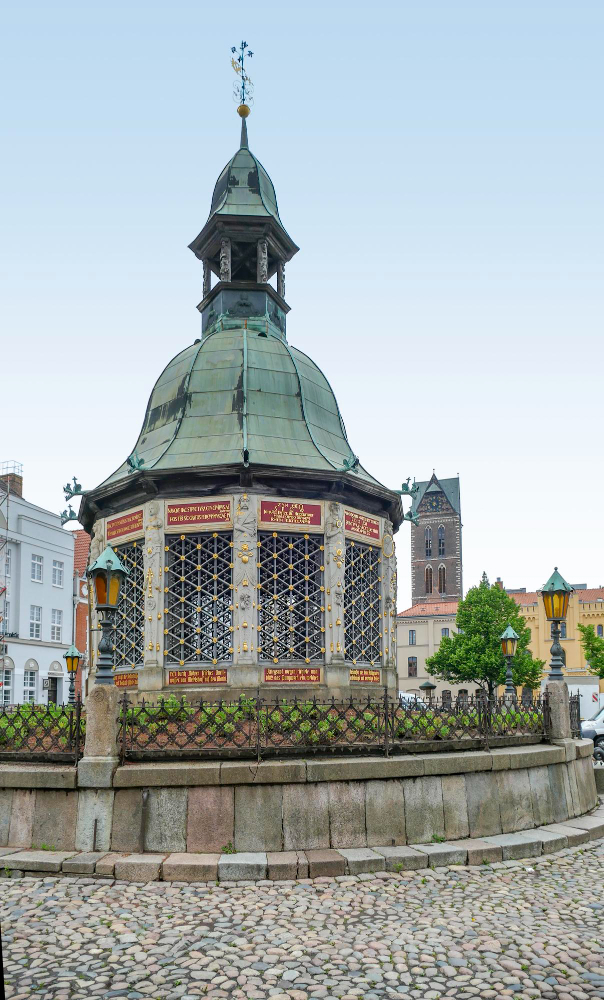
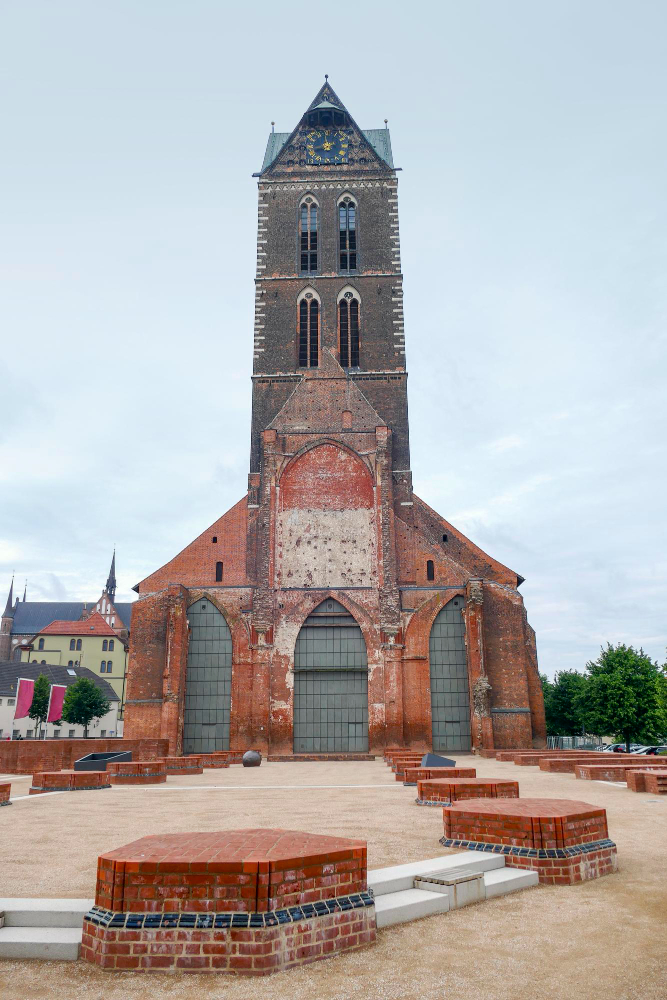
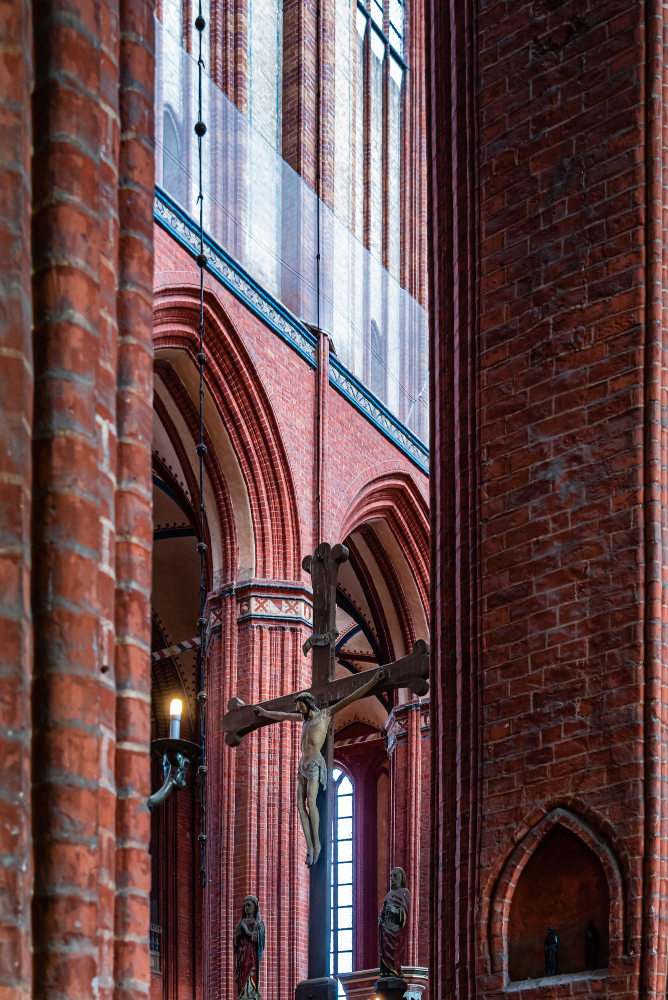
Among the most important sights is St George’s Church, which impresses with its magnificent Gothic architecture and moving history. The church was extensively restored following severe damage during the Second World War and is now a symbol of the preservation of cultural heritage. From the church’s viewing platform, there is a stunning panoramic view over the Old Town and the harbour. Not far away is St Nicholas’ Church, whose imposing tower dominates the city’s skyline. The church was originally built for seafarers and fishermen and embodies the city’s maritime tradition. Another highlight is the market square, which, covering an area of 10,000 square metres, is one of the largest medieval market squares in northern Germany. Here stands the Town Hall alongside the Wasserkunst, an ornate Baroque structure that once ensured the town’s water supply.
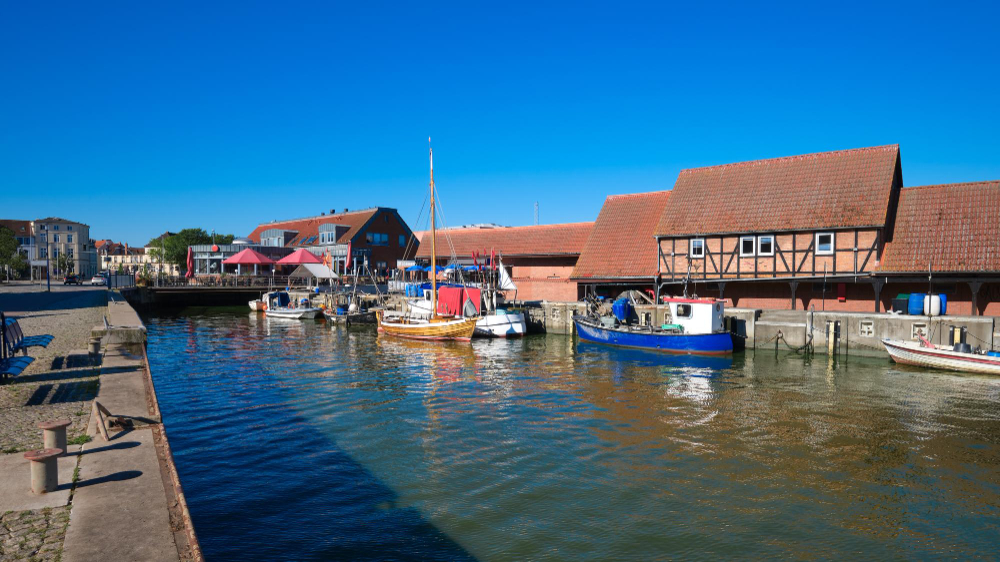
The harbour: the maritime heart of Wismar – Wismar’s harbour is not only an economic hub but also a place brimming with stories and experiences. A stroll along the quayside reveals historic warehouses, once used to store trade goods, and modern ships that today represent international trade. The Old Harbour is particularly popular with tourists. Here, there are numerous ways to enjoy the maritime atmosphere: from fresh fish sold straight from the fishing boat to sightseeing trips on historic sailing ships. The harbour is also the starting point for trips to the island of Poel, which lies just a few kilometres off the coast and boasts idyllic beaches and a relaxed atmosphere.
Culinary highlights – A town like Wismar, shaped by the sea, naturally also offers culinary delights that showcase typical regional ingredients such as fresh fish and seafood. Visitors can sample local specialities in the cosy restaurants along the harbour and in the old town. Particularly recommended is the ‘Schweriner Pannfisch’, a dish made from various types of fish served in a hearty mustard sauce. The art of brewing also has a long tradition in Wismar. The Brauhaus am Lohberg brewery not only offers delicious beer but also fascinating insights into the brewing process. Here, visitors can experience Hanseatic charm and learn about the art of brewing first-hand.
Events and leisure activities – Throughout the year, Wismar organises a wide range of events that combine culture and a zest for life. Particularly popular is the annual Schwedenfest, which commemorates the town’s Swedish past and is celebrated with parades, traditional dances and music. The Hansefest also attracts visitors with its medieval atmosphere and numerous attractions. In addition, there are plenty of leisure activities for nature lovers. Cycle rides along the coast or trips to the island of Poel offer opportunities for relaxation and actively exploring the surrounding area. Those who prefer a more laid-back pace can linger in one of the local cafés whilst enjoying the view of the Baltic Sea.
A modern city with historic charm – Wismar has succeeded in combining the past with a modern way of life. Alongside the historic architecture, there are numerous shops, galleries and events that enrich the cityscape. The University of Wismar, which specialises in particular in technical and design courses, rounds off the picture of a vibrant and forward-looking city. Wismar offers its residents and visitors an ideal blend of history, nature and urban life. Whether you’re interested in the history of the Hanseatic League, want to admire the architecture or simply wish to experience the atmosphere of a charming coastal town – Wismar has something to offer everyone.
Practical information for visitors – Getting to Wismar is straightforward for anyone wishing to explore the town. The town is situated on the A20 motorway and is easily accessible by both car and public transport. The main railway station offers connections to many cities across Germany, including Hamburg and Berlin. Once in the city, the best way to get around is on foot or by bike, so you can experience the narrow streets and hidden corners of the old town up close. There is no shortage of accommodation, ranging from historic hotels in the old town to modern guesthouses near the harbour. The best time to visit is in summer, when the weather is ideal for walks and exploring. But Wismar also has its own charm in winter, when the Christmas market lights up the streets and the Baltic Sea atmosphere takes on a particularly mystical feel.
Well worth a visit – Wismar is more than just a historic town – it is a living piece of history that is constantly evolving. Its beauty, characterised by medieval architecture and maritime culture, makes it a unique destination. The perfect blend of past and present ensures that Wismar offers an unforgettable experience for history buffs, connoisseurs and nature lovers alike. A visit to this Hanseatic city is not only a journey into the past, but also an opportunity to experience the future of a proud coastal town.