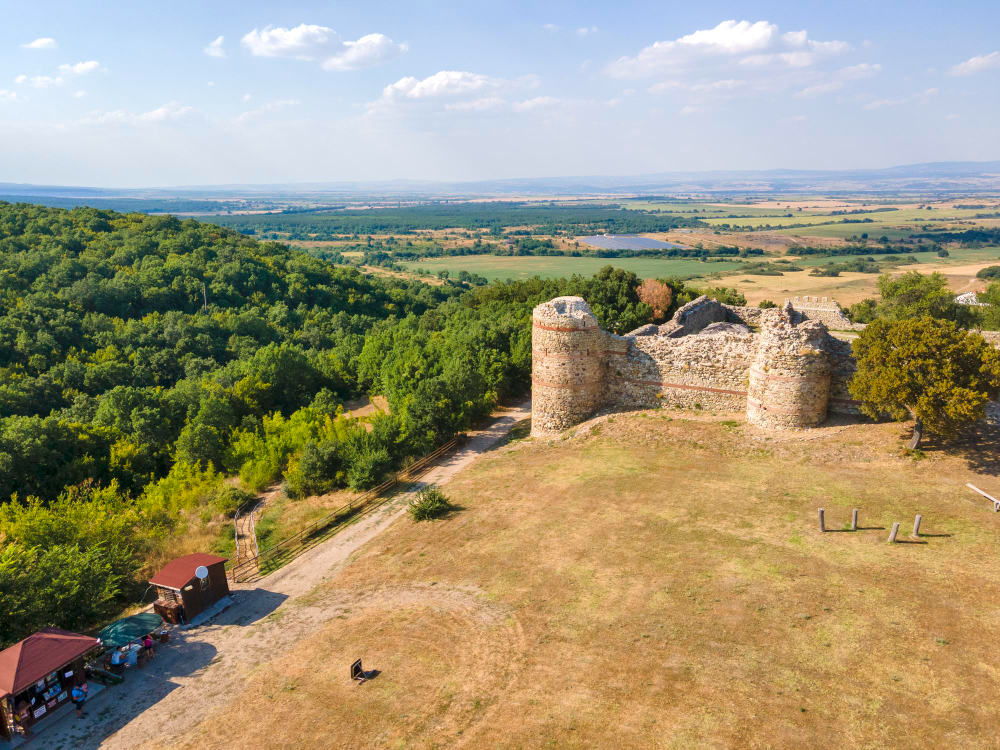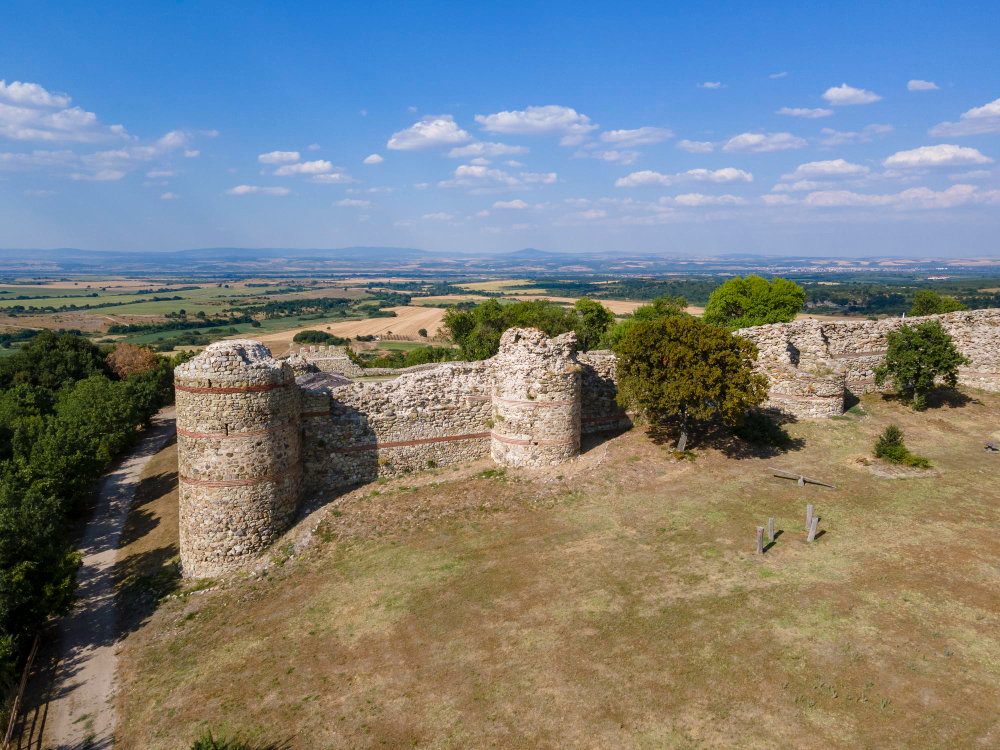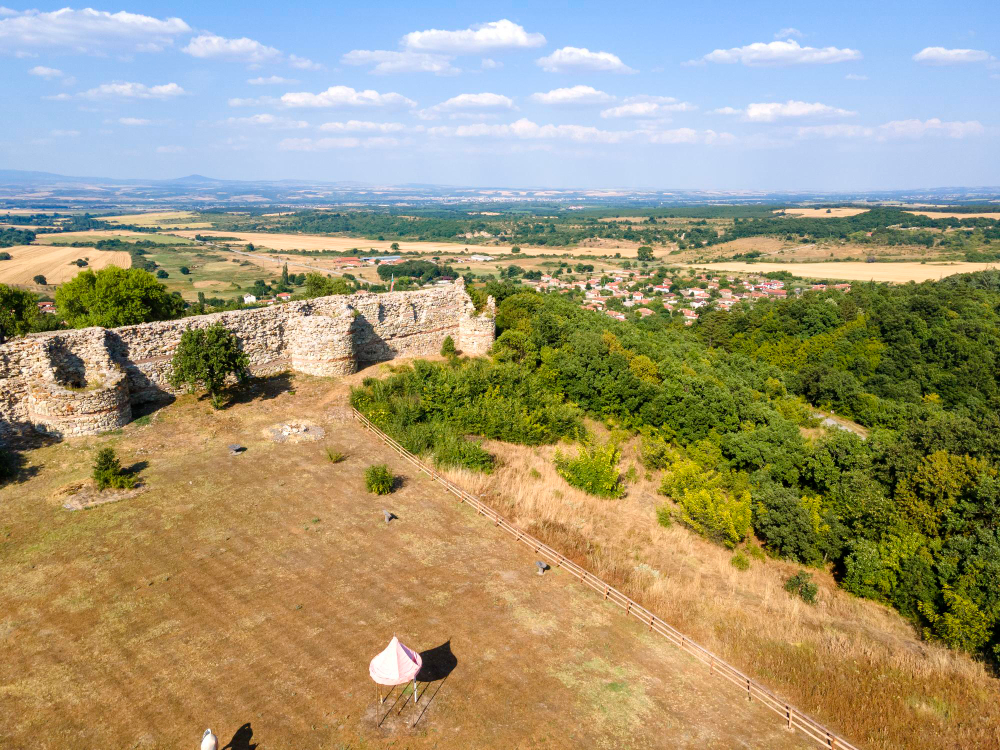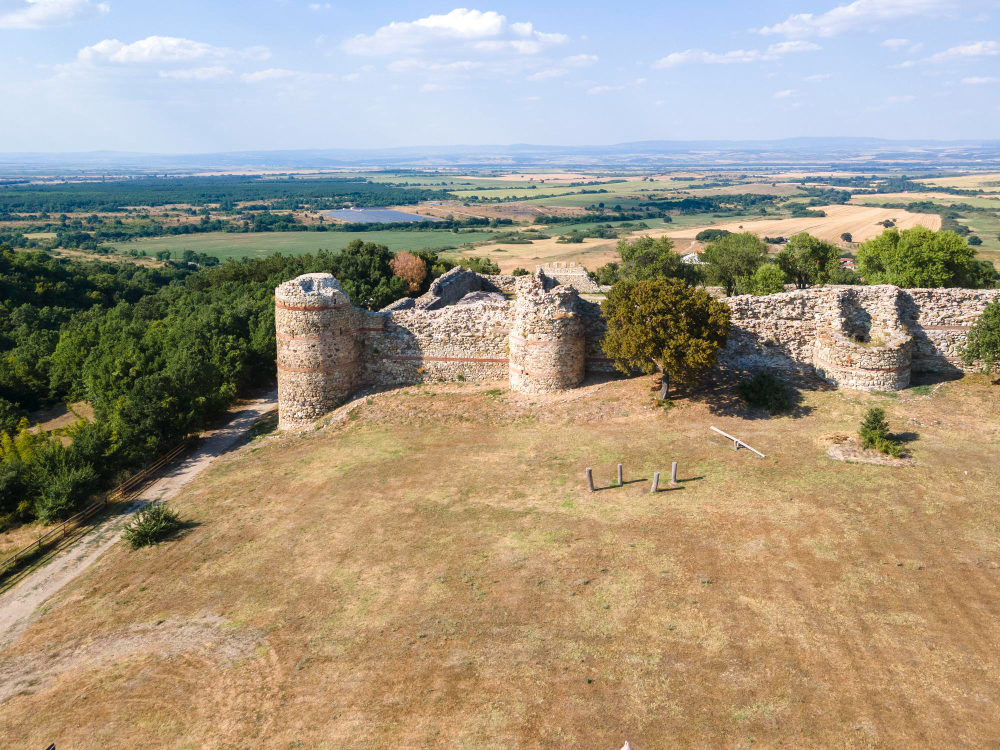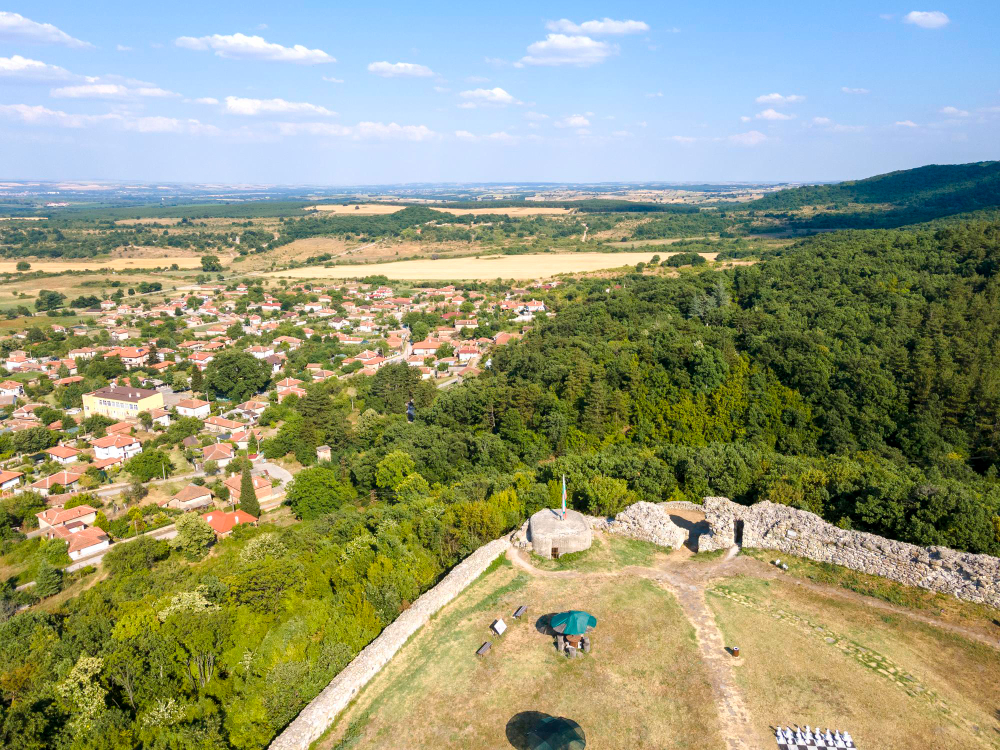
Mezek Fortress rises majestically in south-eastern Bulgaria, nestled amongst the gentle slopes of the Rhodope Mountains. This impressive medieval fortress was built in the 11th and 12th centuries and is associated with the Byzantine settlement of Neoutzikon, which is mentioned in the chronicles of the Byzantine Empire. As one of the best-preserved medieval fortresses in the region, it tells of bygone eras, military conflicts and cultural exchange. Today, Mezek Fortress is not only a national cultural heritage site but also one of Bulgaria’s 100 most popular tourist attractions. But what makes it so special, and what stories lie hidden behind its stone walls?
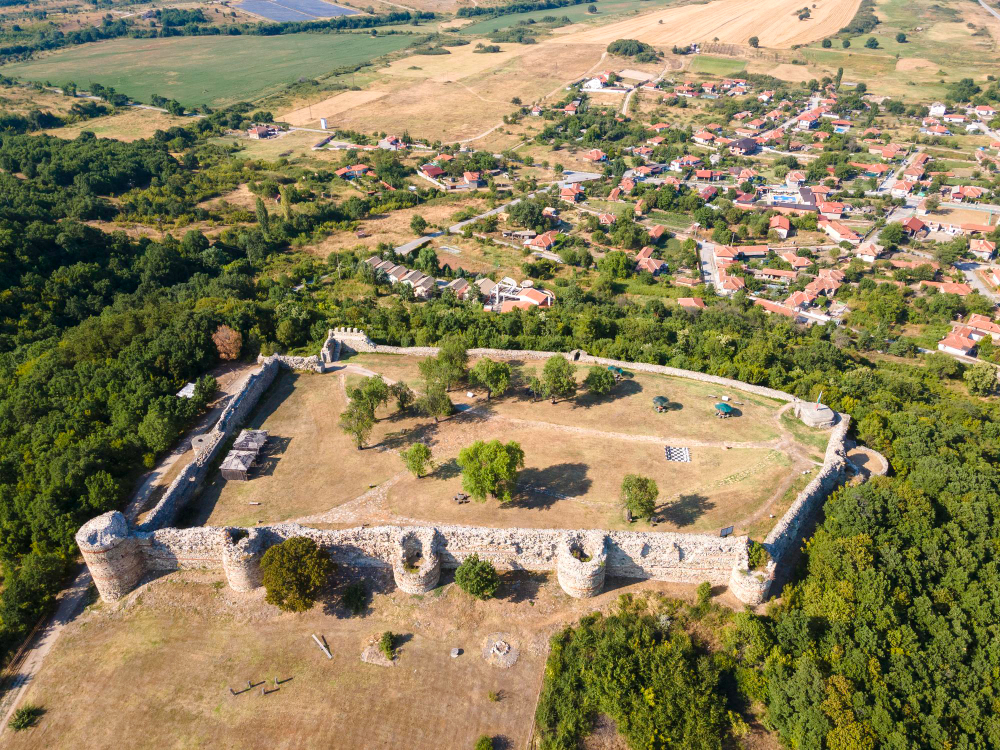
Geographical Location: A Gateway to the Past – Mezek Fortress lies at an altitude of 210 metres above sea level and towers over the village of the same name in the district of Svilengrad in the province of Haskovo. It is situated approximately six kilometres south-west of the town of Svilengrad and just one kilometre north of the border with Greece. Thanks to its strategic location, it served for many centuries as a border fortress to control and protect the areas between the Maritsa and Arda rivers. The fortress is now easily accessible via the Maritsa motorway, the I-8 and II-80 roads, and a tarmac road in the western part of Mezek. Visitors can follow a path to the summit of Mount Sheynovets – a historic site dating from the First Balkan War of 1912. Furthermore, the fortress forms part of the Kaleto Natural Monument, which was designated in 1976 to protect the natural rock formations and the historic site.
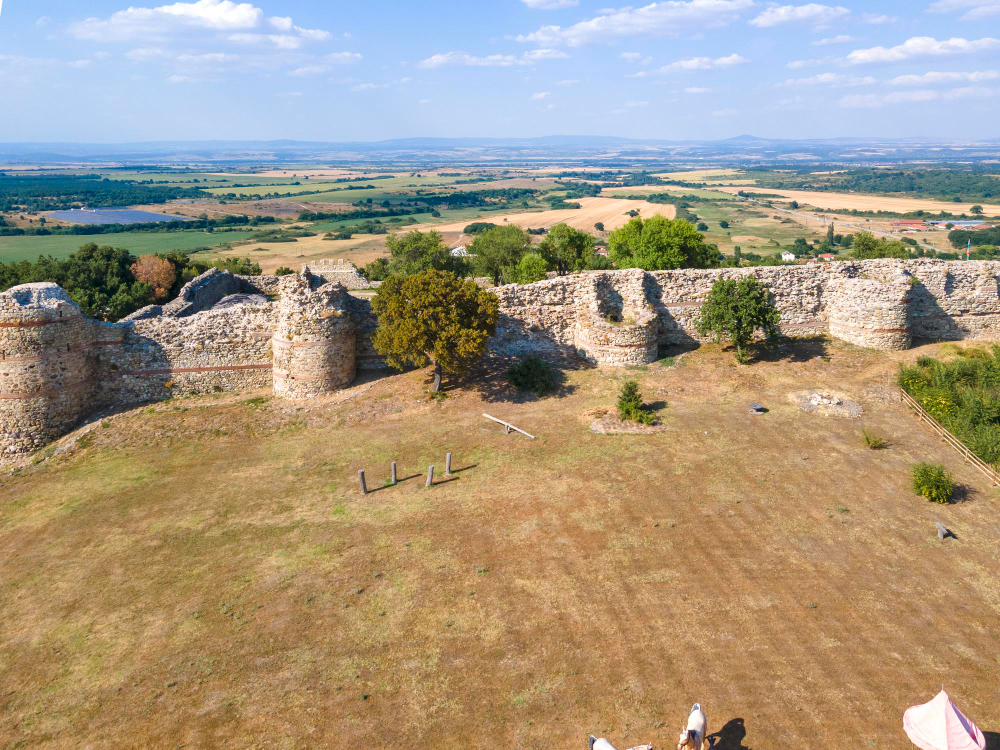
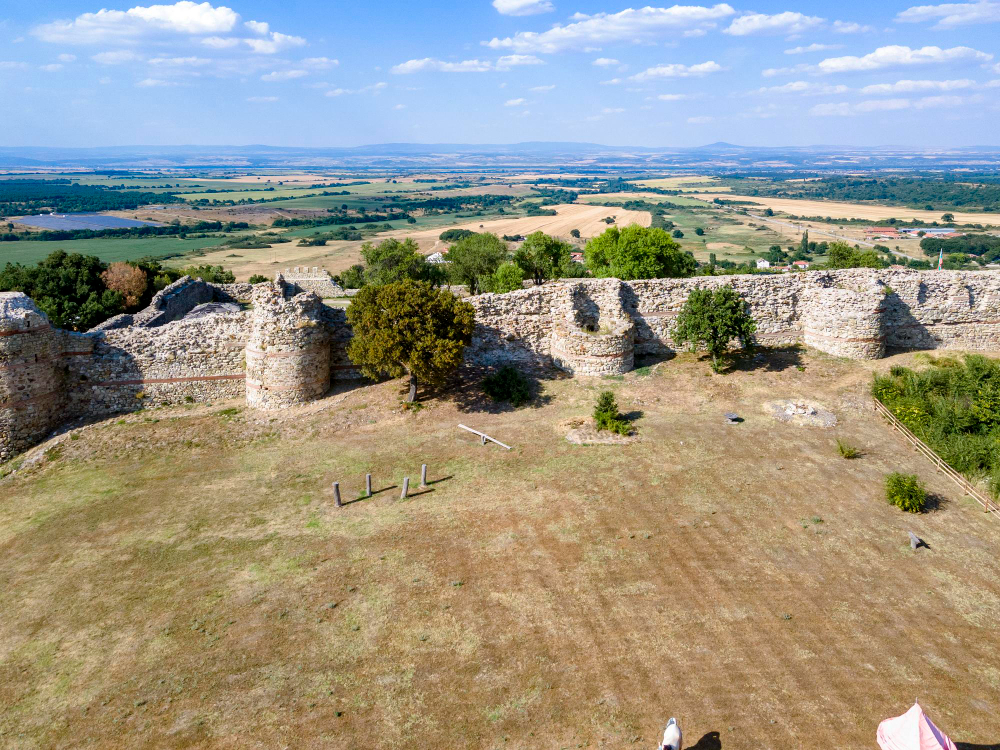
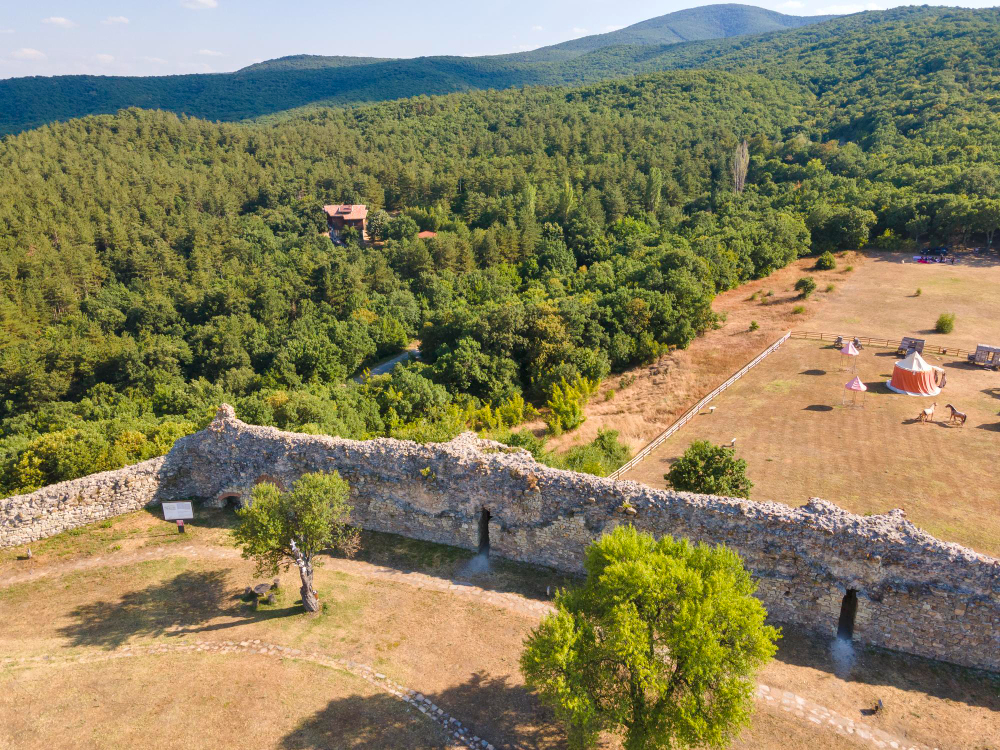
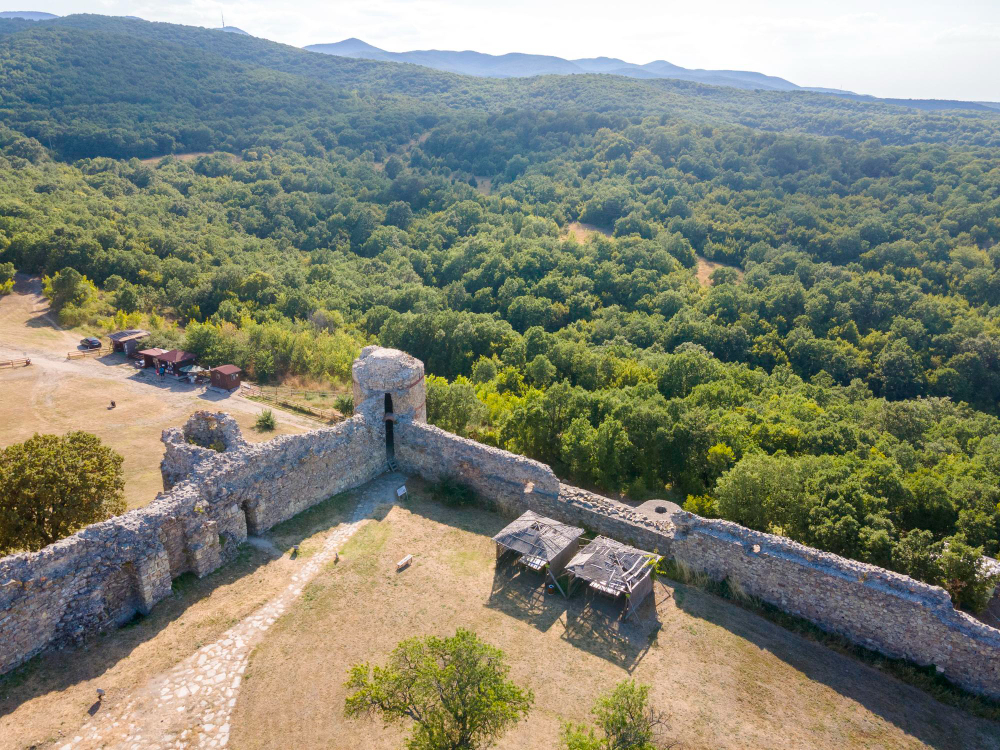
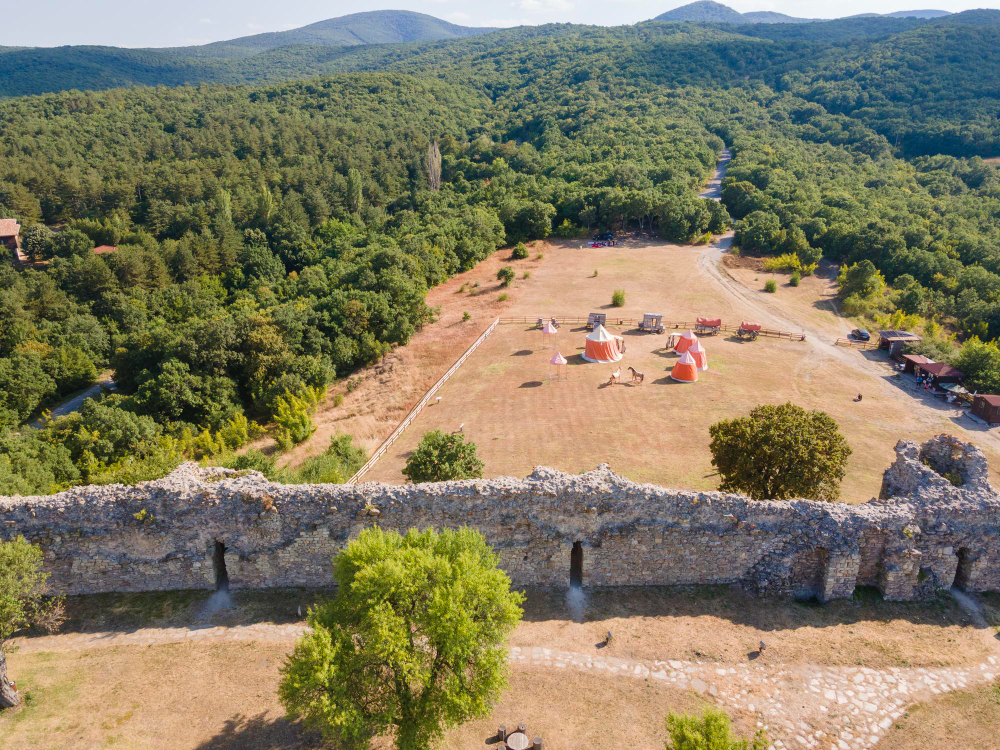
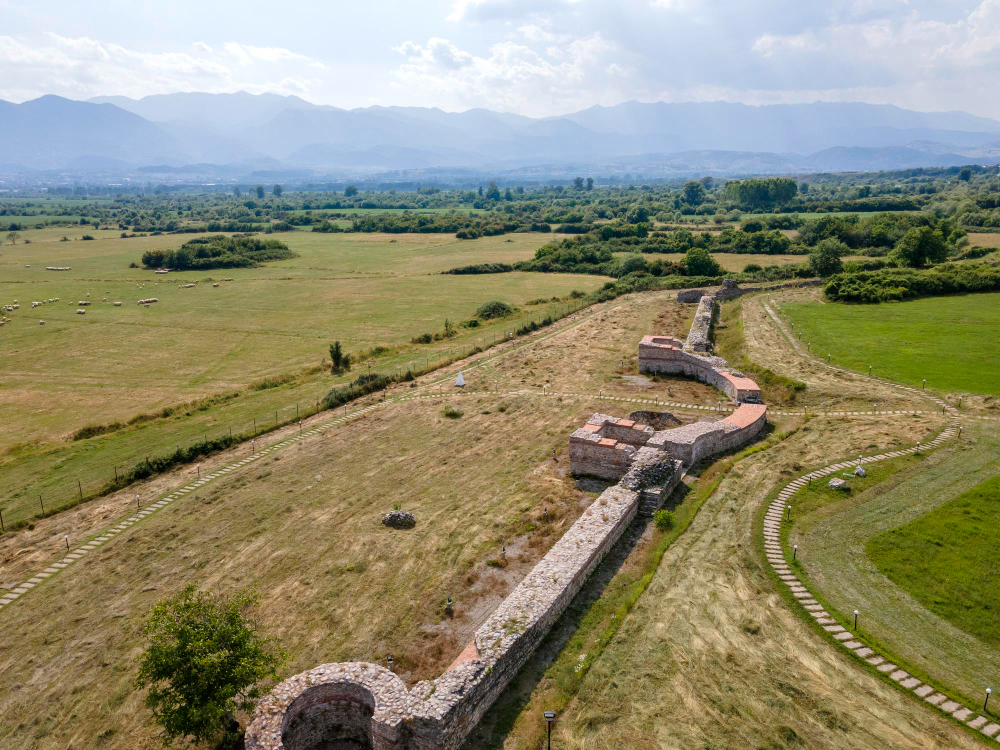
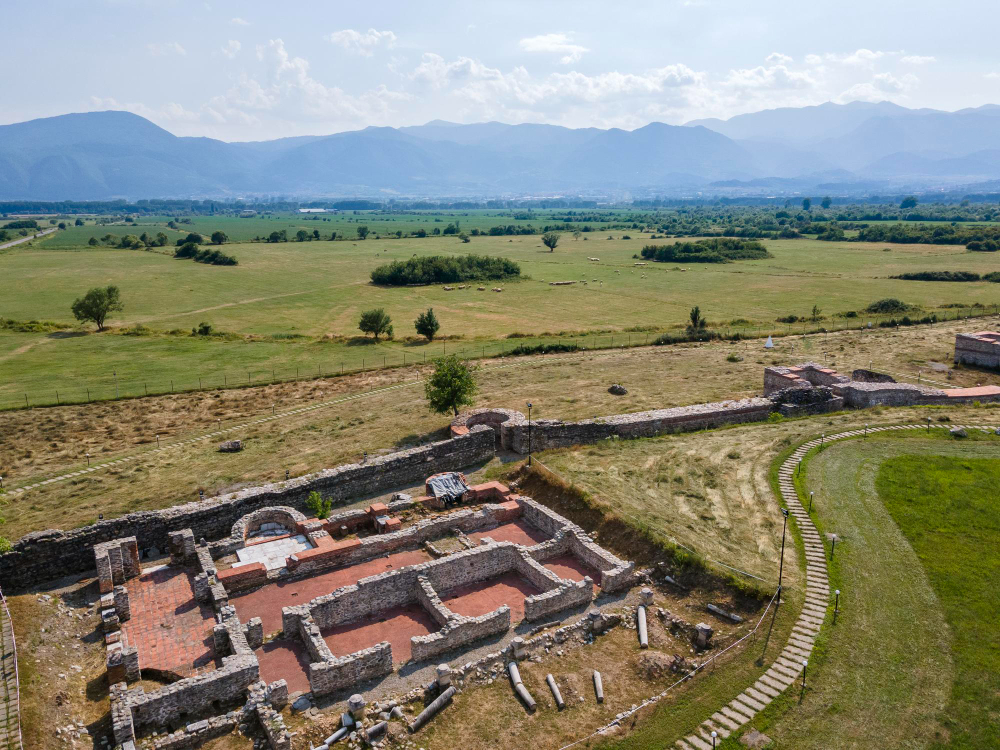
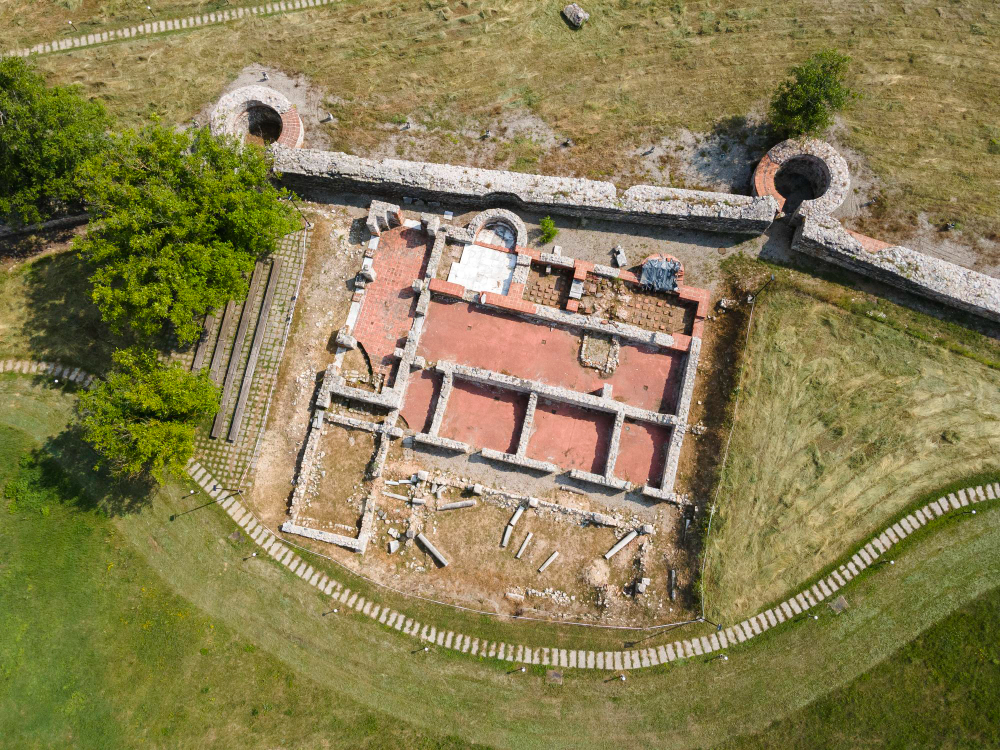
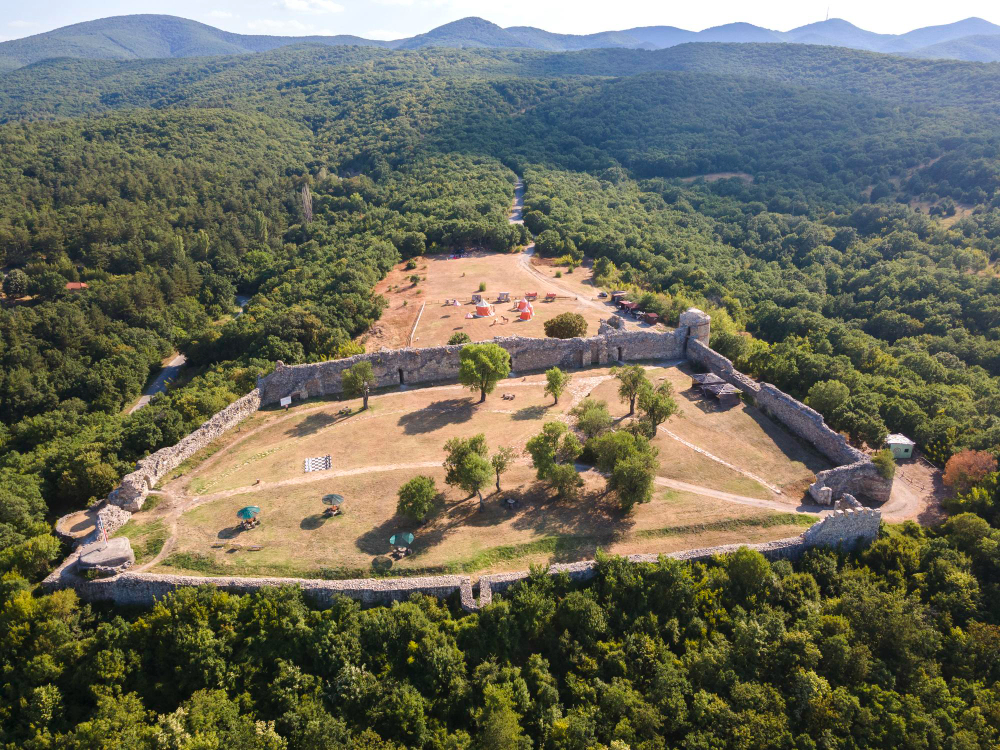
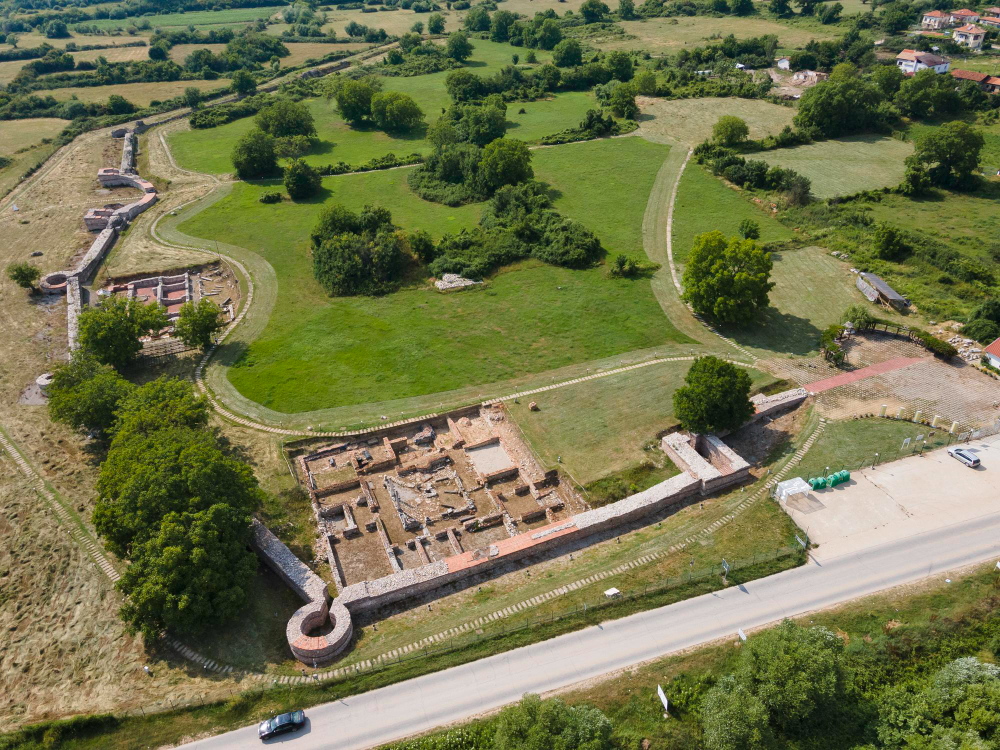
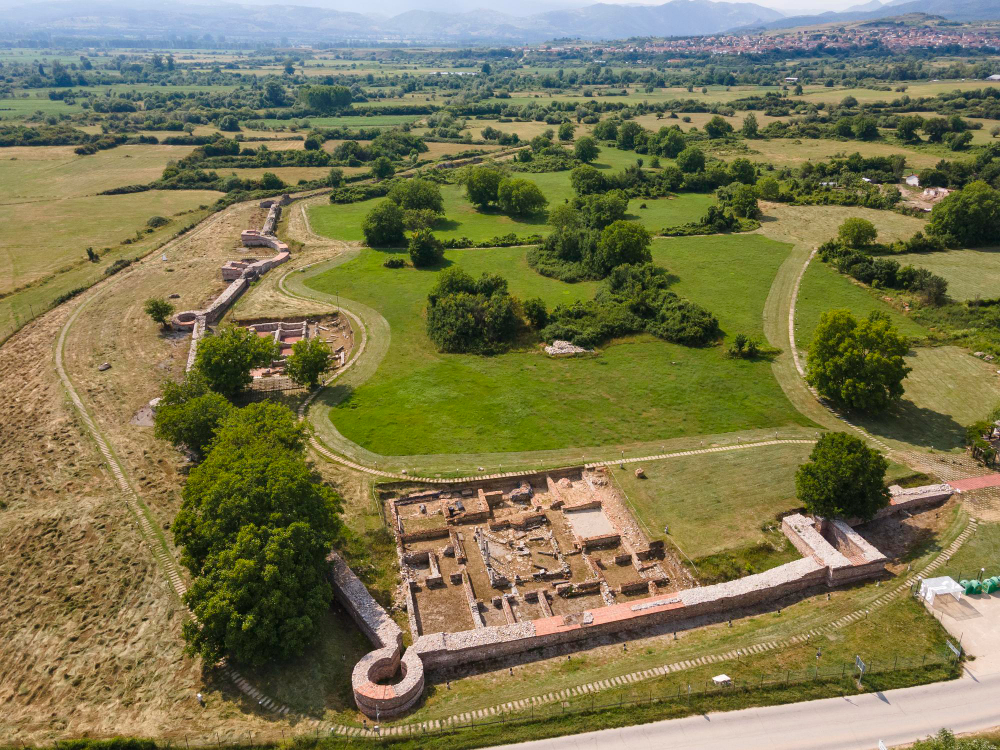
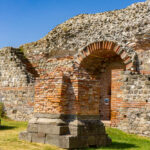
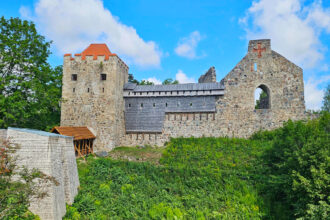
Architectural Features: A Masterpiece of Byzantine Architecture – Mezek Fortress covers an area of approximately seven deka and is shaped like an irregular quadrangle measuring 110 by 60 metres. Its walls, built of rubble stone and reinforced with layers of white mortar, bear witness to sophisticated engineering. Three decorative bands of brickwork adorning the outer walls highlight the aesthetic sensibilities of the builders of that era. The walls are between 1.90 and 2.50 metres thick; they were once crowned with battlements and reached a height of over ten metres. Unfortunately, parts of these battlements were removed around 1900, when the Ottomans took stones to build barracks in Svilengrad. Nine round towers are integrated into the fortress walls, five of which are situated along the more vulnerable southern side – two at the corners and three along the front. The largest and best-preserved tower is situated in the south-western corner. This three-storey structure not only offered protection to the defenders but also enabled a 360-degree defence. Even if attackers reached the interior of the fortress, the upper storeys could still be defended. The main entrance is situated on the western wall and is protected by a recessed section in the wall. This prevented intruders from gaining easy access to the fortress – an ingenious security feature for its time.
Insights into history: of uprisings and empires – The fortress is first mentioned in historical records as Neoutzikon, a strategic border outpost of the Byzantine Empire on the border between the dioceses of Philippopolis (now Plovdiv) and Adrianople (now Edirne). One of the most famous episodes associated with the fortress is recounted by the Byzantine chronicler Niketas Choniates. In 1193, Emperor Isaac II Angelos quelled the rebellion led by his cousin Constantine Angelos Dukas here. Constantine had distinguished himself in the fight against the Bulgarian rebels led by Asen and Peter and was planning to proclaim himself emperor. However, before he even reached Adrianople, he was betrayed and captured at Neoutzikon. This incident had far-reaching consequences: it weakened Byzantine rule in the region and fuelled the Bulgarian uprising, which ultimately led to the restoration of the Second Bulgarian Empire. Later, the fortress was the scene of numerous clashes between the Byzantines, the Bulgarians and, subsequently, the Ottomans, until the region finally fell under Ottoman rule at the end of the 14th century.
Archaeological Research and Restoration – Scholarly research into Mezek Fortress began in the 19th century, when the historian Konstantin Jireček first identified the ruins as the aforementioned Neoutzikon. In the 1930s, the architect Aleksandar Raschenow carried out the first archaeological investigations. He documented the site in detail, producing plans and photographs, thereby laying the foundations for the systematic study of the structure. Extensive restoration work followed in the 1960s and 1970s, during which parts of the walls and towers were stabilised and reconstructed. During excavations in 1983, numerous pottery shards, stone millstones and other household items dating from the 13th and 14th centuries were recovered. These finds confirmed that the fortress remained in active use until the Ottoman invasion. Two granaries containing charred wheat also provided valuable insights into the lives of the inhabitants at that time. Despite extensive investigations, no remains dating from before the 11th century were found. This suggests that the fortress was probably built during the reign of the Byzantine Emperor Alexios I Komnenos.
The Mezek burial mounds: A window into Thracian culture – Just 600 metres east of the fortress lies the Mezek burial site, the largest and most impressive Thracian domed burial complex in Bulgaria. Dating from the 4th to 3rd centuries BC, it bears witness to the rich culture of this ancient people. The combination of a medieval fortress and a Thracian burial site makes Mezek a unique destination for history and archaeology enthusiasts. The burial complex consists of a 30-metre-long corridor leading to a circular burial chamber. The architecture and the artefacts found there, including gold objects, pottery and weapons, reflect the Thracians’ high level of craftsmanship. It is fascinating how this site and the fortress, whilst sharing the same landscape, represent entirely different eras and cultures.
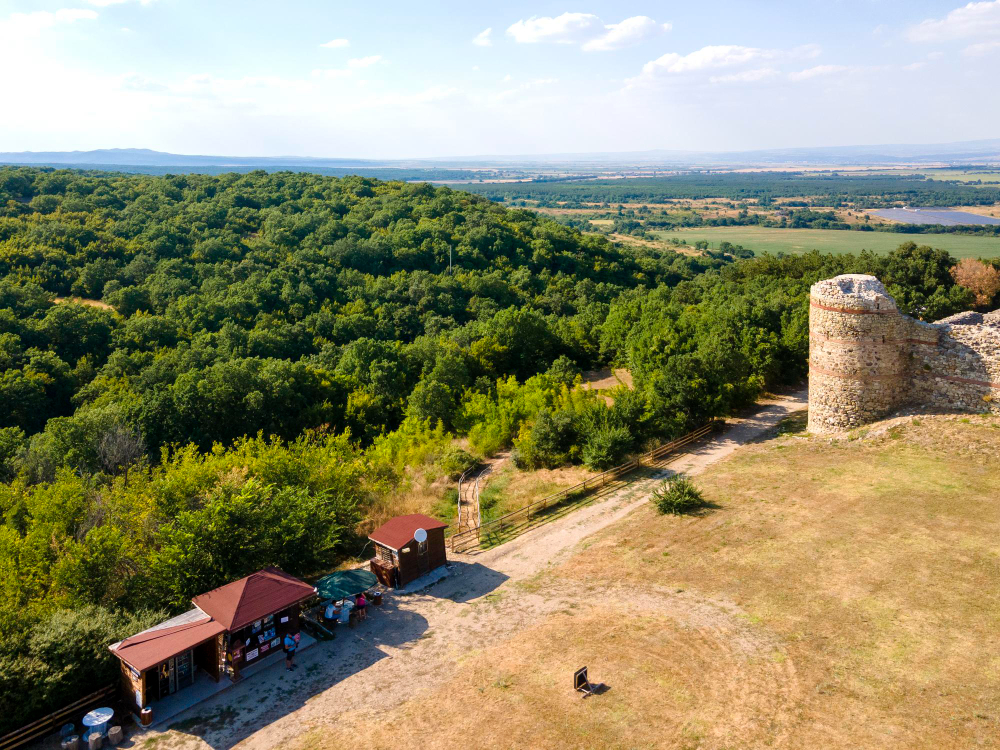
Mezek Fortress today: A site of cultural heritage – Mezek Fortress was officially recognised as a national monument in 1927 and declared an architectural cultural monument in 1968. Today, tourists can visit the fortress all year round. In addition to the impressive walls, a modern visitor centre provides information about the history, construction and archaeological work carried out on site. Reconstructions and digital visualisations help to bring the complex’s original splendour back to life. In recent years, numerous events have been organised in the vicinity of the fortress, including medieval festivals, historical re-enactments and cultural performances, which attract visitors from both home and abroad. Furthermore, the area surrounding the fortress is a paradise for nature lovers wishing to explore the wild Rhodope Mountains.
A testament to an eventful history – Mezek Fortress is not only an outstanding example of medieval military architecture, but also a symbol of the region’s turbulent history. It tells of the struggles between great empires, of the daily lives of the people who sought refuge within its walls, and of the cultural influences that have shaped Bulgaria. Together with the nearby Thracian burial site, the fortress offers a fascinating insight into over two millennia of history. A visit to Mezek Fortress is well worth it not only for history enthusiasts, but also for anyone wishing to experience Bulgaria’s natural beauty and cultural treasures. Here, at the crossroads of past and present, it becomes clear just how vivid history can be – and how it continues to shape us even today.